
The Role of Shamans: Communicating with the Spirit World

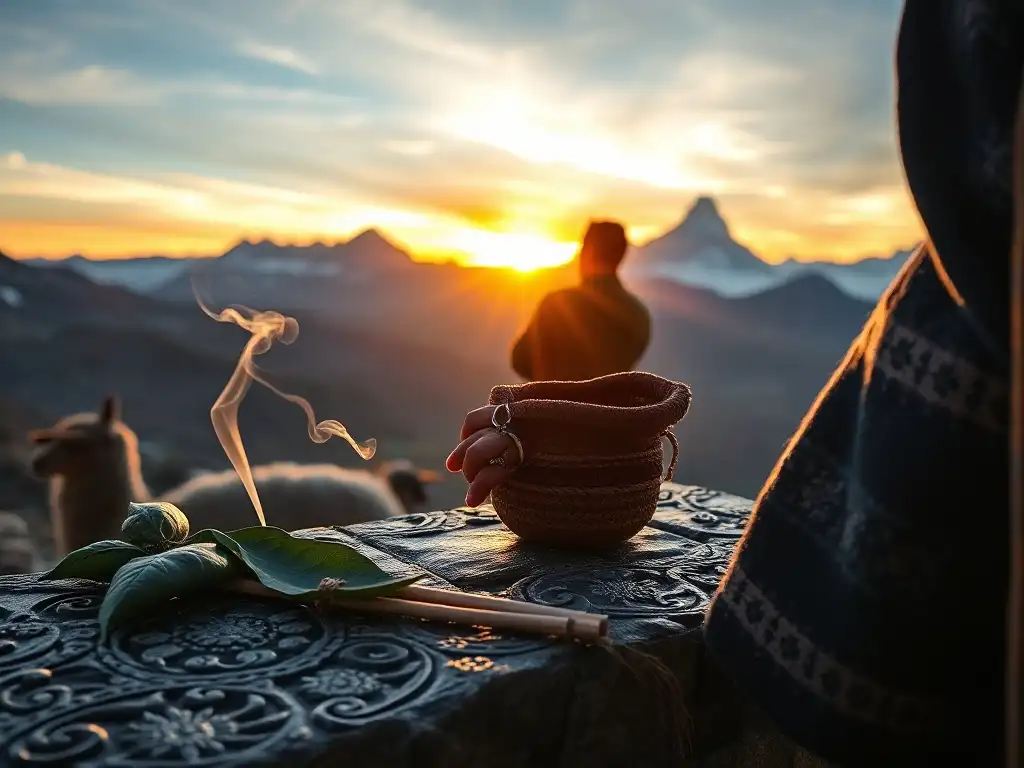
Unravel the mysteries of the Andes! Journey beyond the breathtaking landscapes and discover a world steeped in ancient wisdom. For centuries, the Andean civilizations maintained a profound connection to the spirit world, a connection facilitated by the powerful Andean shaman. Their ability to communicate with spirits shaped their societies and beliefs in profound ways. Dive into the fascinating world of Andean shaman spirit communication and uncover the secrets held within this ancient practice. Prepare to be amazed by the intricate tapestry of Andean religion and cosmovision.
-
The Role of Shamans: Communicating with the Spirit World in Andean Civilizations
- Understanding Andean Shamanism and its Spiritual Significance
- The Shaman's Role as a Bridge to the Spirit Realm
- Andean Shamanic Practices: Techniques for Spirit Communication
- The Andean Shaman's Connection to Nature and the Cosmos
- Interpreting Spiritual Messages: The Shaman's Role in Andean Society
- The Legacy of Andean Shamanism in Modern Times
- The Power of the Andean Shaman and the Spirit World
- Andean Shaman Spirit Communication: A Deep Dive into the Spiritual Realm
- Conclusion: The Enduring Relevance of Andean Shamanism
- Frequently Asked Questions
- Final Reflection: Echoes of the Andes, Whispers of the Spirit World
- Unlock Your Connection to the Spirit World!
The Role of Shamans: Communicating with the Spirit World in Andean Civilizations
The Andean civilizations, renowned for their intricate social structures, impressive engineering feats, and captivating artistry, also possessed a deeply spiritual worldview. Their religious beliefs and practices were integral to daily life, profoundly shaping their societies and influencing every aspect of their existence. Central to this spiritual landscape was the shaman, a pivotal figure tasked with navigating the complex relationship between the human world and the spirit realm.
This article delves into the crucial role Andean shamans played in communicating with the spirit world, exploring their rituals, techniques, and the profound impact they had on the lives of their communities. We will examine how these individuals acted as intermediaries, interpreters, and healers, bridging the gap between the visible and the invisible, the earthly and the divine.
Understanding their practices provides invaluable insight into the rich tapestry of Andean religious beliefs and their enduring legacy. The keyword "Andean shaman spirit communication" is central to this exploration, highlighting the shaman's unique position within the complex Andean cosmovision.
Understanding Andean Shamanism and its Spiritual Significance
Andean shamanism wasn't a monolithic entity; it varied across different cultures and time periods. However, certain core principles unified these diverse practices. Shamanic abilities were often considered innate, a gift bestowed upon individuals, sometimes through lineage or inherited spiritual power.
These individuals weren't simply religious leaders; they were healers, diviners, and mediators between the human and spirit worlds. Their knowledge encompassed a vast array of practices, including herbal medicine, ritualistic ceremonies, and techniques for altering states of consciousness to facilitate communication with spirits. This communication wasn't limited to benevolent spirits; shamans also engaged with malevolent entities, often to appease them or to protect their communities from their harmful influence.
The use of hallucinogenic plants, such as ayahuasca (although its use in the Andes is debated by scholars, and its presence in certain regions is more prevalent than others) played a significant role in many shamanic practices, enabling altered states of perception and facilitating contact with the spirit world. The effectiveness of a shaman was often judged by their ability to successfully negotiate with spirits, whether to cure illness, predict the future, or ensure a successful harvest. The impact of their actions rippled through the fabric of Andean society, shaping the beliefs, behaviors, and destinies of entire communities.
The Shaman's Role as a Bridge to the Spirit Realm
The Andean shaman acted as a crucial bridge between the living and the dead, the visible and the invisible. Their primary function was to communicate with the spirits inhabiting the various levels of the Andean cosmology. This involved intricate rituals, often involving offerings, prayers, and the use of symbolic objects. For example, the use of coca leaves, a sacred plant in Andean culture, was common during shamanic rituals, used as offerings to appease spirits or to induce altered states of consciousness.
The shaman's ability to enter altered states of consciousness was paramount. Through techniques such as trance dancing, chanting, and the ingestion of sacred plants, they would journey to other realms, consulting with spirits and seeking guidance or solutions to problems affecting their community. This ability to travel between worlds wasn't simply a matter of personal skill; it was a crucial element of their role as a spiritual leader, allowing them to access knowledge and power unavailable to ordinary individuals.
The shaman's role extended beyond simply communicating with spirits; they were also responsible for interpreting the messages received, translating them into practical actions and guidance for their community. This interpretation was often crucial in making decisions affecting the well-being of the community, influencing everything from agricultural practices to political strategies. The shaman's power and influence were thus inextricably linked to their ability to effectively communicate with and interpret the messages from the spirit world.
Andean Shamanic Practices: Techniques for Spirit Communication
Andean shamanic practices involved a complex interplay of rituals, substances, and altered states of consciousness to facilitate communication with the spirit world. These techniques weren't standardized across all Andean cultures; rather, they varied significantly based on regional traditions and specific spiritual beliefs. The overarching goal, however, remained consistent: to establish a dialogue between the living and the spirit realm to seek guidance, healing, or to influence events in the physical world.
The effectiveness of these practices was deeply intertwined with the shaman's own spiritual power, developed through years of rigorous training and apprenticeship. This training often included intense physical and mental disciplines, designed to strengthen the shaman's connection to the supernatural.
The mastery of these techniques was seen as crucial for the well-being of the community, as shamans acted as intermediaries between the human and spiritual worlds. Their ability to communicate effectively with spirits was considered vital for maintaining social harmony and ensuring the prosperity of the community.
Rituals and Ceremonies for Connecting with Spirits
Rituals and ceremonies formed the cornerstone of Andean shamanic communication. These intricate events often involved the use of specific objects, such as ritual masks, textiles, and musical instruments (like flutes and drums), each carrying symbolic significance related to the spirit being contacted. The rituals themselves were meticulously choreographed, following established sequences of actions, chants, and prayers.
For example, the Incas performed elaborate ceremonies to honor their deities and ancestors, seeking their blessings and guidance through offerings and sacrifices. These ceremonies were often performed in sacred locations, such as mountaintops or caves, considered gateways to the spirit world. The precision and solemnity of these rituals underscore the importance placed on proper protocol in interacting with the powerful forces of the spirit realm.
Incorrect performance could have severe consequences, highlighting the shaman's significant responsibility. The intricate details of specific rituals varied widely between different Andean cultures, reflecting the diversity of their spiritual beliefs and practices.
The Use of Coca Leaves and Ayahuasca in Andean Shamanic Practices
The use of psychoactive plants played a crucial role in facilitating spirit communication in many Andean traditions. Coca leaves, chewed for their stimulating and mildly euphoric effects, were commonly used to enhance awareness and focus during rituals and ceremonies. They were seen not merely as a stimulant, but as a sacred offering that helped to clear the mind and open channels of communication with the spirit world.
Ayahuasca, a powerful brew made from various Amazonian plants, was also employed in some Andean regions, particularly in those areas closer to the Amazon basin. Its potent hallucinogenic properties induced intense visionary experiences, allowing shamans to journey to other realms and interact directly with spirits. The use of these plants was deeply embedded in the spiritual practices of these cultures and was far removed from recreational use.
The ingestion of these substances was always within a carefully controlled ritualistic context, guided by the shaman's expertise and knowledge. The preparation, administration, and interpretation of the visions were critical aspects of the shamanic practice.
Trance and Altered States of Consciousness in Andean Spirit Work
Achieving an altered state of consciousness was a fundamental aspect of Andean shamanic practices. Through techniques such as rhythmic chanting, drumming, dancing, and the use of psychoactive plants, shamans induced trance states that allowed them to transcend ordinary reality and access the spirit world. These trance states were not merely a passive experience but required intense concentration and discipline. The shaman's ability to control and interpret these altered states was a testament to years of training and spiritual development. During these states, shamans reported experiencing vivid visions, communicating with spirits, and receiving messages from the supernatural realm. The interpretation of these experiences was crucial, as they often provided guidance for healing, problem-solving, or predicting future events. The shaman's skill in interpreting these visions was essential for their role as healers and spiritual advisors within the community. These experiences were not considered recreational but were vital components of their sacred practice.
The Andean Shaman's Connection to Nature and the Cosmos
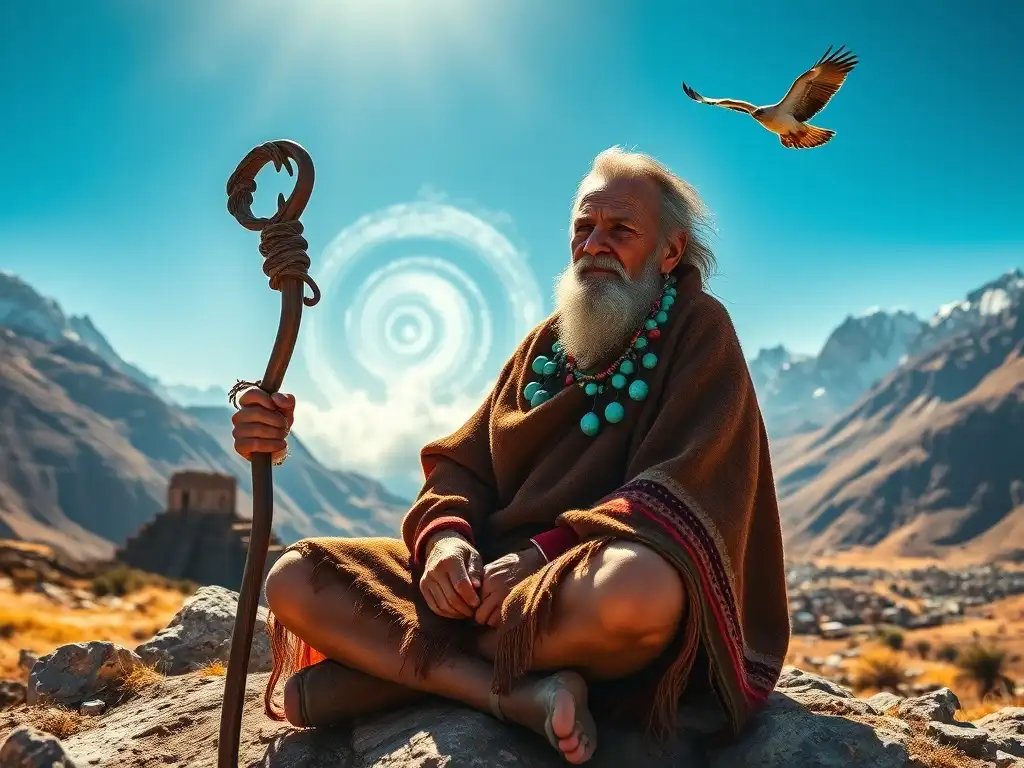
The Andean shaman's power stemmed from a deep and profound connection to the natural world and the cosmos. This wasn't simply a reverence for nature, but a recognition of the interconnectedness of all things – the human world, the spirit world, and the natural environment. The Andean worldview saw the universe as a vibrant, dynamic entity, with spirits inhabiting mountains, rivers, animals, and plants. The shaman acted as a bridge between these different realms, understanding the language of nature and the rhythms of the cosmos.
The shaman's knowledge of the environment was extensive, encompassing detailed understanding of medicinal plants, animal behavior, and celestial movements. This intimate knowledge allowed them to effectively interact with the spirits inhabiting the natural world. Their role extended beyond healing; they were also seen as guardians of the ecological balance, ensuring the harmony between humanity and nature.
The Importance of Apus, Pachamama, and Animal Spirits in Andean Cosmology
Andean cosmology is rich with powerful spirits. The Apus, mountain spirits, were revered as powerful deities, often associated with protection and fertility. Pachamama, the Earth Mother, represented the life-giving force of the earth, providing sustenance and fertility. Animal spirits also held significant importance, each possessing unique powers and attributes.
Shamanic practices often involved interaction with these spirits, seeking their blessings, guidance, or intervention. The shaman's ability to understand and communicate with these spirits was essential for maintaining a harmonious relationship with the natural world and ensuring the well-being of the community. Respect for these spirits was paramount, and offerings were frequently made to appease them and ensure their continued support. The shaman's role in navigating these relationships was pivotal for the community's survival and prosperity.
The Shaman as a Guardian of Natural Balance
The Andean shaman wasn't merely a spiritual leader; they were also a guardian of ecological balance. Their understanding of the interconnectedness of the natural world and the spirit realm made them crucial for maintaining harmony within the ecosystem. Their responsibilities extended to ensuring the proper conduct of rituals related to agriculture, hunting, and other aspects of life dependent on natural resources. They played a vital role in mediating conflicts between humans and the natural world, preventing actions that could upset the delicate balance of nature.
The concept of reciprocity was central to their understanding of the relationship between humans and nature; taking from nature required giving back in return. The shaman's role was to ensure that this balance was maintained, preventing ecological imbalance and ensuring the continued prosperity of the community. Their actions were directly linked to the health and well-being of the entire ecosystem.
Interpreting Spiritual Messages: The Shaman's Role in Andean Society
The shaman, a pivotal figure in Andean societies, served as the primary interpreter of the spiritual world. Their role transcended simple religious practice; they were vital societal members acting as mediators between the human and spirit realms. Shamans weren't just spiritual leaders; they were counselors, healers, and even political advisors, their interpretations influencing decisions impacting entire communities.
Their understanding of the intricate relationship between the physical and spiritual worlds allowed them to decipher signs, omens, and dreams, providing crucial guidance for daily life and major events. This interpretive role was deeply embedded within the Andean worldview, where the line between the physical and spiritual was significantly blurred. The shaman’s ability to navigate this liminal space was considered invaluable, shaping social structures and individual destinies.
Their interpretations were not simply accepted passively; they were actively engaged with and debated within the community, showcasing the complex interplay between spiritual authority and social consensus. The accuracy and effectiveness of a shaman's interpretations directly impacted their standing and influence within the community.
Divination and Prophecy Through Coca Leaf Readings
Coca leaf reading, or t'oqo, was a common divination method employed by Andean shamans. This practice involved carefully interpreting the arrangement and patterns of coca leaves to discern messages from the spiritual world. The shaman would meticulously spread the leaves, focusing intently on their arrangement, seeking answers to questions about health, fortune, or upcoming events.
Each leaf's position and the overall pattern held significant meaning, requiring years of training and experience to master. The interpretation wasn't arbitrary; it was based on a deep understanding of symbolic associations within the Andean cosmology. For example, specific leaf patterns might represent impending dangers, favorable harvests, or auspicious times for important ceremonies.
The coca leaf reading wasn't just a predictive tool; it served as a vital communication channel between the community and the spirit world, offering guidance and insight into complex situations. This practice continues in some Andean communities today, demonstrating the enduring significance of coca leaves in Andean spiritual traditions.
Guidance and Healing Through Spirit Communication
Beyond divination, Andean shamans played a crucial role in providing guidance and healing through direct communication with spirits. Through altered states of consciousness, often induced through ritualistic practices involving hallucinogenic substances like ayahuasca or San Pedro cactus, shamans could journey into the spirit world and interact with various entities. This communication wasn't merely about receiving prophecies; it involved actively seeking solutions to problems affecting individuals or the community.
Shamans acted as intermediaries, negotiating with spirits to overcome illness, resolve conflicts, and secure blessings. They might invoke protective spirits to ward off evil or appease angry deities to prevent misfortune. The shaman’s ability to communicate effectively with these spirits was considered essential for maintaining harmony and balance within the community and the natural world.
This practice highlights the holistic approach of Andean shamanism, which intertwined spiritual health with physical and social well-being. The shaman's role was vital in maintaining the delicate equilibrium between the human and spiritual realms.
The Legacy of Andean Shamanism in Modern Times
Despite centuries of colonial influence and societal changes, Andean shamanism persists, albeit in adapted forms. Its enduring presence testifies to the deep-rooted spiritual beliefs and practices that have shaped Andean culture for millennia. While some traditional practices have been suppressed or modified, the core principles of communicating with the spirit world and seeking spiritual guidance remain central to many Andean communities.
The resilience of shamanic traditions underscores their importance in preserving cultural identity and maintaining a connection to ancestral knowledge. The enduring power of shamanic practices reflects their ability to adapt and evolve while retaining their fundamental essence. Understanding this legacy is crucial to comprehending the complex tapestry of Andean culture and its enduring spiritual heritage.
Contemporary Practices and Adaptations of Andean Shamanism
Modern Andean shamanism is a dynamic blend of ancient traditions and contemporary influences. While core beliefs concerning spirit communication and the interconnectedness of the physical and spiritual worlds remain, practices have evolved to incorporate new elements. For example, traditional rituals might be adapted to address modern challenges, incorporating elements of contemporary social and environmental concerns. The use of technology, such as the internet, has also facilitated the dissemination of knowledge and the creation of new networks among Andean shamans and practitioners.
However, many communities actively strive to preserve the authenticity of traditional practices, resisting the homogenizing pressures of globalization. This process of adaptation highlights the ongoing evolution of Andean spiritual beliefs and their ability to remain relevant in a changing world. The continuous interplay between tradition and innovation ensures that shamanic practices remain vibrant and meaningful for contemporary Andean communities.
The Influence of Shamanic Beliefs on Andean Culture Today
Andean shamanic beliefs continue to exert a profound influence on various aspects of Andean culture today. These beliefs permeate daily life, impacting social interactions, artistic expressions, and environmental attitudes. Many traditional crafts and artistic forms retain strong connections to shamanic symbolism and cosmology, reflecting the enduring significance of the spirit world in Andean aesthetics. Moreover, shamanic principles often inform environmental stewardship and community organization, emphasizing the interconnectedness of all living things and the need for harmonious coexistence.
The impact of these beliefs extends beyond the purely spiritual realm, shaping social structures, economic practices, and political discourse. The enduring influence of Andean shamanism highlights its integral role in shaping the cultural identity and worldview of Andean communities. The persistence of these beliefs demonstrates their continuing relevance and vitality in contemporary Andean society.
The Power of the Andean Shaman and the Spirit World
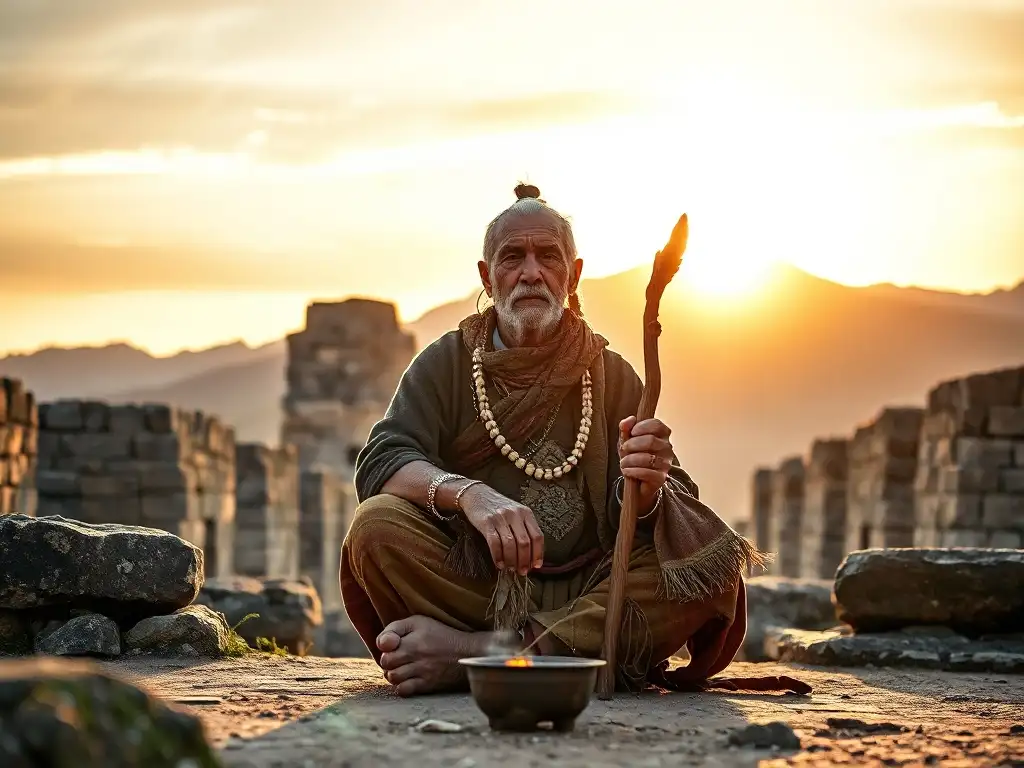
The Andean shaman held a position of immense power and prestige within their communities. Their ability to communicate with the spirit world wasn't merely a skill; it was a fundamental aspect of their societal role, deeply intertwined with the fabric of Andean life. Shamans weren't simply religious figures; they were healers, advisors, and keepers of ancient knowledge, acting as intermediaries between the human world and the complex, layered spiritual realm revered by Andean cultures.
Their power stemmed from a deep understanding of the cosmos, a mastery of ritual practices, and a perceived ability to directly interact with supernatural entities. This influence extended to all aspects of life, from agricultural cycles and healing practices to political decisions and warfare strategies. The shaman's pronouncements were often considered divinely inspired, shaping the course of events within their communities.
Their power wasn't arbitrary; it was cultivated through years of rigorous training, intense spiritual disciplines, and a demonstrated ability to successfully navigate the intricacies of the spirit world. The effectiveness of a shaman was often judged by their success in healing the sick, predicting the future, or influencing the outcome of important events. This created a system where spiritual power directly impacted the physical and social realities of Andean societies.
The Shaman's Relationship with Deities and Ancestral Spirits
The Andean shaman's connection to the spirit world wasn't a generic one; it involved specific relationships with various deities and ancestral spirits. Different Andean cultures had their own unique pantheons, but common threads exist. Shamans often served as representatives for their communities, acting as conduits for communication and offerings to the gods. They understood the intricacies of each deity's preferences, the appropriate rituals to appease them, and the consequences of neglecting their worship.
The relationship wasn't always harmonious; shamans needed to navigate the potential wrath of powerful deities as well as seek their favor. Furthermore, the veneration of ancestral spirits was crucial. These ancestors were believed to possess significant influence over the living, and shamans acted as intermediaries, ensuring the ancestors' continued well-being and seeking their guidance.
This interaction involved complex rituals, offerings, and sometimes even spirit possession, allowing the shaman to channel the ancestors' wisdom and power. The shaman's knowledge of genealogy and ancestral lineage was therefore vital to their effectiveness. Their role wasn't just about appeasing the deities; it was about fostering a balanced relationship between the living, the ancestors, and the divine realm, ensuring the continued prosperity and well-being of the community.
The Shaman as a Mediator Between Worlds
The Andean shaman functioned as a crucial mediator between the human and spiritual realms. Their ability to traverse this boundary wasn't simply a matter of belief; it was a practical skill essential for the survival and prosperity of their communities. They acted as interpreters of the divine will, translating the often-ambiguous messages from the spirit world into understandable terms for their community members.
This included interpreting dreams, omens, and natural phenomena, all believed to carry messages from the supernatural. Furthermore, they served as healers, utilizing their spiritual knowledge to diagnose and treat illnesses believed to be caused by spiritual imbalances or malevolent spirits. This often involved complex rituals, herbal remedies, and sometimes even surgical procedures, all guided by their connection to the spirit world.
Their role extended beyond healing to encompass conflict resolution, predicting harvests, and guiding community decisions through spiritual insight. The shaman's ability to navigate the complex interplay between the human and spiritual worlds was not only essential for individual well-being but also for the social cohesion and stability of the entire community. Their actions were not just spiritual; they had tangible consequences for the physical world.
Andean Shaman Spirit Communication: A Deep Dive into the Spiritual Realm
Andean shamanic spirit communication involved a range of techniques and practices aimed at establishing and maintaining contact with the spirit world. These methods were not standardized across all Andean cultures; variations existed depending on specific traditions and beliefs. However, several common practices emerged. One crucial technique involved the use of hallucinogenic plants, such as San Pedro cactus and ayahuasca, to induce altered states of consciousness and facilitate communication with spirits. These plants were not simply recreational drugs; they were considered sacred tools, carefully prepared and administered within ritualistic contexts.
The shaman’s expertise lay not just in consuming these substances but in interpreting the visions and messages received during altered states. Other methods included intricate rituals involving chanting, music, dance, and offerings. These rituals were often performed in specific locations believed to be portals to the spirit world, such as sacred mountains or caves. The shaman's expertise in these rituals was paramount to their success in communicating with spirits. Furthermore, the use of divination tools, such as coca leaves or bones, helped in interpreting messages and gaining insights into the future or the causes of illness.
The process of Andean shamanic spirit communication was far from simplistic; it involved a deep understanding of cosmology, ritual, and the intricate workings of the spiritual realm. The effectiveness of the shaman depended on their skill, knowledge, and ability to interpret the often-cryptic messages received from the spirits. The entire process was deeply embedded within the social and cultural context of Andean societies, illustrating the significant role of the shaman in maintaining balance and harmony between the human and spiritual worlds. The deep understanding of the Andean cosmovision was key to their ability to effectively communicate with the spirit world.
Conclusion: The Enduring Relevance of Andean Shamanism
Andean shamanism, far from being a relic of the past, continues to resonate deeply within contemporary Andean cultures. While the practices may have evolved and adapted over centuries, the core principles of communicating with the spirit world remain central to many communities' spiritual lives. The intricate relationship between the physical and spiritual realms, a fundamental tenet of Andean cosmovision, persists in modern interpretations of shamanic traditions.
This enduring connection highlights the remarkable resilience and adaptability of these ancient practices. The ability of shamans to act as intermediaries between the human and supernatural worlds provides a framework for understanding not only the historical context but also the ongoing spiritual lives of Andean peoples. Their role in healing, divination, and maintaining cosmic balance continues to be vital in many communities.
The study of Andean shamanism offers invaluable insights into the complex interplay between spirituality, society, and the natural world. It challenges Western perspectives on religion and offers a compelling alternative model for understanding the relationship between humans and the cosmos.
By acknowledging the ongoing relevance of Andean shamanic practices, we gain a deeper appreciation for the rich diversity of spiritual beliefs and practices across the globe and the enduring power of these traditions to shape the lives and beliefs of individuals and communities. The continued practice of these traditions underscores their fundamental importance to Andean cultural identity and spiritual well-being, demonstrating that the legacy of Andean shamanism is far from over.
Further research into contemporary Andean shamanic practices is crucial to fully understand the evolution and continuation of these vital spiritual traditions. The ongoing study of these practices provides an invaluable opportunity to learn from different worldviews and enhance our understanding of the human experience across cultures and time.
Frequently Asked Questions
What was the role of Andean shamans?
Andean shamans played a vital role as spiritual intermediaries, connecting the living world with the spirit world. They were crucial for healing, divination, and communicating with deities and ancestors. Their power stemmed from their perceived ability to access and influence the supernatural.
How did Andean shamans communicate with spirits?
Shamans employed various techniques, including trance states induced through ritualistic practices, such as using hallucinogenic plants like San Pedro cactus or yopo. They also used music, dance, and elaborate costumes to facilitate communication with the spirit world.
What was the significance of hallucinogens in Andean shamanic practices?
Hallucinogenic plants were essential tools for Andean shamans. These substances were believed to facilitate communication with spirits and the spirit world, providing insight and allowing for journeys into the supernatural realm. This was key to their healing and divination practices.
Did all Andean cultures have similar shamanic practices?
While the core function of shamanic practices remained consistent across Andean cultures, specific rituals, beliefs, and used plants varied significantly. The Incas, Moche, Nazca, and Tiahuanaco all had unique shamanic traditions reflecting their distinct cultural identities.
How important was shamanism to Andean society?
Shamanism was central to Andean life, deeply interwoven with daily routines and major events. Shamans held positions of significant power and influence, acting as healers, advisors, and interpreters of the divine will, impacting all aspects of society.
Final Reflection: Echoes of the Andes, Whispers of the Spirit World
The ancient practice of Andean shamanic spirit communication remains profoundly relevant today, offering a powerful counterpoint to the increasingly fragmented and technology-driven world we inhabit. Its enduring appeal speaks to a deep-seated human need for connection – a yearning to understand not only the physical realm but also the unseen forces that shape our lives and destinies. This connection, once considered solely the province of isolated communities, is now finding resonance with a global audience seeking meaning and spiritual grounding.
The enduring power of Andean shamanism lies not just in its historical significance, but in its capacity to foster a profound sense of interconnectedness. It reminds us that we are not isolated individuals, but rather integral parts of a larger, vibrant ecosystem that includes the spirit world. This interconnectedness, often overlooked in our modern, individualistic societies, is crucial for cultivating empathy, compassion, and a deeper understanding of ourselves and the world around us. The shaman is not a magician, but a bridge between worlds.
This simple yet profound statement encapsulates the essence of the shamanic role and its ongoing relevance.
Consider the lessons learned from this exploration of Andean shamanic practices. How can you cultivate a deeper connection with the unseen forces in your own life? Perhaps it's through mindful meditation, spending time in nature, or simply taking a moment to appreciate the intricate web of relationships that connects us all. Embrace the opportunity to explore your own spiritual landscape, to listen to the whispers of your intuition, and to discover the profound wisdom that lies within. The journey of self-discovery, much like the shaman's journey, is a lifelong pursuit, filled with both challenges and profound rewards.
Unlock Your Connection to the Spirit World!
Thank you for exploring the fascinating role of shamans in communicating with the spirit world. You've gained insights into the rich tapestry of Andean civilization and its spiritual practices. Now, let's deepen your understanding and connection.
Here are some ways to continue your journey:
- Participate in a hands-on workshop: Find a local workshop led by an experienced shaman or spiritual guide to learn directly about these traditions. This immersive experience will provide invaluable insights.
- Expand your knowledge: Explore further resources, such as books and articles, on Andean spirituality to uncover more profound knowledge and understanding.
- Join the conversation: Share your thoughts and experiences with other spiritual seekers. Connect with our community in the comments below or on social media.
How has this exploration of shamanism impacted your understanding of spiritual connections in your life?