
The Role of the Hummingbird: A Spiritual Link to the Divine

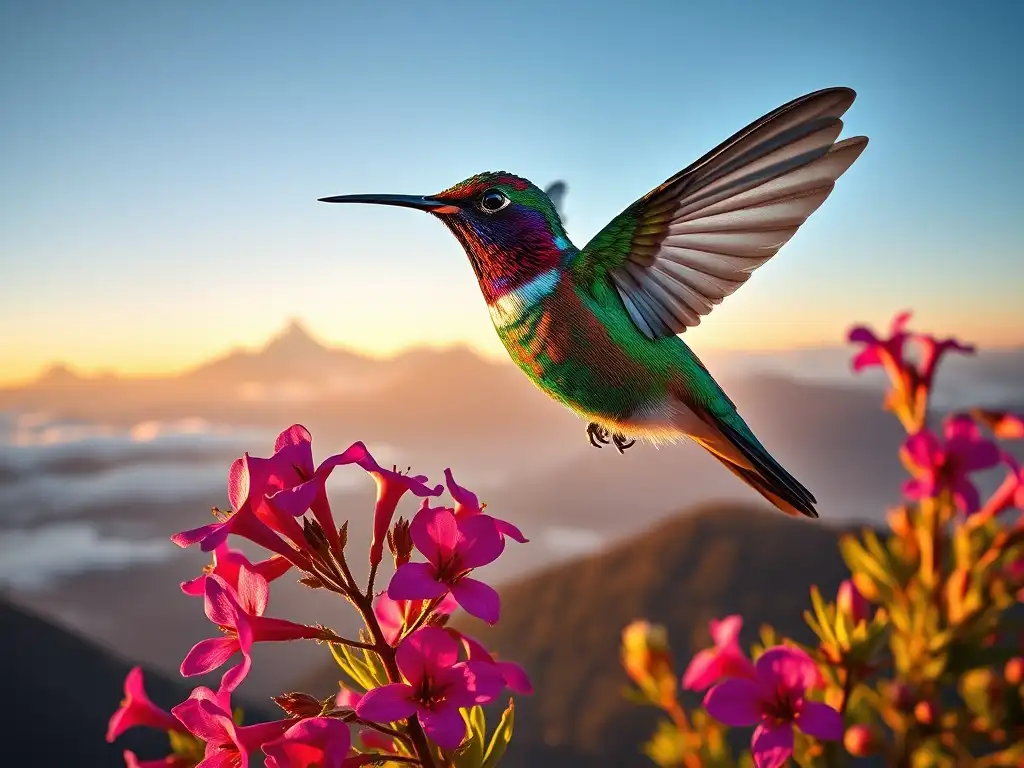
Welcome to Andean Civilizations, where the echoes of a lost world resonate with vibrant life. Prepare to journey through millennia of breathtaking artistry, innovative engineering, and deeply spiritual beliefs. But first, consider this: what secrets do the dazzling flights of the Andean hummingbird hold? Discover the profound Andean hummingbird spiritual symbolism and unlock a deeper understanding of the ancient Andean cosmovision in our exploration of their intricate relationship with the divine. Unravel the mysteries—begin your exploration now.
- The Andean Hummingbird: A Spiritual Messenger of the Divine
- Hummingbird Symbolism: Spiritual Meanings in Andean Beliefs
- The Hummingbird's Attributes: Interpreting its Spiritual Significance
- Hummingbird Mythology and Legends in Andean Cultures
- The Hummingbird in Andean Art and Iconography
- Modern Interpretations of the Andean Hummingbird Spiritual Symbolism
-
Frequently Asked Questions
- What is the significance of hummingbirds in Andean culture?
- How are hummingbirds linked to the divine in Andean spirituality?
- Are there specific hummingbird species with greater spiritual importance?
- What role do hummingbirds play in Andean art and mythology?
- Where can I learn more about Andean hummingbird spiritual symbolism?
- Final Reflection: The Enduring Whisper of the Andean Hummingbird
- Embrace the Spiritual Essence of the Hummingbird!
The Andean Hummingbird: A Spiritual Messenger of the Divine
The Andean region, cradle of vibrant civilizations like the Inca, Moche, Nazca, and Tiahuanaco, boasts a rich tapestry of spiritual beliefs deeply intertwined with the natural world. Among the myriad creatures holding symbolic importance, the hummingbird stands out as a particularly potent symbol, representing a unique connection between the earthly and the divine.
This article delves into the profound spiritual symbolism of the hummingbird within Andean cosmovision, exploring its multifaceted role in the religious practices and beliefs of various Andean cultures. We will examine how its remarkable characteristics—its dazzling speed, hovering flight, and ability to drink nectar from the most delicate flowers—fueled its association with spiritual power, communication with the supernatural, and the very essence of life itself.
Understanding the Andean hummingbird's spiritual symbolism provides crucial insight into the complex religious landscape and intricate worldview of these fascinating ancient societies. We will explore specific examples from different Andean cultures to illustrate the breadth and depth of this powerful symbolism, demonstrating its enduring relevance even today.
The Hummingbird in Andean Cosmovision
The hummingbird's place within Andean cosmovision is multifaceted and deeply rooted in the interconnectedness of the natural and spiritual realms. Its rapid, almost erratic flight was often interpreted as a messenger traversing the different levels of reality – the earthly, the celestial, and the underworld. The ability to hover, seemingly defying gravity, was seen as a manifestation of supernatural power.
This ability to move effortlessly between these realms made the hummingbird an ideal intermediary between humans and the divine, a conduit for prayers and offerings. Furthermore, the hummingbird's consumption of nectar from flowers was linked to the life-giving force of nature, symbolizing the continuous cycle of birth, death, and rebirth central to Andean spiritual beliefs. The vibrant, iridescent plumage of many hummingbird species added to its mystical appeal, reflecting the dazzling beauty and energy often associated with deities and supernatural entities.
Think of the intense colors – emerald, ruby, sapphire – mirroring the intense spiritual experiences described in Andean mythology. These weren't just birds; they were living embodiments of spiritual energy.
Andean Cultures and the Hummingbird's Symbolic Significance
The hummingbird's symbolic significance varied across different Andean cultures, reflecting the diversity of their beliefs and practices. While specific interpretations differed, the common thread was the hummingbird's association with the sacred and its role as a spiritual messenger. For example, in Inca mythology, the hummingbird was sometimes linked to the sun god Inti, its swift movements mirroring the sun's journey across the sky. In other cultures, the hummingbird was associated with specific deities or spirits, acting as their emissaries or representatives in the earthly realm.
The Moche civilization, renowned for its intricate artistry, frequently depicted hummingbirds in their ceramics and textiles, often alongside other sacred symbols, highlighting their importance in their religious iconography. The Nazca lines, though their precise meaning remains a subject of ongoing research, may also feature depictions of hummingbirds, suggesting their role in the spiritual world of this enigmatic culture. The intricate detail and vibrant colors used in these depictions further emphasize the sacred significance attributed to these fascinating creatures.
The hummingbird's role wasn't merely symbolic; it was integral to the spiritual fabric of Andean life, influencing rituals, art, and daily existence. Further research into specific archaeological findings and surviving oral traditions is needed to fully understand the nuances of the hummingbird's symbolism across these diverse Andean cultures. The available evidence, however, strongly suggests a consistent, albeit multifaceted, spiritual significance.
Hummingbird Symbolism: Spiritual Meanings in Andean Beliefs
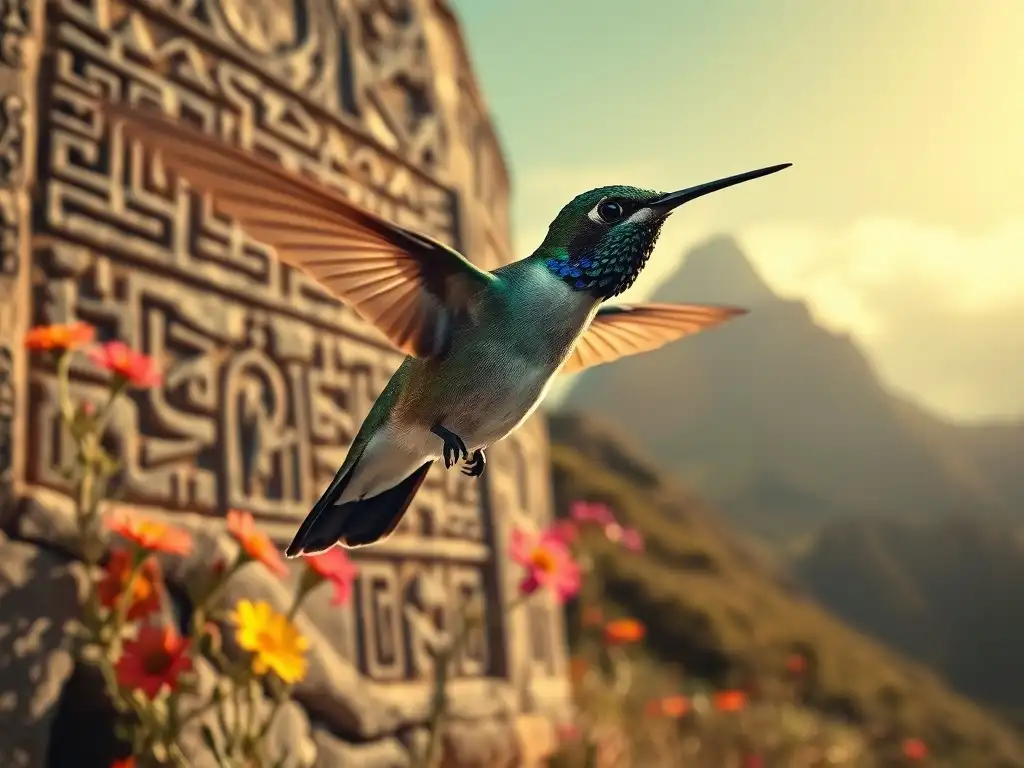
The hummingbird, a creature of dazzling speed and vibrant plumage, held a position of profound spiritual significance in various Andean cultures. Far from being merely a beautiful bird, it represented a powerful connection to the divine, embodying concepts of transformation, agility, and the delicate balance between the earthly and spiritual realms. Its rapid flight, seemingly defying gravity, mirrored the unpredictable nature of the cosmos and the swift transitions between life and death, day and night, and the seen and unseen worlds.
Understanding the Andean hummingbird spiritual symbolism requires appreciating the intricate web of beliefs that intertwined this tiny creature with their cosmology. This wasn't simply a matter of superstition; the hummingbird's role was deeply embedded in their religious practices, rituals, and daily life. The symbolism varied subtly across different Andean cultures, but common threads of spiritual power and connection weave through their interpretations.
The Hummingbird as a Link Between Worlds
The hummingbird's ability to hover, seemingly suspended in mid-air, symbolized its unique capacity to traverse the boundaries between the earthly and spiritual realms. Andean cosmologies often envisioned multiple layers of existence, with the earthly plane connected to both the underworld (Ukhu Pacha) and the upper world (Hanan Pacha). The hummingbird, with its swift movements between flowers and the air, was seen as a messenger, a go-between, flitting effortlessly between these different levels of reality.
This interpretation is supported by ethnographic accounts detailing shamanic practices where hummingbirds were invoked to facilitate communication with ancestors or deities residing in the otherworldly planes. The bird's vibrant colors, often shimmering and iridescent, further enhanced this perception of otherworldly beauty and power.
Some accounts suggest that specific hummingbird species, with their unique color patterns, were associated with particular deities or spirits, adding another layer of complexity to their symbolic representation. For example, the presence of a particular hummingbird species during a ritual could be interpreted as a sign of divine favor or a message from the spirit world.
Andean Hummingbird Spiritual Symbolism: Connection to Ancestors
Beyond its role as a messenger between worlds, the hummingbird also served as a potent symbol of ancestral connection in Andean belief systems. The rapid beating of its wings represented the continuous cycle of life, death, and rebirth, echoing the cyclical nature of time and the enduring presence of ancestors within the community. The hummingbird's connection to the spirit world extended to the belief that the souls of the deceased could manifest themselves as these birds.
Seeing a hummingbird, particularly near significant locations like burial grounds or ancestral shrines, was interpreted as a visit from a beloved ancestor, offering comfort, guidance, or even warnings. This belief fostered a deep respect for hummingbirds, preventing their harm and integrating them into various rituals and ceremonies aimed at honoring the departed. This connection is further emphasized in many traditional Andean textiles and pottery, where hummingbirds are frequently depicted alongside other symbols of ancestry and spirituality.
The intricate details of these artistic representations demonstrate the profound importance attributed to the hummingbird's symbolic meaning within the community. The presence of a hummingbird could represent the continued presence and influence of ancestors in their lives.
The Hummingbird's Role as a Soul Guide
In some Andean traditions, the hummingbird also took on the role of a soul guide, assisting individuals in their spiritual journeys and helping them navigate the complexities of the afterlife. The hummingbird's swift flight was seen as a metaphor for the rapid transition of the soul after death, guiding it towards the appropriate destination in the spirit world. The bird's vibrant colors were also associated with the brilliance and beauty of the spiritual realm, offering a comforting image of the afterlife.
Shamans and healers might invoke the hummingbird's spirit to aid in healing rituals, believing its energy could help restore balance and harmony to the afflicted individual. The hummingbird's ability to drink nectar from flowers, drawing sustenance from the life force of plants, further enhanced its association with healing and rejuvenation, symbolizing the renewal of spiritual energy.
This aspect of Andean hummingbird spiritual symbolism highlights the bird's powerful role in the spiritual well-being of the community, demonstrating its significance beyond simple symbolism. The hummingbird wasn't simply a pretty bird; it was a spiritual ally, a guide, and a potent symbol of hope and renewal.
The Hummingbird's Attributes: Interpreting its Spiritual Significance
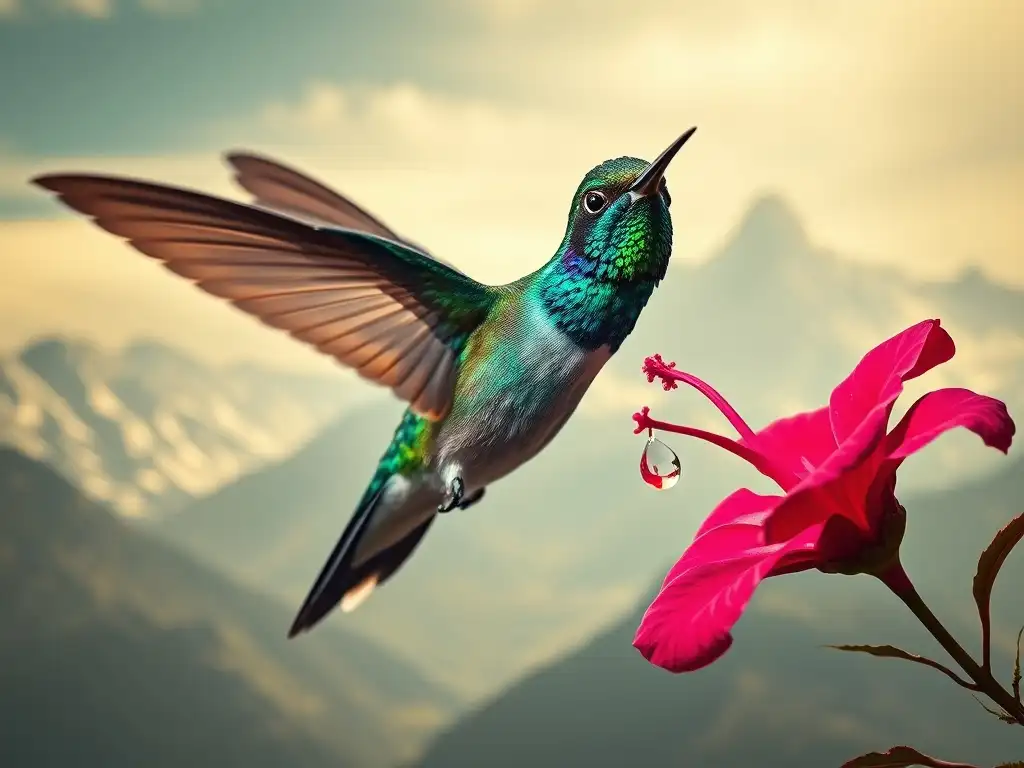
The Andean hummingbird, a creature of breathtaking beauty and unparalleled agility, holds a position of profound spiritual significance within the Andean worldview. Its symbolism transcends mere aesthetics; it embodies key aspects of the Andean understanding of the cosmos, the divine, and the interconnectedness of life. Understanding the hummingbird's spiritual meaning requires exploring its inherent attributes—its agility, resilience, and beauty—each contributing to a complex and multifaceted representation of the sacred. This nuanced interpretation allows us to delve deeper into the rich tapestry of Andean spiritual beliefs, specifically focusing on the keyword "Andean hummingbird spiritual symbolism" and its variations.
The Hummingbird's Agility and its Spiritual Meaning
The hummingbird's unparalleled ability to hover, to dart with incredible speed and precision, and to change direction instantly, mirrors the Andean concept of kawsay, a Quechua word encompassing life force, energy, and vitality. Its seemingly effortless movement through the air is seen as a reflection of the dynamism and constant flux of the cosmos.
The hummingbird's rapid flight, capable of traversing vast distances in short periods, symbolizes the swiftness of divine intervention and the unpredictable nature of spiritual forces. Think of the hummingbird as a messenger, flitting between the earthly and spiritual realms, carrying messages and energies with remarkable speed.
This agility is not merely physical; it represents the adaptability and quick-wittedness that Andean cultures valued, a necessary skill for navigating the challenges of their environment and the intricacies of their spiritual world. The hummingbird's ability to defy gravity, to seemingly hover in defiance of the natural order, suggests a connection to the supernatural, a power beyond the mundane.
The Hummingbird's Resilience: Lessons from its Journey
Despite its diminutive size, the hummingbird displays remarkable resilience. Its long migrations, its ability to survive in diverse and challenging environments, and its capacity to recover from setbacks all contribute to its symbolic importance. This resilience resonates deeply with the Andean understanding of endurance and perseverance in the face of adversity. The hummingbird's journey, often across vast distances, mirrors the challenges faced by Andean communities throughout history.
The ability to overcome obstacles, to adapt to changing circumstances, and to continue thriving despite hardship is a powerful lesson embedded in the hummingbird's symbolism. The hummingbird's tenacious spirit serves as a reminder of the importance of strength, determination, and the enduring power of life itself. This tenacity is directly linked to the spirit of Andean people, a testament to their ability to survive and thrive despite facing numerous hardships. The hummingbird's resilience reminds us of the enduring spirit of Andean civilization.
The Hummingbird's Beauty: Representing Divinity
The hummingbird's iridescent plumage, a breathtaking spectacle of shimmering colours, is often associated with the divine in Andean cultures. The vibrant hues, constantly shifting in the light, evoke a sense of wonder and awe, mirroring the perceived beauty and majesty of the Andean cosmos. These dazzling colours are not merely aesthetic; they are believed to represent the radiant energy of the sun, the vibrant life force of kawsay, and the spiritual power of the divine.
The hummingbird's beauty serves as a tangible manifestation of the unseen spiritual world, a visible link between the earthly and the sacred. Its exquisite appearance reinforces the idea that the divine is not only powerful but also profoundly beautiful, a concept deeply embedded in Andean spiritual beliefs. The hummingbird, in its vibrant glory, is a living testament to the beauty and wonder of creation, a direct representation of the divine in the physical world.
Its beauty is a constant reminder of the sacredness inherent in nature and the interconnectedness of all things. This aesthetic connection forms a vital component of Andean hummingbird spiritual symbolism, a powerful link between the material and the spiritual.
Hummingbird Mythology and Legends in Andean Cultures
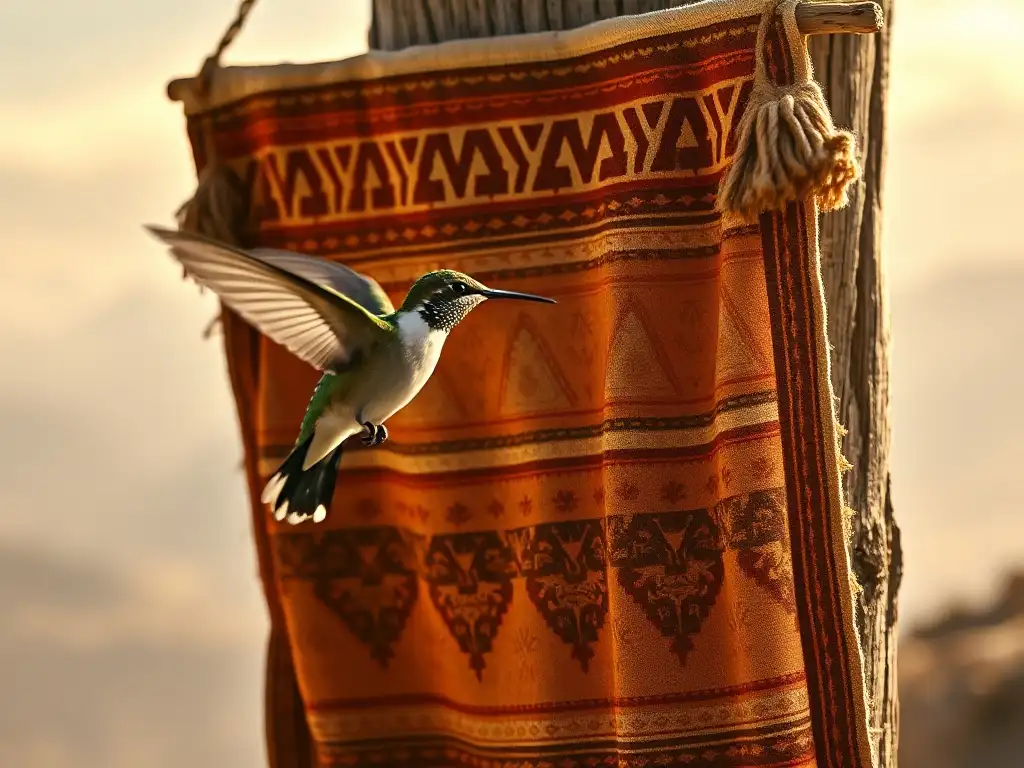
The hummingbird, a creature of dazzling speed and vibrant plumage, holds a position of immense spiritual significance within various Andean cultures. Its unique flight, hovering effortlessly in the air, and its association with nectar, a sweet and life-giving substance, contributed to its mythical elevation. Understanding the hummingbird's role requires delving into the rich tapestry of Andean mythology and legends, where it often acts as a messenger between the earthly and spiritual realms, embodying qualities of agility, grace, and divine connection.
The pervasiveness of hummingbird symbolism in Andean art, textiles, and ceramics further underscores its importance in the region's spiritual landscape. This section will explore some prominent legends and myths surrounding this fascinating creature, focusing on its representation within Andean cosmovision and its enduring impact on spiritual beliefs.
The analysis of these narratives reveals a deeper understanding of the Andean worldview and its intricate relationship with the natural world. The enduring power of these legends speaks to the deep connection between the Andean peoples and the hummingbird, a connection that continues to resonate today.
The Legend of the Hummingbird and the Sun
One prevalent legend tells of the hummingbird's close relationship with the Sun, Inti. In some versions, the hummingbird is depicted as a messenger of Inti, carrying his messages between the heavens and the earth. Its rapid flight symbolizes the sun's swift journey across the sky.
The hummingbird's iridescent feathers are often interpreted as reflections of the sun's radiant light, further solidifying this connection. The legend emphasizes the hummingbird's role as a conduit between the divine and the mortal, highlighting its capacity to transmit vital energy and spiritual power. This narrative highlights the importance of the sun in Andean cosmology and the hummingbird's role in maintaining its power and influence on the earthly realm.
The vibrant colors of the hummingbird, mirroring the sunset, reinforce this celestial connection, making it a potent symbol of solar energy and life force. Specific details regarding the variations of this legend across different Andean communities are [specific information pending], requiring further research into regional folklore and oral traditions.
The Story of the Hummingbird Bringing Fire
Another captivating story recounts the hummingbird's role in bringing fire to humanity. In this narrative, the hummingbird, with its tiny size yet incredible determination, undertakes a perilous journey to retrieve fire from a hidden source—often a celestial location or a powerful deity's domain. This legend speaks to the hummingbird's courage, resourcefulness, and its crucial contribution to human survival and progress. The act of bringing fire is symbolic of bringing knowledge, warmth, and the ability to transform the world. The hummingbird's success in this arduous task elevates it to a position of respect and reverence within the Andean worldview. The story's variations across different Andean ethnic groups are [specific information pending], but the core theme of the hummingbird's crucial role in bestowing fire upon humanity remains consistent, underscoring its importance in shaping human civilization. The narrative underscores the hummingbird’s association with transformation and the essential role of fire in Andean culture.
Hummingbird Deities and Associated Rituals
The hummingbird's profound spiritual significance is further evidenced by its association with specific deities and rituals across different Andean cultures. While specific details vary across regions and ethnic groups, the hummingbird often appears as an attribute or a symbolic representation of deities associated with fertility, healing, and the sun. In some Andean traditions, hummingbirds were believed to be the physical manifestations of spirits or deities, acting as intermediaries between the human and divine realms. Rituals involving hummingbirds, or their symbolic representations, might have included offerings of food, drink, or precious objects, aimed at appeasing or honoring these divine entities.
These rituals were likely performed during significant agricultural cycles or to seek healing and protection. Unfortunately, detailed accounts of these specific rituals are [specific information pending], requiring further investigation of anthropological records and archaeological findings related to Andean religious practices. The lack of comprehensive documentation underscores the need for further research to fully understand the intricate relationship between hummingbird symbolism and Andean religious practices.
However, available evidence strongly suggests a significant role for the hummingbird in Andean spiritual life. The hummingbird's enduring presence in Andean art and culture further attests to its lasting spiritual importance. The continued reverence for this tiny creature speaks volumes about the enduring power of Andean spiritual beliefs and their connection to the natural world.
The Hummingbird in Andean Art and Iconography
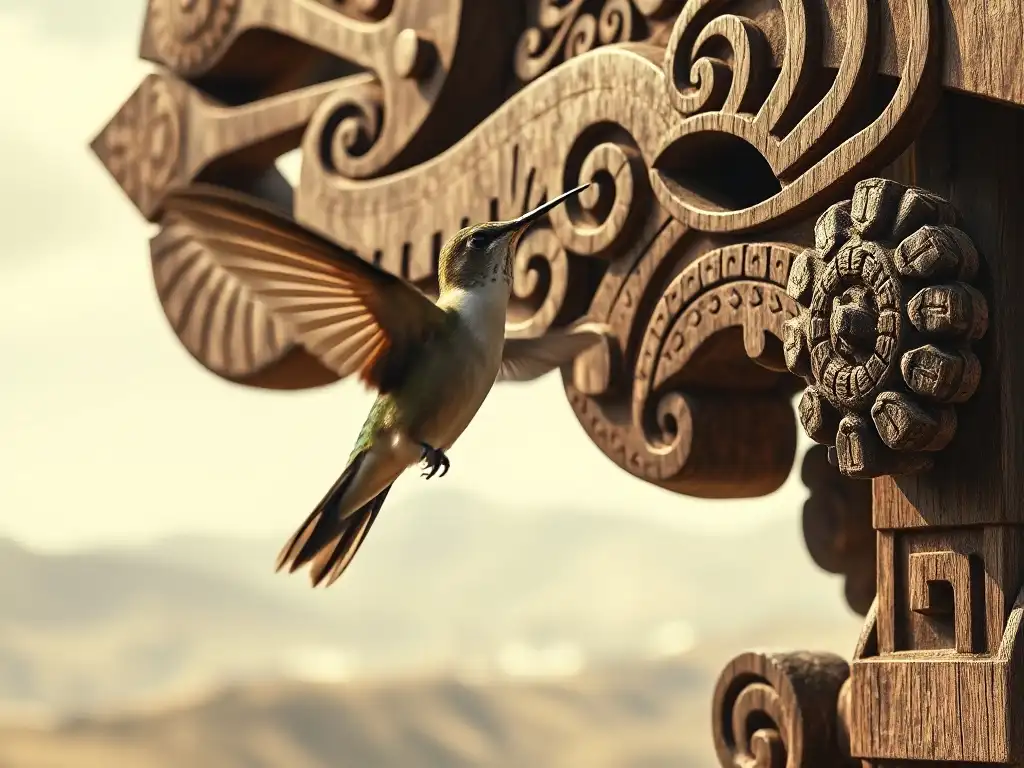
The hummingbird, a creature of breathtaking speed and iridescent plumage, holds a prominent place in Andean art and iconography, reflecting its deep spiritual significance within various Andean cultures. Its representation transcends mere aesthetic appreciation; it serves as a powerful visual metaphor for key concepts within their complex cosmovision. Analyzing the artistic depictions of hummingbirds across different Andean civilizations provides invaluable insight into their beliefs, rituals, and understanding of the divine.
The recurring motifs and symbolic associations demonstrate the hummingbird's enduring importance as a conduit between the earthly and spiritual realms. The sheer variety of artistic mediums used to portray the hummingbird—from intricate textiles to imposing stone carvings—underscores its pervasive influence on Andean artistic expression. Understanding these artistic representations is crucial to deciphering the multifaceted Andean hummingbird spiritual symbolism.
Hummingbird Representations in Ancient Andean Textiles
Ancient Andean textiles, renowned for their intricate designs and vibrant colors, frequently feature hummingbird motifs. These depictions are not simply decorative; they often form integral parts of larger narratives woven into the fabric itself. For instance, in Paracas textiles (circa 200 BCE – 200 CE), hummingbirds are frequently portrayed alongside other sacred animals and deities, suggesting a connection to the broader Andean pantheon.
The precision and detail in these representations showcase the high level of skill of the Andean weavers and their deep understanding of the symbolic meaning they imbued in their work. The use of specific colors and techniques likely held additional symbolic weight, possibly relating to specific rituals or beliefs associated with the hummingbird. Detailed analyses of these textiles, including the identification of specific dyes and weaving techniques, are necessary to fully understand the nuanced meanings embedded within these hummingbird representations.
Further research is needed to correlate specific hummingbird depictions with particular contexts or associated rituals. [Specific information pending on color symbolism in Paracas hummingbird textiles].
Hummingbird Motifs in Ceramics and Pottery
Hummingbird motifs also appear prominently in Andean ceramics and pottery, spanning various cultures and time periods. The Moche culture (circa 100 CE – 800 CE), known for its highly realistic and detailed ceramic work, often depicted hummingbirds in scenes of ritual and daily life. These depictions often show the hummingbird interacting with other elements of the Moche worldview, such as deities, plants, and agricultural scenes.
The precision and artistry involved in creating these ceramic hummingbirds highlight the importance placed upon their accurate and symbolic representation. Analysis of Moche pottery reveals a range of stylistic variations in hummingbird depictions, suggesting potential regional or temporal differences in their symbolic interpretations. Furthermore, the context in which the hummingbird appears—whether on a ceremonial vessel or a domestic utensil—can offer valuable insights into its diverse roles within Moche society.
The size and placement of the hummingbird motif also likely held symbolic importance, requiring further scholarly investigation. [Specific examples of Moche pottery depicting hummingbirds in different contexts pending].
The Hummingbird in Andean Rock Art and Carvings
The hummingbird’s presence extends beyond textiles and ceramics; it also features prominently in Andean rock art and carvings. These often monumental depictions, found across various Andean landscapes, demonstrate the enduring importance of the hummingbird across diverse Andean communities. The style and execution of these carvings vary significantly depending on the specific culture and time period.
For instance, Tiwanaku rock art (circa 300 CE – 1000 CE) sometimes incorporates stylized hummingbird figures into its intricate geometric patterns, suggesting a connection between the hummingbird and the cosmos. The scale of some of these carvings, along with their placement within significant sites, suggests a ritual or ceremonial importance. Detailed analysis of the location and orientation of these carvings could help further elucidate their meaning and connection to the broader Andean landscape.
Studies on the weathering patterns and dating techniques employed in the analysis of these carvings are crucial to establish a more precise timeline and understand the evolution of hummingbird symbolism within the Andean region. [Specific examples of Tiwanaku rock art featuring hummingbirds pending]. Further research is needed to fully catalogue and analyze the various styles and locations of hummingbird depictions in Andean rock art.
Modern Interpretations of the Andean Hummingbird Spiritual Symbolism
The enduring power of the hummingbird's symbolism in Andean cultures continues to resonate deeply with modern interpretations. While precise historical accounts might be limited, the hummingbird's agile flight, vibrant colors, and seemingly tireless energy lend themselves to a rich tapestry of metaphorical meanings, extending beyond the strictly religious interpretations of ancient times. Many contemporary Andean communities, and indeed those globally interested in Andean spirituality, see the hummingbird as a potent symbol of several key concepts. This enduring legacy speaks to the inherent connection between nature, spirituality, and human experience, highlighting the timeless relevance of Andean cosmovision.
The Hummingbird as a Symbol of Transformation
The hummingbird's ability to hover, seemingly defying gravity, is often interpreted as a powerful metaphor for transformation and resilience. Its rapid changes in direction mirror the unpredictable nature of life, while its ability to feed on nectar from a wide variety of flowers symbolizes adaptability and the ability to thrive in diverse environments. This resonates deeply with individuals navigating their own personal transformations, whether it be overcoming challenges, embracing change, or pursuing personal growth.
The hummingbird's journey, a constant dance of movement and stillness, becomes a powerful reminder of the ongoing process of self-discovery and evolution. Many modern practitioners of Andean spiritual traditions incorporate hummingbird imagery in rituals and meditations aimed at facilitating personal transformation and spiritual awakening. The vibrant colors of the hummingbird—a kaleidoscope of iridescent greens, blues, and reds—further enhance this symbolic power, representing the spectrum of emotions and experiences inherent in the transformational journey.
The Hummingbird's Spiritual Message for Today
For modern practitioners of Andean spirituality, the hummingbird delivers a potent spiritual message emphasizing the importance of joy, resilience, and connection with the divine. Its constant movement is not merely frantic; it's a vibrant expression of life's energy, a reminder to embrace the present moment and find joy in the simplest things.
The hummingbird's seemingly effortless flight encourages us to approach life's challenges with grace and lightness, trusting in our inherent ability to overcome obstacles. Its small size belies its immense power and tenacity, a powerful metaphor for the strength found within even the most seemingly delicate beings.
Furthermore, the hummingbird's association with nectar, a sweet and life-giving substance, reinforces its role as a messenger of abundance and prosperity, reminding us to appreciate the blessings in our lives and to cultivate gratitude. This message of joy, resilience, and connection resonates deeply with individuals seeking spiritual guidance and meaning in the modern world.
Continuing the Andean Hummingbird Legacy
The Andean hummingbird's spiritual symbolism is not confined to the past; it continues to evolve and adapt, enriching contemporary Andean culture and spirituality. Indigenous communities maintain traditional practices that honor the hummingbird, weaving its image into textiles, incorporating its symbolism into ceremonies, and sharing its story through oral traditions.
This ongoing legacy ensures that the hummingbird's profound spiritual significance remains alive and relevant for future generations. The hummingbird's enduring presence in Andean art, literature, and spiritual practices serves as a powerful testament to the enduring strength and beauty of Andean culture and its profound connection to the natural world.
The preservation and celebration of this rich cultural heritage are crucial for understanding and appreciating the enduring power of Andean spiritual symbolism, ensuring that the hummingbird's message of transformation, resilience, and joy continues to inspire and uplift individuals around the world. The continued study and appreciation of Andean hummingbird spiritual symbolism offer valuable insights into the interconnectedness of nature, spirituality, and human experience.
Frequently Asked Questions
What is the significance of hummingbirds in Andean culture?
Hummingbirds hold deep spiritual meaning in Andean cultures. They are often seen as messengers of the gods, representing joy, healing, and the connection between the earthly and spiritual realms. Their swiftness symbolizes the speed of thought and the flow of energy.
How are hummingbirds linked to the divine in Andean spirituality?
Andean peoples believe hummingbirds act as intermediaries between humans and the divine. Their vibrant colors and energetic flight are associated with sacred power and the vitality of life. They are considered symbols of transformation and spiritual awakening.
Are there specific hummingbird species with greater spiritual importance?
While all hummingbirds hold significance, some species might be associated with particular deities or spiritual concepts within different Andean cultures. The specific symbolism varies based on regional traditions and beliefs. More research is needed to fully understand these nuances.
What role do hummingbirds play in Andean art and mythology?
Hummingbirds frequently appear in Andean art, often depicted in textiles, pottery, and goldwork. Their presence in these art forms underscores their spiritual importance and reinforces their role as powerful symbols within the culture’s mythology and belief systems.
Where can I learn more about Andean hummingbird spiritual symbolism?
To delve deeper into this topic, explore academic resources focusing on Andean anthropology and spirituality. Museums with Andean collections and ethnographic studies can provide valuable insights into the complex symbolism associated with hummingbirds in these ancient civilizations.
Final Reflection: The Enduring Whisper of the Andean Hummingbird
The vibrant spirit of the Andean hummingbird, a symbol of resilience and connection to the divine, resonates deeply with our modern world, reminding us of the importance of embracing joy, adaptability, and the unseen forces that shape our lives. Its tiny body holds a power far exceeding its size, mirroring the potential for profound transformation within each of us.
The hummingbird's enduring presence in Andean cultures, woven into their myths and spiritual practices for centuries, speaks volumes about the enduring power of these symbols. Its rapid flight, a blur of iridescent color, embodies the fleeting yet intensely beautiful moments that make up our existence. The hummingbird reminds us that life is a precious gift, a fleeting moment to be savored and cherished.
This quote, though not directly from an Andean source, captures the essence of the hummingbird's spiritual significance across cultures, highlighting the universal yearning for connection with something larger than ourselves.
Consider the hummingbird's flight – a constant dance between stillness and motion. Let this image inspire you to find your own balance, to embrace the stillness within the chaos of daily life, and to find the joy in the smallest of moments. You, too, possess the capacity for incredible transformation and resilience. Embrace your inner hummingbird, allowing its spirit of unwavering hope and vibrant energy to guide you on your own unique journey of spiritual discovery. Let its iridescent wings remind you of the beauty and wonder that surrounds you, always.
Embrace the Spiritual Essence of the Hummingbird!
Thank you for exploring the enchanting symbolism of the hummingbird and its role in our spiritual journey. By understanding its vibrant meaning, you've deepened your connection to a profound aspect of our shared heritage. Now, let's translate that inspiration into meaningful action.
- Reflect on your spiritual connection: Find a quiet moment in nature, observe the beauty around you, and allow yourself to feel the hummingbird's energy. Consider what resonates with you about its swiftness, grace, and vibrant colors.
- Share your insights: Discuss your newfound understanding of the hummingbird's significance with friends and family, sharing the wisdom you've gained.
- Join our community: Connect with other enthusiasts on our website and social media platforms. Let's explore the mysteries of hummingbird symbolism together!
How does the hummingbird's essence inspire you, and how can you integrate its lessons into your spiritual practice today?