
The Priest's Authority: Navigating Social Hierarchies through Religious Influence in the Andes

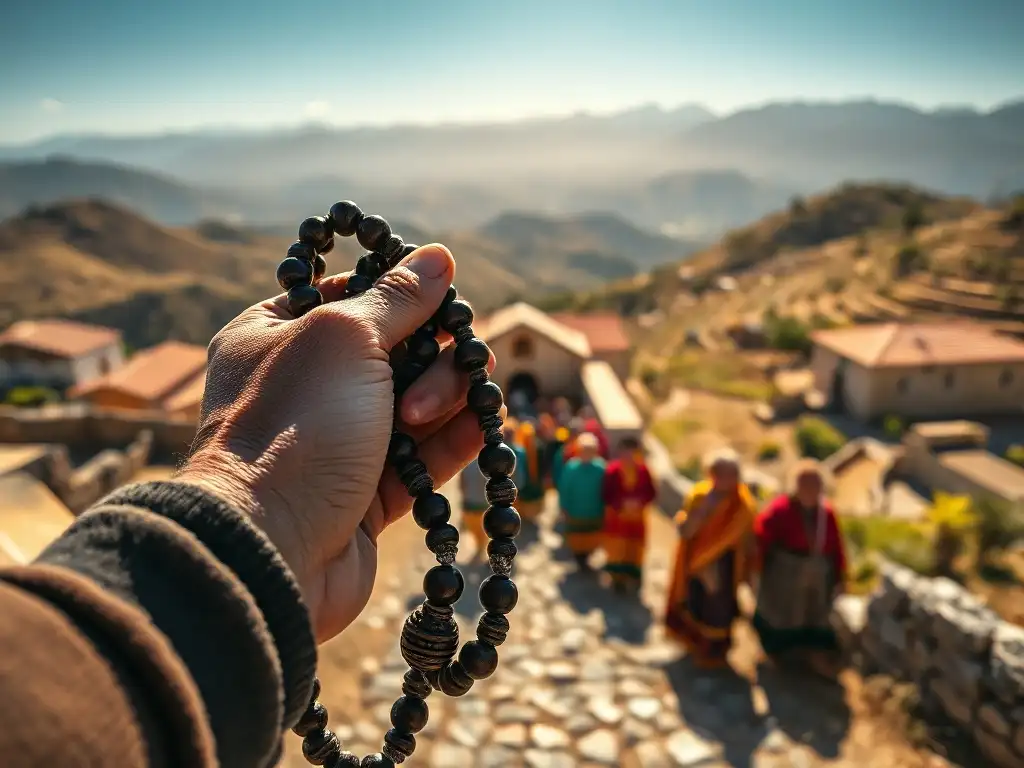
Step into a world lost to time, yet echoing with the whispers of ancient power. Imagine a society where the threads of religion and social structure were inextricably woven, where the priest held sway not just over the spiritual realm, but over the very fabric of daily life. This is the captivating story of the Andean religious social hierarchy, a complex system that shaped the destinies of civilizations like the Incas, Moche, and Nazca. Dare to unravel the mysteries held within – explore the intricate interplay of faith and power, and discover how religious authority defined the Andean world.
-
The Weaver's Craft: Textile Production and Social Significance in the Andes
- Understanding Andean Textile Traditions
- The Role of Weavers in Ancient Andean Societies
- Textile Production and Social Control in the Andes
- The Weaver's Craft: A Key Component of Andean Economic and Cultural Dynamics
- Specific Examples of Textile Production in Andean Civilizations
- Variations in Textile Traditions Across Different Andean Cultures
- The Legacy of Andean Weaving Traditions
- Conclusion: The Enduring Significance of Weaving in the Andean World
-
Frequently Asked Questions
- What role did religion play in the Andean social hierarchy?
- How did priestly authority differ across various Andean cultures?
- What were the main symbols of religious authority in the Andes?
- How did the Andean religious hierarchy impact daily life?
- What evidence exists to support the influence of religion on the Andean social hierarchy?
- Final Reflection: The Enduring Legacy of Andean Religious Authority
- **Embrace the Power of Influence! **
The intricate tapestry of Andean civilizations wasn't woven solely from threads of alpaca wool and cotton; it was also meticulously crafted from the threads of religious belief and social hierarchy. This article delves into the profound influence of Andean priests and shamans on the social structures of ancient societies like the Inca, Moche, Nazca, and Tiahuanaco. We will explore how religious authority intertwined with political power, shaping social mobility, economic systems, and daily life.
Understanding the Andean religious social hierarchy is key to unlocking a deeper comprehension of these fascinating cultures and their enduring legacy. We will examine the ways in which religious practices, rituals, and beliefs solidified existing power structures while simultaneously providing avenues for social advancement, albeit often limited and highly controlled.
The role of religious specialists in mediating between the human and supernatural realms was paramount, influencing everything from agricultural practices and warfare to marriage customs and funerary rites. This exploration will reveal how the seemingly disparate elements of Andean society were, in fact, intricately connected through a shared understanding of the cosmos and the power of its intermediaries.
Understanding Andean Textile Traditions
Andean textile production wasn't merely a craft; it was deeply embedded within the religious and social fabric of the society. Textiles served as powerful symbols of status, reflecting the wearer's position within the social hierarchy. The intricate designs, vibrant colors, and the materials themselves (alpaca, llama, vicuña wool, cotton) all carried specific meanings and conveyed messages of power, lineage, and spiritual significance.
The creation of these textiles was often associated with ritual practices, reinforcing their sacred nature and the elevated status of those who produced and wore them. The quality of the textile, the complexity of its design, and the rarity of the materials used all contributed to its value and the social standing of its owner. This system ensured that access to certain textiles was restricted to the elite classes, further solidifying the existing power dynamics.
Detailed iconography woven into the textiles often depicted deities, mythical creatures, and cosmological events, further highlighting the close relationship between religion and textile production. The intricate knowledge of weaving techniques and the symbolic meaning of the designs were passed down through generations, solidifying the expertise and social standing of the artisans involved.
The Role of Weavers in Ancient Andean Societies
The role of weavers in Andean societies transcended mere craftsmanship; they were active participants in the religious and social life of their communities. Their skills were highly valued, and their products were considered sacred objects imbued with spiritual power. The creation of textiles wasn't just a mundane task; it was often a ritualistic process, with prayers and offerings made to ensure the success of the undertaking.
Weavers held a unique position within the social hierarchy, often enjoying a degree of respect and influence that extended beyond their economic contributions. Their knowledge and skills were essential for the production of ceremonial garments worn by priests, rulers, and other high-ranking officials, further cementing their place within the social structure.
Evidence suggests that certain weaving techniques and designs were reserved for specific social groups, highlighting the intricate relationship between textile production and social status. The distribution of finished textiles also played a role in reinforcing social hierarchies, with elite members receiving the finest and most elaborate pieces.
Functions of Andean Weavers: Techniques and Materials
Andean weavers employed a remarkable range of techniques and materials, reflecting both their technical expertise and the spiritual significance of their craft. From the intricate backstrap loom techniques to the use of diverse natural dyes, their skills were highly refined and passed down through generations. The choice of materials itself held symbolic weight.
For example, the use of vicuña wool, a rare and luxurious fiber, was reserved for elite members of society, while alpaca and llama wool were more widely used. The mastery of complex weaving techniques, such as tapestry weaving and double-weave, allowed weavers to create incredibly detailed and intricate designs, further enhancing the value and significance of their work.
Detailed knowledge of plant-based dyes and their application enabled the creation of a vibrant palette of colors, each with its own symbolic meaning. The process of textile production was itself a complex ritual, reflecting the deep spiritual beliefs of the Andean people and their understanding of the world around them.
Weavers as Creators of Social and Symbolic Meaning
Andean weavers were not simply artisans; they were active participants in the creation and reinforcement of social and symbolic meaning. Through their work, they conveyed messages of power, status, and spirituality. The designs woven into textiles often depicted mythological figures, celestial events, and other symbolic elements related to Andean cosmology.
These designs served as visual representations of religious beliefs and social structures, reinforcing the existing power dynamics within the society. The intricate patterns and symbolic representations encoded within the textiles served as a visual language, communicating complex information about the wearer's social status, lineage, and spiritual affiliations. The act of weaving itself was often imbued with ritual significance, further emphasizing the sacred nature of the textiles and the role of the weavers within the community.
The distribution and use of textiles further reinforced social hierarchies, with elite members wearing garments that visually distinguished them from the rest of the population. The enduring legacy of Andean textiles provides a powerful testament to the artistry and ingenuity of the Andean people and their ability to use their craft to express and reinforce their social and spiritual beliefs.
The production of textiles in the Andes wasn't merely a craft; it was a powerful tool for social control, deeply intertwined with the region's complex religious and political structures. The intricate designs, the choice of materials, and even the act of weaving itself were all carefully regulated, reflecting and reinforcing existing social hierarchies. Control over textile production, from the acquisition of raw materials to the distribution of finished goods, rested largely in the hands of the elite, ensuring their continued dominance.
This control extended to dictating the types of textiles produced for different social classes, further emphasizing the stratified nature of Andean society. For example, certain vibrant colors and elaborate designs were reserved exclusively for the ruling class, while simpler textiles were designated for commoners. This system solidified social distinctions and maintained the power structure.
The very act of weaving, therefore, was not simply an economic activity but a deeply symbolic one, laden with social and political meaning. The intricate patterns and designs served as visual representations of power, status, and religious beliefs.
How Textiles Shaped Andean Social Structure
Textiles played a pivotal role in shaping Andean social structure, acting as visual markers of social standing. The complexity of the weaving, the quality of the materials used (such as alpaca wool versus llama wool), and the specific designs woven into the textiles all served to distinguish individuals and groups within the society. Elaborate garments, often adorned with gold and other precious materials, were exclusively worn by the elite, signifying their high status and authority.
These garments were not merely clothing; they were powerful symbols of their social standing, reinforcing their position within the hierarchy. Conversely, simpler textiles were worn by the commoners, reflecting their lower social position. The distribution of textiles also served to reinforce social stratification.
The elite controlled the distribution of the finest textiles, ensuring their own privileged position and reinforcing their power over the lower classes. This system of textile-based social stratification was remarkably effective in maintaining the existing power structures throughout various Andean cultures. The intricate system of textile production and distribution, therefore, was a crucial element in maintaining the social order.
The Influence of Textile Design on Andean Social Identity
Textile design in the Andes was far more than mere decoration; it was a powerful mechanism for expressing and reinforcing social identity. Specific designs, colors, and weaving techniques were associated with particular social groups, clans, or even individual elites. These designs often incorporated symbolic motifs related to religious beliefs, ancestral lineages, or specific geographical locations.
The use of particular colors also held significant meaning, often linked to specific deities or ceremonies. For example, red might represent blood and sacrifice, while yellow might be associated with the sun god. The ability to decipher these complex designs and their associated meanings was a mark of social standing, with the elite often possessing a deeper understanding of the intricate symbolism woven into the textiles.
This knowledge further enhanced their authority and influence within the society. The careful preservation and transmission of these design traditions across generations served to reinforce social cohesion and cultural identity within the Andean communities.
The Weaver's Craft: A Key Component of Andean Economic and Cultural Dynamics
The weaver's craft was a cornerstone of Andean economic and cultural life. Textiles were not only essential for clothing and shelter but also served crucial roles in religious ceremonies, trade, and diplomacy. The economic importance of textile production is evident in the vast quantities of textiles produced and the widespread distribution of these goods across the Andean region.
Textile production was a significant source of employment, engaging a large segment of the population, particularly women. The economic value of textiles also extended to their role in trade, with fine textiles being exchanged for other valuable commodities, both within the Andean region and beyond. Furthermore, textiles played a central role in religious rituals and ceremonies, with specific textiles being used in various sacred events and offerings.
This widespread use of textiles underscores their crucial role in the economic and cultural fabric of Andean civilizations. The craft was thus deeply ingrained in the daily lives and cultural practices of the people.
The Weaver's Status Within Andean Society
The status of weavers within Andean society varied considerably depending on several factors, including the complexity of their work and their connection to the ruling elite. While many weavers were commoners, those who produced high-quality textiles for the elite often held a relatively high social standing. Highly skilled weavers might enjoy privileges not afforded to other commoners, such as access to better resources or greater autonomy in their work.
The elite themselves often commissioned intricate textiles, working closely with master weavers to create garments and objects that reflected their high status and power. This close collaboration between elite patrons and skilled weavers fostered a symbiotic relationship, where the weavers' exceptional skills contributed to the elite's display of power and prestige.
Conversely, many weavers were part of the broader population and their work, while vital to the economy and culture, did not necessarily elevate them to high social standing. The social standing of a weaver, therefore, was a complex issue influenced by factors beyond simply their skill and dedication to the craft.
Materials and Tools of Authority in Andean Textile Production
The materials and tools used in Andean textile production were not simply utilitarian objects; they were also imbued with symbolic meaning and played a role in reinforcing social hierarchies. The use of certain fibers, such as alpaca or vicuña wool, was often restricted to the elite, reflecting their privileged access to resources. The quality of the materials and the intricacy of the tools used to process them were directly correlated to the social status of the weaver and the intended recipient of the finished textile.
For example, finely spun vicuña wool, reserved for the elite, required specialized tools and techniques, reflecting the superior skill and social standing of the weavers who worked with these materials. The tools themselves, such as specialized spindles and looms, were often crafted with great care, reflecting the importance of the craft and the value placed upon the finished textiles.
The control over access to these resources and tools further reinforced the existing social hierarchies, ensuring that only certain individuals and groups could produce the most highly valued textiles. This control over resources and tools was another layer of social control embedded within the textile production system.
Specific Examples of Textile Production in Andean Civilizations
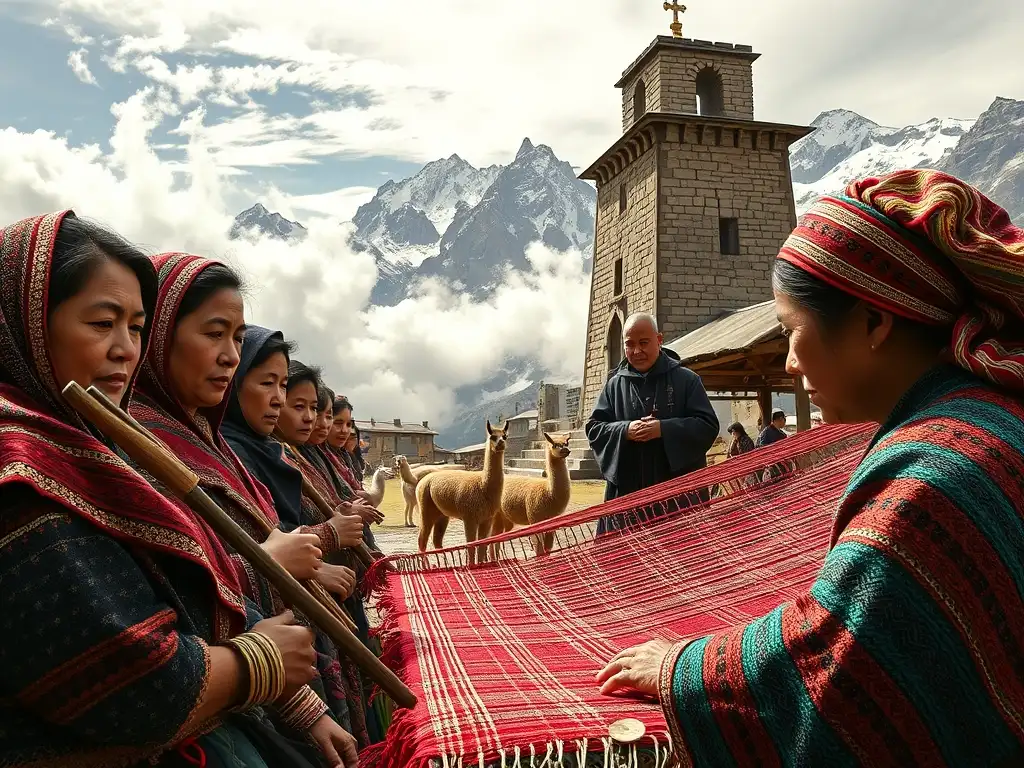
The Andes Mountains fostered a rich tapestry of textile traditions, varying significantly across different cultures and time periods. Understanding these variations provides crucial insights into the social structures and belief systems of these ancient societies. The intricate craftsmanship evident in surviving textiles showcases not only exceptional technical skill but also deep-seated cultural and religious significance. These textiles weren't merely functional items; they served as powerful symbols of status, identity, and spiritual connection.
Their production was a highly specialized and often ritualized process, reflecting the complex social hierarchies prevalent in Andean civilizations. The materials themselves – from the carefully selected fibers of alpaca, llama, and vicuña to the vibrant natural dyes derived from plants and minerals – were imbued with symbolic meaning, further emphasizing the textiles' importance within Andean society. The creation of these textiles was a complex process, involving shearing, spinning, dyeing, and weaving, often performed by specialized artisans.
Textile Production in the Inca Empire
Inca textile production reached unparalleled levels of sophistication. The empire's vast resources and centralized organization facilitated the creation of standardized textiles, but regional variations still existed, suggesting a degree of autonomy within the empire's structure. Imperial workshops, staffed by skilled artisans, produced high-quality textiles for the elite, using fine vicuña and alpaca fibers.
These textiles often featured intricate designs and were used for ceremonial garments, tapestries, and other luxury items. The Inca system of mita, a form of labor tribute, ensured a steady supply of raw materials and labor for textile production. The intricate designs found in Inca textiles often incorporated symbolic motifs related to Inca mythology and cosmology, reflecting the deep integration of religion and social hierarchy in Inca society.
The use of specific colors and patterns also indicated social status, with the finest textiles reserved for the Inca royalty and nobility. Archaeological evidence, such as the discovery of well-preserved textiles in royal tombs, continues to shed light on the importance of textile production within Inca society.
The Role of Textiles in Moche Society
The Moche civilization, known for its elaborate metalwork and sophisticated pottery, also demonstrated remarkable skill in textile production. While fewer Moche textiles have survived compared to Inca examples, those that remain reveal a vibrant and dynamic artistic tradition. Moche textiles often featured bold geometric patterns and depictions of mythological figures and scenes, possibly reflecting aspects of their religious beliefs and social structure. The use of different colors and weaving techniques could have signified social status or indicated the wearer's role within the community.
The techniques employed by Moche weavers were advanced, demonstrating a sophisticated understanding of fiber manipulation and dyeing. The scarcity of surviving Moche textiles highlights the challenges of preserving organic materials over time, underscoring the importance of ongoing archaeological research to understand this aspect of Moche culture more fully. Further research into Moche burial sites may reveal more insights into the role of textiles in Moche society.
Textile Artistry in the Tiahuanaco Culture
The Tiahuanaco culture, flourishing in the altiplano region of the Andes, also produced exceptional textiles. Tiahuanaco textiles often incorporated intricate geometric patterns and stylized representations of animals and deities. The use of complex weaving techniques, such as tapestry and brocade, demonstrates a high level of technical skill. The textiles were likely used for ceremonial purposes and to adorn elite members of society. The stylistic elements found in Tiahuanaco textiles often reflect the culture's sophisticated religious beliefs and cosmology. The use of specific colors and motifs may have indicated social status or affiliation with particular groups within Tiahuanaco society. The influence of Tiahuanaco textile styles is evident in the subsequent development of textile traditions in other Andean cultures, demonstrating the lasting impact of this civilization's artistic legacy. Further analysis of Tiahuanaco textiles can provide valuable insights into the interconnectedness of Andean cultures and the evolution of textile production in the region.
Variations in Textile Traditions Across Different Andean Cultures
The diverse geography and cultural landscape of the Andes resulted in a remarkable array of textile traditions. Examining these variations reveals not only the ingenuity of Andean artisans but also the intricate relationship between textile production and social organization. The choice of fibers, weaving techniques, and decorative motifs often reflected regional variations in resources, climate, and cultural practices.
These differences highlight the distinct identities and social structures of the various Andean cultures. Understanding these variations requires careful study of surviving textiles and archaeological evidence, as well as consideration of the broader social and environmental contexts in which these textiles were produced.
Regional Differences in Weaving Techniques and Styles
Andean textile traditions were not monolithic; distinct regional styles and techniques emerged based on environmental factors and cultural practices. For example, coastal regions might have favored cotton due to its availability, while highland communities relied more on alpaca and llama fibers. Weaving techniques also varied significantly, with some regions specializing in tapestry weaving, while others excelled in brocade or other complex techniques.
These regional differences are reflected in the stylistic elements of the textiles, including the use of color, pattern, and decorative motifs. The variation in textile production across different Andean regions highlights the complex interaction between environment, technology, and cultural identity. The study of these regional variations provides valuable insights into the social and economic organization of Andean societies.
The Evolution of Andean Textile Production Over Time
Andean textile production underwent significant changes over centuries, reflecting technological advancements and shifts in social and political structures. Early Andean textiles, often characterized by simpler techniques and designs, gradually evolved into more complex and sophisticated forms, reflecting the increasing expertise of Andean artisans. The introduction of new fibers, dyes, and weaving techniques led to innovations in textile production, resulting in a rich diversity of textile styles and designs.
The evolution of Andean textile production is a testament to the adaptability and creativity of Andean cultures. Analyzing this evolution provides valuable insights into the technological and cultural development of Andean civilizations and the continuous interplay between tradition and innovation. The study of Andean textiles reveals a continuous process of adaptation and change, reflecting the dynamic nature of Andean societies and their enduring artistic heritage.
The Legacy of Andean Weaving Traditions
Andean weaving traditions represent a remarkable legacy, passed down through millennia, reflecting the intricate social structures and cosmological beliefs of the region. The techniques, designs, and materials used in textile production were not merely utilitarian; they held profound symbolic meaning, reflecting social status, religious beliefs, and ancestral connections. From the intricate tapestry weavings of the Paracas culture, known for their vibrant colors and complex iconography, to the finely spun textiles of the Inca empire, characterized by their sophisticated techniques and standardized designs, Andean weaving reveals a rich and complex history.
The use of natural dyes derived from plants, minerals, and insects further contributed to the uniqueness and artistry of these textiles. These dyes, often requiring complex and time-consuming processes, were themselves imbued with symbolic meaning, reinforcing the sacred nature of the weaving craft.
The meticulous attention to detail in each piece, from the preparation of the fibers to the final weaving, underscores the high value placed on textile production within Andean societies. Master weavers held positions of respect and influence, reflecting the importance of their craft within the social hierarchy.
Impact of Weaving on Modern Andean Communities
The legacy of Andean weaving continues to resonate powerfully in modern Andean communities. While industrialization and globalization have introduced new technologies and materials, traditional weaving techniques and designs persist, often adapted to contemporary contexts. Weaving remains a vital source of income for many Andean communities, particularly for women, empowering them economically and preserving cultural heritage.
The sale of handcrafted textiles provides livelihoods for families, sustaining traditional practices and contributing to the economic well-being of entire villages. Cooperative efforts and fair trade initiatives have played a crucial role in supporting these communities and ensuring the ethical production and distribution of Andean textiles.
Moreover, the preservation of these traditions fosters a sense of cultural identity and continuity, strengthening community bonds and promoting cultural pride. The continued production and appreciation of Andean textiles contribute significantly to the cultural landscape of the Andes, showcasing the resilience and adaptability of traditional crafts in the face of modern challenges.
The Continuity of Textile Practices in Contemporary Andean Culture
The continuity of textile practices in contemporary Andean culture is not merely a matter of economic survival; it is a powerful testament to the enduring cultural significance of weaving. Traditional techniques and designs are often incorporated into contemporary clothing, home décor, and ceremonial objects, demonstrating their ongoing relevance in daily life. Many communities actively teach weaving techniques to younger generations, ensuring the transmission of knowledge and skills across generations.
This intergenerational transmission of knowledge is vital for the preservation of cultural heritage and the maintenance of traditional practices. Furthermore, the integration of weaving into educational programs, cultural festivals, and tourism initiatives further promotes the appreciation and understanding of this crucial aspect of Andean culture. The vibrant colors, intricate patterns, and symbolic meanings embedded in Andean textiles continue to inspire artists, designers, and researchers worldwide, illustrating the enduring power and beauty of this ancient craft.
Conclusion: The Enduring Significance of Weaving in the Andean World
Andean weaving traditions represent a remarkable tapestry of cultural significance, economic importance, and artistic expression. From the intricate designs of ancient textiles to the vibrant creations of contemporary artisans, weaving has played, and continues to play, a central role in Andean societies. The legacy of these traditions is not merely a historical artifact but a living testament to the resilience and adaptability of Andean cultures. The enduring significance of weaving in the Andean world reflects the deep connection between people, their environment, and their spiritual beliefs. The intricate patterns and symbolic meanings embedded in each textile tell a story, a narrative that spans millennia, connecting past, present, and future generations. The preservation and promotion of these traditions are crucial for sustaining cultural heritage, empowering communities, and appreciating the rich artistic legacy of the Andean world. The threads of Andean weaving bind together a history of innovation, resilience, and enduring cultural identity.
Frequently Asked Questions
Religion was central to Andean social structures. Priests held significant power and influence, mediating between the people and the gods, and often owning land and resources. Their authority reinforced the existing hierarchy.
While the importance of priests remained consistent, the specific details varied. Inca priests held immense power, while other cultures, like the Moche, may have had a more decentralized religious system. Ritual practices and the nature of the deities also differed.
Elaborate clothing, ceremonial objects, and specific knowledge of rituals were key symbols. Access to sacred sites and the ability to interpret omens also played a significant role in establishing priestly authority and influence over the social hierarchy.
How did the Andean religious hierarchy impact daily life?
Religious beliefs and practices permeated daily life. Agricultural cycles, social events, and even political decisions were often guided by religious leaders and their interpretations of divine will. This influence reinforced the social order.
Archaeological evidence, such as elaborate tombs for priests and the presence of religious iconography in palaces and public spaces, supports this. Written accounts from Spanish chroniclers, though biased, also provide insights into the power of Andean religious figures.
The intricate interplay between religious authority and social hierarchy in the Andes remains a potent force shaping communities today, a testament to the enduring power of tradition and belief. While the specific forms of authority may have evolved, the fundamental dynamics of influence and social stratification continue to resonate, impacting everything from land ownership to political participation. Understanding this historical context is crucial for navigating the complexities of contemporary Andean society.
The legacy of the priest's authority is not merely a historical curiosity; it's a living thread woven into the fabric of Andean culture. The subtle yet pervasive influence of religious figures continues to shape social interactions and power structures. This enduring impact underscores the deep-seated connection between spirituality and social order in the region. As the anthropologist, Clifford Geertz, eloquently stated: Religion is a system of symbols which acts to establish powerful, pervasive, and long-lasting moods and motivations in men by formulating conceptions of a general order of existence and clothing these conceptions with such an aura of factuality that the moods and motivations seem uniquely realistic.
This rings profoundly true when considering the enduring influence of Andean religious traditions.
Consider the ways in which religious beliefs and practices still inform your own life, even subtly. How do these beliefs shape your interactions with others, your understanding of authority, and your place within your community? Take a moment to reflect on the parallels between the historical Andean context and your own experiences. By understanding the enduring power of religious influence on social structures, we can foster a more nuanced and empathetic approach to understanding diverse cultures and building more equitable societies, both in the Andes and beyond.
**Embrace the Power of Influence! **
Thank you for exploring the fascinating world of social hierarchies and religious influence in the Andes! Your interest in understanding the complex interplay within these ancient civilizations demonstrates a commitment to cultural understanding. Now, let's put that knowledge to work!
Here are some ways to further engage with this topic:
- **Join the discussion:** Share your thoughts and questions about the role of Andean priests in the comments below. Your insights could spark lively conversations!
- **Expand your knowledge:** Visit our resource section for articles and documentaries exploring Andean civilizations and their rich history.
- **Connect with others:** Find local groups or online forums dedicated to Andean studies to share your perspectives and learn from fellow enthusiasts.
What aspect of priestly influence in Andean society intrigues you the most, and how do you believe it informs our understanding of modern social structures?