
Andean Cosmology and Shamanism: Understanding the Interconnectedness of All Things

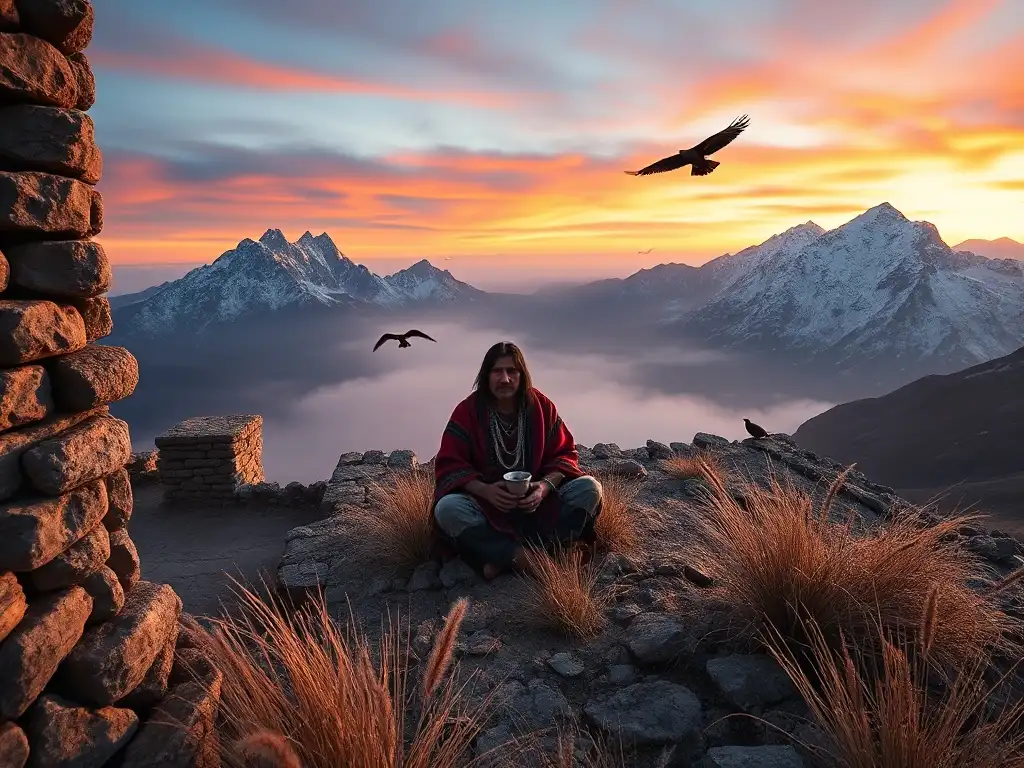
Step into a world lost to time, yet echoing with vibrant power. Journey with us through the breathtaking landscapes and enigmatic cultures of the Andes, where the very mountains whispered secrets to their inhabitants. Unravel the mysteries behind Andean shamanism practices, a profound spiritual system that intertwined the celestial and terrestrial realms. Discover how these ancient peoples perceived the interconnectedness of all things – a cosmology as vast and awe-inspiring as the Andes themselves. Prepare to be amazed.
The Andes Mountains, a majestic spine running down the western coast of South America, are not just a geographical feature; they are the very foundation of a rich and complex spiritual worldview. For millennia, Andean civilizations, including the Incas, Moche, Nazca, and Tiahuanaco, developed intricate belief systems centered around a deep understanding of the interconnectedness of all things – a cosmology profoundly shaped and interpreted by their shamanic practices.
This article delves into the fascinating world of Andean cosmology and shamanism, exploring the core beliefs, rituals, and the vital role of shamans in maintaining harmony within this intricate web of life. We will examine how Andean shamanism practices, deeply rooted in their cosmology, aimed to navigate the spiritual landscape and maintain balance between the human world and the divine.
Understanding this interconnectedness offers a profound insight into the rich tapestry of Andean culture and its enduring legacy. Prepare to embark on a journey into a world where the mountains breathe, the earth is a living entity, and the spirits of ancestors guide the living.
Introduction to Andean Cosmovision and its Spiritual Foundations
Andean cosmovision, the worldview of the ancient Andean peoples, is profoundly animistic. This means that they believed the natural world – mountains, rivers, animals, plants – was infused with spirit. This wasn't a simple belief in spirits; it was a deeply felt understanding of a living, breathing world where every element played a vital role in a complex, interconnected system.
Spiritual power wasn't confined to a separate realm; it permeated all aspects of life, from the daily tasks of agriculture to the most elaborate religious ceremonies. This holistic view profoundly influenced Andean shamanism practices, where shamans acted as intermediaries between the human world and the spirit world, ensuring the continuous flow of energy and balance within this interconnected system.
The Andean worldview was not static; it was dynamic, constantly evolving and adapting to the ever-changing landscape and the needs of the community. This dynamic nature is reflected in the diverse shamanic practices employed across different Andean cultures.
The Core Beliefs of Andean Cosmology
Andean cosmology is a complex system of beliefs that shaped the lives and practices of its people. Several key concepts underpin this worldview, providing a framework for understanding their relationship with the cosmos and the divine. The following sections will explore some of these key beliefs, highlighting their influence on Andean shamanism practices.
The Three Worlds: Hanan Pacha, Kay Pacha, and Uku Pacha
Andean cosmology is structured around the concept of three interconnected worlds: Hanan Pacha (the upper world), Kay Pacha (the middle world – where humans reside), and Uku Pacha (the underworld). Hanan Pacha is the realm of the sun, moon, stars, and celestial deities. Kay Pacha is the earthly realm, the world of human experience. Uku Pacha is the underworld, a realm of ancestral spirits and powerful energies.
Shamans, through their rituals and practices, acted as bridges between these worlds, facilitating communication and maintaining balance among them. Disruptions in the harmony between these three worlds were believed to manifest as illness, natural disasters, or social unrest, making the shaman's role crucial for maintaining cosmic order. The shaman’s ability to traverse these realms was considered essential for healing and ensuring prosperity.
The Concept of Ayni: Reciprocity and Interconnectedness
The principle of Ayni is central to Andean cosmology. It embodies the concept of reciprocity and mutual exchange – a fundamental principle governing the relationships between humans, nature, and the divine. Ayni emphasizes the interconnectedness of all things and highlights the importance of balance and harmony. This principle is reflected in various aspects of Andean life, from agricultural practices to social interactions.
Shamans played a vital role in ensuring the maintenance of Ayni, mediating between different entities and facilitating the necessary exchanges to maintain cosmic balance. Failure to uphold Ayni was believed to lead to imbalance and misfortune. The intricate rituals and offerings performed by shamans were directly linked to the principle of Ayni, reinforcing the interconnectedness of the cosmos.
The Importance of Pachamama: Mother Earth in Andean Beliefs
Pachamama, meaning "Mother Earth," is a central figure in Andean cosmology. She is revered as the life-giving force, the provider of sustenance, and the embodiment of fertility. Pachamama is not merely a passive entity; she is an active participant in the cosmos, interacting with humans and the other elements of the natural world. Andean shamanism practices heavily involve communicating with and appeasing Pachamama through offerings, rituals, and prayers, ensuring her continued benevolence and the fertility of the land.
Honoring Pachamama was, and continues to be, a crucial aspect of Andean life, reflecting the deep respect and interconnectedness between humanity and the natural world. Neglecting Pachamama was believed to result in poor harvests, illness, and other misfortunes. Therefore, maintaining a harmonious relationship with Pachamama was paramount.
The Role of the Shaman in Andean Societies
The shaman occupied a central position within Andean societies, acting as a crucial link between the human world and the spiritual realm. Their role transcended simple religious leadership; they were vital members of the community, responsible for maintaining social harmony, ensuring agricultural prosperity, and providing crucial healing services. Shamans weren't simply religious figures; they were deeply embedded in the fabric of daily life, offering guidance and support across numerous aspects of existence.
Their expertise was highly valued, and their pronouncements often held considerable weight in decision-making processes, impacting everything from planting cycles to conflict resolution. This influence stemmed from their perceived ability to communicate directly with the spirits and deities, interpreting their will and mediating their influence on the material world.
The power and prestige associated with the shamanic role varied across different Andean cultures, but their fundamental importance remained consistent throughout various societies. The level of specialization also varied; some shamans might focus primarily on healing, while others specialized in divination or ritual leadership.
Andean Shamans: Healers, Diviners, and Spiritual Guides
Andean shamans were multifaceted figures, adept at a range of practices. Their healing abilities were legendary, employing herbal remedies, spiritual techniques, and ritualistic practices to address both physical and spiritual ailments. They were skilled diviners, interpreting omens, dreams, and natural phenomena to offer guidance and predict future events.
Beyond healing and divination, shamans acted as spiritual guides, offering support and counsel to individuals and communities navigating life's challenges. They played a critical role in rites of passage, ceremonies marking significant life events like birth, marriage, and death. Their knowledge of cosmology and mythology allowed them to contextualize these events within a broader spiritual framework, offering meaning and purpose to the community.
Their ability to connect with the ancestral spirits added another layer to their role, providing a link to the past and offering guidance informed by generations of accumulated wisdom. The shaman’s wisdom was not simply theoretical; it was practical, directly impacting the wellbeing and continuity of the community.
The Initiation of a Shaman: Andean Shamanism Practices
The path to becoming a shaman in Andean cultures was not a simple one; it involved rigorous training, spiritual preparation, and often, a transformative experience. Initiation frequently involved periods of isolation, fasting, and intense spiritual practice, designed to hone the individual's sensitivity to the spiritual realm. These practices often included the ingestion of hallucinogenic substances like ayahuasca or San Pedro cactus, facilitating profound altered states of consciousness and fostering communication with the spirit world.
The process was not solely individual; it often involved mentorship from experienced shamans, who guided the initiate through the necessary trials and imparted their knowledge and skills. The rigorous nature of the initiation underscored the profound responsibility and power associated with the shamanic role.
The precise details of the initiation process varied across different Andean cultures, reflecting the diverse spiritual beliefs and practices of these societies. However, the common thread was the emphasis on spiritual discipline and the cultivation of a deep connection with the spiritual world.
The Tools and Rituals of Andean Shamans
Andean shamans utilized various tools and rituals to connect with the spirit world and perform their duties. These tools often held symbolic significance, reflecting the beliefs and cosmology of their respective cultures. Common tools included ceremonial staffs, adorned with feathers, beads, and other symbolic objects; specially prepared coca leaves used for divination and offerings; and various instruments like drums and rattles used to accompany rituals and induce trance states.
Rituals varied widely in complexity and purpose, ranging from simple healing ceremonies to elaborate festivals celebrating seasonal cycles or honoring deities. Many rituals involved offerings to the spirits, often including food, drink, and precious objects, intended to appease or honor the supernatural beings.
The use of specific colors, textiles, and spatial arrangements within the ritual context also played a significant role, reflecting the complex symbolism embedded within Andean cosmology and shamanic practices. The careful execution of these rituals was crucial, as any deviation could have negative consequences, highlighting the importance of precise knowledge and ritual expertise.
Andean Shamanism Practices: Exploring the Spiritual Realm
Andean shamanism encompasses a diverse array of practices aimed at interacting with and understanding the spiritual realm. The worldview is fundamentally animistic, believing that spirits inhabit the natural world, influencing all aspects of life. The shaman's role is to navigate this complex spiritual landscape, mediating between the human and spirit worlds. This interaction is not passive; it's an active engagement, involving communication, negotiation, and sometimes, even confrontation with spiritual forces.
The Andean worldview emphasizes the interconnectedness of all things, viewing the physical and spiritual realms as deeply intertwined and mutually influential. This understanding shapes the shaman's approach to healing, divination, and ritual practice, always considering the broader context of cosmic balance and harmony. Understanding these practices requires appreciating the holistic nature of Andean cosmology, where the spiritual is not separate from the material but rather integral to it.
Communicating with the Spirits: The Role of Trance
A crucial aspect of Andean shamanism is the ability to enter altered states of consciousness, often achieved through trance. Trance states allow shamans to transcend ordinary perception and engage directly with the spirit world. This may involve the use of hallucinogenic plants, rhythmic drumming, chanting, or other techniques designed to induce an altered state of consciousness. While in trance, shamans often experience vivid visions, receive messages from spirits, and journey to other realms.
The ability to enter and navigate these trance states requires extensive training and spiritual discipline. The interpretation of the experiences within the trance state is critical, as it informs the shaman's understanding of the spiritual forces at play and guides their actions in the material world. The descriptions of these trance journeys often feature intricate details about the spirit world, adding to our understanding of Andean cosmology and spiritual beliefs.
Healing Practices: Restoring Balance and Harmony
Andean shamanic healing practices aim to restore balance and harmony within the individual and the community. Illness is often seen not simply as a physical ailment but as a disruption of the spiritual equilibrium. Shamans diagnose the cause of illness by communicating with spirits, interpreting dreams, or using other divination techniques.
Treatment might involve herbal remedies, rituals, and spiritual interventions designed to address the underlying spiritual imbalance. The shaman’s role is to not only cure the physical symptoms but also to restore harmony between the individual and the spirit world, ensuring the patient’s reintegration into the community. The holistic approach of Andean healing emphasizes the interconnectedness of physical and spiritual well-being, reflecting the fundamental principles of their cosmology.
Divination Techniques: Interpreting Signs and Omens
Divination plays a significant role in Andean shamanism, providing a means of understanding the will of the spirits and predicting future events. Various techniques were employed, including interpreting the patterns of coca leaves, reading the flight of birds, observing natural phenomena, and analyzing dreams. These techniques were not mere superstitions; they were sophisticated methods of gathering information and interpreting signs within a deeply symbolic framework.
The shaman’s ability to interpret these signs accurately was crucial, as it informed decisions concerning agriculture, warfare, and other important aspects of community life. The accuracy of divination was believed to be directly related to the shaman's spiritual power and connection to the spirit world, further highlighting the importance of their role within Andean societies. The detailed accounts of divination practices reveal a complex understanding of symbolism and the power of observation within the Andean worldview.
Key Aspects of Andean Shamanism
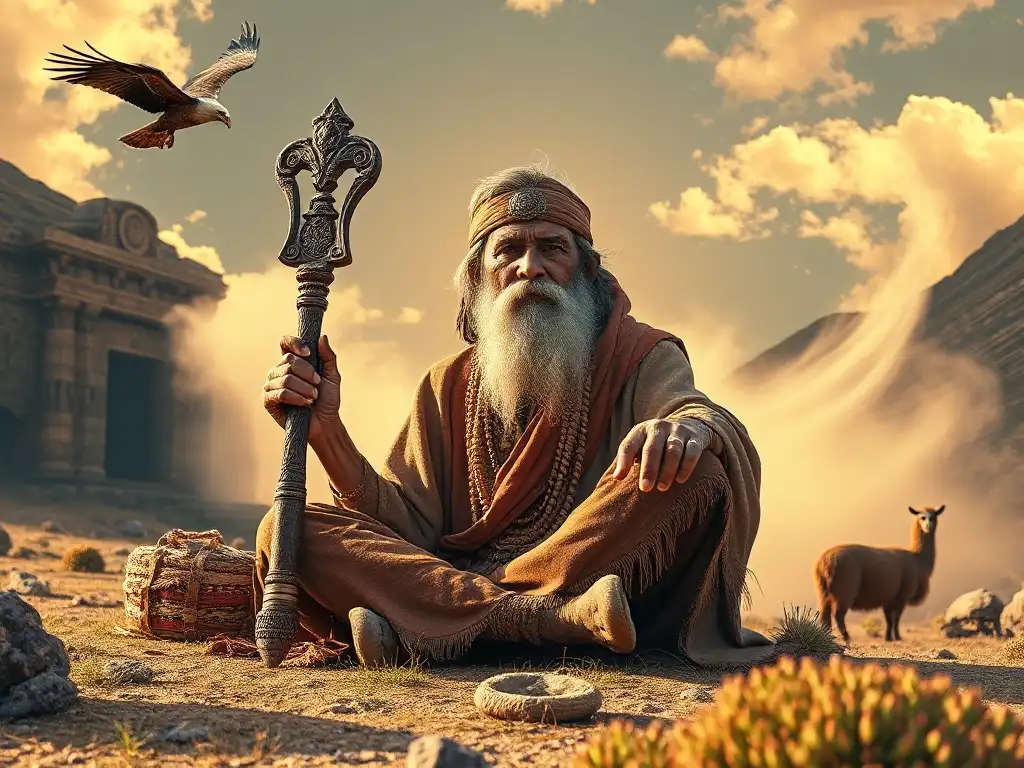
Andean shamanism, a complex and multifaceted system of beliefs and practices, is deeply intertwined with the cosmology of the Andes. It's not a monolithic entity; rather, it encompasses diverse traditions reflecting the varied cultures and geographies of the region. Central to Andean shamanism is the belief in a vibrant, interconnected world where the physical and spiritual realms are inseparable.
Shamans, or paqos as they are often called in the Quechua language, act as intermediaries between these realms, facilitating communication and interaction. Their role extends far beyond simple healing; they are spiritual leaders, advisors, and keepers of ancestral knowledge, deeply involved in the social and political fabric of their communities. Understanding Andean shamanism requires appreciating its deep connection to nature, its reverence for ancestors, and its holistic view of the universe.
The practices, beliefs, and rituals are deeply rooted in the landscape and the experiences of the people who inhabit it. This interconnectedness is a fundamental aspect of Andean spirituality.
The Connection to Ancestors and the Spirit World
A cornerstone of Andean shamanism is the profound reverence for ancestors. The belief that the spirits of ancestors remain active and influential in the lives of the living is central. Shamans are often called upon to communicate with these spirits, seeking guidance, protection, or resolving conflicts. Elaborate ceremonies, involving offerings and prayers, are performed to honor the ancestors and maintain harmonious relationships with the spirit world.
These practices underscore the cyclical nature of life and death, emphasizing the continuity between generations and the enduring presence of those who came before. The ancestors are seen not just as historical figures but as active participants in the ongoing life of the community, their wisdom and experiences continuing to shape the present. This connection extends beyond direct lineage; communities often venerate powerful ancestral figures who embody specific qualities or represent significant historical events.
The Importance of Sacred Mountains and Natural Places
The Andean landscape is profoundly significant in shamanic practices. Sacred mountains ( apus), revered as powerful deities, are focal points for rituals and ceremonies. These mountains are not merely geographical features but are considered living entities, imbued with spiritual power. Shamans often journey to these sacred sites to connect with the apus, seeking blessings, guidance, or healing.
Other natural places, such as lakes, rivers, and caves, also hold spiritual significance, often associated with specific deities or spirits. These natural environments are seen as portals to the spirit world, providing access to powerful energies and facilitating shamanic experiences. The deep respect for nature inherent in Andean cosmology is reflected in the careful stewardship of these sacred sites and the sustainable practices employed by indigenous communities. The preservation of these places is crucial for maintaining the continuity of Andean shamanic traditions.
The Role of Animal Spirits and Power Animals
Animals play a vital role in Andean shamanism. Many animals are considered to be messengers or manifestations of spiritual forces. Shamans often have personal power animals, which act as guides and protectors. These power animals are believed to provide strength, wisdom, and insight.
The relationship between a shaman and their power animal is deeply personal and often developed through dreams, visions, or other shamanic experiences. Different animals are associated with different qualities and attributes, reflecting the diverse animal kingdom of the Andes. The symbolic meaning of animals in Andean cosmology is rich and complex, reflecting the intricate web of relationships between humans and the natural world. The respect for all living creatures is a fundamental principle, emphasizing the interconnectedness of all beings.
Andean Shamanism Practices Today: Preservation and Adaptation
While facing significant challenges, Andean shamanic traditions continue to thrive in the 21st century. The persistence of these practices is a testament to their enduring relevance and the deep spiritual connection they provide to indigenous communities. However, the interplay of traditional practices with modern influences presents a complex and dynamic landscape.
Contemporary Andean Shamanic Traditions
Contemporary Andean shamanism demonstrates a remarkable resilience and adaptability. While core beliefs and practices remain largely intact, they are constantly evolving in response to changing social and environmental contexts. Modern practitioners often integrate elements of traditional healing with contemporary approaches, demonstrating a capacity for innovation while upholding the integrity of ancestral knowledge.
The transmission of knowledge continues through apprenticeship and familial lineages, ensuring the continuation of these vital traditions. Communities actively participate in preserving their cultural heritage, fostering a sense of collective responsibility in safeguarding these ancient practices. The continuity of Andean shamanic traditions is largely due to the dedication of individuals and communities committed to preserving their cultural heritage.
The Challenges of Modernization on Indigenous Beliefs
Modernization poses significant challenges to the preservation of Andean shamanism. Urbanization, migration, and the influence of globalized culture have led to the erosion of traditional ways of life. The encroachment of industrial activities on sacred sites also threatens the integrity of traditional practices. Furthermore, the increasing dominance of Western medicine often marginalizes traditional healing methods, despite their effectiveness. These pressures highlight the importance of supporting indigenous communities in their efforts to protect their cultural heritage and maintain their spiritual autonomy. The need for cultural preservation is paramount in ensuring the continuity of Andean shamanic practices.
The Importance of Maintaining Andean Shamanic Knowledge
Maintaining Andean shamanic knowledge is crucial for several reasons. First, it preserves a valuable cultural heritage that offers unique insights into the human experience and our relationship with the natural world. Second, it provides a vital source of healing and spiritual guidance for indigenous communities. Third, it contributes to a broader understanding of alternative healing practices and their potential benefits.
The loss of this knowledge would represent an irreplaceable loss to humanity. Therefore, continued support for indigenous communities, educational initiatives, and research projects dedicated to the study of Andean shamanism are essential for ensuring its long-term survival and contribution to the world's cultural and spiritual landscape. The preservation of this knowledge is not merely an academic pursuit but a vital contribution to the richness and diversity of human experience.
Conclusion: The Enduring Legacy of Andean Shamanism and its Cosmovision
Andean shamanism, deeply intertwined with the region's unique cosmology, continues to resonate even today. The practices and beliefs, while adapted and sometimes syncretized with other faiths, retain a powerful influence on the cultural landscape of the Andes. Understanding the interconnectedness of all things—the mountains, the rivers, the celestial bodies, and the human spirit—remains central to Andean worldviews.
This holistic perspective, fostered by generations of shamans and passed down through oral traditions, provides a valuable framework for understanding the enduring spiritual strength of Andean communities. The sophisticated understanding of medicinal plants and their applications, a cornerstone of Andean shamanic practice, continues to be studied and reinterpreted by modern researchers, highlighting the advanced knowledge systems developed within these ancient cultures.
The legacy of Andean shamanism isn't merely a historical curiosity; it's a living tradition that informs contemporary practices and beliefs. The enduring influence of Andean cosmology on modern interpretations of nature and spirituality underscores the importance of understanding and respecting this rich cultural heritage. While many specific rituals and practices might have evolved or been lost over time, the fundamental principles of interconnectedness and the harmonious relationship between humanity and the natural world remain potent and relevant.
Studying Andean shamanism provides a unique lens through which to examine the intricate relationship between spiritual beliefs, cosmological understanding, and societal structures in the Andes. The ongoing research and renewed interest in these practices demonstrate the lasting impact of Andean shamanism and its enduring relevance in understanding the complex interplay between humans and the cosmos.
Furthermore, the continued exploration of Andean shamanic practices offers valuable insights into alternative healing modalities and holistic approaches to health and well-being, showcasing a profound understanding of the human body and its connection to the environment that continues to inspire contemporary thought. The preservation and study of Andean shamanism are therefore crucial not only for understanding the past but also for enriching our understanding of the present and informing our approach to the future.
- Introduction to Andean Cosmovision and its Spiritual Foundations
- The Core Beliefs of Andean Cosmology
- The Role of the Shaman in Andean Societies
- Andean Shamanism Practices: Exploring the Spiritual Realm
- Key Aspects of Andean Shamanism
- Andean Shamanism Practices Today: Preservation and Adaptation
- Conclusion: The Enduring Legacy of Andean Shamanism and its Cosmovision
Frequently Asked Questions
What is Andean Cosmology?
Andean cosmology is a spiritual worldview that views the universe as interconnected. It emphasizes the relationship between humans, nature, and the supernatural world, shaping their beliefs and practices. This interconnectedness is central to understanding Andean shamanism.
How did Andean shamans interact with the supernatural world?
Andean shamans, or paqos, acted as intermediaries between the human and spiritual realms. They used various techniques, including trance states, plant-based medicines, and rituals, to communicate with spirits and heal illnesses. Their role was crucial in maintaining cosmic balance.
What role did plants play in Andean shamanic practices?
Medicinal plants were fundamental to Andean shamanism. Paqos utilized plants like coca and ayahuasca to induce altered states of consciousness, facilitating communication with spirits and achieving healing and spiritual insights. These plants were sacred and treated with great respect.
What were some common Andean shamanic rituals?
Rituals varied across different Andean cultures but often involved offerings to deities, ceremonial dances, and the use of sacred objects. These rituals aimed to maintain harmony, restore balance, and seek guidance from the spiritual world. Examples include pago ceremonies and offerings to mountain spirits (Apus).
How did Andean cosmology influence daily life?
Andean cosmology deeply impacted daily life. Decisions about agriculture, social structures, and even personal conduct were guided by beliefs about the interconnectedness of all things and the importance of maintaining balance within the cosmos. This worldview shaped their entire way of life.
Final Reflection: Weaving the Threads of Andean Cosmology
The ancient wisdom of Andean cosmology remains profoundly relevant today, offering a powerful antidote to the fragmented worldview that often characterizes modern life. Its emphasis on interconnectedness, respect for nature, and the inherent spirituality of the world provides a vital framework for navigating the complex challenges of our time, reminding us that our actions ripple outwards, affecting not only ourselves but the entire cosmos.
The enduring influence of Andean shamanic practices on the cultural landscape is undeniable, shaping not only spiritual beliefs but also social structures and environmental stewardship. These practices, passed down through generations, offer a potent reminder of the importance of living in harmony with the natural world. The mountains are not just mountains, they are living beings, full of spirit and power,
a Quechua elder once told me, encapsulating the profound reverence for the interconnectedness of all things that lies at the heart of Andean cosmology. This perspective challenges our anthropocentric view of the world and encourages a more holistic and sustainable approach to life.
Consider the profound implications of this worldview for your own life. How can you cultivate a deeper appreciation for the interconnectedness of all things? How can you integrate the principles of respect, reciprocity, and balance into your daily actions? Embrace the opportunity to learn from the wisdom of the Andes, to weave the threads of this ancient cosmology into the fabric of your own existence, and to contribute to a more harmonious and sustainable future for all.
Embrace the Wisdom of Andean Cosmology Today!
Thank you for exploring the rich tapestry of Andean cosmology and shamanism. You've discovered the profound interconnectedness of all things and the wisdom that has guided generations. Now, integrate this knowledge into your life and community.
Here are some powerful ways to begin:
- **Deepen your understanding of Andean traditions** by reading books or attending workshops on shamanic practices.
- **Share your newfound insights! ** Discuss them with friends, or start an online conversation to inspire others interested in Andean cultures.
- Consider participating in a local meditation or nature retreat that fosters personal growth and community connection through principles of interconnectedness.
How has Andean wisdom resonated with your personal beliefs and practices? Share your thoughts—let's begin a conversation!