
Andean Initiation Rites: The Journey from Novice to Shaman or Priest

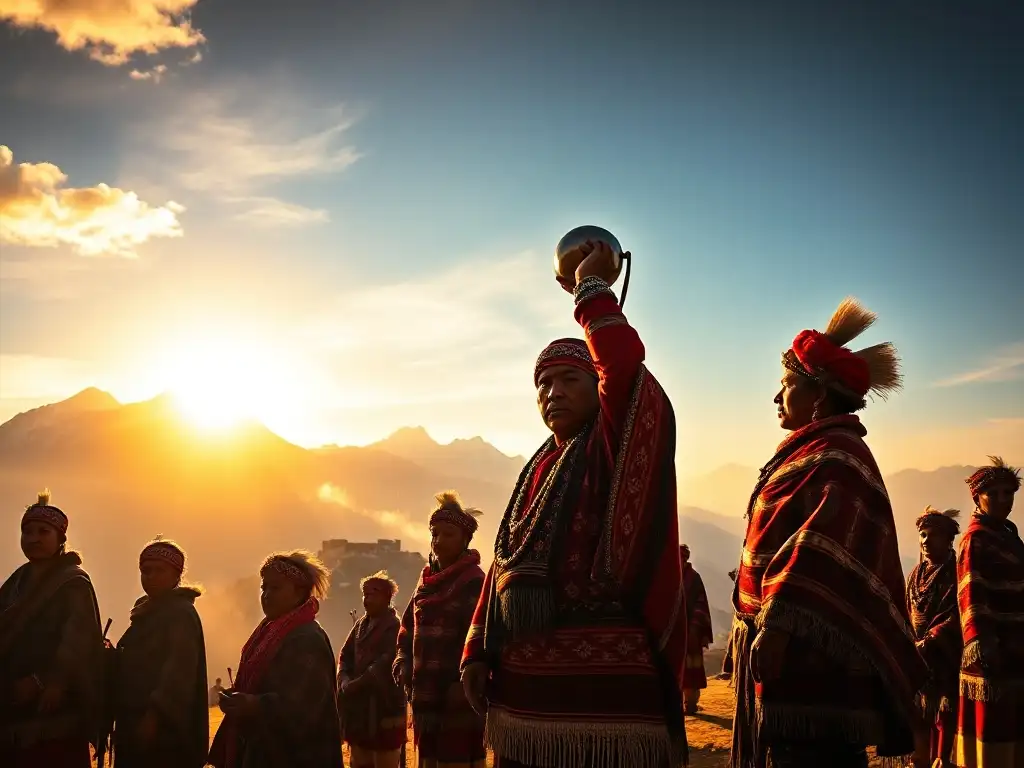
Step into a world lost to time, yet echoing with the power of ancient Andean spirituality. Imagine witnessing the breathtaking grandeur of Andean initiation ceremony rituals, where young novices embarked on transformative journeys to become revered shamans and priests. This website unveils the secrets of these captivating ceremonies, exploring the intricate beliefs and practices that shaped the Andean cosmovision. Dare to delve deeper into the mysteries that await – your exploration begins now.
The Andes Mountains, a spine of towering peaks running down the western edge of South America, were home to a rich tapestry of ancient civilizations. These cultures, including the Incas, Moche, Nazca, and Tiahuanaco, developed complex belief systems deeply intertwined with their environment and reflected in elaborate rituals and ceremonies. Central to their spiritual lives were shamans and priests, individuals who acted as intermediaries between the human and spirit worlds.
This article delves into the fascinating world of Andean initiation rites, exploring the rigorous processes and transformative experiences that shaped these powerful figures, examining the various stages of these ceremonies and their significance within the broader Andean cosmovision. Understanding these initiation ceremonies provides crucial insight into the Andean worldview and the societal roles of religious leaders.
We will examine specific examples where possible, highlighting the diversity of practices across different Andean cultures. The keyword "Andean initiation ceremony rituals" will be explored throughout the article to provide a comprehensive understanding of this important aspect of Andean religious life.
The Significance of Shamans and Priests in Andean Society
Andean societies placed immense value on their spiritual leaders. Shamans and priests weren't merely religious figures; they were vital components of the social fabric. They played crucial roles in:
- Maintaining cosmic balance: Their rituals were believed to maintain the delicate equilibrium between the human world and the supernatural realm. Disruptions in this balance, often attributed to transgressions against sacred laws, were addressed through specific ceremonies.
- Healing and divination: Shamans possessed specialized knowledge of medicinal plants and healing practices. They also acted as diviners, interpreting signs and omens to guide community decisions.
- Agricultural practices: Many rituals centered around agriculture, ensuring bountiful harvests and appeasing the deities associated with fertility. The timing of planting and harvesting were often determined by the observations and pronouncements of spiritual leaders.
- Political power: In some societies, shamans and priests held significant political influence, advising rulers and participating in important governmental decisions. Their spiritual authority often translated into temporal power.
The training to become such influential figures was rigorous, involving years of dedication, intense spiritual practices, and often, perilous trials.
Stages of Andean Initiation Rites: A Varied Path
The exact nature of Andean initiation rites varied considerably across different cultures and time periods. However, common threads emerge, suggesting a general pattern of progression:
- Selection and Preparation: Individuals were often chosen for initiation based on factors such as lineage, demonstrated spiritual aptitude, or dreams and visions. A period of preparation would follow, involving fasting, abstinence, and rigorous physical and mental training. This period could last for several years, preparing the initiate for the challenges ahead.
- Ritual Cleansing and Purification: This stage typically involved various rituals designed to cleanse the initiate's body and spirit, preparing them for the sacred experiences to come. These cleansing rituals might involve bathing in sacred waters, consuming specific foods, or undergoing symbolic acts of purification.
- Spiritual Trials and Ordeals: Many initiation rites involved physical or psychological trials designed to test the initiate's resilience, commitment, and spiritual strength. These trials could include extended periods of isolation, fasting, exposure to harsh elements, or hallucinogenic experiences induced by consuming sacred plants such as ayahuasca or San Pedro cactus. These experiences were believed to facilitate profound spiritual insights and transformations.
- Spiritual Instruction and Mentoring: Initiates received extensive instruction from experienced shamans and priests. This instruction covered a wide range of topics, including cosmology, ritual practices, medicinal knowledge, and the interpretation of dreams and omens. The mentoring relationship was crucial for the initiate's development and integration into the spiritual community.
- Final Rites and Investiture: Once the initiate had successfully completed their training and trials, they would undergo a final ceremony marking their official acceptance into the shamanic or priestly class. This often involved a public ritual, symbolic gestures, and the bestowal of sacred objects or regalia.
The specific details of each stage varied greatly, reflecting the unique traditions of each Andean civilization. Further research is needed to fully document the diversity of these practices.
Examples of Andean Initiation Rites: [Specific examples pending]
This section will provide specific examples of initiation rites from different Andean cultures, including the Incas, Moche, Nazca and Tiahuanaco, once further research is completed. We will delve into detailed accounts of these ceremonies, highlighting the unique aspects of each tradition and their significance within the broader context of Andean religion and society. For now, we can say that the use of hallucinogenic plants played a significant role in many of these rites, facilitating altered states of consciousness and allowing initiates to experience profound spiritual transformations.
The use of specific tools, chants and dances also varied widely between different cultures and regions. [Data on specific examples pending]
The Legacy of Andean Initiation Rites
The legacy of Andean initiation rites continues to resonate today, influencing contemporary Andean spirituality and informing our understanding of ancient Andean societies. The practices and beliefs associated with these ceremonies offer invaluable insights into the complex worldview and social structures of these fascinating civilizations.
While much remains to be discovered and interpreted, the study of Andean initiation rites provides a window into the rich spiritual heritage of the Andes, offering a powerful reminder of the enduring human quest for spiritual understanding and connection with the divine. Further research into this area is crucial to fully appreciate the complexity and significance of these ancient traditions.
- The Significance of Shamans and Priests in Andean Society
- Stages of Andean Initiation Rites: A Varied Path
- Examples of Andean Initiation Rites: [Specific examples pending]
- The Legacy of Andean Initiation Rites
Understanding Andean Spiritual Practices and Rituals
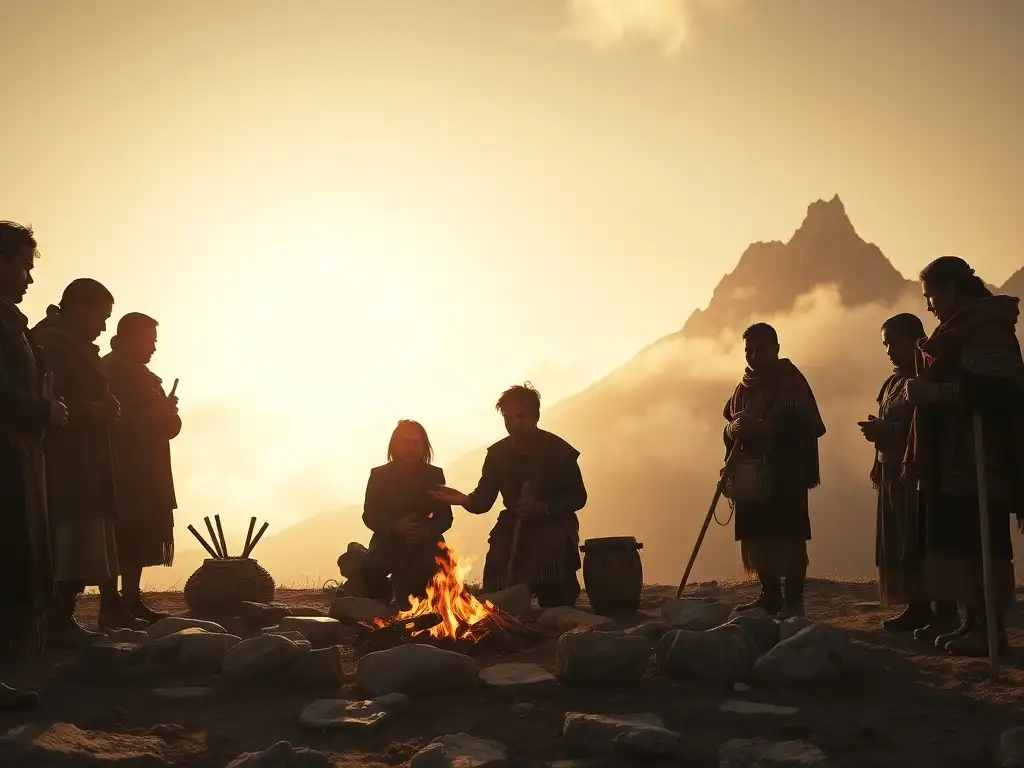
This section delves into the intricate world of Andean spiritual practices and rituals, focusing specifically on initiation ceremonies and their significance in shaping the religious landscape of these ancient societies. Understanding these rituals requires appreciating the profound connection between the Andean people and their cosmovision – their worldview encompassing the interconnectedness of the physical and spiritual realms. The Andean initiation ceremony rituals were not merely ceremonies; they were transformative journeys, shaping individuals into vital members of their communities, acting as conduits between the human and divine worlds.
The Significance of Shamanic Initiation in Andean Cultures
Shamanic initiation in Andean cultures was a rigorous and multifaceted process, often lasting years and involving intense physical and spiritual trials. These weren't simple coming-of-age ceremonies; they were about accessing and mastering spiritual power. The process frequently involved isolation, fasting, and hallucinogenic substances like San Pedro cactus 1 , used to induce altered states of consciousness and facilitate communication with the spirit world. This process aimed to not only test the endurance and resilience of the initiate but also to reveal their aptitude for shamanic abilities.
Successful initiates demonstrated a deep understanding of Andean cosmology, including the intricate relationships between the earth, sky, and underworld. They learned to interpret natural phenomena, diagnose illnesses, and heal through ritual practices. The acquisition of these abilities wasn't solely for personal gain; shamans played crucial roles in maintaining the social harmony and well-being of the entire community, acting as intermediaries between the human world and the powerful forces of nature.
Their expertise in herbal medicine, divination, and ritual healing was invaluable. Specific initiation rituals varied across different Andean cultures, reflecting the diverse spiritual beliefs and practices of each group. For example, the rites of passage for a future Moche shaman might differ significantly from those of a Nazca healer, yet the underlying principles of connecting with the spiritual realm remained consistent.
The Role of Priests in Ancient Andean Societies
While shamans often operated on a more individual level, priests held significant authority within the structured religious institutions of the larger Andean societies, particularly within the Inca Empire. Inca priests, or willaq, managed temples, oversaw religious festivals, and interpreted the will of the gods. Their training was rigorous and involved extensive knowledge of religious texts, rituals, and astronomical observations. Unlike shamanic initiation, which often involved solitary experiences, the training of Inca priests was a highly formalized process undertaken within the temple complexes.
Their roles extended far beyond simple religious duties. Inca priests were deeply involved in the political and economic life of the empire, often advising rulers and influencing important decisions. They held considerable power and prestige within society, their authority rooted in their perceived connection to the divine.
This influence is evident in the Inca's elaborate temple architecture and the meticulous organization of their religious calendar, which dictated many aspects of daily life. Their understanding of astronomy and agriculture allowed them to effectively manage resources and predict crucial events, further cementing their importance within the Inca social structure. The priests' role in maintaining social order highlights the deep entanglement of religion and politics within the Andean world.
Connecting with the Andean Cosmovision through Ritual
Andean initiation ceremony rituals were a central mechanism for connecting with the Andean cosmovision. These ceremonies were not merely symbolic; they were profoundly experiential, transforming participants' understanding of their place within the cosmos. The rituals often involved specific offerings—gifts to the gods and spirits—which could include coca leaves, llama sacrifices, and intricate textiles. These offerings weren't seen as mere appeasements but as acts of reciprocity, reinforcing the relationship between humans and the supernatural realm. The use of music, dance, and elaborate costumes further heightened the spiritual experience, creating a powerful atmosphere conducive to achieving altered states of consciousness.
The success of these rituals depended heavily on the skill and knowledge of the shamans and priests who guided the proceedings. Their ability to interpret signs, manipulate energies, and communicate with the spirit world was paramount. These rituals weren't static events; they were dynamic interactions between humans and the supernatural, constantly shaped by the specific context and needs of the community.
Understanding the Andean initiation ceremony rituals requires appreciating this dynamic interplay between the human and spiritual worlds, a core principle of the Andean cosmovision. The rituals were not just about becoming a shaman or priest; they were about becoming fully integrated members of a society deeply connected to the spiritual fabric of the Andes.
1 Further research is needed to fully detail the specific uses and preparations of San Pedro cactus in different Andean initiation rites.
Stages of the Andean Initiation Journey
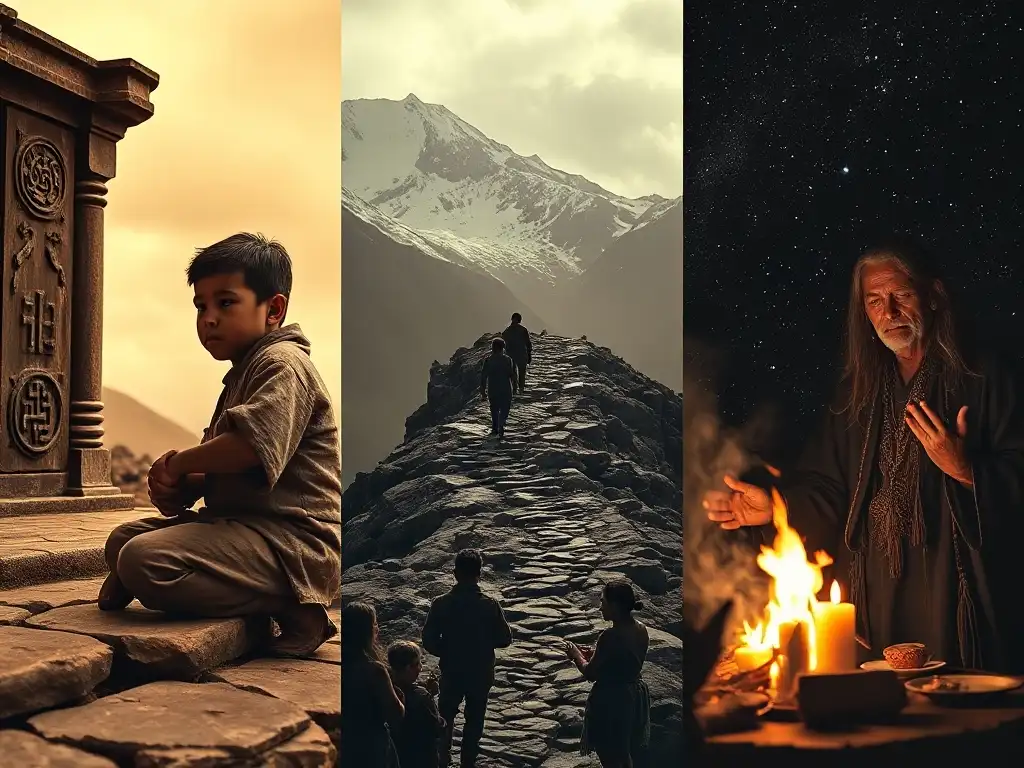
The path to becoming a shaman or priest in Andean cultures wasn't a simple one. It involved rigorous training, profound spiritual experiences, and a transformative journey that tested the initiate's physical and mental endurance. This process, often spanning years, encompassed distinct stages, each crucial in shaping the individual's connection to the Andean cosmos and their role within the community. Understanding these stages illuminates the complexity and significance of Andean initiation ceremony rituals.
Preparation and Purification Rites Before Initiation
The initiation process didn't begin abruptly. Instead, it started with a period of intense preparation and purification, aimed at cleansing the initiate both physically and spiritually, preparing them for the profound spiritual experiences to come. This preparatory phase was critical; it was believed that the individual's state of purity directly influenced their ability to connect with the spirit world.
Cleansing Rituals: Physical and Spiritual Preparation
Cleansing rituals were central to this preparatory phase. These involved various practices designed to remove impurities, both physical and spiritual. Physical cleansing often included ritual bathing in sacred springs or rivers, using specific herbs and plants with purifying properties.
Spiritual cleansing involved confession of past transgressions and the seeking of forgiveness from community elders and deities. This process often involved sweat lodges or other forms of purification ceremonies, designed to symbolically wash away negative energies and prepare the individual for the spiritual journey ahead. The aim was to achieve a state of ceque, a form of spiritual purity necessary for successful interaction with the spirit world.
Fasting and Abstinence Practices
Fasting and abstinence played a significant role in the preparation for Andean initiation ceremony rituals. The duration and strictness of these practices varied depending on the specific tradition and the individual's chosen path. This period of deprivation was not merely a physical challenge; it was a spiritual exercise designed to heighten awareness, strengthen the will, and foster a deeper connection with the spiritual realm.
By abstaining from certain foods and activities, the initiate was believed to be clearing the body and mind of distractions, allowing for a more profound spiritual experience. Specific foods and substances deemed impure were avoided, while others were seen as possessing spiritual significance.
Symbolic Dress and Ornaments for the Ceremony
Before the core initiation ceremony, the initiate would be adorned with specific symbolic clothing and ornaments. These weren't mere decorations; they held deep spiritual meaning, representing the initiate's transition from the mundane world to the sacred realm. The clothing might include specific colors associated with particular deities or spiritual forces, while ornaments like feathers, beads, and precious stones could represent different aspects of the Andean cosmos.
This careful preparation served as a powerful visual representation of the transformation the initiate was undergoing, symbolizing their readiness to enter the spiritual world. The careful selection and arrangement of these items reinforced the significance of the ceremony and the initiate's commitment to the path ahead.
The Core Andean Initiation Ceremony Rituals
The core initiation rituals represented the culmination of the preparatory phase and marked the actual entry into the shamanic or priestly path. These ceremonies were often elaborate and involved a variety of practices designed to connect the initiate with the spirit world and impart the necessary knowledge and power for their new role.
Vision Quests and Solitary Encounters with the Spirit World
Vision quests were a crucial element of many Andean initiation ceremonies. These involved periods of solitary confinement, often in remote locations imbued with spiritual significance, such as mountaintops or caves. During these quests, the initiate would engage in fasting, meditation, and other practices designed to induce altered states of consciousness and facilitate communication with the spirit world.
The experiences encountered during these solitary journeys were considered vital in shaping the initiate's understanding of the Andean cosmos and their place within it. These visions would often guide their future role as a shaman or priest. The visions received during these quests were carefully documented and interpreted by experienced shamans or priests, guiding the individual's ongoing training.
The Use of Sacred Plants and Substances in Initiations
The use of sacred plants and substances, such as coca and ayahuasca, played a significant role in some Andean initiation ceremonies. These substances were not used recreationally but as tools to facilitate altered states of consciousness, allowing the initiate to experience a deeper connection with the spirit world and gain access to knowledge and power otherwise inaccessible. The use of these substances was carefully regulated and overseen by experienced practitioners, ensuring their safe and effective use.
The specific plants and their methods of administration varied depending on the tradition and the intended purpose. The effects of these substances were interpreted within a carefully constructed spiritual framework.
Symbolic Death and Rebirth within the Ritual
Many Andean initiation ceremonies involved a symbolic death and rebirth experience. This wasn't a literal death, but rather a symbolic representation of the initiate's shedding of their former self and their emergence as a transformed individual. This transformative process involved rituals that often recreated the journey of the sun or other powerful symbols of Andean cosmology.
The initiate would undergo trials and ordeals that tested their resilience and commitment to the path, ultimately leading to a sense of renewal and empowerment. This symbolic death and rebirth was a powerful metaphor for the profound transformation they underwent. The initiate was reborn into a new role, imbued with the power and knowledge to serve their community.
Post-Initiation Practices and the Acceptance of New Roles
Following the intense and transformative experiences of the Andean initiation ceremony rituals, the newly initiated individual doesn't simply return to their previous life. A significant period of post-initiation practices is undertaken, solidifying the changes wrought during the ceremony and integrating the individual into their new role within the community. This period often involves a structured regimen of activities designed to deepen their understanding of the sacred knowledge and refine their spiritual abilities.
The length and specifics of these practices varied considerably depending on the specific Andean culture and the individual's role within the community—a shaman's training, for example, would be far more extensive than that of a community healer. This period is not merely a continuation of the initiation but a crucial transition phase, where the individual gradually embraces their new identity and responsibilities. The community plays a vital role in this process, offering guidance, support, and mentorship.
Failure to complete this phase successfully could mean the individual's rejection by the community or a lack of full acceptance of their new spiritual standing. The process is a delicate balance between individual growth and communal integration.
Learning the Sacred Knowledge and Rituals of the Andean Tradition
A core component of post-initiation involved rigorous training in the sacred knowledge and rituals specific to their new role. This wasn't simply rote memorization; it involved a deep immersion into the Andean worldview, cosmology, and the intricate details of the ceremonies themselves. For aspiring shamans, this included learning complex healing techniques, divination methods, and the interpretation of dreams and omens.
They would spend years studying ancient texts, observing experienced practitioners, and participating in numerous ceremonies, gradually mastering the intricacies of their craft. Similarly, those destined for priestly roles underwent extensive training in religious law, ritual performance, and the proper conduct of ceremonies related to agriculture, ancestor veneration, and other community needs. This period emphasized the importance of ethical conduct, emphasizing the responsibility that came with wielding spiritual power and influencing the community.
The acquisition of this knowledge was a gradual process, with each stage of learning building upon the previous one. The process was often accompanied by rigorous physical and mental discipline, testing the commitment and resilience of the initiate.
The Role of the Initiated as Community Healer and Spiritual Guide
The Andean initiation ceremonies weren't merely personal journeys; they served a vital function within the community. Upon completion of their training, the initiated individuals assumed crucial roles as healers, spiritual guides, and interpreters of the divine will. Shamans, for instance, were responsible for maintaining the balance between the human and spiritual worlds, healing illnesses, and guiding the community through challenging times.
Their knowledge of medicinal plants, spiritual practices, and the intricacies of the Andean cosmology made them indispensable figures. Similarly, priests played a pivotal role in maintaining social order, conducting ceremonies, and ensuring the well-being of the community. Their understanding of religious laws and rituals helped guide the community's actions and maintain a harmonious relationship with the spiritual realm.
The ability to interpret omens and communicate with the spirits was a critical skill, influencing decisions impacting the entire community, from agricultural practices to conflict resolution. Their roles were deeply intertwined with the community's spiritual and physical health, demonstrating the close relationship between individual spiritual development and communal well-being.
Ongoing Spiritual Development and Dedication
The Andean initiation ceremony rituals marked not an end but a beginning. The journey of spiritual development continued throughout the initiated individual's life. This involved ongoing self-reflection, a commitment to ethical conduct, and continuous learning and refinement of their skills. Regular participation in community ceremonies, ongoing study of sacred texts, and seeking guidance from experienced practitioners were all integral parts of this ongoing process.
The journey was seen as a lifelong commitment, requiring constant vigilance and dedication. The initiated individual's role within the community demanded a high level of responsibility and a commitment to upholding the values and traditions of their culture. This ongoing commitment to spiritual growth not only benefited the individual but also ensured the continued well-being and spiritual health of the Andean community. The continuous learning and refinement mirrored the cyclical nature of the Andean worldview, reinforcing the dynamic and ever-evolving nature of their spiritual path.
Specific Examples of Andean Initiation Practices
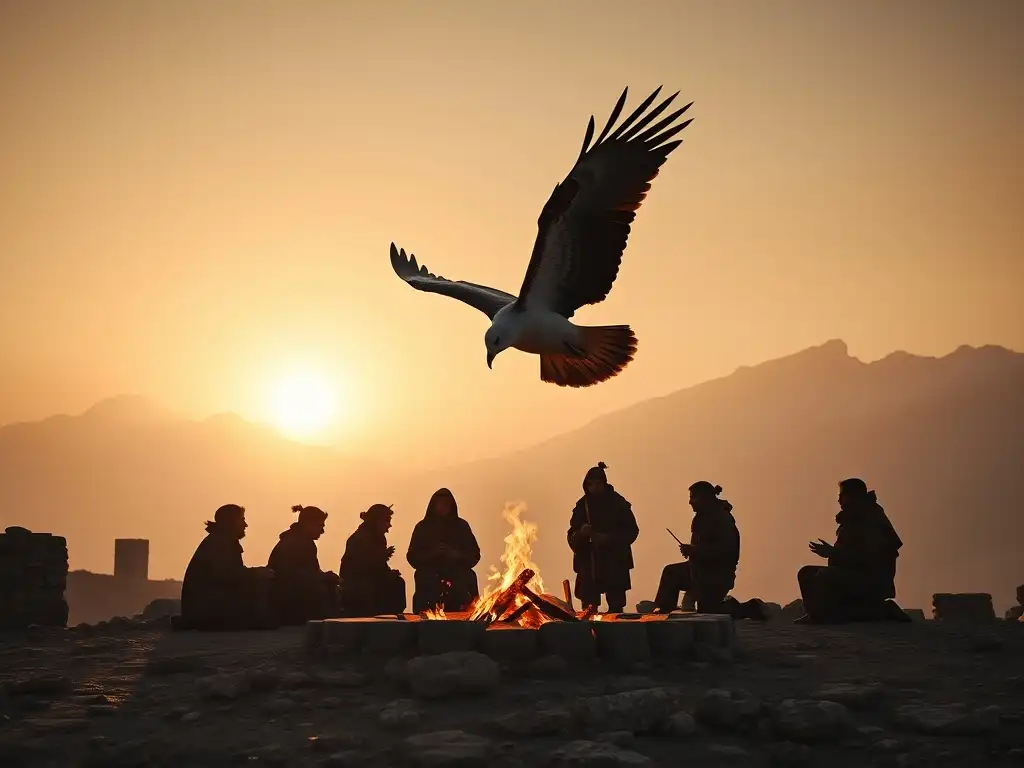
This section delves into the specific initiation practices of several prominent Andean cultures, focusing on the rituals and ceremonies that marked the transition from novice to shaman or priest. Understanding these rites provides crucial insight into the Andean worldview and the significant role of religious leaders within their societies. We will examine the Inca, Moche, and other cultures to illustrate the diversity and complexity of Andean initiation ceremonies.
The variations in these rituals highlight the unique religious and social structures of each civilization, while also revealing common threads in their spiritual beliefs. The keyword, "Andean initiation ceremony rituals," is central to understanding the profound significance of these practices.
Initiation Rites among the Inca
The Inca Empire, known for its sophisticated administrative and religious systems, had a highly structured process for initiating individuals into the priesthood. This wasn't a simple ceremony, but rather a prolonged period of training and ritual purification, culminating in a formal investiture. The process emphasized spiritual growth, demonstrating dedication and commitment to the Inca gods.
The Role of the Willaq Umu (High Priest) in Initiations
The willaq umu, the highest-ranking priest in the Inca religious hierarchy, played a pivotal role in initiation ceremonies. He wasn't merely an observer; he was the central figure, guiding the candidate through the various stages of the process. His authority stemmed from his direct connection to the divine, making his blessings and pronouncements crucial for the successful completion of the rite. The willaq umu's involvement ensured the legitimacy and sanctity of the initiation, solidifying the new priest's place within the religious order.
He oversaw the rigorous training, ensuring candidates displayed the necessary knowledge of Inca mythology, religious practices, and the intricate calendar system. The training also included practical skills such as interpreting omens and conducting sacrifices. The final stage involved a complex ritual where the willaq umu bestowed upon the initiate the sacred symbols and garments of the priesthood, officially marking their transition.
Royal Initiations and the Connection to the Divine
Royal initiations held a unique significance. The Inca believed that the Sapa Inca, the emperor, possessed a divine lineage, connecting him directly to the sun god, Inti. Therefore, the initiation of a royal heir was not just a religious ceremony, but a crucial political event reaffirming the legitimacy of the Inca dynasty and its connection to the cosmos. These ceremonies were elaborate affairs, often involving numerous priests, sacrifices, and public displays of power.
The entire event served to reinforce the emperor's divine authority and the sacred nature of the Inca rule. Specific details regarding the exact rituals performed during royal initiations remain scarce, but available archaeological evidence suggests the heavy involvement of the willaq umu and other high-ranking priests in these crucial ceremonies. Further research is needed to fully understand the nuances of these particularly significant Andean initiation ceremony rituals.
Rituals of Transition in the Moche Culture
The Moche civilization, renowned for its sophisticated artistic expressions and complex social structure, also had distinct initiation practices. Unlike the highly centralized Inca system, Moche initiation rites seem to have been more localized and potentially varied across different communities. However, the common thread was the emphasis on symbolic acts and the demonstration of a candidate's commitment to the Moche pantheon.
Initiation into the Priest Class through Symbolic Acts
Moche initiation into the priestly class often involved symbolic acts representing death and rebirth. This mirrored the cyclical nature of the Moche worldview, with death and renewal playing crucial roles in their cosmology. Candidates might undergo periods of fasting, seclusion, and ritual purification, symbolizing their shedding of their former identity to embrace the new role as a servant of the gods. These practices were intended to test the candidate's endurance and devotion.
The successful completion of these trials signified their readiness to serve the religious needs of the community. Archaeological evidence, such as the depiction of these rituals in Moche pottery, provides valuable insights into these practices. However, the exact nature of these symbolic acts remains a subject of ongoing research and interpretation, highlighting the complexity of Andean initiation ceremony rituals.
The Role of Priestesses in Moche Society
Unlike some Andean cultures where priestly roles were predominantly male, Moche society featured prominent priestesses. These women occupied positions of considerable power and influence within their communities, participating in important rituals and ceremonies. While detailed information on their initiation rites is limited, it's likely that they underwent a similar process of training and purification as their male counterparts.
The presence of powerful priestesses in Moche society underscores the complex gender dynamics within the Andean world and the significant role women played in religious life. Further research is necessary to fully elucidate the specific initiation rites for Moche priestesses, adding another layer to our understanding of Andean initiation ceremony rituals.
The Use of San Pedro in Andean Shamanic Initiation
The use of San Pedro cactus ( Echinopsis pachanoi) in Andean shamanic initiation ceremonies is deeply ingrained in the spiritual traditions of various Andean cultures. For centuries, this sacred plant has played a pivotal role in facilitating a transformative journey for initiates, helping them connect with the spiritual world and acquire the necessary knowledge and power to become effective shamans or priests. The ingestion of San Pedro is not merely a recreational activity; it's a carefully orchestrated ritual, often involving specific preparations, prayers, and the guidance of experienced practitioners.
The process is viewed as a sacred passage, a rite of passage that requires profound respect and understanding. The potency of the San Pedro cactus varies depending on factors such as its age, growing conditions, and preparation methods.
This variability adds another layer of complexity to the ritual, requiring experienced shamans to carefully assess and adjust the dosage based on the individual initiate's physical and spiritual constitution. The preparation of the San Pedro brew itself is a ritualistic process, often involving chanting and prayers, further emphasizing its sacred nature.
The Role of San Pedro in Facilitating Spiritual Visions
The primary purpose of San Pedro in initiation ceremonies is to induce intense spiritual visions. These visions are not mere hallucinations; rather, they are believed to be guided journeys into the spiritual realm, offering insights into the initiate's past, present, and future. The visions often depict encounters with ancestral spirits, deities, and other supernatural beings, providing crucial information and guidance for the initiate's spiritual development.
The shaman guides the initiate through these visions, interpreting their symbolic meanings and helping them integrate the experience into their understanding of the Andean cosmos. The intensity and nature of the visions vary greatly depending on the individual and the specific circumstances of the ceremony. Some initiates may experience vivid, colorful visions, while others may encounter more subtle, symbolic imagery.
The shaman's role is crucial in navigating the initiate through these experiences, ensuring that they are able to process and understand the messages received. The ability to interpret these visions accurately is a critical skill for a successful shaman. The experience is often described as both terrifying and exhilarating, pushing the initiate to their limits and demanding incredible courage and resilience.
Interpretation of Visions and Spiritual Insights
The interpretation of the visions induced by San Pedro is a complex and nuanced process. The shaman, acting as a guide and interpreter, plays a critical role in helping the initiate understand the significance of their experiences. The visions are not always straightforward; they often involve symbolic language and imagery that requires careful analysis. The shaman draws upon their extensive knowledge of Andean cosmology, mythology, and symbolism to decode the messages contained within the visions.
This interpretation is not a purely intellectual exercise; it involves deep intuition and empathy, allowing the shaman to connect with the initiate on a profound spiritual level. The insights gained from the visions are not merely personal revelations; they are believed to be messages from the spiritual world, providing guidance for the initiate's future role as a shaman or priest. The process of interpretation often involves dialogue between the shaman and the initiate, with the shaman helping the initiate to integrate the visions into their understanding of the world and their place within it.
This integration is crucial for the initiate's spiritual growth and development, enabling them to use their newfound knowledge and power responsibly and effectively. The interpretation process can continue long after the ceremony itself, with the initiate reflecting on their experiences and seeking further guidance from the shaman. This ongoing dialogue ensures that the transformative potential of the San Pedro initiation is fully realized.
The Importance of Andean Initiation Ceremonies in Modern Times
The significance of Andean initiation ceremonies extends far beyond their historical context. While these rituals played a crucial role in structuring Andean societies for centuries, their relevance persists in contemporary Andean communities and beyond. Understanding their continued importance requires examining their enduring influence on cultural identity, spiritual practice, and the transmission of knowledge across generations.
The ceremonies aren't simply relics of the past; they are living traditions that continue to shape the lives of many. Their preservation is vital not only for cultural heritage but also for the spiritual well-being and social cohesion of Andean communities. Many modern practitioners find solace and meaning in these ancient practices, connecting them to a deep-rooted spiritual heritage.
The ceremonies offer a powerful framework for personal growth, community building, and the exploration of profound spiritual truths. The continued practice of these rites demonstrates the enduring power of Andean traditions to adapt and thrive in the modern world. This enduring legacy highlights the resilience of Andean culture and its capacity to inspire and enrich contemporary life.
Preserving the Ancestral Wisdom of Andean Initiation Rituals
The transmission of Andean initiation rituals across generations is a delicate and complex process. Many communities actively work to safeguard these traditions, facing challenges such as globalization, migration, and the erosion of traditional knowledge. Efforts to preserve these rituals often involve oral histories, meticulously documented ceremonies, and the dedicated mentorship of experienced shamans and priests.
These individuals act as keepers of the sacred knowledge, carefully guiding initiates through the complex stages of the ceremonies. Documentation plays a vital role, but it’s crucial to understand that the true essence of these ceremonies often lies in the experiential learning and the direct transmission of knowledge from master to apprentice. This intricate process ensures that the deep spiritual and cultural significance of the rituals remains intact, preventing their transformation into mere tourist spectacles.
Furthermore, the active participation of younger generations is critical for the long-term survival of these traditions. The commitment to preserving these ceremonies reflects a profound respect for the ancestors and a deep-seated belief in the power of these ancient practices to shape the future. The survival of these rituals is a testament to the enduring strength of Andean cultural identity.
The Ongoing Relevance of Shamanic Practices in the Andes
Shamanic practices remain a central aspect of Andean life, deeply intertwined with initiation ceremonies. The role of the shaman as a spiritual guide and healer continues to be highly valued in many communities. These practitioners are not simply religious figures; they are integral parts of the social fabric, offering spiritual support, medical care, and guidance in times of crisis.
Their knowledge encompasses a vast range of traditional healing techniques, often incorporating medicinal plants, rituals, and spiritual practices. The ongoing relevance of shamanic practices is evident in their integration into everyday life, from healing ceremonies to agricultural rituals and community celebrations. The shaman's role in Andean initiation ceremonies is paramount, guiding initiates through the transformative stages and imparting vital knowledge.
This continuous practice demonstrates the enduring relevance of shamanic traditions in the modern Andean context, highlighting their adaptation and persistence within a changing world. The continued vitality of shamanic practices underscores their integral role in maintaining the spiritual and social well-being of Andean communities. [Specific data on the number of practicing shamans in different Andean regions pending].
Reconnecting with the Sacred through Traditional Ceremonies
Modern interest in Andean initiation ceremonies extends beyond the Andean region itself. Many individuals from diverse cultural backgrounds are drawn to these rituals, seeking a deeper connection with spirituality and a sense of belonging. This renewed interest highlights the universal appeal of these ceremonies and their potential to offer meaningful pathways to personal growth and spiritual exploration.
However, it's crucial to approach these ceremonies with respect and understanding, recognizing their sacred nature and avoiding any form of cultural appropriation. Authentic engagement requires a commitment to learning about the cultural context and participating responsibly, respecting the traditions and beliefs of the Andean communities. Participation in these ceremonies can be a profound and transformative experience, offering insights into the Andean worldview and fostering a deeper connection with the sacred.
The growing interest in these rituals underscores the enduring power of Andean spirituality to resonate with people across cultures and generations. This global interest presents both opportunities and challenges, emphasizing the need for responsible engagement and the preservation of these invaluable cultural traditions. The increasing participation in these ceremonies highlights their capacity to offer a profound and meaningful spiritual experience in the modern world.
The Ethical Considerations of Modern Engagement with Andean Spirituality
The resurgence of interest in Andean spirituality presents a complex ethical landscape. While appreciating and learning from ancient traditions is valuable, it's crucial to approach them with respect and awareness of potential pitfalls. The appropriation of sacred rituals and practices for profit or personal gain is a significant concern. Many modern practitioners lack the deep cultural understanding and lineage necessary to conduct these ceremonies authentically, potentially causing harm to both individuals and the integrity of the traditions themselves. This necessitates a careful examination of one's motivations and a commitment to responsible engagement.
One key ethical consideration is the issue of cultural sensitivity. Andean spiritual practices are not simply sets of techniques to be mastered; they are deeply interwoven with the cultural identity and worldview of Andean communities. Approaching these practices without understanding their historical context and social significance risks reducing them to mere commodities or novelties.
It's essential to recognize that these are not "techniques" to be picked and chosen but integral aspects of a living culture. Furthermore, active engagement requires seeking guidance from indigenous communities and respecting their authority to determine who may participate and how. Ignoring this can lead to unintentional cultural appropriation and the perpetuation of harmful stereotypes.
Another critical aspect is the potential for misrepresentation and distortion of Andean traditions. The lack of proper training and understanding can lead to inaccurate interpretations and practices, potentially resulting in spiritual harm or physical danger. For example, the use of sacred plants in ceremonies requires careful preparation and knowledge to avoid adverse effects.
Similarly, the interpretation of symbolic meanings and the conduct of rituals demand a level of expertise that cannot be acquired through superficial study. Therefore, seeking guidance from experienced and knowledgeable practitioners within the relevant Andean communities is paramount. This is not merely a matter of politeness but a critical ethical imperative.
Finally, the commercialization of Andean spirituality poses a significant threat to the authenticity and integrity of these traditions. The commodification of sacred practices for tourism or personal enrichment can trivialize their spiritual significance and undermine their cultural value. This can lead to the erosion of traditional knowledge and the loss of cultural heritage. Responsible engagement requires a critical evaluation of the motivations behind the practice and a commitment to ethical stewardship of these valuable traditions. Only through respectful and responsible engagement can we ensure the preservation and revitalization of Andean spirituality for future generations.
Frequently Asked Questions
What were Andean initiation ceremonies?
Andean initiation ceremonies were rites of passage marking a transition from childhood to adulthood, often involving spiritual and social transformation. These varied across different cultures but generally involved rigorous training and tests.
Who participated in these Andean initiation rituals?
Participation was not open to everyone. Typically, only select individuals showed potential as shamans, priests, or leaders. These individuals were often chosen based on hereditary lineage, exceptional abilities, or divine signs.
What were the common elements of Andean initiation rites?
Common elements included fasting, isolation, ritual purification, and symbolic death and rebirth. These experiences aimed to strip the initiate of their former identity and prepare them for a new spiritual role.
How did Andean initiation ceremonies differ between cultures?
While sharing common themes, specific rituals varied significantly between Inca, Moche, Nazca, and Tiahuanaco cultures. For example, the Incas emphasized sun worship, while other cultures focused on different deities or natural forces.
Where can I learn more about specific Andean initiation ceremony rituals?
To delve deeper, explore academic journals and anthropological studies focusing on specific Andean cultures. Many museums also feature exhibits on ancient Andean artifacts related to these ceremonies.
Final Reflection: Echoes of the Andes: A Legacy of Initiation
The ancient Andean initiation rites, far from being relics of a bygone era, resonate powerfully with contemporary searches for meaning and spiritual connection. Their emphasis on community, rigorous self-discipline, and profound connection with the natural world offers a compelling alternative to the often isolating and materialistic aspects of modern life. The enduring power of these ceremonies speaks volumes about the human need for transformative experiences and a deeper understanding of our place in the cosmos.
The enduring legacy of these rites is evident in the continued practice of many of their core principles, albeit often adapted to modern contexts. These ceremonies, with their emphasis on personal growth and spiritual awakening, continue to shape Andean culture and inspire individuals seeking authentic spiritual paths. The profound wisdom embedded within these traditions reminds us of the importance of respecting nature and fostering a strong sense of community. The mountains are our teachers; they show us the path to the sacred.
– An Andean elder (paraphrased).
Consider the profound journey undertaken by those who undergo these initiations. Their commitment to self-discovery, their willingness to confront their inner demons, and their dedication to serving their communities offer a powerful example for us all. You, too, can embark on a journey of self-discovery, drawing inspiration from the resilience and spiritual depth of the Andean traditions. Embrace the challenges, seek connection with nature, and cultivate a sense of purpose that transcends the everyday. Let the echoes of the Andes guide you on your own path to greater understanding and fulfillment.
Embrace Your Spiritual Journey Today!
Thank you for exploring the profound world of Andean initiation rites. Understanding these sacred rituals reveals a pathway to personal and spiritual transformation. Now, let's put this knowledge into practice!
Here are some ways to deepen your connection to the rich traditions of Andean civilization:
- Join a local spiritual community focused on Andean practices or shamanism to share experiences and learn from others.
- Immerse yourself in the culture by exploring traditional Andean art and music, gaining a deeper understanding of their spiritual significance.
- Reflect on significant moments in your life and journal your thoughts to see how they connect to your spiritual path.
Consider which aspects of Andean initiation rites resonate most with your own journey, and how you can integrate those principles into your daily life.