
The Andean Ritual of the Harvest: Giving Thanks for the Earth's Bounty

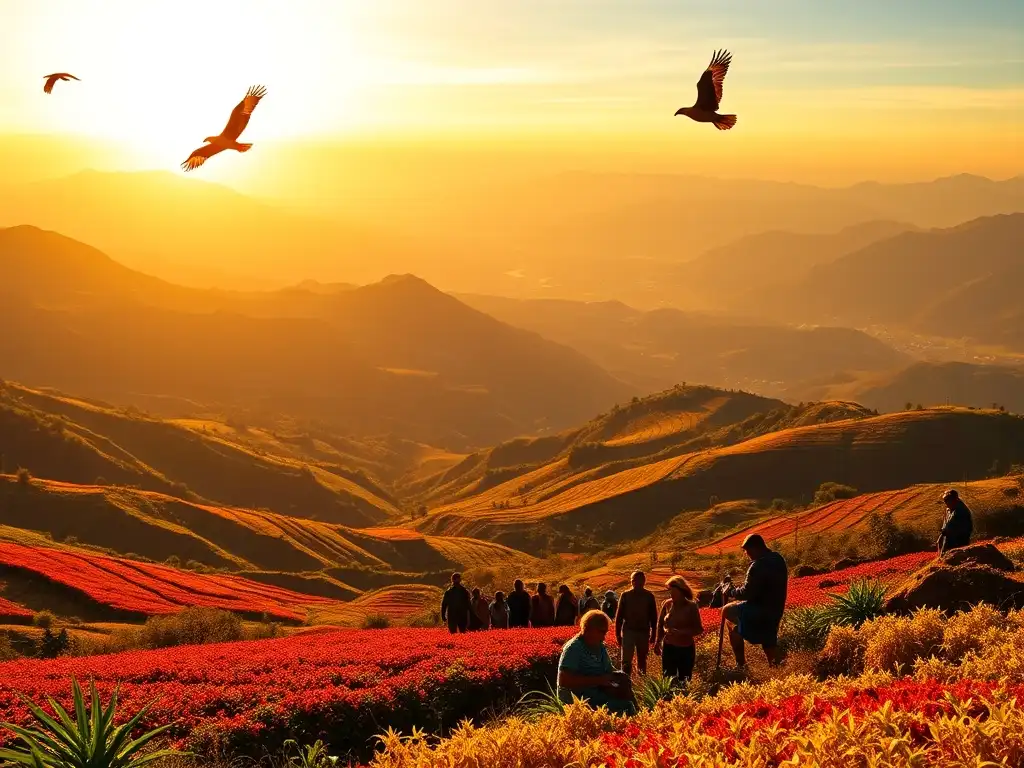
Uncover the secrets whispered on the wind across the Andes Mountains. For centuries, these majestic peaks have witnessed the rise and fall of incredible civilizations, each leaving behind a legacy of breathtaking artistry and profound spiritual beliefs.
Prepare to be captivated by the intricate tapestry of Andean culture, and delve into the mysteries surrounding Andean harvest rituals, a vital part of their complex relationship with the earth. Discover how these ancient ceremonies ensured the continuation of life and the abundance of the harvest – a story that will leave you pondering the enduring power of their connection to the land.
The Andes Mountains, a spine of towering peaks running down the western coast of South America, nurtured a tapestry of vibrant civilizations for millennia. These cultures, including the Incas, Moche, Nazca, and Tiahuanaco, developed sophisticated agricultural techniques to thrive in challenging environments. Their relationship with the land wasn't merely transactional; it was deeply spiritual.
This article delves into the fascinating world of Andean harvest rituals, exploring how these societies expressed gratitude for the earth's bounty and ensured its continued abundance. We will examine the diverse practices, symbolic offerings, and the profound cosmological beliefs interwoven with these vital ceremonies, providing a comprehensive understanding of the significance of "Andean harvest rituals" within their religious and social structures. Understanding these rituals offers a window into the complex worldview of these ancient Andean peoples and their profound connection to the natural world.
Agricultural Practices and the Sacred Landscape
The success of Andean agriculture was not simply a matter of luck; it was a testament to ingenious farming techniques adapted to the varied altitudes and climates of the Andes. Terracing, irrigation systems, and the cultivation of diverse crops, such as potatoes, maize, and quinoa, allowed for sustainable food production. However, these practices were not viewed as purely utilitarian. The agricultural landscape itself was considered sacred, imbued with spiritual power.
Mountains, rivers, and fertile valleys were not just geographical features; they were active participants in the cycle of life, deeply revered and honored in ritualistic practices. The careful cultivation of the land was seen as a sacred duty, a partnership between humans and the supernatural forces that governed the natural world. This understanding fundamentally shaped the nature of their harvest celebrations.
The Significance of Offerings and Sacrifices
Andean harvest rituals were not merely celebrations; they were acts of reciprocity. The people recognized their dependence on the earth and the deities associated with fertility and abundance. To express gratitude and ensure future prosperity, elaborate offerings were made. These offerings weren't limited to agricultural products.
They often included precious metals, textiles, and even human sacrifices in some cultures, reflecting the gravity and importance placed upon maintaining balance within their cosmological system. The act of offering was a way to appease the spirits, strengthen the bond between humanity and the divine, and symbolically reinforce the ongoing cycle of life, death, and renewal. Archaeological evidence reveals a rich diversity in the types of offerings made, suggesting a complex and nuanced understanding of the spiritual world.
Variations in Ritual Practices Across Different Andean Cultures
While a common thread of gratitude and reciprocity runs through Andean harvest rituals, specific practices varied considerably across different cultures and regions. The Incas, for instance, might have held large-scale festivals involving processions, music, and feasting, while smaller communities might have performed more intimate ceremonies focused on local deities and agricultural cycles. The Moche, known for their elaborate iconography and sophisticated irrigation systems, likely incorporated their artistic skills into their harvest celebrations. The Nazca, famous for their enigmatic lines, may have linked their agricultural rituals to their astronomical observations. Each culture infused its unique beliefs and artistic expression into its harvest celebrations, creating a diverse and fascinating array of rituals across the Andes. Further research is needed to fully understand the specific nuances of each culture's practices.
Further Research Areas
More detailed studies are needed to clarify the specific rituals of individual Andean communities. The impact of climate change on ancient agricultural practices also warrants further investigation.
The Enduring Legacy of Andean Harvest Traditions
Although the Inca Empire and other pre-Columbian Andean civilizations have long since passed, echoes of their harvest traditions persist in the cultural practices of modern Andean communities. Many contemporary celebrations and rituals retain elements of their ancient counterparts, demonstrating the enduring strength of these traditions. These modern celebrations serve as a powerful testament to the enduring connection between Andean people and their ancestral heritage, highlighting the sustained importance of giving thanks for the earth's bounty.
The continuity of these traditions underscores the deep-rooted spiritual and cultural significance of the harvest, a connection that continues to shape Andean life today. The study of these continuing traditions offers valuable insights into the resilience and adaptability of Andean culture.
- Agricultural Practices and the Sacred Landscape
- The Significance of Offerings and Sacrifices
- Variations in Ritual Practices Across Different Andean Cultures
- The Enduring Legacy of Andean Harvest Traditions
Understanding Andean Harvest Traditions
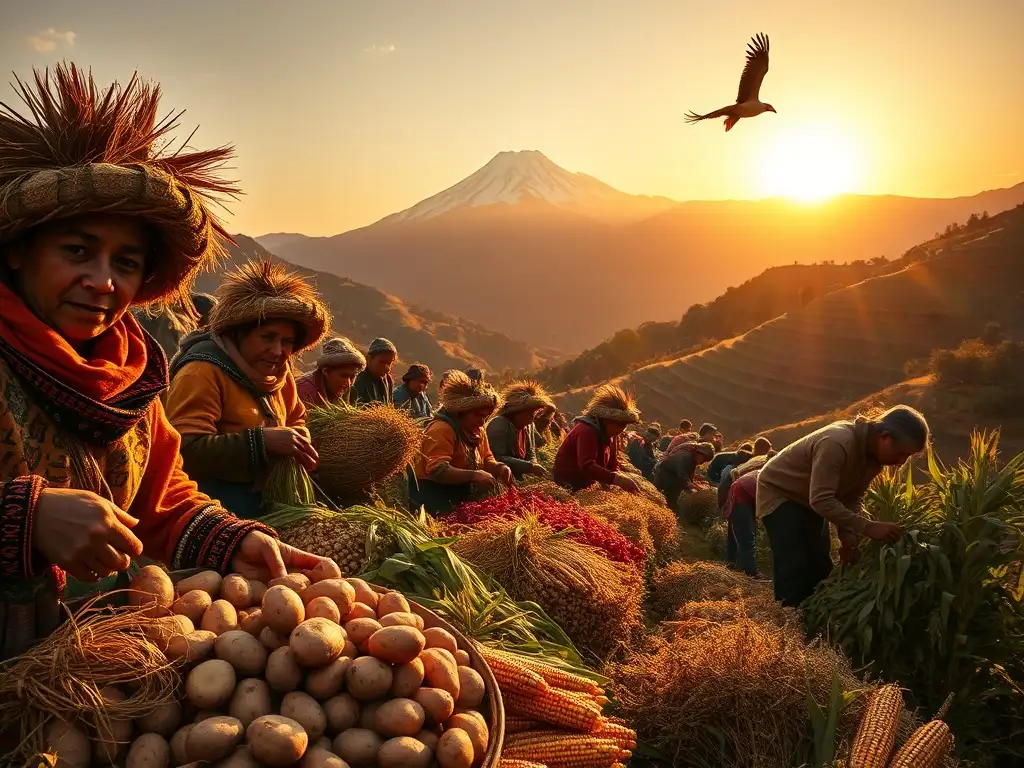
This section delves into the deeply ingrained agricultural practices and associated rituals of the Andean civilizations, focusing on the reverence for the Earth and the intricate connection between the people and their environment. Understanding these traditions provides crucial insight into the Andean worldview and their sophisticated relationship with the natural world. The concept of reciprocity, ayni, is central to understanding the significance of these harvest celebrations, highlighting the exchange between humans and the divine forces that govern the land's productivity.
The abundance of the harvest was not simply a matter of chance, but a direct result of proper respect and ritualistic offerings to the spiritual world. We will explore the key elements that shaped these traditions, from the veneration of Pachamama to the detailed cycles of planting and harvesting.
The Significance of Pachamama in Andean Agriculture
Pachamama, the Andean Earth Mother, is the central figure in understanding Andean agricultural practices and harvest rituals. She is not merely the earth, but a powerful, life-giving deity, revered as the source of all sustenance and fertility. Her influence extends beyond the physical realm; she is a spiritual force, deeply entwined with the well-being of the community. Andean farmers understood that a bountiful harvest was contingent upon maintaining a harmonious relationship with Pachamama.
This involved not only careful cultivation techniques but also a series of offerings and ceremonies throughout the agricultural cycle. The success of the harvest was interpreted as a sign of Pachamama's favor, while crop failures were often attributed to a disruption in this reciprocal relationship. Failure to honor Pachamama was believed to result in poor harvests, droughts, and other natural calamities.
Therefore, maintaining balance and showing gratitude were vital aspects of Andean agricultural practices. These rituals reinforced a strong sense of community and responsibility towards the environment. The rituals themselves were not just symbolic; they were practical actions demonstrating a deep understanding of the ecological balance.
The Cycle of Planting and Harvesting in the Andes
The Andean agricultural cycle was a meticulously planned and sacred process, intricately linked to the celestial calendar and the rhythms of nature. Planting, typically occurring during the rainy season, was accompanied by specific ceremonies aimed at ensuring a successful growth cycle. Farmers would offer coca leaves, chicha (a fermented corn beverage), and other gifts to Pachamama, imploring her blessings for fertile land and abundant growth.
The harvest, usually occurring between June and August depending on altitude and crop, was a time of great celebration and thanksgiving. The entire community participated in the harvest, acknowledging the collective effort and the shared bounty. Specific crops, such as potatoes and maize, held significant cultural and religious importance, often forming the centerpiece of harvest festivals.
The timing of planting and harvesting was not arbitrary; it was determined by observing the positions of the sun and stars, reflecting an advanced understanding of astronomy and its impact on agriculture. The precise methods varied across different Andean cultures, but the underlying principles of respect for Pachamama and the cyclical nature of life remained consistent.
Example of a specific Andean harvest ritual
In some communities, a specific offering known as a *pago a la tierra* involved burying coca leaves, food, and other items in the fields to appease Pachamama and ensure a plentiful harvest. This act of reciprocity symbolized the exchange between humans and the earth, acknowledging the earth's generosity and offering gratitude in return.
Historical Roots of Andean Harvest Ceremonies
The historical roots of Andean harvest ceremonies are deeply embedded in the pre-Inca and Inca periods. Evidence suggests that many of the practices observed during the Inca Empire were continuations or adaptations of earlier traditions. Archaeological findings, such as ceremonial sites dedicated to agricultural deities and depictions of harvest celebrations in pottery and textiles, provide valuable insights into the long history of these rituals.
While specific details may have varied across different Andean cultures, the fundamental principles of reverence for Pachamama and the reciprocal relationship between humans and the earth remained consistent throughout the centuries. The Inca Empire, with its sophisticated administrative system, formalized and standardized many aspects of agricultural practices, including the organization of harvest festivals and the distribution of resources. However, these ceremonies were not merely imposed by the ruling elite; they were deeply rooted in the cultural beliefs and practices of the Andean people.
Even after the Spanish conquest, many Andean harvest traditions persisted, often blending with Catholic practices to create a syncretic religious expression reflecting the enduring importance of these ancient rituals. The continuity of these traditions underscores the enduring power of the Andean worldview and its profound connection to the land.
Key Elements of Andean Harvest Rituals
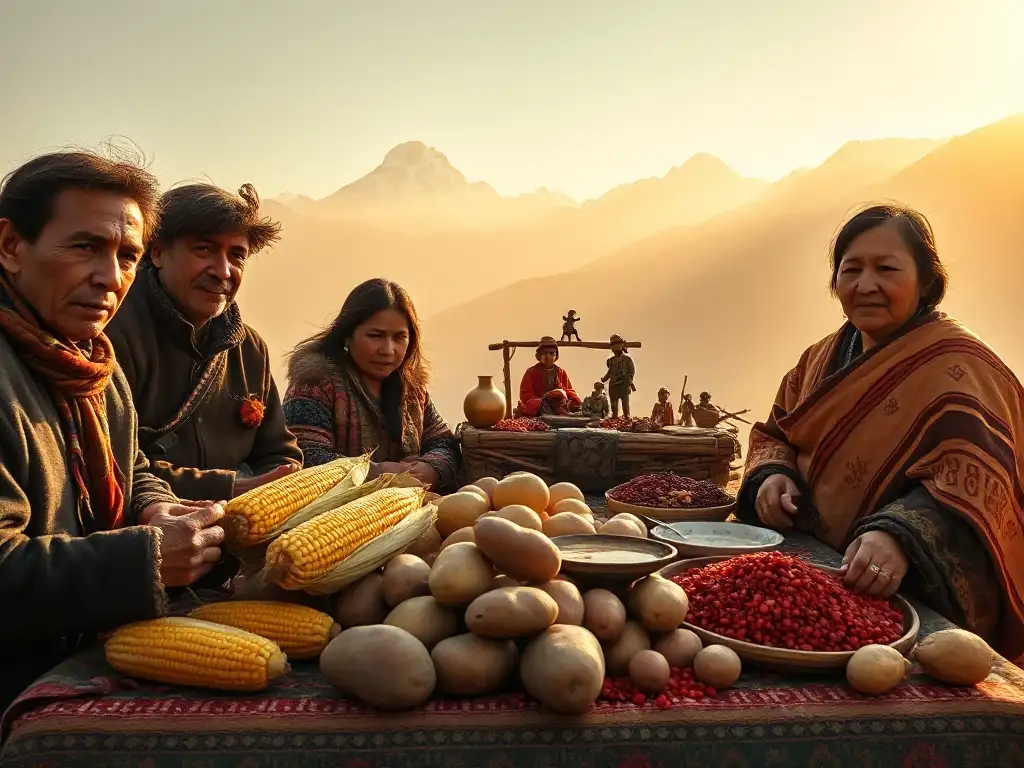
The Andean harvest, a time of immense significance for ancient Andean communities, wasn't merely a period of gathering crops; it was a deeply spiritual event, a time to express gratitude to the earth and the apus (mountain spirits) for their bounty. Understanding the intricacies of these rituals requires examining several key elements that intertwined to form a cohesive and powerful expression of Andean cosmovision. The practice of offering gifts to the earth, the incorporation of music and dance, and the crucial role of community all played pivotal parts in ensuring a successful and spiritually fulfilling harvest.
These rituals, passed down through generations, ensured the continuation of life and prosperity within the Andean ecosystem. Variations existed between different Andean cultures (Inca, Moche, Nazca, etc.
), but core elements remained consistent, reflecting a shared understanding of the relationship between humanity and the natural world. The focus on reciprocity—giving thanks in exchange for sustenance—is a central theme in understanding Andean harvest rituals and their profound impact on Andean society.
Offerings to the Earth: Coca Leaves, Chicha, and More
Offerings formed the cornerstone of Andean harvest rituals. These weren't simply gifts; they were acts of profound respect and reciprocity, acknowledging the earth's generosity and seeking its continued favor. The most common offerings included coca leaves, chicha (fermented corn beer), and various agricultural products. Coca leaves, highly valued for their stimulating properties and spiritual significance, were often chewed and offered to the apus and the pachamama (Earth Mother). The act of chewing coca itself was a ritualistic practice, symbolizing communion with the spiritual realm.
Chicha, a staple of Andean culture, held a particularly important role. Different types of chicha, brewed with diverse grains and fruits, were offered depending on the specific occasion and the deities being honored. The preparation of chicha itself was often a communal activity, further reinforcing the social bonds inherent in the harvest celebrations.
Beyond coca and chicha, other offerings included the first fruits of the harvest, livestock, textiles, and precious metals. The type and quantity of offerings varied depending on the specific community and the abundance of the harvest. A bountiful harvest might lead to more elaborate and generous offerings, reflecting the community's gratitude and prosperity.
Conversely, a less successful harvest might necessitate more humble offerings, demonstrating a continued commitment to reciprocal exchange even in times of scarcity. The meticulous preparation and presentation of these offerings demonstrated the deep respect held for the earth and its life-giving power. The act of offering was not merely a symbolic gesture; it was a fundamental part of maintaining a harmonious relationship with the spiritual world.
Music and Dance in Andean Harvest Celebrations
Music and dance were integral components of Andean harvest rituals, providing a powerful means of expressing joy, gratitude, and connection to the spiritual realm. The rhythmic sounds of panpipes, drums, and other traditional instruments created an atmosphere of celebration and reverence. These weren't simply musical performances; they were deeply symbolic expressions of Andean cosmovision, reflecting the cyclical nature of life and the interconnectedness of the natural world.
The dances themselves were often elaborate and complex, telling stories of the harvest, the earth's generosity, and the relationship between humanity and the spiritual world. Participants wore vibrant costumes, adorned with feathers, textiles, and other symbolic elements. The movements of the dance often mimicked the actions of planting, harvesting, and offering, creating a physical manifestation of the ritual's core themes. The combined effect of music and dance created a powerful and immersive experience, uniting the community in a shared expression of gratitude and spiritual communion.
The intensity and complexity of the musical and dance performances varied across different Andean cultures and regions. However, the underlying purpose remained consistent: to honor the earth, the apus, and the spirits that ensured a successful harvest. These performances were not merely entertainment; they were vital elements of the ritual, contributing to its spiritual efficacy and its capacity to foster community cohesion.
The Role of Community in the Harvest Rituals
Andean harvest rituals were profoundly communal affairs, underscoring the importance of collective participation and shared responsibility. The harvest itself was often a communal undertaking, with individuals working together to gather the crops. This collective effort extended beyond the practical aspects of harvesting, encompassing the preparation of offerings, the performance of music and dance, and the overall organization of the ritual.
The strong sense of community fostered by these rituals strengthened social bonds and reinforced a sense of shared identity. Participation in the rituals was not optional; it was a fundamental aspect of being a member of the Andean community. By participating, individuals reaffirmed their connection to the land, their ancestors, and the spiritual forces that shaped their lives. The communal nature of the rituals ensured the continuity of traditions and fostered a sense of collective responsibility for the well-being of the community and the environment.
The shared experience of expressing gratitude and celebrating the harvest strengthened social cohesion and promoted a sense of unity and interdependence. The success of the harvest, and indeed the survival of the community, depended on the collective effort and shared commitment to the rituals. This communal aspect is a key factor in understanding the enduring power and significance of Andean harvest rituals.
Traditional Clothing and Symbols of Andean Harvest Festivals
The vibrant textiles and symbolic adornments worn during Andean harvest festivals are integral to the rituals, reflecting deep-seated beliefs and communicating with the spiritual realm. Clothing wasn't merely for protection from the elements; it served as a powerful visual language, expressing social status, community affiliation, and connection to the earth's bounty. The intricate designs woven into the garments often depicted agricultural motifs, such as maize cobs, llamas, and stylized representations of the sun and moon—all vital elements in the Andean cosmology and crucial to a successful harvest.
For instance, the chumpi, a woven belt often richly decorated with geometric patterns and symbolic imagery, was not simply a functional garment. It held deep spiritual significance, representing the connection between the earth and the wearer, and acting as a conduit for energy and blessings. The colors themselves carried symbolic weight; deep reds represented the earth and fertility, while yellows signified the sun and its life-giving power. Different communities employed unique color palettes and designs, reflecting their specific traditions and beliefs, adding a layer of complexity and diversity to the visual tapestry of the harvest celebrations.
Men often wore brightly colored ponchos, intricately woven with depictions of sacred animals and agricultural scenes, over tunics and trousers. These garments were not only festive attire but also served as a reminder of their role as cultivators and guardians of the land. Women, too, wore elaborate clothing, often adorned with intricate embroidery and silver jewelry, reflecting their essential role in the agricultural cycle and their connection to the earth's fertility.
The use of specific textiles, like alpaca wool or cotton, also held symbolic meaning, reinforcing the connection to the land and its resources. The preparation of these garments was often a communal affair, involving the entire family and community, further emphasizing the collective nature of the harvest celebrations and the shared responsibility for the land's productivity.
These garments weren't just clothing; they were living embodiments of Andean cosmology and agricultural traditions. Each thread, each color, each pattern told a story, connecting the wearer to their ancestors, their community, and the abundance of the harvest.
Regional Variations in Andean Harvest Celebrations
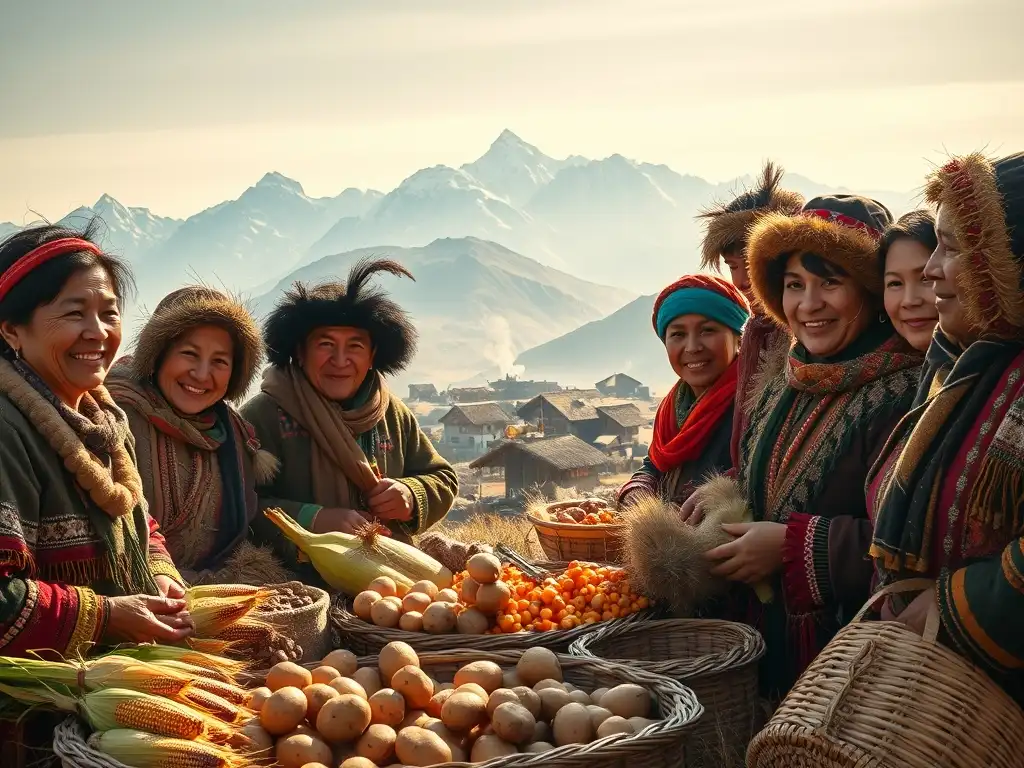
The Andean region, despite its shared geographical features and some cultural similarities, wasn't a monolithic entity. Diverse groups, each with their unique traditions and beliefs, inhabited this vast territory. This resulted in a fascinating tapestry of harvest celebrations, each reflecting the specific agricultural practices and cosmologies of the individual cultures.
Understanding these variations provides a richer appreciation for the complex relationship between the Andean peoples and their environment. The term "Andean harvest rituals" encompasses a broad spectrum of practices, highlighting the importance of reciprocity and gratitude towards the earth's bounty. Analyzing these diverse expressions of thanks allows us to delve deeper into the nuances of Andean spirituality.
Inti Raymi: The Inca Festival of the Sun
Inti Raymi, meaning "Festival of the Sun," was the most important Inca festival, coinciding with the winter solstice (around June 21st). While not exclusively a harvest celebration, it deeply intertwined agricultural success with the power of the sun god, Inti. The festival celebrated the sun's renewed strength, crucial for the upcoming growing season. The Inca emperor, considered a direct descendant of the sun, played a central role, performing elaborate rituals and offering sacrifices to ensure a bountiful harvest.
The festivities were marked by grand processions, music, dance, and feasting. Elaborate offerings, including llamas, maize, and other agricultural products, were presented to the sun god. The Inca's mastery of agriculture is evident in the meticulous planning and execution of Inti Raymi. The festival served as a powerful reminder of the Inca's dependence on the sun and the earth's fertility.
It also reinforced the emperor's authority and the social order. The precise details of the rituals varied across different Inca provinces, reflecting local adaptations and traditions. However, the central theme of expressing gratitude for the harvest and ensuring its continuation remained constant. Archaeological evidence, such as the intricate carvings on Inca pottery and textiles depicting sun worship and agricultural scenes, further illuminates the significance of Inti Raymi in Inca culture.
The Offering of the First Fruits in Moche Communities
The Moche civilization (100-800 CE), renowned for its sophisticated irrigation systems and agricultural prowess, also held significant harvest celebrations. While specific details are limited due to the nature of surviving records, evidence from their art suggests a strong emphasis on the offering of the first fruits. Moche pottery often depicts scenes of ritual offerings, featuring individuals presenting maize, beans, and other crops to deities. These offerings were not merely symbolic; they were integral to maintaining a reciprocal relationship with the supernatural world.
The Moche believed that appeasing the gods ensured continued fertility and prosperity. The first fruits, considered sacred, were often presented in elaborate ceremonies involving priests and specialized vessels. These ceremonies likely involved prayers and chants, further solidifying the connection between the Moche people and their agricultural success.
The meticulous detail in Moche pottery suggests a deep respect for the agricultural cycle and the importance of giving thanks for the abundance provided by the land. The vibrant colors and dynamic imagery in these artifacts vividly convey the spiritual significance of the harvest. Further research is needed to fully understand the nuances of Moche harvest rituals, but existing evidence clearly points to the centrality of offerings and the belief in a reciprocal relationship with the divine.
The Ritual of the Aymara New Year (Willkakuti) in the Tiahuanaco Region
The Aymara people, inhabiting the region around the ancient city of Tiahuanaco (present-day Bolivia), celebrate Willkakuti, the Aymara New Year, which marks the beginning of the agricultural cycle. This celebration, occurring around the December solstice, is deeply rooted in Andean cosmology and reflects a profound connection with the earth. Willkakuti is not solely focused on the past harvest, but rather on preparing for the next, with rituals aimed at ensuring fertility and abundance.
The celebrations involve various rituals, including the burning of papas (potatoes) and other crops, symbolizing the death and rebirth of the land. This act is accompanied by prayers and offerings, ensuring the renewal of life and the promise of a successful harvest. The Aymara people believe in a complex interplay between the celestial and terrestrial realms, where the sun, moon, and stars influence the agricultural cycle.
Willkakuti serves as a powerful affirmation of this belief, emphasizing the importance of harmony between humans and the natural world. Family gatherings, traditional dances, and music are integral parts of the celebration, highlighting the communal aspect of the harvest and the shared responsibility for maintaining the land's fertility.
The enduring nature of Willkakuti demonstrates the resilience of Aymara culture and its deep-rooted connection to the land. The rituals continue to be practiced today, reflecting the enduring significance of Andean harvest celebrations and their role in shaping Andean identity.
The Celebration of Fertility and Abundance in Nazca
The Nazca culture, famed for its enigmatic lines etched into the desert landscape, also possessed a rich and complex system of agricultural rituals centered around the harvest. Their arid environment made water and successful crop yields paramount, imbuing their harvest celebrations with a profound significance tied to fertility and abundance.
Unlike some other Andean cultures who focused heavily on specific deities, Nazca rituals often incorporated a more generalized reverence for the life-giving forces of nature itself. This is evident in the intricate iconography found on their ceramics and textiles, depicting stylized plants, animals, and anthropomorphic figures associated with bountiful harvests.
The harvest festival likely wasn't a single, rigidly defined event but rather a series of smaller ceremonies spread throughout the harvest season. These smaller celebrations would have coincided with the ripening of different crops, ensuring that each stage of the harvest received appropriate acknowledgment and thanks. Archaeological evidence, including the discovery of offerings buried alongside agricultural tools, suggests a close connection between the ritual practices and the practical aspects of farming. These offerings might have included food, textiles, and even precious artifacts, demonstrating the high value placed upon a successful harvest.
Evidence suggests that community participation was a key feature of Nazca harvest celebrations. The collaborative nature of farming in the challenging Nazca environment likely translated into a shared experience of ritual celebration, strengthening social bonds and reinforcing communal identity. Imagine the vibrant scenes: farmers, adorned in ceremonial attire, carrying offerings to designated sacred sites, perhaps accompanied by music, dance, and chanting.
While specific details remain elusive due to the limited surviving textual evidence, the visual representations on Nazca pottery provide glimpses into the festive and celebratory nature of these events. The vibrant colors and dynamic imagery suggest a joyous and hopeful atmosphere, reflecting the community's gratitude for the earth's bounty. Further research, particularly focused on uncovering more complete ceremonial sites, could shed more light on the specific practices and rituals involved in Nazca harvest celebrations.
Modern Adaptations of Andean Harvest Rituals
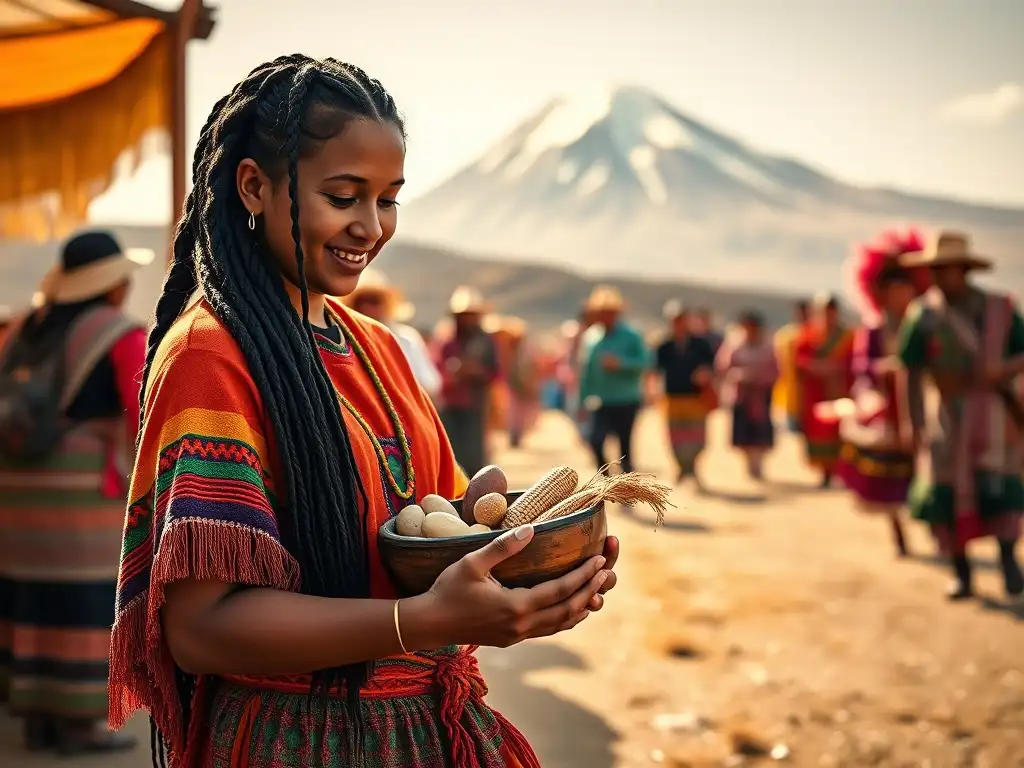
The vibrant tapestry of Andean culture, rich with ancient traditions, continues to influence contemporary life. While the grand scale of Inca empire ceremonies might be gone, the spirit of giving thanks for the earth's bounty persists in various forms. Understanding these modern adaptations requires looking beyond the obvious and recognizing the subtle ways in which ancestral reverence for Pachamama (Mother Earth) is maintained.
The celebration of the harvest, once a central focus of religious and social life, remains deeply ingrained in the daily rhythms of many Andean communities. This isn't simply a nostalgic clinging to the past; it's a living tradition, continuously reinterpreted and adapted to the challenges and changes of the modern world. The core values—respect for nature, community solidarity, and gratitude for sustenance—remain unchanged, even as the outward expressions evolve.
These adaptations represent a dynamic interplay between tradition and modernity, demonstrating the resilience and enduring power of Andean cultural heritage. The continued practice of pago a la tierra (payment to the earth), though perhaps modified in form, embodies this enduring connection.
The Persistence of Ancient Practices in Contemporary Andean Communities
Many Andean communities continue to observe harvest festivals that echo ancient rituals. Although large-scale public ceremonies might be less common than in pre-Columbian times, smaller, localized celebrations are prevalent. These often involve the sharing of food and drink, symbolic offerings to the earth, and communal prayers or chants.
For example, in some communities, farmers still perform ch’alla, a ritual sprinkling of chicha (a fermented corn beverage) on the fields, livestock, and tools as a way of thanking Pachamama and ensuring future prosperity. The precise rituals and offerings vary significantly from region to region and even between neighboring villages, reflecting the diversity of Andean cultures and their distinct ecological contexts. This localized expression of Andean harvest rituals highlights the decentralized and community-based nature of Andean spirituality.
The continuity of these practices underscores the deep-seated connection between the Andean people and the land. Ethnographic studies documenting these contemporary practices frequently highlight the importance of intergenerational transmission of knowledge, ensuring the survival of these deeply rooted traditions.
Syncretism: Blending Indigenous and Christian Elements in Harvest Celebrations
The arrival of Christianity in the Andes led to a complex process of cultural syncretism, where indigenous beliefs and practices blended with Christian elements. This is particularly evident in harvest celebrations. Many contemporary harvest festivals incorporate both indigenous rituals and Christian religious observances.
For example, a harvest celebration might begin with a traditional ch’alla ceremony, followed by a Catholic mass. This fusion isn't simply a superficial overlay; rather, it represents a complex negotiation and integration of different belief systems. The indigenous focus on gratitude towards Pachamama is often subtly interwoven with Christian themes of thanksgiving and divine providence.
This syncretic nature of Andean harvest rituals reflects the enduring strength of indigenous spirituality and its capacity to adapt and coexist with other religious traditions. The blending of indigenous and Christian elements demonstrates the flexible and adaptable nature of Andean culture, highlighting its ability to integrate external influences while preserving its core values. This syncretism is not unique to harvest celebrations; it is a recurring pattern in many aspects of Andean religious life.
The Importance of Revitalizing Andean Agricultural Traditions
The increasing globalization and modernization of Andean societies pose significant challenges to the preservation of traditional agricultural practices and associated rituals. However, there's a growing movement to revitalize these traditions, recognizing their ecological and cultural importance. This revitalization effort involves not only the preservation of ancient rituals but also the promotion of sustainable agricultural techniques that respect the environment.
Efforts to promote traditional Andean crops and farming methods are crucial for maintaining biodiversity and ensuring food security in the region. Furthermore, the revival of traditional knowledge related to farming and harvest rituals contributes to the cultural identity and resilience of Andean communities. This revitalization is not merely a nostalgic endeavor; it is a crucial step towards ensuring the long-term sustainability of Andean agriculture and the preservation of a unique cultural heritage.
Supporting these initiatives is essential for safeguarding the future of Andean harvest rituals and the profound connection they represent between people and the land. The preservation of these traditions is inextricably linked with the preservation of ecological balance and cultural identity.
The Spiritual Meaning Behind Andean Harvest Festivals
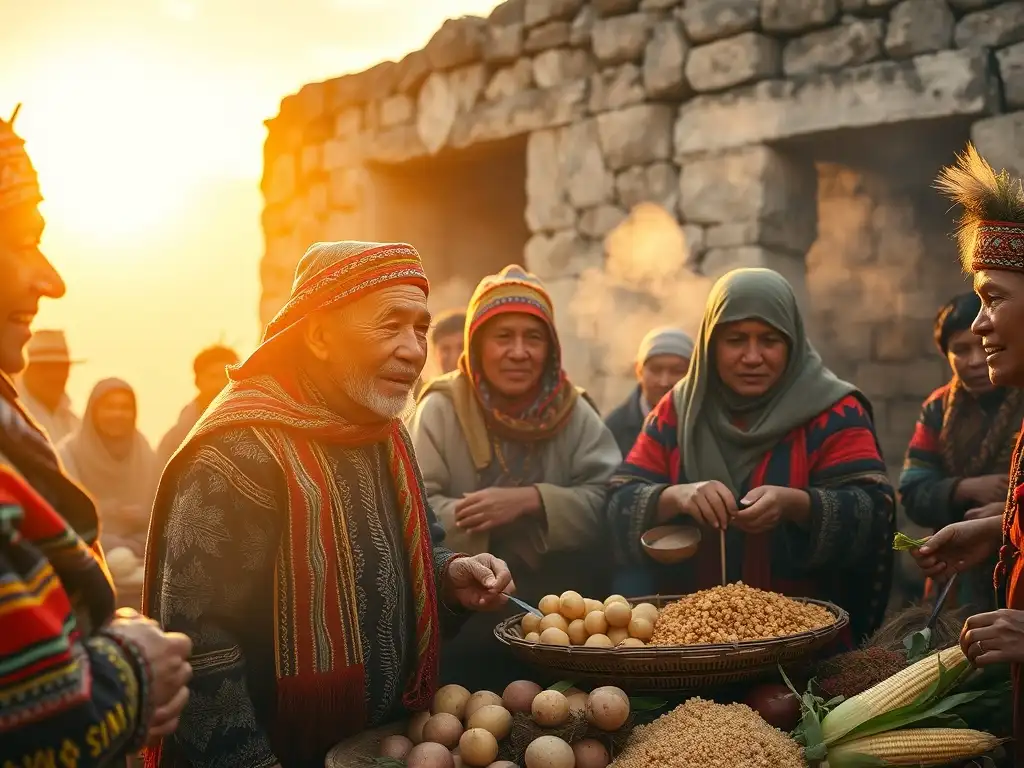
The Andean harvest, far from being a mere agricultural event, held profound spiritual significance for the various Andean civilizations. These weren't simply celebrations of abundance; they were complex rituals deeply intertwined with their cosmovision, a worldview that saw the natural world as imbued with sacred power. The harvest festivals served as a crucial bridge between the human and the divine realms, expressing gratitude for the bounty received and seeking to ensure future prosperity.
Understanding these rituals requires appreciating the Andean concept of reciprocity ( ayni), a fundamental principle governing their interactions with nature and the supernatural. Failure to show proper respect and gratitude could result in a diminished harvest in subsequent years, highlighting the critical importance of these ceremonies.
The specific rituals varied across different cultures and regions within the Andes, but the underlying spiritual core remained remarkably consistent. Analyzing these variations reveals a fascinating tapestry of beliefs and practices centered around the harvest.
Expressing Gratitude to the Earth and the Apus
The primary purpose of Andean harvest festivals was to express profound gratitude to the Pachamama (Mother Earth) for her generosity. The earth was not merely a source of sustenance but a living entity deserving of respect and veneration. Offerings of food, drink, coca leaves, and other precious goods were presented to the Pachamama as tokens of appreciation. These offerings were often placed directly in the earth, symbolically returning a portion of the harvest to its source.
Furthermore, the Apus, the mountain spirits considered sacred protectors and guardians, also received their share of the bounty. These powerful entities were believed to influence the weather patterns and the fertility of the land. Therefore, appeasing them was crucial for continued agricultural success.
Specific rituals involved climbing to high-altitude mountain passes ( apachetas) to make offerings, leaving gifts at designated sacred sites, and performing ceremonies to honor the Apus' power. The act of giving thanks wasn't merely a symbolic gesture; it was a tangible expression of the reciprocal relationship between humans and the natural world, a fundamental tenet of Andean spirituality. This reciprocal exchange was vital for maintaining the balance and harmony within their ecosystem.
Ensuring Future Agricultural Prosperity Through Ritual
Beyond expressing gratitude, Andean harvest rituals played a crucial role in ensuring the prosperity of future harvests. These ceremonies were not just retrospective; they were proactive, actively seeking to secure continued abundance. Many rituals involved symbolic acts designed to promote fertility and renewal.
For example, the planting of special seeds or the performance of dances mimicking agricultural processes were common practices. These actions weren't simply superstitious; they were imbued with a deep understanding of the natural world and its cycles. The rituals served as a way to actively participate in and influence the regenerative power of the earth.
Detailed records of precise offerings and specific rituals, while scarce, suggest a high degree of standardization within certain communities, possibly indicating a sophisticated understanding of agricultural techniques and their connection to the spiritual realm. The meticulous nature of these ceremonies underscores their importance in ensuring the community's survival and well-being. This proactive approach to agriculture highlights the Andean peoples' deep connection to and respect for the land.
The Connection Between the Harvest and Andean Cosmovision
The Andean harvest rituals were inextricably linked to their broader cosmovision, a complex worldview that encompassed a deep understanding of the interconnectedness of all things. The harvest wasn't simply an economic event; it was a manifestation of the cosmic order, reflecting the cyclical nature of life, death, and rebirth. The rituals reinforced the belief in the cyclical nature of the universe and the importance of maintaining harmony within the cosmos.
This cosmic perspective permeated every aspect of their lives, shaping their social structures, political systems, and religious beliefs. The careful observation of celestial events, such as solstices and equinoxes, played a significant role in determining the timing of agricultural activities and the performance of harvest rituals. This close relationship between the celestial and the terrestrial realms further underscores the deep spiritual meaning embedded within these festivals.
Understanding the Andean harvest rituals requires understanding their holistic worldview, where the human world was intrinsically linked to the natural and supernatural realms. The harvest, therefore, was not merely a physical event but a sacred act that reaffirmed their place within the cosmic order.
Experiencing Andean Harvest Rituals Today
The vibrant tapestry of Andean harvest rituals, while deeply rooted in ancient traditions, continues to be woven into the fabric of modern Andean life. Although the scale and specific practices may have evolved over centuries, the core essence of giving thanks to the Pachamama (Mother Earth) for her bounty remains profoundly important. Understanding this enduring connection allows us to appreciate the significance of these celebrations and, for those who have the opportunity, to witness them firsthand.
The spirit of gratitude and reciprocity, central to Andean cosmovision, permeates these events, fostering a strong sense of community and connection to the land. The persistence of these rituals underscores the enduring power of cultural heritage and its ability to adapt and thrive across generations. This living tradition offers a powerful window into the past, highlighting the unbroken link between ancient beliefs and contemporary Andean society.
The continued practice of these rituals showcases the resilience and adaptability of Andean culture, demonstrating its enduring relevance in the modern world. The preservation of these traditions is crucial for maintaining cultural identity and fostering a deeper understanding of Andean history and beliefs. Further research into specific community practices could reveal even more nuanced details about the diversity of contemporary Andean harvest celebrations.
Opportunities to Witness Authentic Harvest Celebrations in Cusco, Peru
Cusco, Peru, serves as a focal point for experiencing Andean harvest celebrations. The city's proximity to fertile agricultural lands and its position as a historical center ensures the continuation of many traditional practices. While specific dates and locations may vary from year to year, depending on agricultural cycles and community initiatives, several opportunities exist to witness authentic ceremonies. Many communities organize public celebrations, often incorporating elements of music, dance, and offerings to the Pachamama.
These events frequently involve local farmers and artisans, providing a rich and immersive cultural experience. Observing these events requires careful planning and respect for local customs. It's advisable to seek guidance from local tourism agencies or community leaders to ensure respectful participation. [Specific details about upcoming harvest festivals in Cusco pending].
Attending these events offers a unique opportunity to learn about Andean agricultural techniques and the deep-seated spiritual significance associated with the harvest. The vibrant atmosphere, filled with traditional Andean music and dance, creates an unforgettable experience for visitors. Beyond Cusco, similar celebrations take place across the Andes, though access and information may vary considerably.
Respectful Ways to Engage with Andean Cultural Practices
Engaging with Andean cultural practices, especially those as significant as harvest rituals, demands a high degree of respect and sensitivity. Avoid intrusive behavior; observe from a distance unless explicitly invited to participate. Photography should be approached with caution; always ask permission before taking pictures of individuals or sacred objects. Remember that these rituals are not mere tourist attractions; they are deeply meaningful spiritual events for the communities involved.
Avoid any actions that could be perceived as disrespectful or exploitative. Learning basic Quechua phrases, the language spoken by many Andean communities, can demonstrate your respect and facilitate communication. Supporting local artisans and businesses contributes to the economic well-being of the communities that preserve these traditions. Respect for local customs and beliefs is paramount.
By approaching these experiences with humility and a genuine interest in learning, visitors can contribute to the preservation of Andean cultural heritage. The emphasis should always be on learning and appreciation, rather than mere observation. [Specific guidelines for respectful participation in Andean rituals pending]. Remember, your presence is a privilege, not a right.
The Enduring Legacy of Andean Harvest Rituals and Their Relevance Today
Andean harvest rituals represent a powerful legacy, connecting past and present generations through shared beliefs and practices. These rituals are not simply historical relics; they remain vital aspects of Andean identity and spirituality. The enduring relevance of these traditions lies in their ability to foster a sense of community, reinforce reciprocal relationships with nature, and express gratitude for the earth's bounty. These rituals highlight the interconnectedness of humans and the environment, a perspective increasingly relevant in a world grappling with environmental challenges.
The emphasis on reciprocity and sustainability embedded in these traditions offers valuable lessons for modern societies. The continued practice of these rituals underscores the importance of preserving cultural heritage and promoting intercultural understanding. The resilience of these traditions in the face of globalization and modernization speaks volumes about their enduring significance.
Studying these rituals offers insights into sustainable agricultural practices and alternative approaches to environmental management. The Andean harvest rituals serve as a potent reminder of the profound connection between humanity and the natural world, a connection that remains critically important in our contemporary context. Further research into the socio-economic impact of these rituals could provide a more comprehensive understanding of their contemporary significance.
Frequently Asked Questions
What were Andean harvest rituals primarily about?
Andean harvest rituals centered around expressing gratitude to the earth and its deities for a successful harvest. These ceremonies ensured continued fertility and prosperity for the coming year.
Which Andean cultures practiced harvest rituals?
Many Andean cultures, including the Incas, Moche, Nazca, and Tiahuanaco, had distinct yet often similar harvest rituals, demonstrating a shared reverence for agriculture. These practices varied regionally but shared core themes.
What were some common elements of these rituals?
Common elements included offerings of food and drink, music, dance, and prayer. These rituals often involved community participation and reinforced social bonds.
How did the rituals impact Andean society?
These rituals were crucial for social cohesion, reinforcing community ties and shared beliefs. They also served as a way to manage resources and ensure the continuation of agricultural practices.
Where can I learn more about specific Andean harvest rituals?
Further research into specific cultures like the Incas or Moche will reveal unique details. Academic journals, museums, and archaeological sites offer in-depth information on these fascinating practices.
Final Reflection: A Legacy of Gratitude in the Andes
The Andean ritual of the harvest remains a potent symbol of our interconnectedness with the natural world, a connection increasingly vital in our era of environmental crisis. Understanding these ancient practices offers not only a glimpse into a rich cultural heritage but also a powerful model for sustainable living and a renewed appreciation for the bounty of the Earth. The lessons learned from these rituals are not confined to the Andes; they resonate deeply with the global need for ecological awareness and responsible stewardship.
The enduring influence of these harvest celebrations on Andean communities is profound, shaping their social fabric and spiritual beliefs for generations. These rituals are more than just ceremonies; they are living expressions of gratitude, respect, and reciprocity with the land. They remind us of our dependence on nature and the importance of celebrating its gifts. The Earth provides enough to satisfy every man's needs but not every man's greed.
- Mahatma Gandhi. This quote highlights the crucial balance that Andean harvest rituals embody, a balance we must strive to emulate in our own relationship with the planet.
Consider the profound wisdom embedded within these traditions. How can you incorporate a deeper sense of gratitude into your own life, acknowledging the sources of your sustenance and the interconnectedness of all living things? Let the spirit of the Andean harvest inspire you to cultivate a more mindful and sustainable relationship with the Earth. Embrace the opportunity to connect with nature, to give thanks for its abundance, and to act as responsible stewards of our shared planet.
Embrace the Spirit of the Harvest Today!
Thank you for exploring the rich traditions of Andean harvest rituals. Learning about these vibrant customs offers a deeper appreciation for the historical connection between gratitude and sustainable living. Now, let's put that inspiration into practice!
Here are some ways you can celebrate and express your gratitude in everyday life:
- Start a gratitude journal: Reflect daily on the abundance around you, noting what you are thankful for—from the simple pleasures to the larger blessings.
- Connect with your community: Organize a local harvest celebration or potluck to share seasonal foods and stories of gratitude with friends and neighbors. This is a wonderful way to build community and strengthen bonds.
- Explore Andean-inspired cuisine: Try cooking a traditional dish using locally sourced, seasonal ingredients. This is a delicious way to honor the earth's bounty and support local farmers.
How will you show your appreciation for the earth this season? Share your ideas!