
The Shamanic Lineage: Passing Down Wisdom and Power Through Generations in the Andes

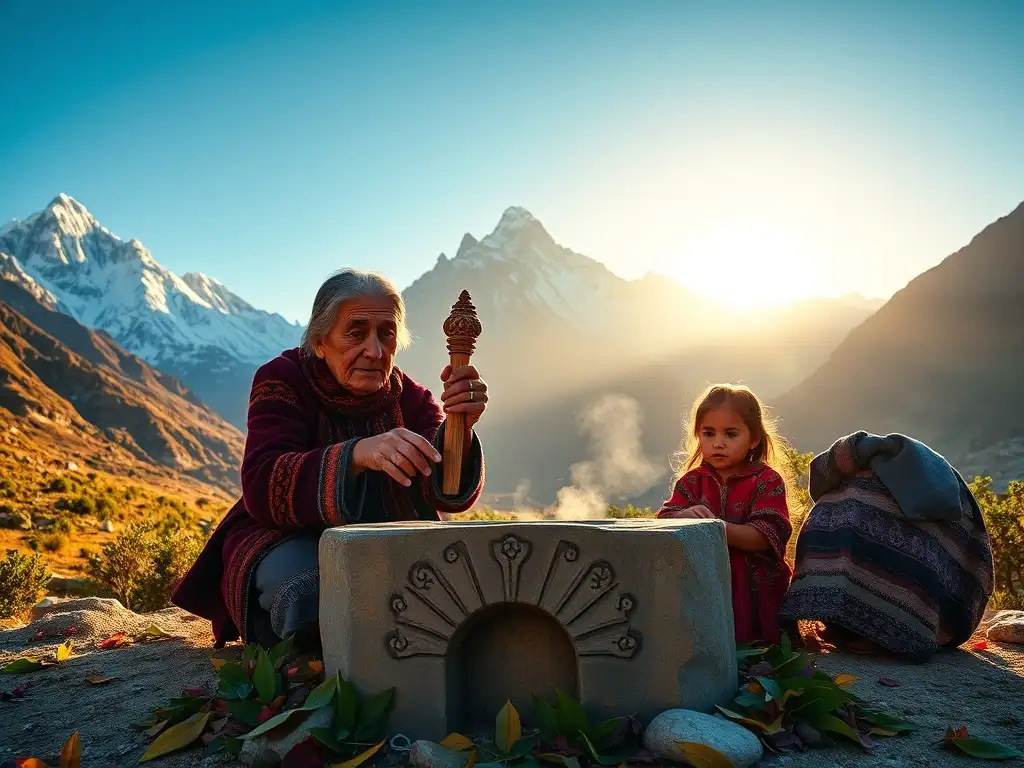
Step into a world lost to time, yet echoing with power. Uncover the secrets of the Andes, a land where majestic mountains cradled civilizations that defied explanation. We delve into the fascinating world of Andean shamanic lineage, exploring how wisdom and power were passed down through generations, shaping the unique religious and cosmological beliefs of these incredible cultures. Are you ready to unearth the mysteries behind this ancient legacy? Let's begin our journey into the heart of Andean spirituality.
- The Andean Shamanic Lineage: Transmitting Wisdom and Power Across Generations
- Defining the Roles within an Andean Shamanic Lineage
- The Transmission of Power and Knowledge in Andean Shamanic Lineages
- Key Aspects of Andean Shamanic Lineage Practices
- Variations in Andean Shamanic Lineages Across Different Regions
- The Challenges and Future of Andean Shamanic Lineages
- The Enduring Legacy of Andean Shamanic Lineages
-
Frequently Asked Questions
- What is the significance of shamanic lineage in Andean cultures?
- How is shamanic knowledge passed down through generations?
- Did all Andean cultures have a strong emphasis on shamanic lineage?
- What role did shamans play in Andean societies?
- How does the concept of Andean shamanic lineage relate to modern-day practices?
- Final Reflection: Echoes of the Andes: A Legacy of Healing and Wisdom
- Unveil the Wisdom of the Ancient Andes
The Andean Shamanic Lineage: Transmitting Wisdom and Power Across Generations
The Andes Mountains, a spine of towering peaks stretching along the western coast of South America, have been home to a rich tapestry of vibrant cultures for millennia. These civilizations, including the Incas, Moche, Nazca, and Tiahuanaco, developed complex belief systems deeply intertwined with the natural world and the spiritual realm.
Central to their religious and social structures was the shaman, a powerful intermediary between the human and spirit worlds. This article delves into the fascinating concept of the Andean shamanic lineage, exploring how knowledge, power, and spiritual authority were passed down through generations, shaping the spiritual landscape of the Andes and influencing the development of Andean societies.
We will examine the crucial role of ancestral knowledge and the intricate methods employed to ensure the continuation of shamanic practices, revealing the enduring legacy of this powerful tradition. Understanding this lineage provides invaluable insight into the complexities of Andean cosmovision and the enduring influence of shamanism on the region's cultural heritage.
Understanding the Concept of Andean Shamanic Lineage
The Andean shamanic lineage wasn't simply a matter of inheriting a title or role; it was a complex process involving rigorous training, spiritual initiation, and the transmission of deeply held secrets and practices. Unlike some traditions where shamanic abilities are considered innate or randomly bestowed, Andean lineages emphasized a structured apprenticeship. Aspiring shamans underwent years, sometimes decades, of intense tutelage under the guidance of experienced practitioners.
This involved not only mastering healing techniques and ritual practices but also a deep immersion in the Andean worldview, cosmology, and the intricate relationship between humans and the spirit world. The process often began in childhood, with selected individuals showing early signs of spiritual aptitude or a connection to the unseen.
The transmission of knowledge was multifaceted, encompassing both theoretical and practical elements. This included learning about medicinal plants and their properties, mastering complex rituals and ceremonies, understanding the intricacies of Andean cosmology, and developing the ability to communicate with spirits and ancestors. Oral traditions played a vital role, with stories, myths, and songs passed down through generations, preserving the accumulated wisdom of the lineage. This wasn't simply rote memorization; it was a living tradition, constantly interpreted and adapted within the context of changing circumstances.
The lineage itself often held sacred objects, texts, and sites, which further reinforced the continuity and authority of the tradition. Specific rituals and ceremonies were often reserved for those within the lineage, ensuring the exclusivity of knowledge and power. The selection process for new initiates was rigorous, with candidates undergoing trials and tests to assess their suitability and commitment.
The Importance of Ancestral Knowledge in Andean Shamanism
Ancestral knowledge formed the bedrock of Andean shamanic practices. Shamans were not merely healers or diviners; they were custodians of a vast repository of information accumulated over centuries. This knowledge encompassed a deep understanding of the natural world, including medicinal plants, astronomical cycles, and the interconnectedness of all living things. It also included detailed knowledge of the spirit world, the various deities and entities inhabiting it, and the rituals necessary to interact with them effectively. Respect for ancestors was paramount; they were seen as powerful guides and protectors, capable of influencing the lives of the living.
The integration of ancestral knowledge wasn't passive; it was an active process of interpretation and adaptation. Shamans continually reinterpreted ancestral teachings in the light of contemporary circumstances, ensuring the relevance and efficacy of their practices. This dynamic interplay between tradition and innovation is crucial to understanding the resilience and adaptability of Andean shamanism. The shaman's role extended beyond healing and divination; they acted as social leaders, advisors, and interpreters of the will of the ancestors and the spirits.
Their deep understanding of ancestral knowledge enabled them to navigate complex social issues, resolve conflicts, and guide their communities through challenging times. The continuity of the Andean shamanic lineage, therefore, was not simply a matter of preserving tradition; it was essential for the social, spiritual, and even physical well-being of Andean communities. The loss of this knowledge would represent a profound loss to the cultural heritage of the Andes.
Defining the Roles within an Andean Shamanic Lineage
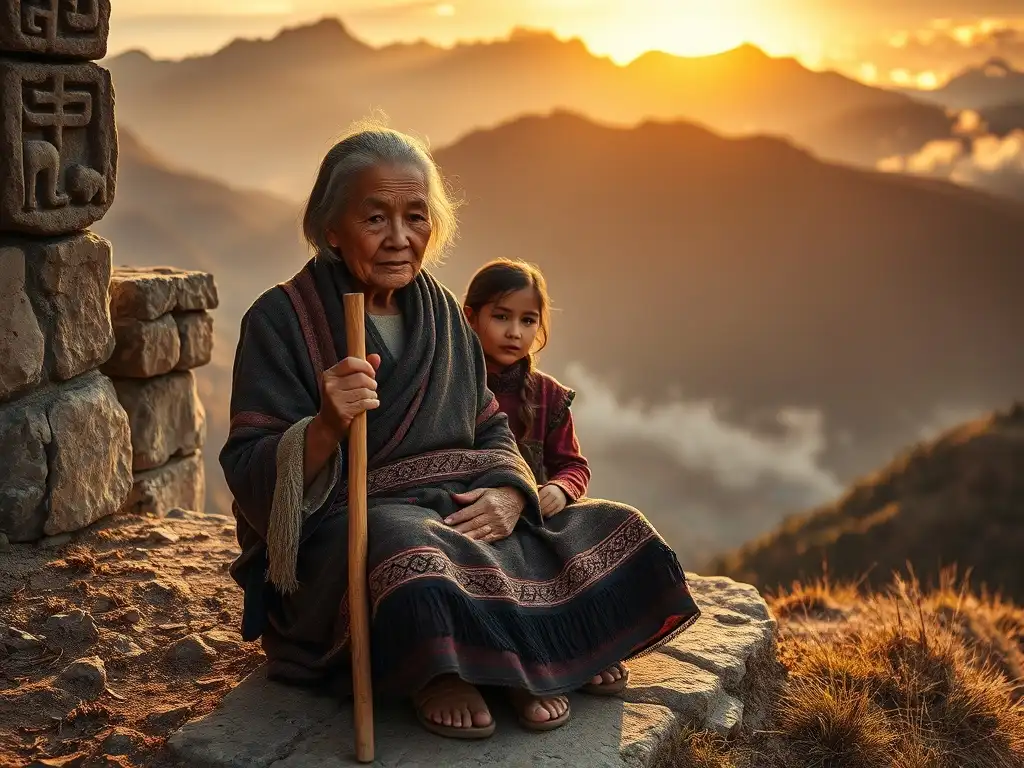
The Andean shamanic lineage wasn't simply a succession of individuals; it was a complex tapestry woven with roles, responsibilities, and a deep understanding of the interconnectedness between the human and spiritual realms. Understanding this intricate system requires looking beyond the singular figure of the "shaman" and recognizing the diverse roles within the lineage that ensured the continuation of ancestral knowledge and power. The transmission of Andean shamanic practices wasn't merely a transfer of techniques; it involved a profound spiritual connection and a commitment to upholding the balance of the cosmos.
This intricate system ensured the preservation and evolution of their unique spiritual traditions across generations, adapting to changing circumstances while maintaining the core principles of their worldview. The effectiveness of the Andean shamanic lineage stemmed from this carefully structured approach to knowledge transmission and spiritual leadership.
The Elder Paqo: Custodian of Ancient Traditions
The Elder Paqo, often an elderly and highly respected member of the community, held the most senior position within the Andean shamanic lineage. They weren't simply the most experienced practitioner; they were the living embodiment of ancestral wisdom, the keepers of sacred knowledge passed down through centuries. Their role extended far beyond healing; they served as spiritual guides, advisors, and interpreters of the Andean worldview.
The Elder Paqo possessed an intimate understanding of the ayni (reciprocity) principle, the foundational concept governing the relationship between humans, nature, and the spiritual world. They were responsible for maintaining the integrity of sacred rituals, interpreting omens, and ensuring the harmonious balance within the community. Their authority stemmed not from coercion, but from the profound respect earned through years of dedicated service and unwavering commitment to the spiritual well-being of their people.
Their knowledge encompassed herbalism, divination techniques, and intricate understanding of Andean cosmology, enabling them to navigate the complex spiritual landscape. Many Elders possessed a deep connection to the apu (mountain spirits), acting as intermediaries between the human and spiritual realms. Their life’s work was a testament to the enduring strength and resilience of the Andean shamanic tradition.
The Yachaq: Learning the Sacred Ways
The Yachaq represents the apprentice or student within the Andean shamanic lineage. This wasn't a passive role; it demanded intense dedication, unwavering commitment, and a profound spiritual awakening. The training of a Yachaq was a rigorous process, often spanning many years under the tutelage of an Elder Paqo. The learning wasn't confined to theoretical knowledge; it involved immersive experiences, practical application, and a deep personal transformation.
The Yachaq learned the intricate details of ritual practices, herbal remedies, and divination techniques. Equally crucial was the development of their spiritual sensitivity—the ability to perceive and interact with the subtle energies of the Andean cosmos. The process involved rigorous physical and spiritual discipline, including fasting, meditation, and participation in sacred ceremonies.
The Yachaq wasn't simply absorbing information; they were undergoing a spiritual metamorphosis, aligning themselves with the energies of the Andean world and developing their own unique connection to the spiritual realm. Their journey was a testament to the profound depth and complexity of the Andean shamanic tradition, demanding not just intellectual capacity, but also a deep spiritual commitment. The success of a Yachaq depended on their ability to embody the principles of ayni and to develop a strong ethical foundation, ensuring the responsible use of their developing spiritual powers.
The Role of Family and Community in Lineage Transmission
The Andean shamanic lineage wasn't solely an individual journey; it was deeply embedded within the fabric of family and community. The transmission of knowledge and power often occurred within families, with shamanic practices passed down from generation to generation. This familial context provided a crucial framework for learning, support, and continuity. Elders played a vital role in mentoring younger family members, guiding them through the intricate complexities of shamanic practice.
However, the community as a whole played a significant role in validating and sustaining the lineage. The community’s recognition of an individual's shamanic abilities was essential for their acceptance as a legitimate practitioner. This communal validation ensured the integrity and continuity of the lineage, safeguarding against the misuse of shamanic power. The community's participation in ceremonies and rituals further reinforced the social and spiritual significance of the lineage, ensuring its continued relevance and vitality within the Andean worldview.
This interwoven relationship between family, community, and the individual practitioner highlights the deeply social and communal nature of the Andean shamanic tradition. The lineage’s strength and resilience were, therefore, a direct reflection of the community's collective support and belief in the power of their ancestral heritage. The success of the lineage relied not only on individual aptitude but also on the collective commitment of the entire community to preserve and uphold these ancient traditions.
The Transmission of Power and Knowledge in Andean Shamanic Lineages
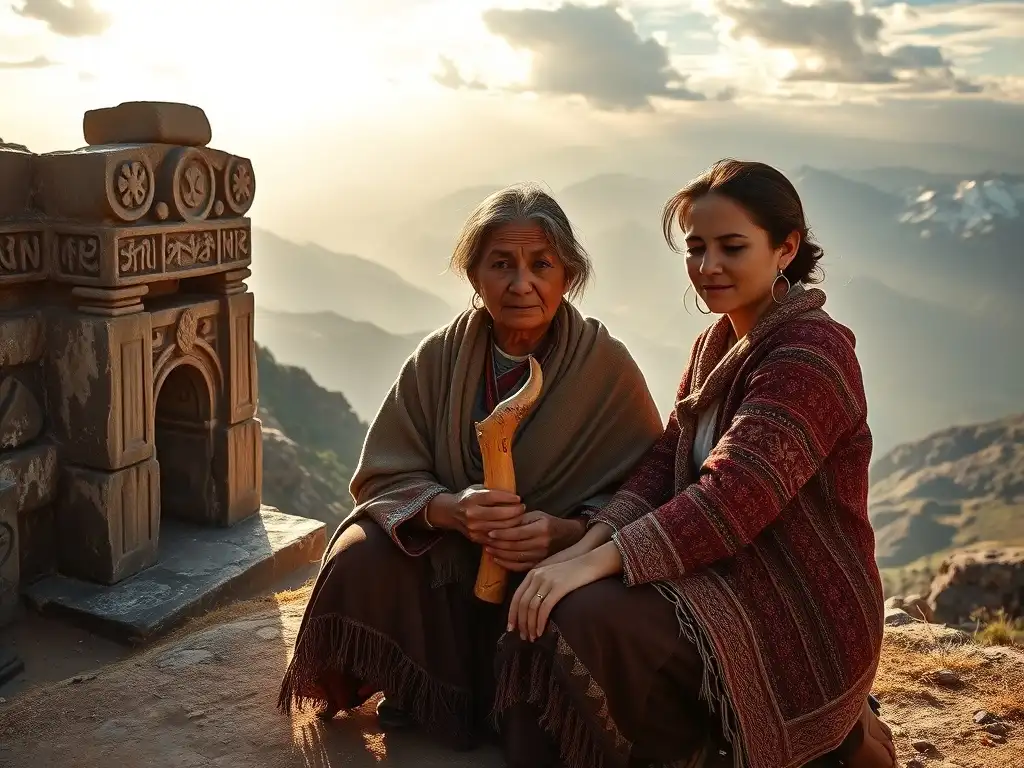
The Andean shamanic lineage wasn't simply a hereditary title; it was a complex process of mentorship, spiritual awakening, and rigorous training passed down through generations. Understanding this transmission is key to appreciating the depth and continuity of Andean spiritual practices. The power and knowledge associated with the lineage weren't inherited passively; they were actively cultivated and earned through years of dedication and rigorous testing. This involved not only mastering specific techniques but also embodying the spiritual principles at the heart of the Andean worldview.
The continuity of these lineages, despite colonial pressures and societal shifts, speaks to the resilience and enduring power of Andean spiritual traditions. The intricate system of transmission ensured the preservation of ancient wisdom, adapting and evolving while retaining its core essence. This section will delve into the key mechanisms by which this invaluable knowledge was—and in some cases, continues to be—transmitted.
Initiation Rites and Despachos
Initiation into an Andean shamanic lineage was a transformative experience, far removed from a simple ceremony. It involved a rigorous process of purification, testing, and spiritual immersion. The candidate, often chosen based on familial lineage or demonstrated aptitude, would undergo a series of trials designed to assess their commitment and spiritual readiness.
These trials often included extended periods of fasting, meditation, and exposure to the elements, designed to cleanse the body and spirit. Crucially, the use of despachos, carefully constructed offerings left on sacred sites, played a vital role. These weren't merely gifts; they were powerful symbolic acts, communicating with the spirit world and requesting blessings and guidance for the initiate's journey.
The construction of a despacho itself was a significant ritual, requiring precise knowledge of the plants, minerals, and symbolic objects used. Each element held specific meaning, representing aspects of the initiate's journey or the desired outcome. For example, coca leaves might represent prosperity and well-being, while specific flowers or feathers could symbolize protection or connection to specific deities.
The burning or scattering of the despacho marked the culmination of the offering, releasing the energy and intention into the cosmos. The entire process—from the selection of materials to the final act of offering—was a profound learning experience, emphasizing the interconnectedness of the physical and spiritual worlds. Detailed records of specific despacho components and their significance for different initiation stages are unfortunately scarce, highlighting a need for further research into this crucial aspect of Andean shamanic practice.
Oral Tradition and Storytelling: Preserving the Lineage's History
Oral tradition formed the backbone of knowledge transmission within Andean shamanic lineages. Stories, songs, myths, and rituals weren’t merely entertaining narratives; they were living repositories of ancestral wisdom, meticulously passed down through generations. These narratives imparted not only practical knowledge of healing techniques and spiritual practices but also a deep understanding of Andean cosmology, ethics, and social structures.
The use of quipus, knotted cords used for record-keeping, played a supplementary role, providing a visual aid to remember complex lineages, histories, and even numerical data. However, the primary method of knowledge transfer remained oral, relying on the memory and interpretive skills of the shaman.
The narrative structure itself was often cyclical and symbolic, reflecting the Andean understanding of time and the cyclical nature of life, death, and rebirth. Stories often incorporated allegorical elements, demanding careful interpretation and understanding from the apprentice. This wasn't a passive process of memorization; it involved active engagement with the narrative, interpreting its layers of meaning and applying it to the apprentice's own spiritual journey.
The effectiveness of this system is evidenced by the longevity of Andean traditions, even in the face of intense cultural pressure. This method of transmission fostered a dynamic relationship between the past and the present, allowing the lineage to adapt and evolve while retaining its core values and principles. Further research is needed to fully document the diversity of oral traditions across different Andean shamanic lineages.
The Use of Sacred Plants like Ayahuasca and Coca
The use of sacred plants played a crucial role in Andean shamanic practices and lineage transmission. Plants such as ayahuasca (in some regions) and coca weren't simply recreational substances; they were considered sacred tools, facilitating spiritual journeys, enhancing intuition, and providing access to other realms of consciousness. The preparation and administration of these plants were often tightly controlled within the lineage, passed down through generations as closely guarded secrets. The knowledge of proper dosages, preparation techniques, and accompanying rituals was essential for avoiding harmful effects and maximizing the plant's spiritual potential.
Coca, in particular, held a central place in Andean life and spirituality. Its use was deeply integrated into daily rituals, social interactions, and healing practices. Shamans used coca leaves in divination, enhancing their ability to perceive and interpret messages from the spirit world. The preparation and use of coca were carefully regulated within the lineage, ensuring its proper use and respect.
The use of ayahuasca, while not ubiquitous across all Andean regions, played a vital role in certain shamanic traditions, facilitating powerful visionary experiences and deep spiritual insight. Detailed knowledge of the plant's properties, preparation methods, and the accompanying rituals was essential for safe and effective use, further emphasizing the importance of apprenticeship and lineage continuity in the responsible use of these powerful plants. The precise role of different plants varies significantly across diverse Andean cultures, highlighting the need for region-specific research.
Learning Through Direct Experience and Practice
Andean shamanic lineages prioritized experiential learning above all else. Theoretical knowledge, while important, was ultimately secondary to the direct, embodied understanding gained through years of apprenticeship and practice. This wasn't simply a matter of rote memorization or mimicking rituals; it was a deeply immersive process that involved cultivating a profound connection with the Andean cosmos and its energies. Aspiring shamans weren't simply taught; they were cultivated, their potential nurtured and shaped through rigorous training and close observation of their masters.
This hands-on approach involved participating in all aspects of shamanic practice, from preparing medicinal plants and performing healing ceremonies to interpreting dreams and engaging in divination. The apprentice would shadow the master, observing their techniques, absorbing their wisdom, and gradually taking on more responsibility as their skills developed. This wasn't a passive process; it demanded intense focus, dedication, and a willingness to embrace the challenges and uncertainties inherent in shamanic work. Mistakes were inevitable, but they served as valuable learning opportunities, prompting reflection and refinement of technique.
The emphasis on direct experience extended beyond the purely technical aspects of shamanic practice. It encompassed a deeper, more profound engagement with the spiritual realm, fostering a personal connection with the apus (mountain spirits), achis (spirits of nature), and other powerful entities that inhabited the Andean landscape. This involved arduous journeys into remote and sacred locations, often under challenging physical conditions, demanding both physical and mental resilience.
Through these experiences, the apprentice not only learned the techniques of shamanic practice but also developed a deep, intuitive understanding of the Andean cosmology and its intricate web of relationships. This understanding was not simply intellectual; it was embodied, a visceral awareness that informed every aspect of their practice.
The journey to becoming a fully initiated shaman was a process of transformation, both spiritual and personal, forged in the crucible of direct experience and unwavering dedication. The Andean shamanic lineage thus ensured that knowledge wasn't simply passed down; it was lived, ensuring its continued potency and relevance across generations.
Key Aspects of Andean Shamanic Lineage Practices
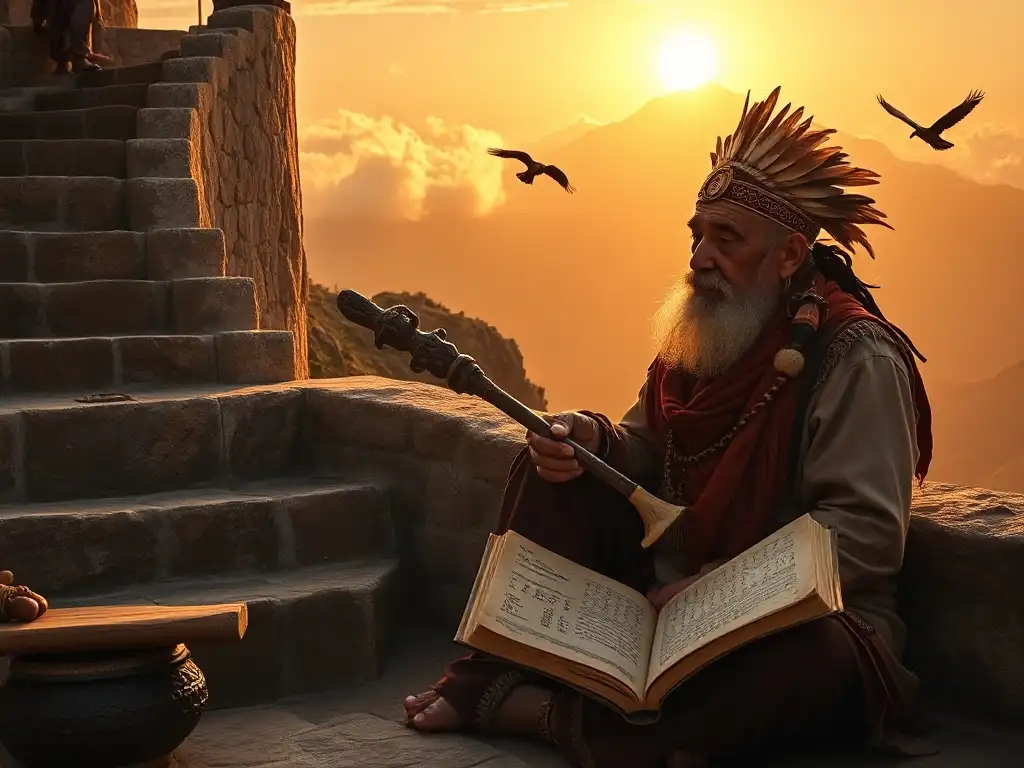
This section delves into the core practices that define the Andean shamanic lineage, exploring the intricate relationship between spiritual leaders, the natural world, and the ancestral spirits. Understanding these practices provides crucial insight into the enduring power and influence of shamanism within Andean cultures. The transmission of knowledge and power wasn't simply a matter of rote learning; it was a deeply spiritual and experiential process, passed down through generations with a profound respect for tradition and the sacred. The Andean shamanic lineage represents a continuity of spiritual practices that have shaped the cultural landscape for millennia.
Connection with the Apus: Mountains as Sacred Ancestors
The Andean worldview deeply reveres the Apus, the towering mountain spirits considered sacred ancestors. Shamans within the Andean shamanic lineage hold a unique relationship with these powerful entities. Their connection isn't merely symbolic; it's a vital aspect of their spiritual practice and source of power. Shamans often undertake arduous journeys to the high altitudes, seeking communion with the Apus through rituals, offerings, and prayer. These interactions are believed to grant the shaman access to spiritual insight, healing abilities, and guidance for their community.
The specific rituals vary depending on the region and the particular Apus involved, but common elements include:
- Offering ceremonies: These often involve coca leaves, alcohol (like chicha), and other symbolic gifts, left as offerings at sacred sites high in the mountains.
- Prayers and invocations: Shamans chant prayers and perform invocations to connect with the Apus, seeking their blessings and protection.
- Reading the landscape: The shaman's understanding of the mountain's energy and its subtle shifts plays a vital role in their connection with the Apus. They interpret natural phenomena as messages from the spirit world.
The relationship between the shaman and the Apus is reciprocal. The Apus provide spiritual strength and guidance, while the shaman acts as an intermediary, ensuring the well-being of the community and maintaining the balance between the human world and the sacred mountains. This intricate relationship underscores the deep interconnectedness between the spiritual and physical realms within the Andean shamanic lineage.
The Importance of Pachamama: Honoring Mother Earth
Pachamama, the Earth Mother, is a central figure in Andean cosmology and a key element in the Andean shamanic lineage. Shamans recognize Pachamama as the source of life and sustenance, deserving of profound respect and reverence. Their practices reflect this deep connection, focusing on maintaining harmony with the natural world and ensuring the fertility of the land.
Honoring Pachamama involves various rituals and practices, including:
- Offering ceremonies: These are performed regularly, often involving food, drink, coca leaves, and other offerings placed on the earth. This act is seen as a way to give thanks for the bounty provided by the earth and to maintain a harmonious relationship with her.
- Prayers and blessings: Shamans offer prayers and blessings to Pachamama, seeking her protection and guidance. They understand that the health of the land directly impacts the health and well-being of the community.
- Sustainable practices: The Andean shamanic lineage emphasizes sustainable practices in agriculture and resource management, reflecting a deep understanding of the interconnectedness of all living things. This reverence for Pachamama is not just spiritual; it's a practical approach to living in harmony with nature.
The reverence for Pachamama within the Andean shamanic lineage highlights the holistic approach to spirituality, where the spiritual and material realms are inextricably linked. The health of the earth is directly tied to the spiritual well-being of the community, reinforcing the importance of sustainable living and environmental stewardship.
Working with the Spirit World and Ancestral Energies
The Andean shamanic lineage involves extensive work with the spirit world, particularly with ancestral energies. Shamans are considered intermediaries between the living and the dead, capable of communicating with spirits and harnessing their power for healing and guidance. This interaction with the spirit world is not viewed as something to be feared, but rather as a vital part of life and the continuation of the Andean shamanic lineage.
Shamans use several techniques to interact with the spirit world:
- Rituals and ceremonies: These rituals often involve the use of sacred objects, plants (like ayahuasca – where applicable and legal), and music to alter states of consciousness and facilitate communication with spirits. Specific rituals and techniques vary widely depending on the region and the specific tradition.
- Divination: Shamans use various divination techniques to gain insight into the future, diagnose illnesses, and understand the will of the spirits. These techniques may involve interpreting dreams, reading coca leaves, or other forms of intuitive knowledge.
- Healing practices: Shamans utilize their connection with the spirit world to heal physical and spiritual ailments. They believe that many illnesses have spiritual origins and that healing requires addressing both the physical and spiritual aspects of the condition.
The ability to work effectively with the spirit world is a crucial aspect of the Andean shamanic lineage, demonstrating the shaman's power and their role as healers and spiritual guides within their communities. This connection to ancestral energies ensures the continuity of tradition and knowledge, further strengthening the lineage's influence and longevity. The intricate relationship with the spirit world demonstrates the profound spiritual depth inherent in the Andean shamanic tradition.
Variations in Andean Shamanic Lineages Across Different Regions
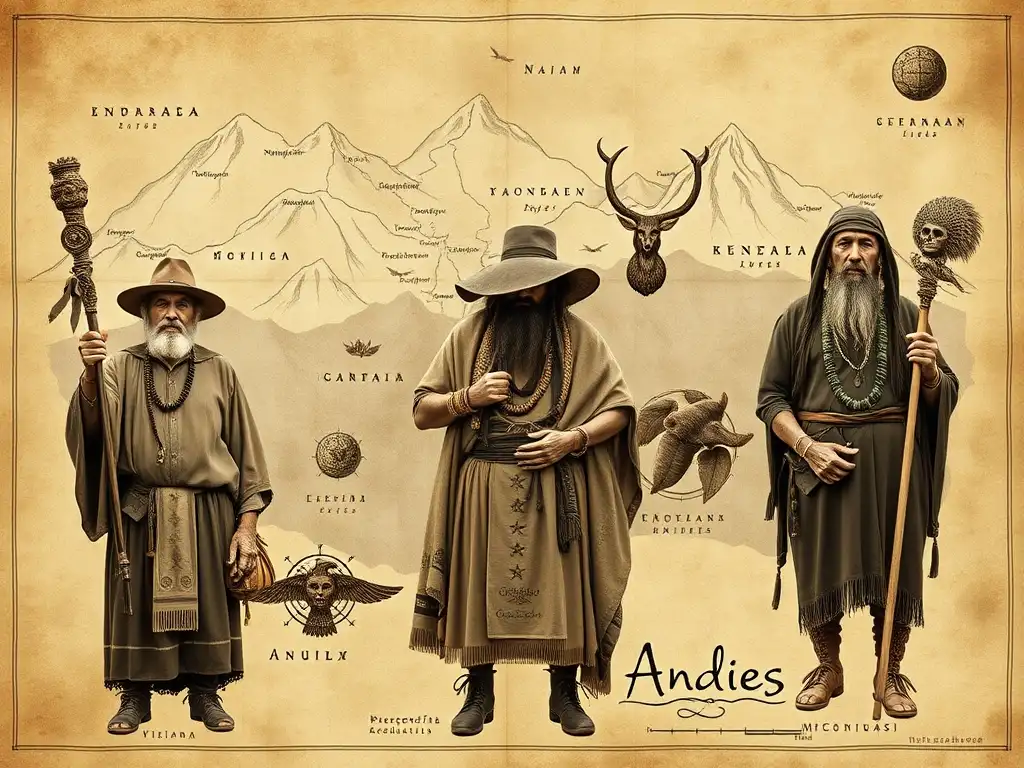
The Andean region, encompassing a vast and diverse geography, fostered a rich tapestry of shamanic traditions. While a common thread of animism, reverence for nature, and ancestor veneration unites these practices, significant variations exist in the transmission of shamanic knowledge and power across different regions and ethnic groups. Understanding these variations is crucial to appreciating the complexity and dynamism of the Andean shamanic lineage.
The concept of lineage itself isn't always a direct, hereditary line as in some Western understandings, but often incorporates apprenticeship, spiritual inheritance, and community recognition. The focus on Andean shamanic lineage highlights the continuity and adaptation of these powerful spiritual practices across generations.
Lineage Practices in the Q'ero Nation
The Q'ero, a Quechua-speaking community residing high in the Peruvian Andes, exemplify a relatively unbroken lineage of shamanic practices. Their paqos, or shaman-priests, trace their ancestry back centuries, maintaining a strong emphasis on oral tradition and direct transmission of knowledge within family lines. This transmission often involves rigorous apprenticeships lasting many years, during which the aspiring paqo learns intricate rituals, medicinal plant knowledge, and the complex cosmology of the Q'ero. The process is not merely about acquiring technical skills, but also about undergoing a profound spiritual transformation and proving their worthiness to carry the lineage forward.
This involves rigorous tests of character, endurance, and spiritual sensitivity. The Q'ero Andean shamanic lineage is characterized by its strong emphasis on maintaining purity and upholding ancient traditions. They believe that the integrity of their lineage directly impacts the spiritual well-being of their community and the balance of the cosmos.
The initiation process, for instance, involves a series of challenging rites and ceremonies designed to test the candidate's commitment and spiritual strength. These could include extended periods of fasting, isolation, and intense spiritual practices guided by experienced paqos. Success in these trials signifies not only the acquisition of shamanic skills but also the candidate's integration into the spiritual fabric of the community, securing their place within the Andean shamanic lineage.
Lineage Practices in the Aymara Communities
In contrast to the Q'ero, the Aymara communities, spread across the Andes of Bolivia, Peru, and Chile, exhibit a more decentralized approach to shamanic lineage. While some families may boast a long history of shamanic practice, the Aymara yatiri (shamans) often acquire their knowledge and power through a combination of apprenticeship, spiritual experiences, and community recognition.
The emphasis is less on direct hereditary transmission and more on individual spiritual aptitude and the ability to effectively heal and serve the community. This means that while familial connections may play a role, the Andean shamanic lineage in Aymara communities is more fluid and less rigidly defined.
The Aymara yatiri often specialize in particular areas, such as healing, divination, or agricultural rituals, reflecting a more pragmatic and less rigidly hierarchical approach to shamanic power. The selection of a yatiri is often based on demonstrated effectiveness and community respect, rather than solely on bloodline. This decentralized structure allows for greater flexibility and adaptability in the face of changing circumstances, ensuring the continuity of shamanic traditions within the community, even if the direct lineage isn't strictly maintained. This approach represents a distinct variation within the broader concept of Andean shamanic lineage.
Regional Adaptations of Shamanic Teachings
The variations in Andean shamanic lineages are not merely about the structure of transmission, but also about the specific content of the teachings themselves. Regional differences in geography, climate, and cultural interactions have led to distinct adaptations and interpretations of core shamanic principles. For example, coastal communities may incorporate marine elements into their rituals, while high-altitude communities emphasize the power of mountain spirits and celestial phenomena. This diversity reflects the inherent flexibility and adaptability of Andean shamanic traditions, demonstrating their capacity to integrate new knowledge and experiences while preserving their fundamental essence.
The Andean shamanic lineage is not a monolithic entity but a diverse collection of practices, reflecting the rich cultural mosaic of the Andes. The variations in transmission methods and the adaptation of teachings to specific regional contexts highlight the dynamic and resilient nature of these traditions, ensuring their continued relevance across generations.
Further research is needed to fully document the nuanced variations across all Andean communities, providing a more complete understanding of this fascinating aspect of Andean history and spirituality. The ongoing study of these practices will continue to illuminate the enduring power and adaptability of the Andean shamanic lineage.
The Challenges and Future of Andean Shamanic Lineages
The Andean shamanic lineage, a vibrant thread woven through millennia of history, faces unprecedented challenges in the modern world. The intricate tapestry of knowledge, rituals, and practices passed down through generations is now threatened by forces that seek to unravel its intricate design. Understanding these challenges is paramount to ensuring the continued flourishing of this rich cultural heritage.
The very survival of these lineages hinges on the ability to adapt while preserving authenticity. The delicate balance between tradition and modernity requires careful navigation, a path fraught with complexities and uncertainties. This section explores the key pressures impacting the continuity of Andean shamanic practices and examines potential strategies for safeguarding their future.
Maintaining Traditions in a Changing World
Maintaining the Andean shamanic lineage requires a delicate balance between honoring ancient traditions and adapting to the realities of a rapidly changing world. The younger generation, often drawn to urban centers and modern lifestyles, may find it difficult to reconcile traditional shamanic practices with their contemporary realities. This generational gap poses a significant challenge to the transmission of knowledge and skills.
For example, the intricate knowledge of medicinal plants, once readily accessible through direct interaction with nature, is becoming increasingly fragmented as traditional habitats are altered and access to these plants becomes more difficult. Furthermore, the increasing prevalence of Western medicine often overshadows traditional healing practices, further diminishing the demand for and transmission of shamanic knowledge. Effective strategies to address this include integrating traditional shamanic education into formal schooling systems, creating community-based apprenticeship programs that bridge the generational divide, and fostering a greater appreciation for the value of traditional healing methods within the wider community.
This requires proactive engagement with younger generations, demonstrating the relevance of shamanic practices in modern contexts. The integration of technology, such as digital archiving of oral traditions and online learning platforms, could also play a crucial role in preserving and disseminating this knowledge.
The Impact of Globalization on Shamanic Practices
Globalization presents both opportunities and threats to the Andean shamanic lineage. While increased global awareness can lead to greater recognition and appreciation of these traditions, it can also lead to the commodification and superficial appropriation of sacred practices. The tourism industry, for instance, can inadvertently contribute to the erosion of authenticity by transforming sacred rituals into mere spectacles for consumption.
Furthermore, the influx of foreign religious beliefs and practices can challenge the dominance of indigenous spiritual systems. This can lead to a dilution of traditional shamanic practices as individuals adopt syncretic beliefs that blend elements of different spiritual traditions. The rise of new age spiritualities, often drawing selectively from indigenous traditions without proper understanding or respect, poses another threat.
Careful consideration must be given to the ethical implications of global engagement, ensuring that the integrity of shamanic practices is protected from exploitation and misrepresentation. This necessitates the development of strong community-based organizations that can actively monitor and regulate the use of shamanic practices in commercial settings, ensuring that profits are fairly distributed and that cultural appropriation is actively resisted. The empowerment of indigenous communities to control and manage their own cultural heritage is crucial in this context.
The Role of Shamanic Lineages in Cultural Preservation
The Andean shamanic lineage plays a crucial role in the broader preservation of Andean culture. Shamans are not merely healers; they are custodians of knowledge, keepers of traditions, and vital links to the past. Their deep connection to the land, their intimate understanding of Andean cosmology, and their mastery of traditional rituals and practices contribute significantly to the maintenance of cultural identity. The preservation of these lineages is therefore not simply a matter of safeguarding spiritual practices; it is essential for the continued existence of a rich and diverse cultural heritage.
The knowledge embedded within these lineages extends beyond spirituality, encompassing traditional agricultural practices, ecological knowledge, artistic expressions, and social structures. The loss of shamanic lineages would represent an irreplaceable loss to humanity's cultural legacy. Supporting and empowering these lineages is therefore a collective responsibility.
This includes providing access to resources and education, promoting intercultural dialogue, and fostering respect for indigenous knowledge systems. By recognizing the vital role of Andean shamanic lineages in cultural preservation, we can actively contribute to the flourishing of a remarkable heritage for generations to come. The continued existence of this vital connection to the past is essential for the vibrant future of Andean culture.
The Enduring Legacy of Andean Shamanic Lineages
The Andean region boasts a rich tapestry of shamanic traditions, passed down through generations, shaping the spiritual and social fabric of numerous cultures. This enduring legacy, woven into the very landscape and worldview of the Andes, continues to influence contemporary Andean life and offers valuable insights into the complexities of ancient spiritual practices. The concept of "Andean shamanic lineage" isn't just about a direct bloodline; it's a complex interplay of apprenticeship, ritual inheritance, and the transmission of sacred knowledge across time.
This intricate system ensured the continuity of vital practices, beliefs, and understandings of the cosmos. The power and wisdom weren't simply inherited genetically; they were earned through rigorous training, deep spiritual commitment, and a profound connection to the Andean worldview. Understanding this lineage requires appreciating the holistic nature of Andean spirituality, where the shaman wasn't merely a religious figure, but a vital link between the human world and the supernatural realm.
Their role encompassed healing, divination, mediating with spirits, and maintaining cosmic balance. The longevity of these lineages speaks volumes about their effectiveness in providing a framework for understanding and navigating the challenges of life in the harsh Andean environment.
The Ongoing Relevance of Ancestral Wisdom
The wisdom embedded within Andean shamanic lineages remains surprisingly relevant today. Many of the practices and principles, initially developed to cope with the challenges of a high-altitude environment and limited resources, offer valuable insights into sustainable living and holistic well-being. For example, the emphasis on living in harmony with nature, respecting the interconnectedness of all living things, and utilizing natural remedies resonates deeply with contemporary concerns about environmental sustainability and holistic healthcare.
The Andean worldview, which emphasizes a reciprocal relationship between humanity and the cosmos, provides a powerful counterpoint to anthropocentric perspectives that often dominate modern thought. Furthermore, the practices of Andean shamans, such as meditation, energy work, and plant-based healing, are increasingly recognized for their therapeutic benefits in modern contexts. The resurgence of interest in these ancient traditions underscores their enduring value in addressing the spiritual and emotional needs of individuals in the 21st century.
The enduring legacy is not simply historical; it's a living tradition that continues to evolve and adapt while retaining its core principles. This adaptability is a testament to the inherent resilience and wisdom of the Andean shamanic lineage.
The Q'ero Lineage: A Case Study
The Q'ero people of Peru offer a compelling case study of a thriving Andean shamanic lineage. Living high in the Andes, they have maintained many of their ancestral traditions, including their complex system of spiritual leadership and knowledge transmission. Their lineage is characterized by a strong emphasis on apprenticeship, with aspiring shamans undergoing years of rigorous training under the guidance of experienced practitioners.
This process involves not only learning specific rituals and techniques but also cultivating a deep spiritual connection to the Andean cosmos and a profound understanding of the intricate relationship between the human and spiritual worlds. The Q'ero lineage is also notable for its emphasis on preserving ancient knowledge and practices, including the use of sacred plants and rituals that are integral to their spiritual life. Their ceremonies, often involving intricate dances, songs, and offerings, are deeply intertwined with their cosmology and serve to maintain the harmony of the community and the cosmos.
Studying the Q'ero lineage provides valuable insights into the structure and dynamics of Andean shamanic traditions, highlighting the importance of community, mentorship, and the enduring power of ancestral wisdom. The detailed study of their practices offers a rich source of information for understanding the broader Andean shamanic lineage.
The Future of Andean Shamanic Traditions
The future of Andean shamanic traditions hinges on several key factors. The preservation of ancestral knowledge, the training of new generations of practitioners, and the ongoing adaptation to contemporary challenges are all crucial for the continued flourishing of these vital traditions. Efforts to document and archive traditional practices are essential, as are initiatives to support and empower indigenous communities in safeguarding their cultural heritage.
The integration of traditional knowledge with contemporary approaches to healthcare and environmental sustainability could also contribute to the revitalization of Andean shamanism. However, challenges remain, including the impact of globalization, the pressures of modernization, and the potential for cultural appropriation. Protecting these traditions requires a collaborative effort involving indigenous communities, researchers, and policymakers.
Balancing the preservation of authenticity with the need for adaptation and accessibility will be crucial in ensuring the long-term survival and relevance of Andean shamanic lineages for future generations. The future of the "Andean shamanic lineage" is not a passive inheritance; it requires active participation and conscious effort.
Frequently Asked Questions
What is the significance of shamanic lineage in Andean cultures?
Shamanic lineage in the Andes represents the direct transmission of spiritual knowledge, practices, and power across generations. It's crucial for maintaining cultural identity and spiritual continuity. This lineage is often tied to specific communities and families.
How is shamanic knowledge passed down through generations?
Knowledge is transmitted through oral traditions, apprenticeships, and rituals. Initiation ceremonies play a significant role, marking the transition of power and responsibility from one generation to the next. This process can take many years.
Did all Andean cultures have a strong emphasis on shamanic lineage?
While shamanism was widespread across various Andean civilizations, the emphasis and structure varied. Some cultures, like the Inca, might have had a more formalized system compared to others, where shamanic practices were more localized.
What role did shamans play in Andean societies?
Andean shamans acted as spiritual leaders, healers, and intermediaries between the human and spirit worlds. They were crucial for community well-being, performing rituals, interpreting dreams, and providing guidance on important decisions.
How does the concept of Andean shamanic lineage relate to modern-day practices?
Many contemporary Andean communities continue to preserve and practice their ancestral shamanic traditions. This includes maintaining lineages and passing down knowledge to new generations, though often adapting to modern contexts.
Final Reflection: Echoes of the Andes: A Legacy of Healing and Wisdom
The ancient wisdom of the Andean shamanic lineage remains profoundly relevant today, offering a powerful antidote to the disconnection and fragmentation of the modern world. In a time of increasing environmental crisis and societal upheaval, the interconnectedness with nature and community championed by these traditions feels more vital than ever. The practices of healing, ritual, and spiritual connection offer a pathway towards a more sustainable and harmonious future.
The enduring power of the Andean shamanic lineage lies not just in its historical significance, but in its ongoing ability to shape cultural identities and inspire spiritual seeking. It's a testament to the resilience of indigenous knowledge systems and their capacity to adapt and evolve while retaining their core values. The earth is what we all have in common.
This simple truth, echoed through generations of Andean shamans, speaks to a profound understanding of our shared responsibility for the planet and each other. This resonates deeply with me, highlighting the urgent need to preserve and learn from these ancient traditions.
Consider the profound legacy of the Andean shamans. Their knowledge, passed down through generations, offers a powerful framework for understanding our place in the world. You too can tap into this wellspring of wisdom. Explore the practices of mindful living, deep connection with nature, and community building. Embrace the opportunity to learn from these ancient traditions and integrate their insights into your own life. Let the echoes of the Andes inspire you to create a more meaningful and connected existence.
Unveil the Wisdom of the Ancient Andes
Thank you for exploring the profound legacy of Andean shamanic traditions. Your interest in this rich heritage offers valuable insights into balance, cultural understanding, and spiritual connection. Now, let's put that knowledge into practice!
- Participate in a local workshop or online course to experience shamanic practices firsthand. Rediscover the wisdom of the ancients through modern learning!
- Share your newfound knowledge by discussing it with friends or joining online communities interested in spiritual traditions.
- Deepen your understanding by reading about Andean history or connecting with a local shaman to learn more about their teachings.
What aspect of the Andean shamanic tradition resonates most with you, and how will you integrate that wisdom into your life?