
The Role of Music and Dance in Andean Shamanic Practices and Ceremonies

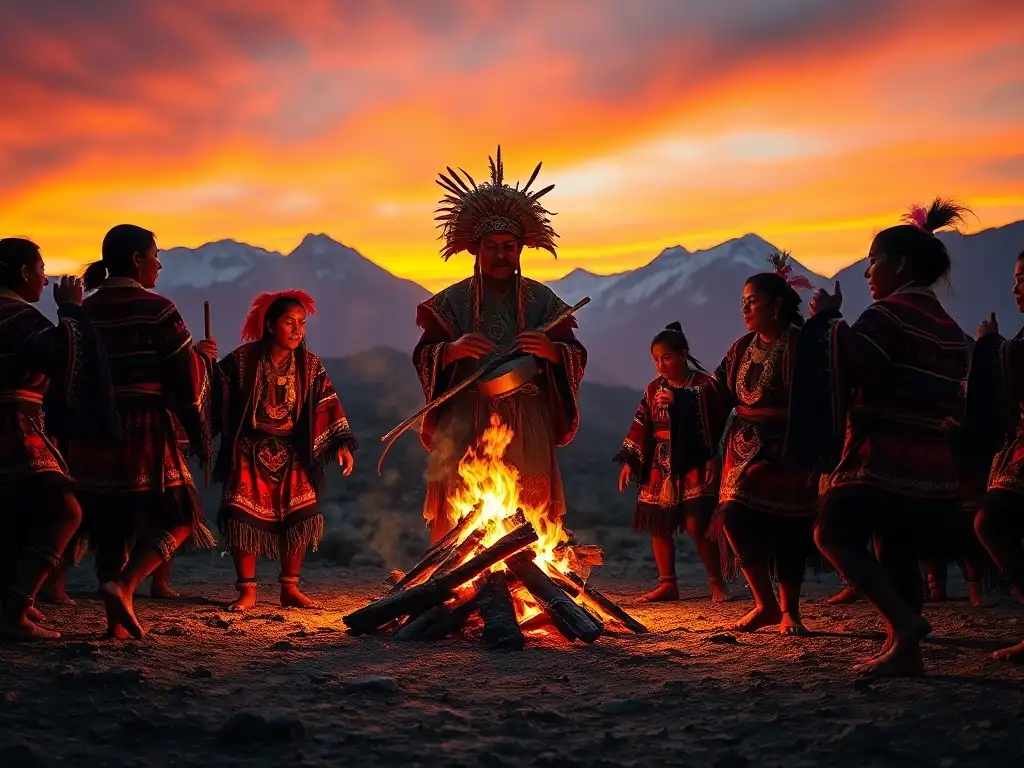
Step into a world lost to time, yet echoing with the rhythms of ancient spirits. Uncover the secrets of the Andes, where vibrant cultures flourished, leaving behind a legacy of breathtaking artistry and profound spirituality. Prepare to be mesmerized by the power of Andean shamanic music and dance, a key element in understanding the intricate religious practices and cosmology of civilizations like the Inca, Moche, and Nazca. Their captivating rituals, imbued with meaning and magic, await your discovery – dare to delve deeper?
The Andean world, a tapestry woven from the threads of diverse cultures and breathtaking landscapes, held a profound reverence for the spiritual realm. Shamanistic practices, integral to the cosmovision of civilizations like the Inca, Moche, Nazca, and Tiahuanaco, weren't solely reliant on ritualistic actions or medicinal plants.
Music and dance played an absolutely crucial role, acting as conduits between the human and spiritual worlds, facilitating communication with deities, ancestors, and the forces of nature. This article delves into the intricate relationship between Andean shamanic music and dance, exploring its significance in ceremonies and its impact on the lives of Andean peoples.
We will examine the instruments used, the styles of music and dance employed, and the symbolic meanings embedded within these powerful expressions of Andean spirituality. Understanding this aspect illuminates the depth and complexity of Andean religious practices and offers a glimpse into the vibrant spiritual life of these remarkable civilizations.
Instruments of Andean Shamanic Music
Andean shamanic music relied on a diverse array of instruments, each imbued with symbolic meaning and contributing to the overall ritualistic atmosphere. These weren't merely instruments; they were considered sacred objects, capable of channeling spiritual energies. The most prominent included:
- The pututu: A long, shell trumpet, often used to announce important events or summon spirits. Its deep, resonant sound was believed to carry messages across vast distances, both physical and spiritual.
- The antara: A panpipe, consisting of multiple pipes of varying lengths, producing a haunting melody. The antara was associated with the breath of life and the connection to the Andes mountains.
- The tarka: A vertical flute, often played in ensembles, creating complex and evocative musical textures. Its melodic capabilities were essential in communicating with the spirit world.
- Drums (various types): Different types of drums, made from animal hides stretched over wooden frames, provided rhythmic accompaniment, grounding the spiritual journey within a tangible, physical experience. The rhythmic pulse was vital for inducing altered states of consciousness.
The specific instruments used varied depending on the ceremony, the specific shaman, and the region. However, their combined sounds created a powerful and evocative soundscape designed to facilitate spiritual transformation.
Dance as a Ritualistic Expression
Dance was not simply a form of entertainment in Andean shamanic practices; it was a sacred act, a physical manifestation of spiritual energy. The movements, often intricate and symbolic, were meticulously choreographed and performed to invoke deities, appease spirits, or communicate with the ancestral realm.
Different dances were associated with different deities or events. For example, certain dances might be performed to celebrate harvest, while others were dedicated to the spirits of the mountains or the ancestors. The dancers often wore elaborate costumes, adorned with feathers, masks, and other symbolic elements, further enhancing the ritualistic impact of the performance.
The movements themselves often mimicked the actions of animals, natural phenomena, or spiritual beings, reflecting the close relationship between the Andean people and their environment. The physical exertion of the dance, combined with the hypnotic rhythms of the music, likely contributed to altered states of consciousness, enabling deeper connection with the spiritual realm.
The Symbiotic Relationship Between Music and Dance
The music and dance in Andean shamanic ceremonies were inextricably linked, functioning as a unified whole. The music provided the framework, setting the mood and guiding the energy flow, while the dance served as a physical expression of the music's spiritual essence. The rhythmic pulsations of the drums provided the grounding beat, while the melodies of the antara and tarka soared, evoking a sense of transcendence.
Together, the music and dance created a powerful synergy, amplifying the ritual's effectiveness and fostering a profound connection between the participants and the spiritual world. This symbiotic relationship underscores the holistic nature of Andean spirituality, where all aspects of life – music, dance, nature, and the spirit world – were interwoven into a cohesive and meaningful whole.
The intricate interplay between these elements demonstrates a sophisticated understanding of the power of ritual and the importance of sensory experience in achieving spiritual transformation. Further research into specific regional variations and the surviving accounts of these practices would provide a more complete picture of this fascinating aspect of Andean culture.
- Instruments of Andean Shamanic Music
- Dance as a Ritualistic Expression
- The Symbiotic Relationship Between Music and Dance
- What role did music and dance play in Andean shamanic practices?
- How did Andean music differ depending on the ceremony or purpose?
- What instruments were commonly used in Andean shamanic music?
- What is the significance of dance in Andean shamanic ceremonies?
- Where can I find examples of Andean shamanic music and dance today?
The Significance of Sound and Movement in Andean Rituals
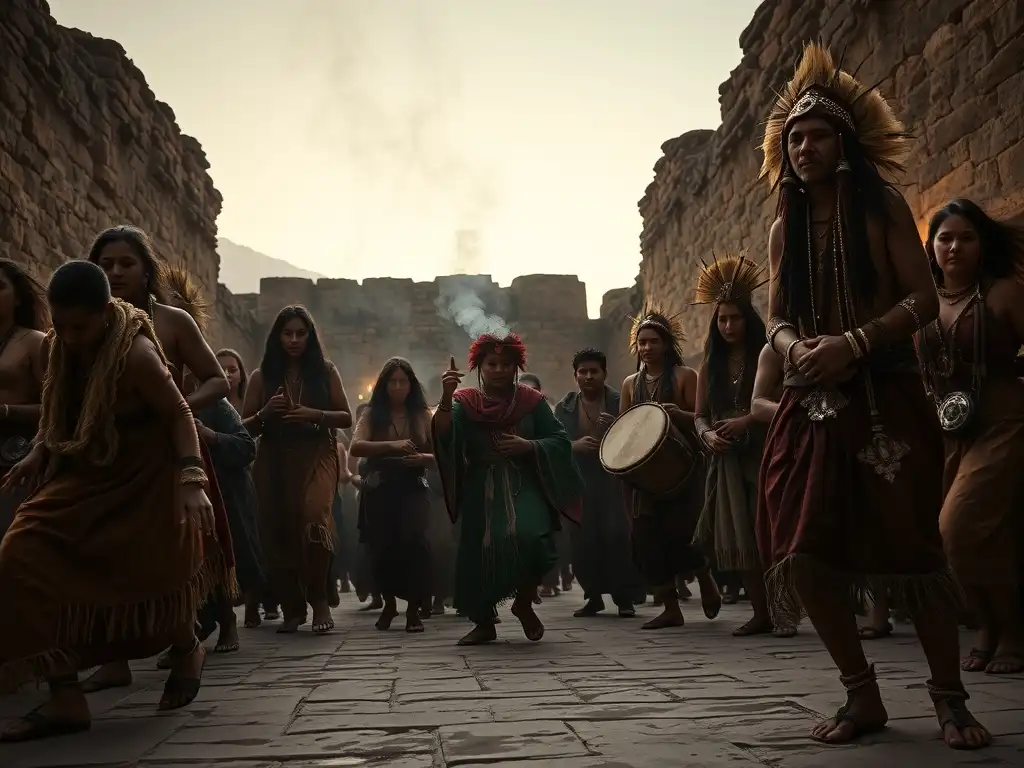
The vibrant tapestry of Andean culture is deeply interwoven with the power of music and dance. These weren't merely forms of entertainment; they were, and continue to be, integral components of shamanic practices and ceremonies, acting as conduits to the spiritual realm and essential tools for maintaining cosmic balance. Understanding the significance of sound and movement in Andean rituals requires acknowledging the profound connection between the physical and spiritual worlds within Andean cosmovision.
The rhythmic pulse of drums, the haunting melodies of panpipes, and the intricate choreography of ceremonial dances all played crucial roles in shaping the religious experience and social fabric of Andean societies. The impact of "Andean shamanic music and dance" is undeniable, resonating through centuries of cultural transmission. This section will explore the intricate relationship between music, dance, and shamanic practices across various Andean cultures, highlighting their unique characteristics and shared underlying principles.
Understanding Andean Cosmovision and its Connection to Music
Andean cosmovision, a holistic worldview encompassing the interconnectedness of all things, viewed music as a powerful force capable of influencing the natural world and the spiritual realm. Music wasn't simply an aesthetic pursuit; it was a tool for communication with deities, ancestors, and the forces of nature. The sounds themselves were believed to possess inherent power, capable of affecting the physical and emotional states of individuals and the environment.
For example, certain rhythms and melodies were associated with specific deities or natural phenomena, such as the rhythmic pounding of the earth during an earthquake or the gentle whisper of the wind through the mountains. This belief system permeated all aspects of Andean life, from agricultural rituals to healing ceremonies. The use of specific instruments, like the pututu (a shell trumpet) or the antara (panpipes), was dictated by the specific ritual or deity being invoked, adding another layer of complexity to the already rich musical landscape.
The soundscapes themselves were carefully crafted to create a specific atmosphere, enhancing the spiritual experience and facilitating communication with the supernatural. The careful selection and arrangement of instruments, the precise rhythms and melodies, and the collective participation in the musical performance all contributed to the overall effectiveness of the ritual.
The Shaman's Role as a Conduit Through Rhythmic Expression
The Andean shaman, or paqo, acted as a crucial intermediary between the human and spiritual worlds. Music and dance served as essential tools in their practice, facilitating altered states of consciousness and enabling communication with the spirit realm. Through rhythmic drumming and chanting, the paqo could induce trance states, allowing them to journey to other dimensions and interact with spirits. The rhythmic pulsations of the music were believed to synchronize the shaman's heartbeat with the cosmic rhythm, aligning them with the spiritual forces they sought to engage.
The dances themselves often involved complex movements and gestures, mirroring the movements of celestial bodies or the actions of mythical beings. These movements weren't arbitrary; they were carefully choreographed to evoke specific energies and facilitate communication with the spirit world. For instance, certain dances might mimic the flight of a condor, symbolizing the shaman's ascent to the upper world, while others might represent the earth's movements, connecting the shaman to the lower world. The physical exertion involved in these dances further enhanced the altered state of consciousness, allowing the shaman to access deeper levels of spiritual awareness.
The paqo's mastery of music and dance was therefore crucial to their effectiveness as spiritual healers and intermediaries. Their ability to manipulate sound and movement allowed them to harness the power of the cosmos for the benefit of their communities. The efficacy of Andean shamanic rituals was intrinsically linked to the skill and precision with which the paqo wielded these tools.
Andean Shamanic Music: Instruments and Their Sacred Purpose
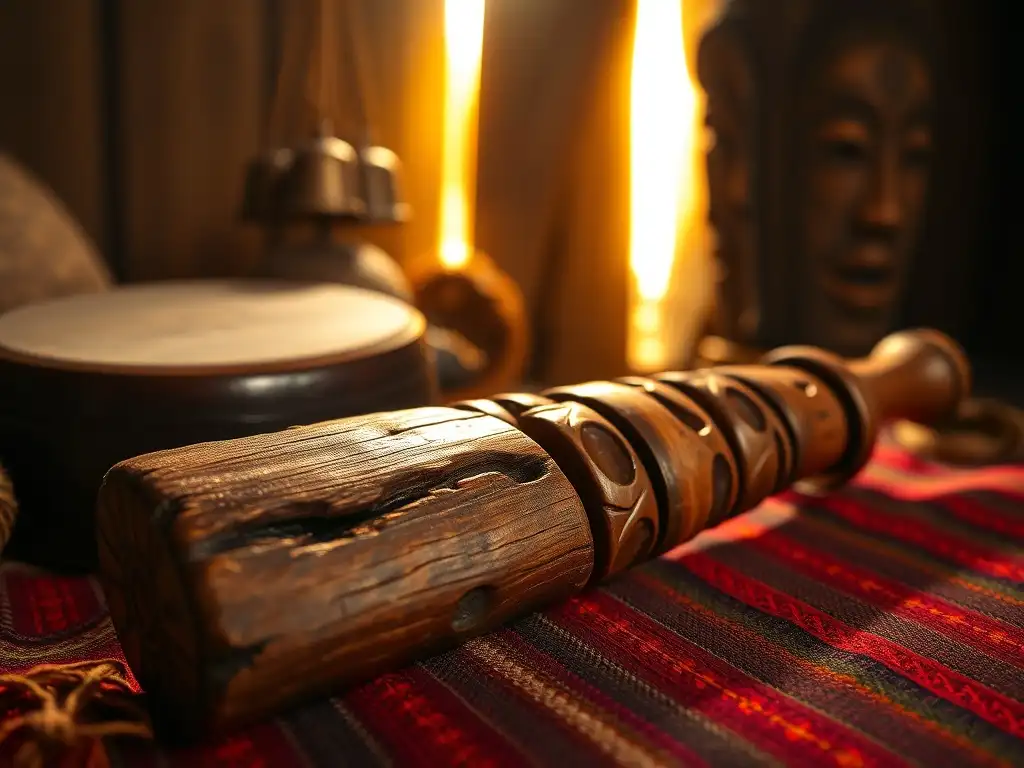
Andean shamanic music and dance were integral to the spiritual lives of ancient Andean cultures. The music, far from being mere entertainment, served as a powerful conduit to the spiritual realm, facilitating communication with deities and ancestors. The instruments themselves held deep symbolic meaning, often crafted from materials believed to possess inherent spiritual power.
Their sounds were not simply heard, but experienced as vibrations that resonated with the cosmos and the inner world of the shaman. The careful selection and construction of these instruments underscore the profound connection between the material world and the spiritual in Andean cosmology. The effectiveness of the shaman's practice was deeply entwined with the quality and intentionality behind the music produced.
The Use of Flutes and Panpipes in Andean Ceremonies
Flutes and panpipes, frequently made from reeds, bone, or wood, were prevalent in Andean shamanic practices. Their high-pitched, ethereal tones were believed to carry prayers and invocations to the upper world, connecting the shaman with celestial deities. The number of pipes in a panpipe set often held symbolic significance, relating to specific deities or cosmic principles.
For instance, a seven-pipe panpipe might represent the seven levels of the Andean cosmos. The melodies played were not random; they followed specific patterns and rhythms associated with different rituals and ceremonies. The shaman's skill in playing these instruments was crucial, as the precision and emotional resonance of the music were believed to directly impact the efficacy of the ritual.
Detailed studies of surviving instruments reveal intricate craftsmanship, suggesting a deep reverence for their sacred purpose. Analysis of archaeological finds shows a surprising degree of variation in flute and panpipe construction across different Andean cultures, suggesting regional variations in musical traditions and beliefs.
Percussion Instruments: Drums and Rattles in Shamanic Trances
Percussion instruments played a vital role in inducing altered states of consciousness during shamanic rituals. Drums, often made from animal hides stretched over wooden frames, produced deep, resonant sounds that could overwhelm the senses and facilitate trance states. The rhythmic beating of the drum was believed to mimic the heartbeat of the earth, connecting the shaman to the earth's energies.
Rattles, typically made from gourds filled with seeds or pebbles, added a complex layer of percussive texture. The shaking of the rattle was thought to disperse negative energies and invite benevolent spirits. The combination of drum and rattle created a powerful sonic environment, amplifying the shaman's power and fostering a state of heightened awareness.
Different rhythms and patterns were employed to achieve specific spiritual goals; for example, slow, deliberate beats might be used for healing, while faster, more energetic rhythms could be used for exorcism. The size and materials of the drums varied considerably across different cultures, reflecting the diverse shamanic practices and beliefs throughout the Andes.
The Power of Vocalizations: Chants and Sacred Songs
Vocalizations were an essential element of Andean shamanic music and dance, forming a powerful bridge between the human and spiritual realms. Chants, often characterized by repetitive phrases and rhythmic intonations, acted as a form of verbal magic, manipulating energy and influencing the course of events. The power of the chant lay not just in the words themselves, but also in the shaman's vocal control and emotional intensity.
The tone, pitch, and volume of the voice were used to evoke specific emotional states and spiritual energies. Sacred songs, often longer and more elaborate than chants, told stories of creation myths, ancestral heroes, and the interactions between humans and the supernatural world. These songs served to reinforce communal identity and transmit vital cultural knowledge across generations.
The melodies and harmonies in these songs were carefully structured, reflecting the complex cosmology and spiritual beliefs of the Andean people. Unfortunately, detailed information about the specific meanings and functions of many songs remains limited due to the oral tradition of transmission. Further research is needed to fully elucidate the profound significance of these vocal performances within the broader context of Andean shamanic practices.
Andean Shamanic Dance: Movement as a Form of Spiritual Connection
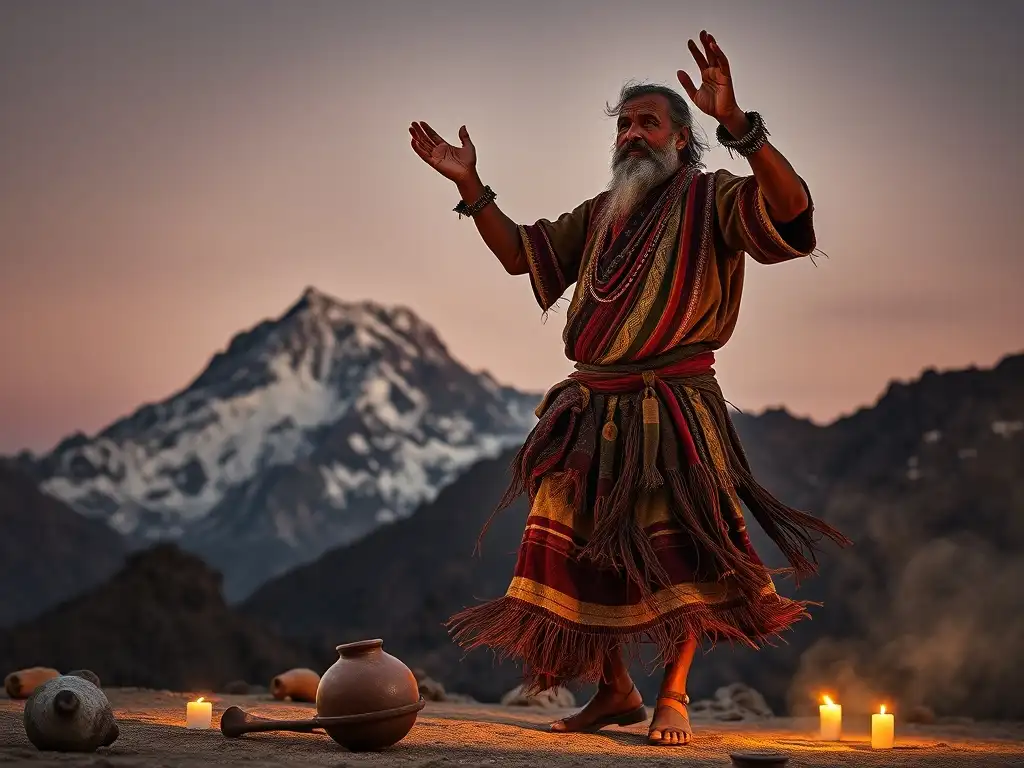
Andean shamanic practices weren't solely confined to the realm of medicinal plants and spiritual divination; movement, particularly dance, played a crucial role in connecting the shaman with the spiritual world and facilitating interaction with the supernatural. Dance wasn't merely a performance; it was a powerful tool for achieving altered states of consciousness, accessing divine knowledge, and interacting with the spirits inhabiting the Andean landscape.
The rhythmic movements, often accompanied by mesmerizing Andean shamanic music and dance, allowed shamans to enter a trance-like state, blurring the boundaries between the physical and spiritual realms. This intricate interplay of music, movement, and altered consciousness was fundamental to the effectiveness of many shamanic rituals.
The intensity and precision of the dance varied depending on the specific ceremony and its purpose, reflecting the complexity and diversity of Andean spiritual beliefs. The very act of dancing itself was considered a form of prayer and communication with the divine.
Ritual Dances for Healing and Purification
Ritual dances designed for healing and purification often involved specific movements intended to cleanse the patient's body and spirit of negative energies or illnesses. These dances were not simply performed by the shaman alone; the community often participated, creating a collective energy that amplified the ritual's power. For example, in some communities, the shaman might guide the patient through a series of carefully choreographed steps, mimicking the movements of animals believed to possess healing properties, such as the condor or the llama.
The rhythmic repetition of these movements, combined with the chanting and music, was believed to help dispel malevolent spirits and restore balance to the patient's energy field. The use of specific herbs and other ritual objects further enhanced the cleansing and healing process. Detailed records of these dances are unfortunately scarce, with much knowledge passed down orally through generations, leading to variations in practice across different communities.
Further research is needed to fully document the diversity of these healing rituals. However, surviving accounts suggest a rich tradition of movement as a vital element in Andean healing practices.
Dances to Honor the Apus (Mountain Spirits)
The Apus, or mountain spirits, held immense significance in Andean cosmology. Dances performed to honor these powerful entities often involved complex steps and gestures representing the mountains' majesty and power. These dances were often performed at high altitudes, near sacred mountain peaks, emphasizing the connection between the human and spiritual worlds.
The dancers might mimic the movements of the wind, the flow of water, or the growth of plants, reflecting the dynamic forces of nature embodied by the Apus. Specific costumes and adornments, often incorporating feathers, precious metals, and vibrant colors, further enhanced the ritual's visual impact and symbolic meaning. The music accompanying these dances frequently featured instruments like the antara (panpipes) and tinku (a type of drum), creating a soundscape that evoked the awe-inspiring atmosphere of the Andes.
The choreography itself could be intricate and demanding, requiring years of training and dedication to master. These dances weren't mere entertainment; they were expressions of reverence, gratitude, and a deep connection with the spiritual forces that shaped Andean life.
The Symbolic Meaning of Dance Steps and Gestures
The steps and gestures within Andean shamanic dances were not arbitrary; they carried profound symbolic meaning, often reflecting specific beliefs and cosmological understandings. For instance, certain movements might represent the journey of the sun across the sky, the cycles of life and death, or the interaction between the earthly and supernatural realms. The direction of movement, the speed and intensity of the steps, and the use of specific hand gestures all contributed to the ritual's meaning.
Unfortunately, a complete understanding of the symbolism embedded in these dances requires deeper investigation into surviving ethnographic records and oral traditions. Much of this knowledge was passed down orally, making it susceptible to loss over time. However, even fragmentary accounts reveal the richness and sophistication of the symbolic language embedded within Andean shamanic dance.
Further research, particularly focusing on the preservation and analysis of oral traditions, is crucial to unlocking the full significance of these intricate movements and their role within Andean spiritual practices. The recovery and interpretation of these lost details are paramount to a complete understanding of Andean Andean shamanic music and dance.
The Interplay of Music and Dance in Shamanic Trance
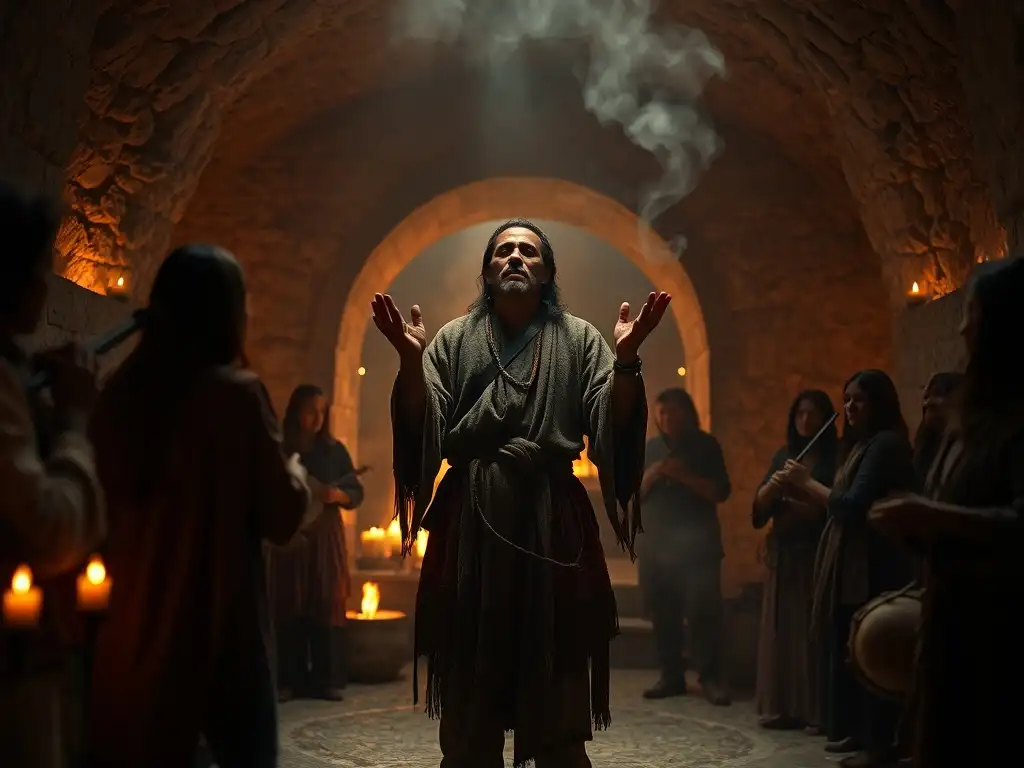
The Andean worldview deeply integrates music and dance into shamanic practices, not merely as entertainment, but as crucial tools for achieving altered states of consciousness and facilitating communication with the spirit world. The intricate relationship between these art forms and shamanic trance is central to understanding Andean spirituality. This section delves into the specific ways music and dance were—and in some cases, still are—used to induce and sustain these altered states, providing a pathway for shamans to interact with the supernatural.
The effectiveness of this synergistic approach lies in the carefully orchestrated combination of rhythmic patterns, melodic structures, and choreographic movements. This sophisticated system wasn't arbitrary; it was carefully developed over centuries, reflecting a profound understanding of the human mind-body connection.
How Rhythm Induces Altered States of Consciousness
The rhythmic pulse of Andean shamanic music, often created using instruments like the pututu (a shell trumpet), antara (panpipes), and various drums, plays a pivotal role in inducing trance states. The repetitive, hypnotic nature of the rhythms acts directly upon the brain, influencing brainwave patterns and potentially triggering altered perceptions. Studies on the effects of rhythm on the human brain suggest that repetitive auditory stimulation can synchronize neural activity, leading to a state of altered awareness. 1 This synchronization is further enhanced by the physical movements of dance. The repetitive stepping, swaying, and spinning of the shamanic dances create a kinesthetic feedback loop that reinforces the rhythmic input from the music, deeply embedding the rhythmic pulse in the body and mind. The intensity and tempo of the music and dance could be manipulated to control the depth and type of trance experienced, allowing the shaman to navigate different levels of spiritual awareness. For example, a slower, more meditative rhythm might facilitate communication with benevolent spirits, while a faster, more intense rhythm could be used for confronting malevolent entities. More research is needed to fully understand the specific neurological effects of these combined rhythmic patterns. [Specific neurological data pending].
The Role of Music and Dance in Communing with Spirits
Andean shamanic music and dance weren't simply tools for inducing trance; they were also integral to the process of communicating with spirits. The melodies, often characterized by their modal scales and unique intervals, were believed to possess inherent power to attract or repel specific spiritual entities. Certain melodies were associated with particular deities or spirits, acting as a kind of sonic signature that could summon their presence. 2 The dance itself often mimicked the movements or behaviors of these spirits, further strengthening the connection. Shamans would employ specific gestures, postures, and steps to embody the spirit they were attempting to contact, blurring the lines between the physical and spiritual realms. This embodied performance wasn't passive; it was a dynamic interaction, a dialogue between the shaman and the spirit world, facilitated by the combined power of music and dance. The visual aspect of the dance, with its vibrant costumes and symbolic movements, also played a crucial role in this communication, amplifying the sonic messages and adding another layer of meaning to the ritual.
Achieving Harmony Between the Physical and Spiritual Realms
The combined practice of music and dance in Andean shamanic rituals aimed not only to contact the spirit world but also to restore balance and harmony within the individual and the community. Illness, misfortune, or social discord were often attributed to imbalances in the spiritual realm. Through music and dance, shamans sought to re-establish this harmony, acting as intermediaries between the human and supernatural worlds.
The rhythmic synchronization induced by the music and dance was believed to restore order within the individual's body and mind, aligning them with the cosmic order. The communal aspect of many shamanic ceremonies, where the entire community participated in the music and dance, further strengthened this sense of collective harmony and social cohesion. The shared experience of the ritual created a powerful sense of unity, reinforcing the community's connection to its spiritual heritage and promoting social well-being.
This holistic approach, emphasizing the interconnectedness of the physical, spiritual, and social realms, showcases the profound significance of music and dance in Andean shamanic practices. The healing power attributed to these practices highlights the deep integration of art, spirituality, and social life within Andean cultures. Further research into specific regional variations and their unique musical and choreographic elements could provide a more complete picture of the diverse approaches to shamanic practice across the Andes.
1 [Citation needed: Research on the neurological effects of rhythm on brainwave patterns] 2 [Citation needed: Ethnomusicological studies on the symbolic meaning of Andean shamanic melodies]
Specific Examples of Andean Shamanic Musical and Dance Practices
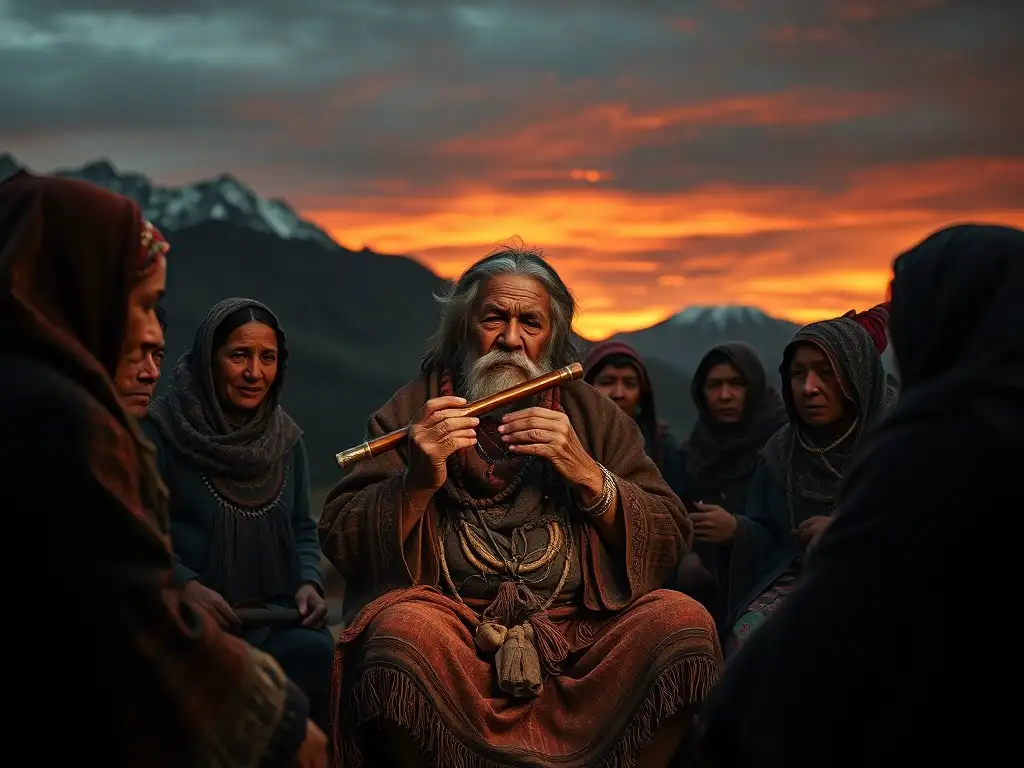
This section delves into specific examples of how music and dance were (and in some cases, still are) integral to Andean shamanic practices and ceremonies. We'll explore the intricate relationship between rhythm, movement, and altered states of consciousness, crucial elements in understanding the role of Andean shamanic music and dance in these ancient cultures. The power of these combined art forms facilitated communication with the spirit world and played a vital role in healing, divination, and maintaining cosmic balance.
The Wachuma Ceremony and its Associated Music and Dance
The Wachuma ceremony, often involving the ingestion of the San Pedro cactus, is a powerful example of the interplay between music, dance, and altered states of consciousness. The rhythmic drumming, often accompanied by flutes and other wind instruments, creates a hypnotic atmosphere that facilitates a journey into the spiritual realm. The shaman, or paqo, uses these sonic vibrations to guide participants through their experience, helping them to connect with ancestral spirits and achieve a state of heightened awareness.
The dance, typically slow and deliberate at first, evolves in intensity as the effects of the San Pedro take hold. Participants may sway, spin, or engage in more spontaneous movements, guided by the music and the shaman's instructions. The specific movements and rhythms are often kept secret, passed down through generations within shamanic lineages.
These practices are not simply about entertainment; they are carefully orchestrated rituals designed to induce specific altered states and facilitate spiritual communication. Detailed ethnographic studies are needed to fully document the diversity of Wachuma ceremony practices across different Andean communities, however. [Specific information pending: detailed descriptions of music and dance variations in different Wachuma ceremonies].
The Inti Raymi Ceremony and the Role of Rhythm and Movement
The Inti Raymi, the Inca festival celebrating the winter solstice, showcased the importance of music and dance in public Andean shamanic rituals. Although a large-scale public event, its roots lie in shamanic practices aimed at ensuring the sun's continued journey and the prosperity of the crops. The rhythmic beating of drums, the shrill sounds of panpipes, and the vibrant melodies played on other instruments created a powerful sonic landscape that reflected the energy and intensity of the sun itself.
The dances, performed by both priests and commoners, involved complex choreography, often mimicking the movements of the sun, animals, and other elements of the natural world. These movements were not arbitrary; they were symbolic representations of cosmological concepts, designed to invoke the favor of the sun god, Inti. The precise steps and formations varied across regions and communities, reflecting the diversity of Inca beliefs and practices.
The synchronization of music and dance created a powerful collective experience, reinforcing social bonds and strengthening the community's connection to the divine. Further research is needed to better understand the specific musical scores and dance choreography used in Inti Raymi celebrations throughout the Inca empire. [Specific information pending: Detailed analysis of musical scores and dance choreography from different regions].
The Q'ero People and Their Unique Traditions
The Q'ero people of the Peruvian Andes maintain many ancient shamanic traditions, including the use of music and dance in their ceremonies. Their practices offer a valuable window into the continuity of Andean shamanic traditions. The Q'ero utilize a variety of instruments, including flutes, drums, and rattles, to create a sonic environment that supports their spiritual journeys. The music often incorporates elements of both ancient and contemporary Andean styles, reflecting the evolution of their traditions over time.
The dances performed during Q'ero ceremonies are often slow and meditative, emphasizing fluidity and grace. They are believed to facilitate the connection between the shaman and the spirit world, allowing for healing, divination, and communication with ancestral beings. The specific melodies and dance steps are often passed down through family lines, ensuring the preservation of their unique cultural heritage.
Unlike some other Andean traditions, the Q'ero community has been more accessible to researchers, allowing for a greater understanding of their specific musical and dance practices. However, respectful engagement with their cultural heritage is paramount. [Specific information pending: A detailed analysis of specific musical instruments used by the Q'ero and their symbolic significance].
This exploration only scratches the surface of the rich tapestry of Andean shamanic music and dance. Further research is crucial to fully appreciate the complexity and significance of these practices in shaping Andean cosmovision and spiritual life. The intricate interplay between music, movement, and altered states of consciousness underscores the profound role that Andean shamanic music and dance played—and continues to play—in these vibrant cultures.
The Legacy of Andean Shamanic Music and Dance
The legacy of Andean shamanic music and dance is a powerful testament to the enduring spiritual practices of the region. For centuries, these intertwined art forms have served as vital components of Andean religious ceremonies, rituals, and shamanic healing practices. The sounds and movements weren't simply entertainment; they were conduits to the spiritual world, integral to establishing contact with deities, ancestors, and the forces of nature. The rhythmic complexities and evocative melodies weren't arbitrary; they were meticulously crafted to induce altered states of consciousness, facilitating communication with the unseen realms.
This intricate relationship between music, dance, and the spiritual realm is a key element in understanding Andean cosmovision. The continued existence of these traditions, though often adapted to modern contexts, speaks volumes about their profound cultural significance. The persistence of these practices, despite colonization and modernization, underscores their deep-rooted importance within Andean identity.
Preserving Ancient Traditions in Modern Andean Communities
Despite the pressures of globalization and cultural shifts, many Andean communities actively strive to preserve the traditions of shamanic music and dance. This preservation isn't simply a nostalgic endeavor; it's a vital act of cultural continuity, safeguarding a rich heritage for future generations. Elderly shamans and yatiri (Andean spiritual leaders) play a crucial role in transmitting knowledge and techniques to younger practitioners.
This transmission often involves years of apprenticeship, during which initiates learn the intricate melodies, rhythms, and movements associated with specific rituals and ceremonies. The use of traditional instruments, such as the pututu (a shell trumpet), antara (panpipes), and various drums, is also meticulously preserved. These instruments, often crafted using traditional methods, are considered sacred objects, imbued with spiritual power.
Furthermore, many communities organize festivals and ceremonies that specifically showcase these traditions, providing opportunities for both practitioners and spectators to engage with this rich cultural heritage. Documentation efforts, including ethnographic studies and recordings of traditional performances, are also increasingly contributing to the preservation of Andean shamanic music and dance. The dedication to preserving these traditions highlights the resilience of Andean culture and its enduring connection to its spiritual past.
The Influence of Andean Rhythms and Movements on Contemporary Art
The influence of Andean shamanic music and dance extends far beyond the realm of traditional practice. Contemporary artists across various disciplines have drawn inspiration from the region's rich musical and choreographic heritage, incorporating Andean rhythms and movements into their own creative expressions. This influence manifests in diverse ways, from the incorporation of Andean instruments into modern compositions to the use of traditional dance motifs in contemporary choreography.
Consider, for example, the growing popularity of Andean-inspired fusion music, which blends traditional instruments and melodies with contemporary styles. Similarly, contemporary dancers often draw inspiration from the fluid movements and ritualistic gestures of Andean shamanic dance, adapting them to create innovative and thought-provoking performances.
This cross-cultural exchange highlights the timeless appeal and adaptability of Andean artistic traditions, demonstrating their continued relevance in contemporary artistic expressions. The vibrant energy and spiritual depth of these ancient forms continue to resonate with modern audiences and inspire new creative explorations.
The Importance of Understanding the Sacred Context of Music and Dance
It's crucial to approach the study and appreciation of Andean shamanic music and dance with a deep understanding of its sacred context. These art forms are not merely aesthetic expressions; they are integral parts of a complex spiritual system, deeply intertwined with the Andean cosmovision. To truly appreciate their significance, it's necessary to move beyond a purely aesthetic perspective and delve into the spiritual and ritualistic meanings embedded within the music and dance.
Each rhythm, melody, and movement holds symbolic meaning, reflecting the Andean worldview and its relationship with the natural and supernatural worlds. Understanding these nuances requires careful research, engagement with indigenous communities, and a respectful approach that avoids appropriation or trivialization. Ignoring the sacred context risks misinterpreting the profound significance of these traditions and reducing them to mere spectacle.
A genuine appreciation necessitates an understanding of the deep spiritual connection that underlies every aspect of Andean shamanic music and dance. This respect for the cultural heritage ensures a responsible and enriching engagement with this captivating aspect of Andean civilization.
Frequently Asked Questions
What role did music and dance play in Andean shamanic practices?
Music and dance were integral to Andean shamanic practices. They were used to connect with the spirit world, induce altered states of consciousness, and facilitate healing and communication with deities and ancestors.
How did Andean music differ depending on the ceremony or purpose?
The type of music and dance varied greatly depending on the specific ceremony or purpose. Some were used for healing, others for agricultural rituals, and still others for celebrations or funerary rites. The instruments and rhythms reflected the occasion's significance.
What instruments were commonly used in Andean shamanic music?
Panpipes, drums (like the tinya), flutes, and rattles were commonly used. These instruments were often made from natural materials, reflecting the close connection between the Andean people and their environment.
What is the significance of dance in Andean shamanic ceremonies?
Dance was crucial for physical and spiritual expression. Specific movements and patterns could represent stories, deities, or natural phenomena, mirroring the narratives being sung or played. It helped to embody the spiritual energy of the ceremony.
Where can I find examples of Andean shamanic music and dance today?
While many ancient practices are lost, you can still find living traditions in modern Andean communities. Researching contemporary Andean music and attending cultural events can offer glimpses into this rich heritage. Look for performances featuring traditional instruments and styles.
Final Reflection: The Enduring Rhythm of Andean Spirituality
The vibrant tapestry of Andean shamanic music and dance remains a powerful force, weaving together ancient traditions with contemporary relevance. Its enduring influence speaks to the innate human need for spiritual connection and the profound ability of ritual to heal and transform. This intricate interplay of sound, movement, and spiritual intention continues to resonate deeply, offering a pathway to understanding both the past and the present.
The exploration of Andean shamanic practices through their music and dance has profoundly impacted my understanding of indigenous spirituality and its enduring power. It's a testament to the resilience of cultural heritage, a living testament to the interconnectedness of humanity and nature. Music is the universal language of mankind,
said Henry Wadsworth Longfellow, and in the context of Andean shamanism, this language transcends mere communication; it becomes a conduit for spiritual communion, a bridge between the earthly and the otherworldly.
Consider the rhythms, the melodies, the movements you've encountered within this article. Let them resonate within you. Reflect on the ways in which ritual and spiritual practice can enrich your own life, fostering a deeper connection with yourself, your community, and the world around you. Embrace the power of music and movement to heal, to inspire, and to connect with something larger than yourself. The ancient wisdom of the Andes awaits your exploration.
**Dance into the Heart of Andean Spirituality! **
Thank you for exploring the fascinating world of Andean shamanic practices and the vital role music and dance play within them. Your interest in these ancient traditions demonstrates a deep appreciation for diverse cultures.
Now that you've grasped the enchanting connection between rhythm and spirituality, it's time to **embrace** this knowledge. Here are a few ways to deepen your journey:
- **Take an Andean music or dance class** to experience the rhythms firsthand.
- Share your newfound knowledge with friends and family, sparking engaging conversations about these rich traditions.
- Explore online resources, such as documentaries and workshops, to further your understanding and share it with others.
Which aspect of Andean music or dance resonates most with you, and how will you integrate it into your life?