
Female Shamans of the Andes: The Power and Influence of Women in Andean Spirituality

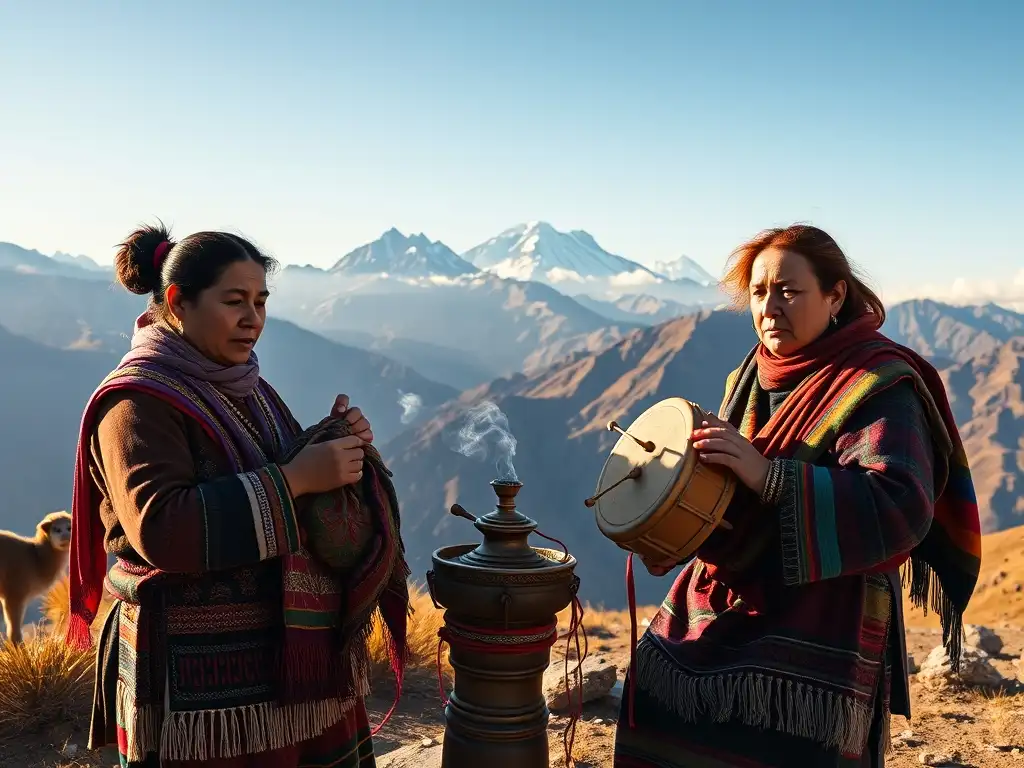
Step into a world lost to time, yet echoing with power. For centuries, the Andes Mountains have held secrets, whispers of a vibrant tapestry woven from myth and reality. This is where we unravel the legacy of the ancient Andean civilizations, but today, we focus on a story often overlooked: the remarkable influence of Andean women shamans. Their spiritual prowess shaped entire societies – dare to discover their untold stories and uncover the potent force they wielded within this fascinating world. Prepare to be captivated.
The Andes Mountains, a spine of towering peaks stretching along the western edge of South America, are not only a geographical marvel but also the cradle of vibrant and complex civilizations. For centuries, these cultures—including the Incas, Moche, Nazca, and Tiahuanaco—developed intricate belief systems and spiritual practices, often shrouded in mystery. While traditional narratives frequently focus on male figures in positions of power, a deeper examination reveals a significant and often overlooked role played by Andean women shamans.
This article delves into the fascinating world of female shamans in the Andes, exploring their historical presence, their rituals, and their profound influence on Andean spirituality and society. We will uncover evidence that challenges the often-male-centric view of Andean religious leadership and illuminate the powerful contributions of women to this rich cultural tapestry. Understanding their roles provides a more complete and nuanced perspective on the Andean worldview and its enduring legacy.
Introduction to Andean Shamanism and its Female Practitioners
Andean shamanism, a complex system of beliefs and practices, was far from monolithic. It varied significantly across different cultures and time periods. However, a common thread throughout many Andean societies was the belief in a spiritual world interwoven with the physical realm.
Shamans, acting as intermediaries between these two worlds, played a crucial role in maintaining cosmic balance and societal well-being. These spiritual leaders, both male and female, were believed to possess special abilities, including healing, divination, and communication with spirits. While the exact nature of their practices differed, the overall purpose remained consistent: to ensure the prosperity and harmony of the community.
The historical record, while incomplete, offers glimpses into the activities of female shamans. Archaeological discoveries, such as the depiction of women in ritual contexts on pottery and textiles, suggest a significant female presence in Andean spiritual life. Moreover, ethnohistorical accounts from the colonial period, though often filtered through a European lens, provide valuable, albeit sometimes biased, insights into the roles and practices of women in shamanistic traditions.
These accounts frequently mention women healers and diviners, highlighting their importance in maintaining community health and providing spiritual guidance. Further research is needed to fully understand the diversity of female shamanic roles across different Andean cultures. For example, [specific information pending] regarding the specific rituals and practices employed by female shamans in the Nazca culture.
The Historical Presence of Women in Andean Spiritual Practices
The presence of women in Andean spiritual practices extended beyond shamanism. Women held various roles within religious institutions, often involved in rituals and ceremonies related to fertility, agriculture, and ancestor veneration. For instance, [specific information pending] regarding the role of women in Inca religious ceremonies. Their participation was not limited to supporting roles; they held positions of authority and influence within their communities.
Evidence suggests a connection between women's roles in agriculture and their spiritual roles. As primary cultivators and caretakers of the land, women likely developed deep connections with the earth's fertility and the life cycles of plants. This close relationship to nature likely contributed to their involvement in rituals related to agricultural cycles and ensured bountiful harvests.
Furthermore, their expertise in herbal medicine and healing further cemented their position as essential figures within their communities, bridging the gap between the physical and spiritual realms. The intricate knowledge of medicinal plants and their uses, passed down through generations, provided a powerful link to the spiritual world and solidified the importance of women in maintaining community health and well-being.
The interplay between their practical knowledge and spiritual insight created a unique and powerful dynamic within Andean society. The detailed study of this dynamic requires further research, particularly in the areas of [specific information pending].
Understanding the Role of Andean Women Shamans
Andean women shamans, often referred to by various names depending on the specific culture and time period, held positions of significant power and influence within their communities. Contrary to common misconceptions about ancient societies, women played vital roles in Andean spirituality, acting as intermediaries between the human and spirit worlds. Their knowledge of medicinal plants, healing rituals, and spiritual practices was highly valued, contributing significantly to the social fabric and well-being of their societies.
While the exact nature and extent of their influence varied across different Andean cultures (Inca, Moche, Nazca, etc. ), evidence suggests a widespread recognition and respect for their spiritual authority. The roles of these women extended beyond simple healing; they were often involved in divination, prophecy, and political decision-making, demonstrating a deep integration of spiritual and secular life.
Further research is needed to fully understand the nuances of their roles within each specific Andean culture, as many records were destroyed during the Spanish conquest. However, existing archaeological findings and anthropological studies offer compelling insights into the multifaceted lives and contributions of these powerful women. The study of Andean women shamans offers a crucial counter-narrative to Eurocentric perspectives on ancient societies, highlighting the diverse and complex roles of women in shaping spiritual and social structures.
Key Characteristics of Female Shamanic Practices in the Andes
The shamanic practices of Andean women were characterized by a profound connection with the natural world and a deep understanding of the spiritual forces that shaped their lives. These practices were often deeply intertwined with their roles as healers, midwives, and community leaders. Their rituals and ceremonies were designed to maintain harmony between the human world and the spirit world, ensuring the well-being of individuals and the community as a whole.
This holistic approach to spirituality and healing is a defining characteristic of Andean shamanism, and female practitioners were at the forefront of this tradition. Their expertise in herbal medicine, coupled with their spiritual insights, allowed them to address a wide range of physical and spiritual ailments. The use of sacred objects, such as textiles, pottery, and other ritual artifacts, further enhanced the efficacy of their practices.
These women weren't simply healers; they were custodians of sacred knowledge, passing down traditions and practices through generations. The continuity of these practices underscores their importance and resilience within Andean societies. The preservation of these traditions, often through oral histories and artifacts, offers invaluable insight into the richness and complexity of Andean spirituality.
Connection with Pachamama and the Feminine Divine
A central aspect of Andean women shamans' practices was their deep connection with Pachamama, the earth mother goddess, and other feminine deities. This connection was not merely symbolic; it was a lived reality, reflected in their rituals and daily lives. They saw themselves as integral parts of the natural world, embodying the life-giving and nurturing powers of Pachamama.
This profound identification with the feminine divine influenced their healing practices, which often involved harnessing the restorative forces of nature. They utilized natural elements such as water, earth, and plants, viewing them as extensions of Pachamama's power. Their intimate knowledge of the land and its rhythms allowed them to connect with the spiritual essence of the earth, facilitating their ability to heal and guide their communities.
This connection to the feminine divine was not limited to Pachamama; other female deities and spirits also played significant roles in their spiritual practices, demonstrating a complex and multifaceted religious landscape. The integration of the feminine divine into Andean shamanic practices highlights the importance of female spiritual leadership and their central role in shaping Andean cosmology.
The Use of Sacred Plants and Rituals
Andean women shamans skillfully utilized a wide array of sacred plants in their rituals and healing practices. These plants, often possessing psychoactive properties, were not merely tools but were considered sacred entities, imbued with spiritual power. The use of these plants allowed them to enter altered states of consciousness, facilitating communication with the spirit world and enabling diagnosis and treatment of illnesses.
The preparation and administration of these sacred plants were highly ritualized, reflecting a deep understanding of their power and potential risks. These rituals often involved intricate ceremonies, involving chanting, singing, dancing, and the use of other sacred objects. The specific plants used varied across different regions and cultures, reflecting the diverse botanical landscapes of the Andes.
Detailed knowledge of these plants, their properties, and their appropriate use was passed down through generations of female shamans, ensuring the continuity of these vital traditions. The meticulous care and respect shown to these sacred plants highlight the holistic and interconnected nature of Andean spirituality.
Healing Practices and Community Well-being
The healing practices of Andean women shamans were deeply intertwined with the well-being of their communities. They were not simply individual healers but played a crucial role in maintaining social harmony and preventing disease. Their healing practices were holistic, addressing not only physical ailments but also emotional and spiritual imbalances.
They used a combination of herbal remedies, spiritual rituals, and therapeutic techniques to address the root causes of illness. Their knowledge of the human body and its connection to the natural world allowed them to develop effective treatments for a wide range of conditions. Furthermore, their role extended beyond individual healing to encompass community health initiatives.
They often participated in preventative measures, such as rituals designed to protect the community from disease and ensure abundant harvests. The social and spiritual roles of these women were inseparable, highlighting their crucial contribution to the overall health and prosperity of their communities. The holistic approach to healing practiced by Andean women shamans offers valuable insights into the interconnectedness of physical, emotional, and spiritual well-being.
The Power and Influence of Andean Female Shamans in Society
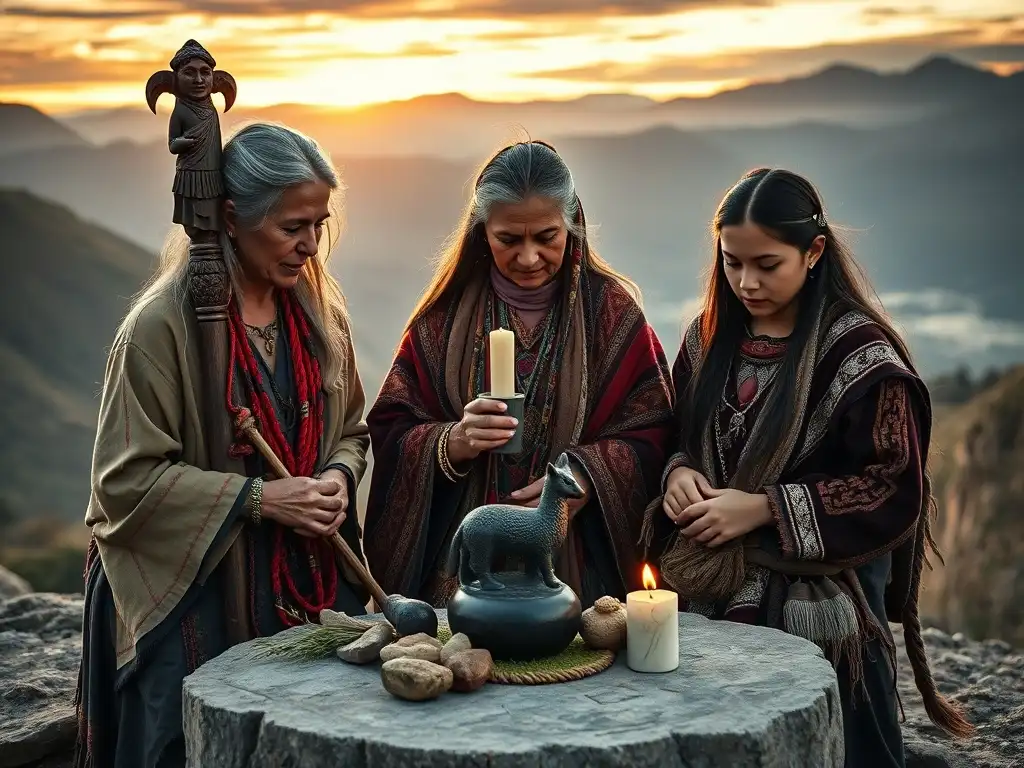
Andean women shamans held positions of significant power and influence within their communities, challenging the often-perceived patriarchal structures of many ancient societies. Their roles extended far beyond simple healing; they were spiritual leaders, advisors, and keepers of cultural knowledge. The extent of their influence varied across different Andean cultures and time periods, but evidence suggests a consistent presence of powerful female shamans across the Andes.
Their spiritual authority stemmed from their perceived ability to communicate with the spirit world, interpret dreams, and mediate between the human and supernatural realms. This ability granted them considerable social standing and access to decision-making processes, often acting as crucial intermediaries between the community and the divine. This influence is reflected in archaeological findings, such as depictions of female figures in ceremonial contexts, wearing elaborate headdresses and holding ritual objects.
These depictions suggest a level of respect and reverence afforded to women in spiritual leadership roles. Furthermore, the oral traditions and myths passed down through generations often feature powerful female shamans as central figures, further highlighting their importance in Andean cosmology. The continued presence of female healers and spiritual leaders in contemporary Andean communities is a testament to the enduring legacy of these ancient women.
Maintaining Balance and Harmony
A core aspect of the Andean worldview was the concept of ayni, a principle of reciprocity and balance. Andean women shamans played a crucial role in maintaining this balance within their communities. Their rituals and practices aimed to restore harmony when disruptions occurred, be it through illness, natural disasters, or social conflict.
They used a variety of techniques, including herbal remedies, divination, and ceremonies involving offerings and prayers to appease the spirits and restore equilibrium. Their understanding of the interconnectedness of the natural and spiritual worlds allowed them to identify imbalances and address them effectively. This role was not merely therapeutic; it was essential for the social and ecological well-being of the community.
For example, a shaman might perform a ritual to appease a mountain spirit causing a drought, or conduct a ceremony to heal a community member suffering from an illness believed to be caused by a spiritual imbalance. The efficacy of their actions stemmed from their deep knowledge of Andean cosmology and their ability to navigate the complex relationships between the human and supernatural realms. Their role in maintaining ayni underscores the integral connection between spiritual well-being and the overall health of the Andean community.
Spiritual Guidance and Prophecy
Beyond their healing abilities, Andean women shamans served as vital sources of spiritual guidance and prophecy. They interpreted dreams, provided insights into the future, and offered counsel on important life decisions. Their ability to communicate with the spirit world allowed them to access information beyond the realm of the tangible, providing valuable insights for individuals and the community as a whole.
This spiritual guidance often extended to matters of agriculture, warfare, and social organization. For instance, a shaman might advise on the best time to plant crops based on her understanding of celestial cycles and the will of the spirits. Their prophetic abilities were crucial in navigating uncertain times, helping communities prepare for challenges and make informed decisions.
The respect afforded to their spiritual insights cemented their position as essential leaders within the social fabric. Their role as interpreters of the divine will ensured their involvement in critical decisions affecting the whole community.
Social and Political Influence
The spiritual authority of Andean women shamans often translated into significant social and political influence. Their ability to mediate between the human and spiritual worlds made them valuable advisors to leaders and influencers. They could influence decisions related to resource allocation, conflict resolution, and even matters of war and peace.
Their knowledge and wisdom were highly valued, and their opinions carried considerable weight. While the exact nature and extent of their political influence varied across different cultures and periods, evidence suggests their involvement in major decisions affecting their communities. Many accounts describe female shamans acting as intermediaries between opposing factions, using their spiritual authority to negotiate peace and resolve conflicts.
Their roles highlight the interconnectedness of spiritual and secular power in Andean societies, demonstrating that spiritual leadership could translate into tangible social and political influence. Further research is needed to fully understand the nuances of their political involvement, but their influence is undeniably significant.
Case Studies of Renowned Andean Women Shamans
While detailed historical records of individual Andean women shamans are scarce, the legacy of these powerful women endures through oral traditions, archaeological evidence, and the continued practice of Andean spirituality. The following examples offer glimpses into the lives and contributions of some of these extraordinary individuals.
María Sabina: Mazatec Shaman and Her Contributions
While not strictly from the Andes, María Sabina's (1894-1985) Mazatec shamanic practices offer valuable insights into the broader role of female shamans in Mesoamerica, which shares cultural similarities with the Andes. Known for her use of psilocybin mushrooms in her healing ceremonies, Sabina's work highlights the use of entheogens in shamanic practices and their role in spiritual journeys and healing.
Her life and work have been widely studied and documented, offering a valuable lens through which to understand the power and influence of female shamans in indigenous traditions. Her influence extended beyond her immediate community, attracting attention from researchers, artists, and writers, showcasing the global interest in indigenous shamanic practices.
Doña Maxima Acuña: Defender of Andean Lands and Spirituality
Doña Maxima Acuña de Chaupe, a contemporary Quechua woman from Peru, exemplifies the continuing importance of women in defending Andean lands and spirituality. Her unwavering resistance to mining interests threatening her ancestral lands and the surrounding ecosystem showcases the connection between spiritual leadership, environmental stewardship, and social activism. While not a shaman in the traditional sense, her deep connection to the land and its spiritual significance reflects the enduring role of women in protecting Andean cultural heritage and resisting forces that threaten it.
Her story serves as a powerful testament to the ongoing fight to preserve Andean traditions and the crucial role of women in this struggle. Her activism demonstrates the enduring legacy of Andean women and their continued commitment to protecting their land and culture.
The Challenges Faced by Andean Women Shamans
Andean women shamans, despite their significant roles in Andean spirituality, faced considerable challenges throughout history. Their power and influence were often intertwined with societal structures that sometimes limited their agency. The patriarchal nature of many Andean societies, while not universally consistent across all cultures and time periods, meant women often had to navigate complex social hierarchies to exert their spiritual authority. This wasn't simply a matter of public perception; access to resources, training, and even specific rituals could be restricted based on gender.
The extent of these limitations varied considerably depending on the specific Andean culture and the historical period. For example, while some societies might have had powerful female deities and shamanic figures at the forefront, others might have relegated women to supporting roles within religious ceremonies. Understanding these nuances is crucial to appreciating the complex reality of Andean women's spiritual leadership.
Overcoming Gender Bias
Overcoming ingrained gender bias was a constant struggle for Andean women shamans. They had to prove their capabilities and spiritual prowess in the face of deeply rooted societal expectations. This often involved demonstrating exceptional healing abilities, insightful interpretations of dreams and omens, and a deep understanding of Andean cosmology.
Many women shamans likely employed strategies to negotiate the existing power structures, perhaps by cultivating alliances with influential male figures or by emphasizing the complementary nature of male and female spiritual roles within their communities. The successful navigation of these gendered power dynamics required significant resilience, political acumen, and unwavering belief in their own spiritual gifts. The stories of these women, though often undocumented, are crucial to understanding the resilience and agency of Andean women in the face of patriarchal norms.
The Impact of Modernization and Westernization
The arrival of European colonizers and the subsequent waves of modernization and Westernization presented further challenges to the tradition of Andean women shamans. The imposition of Catholicism and the suppression of indigenous religious practices significantly impacted the roles and visibility of women shamans. Many were forced to practice their spirituality in secrecy, leading to a decline in the public recognition of their contributions.
The introduction of Western medicine also challenged the legitimacy of traditional healing practices, further marginalizing women shamans and their roles in community health. Furthermore, the disruption of traditional social structures and the erosion of indigenous languages contributed to the loss of knowledge and the weakening of spiritual lineages. The impact of these forces continues to be felt today, highlighting the ongoing need for the preservation and revitalization of Andean spiritual traditions.
The Importance of Preserving the Tradition of Andean Women Shamans
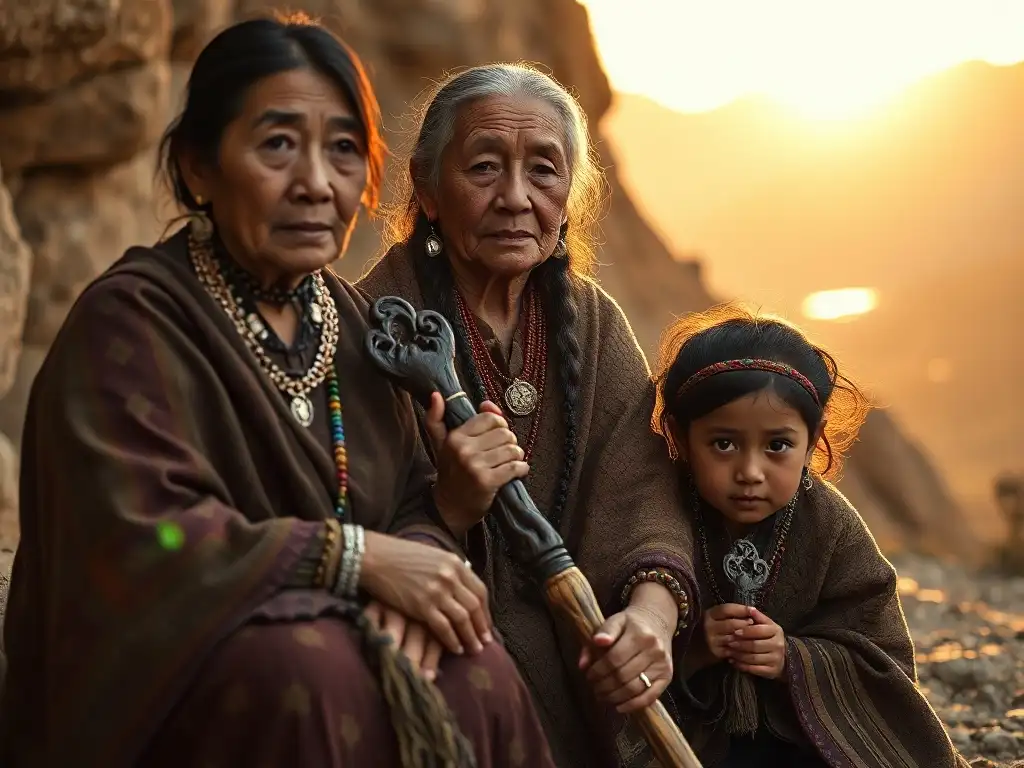
The preservation of the tradition of Andean women shamans is not merely an academic pursuit; it is a matter of safeguarding crucial cultural heritage, spiritual wisdom, and environmental stewardship. The knowledge and practices passed down through generations represent a profound connection to the Andean landscape and its unique cosmology.
Cultural Heritage and Identity
The traditions and practices of Andean women shamans are integral to the cultural heritage and identity of Andean communities. These traditions embody a rich tapestry of knowledge, beliefs, and rituals that have shaped the social fabric of these communities for centuries. Their stories, songs, and rituals transmit vital knowledge about Andean history, cosmology, and social structures, acting as a powerful force for cultural continuity.
The loss of these traditions would represent a significant loss not only for Andean communities but also for the global understanding of indigenous spirituality and cultural diversity. Preserving their legacy is a vital step in ensuring the continued vitality and resilience of Andean cultures.
Spiritual Wisdom and Environmental Stewardship
Andean women shamans possess a profound understanding of the interconnectedness between the spiritual and natural worlds. Their spiritual practices often incorporate elements of environmental stewardship, emphasizing the importance of respecting the Earth and its resources. Their knowledge of medicinal plants, ecological balance, and sustainable living practices offers valuable insights for contemporary environmental challenges. Preserving their traditions is not only a matter of cultural preservation but also a vital contribution to sustainable development and environmental protection.
The wisdom embedded within their practices provides invaluable lessons for a world increasingly grappling with ecological crises. Their holistic approach to life, which integrates spiritual and ecological well-being, holds significant relevance for contemporary societies seeking more balanced and sustainable ways of life. The continuation of their traditions offers hope for a more harmonious relationship between humanity and nature.
The Legacy of Andean Female Shamans and their Continued Relevance
The legacy of Andean female shamans is profound and enduring, extending far beyond the archaeological record. Their influence permeates Andean cultures to this day, shaping spiritual practices, healing traditions, and social structures. While the precise roles and rituals varied across different Andean societies—from the Incas to the pre-Inca cultures like the Moche and Nazca—the presence and power of women as spiritual leaders is undeniable. Many indigenous communities still maintain traditions that directly reflect the roles of women shamans, albeit often adapted to fit contemporary circumstances.
For example, the practice of paqos (Andean healers) often includes women who utilize herbal remedies, rituals, and spiritual guidance, echoing the practices of their ancient counterparts. Their knowledge of medicinal plants, inherited through generations, underscores the continued relevance of their ancestral wisdom. Furthermore, the vibrant textiles and ceramics found in archaeological sites frequently depict female figures engaged in ritualistic activities, suggesting a high level of societal respect and veneration bestowed upon them. This visual representation, coupled with the ongoing presence of women in spiritual leadership roles within contemporary Andean communities, provides compelling evidence of a continuous thread connecting past and present.
The enduring influence of Andean female shamans serves as a potent reminder of the enduring strength and resilience of women within these societies. Their legacy is not merely a historical curiosity but a living tradition that continues to inspire and guide. The ongoing research into ancient Andean textiles and artifacts continues to reveal new insights into the complexity and significance of their roles.
Conclusion: Celebrating the Strength and Wisdom of Andean Women Shamans
The exploration of Andean women shamans reveals a rich tapestry of spiritual power and influence that has shaped Andean cultures for millennia. Their roles extended beyond simple healing; they were often political advisors, community leaders, and keepers of vital knowledge. From the intricate rituals of the Nazca Lines to the sophisticated healing practices of the Inca empire, women played a crucial part in maintaining the spiritual and social fabric of their societies. Their deep understanding of the Andean cosmology, their expertise in herbal medicine, and their ability to connect with the spiritual realm earned them immense respect and authority within their communities. The enduring legacy of these powerful women challenges the often-Eurocentric biases that minimize the contributions of women in history, highlighting the importance of recognizing and celebrating their contributions to Andean spirituality and culture. By understanding their roles, we gain a deeper appreciation for the complexity and richness of Andean civilization and the enduring strength and wisdom of Andean women. Further research and the continued preservation of indigenous traditions are vital to ensure that the legacy of Andean women shamans continues to inspire future generations. Their story is one of resilience, power, and profound spiritual insight—a testament to the enduring strength of the human spirit and the crucial role women played in shaping Andean societies. 👩⚕️✨
- Introduction to Andean Shamanism and its Female Practitioners
- The Historical Presence of Women in Andean Spiritual Practices
- Understanding the Role of Andean Women Shamans
- Key Characteristics of Female Shamanic Practices in the Andes
- The Power and Influence of Andean Female Shamans in Society
- Case Studies of Renowned Andean Women Shamans
- The Challenges Faced by Andean Women Shamans
- The Importance of Preserving the Tradition of Andean Women Shamans
- The Legacy of Andean Female Shamans and their Continued Relevance
- Conclusion: Celebrating the Strength and Wisdom of Andean Women Shamans
Frequently Asked Questions
What role did women play as shamans in Andean cultures?
Andean cultures, unlike many others, highly valued female shamans. They held positions of power and influence, acting as healers, spiritual leaders, and intermediaries between the human and spirit worlds. Their roles were crucial to community well-being.
Were female shamans common across all Andean cultures?
While the presence and importance of female shamans varied across different Andean cultures, evidence suggests their significant roles in many societies, including the Inca, Moche, and Nazca. Their influence was widespread, though the specifics might differ.
What were the main responsibilities of an Andean female shaman?
Andean women shamans performed a variety of vital roles. These included healing the sick, conducting rituals, communicating with spirits, and guiding their communities spiritually. They were essential figures in maintaining social harmony.
How did Andean female shamans differ from male shamans?
While both genders held shamanistic roles, the specific rituals, practices, and social standing might have varied. Some sources suggest women specialized in certain healing practices or spirit communication, but further research is needed.
What evidence exists to support the role of Andean women shamans?
Archaeological discoveries, including textiles, pottery, and burial sites, provide evidence supporting the existence and prominence of female shamans. Historical accounts, though limited, further corroborate their significant spiritual and social influence.
Final Reflection: Echoes of the Pachamama: Enduring Power of Andean Women Shamans
The resurgence of interest in Andean spirituality, coupled with a growing global awareness of indigenous women's rights, shines a powerful spotlight on the vital role of female shamans. Their ancient traditions, once suppressed, are now reclaiming their rightful place, offering a potent counter-narrative to patriarchal structures and reminding us of the deep connection between spiritual practice and social justice.
The enduring legacy of these women, their profound connection to the Pachamama (Mother Earth), and their ability to heal both the individual and the community, continues to resonate deeply. Their wisdom, passed down through generations, offers a powerful model for holistic well-being and environmental stewardship. The earth is what we all have in common.
– Wendell Berry. This simple statement encapsulates the core of the Andean shamanic worldview, a perspective urgently needed in our increasingly fractured world. Their practices, often intertwined with nature and community, offer a path towards healing the planet and ourselves.
Consider the stories shared within this article. Reflect on the strength, resilience, and profound spiritual knowledge of these women. Let their example inspire you to seek out your own connection to the earth, to honor the wisdom of indigenous cultures, and to champion the voices of those who have been historically marginalized. Embrace the power of healing, both personal and collective, and let the echoes of the Pachamama guide you towards a more just and sustainable future.
Embrace the Wisdom of Andean Female Shamans!
Thank you for exploring the fascinating world of Andean female shamans and their profound influence on Andean spirituality. Your interest helps to celebrate and preserve these powerful traditions that continue to shape communities. Now, let's explore ways to connect with this rich cultural heritage.
Here are some ways you can learn more and honor this powerful legacy:
- Attend a workshop or retreat: Seek out gatherings focused on Andean spirituality or shamanic practices led by experienced practitioners. Immerse yourself in the teachings and rituals that empower these remarkable women.
- Share your knowledge: Discuss your learning with friends, family, or online. Start a conversation about the vital role of female shamans in today's world and the importance of preserving their traditions.
- Continue your exploration: Read books, listen to podcasts, or watch documentaries about Andean culture and spirituality. Delve deeper into the fascinating intersection of gender, tradition, and spiritual practice.
Consider what aspects of Andean female shamanism resonate most with you, and how you can integrate those insights into your own life.