
The Andean Ritual of Burial: Honoring the Ancestors and the Cycle of Life

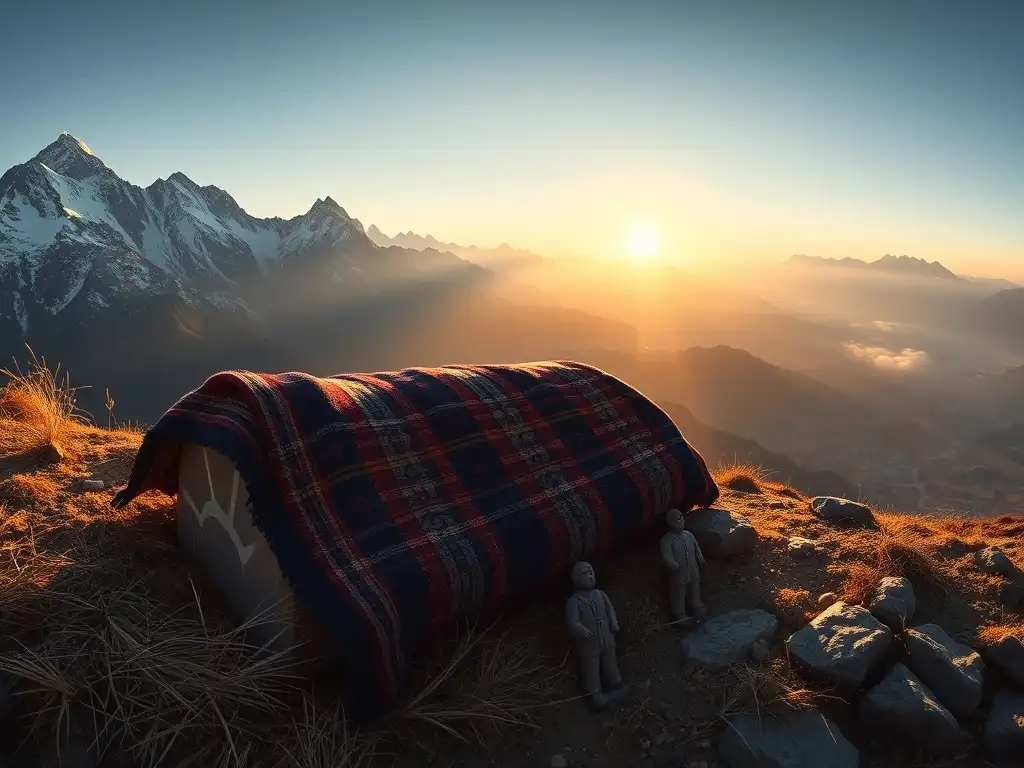
Step into a world lost to time, yet echoing with the whispers of ancient spirits. The Andean Civilizations website unveils the mysteries of a remarkable past, revealing the ingenuity and spiritual depth of cultures like the Incas, Moche, and Nazca. But what secrets do their elaborate burial practices hold? Prepare to be captivated by the intricate details of Andean burial rituals, a journey into the heart of their cosmology and understanding of life and death. Discover how these rituals shaped their world and continue to resonate today.
Andean Burial Rituals: Honoring Ancestors and the Cycle of Life
The Andes Mountains, a majestic spine running down the western edge of South America, have witnessed the rise and fall of numerous sophisticated civilizations. For millennia, these cultures developed complex belief systems deeply intertwined with their environment and a profound respect for the cyclical nature of life and death.
Understanding Andean burial rituals is key to unlocking a deeper appreciation of their rich spiritual world, social structures, and cosmological perspectives. This exploration delves into the diverse funerary practices of pre-Columbian Andean societies, focusing on the significance of death within their cosmovision, the elaborate rituals surrounding burial, and the enduring legacy of ancestor veneration.
We'll examine the unique traditions of cultures like the Moche, Nazca, and Tiahuanaco, revealing the fascinating intricacies of their beliefs about the afterlife and their connection to the land. By understanding their burial rituals, we gain invaluable insight into the beliefs, values, and societal structures of these remarkable Andean civilizations, exploring the keyword "Andean burial rituals" in detail.
The Significance of Death in Andean Cosmovision
The Andean View of the Afterlife: A Journey to the Spirit World
Andean cultures did not view death as an end, but rather as a transformative passage. Death was not a cessation of existence but a continuation of life in a different realm. The afterlife was often conceived as a mirror image of the earthly world, maintaining social structures and hierarchies. Specific locations, particularly caves, mountains, and subterranean spaces, were considered portals to this spiritual world, making them significant sites for burial.
The deceased were believed to continue interacting with the living, acting as powerful intermediaries between the earthly and spiritual realms. This belief system profoundly influenced burial practices, with elaborate preparations and offerings aimed at ensuring a safe and successful transition for the departed. The journey to the spirit world was not a solitary one; it was believed to involve a complex interplay between the deceased, their relatives, and the supernatural forces.
The Role of Ancestors: Guardians and Guides in Andean Beliefs
Ancestor veneration was central to Andean belief systems. Ancestors were not merely remembered; they were considered active participants in the lives of the living, offering protection, guidance, and even influencing harvests and fortune. Burial rituals were therefore not merely acts of disposal but crucial events to maintain this vital connection.
The elaborate preparations and offerings were intended to honor and appease the ancestors, ensuring their continued benevolence towards their descendants. The status of the deceased within their community greatly influenced the complexity and scale of their burial rituals, reflecting the importance of maintaining social order even in the afterlife. The proximity of burial sites to living settlements further underscored the ongoing connection between the living and the deceased.
Death as a Transition: Transformation Within the Cosmic Order
Death, in the Andean worldview, was not a disruption of the cosmic order, but rather an integral part of it – a continuous cycle of life, death, and rebirth. The cyclical nature of the cosmos profoundly influenced burial practices, reflecting the belief in the interconnectedness of all things. The offerings placed within tombs—food, textiles, and precious objects—were not merely gifts, but rather provisions to sustain the deceased in their journey to the afterlife and to maintain the flow of energy within the cosmic order.
Understanding this cyclical view is vital to interpreting the symbolic meaning embedded within Andean burial sites and the artifacts they contain. The emphasis on cyclical renewal also explains the careful attention given to the preservation of the deceased's body, seen as a vessel containing the essence of life, even after death.
Pre-Inca Burial Practices: Diversity Across Cultures
Moche Funerary Rites: Royal Burials at Sipán
The Moche civilization (100-800 CE) is renowned for its elaborate funerary practices, particularly the spectacular royal burials discovered at Sipán. These tombs contained an astonishing array of grave goods, reflecting the power and wealth of the Moche elite. The deceased were often adorned with elaborate gold and silver jewelry, accompanied by finely crafted ceramics, textiles, and even human sacrifices.
The intricate details of these burials provide valuable insights into Moche social structures, religious beliefs, and artistic achievements. The careful arrangement of objects within the tombs suggests a complex ritual process, likely involving priests and specialized artisans. The sheer scale of these burials underscores the importance of maintaining the legacy of the ruling class even after death.
Nazca Burial Customs: Cahuachi Necropolis and Ceramic Offerings
The Nazca culture (100 BCE – 500 CE), famous for its enigmatic geoglyphs, also practiced complex burial rituals. The Cahuachi necropolis, a vast burial complex, reveals a diverse range of burial practices, suggesting a complex social hierarchy. Ceramic offerings, often depicting scenes from daily life and mythology, were frequently included in Nazca burials.
These offerings provide valuable insights into Nazca beliefs, social structures, and artistic expression. The analysis of these ceramics, along with the skeletal remains, has provided crucial information about Nazca diet, health, and social practices. The diversity of burial types and grave goods at Cahuachi indicates a nuanced understanding of death and its implications for the living.
Tiahuanaco Burial Traditions: Akapana Pyramid and Stone Tombs
The Tiahuanaco culture (500-1000 CE) left behind impressive architectural monuments and sophisticated burial practices. The Akapana pyramid, a monumental structure, is believed to have served as a ceremonial center, possibly linked to funerary rituals. Stone tombs, often containing elaborate offerings, have been discovered in the vicinity of Tiahuanaco sites.
The use of stone suggests a high degree of craftsmanship and reflects the culture's emphasis on permanence and enduring legacy. Further research is needed to fully understand the complexity of Tiahuanaco burial traditions and their connection to their religious beliefs and cosmological perspectives. The scale of the structures suggests a highly organized society with centralized power and control over resources.
Regional Variations: Coastal vs. Highland Funeral Practices
Significant variations existed in Andean burial practices across different regions and environments. Coastal communities, with their access to marine resources, often incorporated seashells and other marine artifacts into their burials. Highland communities, on the other hand, used materials readily available in their environment, such as stone and textiles made from alpaca or llama wool.
These regional variations reflect the adaptation of burial practices to local resources and environmental conditions while still adhering to core beliefs about death and the afterlife. Further research is crucial to fully document and understand the diverse range of Andean burial practices across different ecological zones. The interplay between environment and cultural practices offers a fascinating perspective on the adaptability and resilience of Andean civilizations.
Inca Funeral Rites: A Blend of Tradition and Empire
The Inca Empire, at its zenith, developed elaborate funeral rites that reflected both the existing Andean traditions and the imperial power structure. These practices were far from uniform, varying significantly based on social standing. The sheer scale and sophistication of Inca funerary practices, however, underscore the importance placed on death and the afterlife within their cosmology. The Inca believed in a cyclical view of life and death, with the deceased continuing their existence in a realm governed by the sun god, Inti.
This belief profoundly influenced their burial rituals, shaping the elaborate ceremonies and offerings associated with them. The integration of pre-existing Andean traditions with imperial ideology created a complex system of burial practices, reflecting the diverse cultural landscape conquered and incorporated into the Inca Empire. The meticulous nature of these rituals speaks volumes about the Inca worldview and their reverence for their ancestors.
The Inca Perspective: Death as a Passage to the Inti's Realm
Inca cosmology viewed death not as an end but as a transition. The deceased journeyed to the realm of Inti, the sun god, a place of continued existence. The success of this transition depended heavily on the proper execution of funeral rites.
The meticulous preparation of the body, the careful selection of grave goods, and the performance of specific ceremonies were all crucial steps in ensuring a smooth passage for the deceased to the afterlife. The elaborate rituals served not only to honor the deceased but also to maintain a harmonious relationship between the living and the dead, ensuring continued support and protection from the ancestors.
This belief system underpinned the complexity and importance placed on Inca burial practices, making them a central aspect of their religious and social life. The sun, a powerful symbol of life and power, played a pivotal role in Inca beliefs about death and the afterlife, influencing the design and execution of their funeral ceremonies.
Royal Inca Burials: Mummification and the Cult of the Sapa Inca
Royal Inca burials were exceptional in scale and complexity. The Sapa Inca, the emperor, received the most elaborate treatment. Mummification was a key part of the process, preserving the body for veneration long after death.
These mummies were not simply interred; they became focal points of a cult of personality, continuing to exert influence even in death. Tombs were often richly furnished with gold, silver, textiles, and other precious objects, reflecting the immense power and wealth of the empire. The process of mummification itself was a complex ritual, involving the removal of internal organs, the application of herbs and resins, and the wrapping of the body in fine textiles.
These royal tombs served as powerful symbols of Inca power and continuity, showcasing the empire's wealth and reinforcing the divine authority of the Sapa Inca, even beyond the grave. The elaborate nature of royal burials underscores the importance placed on the continuity of power and the symbolic representation of imperial authority.
Commoner Funeral Practices: Community Involvement and Earth Burials
While royal burials were extravagant, commoner burials reflected a different scale but no less importance. Community involvement was significant, with family and neighbors participating in the preparations and ceremonies. These burials typically involved simpler grave goods and earth burial. However, the presence of offerings, even if less opulent, highlights the shared belief in the continuity of life after death, irrespective of social standing.
The community’s role in commoner burials underscores the importance of social cohesion and collective remembrance within Inca society. While lacking the opulence of royal tombs, these simpler burials still held deep spiritual significance within the community. The shared rituals fostered a sense of unity and collective mourning, reinforcing the importance of community bonds even in the face of death.
The Importance of Offerings: Food, Textiles, and Precious Metals
Offerings played a crucial role in Andean burial rituals, providing sustenance and comfort for the deceased in the afterlife. Food, textiles, and precious metals were commonly included. The type and quantity of offerings varied based on the social status of the deceased, reflecting the belief that the afterlife mirrored the social hierarchy of the living.
The careful selection and placement of these offerings demonstrates the deep-seated belief in the continued existence of the deceased and the importance of maintaining a connection between the living and the dead. The inclusion of precious metals, particularly gold, reflects the Inca's reverence for the sun and its association with power and divinity. The offerings served as a tangible expression of love, respect, and the desire to ensure the well-being of the departed in the spiritual realm.
Key Elements of Andean Burial Rituals
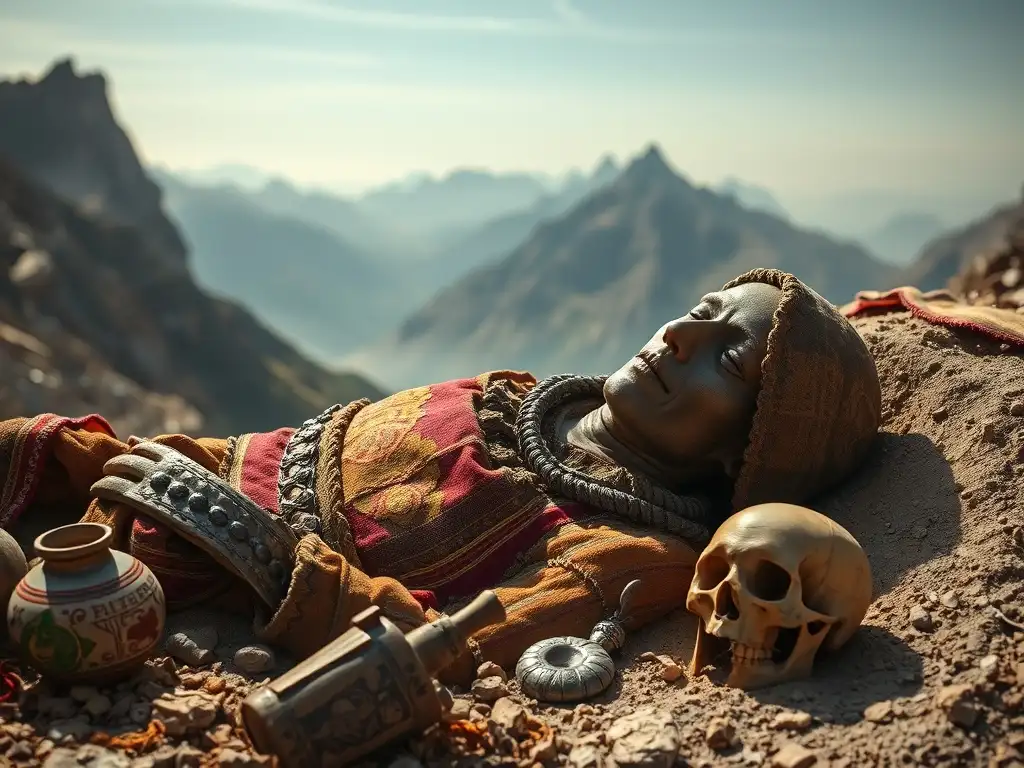
Andean burial rituals, while varying across cultures and time periods, shared several key elements that underscore the region’s unique spiritual beliefs and practices. These common threads highlight the importance of honoring ancestors and ensuring a smooth transition to the afterlife. The meticulous preparation of the deceased, the careful selection of grave goods, and the performance of specific ceremonies were all crucial steps in facilitating this transition. The consistent presence of certain elements across different Andean cultures indicates the deep-rooted nature of these beliefs and their significance in shaping Andean societies.
The Use of Textiles: Wrapping the Deceased in Fine Cloth
Textiles played a vital role in Andean burial practices. The deceased were often wrapped in fine cloth, sometimes intricately woven and decorated. These textiles served not only as shrouds but also as symbols of status and protection. The quality and intricacy of the textiles often reflected the social standing of the deceased. The use of textiles in burial practices highlights the importance of craftsmanship and artistry within Andean cultures and the symbolic meaning attached to clothing and adornment, even in death. The careful selection and placement of textiles underscore the significance of material culture in Andean spiritual beliefs.
Grave Goods: Reflecting Status and Provisioning the Afterlife
Grave goods were essential components of Andean burials. These included a wide range of items, from everyday tools and pottery to precious metals and elaborate ornaments. The type and quantity of grave goods varied considerably, reflecting the social status of the deceased and providing them with necessities and comforts for the afterlife. The inclusion of grave goods demonstrates the belief that the deceased continued their existence in a realm that mirrored the living world, requiring similar provisions. The careful selection of these items reveals insights into the cultural values and beliefs of Andean societies.
Music and Dance: Celebrating the Life and Journey of the Deceased
Music and dance were integral parts of Andean funeral ceremonies. These performances served to honor the deceased, celebrate their life, and facilitate their journey to the afterlife. Music and dance were believed to have the power to connect the living and the dead, creating a bridge between the two worlds. The rhythmic nature of these performances may have been intended to ease the transition of the soul into the spiritual realm. The inclusion of music and dance underscores the importance of ritual and communal participation in Andean burial practices.
Preparing the Body: Natural Mummification and Preservation Techniques
Andean cultures developed sophisticated techniques for preparing the bodies of the deceased. Natural mummification, often aided by the arid climate of the Andes, played a significant role in preserving the bodies of the deceased for extended periods. This practice allowed for the continued veneration of ancestors and the maintenance of connections with the spiritual world.
The methods employed varied across different regions and cultures, reflecting the diversity of Andean traditions and practices. The preservation of the body demonstrates the importance placed on the physical remains of the deceased and their continued presence in the spiritual realm. The techniques used highlight the advanced knowledge of Andean peoples in areas such as medicine and preservation.
Post-Burial Rituals and Ongoing Commemoration
Andean burial rituals weren't simply about the final disposition of the deceased; they were the beginning of an ongoing relationship between the living and the dead. The act of burial itself was a complex process, often involving elaborate preparations of the body and the grave goods. However, this was only the first step in a series of commemorative practices that ensured the continued well-being of the deceased and their continued connection to the community.
These post-burial rituals, performed over time, strengthened the bonds between generations and reaffirmed the cyclical nature of life and death within the Andean worldview. The frequency and intensity of these rituals varied across different cultures and social strata, reflecting the importance placed on individual ancestors and their roles within the community.
For example, elite individuals might have received more elaborate and frequent commemorative ceremonies compared to those of commoners. The sheer diversity of practices highlights the nuanced ways in which Andean societies approached death and remembrance.
Ancestor Veneration: Reciprocal Relationships with the Deceased
Ancestor veneration was central to Andean cosmology. The deceased were not simply forgotten; they were considered active participants in the affairs of the living. This wasn't a passive worship; rather, it was a reciprocal relationship. The living provided offerings and maintained the ancestral sites, ensuring the continued well-being of their ancestors.
In return, the ancestors were believed to provide protection, guidance, and good fortune to their descendants. This reciprocal exchange is a fundamental element of Andean spirituality, highlighting the interconnectedness between the living and the dead. The belief in the ongoing influence of ancestors shaped social structures, agricultural practices, and political decisions. The strength of this connection is evident in the extensive effort and resources dedicated to ancestor veneration, demonstrating the deep spiritual significance of maintaining these bonds across generations.
Continued Offerings: Food, Coca Leaves, and Chicha
A key aspect of post-burial rituals was the continued provision of offerings to the deceased. These offerings weren't simply symbolic gestures; they were believed to sustain the ancestors in the afterlife and maintain their positive influence on the living. Common offerings included food, particularly maize and other staple crops, coca leaves for their sacred and medicinal properties, and chicha, a fermented corn beverage often used in ritual contexts.
The specific offerings varied depending on the time of year, the occasion, and the status of the deceased. Archaeological evidence reveals a wide range of offerings placed in tombs and at ancestral sites, reflecting the importance of providing for the deceased's continued well-being.
The act of offering itself was a ritualized act, often accompanied by prayers and other forms of communication with the ancestral spirits. This consistent provision of offerings speaks volumes about the enduring nature of the relationship between the living and the dead in Andean societies.
The Living and the Dead: A Cycle of Reciprocity and Influence
The Andean worldview emphasized a cyclical understanding of life and death, where the boundary between the living and the dead was permeable. The deceased weren't simply gone; they continued to exert influence on the living, participating in the cycle of life and renewal. This belief is reflected in the emphasis on ancestor veneration and the ongoing provision of offerings. The living, in turn, sought guidance and protection from their ancestors, acknowledging their continued power and influence.
This cycle of reciprocity highlights the interconnectedness of all beings, both living and dead, within the Andean cosmological framework. This dynamic interaction is a core element of Andean spirituality, shaping social structures, political systems, and daily life. The concept of reciprocal influence fostered a deep respect for ancestors and a strong sense of community across generations.
The Family's Role: Maintaining the Memory and Legacy
The family played a crucial role in maintaining the memory and legacy of their ancestors. They were responsible for performing post-burial rituals, making offerings, and preserving the ancestral sites. This responsibility was passed down through generations, ensuring the continued veneration of ancestors and the maintenance of family traditions.
The family's role extended beyond mere ritual observance; it involved actively remembering and honoring their ancestors, integrating their stories and legacies into their own lives. This continuous engagement with the past strengthened family bonds and provided a sense of continuity and identity. The family's commitment to these practices underscored the importance of maintaining a connection to the past, fostering a sense of belonging and continuity within the community.
The Enduring Legacy of Andean Burial Practices
The burial practices of the Andean civilizations are far more than just historical artifacts; they are a testament to the enduring power of cultural traditions and their influence on contemporary Andean societies. These practices, deeply rooted in spiritual beliefs and social structures, continue to resonate in various forms today. The legacy of these rituals is evident in both material culture and spiritual practices, reflecting the enduring influence of the past on the present.
The ongoing study of these practices provides valuable insights into the complexities of Andean culture and its remarkable resilience. This rich legacy presents a powerful narrative of cultural continuity, adaptation, and transformation.
Influence on Contemporary Andean Culture: Syncretism and Resilience
Andean burial practices have demonstrably influenced contemporary Andean culture through a process of syncretism, where traditional beliefs and practices have blended with introduced religions and cultural influences. While many aspects of traditional burial rituals have been adapted or modified, core elements persist, reflecting the resilience of Andean cultural identity. The fusion of ancient traditions with newer beliefs has created a unique and dynamic cultural landscape, where the legacy of ancestral practices continues to shape contemporary life.
Observing this blend highlights the adaptability and enduring nature of Andean traditions in the face of external pressures. This syncretism demonstrates the strength and flexibility of cultural heritage.
Preserving Traditional Funeral Customs: Community-Led Initiatives
Many communities actively work to preserve traditional Andean funeral customs. These efforts often involve community-led initiatives, aimed at educating younger generations about the importance of these traditions and ensuring their continued practice. These initiatives highlight the importance placed on cultural heritage and the active role communities play in maintaining their cultural identity. Such grassroots efforts are crucial for safeguarding these traditions and ensuring their transmission to future generations. The dedication and perseverance of these communities demonstrate the powerful connection between culture, identity, and community well-being.
Importance for Cultural Heritage: Archaeological Insights and Cultural Understanding
The study of Andean burial practices provides invaluable insights into the cultural heritage of the region. Archaeological discoveries continue to shed light on the complexity and diversity of these rituals, deepening our understanding of Andean societies. This knowledge is crucial for interpreting the historical record, preserving cultural heritage, and fostering a deeper appreciation for the richness and diversity of Andean civilizations. Archaeological findings contribute significantly to our understanding of Andean religious beliefs, social structures, and artistic expression. This ongoing research underscores the enduring importance of these practices for understanding Andean history and culture.
Adaptation of Andean Burial Rituals in Modern Contexts
Despite the passage of centuries, Andean burial rituals have adapted to modern contexts, demonstrating their remarkable resilience and adaptability. While many traditional practices persist, they have often been modified or integrated with contemporary beliefs and practices. This adaptation highlights the dynamic nature of cultural traditions and their ability to evolve while retaining their core values and significance.
The persistence of these adapted rituals is a testament to the enduring power of cultural heritage and its capacity to navigate and integrate with changing social and religious landscapes. The study of these adaptations reveals the ongoing relevance of Andean traditions in contemporary society and their enduring power to shape cultural identity.
Frequently Asked Questions
What were the most important aspects of Andean burial rituals?
Andean burial rituals were incredibly diverse, varying across different cultures and time periods. However, common threads included honoring ancestors, ensuring a smooth transition to the afterlife, and providing necessities for the deceased's journey. Specific practices differed widely.
How did the Incas treat their dead?
Inca burial practices often involved elaborate tombs and the inclusion of grave goods, reflecting the deceased's social status. Mummification was also practiced, and some mummies were even kept in family homes. The location of the tomb could also be significant.
What role did offerings play in Andean burial rituals?
Offerings were crucial, providing the deceased with essential items for the afterlife and appeasing the spirits. These could include food, clothing, tools, and precious objects. The type and quantity of offerings varied greatly depending on the individual's status and the specific culture.
Were all Andean cultures' burial practices similar?
No, Andean burial practices varied significantly between cultures. While some shared common themes like ancestor veneration, the specific rituals and customs differed considerably between groups like the Nazca, Moche, and Tiahuanaco. Even within a single culture, practices could evolve over time.
Where can I learn more about Andean burial rituals?
You can explore more through academic journals, museum exhibits, and archaeological sites across the Andes. Many books and documentaries delve into the topic, offering deeper insights into the diverse practices and beliefs surrounding death and the afterlife in Andean cultures.
Final Reflection: Echoes of the Andes: A Legacy of Life and Death
The Andean ritual of burial, far from being a relic of the past, offers a powerful lens through which to examine our own relationship with mortality and the enduring power of community. Its intricate ceremonies and profound respect for ancestors resonate deeply with contemporary concerns about environmental stewardship, social cohesion, and the search for meaning in the face of life's inevitable end. The practices described highlight a connection to the land and a cyclical understanding of life that we, in our increasingly fragmented world, could greatly benefit from re-examining.
The enduring influence of these ancient rituals is palpable, not only in the archaeological record but also in the vibrant cultural traditions that persist in Andean communities today. The profound respect for the deceased, the intricate ceremonies, and the deep connection to the land continue to shape the lives and beliefs of countless individuals. As the writer Eduardo Galeano eloquently stated, Memory is the only paradise from which we cannot be expelled.
The Andean burial rituals serve as a powerful testament to the enduring power of memory and the importance of honoring those who came before us, ensuring their legacy lives on.
Consider, for a moment, the profound implications of this ancient wisdom. How can we, in our own lives, cultivate a deeper appreciation for the cyclical nature of existence? How can we foster stronger bonds of community and mutual support, mirroring the collective effort involved in these elaborate burial ceremonies?
I invite you to reflect on the lessons embedded within these ancient practices and to explore how they might enrich your own understanding of life, death, and the enduring power of human connection. Let the echoes of the Andes inspire you to live a life that honors both the past and the future.
Embrace the Cycle of Life and Honor Your Ancestors!
Thank you for exploring the fascinating world of Andean burial rituals! You've gained valuable insights into how cultures honor their ancestors and the cyclical nature of life and death. Now, let's put this knowledge into practice.
Here are a few ways you can celebrate and honor your ancestors:
- Reflect on Your Heritage: Delve into your family history. Creating a family tree or researching family traditions can be a rewarding way to connect with your past.
- Share Stories with Others: Organize or participate in a family gathering or community event where you share stories about your ancestors. This is a powerful way to keep their memories alive and strengthen family and community bonds.
- Explore Local Traditions: Attend cultural events or visit museums and exhibitions that focus on local burial practices or ancestral traditions. You might discover unique perspectives that resonate deeply with your own life.
How will you honor your ancestors and their legacies?