
Inti, the Sun God: Exploring the Power and Symbolism in Andean Culture

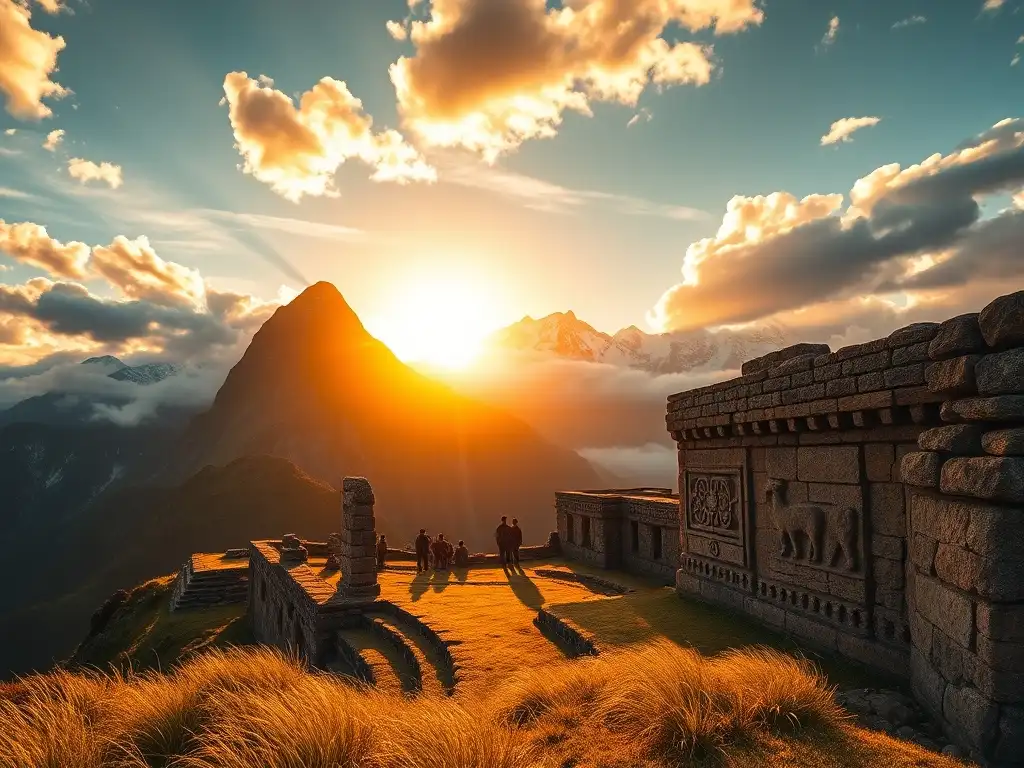
Step into a world lost to time, yet echoing with power and mystery. Journey with us into the heart of the Andes, where the sun held dominion over life and death. Uncover the captivating story behind Andean sun god symbolism, a potent force shaping the beliefs, art, and very fabric of civilizations like the Incas, Moche, and Nazca. What secrets did Inti, the sun god, reveal to his worshippers? Explore the answers and more within.
- Inti, the Sun God: Exploring Power and Andean Sun God Symbolism
- The Significance of Inti in Andean Cosmovision
- Inti's Representation and Iconography
- Rituals and Offerings Dedicated to Inti
- The Legacy of Inti in Contemporary Andean Culture
-
Frequently Asked Questions
- What is the significance of Inti in Andean culture?
- How was Inti represented in Andean art and iconography?
- What role did Inti play in Inca religion and rituals?
- How did the worship of Inti differ across various Andean cultures?
- What are some examples of Andean sun god symbolism found in architecture?
- Final Reflection: Inti's Enduring Legacy: A Beacon of Hope and Resilience
- Unveil the Radiance of Inti: Take Action Today!
Inti, the Sun God: Exploring Power and Andean Sun God Symbolism
In the breathtaking landscapes of the Andes Mountains, a rich tapestry of ancient civilizations flourished, leaving behind a legacy of intricate artistry, sophisticated engineering, and a deeply spiritual worldview. Central to the Andean cosmovision was the worship of Inti, the Sun God, a powerful deity whose influence permeated every aspect of life, from agricultural cycles and royal lineage to daily rituals and artistic expression.
This article delves into the profound symbolism associated with Inti, exploring his multifaceted representation across various Andean cultures and examining his enduring impact on the region's spiritual and cultural heritage. We will uncover how the Andean sun god symbolism manifested in architecture, textiles, ceramics, and mythology, revealing the complex interplay between the divine and the human in the Andean world.
Understanding Inti's significance offers a crucial key to unlocking the mysteries and appreciating the profound depth of Andean civilization. This exploration will illuminate how the worship of Inti shaped societal structures, artistic expression, and the very fabric of Andean life, providing a deeper understanding of "Andean sun god symbolism."
Inti's Role in Andean Cosmology
Inti wasn't simply a celestial body; he was the life-giving force, the source of all energy and sustenance. Andean cosmology viewed the universe as a dynamic interplay between the celestial and terrestrial realms, with Inti at its very heart. He was responsible for the sun's daily journey across the sky, the changing seasons, and the bounty of the harvests.
His power was not merely physical; it was also spiritual, influencing the social order, political power, and the very fabric of Andean society. The Inca, for instance, traced their royal lineage directly to the Sun God, solidifying their authority and legitimizing their rule. This divine connection was meticulously reinforced through elaborate ceremonies, opulent offerings, and monumental architecture dedicated to Inti.
The Inca believed that Inti's favor ensured prosperity and success, while his wrath could bring drought, famine, and social upheaval. This deep-seated belief shaped the daily lives of the Andean people, influencing their agricultural practices, religious rituals, and even their artistic creations.
Manifestations of Inti in Andean Art and Architecture
The worship of Inti is vividly reflected in the remarkable artistic achievements of the Andean civilizations. From the intricate gold and silver ornaments unearthed from royal tombs to the monumental stone structures that graced the landscape, Inti's presence is palpable. The grandeur of Machu Picchu, for example, with its precise alignment to the solstices and equinoxes, speaks volumes about the Inca's profound understanding of astronomy and their deep reverence for the Sun God.
Inca textiles often featured intricate designs depicting the sun, its rays, and associated symbols, showcasing the sophisticated weaving techniques and symbolic language of the time. Similarly, Moche pottery frequently portrays Inti as a powerful figure, often depicted with elaborate headdresses and radiant sunbursts.
These artistic representations not only reveal the aesthetic skills of Andean artisans but also provide invaluable insights into the multifaceted symbolism associated with Inti. The detailed depictions often include accompanying figures and scenes that further illuminate the narratives and beliefs surrounding the Sun God.
The Symbolism of the Sun Disc and Associated Imagery
The sun disc, a prominent symbol in Andean iconography, is a powerful representation of Inti's energy and authority. Often depicted with radiating rays, the sun disc was not merely a visual representation but a potent symbol imbued with spiritual significance. Associated imagery, such as jaguars, condors, and other sacred animals, further enhanced the sun disc's symbolic power, reinforcing Inti's connection to the natural world and his dominion over it.
The specific arrangement and context of these symbols varied across different Andean cultures, revealing nuanced interpretations and regional variations in the worship of Inti. Further research is needed to fully understand the subtle differences in these representations and their implications for our understanding of Andean sun god symbolism. [Specific information pending regarding the regional variations in sun disc symbolism].
The Enduring Legacy of Inti
The worship of Inti, though suppressed by the Spanish conquest, left an indelible mark on Andean culture. Elements of Inti's symbolism continue to resonate in contemporary Andean traditions and beliefs, reflecting the enduring power of this ancient deity. While the exact nature of these contemporary expressions varies, the legacy of Inti persists in various forms, highlighting the deep-rooted connection between the past and the present in the Andes.
Understanding this enduring legacy provides a richer appreciation for the complexities of Andean culture and its long-lasting impact. The continued presence of sun-related imagery and rituals in modern Andean communities underscores the lasting influence of Inti and the significance of Andean sun god symbolism.
The Significance of Inti in Andean Cosmovision
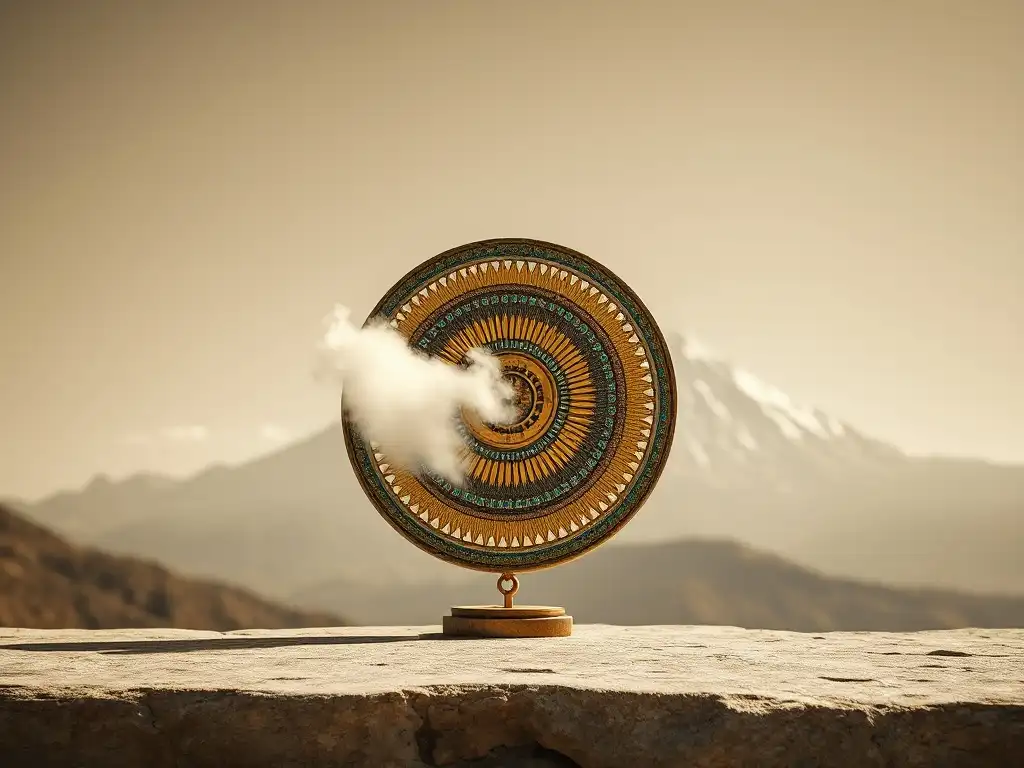
Inti, the Andean sun god, held a position of paramount importance in the religious and social structures of numerous Andean civilizations, far exceeding a simple celestial deity. His influence permeated every aspect of life, from agricultural practices and royal lineage to artistic expression and daily rituals. Understanding Inti's significance requires exploring his multifaceted role within the complex Andean cosmovision, a worldview deeply intertwined with nature and the cyclical rhythms of the cosmos.
This wasn't merely worship; it was a fundamental framework for understanding their existence. The concept of Andean sun god symbolism encompasses a vast array of representations, reflecting Inti's ever-present influence.
Inti as the Supreme Deity of the Inca Empire
Within the Inca Empire, Inti's status as the supreme deity was undeniable. He was considered the ancestor of the Sapa Inca, the emperor, solidifying the divine right to rule. The Inca royal family meticulously traced their lineage back to Inti, reinforcing their authority and legitimacy.
Temples dedicated to Inti, such as the Coricancha in Cusco, were magnificent structures showcasing the empire's wealth and devotion. These weren't simply places of worship; they were the centers of political and religious power, demonstrating the profound intertwining of these spheres. The elaborate ceremonies and sacrifices performed in Inti's honor further underscored his supreme importance.
The emperor himself played a vital role in these rituals, acting as the intermediary between the divine and the human realm. This direct connection between ruler and deity highlights Inti's central position in Inca society and governance. The intricate gold and silver artifacts dedicated to Inti, many depicting him in human or hybrid forms, are testament to the immense reverence he commanded.
The Sun's Role in Andean Creation Myths
In Andean creation myths, Inti often plays a pivotal role in shaping the world and bringing forth life. Different Andean cultures had variations on these myths, but the sun's creative power remained a constant theme. For example, in some narratives, Inti is depicted as the source of light and warmth, essential for the growth of vegetation and the sustenance of life. Other myths portray Inti as a creator god, actively involved in the formation of mountains, rivers, and other elements of the landscape.
This active role in creation firmly established Inti's position as a powerful and generative force in the Andean worldview. The sun's daily journey across the sky mirrored the cyclical nature of life, death, and rebirth, further reinforcing its importance within Andean cosmology. The cyclical patterns of the sun, intimately connected to the agricultural calendar, strongly influenced the beliefs and practices of Andean communities.
Inti's Influence on Agriculture and Life Cycles
Inti's influence extended far beyond religious rituals; he was deeply intertwined with the agricultural practices that sustained Andean societies. The sun's life-giving energy was essential for crop growth, making it a central focus of agricultural festivals and ceremonies. The timing of planting and harvesting was carefully aligned with the solar cycle, highlighting the profound connection between the celestial and the terrestrial realms.
The success of the harvest was directly attributed to Inti's favor, leading to offerings and prayers to ensure bountiful yields. Furthermore, the sun's cyclical journey through the year mirrored the cyclical nature of life, death, and rebirth, influencing Andean understandings of the human life cycle and the afterlife. This intimate connection between the sun's movement and the rhythm of life is reflected in numerous artistic representations and ritual practices.
The Andean sun god symbolism, therefore, is not merely aesthetic; it’s a practical expression of dependence on the sun's energy for survival and prosperity. Evidence suggests that specific rituals were performed at solstices and equinoxes to ensure the sun's continued benevolence and guarantee a successful agricultural cycle. These practices demonstrate the integral role of Inti in the daily lives of Andean communities.
Inti's Representation and Iconography
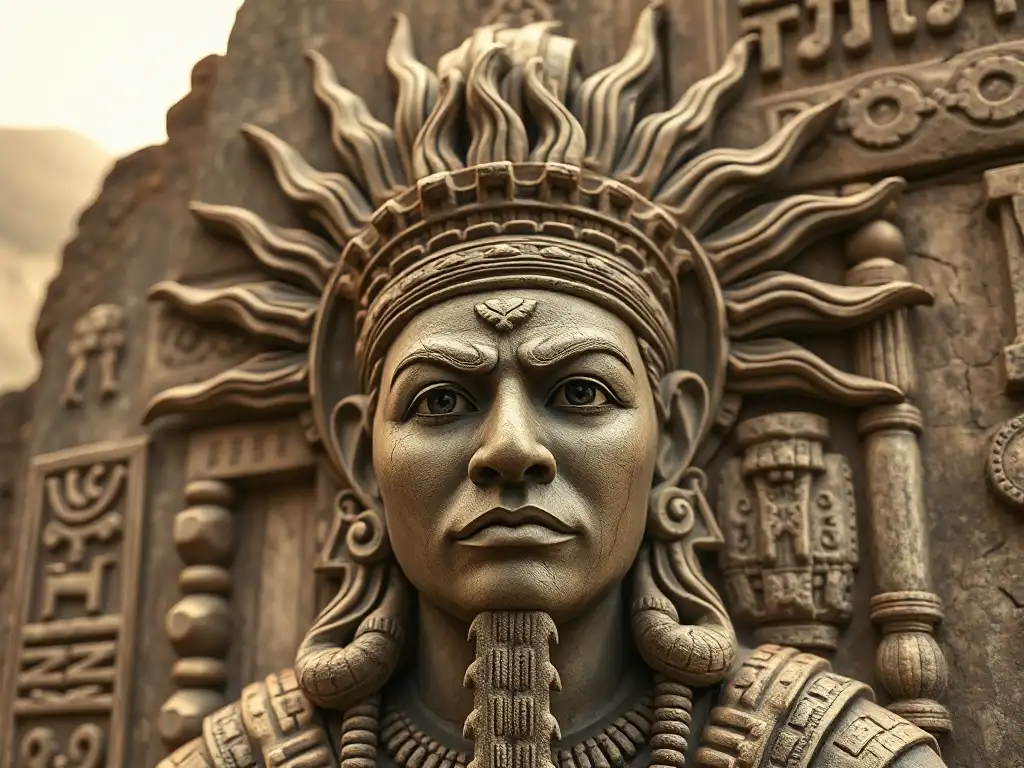
Inti, the Andean sun god, wasn't simply a deity; he was a powerful force woven into the fabric of Andean cosmology. Understanding his symbolism requires examining how he was visually represented across different Andean cultures. The iconography varied slightly depending on the specific civilization and time period, yet consistent themes emerge, highlighting Inti's importance and power. Analyzing these representations reveals much about the Andean worldview and the deep reverence for the sun. The study of Andean sun god symbolism provides a fascinating glimpse into the beliefs and practices of these ancient societies.
Common Depictions of the Andean Sun God
Inti is most commonly depicted as a human-like figure, often with radiant sun rays emanating from his head or shoulders. These rays, sometimes depicted as stylized flames or feathers, emphasized his life-giving power and connection to the sun's energy. He frequently holds a golden scepter or staff, further highlighting his regal status and dominion over the earthly realm.
Many depictions show Inti adorned with elaborate headdresses, intricate jewelry, and fine clothing, all reflecting his divine status and the richness of the Andean civilizations' artistic capabilities. Interestingly, some representations portray Inti in a more abstract form, as a simple sun disc, emphasizing his cosmic presence and the sun’s immense power. These varied depictions reflect the multifaceted nature of Inti, a deity associated with both human and cosmic realms.
The diversity in his representation highlights the richness of Andean artistic expression and the evolving understanding of the deity across different cultures and time periods. Analyzing these artistic choices offers invaluable insight into the beliefs and values of the Andean people.
The Golden Sun Disk: A Symbol of Inti's Power
The golden sun disk stands as perhaps the most potent symbol of Inti's power and influence. These disks, often crafted from meticulously hammered gold, were not merely decorative objects; they served as powerful religious artifacts, imbued with spiritual significance. Their presence in royal tombs and temples underscores Inti's connection to royalty and the cosmos. The craftsmanship involved in creating these disks – often incorporating intricate designs and symbolic elements – showcases the sophisticated metalworking techniques of Andean artisans.
The sheer weight and luminosity of the gold heightened the sense of Inti's power and majesty. The golden sun disk served as a tangible representation of the sun's energy, a physical embodiment of Inti's life-giving force, and a powerful symbol of royal authority. The creation and use of these golden sun disks provides compelling evidence of the immense importance placed upon Inti within Andean society.
Inti's role extended beyond the purely spiritual; he was intrinsically linked to the legitimacy and power of Andean rulers. The Inca emperors, for example, claimed direct descent from the sun god, legitimizing their rule through a divine connection. This divine right to rule was reinforced through elaborate rituals and ceremonies honoring Inti, solidifying the emperor's position as a mediator between the divine and the earthly realms.
Royal regalia, often adorned with sun motifs, further emphasized this connection. The use of Inti's image on official seals, textiles, and architecture reinforced his role as a symbol of state power and imperial authority. This close association between Inti and the ruling elite highlights the deeply interwoven nature of religion and politics in Andean societies.
The study of Andean sun god symbolism in relation to royal lineage provides a crucial understanding of the political structures and power dynamics within these ancient civilizations. The strategic use of Inti's image served to bolster the legitimacy of the rulers and maintain social order.
Rituals and Offerings Dedicated to Inti
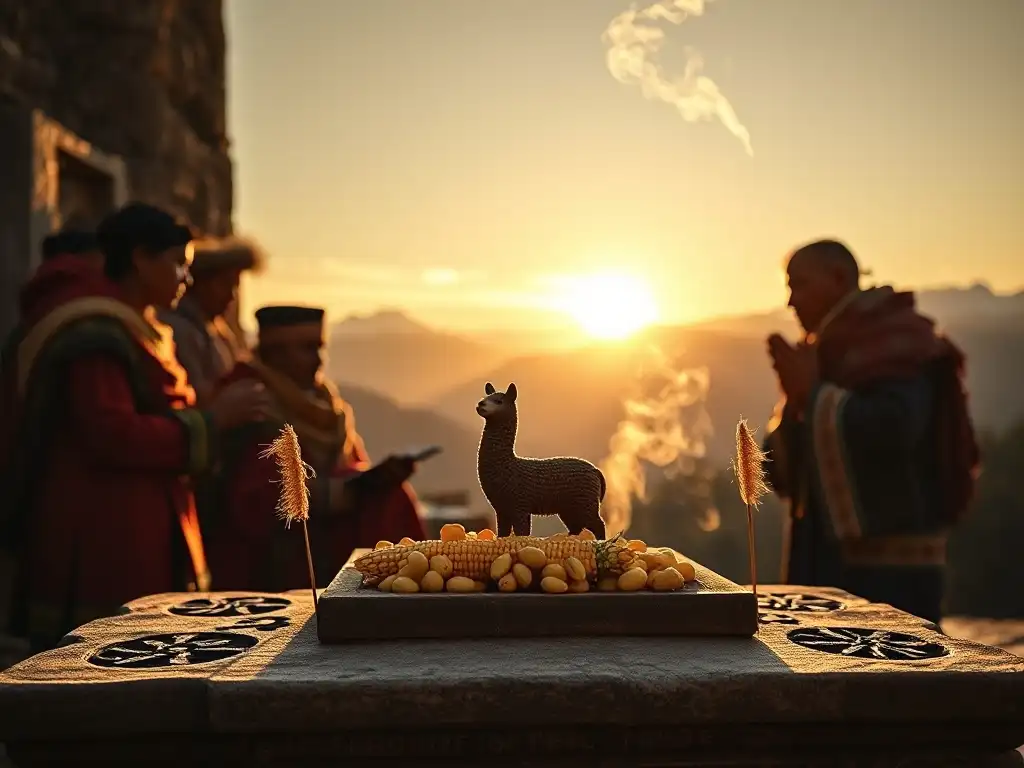
Inti, the Andean sun god, wasn't merely a celestial body; he was the lifeblood of the Andean worldview, demanding reverence and elaborate rituals to ensure his continued benevolence. Understanding the rituals surrounding Inti provides crucial insight into the Andean understanding of power, reciprocity, and the cosmos. The dedication to Inti wasn't a passive act of worship; it was an active engagement with the forces shaping their lives, a complex interplay of offerings, ceremonies, and societal structure.
The persistence of these practices across diverse Andean cultures underscores Inti's central role in their religious and social fabric. Analyzing these rituals reveals a nuanced understanding of Andean sun god symbolism, far beyond simple iconography.
The Inti Raymi Festival: Celebrating the Sun's Return
The Inti Raymi, or Festival of the Sun, was the most significant annual celebration dedicated to Inti. This spectacular event, held during the winter solstice (around June 21st), marked the sun's apparent return to strength after its apparent weakening. More than a mere celebration, the Inti Raymi was a complex ritual designed to renew the sun's power and, by extension, ensure the prosperity of the Inca Empire and its people.
The festival involved elaborate processions, sacrifices (detailed below), and theatrical performances, all orchestrated by the amautas (wise men) and priests. The precise details of the Inti Raymi varied across different Inca regions, reflecting local traditions and adaptations. However, the core message remained consistent: a profound reaffirmation of Inti's power and the Inca's dependence upon his benevolent gaze.
Think of it as a massive, multi-day renewal ceremony, a profound expression of Andean sun god symbolism at its most vibrant. The festival’s grandeur symbolized the Inca’s power and their deep connection to the divine. Archaeological evidence, though limited in directly depicting the festival, supports accounts from Spanish chroniclers, painting a picture of a vibrant and awe-inspiring event.
Sacrifices and Ceremonies Honoring the Sun God
Sacrifices formed an integral part of Inti's worship. These weren't merely acts of appeasement; they were seen as a reciprocal exchange, a vital offering to maintain cosmic balance. The nature of the sacrifices varied, ranging from precious metals and textiles to, in some cases, human sacrifice.
While the exact frequency and scale of human sacrifice remain debated among scholars, evidence suggests it was reserved for particularly important occasions or times of perceived crisis. Animal sacrifices, however, were considerably more common, with llamas, alpacas, and other camelids often offered to Inti. These animals, vital to Andean life, represented a significant offering, signifying the community's commitment to maintaining the cosmic order.
Furthermore, the act of sacrifice itself was imbued with deep symbolic meaning, reinforcing the interconnectedness between the human and divine realms. The meticulous preparation and execution of these ceremonies, documented in both archaeological finds and historical accounts, demonstrate the significance placed on these acts within the framework of Andean sun god symbolism. The meticulousness of the rituals further underscores the profound respect and reverence for Inti.
The Role of Priests in Inti's Worship
The wilaq uma (high priests) and other religious specialists played a crucial role in mediating the relationship between the Inca people and Inti. They were responsible for conducting ceremonies, interpreting omens, and ensuring the proper execution of rituals. Their knowledge of astronomy, agriculture, and ritual practices was essential for maintaining social and cosmic harmony.
They held a position of significant power and influence, advising the Inca ruler and interpreting the will of the sun god. The priests weren't simply intermediaries; they were active participants in shaping the religious and social landscape. Their expertise in interpreting celestial events, such as solar eclipses, was critical to maintaining order and preventing perceived disruptions to the cosmic balance.
The intricate system of Andean sun god symbolism was deeply intertwined with their priestly knowledge and practices. Their role in interpreting dreams, performing divination, and maintaining sacred sites highlights the depth and complexity of their involvement in maintaining the delicate balance between the human and divine worlds. The training and social standing of these priests further underscore their importance within Inca society.
The Legacy of Inti in Contemporary Andean Culture
The worship of Inti, the Andean sun god, may have waned with the arrival of Spanish conquistadors and the subsequent suppression of indigenous religions, but his influence persists profoundly in contemporary Andean culture. While overt sun worship is less common, the symbolism and reverence associated with Inti remain deeply embedded in traditions, beliefs, and artistic expressions across the Andes. This enduring legacy is a testament to the power and enduring significance of Inti in the Andean worldview.
Understanding this continued presence provides crucial context for interpreting modern Andean culture and its connection to its rich past. The sun, as a life-giving force, continues to hold a position of paramount importance, reflecting the enduring legacy of Inti.
Inti's Enduring Presence in Andean Traditions
Inti's legacy is not merely a matter of historical record; it's a vibrant, living presence woven into the fabric of daily life for many Andean communities. Festivals honoring the sun, though perhaps adapted or syncretized with Catholic celebrations, still retain core elements linked directly to Inti's worship. For instance, the Inti Raymi, a festival celebrating the winter solstice, continues to be a significant event in many regions, showcasing the enduring power of the sun god's legacy.
The rituals, dances, and offerings – while potentially modified over centuries – still echo the ancient reverence for Inti as a source of life, prosperity, and fertility. Many indigenous communities maintain practices associated with sun worship, demonstrating the enduring nature of the tradition.
Even seemingly mundane aspects of daily life, such as agricultural practices and prayer routines, often incorporate elements that reflect a deep-seated respect for the sun's power, a direct inheritance from the worship of Inti. The continued importance of the sun's cycles in Andean agriculture speaks volumes about the continued relevance of Inti in shaping daily life.
Sun Symbolism in Modern Andean Art and Textiles
The enduring power of Inti is strikingly evident in contemporary Andean art and textiles. The sun's image, often depicted with human-like features, continues to be a central motif in many artistic expressions. From intricately woven textiles to vibrant paintings and sculptures, the sun's representation is diverse, reflecting regional variations and evolving artistic styles.
However, the underlying symbolism remains consistent: the sun as a source of life, energy, and power. The use of specific colors, patterns, and iconographic elements associated with Inti allows artists to convey complex narratives and messages, seamlessly blending ancient symbolism with contemporary expressions. For example, the use of gold, a precious metal often associated with the sun, continues to be prevalent in modern Andean jewelry and ornaments, reflecting the continued association of the sun god with wealth and prestige.
The intricate designs woven into textiles often include representations of the sun, showcasing the enduring importance of Inti's symbolism in Andean cultural heritage. This is not simply decoration; it is a visual testament to the continuing relevance of Inti in the Andean worldview.
Inti's Influence on Andean Identity and Spirituality
Inti's influence extends beyond mere symbolism; it is deeply intertwined with Andean identity and spirituality. For many Andean people, the sun god represents not only a powerful deity but also a vital component of their cultural heritage and spiritual connection to the land. The sun’s life-giving energy is seen as a source of strength, resilience, and continuity, mirroring the enduring spirit of the Andean people themselves.
The continued reverence for Inti reinforces a sense of shared identity and cultural pride, connecting contemporary Andean communities to their ancestors and their rich history. The sun's journey across the sky is often interpreted as a metaphor for the cyclical nature of life, death, and rebirth – a central theme in Andean cosmology. This cyclical perspective, directly linked to Inti, informs many aspects of Andean spirituality and worldview, illustrating the profound and lasting influence of the sun god on Andean identity and beliefs.
The enduring presence of Inti in Andean spirituality underscores the sun god's lasting impact on the cultural fabric of the Andes. The relationship between the Andean people and the sun, inherited from the worship of Inti, represents a powerful bond that continues to shape their identity and spiritual understanding.
Frequently Asked Questions
What is the significance of Inti in Andean culture?
Inti, the Andean sun god, was of paramount importance. He was worshipped as the source of life, presiding over agriculture, prosperity, and the daily cycle. His influence permeated all aspects of Andean society.
How was Inti represented in Andean art and iconography?
Inti was depicted in various ways, often as a fiery sun disc or a human-like figure with sun rays emanating from his head or body. Gold and other precious materials were frequently used in his representations, reflecting his divine status.
What role did Inti play in Inca religion and rituals?
Inti was the central deity in the Inca religion. Elaborate ceremonies and festivals were held to honor him, ensuring favorable harvests and the continuation of the Inca empire. The Sapa Inca, the emperor, was considered Inti's descendant.
How did the worship of Inti differ across various Andean cultures?
While Inti held a central position across many Andean cultures, the specifics of his worship varied. The Moche and Nazca cultures also revered the sun, but their rituals and iconography differed from the Inca traditions. Variations reflected unique cultural beliefs and practices.
What are some examples of Andean sun god symbolism found in architecture?
Many Andean structures, particularly Inca sites like Machu Picchu, were strategically aligned with the sun's movements. This solar alignment demonstrates the importance of Inti and showcases sophisticated astronomical knowledge within Andean cultures.
Final Reflection: Inti's Enduring Legacy: A Beacon of Hope and Resilience
The worship of Inti, the Andean sun god, resonates far beyond the Inca Empire; its symbolism continues to illuminate our understanding of power, nature, and the enduring human spirit. The intricate tapestry woven from Inti's myths, rituals, and artistic representations offers a powerful lens through which to examine our own relationship with the natural world and the enduring search for meaning in a complex universe. His legacy is not merely historical; it's a living testament to the human capacity for both awe and resilience.
Inti's influence extends beyond the archaeological record, shaping contemporary Andean art, spirituality, and cultural identity. His image, often depicted with radiant power and benevolent authority, continues to inspire artists and thinkers alike. The enduring appeal of Inti's symbolism speaks to a deep-seated human need to connect with something larger than ourselves, to find solace and strength in the face of adversity. The sun, with its daily journey across the sky, is a powerful metaphor for life itself – its cycles of birth, death, and rebirth.
This cyclical nature, so central to Inti's mythology, offers a comforting perspective on the inevitable changes and challenges we all face.
Consider, for a moment, the enduring power of the sun itself. Its warmth, its light, its life-giving energy – these are the very elements that Inti embodies. Let Inti's legacy inspire you to embrace your own inner strength, to find hope in the face of darkness, and to recognize the interconnectedness of all living things. Embrace the cyclical nature of life, learn from the past, and strive to create a brighter future, just as the Andean people revered the sun's life-giving power. Let the radiant symbolism of Inti guide your own journey.
Unveil the Radiance of Inti: Take Action Today!
Thank you for exploring the fascinating world of Inti, the Andean Sun God, and his profound influence on Andean culture. Your interest in this rich history demonstrates the powerful role of symbolism and spirituality in shaping communities. Now, let's translate that inspiration into action.
Here are some ways you can get involved:
- Learn more about Andean culture: Attend local cultural events or workshops focused on Andean heritage to deepen your understanding and appreciation of their traditions.
- Share your knowledge: Discuss what you've learned about Inti with friends, family, or online communities, sparking their interest in this captivating subject.
- Continue your exploration: Visit museums, historical sites, or explore reputable online resources to uncover the intricate myths and practices surrounding Inti and the Andean civilizations.
Have you ever felt a connection to cultural symbols in your own life? Share your thoughts in the comments!