
The Andean Calendar: How Time Shaped the Rituals and Ceremonies

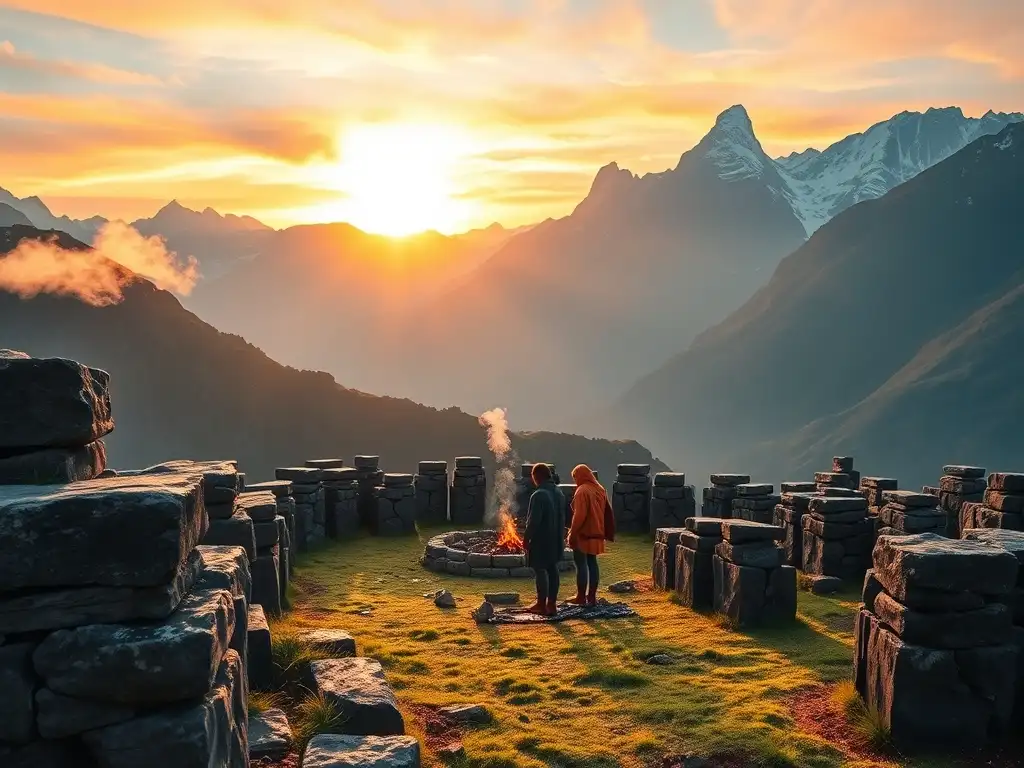
Unravel the mysteries of a world lost to time, yet echoing in the breathtaking landscapes of the Andes. Journey with us into the heart of Andean civilizations, where ingenuity and spirituality intertwined to create a society as complex as it was awe-inspiring. Prepare to be captivated by the intricacies of their Andean civilization calendar system, a celestial roadmap that guided their rituals, agriculture, and very existence. Discover how the precise movements of the sun and stars shaped their beliefs and practices – a story waiting to unfold before you.
The Andes Mountains, a spine of imposing peaks running down the western edge of South America, were home to a fascinating array of pre-Columbian civilizations. These cultures, including the Incas, Moche, Nazca, and Tiahuanaco, didn't just inhabit this dramatic landscape; they were deeply intertwined with it.
Their understanding of the world, their religious beliefs, and their intricate social structures were all profoundly shaped by their relationship with time, as reflected in their sophisticated calendar systems. This article delves into the fascinating world of the Andean civilization calendar system, exploring how the meticulous tracking of time dictated the timing of agricultural cycles, religious festivals, and significant societal events.
We will uncover the profound connection between the Andean calendar and the rituals and ceremonies that defined these remarkable cultures, revealing a complex interplay between celestial observation, agricultural practice, and spiritual belief. Understanding their calendar is key to unlocking a deeper appreciation for the richness and complexity of Andean cosmovision.
Introduction to the Andean Timekeeping System
The Andean civilizations didn't rely on a single, unified calendar system. Instead, different cultures developed their own unique methods of reckoning time, often reflecting the specific environmental challenges and opportunities presented by their particular geographic location. While the specifics varied, common threads emerge, highlighting a shared emphasis on observing the celestial bodies – the sun, moon, and stars – to mark the passage of time.
For example, the Incas utilized a complex system that combined a solar calendar with a lunar calendar, allowing them to track both the agricultural seasons and the lunar cycles. This intricate system was likely supported by a network of specialized priests and astronomers who meticulously observed the heavens and made predictions about the future. Evidence suggests the use of quipus, knotted cords, to record astronomical observations and calendar data, although the exact methods of their interpretation remain a subject of ongoing research.
The complexity of Andean timekeeping systems underlines the sophisticated level of astronomical knowledge possessed by these cultures. Their ability to precisely predict astronomical events demonstrates their intellectual prowess and underscores the vital role that time played in their society.
The Importance of Time in Andean Cosmovision
Time wasn't simply a linear progression for the Andean peoples; it was deeply interwoven with their spiritual beliefs and cosmological understanding. Their worldview was cyclical, emphasizing the continuous renewal and regeneration of life, mirroring the natural rhythms of the Andes themselves. The annual agricultural cycle, inextricably linked to the movements of the sun and the changing seasons, was not just a practical matter of survival; it was a sacred process reflecting the cyclical nature of life, death, and rebirth.
The calendar, therefore, served as a guide to navigate this sacred cycle, ensuring the proper timing of rituals and ceremonies designed to maintain harmony with the cosmos. Many festivals were timed to coincide with solstices and equinoxes, marking critical points in the agricultural year and signifying the interaction between the earthly and celestial realms.
These events were not merely celebrations; they were essential rituals intended to ensure the fertility of the land, the abundance of crops, and the overall well-being of the community. The intricate relationship between the Andean calendar and their spiritual beliefs highlights the holistic nature of their worldview.
Understanding the Andean Civilization Calendar System
Understanding the Andean calendar system requires acknowledging its regional variations and the limitations of our current knowledge. While extensive research has been conducted, many aspects remain debated and require further investigation. However, some key aspects are generally agreed upon.
Many Andean cultures utilized a solar year divided into twelve months, each associated with specific agricultural activities and religious observances. The lunar cycle also played a significant role, influencing the timing of certain rituals and ceremonies. Archaeological findings, such as the precise alignments of certain structures with astronomical events, provide compelling evidence of their advanced understanding of celestial movements.
Furthermore, the discovery of various artifacts, including pottery and textiles depicting celestial imagery, further illuminates the importance of astronomy in their culture. The integration of astronomical knowledge into their daily lives and spiritual practices underscores the profound significance of the Andean civilization calendar system in shaping their society and defining their unique relationship with the cosmos. Further research is needed to fully unravel the complexities of this system and its diverse regional expressions, but the evidence clearly points to a sophisticated and deeply meaningful system of timekeeping.
- Introduction to the Andean Timekeeping System
- The Importance of Time in Andean Cosmovision
- Understanding the Andean Civilization Calendar System
Key Features of the Andean Calendar
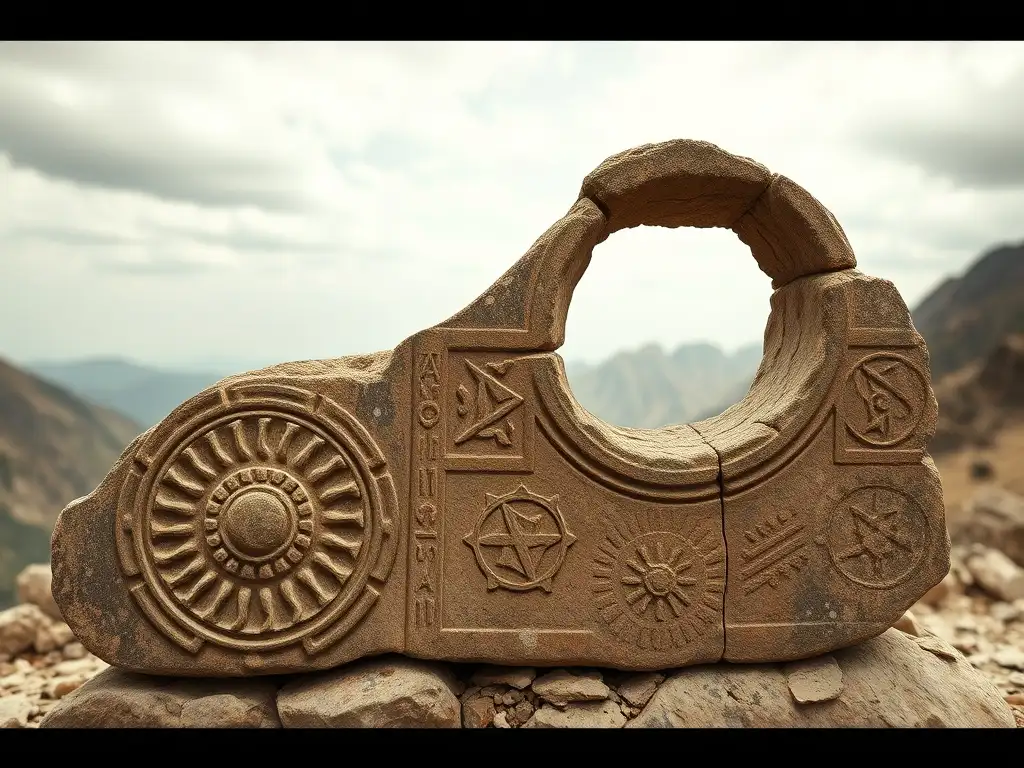
The Andean calendar system wasn't a monolithic entity; rather, it was a complex interplay of celestial observations, agricultural cycles, and socio-political structures. Understanding the Andean civilization calendar system requires appreciating its multifaceted nature. Different Andean cultures, including the Inca, Moche, Nazca, and Tiahuanaco, developed their own unique systems, yet shared common threads rooted in a deep understanding of the cosmos and their environment.
These calendars weren't merely tools for tracking time; they were integral to the fabric of their societies, shaping their rituals, agricultural practices, and social organization. The precise details of many aspects remain debated among scholars, highlighting the ongoing research and the complexities inherent in interpreting ancient records.
Lunar Cycles and the Andean Agricultural Calendar
The Andean agricultural calendar was heavily influenced by lunar cycles. The phases of the moon played a crucial role in determining optimal planting and harvesting times. Evidence suggests that lunar observations were meticulously recorded, likely through knotted strings (quipus) or other forms of record-keeping. For example, the timing of planting maize, a staple crop, was often synchronized with specific lunar phases believed to enhance germination and growth.
Different lunar cycles were associated with different agricultural activities, creating a sophisticated system for managing resources and ensuring food security. This intricate relationship between the moon and agriculture underscores the Andean peoples' deep connection to the natural world and their profound understanding of ecological rhythms. Further research is needed to fully decipher the precise methods and interpretations of lunar observations across different Andean cultures. The surviving evidence, however, strongly indicates a sophisticated system far beyond simple observation.
Solar Observations and the Andean Ritual Year
Solar observations formed the backbone of the Andean ritual year. The solstices and equinoxes held profound significance, marking key moments in the agricultural cycle and triggering important ceremonies and festivals. The Inca, for instance, meticulously tracked the solstices to regulate their agricultural practices and organize large-scale communal work projects.
These events were not merely astronomical occurrences; they were deeply embedded in their religious beliefs and cosmology, representing the cyclical renewal of life and the cosmic order. The precise alignment of structures like Machu Picchu with significant solar events further emphasizes the importance of solar observations in their worldview. The Inca's sophisticated understanding of solar movements suggests a high level of astronomical knowledge, surpassing simple observation and extending into predictive capabilities.
The Role of Astronomy in Andean Time Measurement
Astronomy played a pivotal role in Andean time measurement. The Andean civilization calendar system wasn't limited to agricultural cycles; it encompassed a broader cosmological understanding. The positions of stars and constellations were carefully observed and incorporated into their calendar system.
Specific constellations were associated with particular deities, seasons, or events, impacting ritual practices and social life. This integrated approach to time measurement highlights the holistic nature of their worldview, where the celestial and terrestrial realms were inextricably linked. The development of sophisticated instruments for astronomical observation, while debated, suggests a level of technological advancement that facilitated precise timekeeping and reinforced the importance of astronomy in their society.
The integration of astronomical knowledge into their religious and social structures underscores the deep connection between their cosmology and their daily lives. Further studies are needed to fully understand the specific techniques and instruments used for astronomical observations in different Andean cultures, as well as their impact on their social structures.
The Intihuatana: A Precise Andean Astronomical Instrument
The Intihuatana, meaning "place where the sun is tied," is far more than just a captivating stone structure found at various Inca sites like Machu Picchu. It represents a sophisticated understanding of astronomy and its profound influence on the Andean calendar system. These structures, often carved from a single massive stone, were not mere decorative elements; they served as precise astronomical instruments used to track the sun's movements throughout the year.
Their design, often incorporating meticulously aligned angles and shadows, allowed Inca priests to determine solstices and equinoxes with remarkable accuracy. This precise knowledge was crucial for scheduling agricultural activities and religious ceremonies, aligning them with the cycles of nature.
The design of the Intihuatana varied slightly depending on its location, reflecting regional adaptations to the specific geographical conditions. However, the fundamental principle remained consistent: the precise measurement of solar movements. Archaeological evidence suggests that the Intihuatana's accuracy was comparable to, and in some cases exceeded, the capabilities of many contemporary astronomical instruments.
The Inca's ability to construct these intricate devices showcases not only their advanced engineering skills but also their deep understanding of celestial mechanics and their integration of this knowledge into their daily lives and religious practices. The Intihuatana stands as a testament to the sophisticated nature of the Andean civilization calendar system, highlighting its profound impact on Inca society and its intricate connection to the cosmos.
Furthermore, the Intihuatana wasn't solely a tool for practical purposes; it held significant symbolic meaning. Its position within sacred sites like Machu Picchu reinforces its importance in Inca religious ceremonies and rituals. The precise timing of these events, guided by the Intihuatana's astronomical readings, further emphasizes the interconnectedness between the Inca's understanding of time and their spiritual beliefs.
The sun's cyclical journey, as observed and measured by the Intihuatana, mirrored their own spiritual journey and the cyclical nature of life, death, and rebirth. The meticulous craftsmanship and astronomical precision embedded in these structures underscore the profound significance of the Andean calendar system in shaping the Inca worldview. The Intihuatana remains a powerful symbol of their advanced astronomical knowledge and its integration into their religious and social fabric.
Andean Calendrical Rituals and Ceremonies
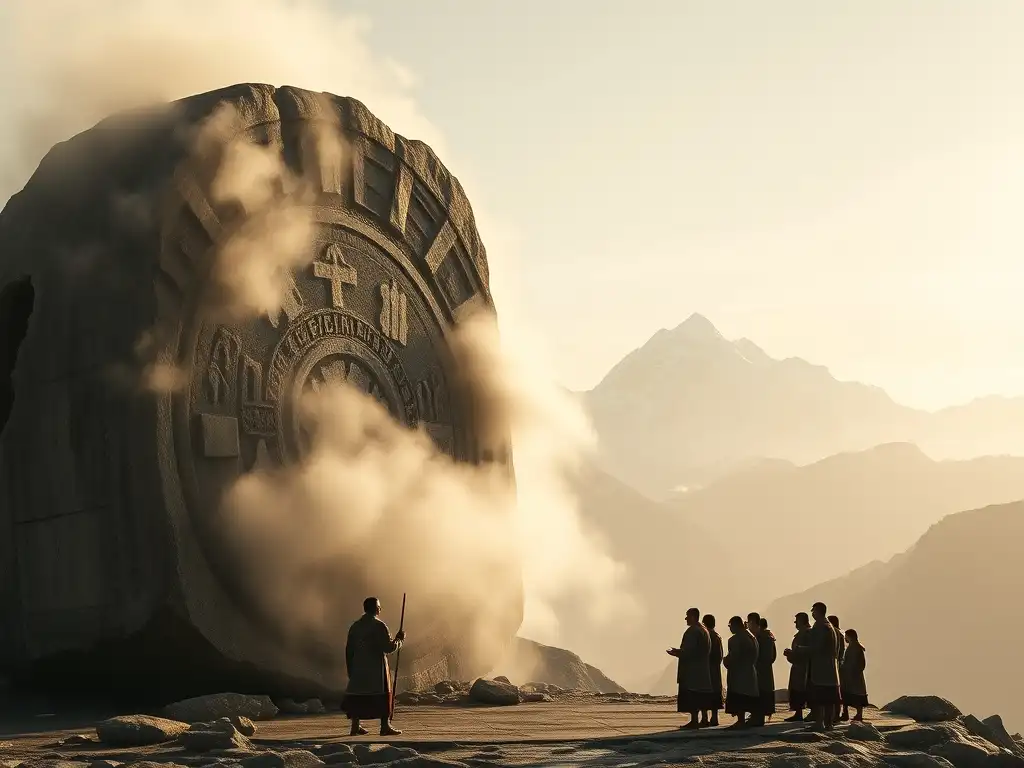
The Andean civilization calendar system wasn't merely a way to track the passage of time; it was intricately woven into the fabric of daily life, shaping agricultural practices, religious observances, and social structures. Understanding this sophisticated system is crucial to comprehending the depth and complexity of Andean culture. This section delves into the profound relationship between the Andean calendar and the rituals and ceremonies that punctuated the lives of these remarkable civilizations.
The cyclical nature of the calendar, reflecting the rhythms of nature, dictated the timing of crucial events, reinforcing the strong connection between the Andean people and their environment. This connection is evident in the precise alignment of many ceremonial sites with astronomical events, highlighting the sophisticated astronomical knowledge possessed by Andean astronomers and priests.
Celebrating the Solstices and Equinoxes in the Andes
The solstices and equinoxes held immense significance for Andean civilizations. These celestial events marked critical junctures in the agricultural cycle, triggering elaborate ceremonies designed to ensure bountiful harvests and appease the gods. The Inca, for example, celebrated Inti Raymi, the Festival of the Sun, at the winter solstice (June 21st).
This grand festival, a testament to their sun worship, involved processions, sacrifices, and feasting, all carefully orchestrated according to the precise timing dictated by their intricate calendar. The precise location of Inti Raymi celebrations also highlights the importance of geography in Andean religious practice. The solstice's importance extended beyond the Inca; other Andean cultures, such as the Chimu and the Wari, also incorporated solstice celebrations into their religious calendars, though the specifics of their rituals might have differed.
The equinoxes, marking the balance between day and night, were also celebrated with significant ceremonies. While less extensively documented than the solstice celebrations, evidence suggests that these events were equally important for ensuring the equilibrium of the cosmos and the prosperity of the community. These celebrations likely involved offerings to the earth and the spirits associated with fertility and abundance. Further research is needed to fully understand the diversity of equinox celebrations across different Andean cultures. Archaeological investigations continue to uncover new insights into the rituals associated with these pivotal moments in the Andean calendar.
Agricultural Rituals Linked to the Andean Calendar
The Andean calendar system was fundamentally tied to the agricultural cycle. The timing of planting, harvesting, and other agricultural activities was meticulously determined by astronomical observations and the calendar's intricate structure. This close relationship is evident in the numerous agricultural rituals performed throughout the year.
For instance, the capacocha ritual, though often associated with human sacrifice, also involved offerings of agricultural products, signifying the importance of the harvest in maintaining cosmic balance. The timing of the capacocha was likely influenced by the calendar, ensuring that the offerings coincided with key moments in the agricultural cycle. The precise dates and locations of capacocha events, however, remain a subject of ongoing scholarly debate.
Furthermore, smaller-scale ceremonies, performed by individual farmers or communities, would have been linked to specific stages of crop growth. These rituals, while less grand than state-sponsored events like Inti Raymi, were equally crucial in ensuring a successful harvest. These might have involved offerings of coca leaves, chicha (a fermented corn beverage), or other agricultural products to the apus (mountain spirits) or other deities associated with fertility.
Detailed accounts of these localized rituals are scarce, however, relying heavily on ethnographic studies of later Andean communities and interpretations of archaeological findings. More research into pre-Columbian agricultural practices is vital to fully reconstruct the intricate connection between the Andean calendar and agricultural rituals.
Andean Festivities and their Timing
The Andean calendar dictated the timing of a wide range of festivities, extending beyond agricultural and solstice celebrations. Many festivals celebrated specific deities or honored significant events in the community's history. The precise timing of these festivals varied across different Andean cultures and regions, reflecting the diversity of beliefs and practices within the Andes. For example, some festivals might have been tied to the lunar cycle, while others were linked to specific constellations or astronomical phenomena.
The integration of the calendar into these celebrations ensured their synchronicity with the natural world and the broader cosmic order. The festivals served as important social functions, strengthening community bonds and reinforcing shared beliefs. They provided opportunities for communal gatherings, feasting, and the exchange of goods, further highlighting the multifaceted role of the Andean calendar in shaping social life.
Understanding the diversity of these festivals and their precise timing within the Andean calendar requires further investigation into both the archaeological record and the ethnohistorical accounts of later Andean societies. This research will help to illuminate the rich tapestry of Andean cultural life and its profound connection to the celestial rhythms and the agricultural cycle governed by their sophisticated calendar system.
Inti Raymi and its Calendar Connection
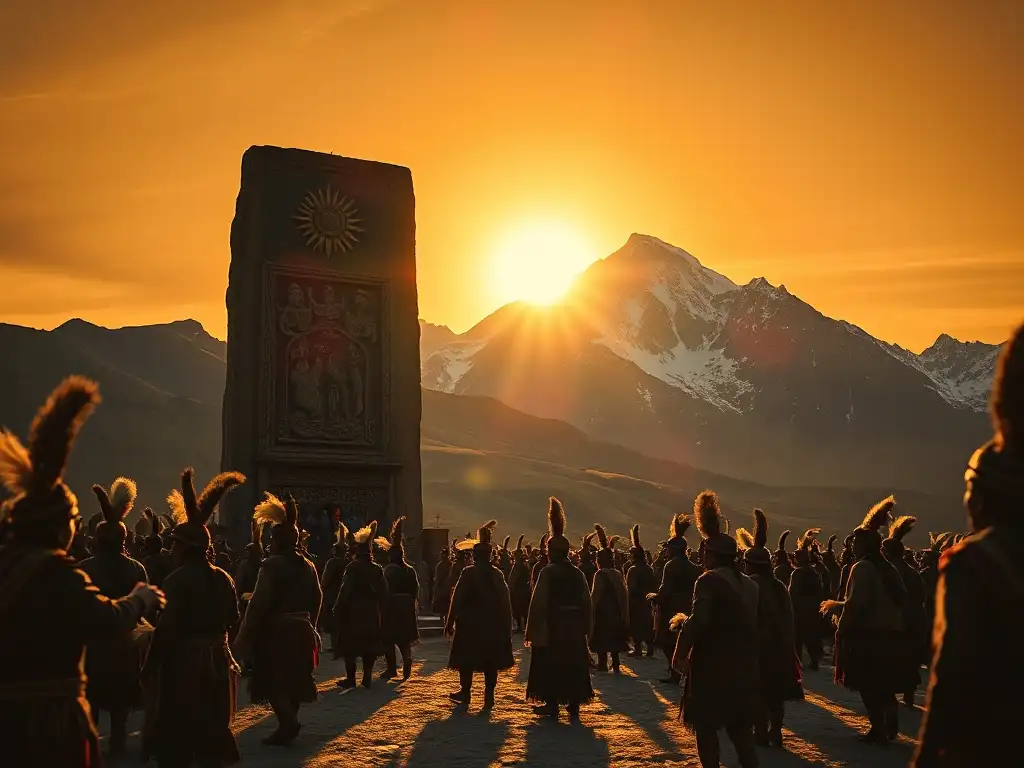
Inti Raymi, the "Festival of the Sun," was the most important festival in the Inca Empire, a grand celebration deeply intertwined with the Inca calendar. The festival, held annually around the winter solstice (June 21st), marked the sun's apparent return to strength after its weakest point. This wasn't merely a celebratory event; it was a complex ritual reaffirming the Inca's cosmic order and their relationship with the sun god, Inti.
The precise timing of Inti Raymi was crucial, dictated by meticulous astronomical observations and calculations performed by the amautas, the Inca priestly scholars. These observations ensured the festival aligned perfectly with the solstice, demonstrating the Incas' advanced understanding of celestial movements and their ability to create a calendar system intricately linked to agricultural cycles and religious practices.
The festival itself involved elaborate processions, sacrifices, and feasts, all meticulously planned and executed according to the calendar's dictates. The preparations leading up to Inti Raymi, including agricultural rituals and cleansing ceremonies, spanned several weeks, each activity carefully scheduled within the framework of the Andean calendar.
The entire event underscored the Incas' profound reverence for the sun and their deep integration of religious beliefs into their daily lives and agricultural practices, clearly showcasing the sophisticated calendar system's role in shaping their society. The success of the harvest, the prosperity of the empire, and the continued favor of Inti were all believed to be dependent on the accurate observance of Inti Raymi and its calendrical alignment.
Qhapaq Raymi and its Calendar Connection
Qhapaq Raymi, the "Festival of the Emperor," was another significant Inca festival, although less widely known than Inti Raymi. Unlike Inti Raymi, which focused on the sun, Qhapaq Raymi celebrated the Inca emperor, the Sapa Inca, as the earthly representative of the sun god and the supreme authority in the empire. This festival, held around the December solstice, marked the beginning of the agricultural year and coincided with the rainy season, crucial for the Inca's agricultural success.
The calendar's significance in Qhapaq Raymi was less directly tied to solar observations and more focused on agricultural cycles and the emperor's authority. The festival's timing, carefully determined through astronomical and agricultural observations, ensured its alignment with the onset of rains and the beginning of the planting season.
The celebrations involved elaborate displays of imperial power, military parades, and public works projects, all meticulously scheduled within the calendar framework to maximize their impact and reinforce the emperor's legitimacy. The offerings during Qhapaq Raymi often included agricultural products and livestock, symbolizing the abundance expected from the upcoming harvest.
The precise timing of the ceremonies, determined by the Andean calendar, ensured the emperor's blessings were bestowed upon the land, securing a bountiful harvest and reaffirming the emperor's divine right to rule, cementing the calendar's vital role in the socio-political structure of the Inca Empire. This event highlights the interconnectedness of religious beliefs, political power, and agricultural practices under the umbrella of the complex Andean calendar system.
Regional Variations in Andean Calendar Practices
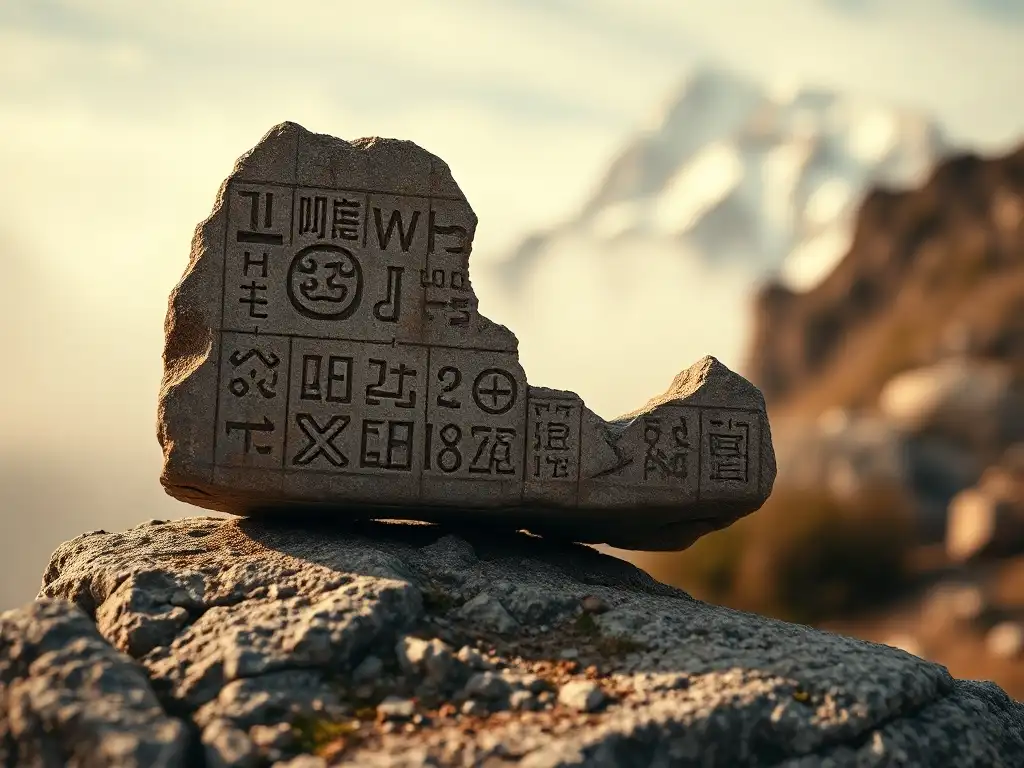
The Andean region, encompassing a vast and diverse geographical area, didn't possess a single, unified calendar system. Instead, distinct Andean cultures developed their own unique methods of tracking time, often deeply intertwined with their agricultural cycles, religious beliefs, and social structures. Understanding the nuances of these regional variations is crucial to appreciating the complexity and sophistication of Andean civilization calendar systems.
The concept of time itself was not a linear progression as understood in many Western cultures, but rather a cyclical and interconnected process, reflecting the cyclical nature of life, death, and rebirth. This section will explore some key examples, highlighting the differences and similarities across various Andean societies. The variations reflect not only differing environmental conditions but also unique cosmologies and worldviews.
The Calendar Systems of the Inca Empire
The Inca Empire, at its zenith, imposed a degree of standardization across its vast territory. However, even within the Inca Empire, local traditions and practices persisted, influencing the implementation of the official calendar. The Inca calendar system, primarily solar-based, was remarkably accurate. It was divided into twelve lunar months, each with its own associated festivities and agricultural tasks. These months were further subdivided into weeks, and the year began around the winter solstice.
The Inca calendar wasn't just a simple reckoning of days; it was intricately linked to their agricultural practices. For example, the month of Capac Raymi (December), coinciding with the summer solstice, was a time of great celebration and agricultural renewal, marking the beginning of the harvest season. This intricate system allowed for precise planning of agricultural activities and the scheduling of important religious ceremonies.
The Inca also employed a sophisticated system of quipus, knotted strings used to record numerical data, including calendar information and astronomical observations. While the precise methods of interpretation are still debated by scholars, the quipus undoubtedly played a vital role in maintaining the calendar and associated records. The Inca calendar system also incorporated observations of celestial bodies, particularly the constellations and the movements of the sun and moon, used to predict agricultural cycles and significant events.
The Calendar System of the Moche Culture
The Moche civilization, flourishing on the northern coast of Peru between 100 and 800 CE, developed a complex calendar system deeply integrated with their sophisticated irrigation systems and religious beliefs. Unlike the Inca, who emphasized a solar calendar, the Moche calendar appears to have been more closely tied to the lunar cycle and the rhythms of the coastal environment. Evidence suggests that their calendar was likely based on a combination of solar and lunar observations, reflecting the importance of both celestial bodies in their worldview.
The Moche's mastery of irrigation was intimately connected to their calendar. Their ability to predict the timing of seasonal rains and floods was essential for their agricultural success. Architectural features, such as the orientation of their monumental structures and the positioning of their canals, suggest a deep understanding of astronomical phenomena and their impact on agriculture.
Furthermore, their elaborate iconography, often depicted on their pottery and textiles, provides valuable clues about their calendar system and its relationship to their religious beliefs. Unfortunately, the lack of written records makes deciphering their specific calendar system a complex and ongoing challenge for researchers. However, analyses of their art and architecture continue to reveal further insights into their sophisticated understanding of time and its influence on their society.
The Calendar System of the Nazca Culture
The Nazca culture, known for their enigmatic geoglyphs, also possessed a sophisticated understanding of time and astronomy. Their calendar system, like that of the Moche, appears to have been closely linked to the agricultural cycle and the observation of celestial bodies. The Nazca lived in a desert environment, and their ability to predict rainfall and plan their agricultural activities was crucial for survival.
Evidence suggests that the Nazca incorporated astronomical observations into their calendar system, possibly using the rising and setting of certain stars to mark the changing seasons. The precise details of their calendar remain elusive due to the lack of written records. However, the alignment of some of their structures, such as their aqueducts and ceremonial centers, with astronomical events suggests a sophisticated understanding of celestial movements.
The Nazca's intricate knowledge of astronomy is further evidenced by their geoglyphs, some of which may have served as astronomical markers, aiding in the observation and tracking of celestial bodies. Further research into the geoglyphs, combined with ongoing archaeological investigations, may reveal more about the complexities of the Nazca calendar and its role in their culture. The Nazca calendar system, although still partially understood, underscores the remarkable astronomical knowledge possessed by this pre-Columbian civilization.
The Calendar System of the Tiahuanaco Civilization
The Tiahuanaco civilization, flourishing in the Bolivian Altiplano between approximately 500 and 1000 CE, developed a sophisticated calendar system deeply intertwined with their religious beliefs and agricultural practices. Unlike the Inca's knotted-string quipus, which served as a form of record-keeping, the Tiahuanaco calendar's precise mechanics remain a subject of ongoing scholarly debate. However, evidence from architectural alignments, iconography found on ceramics and monumental structures, and analysis of agricultural cycles strongly suggests a complex understanding of celestial movements and their impact on the Andean environment.
One of the most compelling pieces of evidence supporting a sophisticated Tiahuanaco calendar is the precise orientation of its monumental structures. The Kalasasaya Temple, for example, is aligned with the solstices and equinoxes, indicating a keen awareness of the sun's annual path across the sky. This alignment wasn't accidental; it was meticulously planned and executed, demonstrating a remarkable level of astronomical knowledge and engineering prowess. The precision involved suggests a calendar system capable of predicting these celestial events with considerable accuracy, essential for planning agricultural activities and religious ceremonies.
Furthermore, the intricate iconography found on Tiahuanaco ceramics and stone carvings frequently depicts celestial bodies, such as the sun, moon, and stars, often in conjunction with symbolic representations of agricultural cycles and deities. These images provide valuable insights into the symbolic meaning attributed to specific celestial events within the Tiahuanaco worldview.
Scholars are still deciphering the precise meaning of many of these symbols, but the recurring motifs clearly indicate a strong connection between the calendar, religious rituals, and the agricultural year. The repetition of these symbols across various artifacts suggests a standardized system of calendrical reckoning, shared across a vast geographical area influenced by Tiahuanaco.
Beyond the astronomical observations, evidence points to a likely agricultural basis for their calendar. The harsh Andean environment demanded precise timing for planting and harvesting. The Tiahuanaco civilization's mastery of irrigation systems and terracing techniques speaks to their deep understanding of the agricultural cycle and their dependence on its success. Therefore, a calendar system that accurately predicted the optimal times for sowing and reaping would have been crucial for their survival and prosperity.
The integration of agricultural cycles into their religious calendar likely reinforced the importance of these practices, imbuing them with spiritual significance. This close relationship between the practical and the spiritual is a defining characteristic of many Andean civilization calendar systems. Further research into Tiahuanaco agriculture and its correlation with their calendar system is necessary to fully understand its intricacies. The ongoing analysis of archaeological finds continues to shed light on this fascinating aspect of Andean civilization.
The Legacy of the Andean Calendar
The Andean calendar system, a complex interplay of astronomical observation and intricate societal structures, left an indelible mark on the civilizations of the Andes. Far from being a simple method of tracking days and years, it served as the backbone of their religious beliefs, agricultural practices, and social organization. Understanding this system is crucial to appreciating the depth and sophistication of Andean cosmovision.
The meticulous tracking of the sun, moon, and stars allowed for precise predictions of solstices, equinoxes, and other celestial events, which were deeply intertwined with their agricultural cycles and ritualistic calendar. This intricate system wasn't a monolithic entity; variations existed between different Andean cultures, reflecting regional differences and unique interpretations of the cosmos.
For example, the Inca calendar, while sharing some similarities with earlier systems, incorporated its own distinct features, reflecting the empire's centralized power and administrative efficiency. The Andean civilization calendar system wasn't simply a tool; it was a living, breathing component of their world, shaping their lives in profound ways.
Influence of the Andean Calendar on Modern Andean Communities
Even today, remnants of the ancient Andean calendar system persist in many Andean communities. While the precise methods of timekeeping may have evolved, the underlying principles and significance of celestial events remain deeply rooted in their cultural identity. Many indigenous communities still utilize traditional methods for agricultural planning, aligning their planting and harvesting cycles with the solstices and equinoxes, mirroring practices dating back millennia.
This knowledge, passed down through generations, often incorporates oral traditions, rituals, and festivals that celebrate the cyclical nature of time and the harmony between humans and nature. The influence extends beyond agriculture; many celebrations and festivals are still linked to specific dates within the traditional calendar, preserving ancient customs and beliefs. For instance, certain agricultural festivals in the Peruvian highlands are directly linked to the Inca calendar's agricultural cycles, showcasing the enduring relevance of this ancient system.
The continued use of this knowledge demonstrates the resilience of Andean culture and the enduring power of their ancestral traditions. Further research is needed to fully document the diverse ways in which the Andean calendar continues to influence contemporary Andean life. [Specific data on modern community practices pending].
Preserving the Knowledge of the Ancient Andean Timekeeping
The preservation of the knowledge related to the ancient Andean calendar system faces significant challenges. The oral transmission of this knowledge, while effective for generations, is vulnerable to the pressures of modernization and globalization. Efforts to document and archive this knowledge are crucial to ensuring its survival.
Ethnoastronomical research plays a vital role, combining scientific methodology with the invaluable insights of indigenous communities. This collaborative approach is essential to avoid misinterpretations and to ensure that the cultural significance of the calendar is accurately represented. Furthermore, supporting community-based initiatives focused on preserving traditional knowledge, such as workshops, educational programs, and the creation of archives, is crucial for long-term preservation.
The task is not merely to record data; it is to understand the cultural context within which the Andean calendar system existed and continues to exist. This requires a sensitive and respectful approach that acknowledges the intellectual property rights of indigenous communities and their role as the custodians of this invaluable heritage. The preservation of this knowledge is not just an academic pursuit; it is a vital step towards safeguarding a unique cultural legacy.
The Enduring Relevance of the Andean Calendar System
The Andean calendar system, despite its antiquity, holds enduring relevance in several ways. First, its sophisticated understanding of astronomy and its integration into daily life offers valuable lessons in sustainable living. The precise alignment of agricultural practices with the celestial cycles provides a model for environmentally conscious approaches to farming.
Secondly, the calendar’s profound connection to cosmology provides insights into the Andean worldview, offering a unique perspective on the relationship between humans and the cosmos. Studying this system enhances our understanding of the complexity and sophistication of pre-Columbian societies. Furthermore, the continued use of aspects of the calendar in modern Andean communities highlights the resilience of cultural traditions and the importance of preserving indigenous knowledge.
Understanding the Andean civilization calendar system is not only a historical exercise; it's a crucial step towards appreciating the rich tapestry of Andean culture and its enduring legacy. Finally, its intricate structure and the precision of its astronomical observations serve as a testament to the advanced knowledge and intellectual capabilities of ancient Andean civilizations. The continued study of this system promises further revelations about their culture, beliefs, and practices.
Pachamama Raymi Celebration and its Calendar Connection
The Pachamama Raymi, or Earth Mother Festival, stands as a powerful testament to the enduring influence of the Andean calendar system on contemporary Andean life. This vibrant celebration, held annually around August 1, isn't just a festive occasion; it's a deeply rooted ritual intricately tied to the agricultural cycle and the Andean understanding of time.
The precise date, often determined by observing specific astronomical events and agricultural readiness, highlights the calendar's crucial role in regulating community life. Farmers, in particular, meticulously follow the calendar to ensure the success of their harvests, recognizing the profound connection between the Earth Mother and their livelihoods.
The celebrations themselves are a rich tapestry of traditions passed down through generations. Families gather to prepare offerings of coca leaves, chicha (a fermented corn beverage), and other local produce, all presented to Pachamama as a sign of respect and gratitude for her bounty. These offerings are not merely symbolic; they represent a tangible acknowledgment of the Earth's vital role in sustaining life.
The rituals often involve music, dance, and feasting, creating a communal atmosphere of reverence and celebration. The Andean calendar's influence is evident in the precise timing of the festivities, ensuring that the celebration aligns with the agricultural cycle and the cyclical renewal of the Earth.
Moreover, the Pachamama Raymi serves as a potent reminder of the interconnectedness between humanity and nature, a core tenet of the Andean worldview. The celebration isn't confined to a single day; it's a period of heightened spiritual awareness, where individuals reaffirm their connection to the land and their ancestors.
The timing of the festival, as dictated by the Andean calendar, underscores the importance of respecting the natural rhythms of the Earth and living in harmony with its cycles. This deep-seated reverence for the Earth Mother and the meticulous observation of the Andean calendar continue to shape the cultural landscape of the Andes, proving the enduring legacy of this ancient system.
The precise timing, based on observations of nature and celestial events, ensures the continued relevance of the celebration in the modern world. The Pachamama Raymi stands as a living example of how the Andean calendar system continues to inform and influence contemporary Andean culture and traditions.
Frequently Asked Questions
What was the purpose of the Andean calendar system?
The Andean calendar system wasn't a single, unified system, but rather a collection of interconnected calendars used across different Andean civilizations. Their primary purpose was to organize agricultural activities and religious ceremonies aligned with the agricultural cycle and celestial events.
Did all Andean civilizations use the same calendar?
No, each civilization (Inca, Moche, Nazca, etc.) had its own calendar system, though there were likely shared influences and common astronomical observations. The specific details and methods varied considerably.
How did the Andean calendar influence daily life?
The calendar deeply impacted daily life by dictating planting and harvesting times, organizing religious festivals and rituals, and influencing social structures and governance. It was integral to their way of life.
What astronomical observations were important to the Andean calendar?
The Andean calendar relied heavily on observations of the sun, moon, and stars. Specific constellations and solstices were crucial for determining agricultural cycles and important ceremonial dates.
Archaeological evidence includes stone structures aligned with celestial events, ceremonial objects with astronomical markings, and textiles depicting celestial patterns. These artifacts offer valuable insights into their calendar systems.
Final Reflection: Echoes of the Andes: Time, Ritual, and Legacy
The intricate Andean calendar system, far from being a relic of a bygone era, offers a powerful lens through which to understand our own relationship with time and its profound impact on culture. Its sophisticated understanding of celestial cycles and its integration into daily life serves as a stark reminder of the deep connection between humanity and the natural world, a connection often lost in our modern, technologically driven society.
The enduring influence of the Andean calendar on the cultural landscape of the Andes is undeniable, shaping not only agricultural practices but also the very fabric of social life. The precise timing of festivals, ceremonies, and agricultural activities, all dictated by the movements of the sun, moon, and stars, speaks to a profound respect for the rhythms of nature. Time is not linear, but cyclical, a continuous flow of energy and renewal,
a Quechua elder once told me, encapsulating the essence of this ancient worldview. This cyclical understanding of time, so different from our linear Western perspective, offers a valuable alternative framework for considering our place in the universe.
Consider the intricate knowledge embedded within the Andean calendar. It's a testament to human ingenuity and observation, a legacy that continues to inspire awe and wonder. You, the reader, are now equipped with a deeper understanding of this remarkable system. Take a moment to reflect on your own relationship with time. How can we reconnect with the natural rhythms of our world, finding meaning and purpose in the cyclical flow of life, just as the Andean people did centuries ago? Let the echoes of the Andes inspire you to find a more harmonious balance between humanity and nature.
Unveil the Rhythm of Time in Your Life!
Thank you for exploring the fascinating world of the Andean calendar with us! You've discovered how deeply time influenced the rituals and ceremonies of Andean civilizations. Now, let's bring that understanding into your own life.
Here are some ways to reconnect with the rhythms of time:
- **Embrace Nature's Cycles:** Take time to observe the natural world around you. Perhaps create a monthly ritual celebrating the changing seasons or the phases of the moon.
- **Incorporate Andean Traditions:** Research traditional Andean ceremonies and consider how you might adapt one to your own life. This could be a personal practice or a shared experience with others.
- **Share Your Insights:** Connect with friends and family, sharing what you've learned about how different cultures perceive and celebrate time. Host a discussion or post your reflections on social media.
What unique rituals will you develop to honor the passage of time in your own life?