
Chicha: The Sacred Brew of the Andes and its Ritualistic Uses

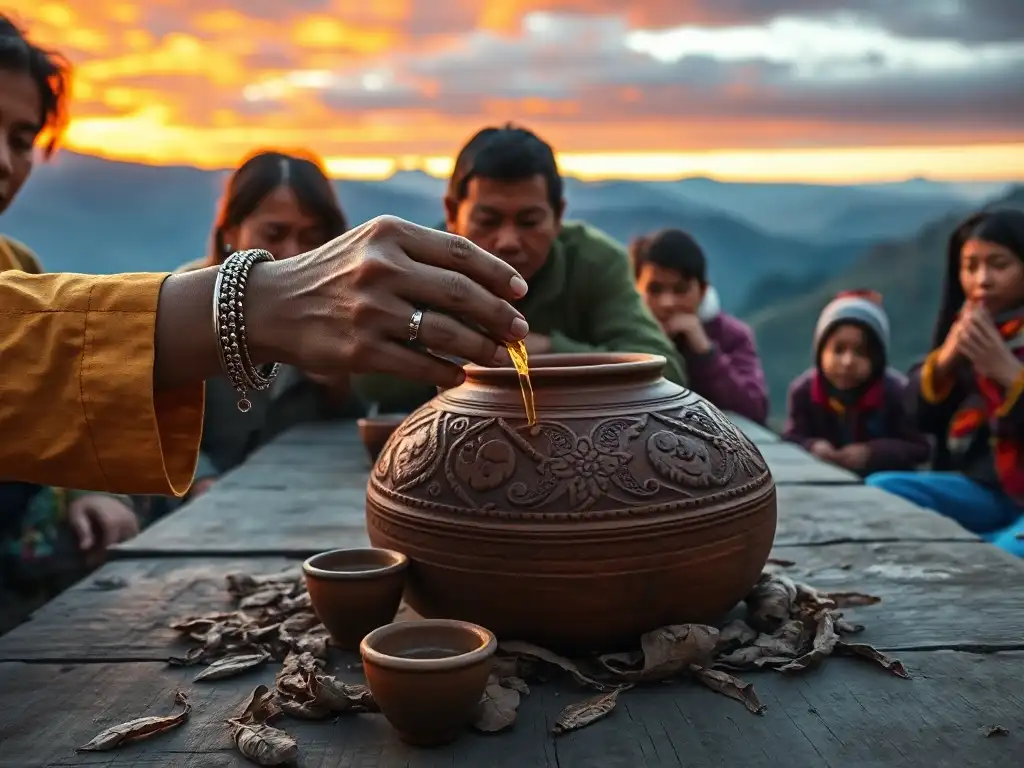
Uncover the mysteries woven into the very fabric of Andean life. For centuries, a sacred brew held a central place in the vibrant tapestry of ancient Andean civilizations. Prepare to delve into the captivating world of Chicha, its profound significance, and its surprising ritualistic uses within the complex religious and cosmological beliefs of the Incas, Moche, Nazca, and Tiahuanaco. Dare to explore the potent secrets held within this ancient beverage—a key to understanding the heart of Andean culture.
- Andean Chicha: Exploring its Sacred Significance and Ritualistic Uses
- What is Chicha? An Overview of the Andean Fermented Beverage
- The Ritualistic Importance of Chicha in Andean Culture
- Andean Chicha Ritualistic Uses: A Detailed Examination
- The Significance of Andean Chicha Ritualistic Uses in Specific Cultures
- The Contemporary Relevance of Andean Chicha Rituals
- Frequently Asked Questions
- Final Reflection: Chicha's Enduring Legacy: A Toast to Tradition and Transformation
- Unveil the Spiritual Connection of Chicha Today!
Andean Chicha: Exploring its Sacred Significance and Ritualistic Uses
Chicha, a fermented beverage crafted from maize (corn), is far more than just a drink to the Andean cultures; it's a sacred element deeply intertwined with their religious beliefs, rituals, and social life. For millennia, this potent brew has played a pivotal role in Andean societies, from the daily lives of commoners to the elaborate ceremonies of their elites.
This article delves into the multifaceted significance of chicha, exploring its sacred properties and its diverse ritualistic applications across various Andean civilizations, including the Incas, Moche, Nazca, and Tiahuanaco. We will uncover how its preparation, consumption, and offering were integral parts of their spiritual world, shaping their understanding of the cosmos and their relationship with the divine.
Understanding the ritualistic uses of chicha provides crucial insights into the complex religious and cosmological beliefs of these fascinating ancient societies. The importance of chicha in Andean culture is undeniable, and its story is one of deep-rooted tradition and spiritual significance.
Chicha's Production: A Sacred Process
The production of chicha itself was a ritualistic process, imbued with symbolic meaning. The cultivation of the maize, the careful selection of the ears, the meticulous grinding of the kernels, and the fermentation process – each step held significance. The specific techniques varied across different Andean groups, reflecting their unique cultural practices and beliefs.
For instance, the Incas may have employed different maize varieties and fermentation methods compared to the Moche or Nazca cultures. [Specific details on variations in chicha production across different cultures pending]. The entire process was often overseen by specialized individuals, shamans or priests, who ensured the purity and efficacy of the brew for its intended ritualistic use.
The quality of the chicha was believed to directly influence the success of the ritual. A poorly made brew could be seen as an affront to the deities, potentially leading to unfavorable outcomes. The act of making chicha was therefore not merely a practical task but a sacred act connecting the makers to the spiritual realm.
Chicha in Inca Rituals: Offerings and Festivities
Within the Inca Empire, chicha played a central role in numerous religious ceremonies and festivals. It was offered to the gods as a libation, a way to appease them and seek their favor. Elaborate ceremonies involved the pouring of chicha onto the huacas (sacred sites) or onto the apu (mountain spirits). The quantity and quality of the chicha offered reflected the importance of the occasion and the status of the individual making the offering.
Furthermore, chicha was integral to Inca festivals celebrating harvest, solstices, and other significant events. These communal celebrations often involved large quantities of chicha, consumed by participants as a shared offering and a symbol of unity. The consumption of chicha during these events fostered social cohesion and reinforced the collective identity of the community. [Specific examples of Inca festivals involving chicha pending] The use of chicha in these contexts highlights its importance as a social and religious binding agent.
Chicha and the Moche: Depictions in Art and Archaeology
The Moche civilization, known for its sophisticated artistry, left behind numerous depictions of chicha in their pottery and other artifacts. These representations provide valuable insights into the role of chicha in Moche society. The imagery often portrays scenes of chicha drinking, showing individuals participating in rituals and feasts. Some depictions even show the preparation of chicha, indicating the importance of the process itself.
These artistic representations suggest that chicha was not just a beverage but a central element in Moche religious beliefs and social practices. The vibrant colors and detailed scenes in their pottery offer a glimpse into their worldview and the significance they attached to chicha. [Specific examples of Moche artwork depicting chicha use pending] Archaeological evidence further supports the importance of chicha in Moche culture, with remains of chicha containers found in tombs and ceremonial sites.
Chicha in Other Andean Cultures: Variations and Common Threads
While the specific uses of chicha varied across different Andean cultures, certain common threads persist. The Nazca, for example, also used chicha in their rituals, although the precise details of their practices remain less well documented than those of the Incas or Moche. Similarly, the Tiahuanaco culture incorporated chicha into their religious ceremonies, highlighting its pan-Andean significance. Despite regional variations, the underlying symbolism of chicha as a sacred offering and a means of connecting with the spiritual world remained consistent across these cultures.
The commonality of chicha use underscores its significance as a unifying element within the diverse Andean tapestry of beliefs and practices. [Further research needed on specific uses of chicha in Nazca and Tiahuanaco cultures]. The enduring legacy of chicha in Andean cultures speaks to its profound and enduring spiritual significance.
What is Chicha? An Overview of the Andean Fermented Beverage
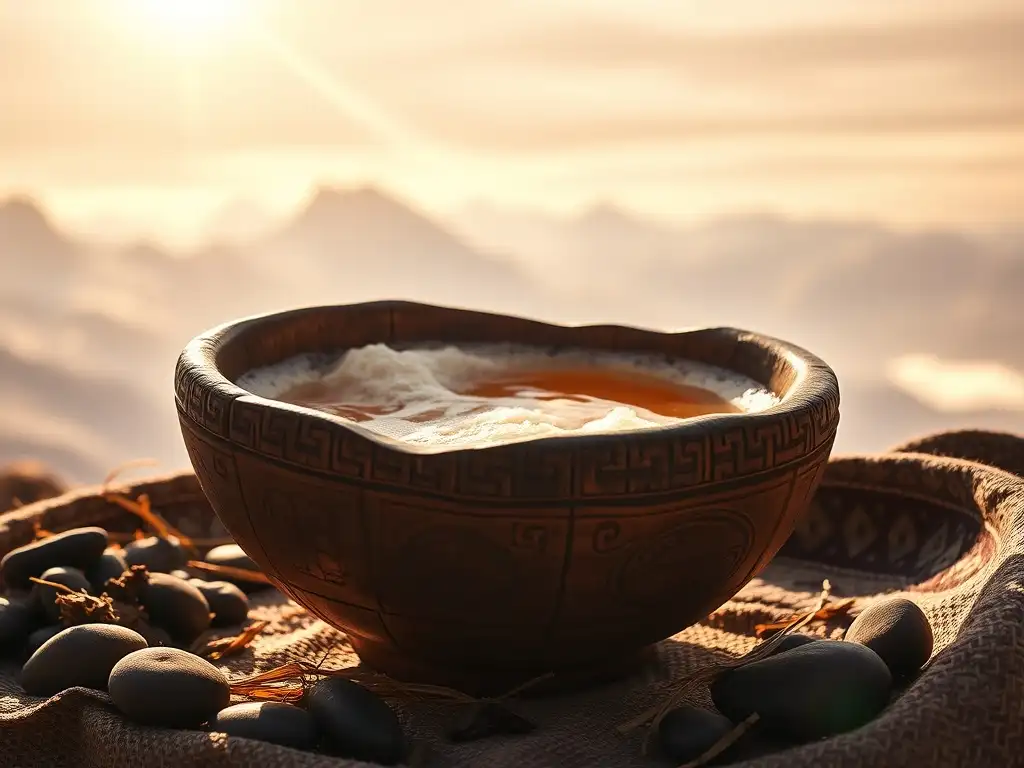
Chicha, a fermented beverage deeply ingrained in Andean culture, holds a significant place in the history and traditions of numerous pre-Columbian civilizations and continues to be an important part of contemporary Andean life. More than just a drink, chicha served—and continues to serve—as a vital component in religious ceremonies, social gatherings, and daily life, reflecting its profound symbolic and ritualistic significance. Understanding its role requires exploring its origins, preparation, and diverse varieties. The term "Andean Chicha Ritualistic Uses" itself encapsulates the beverage's multifaceted importance.
The Origins and History of Chicha in the Andes
The origins of chicha are lost in the mists of time, predating even the Inca Empire. Archaeological evidence suggests chicha production dates back millennia, with traces found in various Andean cultures. Early forms likely involved simple fermentation processes using readily available grains and fruits.
The Moche, Nazca, and Wari cultures, for instance, depicted chicha-making and consumption in their elaborate pottery and textiles, showcasing its deep-rooted presence in their societies. The Inca Empire further standardized and formalized chicha production, incorporating it into their elaborate religious and social structures. Royal chicha breweries existed, producing high-quality beverages for the elite, while commoners brewed their own versions using local ingredients.
The Inca's sophisticated agricultural techniques, including terrace farming, contributed to the ample supply of corn and other ingredients necessary for large-scale chicha production. The legacy of this ancient beverage continues to resonate throughout the Andes, with modern-day communities still producing and consuming chicha, preserving age-old traditions.
Traditional Ingredients and Preparation Methods of Andean Chicha
While corn (maize) is the most common ingredient, the diversity of Andean geography and agricultural practices allowed for a wide range of ingredients in chicha production. Traditional methods often begin with the process of chequeo, a meticulous preparation involving the soaking, cooking, and chewing of the grains. This process, traditionally performed by women, releases the starches needed for fermentation.
The chewed mass, known as acculli, is then mixed with water and allowed to ferment for several days, sometimes longer depending on the desired level of alcoholic strength and the specific recipe. This fermentation process relies on naturally occurring yeasts and bacteria, creating a unique and complex flavor profile. Other ingredients, like muña (a type of Andean mint) or hierba luisa (lemon verbena), are often added to enhance the flavor and aroma.
The final product varies greatly in color, texture, and taste, reflecting regional variations and the choice of ingredients. The meticulous process, passed down through generations, is a testament to the cultural significance of this ancient drink.
Varieties of Chicha: From Corn to Other Andean Grains and Fruits
Chicha isn't a single beverage but rather a family of fermented drinks, each with its unique characteristics. While corn chicha remains the most prevalent type, other grains like quinoa, barley, and even fruits like apples, peaches, and pineapples are used in different regions. The specific ingredients and fermentation techniques determine the final product's characteristics.
For instance, chicha de jora, made from germinated corn, is often considered a higher-quality variety, with a smoother, less acidic taste. In contrast, chicha morada, made from purple corn, boasts a vibrant color and a subtly sweeter flavor. These variations highlight the adaptability and resilience of chicha production, reflecting the rich biodiversity of the Andean region and the ingenuity of its people in harnessing local resources.
The subtle differences in taste, color, and texture, alongside the specific ingredients, contribute to the cultural richness associated with each type of chicha. The diversity of chicha underscores its integral role in the Andean culinary landscape, showcasing the region's agricultural prowess and cultural ingenuity. The continued use of traditional methods and ingredients ensures the preservation of this vital aspect of Andean heritage.
The Ritualistic Importance of Chicha in Andean Culture
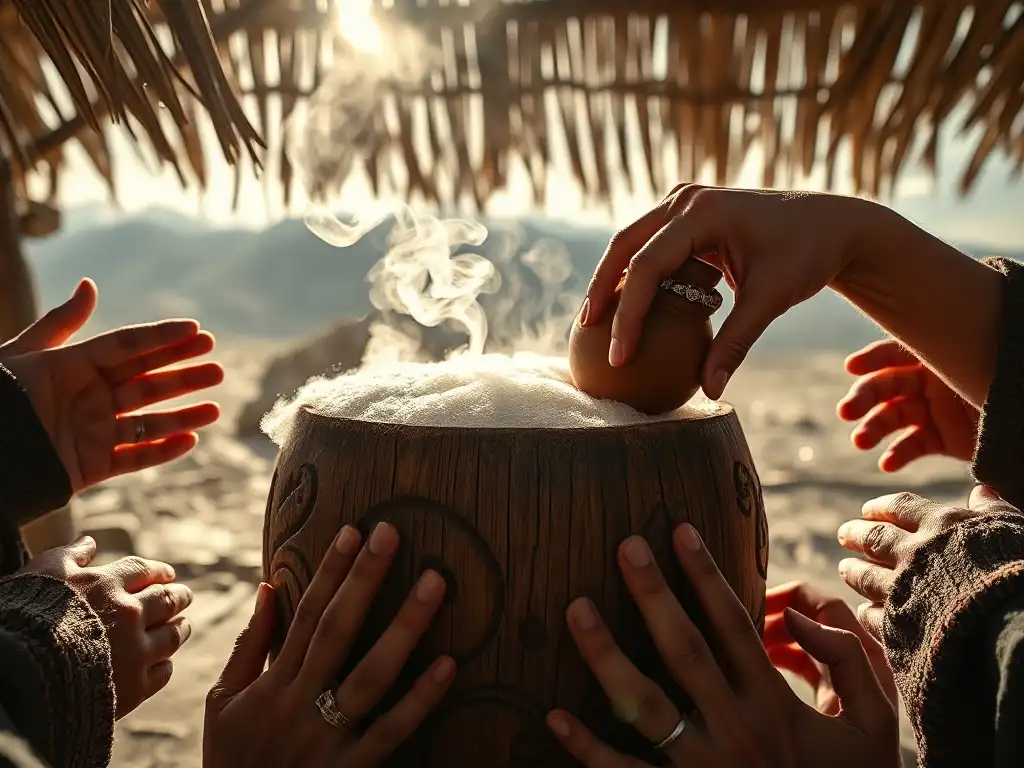
Chicha, a fermented beverage made from maize (corn), was far more than just a drink to the ancient Andean civilizations; it held profound ritualistic significance, deeply intertwined with their religious beliefs, social structures, and daily life. Its importance transcended mere sustenance, becoming a central element in ceremonies, offerings, and celebrations, reflecting the Andean worldview and their connection to the spiritual realm. Understanding the ritualistic uses of chicha provides crucial insight into the complexities of Andean culture and its enduring legacy.
The diverse types of chicha, ranging from the mildly fermented chicha de jora to stronger varieties, each played specific roles in different rituals, highlighting the nuanced understanding of fermentation and its symbolic power within these societies. The preparation and consumption of chicha weren't simply practical acts; they were carefully orchestrated rituals laden with symbolic meaning, reflecting the Andean peoples' deep respect for nature and their intricate understanding of the cosmos.
The legacy of chicha's ritualistic use continues to resonate in contemporary Andean communities, where modified versions of these ancient practices persist. Analyzing these enduring traditions offers a compelling lens through which to understand the continuity and evolution of Andean cultural practices.
Chicha as a Sacred Offering to Andean Deities
The offering of chicha to Andean deities formed a cornerstone of their religious practices. Archaeological evidence, including depictions in pottery and textiles, consistently illustrates chicha being presented to various gods and spirits. It wasn't simply a matter of appeasement; the offering of chicha symbolized a reciprocal relationship between the human and divine realms.
The act of pouring chicha was believed to nourish the deities, strengthening the bond between the people and the supernatural forces that shaped their lives. Different types of chicha might have been dedicated to specific deities, further emphasizing the nuanced understanding of the relationship between the beverage and the spiritual world. For example, a particularly potent chicha might have been reserved for powerful deities associated with fertility or warfare, while a milder variety might have been offered to ancestral spirits or benevolent nature spirits.
The precise details of these offerings, however, remain partially obscured by the passage of time, requiring further research to fully elucidate the complex interplay between chicha and the Andean pantheon. The ritual preparation and presentation of the chicha, likely involving specific prayers and gestures, were as critical as the beverage itself, emphasizing the performative aspects of Andean religious practice.
The Role of Chicha in Andean Ceremonies and Celebrations
Chicha played a vital role in numerous Andean ceremonies and celebrations, marking significant life events and seasonal transitions. From harvests and weddings to funerals and initiations, chicha was an indispensable element, fostering community bonds and facilitating spiritual connection. The shared consumption of chicha acted as a powerful symbol of unity and social cohesion, reinforcing social hierarchies and solidifying group identity.
The specific rituals surrounding chicha consumption varied depending on the occasion, highlighting the beverage's versatility and adaptability within Andean society. For instance, during harvest festivals, the abundance of maize, the primary ingredient of chicha, was celebrated through communal drinking, expressing gratitude for a bountiful year. In contrast, funeral rites might have involved offering chicha to the deceased's spirit, ensuring a smooth transition to the afterlife.
The communal aspect of chicha consumption was crucial; it created a shared experience, fostering a sense of belonging and strengthening social ties within the community. The quantity and type of chicha consumed likely depended upon the status of the individuals involved and the importance of the occasion.
Chicha's Connection to Andean Cosmovision and Spirituality
Chicha's significance in Andean culture is deeply rooted in their cosmovision – their understanding of the cosmos and their place within it. The maize from which chicha is made held profound symbolic value, representing life, fertility, and the cyclical nature of existence. The fermentation process itself mirrored the transformative processes of nature, reflecting the Andean understanding of change and renewal.
The act of brewing and consuming chicha was not merely a physical act but a symbolic participation in the cosmic cycle, connecting individuals to the larger forces that shaped their world. The intoxicating effects of chicha might have also played a role in shamanic practices, facilitating altered states of consciousness and enabling communication with the spirit world. Further research is needed to fully understand the extent to which chicha was employed in shamanic rituals and its potential role in facilitating spiritual experiences.
However, the evidence suggests that chicha wasn't simply a beverage but a potent symbol that embodied the Andean understanding of the interconnectedness of the natural and spiritual worlds. The process of brewing itself, involving careful selection of maize, specific fermentation techniques, and precise timing, reflects the Andean emphasis on precision and respect for the natural world. This intricate process further emphasizes the sacred nature of chicha and its central role in Andean spirituality.
Andean Chicha Ritualistic Uses: A Detailed Examination
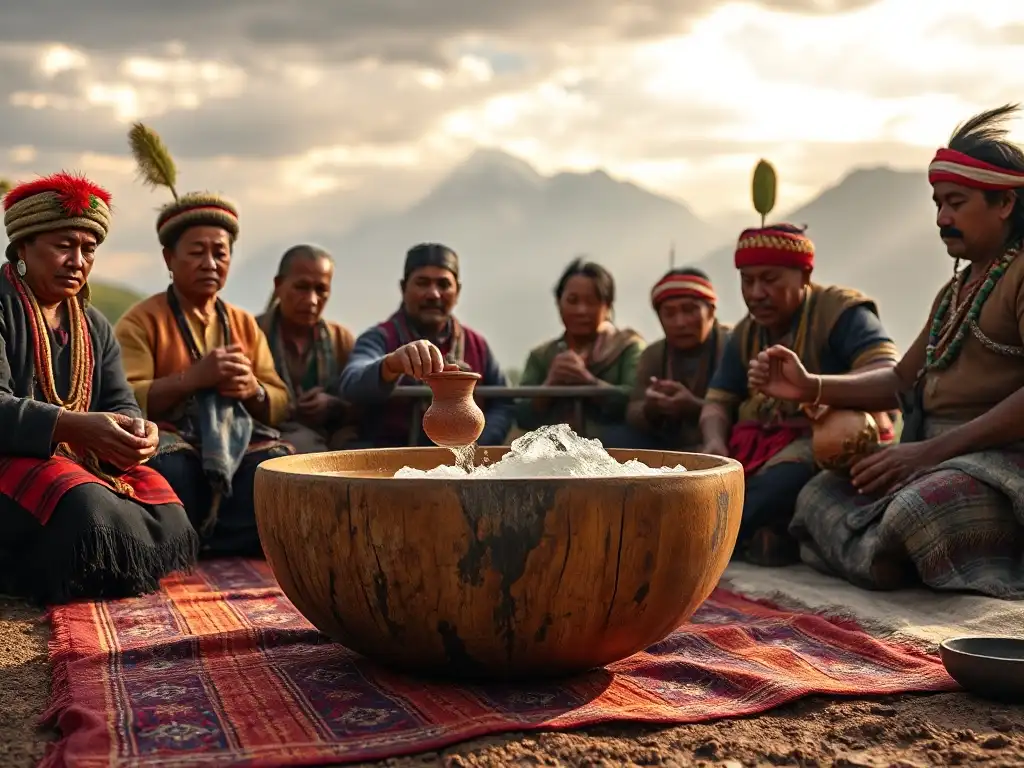
This section delves into the multifaceted ritualistic uses of chicha, the fermented beverage central to Andean cultures for millennia. Its significance extended far beyond mere sustenance; chicha acted as a conduit to the spiritual realm, a vital component in ceremonies, and a symbol of social cohesion. Understanding its ritualistic applications offers crucial insight into the complex religious and social fabric of Andean civilizations.
The pervasive use of chicha in rituals highlights its sacred status and its integral role in shaping Andean societies. This examination will explore its role in key ceremonies, focusing on its symbolic power and its connection to Andean cosmology.
Chicha in Agricultural Rituals: Ensuring a Bountiful Harvest
Agricultural success was paramount in Andean societies, deeply intertwined with their spiritual beliefs. Chicha played a crucial role in rituals aimed at ensuring bountiful harvests. Farmers offered chicha to the apus (mountain spirits) and other deities associated with fertility and abundance. These offerings weren't merely symbolic; they were believed to appease the supernatural forces that controlled the land's productivity.
The preparation and consumption of chicha during planting and harvesting festivals were meticulously planned. Specific types of chicha, often made from particular varieties of maize, were used depending on the phase of the agricultural cycle. For instance, a stronger, more potent chicha might be offered at the beginning of the planting season to invoke powerful blessings, while a milder version could be shared communally during the harvest celebrations.
Evidence from archaeological sites suggests elaborate ceremonies involving chicha offerings. Pottery shards depicting scenes of agricultural rituals and vessels specifically designed for chicha storage and presentation corroborate the beverage's central role in these practices. The meticulous craftsmanship of these vessels further underscores the sacred significance attributed to chicha in agricultural contexts. The Andean Chicha Ritualistic Uses in agriculture were not simply about ensuring a good crop; they were about maintaining a harmonious relationship with the natural world and the spiritual forces that governed it.
Chicha in Funerary Rites and Honoring Ancestors
Death and the afterlife held immense importance in Andean cosmovision. Chicha featured prominently in funerary rites, serving as an offering to deceased ancestors and a means of facilitating their journey to the otherworld. The act of pouring chicha onto a grave or offering it to a mummy was believed to nourish the spirit of the departed and ensure their continued well-being in the afterlife.
The type of chicha used in funerary rituals often differed from that used in agricultural ceremonies. Certain varieties, perhaps brewed with specific herbs or ingredients associated with the underworld, were reserved for these occasions. Archaeological discoveries of chicha residues in funerary contexts support this practice.
Furthermore, the presence of chicha vessels in tombs suggests that the beverage was intended for consumption by the deceased or as an offering to accompany them on their journey. The inclusion of chicha in funerary practices underscores its power as a bridge between the living and the dead, a vital element in maintaining connections with ancestors and ensuring their continued influence on the community.
Beyond its religious significance, chicha played a crucial role in fostering social cohesion within Andean communities. Communal drinking of chicha was a common practice, strengthening social bonds and reinforcing group identity. Festivals and celebrations often centered around the shared consumption of chicha, creating a sense of unity and collective participation.
The preparation and sharing of chicha involved the entire community, from the cultivation of the maize to the brewing process and the final consumption. This collective effort reinforced social ties and promoted a sense of shared purpose. The convivial atmosphere surrounding chicha consumption provided an opportunity for social interaction, the exchange of information, and the strengthening of community bonds.
This aspect of chicha's use highlights its social function as a powerful tool for creating and maintaining social harmony within Andean societies. The Andean Chicha Ritualistic Uses in social contexts demonstrate its capacity to unite people and foster a strong sense of community. The shared experience of brewing and consuming chicha transcended mere conviviality; it was a ritualistic act that reinforced social structures and strengthened communal ties.
Chicha as a Tool for Divination and Spiritual Connection
Chicha, far from being merely a beverage, held a profound spiritual significance for many Andean cultures. Its consumption wasn't simply about quenching thirst; it was a ritualistic act facilitating communication with the spirit world and providing insights into the future.
The process of brewing itself, often involving meticulous procedures and specific ingredients, was imbued with spiritual meaning, mirroring the cyclical nature of life and the cosmos. The fermentation process, a transformation from raw materials to an intoxicating drink, was seen as a symbolic representation of death and rebirth, connecting the act of drinking chicha to the cyclical renewal of life and the earth.
Specific types of chicha, brewed with particular herbs or grains, were believed to enhance the divinatory capabilities of the brew. For example, [specific information pending] suggests that chicha made with certain plants native to the Andes, known for their hallucinogenic properties, were used in shamanic rituals to induce altered states of consciousness, allowing shamans to journey into the spirit world and communicate with deities or ancestors.
These shamanic practices were not solely about personal enlightenment but also served the community, providing guidance on important matters such as crop yields, weather patterns, or impending conflicts. The interpretation of visions and dreams experienced under the influence of the sacred chicha were carefully considered and integrated into community decision-making.
The act of communal drinking also played a crucial role in fostering spiritual connection. Sharing chicha during ceremonies solidified social bonds and fostered a sense of unity with the community and the divine. The shared experience transcended individual concerns, uniting participants in a collective spiritual communion.
This collective aspect amplified the power of the chicha, transforming a simple drink into a powerful conduit for spiritual energy and communal identity. The communal consumption of chicha during rituals not only served a social function but also actively created a sacred space where individuals could connect with their ancestors, the gods, and the very essence of the Andean world.
The specific rituals varied across different Andean cultures, reflecting their unique cosmologies and beliefs, but the central role of chicha as a facilitator of spiritual connection remained consistent. The act of offering chicha to deities or ancestors further reinforced this link, demonstrating respect and seeking blessings or guidance.
The Significance of Andean Chicha Ritualistic Uses in Specific Cultures
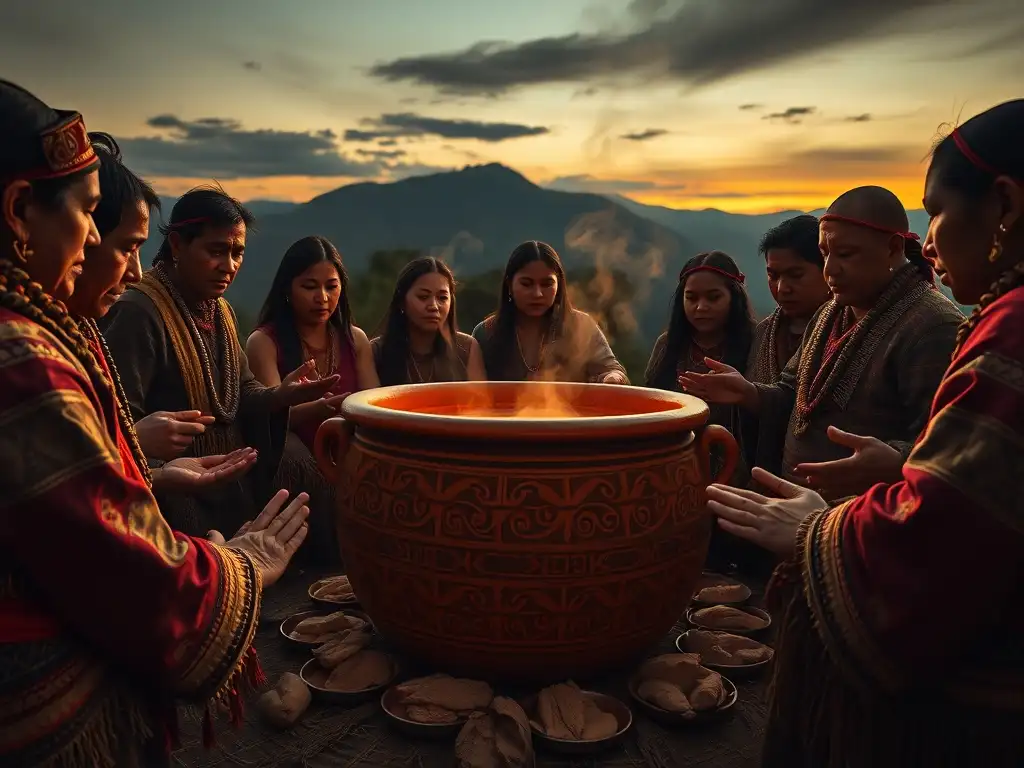
Chicha, a fermented beverage made from maize (corn) and other Andean crops, held profound significance across various ancient Andean cultures. Its ritualistic use transcended mere consumption; it became deeply intertwined with religious practices, social structures, and cosmological beliefs. The preparation, consumption, and offering of chicha were carefully orchestrated events, often imbued with symbolic meaning related to fertility, abundance, and connection with the divine.
Understanding the diverse ways in which chicha was ritually employed provides invaluable insight into the rich tapestry of Andean religious life and its profound connection to the natural world. This section will explore the specific ritualistic uses of chicha in two prominent Andean cultures: the Inca and the Moche.
The variations in ritual practice highlight the unique cultural expressions within the broader Andean context, demonstrating the adaptability and enduring importance of chicha across different societies. The keyword "Andean Chicha Ritualistic Uses" accurately encapsulates the core theme of this analysis.
Chicha Rituals in the Inca Empire: A Case Study
The Inca Empire, known for its sophisticated political and administrative systems, also demonstrated a complex and nuanced relationship with chicha. Its use extended far beyond simple sustenance, playing a crucial role in both royal ceremonies and everyday religious practices. The careful control and distribution of chicha by the Inca state underscore its importance as a symbol of power and social order.
Chicha in Inca Royal Ceremonies and Feasts
Inca royal ceremonies were lavish affairs, often involving large quantities of chicha. The beverage was not just a refreshment; it symbolized the Inca's connection to the gods and their legitimacy as rulers. Chroniclers describe feasts where chicha flowed freely, solidifying alliances and reinforcing social hierarchies. The quality and type of chicha served indicated the status of the participants, reflecting the deeply stratified nature of Inca society.
For example, different varieties of chicha, made from different grains or fruits, might have been reserved for specific occasions or individuals within the royal court. The preparation itself was likely a highly ritualized process, involving specific techniques and prayers, enhancing the sacred nature of the drink. The act of sharing chicha in these contexts fostered a sense of community and shared identity among the elite, reinforcing the power of the Inca ruler.
Chicha Offerings in Inca Religious Sites
Beyond royal ceremonies, chicha was frequently offered as a libation in Inca religious sites. Archaeological evidence suggests that chicha was poured onto the huacas (sacred places) and presented to the deities as a form of appeasement and gratitude. The act of offering chicha was likely seen as a way to establish communication with the supernatural world, ensuring the continued fertility of the land and the prosperity of the people.
The specific rituals involved in these offerings are still being uncovered through ongoing archaeological research, but the importance of chicha in these religious practices is undeniable. The careful placement of chicha vessels in tombs and sacred spaces further supports the idea of its enduring spiritual significance in Inca religion. It was more than just a drink; it was a conduit for communication with the divine.
Chicha Rituals in the Moche Culture: Artistic Depictions and Evidence
The Moche civilization, known for its elaborate artistic traditions, provides a unique window into the ritualistic use of chicha. Their pottery and iconography offer detailed glimpses into their religious beliefs and practices, revealing the importance of chicha in their worldview.
Chicha in Moche Pottery and Iconography
Moche pottery is renowned for its intricate depictions of daily life and religious practices. Many vessels depict scenes of chicha consumption, often within the context of ritual ceremonies or feasts. These depictions provide valuable clues about the social and religious contexts in which chicha was consumed. The iconography often showcases individuals participating in rituals involving chicha, highlighting its significance in Moche religious life.
The styles of the vessels and the scenes portrayed often varied, suggesting different types of ceremonies or social contexts for chicha consumption. For example, some vessels depict elite figures consuming chicha during elaborate ceremonies, while others show more communal settings. These artistic representations provide rich visual evidence of the multifaceted role of chicha in Moche society.
Archaeological Evidence of Chicha Consumption in Moche Rituals
Beyond artistic depictions, archaeological excavations of Moche sites have unearthed further evidence of chicha consumption in ritual contexts. The discovery of chicha remains in ceremonial contexts, alongside other ritual objects, strongly suggests that chicha played a vital role in Moche religious practices. Further analysis of these remains could reveal more specific information about the types of chicha consumed and the preparation methods used.
[Specific information pending: Further analysis of chemical residues in archaeological remains could provide more specific information about the types of chicha consumed]. The combination of artistic representations and archaeological evidence paints a compelling picture of the central role chicha held in Moche religious and social life, further illustrating the varied and significant “Andean Chicha Ritualistic Uses”. The Moche's meticulous record-keeping, albeit indirectly through their art, allows for a deeper understanding of the beverage's importance than is available for some other Andean cultures.
Chicha Rituals in Other Andean Civilizations: A Comparative Look
While the Inca's use of chicha is well-documented, the sacred beverage held significant ritualistic importance across various Andean cultures. Understanding the nuances of chicha's role in different civilizations provides a richer understanding of its overall significance within the Andean worldview. The preparation, consumption, and offerings of chicha varied depending on the specific culture, reflecting unique cosmological beliefs and social structures.
These variations highlight the adaptability and enduring power of chicha as a central element in Andean religious practices, spanning centuries and diverse societal frameworks. Comparative analysis reveals fascinating insights into the shared and distinct ways these cultures interacted with the spiritual realm through this potent brew. The common thread connecting these diverse uses, however, remains the belief in chicha's ability to facilitate communication with the divine and strengthen community bonds.
Chicha Uses in the Tiahuanaco Culture
The Tiahuanaco culture, flourishing in the Bolivian Altiplano between approximately 500 and 1000 CE, integrated chicha deeply into its complex religious system. Archaeological evidence suggests that chicha played a crucial role in both public and private rituals. Elaborate ceramic vessels, often depicting deities and mythological scenes, were used in chicha ceremonies.
These vessels, some incredibly large, point to communal consumption and possibly ritualistic libations. The precise nature of these rituals remains partially obscured, but scholars believe chicha acted as a medium for connecting with the supernatural world, perhaps facilitating communication with ancestors or appeasing powerful deities. Further research into Tiahuanaco iconography and the chemical analysis of residues found in these vessels could illuminate the specific roles chicha played in their ceremonies.
The Tiahuanaco's sophisticated agricultural practices, particularly their mastery of potato cultivation, likely contributed to the abundance of chicha available for ritual use, reinforcing its importance in their society. The scale of some ceremonial vessels suggests large-scale community events centered around chicha consumption, emphasizing its social and religious significance.
Chicha Uses in the Nazca Culture
The Nazca culture (100 BCE – 800 CE), famed for its enigmatic geoglyphs, also held chicha in high regard. While less direct evidence exists compared to the Inca or Tiahuanaco, indirect evidence suggests a prominent role for chicha in their religious practices. The discovery of numerous ceramic vessels, some decorated with intricate designs that may represent deities or ritual scenes, strongly implies the use of chicha in ceremonies.
The Nazca were skilled artisans, and the craftsmanship evident in these vessels suggests that chicha consumption was not merely functional but held significant symbolic meaning. Furthermore, the Nazca's complex irrigation systems, crucial for their agricultural success, likely ensured a plentiful supply of maize, the primary ingredient for chicha production. This abundance might have facilitated more frequent and elaborate chicha-related rituals.
Further research focusing on the analysis of organic residues in Nazca pottery and a deeper interpretation of their iconography could provide more concrete evidence of the specific rituals involving chicha. The sophisticated artistry displayed in their pottery suggests a level of reverence towards chicha production and consumption that warrants further investigation. The connection between their mastery of agriculture and their sophisticated religious practices, potentially linked through chicha, presents a rich area for future research.
The Contemporary Relevance of Andean Chicha Rituals
The sacred brew of chicha, far from being relegated to the dusty pages of history books, maintains a vibrant presence in contemporary Andean life. Its ritualistic uses, though perhaps subtly altered over the centuries, continue to play a significant role in maintaining cultural identity and spiritual connection. Understanding the ongoing relevance of chicha requires examining both the preservation of traditional brewing methods and its integration into modern celebrations.
The enduring power of chicha as a symbol of Andean heritage is undeniable, reflecting the deep-rooted connection between the people and their ancestors. The continued use of chicha in rituals speaks volumes about the resilience of Andean traditions in the face of modernization. This section explores the contemporary manifestations of Andean chicha rituals, highlighting their enduring importance in the 21st century.
Preservation of Traditional Chicha Making Practices
Despite the pressures of globalization and modernization, efforts to preserve traditional chicha-making practices are underway across the Andes. Communities are actively working to safeguard the knowledge and techniques passed down through generations. This involves not only the meticulous cultivation of specific maize varieties – crucial for the unique flavor profiles of different chicha types – but also the preservation of the intricate fermentation processes.
These processes, often involving specific vessels and techniques passed down through family lineages, are considered sacred knowledge. For example, in some communities, the preparation of chicha is still exclusively the domain of women, reflecting a deeply ingrained gendered division of labor deeply connected to ancestral traditions. The transmission of these practices often occurs informally, through apprenticeships and family gatherings, ensuring the continuity of this vital cultural heritage.
Documentation efforts, including ethnographic studies and collaborative projects with local communities, are also contributing to the preservation of this knowledge, ensuring its accessibility for future generations. The meticulous preservation of these ancient methods underscores the profound cultural and spiritual significance attached to the preparation and consumption of chicha. The meticulous process itself is a ritual, reinforcing the connection between the past and the present.
Chicha in Modern Andean Festivals and Celebrations
Chicha remains a central element in numerous modern Andean festivals and celebrations. From the vibrant Fiesta de la Vendimia (Harvest Festival) to smaller, community-based gatherings, chicha flows freely, acting as a social lubricant and a symbol of shared identity. Its presence is not merely symbolic; it actively participates in shaping the social dynamics of these events.
The sharing of chicha fosters a sense of community and strengthens social bonds, reflecting its traditional role as a facilitator of social interaction and a symbol of hospitality. For instance, during the Inti Raymi (Festival of the Sun), a significant Inca festival revived and celebrated today, chicha plays a crucial role in the offerings made to the sun god, Inti, and in the communal celebrations that follow. Furthermore, many contemporary Andean festivals incorporate traditional chicha-making demonstrations, educating younger generations about the significance of this ancient beverage and its preparation.
This active integration of chicha into modern celebrations ensures the continuation of a vital cultural tradition, highlighting its role in shaping Andean social life and identity. The continued use of chicha in these celebrations demonstrates its enduring appeal and its ability to adapt to changing times while maintaining its core significance.
The Cultural and Spiritual Significance of Chicha Today
The cultural and spiritual significance of chicha in the Andes endures powerfully in the 21st century. It's not simply a beverage; it's a potent symbol connecting the Andean people to their ancestral past and to the spiritual realm. Chicha continues to be used in religious ceremonies and offerings, maintaining its role as a sacred drink that facilitates communication with deities and ancestors. In many communities, chicha is offered to Pachamama (Mother Earth) as a sign of respect and gratitude.
The act of offering chicha is not merely a symbolic gesture; it's a deeply meaningful ritual that reaffirms the interconnectedness between the human and spiritual worlds. Furthermore, the specific type of chicha used, as well as the preparation and offering rituals, can vary significantly across different Andean communities, reflecting the diverse cultural expressions within the region. This diversity underscores the enduring adaptability of chicha as a symbol capable of expressing a wide range of cultural and spiritual beliefs.
The continued spiritual significance of chicha demonstrates its enduring power as a conduit between the human and spiritual realms, reinforcing its central place in Andean cosmology. The persistence of these deeply rooted beliefs highlights the resilience of Andean spiritual traditions in a rapidly changing world. The use of chicha in these rituals serves as a powerful reminder of the enduring connection between the Andean people and their rich cultural heritage.
Frequently Asked Questions
What is chicha?
Chicha is an ancient fermented beverage made from corn or other Andean grains. It holds significant cultural and religious importance across various Andean cultures. It was, and in some places still is, central to many rituals.
What were the ritualistic uses of chicha?
Chicha played a vital role in Andean religious ceremonies, often offered to deities or used in initiation rites and celebrations. Its consumption was believed to connect participants with the spiritual world. It was also used in funerary rituals.
Which Andean cultures used chicha ritually?
Many Andean cultures, including the Inca, Moche, Nazca, and Tiahuanaco, incorporated chicha into their rituals. Its use varied slightly between cultures but its overall significance remained consistent. Its ritualistic uses were widespread across the Andes.
How was chicha prepared for ritual purposes?
The preparation of chicha for rituals often involved elaborate processes and specific ingredients believed to enhance its sacred properties. Certain chants and prayers may have been used during the brewing process. This process varied across different cultures.
What is the significance of chicha beyond its ritualistic uses?
Beyond its ritualistic significance, chicha was also a vital part of daily life in the Andes. It served as a social lubricant, a source of nourishment, and a symbol of community. It was and remains an important part of Andean culture.
Final Reflection: Chicha's Enduring Legacy: A Toast to Tradition and Transformation
The ancient ritual of Chicha brewing remains a vibrant thread in the tapestry of Andean culture, a testament to the enduring power of tradition in a rapidly changing world. Its continued practice speaks volumes about the resilience of indigenous communities and their unwavering connection to their ancestral heritage, a heritage that deserves our utmost respect and understanding.
The profound impact of Chicha extends far beyond its intoxicating effects; it's a living embodiment of Andean spirituality, community, and identity. It's a drink steeped in history, a conduit for storytelling, and a symbol of shared experience. Chicha is not just a drink; it is a living memory, a bridge between generations, a sacred offering to the spirits of the Andes.
This sentiment, though paraphrased, captures the essence of Chicha's significance, highlighting its role in preserving cultural continuity amidst the pressures of modernization. The ongoing research and documentation of Chicha's ritualistic uses are crucial for ensuring its survival and appreciation for future generations.
Consider the role of Chicha in your own life. Perhaps you've never tasted it, yet the concept of a beverage imbued with such deep spiritual and cultural meaning resonates. Take a moment to reflect on the traditions that hold significance in your own community, and consider how you can contribute to their preservation and understanding.
Let Chicha's enduring legacy inspire you to appreciate the rich tapestry of human culture and the importance of honoring our shared heritage. Let us raise a glass – metaphorical or otherwise – to the enduring power of tradition and the transformative potential of shared experience.
Unveil the Spiritual Connection of Chicha Today!
Thank you for exploring the vibrant world of Chicha and its profound significance in Andean cultures. You've discovered the rich traditions that intertwine community, spirituality, and history. Now, let's translate that knowledge into meaningful action!
Here are some ways to deepen your connection with the beauty of Chicha and the Andean way of life:
- Participate in a Local Cultural Event: Immerse yourself in a traditional ceremony or festival where Chicha plays a central role. This firsthand experience will allow you to connect with the community and witness these vibrant rituals.
- Brew Your Own Chicha: Embark on the unique journey of creating this sacred beverage. Gather the necessary ingredients and follow the traditional process. Sharing your experience with friends and family will help spread appreciation for this ancient practice.
- Engage with Online Communities: Connect with fellow enthusiasts who share a passion for Andean traditions. Sharing experiences and stories fosters a deeper understanding and appreciation of this rich cultural heritage.
What aspect of Chicha's cultural and ritualistic significance resonates most with you, and how will you incorporate it into your life?