
The Art of Survival: How Andean Communities Adapt to a Changing World

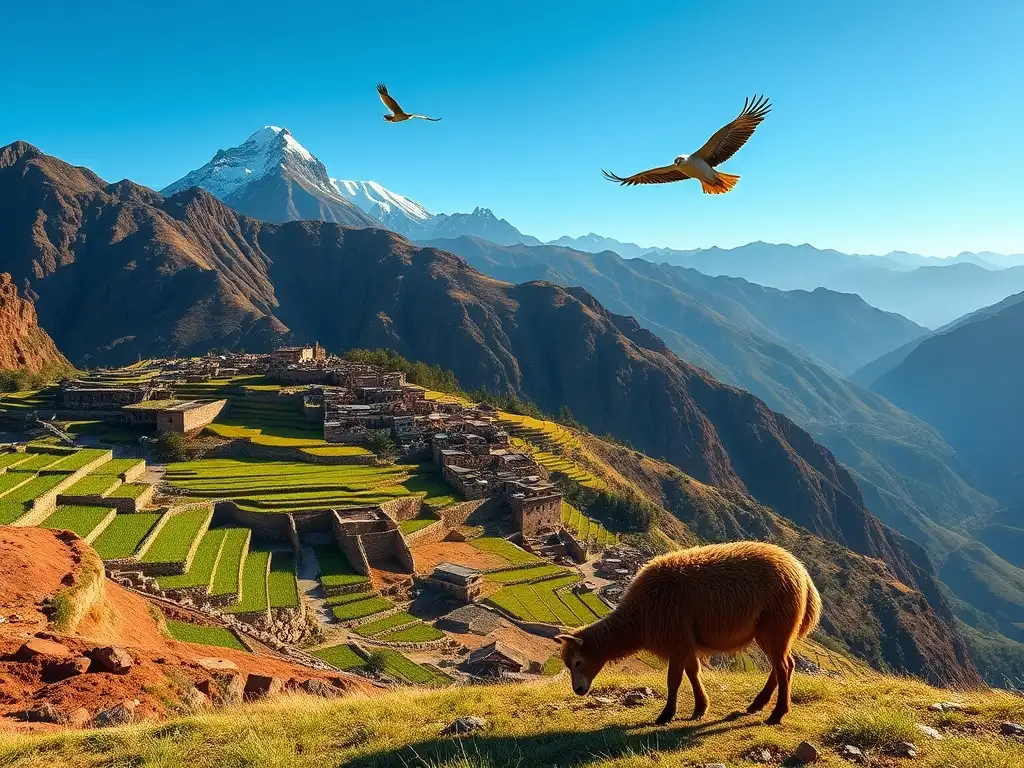
Step into a world lost in time, yet echoing with relevance today. Discover the ingenuity and resilience of the Andean civilizations, whose mastery of their environment continues to inspire awe. How did the Incas, Moche, and other remarkable cultures thrive in the challenging Andean landscape? Uncover the secrets behind their Andean civilizations adaptation strategies – a testament to human ingenuity and a crucial lesson for our own time. Explore further to delve into the fascinating story of survival, innovation, and the enduring legacy of these ancient societies.
The Andes Mountains, a spine of towering peaks and deep valleys stretching along the western coast of South America, have presented humanity with some of the most challenging environmental conditions on Earth. For millennia, however, vibrant Andean civilizations—including the Incas, Moche, Nazca, and Tiahuanaco—have not only survived but thrived in this demanding landscape.
This article explores the remarkable adaptation strategies employed by Andean communities throughout history and how these strategies continue to shape their resilience in the face of modern challenges. We will delve into the ingenious techniques used to harness scarce resources, navigate treacherous terrain, and build sustainable societies, highlighting the enduring legacy of Andean ingenuity and the crucial role these adaptation strategies play in their continued existence.
Understanding these historical and contemporary adaptations is key to appreciating the complexity and richness of Andean civilizations and their ongoing contributions to global knowledge of sustainable living. The study of these strategies offers valuable lessons for navigating our own era of environmental change and resource scarcity.
Ingenious Agricultural Practices
Andean agricultural practices stand as a testament to human ingenuity in the face of adversity. The harsh, high-altitude environment demanded innovative solutions for cultivating crops. The development of terracing , for instance, allowed for the creation of level fields on steep slopes, maximizing arable land and minimizing soil erosion. This technique, visible across the Andes even today, involved meticulous engineering and a deep understanding of hydrology. Furthermore, the creation of sophisticated irrigation systems, like the intricate canals of the Nazca culture, allowed for the controlled distribution of scarce water resources, ensuring crop yields even in arid regions. The development of diverse crop varieties, specifically adapted to the unique conditions of different altitudes and microclimates, further showcased the Andean peoples’ mastery of agriculture. These practices were not simply about survival; they were integral to the social and political structures of Andean societies, shaping their power dynamics and economic systems. The meticulous planning and communal effort required for these large-scale projects underscore the importance of cooperation and shared knowledge within Andean communities.
Mastering Extreme Environments: Resource Management and Technology
The high Andes presented numerous environmental challenges beyond agriculture. The scarcity of resources, the unpredictable weather patterns, and the extreme altitudes demanded remarkable adaptation. Andean communities developed sophisticated techniques for resource management, including the efficient use of water, wood, and minerals. The construction of impressive stone structures, such as Machu Picchu, showcases their advanced knowledge of engineering and building techniques, perfectly suited to the mountainous terrain.
Their ability to quarry, transport, and precisely fit massive stones remains a marvel of engineering. The development of specialized tools and technologies, adapted to their specific needs, further exemplifies their resourcefulness. These achievements were not isolated events but the result of generations of accumulated knowledge, passed down through oral traditions and practical experience. This intricate understanding of their environment allowed Andean communities to thrive in what might otherwise have been considered uninhabitable land.
The survival and success of Andean civilizations were not solely dependent on technological innovation but also relied heavily on strong social structures and a deep sense of community. Cooperative labor was essential for undertaking large-scale projects like irrigation systems and terraced farming. Social hierarchies, while present, were often intertwined with reciprocal obligations and a system of redistribution of resources, ensuring the well-being of the entire community. This strong social fabric, combined with sophisticated systems of governance and conflict resolution, fostered resilience in the face of environmental challenges and internal conflicts.
The emphasis on community and cooperation, rather than individual achievement, played a crucial role in the long-term survival and prosperity of Andean societies. The legacy of this communal spirit continues to resonate in many Andean communities today. This emphasis on collective action provides a valuable model for addressing modern challenges such as climate change and resource depletion.
Adapting to Modernity: Challenges and Opportunities
While Andean communities have historically demonstrated remarkable adaptability, they face new challenges in the modern world. Globalization, climate change, and economic pressures threaten traditional ways of life and sustainable practices. However, the enduring legacy of Andean ingenuity and resilience remains a powerful force. Modern Andean communities are finding innovative ways to adapt to new circumstances while preserving their cultural heritage and sustainable practices.
The integration of traditional knowledge with modern technologies presents both challenges and opportunities. Understanding and supporting these ongoing adaptations is crucial for ensuring the continued survival and prosperity of Andean communities and preserving their invaluable cultural heritage for future generations. The story of Andean adaptation is not just a historical account; it's a living narrative of human resilience and ingenuity, offering vital lessons for navigating the complexities of the 21st century.
- Ingenious Agricultural Practices
- Mastering Extreme Environments: Resource Management and Technology
- Social Structures and Resilience: Community and Cooperation
- Adapting to Modernity: Challenges and Opportunities
- What were the major challenges faced by Andean civilizations?
- How did Andean communities adapt to the diverse climates of the Andes?
- What role did technology play in Andean adaptation strategies?
- What were some examples of successful Andean adaptation to high altitudes?
- How did the social structures of Andean civilizations support adaptation?
Understanding Andean Resilience: A Legacy of Adaptation
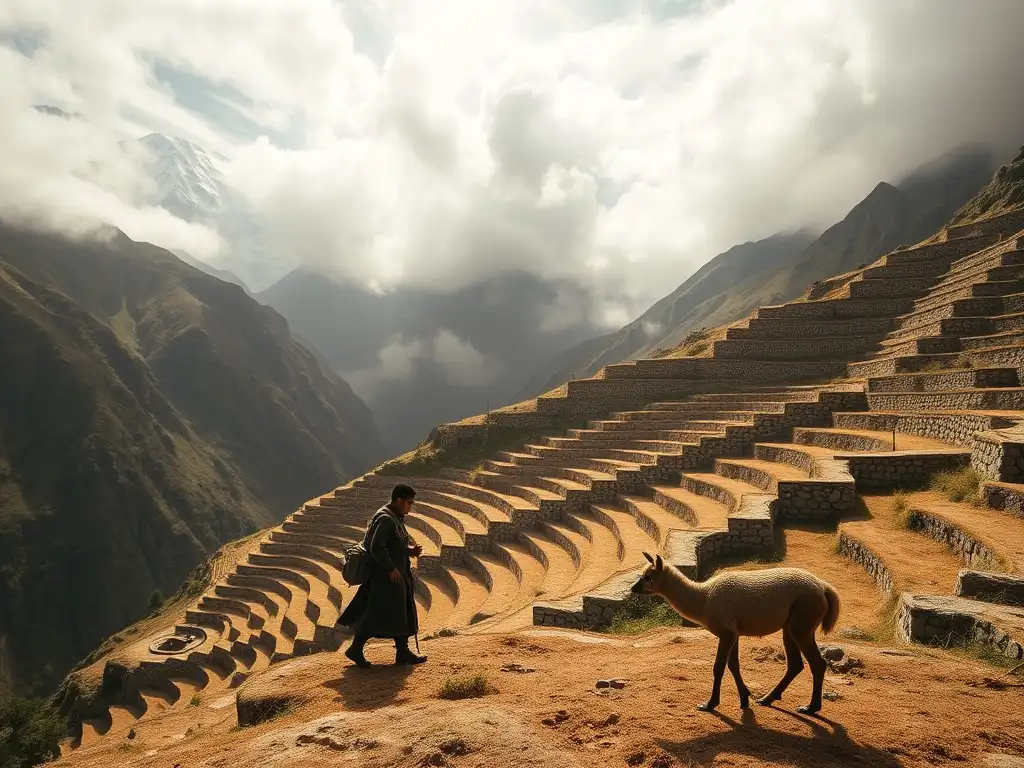
Andean civilizations adaptation strategies are deeply rooted in their history, showcasing remarkable ingenuity in the face of environmental challenges. For millennia, communities across the Andes have developed sophisticated techniques to thrive in a region characterized by extreme altitude variations, diverse climates, and unpredictable weather patterns. This inherent resilience, honed over centuries, continues to inform their approaches to contemporary challenges. Understanding this historical context is crucial to appreciating the ongoing adaptations of Andean communities.
The Historical Context of Andean Adaptation
The Andes Mountains present a formidable environment. Steep slopes, varying altitudes from sea level to over 6,000 meters, and dramatic climatic differences between the coast, highlands, and rainforest all posed significant obstacles to early inhabitants. Yet, instead of being deterred, Andean civilizations flourished, developing innovative solutions to overcome these limitations. Their success stemmed from a profound understanding of their environment and a capacity for flexible adaptation.
Early agricultural practices, for example, demonstrate remarkable ingenuity. The development of terracing techniques, like those found at Moray, allowed for the cultivation of diverse crops at different altitudes, effectively maximizing agricultural yield in a challenging terrain. The sophisticated irrigation systems, such as those used by the Nazca, channeled water from distant sources to arid regions, enabling sustained agricultural productivity. These weren't simply technological achievements; they represented a deep understanding of water management and ecological balance.
Furthermore, the construction of impressive settlements, like Machu Picchu, demonstrates a mastery of engineering and adaptation to the landscape. These cities were not merely aesthetically pleasing; their design incorporated elements that mitigated seismic risks and optimized resource utilization. The choice of building materials, construction techniques, and even the urban layout reflected a deep awareness of the environmental context. The Inca's road system, a marvel of engineering, facilitated communication and trade across diverse ecological zones, further enhancing their adaptive capacity. This complex interplay of agricultural innovation, architectural ingenuity, and infrastructural development underpins the impressive resilience of Andean civilizations.
Adaptation Strategies of Andean Civilizations
The Andean civilizations weren't monolithic; different groups developed unique strategies tailored to their specific environments. However, several common threads weave through their diverse approaches. These include:
- Agricultural Innovation: As mentioned earlier, terracing, irrigation, and crop diversification were crucial. The selection of hardy, high-altitude crops like potatoes and quinoa demonstrates a deep understanding of plant adaptation. Furthermore, the development of sophisticated agricultural calendars and techniques for soil management ensured sustainable yields.
- Resource Management: Andean communities developed intricate systems for managing water, land, and other resources. These systems often incorporated communal ownership and sustainable practices that ensured equitable distribution and minimized environmental impact. The concept of ayllu, a community-based system of social organization, played a crucial role in this resource management.
- Technological Innovation: The development of advanced technologies like weaving, metallurgy, and pottery not only contributed to economic prosperity but also provided tools for adapting to the environment. For example, the creation of durable textiles allowed for protection against harsh weather conditions.
- Social Organization: The hierarchical social structures of many Andean civilizations provided a framework for coordinating resource allocation, labor mobilization, and disaster response. This organizational capacity proved crucial in dealing with environmental challenges and ensuring community survival.
The following table summarizes key adaptation strategies employed by different Andean civilizations:
| Civilization | Key Adaptation Strategies | Specific Examples |
|---|---|---|
| Inca | Extensive road network, terracing, irrigation | Machu Picchu, Inca Trail, agricultural terraces |
| Nazca | Sophisticated irrigation systems, ceramics | Nazca Lines, aqueducts |
| Moche | Irrigation, specialized agriculture, metallurgy | Huaca del Sol y de la Luna, metalwork |
| Tiahuanaco | Monumental architecture, agricultural terraces | Puma Punku, Kalasasaya |
Understanding these historical adaptation strategies provides valuable insights into the resilience of Andean communities and their ability to navigate environmental change. This legacy of adaptation continues to shape their responses to contemporary challenges, highlighting the importance of preserving traditional knowledge and practices. The ongoing challenges of climate change and globalization necessitate a deeper understanding of these proven strategies for long-term sustainability.
Key Adaptation Strategies of Andean Communities
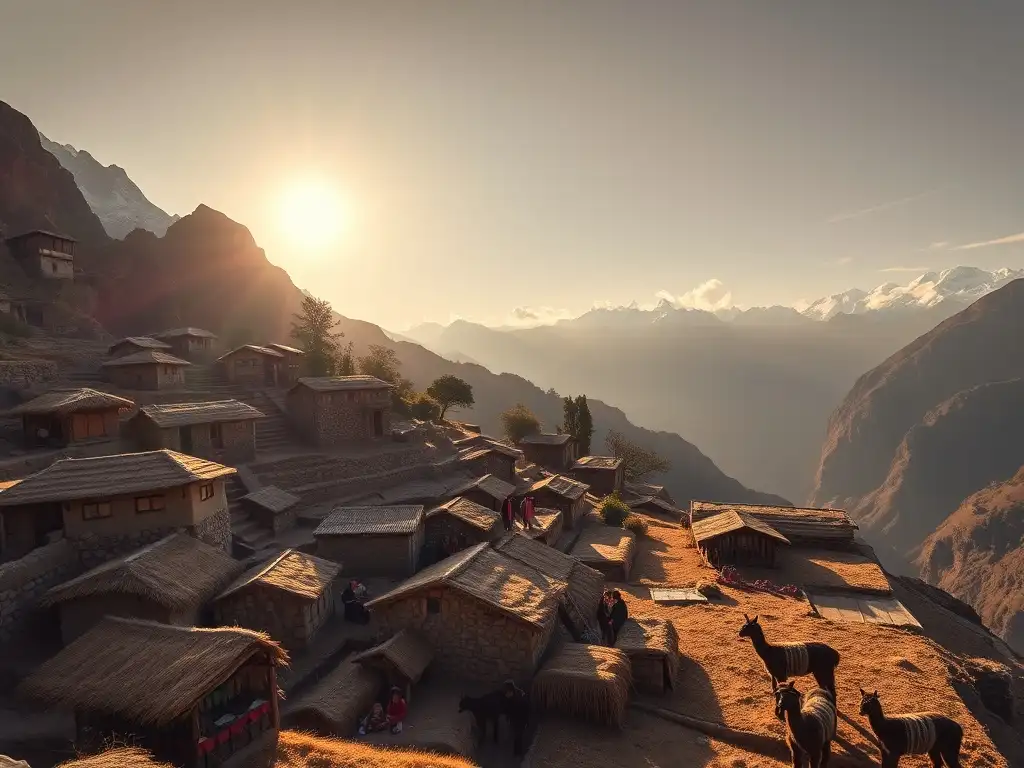
Andean civilizations adaptation strategies have been, and continue to be, remarkably diverse and resilient. Facing challenges like climate change, resource scarcity, and political upheaval for millennia, these communities have developed ingenious methods for survival and thriving. Their ability to adapt is not merely a historical curiosity; it holds valuable lessons for modern societies grappling with similar issues. This section explores some key strategies employed by Andean communities, highlighting their ingenuity and relevance today. Understanding these approaches is crucial to appreciating the enduring legacy of Andean cultures and their ongoing contributions to global knowledge on sustainable living.
Agricultural Innovation in the Andes: Adapting to Climate Change
The Andes' diverse geography presents a spectrum of climatic challenges. From high-altitude páramos to coastal deserts, Andean communities have cultivated a deep understanding of their environments and developed sophisticated agricultural techniques to optimize yields despite fluctuating conditions. This includes the meticulous selection of crops suited to specific microclimates, the construction of intricate irrigation systems, and the implementation of crop rotation to maintain soil fertility.
Recent research indicates a growing concern about the impacts of climate change on Andean agriculture. Increased frequency and intensity of droughts and floods are threatening traditional farming practices. However, Andean communities are not passive in the face of these challenges.
The ingenuity of Andean farmers continues to evolve. For instance, the use of drought-resistant crop varieties, developed through both traditional selection methods and modern biotechnology, is gaining traction. Similarly, the revival of traditional techniques like terracing, which reduces soil erosion and water runoff, offers a sustainable approach to mitigating the effects of climate change.
Furthermore, the growing adoption of agroforestry, integrating trees into agricultural landscapes, enhances biodiversity and improves soil health. These are not simply isolated incidents; they represent a conscious effort to adapt and innovate, demonstrating the resilience and resourcefulness of Andean agricultural practices. Understanding the nuances of these adaptations helps us appreciate the complex interplay between tradition and innovation in response to environmental change.
Traditional Knowledge and Resource Management
Traditional ecological knowledge (TEK) plays a pivotal role in the survival and adaptation of Andean communities. Centuries of accumulated experience in managing resources sustainably provide a powerful toolkit for navigating environmental challenges. This knowledge, often passed down orally through generations, encompasses a deep understanding of local ecosystems, including plant and animal life cycles, seasonal variations, and the intricate relationships between different species. This holistic perspective is fundamental to their resource management strategies.
The effectiveness of TEK is evidenced by the long-term sustainability of many Andean communities' practices. For example, the sustainable harvesting of wild plants and animals, carefully regulated to ensure regeneration, demonstrates a profound respect for ecological balance. Similarly, the intricate systems of communal land management, often involving shared responsibilities and collective decision-making, promote equitable resource access and prevent overexploitation.
The integration of TEK with modern scientific approaches presents a promising avenue for developing more sustainable and resilient resource management strategies, not only in the Andes but globally. The preservation and application of this invaluable knowledge base is vital for addressing current environmental challenges.
Water Management Techniques in Andean Agriculture
Water scarcity is a recurring challenge in many parts of the Andes. However, Andean communities have developed remarkably efficient water management techniques to maximize the availability of this precious resource. These include sophisticated irrigation systems, often involving canals, terraces, and reservoirs, meticulously designed to capture and distribute water effectively. The ingenuity of these systems is evident in their ability to adapt to diverse terrains and climatic conditions.
For instance, the qanats, underground channels used to transport water from higher elevations to lower-lying fields, demonstrate a sophisticated understanding of hydrology. Similarly, the construction of andenes (terraces) not only reduces soil erosion but also enhances water retention. These techniques, developed over centuries of trial and error, represent a profound understanding of water dynamics and a commitment to sustainable resource management. [Specific data on water efficiency of traditional methods pending].
Sustainable Land Use Practices
Sustainable land use practices are integral to the long-term survival of Andean communities. These practices often involve a careful balance between agriculture, livestock grazing, and forest conservation. The integration of diverse land uses minimizes environmental impacts and promotes ecological resilience.
For example, the practice of chaco, a traditional method of clearing land for agriculture, involves controlled burning and careful planning to minimize damage to surrounding ecosystems. Similarly, the rotational grazing of livestock helps prevent overgrazing and soil degradation. The management of communal pastures, often regulated by traditional rules and customs, ensures equitable access to resources and prevents conflicts.
These practices, passed down through generations, demonstrate a deep understanding of ecological principles and a commitment to long-term sustainability. The resilience of Andean ecosystems in the face of environmental pressures is, in no small part, a testament to the effectiveness of these traditional land use practices. [Specific examples of land use practices and their environmental impact pending].
Community-Based Conservation Initiatives
Andean communities have long possessed a deep understanding of their environment, a knowledge honed over millennia of adapting to the challenges of the Andes. This intimate connection fuels innovative and effective community-based conservation initiatives. These initiatives are not merely about preserving biodiversity; they are fundamentally about safeguarding the cultural and economic well-being of the communities themselves. The success of these initiatives hinges on a holistic approach, integrating traditional ecological knowledge with modern conservation science.
One striking example is the work being done in the cloud forests of [Specific region pending] to protect endangered [Specific endangered species pending]. Local communities, guided by their ancestral understanding of the forest's delicate ecosystem, are actively involved in monitoring the species' population, combating poaching, and promoting sustainable tourism. This participatory approach ensures that the conservation efforts are aligned with the community's needs and priorities, fostering a sense of ownership and responsibility. It also generates economic opportunities, such as ecotourism, which directly benefits the community and provides an alternative to unsustainable practices.
Furthermore, many communities are leading the charge in developing sustainable agricultural practices. Traditional methods, such as terraced farming and crop rotation, are being revived and adapted to address modern challenges like climate change. These techniques not only minimize environmental impact but also enhance food security and resilience within the community.
For instance, the [Specific community pending] have successfully implemented a system of water management that combines traditional irrigation techniques with modern water-saving technologies, resulting in increased crop yields and reduced water stress, even during periods of drought. This illustrates the power of combining traditional knowledge with modern innovation for effective adaptation.
The success of these community-led initiatives is often linked to strong community organization and leadership. Local leaders play a crucial role in coordinating conservation efforts, negotiating with external stakeholders, and advocating for the community's rights and interests. This underscores the importance of empowering local communities and recognizing their invaluable role in shaping their own futures and preserving their unique cultural heritage alongside the biodiversity of the Andes.
The strength of these community-based conservation initiatives lies in their ability to effectively bridge the gap between traditional knowledge and modern conservation practices, fostering sustainable development and ensuring the long-term survival of both the environment and the Andean communities themselves. This collaborative approach serves as a model for other regions facing similar challenges in balancing conservation and community development.
Modern Challenges and Andean Adaptation

The Andean region, home to a rich tapestry of indigenous cultures and civilizations, faces a complex web of modern challenges. Understanding how Andean communities are adapting to these pressures is crucial to preserving their unique heritage and ensuring their continued prosperity. This section explores the impact of globalization, economic and social transformations, and climate change on Andean livelihoods, highlighting the resilience and innovative strategies employed by these communities to navigate these difficulties. The study of these "Andean civilizations adaptation strategies" offers valuable insights into sustainable development and cultural preservation in a rapidly changing world.
Impact of Globalization on Andean Indigenous Cultures
Globalization's influence on Andean indigenous cultures is multifaceted and often contradictory. While it offers access to new technologies and markets, it also poses significant threats to traditional ways of life. The influx of mass media, for instance, can lead to the erosion of indigenous languages and cultural practices. Younger generations, exposed to global trends, may increasingly prioritize Westernized lifestyles over traditional ones. This cultural shift can lead to a loss of invaluable knowledge systems passed down through generations, impacting everything from agricultural practices to medicinal plant use.
However, globalization also presents opportunities. The internet, for example, allows Andean communities to connect with wider networks, share their cultural heritage, and promote their products globally. Indigenous artisans can sell their crafts online, reaching a far broader customer base than ever before.
This access to global markets can empower communities economically, fostering cultural preservation through economic self-sufficiency. The challenge lies in harnessing the positive aspects of globalization while mitigating its negative impacts on cultural identity and traditional knowledge. Specific examples of successful community-led initiatives that leverage globalization for cultural preservation are needed for a more complete picture [specific information pending].
Economic and social transformations within Andean communities are deeply intertwined with the broader processes of globalization and climate change. Traditional subsistence farming, once the backbone of many Andean communities, is increasingly challenged by market forces and environmental pressures. The shift towards cash crops, often driven by global demand, can lead to ecological imbalances and a loss of biodiversity. Furthermore, migration to urban centers in search of better economic opportunities weakens the social fabric of rural communities, leading to a decline in traditional knowledge transmission and community cohesion.
However, Andean communities demonstrate remarkable adaptability. Many are diversifying their income sources, incorporating ecotourism and sustainable handicrafts into their economies. This diversification strategy not only strengthens their economic resilience but also allows them to preserve their cultural heritage.
The development of community-based tourism initiatives, for instance, empowers local people by providing employment and allowing them to directly benefit from sharing their culture with visitors. Further research is needed to quantify the effectiveness of these diversification strategies and identify best practices for their implementation [specific information pending]. Understanding the specific economic challenges faced by different Andean communities is vital for developing targeted support programs.
Climate Change and its Effects on Andean Livelihoods
Climate change poses a severe threat to Andean livelihoods, exacerbating existing challenges and creating new ones. Changes in rainfall patterns, glacial melt, and increased frequency of extreme weather events directly impact agriculture, water resources, and infrastructure. Traditional farming practices, finely tuned to specific microclimates, are increasingly disrupted, leading to crop failures and food insecurity. The melting of Andean glaciers, a vital source of water for many communities, threatens water scarcity and impacts hydroelectric power generation.
Andean communities are responding to these challenges with remarkable ingenuity and resilience. They are adopting new agricultural techniques, such as drought-resistant crop varieties and water conservation strategies. They are also engaging in community-based adaptation planning, working together to manage resources and mitigate risks. However, the scale of the challenge requires substantial support from governments and international organizations.
Investing in climate-resilient infrastructure, providing access to climate information, and supporting community-based adaptation initiatives are crucial steps towards ensuring the long-term sustainability of Andean communities. Detailed case studies documenting successful adaptation strategies are needed to illustrate the effectiveness of different approaches [specific information pending]. The study of Andean civilizations adaptation strategies in the face of climate change offers valuable lessons for other vulnerable regions around the world.
Case Studies of Successful Andean Adaptation
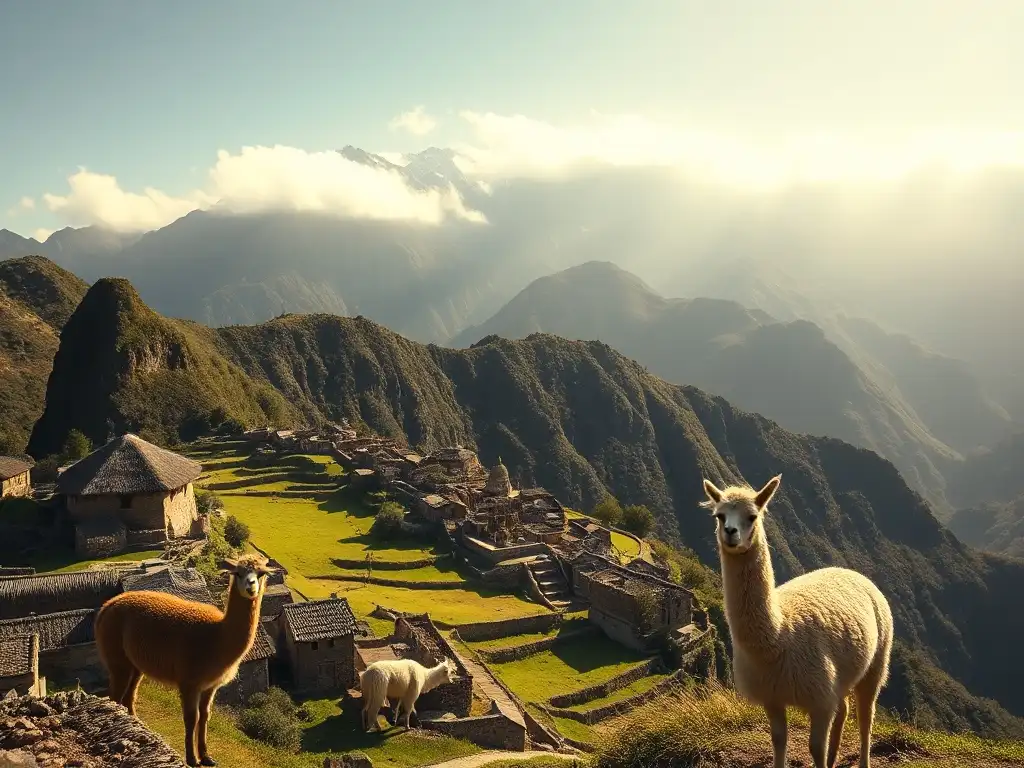
This section examines specific examples of Andean communities successfully adapting to environmental and societal changes, showcasing their resilience and innovative approaches. These case studies highlight the crucial interplay between cultural practices and environmental stewardship in ensuring long-term survival, demonstrating the effectiveness of traditional knowledge combined with modern strategies in the face of challenges. Understanding these successes is key to informing future conservation efforts and supporting the continued thriving of Andean civilizations.
The strategies employed by these communities provide valuable insights into sustainable development and resource management, offering models for other regions facing similar pressures. Analyzing these examples reveals the intricate relationship between cultural identity and environmental adaptation, emphasizing the importance of respecting and supporting indigenous knowledge systems in developing effective solutions. The keyword, "Andean civilizations adaptation strategies," is central to understanding these narratives of persistence.
The Potato Park in Peru: A Model for Biocultural Conservation
The Potato Park, located in the Andes of Cusco, Peru, stands as a remarkable example of biocultural conservation. This initiative, led by local Quechua communities, focuses on the preservation of native potato varieties and traditional agricultural practices. Facing threats from climate change, globalization, and the homogenization of agricultural practices, the communities within the Potato Park have developed innovative strategies to ensure the survival of their unique potato biodiversity. This involves not only protecting the genetic diversity of potatoes but also safeguarding the traditional knowledge associated with their cultivation, processing, and consumption.
The success of the Potato Park hinges on several key factors:
- Community-based management: Decision-making is decentralized, with local communities actively participating in the management of resources and the development of conservation strategies.
- Emphasis on traditional knowledge: Ancient farming techniques, adapted to the local environment, are preserved and passed down through generations, ensuring resilience to climate variability.
- Diversification of crops: The Potato Park doesn't rely solely on potatoes; a diverse range of crops are cultivated, providing a buffer against crop failure and enhancing food security.
- Ecotourism: Sustainable tourism initiatives generate income for the communities, providing economic incentives for conservation efforts. This allows for the preservation of their traditions and the continued cultivation of native potato varieties.
The Potato Park demonstrates that integrating traditional ecological knowledge with modern conservation approaches can lead to successful outcomes, offering a powerful model for other Andean communities and beyond. The park's achievements underscore the importance of recognizing and supporting indigenous-led conservation initiatives. The park's success is a testament to the resilience and adaptability of Andean civilizations.
The Uros People of Lake Titicaca: Adapting to a Changing Environment
The Uros people, inhabiting floating islands on Lake Titicaca, exemplify exceptional adaptation to a challenging environment. For centuries, they have skillfully navigated the ecological complexities of the lake, developing unique strategies for survival and cultural preservation. However, modern challenges, including pollution, climate change, and tourism pressures, are impacting their traditional way of life. Their response highlights the dynamism of Andean civilizations adaptation strategies.
The Uros have demonstrated remarkable ingenuity in addressing these challenges:
- Innovative construction techniques: Their floating islands, constructed from totora reeds, are continuously maintained and adapted to changing water levels and environmental conditions.
- Sustainable resource management: They carefully manage the harvesting of totora reeds to ensure the sustainability of this crucial resource.
- Diversification of income sources: Tourism, while presenting challenges, has also become an important source of income, allowing them to invest in community development and conservation projects.
- Advocacy and political engagement: The Uros actively engage with governmental and international organizations to protect their rights and their environment.
The Uros' story showcases the ability of Andean communities to adapt to environmental changes while preserving their unique cultural identity. Their resilience and ingenuity serve as an inspiration, illustrating how traditional practices can be combined with modern strategies to achieve sustainable development. Their case underscores the importance of considering the perspectives and needs of indigenous communities in environmental management and conservation planning. The Uros' continued presence on Lake Titicaca is a testament to the enduring strength of Andean civilizations adaptation strategies.
Lessons Learned from Andean Adaptation Successes
The case studies of the Potato Park and the Uros people offer valuable lessons for understanding and supporting the adaptation of Andean communities. These examples demonstrate the critical role of community-based management, the preservation of traditional knowledge, and the integration of diverse income-generating activities in fostering resilience. The successful integration of traditional practices with modern approaches is crucial in navigating the complexities of a changing world.
Key takeaways include:
- Respecting Indigenous Knowledge: Recognizing and valuing indigenous knowledge systems is paramount for effective conservation and development strategies.
- Community-Driven Solutions: Empowering local communities to lead their own adaptation efforts is essential for long-term success.
- Sustainable Resource Management: Implementing sustainable practices that ensure the long-term availability of resources is crucial for environmental and community well-being.
- Economic Diversification: Developing diverse income-generating activities reduces reliance on single resources and enhances community resilience.
By learning from the successes of these Andean communities, we can gain valuable insights into developing effective strategies for supporting the continued thriving of Andean civilizations in the face of ongoing challenges. These case studies highlight that the preservation of cultural heritage and environmental sustainability are inextricably linked, requiring a holistic and community-centered approach. The enduring legacy of Andean civilizations hinges on the continued application and development of these successful adaptation strategies.
The Future of Andean Communities and Adaptation
The future of Andean communities hinges on their continued ability to adapt to a rapidly changing world. This adaptation isn't simply about surviving environmental challenges; it's about maintaining cultural identity, economic viability, and social cohesion in the face of globalization, climate change, and political pressures. Understanding the historical resilience of Andean civilizations—their sophisticated agricultural techniques, intricate social structures, and remarkable engineering feats—provides a crucial foundation for predicting and supporting their future trajectory.
The key lies in recognizing the interconnectedness of environmental, social, and economic factors, and fostering strategies that empower communities to shape their own destinies. We must move beyond a purely paternalistic approach and instead embrace collaborative models that center Indigenous knowledge and prioritize community-led initiatives. This requires a paradigm shift from viewing Andean communities as passive recipients of aid to active partners in development.
Supporting Andean Communities in a Changing World
Supporting Andean communities requires a multifaceted approach that addresses both immediate needs and long-term sustainability. This includes:
- Strengthening local economies: Diversifying income sources beyond traditional agriculture, promoting sustainable tourism practices that benefit local communities, and supporting the development of artisan crafts and other value-added products. This economic diversification is crucial for building resilience against external shocks such as climate change or market fluctuations. For example, initiatives focusing on fair trade practices and direct market access for Andean artisans can significantly improve their economic standing.
- Investing in education and healthcare: Access to quality education and healthcare are fundamental for human development and community well-being. This includes providing resources for bilingual education that preserves Indigenous languages and integrating traditional healing practices with modern medicine. Literacy programs tailored to the specific needs of Andean communities are vital for empowerment and participation in the broader society.
- Protecting natural resources: Sustainable resource management is crucial for the long-term survival of Andean communities. This includes protecting water sources, promoting sustainable agricultural practices, and combating deforestation. Community-based conservation initiatives, where local knowledge is integrated into conservation strategies, have proven highly effective in preserving biodiversity and ensuring resource security. For instance, the implementation of traditional terracing techniques can help prevent soil erosion and improve agricultural yields.
- Advocating for policy changes: Policymakers must create supportive legal frameworks that protect the rights of Indigenous communities, recognize their traditional land tenure systems, and promote their participation in decision-making processes that affect their lives. This includes addressing issues such as land grabbing, resource exploitation, and environmental degradation. The active involvement of Andean communities in shaping policies directly impacting them is paramount for ensuring their long-term well-being.
The success of these initiatives depends on a collaborative partnership between government agencies, non-governmental organizations (NGOs), and Andean communities themselves. A truly effective strategy prioritizes community ownership and control over development projects.
The Importance of Preserving Andean Cultural Heritage
Preserving Andean cultural heritage is not merely a matter of historical preservation; it is integral to the continued identity and resilience of Andean communities. This rich heritage, encompassing intricate textile traditions, vibrant musical forms, and profound spiritual beliefs, provides a powerful source of social cohesion and cultural pride. Protecting this heritage requires:
- Documenting and archiving traditional knowledge: This involves working with Andean communities to record and preserve their oral histories, traditional practices, and artistic expressions. Digital archiving can play a crucial role in making this knowledge accessible to wider audiences while respecting Indigenous intellectual property rights.
- Supporting the revitalization of Indigenous languages: Language loss represents a significant loss of cultural knowledge and identity. Investing in language revitalization programs, including bilingual education and community-based language learning initiatives, is crucial for preserving linguistic diversity.
- Promoting cultural tourism that respects local traditions: Tourism can be a powerful tool for economic development, but it must be managed responsibly to avoid cultural commodification and exploitation. Community-based tourism initiatives, where local communities control and benefit from tourism activities, are essential for ensuring cultural sustainability.
- Protecting cultural sites and artifacts: Many Andean communities are custodians of significant archaeological sites and cultural artifacts. Protecting these sites from looting, damage, and inappropriate development requires collaborative efforts between government agencies, archaeologists, and local communities.
The Role of Technology in Andean Adaptation
Technology can play a transformative role in supporting the adaptation of Andean communities. However, it's crucial to ensure that technological advancements are culturally appropriate and serve the needs of these communities, rather than imposing external models. This requires:
- Utilizing technology for sustainable agriculture: Precision agriculture techniques, using GPS and remote sensing, can optimize water and fertilizer use, improving crop yields while minimizing environmental impact. Mobile applications can provide farmers with access to real-time weather information and market prices.
- Improving access to information and communication: Internet access and mobile technology can bridge the digital divide, providing Andean communities with access to education, healthcare information, and market opportunities. This requires investing in infrastructure and digital literacy programs.
- Developing culturally appropriate technologies: Technologies should be adapted to the specific needs and contexts of Andean communities. This might involve using traditional materials and knowledge in conjunction with modern technologies. For example, integrating traditional weaving techniques with digital design tools could empower artisans to create new products and reach wider markets.
- Promoting digital preservation of cultural heritage: Digital technologies can be used to document and preserve Andean cultural heritage, making it accessible to future generations. This includes creating digital archives of oral histories, traditional music, and artistic expressions.
The successful integration of technology must prioritize community participation and control, ensuring that technology serves as a tool for empowerment, rather than a source of further marginalization. Careful consideration must be given to the potential negative impacts of technology, such as digital exclusion and the erosion of traditional practices. The focus should always remain on enhancing the resilience and self-determination of Andean communities.
Frequently Asked Questions
What were the major challenges faced by Andean civilizations?
Andean civilizations faced numerous challenges, including extreme altitudes, variable climates, and scarce resources. These factors significantly impacted their survival strategies.
How did Andean communities adapt to the diverse climates of the Andes?
They developed remarkable agricultural techniques, such as terracing and irrigation, to cultivate crops in diverse environments. They also adapted their housing and clothing to varying temperatures and altitudes.
What role did technology play in Andean adaptation strategies?
Technology played a crucial role. Advanced irrigation systems, stonework techniques for building, and innovative agricultural tools were essential for survival in challenging environments.
What were some examples of successful Andean adaptation to high altitudes?
Andean populations adapted physiologically to high altitudes, developing increased lung capacity. They also developed specialized crops suited to the thin air and harsh conditions.
Strong community organization and cooperative labor were vital. These structures facilitated the construction of large-scale projects like irrigation systems and ensured resource distribution.
Final Reflection: Weaving Resilience in the Andes
The ingenuity of Andean communities in adapting to environmental and societal shifts remains a powerful testament to human resilience in the face of adversity. Their strategies, honed over millennia, offer invaluable lessons for a world grappling with climate change, resource scarcity, and rapid globalization. These are not just historical accounts; they are blueprints for sustainable living in a rapidly changing world.
The enduring legacy of Andean adaptation strategies extends far beyond the high altitudes of the Andes. Their innovative agricultural techniques, intricate water management systems, and deeply ingrained communal values continue to inspire researchers, policymakers, and communities worldwide. The ability to thrive in challenging environments speaks to the power of collective action and a deep understanding of one's ecosystem. The mountains teach us patience. They teach us to endure. They teach us to respect the rhythms of life.
This wisdom, passed down through generations, holds a profound truth applicable to all who strive to navigate the complexities of modern life.
Consider the lessons learned from the ingenuity of these communities. How can we incorporate their principles of sustainable resource management, community cooperation, and respect for the environment into our own lives? You too can cultivate resilience, by embracing the spirit of adaptation and finding innovative solutions to the challenges you face. Let the enduring legacy of Andean civilizations inspire you to build a more sustainable and equitable future for all.
Embrace Change: Take Action for a Sustainable Future!
Thank you for exploring the remarkable resilience and ingenuity of Andean communities. Learning about their survival strategies not only expands your understanding of cultural adaptation but also empowers you to contribute to a more sustainable world. Let's turn this inspiration into action!
- Support a local environmental organization that promotes sustainable practices and protects cultural heritage.
- Integrate elements of Andean traditions into your life. For example, you could try growing native plants or learning traditional food preparation methods.
- Share this article with your network to encourage discussion about climate change adaptation and community resilience.
What concrete step will you take today to build a more sustainable and resilient future?