Current Issues and Perspectives


Discover how Andean civilizations continue to shape the present through cultural heritage, Indigenous perspectives, tourism, and modern interpretations of history. Explore contemporary debates, preservation efforts, and evolving understandings of Inca, Moche, Nazca, and Tiahuanaco legacies, revealing the enduring influence of Andean history on identity, society, education, and cultural expression.
Explore the most important current issues and perspectives surrounding Andean civilizations, with a focus on how ancient history continues to shape modern identity, culture, politics, education, tourism, and community life. This category examines the enduring legacies of the Inca, Moche, Nazca, and Tiahuanaco civilizations while connecting archaeological discoveries and historical research to contemporary debates across the Andes.
Readers will find informed perspectives on Andean cultural heritage preservation, sustainable tourism, Indigenous rights, community participation, and new interpretations of ancient societies. By combining historical context with present-day analysis, this section offers valuable insights into how the Andes are represented, protected, and understood in Peru, Bolivia, Ecuador, Chile, Argentina, and beyond.
Whether you are researching ancient Andean history, Indigenous cultures, archaeological heritage, or the modern meaning of Inca and pre-Inca traditions, these articles provide clear and engaging explanations. Discover how local communities, scholars, museums, governments, and travelers contribute to the ongoing conversation about the cultural heritage of the Andes.
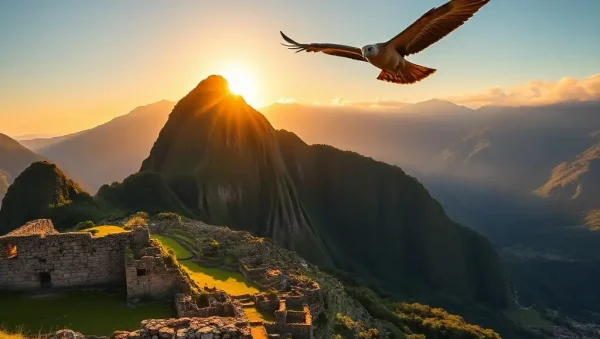
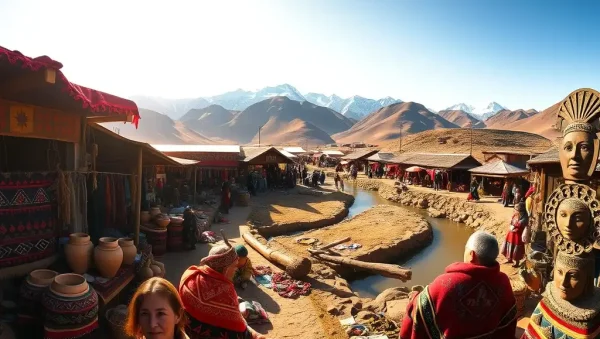
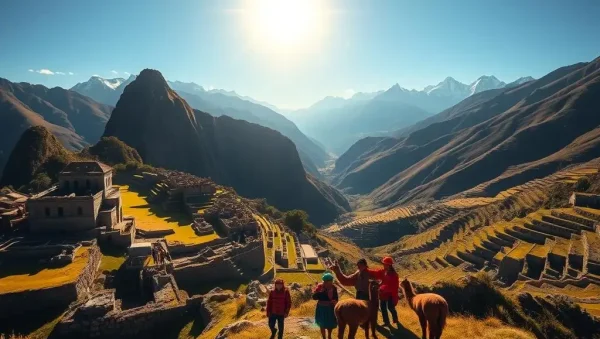
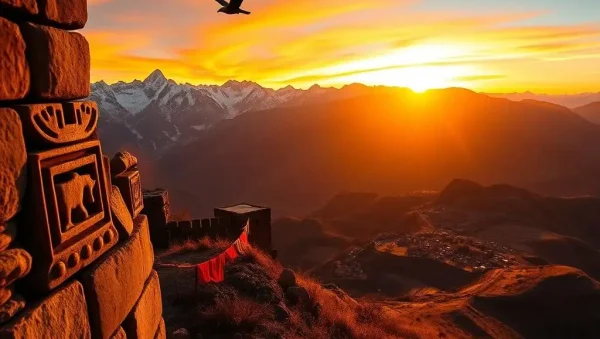
This subcategory explores the relationship between Andean cultural heritage and tourism, including famous archaeological sites, historic landscapes, museums, festivals, and living traditions. Learn how destinations connected with the Inca, Moche, Nazca, and Tiahuanaco civilizations attract visitors while preserving architecture, art, sacred places, textiles, agricultural systems, and archaeological evidence.
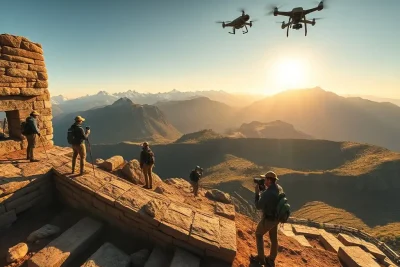
Articles also examine sustainable tourism in the Andes, responsible travel, heritage management, and the challenges caused by overcrowding, climate change, commercialization, and inadequate conservation. Readers can expect practical context about how tourism can support local economies and cultural education while respecting Indigenous communities and protecting fragile historical sites.
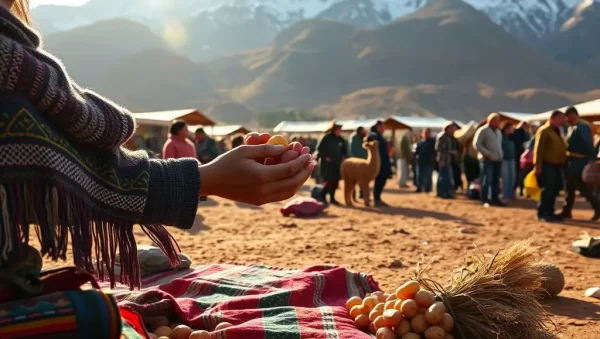
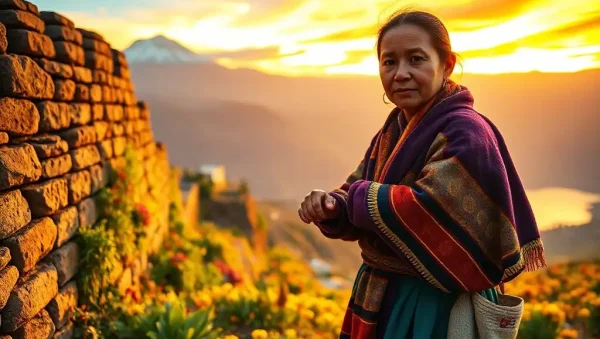
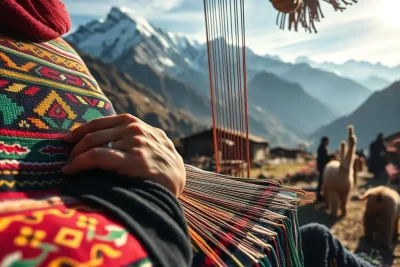
Discover how Indigenous communities continue to shape the cultural, social, and political life of the Andes. This section focuses on living Indigenous traditions, community-based heritage protection, traditional knowledge, languages, ceremonies, agriculture, weaving, environmental stewardship, and connections to ancestral lands.
Readers will also learn about contemporary Indigenous perspectives on archaeology, tourism, land rights, cultural representation, and national identity. These articles highlight why local voices are essential to understanding Andean history and explain how communities actively preserve and reinterpret the legacies of the Inca, Moche, Nazca, and Tiahuanaco peoples.
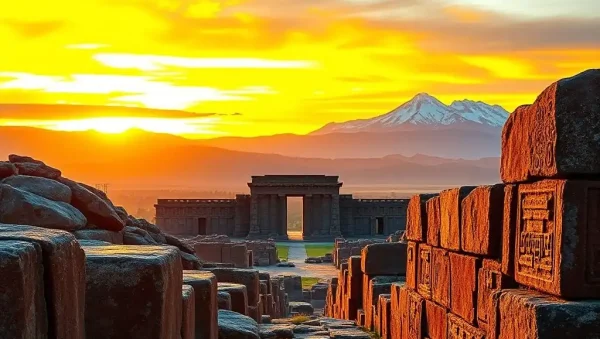
This subcategory examines how historians, archaeologists, anthropologists, artists, educators, and popular media interpret Andean history in the modern world. Explore changing views of the Inca Empire, Moche art, Nazca geoglyphs, Tiahuanaco architecture, ancient technologies, trade networks, religion, and social organization.
The articles consider how new archaeological discoveries, Indigenous scholarship, scientific technology, museums, documentaries, and public education are reshaping established narratives. Readers can expect balanced discussions of historical interpretation, decolonizing research, cultural symbolism, and the difference between evidence-based scholarship and popular myths about ancient Andean civilizations.
Major issues include climate change, archaeological site preservation, urban expansion, looting, tourism pressure, commercialization, and the protection of sacred landscapes. Another important concern is ensuring that Indigenous communities participate meaningfully in decisions about their heritage.
Tourism can create employment, fund conservation, and increase awareness of Andean history. However, unmanaged visitation may damage archaeological remains, disrupt local life, and reduce sacred places to commercial attractions. Responsible and sustainable tourism aims to balance education, conservation, and community benefit.
Indigenous communities preserve languages, traditions, ecological knowledge, oral histories, ceremonies, and artistic practices that provide essential insight into the past and present of the Andes. Their participation also helps ensure that research and heritage policies respect local values and cultural rights.
Researchers increasingly combine archaeology, Indigenous knowledge, environmental science, linguistic evidence, digital mapping, and community collaboration. This broader approach challenges older colonial interpretations and creates a more complex understanding of Andean societies, their achievements, and their internal diversity.
Readers can learn how ancient Andean civilizations continue to influence contemporary culture, identity, tourism, scholarship, and Indigenous activism. The category connects historical evidence with present-day debates, offering a deeper understanding of why Andean heritage remains important today.