
The Environmental Impact of Andean Civilizations: Modern Lessons from the Past


Step into a world lost to time, yet echoing with lessons for our present. Imagine towering cities carved into mountains, intricate irrigation systems defying arid landscapes, and a profound connection to the earth that shaped entire empires. But what was the true cost of this Andean ingenuity? Discover the surprising and often overlooked Andean civilizations environmental impact—a story of ingenious adaptation, devastating consequences, and vital lessons for our modern world. Uncover the secrets within, and prepare to be captivated.
The Andes Mountains, a spine of towering peaks stretching along the western coast of South America, nurtured some of the most fascinating and sophisticated civilizations the world has ever known. From the intricate artistry of the Nazca Lines to the monumental architecture of Machu Picchu, the legacy of Andean cultures is undeniable. However, beyond the captivating imagery and impressive achievements, lies a complex relationship between these societies and their environment.
This article delves into the environmental impact of Andean civilizations, examining both their ingenious adaptations and their unintended consequences, ultimately drawing valuable lessons for our modern world grappling with similar environmental challenges. Understanding how past Andean societies interacted with their surroundings provides crucial insights into sustainable practices and the potential pitfalls of unsustainable development, offering a rich tapestry of historical context relevant to contemporary ecological concerns.
We will explore the diverse strategies employed by different Andean groups, highlighting both their successes and failures, and ultimately consider how their experiences can inform our approach to environmental stewardship in the 21st century. The keyword "Andean civilizations environmental impact" will be explored throughout the article, examining various facets of this intricate relationship.
Agricultural Practices and Water Management
Andean civilizations developed remarkable agricultural techniques to thrive in the challenging Andean environment. Terracing, for instance, allowed for cultivation on steep slopes, maximizing arable land and minimizing soil erosion. The ingenious waru waru system, a form of raised-field agriculture, involved creating networks of interconnected raised beds separated by canals.
This system not only improved drainage and soil fertility but also regulated water temperature, extending the growing season and increasing crop yields. However, intensive agriculture, even with sophisticated techniques, could lead to deforestation and soil degradation if not carefully managed. Evidence suggests that some Andean societies, particularly during periods of population growth or expansion, pushed the limits of their agricultural systems, resulting in localized environmental damage.
The scale of this impact varied significantly depending on factors such as population density, available technology, and climate variability. Further research is needed to quantify the precise extent of this impact across different Andean societies and time periods.
Urban Development and Resource Exploitation
The growth of urban centers, particularly during the Inca Empire, presented significant environmental challenges. The construction of monumental buildings, such as Machu Picchu and Sacsayhuamán, required vast quantities of stone, timber, and other resources. This exploitation, while contributing to the impressive architectural achievements of the Incas, undoubtedly had an impact on the surrounding landscape.
Deforestation for fuel and construction materials was likely a significant factor, especially in areas close to urban centers. Similarly, the extraction of minerals for tools and ornaments could have led to localized environmental degradation, though the precise extent of this remains a subject of ongoing research. The Inca's road system, while facilitating trade and communication, also necessitated the clearing of vegetation and the potential disruption of ecosystems along its routes.
Mining Activities and their Consequences
Mining played a crucial role in the economies of several Andean civilizations, particularly the Inca. Gold, silver, and copper were highly valued, and their extraction involved significant labor and environmental impact. The precise methods employed varied across different groups and time periods, but they generally involved open-pit mining and the use of rudimentary technologies. These practices could lead to soil erosion, water pollution from tailings, and habitat destruction.
While the scale of mining activities in pre-Columbian times was likely smaller than in later periods, it is important to acknowledge its contribution to the overall environmental footprint of Andean civilizations. Further research is needed to fully assess the long-term environmental consequences of pre-Columbian mining practices, particularly their impact on water quality and biodiversity. Quantifying the extent of this impact requires further investigation, including detailed analysis of archaeological sites and environmental records.
Long-Term Impacts and Modern Relevance
The cumulative environmental impacts of Andean civilizations, though varying in scale and intensity across different societies and periods, offer valuable lessons for contemporary societies. The challenges of balancing economic development with environmental sustainability are not new. The successes and failures of Andean societies in managing their resources provide a rich case study for understanding the long-term consequences of environmental degradation.
Understanding how past Andean societies adapted to and impacted their environments can inform our own efforts to create sustainable systems. The careful management of resources, innovative agricultural techniques, and a deep respect for the environment are not just historical curiosities but crucial elements for building a sustainable future.
The legacy of Andean civilizations underscores the interconnectedness of human societies and the natural world, highlighting the importance of considering the long-term environmental consequences of our actions. The study of Andean civilizations' environmental impact helps us to better understand and address the complex environmental challenges facing our world today.
- Agricultural Practices and Water Management
- Urban Development and Resource Exploitation
- Mining Activities and their Consequences
- Long-Term Impacts and Modern Relevance
- What was the primary environmental impact of Andean civilizations?
- How did the Inca adapt their agriculture to the environment?
- Did Andean civilizations contribute to deforestation?
- What are some modern lessons we can learn from Andean civilizations' environmental practices?
- How did the environmental impact of Andean civilizations compare to other ancient societies?
Understanding Ancient Andean Environmental Management
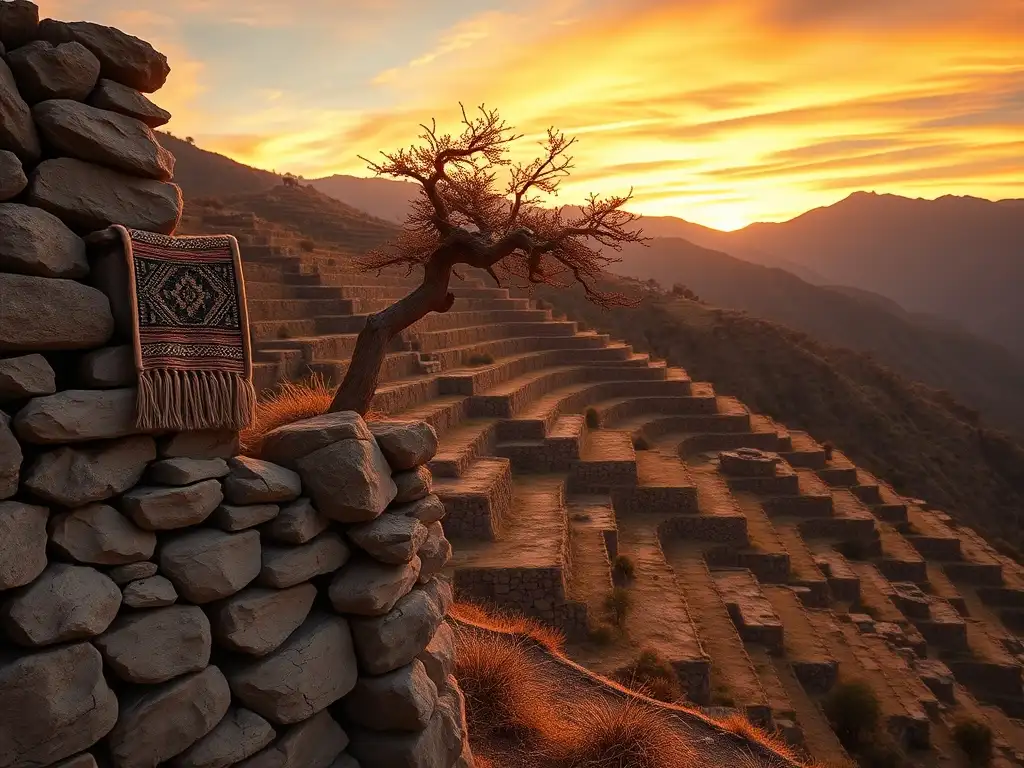
The study of Andean civilizations' environmental impact reveals a complex interplay between human activity and the fragile Andean ecosystem. While often portrayed as solely impacting their environment negatively, a nuanced understanding reveals sophisticated resource management strategies employed by various Andean societies, alongside periods of significant environmental pressure. Analyzing this historical relationship offers valuable insights for contemporary environmental challenges, particularly in regions with similar geographical constraints and vulnerabilities.
The keyword "Andean civilizations environmental impact" itself highlights the growing interest in understanding this intricate relationship. This section delves into the specific environmental challenges faced and the adaptive strategies implemented by these remarkable cultures.
The Andean Landscape and its Challenges
The Andes Mountains present a uniquely challenging environment. Steep slopes, varying altitudes, and unpredictable weather patterns—including droughts and floods—shaped the lives and agricultural practices of Andean civilizations. The availability of arable land was limited, concentrated primarily in valleys and along riverbanks. Water scarcity was a recurring issue, particularly in drier regions.
Soil erosion was a constant threat, exacerbated by intensive agriculture on steep slopes. These environmental constraints necessitated innovative solutions for sustainable resource management, driving the development of sophisticated agricultural techniques and societal structures. For example, the Nazca people, famed for their geoglyphs, also developed intricate irrigation systems to overcome water scarcity in their arid coastal environment. Their understanding of water management is a testament to their adaptation to the challenging environment.
This contrasts with some later Inca practices which, while impressive in scale, arguably placed greater pressure on the environment in certain regions. The environmental impact of Andean civilizations, therefore, cannot be generalized; it varied considerably across time and space, dependent on specific societal structures, technological advancements and the prevailing climatic conditions. Understanding these nuances is crucial for a complete picture.
Sustainable Practices of Pre-Incan Societies
Pre-Inca Andean societies, such as the Moche and Tiahuanaco, developed remarkably effective strategies for minimizing their environmental impact. These strategies often involved a deep understanding of their environment and the implementation of sustainable agricultural practices. Evidence suggests a strong emphasis on terracing, which reduced soil erosion and improved water retention. The construction of andenes (terraces) allowed for the cultivation of steep slopes, maximizing arable land.
Furthermore, these societies employed crop rotation and diverse planting techniques to maintain soil fertility and prevent depletion. The use of guano (bird droppings) as fertilizer provided a natural and sustainable source of nutrients. The Moche, for instance, developed complex irrigation systems, channeling water from rivers and streams to their fields, showcasing a sophisticated understanding of hydrology. Their impressive agricultural output demonstrates the effectiveness of their resource management techniques.
The Tiahuanaco culture, known for its monumental architecture, also implemented sophisticated agricultural practices, including raised fields, which improved drainage and soil fertility in wetland areas. These pre-Inca examples highlight the ingenuity and sustainability of their approaches to environmental management, offering valuable lessons for modern agricultural practices, particularly in regions facing similar ecological challenges. The long-term sustainability of these practices however, requires further research and investigation, with some evidence suggesting that even these pre-Inca societies faced periods of environmental stress, highlighting the delicate balance between human activity and the natural environment.
Environmental Consequences of Andean Agricultural Techniques
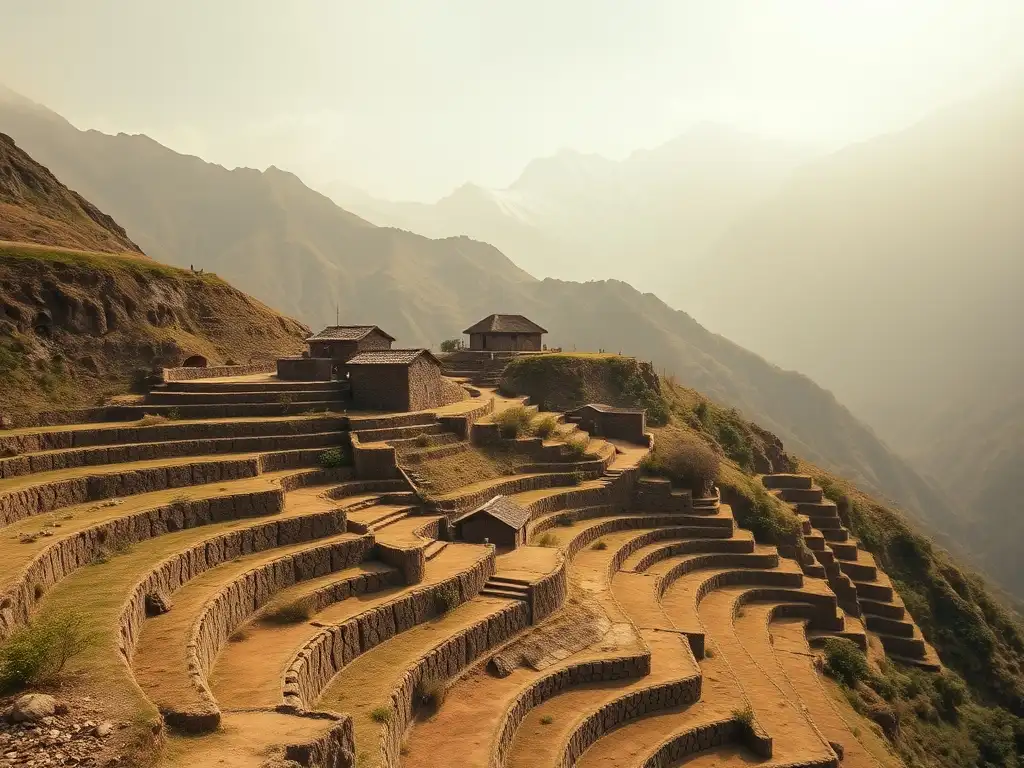
The ingenuity of Andean civilizations in adapting to their challenging environment is undeniable. Their agricultural practices, however, weren't without environmental consequences, both positive and negative. Understanding these impacts offers valuable insights for modern sustainable agriculture, particularly in mountainous regions. The key lies in analyzing the long-term effects of their innovative techniques, weighing the benefits against the potential drawbacks. This section will explore the environmental implications of some core Andean agricultural strategies, focusing on terracing, irrigation, and crop selection. The Andean civilizations environmental impact is a complex issue, requiring nuanced consideration of both successes and failures.
Terracing and its Impact on Soil Conservation
Andean terracing, a marvel of engineering, significantly reduced soil erosion in steep slopes. By creating a series of level platforms, farmers minimized the runoff of rainwater, preventing topsoil loss and preserving fertile land. This ingenious system allowed for intensive agriculture in otherwise unusable terrain. Studies have shown that well-maintained terraces can increase soil fertility by improving water infiltration and reducing the impact of wind and rain.
However, the construction of terraces itself had an environmental footprint. The process involved significant earthworks, potentially leading to deforestation and habitat loss in some areas. The long-term success of terracing depended heavily on careful maintenance, and neglect could lead to terrace collapse and subsequent erosion.
The scale of terracing varied across different Andean cultures; the Incas, for example, are renowned for their extensive and precisely engineered terrace systems, while other cultures employed simpler techniques. The impact, therefore, was not uniform across the entire Andean region. Further research is needed to quantify the precise balance between the positive effects of soil conservation and the negative impacts of construction on different ecosystems.
Irrigation Systems and Water Management in Ancient Andes
The sophisticated irrigation systems developed by Andean civilizations demonstrate a deep understanding of hydrology and water management. Canals, aqueducts, and reservoirs allowed farmers to control water distribution, particularly crucial in arid and semi-arid regions. These systems enabled the cultivation of crops that would not otherwise have been possible, boosting agricultural productivity and supporting larger populations. However, the construction and maintenance of these systems also presented challenges.
Diverting water from its natural course could impact downstream ecosystems, potentially affecting biodiversity and water availability for other communities. Furthermore, poorly managed irrigation could lead to salinization of the soil, rendering land unproductive over time. The impact of Andean irrigation systems varied depending on the scale of the project and the ecological context.
Some systems, meticulously planned and maintained, supported thriving agricultural landscapes for centuries. Others, less well-managed, could have had detrimental effects on local water resources and ecosystems. Specific data on the long-term ecological consequences of different irrigation techniques in various Andean regions remains an area requiring further investigation.
The Role of Andean Crops in Environmental Stability
The selection and cultivation of specific crops played a vital role in the environmental sustainability of Andean agriculture. The Andean civilizations cleverly adapted their agricultural practices to the specific environmental conditions of their regions. For instance, the cultivation of potatoes, quinoa, and other hardy crops demonstrated remarkable resilience to harsh conditions, minimizing the need for extensive land clearing or resource-intensive farming practices.
These crops also contributed to soil health, improving nutrient cycling and soil structure. However, the intensive cultivation of certain crops, especially in monoculture systems, could have increased vulnerability to pests and diseases, potentially leading to environmental instability. The impact of crop diversity on the overall health of Andean ecosystems is an area warranting further detailed study.
Understanding the specific roles of different Andean crops in maintaining soil fertility, preventing erosion, and promoting biodiversity is crucial for modern agricultural practices aiming for sustainability. The long-term effects of specific crop choices on soil health and ecosystem stability require more comprehensive analysis. The selection of resilient crops, however, undeniably contributed to the relative environmental stability of the Andean region for a considerable period.
The Environmental Footprint of Andean Cities and Infrastructure
The environmental impact of Andean civilizations wasn't simply a matter of population density; it was intricately woven into their urban planning, resource management, and infrastructural choices. Understanding this nuanced relationship offers valuable insights for modern sustainable development, particularly in challenging terrains. The Andean civilizations, renowned for their engineering prowess, faced significant environmental constraints—steep slopes, seismic activity, and varied climates—that shaped their approaches to resource utilization and waste management.
Analyzing their successes and failures provides crucial lessons for contemporary societies grappling with similar challenges. The keyword "Andean civilizations environmental impact" is directly addressed here, showcasing the multifaceted nature of this interaction.
Urban Planning and Resource Management in Andean Centers
Andean cities, unlike their counterparts in many other parts of the world, weren't haphazardly constructed. Careful consideration was given to water management, waste disposal, and the integration of urban spaces with the surrounding environment. For example, the Inca capital of Cusco utilized a sophisticated system of canals and aqueducts to channel water from mountain springs, supplying the city and its agricultural fields.
This intricate network minimized disruption to natural water flows and ensured a reliable source of water for the population. Furthermore, evidence suggests the strategic placement of buildings to maximize sunlight exposure and minimize wind erosion, reflecting a deep understanding of the local microclimate.
The management of waste was equally important. Archaeological findings reveal sophisticated systems for refuse disposal, often involving designated areas outside the city limits or the use of organic waste for agricultural purposes. This contrasts with many modern urban centers where waste management often poses a significant environmental challenge. The Andean approach to waste highlights the concept of a circular economy, where waste is minimized and resources are reused.
Detailed analysis of the chemical composition of soil samples from ancient Andean settlements could reveal further information about waste management strategies and their long-term environmental consequences. [Specific data on chemical composition of soil samples pending]. This meticulous approach to urban planning and resource management demonstrates a level of environmental awareness that is surprisingly sophisticated for its time.
Impact of Road Networks and Infrastructure Development
The impressive road network of the Inca Empire, the Qhapaq Ñan, is a testament to their engineering skills. This vast system facilitated trade, communication, and the movement of people across diverse and challenging terrains. However, the construction and maintenance of these roads had a significant environmental impact.
The quarrying of stone, the clearing of vegetation, and the potential disruption of natural watercourses all contributed to alterations in the landscape. The scale of these changes varied depending on the specific location and the intensity of road construction. For instance, areas with extensive road networks likely experienced greater habitat fragmentation and soil erosion compared to less developed regions.
The environmental consequences of Inca road construction are best understood by comparing the pre- and post-construction states of specific regions. [Specific comparative data pending]. However, it's crucial to acknowledge that the impact should be viewed within the context of the time. The technological limitations of the period likely resulted in a comparatively less destructive impact than modern large-scale infrastructure projects.
Nonetheless, the Qhapaq Ñan serves as a reminder that even seemingly beneficial infrastructural developments can have significant, albeit sometimes subtle, long-term environmental consequences. Understanding these past impacts can inform contemporary approaches to infrastructure development, ensuring that the benefits are weighed against potential environmental costs. The phrase "Andean civilizations environmental impact" is relevant here, since the impact varied depending on the scale and nature of the infrastructure project.
Deforestation and Resource Depletion in Ancient Andean Societies
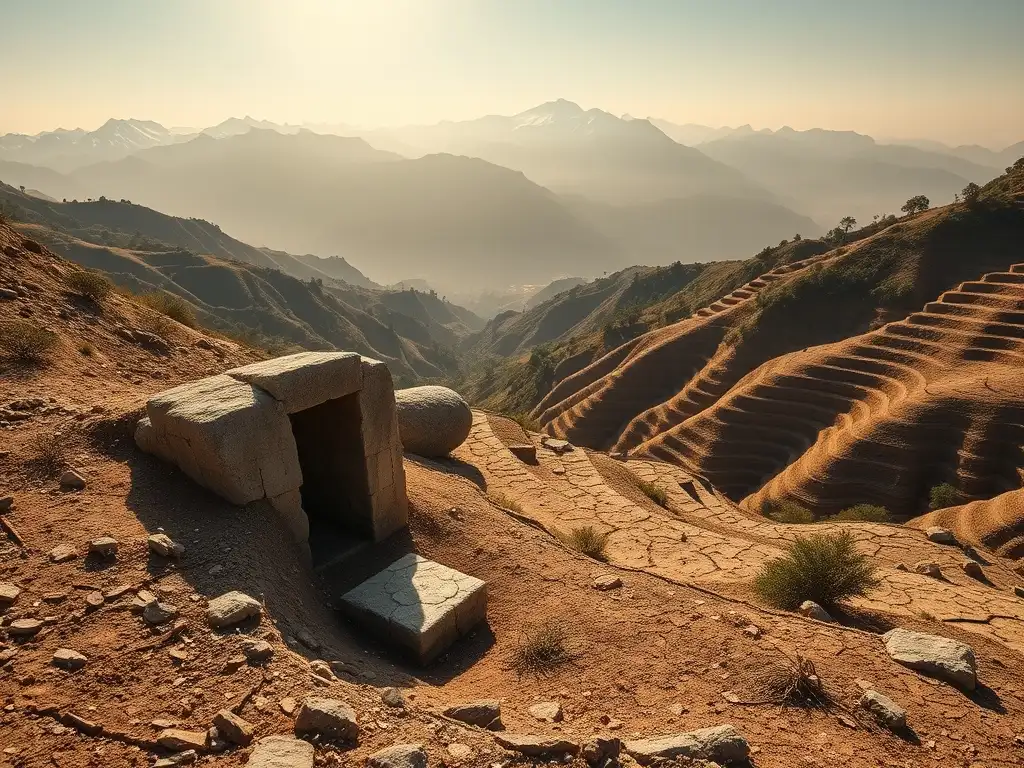
The impact of Andean civilizations on their environment is a complex and multifaceted topic, crucial for understanding both their successes and eventual challenges. One of the most significant environmental impacts was the widespread deforestation and resource depletion that occurred across various Andean regions. This wasn't a uniform process, varying considerably depending on the specific civilization, the geographic location, and the available resources.
Understanding the scale and consequences of this deforestation provides valuable insights into sustainable resource management and the potential pitfalls of unsustainable practices, offering crucial lessons for modern societies facing similar environmental pressures. The keyword "Andean civilizations environmental impact" is central to this discussion.
Evidence of Deforestation and its Causes
Evidence of deforestation in ancient Andean societies comes from a variety of sources. Archaeological excavations reveal the extent of timber use in construction, particularly in larger settlements and ceremonial centers. For instance, the Inca empire's extensive road system and monumental architecture relied heavily on timber, leading to significant forest clearing in certain areas.
Analysis of pollen samples from lake sediments and peat bogs shows dramatic shifts in vegetation cover over time, reflecting the decline of forest cover and the expansion of grasslands and agricultural lands. Furthermore, the increased presence of charcoal in these sediment layers provides further evidence of widespread burning, both for clearing land and for fuel. The causes of this deforestation were multifaceted:
- Agricultural Expansion: The ever-growing populations of Andean societies necessitated the expansion of agricultural land. This often involved clearing forests to create terraced fields and pastures. The need to feed a burgeoning population directly fueled deforestation. This is particularly evident in the steep slopes of the Andes where terracing required significant clearing.
- Fuelwood: Wood was the primary source of fuel for cooking, heating, and various metallurgical processes. The demand for fuelwood, especially in densely populated urban centers, put considerable pressure on forest resources. The scale of this demand is often underestimated in discussions of ancient Andean environmental impacts.
- Construction: The construction of monumental buildings, palaces, temples, and irrigation systems required vast quantities of timber. The Inca's impressive stonework is often highlighted, but the supporting infrastructure, scaffolding, and other construction elements were often made of wood.
- Overgrazing: The introduction of domesticated animals, such as llamas and alpacas, led to overgrazing in some areas, contributing to land degradation and deforestation. The impact of overgrazing is particularly visible in areas with fragile ecosystems.
The Impact on Andean Ecosystems and Biodiversity
The widespread deforestation and resource depletion had profound consequences for Andean ecosystems and biodiversity. The loss of forest cover led to soil erosion, impacting agricultural productivity. The reduction in forest cover also altered local climates, potentially leading to changes in rainfall patterns and increased vulnerability to droughts and floods. Furthermore, the disappearance of forest habitats resulted in the loss of biodiversity, impacting plant and animal populations. Some species may have faced extinction or severe population declines.
The consequences extended beyond the immediate impact on biodiversity. The loss of forest cover affected water cycles, leading to alterations in water availability and quality. This had cascading effects on agriculture and human settlements. The disruption of natural ecosystems also increased the vulnerability of Andean societies to natural disasters and environmental fluctuations.
The study of the environmental impact of Andean civilizations continues to be a dynamic field. New research using advanced techniques like remote sensing and isotopic analysis is constantly refining our understanding of the extent and consequences of deforestation and resource depletion. This understanding is not just about the past, but provides critical insights into sustainable development challenges that modern societies face.
Understanding the "Andean civilizations environmental impact" allows us to learn from past mistakes and strive for a more sustainable future. The complex interplay between population growth, resource management, and environmental consequences in the Andean region offers valuable lessons applicable to global environmental challenges.
Climate Change and its Effects on Andean Civilizations
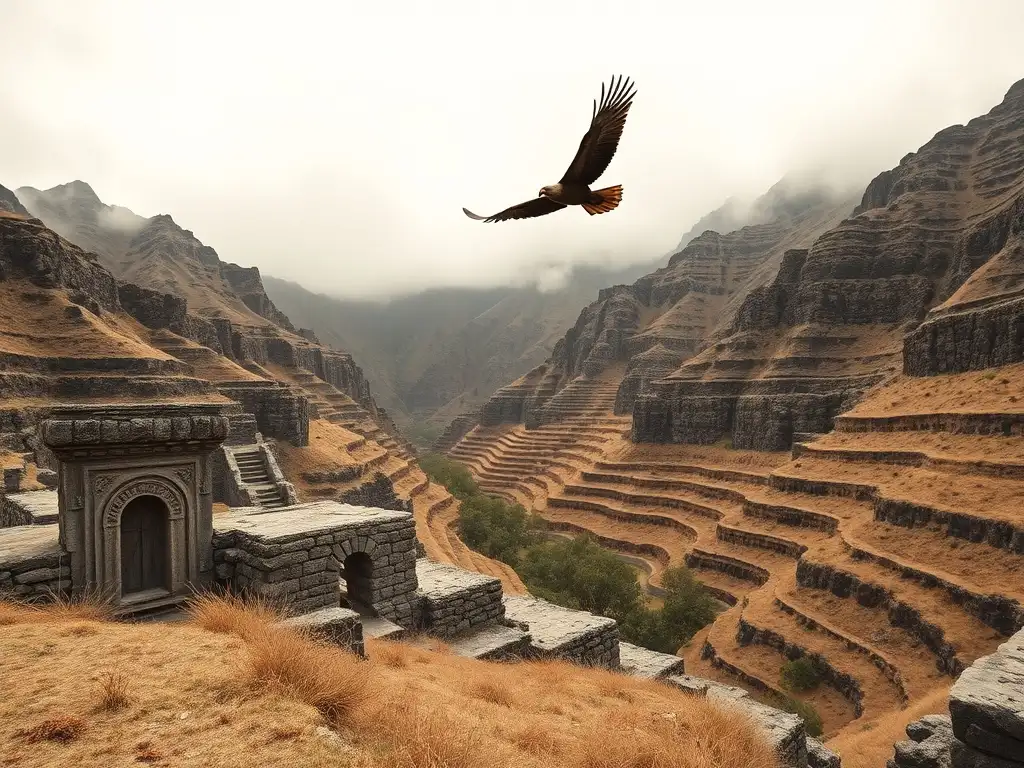
The study of Andean civilizations offers a compelling case study in the interplay between human societies and environmental change. Understanding the environmental impact of these ancient cultures provides invaluable insights for addressing contemporary challenges, particularly concerning climate change and its consequences. The Andes, a geographically diverse region with significant altitudinal variation, experienced dramatic shifts in climate throughout the pre-Columbian era.
These changes profoundly influenced the trajectory of Andean civilizations, shaping their agricultural practices, settlement patterns, and social structures. Analyzing the past helps us better understand the vulnerabilities and resilience of societies facing similar environmental pressures today. The keyword "Andean civilizations environmental impact" is central to this analysis, highlighting the crucial lessons we can glean from their history.
The Role of Climate Variability in Andean History
Climate variability, encompassing both short-term fluctuations and long-term trends, played a pivotal role in shaping Andean societies. For instance, the period known as the Medieval Warm Period (approximately 900-1250 CE) witnessed relatively stable and favorable climatic conditions across much of the Andes, contributing to a period of significant population growth and expansion of agricultural production. This era saw the flourishing of several significant Andean cultures, including the Inca Empire in its early stages.
Conversely, the subsequent Little Ice Age (approximately 1300-1850 CE) brought about cooler temperatures, increased precipitation in some areas and drought in others, and more frequent extreme weather events. This period witnessed societal upheaval, including the decline of some Andean polities and shifts in agricultural practices. Archaeological evidence, such as changes in crop types and irrigation systems, clearly demonstrates the adaptations undertaken by Andean communities in response to these climatic shifts.
Detailed pollen analysis from lake sediments and ice core data further corroborate these findings, providing quantitative evidence of past climate variability and its influence on human activities. Furthermore, the study of past climate events allows us to better calibrate climate models and improve predictions for future climate change in the region. Understanding the past is crucial for predicting the future and mitigating the impact of future climate change on vulnerable populations.
Adaptation Strategies to Climate Change in the Andes
Andean civilizations weren't passive victims of climate change; they developed sophisticated strategies to adapt to environmental variability. These strategies ranged from technological innovations to social and political adjustments. For example, the intricate terrace farming systems, andenes, dramatically increased arable land and reduced soil erosion on steep slopes, mitigating the impact of both drought and flooding. The development of diverse crop varieties, adapted to different altitudes and microclimates, ensured food security even in the face of climate fluctuations.
This diversification reduced reliance on a single crop and minimized the risk of widespread crop failure. Furthermore, the complex water management systems, including canals, reservoirs, and aqueducts, ensured a reliable water supply for irrigation, particularly crucial during periods of drought. These engineering feats demonstrate a deep understanding of hydrology and a remarkable capacity for collective action. Social and political adaptations also played a vital role.
The development of strong centralized states, like the Inca Empire, facilitated resource management, disaster relief, and the implementation of large-scale infrastructure projects. These adaptations highlight the ingenuity and resilience of Andean civilizations in the face of environmental challenges. Their strategies offer valuable lessons for contemporary societies grappling with climate change, emphasizing the importance of integrated approaches that combine technological innovation with social and political adaptation. The study of these ancient adaptations underscores the critical need for proactive, community-based solutions to modern climate change challenges.
Modern Lessons from Ancient Andean Environmental Practices
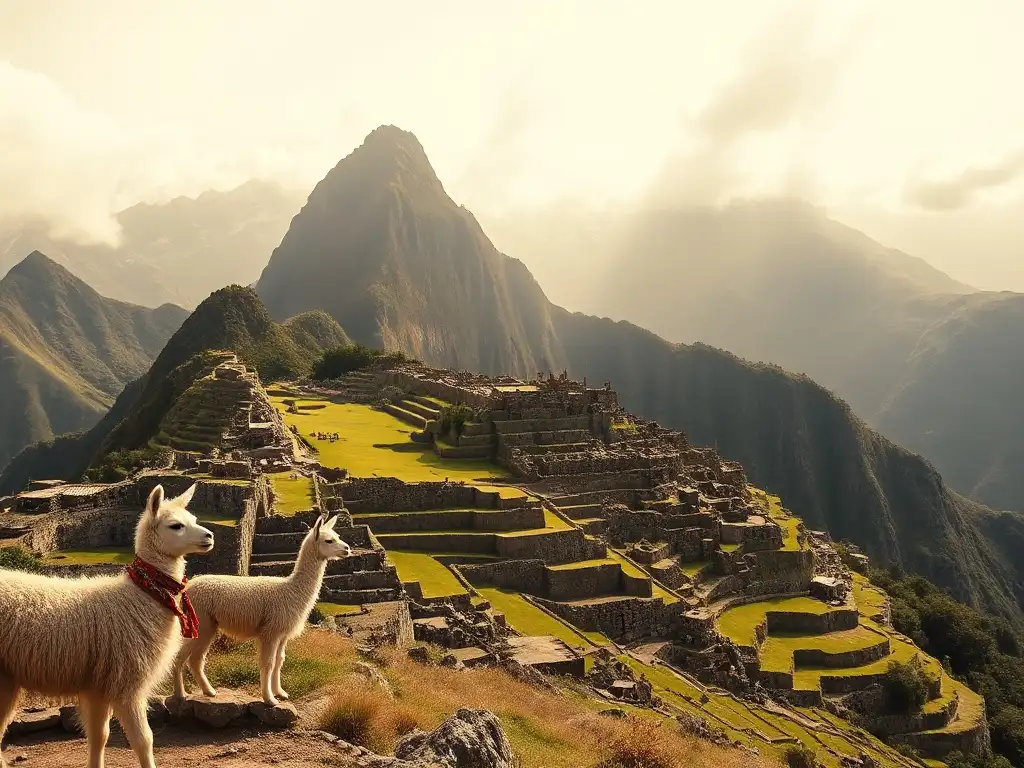
This section explores the enduring relevance of ancient Andean environmental practices, demonstrating how their ingenuity can inform contemporary sustainable development strategies. The Andean civilizations, renowned for their sophisticated understanding of their environment, developed techniques that allowed them to thrive in challenging terrains for centuries. Understanding these practices offers valuable insights for addressing modern environmental challenges, particularly in regions facing similar ecological constraints.
The keyword "Andean civilizations environmental impact," while focusing on the impact, also inherently acknowledges the sophisticated relationship these cultures had with their environment. This relationship, often characterized by adaptation and sustainability, contrasts with many modern, exploitative approaches. By analyzing these historical practices, we can glean valuable lessons for building more resilient and sustainable societies today.
Applying Ancient Techniques for Sustainable Agriculture Today
Ancient Andean agricultural techniques, characterized by their ingenuity and adaptability to diverse ecosystems, offer compelling examples of sustainable practices. Terracing, for instance, was a crucial technique used to cultivate steep slopes, preventing soil erosion and maximizing arable land. This method, still visible in many Andean landscapes, reduced the environmental impact of agriculture by optimizing water usage and minimizing soil degradation. Furthermore, the sophisticated understanding of water management, including the construction of intricate irrigation systems, allowed for consistent crop production even in arid regions. These practices are increasingly relevant today, as climate change exacerbates water scarcity and soil erosion globally.
The waru waru system, a raised-bed agricultural technique used by the Tiwanaku culture, is another notable example. This system, utilizing canals and raised beds, not only increased crop yields but also improved water retention and minimized the impact of frost. Modern studies have shown that waru waru systems enhance biodiversity and improve soil fertility.
The revival and adaptation of such techniques offer promising solutions for sustainable agriculture in regions grappling with similar environmental constraints. The application of these ancient practices can contribute significantly to food security and environmental sustainability, particularly in the face of climate change. The integration of these techniques into modern agricultural practices offers a pathway towards a more sustainable future, demonstrating the long-term benefits of considering traditional ecological knowledge.
The Relevance of Andean Water Management in Modern Times
The ingenious water management systems developed by Andean civilizations are particularly relevant in today's context of increasing water scarcity. These systems, often involving complex networks of canals, aqueducts, and reservoirs, provided reliable water supplies for agriculture and urban centers. The Nazca lines, famously known for their enigmatic geoglyphs, are also evidence of sophisticated water management practices, with underground canals facilitating water distribution across arid landscapes. This intricate understanding of hydrology allowed these civilizations to thrive in challenging environments.
The ability to capture and store water efficiently is a crucial lesson for modern societies grappling with water stress. Many contemporary water management strategies could benefit from incorporating the principles of ancient Andean systems. Techniques like rainwater harvesting, which were central to Andean water management, can be implemented to supplement dwindling water supplies.
Moreover, the integration of traditional ecological knowledge with modern engineering can lead to more efficient and sustainable water management solutions. The study of ancient Andean water systems provides a blueprint for designing more resilient and adaptable water infrastructure, particularly in regions facing water scarcity due to climate change or population growth. Understanding the ingenuity of these ancient systems can help us to create more sustainable and equitable water management practices for the future.
Integrating Andean Ecological Knowledge for Conservation
Finally, the deep understanding of ecological principles demonstrated by Andean civilizations offers valuable lessons for modern conservation efforts. Their intimate knowledge of local ecosystems allowed them to develop sustainable practices that minimized their environmental impact. This holistic approach, which recognized the interconnectedness of all living things, contrasts with many modern approaches that often prioritize economic gain over environmental sustainability. The integration of Andean ecological knowledge into modern conservation strategies can enhance the effectiveness of conservation efforts.
The concept of ayni, a principle of reciprocity and mutual support in Andean culture, can be applied to modern conservation initiatives. This principle emphasizes the importance of collaborative efforts to protect the environment and ensure its sustainable use. By incorporating traditional ecological knowledge alongside scientific approaches, conservation efforts can become more effective and culturally sensitive.
This means respecting local communities' knowledge and practices while promoting sustainable development that benefits both people and the environment. Furthermore, understanding the traditional Andean worldview, which recognizes the inherent value of nature, can foster a deeper appreciation for biodiversity and inspire more effective conservation strategies. The lessons from the past offer a powerful pathway to a more sustainable and equitable future, reinforcing the significance of the "Andean civilizations environmental impact" as a case study in both impact and adaptation.
The Legacy of Andean Civilizations on Environmental Awareness
The Andean civilizations, encompassing cultures like the Incas, Moche, Nazca, and Tiahuanaco, left behind a complex legacy that extends beyond their impressive architectural feats and intricate social structures. Their relationship with the environment, characterized by both ingenuity and exploitation, offers invaluable insights into the delicate balance between human societies and their ecosystems. Studying the Andean civilizations environmental impact allows us to re-evaluate our own modern practices and learn crucial lessons for sustainable development.
Understanding their successes and failures in managing resources provides a unique perspective on the challenges we face today. The impact of their agricultural techniques, water management systems, and resource extraction methods continues to resonate, shaping our understanding of sustainable practices and the long-term consequences of environmental mismanagement. We can glean valuable lessons from their experiences, both positive and negative, to inform our own approaches to environmental stewardship.
Re-evaluating Our Relationship with Nature through Andean History
The Andean worldview fundamentally differed from many contemporary Western perspectives. Their deeply spiritual connection to Pachamama, Mother Earth, permeated all aspects of life. This reverence for nature wasn't merely symbolic; it was a practical necessity for survival in a challenging environment.
Their sophisticated agricultural techniques, such as terracing and irrigation, were not merely technological achievements; they represented a profound understanding of ecological balance. The intricate network of canals and reservoirs built by the Nazca and Inca civilizations, for example, demonstrate a remarkable capacity for water resource management, a skill crucial in the arid Andean landscape. These systems weren't simply engineering marvels; they were a testament to a deep understanding of the hydrological cycle and the interconnectedness of the environment.
Analyzing these systems reveals a level of environmental awareness that surpasses many modern approaches focused solely on short-term economic gains. The Andean civilizations’ appreciation for the interconnectedness of the environment presents a powerful counterpoint to the often fragmented, anthropocentric views prevalent in modern societies. Their example encourages a holistic approach to environmental management, recognizing the intricate relationships between all living things and their surroundings.
The Importance of Learning from Past Mistakes for a Sustainable Future
While the Andean civilizations demonstrated remarkable environmental stewardship in many aspects, their history also contains cautionary tales. The Inca empire, for instance, experienced periods of deforestation and soil erosion due to intensive agriculture and the expansion of urban centers. This highlights the fact that even societies deeply connected to nature can, through unsustainable practices, negatively impact their environment. Understanding these historical instances of environmental degradation is crucial.
It demonstrates that even with advanced knowledge and sophisticated techniques, the pressure of population growth and unchecked resource exploitation can lead to ecological damage. By studying the consequences of the Inca's deforestation, we can better understand the potential pitfalls of our own unsustainable practices. For example, the depletion of certain resources in the Andean region mirrors contemporary concerns about resource scarcity and the need for responsible consumption and production. The collapse of certain Andean societies, partially attributable to environmental degradation, serves as a powerful reminder of the interconnectedness between environmental health and societal stability.
Analyzing these failures provides valuable lessons for building resilient and sustainable societies in the face of climate change and resource depletion. The study of Andean civilizations environmental impact offers a compelling case study for developing more sustainable strategies for the future. Learning from both the successes and failures of past civilizations can help guide our approach to environmental management, ensuring a more sustainable future for all.
Frequently Asked Questions
What was the primary environmental impact of Andean civilizations?
Andean civilizations, like the Inca, significantly impacted their environment through intensive agriculture, terracing, and resource extraction. This led to both deforestation and soil erosion in some areas.
How did the Inca adapt their agriculture to the environment?
The Inca developed sophisticated irrigation systems and terracing techniques to maximize crop yields in challenging Andean terrains. This allowed them to support large populations while minimizing the environmental impact in some areas.
Did Andean civilizations contribute to deforestation?
Yes, deforestation was a consequence of their need for fuelwood, construction materials, and agricultural land. The extent varied depending on the specific civilization and region.
What are some modern lessons we can learn from Andean civilizations' environmental practices?
We can learn about sustainable agriculture, water management, and the importance of adapting to environmental constraints. Studying their successes and failures offers insights into responsible resource use.
How did the environmental impact of Andean civilizations compare to other ancient societies?
The impact varied regionally and across different Andean cultures, but generally mirrored similar patterns observed in other ancient civilizations; however, the unique Andean environment presented specific challenges and innovative solutions.
Final Reflection: Echoes of the Andes: A Legacy of Sustainability and Warning
The environmental impact of Andean civilizations, far from being a relic of the past, serves as a stark and timely warning for our own era. Our modern world, grappling with climate change and resource depletion, can learn invaluable lessons from the successes and failures of these sophisticated societies. Understanding their intricate relationship with their environment is not just an academic exercise; it's a crucial step towards building a more sustainable future.
The ingenuity of the Andean civilizations in adapting to their challenging environment, while simultaneously shaping it, continues to resonate today. Their sophisticated agricultural techniques, such as terracing and irrigation, stand as testaments to their deep understanding of ecological balance. However, their story also includes cautionary tales of overexploitation and environmental degradation, reminding us that even advanced societies are vulnerable to the consequences of unsustainable practices. The earth provides enough to satisfy every man's needs but not every man's greed.
- Mahatma Gandhi. This quote, though not directly related to the Andes, perfectly encapsulates the central tension between human ambition and environmental responsibility that echoes throughout the history of Andean civilizations and our own.
Consider the choices you make in your daily life. How can you incorporate the wisdom of the Andean civilizations—their respect for the land, their innovative resource management, and their awareness of ecological limits—into your own actions?
Let the echoes of the Andes inspire you to live more sustainably, to tread lightly on the earth, and to build a future where human progress and environmental stewardship go hand in hand. The legacy of these ancient societies is not just a historical record; it is a living testament to the enduring power of human ingenuity and the urgent need for environmental responsibility.
Unleash the Power of Ancient Wisdom for a Greener Future!
Thank you for exploring the fascinating environmental practices of Andean civilizations! Your interest can provide valuable insights for modern sustainability efforts. Let's use this inspiration to take meaningful action.
Here are some practical ways you can make a difference today:
- Start small: Begin by incorporating a sustainable practice into your daily routine, such as reducing your plastic consumption or composting food scraps.
- Learn and share: Research traditional Andean agricultural methods that promote biodiversity and resilience, and share your discoveries with others.
- Get involved: Join or start a local environmental group focused on ecological restoration or conservation, drawing inspiration from Andean practices.
Considering these ancient lessons, what innovative steps will you take to integrate this wisdom into your life?