
Resilient Roots: How Andean Communities Maintain Cultural Continuity

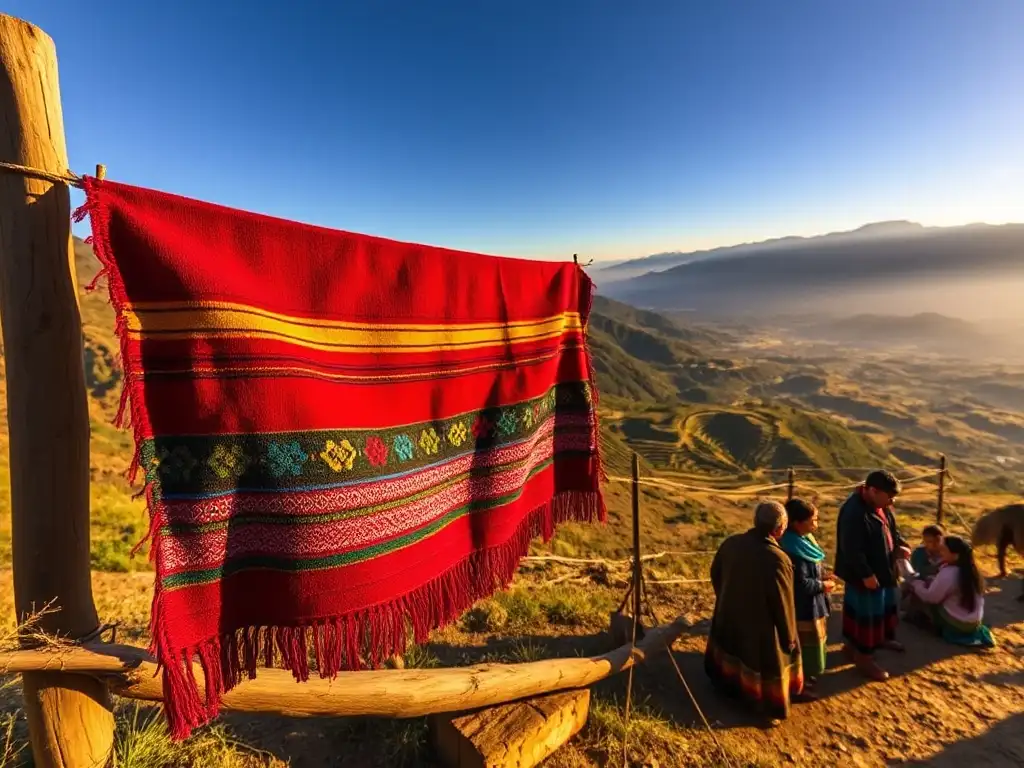
Unravel the mysteries of the Andes! For centuries, these majestic mountains have witnessed the rise and fall of incredible civilizations. But what secrets lie beneath the surface? Discover the astonishing Andean cultural continuity—a legacy of ingenuity and resilience that continues to shape the region today. Prepare to be captivated by the enduring spirit of the Incas, Moche, Nazca, and Tiahuanaco, and delve into a story far richer and more complex than you ever imagined. Explore the threads that bind past and present in this fascinating journey through time.
The Andes Mountains, a spine of towering peaks running down the western coast of South America, have witnessed the rise and fall of countless civilizations. Yet, despite centuries of colonialism, globalization, and societal shifts, the vibrant tapestry of Andean culture persists. This article delves into the remarkable resilience of Andean communities, exploring the multifaceted strategies they employ to maintain their cultural continuity.
We will examine the critical role of ancestral knowledge, the power of oral traditions, and the enduring influence of elders in safeguarding a heritage rich in history, artistry, and unique worldviews. Understanding this enduring cultural continuity is crucial to appreciating the richness and complexity of Andean societies, both past and present, and to recognizing the importance of protecting indigenous cultures worldwide. This exploration of "Andean cultural continuity" will reveal the dynamic interplay between tradition and adaptation that ensures the survival and evolution of these remarkable cultures.
Introduction to Andean Cultural Resilience
Andean cultural resilience is not merely the passive survival of traditions; it's an active, dynamic process of adaptation and innovation. Faced with immense challenges, including Spanish colonization, the imposition of foreign languages and religions, and the pressures of modern globalization, Andean communities have consistently demonstrated an extraordinary capacity to maintain their distinct identities.
This resilience is not monolithic; it manifests differently across diverse Andean groups—from the Quechua-speaking communities of the high Andes to the coastal cultures of Peru and beyond. However, several common threads weave through these diverse expressions of cultural continuity, including a deep reverence for ancestral knowledge, the powerful role of oral traditions, and the continued importance of elders as keepers of cultural memory.
Understanding these factors is key to comprehending the enduring strength of Andean cultures. The tenacity of these communities in preserving their heritage serves as a powerful testament to the human spirit's capacity to overcome adversity and maintain a vibrant cultural identity.
The Significance of Ancestral Knowledge in Andean Culture
Ancestral knowledge forms the bedrock of Andean cultural continuity. This knowledge encompasses not just historical accounts and traditional practices, but also a profound understanding of the natural world and its intricate relationship with human life. For centuries, Andean communities have developed sophisticated systems of agriculture, medicine, and resource management based on this intimate understanding of their environment.
This knowledge, often passed down through generations, is not static; it evolves and adapts to changing circumstances, demonstrating a remarkable capacity for innovation within a framework of tradition. For example, traditional Andean agricultural techniques, which often involve terracing and crop rotation, continue to be refined and adapted to address the challenges of climate change and population growth.
This dynamic interplay between tradition and adaptation is a hallmark of Andean cultural resilience. The preservation of this ancestral knowledge is therefore not simply a matter of historical preservation; it is crucial for the sustainable development and well-being of Andean communities.
Passing Down Traditions: Oral Histories and Practices
Oral traditions play a central role in transmitting ancestral knowledge across generations. Stories, songs, and rituals serve as powerful vehicles for preserving historical memories, cultural values, and practical skills. These oral narratives are not merely historical records; they are living expressions of cultural identity, constantly reinterpreted and re-enacted within the context of contemporary life.
The continued use of Quechua and Aymara, for example, in everyday life and ceremonial contexts, ensures the preservation of linguistic diversity and the rich cultural knowledge embedded within these languages. The vibrant storytelling traditions, often accompanied by music and dance, create a powerful sense of community and shared identity, reinforcing the bonds that bind Andean societies together. The passing down of these traditions is not a passive process; it involves active participation, learning, and adaptation, ensuring that the cultural heritage remains relevant and meaningful to each new generation.
The Role of Elders in Preserving Andean Heritage
Elders occupy a position of profound respect and authority within Andean communities. They are seen as the keepers of cultural memory, the custodians of ancestral knowledge, and the guides for younger generations. Their wisdom and experience are invaluable in navigating the complexities of modern life while preserving cultural identity. They are not merely repositories of information; they are active participants in shaping the cultural landscape, mentoring younger generations, and ensuring the continuity of traditions.
Their role extends beyond the transmission of knowledge; they also serve as moral and spiritual leaders, providing guidance and support to their communities. The respect accorded to elders underscores the deep-seated value placed on experience, wisdom, and the intergenerational transmission of knowledge, which are all essential components of Andean cultural continuity. Their active participation in community life ensures that the cultural heritage remains vibrant and relevant.
Challenges to Andean Cultural Continuity
Modernization and its Impact on Traditional Lifestyles
Modernization presents a significant challenge to Andean cultural continuity. The influx of globalized consumer culture, driven by technology and media, often undermines traditional ways of life. Young people, increasingly exposed to Western ideals and lifestyles through television, the internet, and migration to urban centers, may be less inclined to embrace traditional practices, languages, and beliefs.
This shift can lead to a decline in the transmission of cultural knowledge across generations, threatening the survival of unique Andean traditions. For example, the adoption of Western agricultural techniques may lead to a decline in traditional farming practices, impacting not only food production but also the cultural significance tied to these methods. The loss of traditional knowledge systems related to agriculture, medicine, and craftsmanship poses a severe threat to Andean cultural heritage.
Furthermore, the allure of urban opportunities often draws young people away from rural communities, disrupting the social fabric that sustains traditional practices and knowledge. This “brain drain” weakens the community's ability to preserve its cultural heritage.
External Pressures on Andean Communities
External pressures, beyond modernization, significantly impact Andean cultural continuity. These pressures can include economic exploitation, political marginalization, and environmental degradation. For instance, the extraction of natural resources, such as mining, often disrupts traditional land use patterns and can cause environmental damage, affecting livelihoods and cultural practices intrinsically linked to the land. Similarly, political instability and lack of government support for indigenous communities can hinder efforts to preserve their cultural heritage.
The imposition of external educational systems that prioritize national languages over indigenous languages further contributes to language loss and cultural assimilation. Furthermore, tourism, while potentially beneficial economically, can lead to cultural commodification and the erosion of authentic traditions if not managed sustainably and respectfully. The pressure to adapt to global markets can also lead to the abandonment of traditional crafts and artistic expressions in favor of mass-produced goods, resulting in a loss of unique Andean artistry.
Strategies for Maintaining Andean Cultural Heritage
Revitalization of Indigenous Languages
The revitalization of indigenous languages is crucial for Andean cultural continuity. Many Andean languages are endangered, facing the threat of extinction due to the dominance of Spanish and other global languages. Initiatives focusing on language immersion programs, bilingual education, and the incorporation of indigenous languages into media and public life are essential to promoting language use and transmission across generations.
This includes developing educational resources in indigenous languages, supporting community-based language learning programs, and encouraging the use of indigenous languages in various social settings. Furthermore, the documentation and preservation of indigenous languages through dictionaries, grammars, and oral histories are vital steps in preventing language loss and ensuring the survival of valuable cultural knowledge embedded within these languages. The success of these initiatives hinges on the active participation and support of both indigenous communities and national governments.
The Importance of Traditional Andean Agriculture
Traditional Andean agriculture, characterized by techniques such as terracing, crop diversification, and the use of indigenous seeds, plays a vital role in maintaining Andean cultural heritage. These practices are not merely agricultural methods but are deeply intertwined with Andean cosmology, social organization, and spirituality. Preserving these traditional farming systems is essential for maintaining biodiversity, ensuring food security, and sustaining cultural identity.
Protecting indigenous seeds and promoting their use, supporting farmers' knowledge through workshops and training, and promoting sustainable agricultural practices are key strategies for safeguarding this valuable aspect of Andean heritage. The recognition of traditional agricultural knowledge as an essential component of Andean cultural identity is fundamental to its long-term preservation.
Andean Textile Arts and Their Cultural Significance
Andean textile arts hold immense cultural significance, representing a rich tapestry of history, mythology, and social structures. The intricate designs, vibrant colors, and unique weaving techniques reflect generations of knowledge and skill. The preservation of these traditions requires supporting Andean artisans, promoting the sale of their products, and ensuring the transmission of weaving techniques to younger generations.
This involves establishing workshops, providing access to resources, and creating opportunities for artisans to showcase their work and earn a livelihood. Furthermore, documenting and archiving the knowledge associated with Andean textile arts, including design patterns, dyeing techniques, and weaving methods, is crucial for ensuring the continuity of this important cultural expression. The recognition of Andean textiles as a valuable cultural asset needs to be supported by both national and international markets.
Community-Based Cultural Preservation Initiatives
Community-based initiatives are central to maintaining Andean cultural heritage. These initiatives empower indigenous communities to take ownership of their cultural preservation efforts, ensuring that the process is participatory and culturally sensitive. This includes supporting community museums, promoting cultural festivals and celebrations, and funding projects that preserve traditional practices, such as music, dance, and storytelling.
Community-based initiatives often involve the development of sustainable tourism projects that benefit the community directly while promoting cultural preservation. Furthermore, these initiatives foster intergenerational knowledge transfer, ensuring that traditional knowledge and skills are passed down to younger generations. The success of these initiatives depends on collaboration between community members, government agencies, and NGOs, promoting a shared responsibility for cultural preservation.
The Role of Andean Spirituality and Rituals
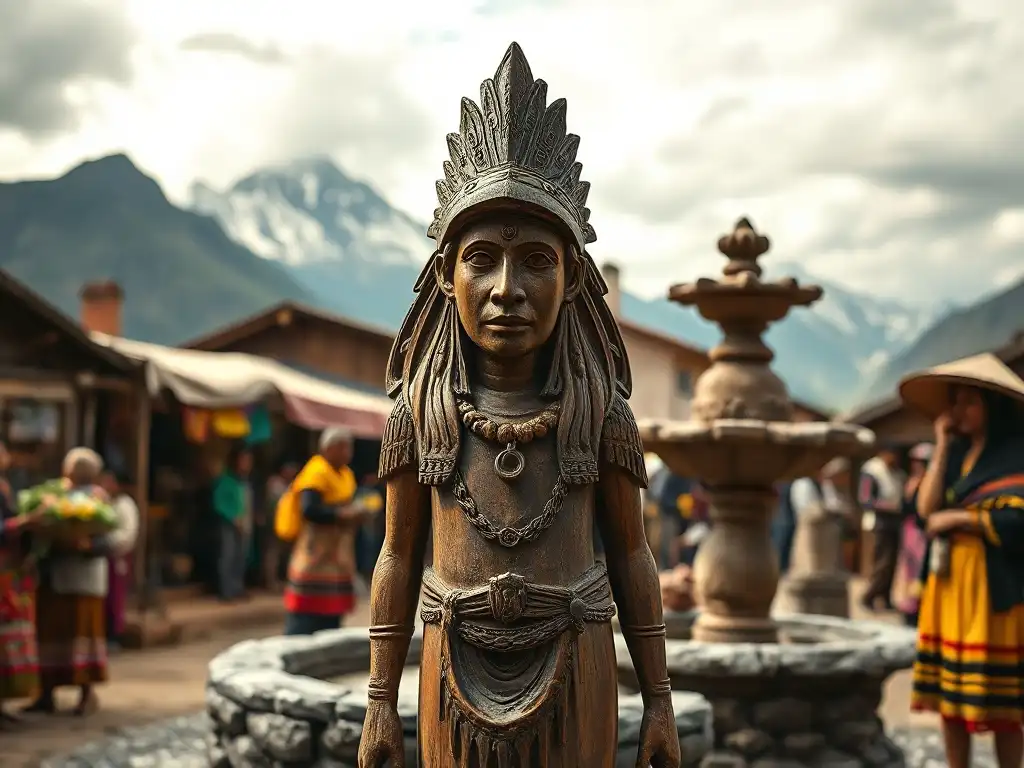
Andean spirituality plays a vital role in maintaining cultural continuity. The deep connection to the Pachamama, or Mother Earth, permeates every aspect of life, from agriculture to social structures. Rituals, often involving offerings and ceremonies, are integral to maintaining this connection and ensuring the well-being of the community. These practices are not merely symbolic; they are deeply embedded in the daily lives of Andean communities, reinforcing a sense of identity and shared heritage.
The transmission of these spiritual practices, often through oral traditions and familial instruction, ensures the continuity of Andean worldview across generations. This spiritual foundation underpins many aspects of Andean culture, providing a framework for understanding the world and their place within it, thereby contributing significantly to the preservation of "Andean cultural continuity." The continuity of these beliefs isn't static; they adapt and evolve, reflecting the changing realities of Andean communities while retaining their core essence.
Connecting with Pachamama: The Earth Mother
The reverence for Pachamama is central to Andean spirituality. This Earth Mother is not merely a deity; she is an active participant in the lives of Andean communities. Rituals like pago a la tierra (payment to the earth), involving offerings of coca leaves, food, and drink, are performed to maintain a harmonious relationship with Pachamama and to ensure successful harvests.
These rituals are deeply ingrained in agricultural practices, reinforcing the cyclical nature of life and the interconnectedness of humans and nature. The continuity of these practices demonstrates a profound understanding of sustainable living and a respect for the environment, crucial elements in the ongoing preservation of Andean cultural identity. The knowledge of how to perform these rituals, passed down through generations, helps to reinforce Andean cultural continuity.
Preserving Andean Cosmological Beliefs
Andean cosmology, with its complex system of beliefs about the universe and humanity's place within it, is another critical element in maintaining cultural continuity. The concept of Ayni, the principle of reciprocity and mutual support, governs social interactions and emphasizes the importance of community. This concept promotes collaboration and shared responsibility, fostering strong social bonds that help to preserve cultural traditions.
Similarly, the understanding of Yanantin, the duality and complementarity of opposing forces, shapes Andean perspectives on life and the cosmos, offering a framework for navigating challenges and maintaining balance. These cosmological beliefs are not merely abstract concepts; they provide a practical framework for understanding and interacting with the world, contributing to the ongoing strength and resilience of Andean cultures. The perseverance of these beliefs helps to strengthen “Andean cultural continuity.”
Adapting to Change While Keeping the Essence of Andean Culture
Andean communities have demonstrated remarkable resilience in adapting to external influences while preserving the core elements of their culture. The integration of new technologies and economic opportunities hasn’t necessarily led to a dilution of traditional practices. Instead, many communities have creatively integrated modern elements into their existing cultural framework, demonstrating a capacity for adaptation and innovation. This dynamic process showcases the adaptability of Andean cultures, highlighting their ability to evolve while maintaining their unique identity. This blend of tradition and modernity is a testament to the strength and resilience of Andean cultural continuity.
Blending Tradition and Innovation
A key aspect of Andean cultural continuity is the ability to integrate new technologies and ideas without sacrificing traditional values. For example, the use of modern communication tools to disseminate traditional knowledge and stories helps to preserve and share cultural heritage with a wider audience. Similarly, the adoption of new agricultural techniques can improve yields without abandoning traditional farming practices, ensuring both economic sustainability and cultural preservation. This blending of tradition and innovation demonstrates a proactive approach to maintaining cultural continuity in the face of modernization. The innovative approaches to cultural preservation demonstrate a commitment to “Andean cultural continuity”.
The Future of Andean Cultural Heritage
The future of Andean cultural heritage rests on the continued efforts of Andean communities to preserve and promote their traditions. Education plays a crucial role in transmitting cultural knowledge to younger generations, ensuring that traditional practices, languages, and beliefs are not lost. Support from governments and international organizations is also essential in providing resources and opportunities for cultural preservation initiatives.
The challenges are significant, including issues of globalization, migration, and economic pressures. However, the enduring strength of Andean spirituality, social structures, and adaptability suggests a promising outlook for the continuation of their rich cultural heritage. The ongoing efforts to protect and promote “Andean cultural continuity” are vital for safeguarding this invaluable aspect of human history.
The Importance of Supporting Andean Cultural Preservation
The preservation of Andean cultural heritage is not merely an academic pursuit; it's a vital undertaking with far-reaching implications. Supporting Andean cultural preservation ensures the continuity of unique artistic traditions, intricate textile techniques passed down through generations, and the vibrant musical expressions that define Andean identity. The loss of these traditions would represent an irreplaceable loss to humanity's collective cultural wealth. Furthermore, preserving Andean culture strengthens the social fabric of Andean communities.
Traditional practices often serve as a cornerstone of community cohesion, providing a sense of belonging and shared identity, particularly crucial in the face of globalization and modernization. By supporting these communities in their efforts to maintain their cultural heritage, we empower them to maintain their self-determination and build resilient societies. This support can manifest in various forms, including funding for cultural centers, educational programs focusing on Andean languages and traditions, and initiatives that promote sustainable tourism practices that benefit local communities directly. The economic benefits derived from responsible cultural tourism can significantly contribute to the long-term sustainability of these practices.
Moreover, protecting and promoting Andean cultural heritage fosters intercultural dialogue and understanding, enriching global perspectives and challenging homogenizing forces. By appreciating and celebrating the diversity of Andean cultures, we contribute to a more inclusive and tolerant world. Ultimately, investing in Andean cultural preservation is an investment in the future—a future where diverse cultures thrive and contribute to a richer tapestry of human experience. Ignoring this responsibility risks the erosion of invaluable traditions and the potential loss of a unique legacy.
Conclusion: Celebrating the Strength of Andean Cultural Continuity
The enduring strength of Andean cultural continuity is a testament to the resilience and adaptability of Andean communities. Despite facing numerous challenges, including colonization, globalization, and modernization, these communities have demonstrated remarkable tenacity in maintaining their unique cultural identities. Their commitment to preserving their languages, traditions, and artistic expressions underscores the profound significance of these elements in shaping their sense of self and their connection to their ancestral past.
The vibrant tapestry of Andean culture—from the intricate designs of their textiles to the haunting melodies of their music—continues to inspire and captivate audiences worldwide. Understanding and celebrating this rich heritage is not just about preserving artifacts and traditions; it's about recognizing the enduring human spirit and the invaluable contribution of Andean communities to the global cultural landscape. The ongoing efforts to support Andean cultural preservation are not only crucial for the communities themselves but also essential for enriching the world's cultural diversity.
By actively engaging with and learning from Andean cultures, we contribute to a more vibrant, inclusive, and understanding world, fostering respect for diverse cultural expressions and building bridges between different communities. The future of Andean cultural continuity depends on continued support, collaboration, and a deep appreciation for the profound legacy of these remarkable civilizations. Let us celebrate their resilience and commitment to preserving their heritage for generations to come.
- Introduction to Andean Cultural Resilience
- The Significance of Ancestral Knowledge in Andean Culture
- Challenges to Andean Cultural Continuity
- Strategies for Maintaining Andean Cultural Heritage
- The Role of Andean Spirituality and Rituals
- Adapting to Change While Keeping the Essence of Andean Culture
- The Importance of Supporting Andean Cultural Preservation
- Conclusion: Celebrating the Strength of Andean Cultural Continuity
Frequently Asked Questions
What is meant by "Andean cultural continuity"?
Andean cultural continuity refers to the enduring presence of traditions, beliefs, and practices among Andean communities across generations, despite external influences and historical changes. This includes aspects of language, art, agriculture, and social structures.
How did Andean communities maintain their culture despite colonization?
Andean communities demonstrated remarkable resilience. They adapted and integrated aspects of the colonizers' culture while subtly preserving their own traditions through oral histories, rituals, and artistic expressions. This allowed them to maintain a sense of identity.
What are some examples of Andean cultural continuity in modern times?
Many traditional practices persist, such as Andean textiles, agricultural techniques, and religious ceremonies. These are often adapted to modern contexts, demonstrating a dynamic and evolving cultural heritage.
What role does language play in Andean cultural continuity?
Indigenous languages, like Quechua and Aymara, remain vital in maintaining cultural identity. These languages carry traditional knowledge, stories, and worldviews, contributing significantly to the ongoing continuity of Andean cultures.
How is Andean cultural continuity relevant today?
Understanding Andean cultural continuity offers valuable insights into sustainable living, community resilience, and the importance of preserving cultural diversity. It's a testament to the strength and adaptability of Andean societies.
Final Reflection: Weaving the Threads of Andean Continuity
The resilience of Andean communities in maintaining their cultural heritage is not merely a historical curiosity; it's a vibrant testament to the enduring power of tradition in a rapidly changing world. Their ability to adapt while preserving their unique identities offers invaluable lessons for societies grappling with globalization and the homogenizing forces of modernity. The intricate tapestry of Andean culture, woven through generations, continues to inspire and challenge our understanding of cultural preservation.
The profound impact of Andean cultural continuity extends far beyond the geographical boundaries of the Andes themselves. Their rich traditions, from intricate textiles to vibrant ceremonies, serve as a powerful reminder of the importance of preserving diverse cultural expressions. Their story resonates with the struggles and triumphs of countless communities worldwide striving to maintain their identities in the face of adversity. The future belongs to those who believe in the beauty of their dreams.
- Eleanor Roosevelt. This quote speaks to the unwavering hope and determination that fuels the ongoing efforts of Andean communities to safeguard their heritage for future generations.
Consider the threads of your own cultural heritage. What are the stories, traditions, and practices that connect you to your past? You too possess a resilient root system, a foundation built upon the experiences and wisdom of those who came before you. Embrace your heritage, share your stories, and actively participate in the preservation of your own cultural continuity. Let the enduring spirit of the Andean communities inspire you to nurture your own cultural identity and contribute to a world that celebrates diversity and respects the richness of human experience.
Embrace the Strength of Andean Culture!
Thank you for exploring the vibrant tapestry of Andean communities! Your interest in their remarkable resilience and enduring cultural traditions demonstrates a commitment to understanding the rich heritage that shapes lives today. Now, let's turn that inspiration into action!
- Connect with Local Andean Communities: Participate in cultural events or workshops in your area to support and celebrate Andean traditions.
- Share Your Discovery: Spread the word! Share this article with friends and family on social media, encouraging them to learn about the beauty and richness of Andean culture.
- Deepen Your Understanding: Expand your knowledge by reading books or watching documentaries about Andean societies to gain a deeper appreciation of their history and contemporary challenges.
What aspects of Andean culture most inspire you, and how will you integrate this newfound appreciation into your daily life?