
A Tapestry of Cultures: The Diversity of Andean Indigenous Groups Today

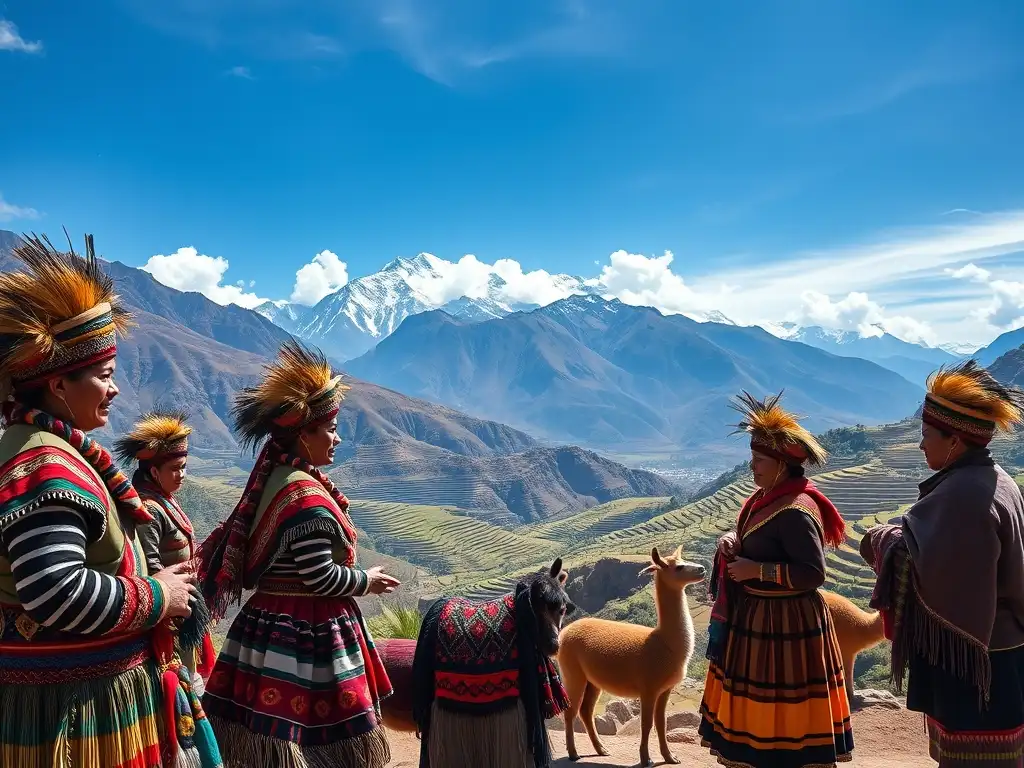
Welcome, explorer! Prepare to unravel the enduring legacy of the Andes. While the empires of the Incas, Moche, and Nazca may be gone, their impact resonates powerfully through time. But what about today? Journey with us as we delve into the vibrant tapestry of Andean indigenous cultures today, exploring how ancient traditions intertwine with modern life in this breathtaking region. Discover a story far richer and more complex than you ever imagined. Let the exploration begin!
- Andean Indigenous Cultures Today: A Tapestry of Diversity
- Mapping the Diversity of Andean Indigenous Groups
- Key Aspects of Andean Indigenous Cultures
- Contemporary Challenges and Opportunities for Andean Indigenous People
- Conclusion: Celebrating the Enduring Legacy of Andean Indigenous Cultures
-
Frequently Asked Questions
- What is the current status of Andean indigenous cultures?
- How many indigenous groups exist in the Andes today?
- What are some key challenges facing Andean indigenous communities today?
- How do Andean indigenous groups maintain their cultural heritage?
- How can I learn more about Andean indigenous cultures today?
- Final Reflection: Weaving a Future from Andean Threads
- Embrace the Richness of Andean Cultures Today!
Andean Indigenous Cultures Today: A Tapestry of Diversity
The Andes Mountains, a spine of towering peaks stretching along the western edge of South America, have nurtured a breathtaking array of cultures for millennia. While the Inca Empire often dominates narratives of Andean history, the reality is far richer and more complex. This article delves into the vibrant tapestry of Andean indigenous groups thriving today, exploring their resilience, cultural expressions, and ongoing challenges in the 21st century.
We will examine how these communities maintain their ancestral traditions while navigating the complexities of globalization and modernization, highlighting the incredible diversity that continues to define the Andean region. Understanding these contemporary indigenous groups is crucial for appreciating the enduring legacy of the Andes and the vital role these communities play in shaping the region's future.
This exploration will focus on the enduring strength and adaptation of Andean indigenous cultures, examining their continued relevance in a rapidly changing world and their contributions to global cultural heritage. We will uncover the intricate interplay between ancient traditions and modern realities, showcasing the incredible resilience and adaptability of these communities.
Introduction to the Living Heritage of Andean Peoples
The term "Andean indigenous cultures" encompasses a vast array of distinct ethnic groups, each with its own unique language, customs, and traditions. While generalizations are risky, several common threads weave through the diverse tapestry of Andean indigenous life. Many communities maintain strong ties to their ancestral lands, practicing traditional agriculture techniques adapted to the challenging Andean terrain. This often involves sophisticated systems of terracing, irrigation, and crop diversification, showcasing remarkable ingenuity and environmental stewardship.
Furthermore, many groups continue to practice traditional crafts, such as weaving, pottery, and metalworking, producing exquisite textiles, ceramics, and jewelry that reflect their rich cultural heritage and artistic skills. The preservation of these traditions is not merely nostalgic; it's a vital component of their cultural identity and economic sustainability. These practices are often interwoven with spiritual beliefs and ceremonies, reflecting a deep connection to the land and its sacred sites.
| Cultural Expression | Example | Significance |
|---|---|---|
| Textile Weaving | Elaborate designs using alpaca and llama wool | Represents social status, tells stories, and transmits knowledge across generations. |
| Traditional Music | Panpipes, flutes, and drums | Used in ceremonies, celebrations, and daily life, expressing emotions and beliefs. |
| Oral Traditions | Myths, legends, and historical accounts | Preserve cultural memory and identity, passed down through generations. |
The following points represent key aspects of the living heritage of Andean peoples, further demonstrating the complexity and diversity within the region:
- Linguistic Diversity: Many indigenous languages continue to be spoken, though facing challenges from the dominance of Spanish.
- Spiritual Practices: A blend of ancient Andean religions and Catholicism often shapes religious practices.
- Social Structures: Traditional community-based governance structures often coexist with national governance.
- Economic Activities: Traditional agriculture, crafts, and tourism are often vital sources of income.
The Resilience of Andean Indigenous Communities
Despite facing historical injustices, marginalization, and the pressures of globalization, Andean indigenous communities have shown remarkable resilience. Their ability to adapt and persevere is a testament to their strength and cultural vitality. Many communities are actively engaged in efforts to reclaim their lands, protect their cultural heritage, and advocate for their rights. This includes initiatives to revitalize their languages, promote their cultural expressions, and secure access to resources and education.
Moreover, many indigenous communities are increasingly involved in ecotourism and sustainable development projects, leveraging their unique cultural heritage to create economic opportunities while preserving their environment. Their participation in national and international forums demonstrates their commitment to shaping their own futures and contributing to a more equitable and just world. The resilience of Andean indigenous communities is not merely a matter of survival; it is a powerful demonstration of their enduring cultural strength and their continued relevance in the modern world.
Their ongoing struggles and achievements serve as a powerful example of cultural preservation and adaptation in the face of adversity. Further research is needed to fully document the specific challenges and successes of individual communities across the diverse Andean region. [Specific data on successful community-led initiatives pending]
Mapping the Diversity of Andean Indigenous Groups
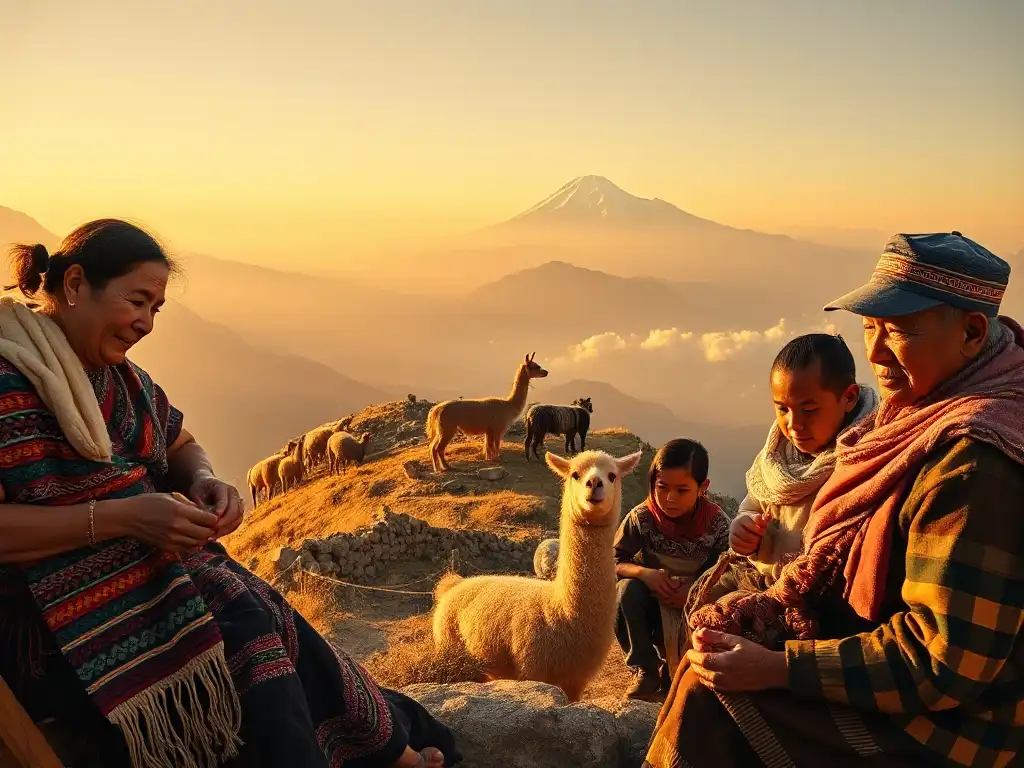
The Andes Mountains, a spine of colossal proportions running down the western coast of South America, have nurtured a breathtaking array of indigenous cultures for millennia. While the Inca Empire exerted a powerful influence, leaving an undeniable mark on the region, the Andean tapestry is woven with the vibrant threads of numerous distinct groups, each with its unique history, traditions, and challenges.
Understanding "Andean indigenous cultures today" requires acknowledging this rich diversity, a diversity that continues to thrive, adapt, and evolve in the face of modern pressures. This section will explore some of these groups, focusing on their cultural practices, the legacy of past empires, and the contemporary realities they face.
Northern Andean Groups: Pastos, Otavalo, Salasaca
The northern Andes, encompassing regions of Colombia and Ecuador, are home to a fascinating array of indigenous communities. The Pastos, Otavalo, and Salasaca are just a few examples of groups that maintain strong cultural identities, despite centuries of interaction with wider societal forces. Their stories offer a glimpse into the resilience and adaptability of Andean indigenous populations.
Cultural Practices and Traditions of Northern Andean People
The indigenous groups of the northern Andes have preserved remarkable cultural practices. The Otavalo, for instance, are renowned for their vibrant textile traditions, their iconic market a testament to their enduring craftsmanship and entrepreneurial spirit. Their intricate weaving techniques, passed down through generations, utilize natural dyes and intricate patterns reflecting their cosmology and worldview. Similarly, the Salasaca are known for their pottery, their unique style reflecting a deep connection to the land and its resources.
The Pastos, often inhabiting higher altitudes, have developed agricultural practices adapted to challenging terrain, showcasing their ingenuity and knowledge of their environment. These traditions are not merely relics of the past; they are integral to their present-day identities and economies. Many indigenous artisans actively participate in the global market, successfully navigating the complexities of modern trade while preserving their ancestral techniques.
Challenges and Adaptations in the Northern Andes
Despite their resilience, northern Andean indigenous groups face significant challenges. Land rights remain a persistent issue, with historical injustices and ongoing pressures from large-scale agriculture and resource extraction often impacting their livelihoods and cultural integrity. Furthermore, access to education and healthcare can be limited in remote communities, creating disparities that affect their well-being and opportunities. However, these communities have demonstrated remarkable adaptability.
Many are actively involved in ecotourism initiatives, leveraging their cultural heritage to generate income and promote sustainable development. They are also increasingly advocating for their rights and participating in political processes to secure a more equitable future. The fight for recognition and self-determination is central to their efforts to preserve their cultural heritage and ensure a thriving future for generations to come.
Central Andean Groups: Quechua, Aymara, Uros
The central Andes, encompassing parts of Peru, Bolivia, and Chile, are the heartland of the Inca Empire, a civilization that left an indelible mark on the region's landscape and culture. While the Inca Empire is long gone, its legacy resonates strongly in the traditions and identities of contemporary Quechua, Aymara, and Uros communities.
The Legacy of Inca Culture in Central Andean Communities
The Inca Empire's sophisticated infrastructure, including its intricate road system and impressive agricultural terraces, still shapes the landscape of the central Andes. Many of the agricultural practices employed by contemporary Quechua and Aymara communities are rooted in Inca techniques, demonstrating the enduring impact of this powerful civilization. Furthermore, the Quechua language, once the lingua franca of the empire, continues to be spoken by millions, a testament to its enduring cultural significance.
Elements of Inca cosmology, religion, and social organization are also reflected in the traditions and belief systems of these groups, showcasing the lasting influence of the Inca heritage. The Uros, with their unique floating islands on Lake Titicaca, represent a distinct cultural continuity, their ingenious adaptation to their environment reflecting a remarkable resilience.
Contemporary Life and Cultural Preservation in the Central Andes
Contemporary Quechua, Aymara, and Uros communities face a complex interplay of challenges and opportunities. Globalization, migration, and economic pressures have significantly altered their lives, yet their cultural heritage remains a source of strength and identity. Many communities are actively involved in cultural preservation efforts, striving to protect their languages, traditions, and knowledge systems. The use of traditional textiles, music, and ceremonies plays a vital role in maintaining their cultural identity and transmitting it to future generations.
Furthermore, many are engaging in sustainable tourism initiatives, seeking to balance economic development with cultural preservation. The struggle to balance tradition and modernity is ongoing, but the rich cultural heritage of the central Andes continues to inspire and shape the lives of its people. The vibrant tapestry of Andean indigenous cultures today is a testament to their resilience and enduring spirit.
Southern Andean Groups: Mapuche, Colla, Diaguita
The southern Andean region boasts a rich tapestry of indigenous cultures, each with its unique history and traditions. Among the most prominent are the Mapuche, Colla, and Diaguita peoples, whose enduring presence shapes the cultural landscape of modern-day Chile, Argentina, and Bolivia. These groups, while sharing some commonalities due to geographical proximity and historical interactions, maintain distinct identities reflected in their languages, social structures, and spiritual beliefs.
Understanding their diversity is crucial to appreciating the complexity of Andean indigenous life today. The continued resilience of these groups in the face of colonization and modernization is a testament to their cultural strength and adaptive capacity. Their distinct contributions to the Andean cultural heritage are invaluable and deserve in-depth study and recognition.
Further research is needed to fully document the nuanced variations within these groups, particularly regarding their current demographic distributions and the challenges they face in maintaining their cultural heritage. [Specific data on population numbers and geographic distribution pending].
Unique Cultural Expressions of the Southern Andean Region
The Mapuche, known for their fierce resistance to Spanish colonization, maintain a strong connection to their ancestral lands and traditions. Their intricate weaving techniques, particularly the creation of chamal (woven textiles), are renowned for their vibrant colors and symbolic designs. Their oral traditions, passed down through generations, preserve their rich history and cosmology. The Colla people, inhabiting the high-altitude regions of the Andes, have developed unique adaptations to their challenging environment.
Their expertise in llama herding and traditional agriculture reflects their deep understanding of their ecosystem. Their vibrant festivals and ceremonies, often involving intricate dances and music, are essential aspects of their cultural identity. The Diaguita, inhabiting the arid valleys of northern Chile and Argentina, were skilled agriculturalists and artisans. Their pottery, characterized by its distinctive geometric designs and use of natural pigments, is highly prized by collectors.
Their unique metalworking skills, developed centuries ago, are another testament to their ingenuity and resilience. These diverse cultural expressions showcase the creativity and adaptability of the southern Andean indigenous groups. The preservation of these traditions is crucial for maintaining cultural diversity and promoting intercultural understanding. A detailed study comparing and contrasting the artistic expressions of these three groups would provide valuable insights into the region’s cultural richness.
Socioeconomic Realities of Southern Andean Indigenous Populations
Despite their rich cultural heritage, the Mapuche, Colla, and Diaguita peoples continue to face significant socioeconomic challenges. Many live in conditions of poverty and lack access to adequate healthcare, education, and land rights. The historical dispossession of their ancestral lands has had a profound impact on their livelihoods and cultural practices. Land disputes and environmental degradation continue to threaten their traditional ways of life.
Furthermore, the marginalization and discrimination experienced by these communities hinder their full participation in society. The lack of economic opportunities forces many to migrate to urban centers, leading to the erosion of traditional knowledge and practices. Effective government policies, promoting indigenous rights and economic development, are crucial for addressing these inequalities and ensuring the well-being of these communities. Initiatives focused on supporting indigenous-led development projects, promoting cultural tourism, and strengthening indigenous education systems are vital for fostering sustainable and equitable development.
[Data on poverty rates and access to services for these groups pending]. A comprehensive assessment of the socioeconomic disparities faced by these indigenous populations is essential for informing policy decisions and promoting social justice. The success of such initiatives hinges on meaningful collaboration between indigenous communities, governments, and civil society organizations. Addressing these issues is not only a matter of social justice but also a crucial step in preserving the vibrant cultural heritage of the southern Andes.
Key Aspects of Andean Indigenous Cultures
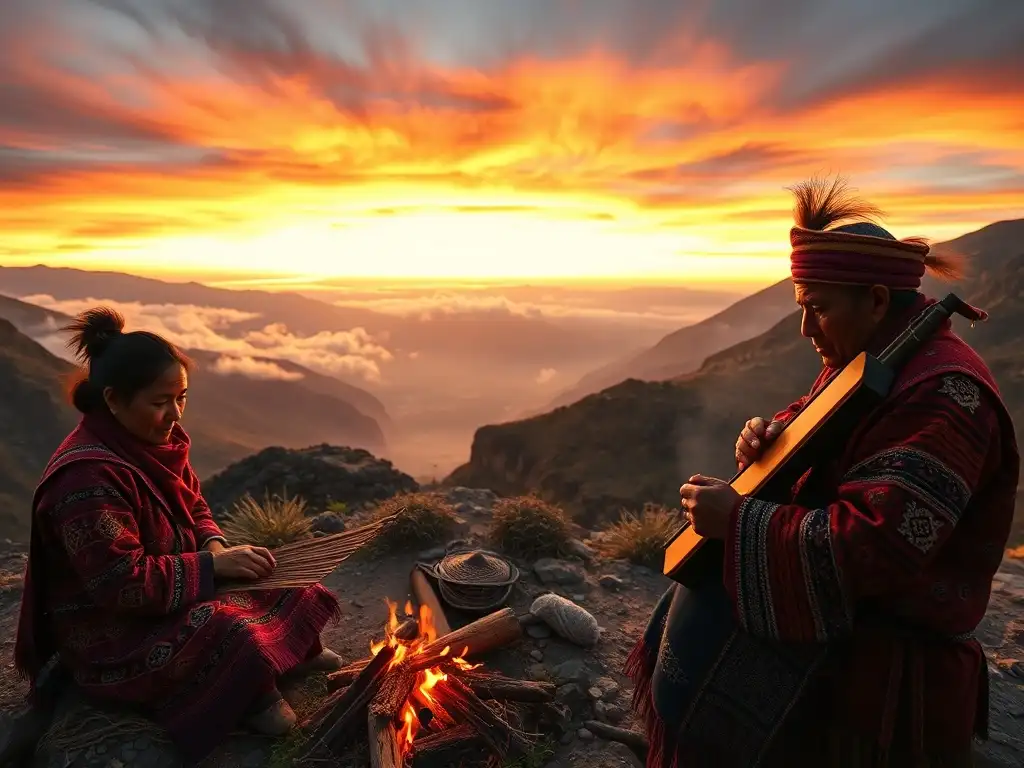
This section delves into the vibrant tapestry of Andean indigenous cultures existing today, focusing on the enduring legacy of their languages, oral traditions, and artistic expressions. Understanding these facets is crucial to appreciating the richness and resilience of Andean communities in the modern world. We will explore how these cultural elements contribute to the unique identity of these groups and their continued struggle for recognition and self-determination. The term "Andean indigenous cultures today" encompasses a broad spectrum of practices, beliefs, and artistic expressions that deserve careful examination.
Language and Oral Traditions: Preserving Ancestral Knowledge
The preservation of indigenous languages and oral traditions is paramount for maintaining the cultural identity and historical memory of Andean communities. These traditions are not merely historical artifacts; they are living, breathing components of contemporary Andean life, shaping worldview, social structures, and individual identities. The vitality of these traditions directly reflects the strength and resilience of the cultures themselves.
The Importance of Indigenous Languages in the Andes
Numerous indigenous languages continue to be spoken in the Andes, despite centuries of colonization and pressure to adopt Spanish. Quechua, Aymara, and many other smaller languages represent a vast linguistic diversity and embody unique ways of perceiving and interacting with the world. The decline of these languages poses a significant threat to the cultural heritage of the Andes.
Efforts to revitalize and promote these languages through education, media, and community initiatives are crucial for ensuring their survival and the transmission of invaluable cultural knowledge. For instance, [specific data on language endangerment levels in the Andes pending]. The loss of a language is not simply the loss of words; it's the loss of a whole system of thought, a worldview, and a rich history.
Oral Storytelling and Cultural Transmission
Oral traditions, including myths, legends, and historical narratives, are fundamental to the transmission of cultural knowledge across generations. These stories are not just entertainment; they serve as repositories of history, moral codes, and spiritual beliefs. They are integral to the socialization of young people and the reinforcement of community values.
The practice of storytelling often involves intricate rituals and performances, further emphasizing its importance in Andean societies. For example, [specific example of an oral tradition and its cultural significance pending]. The continued practice of these oral traditions is vital for maintaining a connection to the past and for shaping a sense of collective identity amongst Andean communities.
Traditional Arts and Crafts: Expressions of Andean Identity
The traditional arts and crafts of Andean communities represent powerful expressions of cultural identity, reflecting a deep connection to the land, ancestral knowledge, and spiritual beliefs. These artistic practices are not merely decorative; they are integral to social and religious life, often imbued with symbolic meanings and intricate techniques passed down through generations.
Textile Weaving and its Cultural Significance
Textile weaving stands as a particularly prominent example of Andean artistic mastery. The intricate designs, vibrant colors, and high-quality craftsmanship reflect a profound understanding of textile techniques and a deep connection to the natural world. Textiles are not merely clothing; they often serve ceremonial purposes, embodying social status, spiritual beliefs, and historical narratives.
The use of natural dyes, obtained from plants and minerals, further underscores the connection between Andean communities and their environment. [Specific examples of Andean textile designs and their symbolism pending]. The continued practice of textile weaving plays a vital role in maintaining cultural identity and providing economic opportunities for Andean communities.
Ceramics, Metalwork, and Other Traditional Arts
Beyond textiles, Andean communities have a rich history of producing exquisite ceramics, metalwork, and other traditional crafts. Ceramics, often adorned with intricate designs and symbolic motifs, played important roles in religious rituals and daily life. Metalwork, particularly in gold and silver, showcases remarkable skill and artistry, demonstrating a sophisticated understanding of metallurgical techniques. Other traditional arts include basket weaving, wood carving, and stonework, each contributing to the unique cultural landscape of the Andes.
[Specific examples of Andean ceramics, metalwork, and other crafts pending]. The preservation and promotion of these artistic traditions are essential for safeguarding Andean cultural heritage and ensuring its continuity for future generations. The ongoing practice of these arts contributes significantly to the economic well-being and cultural pride of Andean communities today.
Spirituality and Cosmovision: The Andean Worldview
The Andean worldview is deeply rooted in a complex spiritual system that intertwines the physical and spiritual realms. This cosmovision, far from being a monolithic entity, varies across different Andean indigenous groups, reflecting the diverse landscapes and histories of the region. However, several common threads weave through these diverse expressions of Andean spirituality. A fundamental principle is the interconnectedness of all living things, emphasizing a harmonious relationship between humanity, nature, and the supernatural.
This is often represented through the concept of Pachamama, Mother Earth, which is revered as a life-giving force and the source of all sustenance. Respect for Pachamama is paramount, manifested through rituals and offerings designed to maintain balance and reciprocity within the ecosystem. The Andean cosmovision also incorporates a complex hierarchy of deities and spirits, each with specific roles and responsibilities within the cosmic order.
These spiritual entities are not necessarily viewed as separate from the natural world but rather as integral parts of it, imbued with agency and power. Understanding the Andean worldview requires appreciating its dynamism and its adaptation to diverse environmental and social contexts. The beliefs and practices are not static but rather evolve and transform over time, reflecting the ongoing interaction between Andean communities and their environment.
The Connection Between People and Nature
The relationship between Andean people and nature is not merely utilitarian; it's deeply spiritual and reciprocal. The land is not seen as a resource to be exploited but rather as a living entity with its own agency and sentience. This interconnectedness is reflected in various practices, such as the offering of coca leaves to Pachamama before undertaking any activity involving the land, or the performance of rituals to ensure successful harvests and protect against natural disasters.
Andean communities often possess extensive ecological knowledge, accumulated over generations, regarding the intricacies of their environment. This knowledge informs their sustainable agricultural practices, ensuring the long-term health of the ecosystem. The preservation of biodiversity is not just a matter of environmental concern but also a spiritual obligation, reflecting the deep respect for the interconnectedness of all living beings within the Andean cosmovision.
The concept of Ayni, reciprocity, plays a crucial role, emphasizing the need for a balanced exchange between humans and nature. Taking from the land without giving back is considered disrespectful and potentially harmful.
Religious Beliefs and Ritual Practices
Andean religious beliefs encompass a wide spectrum of practices, varying significantly across different groups. While the reverence for Pachamama is widespread, specific deities and rituals vary depending on geographical location and cultural traditions. Many Andean communities maintain traditional religious practices alongside or integrated with elements of Catholicism, resulting in a syncretic religious landscape.
Rituals often involve offerings, prayers, and ceremonies aimed at maintaining balance and harmony within the community and the natural world. These rituals can be performed individually or collectively, and may involve specific times of the year, such as during solstices or harvests. The use of coca leaves, music, and dance are common elements in many Andean religious practices.
Shamans or spiritual leaders often play a crucial role in mediating between the human and spiritual worlds, conducting rituals and providing guidance. The continuity of these practices is vital for the preservation of Andean cultural identity and the transmission of ancestral knowledge across generations. The specific details of these religious practices continue to be documented and studied by anthropologists and researchers.
Agriculture and Sustainable Practices: The Andean Relationship with the Land
Andean agriculture is renowned for its ingenuity and adaptability to the challenging terrain and diverse climates of the region. For millennia, Andean communities have developed sophisticated techniques to cultivate crops in mountainous environments, demonstrating a profound understanding of ecological principles and a commitment to sustainable practices. This relationship is not simply about producing food; it's intrinsically linked to their spiritual beliefs and social structures.
The land is considered sacred, and agricultural practices are imbued with ritual and symbolic meaning. The sustainability of these practices is crucial for the long-term survival of Andean communities, reflecting their deep connection with the land and their commitment to preserving the environment for future generations. These sustainable methods are not merely historical relics but remain vital components of Andean life today.
Traditional Farming Techniques in the Andes
Traditional Andean farming techniques are remarkably diverse, reflecting the varied ecological conditions across the Andes. These techniques include terracing, which transforms steep slopes into cultivatable land; waru waru, a raised-bed agricultural system that optimizes water use and soil fertility; and qocha, an ingenious irrigation system that utilizes water from various sources to irrigate crops. These systems are not merely technical innovations but also represent a deep understanding of the ecological dynamics of the Andes.
They demonstrate a remarkable ability to adapt to changing environmental conditions and to maximize yields with minimal environmental impact. The integration of traditional knowledge with modern techniques offers potential solutions to contemporary challenges in agriculture, particularly in the face of climate change. Many researchers are currently studying these ancient techniques to learn how they can be applied to contemporary agricultural challenges.
The Importance of Andean Crops and Food Systems
Andean crops, such as potatoes, quinoa, and maize, are not only staples of the Andean diet but also hold significant cultural and economic importance. These crops have been cultivated for thousands of years and have adapted to a wide range of environmental conditions. They are highly nutritious and resilient to various stresses, making them crucial for food security in the region.
The Andean food system is characterized by its biodiversity and its emphasis on sustainable practices. The diversity of crops and livestock contributes to resilience against pests, diseases, and climate change. However, modern challenges, such as globalization and market pressures, threaten the diversity and sustainability of these traditional food systems.
Efforts to preserve and promote Andean crops and food systems are crucial for maintaining food security, cultural heritage, and biodiversity in the region. The continued cultivation and consumption of these traditional crops are vital for maintaining both cultural identity and food sovereignty.
Contemporary Challenges and Opportunities for Andean Indigenous People

The vibrant tapestry of Andean indigenous cultures continues to evolve in the 21st century, facing both significant challenges and exciting opportunities. Understanding the complexities of their current situation requires acknowledging the historical injustices they've endured while celebrating their resilience and ongoing contributions to their nations and the world. This section explores some key aspects of their contemporary realities, focusing on the persistent struggles and the innovative strategies employed to navigate a rapidly changing world.
The persistence of Andean indigenous identity in the face of globalization and modernization is a testament to the strength of their cultural heritage and their determination to maintain their traditions. Their ongoing fight for recognition and self-determination is a crucial part of the broader conversation surrounding indigenous rights and cultural preservation.
Land Rights and Resource Management
The issue of land rights remains a central challenge for many Andean indigenous communities. Centuries of colonization and exploitation have resulted in the loss of ancestral territories and the disruption of traditional land management practices. This has profound implications for their livelihoods, cultural identity, and overall well-being. The fight for land ownership and self-determination is not merely a legal battle; it's a fundamental struggle for cultural survival.
The Struggle for Land Ownership and Self-Determination
Many Andean indigenous groups are actively engaged in legal battles to reclaim ancestral lands. This often involves navigating complex legal systems, demonstrating historical claims, and challenging powerful interests. Successful claims often depend on meticulous documentation of traditional land use, community consensus, and the support of national and international organizations dedicated to indigenous rights. The process is lengthy, fraught with obstacles, and requires significant resources, highlighting the systemic inequalities faced by these communities. For example, the [specific case study pending] illustrates the complexities and challenges involved in securing land rights for a particular community in the Andes.
Environmental Protection and Sustainable Development
The relationship between Andean indigenous communities and their environment is deeply intertwined. Traditional knowledge and practices have historically ensured the sustainable management of natural resources. However, modern development projects, extractive industries, and climate change pose significant threats to these delicate ecosystems and the communities that depend on them. The preservation of biodiversity and the promotion of sustainable development are crucial for the long-term well-being of Andean indigenous peoples.
Their traditional ecological knowledge offers valuable insights into environmentally friendly practices, which can be integrated into broader conservation efforts. This includes sustainable agriculture, water management, and the preservation of medicinal plants. The challenge lies in balancing the need for economic development with the protection of the environment and the preservation of cultural heritage.
Education and Cultural Revitalization
Education plays a critical role in empowering Andean indigenous communities and preserving their rich cultural heritage. Access to quality education, particularly bilingual education, is essential for social and economic advancement. The revitalization of indigenous languages and the promotion of cultural values are equally important for maintaining cultural identity and fostering pride.
Bilingual Education and Cultural Preservation
Bilingual education programs, which integrate both the dominant national language and indigenous languages, are essential for preserving linguistic diversity. These programs not only improve educational outcomes but also help to maintain and revitalize indigenous languages, which are often under threat of extinction. The integration of indigenous knowledge and perspectives into the curriculum is also crucial for empowering indigenous students and fostering a sense of cultural pride. The success of these programs depends on the availability of qualified teachers, appropriate curriculum materials, and supportive policies. [Specific data on the success rates of bilingual education programs in Andean communities pending].
Promoting Indigenous Knowledge and Values
The integration of indigenous knowledge and values into education systems is crucial for recognizing the contributions of Andean indigenous cultures and fostering intercultural understanding. This includes incorporating traditional practices, stories, and worldviews into the curriculum. Furthermore, recognizing and valuing indigenous knowledge systems in areas such as medicine, agriculture, and environmental management can contribute to broader societal benefits.
The challenge lies in creating educational environments that are inclusive, respectful, and empowering for indigenous students, enabling them to learn and thrive while retaining their cultural identity. This requires a shift in perspectives within the education system, moving away from assimilationist models towards more inclusive and culturally responsive approaches.
The social and economic development of Andean indigenous communities today presents a complex tapestry of challenges and opportunities. Centuries of marginalization and exploitation have left a lasting impact, resulting in significant disparities in access to education, healthcare, and economic resources compared to the national averages in their respective countries. Many communities still struggle with limited infrastructure, impacting their ability to participate fully in the broader economy.
This lack of access to basic services often exacerbates existing inequalities and perpetuates a cycle of poverty. Understanding these deeply ingrained systemic issues is crucial for designing effective and sustainable solutions. The legacy of colonialism continues to shape the social fabric of these communities, impacting their self-determination and access to land rights.
These historical injustices are often intertwined with contemporary challenges, creating a multifaceted problem that requires a holistic approach. Moreover, the rapid pace of globalization and modernization presents both threats and opportunities for these communities, demanding careful consideration of how to preserve their cultural heritage while adapting to changing economic realities.
Addressing Poverty and Inequality
Poverty and inequality remain significant obstacles to the social and economic progress of Andean indigenous communities. High rates of poverty are often concentrated in rural areas with limited access to markets and employment opportunities. This economic vulnerability is frequently compounded by issues such as land tenure insecurity, lack of access to credit, and limited educational attainment.
For example, in certain regions of the Andes, indigenous communities experience poverty rates significantly above the national average, often lacking access to basic necessities like clean water and sanitation. Addressing this requires a multi-pronged strategy that includes targeted poverty reduction programs, investments in infrastructure development, and efforts to promote inclusive economic growth. Furthermore, policies aimed at strengthening land rights and promoting access to credit are crucial for empowering indigenous communities and enabling them to participate more effectively in the economy.
Successful interventions often involve close collaboration between government agencies, NGOs, and community-based organizations to ensure that programs are culturally sensitive and effectively address the specific needs of each community. The challenge lies in creating sustainable solutions that not only alleviate immediate poverty but also build long-term resilience and self-sufficiency.
Opportunities for Economic Empowerment and Self-Sufficiency
Despite the significant challenges, there are also emerging opportunities for economic empowerment and self-sufficiency within Andean indigenous communities. The growing global demand for ethically sourced and sustainably produced goods presents a significant potential for indigenous-led businesses. For instance, the production and sale of traditional crafts, textiles, and agricultural products can generate income and preserve cultural heritage simultaneously. Ecotourism initiatives, emphasizing cultural immersion and sustainable practices, are another promising avenue for economic development.
These initiatives can create employment opportunities while also protecting the environment and fostering cultural preservation. Furthermore, access to technology and digital markets can broaden economic opportunities, allowing indigenous entrepreneurs to reach wider audiences and diversify their income streams. Supporting these initiatives requires investments in training, infrastructure, and market access, ensuring that indigenous communities can fully participate in and benefit from the global economy.
The key to success lies in fostering an environment that empowers indigenous communities to control their economic destinies, preserve their cultural identity, and build sustainable livelihoods. Promoting fair trade practices and supporting indigenous-led enterprises are crucial steps in achieving this goal. This empowerment fosters both economic growth and cultural preservation, creating a more equitable and sustainable future for Andean indigenous communities.
Conclusion: Celebrating the Enduring Legacy of Andean Indigenous Cultures
This exploration of Andean indigenous cultures today reveals a vibrant tapestry woven from threads of resilience, adaptation, and enduring traditions. Despite facing centuries of colonization and marginalization, these communities have not only survived but thrived, maintaining unique identities and contributing significantly to the cultural richness of the Andes. Understanding the diversity of these groups—their languages, customs, and spiritual beliefs—is crucial for appreciating their profound impact on the region's history and its future.
The challenges they face, from land rights disputes to the preservation of ancestral knowledge, highlight the urgent need for collaborative efforts towards equitable solutions. The ongoing struggle for self-determination reflects a powerful commitment to cultural survival and a determination to shape their own destinies.
This legacy is not merely a historical artifact; it's a living, breathing force that continues to shape the Andean landscape and its people. The vibrancy of Andean indigenous cultures today serves as a potent reminder of the importance of cultural diversity and the strength found in collective identity.
The Importance of Recognizing and Respecting Andean Indigenous Diversity
Recognizing and respecting the inherent diversity within Andean indigenous cultures is paramount. A monolithic view of "Andean culture" obscures the rich tapestry of distinct groups, each with its own unique history, language, and traditions. For instance, the Quechua language itself encompasses numerous dialects, reflecting the geographic and social variations across the Andes. Similarly, agricultural practices, artistic expressions, and spiritual beliefs exhibit significant differences between communities, even those in close proximity.
Ignoring this diversity leads to a superficial understanding of Andean indigenous groups, potentially resulting in policies and initiatives that fail to address the specific needs and aspirations of individual communities. A genuine commitment to inclusivity requires acknowledging this heterogeneity and actively seeking the participation and perspectives of each group in any initiative impacting their lives and heritage. This includes supporting language revitalization efforts, promoting cultural exchange programs, and ensuring equitable representation in decision-making processes that affect their lands and resources.
The preservation of this diversity is not just a matter of academic interest; it's essential for the continued vitality and resilience of Andean societies. Failing to do so risks the irreversible loss of invaluable cultural heritage and the erosion of unique ways of life. The emoji 🌈 perfectly represents the beautiful spectrum of Andean indigenous cultures today.
Looking Toward a Future of Cultural Preservation and Empowerment
The future of Andean indigenous cultures hinges on a multifaceted approach that prioritizes cultural preservation and empowerment. This necessitates a collaborative effort between indigenous communities, governments, and international organizations. Strategies should focus on supporting community-led initiatives aimed at preserving traditional knowledge, languages, and artistic practices. This includes investing in education programs that promote bilingualism, providing resources for the documentation and archiving of oral histories and traditional practices, and facilitating access to technology that can aid in the preservation and dissemination of cultural heritage.
Furthermore, empowering indigenous communities requires addressing systemic inequalities related to land rights, access to resources, and political participation. This demands a shift towards policies that recognize and respect indigenous self-determination, ensuring their meaningful involvement in decisions affecting their lives and livelihoods. Sustainable development initiatives should prioritize the needs and priorities of indigenous communities, ensuring that economic growth does not come at the expense of cultural integrity or environmental sustainability.
The path forward necessitates a paradigm shift, moving away from assimilationist policies toward a model that values and celebrates the richness and diversity of Andean indigenous cultures. This requires a long-term commitment to fostering inclusive and equitable societies where indigenous voices are heard, respected, and empowered. Ultimately, the success of these efforts will depend on a shared vision that prioritizes cultural preservation, social justice, and the flourishing of Andean indigenous communities for generations to come.
Frequently Asked Questions
What is the current status of Andean indigenous cultures?
Andean indigenous cultures remain vibrant and diverse today. Despite facing historical challenges, many groups maintain their unique languages, traditions, and ways of life, often adapting them to modern contexts. Their cultural heritage continues to influence the region significantly.
How many indigenous groups exist in the Andes today?
There's a significant number of distinct indigenous groups in the Andes, varying by country and region. Precise numbers are difficult to determine due to self-identification complexities and ongoing research. However, dozens of ethnolinguistic groups are recognized.
What are some key challenges facing Andean indigenous communities today?
Contemporary challenges include land rights issues, discrimination, environmental threats, and the impact of globalization. Preserving ancestral knowledge and languages also remains a priority for many communities.
How do Andean indigenous groups maintain their cultural heritage?
Many groups actively preserve their heritage through community-led initiatives, such as festivals, traditional art forms, and language revitalization programs. They also engage in political advocacy to secure their rights and protect their environments.
How can I learn more about Andean indigenous cultures today?
You can explore academic resources, visit museums and cultural centers, and support organizations working with Andean communities. Engaging with indigenous-led initiatives and respecting cultural sensitivities is crucial when learning about these cultures.
Final Reflection: Weaving a Future from Andean Threads
The vibrant tapestry of Andean indigenous cultures, far from being a relic of the past, is a dynamic and resilient force shaping the present. Their traditions, languages, and worldviews continue to offer invaluable lessons in sustainable living, community resilience, and the profound connection between humanity and nature. The fight for recognition and self-determination continues, demanding our attention and understanding.
The enduring legacy of Andean indigenous groups profoundly impacts not only the region but also global conversations surrounding cultural preservation, environmental stewardship, and social justice. Their struggles and triumphs resonate deeply, reminding us of the importance of respecting diverse perspectives and celebrating the richness of human experience. The earth is what we all have in common.
This simple statement, though seemingly straightforward, encapsulates the profound interconnectedness that Andean cultures have long understood and championed, a wisdom we would do well to heed in our increasingly fragmented world.
Consider the stories you've read, the voices you've heard. Let the resilience and beauty of Andean cultures inspire you to champion diversity in your own life, to seek out and celebrate the unique contributions of all communities. Embrace the opportunity to learn, to listen, and to become an active participant in building a more just and equitable future, one where the threads of every culture are woven together to create a richer, more vibrant world.
Embrace the Richness of Andean Cultures Today!
Thank you for exploring the vibrant world of Andean indigenous groups! We hope you've discovered the incredible diversity and resilience of these cultures that contribute to the Andes' unique character. Now, let's put your newfound knowledge to good use!
- Learn more by attending local cultural festivals or events celebrating Andean heritage in your community.
- Share your discoveries with friends and family, or on social media—help spread awareness and appreciation for these rich cultures!
- Consider supporting indigenous artisans by purchasing their handcrafted goods; your purchase directly contributes to the preservation of their traditions and livelihoods.
What's one fascinating fact about Andean cultures that you'd like to share with others today?