
Andean Resilience: Overcoming Challenges Through Cultural Strength

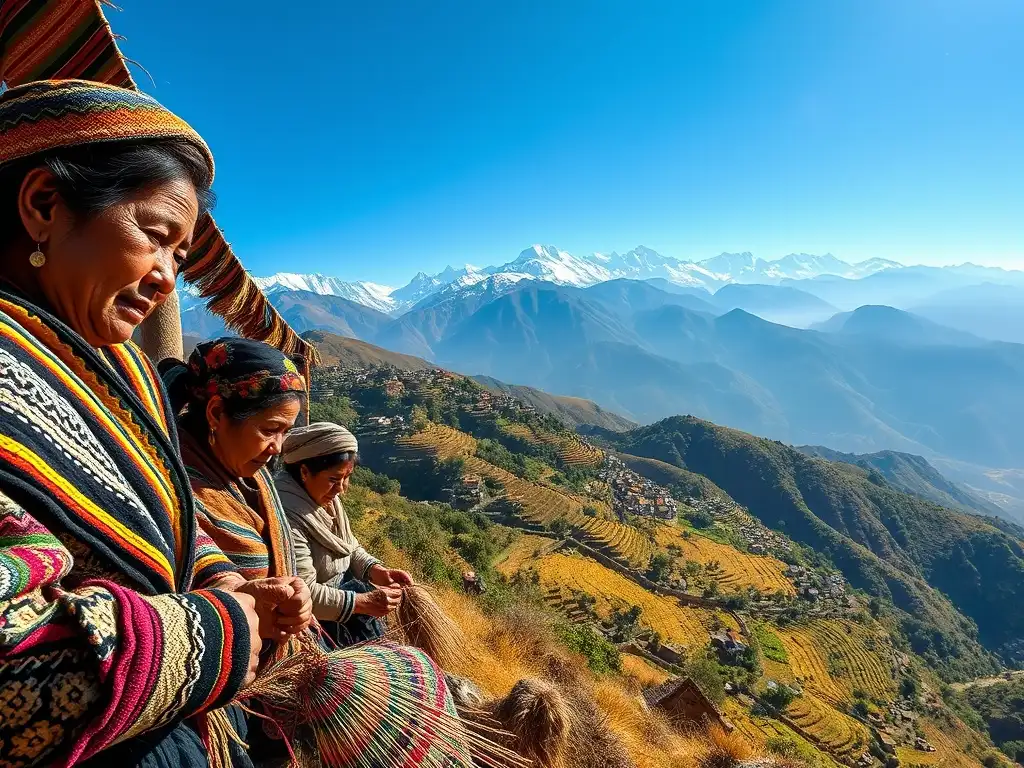
Unravel the mysteries of the Andes! For centuries, civilizations thrived amidst towering peaks and unforgiving landscapes. But how did the Incas, Moche, and Nazca not only survive but flourish? Discover the astonishing Andean civilizations resilience strategies that shaped their enduring legacy, a testament to human ingenuity and cultural strength. Prepare to be amazed by the innovative solutions they devised – a story waiting to be explored in our "Current Issues and Perspectives" section.
The Andes Mountains, a formidable and unforgiving landscape, have shaped the destinies of countless Andean civilizations for millennia. From the towering heights of the Altiplano to the arid coastal deserts, these societies have not only survived but thrived, developing remarkable resilience strategies in the face of environmental adversity, political upheaval, and social change.
This article explores the enduring legacy of Andean resilience, examining how cultural strength, innovative technologies, and adaptive social structures allowed these communities to not only overcome immense challenges but also leave behind a rich tapestry of art, architecture, and societal organization that continues to inspire awe and admiration today. We will delve into specific examples from various Andean cultures, highlighting the ingenuity and adaptability that characterize their historical experience and continue to resonate in contemporary indigenous communities.
This exploration is crucial for understanding the profound impact of Andean civilizations and their enduring relevance in the 21st century, offering valuable lessons for navigating the complexities of our modern world. Understanding their resilience strategies provides a unique perspective on the challenges faced by indigenous communities today and offers insights into sustainable practices for future generations.
Environmental Adaptation: Mastering the Harsh Andes
The Andes present a diverse array of ecological challenges: high altitudes with thin air, dramatic temperature fluctuations, unpredictable rainfall, and treacherous terrain. Andean civilizations developed sophisticated agricultural techniques to overcome these obstacles. Terracing, for example, allowed for the cultivation of steep slopes, maximizing arable land and preventing soil erosion.
The ingenious waru waru system, a raised-field agriculture technique, created microclimates that improved crop yields and water management, even in arid regions. Furthermore, the development of freeze-resistant crops and the careful selection of planting locations demonstrated an intimate understanding of their environment and a remarkable capacity for adaptation. These practices were not simply technological achievements; they were deeply intertwined with spiritual beliefs and social structures, emphasizing the interconnectedness of humans and nature.
The successful implementation of these strategies allowed Andean populations to sustain themselves and build thriving societies even in the most challenging environments. This mastery of their environment speaks volumes about their resourcefulness and resilience.
The success of Andean civilizations rested not only on technological innovation but also on robust social structures and community organization. Evidence suggests sophisticated systems of reciprocity, communal labor ( ayni and mita), and intricate kinship networks that facilitated cooperation and resource sharing. These systems ensured the equitable distribution of resources and provided crucial support during times of hardship, demonstrating a commitment to collective well-being that strengthened community resilience.
The intricate social hierarchy, while sometimes presenting challenges, also provided a framework for organizing large-scale projects like irrigation systems and monumental architecture, further highlighting the importance of coordinated efforts in overcoming adversity. This social cohesion proved crucial in surviving droughts, famines, and even conquest. Detailed archaeological findings continue to shed light on these intricate social dynamics and their role in fostering resilience.
Cultural Strength and Identity: Resilience Through Tradition
The cultural strength of Andean civilizations played a vital role in their ability to endure. Religious beliefs, artistic expressions, and unique traditions provided a sense of identity and purpose that helped communities navigate difficult times. The preservation and transmission of knowledge across generations ensured the continuation of essential practices and beliefs, bolstering cultural resilience. Religious practices often incorporated elements of nature worship and ancestor veneration, reinforcing the importance of environmental stewardship and community bonds.
This deep-rooted cultural identity fostered a strong sense of collective purpose and provided a source of strength during periods of upheaval. The enduring power of Andean cultural traditions is a testament to their ability to adapt and evolve while maintaining their core values. The continuation of many of these traditions in modern indigenous communities underscores their lasting importance.
Political Adaptation and Responses to Conquest: Enduring Despite Oppression
The arrival of the Spanish conquistadors marked a significant turning point, bringing with it disease, exploitation, and the destruction of traditional ways of life. However, Andean communities demonstrated remarkable resilience even in the face of this brutal conquest. They adapted their strategies, often subtly resisting colonial rule through cultural preservation, maintaining aspects of their traditional social structures, and finding ways to adapt their agricultural practices to the demands of the colonial economy.
The persistence of Andean cultural elements within the colonial framework demonstrates a nuanced understanding of the challenges presented by a powerful external force and an ability to navigate complex political landscapes. Examples of this adaptation include the syncretism of religious practices and the subtle preservation of traditional knowledge systems. The ability to adapt and blend cultural elements while maintaining a core identity is a key element of their enduring resilience.
- Environmental Adaptation: Mastering the Harsh Andes
- Social Structures and Community Organization: The Power of Collective Action
- Cultural Strength and Identity: Resilience Through Tradition
- Political Adaptation and Responses to Conquest: Enduring Despite Oppression
- What were the major challenges faced by Andean civilizations?
- How did Andean cultures adapt to the high altitude environment?
- What role did agriculture play in Andean resilience?
- What were some examples of Andean cultural strength contributing to resilience?
- How did the Andean civilizations respond to natural disasters?
Understanding Andean Civilizations Resilience Strategies
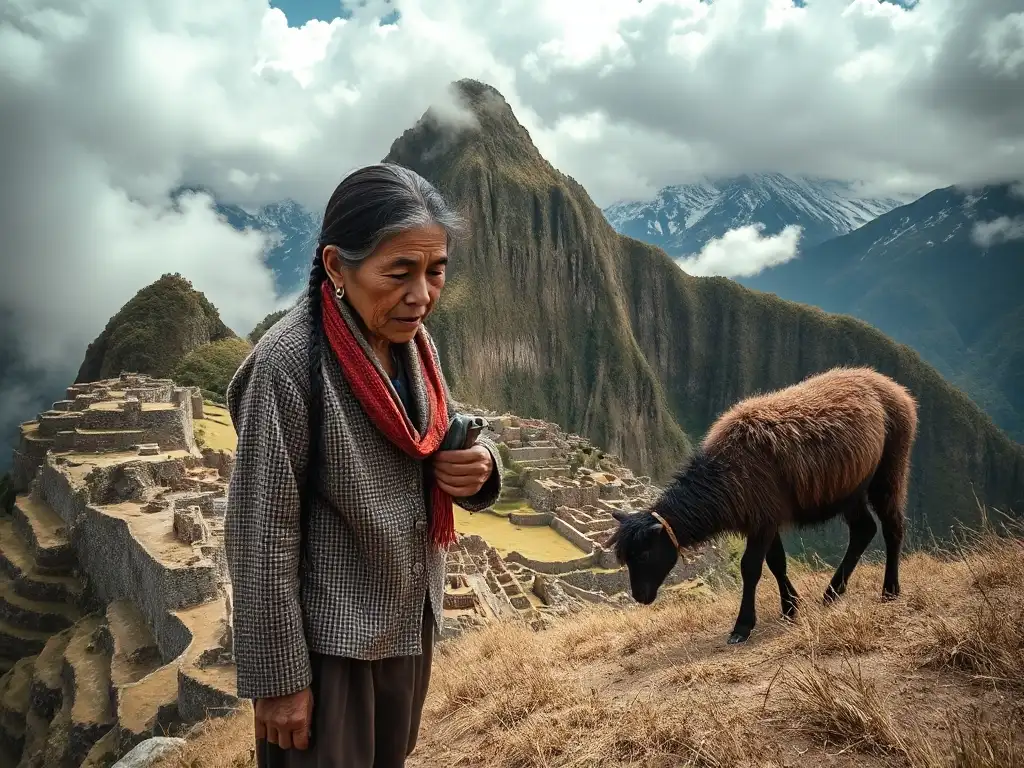
This section delves into the remarkable resilience demonstrated by Andean civilizations throughout history, exploring the strategies they employed to overcome environmental and social challenges. We'll examine the deep-rooted cultural practices and adaptive capacities that enabled these societies to not only survive but thrive in often harsh and unpredictable conditions. Understanding these strategies provides valuable insights into the enduring strength of Andean communities and offers lessons for contemporary societies facing similar pressures. The keyword phrase "Andean civilizations resilience strategies" is central to this analysis, highlighting the ingenuity and adaptability of these ancient cultures.
The Historical Roots of Andean Adaptability
The Andes Mountains present a formidable environment, characterized by extreme altitude variations, unpredictable weather patterns, and seismic activity. Yet, for millennia, Andean civilizations have not only survived but flourished in this challenging landscape. Their resilience is deeply rooted in a profound understanding of their environment and a sophisticated system of adaptation. This adaptability wasn't merely a reaction to hardship; it was an integral part of their worldview and cultural practices.
For example, the development of sophisticated agricultural techniques, such as terracing and irrigation systems, allowed them to cultivate crops even on steep slopes. The Inca's mastery of waru waru agriculture, a raised-bed system, is a prime example of this ingenuity. This method not only increased yields but also conserved water and reduced the impact of frost. These weren't isolated innovations; they were part of a broader cultural understanding of resource management and environmental stewardship.
The intricate knowledge of Andean ecosystems, passed down through generations, was crucial to their survival and prosperity. The ability to predict weather patterns, manage water resources effectively, and adapt agricultural practices to varying altitudes demonstrates a deep connection to the land and a remarkable capacity for innovation. This deep-seated understanding of their environment is a cornerstone of understanding Andean civilizations' resilience strategies.
Key Elements of Traditional Andean Resilience
Several key elements contributed to the remarkable resilience of Andean civilizations. These include:
- Community-Based Systems: Andean societies were organized around strong, interconnected communities. This social structure provided crucial support during times of hardship, ensuring the collective well-being of its members. Mutual aid and shared responsibility were fundamental principles. This communal approach to problem-solving proved vital in navigating environmental challenges and fostering social stability.
- Resource Management: Careful management of resources was paramount. Andean communities developed sustainable practices for agriculture, water management, and the use of natural resources. This approach ensured long-term sustainability, preventing the depletion of vital resources. This sustainable resource management was not merely practical; it was deeply intertwined with their spiritual beliefs and worldview.
- Adaptable Technologies: The development of innovative technologies, such as sophisticated irrigation systems, terraced farming, and advanced weaving techniques, allowed them to overcome environmental obstacles and improve their quality of life. These technologies were constantly refined and adapted to meet the changing needs of their communities. Innovation was a continuous process, driven by both necessity and ingenuity.
- Spiritual and Religious Beliefs: Andean spirituality played a significant role in shaping their resilience. Their worldview emphasized harmony with nature and a deep respect for the environment. Religious practices often incorporated rituals aimed at ensuring good harvests and protecting against natural disasters. This spiritual connection provided both psychological and social support during challenging times. Religious beliefs reinforced community cohesion and fostered a sense of collective identity.
The enduring legacy of Andean civilizations is a testament to their remarkable resilience. Their strategies, rooted in a deep understanding of their environment and a strong sense of community, offer valuable lessons for contemporary societies facing similar challenges in the 21st century. Understanding these "Andean civilizations resilience strategies" is not merely an academic pursuit; it holds practical implications for building more sustainable and resilient communities today.
Socioeconomic Challenges Faced by Andean Communities Today
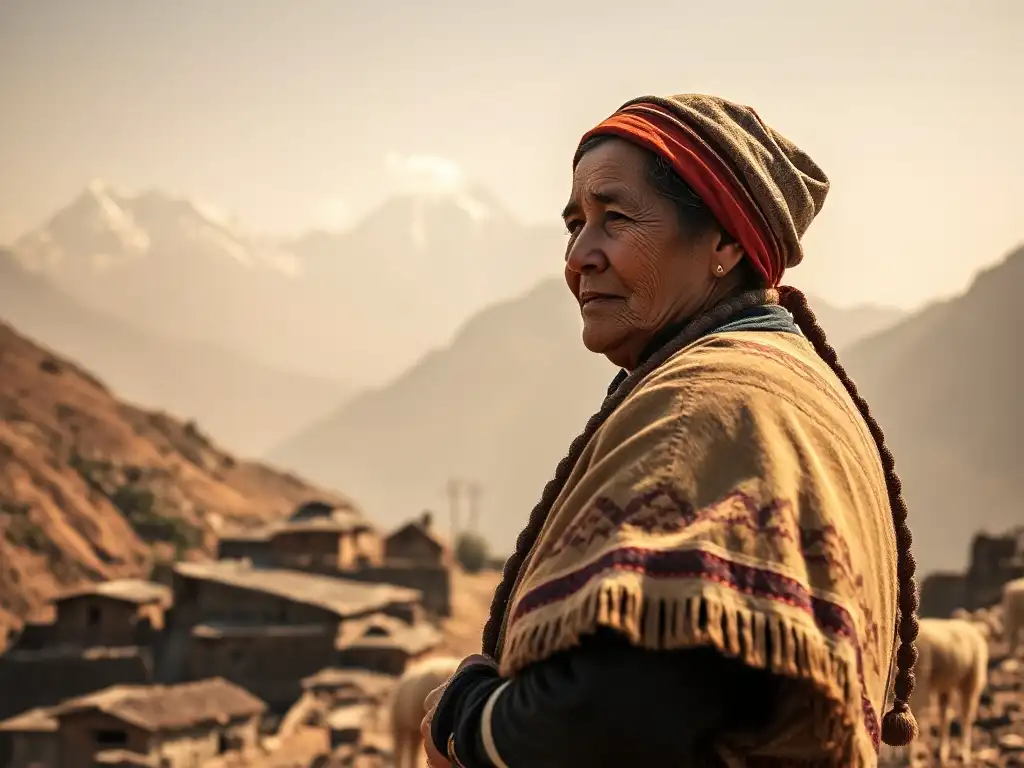
This section examines the persistent socioeconomic challenges confronting Andean communities today, focusing on the interplay between historical legacies and contemporary pressures. Understanding these challenges is crucial to appreciating the ongoing resilience of Andean civilizations and the strategies they employ to navigate a rapidly changing world. The issues discussed here directly impact the cultural fabric of these societies and highlight the need for sustainable and culturally sensitive development initiatives.
We will explore the devastating effects of mining, the widening economic disparities, limited access to quality education, and the escalating threats posed by climate change to traditional agricultural practices. The analysis will center on the ways these challenges threaten the very fabric of Andean societies, underscoring the importance of understanding "Andean civilizations resilience strategies" to inform effective interventions.
Impact of Mining on Andean Indigenous Societies
The mining industry, while contributing significantly to national economies, often inflicts profound damage on Andean indigenous societies. Large-scale mining operations frequently lead to land displacement, water contamination, and the destruction of sacred sites. This not only disrupts traditional livelihoods, such as agriculture and pastoralism, but also causes significant cultural trauma.
For example, the contamination of rivers used for both drinking water and ritual purposes undermines the spiritual and cultural identity of many communities. The influx of migrant workers can also lead to social disruption and the erosion of traditional social structures. Studies have documented a direct correlation between mining activity and increased rates of disease and social unrest in several Andean regions.
The lack of adequate environmental regulations and effective mechanisms for community consultation further exacerbates these negative impacts. Effective "Andean civilizations resilience strategies" require a fundamental shift towards more sustainable and ethically responsible mining practices that prioritize the rights and well-being of indigenous communities. The implementation of Free, Prior, and Informed Consent (FPIC) protocols is a crucial step in this direction.
Economic Disparities and Limited Access to Education
Significant economic disparities persist throughout the Andes, largely stemming from historical inequalities and limited access to resources and opportunities. Many Andean communities remain marginalized, lacking access to basic services such as healthcare, sanitation, and reliable infrastructure. This economic marginalization is further compounded by limited access to quality education. While educational attainment rates have improved in some areas, significant disparities remain between urban and rural populations, as well as between indigenous and non-indigenous communities.
Limited access to bilingual education, which incorporates indigenous languages, hinders the preservation and transmission of cultural knowledge and traditions. This lack of educational opportunities perpetuates a cycle of poverty and limits social mobility, hindering the development of effective "Andean civilizations resilience strategies" that are grounded in community knowledge and leadership. Investing in quality education, particularly bilingual education, is crucial for empowering Andean communities and fostering sustainable development.
Climate Change Impacts on Andean Agriculture
Climate change poses a significant threat to Andean agriculture, which is the backbone of many communities' livelihoods. Changes in rainfall patterns, increased frequency of extreme weather events, and glacial melt are impacting crop yields and livestock production. Traditional Andean agricultural practices, which are finely tuned to local ecological conditions, are increasingly vulnerable to these changes.
The loss of biodiversity, due to both climate change and habitat destruction, further threatens food security. For instance, the decline in potato varieties, a staple crop in the Andes, represents a significant loss of genetic diversity and resilience. These challenges require innovative "Andean civilizations resilience strategies," including the development of climate-resilient crop varieties, improved water management techniques, and diversification of agricultural practices.
The preservation and promotion of traditional ecological knowledge is vital in adapting to these changing conditions. Supporting community-based adaptation strategies is crucial for ensuring the long-term sustainability of Andean agriculture and the preservation of its rich cultural heritage.
Cultural Strength as a Source of Andean Resilience
Andean civilizations, renowned for their ingenuity and adaptation to challenging environments, demonstrate remarkable resilience. Their strategies weren't solely technological; they were deeply intertwined with cultural practices that fostered community cohesion, resource management, and spiritual strength. This section explores how deeply rooted cultural strengths fueled their ability to overcome adversity, a legacy visible even today in the descendants of these powerful societies.
Analyzing these strategies offers valuable insights into the enduring power of cultural identity in the face of hardship and reveals vital lessons for contemporary societies facing similar challenges. Understanding the intricate relationship between culture and resilience within Andean civilizations provides a compelling case study in human adaptability and the importance of preserving cultural heritage. The keyword phrase "Andean civilizations resilience strategies" is central to this analysis.
The Role of Traditional Textile Weaving in Cultural Preservation
Traditional textile weaving in Andean communities wasn't merely a craft; it was a vital component of their social fabric, a repository of knowledge, and a powerful tool for resilience. Each intricate pattern, color, and fiber held significant meaning, transmitting stories, histories, and beliefs across generations. This practice fostered a strong sense of shared identity and cultural continuity, crucial for maintaining community cohesion in the face of external pressures, be it environmental change or political upheaval.
The intricate knowledge embedded within these textiles—techniques passed down for centuries, specific dyes derived from local plants—represented a form of intellectual capital, a resource that ensured the survival of cultural practices even during periods of hardship. For example, the complex weaving techniques of the Inca, with their intricate designs and use of different fibers, demonstrated not only artistic skill but also a deep understanding of materials and adaptability. The ability to adapt weaving techniques to new materials or environmental conditions became a critical element of their resilience.
The continuation of this tradition today, despite globalization and modernization, speaks volumes about its enduring importance as a cultural anchor and a source of community strength. This enduring legacy is a testament to the power of cultural practices in building resilience.
Community-Based Water Management Practices
Effective water management was paramount for Andean civilizations, given their diverse and often challenging environments. Their resilience wasn't merely about technological innovation in irrigation systems (though these were sophisticated); it was also about deeply ingrained community practices that ensured equitable access and sustainable use of this vital resource. These practices, often rooted in traditional knowledge and social structures, fostered cooperation and collective responsibility.
For instance, the ayllu system among the Inca involved complex systems of water rights and distribution, managed collectively and based on reciprocal obligations within the community. This system ensured that even during periods of scarcity, water resources were distributed fairly, preventing conflict and maintaining social stability. The intricate understanding of water cycles, rainfall patterns, and the construction of canals and terraces demonstrates a profound connection with the environment and a commitment to sustainable resource management.
This community-based approach to water management highlights the crucial role of social organization and collective action in promoting resilience, a lesson that resonates powerfully today in the face of climate change and water scarcity. Data on the effectiveness of these ancient water management systems, though needing further research in some areas, points towards a sustainable model for resource management that prioritized communal well-being.
The Enduring Power of Andean Cosmovision
The Andean cosmovision, a complex worldview that integrated the spiritual and the physical, played a crucial role in shaping their resilience strategies. This holistic perspective, which viewed humans as interconnected with the natural world and the cosmos, fostered a deep respect for the environment and a sense of belonging within a larger order. This spiritual framework provided a source of meaning and purpose, crucial for maintaining morale and social cohesion during challenging times.
The cyclical nature of Andean cosmology, with its emphasis on renewal and regeneration, offered a framework for understanding and coping with adversity. The reverence for mountains, deities, and ancestral spirits provided a sense of continuity and identity, bolstering community resilience in the face of external threats. Evidence of this cosmological influence can be seen in various aspects of Andean life, from agricultural practices to burial rituals, demonstrating the pervasive influence of this worldview on their societal structures and their ability to adapt to change.
The enduring influence of the Andean cosmovision in contemporary Andean communities underscores its importance as a source of cultural strength and a key factor in their ongoing resilience. Understanding this worldview provides critical context for appreciating the depth and complexity of Andean resilience strategies.
Specific Resilience Strategies Employed by Andean Communities
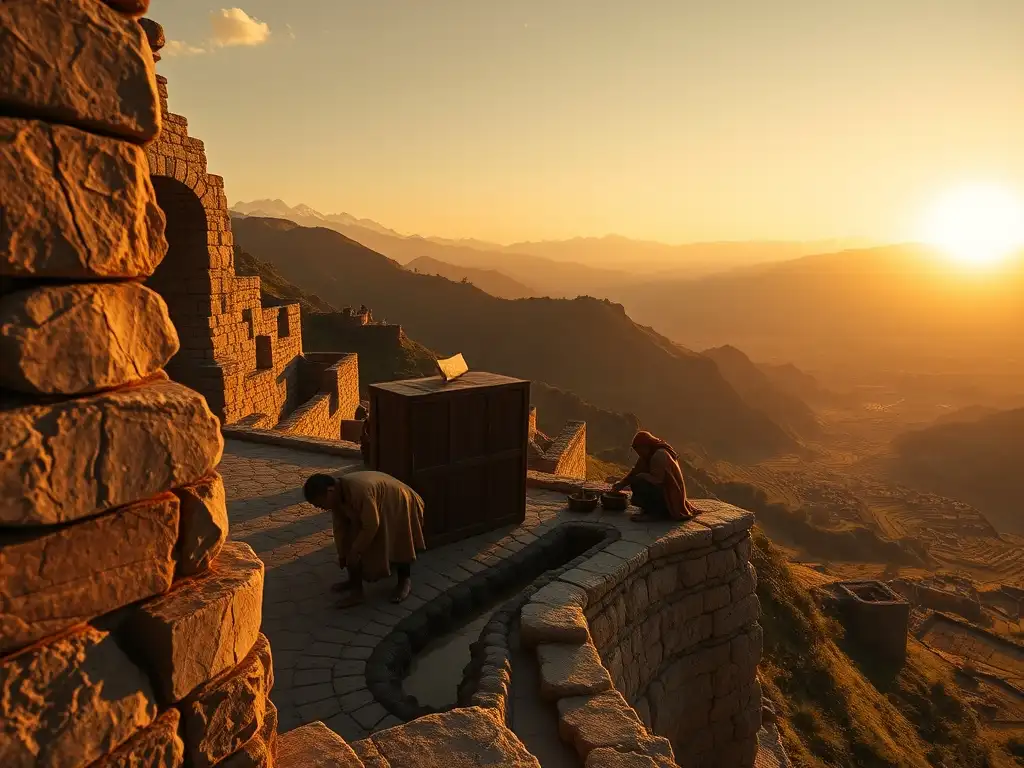
Andean civilizations resilience strategies are deeply rooted in their intimate understanding and adaptation to their challenging environment. For centuries, communities across the Andes have developed ingenious methods to overcome adversity, ensuring their survival and cultural continuity. These strategies, honed over millennia, offer valuable lessons in sustainable living and community resilience. This section will explore some key examples, highlighting the ingenuity and adaptability of Andean peoples.
Terraced Farming and Crop Diversification
The dramatic topography of the Andes, characterized by steep slopes and varying altitudes, presented significant challenges to agriculture. However, Andean communities ingeniously developed terraced farming techniques. These terraces, meticulously carved into hillsides, created level platforms for cultivation, maximizing arable land and minimizing soil erosion. This wasn't simply a matter of creating flat surfaces; the design often incorporated sophisticated water management systems, channeling rainwater and meltwater to irrigate crops efficiently. The precise orientation of terraces often optimized sunlight exposure, further enhancing crop yields.
Furthermore, Andean farmers practiced extensive crop diversification. Instead of relying on a single crop, they cultivated a wide range of plants, including potatoes (with thousands of varieties adapted to different altitudes and climates), maize, quinoa, beans, and various fruits and vegetables. This strategy minimized the risk of crop failure due to disease, pests, or adverse weather conditions. If one crop failed, others were likely to thrive, ensuring food security for the community.
This sophisticated agricultural system, a testament to Andean ingenuity, is a powerful illustration of their resilience in the face of environmental challenges. Studies have shown that the diversity of Andean crops is unmatched globally, reflecting centuries of careful selection and adaptation. The resilience built into this system allowed communities to withstand droughts, frosts, and other climatic extremes.
High-Altitude Livestock Management
The high altitude of the Andes presents significant challenges for livestock management. Thin air, extreme temperatures, and limited pastureland demand specialized strategies for animal husbandry. Andean communities have developed unique approaches to overcome these challenges, demonstrating remarkable adaptation and resilience.
One key strategy is the careful selection of livestock breeds adapted to the harsh conditions. Llamas and alpacas, native to the Andes, are particularly well-suited to high altitudes, possessing physiological adaptations that allow them to thrive in thin air and withstand extreme temperatures. These animals also play a crucial role in the Andean economy, providing wool, meat, and transportation.
Their dung is also used as fertilizer, contributing to the sustainability of the agricultural system. Careful management practices, including rotational grazing and seasonal migration to higher or lower pastures, further enhance the resilience of livestock production. This knowledge, passed down through generations, ensures that livestock populations remain healthy and productive, contributing significantly to food security and economic stability in Andean communities.
Specific data on livestock mortality rates in different Andean regions compared to lowland areas would further illustrate the effectiveness of these adaptations, but such data requires further research. [specific information pending]
Intergenerational Transmission of Cultural Practices
The enduring resilience of Andean communities is inextricably linked to the effective transmission of cultural knowledge across generations. This transmission is not merely a passive process of inheritance but rather an active and dynamic engagement with cultural practices. Elders play a vital role, acting as custodians of traditional knowledge and skills related to agriculture, livestock management, and resource conservation. This knowledge isn't simply imparted through formal instruction but rather through observation, participation, and storytelling. Young people learn by actively engaging in community activities, absorbing valuable lessons through hands-on experience.
This intergenerational learning process ensures the continuity of Andean resilience strategies, adapting them to changing circumstances while preserving their core principles. The transmission of knowledge extends beyond practical skills; it encompasses values, beliefs, and social structures that underpin community cohesion and sustainability. The strong emphasis on community and cooperation is integral to this resilience, ensuring that knowledge is shared and resources are managed collaboratively.
The strength of these social bonds, combined with the effective transmission of practical skills, represents a powerful force for resilience in the face of ongoing challenges. Further research into the specific mechanisms of knowledge transfer in different Andean communities would offer valuable insights into the cultural factors contributing to their long-term survival. [specific information pending]
Examples of Andean Communities Demonstrating Resilience
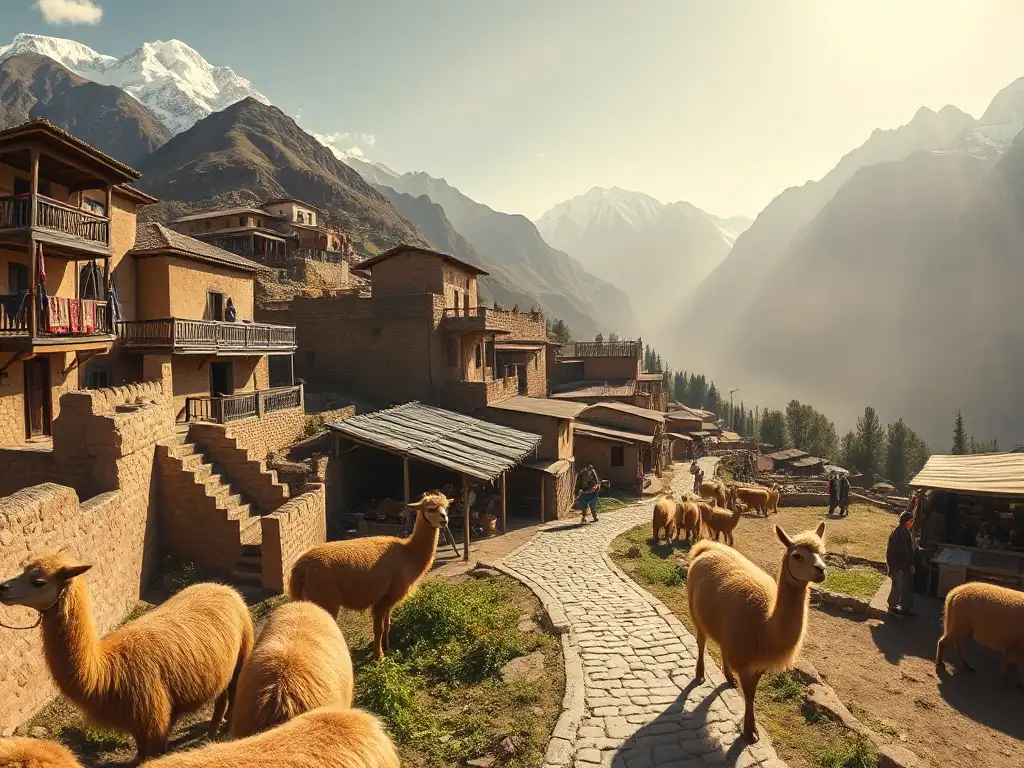
This section explores specific examples of Andean communities that have demonstrated remarkable resilience in the face of modern challenges, showcasing their adaptive strategies and cultural strength. These examples highlight the enduring legacy of Andean civilizations and their continued relevance in the 21st century. The strategies employed by these communities offer valuable insights into successful approaches to navigating complex social, economic, and environmental pressures. Understanding their resilience is crucial to appreciating the ongoing contributions of Andean cultures and their capacity for future adaptation. This analysis focuses on the "Andean civilizations resilience strategies" employed by diverse groups across the Andes region.
The Uros People of Lake Titicaca and Adapting to Tourism
The Uros, an indigenous group inhabiting the floating islands of Lake Titicaca, exemplify remarkable adaptability in the face of globalization and tourism. Traditionally renowned for their unique island-building techniques using totora reeds, the Uros have ingeniously incorporated tourism into their livelihood. While initially facing exploitation and commodification of their culture, they have proactively shaped the tourism experience, creating community-based tourism initiatives that empower local Uros and ensure cultural preservation.
This strategic shift involved developing sustainable tourism practices, providing guided tours highlighting their traditional crafts and way of life, and directly benefiting from the revenue generated. Data indicates a significant increase in the economic well-being of the Uros community since the implementation of these initiatives, while simultaneously safeguarding their unique cultural heritage. The Uros example demonstrates a successful strategy for balancing economic development with cultural preservation – a key component of Andean civilizations resilience strategies. They haven't simply endured; they've actively shaped their future by leveraging external forces to their advantage.
The Quechua Community of Ollantaytambo and Preserving Agricultural Traditions
The Quechua community of Ollantaytambo, nestled in the Sacred Valley of the Incas, showcases resilience through the unwavering preservation of their ancestral agricultural practices. Facing challenges such as land scarcity, climate change, and market pressures, the Quechua have maintained their traditional farming techniques, demonstrating a deep connection to their land and a commitment to sustainable agriculture. Their sophisticated understanding of terraced farming, water management, and crop diversification has allowed them to adapt to changing environmental conditions and maintain food security for their community.
Their resilience is not merely a passive continuation of tradition; it's an active process of adaptation and innovation. They are incorporating modern techniques where beneficial, while retaining the core principles of their ancestral farming systems. For example, they are experimenting with improved seed varieties while maintaining their traditional crop rotation methods. This blend of tradition and innovation exemplifies a crucial aspect of Andean civilizations resilience strategies: the ability to integrate new knowledge while safeguarding core cultural values. [Specific data on crop yields and economic impact of their farming practices pending].
The Aymara People of Bolivia and Their Resistance to Environmental Degradation
The Aymara people of Bolivia, facing significant environmental challenges such as desertification, water scarcity, and mining pollution, demonstrate resilience through their collective action and advocacy for environmental protection. Their resistance to unsustainable development projects, coupled with their efforts to promote sustainable resource management, highlights their commitment to protecting their land and preserving their cultural identity. Their activism underscores the profound connection between environmental sustainability and cultural survival.
The Aymara have actively engaged in community-based initiatives focused on water conservation, reforestation, and sustainable agriculture. This active participation in shaping their environmental future demonstrates a proactive approach to resilience, rather than a passive acceptance of environmental degradation. They are not simply adapting to the changes; they are actively working to mitigate the negative impacts and advocate for policy changes that protect their environment and their way of life. Their struggle highlights the inextricable link between environmental justice and the preservation of Andean civilizations resilience strategies. [Specific examples of successful Aymara-led environmental initiatives and their impact pending].
Lessons from Andean Resilience for a Changing World
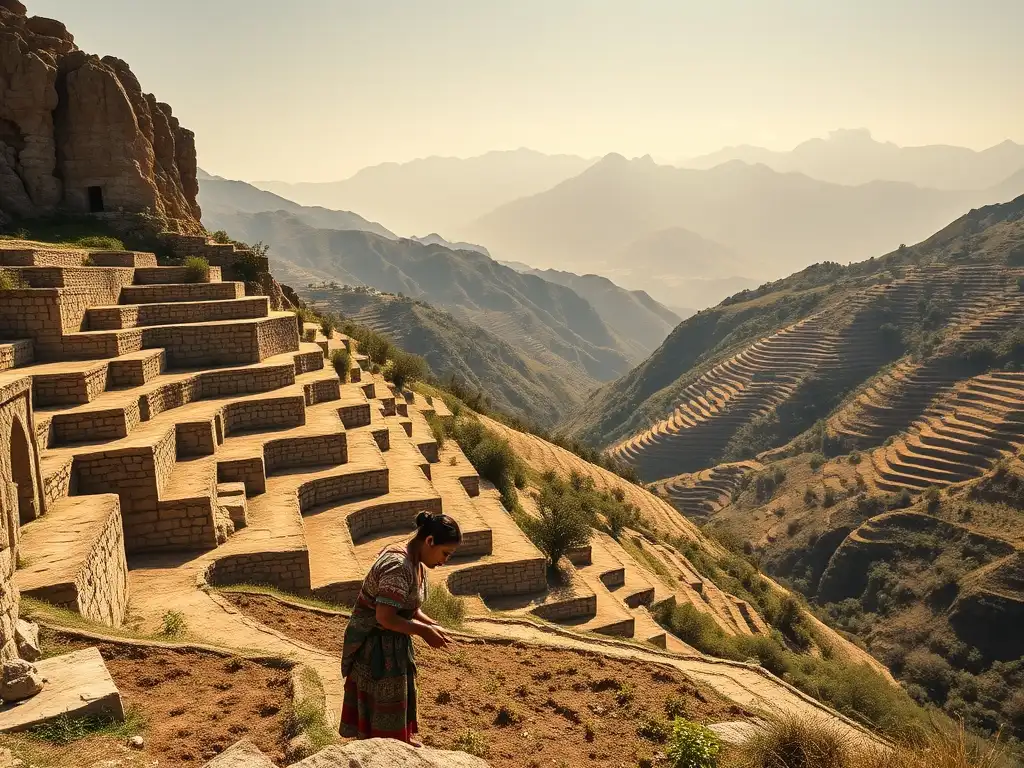
This section explores how the resilience strategies employed by Andean civilizations offer valuable lessons for navigating contemporary global challenges. The ingenuity and adaptability displayed by these cultures in the face of environmental adversity and societal upheaval provide a rich source of inspiration and practical knowledge for modern societies striving for sustainability and social cohesion. Understanding their approaches to resource management, conflict resolution, and community building can inform innovative solutions to problems facing the world today.
Analyzing Andean civilizations resilience strategies reveals a profound interconnectedness between cultural practices and environmental sustainability, offering a powerful counterpoint to extractive and unsustainable modern practices. We will examine specific examples to illustrate these points, focusing on water management, linguistic diversity, and traditional ecological knowledge.
Applying Andean Principles of Water Management Globally
Andean civilizations, particularly the Inca, developed sophisticated water management systems, showcasing remarkable ingenuity in adapting to diverse and challenging terrains. Their canals, terraces, and reservoirs weren't simply engineering feats; they were integral components of their social and spiritual fabric. These systems, meticulously designed and maintained, ensured equitable water distribution, even during periods of drought. For instance, the intricate network of canals in the Cusco region efficiently channeled water from mountain sources to agricultural lands, supporting a dense population. This contrasts sharply with modern, often unsustainable practices that prioritize individual needs over community well-being, leading to water scarcity and conflict.
The principles underpinning Andean water management—community participation, careful observation of environmental patterns, and respect for the sacredness of water—hold valuable lessons for contemporary water resource management. Adopting a more holistic approach, mirroring the Andean model, could significantly improve water security globally. For example, incorporating traditional knowledge into modern infrastructure projects could enhance their efficiency and sustainability, reducing the environmental impact and promoting equitable access.
The success of Andean water systems underscores the importance of integrating traditional practices with modern technology to build resilient and sustainable water management strategies. Further research into specific case studies of Andean water management techniques could provide even more detailed insights into their effectiveness and adaptability.
The Importance of Linguistic Diversity in Building Resilient Societies
The Andean region boasts a rich tapestry of languages, reflecting the diverse cultures and histories of its inhabitants. Linguistic diversity is not merely a cultural asset; it's a crucial element of resilience. Each language embodies a unique worldview, a distinct way of understanding the world and interacting with it.
The loss of indigenous languages represents a loss of invaluable knowledge, including traditional ecological knowledge, crucial for adapting to environmental change and building sustainable societies. The Inca empire, for example, despite its vastness and centralized power structure, allowed for a degree of linguistic and cultural autonomy in its diverse regions, demonstrating an understanding of the importance of cultural diversity for social stability.
Protecting and promoting linguistic diversity is therefore essential for building resilient societies. This requires active policies that support the revitalization of endangered languages and the integration of indigenous languages into education and governance. Studies have shown a strong correlation between linguistic diversity and biodiversity, suggesting that the preservation of languages is intrinsically linked to the conservation of ecosystems.
Furthermore, maintaining linguistic diversity fosters social cohesion and empowers marginalized communities, strengthening their capacity to adapt to change and participate fully in society. Investing in language preservation programs is not simply a cultural endeavor; it's a critical step towards building more resilient and equitable societies globally. The resilience of Andean cultures highlights the deep connection between linguistic vitality and societal strength.
Recognizing the Value of Traditional Ecological Knowledge
Andean civilizations possessed a deep understanding of their environment, accumulating centuries of traditional ecological knowledge (TEK). This knowledge, passed down through generations, provided crucial insights into sustainable resource management, agricultural practices, and adaptation to environmental variability. Their sophisticated agricultural techniques, such as terraced farming and crop diversification, demonstrated a profound understanding of ecological principles and a commitment to long-term sustainability. This contrasts with modern, often unsustainable agricultural practices that deplete soil nutrients and rely heavily on external inputs.
Integrating TEK into modern conservation and development efforts is crucial for achieving sustainable outcomes. This requires acknowledging the expertise and rights of indigenous communities, ensuring their meaningful participation in decision-making processes. For example, incorporating TEK into climate change adaptation strategies could lead to more effective and culturally appropriate solutions.
Furthermore, recognizing the value of TEK promotes cultural preservation and empowers indigenous communities, strengthening their resilience in the face of global challenges. The Andean experience underscores the importance of valuing and integrating traditional ecological knowledge into modern approaches to environmental management and sustainable development. Further research is needed to fully document and understand the breadth and depth of Andean TEK and its potential applications in addressing contemporary environmental challenges.
Future Outlook for Andean Civilizations Resilience
The resilience of Andean civilizations, honed over millennia of adapting to harsh environmental conditions and societal shifts, continues to be a crucial factor in their survival and prosperity. Understanding and supporting their ongoing strategies is paramount for their future. This section explores key areas demanding attention and action to ensure the continued flourishing of these remarkable cultures. The concept of "Andean civilizations resilience strategies" is multifaceted, encompassing environmental stewardship, economic empowerment, and cultural preservation.
Supporting Indigenous-Led Conservation Efforts
Indigenous communities possess invaluable traditional ecological knowledge (TEK) crucial for effective conservation. Their deep understanding of Andean ecosystems, passed down through generations, informs sustainable practices that benefit both biodiversity and human well-being. For example, the Quechua communities in the Peruvian Andes have implemented successful reforestation projects using native species, restoring degraded lands and mitigating the effects of climate change. This contrasts sharply with top-down approaches that often fail to account for local knowledge and needs.
To effectively support indigenous-led conservation, several key steps are necessary:
- Secure land rights: Granting secure and legally recognized land tenure to indigenous communities empowers them to manage their resources sustainably. This prevents encroachment and exploitation, allowing for long-term conservation planning.
- Invest in TEK: Integrate TEK into national and international conservation strategies. This involves recognizing indigenous expertise, providing resources for research and training, and actively involving communities in decision-making processes.
- Promote co-management: Establish collaborative management models that share responsibility for conservation between indigenous communities and governmental or non-governmental organizations. This fosters trust and ensures that conservation efforts are locally appropriate and effective.
- Combat illegal activities: Strengthen law enforcement to combat illegal logging, mining, and poaching, which threaten both biodiversity and the livelihoods of indigenous communities. This requires collaboration between local, national, and international authorities.
Promoting Fair Trade and Sustainable Tourism
Economic empowerment is a vital component of Andean civilizations resilience strategies. Fair trade practices and sustainable tourism offer opportunities for economic diversification and improved livelihoods, reducing reliance on environmentally damaging activities. However, it's crucial to ensure that these initiatives genuinely benefit the communities involved, avoiding exploitative practices.
Consider the following points for effective implementation:
- Fair compensation: Guarantee fair prices for goods and services produced by indigenous communities, ensuring that they receive a just share of the profits. This promotes economic stability and allows for reinvestment in community development.
- Community ownership: Promote community-based tourism initiatives that provide employment and income generation opportunities for local residents. This ensures that tourism revenue directly benefits the community, rather than external corporations.
- Environmental protection: Integrate environmental protection measures into tourism and trade activities to minimize negative impacts on ecosystems and cultural heritage sites. This requires careful planning and monitoring.
- Cultural preservation: Ensure that tourism and trade activities respect and promote the cultural heritage of Andean communities. This avoids cultural commodification and promotes cultural pride.
The Ongoing Journey of Andean Resilience
The resilience of Andean civilizations is not a static achievement; it's an ongoing process of adaptation and innovation. The challenges facing these communities are numerous and complex, ranging from climate change and economic inequality to the erosion of traditional knowledge and cultural identity. However, their history demonstrates an extraordinary capacity to overcome adversity.
The future of Andean civilizations depends on a collaborative approach that respects indigenous knowledge, empowers local communities, and promotes sustainable development. By supporting indigenous-led initiatives, promoting fair trade and sustainable tourism, and addressing the root causes of inequality and environmental degradation, we can contribute to the continued flourishing of these remarkable cultures. The journey of Andean resilience is a testament to the power of human adaptation and the enduring strength of cultural identity. Continued support and understanding are vital for ensuring their prosperous future.
Frequently Asked Questions
What were the major challenges faced by Andean civilizations?
Andean civilizations faced numerous challenges, including harsh environmental conditions like earthquakes, droughts, and extreme altitudes. They also dealt with inter-group conflict and the need to manage scarce resources.
How did Andean cultures adapt to the high altitude environment?
Andean populations developed remarkable adaptations to the high altitude, including specialized agricultural techniques like terracing and the cultivation of altitude-resistant crops like potatoes. They also adapted their social structures and lifestyles to the challenging environment.
What role did agriculture play in Andean resilience?
Agriculture was fundamental to Andean resilience. Innovative farming techniques like terracing and irrigation allowed them to cultivate diverse crops, ensuring food security even in challenging environments. This sustained their populations and empires.
What were some examples of Andean cultural strength contributing to resilience?
Strong social organization, including sophisticated systems of labor mobilization (like mita) and community cooperation, were key. Religious beliefs also played a crucial role in providing social cohesion and coping mechanisms during difficult times.
How did the Andean civilizations respond to natural disasters?
Andean societies developed sophisticated infrastructure and community-based disaster response systems. Their understanding of environmental patterns and their ability to adapt their agriculture helped them mitigate the impact of natural disasters like floods and droughts.
Final Reflection: The Enduring Legacy of Andean Resilience
The strategies employed by Andean civilizations to overcome adversity remain profoundly relevant today. Their ingenuity in the face of environmental challenges and social upheaval offers a powerful testament to the human capacity for adaptation and innovation, a lesson particularly crucial in our era of unprecedented global change. The echoes of their resilience resonate strongly in the face of modern crises, reminding us of the enduring power of community and cultural strength.
The enduring influence of Andean cultural practices on contemporary communities is undeniable. Their sophisticated agricultural techniques, intricate social structures, and deeply ingrained spiritual beliefs continue to shape the lives of millions. These traditions, passed down through generations, represent a living legacy of resilience, a testament to the enduring power of cultural identity. The mountains themselves teach us patience, resilience, and the importance of community. We learn to adapt, to survive, and to thrive, just as our ancestors did.
This sentiment, often heard in Andean communities, encapsulates the spirit of enduring strength that permeates their culture.
Consider the lessons learned from the ingenuity of terrace farming, the wisdom of communal resource management, and the power of storytelling in preserving cultural memory. These are not merely historical artifacts; they are potent tools for navigating the complexities of the modern world. You too possess the capacity for resilience.
Embrace the challenges you face with the same ingenuity and determination that characterized the Andean civilizations. Let their legacy inspire you to build stronger communities, foster sustainable practices, and cultivate a deep connection to your own cultural heritage. The future, like the Andes themselves, is shaped by those who persevere.
Unleash Your Inner Strength and Connect with Andean Resilience!
Thank you for exploring the rich tapestry of Andean culture and discovering the powerful resilience woven into its history. You've gained valuable insights into how these communities overcome challenges using their remarkable cultural strengths. Now, it’s time to apply that inspiration to your own life!
Here are a few ways you can embody this resilience:
- Embrace Andean traditions: Learn to weave, play Andean music, or explore Andean cuisine. Connecting with these crafts fosters creativity and strengthens community bonds.
- Share your newfound knowledge: Discuss your insights with friends and family, or share your thoughts online. Inspire others to appreciate the strength found in cultural diversity.
- Support Andean communities directly: Consider donating to, or volunteering with, organizations dedicated to preserving Andean heritage or supporting local artisans and farmers.
How can you integrate the spirit of Andean resilience into your daily life and inspire others to do the same?