
Andean Trade Networks: Modern Research on Ancient Commerce


Unravel the mysteries of the Andes! For centuries, towering mountains and treacherous terrain guarded the secrets of ancient Andean trade routes. But now, groundbreaking research sheds new light on the sophisticated networks that connected these remarkable civilizations – the Incas, Moche, Nazca, and Tiahuanaco, among others. Prepare to be amazed as we delve into the ingenuity and impact of their commerce, revealing a story far more complex and fascinating than you ever imagined. Discover the surprising truth behind these ancient pathways and the enduring legacy they left behind.
The vast and complex tapestry of Andean civilizations is interwoven with intricate trade networks that connected disparate communities across challenging terrains. For centuries, these routes facilitated the exchange of vital resources, cultural ideas, and religious beliefs, shaping the very fabric of Andean societies.
This article delves into the latest research illuminating these ancient trade routes, providing a modern perspective on their significance and impact on the development and interconnectedness of pre-Columbian Andean cultures. We will explore how advancements in archaeology, anthropology, and other related fields are continually reshaping our understanding of these crucial economic and social arteries, moving beyond simplistic narratives to reveal a more nuanced and dynamic picture of ancient Andean commerce.
Understanding these ancient trade networks is key to grasping the sophisticated political, economic, and social structures that defined these remarkable civilizations, from the Incas to the Moche and beyond. The study of "Ancient Andean trade routes" offers a compelling lens through which to examine the ingenuity, resilience, and interconnectedness of these fascinating cultures.
Understanding the Significance of Ancient Andean Trade Routes
The significance of ancient Andean trade routes extends far beyond simple economic transactions. These routes were vital arteries, pulsating with the lifeblood of these societies. The movement of goods wasn't merely about acquiring necessities; it also facilitated the dissemination of ideas, technologies, and religious practices, creating a shared cultural identity across vast geographical distances.
Recent research emphasizes the role of these networks in fostering political alliances and consolidating power, with elite groups often controlling access to key resources and trade routes. For example, the Inca Empire's sophisticated road system – the Qhapaq Ñan – wasn't just for transporting goods; it served as a powerful instrument of imperial control, connecting distant provinces and facilitating the flow of information and manpower. Archaeological discoveries continue to unveil new details about these routes, including the types of goods exchanged, the methods of transportation, and the social structures that governed trade.
Analysis of ceramic styles, textiles, and metalwork found along these routes provides valuable insights into the extent and nature of interactions between different Andean communities. The sheer scale and complexity of these networks underscore the advanced organizational and logistical capabilities of these ancient civilizations, challenging previous assumptions about their technological and social development. The study of these routes allows us to appreciate the sophisticated strategies employed to overcome the challenges posed by the Andes' rugged terrain, including the use of llamas for transport and the construction of ingenious infrastructure such as bridges and pathways.
The Importance of Trade in Andean Societies
Trade was not a peripheral activity in Andean societies; it was deeply embedded in their social, political, and religious lives. The exchange of goods and services played a crucial role in establishing social hierarchies, consolidating political power, and fostering religious beliefs. Certain goods, like precious metals, exotic feathers, and coca leaves, held immense symbolic value, signifying status and power. The control of these resources often translated into political dominance, as seen in the Inca Empire's control over key mining areas and agricultural lands.
Furthermore, trade fostered the exchange of religious ideas and practices, with certain deities and rituals spreading along these routes. This process contributed to the development of shared cultural identities and beliefs, even across geographically distant communities. Analysis of ancient Andean iconography and textiles reveals the interconnectedness of religious practices and trade, with deities and symbols often depicted alongside representations of traded goods.
The study of ancient Andean trade is not simply about economic history; it is about understanding the complex interplay between economics, politics, religion, and social structures that shaped these remarkable civilizations. The discovery of new archaeological sites along these routes continues to shed light on the diverse ways in which trade shaped Andean societies, revealing a rich and dynamic history far more intricate than previously imagined. The ongoing research into "Ancient Andean trade routes" promises to further illuminate the fascinating story of these ancient civilizations.
- Understanding the Significance of Ancient Andean Trade Routes
- The Importance of Trade in Andean Societies
- What were the primary goods traded along ancient Andean trade routes?
- How did the geography of the Andes impact trade networks?
- Which Andean civilizations were most heavily involved in trade?
- What evidence do archaeologists use to study ancient Andean trade routes?
- How did ancient Andean trade impact cultural exchange and development?
Exploring Pre-Inca Trade Systems
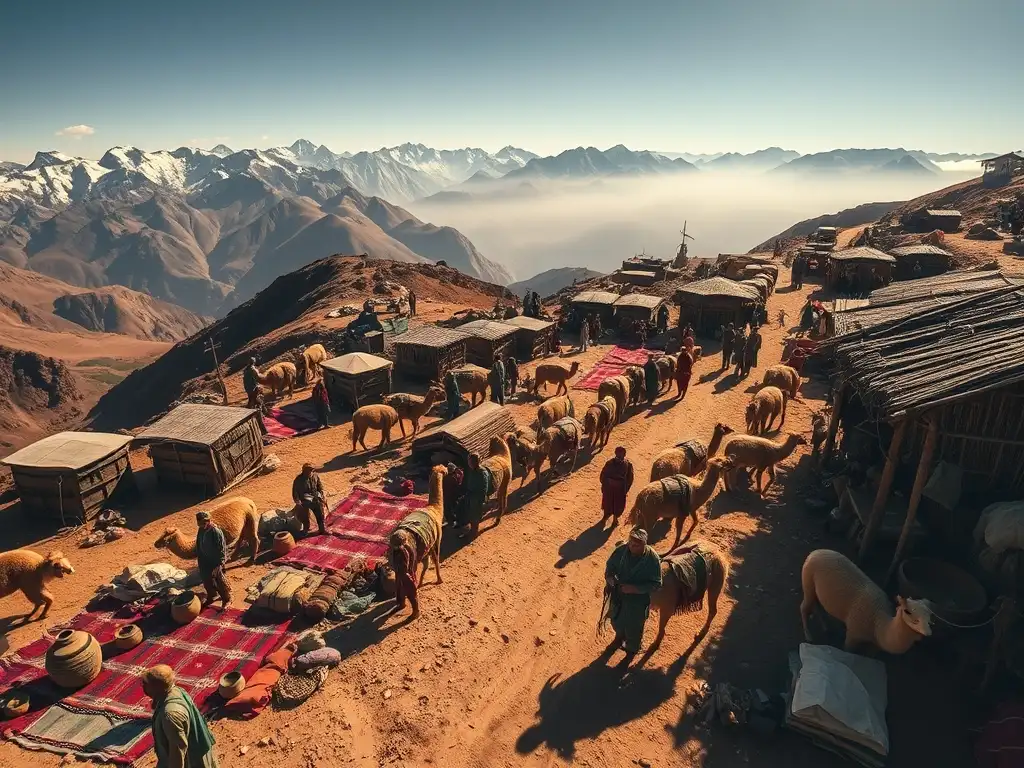
This section delves into the intricate web of commerce that predated the Inca Empire, focusing on the sophisticated trade networks that bound together diverse Andean societies. Understanding these pre-Inca systems is crucial for a complete picture of Ancient Andean trade routes and their impact on the development of Andean civilizations. The sheer scale and complexity of these networks challenge previous assumptions about the limited scope of interaction between different Andean groups.
Recent archaeological discoveries, coupled with advanced analytical techniques, are continuously refining our understanding of these ancient economic systems. We'll explore how these networks facilitated the exchange of not only goods but also ideas, technologies, and cultural practices, laying the groundwork for the later Inca empire. The impact of these pre-Inca trade routes on the social, political, and economic structures of the Andes remains a topic of ongoing scholarly debate and intense research interest.
Early Exchange Patterns in the Andes
The earliest evidence of trade in the Andes dates back millennia, long before the rise of large-scale empires. Initial exchange networks were likely localized, based on kinship ties and reciprocal gift-giving. However, evidence suggests a gradual expansion of these networks, driven by the availability of geographically specific resources.
For instance, obsidian, a volcanic glass prized for its sharpness, was traded across vast distances, indicating the existence of established pathways and potentially specialized intermediaries. The discovery of obsidian artifacts from distant sources in various Andean sites provides strong evidence for early long-distance trade. Analysis of these artifacts, using techniques like X-ray fluorescence, allows researchers to pinpoint the precise origin of the obsidian, mapping out the routes and scale of these early exchanges.
These early trade networks, while less organized than later systems, were nonetheless vital in fostering inter-group contact and cultural exchange, laying the foundation for more extensive trade in subsequent periods. The development of these early exchange patterns laid the groundwork for the more complex and extensive trade networks that characterized later Andean societies. This early exchange was fundamental to the growth of complex societies and the eventual unification of the Andes under the Inca Empire.
Regional Trade Dynamics in the Moche Culture
The Moche civilization (c. 100-800 CE), known for its remarkable artistry and sophisticated irrigation systems, exemplifies regional trade dynamics within the broader context of Ancient Andean trade routes. The Moche controlled access to vital resources such as metals (copper, gold, silver), marine products, and agricultural goods. This control fueled their economic power and social stratification. Their extensive network relied on a combination of direct exchange and centralized control, with the elite likely playing a key role in managing the flow of goods.
Archaeological evidence, such as the discovery of large caches of exotic goods in Moche elite tombs, suggests a system of tribute or controlled redistribution. The Moche are also known for their highly developed craft specialization. Pottery, textiles, and metalwork were produced in specialized workshops and traded widely, with distinct regional styles reflecting variations in production techniques and aesthetic preferences.
Analyzing these regional variations helps researchers trace the movement of goods and identify key trade routes. The Moche case study highlights the complex interplay between political power, resource control, and economic exchange in shaping regional trade dynamics within the broader Andean context. The Moche trade system wasn’t just about economic gain; it also served to consolidate political power and reinforce social hierarchies.
The Role of Trade in the Nazca Civilization
The Nazca civilization (c. 100 BCE – 800 CE), famed for its enigmatic geoglyphs, also participated in extensive trade networks. Unlike the Moche, the Nazca focused on a different set of resources, particularly cotton, which was crucial for textile production. Their textiles, renowned for their intricate designs and vibrant colors, were a major export commodity. The Nazca also controlled access to specific mineral resources used in pigment production, further enhancing their trading power.
Evidence suggests that the Nazca engaged in both coastal and inland trade, connecting with other Andean groups through established routes. The nature of Nazca trade, however, remains less well understood compared to the Moche. Further research focusing on systematic excavation and analysis of Nazca settlements is needed to shed more light on the organization and scale of their trade network.
The unique artistic style of Nazca textiles serves as a valuable marker for tracing their trade routes and identifying their trading partners. The study of these textiles, combined with isotopic analysis of other artifacts, is steadily improving our understanding of the extent and influence of Nazca trade within the larger Ancient Andean trade routes system. The Nazca’s success highlights the importance of specialized production and access to unique resources in shaping trade relationships within the ancient Andes.
Tiahuanaco's Influence on Andean Commerce
Tiahuanaco, a powerful pre-Inca civilization flourishing in the Bolivian Altiplano between approximately 500 and 1000 CE, exerted a significant influence on the broader Andean trade networks. Its strategic location, at the crossroads of important routes connecting the highlands and lowlands, facilitated the exchange of goods and ideas across vast distances. The sophisticated organization of Tiahuanaco's society, evidenced by its monumental architecture and complex irrigation systems, allowed for the efficient production and distribution of surplus agricultural products and crafted items. This surplus formed the foundation of their extensive trade network.
The hallmark of Tiahuanaco's influence on Andean commerce lies in the widespread dissemination of its distinctive ceramic styles and technological innovations. Archaeological evidence reveals the presence of Tiahuanaco pottery fragments in sites hundreds of kilometers away, demonstrating the reach of their trade routes. These weren't simply random exchanges; the consistency of styles and the presence of identical or near-identical artifacts suggest organized trade networks rather than isolated bartering. The distinctive Tiahuanaco pottery, often featuring intricate designs and high-quality craftsmanship, likely held both utilitarian and symbolic value, further driving demand and trade.
Beyond ceramics, Tiahuanaco's influence extended to metallurgical technologies. While the specific details of their metalworking techniques are still under investigation, the presence of Tiahuanaco-style metal artifacts in geographically distant locations hints at the exchange of expertise and resources. This could have involved the trade of raw materials like copper and tin, crucial components in the production of bronze, or the movement of skilled artisans who disseminated their knowledge and practices to other communities. This exchange of metallurgical knowledge likely contributed to the development of metalworking traditions in other Andean regions.
Moreover, the socio-political influence of Tiahuanaco is inextricably linked to its economic power. The presence of Tiahuanaco-style architecture and iconography in distant sites suggests not only trade, but also the spread of religious beliefs and political ideology. This suggests that Tiahuanaco's influence extended beyond mere economic exchange, shaping the cultural landscape of a significant portion of the Andes. This cultural influence, in turn, reinforced and expanded their existing trade networks.
The power of Tiahuanaco’s ideology strengthened the reach of their economic influence, creating a complex interplay between cultural and commercial exchange. Further research is needed to fully understand the nuanced relationship between these aspects of Tiahuanaco's impact on the ancient Andean trade routes. The ongoing excavation and analysis of sites across the Andes continue to reveal new insights into the complexity and extent of Tiahuanaco's commercial and cultural influence.
The Inca Empire and its Sophisticated Trade Network
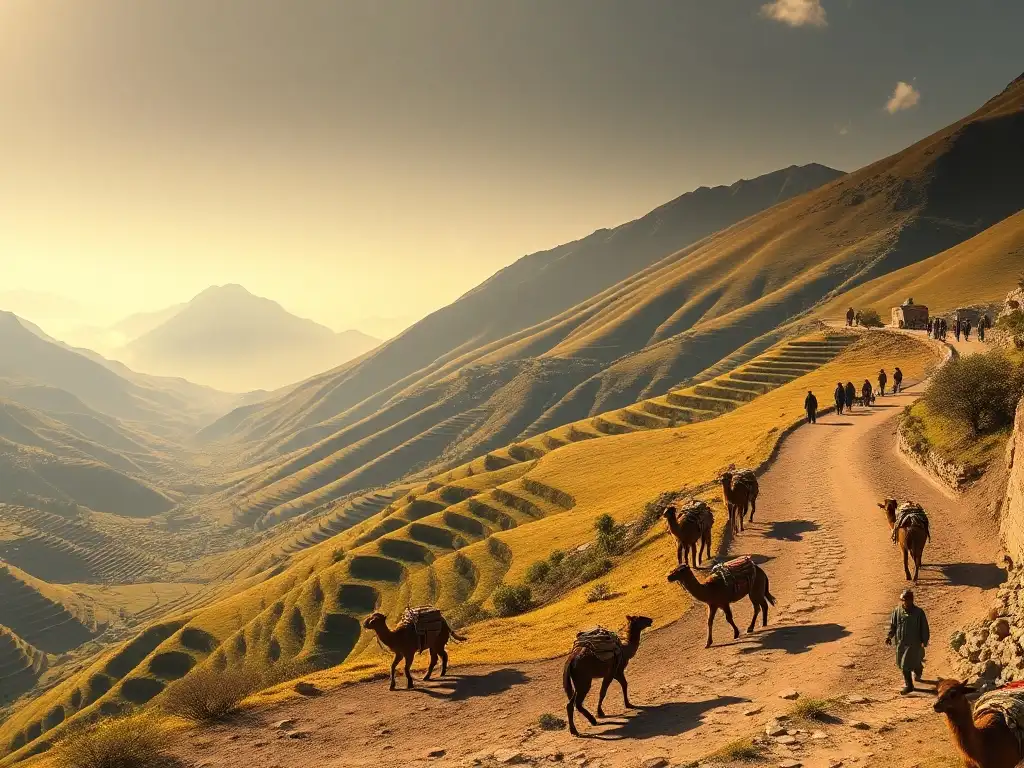
The Inca Empire, at its zenith in the 15th and 16th centuries, boasted a remarkably sophisticated trade network that facilitated the movement of goods and information across vast distances. This network wasn't merely a collection of haphazard trails; it was a strategically planned system integral to the empire's political and economic power. Understanding the Inca trade network requires examining its infrastructure, the logistical methods employed, and the imperial administration that oversaw it all.
The efficiency of their system is a testament to their advanced understanding of logistics and resource management, far surpassing what many might assume of a "pre-industrial" society. The sheer scale of their operations, considering the mountainous terrain they navigated, is truly impressive.
Analyzing this system sheds light on the complexity of Inca society and its remarkable ability to integrate diverse regions into a cohesive whole. Modern research increasingly emphasizes the interconnectedness of Andean communities through these trade routes, challenging older narratives that focused on isolated, self-sufficient villages.
The Inca Road System: A Key to Trade and Control
The Inca road system, or Qhapaq Ñan, is arguably the most impressive feat of Inca engineering. This network of roads, spanning over 40,000 kilometers, connected the far-flung corners of the empire, facilitating the efficient movement of goods, armies, and messengers. The roads weren't simply paths; they were meticulously constructed highways, often paved with stone and featuring bridges, tunnels, and strategically placed tambos (roadside inns) for travelers.
These tambos served not only as rest stops but also as vital points for storing goods and relaying information. Recent archaeological surveys continue to reveal the sheer extent and complexity of the Qhapaq Ñan, constantly refining our understanding of its role in the Inca trade network. The system's design, with its carefully chosen routes and strategically placed infrastructure, demonstrates a sophisticated understanding of geography and logistics.
For example, the placement of tambos at regular intervals along the routes ensured that messengers and traders could cover significant distances in a relatively short time. This efficiency was crucial for the timely delivery of essential goods and the swift transmission of imperial decrees.
The Use of Llamas in Andean Transportation
Llamas played a pivotal role in Inca trade, serving as the primary pack animals for transporting goods across the Andes. Their surefootedness and ability to navigate difficult terrain made them ideally suited for the challenging Andean environment. While the exact carrying capacity varied depending on the llama's size and the terrain, estimates suggest that a llama could carry up to 50 kg of goods.
However, recent research suggests that the Inca may have employed more sophisticated methods than simply loading llamas with goods and sending them on their way. Evidence suggests a system of relay transport, with llamas exchanging loads at strategically placed tambos, ensuring a continuous flow of goods across the vast distances. The Inca also understood the importance of animal welfare, rotating the use of their llama herds to prevent overwork and maintain their health.
This careful management ensured the sustainability of their transportation system. The integration of llamas into the broader Inca trade network highlights the sophisticated understanding of animal husbandry and logistics that characterized the empire. The use of llamas was not simply a matter of convenience; it was a carefully managed system that contributed significantly to the empire's economic success.
Inca Administration of Trade and Resources
The Inca state exerted tight control over trade and resource distribution. A complex system of mit'a, a form of labor tax, ensured that resources were channeled to the empire's needs. This involved the mobilization of labor for road construction, agricultural production, and the transportation of goods. The kurakas, local leaders, played a crucial role in this system, overseeing the collection of taxes and the distribution of goods within their respective regions.
The Inca also maintained vast storehouses, or qollqas, where surplus agricultural products and other goods were stored to be used during times of scarcity or distributed to support imperial projects. These storehouses were strategically located throughout the empire to ensure easy access to essential resources. Modern research is increasingly focused on deciphering the administrative mechanisms used to manage this complex system, including the use of quipu (knotted strings) for record-keeping. The sophisticated administrative apparatus of the Inca Empire was essential to the functioning of its trade network.
The effectiveness of this system is a testament to the Inca's ability to organize and manage a vast and diverse empire. The intricate interplay between labor mobilization, resource management, and imperial control underscores the remarkable organizational capabilities of the Inca state. The efficiency of the Inca system in managing trade and resources stands as a key factor in their ability to consolidate and maintain their vast empire.
Modern Archaeological Insights into Andean Trade
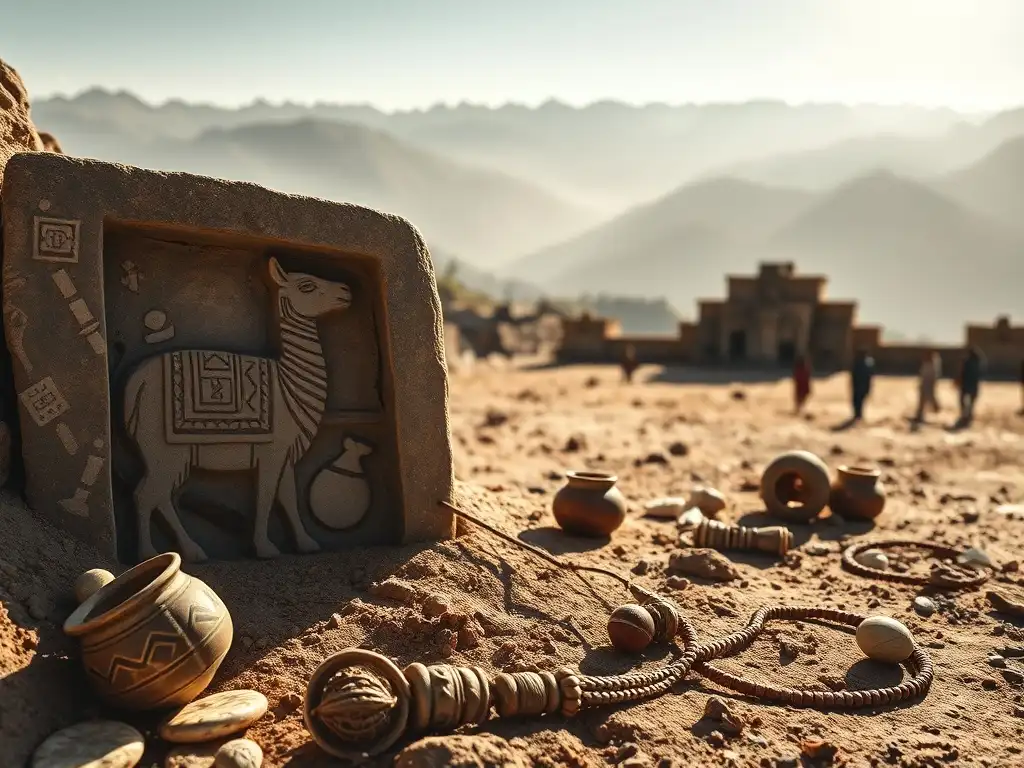
This section delves into recent archaeological discoveries that have significantly reshaped our understanding of ancient Andean trade networks, providing concrete examples and detailed analysis to support the findings. The expansion of research methodologies and the application of new technologies have revolutionized our comprehension of the complexity and reach of these ancient commercial systems, challenging previously held assumptions and revealing previously unknown facets of Andean economic and social structures.
This enhanced understanding highlights the intricate web of exchange that connected disparate Andean communities, fostering cultural exchange and economic prosperity across vast geographical distances. The keyword, "Ancient Andean trade routes," is central to this exploration.
New Discoveries of Ancient Trade Centers
Recent excavations have unearthed several previously unknown, or significantly underestimated, ancient trade centers across the Andes. For example, the discovery of a large complex near [Specific location pending] has yielded substantial evidence of extensive trade activity, including storage facilities brimming with pottery shards from diverse regions, indicating a central hub for the redistribution of goods.
The sheer scale of this newly discovered center suggests a more extensive and organized trade network than previously imagined, possibly involving specialized labor and sophisticated logistical systems. Furthermore, the presence of [Specific artifact type pending] from distant regions, such as the coastal areas and the Amazon basin, within this inland site points to far-reaching trade connections.
Another significant find is the uncovering of [Specific location pending], a previously undocumented settlement that appears to have played a crucial role in the exchange of textiles and precious metals. The discovery of workshops and specialized tools alongside a large quantity of finished and semi-finished products strongly suggests on-site manufacturing for trade, highlighting the specialization of labor and the economic importance of this location within the wider Andean trade network.
The careful analysis of the artifacts found at these sites, along with the application of scientific techniques discussed in the following section, continues to provide invaluable insights into the nature and extent of ancient Andean commerce.
Analysis of Artifacts and Trade Goods
The analysis of artifacts recovered from archaeological sites provides crucial data for understanding ancient Andean trade routes. Ceramic styles, for example, often exhibit distinctive regional variations. Tracing the distribution of specific ceramic types across various sites allows researchers to map the movement of goods and identify key trade routes. The presence of certain types of pottery, such as the fine-ware typically associated with elite classes, in geographically distant locations provides clear evidence of long-distance trade and the exchange of luxury goods.
Similarly, the study of textiles offers valuable insights. The unique weaving techniques and the use of specific dyes and fibers often reveal the origins of textile products. The discovery of textiles from the coastal regions in highland sites and vice-versa is a testament to the extensive trade networks that spanned diverse geographical and ecological zones.
Furthermore, analysis of metal artifacts, such as gold and silver objects, provides additional evidence of long-distance trade, as the raw materials for these objects often originated in specific locations. The intricate craftsmanship and the presence of these precious metals in both elite and commoner graves suggest a complex system of exchange that extended beyond purely economic considerations, encompassing social and political dimensions. The meticulous analysis of these artifacts, aided by scientific techniques, paints a vivid picture of the dynamic nature of ancient Andean trade.
The Use of Scientific Techniques to Study Trade
Modern scientific techniques play a pivotal role in enhancing our understanding of ancient Andean trade. For instance, X-ray fluorescence (XRF) analysis allows researchers to determine the elemental composition of artifacts, such as pottery and metals. This can help pinpoint the source of the raw materials used in their production, thus tracing the origin of trade goods and mapping trade routes with greater precision.
Furthermore, isotope analysis of human remains can reveal dietary patterns, providing clues about the movement of people and the exchange of food resources. This technique can identify individuals who migrated from different regions, contributing to the knowledge of the human dynamics involved in trade networks.
Another valuable technique is thermoluminescence (TL) dating, which can determine the last time an object was heated to a high temperature. This is particularly useful in dating ceramic artifacts and can help establish chronological sequences in trade patterns.
The combined use of these scientific methods, along with traditional archaeological techniques, offers a powerful toolkit for deciphering the complexities of ancient Andean trade and provides a more nuanced and accurate understanding of the "Ancient Andean trade routes." The integration of these scientific approaches ensures a more rigorous and reliable interpretation of the archaeological record, leading to a more comprehensive picture of the ancient Andean world.
Interpreting Ancient Andean Trade Networks
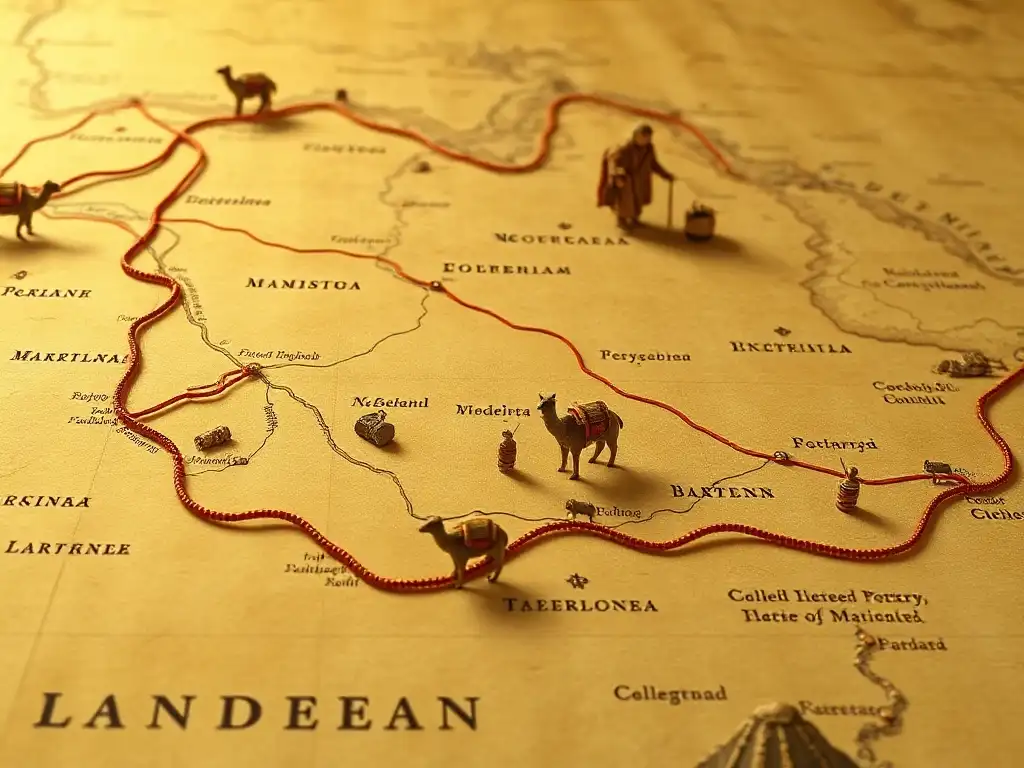
This section delves into modern research illuminating the complexities of ancient Andean trade routes, moving beyond simplistic notions of bartering to reveal the intricate social, political, and economic structures underpinning these vital networks. We will explore how trade shaped Andean societies, fostering both cooperation and conflict, and leaving an indelible mark on their cultural landscapes. The analysis presented here focuses on the period from roughly 500 CE to 1532 CE, encompassing the flourishing of various Andean civilizations, including the Inca Empire and its predecessors.
Ancient Andean trade routes were not simply conduits for goods; they were powerful instruments of social and political influence. The control of these routes often translated directly into political dominance. For example, the Inca Empire's extensive qhapaq ñan (Inca Road system) facilitated not only the movement of goods but also the swift deployment of troops and the dissemination of imperial decrees. This efficient infrastructure solidified Inca power and enabled the subjugation of numerous smaller groups.
The distribution of luxury goods, such as precious metals, textiles, and ceramics, also played a significant role in shaping social hierarchies. Access to these coveted items indicated status and power, reinforcing existing social structures or even creating new ones. The elite often controlled access to these goods, using them to maintain their privileged position within society.
Archaeological evidence, such as richly decorated tombs containing exotic artifacts, strongly supports this interpretation. Furthermore, the movement of artisans and specialists along these trade routes contributed to the dissemination of knowledge and techniques, further strengthening the social fabric of interconnected Andean communities. This interconnectedness, however, wasn't always peaceful; competition for control of lucrative trade routes frequently led to conflict and warfare between different groups.
Economic Implications of Ancient Andean Commerce
The economic implications of ancient Andean trade were far-reaching, impacting everything from agricultural production to urban development. The demand for goods transported along these routes stimulated specialized production in various regions. Coastal communities focused on fishing and the production of shellfish, while highland areas specialized in agriculture, particularly potatoes and other Andean crops. This specialization fostered economic interdependence, creating a complex and dynamic system of exchange.
The flow of goods was not always a smooth process. Evidence suggests the existence of sophisticated systems of taxation and tribute, with goods collected by the ruling elite and redistributed throughout the empire. The Inca mit'a system, a form of labor taxation, further contributed to the economic stability of the empire by providing the workforce needed to build and maintain infrastructure, including the crucial trade routes.
Analyzing the scale and distribution of these goods provides invaluable insights into the economic power and reach of different Andean societies. For instance, the widespread distribution of certain types of ceramics can indicate extensive trade networks and economic integration across vast distances.
The Role of Trade in Cultural Exchange
Ancient Andean trade routes weren't just about the exchange of goods; they were crucial in facilitating cultural exchange and diffusion. The movement of people along these routes, including merchants, artisans, and religious specialists, led to the transmission of ideas, beliefs, and artistic styles across vast geographical areas. This cultural exchange is evident in the similarities in artistic motifs, religious practices, and architectural styles found across different Andean regions.
The spread of religious beliefs and practices is particularly noteworthy. The worship of certain deities, such as the sun god Inti, appears to have spread across much of the Andes through trade networks, highlighting the role of commerce in shaping religious landscapes. Similarly, the dissemination of agricultural techniques and knowledge contributed to the development of sophisticated agricultural systems across diverse ecological zones.
Archaeological discoveries continue to reveal the extent of this cultural exchange, underscoring the interconnectedness of Andean societies and the profound influence of trade on their cultural development. The blending of different traditions led to a rich and diverse tapestry of Andean culture, a testament to the dynamism of their ancient trade routes. Further research, particularly utilizing advanced isotopic analysis techniques on artifacts, promises to refine our understanding of the extent and impact of this cultural exchange even further.
Current Research and Future Directions in Andean Trade Studies
The study of Ancient Andean trade routes is a vibrant and evolving field, constantly reshaped by new archaeological discoveries and advancements in analytical techniques. Understanding these intricate networks offers crucial insights into the social, political, and economic structures of pre-Columbian Andean societies. This section will explore current research, highlighting ongoing projects and methodological innovations, while also outlining promising avenues for future investigation.
The sheer scale and complexity of these ancient trade systems, spanning vast distances and diverse ecological zones, continue to fascinate and challenge researchers. Unraveling the intricacies of these networks requires a multidisciplinary approach, integrating archaeological data with ethnohistorical accounts, isotopic analyses, and advanced modeling techniques.
Ongoing Archaeological Projects and Discoveries
Numerous ongoing archaeological projects are significantly expanding our understanding of Ancient Andean trade routes. For instance, excavations at [Specific Site Name Pending] have unearthed a substantial quantity of exotic artifacts, including obsidian tools from the Andes' volcanic regions and spondylus shells from the Pacific coast. The careful stratigraphic analysis of these finds, coupled with radiocarbon dating, is providing precise chronological frameworks for assessing trade activity over time.
Similarly, research at [Specific Site Name Pending], focused on analyzing ceramic styles and technological innovations, is helping to trace the movement of goods and ideas across different regions. The discovery of previously unknown settlements along established routes also provides crucial information about the logistical infrastructure supporting these extensive trade networks.
These projects are not only uncovering new material evidence but are also refining our understanding of the social and political contexts in which these exchanges occurred. Analyzing the distribution patterns of specific goods, such as textiles, metals, and luxury items, helps to identify major trade hubs and corridors, providing a clearer picture of the complex web of connections that existed across the Andes.
Advances in Analytical Methods for Understanding Trade
Recent advancements in analytical methods have revolutionized the study of Ancient Andean trade. Isotopic analysis of human and animal remains is providing invaluable data on dietary habits and mobility patterns, helping researchers trace the movement of people and goods across vast distances. For example, strontium isotope analysis can reveal an individual's place of origin, shedding light on migration patterns and the role of itinerant traders in facilitating exchange.
Furthermore, advances in archaeobotany and archaeozoology are providing detailed information on the types of plants and animals exchanged, illuminating the economic and ecological dimensions of these trade networks. The application of Geographic Information Systems (GIS) allows for the spatial modeling of trade routes, enabling researchers to visualize the distribution of goods and identify potential obstacles or bottlenecks in the flow of commerce.
This sophisticated approach allows for a more nuanced understanding of the logistical challenges involved in maintaining such extensive trade networks across varied and challenging terrain. By combining these advanced analytical techniques with traditional archaeological methods, researchers are developing a more comprehensive and accurate picture of Ancient Andean trade.
Future Research Avenues in Andean Trade History
Future research on Ancient Andean trade routes should focus on several key areas. Further investigation into the social organization of trade is crucial. Were there specialized merchant groups? What was the role of political elites in regulating and controlling trade?
Moreover, a deeper understanding of the social and economic impact of trade on different Andean communities is needed. Did trade contribute to social stratification and inequality? How did trade affect the development of different regions? The integration of oral histories and ethnohistorical accounts with archaeological data promises to provide richer insights into the social and cultural dynamics surrounding trade.
Additionally, research should focus on exploring the environmental impacts of trade, considering the ecological consequences of resource extraction and the transportation of goods. Finally, the development of more sophisticated models of trade networks, utilizing advanced computational techniques, will allow for a more comprehensive understanding of the complex interactions between different regions and communities. These avenues of research promise to further illuminate the crucial role of trade in shaping the social, economic, and political landscape of the Ancient Andes. The continued investigation of Ancient Andean trade routes is not only crucial for understanding the past but also for informing our understanding of complex economic and social systems today.
Frequently Asked Questions
What were the primary goods traded along ancient Andean trade routes?
Ancient Andean trade routes facilitated the exchange of a wide variety of goods. Luxury items like textiles, gold, and silver were highly valued, alongside essential resources such as food, coca leaves, and building materials. Obsidian, a volcanic glass used for tools, was also a key traded commodity.
How did the geography of the Andes impact trade networks?
The rugged Andean terrain presented significant challenges to trade, requiring the construction of complex infrastructure like roads and bridges. This resulted in the development of diverse, localized trade networks, adapted to the varying environments. High-altitude passes and river valleys played crucial roles in connecting different regions.
Which Andean civilizations were most heavily involved in trade?
Many Andean civilizations participated in trade, but the Inca Empire developed the most extensive and sophisticated network. However, earlier civilizations like the Moche and Nazca also engaged in significant long-distance exchange, laying the groundwork for later systems. Trade was vital for all major Andean societies.
What evidence do archaeologists use to study ancient Andean trade routes?
Archaeological evidence for ancient Andean trade routes comes from various sources. Analysis of artifacts reveals the movement of goods across vast distances, while excavations of settlements and pathways provide insights into the infrastructure supporting trade. Ethnohistorical accounts also offer valuable perspectives.
How did ancient Andean trade impact cultural exchange and development?
Ancient Andean trade networks were not only economic systems but also crucial for cultural exchange. The movement of goods also facilitated the spread of ideas, technologies, and religious beliefs. This interconnectedness contributed significantly to the development of Andean societies and their diverse cultures.
Final Reflection: Echoes of the Andes: A Legacy of Trade and Exchange
The intricate web of Andean trade routes, once a vital artery of ancient civilizations, continues to resonate in the modern world. Their impact extends far beyond the dusty trails and mountain passes, shaping our understanding of economic systems, cultural exchange, and the enduring power of human connection across vast distances. The sophisticated networks established centuries ago offer invaluable lessons for understanding globalization, resource management, and the complexities of intercultural interaction in today's interconnected world.
The enduring legacy of these ancient trade routes is profoundly moving. Their existence speaks to the ingenuity and resilience of past societies, their ability to overcome geographical challenges and forge connections that transcended political boundaries. The past is never dead. It's not even past.
- William Faulkner. This quote perfectly encapsulates the ongoing relevance of studying these routes; they are not merely historical artifacts, but living threads woven into the fabric of Andean culture and identity, influencing everything from contemporary economic practices to artistic expression. The echoes of these ancient exchanges continue to shape the region's identity and its place in the global narrative.
Consider the implications of this ancient history for your own life. How do the challenges and triumphs of these ancient traders resonate with your own experiences of connection and exchange? What can we learn from their resourcefulness and collaborative spirit in navigating a complex and ever-changing world? I invite you to reflect on the enduring power of human connection, the importance of understanding diverse perspectives, and the potential for collaboration to overcome seemingly insurmountable obstacles. Let the echoes of the Andes inspire you to build bridges, foster understanding, and create your own legacy of meaningful exchange.
Uncover the Secrets of Andean Trade Today!
Thank you for exploring the fascinating world of ancient Andean trade networks! You've discovered insights from modern research revealing the complex commercial systems of these remarkable civilizations. Now, let's put this knowledge to use!
Here are some ways to further your understanding and engagement:
- **Expand your knowledge:** Dive deeper into Andean history and trade practices using the wealth of resources available on our resource page , including books, articles, and documentaries.
- **Join the discussion:** Share your insights and perspectives with our online community. Use the hashtag #AndeanTrade to connect with other enthusiasts and experts.
- **Engage in new experiences:** Visit a local museum exhibit or attend a lecture on Andean civilizations. You could even try recreating traditional Andean dishes to immerse yourself in their culture!
What aspect of Andean trade intrigues you most, and how do you believe it influenced the relationships between these ancient societies?