
Guardians of the Past: The Vital Role of Andean Communities in Preserving Heritage

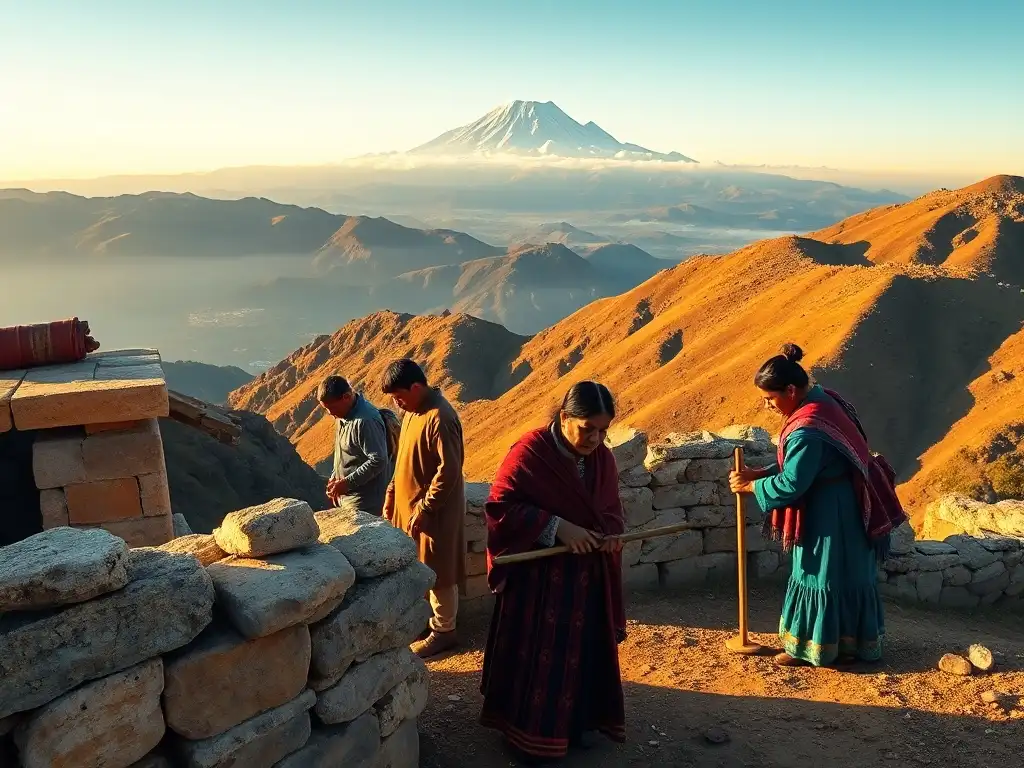
Step into a world lost to time, yet echoing in the vibrant tapestry of today. Journey with us through the breathtaking landscapes and enigmatic legacies of the Andean civilizations. From the towering heights of Machu Picchu to the intricate artistry of the Nazca Lines, we unravel the mysteries of the Incas, Moche, and other remarkable cultures.
But what happens when ancient wonders face modern threats? Discover the crucial role of Andean communities in Andean civilizations heritage preservation and the urgent need to safeguard this invaluable legacy for generations to come. Explore the challenges and triumphs in our latest article, "Guardians of the Past," and become a part of the story.
The Andes Mountains, a spine of towering peaks stretching along the western edge of South America, are not just a geographical feature; they are the cradle of some of the world's most fascinating and enduring civilizations. From the intricate artistry of the Nazca lines to the sophisticated engineering of Machu Picchu, the legacy of the Andean cultures – including the Incas, Moche, Nazca, and Tiahuanaco – continues to captivate and inspire. However, preserving this invaluable heritage is a complex and ongoing challenge, one inextricably linked to the vital role played by the Andean communities themselves.
This article explores the profound connection between these communities and their ancestral heritage, highlighting their crucial contributions to the safeguarding of archaeological sites, traditional knowledge, and cultural practices for future generations. We will examine how their active participation is not merely beneficial, but absolutely essential for the long-term survival and understanding of Andean civilizations' rich tapestry.
This is a story of resilience, guardianship, and the enduring power of cultural memory. Understanding their role is key to understanding the future of Andean civilizations heritage preservation.
Introduction: The Enduring Legacy of Andean Civilizations
The Andean region boasts a history spanning millennia, marked by the rise and fall of powerful empires and the development of innovative technologies and artistic expressions. The Incas, with their vast empire and sophisticated road system, are perhaps the most widely known. However, preceding them were equally impressive cultures, each leaving behind a unique and remarkable legacy. The Moche, renowned for their elaborate ceramics depicting vibrant scenes of life and ritual, left behind monumental pyramids and intricate irrigation systems.
The Nazca, famous for their enigmatic geoglyphs etched into the desert floor, demonstrate a sophisticated understanding of astronomy and engineering. The Tiahuanaco, with their imposing stone structures and intricate religious beliefs, exerted a significant influence across a wide geographical area. These civilizations, while distinct, shared common threads: a deep connection to the land, a reverence for their ancestors, and a remarkable capacity for adaptation and innovation.
Their legacy is not merely a collection of artifacts and ruins; it's a living culture, continually shaped and preserved by the descendants of these ancient peoples. Preserving this legacy requires a multifaceted approach, with the participation of Andean communities at its very core. The continued existence of many cultural practices, including traditional farming techniques and intricate textile weaving, directly contributes to the living legacy of Andean heritage.
The Deep Connection Between Andean Communities and their Ancestral Heritage
The relationship between contemporary Andean communities and their ancestral heritage is not merely historical; it is deeply personal and profoundly spiritual. For many, the ancient sites are not just places of archaeological interest, but sacred spaces imbued with the spirits of their ancestors. This profound connection fuels their commitment to preservation. Many communities actively participate in the monitoring and protection of archaeological sites, reporting any signs of vandalism or looting.
They possess invaluable traditional ecological knowledge (TEK) relating to sustainable resource management, which is crucial for the conservation of the fragile Andean ecosystems. Furthermore, their continued practice of traditional arts and crafts, such as weaving, pottery, and music, ensures the transmission of vital cultural knowledge across generations. This active participation is not solely driven by a sense of duty; it is rooted in a deep-seated identity and a desire to honor the legacy of their ancestors. Their knowledge, often passed down orally through generations, is irreplaceable and essential for a complete understanding of Andean civilizations.
The preservation of this knowledge is as important as the preservation of the physical artifacts. Indeed, one cannot exist without the other. The active participation of these communities is not simply helpful; it is fundamental to the success of any long-term Andean civilizations heritage preservation strategy. Ignoring their input would be a critical mistake.
Challenges Faced by Andean Communities in Heritage Conservation
Andean communities face a multitude of interconnected challenges in their efforts to preserve their rich heritage. These challenges often stem from a complex interplay of economic, political, and social factors, all impacting the delicate balance between tradition and modernity. The weight of preserving ancient sites and practices often falls disproportionately on already marginalized communities, exacerbating existing inequalities. The lack of adequate resources and support from governmental and international organizations further complicates their task. Understanding these challenges is crucial to developing effective strategies for collaborative heritage preservation.
Economic Pressures and the Loss of Traditional Practices
Economic hardship significantly contributes to the erosion of Andean cultural heritage. The allure of higher-paying jobs in urban centers often leads to out-migration, resulting in a decline in the population actively involved in traditional crafts, agricultural techniques, and ceremonies. This out-migration not only diminishes the number of practitioners but also weakens the transmission of invaluable traditional knowledge across generations.
For example, the decline in textile production using ancestral techniques threatens the loss of unique weaving patterns and dyeing methods, representing centuries of cultural evolution. Furthermore, the pressure to adopt modern, often less sustainable, agricultural practices can lead to the degradation of ancestral farming systems and the loss of associated knowledge about crop diversity and land management. The economic reality often forces communities to prioritize immediate needs over long-term heritage preservation.
Impact of Mining and Infrastructure Development on Andean Cultural Sites
The expansion of mining and infrastructure projects poses a substantial threat to Andean cultural sites. Large-scale mining operations frequently encroach upon ancestral lands, damaging sacred sites and disrupting traditional landscapes. The construction of roads, dams, and other infrastructure often leads to habitat destruction, impacting the environment and cultural resources.
For instance, the construction of a new highway in the Andes might inadvertently destroy ancient burial grounds or irrigation systems, irrevocably damaging significant historical and cultural aspects of the region. The lack of adequate environmental impact assessments and the insufficient consultation with local communities further exacerbates these negative effects. The resulting environmental degradation also undermines the communities’ ability to sustain their traditional livelihoods, creating a vicious cycle of environmental and cultural loss.
The Threat of Looting and Illegal Trafficking of Artifacts
Looting and illegal trafficking of artifacts represent a significant threat to the integrity of Andean heritage. The illicit trade in ancient artifacts fuels the destruction of archaeological sites and deprives communities of their cultural patrimony. These activities not only damage irreplaceable objects but also disrupt the historical narrative and spiritual connection of the communities to their past.
The lack of effective law enforcement and the high profitability of this illegal trade make it a persistent challenge. The demand for these artifacts from international collectors further fuels this destructive cycle, highlighting the need for stronger international cooperation to combat this illicit trade. This issue necessitates a multi-faceted approach involving stronger legislation, increased border control, and public awareness campaigns to discourage the acquisition of looted artifacts.
Andean Communities as Active Agents in Cultural Preservation
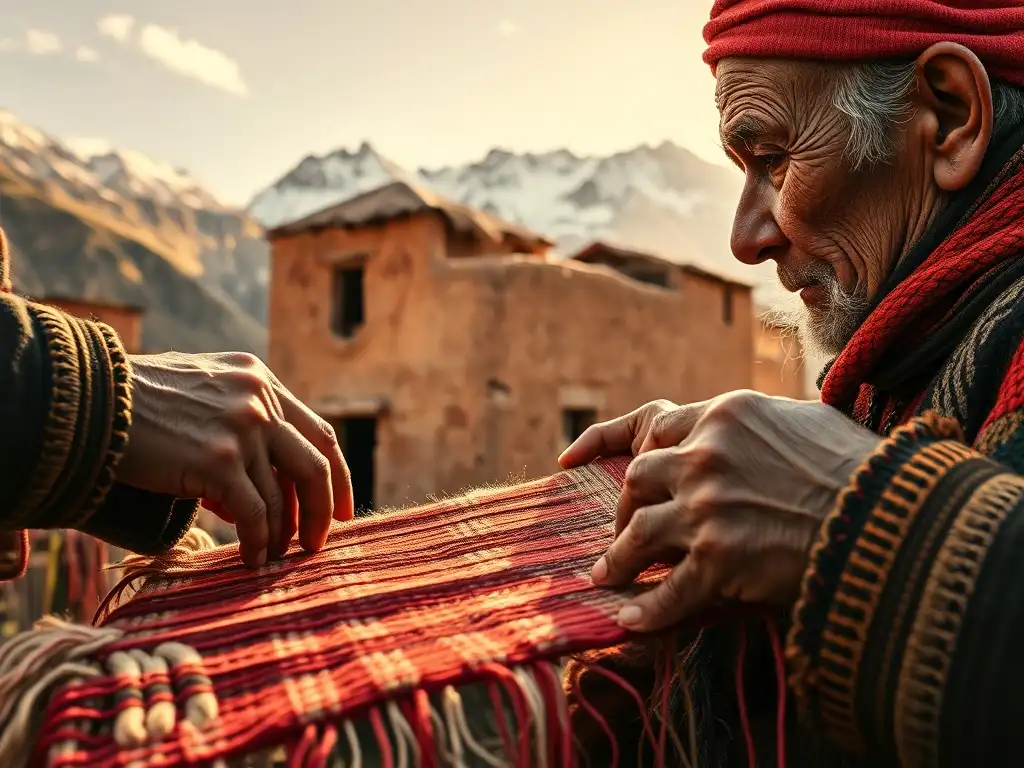
Despite the numerous challenges, Andean communities remain active agents in the preservation of their cultural heritage. Their deep-rooted connection to their land and traditions provides the foundation for effective conservation strategies that acknowledge both tangible and intangible aspects of heritage. The resilience and commitment of these communities are essential for ensuring the long-term survival of their cultural legacy. Community-based approaches to heritage management are proving increasingly effective in promoting sustainable and culturally sensitive preservation.
Traditional Knowledge as a Key to Heritage Safeguarding
Traditional ecological knowledge (TEK) plays a crucial role in heritage safeguarding. This knowledge, accumulated over generations, encompasses a vast understanding of the environment, resource management, and sustainable practices. It informs traditional agriculture, land use, and conservation techniques that have proven effective over centuries. For example, indigenous knowledge of medicinal plants and their sustainable harvesting practices is vital for both cultural preservation and biodiversity conservation. Integrating TEK with modern scientific approaches offers a powerful synergy for effective heritage management. Respecting and incorporating this knowledge is crucial to developing culturally sensitive and sustainable conservation strategies.
Community-Led Initiatives for Site Protection
Many Andean communities have taken the initiative to protect their cultural heritage through community-led projects. These initiatives often involve the establishment of community museums, the development of ecotourism ventures, and the creation of protected areas. These initiatives not only promote cultural preservation but also offer economic opportunities for the community, fostering a sense of ownership and responsibility for their heritage. Examples include community-managed archaeological sites where locals act as guides and interpreters, sharing their knowledge and fostering a deeper understanding of their heritage among visitors. These community-based approaches demonstrate the effectiveness of empowering local communities in heritage management.
The Role of Local Elders in Transmitting Cultural Values
Local elders play a pivotal role in transmitting cultural values and knowledge to younger generations. They serve as keepers of traditional practices, languages, and stories, ensuring the continuity of cultural traditions. Their knowledge is invaluable for understanding the significance of cultural sites and practices, providing crucial context for conservation efforts.
The active engagement of elders in community-based heritage initiatives is essential for ensuring that cultural traditions are not only preserved but also remain relevant and vibrant in the modern world. Their wisdom, experience, and storytelling skills are vital for creating a lasting legacy for future generations. Supporting their role in cultural transmission is key to the long-term preservation of Andean heritage.
Successful Examples of Community-Based Heritage Management
Andean communities have demonstrated remarkable resilience and ingenuity in preserving their rich heritage despite centuries of challenges. Their efforts are crucial for the long-term survival of Andean civilizations' legacy, offering valuable lessons in sustainable heritage management. Community-based approaches prioritize local knowledge, participation, and ownership, ensuring the authenticity and cultural relevance of preservation efforts. This contrasts sharply with top-down approaches that may overlook the nuanced understanding held within the communities themselves. These successful initiatives highlight the power of empowerment and collaboration in safeguarding cultural treasures. The following examples showcase the diverse and impactful ways Andean communities actively protect their heritage.
The Quechua Community of Ollantaytambo and the Preservation of their Inca Town
The Quechua community of Ollantaytambo, located in the Sacred Valley of Peru, provides a compelling example of successful community-based heritage management. For generations, they have actively participated in the preservation of their Inca town, a UNESCO World Heritage site. This isn't merely passive preservation; the community is actively involved in restoration projects, using traditional techniques and materials to maintain the authenticity of the site. They also play a crucial role in managing tourism, ensuring that visitors respect the site and its cultural significance.
The community's deep connection to their ancestral heritage fuels their commitment, resulting in a vibrant and well-preserved Inca town that continues to thrive. This model demonstrates the positive impact of community involvement in balancing tourism with heritage preservation, a crucial aspect of "Andean civilizations heritage preservation". The community's active participation in decision-making processes guarantees that preservation efforts are aligned with their cultural values and priorities.
The Aymara Community of Lake Titicaca and the Maintenance of Floating Islands
The Aymara people of Lake Titicaca, situated on the border of Peru and Bolivia, have a long history of maintaining their unique floating islands, constructed from interwoven reeds. These islands, representing a remarkable feat of engineering and adaptation, are not only essential to their livelihood but also a significant part of their cultural identity. The community’s traditional knowledge and techniques are crucial for the ongoing maintenance and sustainability of these fragile ecosystems.
They understand the delicate balance required to preserve the islands while accommodating the needs of their community. The preservation of the floating islands is intrinsically linked to their cultural identity and survival, demonstrating the vital role of indigenous knowledge in "Andean civilizations heritage preservation". This case showcases how sustainable practices, deeply rooted in cultural traditions, can contribute to the long-term preservation of unique cultural landscapes.
The Wari Community of Ayacucho and the Conservation of Textiles
The Wari people of Ayacucho, Peru, are renowned for their exceptional textile traditions, passed down through generations. These intricate textiles, often imbued with deep symbolic meaning, represent a significant part of their cultural heritage. The community actively works to preserve these traditions, passing down weaving techniques and designs to younger generations.
They also participate in initiatives to promote and sell their textiles, ensuring the economic viability of this important cultural practice. This approach not only preserves the art of textile production but also empowers the community economically, demonstrating a sustainable model for "Andean civilizations heritage preservation". Through the preservation of their textile traditions, the Wari community not only safeguards a crucial part of their heritage but also strengthens their cultural identity and economic resilience.
The Importance of Empowering Andean Communities for Long-Term Preservation
Empowering Andean communities is paramount for the long-term preservation of their rich heritage. Sustainable heritage management requires a shift away from top-down approaches to a more participatory model that centers the voices and experiences of those who are the custodians of this heritage. This empowerment involves various key strategies that foster community ownership and self-determination. Without community involvement, efforts may be ineffective, misaligned with local needs, and ultimately fail to achieve their goals of lasting preservation. The success of community-based initiatives hinges on acknowledging and addressing the needs and priorities of the communities themselves.
Strengthening Community Rights and Land Tenure
Secure land tenure and strong community rights are fundamental prerequisites for effective heritage preservation. When communities have clear rights over their lands and resources, they are better equipped to manage and protect their heritage sites and cultural landscapes. This includes protecting sacred sites, ancestral lands, and resources crucial to their cultural practices.
Secure land tenure provides the stability and long-term vision necessary for sustainable heritage management. Without this security, communities are vulnerable to exploitation and displacement, undermining their ability to protect their heritage. Strengthening these rights is a key element in ensuring the long-term success of "Andean civilizations heritage preservation".
Supporting Sustainable Tourism and Economic Opportunities
Sustainable tourism can play a crucial role in supporting heritage preservation by providing communities with economic opportunities directly linked to their cultural heritage. This requires careful planning and management to avoid the negative impacts of mass tourism. Community-based tourism initiatives, where local communities manage tourism activities and benefit directly from the revenue generated, offer a sustainable model for economic development. These initiatives can help to fund heritage preservation projects, provide employment opportunities, and create a sense of ownership and pride in the community's cultural heritage. This economic empowerment is a critical aspect of sustainable "Andean civilizations heritage preservation".
Fostering Intercultural Dialogue and Collaboration
Effective heritage preservation requires fostering intercultural dialogue and collaboration among Andean communities, government agencies, researchers, and tourists. This involves creating spaces for open communication, sharing knowledge, and building mutual understanding and respect. Collaborative approaches ensure that preservation efforts are culturally sensitive and respectful of community values and traditions. This collaborative approach is integral to successful "Andean civilizations heritage preservation". By working together, different stakeholders can leverage their respective expertise and resources to achieve common goals, creating a more sustainable and effective model for heritage management.
Legal Frameworks and International Support for Andean Heritage Protection
The preservation of Andean civilizations' heritage relies heavily on robust legal frameworks and international collaborations. These frameworks provide the necessary tools and support for protecting archaeological sites, cultural landscapes, and intangible cultural heritage. Effective legislation is crucial for deterring looting, illegal trafficking of artifacts, and the destruction of sites due to unsustainable development. Without strong legal protection, the irreplaceable legacy of these civilizations would be severely threatened.
The legal landscape is complex, varying considerably between nations and even within regions of a single country. This complexity underscores the need for clear, accessible, and consistently enforced laws. Furthermore, international cooperation is paramount in combating the transnational nature of illicit trafficking in cultural goods.
National Laws for the Protection of Cultural Property in Peru
Peru, home to a wealth of Andean archaeological sites, has enacted several laws to protect its cultural heritage. The country's legal framework aims to safeguard archaeological sites, artifacts, and intangible cultural heritage, such as traditional knowledge and practices. These laws define what constitutes cultural property, outline penalties for its illegal appropriation or destruction, and establish mechanisms for its protection and management. For example, [specific details on Peruvian legislation regarding cultural heritage protection pending].
Enforcement, however, remains a significant challenge, requiring ongoing efforts to strengthen institutional capacity and community engagement. The effective implementation of these laws depends on the collaboration between government agencies, local communities, and international organizations. The fight against looting and illegal trafficking requires constant vigilance and the development of innovative strategies.
The Role of UNESCO and Other International Organizations
UNESCO plays a vital role in safeguarding Andean heritage through its conventions and programs. The 1970 Convention on the Means of Prohibiting and Preventing the Illicit Import, Export and Transfer of Ownership of Cultural Property is a cornerstone of international efforts to combat the illegal trafficking of artifacts. UNESCO also provides technical assistance and funding to countries in the Andes region to help them develop and implement effective heritage management plans.
Other international organizations, such as the World Bank and various NGOs, also contribute to heritage preservation efforts by providing funding, expertise, and support for community-based initiatives. These collaborations are essential in building capacity, sharing best practices, and promoting sustainable tourism models that benefit local communities while protecting heritage sites. The collaborative nature of these international efforts highlights the global significance of Andean heritage.
Opportunities for Funding and Technical Assistance
Several opportunities exist for funding and technical assistance to support Andean heritage preservation. International organizations, such as UNESCO and the Global Environment Facility (GEF), offer grants and technical support for projects aimed at protecting cultural and natural heritage. These funding opportunities often focus on community-based initiatives, sustainable tourism development, and capacity building. In addition, bilateral agreements between countries and philanthropic organizations provide additional avenues for securing funding and expertise.
Accessing these resources often requires careful planning, the development of strong project proposals, and a commitment to long-term sustainability. Successful projects demonstrate a clear understanding of the local context, involve local communities in all stages of the project, and incorporate monitoring and evaluation mechanisms to ensure effectiveness and accountability. The availability of funding and technical assistance is a crucial element in ensuring the long-term preservation of Andean heritage.
The Future of Andean Civilizations Heritage Preservation: A Collaborative Effort
The future of Andean civilizations' heritage preservation hinges on a collaborative approach that integrates the knowledge and expertise of diverse stakeholders. This collaborative model requires a shift away from top-down approaches to a more inclusive, participatory model that empowers local communities and recognizes their invaluable contributions. The sustainable preservation of Andean heritage is not merely a responsibility of governments and international organizations; it is a shared responsibility that requires the active engagement of all stakeholders.
Recognizing the Invaluable Contribution of Andean Communities
Indigenous Andean communities possess a profound understanding of their heritage, passed down through generations. Their traditional knowledge, practices, and oral histories are essential for the accurate interpretation and preservation of archaeological sites and cultural landscapes. Recognizing and respecting their rights and knowledge is crucial for building trust and fostering meaningful collaboration.
This includes actively involving communities in decision-making processes, ensuring equitable benefit-sharing from tourism and research activities, and promoting community-based heritage management initiatives. Ignoring the vital role of these communities would be a significant impediment to successful heritage preservation. Their active participation is not merely desirable; it is absolutely necessary.
Building Partnerships between Communities, Governments, and Researchers
Effective heritage preservation requires strong partnerships between Andean communities, governments, and researchers. These partnerships should be built on mutual respect, transparency, and a shared commitment to preserving heritage for future generations. Governments have a responsibility to create enabling environments for collaboration, including enacting appropriate legislation, providing resources, and facilitating communication.
Researchers must prioritize ethical research practices, respecting community knowledge and ensuring that research benefits communities directly. Collaborative projects that integrate traditional knowledge with scientific methodologies can lead to a deeper and more nuanced understanding of Andean civilizations. These partnerships need to be carefully cultivated and nurtured over time to ensure their long-term success.
Ensuring the Transmission of Heritage to Future Generations
The ultimate goal of Andean heritage preservation is to ensure its transmission to future generations. This requires a multifaceted approach that incorporates education, community engagement, and the development of sustainable tourism models. Educational programs should integrate Andean history and culture into school curricula, fostering a sense of pride and ownership among young people. Community-based initiatives can help transmit traditional knowledge and practices, ensuring their continuity.
Sustainable tourism models should benefit local communities while protecting heritage sites, creating a positive feedback loop that encourages both preservation and economic development. This transmission of heritage is not merely about preserving physical artifacts; it is about safeguarding the living culture and traditions of Andean communities for generations to come. The success of these efforts will determine the legacy we leave for the future.
Conclusion: A Legacy of Resilience and Cultural Pride
The preservation of Andean civilizations' heritage is not merely an academic pursuit; it is a vibrant, ongoing process deeply intertwined with the lives and identities of Andean communities. Their enduring connection to ancestral lands, traditions, and knowledge systems forms the bedrock of this preservation effort.
For generations, they have acted as the guardians of invaluable cultural artifacts, intricate agricultural techniques, and profound spiritual beliefs, often in the face of immense challenges, including colonization, economic disparity, and environmental threats. Their resilience is a testament to the enduring power of cultural pride and the unwavering commitment to passing down their rich legacy to future generations.
The active participation of Andean communities in heritage preservation initiatives is crucial. Their intimate understanding of the cultural significance of sites, artifacts, and practices ensures that preservation efforts are culturally sensitive and respectful. Furthermore, their involvement fosters a sense of ownership and responsibility, empowering communities to protect their heritage for themselves and for the world.
This active participation goes beyond simply safeguarding physical objects; it involves the transmission of oral histories, the continuation of traditional crafts, and the revitalization of ancient rituals and ceremonies. The preservation of Andean heritage is therefore not just about protecting the past, but also about nurturing a living culture that continues to thrive and evolve. This dynamic interplay between tradition and innovation ensures that the legacy of the Andean civilizations will endure for centuries to come, a beacon of cultural richness and resilience.
The story of Andean heritage preservation is, ultimately, a story of human resilience, cultural pride, and the enduring power of community. It highlights the vital role of indigenous communities not just as passive custodians of the past, but as active participants in shaping a sustainable future where cultural heritage and community well-being are inextricably linked. The continued support and collaboration of researchers, governments, and international organizations are essential to ensure the long-term success of these vital preservation efforts, empowering Andean communities to continue their crucial role as guardians of their invaluable heritage.
- Introduction: The Enduring Legacy of Andean Civilizations
- The Deep Connection Between Andean Communities and their Ancestral Heritage
- Challenges Faced by Andean Communities in Heritage Conservation
- Andean Communities as Active Agents in Cultural Preservation
- Successful Examples of Community-Based Heritage Management
- The Importance of Empowering Andean Communities for Long-Term Preservation
- Legal Frameworks and International Support for Andean Heritage Protection
- The Future of Andean Civilizations Heritage Preservation: A Collaborative Effort
- Conclusion: A Legacy of Resilience and Cultural Pride
- What is the biggest challenge to Andean civilizations heritage preservation?
- How are Andean communities involved in heritage preservation efforts?
- What role does tourism play in Andean civilizations heritage preservation?
- What kinds of technology are used in Andean civilizations heritage preservation?
- How can I contribute to Andean civilizations heritage preservation?
Frequently Asked Questions
What is the biggest challenge to Andean civilizations heritage preservation?
The biggest challenge is balancing the needs of modern communities with the preservation of fragile archaeological sites and cultural practices. This often involves difficult decisions about development and access.
How are Andean communities involved in heritage preservation efforts?
Andean communities play a vital role, acting as custodians of knowledge and traditions. They actively participate in archaeological digs, tourism management, and the protection of sacred sites.
What role does tourism play in Andean civilizations heritage preservation?
Tourism can be a double-edged sword. While it generates revenue for preservation efforts, poorly managed tourism can damage sites and disrespect cultural practices. Sustainable tourism is key.
What kinds of technology are used in Andean civilizations heritage preservation?
Modern technology, such as 3D scanning and GIS mapping, are used to document and monitor sites. Traditional techniques are also employed, passed down through generations of Andean communities.
How can I contribute to Andean civilizations heritage preservation?
You can support sustainable tourism, donate to reputable organizations, and learn about and respect the cultural heritage of the Andean region. Raising awareness is also crucial.
Final Reflection: Weaving the Threads of Andean Heritage
The preservation of Andean heritage is not merely an academic pursuit; it is a vital act of cultural survival, directly impacting the lives and identities of millions today. The intricate tapestry of traditions, knowledge systems, and archaeological sites woven by Andean civilizations continues to hold immense significance, demanding our respect and active participation in its safeguarding. Ignoring this legacy would be a profound loss, silencing voices and eroding the rich diversity of human experience.
The enduring power of Andean traditions, from agricultural techniques to intricate textile arts, continues to shape the cultural landscape of the region and inspire innovation. Their resilience in the face of colonialism and globalization is a testament to the strength of community and the enduring power of cultural memory. The past is never dead. It's not even past.
- William Faulkner. This quote resonates deeply, reminding us that the legacy of Andean civilizations is not a static relic, but a living force that informs the present and shapes the future. We must actively engage with this legacy to understand its ongoing influence on our world.
Consider the stories passed down through generations, the intricate knowledge embedded in ancient agricultural practices, and the profound spiritual connection to the land. You, the reader, hold a key role in this preservation. By supporting organizations dedicated to heritage protection, engaging with Andean communities respectfully, and educating yourselves and others about this rich history, you become active participants in ensuring that the vibrant legacy of Andean civilizations continues to flourish for generations to come. Let us all be guardians of this invaluable heritage.
Embrace and Support Andean Heritage Today!
Thank you for exploring the rich tapestry of Andean culture and the vital role these communities play in preserving our shared heritage. Your interest is a crucial step toward understanding and supporting these vibrant traditions. Let's now take meaningful action to honor and protect this incredible legacy.
- Join a community dedicated to Andean studies and heritage preservation to deepen your knowledge and connection to the culture. Many local groups and online forums exist for this purpose.
- Share this article with friends and family to raise awareness about the importance of protecting Andean heritage. Social media is a powerful tool for spreading this message.
- Explore volunteer opportunities or cultural programs that directly support Andean communities. Your involvement can make a significant difference in their efforts to preserve their traditions and way of life.
What aspect of Andean culture most inspires you to act in support of its preservation?