
The Guardians of the Past: Local Communities Preserving Andean Traditions

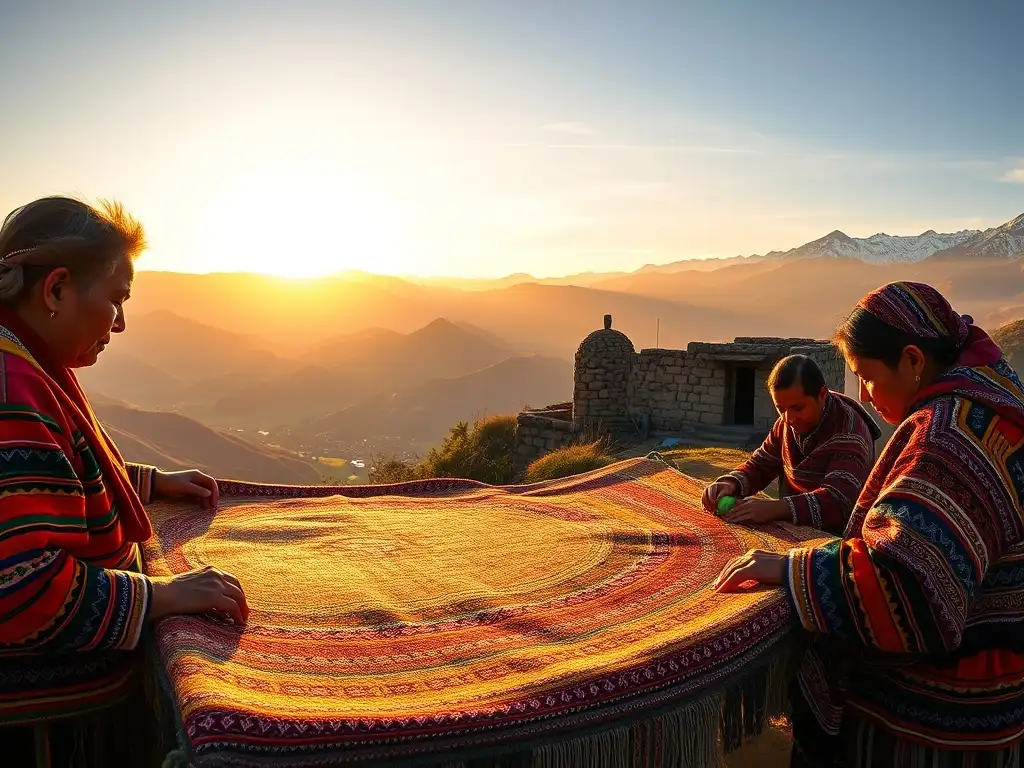
Step into a world lost to time, yet vibrantly alive. Discover the breathtaking legacy of the Andean civilizations, from the intricate artistry of the Nazca lines to the sophisticated engineering of the Incas. But the story doesn't end there. The fate of these incredible Andean traditions hangs in the balance. Explore our compelling feature article, "The Guardians of the Past: Local Communities Preserving Andean Traditions," and uncover the inspiring efforts to safeguard this invaluable heritage for future generations. Will these ancient practices survive? Read on to find out.
The Andes Mountains, a spine of colossal peaks stretching along the western edge of South America, are not merely a geographical feature; they are the cradle of a rich tapestry of civilizations. For millennia, Andean communities have developed unique traditions, weaving intricate threads of art, technology, spirituality, and social structures. From the intricate textiles of the Nazca to the sophisticated agricultural techniques of the Inca, Andean heritage stands as a testament to human ingenuity and resilience.
However, the rapid pace of globalization and modernization presents significant challenges to the preservation of these invaluable traditions. This article explores the crucial role local communities play in safeguarding their ancestral heritage, highlighting their efforts in maintaining Andean traditions and the complexities they face in a changing world.
We will delve into specific examples of successful preservation initiatives and examine the crucial interplay between cultural heritage, tourism, and community empowerment in the context of "Andean traditions preservation." The survival of these traditions is not just a matter of historical preservation; it's a vital component of maintaining cultural identity, fostering community cohesion, and ensuring the continuity of a unique and irreplaceable legacy.
Introduction to Andean Cultural Heritage and its Preservation
Andean cultural heritage is incredibly diverse, encompassing a vast array of practices, beliefs, and artistic expressions developed over centuries. Preservation efforts often focus on several key areas:
- Material Culture: This includes artifacts, architecture (such as the impressive ruins of Machu Picchu), textiles, and tools. The challenge lies in protecting these objects from deterioration and theft, while ensuring responsible access for research and tourism. Many communities actively participate in archaeological digs and museum curation, safeguarding their ancestors' legacy.
- Intangible Cultural Heritage: This encompasses less tangible aspects such as traditional music, dance, languages (Quechua and Aymara being prominent examples), storytelling, and rituals. The transmission of these traditions from one generation to the next is paramount, and often faces challenges from the influence of globalized culture. Community-led initiatives, including workshops, festivals, and educational programs, are crucial in this area.
- Traditional Knowledge: Andean communities possess profound knowledge about agriculture, medicine, and resource management, accumulated over generations. This knowledge, often embedded in oral traditions, is vital for sustainable development and adaptation to climate change. Documenting and sharing this knowledge through participatory research methods is a key strategy for its preservation.
The preservation of Andean traditions is not a monolithic effort; it is a complex process involving various stakeholders, including local communities, governments, NGOs, and international organizations. The success of these efforts often hinges on the active participation and ownership of the communities themselves. The following sections will examine specific examples of successful community-led initiatives, highlighting the challenges and rewards of this vital work. We will also explore how sustainable tourism can become a powerful tool for both preserving and promoting Andean traditions, contributing to economic development while ensuring the protection of cultural heritage.
- Economic Pressures and the Impact on Traditional Lifestyles
- The Influence of Globalization and Cultural Homogenization
- Lack of Resources and Support for Preservation Projects
- The Loss of Traditional Knowledge Due to Migration
- Economic Pressures and the Shift Away from Traditional Practices
- The Impact of Globalization and Westernization
The Vital Role of Indigenous Communities in Safeguarding Andean Traditions
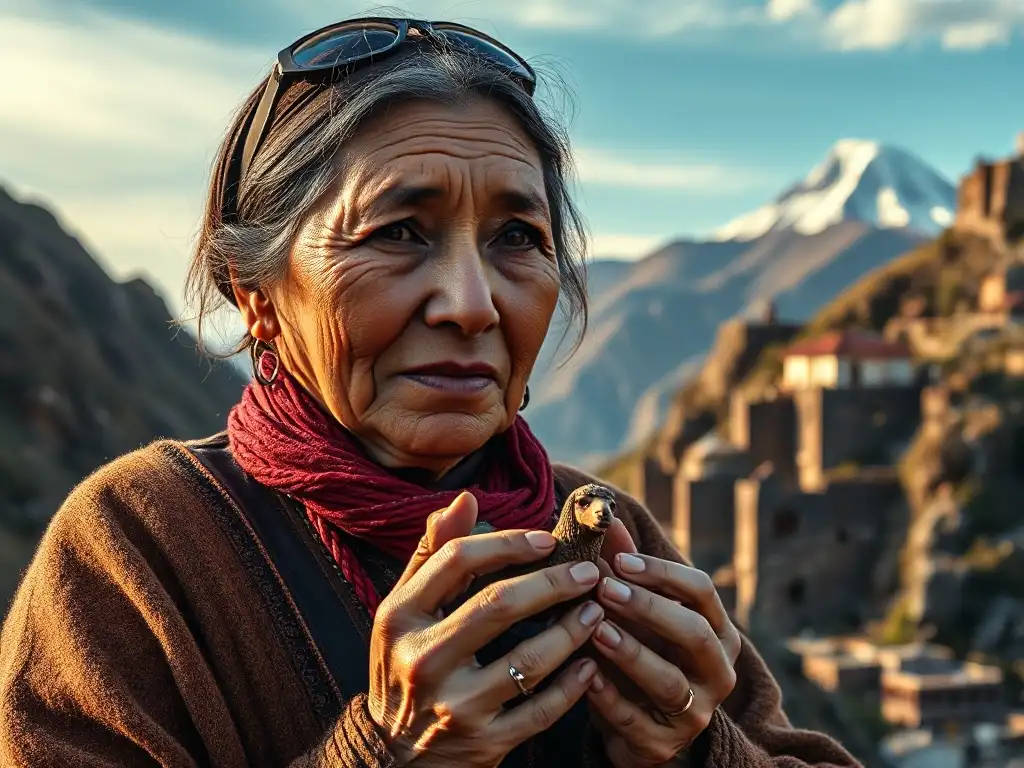
Indigenous communities are the undeniable heart of Andean traditions preservation. Their intimate connection to the land, their oral histories passed down through generations, and their active participation in maintaining ancient rituals and crafts are crucial for the survival of this rich cultural heritage. For centuries, they have been the custodians of knowledge, skills, and beliefs that form the very fabric of Andean identity. Without their active involvement, much of this invaluable heritage would be lost forever. This section will explore the critical role these communities play, highlighting their dedication and the challenges they face in this vital endeavor.
The Deep Connection Between Andean Communities and Their Ancestral Practices
The relationship between Andean communities and their ancestral practices is profound and multifaceted. It's not merely a matter of tradition; it's a deeply ingrained part of their worldview, their social structure, and their very existence. For example, the intricate weaving techniques passed down through generations in communities like Chinchero (Peru) aren't just a craft; they are a living testament to their history, a way to connect with their ancestors, and a vital part of their economic survival.
Similarly, agricultural practices, like the sophisticated terracing systems used in the Andes for centuries, reflect a deep understanding of the environment and a sustainable relationship with the land – a knowledge system that is invaluable in the face of climate change. These practices are not static; they adapt and evolve, but the underlying connection to the past remains strong.
The transmission of this knowledge is often informal, occurring within families and communities through apprenticeship and observation. Elders play a critical role, acting as repositories of knowledge and passing on their skills and wisdom to younger generations. This intergenerational transfer of knowledge is essential for Andean traditions preservation, ensuring the continuity of these practices for future generations. However, modernization, migration to urban centers, and the pressures of globalization threaten this delicate balance, making the active support and preservation efforts even more vital.
Community-Led Initiatives for Cultural Preservation in the Andes
Numerous community-led initiatives are actively working towards Andean traditions preservation. These range from small-scale projects focused on reviving specific crafts to larger-scale efforts aimed at protecting entire cultural landscapes. For instance, some communities are establishing museums and cultural centers to showcase their heritage, while others are developing tourism initiatives that allow visitors to experience Andean culture firsthand while supporting local communities. These initiatives often involve collaborative efforts with NGOs, government agencies, and academic institutions, demonstrating a collective commitment to safeguarding this invaluable heritage.
The success of these initiatives hinges on several factors, including community ownership, adequate funding, and the effective integration of traditional knowledge with contemporary needs. Challenges remain, however. The need for sustainable economic opportunities that respect cultural values is paramount. Furthermore, the documentation and digitization of oral histories and traditional knowledge are crucial steps in ensuring their long-term preservation.
There is a clear need for further research into the effectiveness of different preservation models and best practices in supporting community-led initiatives for Andean traditions preservation. The future of Andean cultural heritage rests, in large part, on the continued success and expansion of these grassroots efforts. The dedication and resilience of Andean communities in the face of these challenges are truly inspiring.
Key Andean Traditions Under Threat and Preservation Efforts
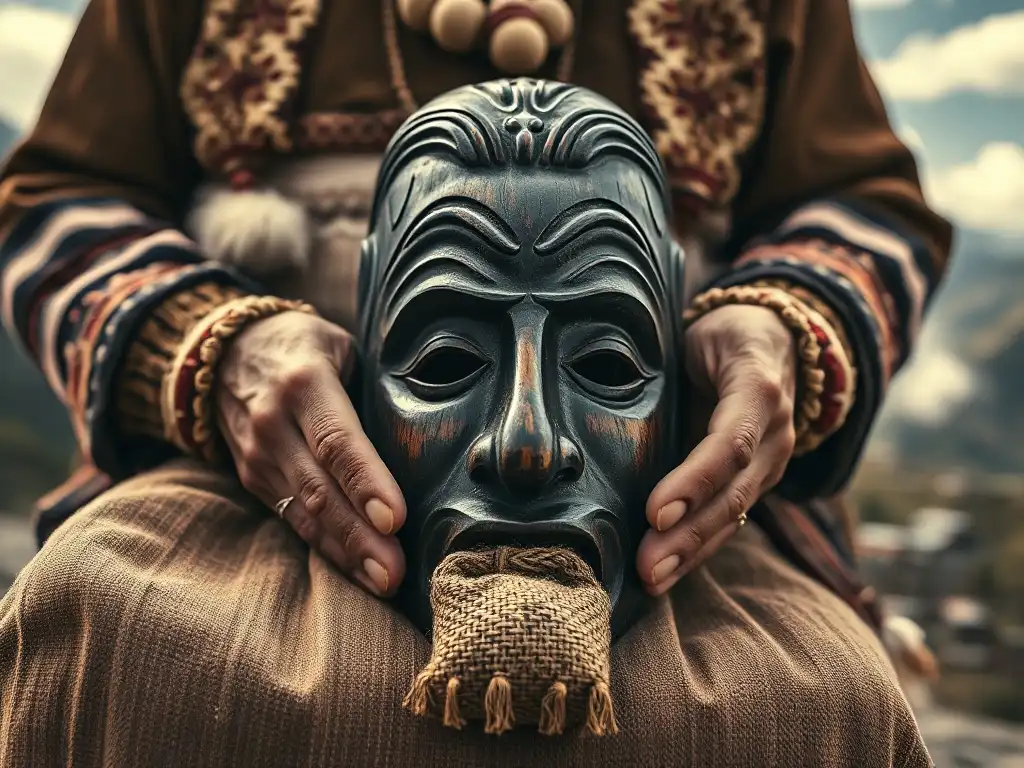
The Andes Mountains, a spine of towering peaks running down the western edge of South America, have cradled vibrant civilizations for millennia. These cultures, including the Incas, Moche, Nazca, and Tiahuanaco, left behind a legacy of breathtaking artistry, sophisticated engineering, and deeply rooted traditions. However, the relentless march of modernization, coupled with the pressures of globalization, threatens to erode this invaluable cultural heritage.
Understanding the threats facing Andean traditions preservation is crucial to implementing effective strategies for safeguarding them for future generations. This section will explore some key traditions under pressure and the ongoing efforts to preserve them. The challenges are multifaceted, ranging from economic pressures pushing communities towards alternative livelihoods to the lack of formal recognition and support for traditional practices.
The preservation of these traditions is not just about preserving artifacts; it's about preserving living cultures and the intricate knowledge systems that underpin them. The vibrancy of Andean culture depends on the continued practice of these traditions, and their loss would represent an immeasurable blow to global heritage.
Protecting Traditional Andean Textile Weaving Techniques
Andean textile weaving is renowned globally for its exquisite artistry and intricate designs. These textiles, often crafted from alpaca or llama wool, are not merely clothing; they are living tapestries that tell stories, convey social status, and embody spiritual beliefs. However, the production of these textiles faces significant challenges. The younger generations are often drawn to urban centers seeking better economic opportunities, leading to a decline in the number of skilled weavers. Furthermore, the increasing availability of cheaper, mass-produced clothing poses a serious threat to the economic viability of traditional weaving.
To combat this, several initiatives are underway. Many NGOs and community-based organizations are working to revitalize traditional weaving by providing training programs, particularly for young people. These programs often incorporate modern business skills, helping weavers to market their products effectively and build sustainable businesses. Efforts also focus on promoting the unique value of these hand-crafted textiles, emphasizing their cultural significance and superior quality.
The use of sustainable practices in the production process is also gaining traction, further enhancing the appeal and ethical value of these products. The goal is to ensure that Andean textile weaving remains not just a viable economic activity but also a vibrant cultural practice passed down through generations. This includes documenting traditional techniques through detailed photographic records and written instructions, creating a valuable archive for future generations.
Preserving Ancient Andean Agricultural Methods and Knowledge
Ancient Andean agricultural practices, developed over centuries in challenging high-altitude environments, are a testament to human ingenuity and adaptation. Techniques like terracing, irrigation systems, and crop diversification allowed these civilizations to thrive in seemingly inhospitable landscapes. However, these traditional methods are being increasingly replaced by modern, often unsustainable, agricultural practices. The introduction of chemical fertilizers and pesticides, while increasing yields in the short term, can damage the soil's long-term health and biodiversity. Furthermore, the shift towards monoculture farming reduces resilience to climate change and pests.
Preservation efforts focus on documenting and promoting the sustainable aspects of these ancient agricultural methods. Researchers are studying the traditional techniques to understand their ecological benefits and how they can be adapted to modern challenges. Community-based projects are working to revive traditional seed varieties, ensuring the genetic diversity necessary for resilience.
Promoting agro-ecological practices, which combine traditional knowledge with modern scientific understanding, is crucial for creating sustainable and climate-resilient agricultural systems. These initiatives aim to not only preserve ancient knowledge but also to create more sustainable and equitable food systems in the Andes. The success of these efforts hinges on the active participation of local communities, recognizing their knowledge and expertise as invaluable assets.
Safeguarding the Rich Oral Traditions and Storytelling of the Andes
Oral traditions, including myths, legends, and songs, are an integral part of Andean cultural identity. These stories transmit knowledge, values, and beliefs across generations, shaping community identity and worldview. However, the increasing dominance of electronic media and the migration of younger generations to urban centers threaten the transmission of these oral traditions. The loss of elders, the keepers of this invaluable knowledge, further exacerbates the problem.
Preservation efforts in this area focus on documenting and archiving these oral traditions. Ethnomusicologists and anthropologists are working to record and transcribe traditional songs, stories, and rituals. Community-based initiatives are empowering local storytellers to share their knowledge with younger generations through workshops, storytelling events, and educational programs. The use of digital technologies, such as audio and video recordings, plays a crucial role in preserving these ephemeral traditions.
Moreover, integrating these oral traditions into school curricula can help ensure their continuity. This multifaceted approach aims to not only preserve these stories for posterity but also to revitalize their role in contemporary Andean society. The challenge is to find ways to make these traditions relevant and engaging for younger generations, ensuring that the rich tapestry of Andean storytelling continues to thrive.
Revitalization of Andean Music, Dance, and Rituals
The vibrant tapestry of Andean culture is deeply interwoven with its music, dance, and rituals. These traditions, passed down through generations, are not merely forms of entertainment; they are integral to the social fabric, spiritual beliefs, and identity of Andean communities. However, the encroachment of globalization, migration to urban centers, and the dominance of Western cultural influences have placed immense pressure on these vital aspects of Andean heritage. The challenge of Andean traditions preservation in this context is significant.
Many communities are actively working to revitalize these traditions. This often involves a multi-pronged approach, combining educational initiatives, community-based performances, and the establishment of cultural centers. For instance, in the highlands of Peru, workshops are frequently organized to teach traditional Andean instruments like the zampoña (panpipes) and charango (a small guitar-like instrument) to younger generations.
These workshops aren't just about learning musical skills; they're about transmitting the cultural knowledge and historical significance embedded within the music itself. The rhythmic complexity and melodic nuances of Andean music are carefully preserved and passed on, fostering a sense of pride and connection to their heritage.
Similarly, traditional Andean dances, often accompanied by elaborate costumes and intricate steps, are being revived through community-led initiatives. These dances, such as the huayno and marinera, are not only performed during festivals and celebrations but are also incorporated into school curricula to ensure their continuity. The preservation of these dances is crucial because they often represent specific stories, historical events, or agricultural cycles, acting as living archives of Andean history and cosmology. The intricate footwork, body language, and symbolic gestures are meticulously taught, ensuring accuracy and the transmission of cultural meaning.
The revitalization extends to Andean rituals as well. These rituals, often tied to agricultural cycles, ancestral veneration, or religious practices, are facing challenges due to the influence of external religions and changing social structures. However, many communities are actively resisting this erosion by organizing ceremonies, promoting indigenous spirituality, and working to ensure the continuity of ancient practices. The meticulous preservation of these rituals is vital, as they represent a deep connection to the land and the spiritual beliefs that have shaped Andean societies for centuries.
The challenges are considerable, but the commitment to Andean traditions preservation within these communities is unwavering. Their dedication ensures that these vital elements of Andean culture will continue to thrive for generations to come. The effort to preserve these traditions is not merely about nostalgia; it's about safeguarding a living culture and ensuring its continued relevance in a rapidly changing world.
Challenges Faced by Local Communities in Andean Traditions Preservation
Preserving Andean traditions is a complex undertaking, fraught with challenges that directly impact the vibrant cultural tapestry of the region. Local communities, the custodians of this rich heritage, face a multitude of obstacles in their efforts to maintain and transmit their ancestral knowledge and practices to future generations. Understanding these challenges is crucial for developing effective strategies to support their vital work in Andean traditions preservation. The following sections delve into some of the most significant hurdles.
Economic Pressures and the Impact on Traditional Lifestyles
Economic pressures represent a significant threat to the preservation of Andean traditions. Many communities rely on agriculture, often employing traditional methods passed down through generations. However, the increasing global demand for mass-produced goods and the pressure to participate in a globalized economy often forces a shift away from these sustainable, tradition-based practices. The allure of higher-paying jobs in urban centers leads to rural exodus, resulting in a decline in the number of individuals actively involved in traditional crafts, farming techniques, and cultural celebrations.
For instance, the intricate textile traditions of the Andes, involving complex dyeing techniques and weaving patterns passed down through families for centuries, are increasingly threatened by the availability of cheaper, mass-produced clothing. This economic competition makes it difficult for artisans to maintain their livelihoods while upholding these valuable traditions. Furthermore, the adoption of modern agricultural techniques, while potentially increasing yields, can lead to a loss of biodiversity and traditional farming knowledge crucial for sustainable development and cultural preservation.
The economic disparity between maintaining traditional lifestyles and embracing modern, often more lucrative, alternatives creates a significant tension that undermines Andean traditions preservation efforts. Detailed economic studies are needed to fully quantify the impact of these pressures.
The Influence of Globalization and Cultural Homogenization
Globalization, while offering numerous benefits, presents a considerable challenge to the preservation of Andean traditions. The influx of foreign media, consumer goods, and cultural trends often leads to the erosion of local identities and the adoption of dominant global cultures. This cultural homogenization diminishes the unique character of Andean communities, threatening the transmission of traditional languages, music, dances, and belief systems.
The widespread adoption of Westernized lifestyles, including dietary habits and entertainment preferences, further contributes to the decline of traditional practices. The younger generation, increasingly exposed to global media and trends, may find traditional ways of life less appealing, leading to a loss of interest in participating in cultural events and maintaining traditional skills. This generational shift poses a significant threat to the long-term survival of many Andean traditions.
[Specific data on generational shifts and cultural preference changes pending]. Effective strategies for Andean traditions preservation must address this challenge by highlighting the value and relevance of Andean traditions in the modern world.
Lack of Resources and Support for Preservation Projects
A critical obstacle to Andean traditions preservation is the lack of adequate resources and support for projects aimed at safeguarding cultural heritage. Many communities lack access to funding, training, and infrastructure necessary to effectively preserve and promote their traditions. This includes limited access to technology for documenting and archiving traditional knowledge, insufficient resources for training artisans and cultural practitioners, and inadequate funding for community-based projects focused on cultural revitalization.
The absence of effective government policies and support mechanisms further exacerbates this issue. While some initiatives exist, many are underfunded and lack the reach and impact needed to effectively address the challenges facing Andean communities. [Data on government funding for Andean cultural preservation programs pending]. The establishment of sustainable funding mechanisms, coupled with targeted training programs and infrastructure development, is essential for empowering local communities and ensuring the long-term preservation of their invaluable cultural heritage. A collaborative approach involving governmental bodies, non-governmental organizations (NGOs), and international organizations is crucial for overcoming this significant hurdle in Andean traditions preservation.
The Loss of Traditional Knowledge Due to Migration
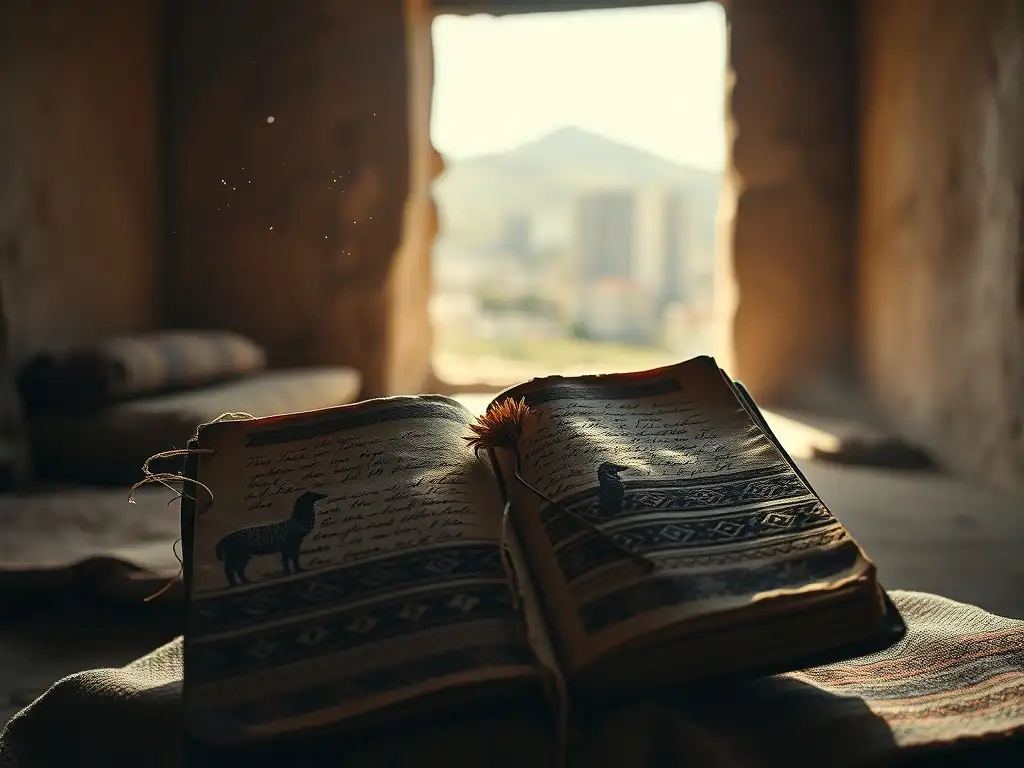
The preservation of Andean traditions is inextricably linked to the continuity of knowledge transfer within communities. However, significant internal migration, driven by factors like economic hardship and the search for better opportunities in urban centers, poses a substantial threat. Young people, often the key carriers of cultural knowledge and practices, are leaving rural areas in increasing numbers, taking with them invaluable skills and traditions.
This exodus results in a critical gap in the transmission of knowledge, leading to a decline in the practice of traditional crafts, agricultural techniques, and ritual ceremonies. The elderly, often the sole repositories of ancient wisdom, are left with fewer individuals to share their heritage with, accelerating the risk of its complete disappearance. This is particularly impactful in smaller, isolated communities where the pool of knowledge holders is already limited.
The loss isn't simply about forgetting weaving techniques or ancient songs; it's about losing the very fabric of cultural identity and the complex systems of belief and practice that have shaped these communities for centuries. The resulting cultural homogenization, driven by the dominant urban culture, further exacerbates the problem, making the revival of lost traditions even more challenging. Initiatives aiming at Andean traditions preservation must therefore consider strategies to counteract this migration-driven knowledge loss, perhaps by creating opportunities for cultural exchange and skill-sharing between urban and rural communities.
Economic Pressures and the Shift Away from Traditional Practices
Economic pressures represent a major challenge to the preservation of Andean traditions. The allure of higher-paying jobs in modern sectors often outweighs the limited economic returns associated with traditional practices like artisanal crafts or subsistence farming. For example, a young person might forgo learning intricate weaving techniques passed down through generations in favor of employment in a factory or mine, offering a more stable and financially rewarding future.
This shift is not a simple choice; it's a reflection of the harsh realities faced by many communities struggling with poverty and limited access to resources. The resulting decline in the practice of traditional crafts leads to a decrease in the production of unique Andean goods, impacting cultural identity and potentially causing the loss of specialized skills. Furthermore, the increasing dominance of mass-produced goods often undermines the market for handcrafted items, making it even more difficult for artisans to sustain their livelihoods through traditional practices.
Strategies for Andean traditions preservation must therefore address the economic disparities and create sustainable livelihoods that encourage the continuation of traditional practices. This might involve supporting fair trade initiatives, developing artisan cooperatives, or promoting cultural tourism that benefits local communities directly.
The Impact of Globalization and Westernization
Globalization and Westernization exert a powerful influence on Andean communities, threatening the delicate balance of traditional practices and cultural identity. The influx of foreign media, consumer goods, and cultural trends often leads to the adoption of Western lifestyles and values, potentially overshadowing and even replacing indigenous traditions. This process is particularly impactful on younger generations, who are increasingly exposed to global culture through technology and media.
The adoption of Western clothing styles, music preferences, and even social structures can lead to a gradual erosion of traditional ways of life, impacting everything from language use to ritual practices. The homogenization of culture poses a significant threat to the diversity and richness of Andean traditions. Moreover, the emphasis on Western education systems may not always value or prioritize the preservation of indigenous knowledge, contributing to a sense of diminished cultural significance among younger generations.
Efforts to preserve Andean traditions must actively counter the effects of globalization by promoting indigenous languages, supporting traditional education systems, and fostering a sense of pride and ownership in cultural heritage. This includes actively promoting the value of Andean traditions within educational curricula and public discourse.
Success Stories: Inspiring Examples of Andean Traditions Preservation
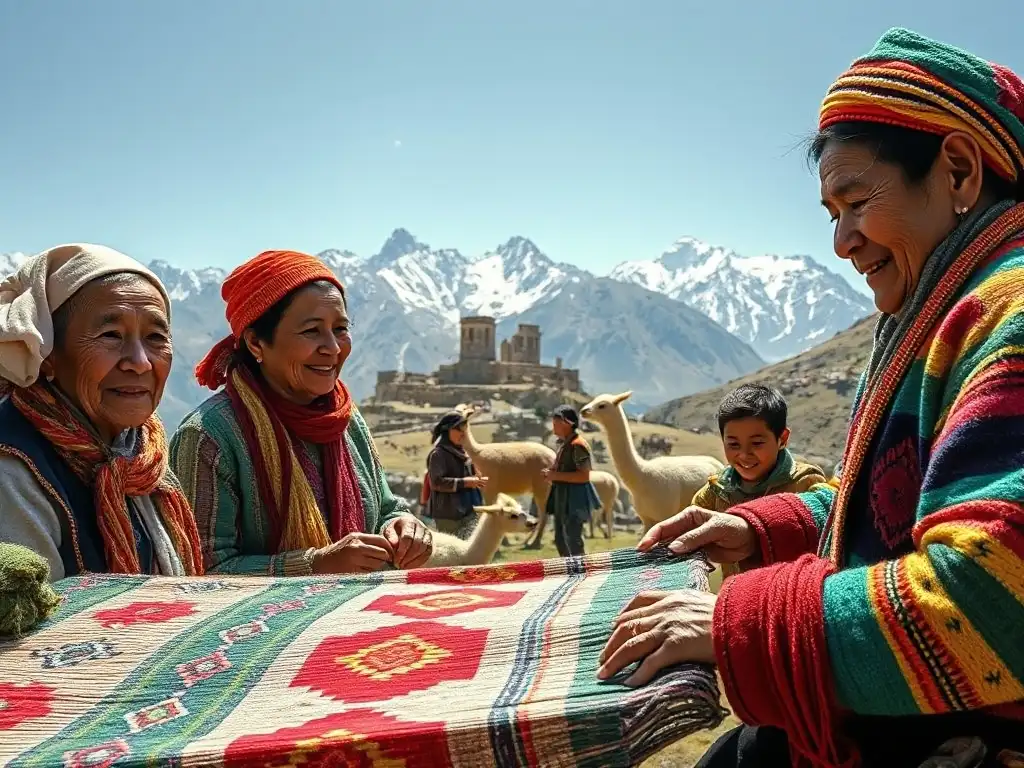
This section showcases inspiring examples of local communities actively involved in the preservation of Andean traditions. These initiatives highlight the importance of community-led efforts in safeguarding cultural heritage for future generations, demonstrating the power of collective action in the face of globalization and modernization. The success of these projects offers valuable lessons and models for other communities striving to protect their unique cultural identities. The strategies employed demonstrate the multifaceted nature of Andean traditions preservation, encompassing art, agriculture, and language. Understanding these diverse approaches is crucial for a comprehensive understanding of Andean traditions preservation efforts.
The Weavers of Taquile Island: Preserving Textile Art
The island of Taquile, located in Lake Titicaca, Peru, is renowned for its vibrant textile traditions. For centuries, the Taquileños have used intricate weaving techniques to create stunning textiles, reflecting their deep-rooted cultural identity. These textiles are not merely decorative; they are imbued with profound symbolic meaning, narrating stories, beliefs, and social structures. The unique style of Taquileño weaving, characterized by its bold colors and complex designs, is a testament to the community's commitment to maintaining their heritage.
The preservation of this art form is not merely a matter of aesthetic appreciation; it's intrinsically linked to the community's economic well-being. Tourism plays a vital role, with visitors eager to purchase these handcrafted items, providing a sustainable income source for the islanders. Furthermore, weaving is an integral part of Taquileño social life, passed down through generations, ensuring its continuity.
The community has actively resisted mass-produced imitations, prioritizing authenticity and quality, thereby safeguarding the integrity of their ancestral craft. This commitment, coupled with effective community organization and tourism management, has ensured the longevity of this exceptional Andean tradition. The vibrant colors and intricate patterns tell a story of resilience and cultural pride, a powerful example of Andean traditions preservation in action.
The Potato Park in Peru: Revitalizing Traditional Agriculture
The Potato Park in Cusco, Peru, presents a compelling case study in the preservation of traditional Andean agriculture. This initiative focuses on the conservation of native potato varieties, many of which are threatened by the dominance of commercially produced potatoes. The park works with local Quechua communities, recognizing their intimate knowledge of potato cultivation and its cultural significance. This is not simply about growing food; it's about safeguarding biodiversity and preserving a vital aspect of Andean cultural heritage.
The Potato Park's success stems from its community-based approach. Local farmers are actively involved in seed selection, cultivation, and exchange, ensuring the preservation of a vast genetic diversity of potatoes. This participatory model empowers communities, fostering ownership and pride in their agricultural heritage. Furthermore, the park promotes sustainable agricultural practices, minimizing environmental impact while maximizing yields.
The park's efforts extend beyond agricultural preservation; it also supports local economic development by promoting the sale of unique potato varieties and related products. This integrated approach, combining biodiversity conservation with economic empowerment, showcases a dynamic model for Andean traditions preservation in the realm of agriculture. The park's success highlights the crucial role of indigenous knowledge in addressing contemporary challenges, such as food security and climate change.
The Quechua Language Programs: Promoting Oral Traditions
The Quechua language, spoken by millions across the Andes, is a repository of rich oral traditions, including myths, legends, songs, and historical narratives. The preservation of Quechua is crucial for maintaining the cultural fabric of Andean communities. However, the dominance of Spanish and other languages has led to a decline in Quechua speakers, threatening the loss of invaluable cultural knowledge.
To counter this, various Quechua language programs have been implemented, focusing on different strategies. These initiatives include bilingual education programs in schools, community-based language classes, and the development of Quechua language media. These programs not only teach the language itself but also strive to transmit the cultural knowledge embedded within it.
The emphasis is on empowering communities to reclaim and revitalize their linguistic heritage. The success of these programs hinges on community engagement and support, recognizing that language preservation is intrinsically linked to cultural identity. The preservation of the Quechua language is not merely a linguistic endeavor; it’s a crucial component of Andean traditions preservation, safeguarding a rich tapestry of oral traditions and cultural narratives.
The continued effort to promote Quechua demonstrates a commitment to linguistic diversity and the preservation of vital cultural heritage for future generations. The preservation of this language is essential for the safeguarding of a vast cultural heritage, a crucial aspect of Andean traditions preservation.
The Importance of Sustainable Tourism in Supporting Andean Heritage
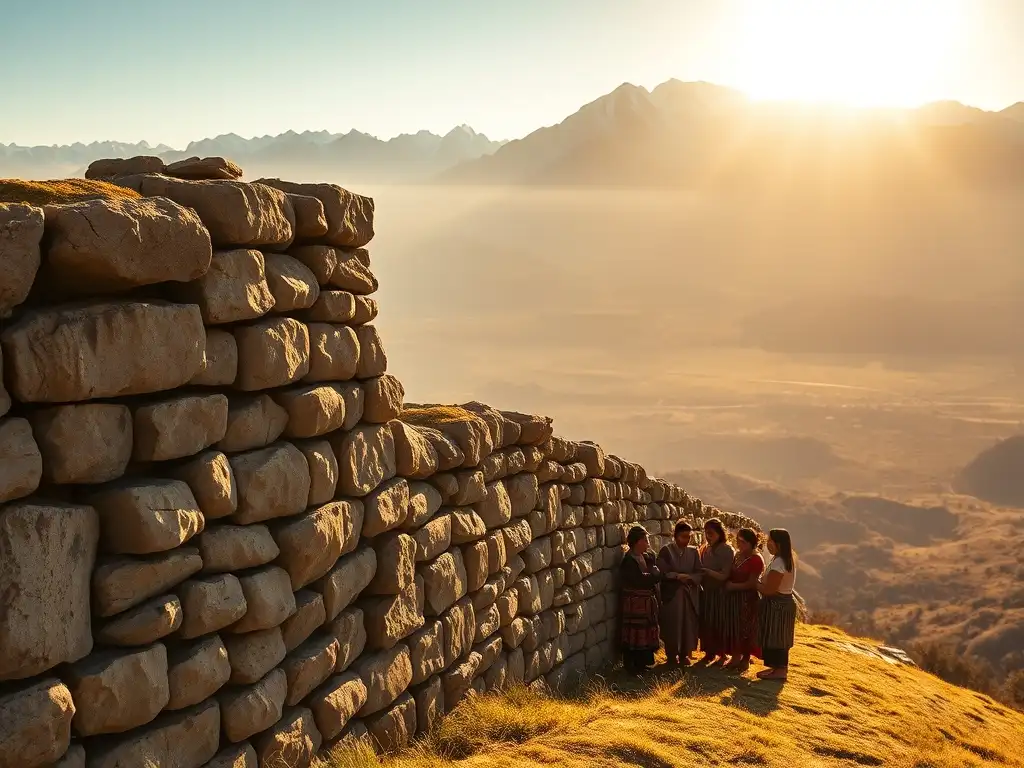
Sustainable tourism is not merely a buzzword; it's a crucial strategy for the long-term preservation of Andean traditions. The delicate balance between economic development and environmental and cultural protection is paramount. Unsustainable tourism practices can lead to the erosion of cultural heritage, environmental degradation, and ultimately, the very traditions it aims to showcase. Conversely, a well-managed tourism sector can become a powerful engine for Andean traditions preservation, injecting much-needed resources into communities and fostering a sense of pride in their heritage. This symbiotic relationship between tourism and cultural preservation is vital for the future of the Andes.
Responsible Travel and its Contribution to Local Economies
Responsible travel directly benefits local communities involved in Andean traditions preservation. Instead of large, impersonal hotel chains, supporting locally owned accommodations, restaurants, and tour operators ensures that a greater percentage of tourism revenue stays within the community. This revenue can then be reinvested in preserving traditional crafts, agricultural practices, and cultural ceremonies. For example, a community might use tourism income to fund the restoration of ancient irrigation systems – a crucial element of their agricultural heritage – or to support the training of young artisans in traditional weaving techniques. This direct economic impact is a powerful incentive for communities to actively participate in and protect their heritage. The success of this model depends on carefully planned initiatives that prioritize community involvement and equitable distribution of benefits. Data on the economic impact of responsible tourism in specific Andean communities is [specific information pending], but anecdotal evidence strongly supports its positive effects.
Promoting Cultural Exchange and Understanding
Tourism, when approached responsibly, offers a unique opportunity for cultural exchange and understanding. Direct interaction between visitors and local communities fosters mutual respect and appreciation for diverse traditions. This exchange goes beyond simple observation; it involves shared experiences, storytelling, and the transmission of knowledge.
For instance, tourists participating in a traditional Andean weaving workshop not only learn a valuable skill but also engage in a meaningful interaction with the artisan, gaining insights into the cultural significance of the craft. This genuine engagement helps to combat stereotypes and foster a deeper understanding and appreciation for the richness and complexity of Andean cultures. Furthermore, the economic benefits derived from such exchanges incentivize communities to maintain and share their cultural practices, contributing significantly to Andean traditions preservation.
How Tourism Can Help Fund Preservation Efforts
Tourism revenue can directly fund crucial preservation efforts. This can involve anything from restoring ancient sites and artifacts to supporting research projects documenting traditional knowledge and practices. Many communities are now developing innovative fundraising strategies that leverage tourism.
For example, a community might organize guided tours of its historical sites, with a portion of the proceeds allocated to the maintenance and preservation of those sites. Similarly, the sale of authentic, handcrafted goods through ethically sourced tourism channels provides artisans with a sustainable income while simultaneously preserving their traditional skills. [Specific information pending] on the amount of funding currently being directed towards Andean traditions preservation through tourism initiatives, but the potential is clearly immense.
The key lies in establishing transparent and accountable mechanisms for channeling tourism revenue towards preservation projects, ensuring that the benefits are widely shared and sustainably managed. This requires collaboration between government agencies, tourism operators, and local communities to develop effective and equitable strategies.
The Future of Andean Traditions: Ensuring Legacy for Generations
The preservation of Andean traditions is not merely a historical endeavor; it's a dynamic process requiring proactive strategies to ensure its continuity for future generations. The challenge lies in balancing the respect for ancestral practices with the realities of a rapidly changing world. This necessitates a multi-faceted approach, encompassing community empowerment, robust educational initiatives, and collaborative partnerships. The success of these efforts will directly impact the vibrancy and longevity of Andean cultural heritage, shaping the identity and cultural landscape of the region for years to come.
Without dedicated action, the risk of losing irreplaceable aspects of Andean culture is substantial. Understanding the urgency of this situation is paramount to effective action. We must move beyond passive preservation and embrace active strategies for cultural sustainability.
Empowering Youth to Become Future Guardians of Andean Culture
Engaging young people is crucial for the long-term survival of Andean traditions. Their active participation is not just desirable; it's essential. Many traditional skills, from textile weaving to musical instrument making, require years of apprenticeship and hands-on learning. Without younger generations taking up these practices, a critical link in the chain of cultural transmission will be broken. Successful initiatives often involve creating engaging spaces for youth to learn and practice these traditions. This can include:
- Workshops and apprenticeships: Pairing young people with master artisans allows for direct knowledge transfer and mentorship. These programs should prioritize hands-on learning and provide opportunities for creative expression within the traditional framework.
- Cultural festivals and competitions: These events create a platform for young artists and craftspeople to showcase their skills, fostering pride in their heritage and encouraging peer-to-peer learning. Prizes and recognition can further incentivize participation.
- Digital platforms and media: Utilizing modern technology to document and share traditional practices can make them accessible to a wider audience, including young people. This can include creating online tutorials, virtual museum exhibits, and interactive storytelling projects.
For example, a successful program in the Cusco region has seen a significant increase in young people participating in traditional textile weaving after incorporating modern design elements into the workshops, making it more appealing to a younger generation. This demonstrates the importance of adapting traditional practices to resonate with contemporary interests while maintaining their cultural integrity. More data is needed on the long-term impact of these initiatives, however, to fully assess their effectiveness in fostering lasting engagement with Andean traditions.
The Role of Education in Passing Down Traditional Knowledge
Formal education plays a vital role in the preservation of Andean traditions. Integrating Andean history, art, music, and traditional practices into school curricula is not merely an enrichment activity; it's a critical step towards ensuring cultural continuity. This requires:
- Curriculum development: Integrating Andean traditions into the existing curriculum requires careful planning and collaboration between educators, community members, and cultural experts. The curriculum should be age-appropriate, engaging, and culturally sensitive.
- Teacher training: Educators need to be equipped with the knowledge and skills to effectively teach Andean traditions. This requires specialized training programs that focus on both the historical and practical aspects of these traditions.
- Resource development: Providing schools with access to relevant resources, such as traditional artifacts, musical instruments, and craft materials, can enhance the learning experience and make the subject matter more tangible for students.
The successful integration of Andean traditions into the education system requires a long-term commitment and ongoing evaluation. [Specific data on the impact of educational initiatives on Andean traditions preservation pending]. However, anecdotal evidence suggests that increased exposure to Andean culture in schools significantly increases young people's appreciation for their heritage and their willingness to participate in its preservation.
Collaborative Efforts Between Communities, Governments, and Organizations
The preservation of Andean traditions requires a collaborative effort involving local communities, government agencies, and non-governmental organizations (NGOs). Each stakeholder plays a unique role, and their combined efforts are essential for the success of any preservation initiative. This collaboration should focus on:
- Community-led initiatives: Local communities should be at the forefront of any preservation effort. Their knowledge and experience are invaluable, and their active participation ensures that preservation efforts are culturally appropriate and sustainable.
- Government support: Governments can play a critical role by providing funding, infrastructure, and legal protection for cultural heritage sites and traditional practices. This may include establishing protected areas, providing grants for community-led projects, and enacting legislation to safeguard intangible cultural heritage.
- NGO partnerships: NGOs can provide technical expertise, logistical support, and advocacy for Andean traditions preservation. They can also help to connect communities with resources and funding opportunities.
A successful example of this collaborative approach is [specific example of a successful collaborative project pending]. This highlights the importance of open communication, shared goals, and mutual respect between all stakeholders. The effectiveness of these partnerships can be enhanced by establishing clear communication channels, regular meetings, and a shared vision for the future of Andean traditions. A strong collaborative framework is critical for the long-term success of Andean traditions preservation. The coordinated efforts of communities, governments, and organizations are essential to ensure that these invaluable traditions continue to thrive for generations to come.
Supporting Local Artisans and Cultural Initiatives
The preservation of Andean traditions is intrinsically linked to the well-being of the communities that carry them. Supporting local artisans and cultural initiatives is not merely a charitable act; it's a crucial investment in the future of Andean heritage. Many traditional crafts, from intricate textile weaving to masterful pottery creation, are facing the pressures of globalization and the allure of mass-produced goods. These crafts represent centuries of accumulated knowledge and skill, passed down through generations. Their disappearance would represent an irreplaceable loss to both cultural heritage and economic diversity within Andean communities.
One effective approach is to actively seek out and purchase handcrafted goods directly from artisans. This direct economic support empowers these individuals and their families, allowing them to continue practicing their traditional skills and passing them on to future generations. Fair trade practices are essential here, ensuring that artisans receive a just price for their work and are not exploited. Furthermore, supporting community-based tourism initiatives that prioritize cultural exchange and respect for local traditions can provide sustainable income streams and incentivize the continuation of these practices.
Beyond direct purchasing, supporting organizations dedicated to the preservation of Andean traditions is another vital step. Many non-profits and NGOs work tirelessly to document, research, and promote Andean art, music, and rituals. These organizations often provide crucial training and resources to artisans, enabling them to adapt their skills to modern markets while maintaining the integrity of their traditions.
Donating to or volunteering with these organizations provides significant support for their ongoing efforts. For example, organizations focused on textile preservation have played a vital role in documenting weaving techniques, preserving ancient patterns, and connecting contemporary artisans with historical knowledge. Their work ensures that the vibrant tapestry of Andean textile traditions continues to thrive.
The preservation of these traditions is not only a matter of cultural significance but also a significant contributor to the economic vitality of many Andean communities. This intricate link between cultural preservation and economic sustainability highlights the multifaceted benefits of supporting local artisans and cultural initiatives.
Frequently Asked Questions
What role do local communities play in preserving Andean traditions?
Local communities are the primary guardians of Andean traditions. They actively participate in maintaining ancestral practices, languages, and knowledge systems through daily life and ceremonies. Their efforts are crucial for the survival of this rich heritage.
How are Andean traditions threatened today?
Andean traditions face threats from modernization, globalization, and environmental changes. Migration to urban areas and the loss of traditional land-use practices also contribute to the erosion of cultural heritage. The influence of dominant cultures can also pose a significant challenge.
What specific traditions are being preserved?
Many traditions are actively preserved, including textile weaving, agricultural techniques, ceremonial practices, and traditional music and dance. The preservation of Quechua and Aymara languages is also a key focus, as these languages are deeply intertwined with cultural identity.
What are some examples of successful preservation efforts?
Successful initiatives include community-based museums, cooperative tourism projects, and the revitalization of traditional crafts. Education programs that teach younger generations about their heritage are also vital. These initiatives combine community participation with external support.
How can I contribute to the preservation of Andean traditions?
You can support sustainable tourism that benefits local communities, purchase authentic handicrafts directly from artisans, and learn about and respect Andean cultures. Raising awareness about these traditions and their importance is equally vital.
Final Reflection: Weaving the Threads of Andean Heritage
The vibrant tapestry of Andean traditions, once threatened by the relentless march of globalization, is now being meticulously rewoven by the very communities who hold its threads. The stories shared throughout this article demonstrate not just the resilience of these ancient practices, but the profound power of collective action in safeguarding cultural heritage for future generations. This is not merely a historical account; it's a vital chronicle of ongoing efforts that deserve our unwavering support and admiration.
The preservation of Andean traditions is far more than the safeguarding of dances, textiles, or languages; it's the preservation of a worldview, a deep connection to the land, and a rich tapestry of spiritual beliefs. The past is never dead. It's not even past.
- William Faulkner. This quote resonates deeply, for the Andean traditions discussed here are not relics of a bygone era, but living, breathing expressions of identity that continue to shape the present and will undoubtedly influence the future. The challenges remain, of course – from economic pressures to the allure of modern lifestyles – but the unwavering commitment of these communities offers a beacon of hope and inspiration.
Consider the stories you've read, the images you've seen. Now, I invite you to reflect on your own cultural heritage, and the ways in which you can contribute to its preservation. Perhaps it's through supporting local artisans, learning a new language, or simply sharing the stories of your ancestors. Let us all become guardians of our collective past, ensuring that the rich tapestry of human experience continues to thrive, enriching the present and inspiring the future. The legacy of the Andes, and indeed all cultures, depends on our active participation.
Embrace and Elevate Andean Traditions Today!
Thank you for exploring the rich world of Andean traditions with us! Your interest helps preserve these incredible cultures. Let's support and celebrate these vibrant communities.
- Attend a local cultural event or workshop to experience Andean traditions firsthand and connect with others.
- Spread the word about Andean culture with friends and family, or share your experiences on social media—let's raise awareness and inspire others!
- Support local artisans by purchasing their handcrafted goods, ensuring these traditional crafts continue to thrive.
How can you integrate Andean traditions into your daily life and inspire others? Share your ideas!