
The Legacy Lives On: Witnessing the Resilience of Andean Culture


Step into a world lost to time, yet echoing with power and resilience. For centuries, the Andean civilizations – from the Incas to the Nazca – thrived amidst unforgiving landscapes, crafting breathtaking art and ingenious technologies. But their story isn't just about grandeur; it's about Andean civilizations resilience in the face of adversity. Discover how these remarkable societies not only survived but flourished, leaving a legacy that continues to inspire. Uncover the secrets of their enduring strength – the journey begins now.
The Andes Mountains, a spine of towering peaks running down the western coast of South America, have witnessed millennia of human history. For centuries, vibrant civilizations—the Incas, Moche, Nazca, Tiahuanaco, and many others—flourished in this challenging environment, developing sophisticated agricultural techniques, intricate social structures, and breathtaking artistry.
This article explores the remarkable resilience of Andean cultures, examining how they adapted to environmental pressures, political upheaval, and the devastating impact of colonization, ultimately leaving a legacy that continues to inspire and amaze. We will delve into the strategies employed by these societies to not only survive but thrive, highlighting their ingenuity and the enduring spirit that permeates Andean culture to this day.
Understanding their resilience offers valuable insights into human adaptability and the power of cultural preservation in the face of adversity, making the study of Andean civilizations crucial for understanding the human experience itself. The keyword "Andean civilizations resilience" is central to this exploration, tracing the threads of continuity and adaptation woven into the fabric of Andean heritage.
Introduction: The Enduring Spirit of Andean Civilizations
The Andes are not a forgiving environment. Steep slopes, unpredictable weather patterns, and limited arable land presented significant challenges to the inhabitants of this region. Yet, far from being obstacles, these challenges spurred innovation and resilience in Andean civilizations. Their capacity for adaptation is evident in their sophisticated agricultural practices, such as terracing, irrigation systems, and the cultivation of diverse crops adapted to high altitudes. These ingenious techniques allowed them to overcome environmental limitations and support large, complex societies. Consider, for example, the intricate network of canals and terraces built by the Inca, a testament to their understanding of hydraulic engineering and their commitment to sustainable agriculture. This ingenuity, coupled with a deep spiritual connection to the land, formed the bedrock of their resilience. The enduring spirit of Andean civilizations is not merely a historical curiosity; it's a powerful example of human ingenuity and adaptability that continues to resonate today.
Adapting to Environmental Challenges: Agricultural Innovations and Resource Management
Andean civilizations developed remarkably effective strategies for managing their environment and resources. The harsh realities of the Andes forced them to become masters of resource management. Their agricultural techniques were not simply about producing food; they were about creating sustainable systems that could withstand environmental fluctuations. Terracing, for instance, transformed steep slopes into cultivable land, maximizing agricultural output while preventing soil erosion. The intricate canal systems diverted water from rivers and streams to irrigate fields, ensuring a reliable water supply even during dry periods. Furthermore, their understanding of crop diversification allowed them to cultivate a wide range of plants, minimizing the risk of crop failure. This sophisticated approach to agriculture was crucial to the survival and prosperity of Andean societies, showcasing their profound understanding of their ecosystem and their ability to adapt to its challenges. The ingenuity displayed in these practices is a key factor in understanding their long-term resilience.
Overcoming Political Upheaval and Conquest: Cultural Continuity and Resistance
The history of Andean civilizations is punctuated by periods of political upheaval, conflict, and conquest. The rise and fall of empires, internal power struggles, and ultimately the arrival of the Spanish conquistadors, all posed significant threats to their survival. However, Andean cultures demonstrated remarkable resilience in the face of these challenges. While empires crumbled and political structures changed, many aspects of Andean culture persisted.
Traditional practices, beliefs, and artistic expressions often survived, sometimes adapting to incorporate new influences, but maintaining a core identity. This cultural continuity is a testament to the strength of Andean traditions and the determination of the people to maintain their heritage. Resistance to Spanish rule, often subtle and indirect, also played a critical role in preserving cultural identity. The resilience of Andean cultures is not just about surviving; it's about maintaining a sense of self and cultural identity through generations of adversity.
The Enduring Legacy: Cultural Preservation and Modern Interpretations
The legacy of Andean civilizations continues to resonate today. Their artistic achievements, architectural marvels, and sophisticated social structures continue to fascinate and inspire. The preservation of Andean cultural heritage is not only a matter of historical significance but also a vital aspect of maintaining cultural identity and promoting sustainable development in the region.
Modern interpretations of Andean traditions are also emerging, showcasing the enduring relevance of Andean values and aesthetics. This ongoing engagement with the past ensures that the lessons learned from the resilience of Andean civilizations remain relevant and inspiring for future generations. The vibrant tapestry of Andean culture, woven through centuries of challenges and adaptations, continues to thrive, a testament to the enduring spirit of its people.
- Introduction: The Enduring Spirit of Andean Civilizations
- Adapting to Environmental Challenges: Agricultural Innovations and Resource Management
- Overcoming Political Upheaval and Conquest: Cultural Continuity and Resistance
- The Enduring Legacy: Cultural Preservation and Modern Interpretations
- Linguistic Preservation: Keeping Quechua and Aymara Alive
- Traditional Andean Music and Dance: The Saya and Sikuri Rhythms
- The Art of Andean Weaving: Textiles of the Sacred Valley
- Andean Agricultural Practices: Terrace Farming and Potato Cultivation
- Community-Based Tourism: Empowering Local Communities in Cusco
- What factors contributed to the resilience of Andean civilizations?
- How did Andean agriculture contribute to their survival?
- What role did social organization play in Andean resilience?
- How did Andean civilizations adapt to environmental challenges?
- How did the Inca Empire's fall impact the resilience of Andean culture?
Understanding the Historical Context of Andean Resilience
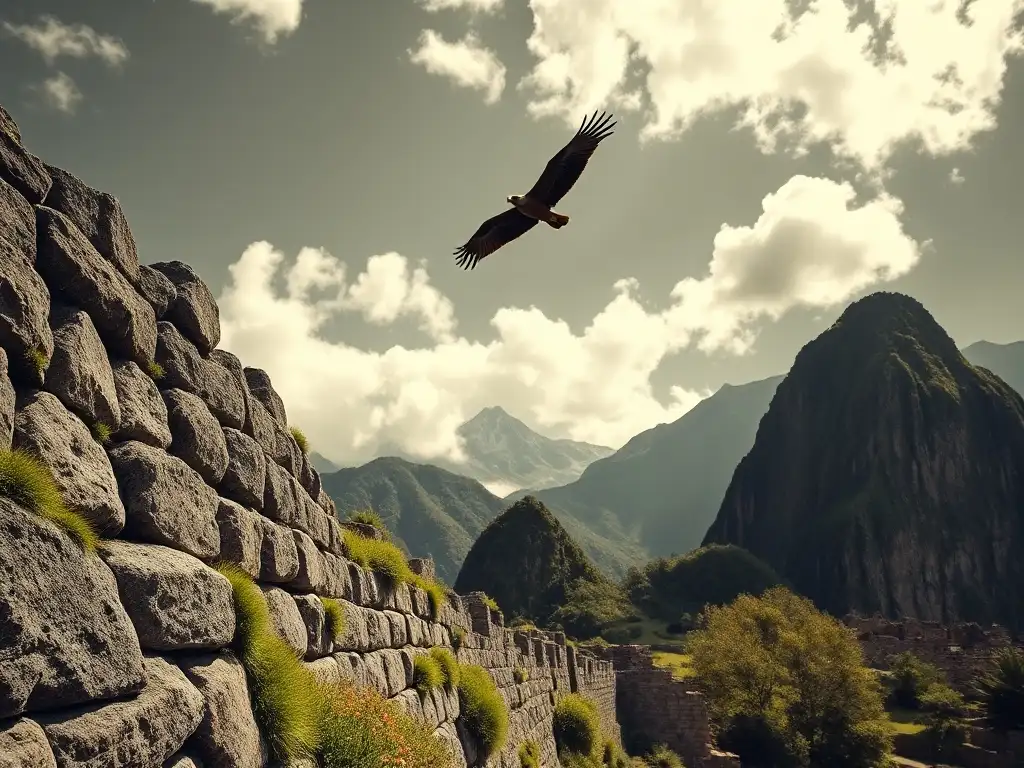
This section delves into the historical factors that contributed to the remarkable resilience of Andean civilizations, demonstrating how their adaptability and ingenuity allowed them to not only survive but also thrive in the face of immense challenges. We'll explore the pre-Columbian foundations, the devastating impact of colonization, and the initial responses that laid the groundwork for the enduring cultural legacy we see today. Understanding this historical context is crucial to appreciating the depth and complexity of Andean resilience, a testament to the human spirit's capacity to persevere. The keyword "Andean civilizations resilience" is central to this analysis.
Pre-Columbian Andean Societies: Foundations of Strength
Pre-Columbian Andean societies, encompassing cultures like the Inca, Moche, Nazca, and Tiahuanaco, developed sophisticated strategies for survival and prosperity in a challenging environment. Their success wasn't solely due to luck; rather, it was a product of meticulous planning and adaptation. Consider the ingenious agricultural techniques employed, such as terracing, irrigation systems, and the cultivation of diverse crops adapted to varying altitudes. These practices ensured food security and fostered population growth, creating a robust foundation for societal development.
Furthermore, the intricate social structures and political organizations of these civilizations played a vital role in their resilience. The Inca empire, for instance, boasted a highly centralized administrative system that facilitated efficient resource management and coordinated responses to crises. This organizational prowess enabled them to effectively manage vast territories and diverse populations, proving instrumental in their success. The intricate road networks, connecting distant regions, further facilitated communication and trade, bolstering economic stability and social cohesion. Even smaller, less centralized societies displayed remarkable ingenuity in their adaptation to their surroundings.
The Impact of Colonization on Andean Cultural Heritage
The arrival of the Spanish conquistadors in the 16th century marked a dramatic turning point, inflicting devastating damage on Andean societies and their cultural heritage. The impact extended far beyond the immediate loss of life and the destruction of physical artifacts; it profoundly altered social structures, economic systems, and spiritual beliefs. The imposition of a new religion, the suppression of indigenous languages, and the forced labor system (the encomienda) systematically undermined the very fabric of Andean life. The deliberate destruction of temples, palaces, and other significant structures aimed to eradicate cultural memory and subjugate the indigenous population.
The effects of colonization on Andean civilizations' resilience were profound and long-lasting. Disease, brought by Europeans, decimated the population, weakening the social and political fabric. The extraction of resources and the imposition of a new economic system disrupted traditional ways of life, leading to widespread poverty and social upheaval. The disruption of established trade routes and agricultural practices further exacerbated the situation, leading to food shortages and economic instability. Yet, despite these overwhelming challenges, Andean cultures demonstrated an incredible capacity to adapt and survive.
Surviving Conquest: The Initial Demonstrations of Andean Adaptability
Despite the catastrophic impact of colonization, Andean peoples exhibited remarkable resilience, adapting and finding ways to maintain their cultural identity in the face of oppression. This adaptation wasn't passive; it involved creative strategies to preserve traditions while navigating the new realities imposed by the Spanish. For example, the syncretism of indigenous beliefs with Catholicism is a clear demonstration of this resilience. Indigenous deities and rituals were often subtly incorporated into Catholic practices, allowing the preservation of cultural heritage under the guise of religious compliance.
Furthermore, the continuation of traditional agricultural practices, despite the disruption caused by colonization, highlights the enduring strength of Andean communities. While the Spanish introduced new crops and farming techniques, indigenous knowledge and practices remained essential for survival. This continued reliance on traditional knowledge demonstrates the tenacity of Andean cultural heritage and the inherent resilience embedded within their communities. The survival of Quechua and Aymara languages, despite the efforts to suppress them, further exemplifies the enduring strength of Andean cultural identity. The resilience of Andean civilizations is a powerful story of survival, adaptation, and the enduring strength of cultural heritage.
Manifestations of Andean Resilience in Modern Times
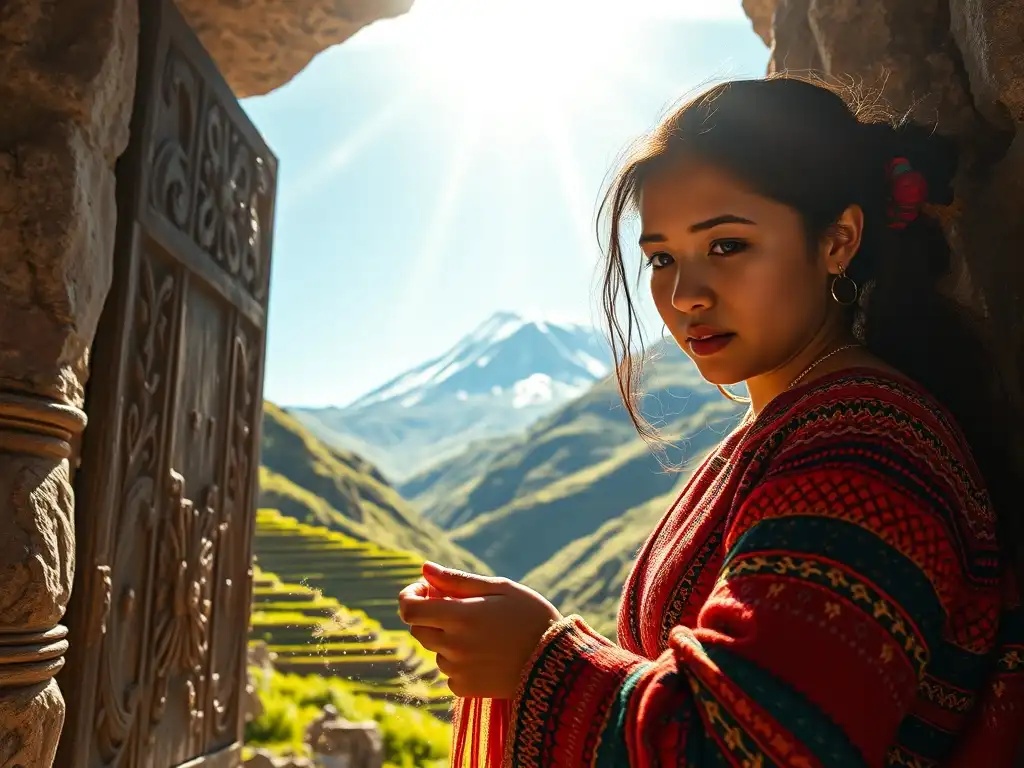
This section explores the enduring legacy of Andean civilizations through the lens of cultural preservation and adaptation in the modern era. The resilience of Andean culture is not merely a historical artifact; it's a vibrant, living force shaping contemporary society. We will examine how this resilience manifests in various aspects of Andean life, demonstrating the enduring strength and adaptability of its people. Understanding this enduring spirit is key to appreciating the depth and complexity of Andean civilizations resilience.
Linguistic Preservation: Keeping Quechua and Aymara Alive
The survival of Quechua and Aymara languages, despite centuries of colonial influence and the pressures of globalization, stands as a powerful testament to Andean resilience. These languages, far from being relics of the past, are actively being preserved and revitalized through various initiatives. For example, numerous community-based language nests ( wawa wasi in Quechua) provide immersive language learning environments for young children, ensuring intergenerational transmission. Furthermore, the integration of Quechua and Aymara into educational curricula in some Andean regions is helping to normalize their use and combat linguistic marginalization.
The fight for linguistic preservation extends beyond formal education. Radio programs, theatrical performances, and literary works in Quechua and Aymara are increasingly common, fostering a sense of pride and ownership among speakers. This active engagement with their ancestral tongues is not simply a matter of linguistic preservation; it’s a powerful act of cultural reclamation, a vital component of Andean civilizations resilience.
The continued use of these languages in everyday life, from markets to family gatherings, further underscores their enduring strength. Data on the number of fluent speakers, while fluctuating and often debated, consistently shows a significant number, especially in rural communities, defying predictions of linguistic extinction. This demonstrates a remarkable commitment to preserving a fundamental aspect of Andean identity.
Traditional Andean Music and Dance: The Saya and Sikuri Rhythms
The rhythmic pulse of Andean music and dance continues to resonate throughout the region, reflecting both historical continuity and contemporary innovation. The saya, a vibrant Afro-Bolivian dance characterized by its energetic movements and infectious rhythms, exemplifies the cultural fusion and adaptation that has shaped Andean identity. Similarly, the sikuri, a panpipe music tradition, continues to evolve, incorporating new melodies and styles while retaining its core essence. These musical forms are not merely entertainment; they are integral to social gatherings, religious ceremonies, and community celebrations.
The enduring popularity of these traditions, especially among younger generations, speaks volumes about their enduring appeal and cultural significance. The saya, for instance, has transcended its origins to become a symbol of Andean cultural pride and resistance. Its rhythmic energy embodies the strength and resilience of the Andean people, their ability to adapt and thrive in the face of adversity.
The sikuri, with its haunting melodies and intricate harmonies, evokes a sense of connection to the past, while simultaneously adapting to modern musical trends. This ability to both preserve tradition and embrace change is a hallmark of Andean civilizations resilience. The sheer diversity of musical styles across the Andean region, each with its own unique history and character, further emphasizes the rich tapestry of Andean cultural heritage.
The Art of Andean Weaving: Textiles of the Sacred Valley
Andean weaving, a craft passed down through generations, is a testament to the enduring ingenuity and artistic expression of the region. The textiles of the Sacred Valley, for example, are renowned for their intricate designs, vibrant colors, and symbolic significance. These aren't merely decorative items; they are imbued with deep cultural meaning, reflecting Andean cosmology, social structures, and historical narratives. Each thread, each color, each pattern tells a story, preserving a rich tapestry of knowledge and tradition.
The continued practice of this ancient craft, despite the competition from mass-produced textiles, demonstrates the resilience of Andean artistic traditions. Many communities actively promote and support their local weavers, preserving traditional techniques and designs while also encouraging innovation and creativity. This commitment to preserving traditional craftsmanship, coupled with a willingness to adapt to changing market demands, is a key component of Andean civilizations resilience.
The intricate detail and symbolic richness of Andean textiles continue to inspire artists and designers worldwide, showcasing the enduring power and beauty of this ancient craft. The fact that these textiles remain highly valued, both within Andean communities and internationally, testifies to their enduring artistic merit and cultural significance. The preservation of these skills ensures the continuity of a vital aspect of Andean cultural identity and underscores the enduring resilience of the Andean people.
Andean Agricultural Practices: Terrace Farming and Potato Cultivation
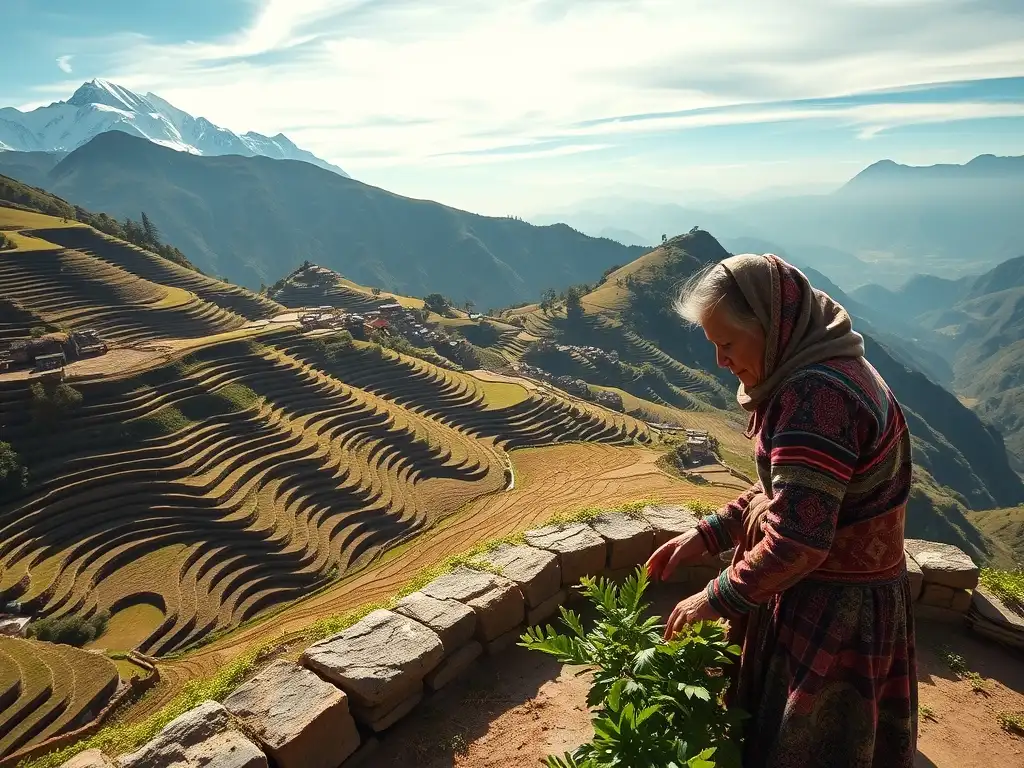
Andean agricultural practices, honed over millennia, stand as a testament to the ingenuity and resilience of the region's inhabitants. The iconic terrace farming, visible across the Andes' steep slopes, is a prime example. These meticulously engineered agricultural terraces, often carved into mountain sides, maximized arable land in challenging terrains. Their construction wasn't merely a feat of engineering; it was a profound understanding of water management. The terraces captured rainwater, preventing soil erosion and providing a controlled irrigation system vital for crop success, particularly during the dry season.
This sophisticated system allowed for the cultivation of diverse crops, ensuring food security even in the face of fluctuating weather patterns. The resilience of this system is evident in its continued use today, albeit with some modern adaptations. Farmers continue to adapt traditional techniques to meet contemporary challenges, demonstrating the enduring relevance of ancient knowledge. The impact of climate change, including unpredictable rainfall and increased temperatures, necessitates the ongoing refinement of these time-honored practices. Research initiatives are exploring ways to improve water retention and soil health within the terrace system, ensuring its continued viability.
The potato, a staple crop of the Andes, exemplifies this resilience. Thousands of potato varieties, each adapted to specific altitudes and climates, exist in the region, a testament to the ongoing selection and adaptation of crops. This biodiversity serves as a vital buffer against crop failures, ensuring food security even in the face of disease outbreaks or environmental changes. The Andean potato's adaptability has also proved crucial in its global dissemination and adoption as a major food source worldwide.
Community-Based Tourism: Empowering Local Communities in Cusco
Cusco, the former Inca capital, exemplifies how the legacy of Andean resilience manifests in modern tourism initiatives. Community-based tourism (CBT) has emerged as a powerful tool for preserving cultural heritage while simultaneously empowering local communities. Unlike mass tourism, which often results in minimal economic benefits for local populations, CBT ensures that the benefits of tourism are directly channeled into the communities themselves. This is achieved through local ownership and management of tourism-related businesses, such as homestays, artisan workshops, and guided tours.
In Cusco, many communities have embraced CBT, offering authentic cultural experiences to visitors while simultaneously generating income and employment opportunities. This model fosters a sense of ownership and pride in the region's cultural heritage, empowering communities to actively participate in the preservation and transmission of their traditions. The resilience of this approach lies in its ability to balance economic development with cultural preservation. CBT initiatives often incorporate elements of cultural education, allowing visitors to learn about Andean traditions, history, and art directly from the community members themselves.
This fosters a deeper understanding and appreciation of Andean culture, while simultaneously generating economic benefits that contribute to the long-term sustainability of the community. The success of community-based tourism in Cusco demonstrates the potential of this model to build resilience in the face of economic challenges and to preserve cultural heritage for future generations. Moreover, the economic stability generated by CBT empowers communities to invest in infrastructure, education, and healthcare, further enhancing their long-term resilience.
The Role of Andean Traditions in Contemporary Society
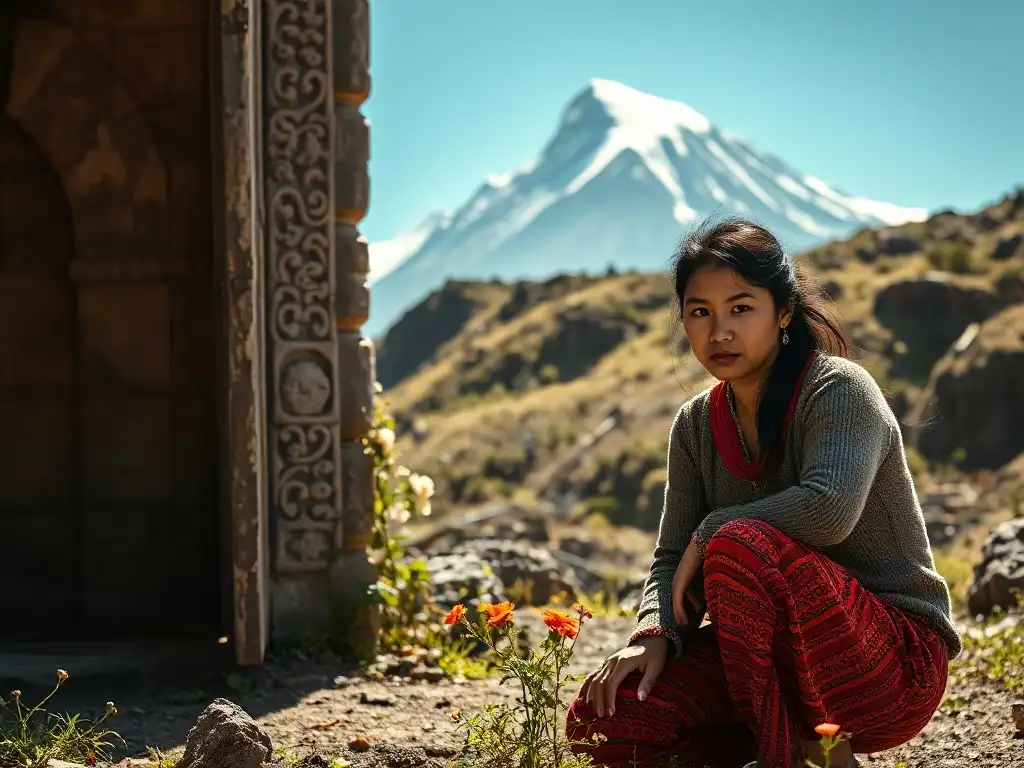
This section explores the enduring influence of Andean traditions on contemporary Andean societies, highlighting their resilience and adaptation in the face of globalization and modernization. We will examine how these traditions continue to shape social structures, beliefs, and practices, demonstrating the profound impact of Andean cultural heritage on the present day. The ongoing relevance of Andean traditions underscores the vitality of these cultures and their capacity for enduring change. Analyzing this enduring influence is crucial for understanding the complexities of Andean civilizations resilience in the 21st century.
Andean Cosmovision and its Relevance Today
Andean cosmovision, a worldview deeply connected to the natural world and the spiritual realm, remains a powerful force shaping contemporary Andean life. This intricate system of beliefs, which emphasizes the interconnectedness of all living things and the cyclical nature of time, continues to influence social organization, agricultural practices, and artistic expression. For example, the concept of ayni, reciprocal exchange and mutual support, is still prevalent in many communities, fostering strong social bonds and collaborative efforts.
The celebration of Pachamama, Mother Earth, through rituals and offerings, underscores the deep respect for the environment and its vital role in Andean life. These deeply rooted beliefs help maintain a sense of community and identity, even in the face of external pressures.
The resilience of Andean cosmovision is evident in its adaptation to modern contexts, often blending seamlessly with Christian traditions and integrating new elements without losing its core essence. The continued practice of these traditions exemplifies the enduring strength of Andean cultural identity and its ability to navigate modernization while preserving its unique perspective.
The Importance of Andean Ancestral Knowledge for Future Generations
The preservation of Andean ancestral knowledge is paramount for the sustainable development and cultural continuity of Andean communities. This knowledge encompasses a vast array of practices, including traditional medicine, agricultural techniques, and construction methods, all honed over millennia. Traditional Andean medicine, for example, relies on a deep understanding of medicinal plants and their properties, offering valuable insights for modern pharmacology.
Similarly, ancient agricultural techniques, adapted to the unique Andean environment, provide sustainable models for food production that are particularly relevant in the context of climate change. These techniques, often passed down orally through generations, represent a treasure trove of knowledge with the potential to address contemporary challenges. The transmission of this knowledge to future generations faces significant obstacles, however, including the allure of urban migration and the dominance of Western educational systems.
Efforts to document and teach this knowledge are crucial for its preservation and application in addressing modern concerns and ensuring the continuity of Andean cultural heritage. The preservation of these practices is a key component of Andean civilizations resilience, ensuring the future of their unique cultural and ecological contributions.
Challenges Faced by Andean Communities in Preserving their Heritage
Andean communities face numerous challenges in preserving their rich cultural heritage. These challenges range from economic pressures that lead to migration and the abandonment of traditional practices to the encroachment of globalization and the homogenizing effects of mass media. The loss of traditional languages, for instance, poses a significant threat to the transmission of ancestral knowledge and cultural identity.
Furthermore, the increasing pressure for economic development often clashes with traditional land use practices and environmental protection measures. The extraction of natural resources, such as mining, can have devastating impacts on the environment and traditional livelihoods, disrupting centuries-old ways of life. The struggle to balance economic development with cultural preservation requires careful planning and collaboration between local communities, governments, and international organizations.
Finding a path that respects both economic needs and cultural values is crucial for the long-term sustainability and resilience of Andean communities and their unique heritage. The effective management of these challenges is fundamental to the continued existence of the Andean civilizations resilience.
Opportunities for Cultural Revitalization and Empowerment
The enduring legacy of Andean civilizations presents incredible opportunities for cultural revitalization and empowerment in contemporary society. This isn't merely about preserving ancient artifacts; it's about actively engaging with living traditions and fostering a sense of pride and ownership within communities. Successful revitalization initiatives often involve a multi-pronged approach, focusing on education, economic development, and community participation.
One key aspect is the integration of Andean traditions into educational curricula. Teaching children about their ancestral heritage, including languages like Quechua and Aymara, weaving techniques, and traditional storytelling, instills a sense of cultural identity and strengthens community bonds. This isn't simply about rote memorization; it's about fostering critical thinking and encouraging young people to explore the relevance of these traditions in the modern world.
For example, schools could incorporate traditional Andean music and dance into their programs, allowing students to express themselves creatively while learning about their cultural roots. Furthermore, museums and cultural centers can play a crucial role by offering workshops and educational programs that actively involve community members.
Economic empowerment is another critical element. Promoting and supporting traditional crafts, such as textiles, pottery, and metalwork, provides economic opportunities for artisans and helps preserve these valuable skills. Fair trade initiatives and collaborations with tourism operators can create sustainable income streams, allowing communities to benefit directly from the preservation and promotion of their cultural heritage.
The success of such initiatives hinges on equitable partnerships that ensure fair compensation and respect for traditional knowledge. For instance, a community-based tourism project could allow visitors to participate in traditional weaving workshops, learning directly from master artisans while contributing to their livelihoods. This not only supports the local economy but also promotes cultural exchange and understanding.
Finally, community participation is essential. Revitalization efforts must be driven by the communities themselves, ensuring that projects are culturally appropriate and sustainable. This involves actively engaging with local leaders, artisans, and community members to identify their needs and priorities. Participatory approaches ensure that revitalization projects are not imposed from the outside but rather emerge organically from within the community.
This collaborative approach fosters a sense of ownership and empowers communities to take control of their cultural destiny. A successful example could be seen in a community-led initiative to restore an ancient Inca trail, where local residents are involved in every stage of the project, from planning and fundraising to maintenance and tourism management. This ensures that the project benefits the community economically and strengthens their cultural identity. The success of these initiatives ultimately hinges on creating a sustainable ecosystem that preserves Andean traditions while empowering contemporary communities to thrive.
Andean Civilizations Resilience: Case Studies and Examples
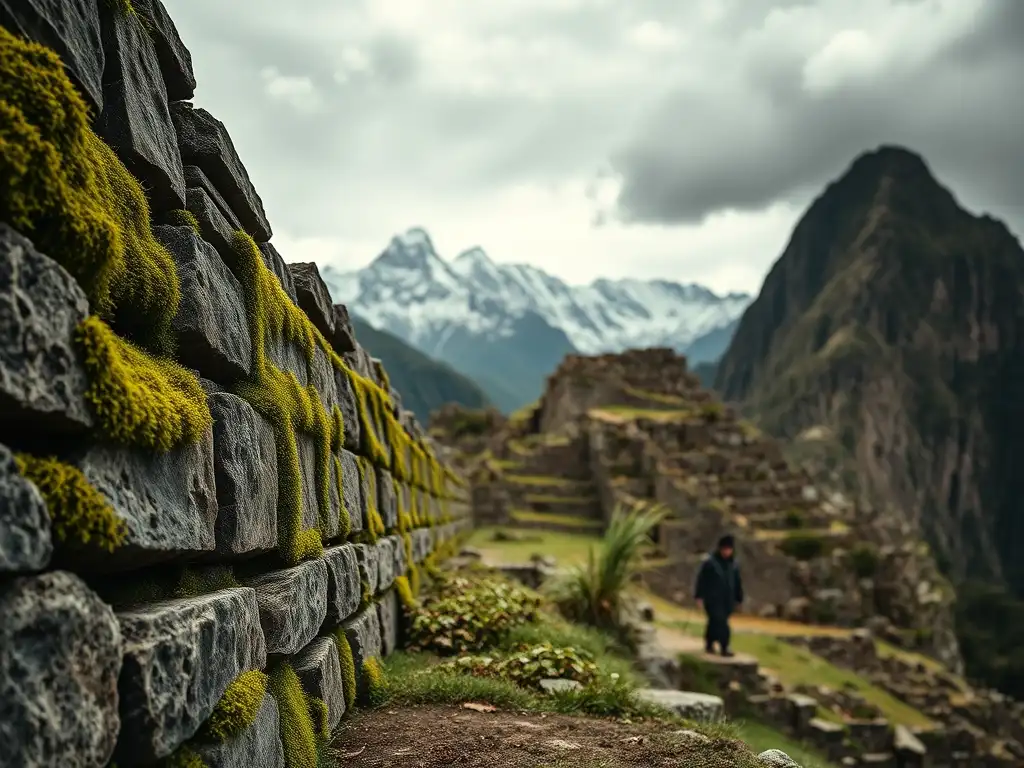
This section explores the remarkable resilience of Andean cultures, demonstrating their enduring strength in the face of historical challenges and modern pressures. We will examine specific examples showcasing how Andean communities have preserved their traditions, adapted to changing circumstances, and thrived despite adversity. The tenacity of these civilizations in maintaining their unique identities serves as a powerful testament to the human spirit and cultural preservation. The keyword "Andean civilizations resilience" is central to understanding this enduring legacy.
The Uros People of Lake Titicaca: Maintaining a Floating Island Culture
The Uros people, inhabiting the high-altitude Lake Titicaca, exemplify exceptional resilience. For centuries, they have constructed and maintained their unique floating islands, defying the harsh environmental conditions and demonstrating remarkable adaptability. Their survival hinges on a deep understanding of their environment and a sophisticated system of resource management.
The islands themselves, crafted from interwoven reeds, require constant maintenance and renewal, reflecting a continuous cycle of adaptation and innovation. This ingenious practice, passed down through generations, showcases the Uros' commitment to their cultural heritage, even in the face of external pressures such as tourism and climate change. Their ability to balance tradition with the needs of a changing world is a compelling example of Andean civilizations resilience.
The intricate knowledge involved in reed harvesting, island construction, and sustainable fishing practices underscores their profound connection to their environment and their ability to thrive within it. Their continued existence is a powerful symbol of cultural perseverance, a living testament to the ingenuity and resilience of Andean communities.
The Inti Raymi Festival: Reclaiming Inca Rituals
The Inti Raymi festival, a vibrant celebration of the Inca sun god Inti, stands as a powerful symbol of cultural reclamation and the enduring spirit of Andean civilizations. While suppressed during the colonial era, this ancient ritual has been remarkably revived and continues to draw thousands of participants and spectators annually. The festival's resurgence represents a conscious effort to reclaim and preserve an integral part of Inca heritage, highlighting the resilience of Andean cultural practices in the face of historical oppression and cultural assimilation.
The meticulous recreation of ancient ceremonies, costumes, and traditions demonstrates a deep commitment to preserving cultural memory and identity. The festival's enduring popularity underscores the significance of Inca traditions in contemporary Andean society and the strength of cultural memory in shaping modern identities.
The meticulous detail applied to the costumes, music, and rituals exemplifies the dedication to recreating a rich cultural past. Inti Raymi is not merely a spectacle; it’s a living testament to the enduring spirit of Andean civilizations resilience.
The Awamaki Project: Empowering Women through Textile Arts
The Awamaki project exemplifies the resilience of Andean communities through economic empowerment and cultural preservation. Focusing on the revival and promotion of traditional Andean textile arts, Awamaki directly addresses economic challenges while simultaneously safeguarding a crucial aspect of cultural heritage. By providing women with training, resources, and market access, the project empowers them economically and strengthens their cultural identity.
This initiative demonstrates that cultural preservation and economic development are not mutually exclusive but rather complementary strategies for building sustainable communities. The success of Awamaki demonstrates that investing in women and their traditional skills contributes significantly to the economic and cultural resilience of Andean communities. The intricate designs and techniques employed in the textiles themselves represent centuries of accumulated knowledge and artistic expression, showcasing the richness and depth of Andean cultural heritage.
The project's success is a powerful example of how cultural preservation can be a driver of economic growth and community empowerment, further illustrating the remarkable resilience of Andean civilizations. The vibrant colors and intricate patterns of the textiles are a powerful visual representation of Andean civilizations resilience.
The Future of Andean Cultural Heritage
The enduring legacy of Andean civilizations hinges on our ability to safeguard and celebrate their rich cultural heritage for future generations. This requires a multifaceted approach, encompassing preservation efforts, sustainable tourism practices, and the crucial role of intergenerational knowledge transfer. The resilience of Andean culture, demonstrated through centuries of adaptation and innovation, is now facing new challenges in the 21st century.
Understanding these challenges and proactively addressing them is paramount to ensuring the continued vibrancy of Andean traditions. The keyword, "Andean civilizations resilience," encapsulates this critical need for proactive strategies to ensure the survival and flourishing of this remarkable cultural heritage.
Supporting Andean Cultural Preservation Efforts
Preserving Andean cultural heritage necessitates a collaborative effort involving governments, local communities, and international organizations. Financial support is crucial for initiatives aimed at protecting archaeological sites, preserving ancient textiles and artifacts, and documenting traditional practices. This includes funding for:
- Archaeological excavations and site preservation: Careful excavation and preservation techniques are needed to protect fragile sites from erosion and looting. For instance, the ongoing efforts to protect Machu Picchu from the impact of tourism require significant investment in infrastructure and conservation strategies.
- Museum development and maintenance: Museums play a vital role in showcasing Andean artifacts and educating the public. Funding is needed for improved museum facilities, enhanced security measures, and the development of engaging exhibits.
- Community-based heritage management: Empowering local communities to manage and protect their cultural heritage is essential. This involves providing training in preservation techniques, supporting local craft production, and promoting cultural tourism initiatives that benefit the community directly. This approach fosters a sense of ownership and responsibility, crucial for long-term preservation.
Furthermore, research plays a critical role. Ethnobotanical studies, for example, can help document the traditional uses of Andean plants and contribute to their conservation. Similarly, linguistic research helps preserve endangered Quechua dialects, ensuring the continuation of oral traditions and storytelling. The success of these preservation efforts hinges on the effective allocation of resources and a collaborative approach that prioritizes community involvement.
Promoting Sustainable Tourism in Andean Regions
Tourism presents both opportunities and challenges for Andean cultural heritage. While it can generate income and raise awareness, unsustainable tourism practices can damage fragile ecosystems and erode cultural authenticity. Promoting sustainable tourism is therefore crucial for the long-term preservation of Andean culture. This involves:
- Responsible travel initiatives: Educating tourists about responsible travel practices, such as respecting local customs, minimizing environmental impact, and supporting local businesses, is paramount. This can be achieved through educational campaigns and the development of responsible tourism guidelines.
- Community-based tourism: This model empowers local communities to manage tourism initiatives, ensuring that the benefits are shared equitably and that cultural practices are respected. Examples include homestays, guided tours led by local experts, and the sale of locally produced handicrafts.
- Infrastructure development: Investing in eco-friendly infrastructure, such as renewable energy sources and waste management systems, is essential to minimize the environmental impact of tourism. This approach ensures that tourism contributes to the sustainability of Andean communities and ecosystems. Careful planning is crucial to avoid overwhelming local communities and damaging delicate archaeological sites.
The balance between economic development and environmental and cultural protection is a delicate one, requiring careful management and collaboration between stakeholders. Sustainable tourism practices are not merely an option; they are a necessity for the long-term survival of Andean cultural heritage.
The Importance of Intergenerational Transmission of Knowledge
The transmission of knowledge across generations is fundamental to the resilience of Andean civilizations. Traditional skills, languages, and cultural practices are often passed down orally within families and communities. However, modernization and globalization pose a threat to this vital process. Therefore, it's crucial to:
| Challenge | Solution | Example |
|---|---|---|
| Loss of traditional languages | Support language revitalization programs. | Funding Quechua language classes in schools. |
| Decline of traditional crafts | Promote apprenticeships and support craft production cooperatives. | Supporting artisans through fair trade initiatives. |
| Limited access to education | Increase access to quality education that incorporates Andean cultural knowledge. | Integrating Andean history and traditions into school curricula. |
To ensure the continuation of these traditions, proactive measures are needed. These include:
- Supporting traditional education systems: Recognizing and supporting traditional Andean education systems, which often incorporate practical skills and cultural knowledge, is crucial.
- Documenting oral traditions: Recording and archiving oral histories, songs, and stories helps preserve valuable cultural knowledge for future generations.
- Promoting cultural exchange: Facilitating cultural exchange programs between Andean communities and other groups can help promote understanding and appreciation of Andean culture.
The resilience of Andean culture depends heavily on the successful transmission of knowledge from one generation to the next. This requires a commitment to supporting traditional practices and ensuring access to education that values and incorporates Andean cultural heritage. The preservation of this knowledge is vital for the continued flourishing of Andean civilizations.
Conclusion: The Continuing Journey of Andean Resilience
The resilience of Andean civilizations is not a relic of the past; it's a vibrant, ongoing process. The challenges faced by modern Andean communities – from climate change and economic disparities to the pressures of globalization – echo, in many ways, the struggles faced by their ancestors. Yet, just as their predecessors adapted and innovated, contemporary Andean peoples continue to find creative solutions, drawing strength from their rich cultural heritage. This heritage, meticulously preserved and celebrated through tourism initiatives, cultural centers, and community-led projects, provides a foundation for future generations.
The intricate weaving techniques, the vibrant storytelling traditions, the profound spiritual connection to the land – these are not merely artifacts of a bygone era but living expressions of enduring cultural identity. The ongoing efforts to protect and promote Andean cultural heritage are crucial not only for preserving a unique and invaluable aspect of human history but also for empowering the communities that carry this legacy forward. Their resilience, forged in the crucible of history, continues to inspire and illuminate the path towards a sustainable and culturally rich future. The story of Andean resilience is far from over; it is a testament to the enduring human spirit and a powerful reminder of the importance of preserving cultural diversity in the face of adversity.
The legacy lives on, not as a static monument, but as a dynamic, ever-evolving testament to the human capacity to adapt, endure, and thrive. Understanding and supporting this ongoing journey is vital for ensuring that the vibrant tapestry of Andean culture continues to enrich the world for generations to come. 🌍
Frequently Asked Questions
What factors contributed to the resilience of Andean civilizations?
Andean civilizations demonstrated remarkable resilience due to adaptive farming techniques, sophisticated social structures, and a capacity for innovation in response to environmental challenges and conquest.
How did Andean agriculture contribute to their survival?
Terracing, irrigation systems, and the cultivation of diverse crops allowed Andean communities to thrive in challenging mountainous environments, ensuring food security and population stability.
Strong social hierarchies and community-based cooperation facilitated resource management, labor mobilization, and collective responses to environmental and political crises.
How did Andean civilizations adapt to environmental challenges?
Their ability to adapt to high-altitude conditions, fluctuating climates, and natural disasters through innovative technologies and social strategies was crucial to their long-term survival. Resource management was key.
How did the Inca Empire's fall impact the resilience of Andean culture?
While the Inca Empire's collapse presented significant challenges, Andean culture's resilience is evident in the persistence of traditions, languages, and agricultural practices even after the Spanish conquest. Many aspects of Andean culture continue to thrive today.
Final Reflection: Echoes of Resilience in the Andes
The enduring spirit of Andean civilizations continues to resonate in the face of modern challenges, a testament to the power of cultural adaptation and the unwavering strength of the human spirit. From the intricate agricultural systems that thrived in harsh environments to the vibrant traditions that persist despite centuries of upheaval, the legacy of Andean resilience offers invaluable lessons for navigating our own complex world. The ingenuity and adaptability displayed by these ancient societies remain remarkably relevant in a time of unprecedented global change.
The profound impact of Andean culture extends far beyond its geographical boundaries, shaping our understanding of sustainability, community, and the enduring power of human connection. The echoes of their wisdom reverberate in contemporary movements advocating for environmental protection and social justice. The mountains are our teachers; they teach us patience, resilience, and the importance of living in harmony with nature.
– This sentiment, often heard in Andean communities, encapsulates the core message of their enduring legacy and its continued relevance in a world grappling with ecological crises and social inequalities.
Consider the ingenuity of their terrace farming, their intricate understanding of astronomy, and their sophisticated social structures. These are not relics of a bygone era; they are blueprints for a more sustainable and equitable future. You, the reader, are now part of this ongoing narrative. Reflect on the ways in which the resilience of Andean civilizations can inspire your own actions, your own commitment to community, and your own approach to navigating the challenges that lie ahead. Let their legacy be a beacon, guiding you towards a more harmonious and sustainable world.
Embrace and Elevate Andean Resilience!
Thank you for joining us on this journey through the rich tapestry of Andean culture. You've witnessed the remarkable strength and enduring spirit that defines these communities. Now, let's work together to ensure this legacy continues!
Here are a few ways you can get involved:
- **Learn more** about Andean culture by exploring local art, music, and cuisine—share your discoveries with friends and family to inspire them!
- **Support indigenous artisans** by purchasing their handcrafted goods or promoting their work on social media. Let's celebrate their unique skills and cultural contributions.
- Consider **volunteering** your time and skills with organizations dedicated to preserving Andean cultural heritage. Your contribution can make a significant difference.
How will you help preserve the vibrant culture of the Andes in your daily life?