
The Future of Andean Heritage: Challenges and Opportunities

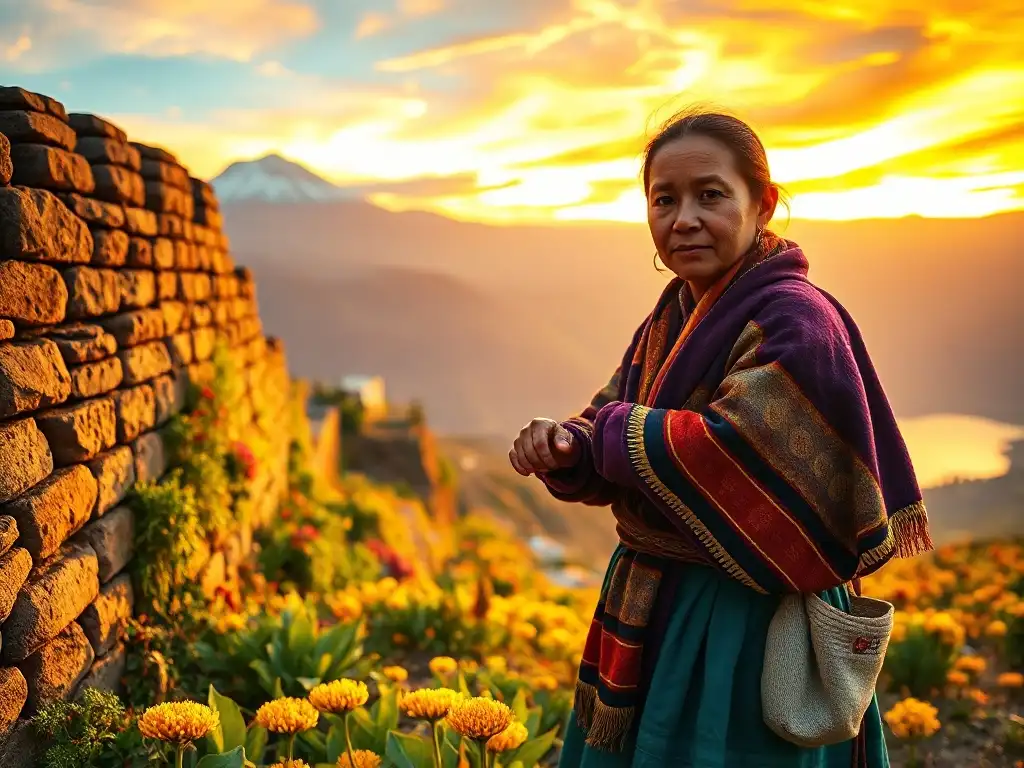
Step into a world lost to time, yet echoing with vibrant life. Imagine colossal mountain cities, intricate textiles woven with ancient wisdom, and the enduring legacy of a civilization that defied the harshest landscapes. Here at Andean Civilizations, we delve into the fascinating tapestry of the Incas, Moche, Nazca, and Tiahuanaco, uncovering their secrets. But the past is not static; the future of their Andean heritage preservation is at stake. Discover the challenges and opportunities facing this incredible legacy—read on to learn more.
The Andes Mountains, a spine of towering peaks running down the western coast of South America, are home to a rich tapestry of ancient civilizations. For millennia, cultures like the Incas, Moche, Nazca, and Tiahuanaco flourished in this challenging yet fertile landscape, leaving behind an unparalleled legacy of architectural marvels, intricate artistry, and innovative technologies.
This Andean heritage, a testament to human resilience and ingenuity, now faces unprecedented challenges in the 21st century. This article explores the critical issues threatening the preservation of this invaluable cultural legacy, while also highlighting opportunities for its sustainable future and the crucial role of Andean heritage preservation in securing this legacy for generations to come.
We will delve into the multifaceted threats facing Andean sites and artifacts, from the impacts of climate change to the devastating effects of illegal looting, and propose strategies for safeguarding this irreplaceable part of our shared human history. The preservation of Andean heritage is not merely a matter of historical record-keeping; it is a vital act of cultural stewardship, ensuring the continuity of traditions and the inspiration these remarkable achievements continue to provide.
Understanding the Significance of Andean Cultural Heritage
Andean cultural heritage encompasses a vast and diverse array of tangible and intangible elements. From the awe-inspiring stonework of Machu Picchu to the intricate textiles of the Nazca people, and the sophisticated astronomical observations of the Inca, the legacy is incredibly rich. This heritage is not just aesthetically pleasing; it represents a profound understanding of astronomy, engineering, agriculture, and social organization.
The sophisticated irrigation systems developed by Andean civilizations, for example, allowed for thriving agricultural societies in challenging terrain, a testament to their ingenuity and environmental stewardship. Understanding the significance of this heritage goes beyond mere appreciation; it requires recognizing its intellectual, social, and economic value. The preservation of this heritage is essential for maintaining cultural identity, promoting sustainable tourism, and fostering a deeper understanding of human history and adaptation.
These sites are living museums, offering invaluable insights into the past and inspiring future generations. The intricate knowledge systems embedded within Andean traditions offer solutions for contemporary challenges, such as sustainable agriculture and resource management.
Threats to Andean Heritage: Current Challenges
The Andean region faces a complex interplay of threats that jeopardize its invaluable cultural heritage. These challenges range from the effects of climate change to the devastating consequences of illegal activities and unsustainable tourism practices. Addressing these threats requires a multifaceted approach involving international cooperation, community engagement, and robust legal frameworks. The scale of the problem necessitates immediate and decisive action to ensure the long-term survival of this irreplaceable heritage.
Climate Change Impact on Andean Archaeological Sites
Climate change presents a significant and growing threat to Andean archaeological sites. Increased frequency and intensity of extreme weather events, such as landslides, floods, and droughts, are causing irreversible damage to delicate structures and artifacts. Glacial melt is also exposing previously inaccessible sites, making them vulnerable to looting and deterioration. The changing climate is altering the very landscape that has protected these sites for centuries, accelerating erosion and threatening the structural integrity of ancient buildings and monuments. [Specific data on the impact of climate change on specific Andean sites pending].
Illegal Looting and the Black Market for Andean Artifacts
Illegal looting and the thriving black market for Andean artifacts pose a severe and persistent threat to the preservation of this heritage. The demand for these artifacts fuels a destructive cycle of theft and illicit trade, resulting in the loss of irreplaceable cultural objects and the irreversible damage to archaeological sites. This illegal activity not only deprives communities of their cultural heritage but also undermines efforts to understand and protect the past. Strengthening law enforcement and international collaboration to combat this illegal trade is crucial for Andean heritage preservation.
Unsustainable Tourism Practices and Their Effects
While tourism can contribute to the economic well-being of communities and raise awareness of Andean heritage, unsustainable practices can cause significant damage. Overcrowding at popular sites leads to erosion, damage to structures, and disruption of the local environment. Lack of appropriate infrastructure and management strategies can exacerbate these problems. Promoting responsible tourism practices that prioritize preservation and community benefits is essential for balancing the economic advantages of tourism with the need for cultural protection.
Limited Funding for Heritage Preservation
Insufficient funding for heritage preservation is a major obstacle to effective conservation efforts. Limited resources hinder the implementation of essential protection measures, such as site stabilization, conservation treatments, and community-based monitoring programs. Securing adequate and sustainable funding for Andean heritage preservation is crucial for long-term conservation and the development of effective strategies to address the multifaceted challenges facing the region. Increased investment in research, training, and community engagement is critical for ensuring the long-term survival of this invaluable legacy.
Opportunities for Andean Heritage Conservation and Promotion
The future of Andean heritage preservation hinges on seizing numerous opportunities for conservation and promotion. A multifaceted approach, incorporating community involvement, sustainable tourism practices, and technological advancements, is crucial for safeguarding this invaluable legacy for future generations. This requires a shift from solely reactive preservation efforts to a proactive strategy that integrates economic development with cultural protection.
The potential for positive change is immense, provided the right strategies are implemented and supported. This involves not just physical preservation of sites, but also the revitalization of traditional practices and the fostering of cultural pride within Andean communities. The challenges are significant, but the rewards of a successful preservation strategy are equally substantial – a thriving cultural heritage that enriches both local communities and the global community.
Community Engagement in Heritage Management
Meaningful community engagement is paramount for successful Andean heritage preservation. Local communities are the custodians of their ancestral knowledge and traditions. Their active participation in management plans ensures that conservation efforts respect local values and customs. By empowering communities to take ownership of their heritage, we foster a sense of responsibility and pride, leading to more effective and sustainable conservation.
For example, the successful integration of local artisans into tourism initiatives not only provides economic benefits but also helps preserve traditional crafts and knowledge. This participatory approach ensures that heritage preservation is not just a top-down initiative but a collaborative effort that benefits all stakeholders. The involvement of indigenous communities in decision-making processes, from site management to tourism development, is crucial for ensuring culturally sensitive and equitable outcomes.
Sustainable Tourism for Cultural Preservation
Sustainable tourism offers a powerful tool for Andean heritage preservation. By carefully managing tourism activities, we can generate revenue for conservation while minimizing negative impacts on cultural sites and the environment. This requires developing responsible tourism strategies that prioritize the well-being of local communities and the preservation of cultural heritage.
Examples include implementing visitor management plans to limit the number of tourists at sensitive sites, promoting eco-friendly tourism practices, and ensuring that tourism revenue directly benefits local communities through job creation and investment in conservation projects. This approach ensures that tourism contributes to the long-term sustainability of both the environment and the cultural heritage it seeks to showcase. The careful balance between economic benefits and environmental protection is key to a successful sustainable tourism strategy.
Technological Advances in Heritage Research
Technological advancements offer unprecedented opportunities for Andean heritage research and preservation. High-resolution imaging, 3D modeling, and GIS mapping allow for detailed documentation of archaeological sites and artifacts, providing valuable data for research and conservation planning. These technologies also enable the creation of virtual museums and interactive exhibits, making Andean heritage accessible to a wider audience.
Furthermore, advancements in materials science can contribute to the development of innovative conservation techniques for preserving fragile artifacts and structures. The use of drones for site surveying and monitoring offers a non-invasive way to assess the condition of remote archaeological sites. The integration of these technologies into heritage management practices can significantly enhance our understanding and preservation of Andean heritage.
International Collaborations for Heritage Protection
International collaborations are essential for effective Andean heritage protection. Sharing expertise, resources, and best practices across borders strengthens conservation efforts and promotes a unified approach to heritage management. International organizations and governments can play a vital role in supporting conservation projects, providing funding, and facilitating the exchange of knowledge between researchers and practitioners.
Joint research projects, capacity-building initiatives, and the development of international standards for heritage preservation are all crucial components of effective international collaboration. These collaborations can help address transnational challenges such as illicit trafficking of artifacts and the impacts of climate change on cultural heritage sites. International cooperation is crucial for ensuring the long-term sustainability of Andean heritage.
Strategies for Effective Andean Heritage Preservation

Effective Andean heritage preservation requires a multi-pronged approach that combines legal protection, educational initiatives, and the innovative use of technology. A comprehensive strategy is needed to address the diverse challenges facing this rich cultural heritage, ranging from looting and damage to environmental degradation and the loss of traditional knowledge. The interconnected nature of these challenges requires a holistic approach that considers the social, economic, and environmental dimensions of heritage preservation.
Implementing Stricter Laws for Artifact Protection
Strengthening legal frameworks for artifact protection is crucial to combatting looting and illegal trafficking. This includes stricter penalties for those involved in the illegal removal and sale of artifacts, as well as improved mechanisms for the repatriation of stolen objects. International cooperation is vital in this effort, as many artifacts are trafficked across borders. The establishment of clear legal frameworks and effective enforcement mechanisms is a cornerstone of successful heritage preservation. Robust legislation, coupled with effective law enforcement, is essential to deter illegal activities and protect invaluable artifacts from being lost to the global market.
Investing in Education and Awareness Programs
Investing in education and awareness programs is key to fostering a sense of responsibility and ownership towards Andean heritage. By educating local communities and the wider public about the importance of preserving this cultural legacy, we can build support for conservation initiatives and reduce the likelihood of damage or destruction. These programs should target diverse audiences, including school children, local communities, and tourists, utilizing various methods such as workshops, museum exhibits, and public awareness campaigns.
Promoting cultural pride and understanding is crucial for fostering long-term support for heritage preservation. A well-informed public is more likely to support and participate in conservation efforts.
Utilizing Digital Technologies for Heritage Documentation
Digital technologies offer powerful tools for documenting and preserving Andean heritage. High-resolution photography, 3D scanning, and virtual reality can create detailed records of archaeological sites and artifacts, making them accessible to researchers and the public even if physical access is limited. These digital archives can also be used to monitor the condition of heritage sites over time, providing valuable data for conservation planning.
Digital documentation allows for the creation of accessible and engaging resources for education and outreach, extending the reach of Andean heritage beyond geographical limitations. The creation of digital archives helps to safeguard this heritage against physical damage and loss.
Developing Community-Based Tourism Initiatives
Community-based tourism initiatives empower local communities to participate in the management and benefit from tourism activities related to Andean heritage. This approach ensures that tourism revenue directly supports conservation efforts and improves the livelihoods of local residents, creating a vested interest in preserving their cultural heritage. By involving local communities in planning and decision-making, we can ensure that tourism development is sustainable and culturally sensitive.
This participatory approach fosters a sense of ownership and responsibility towards the preservation of Andean heritage, leading to more effective and sustainable conservation. Community-based tourism initiatives can serve as a powerful engine for both economic development and cultural preservation.
The Role of Technology in Preserving Andean Heritage
Technological advancements offer unprecedented opportunities for Andean heritage preservation. Digital tools allow for detailed documentation, analysis, and dissemination of cultural heritage, mitigating the risks of deterioration and loss associated with time and environmental factors. This is particularly crucial given the fragility of many Andean archaeological sites and artifacts.
The integration of technology isn't meant to replace traditional methods, but rather to supplement and enhance them, creating a more comprehensive and effective approach to conservation. The use of technology also allows for broader access to Andean heritage, connecting communities and scholars worldwide with these incredible cultural resources. The potential for education and outreach is immense, fostering a deeper understanding and appreciation for Andean civilizations.
3D Modeling and Digital Reconstruction of Andean Sites
3D modeling offers a powerful tool for preserving Andean sites. By creating detailed digital representations of structures, artifacts, and landscapes, researchers can study these elements in intricate detail without causing further damage to the original materials. This is especially beneficial for sites that are inaccessible or in a precarious state of preservation.
For instance, 3D modeling has been used to reconstruct sections of Machu Picchu that have been damaged by earthquakes or erosion, allowing for a more complete understanding of the site's original design and function. Furthermore, these models can be used for educational purposes, allowing students and the public to virtually explore these sites and learn about their history. The creation of interactive 3D models also permits the exploration of "what-if" scenarios, testing different conservation strategies virtually before implementing them in the real world.
Geographic Information Systems (GIS) for Site Mapping
Geographic Information Systems (GIS) are essential for managing and analyzing spatial data related to Andean heritage. GIS allows archaeologists and heritage managers to map and monitor sites, track changes over time, and identify potential threats. This technology facilitates a more comprehensive understanding of the distribution and context of archaeological remains, informing conservation strategies and helping to prevent future damage.
For example, GIS can be used to map the location of ancient agricultural terraces, providing valuable insights into Inca agricultural practices and the impact of climate change on these vital systems. The integration of GIS with other technologies, such as remote sensing, further enhances its capabilities, providing a more holistic view of Andean heritage landscapes.
Remote Sensing for Archaeological Discovery and Monitoring
Remote sensing techniques, including aerial photography, satellite imagery, and LiDAR (Light Detection and Ranging), provide non-invasive methods for identifying and monitoring Andean archaeological sites. These technologies allow researchers to detect features that are invisible to the naked eye, such as buried structures or subtle changes in the landscape. This is crucial for discovering new sites and for monitoring existing sites for signs of damage or degradation.
For instance, LiDAR has revealed previously unknown Inca settlements hidden beneath dense vegetation in the Amazon rainforest, significantly expanding our understanding of Inca territorial control and settlement patterns. The use of remote sensing minimizes disturbance to sensitive archaeological sites, allowing for more sustainable research practices.
Virtual Reality for Cultural Immersion
Virtual Reality (VR) technology offers immersive experiences that allow users to explore Andean sites and artifacts in a way that was previously impossible. VR recreations can provide detailed visualizations of ancient cities, temples, and textiles, bringing the past to life and fostering a deeper understanding and appreciation of Andean cultures. This technology can be particularly effective in educational settings, allowing students to engage with Andean heritage in a dynamic and engaging way.
Beyond education, VR can also be used to create virtual tours of sites that are inaccessible to the general public, making Andean heritage more widely available and accessible. The development of high-quality VR experiences requires significant investment, but the potential benefits for cultural preservation and education are substantial.
The Importance of Community-Based Approaches for Andean Heritage
Community-based approaches are paramount for the long-term preservation of Andean heritage. Indigenous communities are the custodians of this heritage, possessing invaluable traditional knowledge and a deep connection to their ancestral lands and cultural practices. Their involvement is not merely desirable but essential for effective and sustainable conservation. Ignoring their perspectives and contributions undermines the authenticity and integrity of heritage preservation efforts. A collaborative approach ensures that conservation projects are culturally sensitive and respectful, upholding the principles of cultural sovereignty and self-determination.
Empowering Local Communities in Heritage Management
Empowering local communities means providing them with the resources and training necessary to manage and protect their heritage. This includes providing access to education, technology, and financial resources. It also requires establishing participatory decision-making processes that ensure community involvement in all stages of heritage management, from planning and implementation to monitoring and evaluation. Successful community-based initiatives often involve the establishment of local museums, tourism enterprises, and craft workshops, which generate income and create employment opportunities for community members, fostering economic development and a sense of ownership over their heritage.
Integrating Indigenous Knowledge into Conservation
Traditional ecological knowledge (TEK) held by indigenous communities offers valuable insights into sustainable resource management and conservation practices. This knowledge, often passed down through generations, provides a deep understanding of the environment, the cultural significance of specific sites, and the best practices for their preservation. Integrating TEK with scientific knowledge enhances conservation efforts, leading to more effective and culturally appropriate strategies. For example, incorporating indigenous knowledge about traditional agricultural techniques can inform sustainable land management practices, protecting both cultural landscapes and biodiversity.
Ensuring Economic Benefits for Local Populations
Sustainable economic benefits are crucial for securing the long-term support of local communities in heritage preservation efforts. This can be achieved through the development of community-based tourism, the creation of craft workshops, and the establishment of local museums. These initiatives can generate income, create employment opportunities, and foster economic independence, providing incentives for community involvement in conservation. Fair and equitable benefit-sharing mechanisms are essential to ensure that communities receive a just return for their contributions to heritage preservation. Economic empowerment is a powerful tool for promoting cultural sustainability.
Fostering Cultural Identity and Pride
Preserving Andean heritage is not simply about protecting physical objects and sites; it is about safeguarding cultural identity and fostering a sense of pride in one's heritage. Community-based approaches play a vital role in this process, empowering local populations to reclaim their cultural heritage and transmit it to future generations. By actively participating in heritage management, communities strengthen their cultural identity and create a sense of ownership and responsibility for their shared history.
This fosters a sense of community cohesion and pride, ensuring that Andean cultural traditions endure for years to come. The preservation of tangible heritage is intrinsically linked to the preservation of intangible cultural heritage, including languages, traditions, and knowledge systems.
Sustainable Tourism and the Future of Andean Heritage
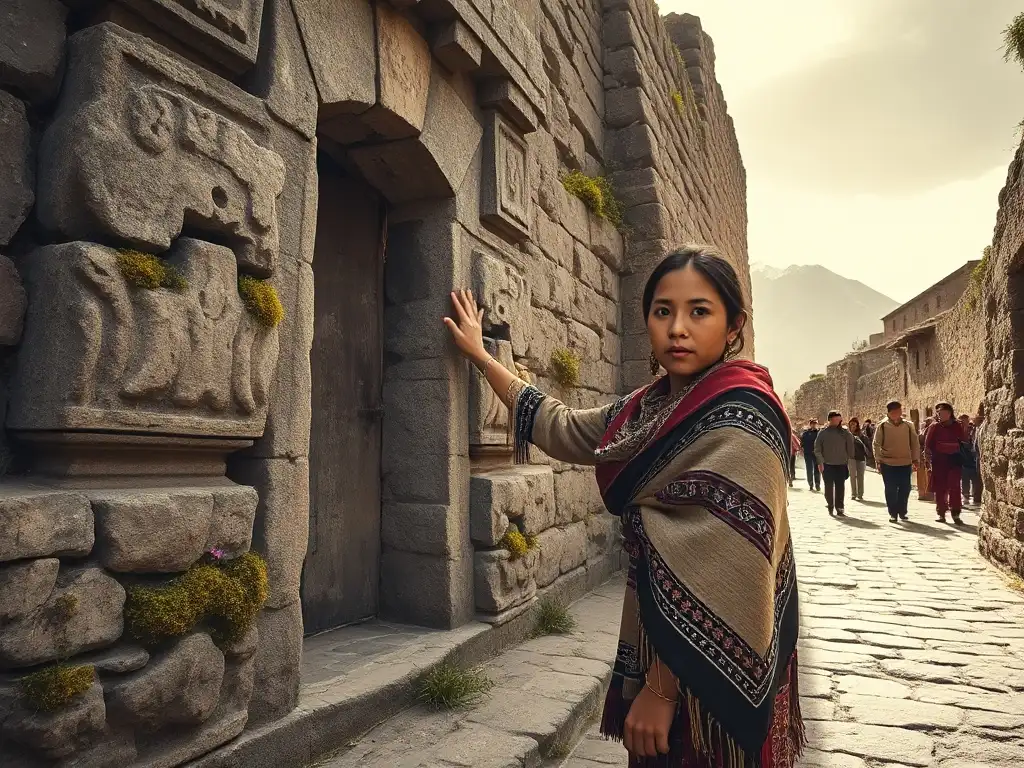
Sustainable tourism is paramount for the long-term preservation of Andean heritage. The delicate balance between economic development through tourism and the protection of invaluable archaeological sites, cultural traditions, and the environment must be carefully managed. Unsustainable practices, such as mass tourism, can lead to irreversible damage to fragile ecosystems and the erosion of cultural authenticity.
Therefore, a shift towards responsible tourism is crucial. This involves not only minimizing the negative impacts of tourism but also maximizing its potential to benefit local communities and contribute to conservation efforts. The delicate ecosystems of the Andes, from the high-altitude puna grasslands to the cloud forests, are particularly vulnerable to the pressures of tourism, highlighting the need for careful planning and management.
Over-exploitation of resources, pollution, and habitat destruction are real threats that must be actively mitigated. A well-managed tourism sector can provide essential resources for conservation while simultaneously offering economic opportunities to local communities, fostering a sense of ownership and stewardship of their heritage.
Developing Responsible Tourism Practices in the Andes
Developing responsible tourism practices requires a multi-pronged approach. This includes establishing clear guidelines for visitor behavior, implementing effective waste management systems, and promoting eco-friendly transportation options. The creation of designated trails and visitor centers can help to minimize environmental damage and ensure that tourists are guided responsibly. Furthermore, carrying capacity assessments are necessary to determine the maximum number of visitors that a particular site can handle without suffering negative impacts.
Implementing stricter regulations on building and development in sensitive areas is also crucial. Training local guides and tour operators in sustainable tourism practices is essential, ensuring they understand and communicate the importance of environmental and cultural preservation to tourists. The success of responsible tourism hinges on the active participation and collaboration of all stakeholders—government agencies, local communities, tour operators, and tourists themselves. This collaborative approach is key to establishing a sustainable model for tourism in the Andes.
Educating Tourists about Andean Cultural Sensitivity
Educating tourists about Andean cultural sensitivity is crucial for fostering respect and understanding. Many tourists are unaware of the cultural significance of certain sites and practices, leading to unintentional disrespect or damage. Educational programs and campaigns can be implemented to inform tourists about appropriate behavior, including respecting local customs, traditions, and religious practices. This might include providing information on appropriate attire when visiting sacred sites, avoiding intrusive photography, and learning basic Quechua phrases to show respect for the local language.
Clear signage at tourist sites, providing information in multiple languages, can also help to educate visitors about cultural sensitivities and responsible behavior. The goal is to foster a sense of mutual respect and understanding between tourists and local communities, ensuring that tourism contributes positively to the preservation of Andean heritage. Interactive exhibits and cultural immersion programs can effectively communicate the richness and depth of Andean culture to visitors.
Creating Authentic Cultural Experiences
Creating authentic cultural experiences is essential to ensuring that tourism contributes positively to the preservation of Andean heritage. Instead of simply showcasing superficial aspects of the culture, tourism should aim to provide meaningful and enriching experiences that connect visitors with the heart and soul of Andean life. This could involve collaborating with local communities to develop tourism products that showcase traditional arts, crafts, music, and dance.
Supporting local artisans and producers ensures that traditional skills are preserved and that communities benefit directly from tourism. Authentic experiences foster a deeper appreciation for Andean culture among tourists, encouraging them to become advocates for its preservation. This contrasts sharply with the often superficial and commercialized tourist experiences that fail to connect visitors with the true essence of Andean culture, leaving a less meaningful and lasting impact.
Promoting Local Crafts and Products
Promoting local crafts and products is a vital component of sustainable tourism and Andean heritage preservation. By supporting local artisans and producers, tourism can contribute directly to the economic well-being of communities and help to preserve traditional skills and knowledge. Fair trade practices should be promoted, ensuring that artisans receive fair prices for their work and that their intellectual property rights are protected.
Tourism initiatives can organize craft fairs, workshops, and exhibitions to showcase the unique artistry and craftsmanship of the Andes. This provides opportunities for artisans to sell their products directly to tourists, fostering economic empowerment and cultural preservation simultaneously. The promotion of local products also contributes to the authenticity of the tourist experience, offering visitors a more meaningful connection with the culture and heritage of the Andes.
Case Studies: Successful Andean Heritage Preservation Initiatives
Successful Andean heritage preservation initiatives demonstrate the effectiveness of collaborative approaches and community engagement. These initiatives highlight the importance of combining traditional knowledge with modern conservation techniques and leveraging tourism to support conservation efforts. Many successful projects demonstrate how the active participation of local communities is essential to the long-term sustainability of heritage preservation. By fostering a sense of ownership and pride in their heritage, these initiatives ensure that cultural traditions are not only preserved but also celebrated and shared with the world. The following examples showcase diverse strategies for effective Andean heritage preservation.
Community-Led Conservation at Machu Picchu
The successful preservation of Machu Picchu is a testament to the power of community-led conservation. Local communities have played a crucial role in protecting the site from the pressures of mass tourism, acting as stewards of their heritage and working collaboratively with government agencies and NGOs. Community involvement in managing visitor access, providing information and education, and monitoring the site's condition has been vital to its long-term preservation. This collaborative approach highlights the importance of empowering local communities to protect their heritage. [Specific data on community involvement and its impact on Machu Picchu preservation pending]
Digital Documentation of the Qhapaq Ñan
The digital documentation of the Qhapaq Ñan, the Inca road system, is a significant example of how technology can be used to preserve and promote Andean heritage. This initiative uses advanced technology to create a comprehensive digital archive of the road system, including its archaeological features, cultural landscapes, and associated communities. This digital archive is accessible to researchers, educators, and the public, increasing awareness and understanding of this important historical site.
The project also supports community-based tourism initiatives along the Qhapaq Ñan, providing economic opportunities and fostering a sense of pride in the region’s heritage. [Specific data on the scale and impact of the digital documentation project pending]
Sustainable Tourism in the Sacred Valley
The Sacred Valley of the Incas offers a compelling case study of sustainable tourism in the Andes. The region has implemented various measures to manage tourism sustainably, including limiting visitor numbers to sensitive sites, promoting responsible tourism practices, and investing in infrastructure that minimizes environmental impact. The focus on community-based tourism initiatives has ensured that local communities benefit directly from tourism, fostering a sense of ownership and stewardship of their heritage. [Specific examples of sustainable tourism initiatives in the Sacred Valley and their impact pending]
The Path Forward: Ensuring a Future for Andean Heritage
The preservation of Andean heritage is not merely a matter of safeguarding ancient ruins; it's about protecting a living legacy that continues to shape the identities and cultures of millions. This requires a multifaceted approach that tackles the challenges head-on while seizing the opportunities presented by a growing global appreciation for Andean civilizations. The path forward necessitates a commitment to long-term sustainability, innovative technologies, and a holistic understanding of the interconnectedness of cultural, economic, and environmental factors. We must move beyond reactive conservation efforts and embrace proactive strategies that empower local communities and foster international collaboration.
This holistic approach will ensure that the rich tapestry of Andean heritage is not only preserved but also celebrated and shared with future generations. Ignoring this responsibility risks the irreversible loss of invaluable cultural knowledge, artistic expression, and historical understanding. The future of Andean heritage hinges on our collective action today.
Collaborative Efforts for Long-Term Sustainability
Successful Andean heritage preservation demands a collaborative spirit. This involves forging strong partnerships between governmental agencies, non-governmental organizations (NGOs), academic institutions, local communities, and the private sector. Each stakeholder brings unique expertise and resources to the table.
Governments can provide funding and regulatory frameworks; NGOs can implement on-the-ground conservation projects and raise awareness; universities can conduct research and provide training; local communities possess invaluable traditional knowledge and a vested interest in protecting their heritage; and the private sector can contribute through sustainable tourism initiatives and corporate social responsibility programs. For example, successful collaborative projects might involve joint funding for archaeological excavations, community-based tourism initiatives that directly benefit local populations, and the development of sustainable agricultural practices that protect fragile archaeological sites.
These collaborative efforts are not merely additive; they are synergistic, creating a powerful force for positive change and long-term sustainability in Andean heritage preservation. The strength of these partnerships lies in their shared commitment to the enduring value of Andean heritage.
Balancing Preservation with Economic Development
A critical challenge in Andean heritage preservation lies in balancing the imperative to protect these invaluable sites with the need for economic development in the regions where they are located. Often, communities rely on resources found near or within these sites for their livelihoods. Sustainable tourism offers a promising avenue to achieve this balance, providing economic opportunities while minimizing environmental impact.
This requires careful planning and management, ensuring that tourism revenue directly benefits local communities and that development adheres to strict environmental and cultural guidelines. For example, community-based tourism initiatives can empower local residents to become stewards of their heritage, generating income while preserving the authenticity of their cultural practices. However, uncontrolled tourism can lead to site degradation and the erosion of cultural traditions.
Finding the right balance requires a sensitive approach, guided by rigorous impact assessments and ongoing monitoring. The goal is not merely to preserve the physical artifacts but also to preserve the vibrant cultural life that surrounds them. This delicate balance requires continuous dialogue and adaptation to ensure that economic growth complements and strengthens Andean heritage preservation efforts.
The Legacy of Andean Civilizations for Future Generations
The legacy of Andean civilizations extends far beyond impressive archaeological sites. It encompasses a rich tapestry of knowledge, traditions, languages, and artistic expressions that continue to inform and inspire contemporary society. Preserving this legacy is not just a historical imperative; it's a crucial step in ensuring cultural diversity and fostering a deeper understanding of human history and achievement.
By protecting Andean heritage, we are safeguarding a wealth of knowledge that can contribute to future innovations in agriculture, medicine, engineering, and many other fields. The intricate agricultural systems developed by the Incas, for example, offer valuable insights for sustainable agriculture practices today. Similarly, the advanced astronomical knowledge of various Andean cultures can contribute to our understanding of the cosmos.
Passing this knowledge on to future generations requires a commitment to education, research, and the development of accessible resources that make Andean heritage relevant and engaging for young people. Ultimately, the legacy of Andean civilizations is a shared human heritage that deserves protection and celebration for its enduring value and its contribution to the richness of human experience. This requires a concerted effort to ensure that future generations are equipped to understand, appreciate, and protect this invaluable legacy.
- Understanding the Significance of Andean Cultural Heritage
- Threats to Andean Heritage: Current Challenges
- Opportunities for Andean Heritage Conservation and Promotion
- Strategies for Effective Andean Heritage Preservation
- The Role of Technology in Preserving Andean Heritage
- The Importance of Community-Based Approaches for Andean Heritage
- Sustainable Tourism and the Future of Andean Heritage
- Case Studies: Successful Andean Heritage Preservation Initiatives
- The Path Forward: Ensuring a Future for Andean Heritage
Frequently Asked Questions
What are the biggest challenges facing Andean heritage preservation?
The biggest challenges include climate change, tourism impacts, looting and illegal trafficking of artifacts, and lack of funding for conservation efforts. These factors threaten both tangible and intangible heritage.
How is climate change affecting Andean heritage sites?
Glacial melt is causing damage to sites and infrastructure, while extreme weather events like floods and landslides destroy archaeological remains and impact communities. Rising temperatures also accelerate the deterioration of artifacts.
What role does tourism play in Andean heritage preservation?
Tourism can be both beneficial and detrimental. Responsible tourism can generate revenue for conservation, but uncontrolled tourism can cause damage to sites and contribute to environmental degradation. Sustainable practices are crucial.
What initiatives are underway to protect Andean heritage?
Many organizations are working on community-based conservation projects, archaeological research and documentation, and education programs to raise awareness. International collaborations are also vital in tackling transnational issues like artifact trafficking.
How can I contribute to Andean heritage preservation?
You can support responsible tourism, donate to conservation organizations, and educate yourself and others about the importance of protecting Andean heritage. Even small actions can make a significant difference.
Final Reflection: Weaving the Threads of Andean Heritage
The preservation of Andean heritage is not merely a historical endeavor; it is a vital act of cultural survival in a rapidly changing world. The vibrant tapestry of traditions, languages, and artistic expressions that define Andean cultures faces unprecedented challenges in the 21st century, from climate change and economic pressures to the homogenizing forces of globalization. Yet, within these challenges lie incredible opportunities for innovation and revitalization, ensuring that the rich legacy of the Andes continues to thrive for generations to come.
The ongoing struggle to protect Andean heritage deeply resonates with me, highlighting the delicate balance between respecting ancient traditions and adapting to modern realities. The weight of history, the beauty of the landscapes, and the resilience of the Andean people themselves are a constant source of inspiration. The past is never dead. It's not even past,
wrote William Faulkner, and this rings profoundly true when considering the enduring power of Andean culture. Its influence continues to shape artistic movements, inspire social justice initiatives, and inform our understanding of sustainable living. The preservation of this heritage is not just about protecting artifacts; it's about safeguarding a living, breathing culture that offers invaluable lessons for the future.
Consider the threads that make up this vibrant tapestry: the intricate textiles, the ancient agricultural practices, the captivating music, and the rich oral traditions. Each thread, seemingly small on its own, contributes to the strength and beauty of the whole. You, the reader, hold the power to strengthen these threads.
By supporting sustainable tourism, engaging with Andean art and music, and learning about the challenges faced by Andean communities, you become an active participant in the preservation of this invaluable heritage. Let us work together to ensure that the future of Andean heritage is not only secure but vibrant and flourishing, a testament to the enduring spirit of the Andes.
Embrace Your Role in Preserving Andean Heritage!
Thank you for exploring the rich tapestry of Andean heritage with us! By learning about the challenges and opportunities facing these vibrant cultures, you've taken a significant step towards supporting them. Now, let's turn that understanding into action!
Here are some ways you can make a difference:
- Support local organizations dedicated to preserving Andean traditions and crafts; every contribution helps!
- Share this article with friends and family to raise awareness about the importance of Andean culture and inspire others to get involved.
- Attend events, whether online or in person, that celebrate Andean history. This is a great way to connect with the community and learn firsthand about its rich heritage.
What aspect of Andean heritage most interests you, and how will you help protect it? Let's discuss in the comments below!