
Moche Masterpieces: Discovering the Art and Power of a Forgotten Kingdom

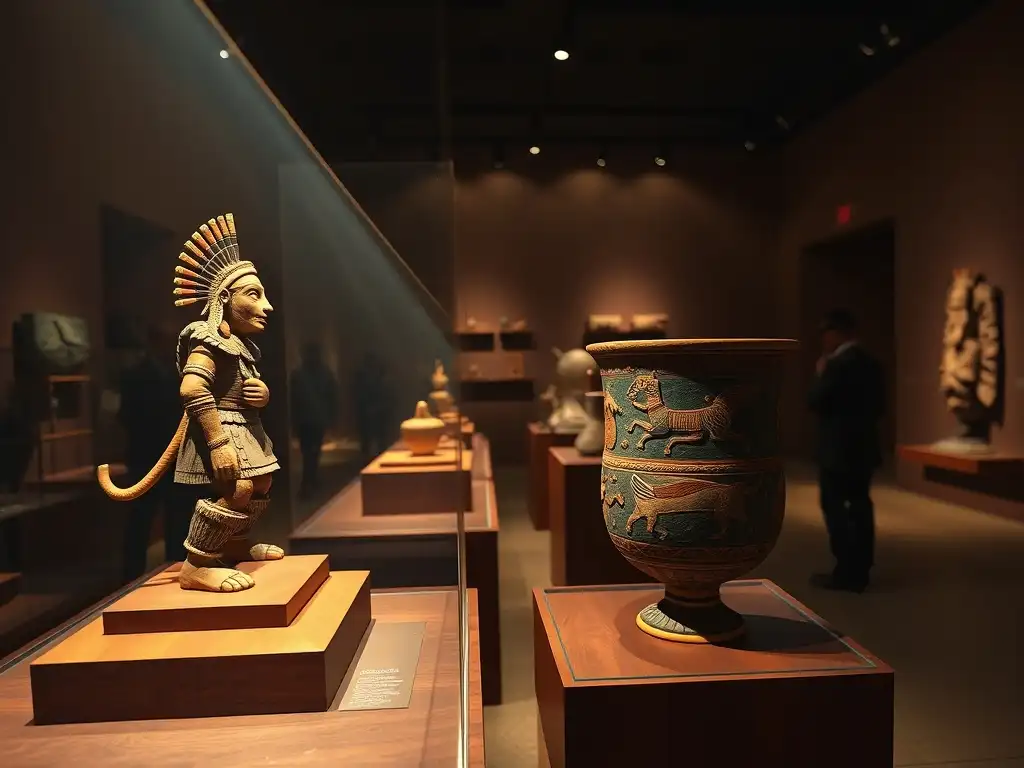
Uncover the secrets of a lost world, where artistry met power and innovation thrived in the heart of the Andes. Prepare to be captivated by the enigmatic legacy of the Moche civilization, a culture whose influence still resonates today. Dive into the vibrant world of Moche pottery art history, and witness firsthand the breathtaking skill and symbolic depth of their masterpieces – a testament to a society far more advanced than previously imagined. Are you ready to explore the mysteries that await?
- Moche Masterpieces: Unveiling the Art and Power of a Forgotten Kingdom
- The Artistic Legacy of the Moche
- Moche Architecture and Engineering
- Moche Society and Power Structure
- Exploring Moche Art Beyond Pottery
- Moche Legacy and Modern Discoveries
- Conclusion: The Enduring Fascination with the Moche
- Frequently Asked Questions
- Final Reflection: Echoes of the Moche: A Legacy in Clay
- **Unveil the Legacy of the Moche Kingdom Today! **
Moche Masterpieces: Unveiling the Art and Power of a Forgotten Kingdom
The Moche civilization, flourishing along the arid northern coast of Peru from approximately 100 CE to 800 CE, remains a captivating enigma in the tapestry of Andean history. This powerful pre-Columbian culture, often overshadowed by the later Inca Empire, left behind a remarkable legacy of sophisticated artistry, innovative engineering, and complex social structures.
This article delves into the fascinating world of Moche art, specifically their renowned pottery, exploring its aesthetic beauty, symbolic meaning, and the insights it offers into the lives, beliefs, and societal organization of this remarkable civilization. We'll uncover how Moche pottery art history reveals a vibrant and complex society, showcasing their mastery of ceramic techniques and their profound understanding of the natural world.
Prepare to be transported to the heart of a forgotten kingdom, where artistry and power intertwined to create a legacy that endures to this day. We will explore the geographical context that shaped their culture and analyze the factors that contributed to both their remarkable rise and eventual decline.
Introduction to the Moche Civilization
The Moche, also known as the Mochica, were a pre-Columbian society that achieved a high level of social and technological advancement. Their civilization was characterized by a sophisticated hierarchical structure, with a powerful elite controlling vast resources and manpower. Evidence suggests a complex system of irrigation, allowing them to cultivate fertile land in an otherwise harsh desert environment.
Their mastery of metallurgy is also noteworthy, with intricate gold and silver artifacts surviving to this day. However, it is their exceptional pottery that has captivated scholars and art enthusiasts for centuries. Moche pottery is renowned for its incredible realism, vibrant colors, and intricate details, depicting scenes of daily life, religious rituals, and powerful rulers.
These ceramic masterpieces provide invaluable insights into their worldview, social customs, and political organization, offering a window into the heart of their society. The Moche's artistic legacy is unparalleled in the pre-Columbian world, and the study of their pottery art history continues to reveal new and exciting information about their complex culture.
Geographical Context of the Moche Culture
The Moche civilization thrived in a geographically challenging environment: the arid northern coast of Peru. The region is characterized by a narrow coastal plain, flanked by the Pacific Ocean to the west and the Andes Mountains to the east. The scarce rainfall and the presence of desert conditions presented significant obstacles to agriculture and settlement. However, the Moche ingeniously developed sophisticated irrigation systems, diverting water from rivers and streams to cultivate fertile land.
These intricate networks of canals and reservoirs allowed them to produce surplus crops, supporting a large and densely populated society. The proximity to the ocean also provided a source of food and resources, and the rich marine life played an important role in their diet and economy. This geographical context significantly shaped their culture, influencing their artistic motifs, religious beliefs, and societal organization.
Their close relationship with both the sea and the mountains is clearly reflected in their art. The Moche's ability to adapt to and thrive in such a challenging environment is a testament to their ingenuity and resilience. The harsh landscape, while presenting challenges, also provided a unique inspiration for their art and culture.
The Rise and Fall of the Moche State
The Moche state experienced a period of significant growth and prosperity, reaching its peak between 200 and 600 CE. This period witnessed the construction of monumental architecture, including impressive pyramids and ceremonial centers. The development of sophisticated irrigation systems fueled agricultural production and supported a large population. The power of the Moche rulers is evident in the elaborate tombs and grave goods, reflecting their control over resources and manpower.
However, around 600 CE, the Moche state began to decline. Several factors likely contributed to their downfall, including environmental changes, internal conflicts, and perhaps external pressures. Evidence suggests prolonged droughts may have strained their resources, leading to social unrest. The collapse of the Moche state was not abrupt, but rather a gradual process spanning several decades.
While the precise causes of their decline remain a subject of ongoing research, their sophisticated art and engineering achievements stand as a testament to their remarkable cultural legacy and power. The study of Moche pottery art history illuminates not only their artistic achievements, but also the complexities of their societal evolution and decline. The rich detail within the pottery provides clues to the social and political changes that ultimately led to the end of the Moche civilization.
The Artistic Legacy of the Moche
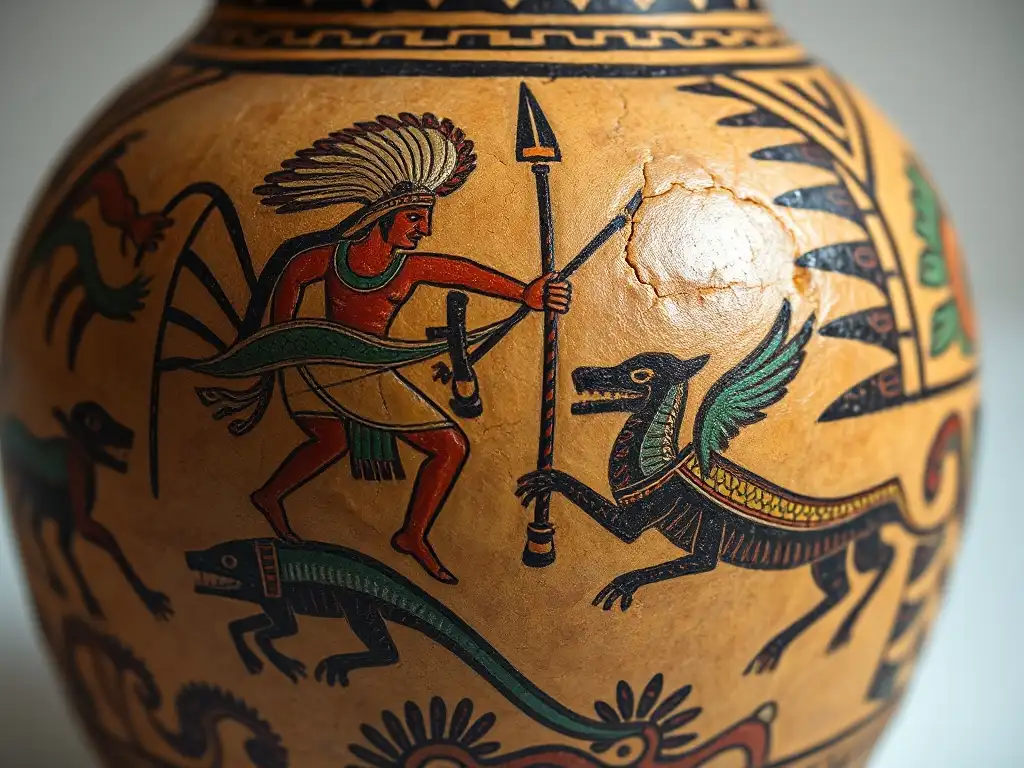
The Moche civilization (c. 100-800 CE), a pre-Columbian society flourishing along the northern coast of Peru, left behind a remarkable artistic legacy. While their architectural achievements are impressive, it's their mastery of pottery that truly captivates modern audiences, offering a unique window into their complex society and beliefs.
This sophisticated art form, far from being mere decoration, served as a powerful medium for conveying religious narratives, social structures, and daily life. The intricate detail and vibrant colors of Moche pottery, coupled with its diverse range of forms, make it a cornerstone of Peruvian art history, and a compelling subject for the study of "Moche pottery art history".
Their artistic skill was not just limited to pottery; it extended to metalwork, textiles, and monumental architecture, but the pottery stands out for its sheer volume, exceptional preservation, and the wealth of information it reveals. This section will delve deeper into specific aspects of their ceramic artistry.
Moche Pottery Art History: A Window into Their World
Moche pottery art history is characterized by its remarkable realism and expressiveness. Unlike many other ancient cultures whose pottery primarily focused on utilitarian purposes, Moche artisans created incredibly detailed and lifelike depictions of their world. Their ceramics showcase a breathtaking range of subjects: portraits of rulers and elites, scenes of daily life (farming, fishing, warfare), depictions of mythical creatures and supernatural beings, and even erotic scenes.
These portrayals, far from being random, offer invaluable insights into Moche social organization, religious beliefs, and their understanding of the natural world. For instance, the frequent representation of sacrificial rituals and shamanistic practices provides crucial evidence for understanding their religious worldview. The presence of specific motifs, such as the decapitated head or the Ai Apaec deity, reveals symbolic meanings and the importance of these figures in Moche cosmology.
Analyzing the evolution of these motifs across different periods of Moche pottery provides a chronological framework for understanding their changing beliefs and practices, enriching our understanding of Moche pottery art history. Studies of Moche pottery have also revealed significant information about their social hierarchy, with different styles and types of vessels associated with different social classes.
Iconography and Symbolism in Moche Ceramics
The iconography of Moche ceramics is rich and complex, often employing symbolism that is layered and multifaceted. Certain recurring motifs, such as stylized feline figures, serpents, and birds of prey, often represent powerful deities or supernatural forces within the Moche pantheon. The meticulous detail in these depictions, down to the individual scales on a serpent or the feathers on a bird, demonstrates the artists' exceptional skill and their deep understanding of the natural world.
Furthermore, the use of color plays a crucial role in conveying meaning. For example, red often symbolizes blood and sacrifice, while yellow might represent the sun or maize, a vital crop in their agricultural society. The combination of different colors and motifs within a single piece of pottery often tells a complex narrative, demanding careful study and interpretation to fully grasp its meaning.
Scholars have dedicated years to deciphering the intricate symbolism within Moche pottery, and new discoveries continue to shed light on the nuances of their iconographic system; this makes the study of Moche pottery art history an ever-evolving field. For example, the recurring imagery of warriors and battles reflects the importance of warfare in their society and potentially highlights specific events or conflicts.
Techniques and Materials Used in Moche Pottery
Moche potters were masters of their craft, employing sophisticated techniques to create their remarkable ceramics. They predominantly used clay, often sourced from local deposits, which they carefully prepared and mixed to achieve the desired consistency. The process involved several stages, beginning with modeling the clay into the desired shape, followed by meticulous surface finishing and the application of slip (a liquid clay coating) to prepare the vessel for painting.
The pigments used in Moche pottery were derived from natural sources, such as minerals and plants, resulting in a vibrant palette of colors that has remarkably endured the test of time. The most common colors include red, black, white, and yellow. Furthermore, Moche potters utilized a variety of decorative techniques, including painting, incision, and modeling, often combining these methods to create complex and visually stunning pieces.
Some vessels were even adorned with gold leaf or other precious materials, showcasing the high status and value attributed to certain ceramic objects. The advanced techniques employed by Moche artisans, coupled with their artistic vision, resulted in the creation of some of the most impressive and well-preserved examples of pre-Columbian pottery, significantly contributing to the detailed history of Moche pottery art history. The diversity of these techniques, from simple to elaborate, further supports the idea of a complex social structure, with different levels of skill and specialization within the craft.
The Role of Moche Pottery in Daily Life and Rituals
Moche pottery wasn't merely decorative; it was deeply intertwined with the fabric of daily life and elaborate religious rituals. The artistry wasn't confined to grand, ceremonial pieces; even utilitarian vessels, like jars for storing food and water, displayed remarkable craftsmanship and often featured intricate designs. These everyday objects, imbued with artistic skill, reflect the Moche people's appreciation for beauty in even the most mundane aspects of existence. The presence of such meticulously crafted pottery in tombs suggests a belief in the afterlife and the importance of carrying these earthly possessions into the next world.
Beyond everyday use, Moche pottery played a crucial role in religious ceremonies and rituals. Depictions of deities, mythical creatures, and scenes of sacrifice frequently adorn ceremonial vessels. These pieces weren't simply artwork; they were active participants in rituals, potentially used to hold offerings, sacred liquids, or even the remains of sacrifices.
The detailed depictions provide invaluable insight into Moche religious beliefs, social structures, and cosmological views. For example, the recurring motif of the "decapitated man" in certain pottery pieces suggests the importance of human sacrifice within their religious system. Further research into the chemical composition of residues found within these vessels could potentially reveal the nature of the liquids used in rituals.
The careful placement of pottery within tombs also indicates a ritualistic significance, suggesting a connection between the afterlife and the objects used in daily life. The positioning of specific vessels within a tomb, for example, might indicate the status of the deceased or the nature of their interactions with the spirit world.
The artistry and complexity of Moche pottery, therefore, extend far beyond aesthetics. It provides a tangible link to the daily lives, beliefs, and rituals of this remarkable civilization, offering a window into a world lost to time. The study of Moche pottery offers a powerful combination of art history and anthropological analysis, revealing a rich cultural tapestry woven from both the mundane and the sacred.
By studying the context of these pieces – their location, associated artifacts, and stylistic variations – researchers can reconstruct a more complete picture of Moche society and its intricate relationship with its artistic heritage. The combination of artistic skill and ritualistic significance makes Moche pottery a truly unique and invaluable source of information for understanding this fascinating culture.
Moche Architecture and Engineering
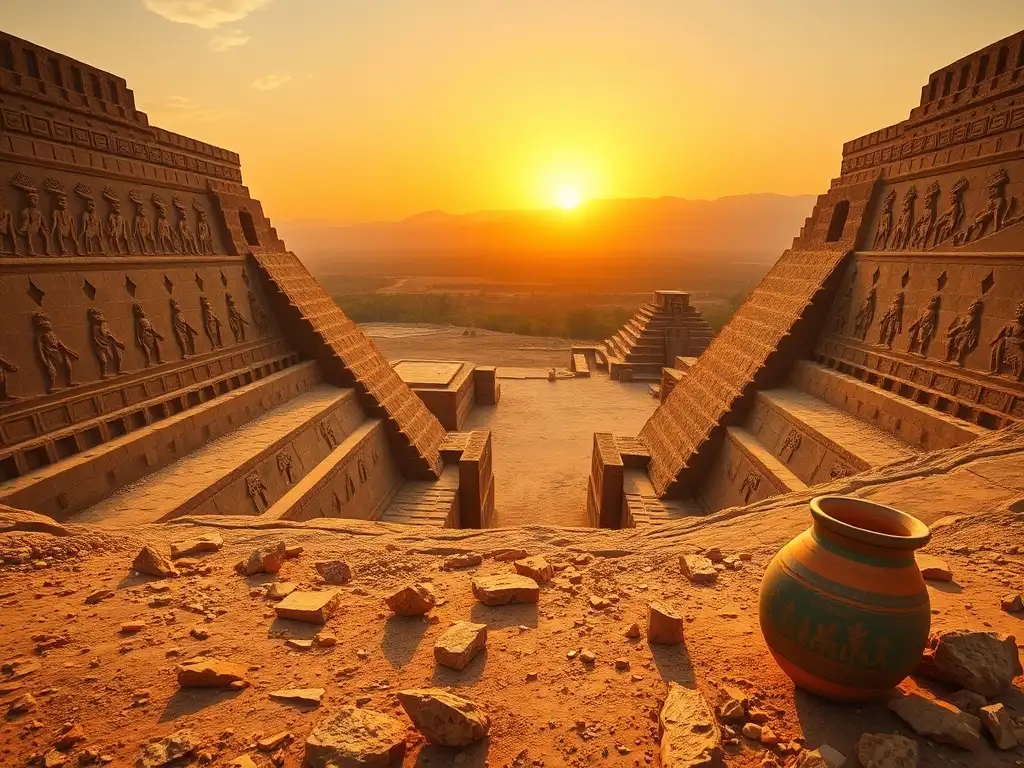
The Moche civilization, flourishing along the northern coast of Peru from approximately 100 to 800 CE, left behind a remarkable legacy of architectural and engineering feats. Their achievements, often overlooked in favor of their stunning pottery, reveal a sophisticated understanding of construction techniques, resource management, and urban planning, all crucial elements contributing to their societal success and the longevity of their culture.
Understanding their architecture provides vital insights into their social structure, religious beliefs, and overall technological prowess, enriching our understanding of "Moche pottery art history" within a broader cultural context. The impressive scale and complexity of their structures underscore their advanced civilization.
Huacas: The Imposing Moche Pyramids
The most iconic examples of Moche architecture are the huacas, massive adobe pyramids that served as both religious and administrative centers. These structures, far from being mere mounds of earth, demonstrate impressive engineering skills. Their construction involved the precise layering of sun-dried bricks (adobe), often incorporating intricate designs and decorative elements into the very fabric of the pyramid.
The scale of these projects necessitates a well-organized workforce and a sophisticated understanding of logistics, reflecting a powerful and centralized authority capable of mobilizing considerable human resources. Consider the Huaca del Sol and Huaca de la Luna near Trujillo: the Huaca del Sol, a massive platform mound, is believed to have been a ceremonial center, while the Huaca de la Luna, with its intricately decorated walls and painted murals, showcases the Moche's artistic flair alongside their architectural prowess.
The sheer size and complexity of these structures, some reaching considerable heights and covering vast areas, remain a testament to the Moche's engineering capabilities and societal organization. The precise methods used to create and maintain these structures, including the sourcing and processing of adobe bricks and the techniques used for shaping and laying them, are still being studied today, adding layers of complexity to our understanding of "Moche pottery art history" and its relationship to their larger societal structures.
Urban Planning and Settlement Patterns of the Moche
Beyond the monumental huacas, the Moche also displayed remarkable skill in urban planning. While detailed city plans are not always evident, archaeological evidence suggests a degree of organization in their settlements. Many Moche settlements were located near fertile valleys and access to water sources, showcasing a keen understanding of resource management. The layout of settlements, with residential areas often arranged around central plazas or religious structures, points towards a structured society with defined social hierarchies.
This careful planning and distribution of resources likely contributed to the stability and prosperity of the civilization, supporting both population growth and the production of artistic masterpieces, including the renowned Moche pottery. Further research is needed to fully understand the nuances of Moche urban planning, including the role of irrigation systems in shaping settlement patterns. Understanding these patterns is key to appreciating the context in which their famous pottery was created and used.
Advanced Moche Irrigation Systems and Agriculture
The Moche's agricultural success was intricately tied to their advanced irrigation systems. Living in a desert environment, they developed ingenious methods to channel water from rivers and streams to irrigate their crops. These systems involved elaborate canals, reservoirs, and aqueducts, some of which were remarkably extensive.
The construction and maintenance of these systems required a high level of engineering skill and collaborative effort. The sophisticated irrigation networks allowed the Moche to cultivate crops such as maize, beans, and squash, supporting a large and dense population. This agricultural surplus, in turn, freed up a portion of the population to dedicate their time to crafts, including the creation of the exquisite pottery for which the Moche are so well-known.
The relationship between this technological achievement and the flourishing of Moche art, including their celebrated pottery, is undeniable, further highlighting the importance of considering the "Moche pottery art history" within the broader context of their technological advancements. The ability to manage water resources effectively allowed for the development of a complex society capable of supporting artistic expression on a grand scale. The integration of agriculture and artistry in Moche society is a compelling example of how technological innovation fueled cultural achievements.
Moche Society and Power Structure
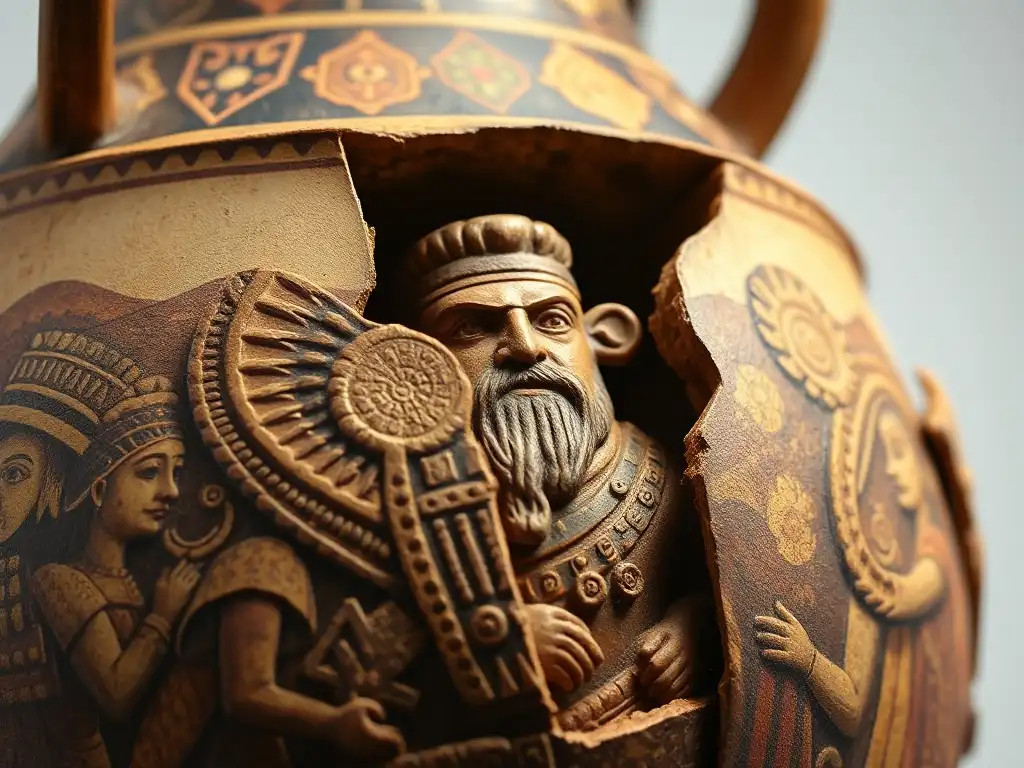
The Moche civilization (c. 100-800 CE), flourishing along the northern coast of Peru, was far from a simple agrarian society. Their sophisticated irrigation systems and intensive agriculture provided the surplus necessary to support a complex social hierarchy and a powerful, centralized state. Understanding the Moche power structure is crucial to appreciating their remarkable artistic achievements, as the pottery, often depicting scenes of daily life and ritual, reflects the social dynamics of the time.
The Moche state's power wasn't solely based on military might; it was a carefully constructed system built upon religious authority, economic control, and a sophisticated understanding of engineering and resource management. The control of water, a scarce resource in their arid environment, was paramount, granting immense power to those who controlled its distribution. This control likely solidified the power of the elite and facilitated the creation of large-scale public works and monumental architecture.
Analyzing Moche pottery allows us to glimpse the intricacies of this societal structure, revealing the roles and status of different individuals within the kingdom. The recurring motifs and depictions in their ceramics offer valuable insights into their worldview and social organization.
Moche Warrior Culture and Warfare
Moche warfare played a significant role in shaping their society and is prominently featured in their art. Depictions of battles, warriors, and weaponry are common in Moche pottery, suggesting a culture that valued military prowess. These depictions are not simply decorative; they provide insights into Moche military organization, tactics, and weaponry.
Evidence suggests the use of spears, clubs, slings, and possibly even bows and arrows. The portrayal of warriors in elaborate headdresses and attire indicates a hierarchical structure within the military, with certain individuals holding positions of higher rank and authority. Analysis of skeletal remains has also provided evidence of warfare, with some individuals exhibiting injuries consistent with battle wounds.
The Moche warrior culture wasn't just about conquest; it was likely intertwined with religious beliefs and rituals, with warfare potentially serving as a way to appease deities or gain political power. The elaborate depictions of captured enemies and sacrificial scenes in Moche pottery highlight the significance of warfare in their worldview and social structure. The intensity of the warfare depicted suggests a society frequently engaged in conflict, possibly for territorial expansion or control of resources.
The Moche society was highly stratified, with a clear hierarchy reflected in their art and archaeology. At the apex stood the elite, likely comprising priests, rulers, and high-ranking officials. These individuals are often depicted in elaborate regalia, signifying their elevated social status. Moche pottery frequently shows individuals wearing ornate jewelry, elaborate headdresses, and finely woven clothing, all indicative of wealth and power.
Below the elite were likely skilled artisans, farmers, and other specialized workers. The production of intricate pottery, textiles, and metalwork required a significant level of specialized labor, suggesting the existence of a sophisticated division of labor. At the bottom of the social hierarchy were likely commoners and possibly prisoners of war.
The difference in burial practices and grave goods further supports this hierarchical structure, with elite burials containing significantly more elaborate offerings and artifacts than those of commoners. The study of Moche settlements also reveals variations in housing and infrastructure, indicating differing levels of wealth and status within the population. The social stratification evident in Moche art and archaeology underscores the complex social dynamics of this fascinating civilization.
Religious Beliefs and Moche Deities
Religious beliefs formed a cornerstone of Moche society, deeply influencing their art, architecture, and daily life. Their pantheon of deities included powerful figures associated with nature, warfare, and fertility. The most prominent deity is often depicted as a powerful, often ferocious figure, sometimes associated with warfare or sacrifice. Many Moche artifacts feature depictions of this deity, often engaged in ritualistic activities or symbolic acts.
Other deities included those associated with agriculture, water, and the sea, highlighting the importance of these resources for their survival. The Moche also practiced human sacrifice, evident in archaeological discoveries of sacrificial victims. These rituals were likely performed to appease the gods, ensure bountiful harvests, or commemorate significant events.
The depictions of these rituals in Moche pottery provide valuable insights into their religious beliefs and practices, revealing a complex and multifaceted spiritual world. The intensity of religious expression in Moche art suggests a society deeply connected to its spiritual beliefs, with religion playing a crucial role in their social and political structures. Further research into Moche iconography and religious practices is needed to fully understand the nuances of their complex belief system.
Exploring Moche Art Beyond Pottery
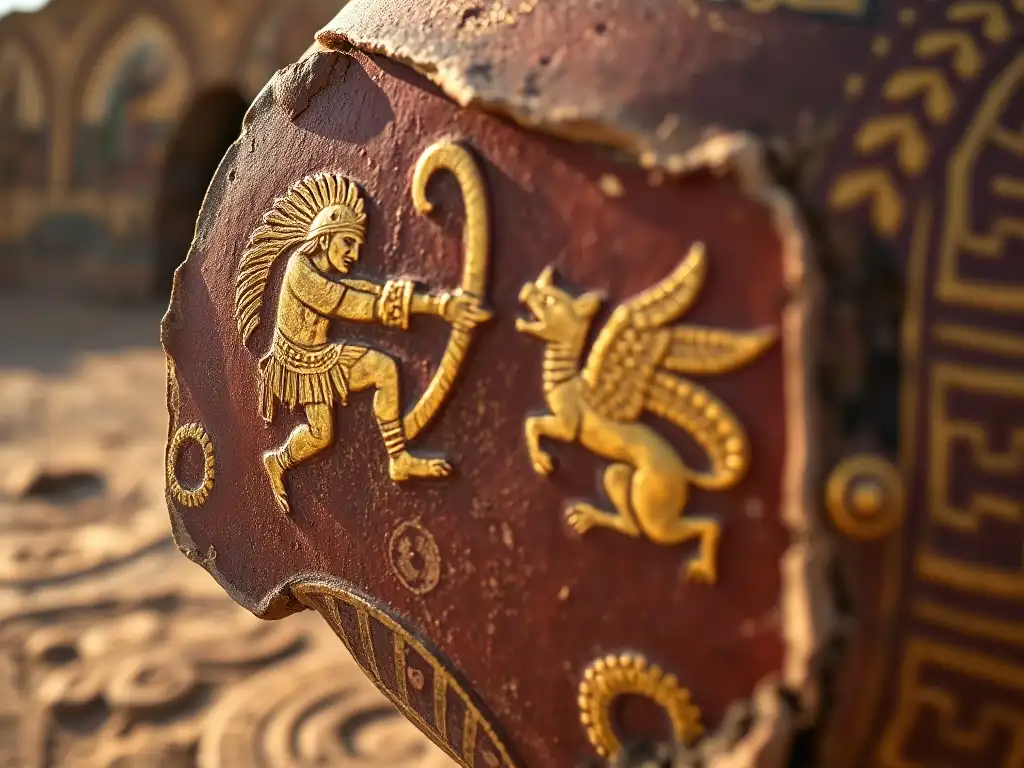
The Moche civilization, flourishing along the northern coast of Peru from approximately 100 to 800 CE, is renowned for its exquisite pottery, often depicting vibrant scenes of daily life, mythology, and ritual practices. However, the artistic prowess of the Moche extended far beyond ceramics. Their mastery of diverse media, including metalwork, textiles, and murals, reveals a sophisticated understanding of materials and techniques, and provides a richer, more nuanced perspective on their culture and worldview.
This section delves into these often-overlooked aspects of Moche art, enriching our understanding of "Moche pottery art history" and its broader cultural context. Understanding these diverse art forms helps us appreciate the complexity and sophistication of this fascinating civilization.
Moche Metalwork and Goldsmithing
Moche metalworkers displayed exceptional skill in crafting intricate objects from gold, silver, copper, and alloys. Their techniques, including hammering, casting, and repoussé (a metalworking technique where a metal sheet is hammered into a mold from the back), allowed them to create stunningly detailed figurines, ornaments, and tools. Unlike the mass-produced nature of some pottery, Moche metalwork often exhibits a unique, almost individualized quality.
The most striking examples include finely crafted gold and silver masks depicting deities or powerful figures, often adorned with turquoise and other precious stones. These weren't merely decorative; they likely held significant ritual or symbolic importance within Moche society. Furthermore, the precision in the construction of miniature tools and weapons, such as miniature knives and axes, suggests a sophisticated understanding of metallurgy and a high level of technological advancement.
The artistry wasn't limited to precious metals; copper alloy objects, while less visually flashy, demonstrate an equally impressive level of craftsmanship and technical proficiency. Archaeological evidence suggests that specialized workshops existed, dedicated to metalworking, indicating the high value placed on this craft within the Moche social structure.
The intricate detail and the use of diverse techniques reveal a deep understanding of metal properties and a remarkable artistic vision. The enduring legacy of Moche metalworking contributes significantly to our understanding of "Moche pottery art history" by demonstrating the breadth of their artistic capabilities.
Moche Textiles and Weaving Techniques
Beyond pottery and metalwork, the Moche excelled in textile production, creating intricate and richly colored fabrics. While many examples have deteriorated due to the harsh coastal climate, surviving fragments reveal complex weaving techniques and a sophisticated understanding of dyeing processes. The use of natural dyes derived from plants and minerals allowed for a wide range of colors, enhancing the visual impact of their textiles.
Moche textiles often incorporated symbolic imagery, mirroring motifs found in their pottery and metalwork. These designs, often featuring geometric patterns, stylized animals, and mythical creatures, suggest a connection between the various art forms and a shared cultural narrative. The complexity of the weaving techniques, some involving multiple layers and intricate interweaving of threads, indicates a highly skilled and specialized workforce.
The surviving fragments, though limited, provide compelling evidence of the importance of textiles in Moche society, perhaps used for clothing, ceremonial items, or even burial shrouds. Further research and analysis of textile remains are crucial to fully understanding the significance of Moche weaving within the broader context of "Moche pottery art history" and the civilization's overall cultural expression.
Moche Murals and Painting Style
Moche murals, though less numerous than their pottery, provide invaluable insights into their artistic style and worldview. These paintings, often found adorning the walls of elite tombs and residential structures, depict scenes of ritual ceremonies, warfare, and daily life. The style is characterized by a bold use of color, dynamic compositions, and a distinctive rendering of human and animal forms. While the pigments used have yet to be fully analyzed in all discovered cases, [specific information pending] regarding the specific composition and sources of pigments used.
The murals' vivid depictions offer a unique window into Moche society, revealing details about their religious beliefs, social structure, and daily activities that are not always evident in other art forms. For example, murals depicting ceremonial processions or warfare scenes provide insights into Moche social organization and their interaction with neighboring groups. The distinctive style of the murals, with its emphasis on movement and detail, complements the aesthetic found in their pottery and metalwork, reinforcing the idea of a unified artistic vision across different media.
By studying these murals and comparing them to their other art forms, we can further refine our understanding of "Moche pottery art history" and appreciate the holistic nature of Moche artistic expression. The preservation and further study of these murals are essential to a complete appreciation of Moche artistic achievement.
Moche Legacy and Modern Discoveries
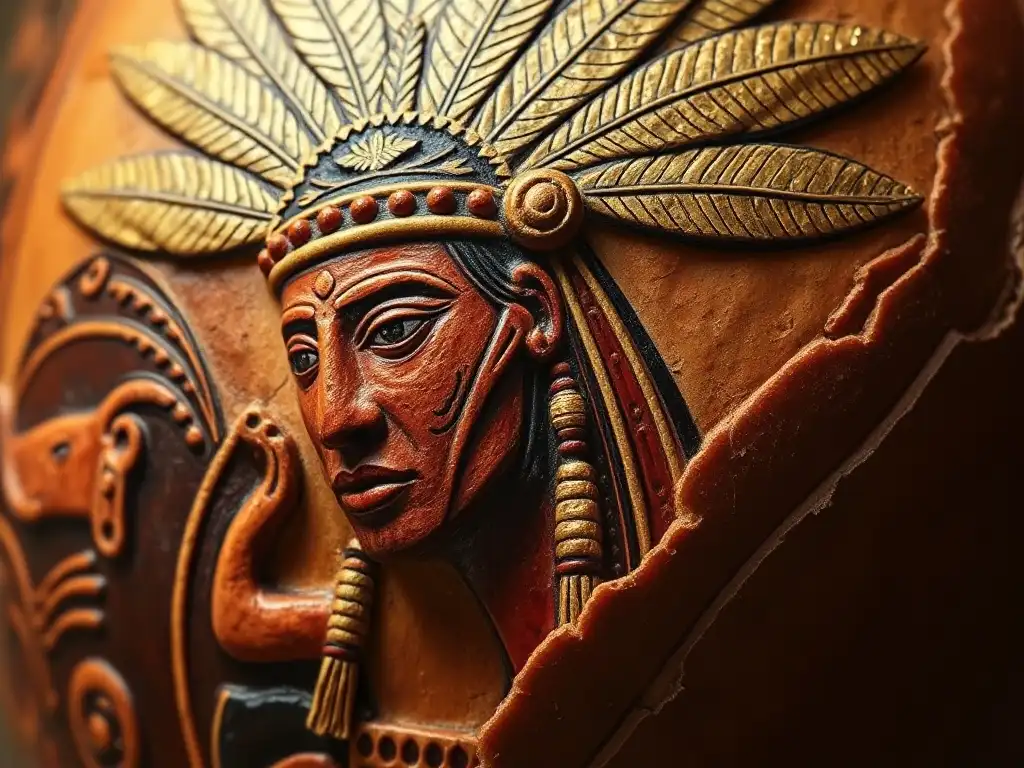
The Moche, a pre-Columbian civilization flourishing along the northern coast of Peru from approximately 100 to 800 CE, left behind a remarkable legacy. Their sophisticated irrigation systems, impressive architecture, and, most notably, their breathtaking pottery, continue to fascinate archaeologists and art historians alike. Understanding the Moche requires delving into both the physical remnants of their culture and the ongoing scholarly interpretations that illuminate their achievements and societal structures.
This section explores recent discoveries and the ongoing efforts to preserve and understand this extraordinary civilization. The keyword "Moche pottery art history" is central to understanding their artistic prowess and its reflection of their social and religious beliefs.
Archaeological Sites and Ongoing Research on the Moche
Ongoing excavations at sites like Huaca del Sol and Huaca de la Luna near Trujillo, Peru, consistently yield new insights into Moche life. These monumental adobe pyramids are not simply impressive structures; they are complex ritual centers revealing intricate details of Moche religious practices and social hierarchy.
Recent discoveries include elaborately decorated tombs containing stunning examples of Moche pottery, gold artifacts, and textiles, providing crucial data for reconstructing their social organization. The meticulous analysis of these finds, combined with advanced techniques like 3D scanning and isotopic analysis of human remains, helps researchers refine our understanding of Moche daily life, diet, and trade networks.
Furthermore, the study of Moche pottery itself—its styles, iconography, and the techniques used in its creation—provides invaluable information about the society's artistic capabilities and its social structures. The discovery of new burial sites continues to reveal nuanced information about Moche funerary rituals and beliefs about the afterlife, further enriching our knowledge of "Moche pottery art history."
The Importance of Preserving Moche Cultural Heritage
The preservation of Moche cultural heritage is paramount, not only for Peru but for the global understanding of pre-Columbian civilizations. The fragile nature of adobe structures and the vulnerability of artifacts to environmental factors necessitate proactive conservation efforts. These efforts involve not only the physical preservation of sites and artifacts but also the education of local communities and the promotion of sustainable tourism practices.
Protecting these sites prevents the loss of irreplaceable knowledge about the Moche, their art, and their technology. Furthermore, preserving these sites ensures the continuation of the cultural legacy of the Moche for future generations. This preservation work is crucial for the continued study of "Moche pottery art history," as the ongoing deterioration of artifacts limits the opportunities for researchers to learn from these objects.
The development of new conservation techniques, coupled with improved site management strategies, is vital for safeguarding this invaluable cultural inheritance. The challenge is to balance the need for access to these sites for research and tourism with the need to protect them from damage and degradation.
Scholarly Interpretations of Moche Art and Culture
Scholarly interpretations of Moche art and culture are constantly evolving as new discoveries are made and existing data is re-evaluated. The vibrant and often graphic depictions on Moche pottery have long captivated researchers, prompting extensive analysis of their iconography. These interpretations range from depictions of daily life and agricultural practices to complex narratives of mythology, warfare, and ritual sacrifice.
The stylistic variations in Moche pottery, often categorized into different phases or styles, reflect not only artistic evolution but also potential shifts in social and political structures. The intricate detail and the mastery of techniques evident in "Moche pottery art history" demonstrate a high level of artistic skill and a sophisticated understanding of materials and processes. Ongoing research continues to refine our understanding of the symbolism embedded within Moche art, shedding light on their cosmology, social organization, and worldview.
The interdisciplinary nature of this research, involving archaeologists, art historians, anthropologists, and other specialists, ensures a comprehensive approach to interpreting this remarkable civilization's legacy. The ongoing debate and refinement of these interpretations underscore the dynamic and evolving nature of "Moche pottery art history" research.
Conclusion: The Enduring Fascination with the Moche
The Moche civilization, though seemingly swallowed by the sands of time, continues to captivate and inspire awe. Their mastery of pottery, a testament to their advanced technology and artistic vision, remains a cornerstone of Andean art history. The vibrant colors, intricate details, and powerful narratives etched onto their vessels offer a unique window into their world – a world of ritual, warfare, and a sophisticated understanding of the natural world.
The enduring fascination with Moche pottery stems not only from its aesthetic beauty but also from its profound historical and cultural significance. Each piece unearthed provides further clues to unraveling the mysteries of this remarkable civilization, deepening our understanding of their societal structures, religious beliefs, and daily lives. The legacy of the Moche serves as a potent reminder of the rich tapestry of Andean cultures and the importance of preserving and celebrating these invaluable cultural treasures for generations to come.
Further research into specific techniques, pigments, and the social contexts of Moche pottery production is crucial to fully appreciate the depth and complexity of their artistic achievements. The ongoing study of Moche pottery art history ensures that the voices and artistry of this forgotten kingdom continue to resonate through time.
The Moche: A Testament to Andean Ingenuity and Artistic Prowess
The Moche's skill in pottery wasn't merely decorative; it was deeply intertwined with their religious beliefs and social structures. Their mastery extended beyond simple aesthetics; they demonstrated an impressive understanding of materials science, achieving remarkable durability and vibrant color retention in their pieces. Consider, for instance, the precision involved in creating the intricate details found on their portrait vessels, some depicting individuals with astonishing realism, showcasing not only physical features but also social status and perhaps even personality traits. The use of diverse techniques, such as modeling, mold-making, and slip painting, allowed for a wide range of artistic expression, evident in the vast variety of forms and styles discovered.
Analysis of the pigments used reveals sophisticated knowledge of mineral resources and their processing. Some pigments, like those derived from certain types of clay, required specialized firing techniques to achieve their brilliant hues. The resilience of these colors over centuries is a testament to the Moche's technical expertise.
Furthermore, the discovery of pottery workshops and kilns provides valuable insights into the organization of their craft production, suggesting a level of specialization and division of labor that reflects a complex social organization. The Moche's pottery wasn't simply created; it was meticulously crafted, reflecting their advanced understanding of materials, techniques, and artistic expression. This expertise is a clear indicator of their ingenuity and artistic prowess, leaving behind a legacy that continues to inspire wonder and admiration.
Unveiling the Narratives: Deciphering the Iconography of Moche Pottery
The iconography of Moche pottery is rich with symbolic meaning, often depicting scenes from mythology, daily life, and ritual practices. These scenes are not simply decorative; they offer valuable clues to understanding Moche cosmology, social hierarchy, and religious beliefs. For example, the frequent depiction of supernatural beings, such as the Ai Apaec, a deity often associated with sacrifice and fertility, provides insights into their religious worldview.
Similarly, scenes depicting warfare and rituals, like those involving human sacrifice, offer glimpses into their social structures and power dynamics. The intricate details within these scenes, from the expressions on the faces of the figures to the tools and weapons they carry, provide a level of detail that is rare in other ancient cultures. Analyzing the recurring motifs and their variations across different pottery pieces helps to build a more comprehensive picture of Moche culture and beliefs.
While much remains to be deciphered, ongoing research, combining archaeological findings with anthropological interpretations, is slowly unlocking the secrets encoded within this remarkable visual language. The more we learn, the richer our understanding of Moche society becomes, further solidifying their place as masters of narrative and visual storytelling through their pottery. The study of this iconography is vital to fully understanding Moche pottery art history.
The Enduring Influence: Moche Pottery's Impact on Subsequent Andean Cultures
The artistic achievements of the Moche did not disappear with their civilization. Their innovative techniques and stylistic elements had a lasting influence on subsequent Andean cultures, demonstrating a significant contribution to the continuous evolution of Andean art. The sophisticated pottery-making skills, the vibrant color palettes, and even specific motifs found in Moche pottery can be traced in the work of later cultures, suggesting a continuity of artistic traditions and perhaps even cultural exchange.
For example, certain stylistic elements and decorative techniques can be observed in the pottery of later cultures, indicating a clear lineage and influence. This legacy underscores the importance of studying Moche pottery within a broader context of Andean art history, recognizing its pivotal role in shaping the artistic landscape of the region. Further research is needed to fully map the extent of this influence, identifying specific examples and tracing the evolution of these artistic traditions across different Andean cultures.
Understanding the lasting impact of Moche pottery on subsequent Andean societies is key to appreciating its significance and its enduring contribution to the rich artistic heritage of the Andes. This long-lasting influence reinforces the importance of Moche pottery art history.
Frequently Asked Questions
What makes Moche pottery so unique?
Moche pottery is renowned for its exceptional realism and detailed depictions of daily life, rituals, and mythology. The vibrant colors and innovative techniques are also key features.
How did the Moche create such lifelike pottery?
The Moche employed advanced techniques including modeling, mold-making, and slip painting. Their skilled artisans achieved incredible detail and three-dimensionality.
What are some common themes in Moche pottery?
Common themes include portraits of rulers, religious ceremonies, erotic scenes, and depictions of warfare and hunting. These provide valuable insights into their society.
What is the significance of Moche pottery in understanding their culture?
Moche pottery serves as a primary source for understanding their social structures, religious beliefs, and daily life. It offers a rare glimpse into a sophisticated and complex civilization.
Where can I see examples of Moche pottery today?
Many museums worldwide, including the Larco Museum in Lima, Peru, and the Metropolitan Museum of Art in New York, house significant collections of Moche pottery. You can also find examples in various smaller museums and private collections.
Final Reflection: Echoes of the Moche: A Legacy in Clay
The vibrant artistry of the Moche civilization, once lost to the sands of time, continues to resonate powerfully in the 21st century. Their intricate pottery, far from being mere artifacts, serves as a potent window into a sophisticated society, challenging our preconceived notions of ancient American cultures and reminding us of the enduring power of human creativity. The meticulous detail and symbolic richness of their work offer a timeless testament to the ingenuity and spiritual depth of a people who thrived centuries ago.
The Moche legacy extends far beyond the museum walls; their imagery, their techniques, their very stories continue to inspire contemporary artists and scholars alike. Their influence can be seen in modern interpretations of pre-Columbian art, and their narratives continue to be deciphered and reinterpreted, enriching our understanding of ancient Andean societies. The past is never dead. It's not even past.
- William Faulkner. This quote perfectly encapsulates the enduring relevance of the Moche, whose artistic achievements transcend time and continue to shape our present understanding of the past.
Consider the intricate detail, the bold colors, the powerful narratives woven into each Moche vessel. Let their artistry inspire you to seek out beauty in unexpected places, to appreciate the skill and dedication required to create something truly magnificent. Take a moment to reflect on the stories these pieces tell, and consider how their enduring power speaks to the human need for artistic expression, for storytelling, and for leaving a lasting legacy. Let the echoes of the Moche resonate within you, inspiring a deeper appreciation for the rich tapestry of human history and the enduring power of art.
**Unveil the Legacy of the Moche Kingdom Today! **
Thank you for exploring the fascinating world of Moche artisans and their incredible masterpieces. You've gained valuable insights into this vibrant ancient Andean civilization. Now, let's consider how you can further explore their rich heritage:
- **Visit a museum** featuring Moche artifacts, either locally or, for a truly immersive experience, plan a trip to Peru.
- **Share your newfound knowledge** with friends and family. Perhaps host a discussion or presentation to spark their interest in ancient cultures.
- **Connect with fellow enthusiasts** by joining a local archaeological society or an online forum dedicated to Andean civilizations and history.
What aspect of the Moche civilization most captivates you, and how will you integrate this newfound appreciation into your life?