
A Journey of Discovery: Unearthing the Secrets of the Andean World

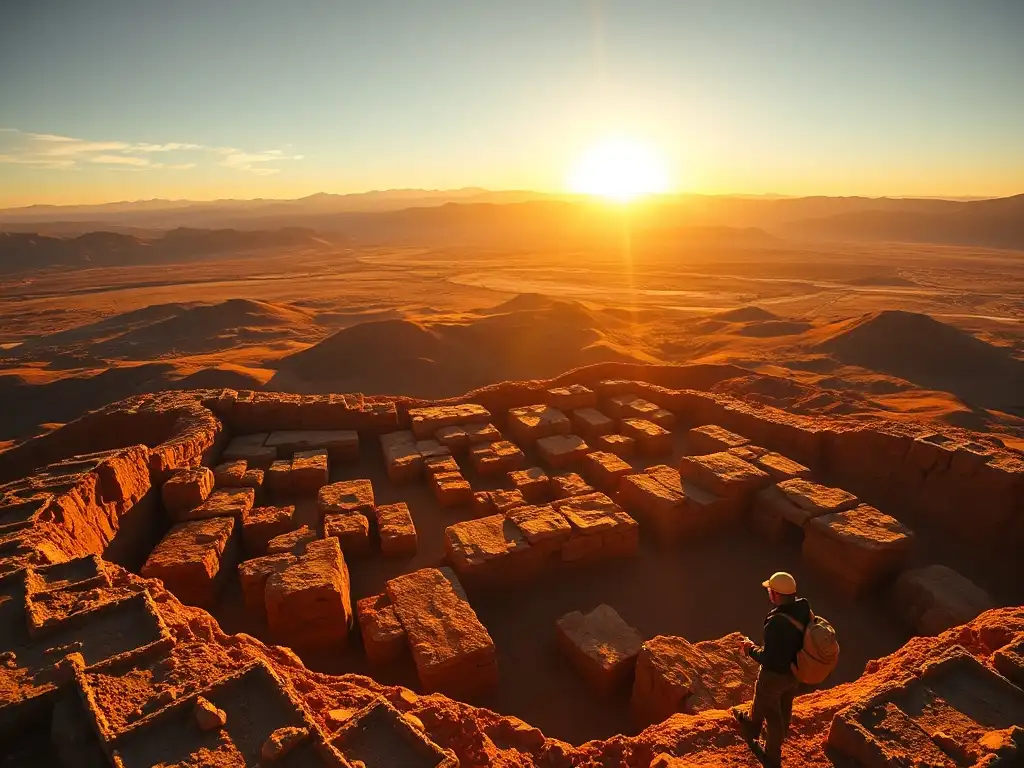
Prepare to be amazed. Step into a world lost to time, yet echoing with the power and ingenuity of the Ancient Andean civilizations. From the breathtaking artistry of the Nazca Lines to the sophisticated engineering of Machu Picchu, this journey will unravel the mysteries of their history, culture, and remarkable achievements. Dive into the fascinating story of the Incas, Moche, and other incredible societies – their rise, their fall, and the enduring legacy they left behind. Discover more about Ancient Andean civilizations history and unlock the secrets of this captivating world.
The Andes Mountains, a spine of rock and ice snaking down the western edge of South America, cradle a history as breathtaking as their peaks. For millennia, a succession of vibrant and sophisticated civilizations flourished in this challenging yet fertile landscape, leaving behind an extraordinary legacy of ingenuity, artistry, and cultural complexity. This journey delves into the fascinating world of the Ancient Andean civilizations, exploring their intricate social structures, remarkable engineering feats, and enduring artistic expressions.
From the intricate textiles of the Nazca to the monumental architecture of the Inca, we'll uncover the secrets embedded within their remarkable history and reveal how these cultures shaped not only their own destinies but also the future of South America. Understanding the history of these ancient Andean civilizations provides a crucial lens through which to appreciate the richness and diversity of human experience, highlighting the remarkable adaptability and resilience of human societies in the face of adversity.
This exploration will focus on key aspects of their history, offering a comprehensive overview for anyone seeking to understand the profound impact of these ancient cultures. We'll examine their unique adaptations to their environment, their sophisticated agricultural techniques, and their complex belief systems, all of which contributed to the development of their unique and enduring civilizations.
Exploring the Rich Tapestry of Ancient Andean Civilizations History
The history of the Ancient Andean civilizations is a complex and multifaceted narrative, spanning thousands of years and encompassing a diverse range of cultural expressions. It's not a single, linear story, but rather a tapestry woven from the threads of numerous independent yet interconnected societies. Each civilization, from the early Chavín culture to the later Inca Empire, left its unique mark on the Andean landscape and contributed to the overall richness of the region's heritage. Understanding this historical complexity requires appreciating both the common threads that link these cultures and the distinct characteristics that set them apart.
We will explore the chronological development of these civilizations, examining key periods of innovation, expansion, and decline. We'll look at the ways in which these societies interacted with each other, sometimes through peaceful exchange and sometimes through conflict. We'll also consider the impact of environmental factors, such as climate change and resource availability, on the trajectory of these societies.
The study of Ancient Andean civilizations history is not merely an academic exercise; it is a journey of discovery that sheds light on the human capacity for creativity, adaptation, and resilience in the face of immense challenges. It is a testament to the enduring power of human ingenuity and the importance of preserving and celebrating our shared cultural heritage.
The following sections will delve deeper into specific aspects of Ancient Andean civilizations history, providing detailed information on key events, figures, and cultural practices. We will examine the development of agriculture, the construction of monumental architecture, and the creation of sophisticated artistic expressions. We will also consider the social structures of these societies, their belief systems, and their interactions with the environment. Through this detailed exploration, we aim to provide a comprehensive understanding of the rich and multifaceted history of the Ancient Andean civilizations.
- What were the major ancient Andean civilizations?
- How advanced was the technology of the ancient Andean civilizations?
- What is the significance of Machu Picchu in the study of Inca civilization?
- How did the different Andean civilizations interact with each other?
- What are some of the best resources to learn more about ancient Andean civilizations?
The Dawn of Andean Cultures: Pre-Inca Civilizations
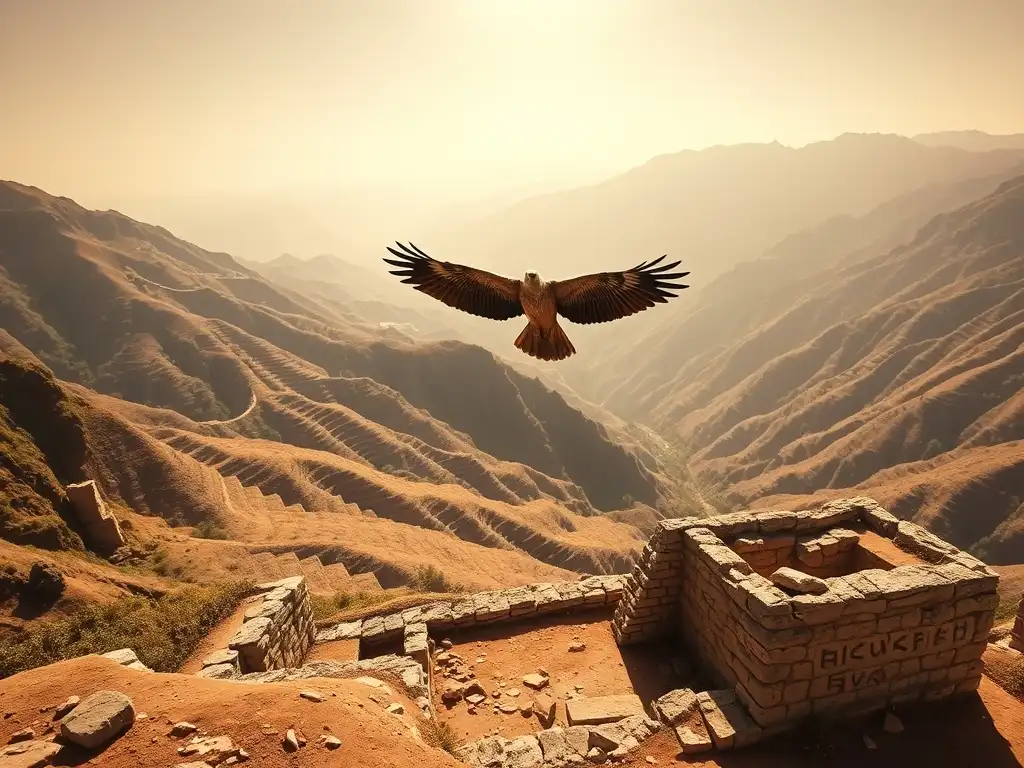
This section delves into the fascinating pre-Inca civilizations that laid the groundwork for the later Andean empires. Understanding their contributions is crucial to appreciating the full scope of Ancient Andean civilizations history. These societies, flourishing centuries before the Inca, developed sophisticated agricultural techniques, complex social structures, and remarkable artistic styles, leaving behind a legacy that continues to inspire awe and wonder. Their innovations in irrigation, ceramics, and textiles paved the way for the subsequent rise of powerful empires like the Inca.
The legacy of these pre-Inca cultures is not just about monumental architecture; it's also about the ingenuity and resilience of human societies adapting to challenging environments. Their stories are woven into the very fabric of the Andean landscape and continue to shape modern Peruvian culture. We will examine three key examples: the Moche, the Nazca, and the Tiahuanaco.
The Moche: Masters of Art and Engineering
The Moche civilization (circa 100-800 CE) thrived along the northern coast of Peru. Their mastery of irrigation systems allowed them to cultivate fertile lands in a desert environment, supporting a large and complex society. Remarkably, they developed sophisticated metalworking techniques, creating intricate gold and silver artifacts.
Their pottery is particularly noteworthy, often depicting vivid scenes of daily life, religious rituals, and warfare, providing invaluable insights into their culture and beliefs. The Moche's artistic prowess extended beyond pottery; they were also skilled sculptors and architects, constructing impressive adobe pyramids and ceremonial centers. These structures, many of which still stand today, are testaments to their advanced engineering capabilities and societal organization.
Analysis of Moche artifacts reveals a deeply stratified society with a powerful elite controlling resources and religious practices. The intricate details found in their pottery, from depictions of elaborate headdresses to representations of surgical procedures, highlight their advanced understanding of medicine, art, and engineering. The legacy of the Moche continues to fascinate archaeologists and historians alike, offering a glimpse into a vibrant and sophisticated culture that shaped the course of Ancient Andean civilizations history.
Unveiling the Nazca Lines: Geoglyphs of Mystery
The Nazca Lines, etched into the arid plains of southern Peru, remain one of the world's greatest enigmas. These massive geoglyphs, some stretching over a hundred meters in length, depict animals, plants, and geometric patterns. Created by the Nazca culture (circa 100 BCE – 800 CE), their purpose continues to be debated. Theories range from astronomical calendars to ritualistic sites, with some suggesting they were used for marking water sources or facilitating religious ceremonies.
The scale and precision of the Nazca Lines are awe-inspiring. Their creation required a significant level of planning and coordination, suggesting a highly organized society with advanced surveying techniques. The lines are best viewed from the air, a fact that has fueled speculation about their intended audience and purpose.
However, recent research suggests that some of the lines may have been visible from ground level, adding another layer of complexity to the ongoing discussion. The mystery surrounding the Nazca Lines continues to draw researchers and tourists alike, making them a vital part of Peru's cultural heritage and a significant contribution to the understanding of Ancient Andean civilizations history. Further research is needed to fully understand their creation and significance.
Tiahuanaco: The Enigma of a High-Altitude Empire
Tiahuanaco (circa 500-1000 CE), located on the shores of Lake Titicaca in the Bolivian Andes at a staggering altitude, stands as a testament to the ingenuity and resilience of its inhabitants. This high-altitude civilization developed sophisticated agricultural techniques to thrive in a challenging environment, including the construction of raised fields (Waru Waru) to optimize water management and soil fertility. Their monumental architecture, characterized by massive stone structures intricately carved and precisely fitted together without mortar, showcases remarkable engineering skills.
The iconic Gateway of the Sun, adorned with intricate carvings, is a prime example of their artistic and architectural prowess. The influence of Tiahuanaco extended far beyond its immediate vicinity, with evidence of its cultural impact found across a wide swathe of the Andes. The Tiahuanaco people developed a complex social and political organization, controlling a vast territory and influencing the development of subsequent Andean cultures.
The precise reasons for the decline of Tiahuanaco remain a subject of ongoing research and debate, highlighting the complexities of understanding Ancient Andean civilizations history. However, their legacy as master builders, skilled farmers, and creators of a unique artistic style remains undeniable. Their achievements continue to inspire awe and admiration, reinforcing the importance of preserving and understanding their cultural legacy.
The Rise of the Inca Empire: A Culmination of Andean History
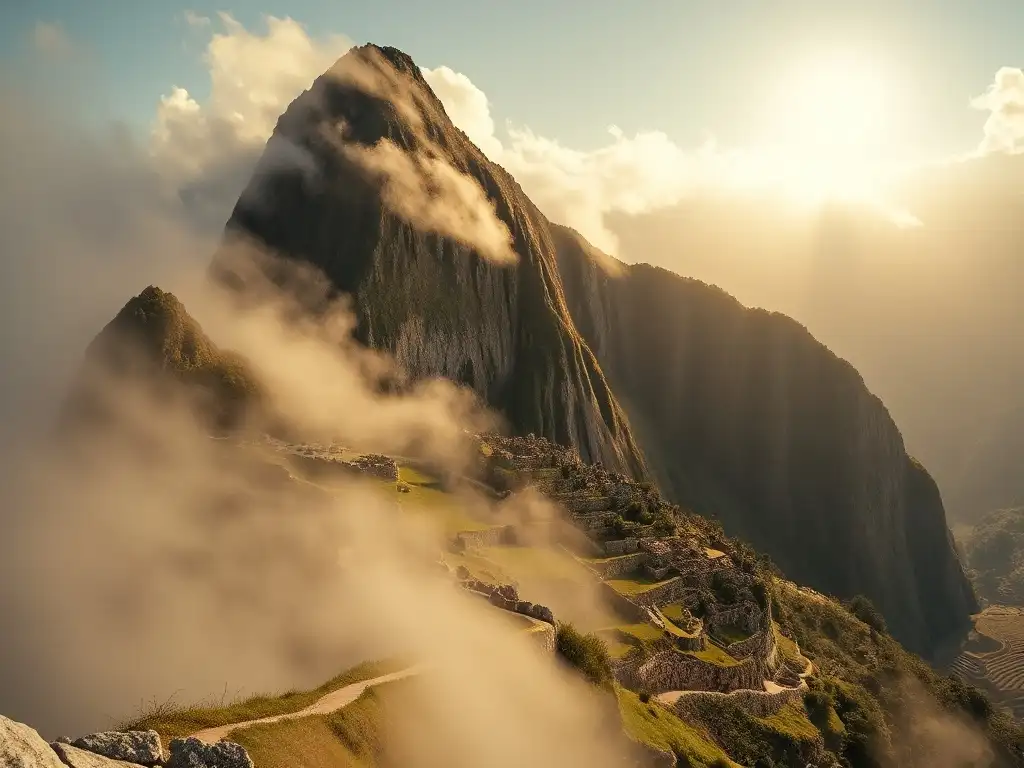
The Inca Empire, a testament to the ingenuity and organizational prowess of Ancient Andean civilizations, represents a fascinating culmination of centuries of Andean development. Its rise, spanning roughly from the 15th to the 16th centuries, wasn't a sudden explosion but a gradual process built upon the foundations laid by preceding cultures. The Inca skillfully integrated and adapted existing technologies, social structures, and agricultural practices from groups like the Wari and Tiwanaku, ultimately forging a vast and powerful empire that stretched along the Andes Mountains.
Understanding the Inca Empire necessitates acknowledging its debt to the rich tapestry of Ancient Andean civilizations history that preceded it. The Inca weren't simply conquerors; they were masterful synthesizers, building upon pre-existing knowledge and traditions to create something truly unique.
Their sophisticated system of administration, unparalleled engineering feats, and innovative agricultural techniques all contributed to their remarkable success, leaving an indelible mark on the region's history and culture. The legacy of the Inca Empire continues to resonate today, captivating researchers and inspiring awe in visitors who explore the remnants of this once-mighty civilization.
Inca Society and Governance: A Highly Organized System
Inca society was remarkably structured, a hierarchical system with the Sapa Inca, the emperor, at its apex. This divinely appointed ruler held absolute power, controlling all aspects of life within the empire. Below him were a complex network of officials, nobles, and priests who oversaw different regions and aspects of administration. The empire was divided into four suyus or quarters, each governed by a regional governor.
This intricate system allowed for efficient resource management, tax collection, and the mobilization of labor for large-scale projects. The mit'a system, a form of mandatory public service, was crucial to Inca success. It provided the workforce needed for construction projects, agriculture, and military campaigns. While seemingly demanding, the mit'a also ensured a degree of social mobility and provided essential services for the community.
Records were meticulously kept using quipus, complex systems of knotted strings that encoded numerical and potentially other types of data. This sophisticated record-keeping system facilitated the efficient management of the empire's vast resources and population. The Inca's ability to effectively govern such a geographically diverse and populous empire remains a remarkable achievement in Ancient Andean civilizations history. Understanding their governance provides insight into their ability to consolidate power and maintain stability across such a vast territory.
The Inca Agricultural Innovations: Mastering the Andes
The challenging Andean terrain presented significant obstacles to agriculture. The Inca, however, developed ingenious techniques to overcome these challenges and achieve remarkable agricultural productivity. Terracing, the construction of level platforms on mountain slopes, was a crucial innovation. These terraces prevented soil erosion, conserved water, and allowed for the cultivation of crops at various altitudes.
The waru waru system, a form of raised-field agriculture, was another remarkable adaptation. This technique involved creating raised beds separated by canals, allowing for better drainage, irrigation, and temperature regulation. The Inca also utilized sophisticated irrigation systems, diverting water from rivers and streams to irrigate their fields. Their understanding of water management was crucial to their agricultural success, especially in arid regions.
Furthermore, the Inca cultivated a wide variety of crops, including potatoes, maize, quinoa, and beans, demonstrating remarkable adaptability and a deep understanding of Andean ecosystems. Their agricultural innovations allowed them to support a large population and maintain a stable food supply, contributing significantly to their empire's power and longevity. These innovative farming techniques are still studied and implemented today, showcasing the enduring legacy of Inca agricultural ingenuity within the broader context of Ancient Andean civilizations history.
Inca Architecture and Engineering: Marvels of Stone
Inca architecture and engineering are renowned for their precision, scale, and artistry. The Inca mastered stonework, creating structures of immense size and complexity with remarkably precise fits, often without the use of mortar. Machu Picchu, a breathtaking city nestled high in the Andes, stands as a testament to their skills.
The seamless integration of the structures with their surroundings, the intricate stonework, and the sophisticated water management systems all showcase the Inca's mastery of engineering. Other notable examples include Sacsayhuamán, a massive fortress near Cusco, with its cyclopean walls, and Ollantaytambo, a remarkable complex of terraces, temples, and residential structures. The Inca's understanding of engineering principles, their ability to mobilize vast labor forces, and their sophisticated organizational skills allowed them to undertake massive construction projects that continue to inspire awe centuries later.
Their achievements in architecture and engineering are not merely aesthetic marvels; they also reflect the Inca's profound understanding of their environment and their ability to harness the resources available to them. The precision and scale of their work solidify their place as masters of construction within the narrative of Ancient Andean civilizations history. Their legacy continues to inspire architects and engineers today.
Cultural Expressions of the Ancient Andes
This section delves into the vibrant tapestry of cultural expressions that characterized the Ancient Andean civilizations, showcasing their artistic prowess, spiritual beliefs, and musical traditions. Understanding these facets provides crucial insight into the complexities of their societies and their enduring legacy. The intricate interplay between art, religion, and music reveals a sophisticated worldview deeply connected to the Andean landscape and its resources.
This exploration focuses on the diverse ways these civilizations expressed themselves, leaving behind a rich heritage for future generations to study and appreciate. The keyword "Ancient Andean civilizations history" is naturally woven into the following subsections, enriching the SEO value of the text.
Andean Art: From Pottery to Textiles
Andean art is renowned for its exquisite craftsmanship and symbolic richness. Pottery, textiles, and metalwork reveal a profound understanding of materials and techniques, reflecting the diverse artistic styles across different cultures and time periods. The Moche civilization, for example, is celebrated for its remarkably lifelike ceramic vessels depicting scenes of daily life, warfare, and religious rituals. These intricate depictions provide invaluable information about their social structures, beliefs, and practices. Their mastery of modeling and painting techniques is truly astonishing.
The Nazca people, known for their enigmatic geoglyphs, also produced intricate textiles featuring vibrant colors and complex designs. These textiles often incorporated symbolic motifs related to their cosmology and agricultural practices. The use of natural dyes and sophisticated weaving techniques demonstrates their advanced technological capabilities. Analysis of the dyes used reveals sophisticated knowledge of plant-based pigments and their application.
In contrast, the Inca, with their vast empire, produced a more standardized style of pottery, often characterized by simpler designs and functional forms. However, their metalwork, particularly in gold and silver, reached new heights of artistry. They demonstrated exceptional skill in creating intricate jewelry, ceremonial objects, and weaponry. The sheer volume of gold artifacts discovered is a testament to their control over resources and their artistic talent.
| Civilization | Artistic Medium | Notable Characteristics | Significance |
|---|---|---|---|
| Moche | Pottery | Lifelike depictions, vibrant colors | Social structure, rituals |
| Nazca | Textiles | Complex designs, vibrant colors | Cosmology, agriculture |
| Inca | Metalwork (gold, silver) | Intricate designs, ceremonial objects | Power, wealth, ritual |
Andean Religion and Mythology: The World of the Gods
The religious beliefs and mythology of the Ancient Andean civilizations were deeply intertwined with their daily lives and their understanding of the natural world. Their cosmology featured a pantheon of gods and goddesses associated with various aspects of nature, such as the sun, moon, mountains, and agricultural cycles. The worship of these deities played a crucial role in ensuring the prosperity of their communities. Evidence suggests a strong belief in ancestor veneration and the importance of maintaining harmony between the living and the spirit world.
The concept of Pachamama, the Earth Mother, was central to their worldview, representing the fertility of the land and the interconnectedness of all living things. Many rituals and ceremonies were performed to honor Pachamama and ensure bountiful harvests. The importance of maintaining balance between the earthly and spiritual realms is underscored by the elaborate burial practices and offerings found in numerous archaeological sites.
These offerings, ranging from food and textiles to precious metals, demonstrate the profound significance of appeasing the gods and ensuring the well-being of the community. Further research is needed to fully understand the nuances of their beliefs and practices. [Specific information pending: detailed analysis of specific religious texts and rituals].
Andean Music and Rituals: Connecting with the Cosmos
Music played a vital role in the social and religious life of the Ancient Andean civilizations. Instruments such as panpipes, drums, and flutes were used in a variety of contexts, from religious ceremonies to celebrations and daily life. Musical performances were often accompanied by dance and ritualistic actions, creating a powerful and immersive experience. The rhythmic nature of Andean music is believed to have reflected the cyclical patterns of nature and the agricultural calendar.
The soundscapes of ancient Andean societies remain largely unknown; however, archaeological evidence such as the discovery of musical instruments provides clues to their musical traditions. Analysis of these instruments suggests a sophisticated understanding of acoustics and the use of different materials to achieve specific sounds. The relationship between music and ritual is highlighted by the discovery of instruments in burial sites and ceremonial contexts.
These findings suggest that music played a key role in connecting the living with the spiritual world and in reinforcing social cohesion. Further research, including ethnomusicological studies of surviving Andean traditions, could shed more light on the musical practices of their ancestors. The study of ancient Andean music offers a unique window into their worldview and cultural practices, enriching our understanding of "Ancient Andean civilizations history."
Technology and Innovation in Ancient Andean Societies
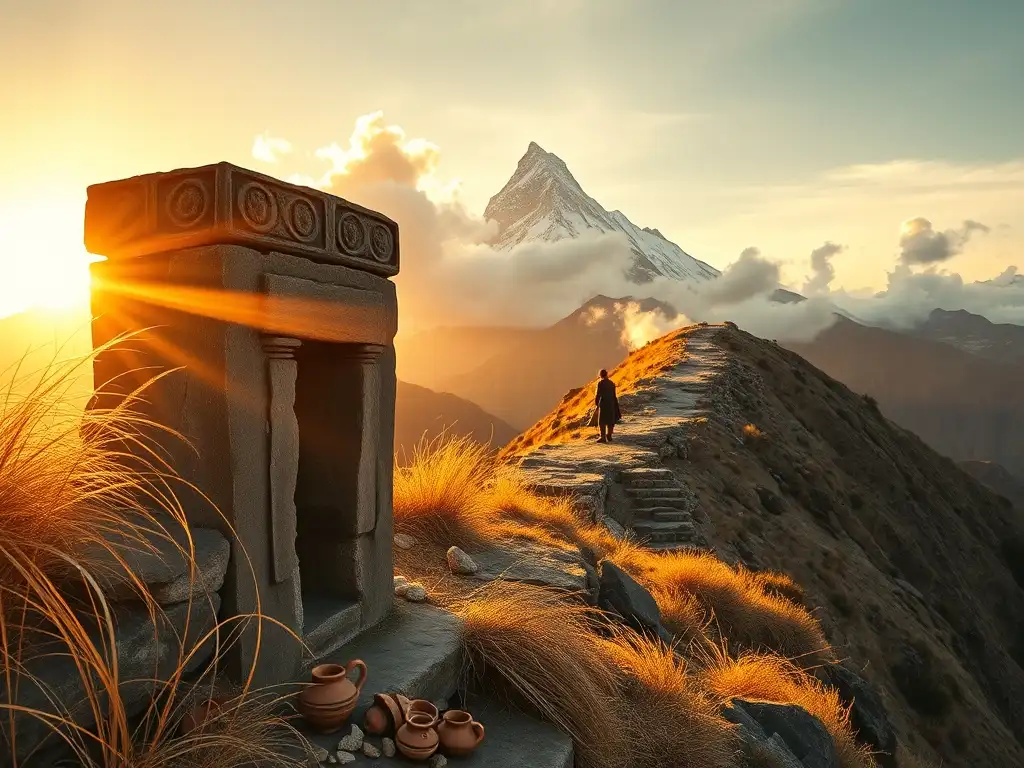
The ingenuity of Ancient Andean civilizations is strikingly evident in their technological advancements, which allowed them to thrive in diverse and challenging environments. Their mastery of metallurgy, sophisticated irrigation systems, and extensive road networks stand as testaments to their remarkable engineering skills and deep understanding of their world. These achievements weren't merely practical; they were deeply interwoven with their spiritual beliefs and social structures, shaping their cultural landscape in profound ways.
Studying these technologies provides invaluable insights into the complexity and resilience of these ancient societies, offering a compelling narrative of human adaptation and innovation. The keyword, "Ancient Andean civilizations history," is intrinsically linked to understanding these technological marvels.
Andean Metalworking: Skills in Gold and Silver
Andean metalworking represents a pinnacle of ancient technological achievement. The mastery of gold and silver, along with copper and bronze, allowed for the creation of intricate jewelry, ceremonial objects, and weaponry. The techniques employed, including hammering, casting, soldering, and alloying, demonstrate a sophisticated understanding of metallurgy.
For instance, the Moche culture, known for its elaborate metalwork, utilized a lost-wax casting process to produce incredibly detailed figurines and vessels. These pieces often depicted deities, animals, and scenes from daily life, showcasing both artistic skill and technological prowess. The level of detail achieved is astonishing, revealing a high degree of precision and control over the material.
Furthermore, the use of different alloys allowed for varying colors and hardnesses, expanding the creative possibilities for Andean artisans. The sheer artistry combined with the technological skill required makes Andean metalwork a significant aspect of Ancient Andean civilizations history. Analysis of surviving artifacts reveals a fascinating evolution of techniques over time, reflecting a continuous process of innovation and refinement within these cultures.
Andean Irrigation and Water Management: Sustaining Life
The success of Andean civilizations was inextricably linked to their ability to manage water resources effectively. Given the challenging geography of the Andes – characterized by arid coastal deserts, high-altitude plains, and steep slopes – the development of sophisticated irrigation systems was crucial for agriculture and survival. These systems, ranging from simple canals to complex networks of aqueducts and reservoirs, demonstrate a deep understanding of hydrology and engineering principles.
The Nazca culture, for example, is renowned for its extensive network of canals that channeled water from rivers and underground sources to irrigate their crops. These canals, some stretching for kilometers, were meticulously planned and constructed, showcasing remarkable engineering skill and collaborative effort. The precise alignment of some canals suggests a sophisticated understanding of topography and water flow.
Furthermore, the integration of these systems with religious practices highlights the importance of water in their worldview. The remarkable sophistication of Andean irrigation systems is a compelling element of Ancient Andean civilizations history, a testament to their adaptability and problem-solving abilities in the face of environmental challenges. The survival and prosperity of these civilizations directly depended on these ingenious systems.
Andean Road Systems: Connecting the Empire
The Inca Empire, the largest pre-Columbian state in the Americas, relied on a vast network of roads to connect its far-flung territories. This sophisticated infrastructure, extending thousands of kilometers across diverse terrains, facilitated communication, trade, and military movements. The Inca roads were not merely paths; they were meticulously engineered systems, often paved with stone and strategically located to minimize gradients and maximize accessibility.
Suspension bridges, carved from stone and rope, spanned deep gorges and rivers, showcasing remarkable engineering innovation. The construction of these roads required immense organization, manpower, and technical expertise. The strategic placement of tambos (roadside inns) provided resting places and supplies for travelers, further demonstrating the meticulous planning that went into the road system.
The Inca road network stands as a testament to the empire's administrative prowess and its ability to integrate diverse regions. The impact of this infrastructure on the social, economic, and political life of the Inca Empire is undeniable, making it a crucial component of Ancient Andean civilizations history. The scale and sophistication of this network are still impressive today, a legacy of remarkable engineering and organizational skills.
The Legacy of Ancient Andean Civilizations: A Continuing Journey

The legacy of the Ancient Andean civilizations is not simply a historical record; it's a vibrant, ongoing influence shaping modern Andean societies and cultures. Understanding this legacy requires appreciating its multifaceted nature, extending far beyond impressive architectural feats like Machu Picchu. It encompasses intricate social structures, innovative agricultural techniques, and a rich tapestry of artistic expression that continues to inspire awe and wonder.
The enduring impact of these civilizations is evident in everything from contemporary art forms to culinary traditions and the very fabric of Andean identity. This enduring influence underscores the importance of preserving and understanding their history, as it holds vital clues to comprehending the present and shaping a sustainable future. The study of Ancient Andean civilizations history provides a window into a remarkably sophisticated and resilient past.
Preserving Andean Archaeological Sites: Protecting the Past
Protecting the fragile remnants of Ancient Andean civilizations requires a multi-pronged approach. The challenge lies not just in physical preservation—fighting erosion, looting, and the damaging effects of tourism—but also in ensuring the sites are studied and understood responsibly. This involves careful excavation techniques, utilizing advanced technologies like LiDAR scanning for non-invasive surveys, and implementing sustainable tourism practices.
Furthermore, collaborative efforts between archaeologists, local communities, and governmental bodies are crucial. For instance, involving local communities in site management empowers them to become custodians of their heritage, fostering a sense of ownership and responsibility. Effective preservation strategies also require robust legal frameworks to combat illegal artifact trafficking and to ensure that profits from tourism benefit local populations, thus creating economic incentives for preservation.
Failure to protect these sites represents not only a loss to humanity's collective cultural heritage but also a missed opportunity to learn invaluable lessons from the past, thus hindering our understanding of Ancient Andean civilizations history. The long-term sustainability of preservation efforts necessitates ongoing investment in research, education, and community engagement.
Andean Cultural Heritage: A Source of Pride and Identity
The vibrant cultural heritage of the Ancient Andean civilizations remains a powerful source of pride and identity for modern Andean communities. This heritage manifests in various forms, from traditional textiles and music to distinct culinary practices and spiritual beliefs. The intricate designs woven into Andean textiles, for example, often reflect ancient motifs and narratives, carrying forward centuries-old traditions.
Similarly, Andean music, with its unique instruments and rhythms, echoes the soundscapes of the past. This continuity is not merely nostalgic; it represents a living connection to ancestral roots and a powerful affirmation of cultural identity in a rapidly changing world. Moreover, the preservation and celebration of this heritage contribute significantly to cultural tourism, providing economic opportunities while safeguarding traditions for future generations.
The study of Ancient Andean civilizations history offers a crucial framework for understanding this rich tapestry of cultural expressions and their significance in shaping modern Andean identities. The ongoing revitalization of traditional crafts and artistic practices underscores the enduring power of this cultural legacy.
The Influence of Ancient Andes in Modern Andean Cuisine
Modern Andean cuisine is deeply rooted in the agricultural innovations and culinary traditions of the Ancient Andean civilizations. The domestication of potatoes, quinoa, and other staple crops by these civilizations forms the foundation of the region's diverse and nutritious diet. Ancient Andean techniques of food preservation, such as sun-drying and fermentation, continue to be practiced today, ensuring food security and preserving unique flavors.
Furthermore, the use of native spices and ingredients, many of which were cultivated and utilized by ancient Andean peoples, lends a distinctive character to contemporary Andean dishes. For example, the use of aji peppers, a staple in pre-Columbian diets, remains ubiquitous in modern Andean cooking. The study of Ancient Andean civilizations history illuminates the deep connections between ancient agricultural practices and modern culinary traditions, highlighting the ingenuity and sustainability of ancient Andean food systems.
Moreover, the growing interest in traditional Andean cuisine represents a powerful means of preserving cultural heritage and promoting sustainable food practices. The resurgence of interest in these ancient techniques contributes to food sovereignty and the recognition of Andean culinary traditions on a global scale.
Tourism and Exploration of Andean Civilizations
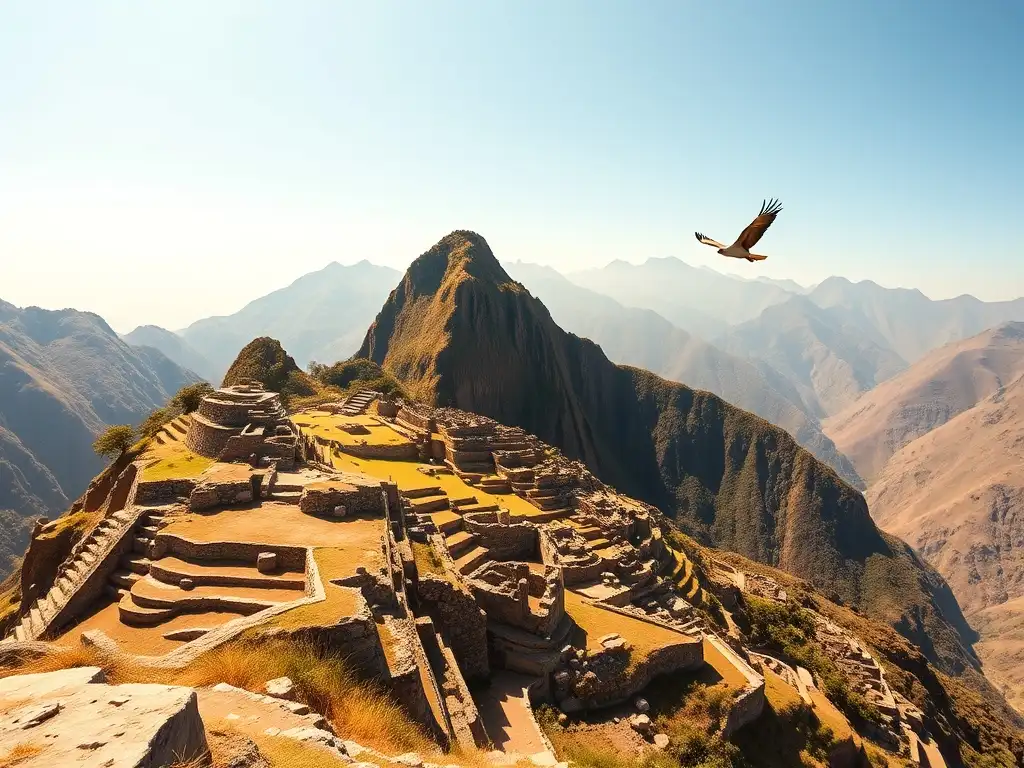
This section delves into the exciting opportunities for tourism and exploration within the context of Ancient Andean civilizations history. We'll examine key sites, cultural experiences, and the importance of sustainable practices in preserving this invaluable heritage for future generations. Understanding the delicate balance between tourism and preservation is crucial for the long-term health of these remarkable sites and the communities that call them home. The burgeoning interest in Ancient Andean civilizations history has led to a surge in tourism, presenting both challenges and opportunities.
Key Andean Archaeological Sites to Visit
The Andean region boasts a wealth of archaeological sites, each offering a unique window into the past. Planning a visit requires careful consideration of accessibility, preservation efforts, and the overall experience. Here are a few examples showcasing the diversity of sites available:
- Machu Picchu (Inca): This iconic citadel, perched high in the Andes, remains a testament to Inca ingenuity and architectural prowess. Visiting Machu Picchu offers an unparalleled experience, allowing tourists to walk among the ruins and imagine life in this once-thriving city. The sheer scale of the site and its breathtaking setting contribute to its enduring allure. Remember to book well in advance, as permits are often required.
- Chan Chan (Chimú): The largest pre-Columbian city in the Americas, Chan Chan, near Trujillo, Peru, showcases the impressive urban planning of the Chimú culture. Its adobe architecture, intricate designs, and extensive network of palaces and residential areas offer a fascinating glimpse into a complex society. Exploring Chan Chan provides a different perspective on Ancient Andean civilizations history compared to the more mountainous sites.
- Nazca Lines (Nazca): These enigmatic geoglyphs, etched into the desert landscape, continue to captivate and puzzle researchers and tourists alike. Viewing the Nazca Lines from the air provides the best perspective of their scale and complexity. The mystery surrounding their creation adds an extra layer of intrigue to the experience. This site highlights the unique artistic and technological achievements of the Nazca culture.
- Tiahuanaco (Tiahuanaco): Located near Lake Titicaca in Bolivia, Tiahuanaco is a significant archaeological site representing a powerful and influential civilization. Its monumental architecture, including the iconic Sun Gate, speaks to the advanced engineering skills of the Tiahuanaco people. Exploring this site offers insights into a different phase of Ancient Andean civilizations history, highlighting the cultural exchange and influence across the Andes.
| Site | Culture | Key Features | Accessibility |
|---|---|---|---|
| Machu Picchu | Inca | Mountaintop citadel, intricate stonework | Moderate |
| Chan Chan | Chimú | Largest pre-Columbian city, adobe architecture | Easy |
| Nazca Lines | Nazca | Enigmatic geoglyphs, best viewed from the air | Moderate |
| Tiahuanaco | Tiahuanaco | Monumental architecture, Sun Gate | Easy |
Experiencing Andean Culture Today
Beyond the archaeological sites, experiencing the vibrant Andean culture is an essential part of any journey. This includes engaging with local communities, participating in traditional festivals, and appreciating the rich tapestry of Andean art, music, and textiles. The enduring legacy of Ancient Andean civilizations history is not only found in stones and ruins, but also in the living traditions of the Andean people. Understanding the present-day expressions of Andean culture provides a deeper appreciation for the historical context. For example:
- Participating in a traditional Andean weaving workshop provides a hands-on experience, allowing visitors to learn about the techniques and symbolism embedded in these intricate textiles.
- Attending a local festival offers a chance to witness traditional music, dance, and costumes, providing a vibrant and immersive cultural experience.
- Visiting local markets allows visitors to interact with artisans and purchase unique handcrafted items, directly supporting the local economy and preserving traditional crafts.
This interaction with contemporary Andean culture offers a powerful counterpoint to the archaeological sites, enriching the understanding of Ancient Andean civilizations history and its enduring influence.
Sustainable Tourism Practices in the Andean Region
Sustainable tourism is paramount to preserving the delicate ecosystems and cultural heritage of the Andean region. Responsible travel involves minimizing environmental impact, supporting local communities, and respecting cultural sensitivities. Ancient Andean civilizations history is inextricably linked to the environment, and preserving both is crucial. Key practices include:
- Reducing carbon footprint: Opting for eco-friendly transportation options, minimizing waste, and conserving water are crucial steps.
- Supporting local businesses: Choosing locally owned accommodations, restaurants, and tour operators helps to distribute tourism revenue equitably and supports the preservation of local traditions.
- Respecting cultural norms: Learning basic Quechua phrases, dressing modestly when visiting sacred sites, and being mindful of local customs demonstrates respect for the Andean people and their culture. This shows that your appreciation of Ancient Andean civilizations history extends beyond just the archaeological remains.
By adopting sustainable tourism practices, visitors can contribute to the long-term preservation of the Andean region's invaluable cultural and natural heritage, ensuring that future generations can also experience the wonders of Ancient Andean civilizations history. The future of tourism in the region depends on a conscious effort to balance exploration with preservation.
Current Research and New Discoveries in Andean Archaeology
The field of Andean archaeology is constantly evolving, with new discoveries and reinterpretations challenging established narratives about these fascinating ancient civilizations. Ongoing research provides fresh perspectives on social structures, technological advancements, and the complex interactions between different Andean cultures. This dynamic landscape ensures that our understanding of "Ancient Andean civilizations history" continues to deepen. The sheer volume of unearthed artifacts and the ongoing excavations across the Andes mountains demonstrate the enduring mystery and rich tapestry of these societies.
Ongoing Excavations at Caral and Chan Chan
Excavations at Caral, the oldest known city in the Americas, continue to reveal astonishing insights into the Norte Chico civilization. Recent findings have uncovered sophisticated irrigation systems, evidence of complex social organization, and intricate ceremonial structures. These discoveries challenge previous assumptions about the development of complex societies in the Americas, pushing back the timeline for urban development and suggesting a more nuanced understanding of the pre-Inca period. The sheer scale of Caral, with its massive pyramids and extensive residential areas, underscores its importance as a center of power and influence.
Meanwhile, at Chan Chan, the sprawling capital of the Chimor kingdom, archaeologists are uncovering new details about the kingdom's urban planning, its sophisticated water management techniques, and the intricate social hierarchy that governed its vast population. The discovery of new residential compounds and royal palaces is shedding light on the daily lives of the Chimor people, providing a more detailed picture of their social structures and economic activities.
Advanced ceramic analysis is also helping researchers understand trade networks and the cultural exchange that characterized the Chimor civilization. The meticulous record-keeping of the Chan Chan civilization, although less understood than the Inca's, is beginning to yield valuable insights into daily life and economic activity.
New Interpretations of Inca Record Keeping
The Inca, famed for their sophisticated empire, left behind a rich legacy of record-keeping systems, notably the quipus. These intricate knotted cords, once thought to be merely mnemonic devices, are now being reinterpreted as a complex system capable of recording numerical data, historical events, and even narrative accounts. New research using advanced statistical techniques and anthropological insights suggests a far greater complexity to the quipus than previously understood.
This has led to a renewed focus on deciphering these enigmatic records, with the potential to unlock a wealth of information about Inca administration, economy, and social life. The ongoing effort to understand these complex systems is revolutionizing our perception of Inca record-keeping and providing crucial context to the understanding of "Ancient Andean civilizations history."
Furthermore, recent studies are re-examining the role of oral traditions in Inca record keeping. While the quipus offer a tangible record, the oral transmission of knowledge played a crucial role in preserving history, customs, and societal values. The interaction between oral and written (or rather, knotted) traditions is now a key area of research, offering a more holistic view of Inca information management. This understanding challenges the simplistic view of the quipus as mere accounting tools and highlights the sophisticated interplay between different modes of knowledge transmission within the Inca empire.
The Future of Andean Studies
The future of Andean studies is bright, fueled by ongoing excavations, technological advancements, and a growing interdisciplinary approach. Advances in remote sensing technologies, such as LiDAR and satellite imagery, are allowing archaeologists to map vast areas with unprecedented accuracy, identifying previously unknown sites and revealing the extent of ancient settlements. Genetic analysis is also providing valuable insights into population movements, migration patterns, and the genetic relationships between different Andean groups. This combination of traditional archaeological methods and cutting-edge technologies promises to revolutionize our understanding of "Ancient Andean civilizations history."
Moreover, collaborative research projects involving archaeologists, anthropologists, linguists, and other specialists are contributing to a more holistic and nuanced understanding of Andean societies. This interdisciplinary approach is crucial for interpreting complex data and developing more comprehensive narratives about these fascinating civilizations. The collaborative spirit, coupled with technological advancements and renewed interest from various fields, ensures that the study of Ancient Andean civilizations remains a vibrant and exciting area of research for years to come. The future looks promising for uncovering even more secrets of this remarkable civilization.
Frequently Asked Questions
What were the major ancient Andean civilizations?
The major ancient Andean civilizations included the Incas, Moche, Nazca, and Tiahuanaco, each with unique cultural and technological achievements. Their influence shaped the region for centuries.
How advanced was the technology of the ancient Andean civilizations?
Andean civilizations displayed remarkable technological prowess, developing advanced irrigation systems, complex architectural techniques, and sophisticated metalworking, including gold and silver.
What is the significance of Machu Picchu in the study of Inca civilization?
Machu Picchu is a critical site for understanding Inca civilization, showcasing their architectural skills, urban planning, and agricultural practices. It offers invaluable insights into their daily life and social structure.
How did the different Andean civilizations interact with each other?
The relationship between Andean civilizations was complex, involving periods of conflict, trade, and cultural exchange. Some civilizations exerted dominance over others, while others coexisted peacefully.
What are some of the best resources to learn more about ancient Andean civilizations?
To delve deeper, explore academic journals, museum exhibits, and reliable online resources dedicated to Andean history and archaeology. Books focusing on specific cultures are also beneficial.
Final Reflection: Echoes of the Andes in a Modern World
The echoes of the ancient Andean civilizations resonate powerfully in today's world, a testament to their ingenuity and resilience. Their sophisticated agricultural techniques, intricate social structures, and breathtaking artistry continue to inspire awe and wonder, reminding us of humanity's capacity for innovation and adaptation even in the face of challenging environments. Understanding their legacy is not merely an academic exercise; it's a crucial step in appreciating the rich tapestry of human history and fostering a more inclusive and informed global perspective.
The enduring influence of Andean cultures is undeniable, shaping not only the landscapes of South America but also our understanding of societal organization and spiritual beliefs. Their mastery of astronomy, their intricate textile work, and their complex systems of governance continue to fascinate and inspire researchers and artists alike. As the writer and anthropologist, Edward Said, eloquently stated: To begin to think about the world is to begin to think about the world in relation to oneself, and to oneself in relation to the world.
This journey into the Andean past compels us to reflect on our own place within the larger narrative of human civilization and to recognize the interconnectedness of all cultures.
Consider the ingenuity of their terrace farming, a testament to sustainable practices that are more relevant than ever in our era of climate change. Reflect on the intricate symbolism woven into their textiles, a silent language that speaks volumes about their worldview. You, the reader, are now part of this ongoing conversation.
Carry the echoes of the Andes with you, not just as historical facts, but as a source of inspiration, a reminder of the enduring power of human creativity, and a call to protect and preserve the cultural heritage of all peoples. Let this journey inspire you to explore further, to learn more, and to share the wonders of the Andean world with others.
Unveil the Wonders of the Andes!
Thank you for joining us on this adventure through the majestic Andes! We hope you've discovered fascinating insights and feel inspired by the rich history and culture of this remarkable region. Now, let's continue your journey of discovery!
Here are some ways to further explore and connect with Andean civilizations:
- **Delve deeper** into Andean history, traditions, and current archaeological research by visiting our extensive resource library here . You'll uncover hidden gems and fascinating details.
- Share this incredible journey with friends! Send them a link to this article or post your favorite Andean fact on social media to ignite their curiosity.
- **Join our community! ** Sign up for our newsletter to receive updates on upcoming events, webinars, and discussions celebrating Andean cultures.
**What aspect of Andean history captivates you most, and how will you explore it further? ** We'd love to hear your thoughts!