
Tiahuanaco's Secrets: Unraveling the Enigma of the HighAltitude City

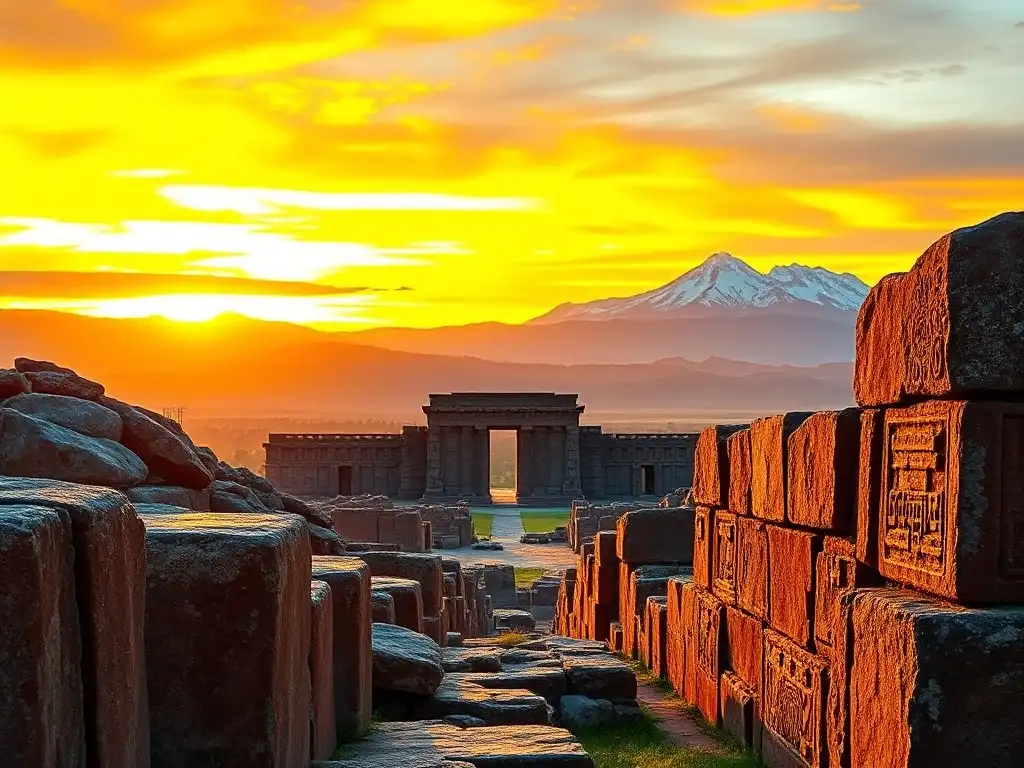
Prepare to be captivated by the enigmatic allure of the Andes! Journey with us into a world of towering achievements and forgotten rituals, where Tiahuanaco's mysteries revealed a civilization that defied the harsh altitude and shaped the very fabric of South American history. Discover the breathtaking artistry, innovative engineering, and perplexing secrets of the Incas, Moche, Nazca, and more—a legacy waiting to be unearthed. Dive in and uncover the answers to questions that have puzzled scholars for centuries.
The Bolivian Altiplano, a high-altitude plateau in the Andes, holds a secret: Tiahuanaco. This ancient city, situated at over 12,500 feet above sea level, remains one of the most enigmatic archaeological sites in the Americas. Its monumental architecture, sophisticated technology, and complex iconography continue to puzzle and fascinate researchers, fueling countless theories and interpretations.
This article delves into the enduring mysteries surrounding Tiahuanaco, exploring its impressive engineering feats, its possible role as a religious center, and the questions that remain unanswered, offering a glimpse into the "Tiahuanaco mysteries revealed." We will examine the evidence, discuss prominent theories, and highlight the ongoing efforts to understand this remarkable civilization and its lasting legacy.
Understanding Tiahuanaco offers a crucial window into the complexities of Andean civilization, its innovative societal structures, and its profound impact on the region's cultural heritage. The mysteries surrounding Tiahuanaco are not merely historical curiosities; they represent a challenge to our understanding of human ingenuity and adaptation in extreme environments.
The Monumental Architecture of Tiahuanaco: A Testament to Engineering Prowess
Tiahuanaco's monumental structures are its most striking feature. The precision and scale of the stonework are astonishing, particularly considering the lack of advanced machinery. The Gate of the Sun, a monolithic gateway intricately carved with figures and symbols, is a prime example. The precise fitting of massive stones, some weighing several tons, is a testament to the advanced engineering and organizational skills of the Tiahuanaco people.
How they moved and precisely placed these colossal blocks remains a subject of ongoing debate, with theories ranging from sophisticated ramp systems to the use of water-based transportation. Further complicating the mystery is the precise nature of the stonework. The level of accuracy in fitting the stones is unmatched in many other ancient constructions, suggesting a deep understanding of geometry and engineering principles.
The Kalasasaya Temple, another significant structure, demonstrates similar mastery of stonework, its massive walls standing as a testament to the builders' skill and organization. Detailed analysis of the construction techniques continues to provide fresh insights into the sophistication of Tiahuanaco's engineering capabilities. The sheer scale and complexity of the architecture beg the question: what resources and organizational structures were necessary to accomplish such a feat?
Deciphering the Iconography: Unveiling Religious Beliefs and Cosmological Views
The intricate carvings found throughout Tiahuanaco's structures, particularly on the Gate of the Sun, present a rich and complex iconography that has been the subject of extensive scholarly interpretations. These carvings depict various figures, including stylized deities, animals, and symbolic representations. While many interpretations exist, a common theme revolves around the Tiahuanaco people's cosmological beliefs and their understanding of the cosmos.
The figures often represent deities associated with the sun, water, and fertility, reflecting the importance of these elements in their worldview. The recurring motifs and symbolic representations suggest a highly structured religious system with intricate rituals and beliefs. However, the precise meanings of many of the symbols remain elusive.
Ongoing research, combining archaeological findings with anthropological studies, seeks to decipher these enigmatic symbols and understand their significance within the wider context of Andean cosmology. The complexities of the iconography highlight the sophisticated religious and philosophical underpinnings of the Tiahuanaco civilization. The lack of a deciphered written language adds another layer to the mystery, making interpretation dependent on careful analysis of the visual record.
Tiahuanaco's Decline and Legacy: Unanswered Questions and Ongoing Research
The reasons behind Tiahuanaco's decline remain a matter of speculation. Several theories have been proposed, including climate change, environmental degradation, internal conflicts, and external invasions. Evidence suggests a gradual decline rather than a sudden collapse, with the city's population dwindling over an extended period.
The abandonment of the city and the subsequent dispersal of its population left behind a rich archaeological record, which continues to be excavated and studied. The ongoing research involves a multidisciplinary approach, combining archaeology, anthropology, geology, and other fields to provide a more holistic understanding of Tiahuanaco's rise, flourishing, and eventual decline. The mysteries surrounding its disappearance add to the intrigue of this remarkable civilization.
The legacy of Tiahuanaco continues to resonate throughout the Andes, influencing subsequent cultures and leaving an indelible mark on the region's cultural heritage. The unanswered questions surrounding its decline only serve to enhance the significance of this ancient city and its place in history. The quest to understand Tiahuanaco is a testament to the enduring power of human curiosity and the ongoing pursuit of knowledge.
- The Monumental Architecture of Tiahuanaco: A Testament to Engineering Prowess
- Deciphering the Iconography: Unveiling Religious Beliefs and Cosmological Views
- Tiahuanaco's Decline and Legacy: Unanswered Questions and Ongoing Research
- What makes Tiahuanaco such a mysterious site?
- What are some of the most significant architectural features of Tiahuanaco?
- How did the people of Tiahuanaco manage to build such a sophisticated city at high altitude?
- What is known about the Tiahuanaco culture and its beliefs?
- What are some of the ongoing mysteries surrounding Tiahuanaco that researchers are still trying to solve?
Exploring the Ancient City of Tiahuanaco: An Introduction
This section delves into the captivating enigma that is Tiahuanaco, a pre-Columbian city located on the shores of Lake Titicaca in modern-day Bolivia. Its monumental architecture, sophisticated engineering, and enigmatic symbolism have captivated researchers and tourists alike for centuries, fueling countless theories and sparking ongoing debate about its true purpose and the nature of the civilization that built it. Unraveling the Tiahuanaco mysteries revealed is a journey through time, revealing insights into a complex society that thrived in a challenging high-altitude environment.
We'll explore the significance of this lost city within the broader context of Andean history, examine its geographical setting, and provide a concise overview of the Tiahuanaco civilization itself. Understanding these foundational aspects is crucial before delving deeper into the specific mysteries surrounding this remarkable site.
The Significance of Tiahuanaco in Andean History
Tiahuanaco's importance within the tapestry of Andean civilizations cannot be overstated. While its precise chronological placement and influence remain subjects of ongoing scholarly discussion, evidence suggests its flourishing period occurred between approximately 500 and 1000 CE. During this time, Tiahuanaco exerted considerable political, economic, and cultural influence across a vast region of the Andes, impacting neighboring societies like the Wari and influencing later Inca development.
The city's sophisticated urban planning, monumental structures like the Kalasasaya and Pumapunku, and distinctive artistic style, characterized by its intricate ceramics and monumental sculpture, all point to a highly organized and advanced society. Some scholars even posit Tiahuanaco as a precursor to the Inca empire, suggesting a possible continuity of cultural and administrative practices.
The legacy of Tiahuanaco continues to resonate in Andean art, architecture, and religious beliefs, solidifying its position as a pivotal point in the region's history. Further research continues to uncover new facets of Tiahuanaco's impact, enriching our understanding of its role in shaping the Andean world.
Locating Tiahuanaco: Geography and Environment
Tiahuanaco's location on the high Andean plateau, near the shores of Lake Titicaca at an altitude of approximately 12,500 feet (3,800 meters), presents a fascinating conundrum. This challenging environment, characterized by thin air, intense solar radiation, and unpredictable weather patterns, posed significant obstacles to the city's inhabitants. Yet, the Tiahuanaco civilization thrived in this harsh landscape, demonstrating remarkable adaptability and engineering prowess.
The proximity to Lake Titicaca, a significant source of water and sustenance, played a crucial role in the city's survival and growth. The lake provided essential resources for agriculture, fishing, and transportation. However, the high altitude also presented challenges in terms of agriculture, requiring sophisticated irrigation systems and specialized farming techniques to ensure food security.
Understanding the interplay between the environment and the Tiahuanaco civilization is crucial to appreciating the ingenuity and resilience of its inhabitants. The Tiahuanaco mysteries revealed also include understanding how they overcame the unique logistical challenges presented by their high-altitude home.
The Tiahuanaco Civilization: A Brief Overview
The Tiahuanaco civilization, renowned for its monumental architecture and sophisticated social organization, remains a subject of ongoing study. Archaeological evidence suggests a complex social hierarchy, with specialized craftspeople, farmers, and administrators contributing to the city's growth and prosperity. The city's layout reflects a meticulous urban plan, with monumental structures strategically placed and interconnected by a network of pathways.
The iconic Gateway of the Sun, with its intricate carvings depicting mythological figures, and the enigmatic Pumapunku complex, with its precisely cut and fitted stones, stand as testaments to the civilization's advanced engineering capabilities and artistic sophistication. The Tiahuanaco people developed a distinctive artistic style, evident in their ceramics, textiles, and monumental sculptures, which often depict stylized figures and mythological themes. Their religious beliefs, while not fully understood, appear to have centered around a complex pantheon of deities and ancestor veneration.
Further research into their social structures, religious practices, and economic systems continues to uncover new details about this fascinating civilization, adding depth to our understanding of the Tiahuanaco mysteries revealed. The unraveling of these mysteries continues to reshape our knowledge of pre-Columbian Andean societies.
Tiahuanaco Mysteries Revealed: Unveiling the Enigmas
This section delves into the enduring enigmas surrounding Tiahuanaco, a pre-Columbian city located at a staggering altitude in the Andes Mountains. We'll explore some of the key mysteries surrounding this remarkable civilization, focusing on architectural marvels, astronomical alignments, and the enduring questions about the city's purpose. The Tiahuanaco mysteries revealed here offer a glimpse into the ingenuity and sophistication of a culture that thrived in a challenging environment.
The Purpose of the Tiahuanaco Structures: Theories and Interpretations
The very purpose of Tiahuanaco remains a subject of intense debate among archaeologists. While the city's impressive structures clearly point to a highly organized society, the precise function of many buildings remains unclear. Several prominent theories attempt to explain the city's role:
- Religious Center: Many believe Tiahuanaco served as a significant religious center, a place of pilgrimage for people across a vast Andean region. The monumental architecture, intricate carvings, and symbolic representations support this hypothesis. The presence of large plazas and temples suggests ritualistic activities were central to the city's function. The scale of construction itself hints at immense societal organization and religious fervor.
- Administrative Hub: Some scholars propose that Tiahuanaco functioned as an administrative center, controlling a wide network of settlements and resources. The city's strategic location, overlooking fertile valleys and trade routes, reinforces this idea. The sophisticated organization implied by the urban planning suggests a centralized power structure capable of managing extensive territories. Evidence of sophisticated record-keeping systems, though limited, adds weight to this theory.
- Agricultural Center: Given its location in a high-altitude environment, some researchers suggest Tiahuanaco played a crucial role in managing agricultural resources. The city's proximity to Lake Titicaca, a vital source of water, combined with evidence of sophisticated irrigation techniques, lends credence to this perspective. Further research into ancient agricultural practices in the area could reveal more about this aspect of Tiahuanaco's societal structure.
The truth likely lies in a complex interplay of these factors. Tiahuanaco was probably not solely a religious center, administrative hub, or agricultural center, but rather a multifaceted city fulfilling multiple crucial roles within its extensive influence zone. Uncovering the precise balance of these functions remains a key challenge for future research into Tiahuanaco mysteries revealed.
Decoding Tiahuanaco's Architecture: Advanced Engineering and Design
Tiahuanaco's architecture is astounding, showcasing advanced engineering skills for its time. The precise methods used by the Tiahuanaco people to move and erect massive stone blocks, some weighing many tons, remain partially unexplained. The precision of the stonework, with blocks fitted together without mortar, is remarkable.
Consider the Gateway of the Sun, a monolithic structure intricately carved with figures and symbols. Its sheer size and the detail of the carvings demonstrate a mastery of stonework techniques far beyond those of many contemporary civilizations. The precise astronomical alignments of some structures further underscore the sophistication of Tiahuanaco's builders. Analyzing the construction techniques and the astronomical alignments provides clues to the advanced knowledge and technological capabilities of the Tiahuanaco civilization. Many questions remain about the tools and methods used in this construction, representing a significant area of ongoing research in Tiahuanaco mysteries revealed.
The complexity of the city's layout, with its precisely planned plazas and monumental buildings, also reveals a high level of urban planning and societal organization. The precise arrangement of structures suggests a deep understanding of spatial organization and a carefully considered design reflecting the city's social and religious functions. This level of planning further supports the idea of a complex, centralized society capable of undertaking ambitious construction projects.
The Tiahuanaco Calendar: Astronomical Knowledge and Precision
The Tiahuanaco calendar, evidenced through astronomical alignments within the city's structures, showcases the civilization's profound understanding of astronomy. Many buildings are oriented towards significant celestial events, suggesting a sophisticated system for tracking time and predicting astronomical phenomena. This level of astronomical knowledge was crucial for agricultural planning and religious practices.
The precision of these alignments is remarkable, indicating advanced observational techniques and a deep understanding of the movements of the sun, moon, and stars. Researchers continue to investigate the specific astronomical events marked by these alignments, seeking to decipher the calendar's intricacies and understand its role in Tiahuanaco society. The potential for further discoveries related to Tiahuanaco's astronomical knowledge remains high, promising additional insights into the mysteries revealed.
The study of the Tiahuanaco calendar offers a fascinating window into the intellectual achievements of this ancient Andean civilization, enriching our understanding of their cultural practices and worldview. Unraveling the secrets of this calendar is a crucial aspect of the ongoing effort to understand the full scope of Tiahuanaco mysteries revealed.
The Enigmatic Gate of the Sun: Symbolism and Meaning
The Gate of the Sun, a monolithic masterpiece of Tiahuanaco's architectural prowess, stands as one of the most enigmatic artifacts of the Andes. Its intricate carvings, depicting a central figure surrounded by various celestial and terrestrial beings, have captivated researchers and fueled countless interpretations for centuries. The central figure, often interpreted as a deity or a powerful leader, is surrounded by stylized representations of animals, plants, and possibly constellations. The precise meaning remains debated, but several compelling theories attempt to unravel its symbolism.
One prominent theory suggests the Gate represents a cosmological calendar, aligning its carvings with astronomical events and cycles. The central figure, with its outstretched arms and possibly sun-like headdress, could symbolize a deity associated with the sun and its life-giving power. The surrounding figures, some clearly representing animals like jaguars and condors, could represent constellations or earthly realms, reflecting a sophisticated understanding of the cosmos.
The intricate detail and precision of the carvings hint at a highly developed knowledge of astronomy and mathematics, far beyond what was previously attributed to the Tiahuanaco culture. Further research, potentially involving advanced astronomical modeling and comparative analysis with other Andean cultures, could shed more light on this fascinating aspect of the Gate's symbolism.
Another interpretation focuses on the Gate's potential role in ritual and religious practices. The presence of seemingly anthropomorphic figures, along with representations of plants and animals, suggests a connection to fertility and agricultural cycles. The Gate might have served as a focal point for ceremonies related to the harvest, ensuring the prosperity and continuity of the community.
This theory is supported by the discovery of other ceremonial structures and artifacts within the Tiahuanaco complex, reinforcing the idea of a deeply spiritual and ritualistic society. The imposing size and intricate carvings of the Gate would have undoubtedly created a powerful atmosphere during such rituals, further enhancing their significance.
Finally, some researchers propose that the Gate reflects a complex system of beliefs and social organization within Tiahuanaco society. The central figure, surrounded by various figures of seemingly different status and power, might represent a hierarchical structure, with the central figure representing a supreme ruler or deity. The different figures and their arrangement could then symbolize the various social strata and their roles within the society. This interpretation necessitates a deeper understanding of Tiahuanaco's social structure and governance, requiring further archaeological research and analysis of other artifacts and settlements associated with the civilization. The Gate, in this sense, becomes a powerful visual representation of the society's worldview and its complex social dynamics. Unraveling these mysteries requires a multidisciplinary approach, combining archaeological findings with anthropological and astronomical studies. The Gate of the Sun, therefore, remains a rich source of information, challenging our understanding of Tiahuanaco and its place in Andean history.
The Art and Culture of Tiahuanaco: A Closer Look
This section delves into the captivating artistic and cultural achievements of the Tiahuanaco civilization, exploring their remarkable ceramic traditions, monumental sculptures, and the complex iconography that reveals their religious and social beliefs. Unraveling these aspects helps us understand the sophisticated society that thrived in the high Andes, contributing significantly to the legacy of "Tiahuanaco mysteries revealed."
Tiahuanaco's Ceramics: Styles and Techniques
Tiahuanaco ceramics are renowned for their distinctive styles and advanced techniques. Pottery production was a significant aspect of their culture, with pieces ranging from simple utilitarian vessels to elaborately decorated ceremonial objects. The most common style features a characteristic polished black surface, often adorned with intricate designs in red, white, and yellow pigments. These pigments, derived from natural minerals, were applied with precision, creating striking visual effects.
Several techniques were employed, including:
- Slipping: Applying a clay slurry to the surface for smoothing and color.
- Incising: Carving designs into the clay before firing.
- Painting: Applying pigments after firing for vibrant colors.
- Negative painting: Creating designs by reserving areas of the slip or pigment.
The shapes of the vessels also varied widely, reflecting their intended use. Large storage jars, smaller bowls for food preparation, and intricately shaped vessels for ceremonial purposes all demonstrate a mastery of ceramic technology. Analysis of the clay composition reveals the sourcing of materials, highlighting the extensive trade networks that supported Tiahuanaco's thriving artistic production. The sophistication of their ceramic artistry adds another layer to the ongoing exploration of "Tiahuanaco mysteries revealed."
Tiahuanaco's Sculptures: Monoliths and Representations
Tiahuanaco's monumental sculptures are perhaps its most iconic artistic legacy. Massive stone monoliths, intricately carved with human and zoomorphic figures, stand as testaments to the civilization's engineering prowess and artistic skill. The most famous example, the Puerta del Sol (Sun Gate), is a massive stone lintel adorned with a complex relief depicting a central figure surrounded by various mythical creatures and symbols. Its intricate carving is a testament to the advanced stone-working techniques employed by Tiahuanaco artisans.
The sculptures often depict figures with stylized features, including large heads, elongated bodies, and elaborate headdresses. These representations likely held significant religious or social meaning, providing valuable insights into the belief systems of the culture. The precise meanings of many of the symbols remain debated, adding to the enduring allure of "Tiahuanaco mysteries revealed." Further research using advanced imaging techniques and comparative analysis with other Andean art continues to shed light on these enigmatic sculptures. For example, recent studies have focused on the precise methods used to quarry, transport, and carve these massive stones, revealing incredible feats of engineering.
The iconography found in Tiahuanaco's art provides crucial clues to their religious and social beliefs. Recurring motifs, such as stylized figures, animals (including condors, jaguars, and serpents), and geometric patterns, appear across various media, suggesting a complex system of religious symbolism. The central figure on the Puerta del Sol, for instance, has been interpreted as a deity or a ruler, highlighting the intertwining of religious and political power within the society.
The presence of recurring symbols suggests a structured cosmology, possibly reflecting beliefs about the relationship between humans, nature, and the supernatural. The use of specific colors and patterns may also have held symbolic significance, representing different deities or concepts. However, much of the iconography remains open to interpretation, making the study of Tiahuanaco art a continuous process of discovery.
The ongoing research, including the careful documentation and analysis of newly discovered artifacts, continues to contribute to the unraveling of the "Tiahuanaco mysteries revealed," offering fresh perspectives on this fascinating ancient civilization. Further analysis of the iconography, combined with archaeological and anthropological research, is crucial to a more complete understanding of Tiahuanaco's rich cultural heritage.
Tiahuanaco Textile Art: Patterns and Materials
Tiahuanaco's textile art represents a pinnacle of Andean craftsmanship, showcasing intricate designs and sophisticated techniques that continue to fascinate researchers and textile enthusiasts today. The surviving fragments, often found in burial sites and offering caches, reveal a mastery of weaving, spinning, and dyeing that was far ahead of its time. The materials used were carefully selected, reflecting both the available resources of the Altiplano and the cultural significance attributed to specific fibers.
Camelid fibers, primarily llama and alpaca wool, formed the basis of most textiles. These fibers, known for their softness, warmth, and durability, were perfectly suited to the harsh climate of the high Andes. The use of different colored fibers, achieved through natural dyes derived from plants and minerals, allowed for a wide range of hues and shades.
Evidence suggests the use of cochineal, a crimson dye derived from insects, as well as various plant-based dyes producing yellows, browns, and greens. The precise recipes and processes employed remain partially unknown, adding to the mystique surrounding Tiahuanaco's textile traditions.
The patterns themselves are striking for their geometric precision and symbolic complexity. Recurring motifs include stepped frets, stylized animals (such as camelids and birds), and intricate geometric designs composed of triangles, squares, and stepped patterns. These designs are not merely decorative; they likely held deep religious and cosmological significance, reflecting the worldview and beliefs of the Tiahuanaco culture. The complexity of some patterns suggests a highly organized and specialized system of textile production, possibly involving guilds or specialized workshops.
The precision of the weaving techniques, including the use of various weaving styles like tapestry and brocade, further underscores the high level of skill and artistry involved. Analysis of surviving textiles indicates a sophisticated understanding of textile structures and techniques. For example, some pieces show evidence of advanced techniques like double-cloth weaving, which allowed for the creation of reversible fabrics with distinct patterns on each side. The surviving fragments, though limited, provide a glimpse into a rich and complex textile tradition that played a vital role in the cultural and social life of Tiahuanaco.
Further research and analysis of these remarkable artifacts promise to reveal more about this fascinating aspect of Tiahuanaco's legacy. The study of Tiahuanaco textiles offers a unique window into the artistic sensibilities, technological capabilities, and cosmological beliefs of this remarkable Andean civilization. The mysteries surrounding their production and the meanings embedded within their patterns continue to inspire research and appreciation for this remarkable cultural achievement, offering valuable insights into the "Tiahuanaco mysteries revealed."
The Decline of Tiahuanaco: Theories and Explanations
The demise of Tiahuanaco, a civilization that once thrived in the harsh Altiplano region, remains a subject of ongoing debate among archaeologists and historians. While a single, definitive cause is unlikely, a confluence of factors likely contributed to its decline and eventual abandonment around the 11th-12th centuries CE. Understanding these contributing factors is crucial to unraveling the many Tiahuanaco mysteries revealed through ongoing research.
This section explores some of the most prominent theories surrounding the city's fall, focusing on environmental pressures and internal societal stresses. The complex interplay of these factors likely led to the civilization's ultimate downfall, leaving behind a rich legacy that continues to fascinate and inspire.
Environmental Factors Contributing to Tiahuanaco's Fall
The high-altitude environment of the Altiplano presented significant challenges to Tiahuanaco's survival. Evidence suggests that prolonged periods of drought and climate change significantly impacted agricultural production, the backbone of the civilization's economy. Analysis of lake sediments and pollen records indicates fluctuations in rainfall patterns, leading to periods of scarcity and famine.
These environmental stressors likely placed immense strain on the population, potentially leading to social unrest and weakening the state's ability to manage resources effectively. The reliance on sophisticated irrigation systems, while initially successful, may have become increasingly vulnerable to the unpredictable nature of the Altiplano climate. The impact of these changes on the Tiahuanaco's water management systems remains a key area of research in uncovering the Tiahuanaco mysteries revealed by modern science.
Further complicating matters, soil degradation due to intensive agriculture over centuries could have reduced the land's productivity. The combination of drought and depleted soil would have severely limited food supplies, creating a precarious situation that exacerbated existing social and political tensions. The Tiahuanaco mysteries revealed by environmental studies highlight the vulnerability of even advanced civilizations to the forces of nature. The sophisticated engineering of the city's infrastructure, while impressive, could not completely overcome the limitations imposed by a challenging and unpredictable environment.
Beyond environmental pressures, internal political and social factors likely played a crucial role in Tiahuanaco's decline. Evidence suggests a gradual erosion of centralized power, possibly due to internal conflicts, rebellions, or the rise of competing power centers. The Tiahuanaco mysteries revealed through archaeological findings point towards a possible shift in political organization, perhaps from a highly centralized state to a more fragmented system. This decentralization could have been a consequence of economic hardship caused by environmental changes, leading to a breakdown in social order and the weakening of the state's ability to maintain control.
The complexities of Tiahuanaco's social structure and the dynamics of power remain areas of active research. The distribution of resources, the role of elites, and the potential for social stratification all contributed to the overall stability or instability of the state. The absence of clear records and the challenges of interpreting archaeological data make it difficult to establish a definitive timeline for the collapse.
However, the Tiahuanaco mysteries revealed suggest a gradual process of internal weakening, culminating in the eventual abandonment of the city. The unraveling of the social fabric, intertwined with environmental pressures, likely acted as a catalyst for the civilization's downfall.
The Legacy of Tiahuanaco: Influence on Later Andean Cultures
Despite its decline, Tiahuanaco's influence extended far beyond its lifespan. The city's artistic style, religious beliefs, and architectural innovations were adopted and adapted by subsequent Andean cultures. The Tiahuanaco mysteries revealed through the spread of its artistic motifs demonstrate its lasting impact. Elements of Tiahuanaco's iconography, including its characteristic stylized figures and intricate textiles, can be found in the art and artifacts of later cultures, such as the Inca and other regional groups. This cultural continuity underscores the enduring legacy of Tiahuanaco, even after the city itself was abandoned.
Moreover, Tiahuanaco's sophisticated agricultural techniques and water management systems likely influenced the development of agricultural practices in the region for centuries to come. The city's architectural innovations, particularly its monumental structures and precise stonework, served as a source of inspiration for later builders. The Tiahuanaco mysteries revealed by its lasting influence show its impact as a cultural and technological powerhouse, leaving an indelible mark on the Andean world. Its fall did not signal the end of its story, but rather a transformation of its legacy into the cultural fabric of future Andean civilizations.
Tiahuanaco's Archaeological Discoveries: New Insights
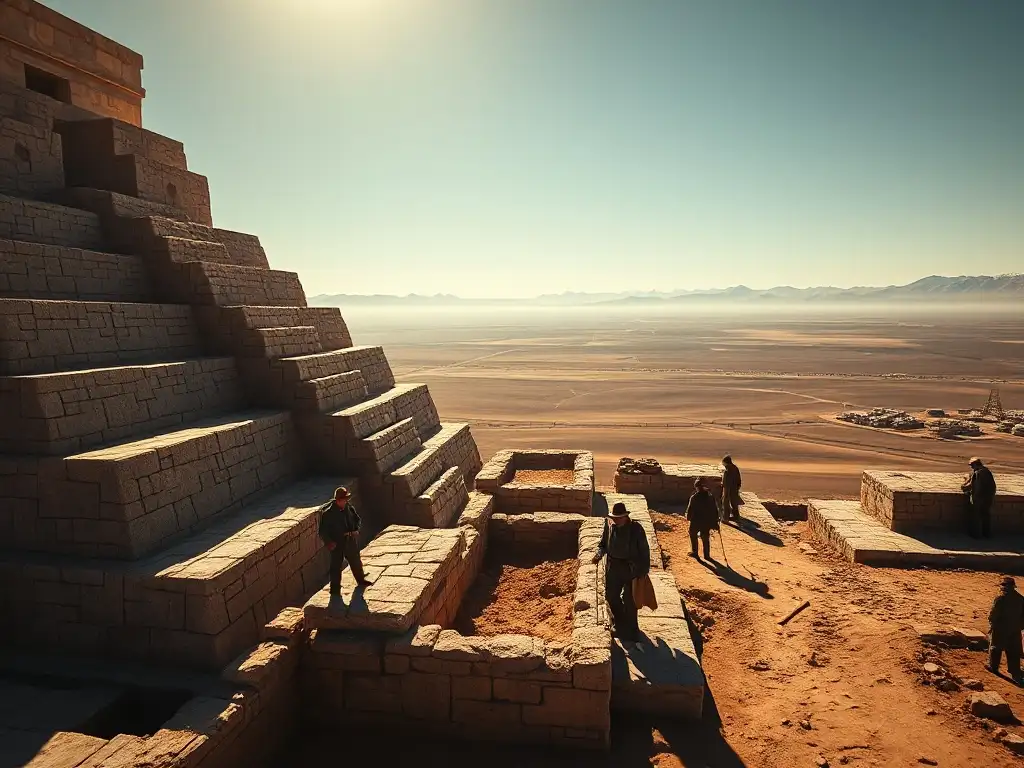
This section delves into recent archaeological findings at Tiahuanaco, offering new perspectives on this enigmatic civilization and its enduring legacy. We'll explore the significance of recent excavations, analyze newly discovered artifacts, and discuss the ongoing research that continues to unravel the mysteries surrounding this high-altitude city. The unveiling of these "Tiahuanaco mysteries revealed" provides crucial insights into the daily life, religious practices, and societal structures of this remarkable Andean culture.
Recent Excavations at Tiahuanaco: Unearthing New Clues
Recent excavations at Tiahuanaco have yielded compelling evidence that challenges previously held assumptions about the city's development and its inhabitants. For instance, the discovery of a previously unknown residential complex near the Kalasasaya temple complex suggests a more densely populated urban center than previously imagined. Analysis of the unearthed structures reveals sophisticated building techniques, including intricate stonework and complex drainage systems, hinting at a high level of urban planning and engineering prowess.
Furthermore, the discovery of numerous ceramic fragments with unique iconography provides valuable insights into the artistic expressions and religious beliefs of the Tiahuanaco people. The meticulous documentation of these finds, including detailed stratigraphic records and photographic evidence, is crucial for future research and interpretation. The careful preservation of these fragile artifacts is also paramount for safeguarding this invaluable cultural heritage.
This careful process of uncovering and analyzing these finds provides a deeper understanding of the "Tiahuanaco mysteries revealed" through meticulous archaeological work. The sheer scale of these recent excavations suggests that many more secrets of this ancient city remain to be unearthed.
Analyzing Tiahuanaco's Artifacts: New Perspectives
The analysis of artifacts unearthed at Tiahuanaco provides crucial insights into the social, religious, and economic aspects of this advanced civilization. For example, the intricate carvings found on many stone objects, including the famous Gate of the Sun, continue to fascinate researchers. New interpretations of these carvings suggest a complex cosmology, with intricate depictions of deities, celestial bodies, and symbolic representations of the natural world.
The use of advanced techniques such as 3D scanning and digital modeling allows for a more detailed and comprehensive analysis of these artifacts. Furthermore, the study of ceramic fragments and textiles provides valuable information about the daily life of the Tiahuanaco people. The diversity of pottery styles, ranging from simple utilitarian vessels to elaborately decorated ceremonial pieces, reflects the social stratification and economic specialization within the city.
The analysis of textile fragments, employing techniques such as fiber analysis and dye identification, reveals the sophisticated textile production techniques employed by Tiahuanaco artisans. These "Tiahuanaco mysteries revealed" through artifact analysis paint a vivid picture of a vibrant and complex society.
The Future of Tiahuanaco Research: Ongoing Investigations
The ongoing research at Tiahuanaco promises to further unravel the mysteries surrounding this remarkable civilization. Future investigations will focus on several key areas, including a more comprehensive understanding of the city's water management systems, the role of agriculture in the Tiahuanaco economy, and the nature of its political and social organization. The application of new technologies, such as ground-penetrating radar and remote sensing, will aid in the identification of previously unknown structures and features.
Furthermore, interdisciplinary collaboration between archaeologists, anthropologists, and other specialists will provide a more holistic understanding of the Tiahuanaco culture. The ongoing research represents a collective effort to understand this ancient civilization, ensuring that the "Tiahuanaco mysteries revealed" enrich our understanding of Andean history and culture for generations to come.
The continued exploration and analysis of Tiahuanaco promises to reveal even more fascinating insights into this remarkable civilization, further solidifying its place as a significant landmark in Andean history. This ongoing work ensures that the enigma of Tiahuanaco continues to fascinate and inspire future generations of researchers and enthusiasts alike.
Visiting Tiahuanaco Today: Experiencing the Ancient City
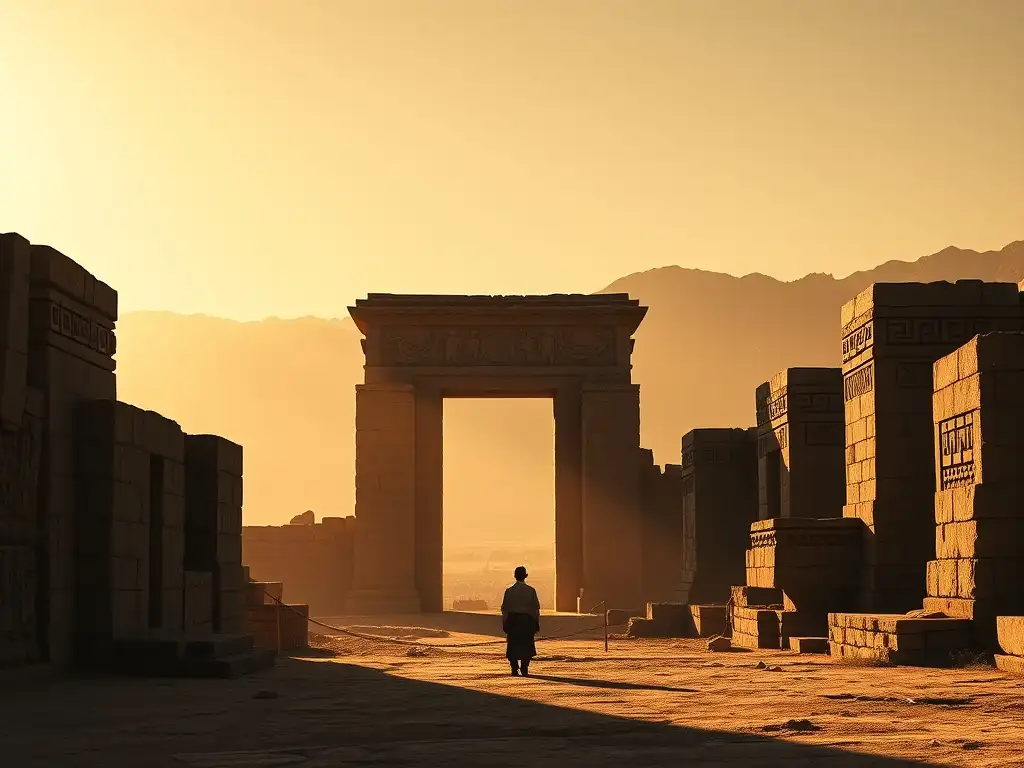
This section delves into the practicalities and experiences of visiting the remarkable archaeological site of Tiahuanaco, offering insights for both the seasoned traveler and the first-time visitor. Understanding the logistics and what to expect will enhance your journey into this captivating pre-Columbian civilization. Exploring Tiahuanaco's mysteries revealed today requires careful planning and a keen appreciation for the site's significance.
Planning Your Trip to Tiahuanaco: Practical Considerations
Planning a trip to Tiahuanaco requires considering several factors to ensure a smooth and enriching experience. The site is located approximately 72 kilometers west of La Paz, Bolivia, at a high altitude (around 3,841 meters or 12,600 feet). Altitude sickness is a real concern; acclimatizing in La Paz for a day or two before your visit is strongly recommended.
- Transportation: Buses depart regularly from La Paz's central bus station. Consider hiring a private taxi for a more comfortable and flexible journey, especially if traveling with a group. The journey takes approximately 1.5 to 2 hours.
- Time of Year: The best time to visit is during the dry season (May to October) when the weather is generally clearer and warmer. However, even during the dry season, sudden changes in weather are possible, so pack accordingly.
- What to Bring: Essential items include sunscreen (high SPF), a hat, sunglasses, comfortable walking shoes (the site involves a fair amount of walking), water (stay hydrated! ), and layers of clothing to adapt to changing temperatures.
- Guided Tours: While exploring independently is possible, a guided tour is highly recommended. A knowledgeable guide can provide invaluable context and enrich your understanding of Tiahuanaco's history, architecture, and cultural significance. They can also help unravel some of the Tiahuanaco mysteries revealed through detailed analysis of the site's features.
Tiahuanaco's Archaeological Site: What to Expect
Upon arrival at the Tiahuanaco archaeological site, you'll be greeted by the imposing presence of ancient structures. The scale and precision of the stonework are breathtaking. Key features to explore include:
- The Puerta del Sol (Sun Gate): This iconic monolithic gateway is intricately carved with intricate designs and figures, fueling much speculation and debate among researchers. Many consider it to be one of the most significant Tiahuanaco mysteries revealed.
- The Kalasasaya Temple: A large platform structure, the Kalasasaya is believed to have played a central role in religious ceremonies. Its massive stones, some weighing several tons, were precisely fitted together without mortar, a testament to the advanced engineering skills of the Tiahuanaco people.
- The Akapana Pyramid: Once a towering structure, the Akapana pyramid now stands partially ruined. Archaeological excavations have revealed complex water management systems, hinting at the sophisticated technology of this ancient civilization. The mysteries revealed about its complex internal layout continue to fascinate researchers.
- Other Structures: Numerous other smaller structures, plazas, and residential areas are scattered throughout the site, offering a glimpse into the daily life of the Tiahuanaco people. Careful observation can reveal intricate details that further illuminate the Tiahuanaco mysteries revealed through ongoing research.
The Museum at Tiahuanaco: Interpreting the Past
Adjacent to the archaeological site is a museum that houses a significant collection of artifacts recovered from Tiahuanaco and the surrounding region. This museum provides a valuable complement to your exploration of the site itself. The exhibits showcase a wide range of artifacts, including:
- Ceramics: Pottery fragments reveal stylistic variations and changes over time, offering insights into the evolution of Tiahuanaco culture.
- Stone Sculptures: Intricately carved stone sculptures, including representations of deities and mythical creatures, further enhance our understanding of Tiahuanaco religion and cosmology.
- Textiles: Textile fragments showcase the advanced weaving techniques of the Tiahuanaco people, highlighting their artistic skills and mastery of textile production.
- Other Artifacts: The museum also exhibits tools, ornaments, and other artifacts that provide further glimpses into the daily life and cultural practices of this ancient civilization. The museum is crucial for further unraveling the Tiahuanaco mysteries revealed through the archaeological record. The careful curation and presentation of these artifacts provide invaluable context to your understanding of Tiahuanaco's rich legacy. Visiting the museum allows for a more comprehensive understanding of the Tiahuanaco mysteries revealed.
Preserving Tiahuanaco: The Importance of Conservation
The monumental structures of Tiahuanaco, weathered by centuries of exposure to the harsh Andean climate and the relentless march of time, stand as testaments to a remarkable civilization. However, their very survival is threatened by a variety of factors, making conservation efforts paramount. Understanding the importance of preserving this invaluable cultural heritage is crucial for future generations. The fragility of the site, particularly its sun-baked adobe bricks and intricately carved stonework, necessitates a multifaceted approach to conservation. This includes not only protecting the physical structures but also mitigating the environmental factors that contribute to their deterioration.
The effects of freeze-thaw cycles, common at high altitudes, cause significant damage to the ancient stones. Water seeps into cracks and crevices, expands upon freezing, and weakens the integrity of the structures. Similarly, the intense solar radiation and wind erosion gradually wear away at the surface details, obscuring the intricate carvings and diminishing the overall aesthetic appeal. Furthermore, human activity, including tourism and even well-intentioned restoration efforts, can inadvertently contribute to damage if not carefully managed. Therefore, a comprehensive understanding of these destructive forces is essential to develop effective preservation strategies.
One crucial aspect of preserving Tiahuanaco involves implementing sustainable tourism practices. This means carefully managing visitor flow to minimize physical impact on the structures and the surrounding landscape. Educational initiatives aimed at increasing awareness among tourists regarding responsible behavior are also essential. Furthermore, meticulous documentation and ongoing monitoring of the site's condition are vital for tracking deterioration and informing adaptive conservation measures. This includes utilizing advanced technologies, such as laser scanning and ground-penetrating radar, to assess the structural integrity of the monuments and identify areas requiring immediate attention.
Investing in research and development of innovative conservation techniques is also crucial. Scientists and archaeologists are constantly exploring new methods for stabilizing the structures, protecting them from environmental damage, and restoring damaged sections while maintaining the site's authenticity. The development of environmentally friendly materials and techniques is particularly important to avoid further damaging the already fragile structures.
The challenge lies in balancing the need for preservation with the desire to maintain the historical integrity of the site, ensuring that future generations can appreciate Tiahuanaco's remarkable legacy without compromising its authenticity. The long-term preservation of Tiahuanaco is a continuous process requiring sustained commitment, collaboration, and innovative approaches. Only through these concerted efforts can we ensure that the mysteries of Tiahuanaco continue to be revealed for centuries to come.
Tiahuanaco's Enduring Legacy: Lessons from the Past
This section delves into the profound and lasting impact of Tiahuanaco, exploring its influence on subsequent Andean civilizations and its contributions to engineering and architecture. Unraveling the Tiahuanaco mysteries revealed a civilization far more advanced than previously thought, leaving an indelible mark on the region's cultural heritage.
The sheer scale of its achievements continues to inspire awe and wonder, prompting ongoing research and debate amongst archaeologists and historians. The legacy of Tiahuanaco is not merely a historical footnote; it's a vibrant thread woven into the tapestry of Andean history, influencing artistic styles, religious beliefs, and societal structures for centuries after its decline.
The Impact of Tiahuanaco on Andean Civilizations
Tiahuanaco's influence extended far beyond its geographical boundaries. Its sophisticated administrative and religious systems, evidenced by the uniformity of certain artifacts found across vast distances, suggest a powerful and far-reaching empire. The Tiahuanaco style, characterized by its distinctive artistic motifs – including the iconic "Chakana" cross and stylized depictions of deities – is readily identifiable in the ceramics, textiles, and architecture of later Andean cultures, such as the Wari and Inca.
This dissemination of cultural elements demonstrates a significant level of interaction and, arguably, dominance, exerted by Tiahuanaco over neighboring societies. The adoption of Tiahuanaco's religious beliefs, involving complex rituals and a pantheon of gods, further highlights its pervasive influence on the spiritual landscape of the Andes.
The extent of this impact is still being researched, with ongoing archaeological discoveries continually reshaping our understanding of Tiahuanaco's role in shaping Andean civilization. Many Tiahuanaco mysteries revealed through recent excavations suggest even more complex interactions than previously imagined.
Tiahuanaco's Contributions to Engineering and Architecture
The engineering prowess of Tiahuanaco is breathtaking, especially considering the challenges presented by its high-altitude location. The city's monumental structures, including the Kalasasaya temple and the Akapana pyramid, demonstrate a sophisticated understanding of stonework, hydraulics, and urban planning. The precise cutting and fitting of massive stone blocks, some weighing many tons, showcases an advanced level of craftsmanship and organizational skill.
The intricate network of canals and water management systems, designed to efficiently distribute water in a typically arid environment, provides further evidence of their advanced engineering capabilities. These achievements weren't simply feats of brute strength; they required sophisticated planning, specialized tools, and a deep understanding of physics and engineering principles.
Analysis of the construction techniques employed at Tiahuanaco continues to reveal innovative solutions to complex engineering problems, many of which remain unexplained, adding to the intrigue surrounding this remarkable civilization. The Tiahuanaco mysteries revealed by these engineering marvels continue to challenge modern engineers and architects.
The Timeless Mystery of Tiahuanaco: Continued Fascination
Despite extensive research, many aspects of Tiahuanaco remain shrouded in mystery. The precise reasons for its rise and fall, the nature of its social and political organization, and the meaning of its intricate iconography continue to fuel debate and inspire new investigations. The lack of a comprehensive written language presents a significant obstacle, forcing researchers to rely on archaeological evidence, iconographic analysis, and comparative studies with other Andean cultures to piece together a coherent narrative.
The ongoing excavation and analysis of Tiahuanaco's monumental structures, coupled with advancements in scientific dating and analytical techniques, are slowly but surely revealing new insights into this enigmatic civilization. The enduring fascination with Tiahuanaco stems not only from its impressive achievements but also from the tantalizing mysteries that still remain.
The "Tiahuanaco mysteries revealed" continue to attract researchers and enthusiasts alike, ensuring that the study of this remarkable civilization will continue for generations to come. The uncovering of new information consistently rewrites our understanding, highlighting the enduring power of Tiahuanaco's legacy.
Frequently Asked Questions
What makes Tiahuanaco such a mysterious site?
Tiahuanaco's enigmatic architecture, advanced stonework techniques, and lack of clear historical records surrounding its construction and purpose contribute to its mysterious nature. Its sudden decline also remains a puzzle.
What are some of the most significant architectural features of Tiahuanaco?
The Gateway of the Sun, the Kalasasaya Temple, and the semi-subterranean structures are among the most prominent architectural marvels, showcasing impressive stone-cutting and fitting techniques. Their functions remain debated.
How did the people of Tiahuanaco manage to build such a sophisticated city at high altitude?
The engineering prowess of the Tiahuanaco people is remarkable, considering the challenging high-altitude environment. They developed sophisticated techniques for water management and resource allocation.
What is known about the Tiahuanaco culture and its beliefs?
While much remains unknown, evidence suggests a complex religious system with fertility and water deities playing central roles. Agricultural practices and astronomical observations were likely integrated into their beliefs.
What are some of the ongoing mysteries surrounding Tiahuanaco that researchers are still trying to solve?
The precise reasons for Tiahuanaco's decline, the full extent of its influence on surrounding cultures, and the exact purpose of many of its structures are still actively being investigated by archaeologists.
Final Reflection: Echoes of Tiahuanaco: A Legacy of Mystery and Wonder
The enigmatic city of Tiahuanaco continues to resonate with us today, not merely as a historical curiosity, but as a powerful testament to human ingenuity and the enduring allure of the unknown. Its sophisticated architecture, complex social structures, and unanswered questions challenge our understanding of ancient civilizations and force us to reconsider our assumptions about the capabilities of pre-Columbian societies. The mysteries surrounding its sudden decline only amplify its captivating power, leaving us to ponder the fragility of even the most advanced cultures.
Tiahuanaco's influence extends far beyond its physical remains; its legacy is woven into the cultural fabric of the Andes, inspiring awe and sparking endless debate among archaeologists, historians, and the general public alike. The very act of searching for answers, of piecing together fragments of a lost civilization, speaks to our innate human desire to understand our past and connect with our origins. The past is never dead. It's not even past.
– William Faulkner. This quote perfectly encapsulates the enduring relevance of Tiahuanaco, a city whose secrets continue to shape our understanding of the past and inform our present.
Consider the ingenuity of a civilization that thrived at such a high altitude, mastering complex irrigation systems and monumental construction techniques. Let Tiahuanaco's story inspire you to appreciate the resilience and creativity of the human spirit. Let the unanswered questions fuel your own curiosity, prompting you to explore the mysteries that surround us, both ancient and modern. Embrace the wonder of the unknown, and perhaps, you too, will uncover your own hidden secrets, your own personal Tiahuanaco.
Uncover the Mysteries of Tiahuanaco!
Thank you for exploring the wonders of Tiahuanaco with us! You've gained valuable insights into this remarkable ancient Andean city. Now, let's delve even deeper!
Here are some ways to further connect with Tiahuanaco and its secrets:
- **Learn from the experts:** Join a guided tour, either in person or online, to gain a deeper understanding of what makes this city so unique.
- **Share your discoveries:** Discuss Tiahuanaco with friends, family, or online communities, sharing the fascinating knowledge you've gained.
- **Expand your exploration:** Visit related archaeological sites or museums to further explore the rich history of Andean civilizations.
What aspect of Tiahuanaco surprised you most, and how will this newfound knowledge inspire your future explorations?