
Unveiling the Enigma: Andean Cultural Sites and the Stories They Whisper

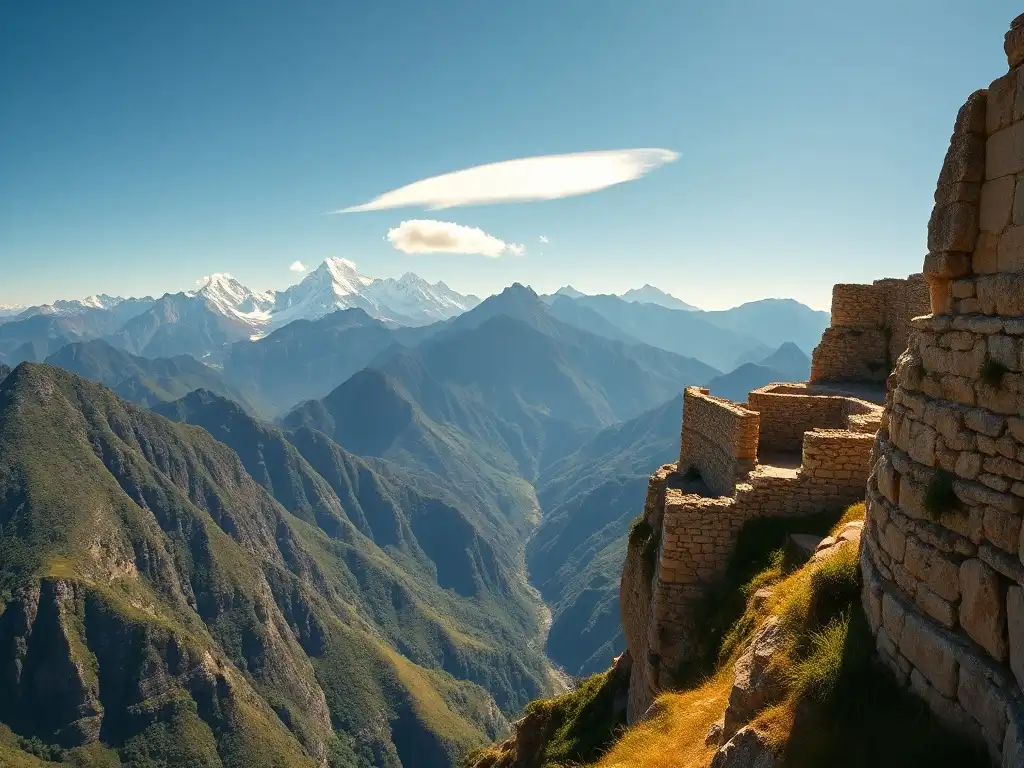
Welcome, explorer! Prepare to be captivated by the echoes of a lost world. This journey into Ancient Andean cultural site history unveils the breathtaking ingenuity and enduring legacy of civilizations that thrived amongst the majestic Andes mountains. From the intricate artistry of the Nazca lines to the monumental architecture of the Incas, we delve into the mysteries and marvels that still whisper from these ancient lands. Dare to uncover the secrets hidden within these remarkable sites – your adventure begins now.
The Andes Mountains, a spine of towering peaks running down the western edge of South America, are not just a geographical feature; they are the cradle of some of the world's most fascinating and enduring civilizations. For millennia, ingenious cultures thrived in this challenging landscape, leaving behind a legacy of breathtaking architectural marvels, intricate artistry, and complex societal structures.
This article delves into the rich tapestry of Ancient Andean cultural site history, exploring the enigmatic sites that whisper tales of innovation, resilience, and spiritual depth. From the sun-drenched coastal plains to the high-altitude valleys, we will uncover the stories embedded within the stones, ceramics, and textiles of the Incas, Moche, Nazca, and Tiahuanaco, among others.
Understanding these ancient Andean cultures provides invaluable insight into human ingenuity and adaptation, offering a compelling narrative that transcends geographical boundaries and resonates with modern audiences. We will examine not only the physical remains but also attempt to decipher the beliefs, practices, and societal organization that shaped these remarkable civilizations.
Exploring the Legacy of Ancient Andean Civilizations
The Andes weren't simply inhabited; they were shaped and reshaped by successive waves of human innovation. Each civilization built upon the foundations laid by its predecessors, resulting in a complex and layered history. Understanding this historical evolution requires examining the unique characteristics of each major culture and their contributions to the broader Andean legacy.
This involves considering their agricultural techniques, adapted to the diverse Andean ecosystems; their sophisticated astronomical knowledge, reflected in their monumental architecture; and their intricate social hierarchies, which often involved powerful religious leaders and skilled artisans. The impact of these civilizations extends far beyond their physical remains; their ingenuity and resilience continue to inspire awe and admiration. We'll explore this fascinating evolution through specific examples, highlighting the key innovations and cultural achievements of each civilization.
Machu Picchu: The Lost City of the Incas
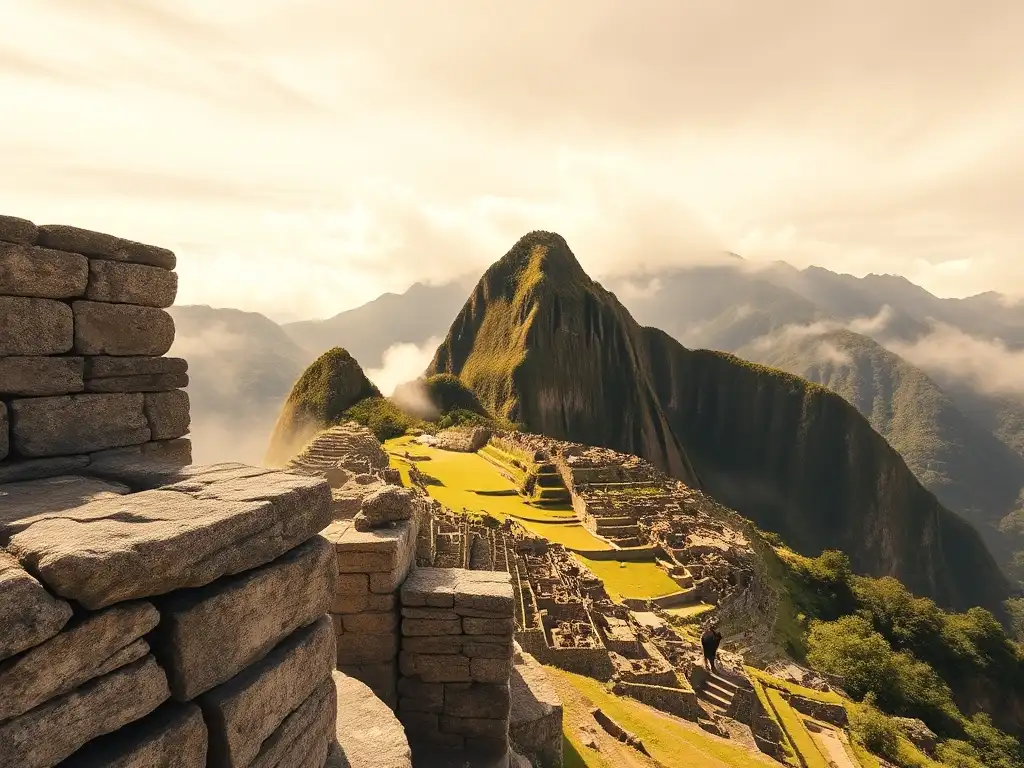
Machu Picchu, perhaps the most iconic Andean site, stands as a testament to Inca ingenuity and architectural prowess. Built high in the Andes Mountains, this "lost city" remained hidden from the outside world for centuries, only rediscovered relatively recently. Its intricate stonework, terraced agriculture, and sophisticated water management systems showcase the Incas' mastery of engineering and their deep connection to their environment.
But Machu Picchu was more than just a city; it was a crucial center of religious and administrative power, a reflection of the Inca Empire's sophisticated social and political organization. The sheer scale and precision of the construction, even considering the tools available at the time, remain a source of wonder and continue to fuel ongoing research and study. Archaeologists continue to uncover new insights into the city’s purpose and function, enriching our understanding of Inca civilization.
The Nazca Lines: A Mystery Etched in the Desert
The Nazca Lines, a series of massive geoglyphs etched into the Peruvian desert, present a captivating enigma. These colossal figures of animals, plants, and geometric shapes, visible only from the air, have baffled researchers for decades. Their purpose remains debated, with theories ranging from astronomical observatories to ritualistic sites.
Their creation, considering the scale and precision involved, speaks volumes about the Nazca people's advanced understanding of geometry and their sophisticated social organization capable of coordinating such a massive undertaking. The sheer scale of the project and the mystery surrounding its purpose continue to captivate researchers and visitors alike, solidifying the Nazca Lines' place as one of the most intriguing ancient Andean cultural sites.
Tiahuanaco: A Megalithic Center of Power
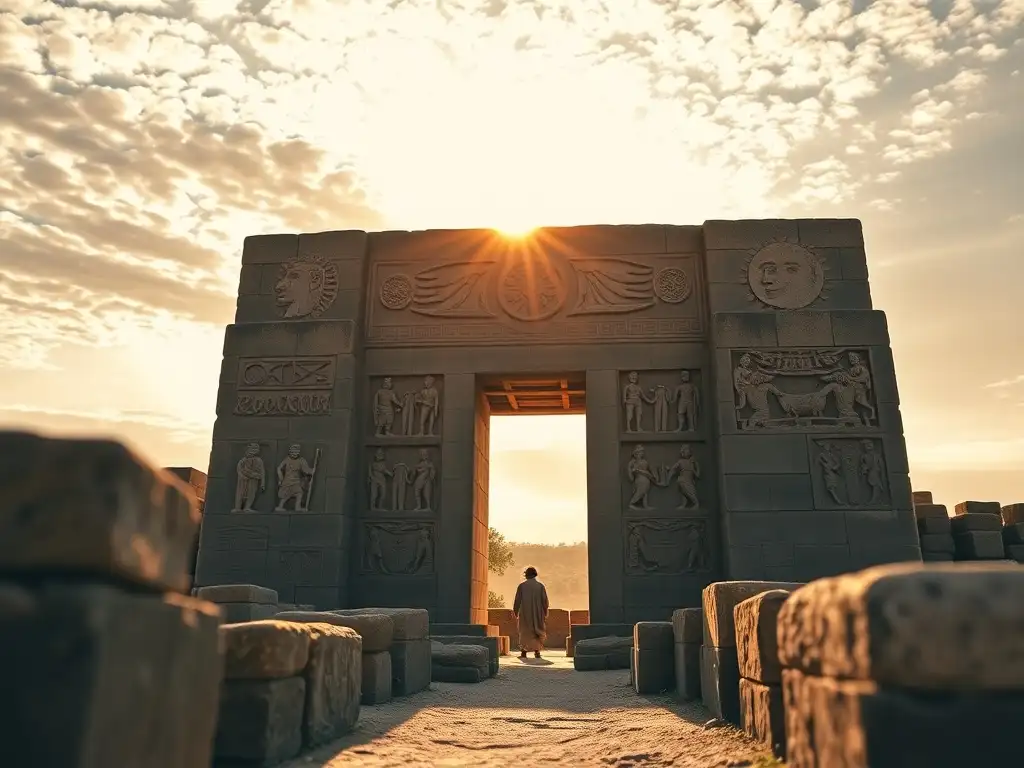
Tiahuanaco, located on the shores of Lake Titicaca, was a powerful and influential center during the pre-Inca period. Its monumental architecture, characterized by massive stone structures and intricate carvings, reveals a sophisticated level of engineering and artistry. The site's importance extended far beyond its immediate vicinity, influencing the development of other Andean cultures. The precise methods used in constructing these massive structures, and the societal organization required to achieve such a feat, continue to be subjects of intense study and speculation. Tiahuanaco's legacy extends beyond its physical remains, leaving an indelible mark on the cultural landscape of the Andes.
Moche's Legacy: Art, Warfare, and Religious Beliefs
The Moche civilization, known for its remarkable artistry and sophisticated irrigation systems, flourished on the northern coast of Peru. Their pottery, often depicting scenes of daily life, warfare, and religious rituals, provides invaluable insights into their culture and beliefs. The Moche's advanced understanding of hydraulic engineering allowed them to cultivate the arid coastal plains, supporting a large and complex society.
Their intricate metalwork and impressive architectural remains further underscore their technological achievements. Their art, often depicting vivid and graphic scenes, continues to fascinate and inform our understanding of their complex religious beliefs and social structures. The Moche left behind a powerful legacy, demonstrating the capacity for human innovation and adaptation even in challenging environments.
- Exploring the Legacy of Ancient Andean Civilizations
- Machu Picchu: The Lost City of the Incas
- The Nazca Lines: A Mystery Etched in the Desert
- Tiahuanaco: A Megalithic Center of Power
- Moche's Legacy: Art, Warfare, and Religious Beliefs
- Machu Picchu: The Lost City of the Incas and its Historical Context
- Sacsayhuaman: Unveiling the Architectural Marvels of Incan Engineering
- Chan Chan: Exploring the Largest Pre-Columbian City in South America
- Nazca Lines: Deciphering the Enigmatic Geoglyphs of the Nazca Culture
- Tiwanaku: Delving into the Mysteries of the Pre-Incan Tiwanaku State
- Caral: Discovering the Oldest City in the Americas
- What makes Andean civilizations unique in ancient history?
- How did the Inca Empire impact the Andean region?
- What are some of the most significant ancient Andean cultural sites?
- What role did religion play in Andean civilizations?
- How can I learn more about the "Ancient Andean Cultural Site History"?
The Historical Significance of Andean Cultural Sites
The historical significance of Andean cultural sites cannot be overstated. These locations serve as tangible links to a rich and complex past, offering invaluable insights into the development of sophisticated societies long before European contact. Understanding these sites is crucial to comprehending the evolution of Andean civilization, its remarkable achievements, and its lasting legacy.
The sheer scale and artistry of many of these sites—from monumental architecture to intricate textiles—testify to the advanced engineering, social organization, and artistic capabilities of these ancient cultures. The study of these sites is not merely an academic exercise; it's a vital process for preserving cultural heritage and fostering a deeper appreciation for the human experience across millennia. Analyzing the architecture, artifacts, and environmental context provides a multifaceted understanding of the societies that built and inhabited them.
The preservation and interpretation of these sites are crucial for future generations to connect with their ancestral past and learn from the triumphs and challenges faced by these remarkable civilizations. This understanding is critical for interpreting their social structures, religious beliefs, and economic systems. The enduring impact of these ancient cultures is evident in the modern Andes, where traditions and practices continue to reflect their rich heritage.
Tracing the Origins of Andean Civilization through Archaeological Sites
Archaeological sites across the Andes offer a chronological journey through the development of Andean civilization. Early settlements, often characterized by simple agricultural practices and rudimentary architecture, provide a foundation for understanding the transition from nomadic lifestyles to settled agrarian communities. Sites like Caral in Peru, dating back to 3000 BCE, challenge traditional narratives about the late emergence of complex societies in the Americas.
The discovery of sophisticated irrigation systems and monumental structures at Caral indicates a level of social organization and engineering prowess previously underestimated. Subsequent periods witnessed the rise of powerful regional cultures, each leaving behind a unique architectural signature and artistic style. The Moche culture, renowned for its elaborate ceramics and monumental pyramids, provides a vivid picture of a society with a highly developed artistic sensibility and a complex social hierarchy.
Similarly, the Nazca lines, a vast network of geoglyphs etched into the desert landscape, remain an enigma, prompting ongoing research and debate regarding their purpose and creation. By meticulously excavating and analyzing these sites, archaeologists reconstruct the daily lives, religious beliefs, and political structures of these ancient Andean societies, offering a compelling narrative of their evolution and achievements. The meticulous recording of artifacts, alongside the careful analysis of their context within the site, provides crucial data for building a comprehensive understanding of "Ancient Andean cultural site history."
The Role of Sacred Spaces in Andean Culture
Sacred spaces played a pivotal role in the lives of Andean societies, serving as focal points for religious rituals, political power, and social cohesion. These spaces, often incorporated into monumental architecture, reflect a profound connection between the Andean people and their environment, emphasizing the spiritual significance of mountains, water sources, and celestial bodies. For example, Machu Picchu, famed for its breathtaking setting in the Andes Mountains, was likely a royal estate and religious center, with structures meticulously aligned with astronomical events. The intricate network of temples, terraces, and water channels reflects the sophisticated understanding of Andean cosmology and the profound respect for the natural world.
Similarly, the ceremonial centers of Tiahuanaco, with their massive stone structures and intricate carvings, suggest a highly centralized religious system that exerted considerable influence over a vast region. The presence of specific artifacts and architectural features within these sacred spaces provides valuable clues to understanding Andean religious beliefs, cosmological concepts, and ritual practices. The study of these sacred spaces is essential for understanding the interplay between religion, politics, and society in shaping Andean civilizations.
Analyzing the iconography, ritual objects, and spatial arrangements within these sites allows researchers to reconstruct the complex religious beliefs and practices of these societies. The enduring influence of these sacred spaces is evident in contemporary Andean communities, where many continue to hold spiritual significance. The careful preservation of these sites is not only crucial for preserving cultural heritage but also for maintaining a vital connection to the spiritual traditions of the Andean people.
Key Ancient Andean Cultural Sites: A Journey Through Time
This section delves into the historical significance and architectural marvels of several key Ancient Andean cultural sites, offering a glimpse into the ingenuity and complexity of these fascinating civilizations. Understanding these sites is crucial to grasping the rich tapestry of "Ancient Andean cultural site history". We will explore iconic locations, examining their construction, purpose, and enduring legacy.
Machu Picchu: The Lost City of the Incas and its Historical Context
Machu Picchu, the "Lost City of the Incas," remains one of the most iconic and enigmatic sites in the Andes. Its breathtaking location, perched high in the Andes Mountains, adds to its mystique. However, its historical context extends beyond its stunning scenery. Built during the 15th century, during the reign of Pachacuti Inca Yupanqui, Machu Picchu wasn't simply a city; it served multiple purposes.
Evidence suggests it functioned as a royal estate, a religious center, and potentially a strategic military outpost. The precise reasons for its abandonment remain a subject of ongoing research and debate, with theories ranging from disease outbreaks to Inca civil war. However, its rediscovery in 1911 by Hiram Bingham brought it to global attention, solidifying its place as a symbol of Inca ingenuity and resilience.
The meticulous stonework, the sophisticated agricultural terraces, and the intricate water management systems all speak volumes about the advanced knowledge and engineering capabilities of the Inca civilization. The discovery of numerous artifacts, including ceramics, tools, and textiles, further enriches our understanding of daily life within the city.
The site's enduring appeal lies not only in its architectural splendor but also in the profound connection it offers to the rich "Ancient Andean cultural site history". Further research is needed to fully unlock all the secrets this incredible site holds.
Sacsayhuaman: Unveiling the Architectural Marvels of Incan Engineering
Sacsayhuaman, located near Cusco, stands as a testament to the impressive engineering prowess of the Inca. This massive fortress, constructed from colossal stones weighing many tons, is a breathtaking display of Incan architectural skills. The precise methods used to transport and place these enormous stones remain a subject of fascination and speculation, with some suggesting the use of advanced ramps and levers. The sheer scale of Sacsayhuaman is awe-inspiring; its walls extend for several kilometers, encompassing a vast area.
Beyond its imposing size, the site's strategic location offered excellent defensive capabilities. The intricate design of the walls, with their zig-zag pattern and strategically placed towers, allowed for effective defense against potential invaders. The precision with which the stones were cut and fitted together is remarkable; many stones interlock perfectly without the use of mortar, showcasing the advanced understanding of stonework possessed by Inca builders.
The site also holds significant religious significance, with evidence suggesting it served as a sacred site for important ceremonies and rituals. Understanding the construction techniques and the symbolic meaning behind Sacsayhuaman provides vital insights into the sophisticated culture and societal organization of the Inca Empire, adding another layer to the narrative of "Ancient Andean cultural site history".
Chan Chan: Exploring the Largest Pre-Columbian City in South America
Chan Chan, located on the northern coast of Peru, stands as the largest pre-Columbian city in South America. Built by the Chimú civilization between the 9th and 15th centuries, this expansive city is a remarkable example of urban planning and architectural achievement. Unlike the stone structures of the Inca, Chan Chan was constructed primarily from adobe, a sun-dried brick material. This unique building material, combined with the city's intricate layout of palaces, residential areas, and storage facilities, makes Chan Chan a truly exceptional archaeological site.
The city's layout is characterized by a series of ten large walled compounds, or "ciudades," each with its own distinct features. These compounds housed the ruling elite and their families, and were adorned with elaborate decorations and intricate designs.
The walls were often adorned with intricate reliefs depicting various motifs, such as stylized animals and geometric patterns, providing clues about the Chimú worldview and artistic sensibilities. The city's sophisticated irrigation system, which harnessed water from nearby rivers, allowed for the cultivation of crops and sustained a large population.
The remarkable preservation of certain sections of Chan Chan, despite its age and the ravages of time and natural disasters, allows researchers to gain valuable insights into the social structure, economy, and daily life of the Chimú civilization, significantly contributing to our understanding of "Ancient Andean cultural site history". The ongoing research and conservation efforts at Chan Chan are crucial for preserving this extraordinary legacy for future generations.
Nazca Lines: Deciphering the Enigmatic Geoglyphs of the Nazca Culture
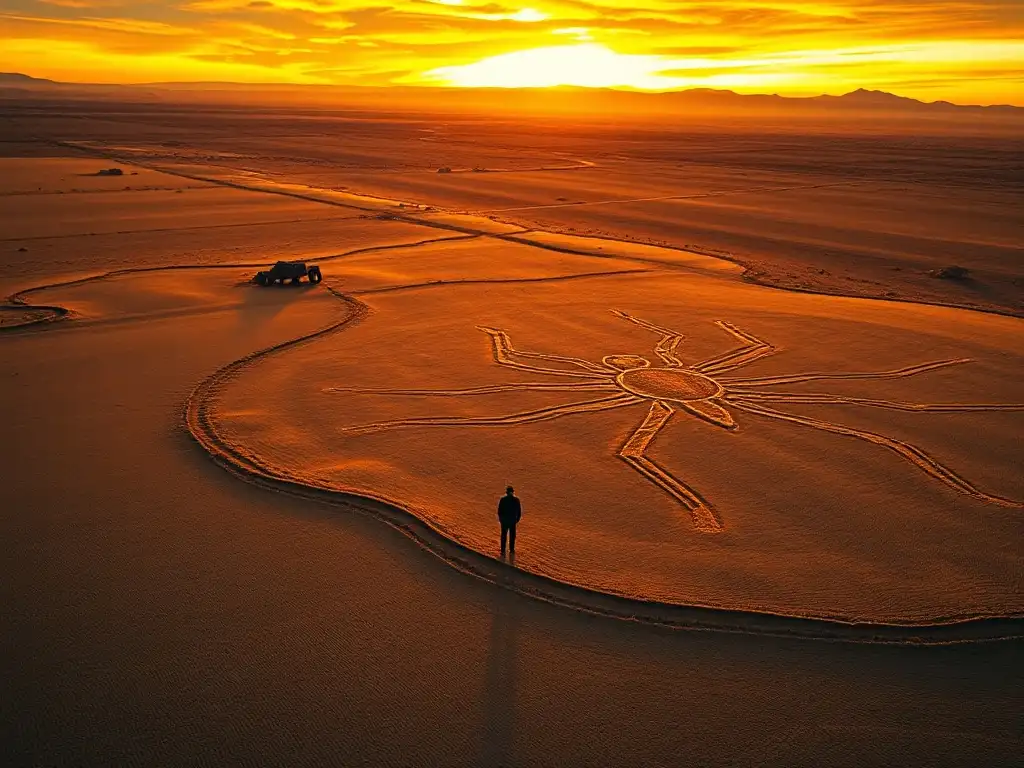
The Nazca Lines, sprawling across the arid Pampas of southern Peru, stand as one of the most enigmatic archaeological marvels of the Ancient Andean world. These colossal geoglyphs, etched into the desert surface, depict a vast array of figures: animals like hummingbirds, monkeys, and lizards; stylized plants; and geometric shapes. Their sheer scale – some stretching over a hundred meters in length – is breathtaking, demanding explanation.
The precision with which they were created, considering the lack of sophisticated surveying tools available to the Nazca people, is equally astounding. Scholars have proposed various theories regarding their purpose, ranging from astronomical calendars to ritualistic pathways or representations of deities. The lack of written records from the Nazca civilization itself significantly hinders definitive conclusions.
However, recent research utilizing advanced imaging technologies has shed new light on the construction techniques and potential meanings of these iconic geoglyphs, suggesting a complex interplay of astronomical observations, religious practices, and social organization within Nazca society. The mystery surrounding their creation continues to fuel ongoing research and attracts visitors from across the globe, making the Nazca Lines a powerful symbol of ancient Andean ingenuity and cultural complexity. The delicate nature of these ancient lines also highlights the importance of conservation efforts to protect them for future generations, ensuring the preservation of this unique aspect of Ancient Andean cultural site history.
Tiwanaku: Delving into the Mysteries of the Pre-Incan Tiwanaku State
Located on the shores of Lake Titicaca in modern-day Bolivia, Tiwanaku stands as a testament to the sophisticated civilization that flourished there centuries before the Inca Empire. This pre-Incan state, also known as Tiahuanaco, exerted significant influence across a vast region of the Andes, leaving behind a legacy of monumental architecture, intricate artistry, and a complex social structure. The city's signature structures, including the Kalasasaya temple and the Akapana pyramid, showcase remarkable engineering skills.
The precise methods used in the construction of these massive stone structures, some weighing many tons, remain a subject of ongoing debate. Scholars believe that the Tiwanaku civilization developed advanced agricultural techniques to support its growing population, evidenced by its sophisticated irrigation systems and raised fields. Their artistic achievements are equally impressive, with intricate ceramics, textiles, and stone carvings demonstrating a high level of craftsmanship and artistic sophistication.
The unique religious beliefs and cosmological worldview of the Tiwanaku people are reflected in their iconography, revealing a complex understanding of the cosmos and their place within it. Understanding Tiwanaku is crucial to understanding the broader trajectory of Andean cultural site history, as its influence extended far beyond its geographical boundaries, impacting subsequent Andean cultures and shaping the cultural landscape of the region. The ongoing archaeological excavations at Tiwanaku continue to unveil new insights into this fascinating civilization, adding layers of understanding to the rich tapestry of Andean history.
Caral: Discovering the Oldest City in the Americas
Caral, located in the Supe Valley of Peru, challenges conventional narratives of Andean civilization development. Unlike other well-known Andean sites, Caral lacks the monumental architecture and elaborate iconography commonly associated with later Andean cultures. Instead, its significance lies in its age: currently considered the oldest city in the Americas, dating back to approximately 2600 BCE. This discovery dramatically reshapes our understanding of the timeline of societal complexity in the Americas, pushing back the development of urban centers by several centuries.
The city's layout reveals a sophisticated urban planning system, with large public structures, residential areas, and evidence of extensive social organization. The absence of weaponry or evidence of warfare suggests a peaceful society focused on agriculture and resource management. The Caral civilization developed remarkable agricultural practices to support its population, including sophisticated irrigation systems and the cultivation of diverse crops.
Their mastery of architecture is evident in the construction of large platforms and plazas, built using techniques that demonstrate advanced understanding of engineering and construction principles. The discovery of intricate textiles and musical instruments at Caral further highlights the complexity of this early Andean society and its rich cultural heritage. The ongoing research at Caral continues to provide valuable insights into the early development of Andean civilization, demonstrating the depth and complexity of ancient Andean cultural site history long before the rise of the Inca Empire.
The Art and Architecture of Andean Cultural Sites
This section delves into the captivating artistry and architectural marvels of ancient Andean civilizations, exploring how these elements reflect their societal structures, beliefs, and technological prowess. We'll examine the unique artistic expressions found within their structures, the innovative architectural techniques employed, and the profound symbolism embedded within their art and architecture. This exploration will illuminate the ingenuity and complexity of these fascinating cultures, enriching our understanding of Ancient Andean cultural site history.
Understanding Andean Artistic Expressions in Ancient Structures
Andean art wasn't merely decorative; it was deeply intertwined with religious beliefs, social hierarchies, and daily life. Consider the intricate textiles discovered in numerous sites. These aren't just fabrics; they're narratives woven in vibrant colors and complex patterns.
For example, the Paracas culture, predating the Inca, produced incredibly detailed textiles, often featuring anthropomorphic figures and mythical creatures. These textiles, found in tombs and burial sites, provide invaluable insights into their cosmology and worldview. Furthermore, the pottery of the Moche civilization is renowned for its realism and detailed depictions of daily life, warfare, and religious ceremonies.
These ceramic vessels, often highly stylized, serve as visual chronicles of their society. The artistry wasn't limited to textiles and pottery; it extended to metalwork, stone carving, and even the construction techniques themselves, showcasing a remarkable mastery of diverse materials and techniques. The level of skill and detail evident in these artifacts highlights the sophisticated artistic sensibilities of these ancient peoples and contributes significantly to our understanding of Ancient Andean cultural site history.
The intricate carvings found on numerous structures also reveal a deep understanding of artistic principles. The precision and detail exhibited in these works, despite the tools available, are truly remarkable. Studies of these carvings have revealed recurring motifs and patterns, suggesting a shared symbolic language across different Andean cultures.
Further research is needed to fully decipher the meaning behind many of these symbols, but the sheer artistry and craftsmanship remain compelling evidence of their advanced cultural development. The use of color, often derived from natural pigments, adds another layer of complexity and meaning to these artistic expressions. The vibrant hues and their symbolic associations are key to unlocking a deeper understanding of the Ancient Andean cultural site history.
Architectural Innovations of Andean Civilizations
Andean civilizations demonstrated remarkable ingenuity in their architecture, adapting to challenging terrains and utilizing locally available resources. Their mastery of stonework is particularly striking. The precise fitting of stones in structures like Machu Picchu, with minimal use of mortar, showcases an advanced understanding of engineering and construction. The Incas, for example, developed sophisticated techniques for cutting, transporting, and fitting massive stones, creating structures that have withstood the test of time. This advanced understanding of engineering and construction is a cornerstone of Ancient Andean cultural site history.
Beyond the Incas, other Andean cultures also displayed impressive architectural skills. The monumental structures of Tiahuanaco, with their precisely cut and fitted stones, are a testament to their advanced engineering capabilities. The Nazca lines, while not strictly architectural in the traditional sense, demonstrate a sophisticated understanding of geometry and land surveying. These vast geoglyphs, only fully visible from the air, remain an enigma, prompting ongoing research and debate.
The scale and precision of these projects underscore the organizational capabilities and collective efforts required, offering further insight into the social and political structures of these societies. The diverse architectural styles across different Andean cultures reflect their unique environments, technological advancements, and cultural beliefs. Their architectural achievements continue to inspire awe and wonder, enriching our understanding of Ancient Andean cultural site history.
Symbolism and Iconography in Andean Art and Architecture
The symbolism embedded within Andean art and architecture provides crucial clues to their religious beliefs, social structures, and worldview. Recurring motifs, such as the condor, puma, and snake, represent powerful forces in their cosmology. These symbols, often found in textiles, pottery, and stone carvings, likely held significant religious and political meaning. The use of specific colors also held symbolic weight, with different colors associated with different deities or concepts.
For example, red might have represented blood or sacrifice, while yellow might have symbolized the sun. The precise meanings of many symbols remain debated, but ongoing research is gradually unveiling their significance. Understanding this symbolism is essential for a comprehensive interpretation of Ancient Andean cultural site history.
Furthermore, the layout and orientation of structures often reflect astronomical knowledge and religious practices. The alignment of buildings with celestial bodies suggests a deep understanding of astronomy and its relationship to their religious beliefs. The integration of art and architecture into a cohesive worldview creates a rich tapestry of symbolism that continues to fascinate and challenge researchers.
Further analysis of these symbolic elements is crucial for a more complete understanding of these fascinating cultures and their Ancient Andean cultural site history. The enduring legacy of their art and architecture provides a tangible link to the past, enriching our understanding of these remarkable civilizations.
Cultural Heritage and Tourism: Preserving the Andean Legacy
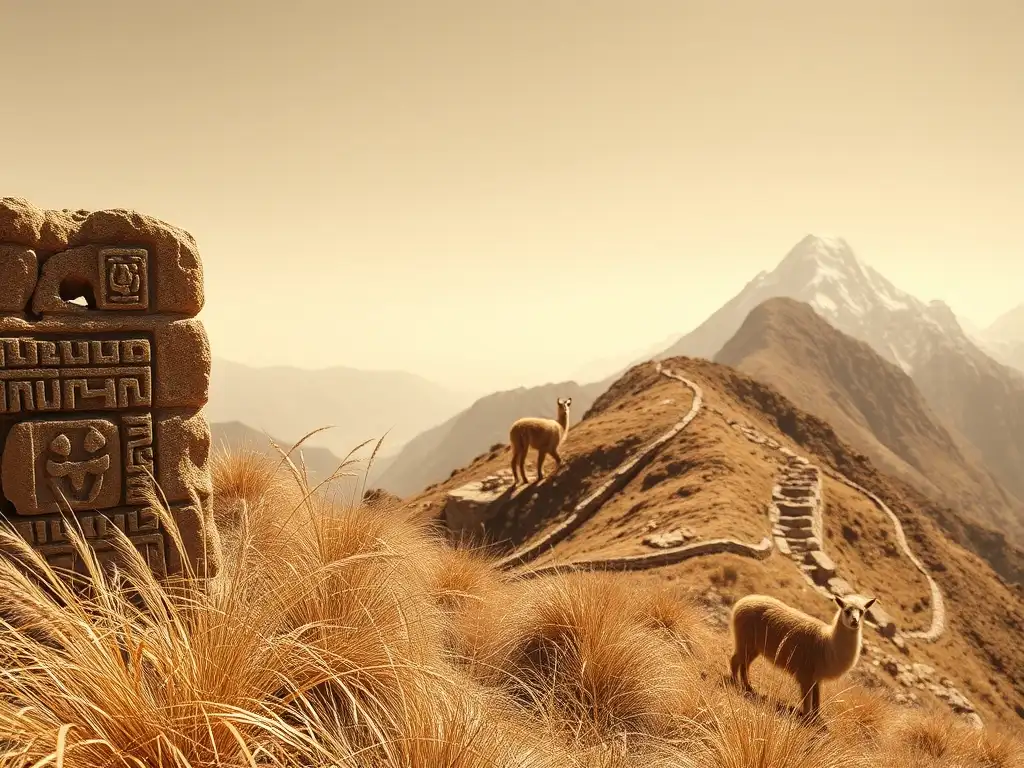
This section delves into the crucial intersection of cultural heritage preservation and tourism within the context of Ancient Andean cultural site history. The delicate balance between allowing access to these invaluable sites and ensuring their long-term survival is a complex issue demanding careful consideration and proactive strategies. The economic benefits of tourism are undeniable, but unchecked growth can lead to irreparable damage to these irreplaceable treasures.
The Importance of Conservation Efforts at Andean Sites
Conservation efforts at Andean sites are paramount for safeguarding the tangible and intangible heritage of these ancient civilizations. These efforts extend beyond simply preventing vandalism or theft; they encompass a multi-faceted approach involving meticulous archaeological investigation, preventative maintenance, and community engagement. For example, the meticulous restoration work undertaken at Machu Picchu, involving the stabilization of structures and the careful removal of encroaching vegetation, stands as a testament to the importance of long-term preservation strategies.
Without such interventions, the ravages of time and the elements would continue to erode these priceless artifacts, leading to the irreversible loss of historical information. Furthermore, the careful documentation of sites, including detailed photographic records and 3D modeling, provides valuable data for future research and conservation efforts. This proactive approach ensures that even as we learn more about these sites, we are simultaneously working to protect them for generations to come.
The ongoing monitoring of environmental factors, such as seismic activity and erosion patterns, also plays a vital role in mitigating potential risks. This proactive approach ensures that we are not simply reacting to damage but actively preventing it.
The successful implementation of conservation projects often depends on collaboration between government agencies, academic institutions, and local communities. This collaborative approach fosters a sense of shared ownership and responsibility, ensuring the long-term sustainability of conservation efforts. The involvement of local communities is particularly crucial, as they often possess invaluable traditional knowledge and skills related to site management and preservation.
Ignoring their input can lead to the alienation of those who are most directly affected by conservation initiatives, ultimately hindering their success. Therefore, a holistic approach that prioritizes community engagement and collaboration is key to the effective preservation of Ancient Andean cultural site history.
Sustainable Tourism Practices and their Impact on Andean Heritage
Sustainable tourism practices are increasingly recognized as essential for balancing the economic benefits of tourism with the need to protect Andean heritage. This involves implementing strategies that minimize the environmental impact of tourism while maximizing the benefits for local communities. The concept of "carrying capacity"—the maximum number of visitors a site can accommodate without suffering negative consequences—is critical.
Exceeding this capacity can lead to overcrowding, erosion, and damage to delicate structures. Implementing visitor management strategies, such as timed entry systems and well-defined pathways, is crucial for mitigating these risks. Furthermore, promoting responsible visitor behavior through educational campaigns and clear signage can significantly reduce the impact of tourism on these sensitive environments.
The promotion of alternative, less impactful tourism activities, such as community-based tourism initiatives that directly benefit local populations, is another key aspect of sustainable tourism. This approach not only protects the sites but also contributes to the economic empowerment of local communities, fostering a sense of shared responsibility for their preservation.
Furthermore, the development of eco-friendly infrastructure, such as the use of renewable energy sources and the implementation of waste management systems, is crucial for minimizing the environmental footprint of tourism. These efforts should extend beyond the sites themselves to encompass the surrounding communities and ecosystems. The careful planning and management of tourism infrastructure are essential to prevent the uncontrolled sprawl that can negatively impact both the cultural and natural landscapes.
The success of sustainable tourism initiatives depends on a holistic approach that considers the environmental, social, and economic dimensions of tourism development. This integrated approach ensures that the benefits of tourism are shared equitably while safeguarding the irreplaceable heritage of Ancient Andean cultural site history for future generations.
The Challenges of Managing and Protecting Ancient Andean Cultural Sites
Managing and protecting Ancient Andean cultural sites present numerous challenges. These range from the logistical complexities of site management to the socio-political factors that can hinder conservation efforts. One significant challenge is the sheer scale and diversity of these sites, many of which are remote and difficult to access. This remoteness makes monitoring and protection particularly challenging, leaving them vulnerable to vandalism, looting, and the effects of natural disasters.
Furthermore, the lack of adequate funding and resources often hampers the implementation of effective conservation strategies. The need for skilled personnel, specialized equipment, and ongoing maintenance represents a significant financial burden, especially in regions with limited economic resources. This disparity in resources often leads to uneven protection efforts, with some sites receiving far more attention than others. This lack of equitable access to resources creates a critical imbalance in the preservation of Ancient Andean cultural site history.
Another significant challenge lies in balancing the needs of local communities with the demands of tourism and conservation. The desire to generate economic opportunities through tourism often clashes with the need to protect sites from the potential negative impacts of increased visitor numbers. This delicate balancing act requires careful planning and community engagement to ensure that tourism benefits local populations without compromising the integrity of the sites. Finally, addressing illegal activities, such as looting and the illicit trafficking of artifacts, remains a significant hurdle.
Effective law enforcement, community involvement, and international cooperation are crucial to combating these illegal activities and protecting these invaluable cultural assets. The effective management and protection of Ancient Andean cultural sites require a multi-pronged approach that addresses these challenges proactively and collaboratively. Only through concerted efforts can we ensure the long-term preservation of this rich and significant heritage for future generations.
The Enduring Impact of Ancient Andean Culture
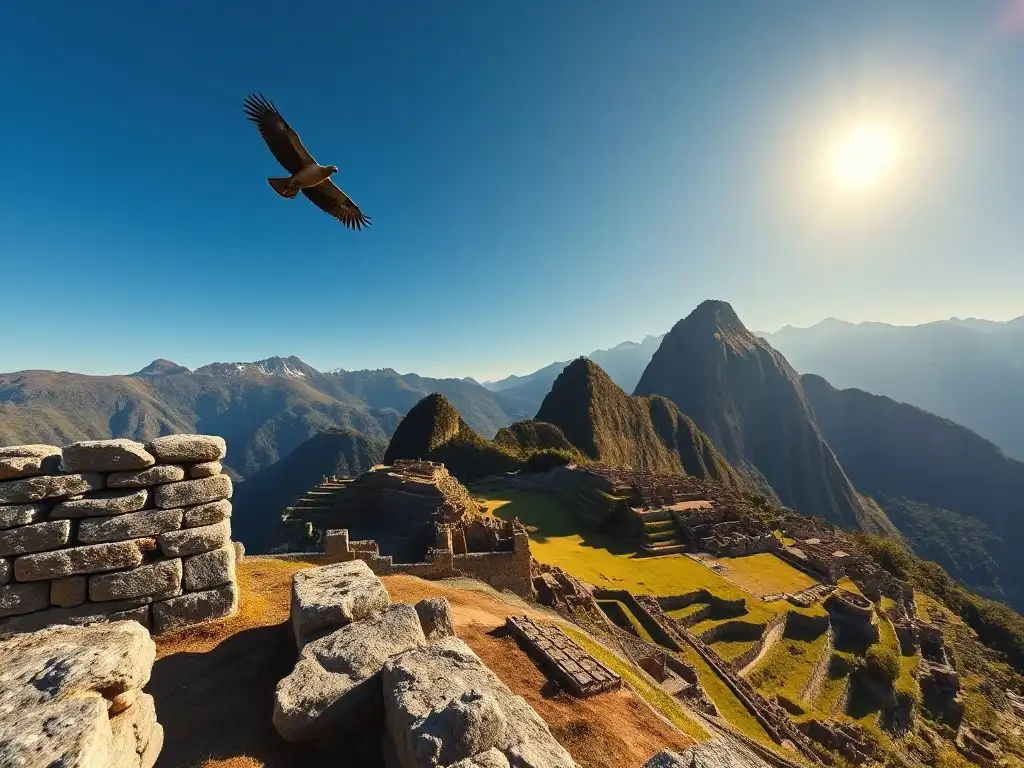
The legacy of the Ancient Andean civilizations extends far beyond their impressive architectural feats and intricate artwork. Their innovative agricultural techniques, sophisticated social structures, and deep spiritual beliefs continue to resonate in modern society, offering valuable lessons and inspiring new perspectives. Understanding their achievements provides a crucial lens through which we can examine our own societal challenges and progress. This enduring impact is not merely historical; it's profoundly relevant to our contemporary world.
Lessons from Andean Civilizations for Modern Society
The ingenuity of the Andean people in adapting to their challenging environment offers crucial lessons for sustainable development today. Their mastery of terrace farming, for example, allowed them to cultivate steep slopes, maximizing agricultural output in a region with limited arable land. This sophisticated system of water management and soil conservation provides a blueprint for modern agricultural practices, particularly in the face of climate change and increasing food insecurity.
We can learn from their resourcefulness and their commitment to long-term environmental sustainability. Their intricate social structures, characterized by a complex system of reciprocity and communal responsibility, offer another valuable lesson. The ayni system, for example, emphasized mutual support and collaboration within the community, fostering a sense of shared responsibility and collective well-being.
This contrasts sharply with modern individualistic tendencies and highlights the importance of community-based solutions to social and economic challenges. The Andean emphasis on interconnectedness between humanity and nature also provides a powerful counterpoint to contemporary environmental degradation. Their profound respect for the Pachamama (Mother Earth) underscores the need for a more holistic and sustainable relationship with the natural world.
The Ongoing Research and Discoveries at Andean Archaeological Sites
Archaeological research continues to unveil new facets of Ancient Andean cultures, challenging existing narratives and enriching our understanding of their history and complexity. Recent discoveries, including advanced techniques like LiDAR (Light Detection and Ranging) which allows for 3D mapping of hidden structures under dense vegetation, have revealed previously unknown settlements, irrigation systems, and ritual sites. The ongoing excavations at sites like Machu Picchu, for example, continue to uncover new details about Inca life and social organization.
These discoveries are not just additions to our historical knowledge; they reshape our understanding of Andean ingenuity and cultural sophistication. Furthermore, the analysis of ancient textiles, ceramics, and other artifacts using advanced scientific methods provides new insights into their technologies, trade networks, and social hierarchies. For instance, isotopic analysis of human remains can provide clues about their diet and migration patterns, shedding light on the complexities of Andean societies.
This ongoing research underscores the dynamic and evolving nature of our understanding of Ancient Andean cultures and highlights the importance of continued investigation. The potential for future discoveries remains vast, promising to further enrich our understanding of these fascinating civilizations.
The Future of Andean Cultural Heritage and Tourism
The preservation and promotion of Ancient Andean cultural heritage are crucial for both historical understanding and economic development. Sustainable tourism, respectful of local communities and the environment, can play a vital role in this endeavor. However, careful planning and management are essential to prevent the negative impacts of mass tourism on fragile archaeological sites and local cultures.
Balancing Preservation and Tourism at Andean Sites
The challenge lies in balancing the economic benefits of tourism with the imperative to protect these irreplaceable sites. This necessitates a multi-pronged approach, encompassing strict regulations on visitor access, investments in infrastructure that minimizes environmental impact, and the active involvement of local communities in tourism management. This approach ensures that the benefits of tourism directly support the preservation of cultural heritage and the well-being of local populations.
For instance, initiatives that empower local communities to manage tourism operations, such as community-based tourism projects, can ensure that the profits generated are reinvested in the preservation of their heritage and the improvement of their livelihoods. The development of educational programs and interpretive centers can enhance visitor understanding and appreciation of the sites, fostering a sense of responsibility for their preservation. Furthermore, the implementation of sustainable practices, such as the use of renewable energy sources and waste management strategies, can minimize the environmental impact of tourism.
This holistic approach ensures that tourism contributes positively to the long-term preservation of Andean cultural heritage. Careful monitoring and evaluation of tourism's impact are also crucial, allowing for timely adjustments to management strategies. This ensures that the delicate balance between preservation and economic development is maintained for the benefit of both present and future generations.
Frequently Asked Questions
What makes Andean civilizations unique in ancient history?
Andean civilizations stand out due to their remarkable adaptation to diverse, challenging terrains. Their sophisticated agricultural techniques, like terracing, and innovative engineering feats, such as intricate road systems, are testament to their ingenuity. They also developed unique artistic and religious practices.
How did the Inca Empire impact the Andean region?
The Inca Empire, known for its extensive road network and advanced administrative system, unified a large portion of the Andes. Their impact on architecture, agriculture, and social structures is still evident today in the region's cultural landscape. Their influence is seen in many surviving sites.
What are some of the most significant ancient Andean cultural sites?
Machu Picchu, Sacsayhuamán, and Chan Chan are among the most renowned sites. These places showcase the remarkable architectural achievements and complex social organization of the Andean cultures. Each site offers unique insights into different civilizations.
What role did religion play in Andean civilizations?
Religion played a central role, with complex belief systems involving nature worship, ancestor veneration, and powerful deities. Many rituals and ceremonies were tied to agriculture and the environment. Religious practices are reflected in their art and architecture.
How can I learn more about the "Ancient Andean Cultural Site History"?
Explore reputable museums and archaeological sites, read scholarly books and articles, and consult online resources dedicated to Andean civilizations. Engaging with documentaries and educational websites can also enrich your understanding.
Final Reflection: Echoes of the Andes, Whispers of the Future
The enduring legacy of Andean civilizations continues to resonate today, shaping our understanding of human resilience, innovation, and the profound connection between people and their environment. These ancient sites are not just stones and ruins; they are living testaments to a rich tapestry of human experience, offering invaluable lessons for navigating the complexities of the modern world. Their survival, despite the passage of centuries, speaks volumes about the power of cultural preservation and the importance of understanding our shared history.
The impact of Andean culture extends far beyond the geographical boundaries of the Andes themselves. Its influence on art, architecture, agriculture, and spiritual practices continues to inspire and inform contemporary society. The intricate systems of terrace farming, for example, offer sustainable solutions to modern agricultural challenges. The past is never dead. It's not even past.
– William Faulkner. This quote perfectly encapsulates the enduring relevance of understanding Andean history; its echoes reverberate through time, shaping our present and influencing our future. The stories whispered by these sites are not just historical accounts; they are blueprints for a more sustainable and equitable future.
Consider the intricate details, the breathtaking landscapes, the sheer ingenuity of these ancient societies. Now, consider your own place within this larger narrative. What lessons can you glean from the resilience and innovation of the Andean people? How can you apply these principles to your own life and community? Let the echoes of the Andes inspire you to explore your own heritage, to appreciate the interconnectedness of all cultures, and to strive for a future where sustainability and cultural preservation go hand in hand. The whispers of the past hold the key to a brighter tomorrow.
Embark on Your Andean Adventure Today!
Thank you for exploring the fascinating world of Andean culture with us! We hope you're inspired by the rich history and stories these ancient wonders reveal. Now, let's turn that inspiration into action.
- Explore an Andean Site: Plan your next trip to include a visit to at least one incredible Andean cultural site. Experience the history firsthand!
- Share Your Experience: Share your adventure—photos, stories, reflections—on social media or with friends. Inspire others to explore these breathtaking places!
- Join Our Community: Connect with fellow enthusiasts on our website to discuss your experiences, insights, and any questions you may have about Andean civilizations.
What Andean site most captivated you, or which one are you eager to explore next? We'd love to hear your thoughts!