
Beyond Machu Picchu: Uncovering Hidden Gems in Andean Tourism

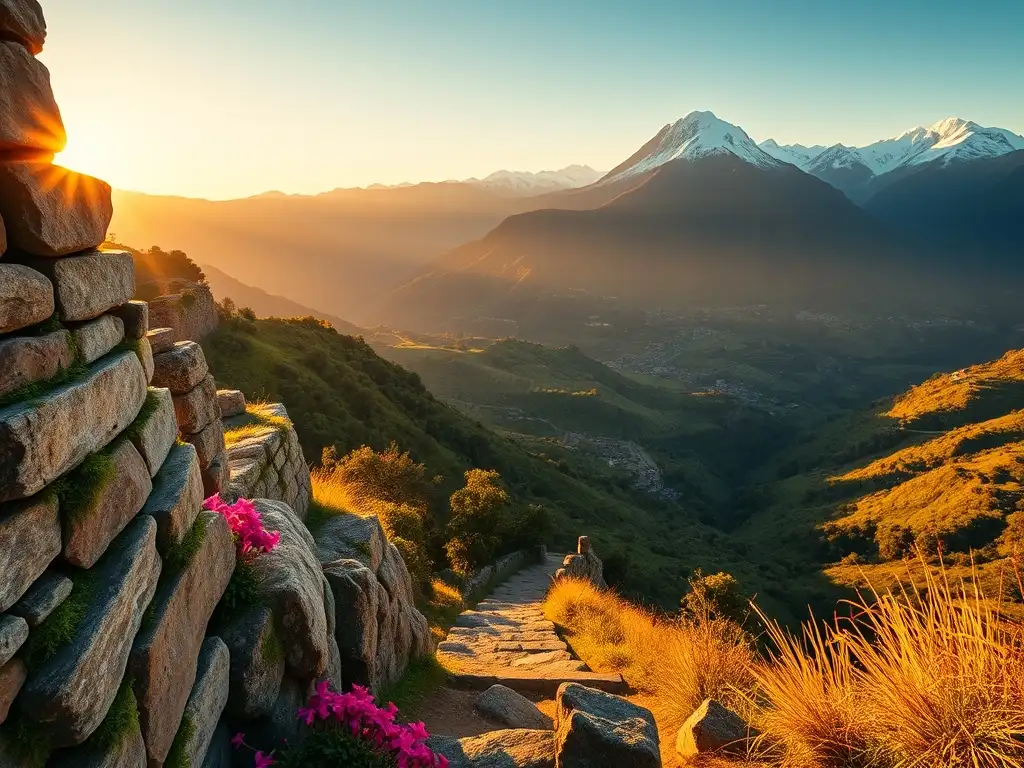
Dive into a world lost in time, yet vibrantly alive. Forget the well-trodden paths; we unveil the secrets of the Andean civilizations, far beyond the iconic Machu Picchu. Prepare to be captivated by the ingenuity and artistry of the Incas, Moche, Nazca, and Tiahuanaco – a journey through breathtaking landscapes and awe-inspiring cultures. Discover the best Andean civilizations tourism destinations and unlock the untold stories waiting to be explored. Are you ready to embark on this incredible adventure?
Machu Picchu, the iconic lost city of the Incas, rightfully draws millions of visitors annually. However, the breathtaking Andes Mountains hold a wealth of archaeological wonders and cultural experiences far beyond this celebrated site.
This article delves into the captivating world of Andean civilizations tourism, showcasing lesser-known destinations that offer a deeper understanding of the rich tapestry of pre-Columbian societies and their enduring legacy. We'll explore alternative routes to experiencing the magic of the Andes, focusing on destinations that provide a more immersive and authentic encounter with the fascinating history and vibrant culture of Andean civilizations, thereby enriching the experience for those seeking a more nuanced appreciation of "Andean civilizations tourism destinations".
Prepare to be amazed by the hidden gems waiting to be discovered beyond the well-trodden paths of Machu Picchu. This journey will illuminate the diverse expressions of Andean ingenuity and artistry, extending far beyond the Inca empire, and highlighting the significant contributions of other fascinating cultures such as the Moche, Nazca, and Tiwanaku.
Exploring Alternative Andean Civilizations Tourism Destinations
The allure of the Andes extends far beyond the Inca Empire. While Machu Picchu remains a must-see, numerous other sites offer unique insights into the diverse cultures that thrived in this remarkable region. These destinations, often less crowded and more accessible to independent travelers, provide a more intimate connection with the past.
Several regions boast exceptional archaeological sites, intricate textiles, and living traditions that represent the enduring legacy of Andean civilizations. These less-traveled paths offer a more authentic experience, allowing visitors to engage more deeply with local communities and their rich cultural heritage. It's a chance to escape the throngs of tourists and connect with the heart and soul of the Andes.
Let's consider some examples:
- Chan Chan (Peru): The largest pre-Columbian city in the Americas, Chan Chan offers a glimpse into the sophisticated urban planning and artistry of the Chimu civilization. Its intricate adobe architecture and extensive network of palaces and canals are testaments to their advanced engineering skills. Exploring Chan Chan offers a unique perspective on the Andean world, separate from the Inca influence.
- Nazca Lines (Peru): These enigmatic geoglyphs, etched into the desert floor centuries ago, remain a mystery. While the purpose of the Nazca Lines remains debated, their sheer scale and precision are awe-inspiring. A flight over the Nazca Lines provides a truly unforgettable experience, offering a bird's-eye view of these ancient masterpieces. Their creation speaks volumes about the advanced understanding of geometry and the vast scale of social organization within the Nazca culture.
- Tiwanaku (Bolivia): This pre-Inca site, situated on the shores of Lake Titicaca, showcases the monumental architecture and sophisticated religious beliefs of the Tiwanaku civilization. The massive stone structures, intricate carvings, and unique artistic style reveal a highly developed society that influenced later Andean cultures. Exploring Tiwanaku is a journey back in time, offering a profound understanding of the cultural and technological achievements of this pivotal civilization. The impressive scale of the site is truly captivating.
- Sacsayhuamán (Peru): Located near Cusco, this impressive Inca fortress boasts cyclopean masonry, a testament to the Inca's mastery of stonework. Its strategic location and imposing architecture offer a captivating insight into Inca military and engineering prowess. The scale and precision of the stonework are remarkable, and exploring the fortress provides a different perspective on Inca civilization beyond Machu Picchu.
These are just a few examples of the many hidden gems waiting to be discovered in Andean tourism. By exploring these alternative destinations, travelers can gain a much richer and more complete understanding of the vibrant history and cultural heritage of the Andean civilizations, significantly enhancing their appreciation for the area as a whole. The experience goes beyond simply ticking off sites on a list; it's about immersing oneself in the history, culture, and natural beauty of the Andes. This approach to Andean civilizations tourism destinations promises a truly unforgettable journey.
- What are some lesser-known Andean tourism destinations beyond Machu Picchu?
- What is the best time of year to visit Andean destinations for tourism?
- Are there any cultural experiences unique to Andean tourism?
- What kind of infrastructure is available for tourists in the Andean region?
- How can I contribute responsibly to Andean tourism?
Pre-Inca Wonders: Discovering Ancient Andean Sites
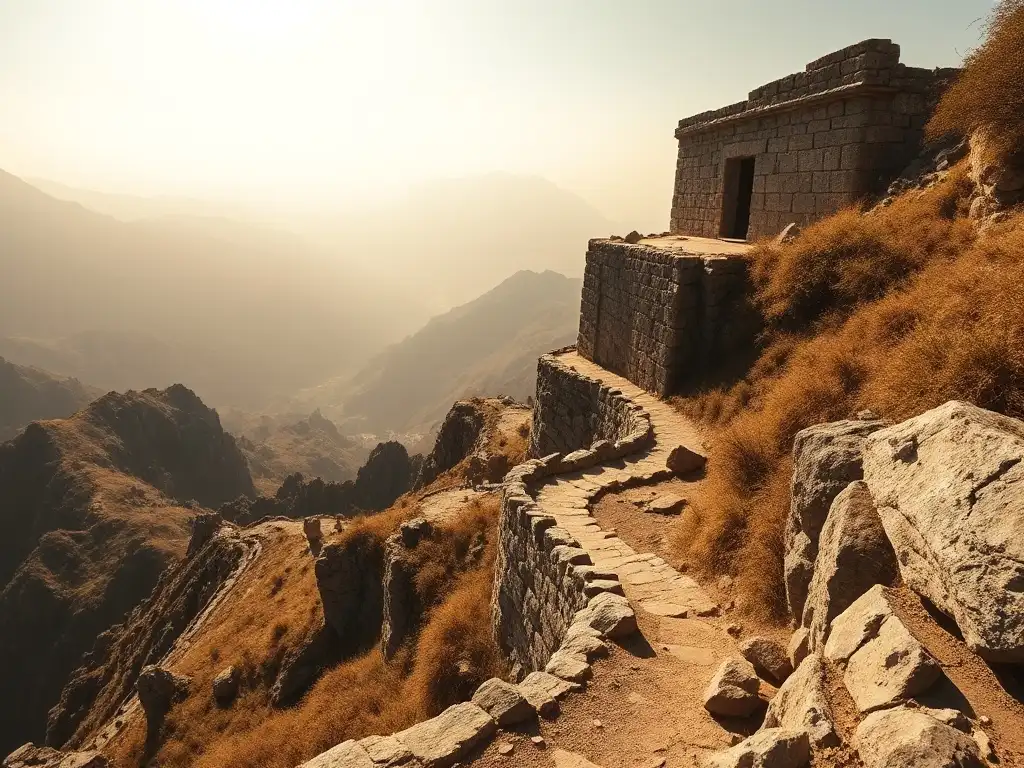
This section delves into the remarkable pre-Inca civilizations that shaped the Andean landscape and laid the groundwork for the later Inca Empire. Understanding these earlier cultures is crucial for a complete appreciation of Andean civilizations tourism destinations. Their sophisticated engineering, unique artistic styles, and complex social structures continue to fascinate and inspire awe. We'll explore three key sites representing the diversity and ingenuity of these pre-Inca societies: Chan Chan, the Nazca Lines, and Tiahuanaco. These destinations offer a compelling alternative to the well-trodden path of Machu Picchu, providing a deeper understanding of the rich tapestry of Andean history.
The Majesty of Chan Chan: A Moche Metropolis
Chan Chan, located near modern-day Trujillo in Peru, stands as a testament to the Moche civilization's architectural prowess. This sprawling adobe city, the largest pre-Columbian city in the Americas, was the capital of the Moche kingdom (c. AD 100-800). Its intricate network of palaces, temples, and residential areas, all meticulously planned and constructed, reveals a sophisticated urban planning system far ahead of its time.
The city's walls, decorated with intricate relief carvings depicting mythical creatures and scenes of daily life, offer a fascinating glimpse into Moche mythology and beliefs. The use of adobe bricks, skillfully crafted and arranged, demonstrates remarkable engineering skills, especially considering the arid coastal environment.
Archaeological excavations continue to unearth new insights into the Moche's social organization, religious practices, and artistic achievements, solidifying Chan Chan's place as a must-see destination for those interested in Andean civilizations tourism destinations. The scale and complexity of the site are truly breathtaking, offering a unique and immersive experience unlike any other.
The sheer size and intricacy of Chan Chan are astounding. It's a city frozen in time, whispering tales of a powerful and sophisticated civilization.
- Dr. Elena Ramirez, archaeologist specializing in Moche culture.
Unveiling the Mysteries of the Nazca Lines
The Nazca Lines, etched into the desert plains of southern Peru, remain one of the world's greatest enigmas. These colossal geoglyphs, depicting animals, plants, and geometric shapes, were created by the Nazca culture between 500 BC and AD 500. Their immense scale and precise execution defy easy explanation, fueling speculation about their purpose and creation. Were they astronomical calendars?
Religious symbols? Or something else entirely? The best viewing point is from a small airplane, offering a spectacular overview of these awe-inspiring creations. The experience of seeing these gigantic figures from the air is truly unforgettable and adds a unique dimension to any exploration of Andean civilizations tourism destinations.
The vastness of the desert and the scale of the lines create a powerful sense of mystery and wonder. Ongoing research continues to shed light on these intriguing creations, adding to their allure and significance. The Nazca Lines are a testament to the ingenuity and artistic vision of a culture that continues to captivate the imagination.
| Feature | Description |
|---|---|
| Type | Geoglyphs (large figures etched into the ground) |
| Size | Some figures span hundreds of meters in length |
| Creation Date | Approximately 500 BC – AD 500 |
| Purpose | Still debated; possible astronomical, religious, or ceremonial significance |
| Preservation | Relatively well-preserved due to the arid desert climate |
Tiahuanaco: The Enigmatic City of the Altiplano
High in the Andes, at an altitude of over 12,500 feet, lies the ruins of Tiahuanaco, a pre-Inca city that flourished between 500 and 1000 AD. This enigmatic site, situated near Lake Titicaca in Bolivia, is a significant cultural center showcasing the architectural and engineering skills of the Tiahuanaco culture. The massive stone structures, including the iconic Gate of the Sun, are testaments to their advanced knowledge of stonework and astronomy. The precise cuts and joins of the stones, some weighing many tons, are still a source of wonder and debate among archaeologists.
The complex's layout and the intricate carvings on its monuments suggest a highly organized society with sophisticated religious beliefs. Tiahuanaco's influence extended across a wide area of the Andes, making it a crucial point in understanding the development of Andean civilizations tourism destinations. The altitude and the majesty of the landscape add a unique and spiritual dimension to visiting this remarkable site.
Exploring Tiahuanaco offers a fascinating journey into the heart of Andean history and culture, providing a powerful and unforgettable experience. Further research is needed to fully understand the city's function and its role in the broader Andean context. However, even with the unanswered questions, Tiahuanaco stands as a powerful symbol of human ingenuity and the enduring legacy of Andean civilizations.
Inca Trail Alternatives: Less Crowded Andean Adventures
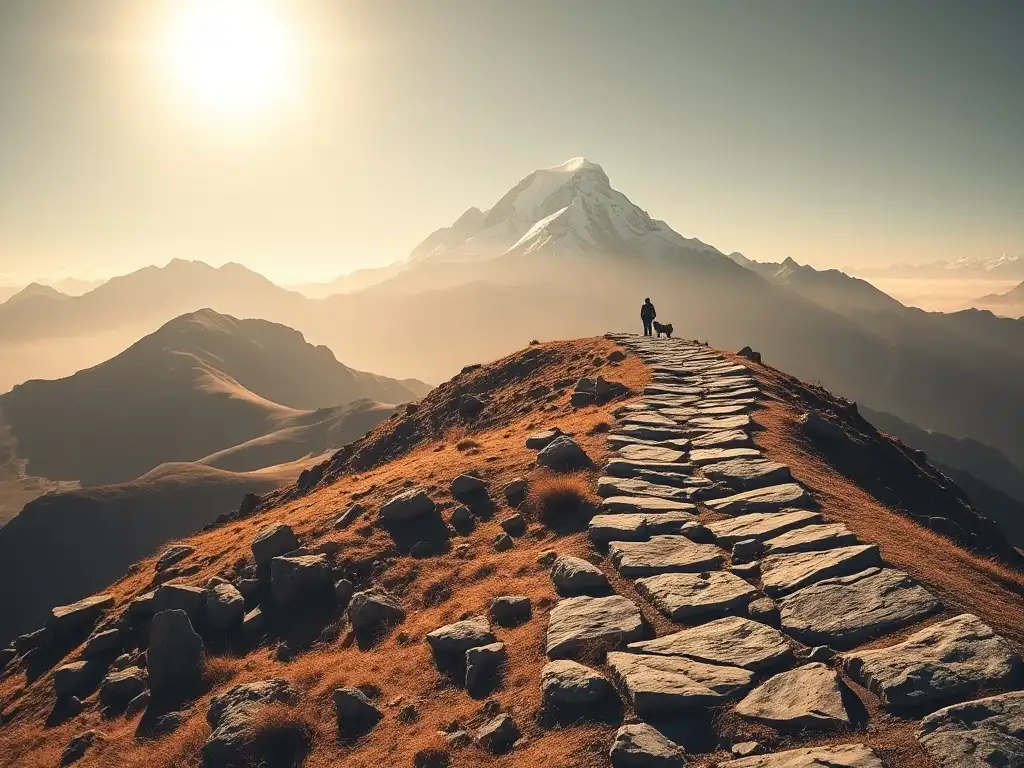
The Inca Trail to Machu Picchu is undeniably iconic, but its popularity often translates to crowded trails and a less immersive experience. For those seeking a more authentic and less congested Andean adventure, several compelling alternatives exist, offering unique cultural encounters and breathtaking landscapes. These lesser-known trails cater to different preferences, allowing travelers to discover the wonders of Andean civilizations tourism destinations in a more intimate and rewarding way. The following treks offer a taste of the magic without the overwhelming crowds.
Choquequirao Trek: The "Other Machu Picchu" Experience
Choquequirao, often dubbed the "other Machu Picchu," presents a challenging yet incredibly rewarding alternative. This remote Inca citadel, nestled high in the Vilcabamba mountain range, boasts stunning architecture and breathtaking views, yet receives a fraction of the visitors Machu Picchu attracts. The trek itself is demanding, typically lasting 4-6 days, traversing diverse ecosystems ranging from cloud forests to high-altitude grasslands. The reward?
A sense of accomplishment and the privilege of exploring a remarkably preserved Inca site largely untouched by mass tourism. Expect to encounter fewer tourists, experience a more intimate connection with the Andes, and witness the incredible resilience of Andean civilizations. The trek's remoteness also provides unique opportunities for wildlife spotting, with the possibility of seeing condors soaring overhead 🦅.
The physical challenge is significant, requiring a good level of fitness and proper preparation. However, the sense of accomplishment and the breathtaking views more than compensate for the effort. Detailed planning, including securing a reputable guide and obtaining necessary permits, is crucial for a safe and successful journey.
The Lares Trek: A Cultural Immersion in the Andes
Unlike the more geographically focused treks, the Lares Trek prioritizes cultural immersion. This trek offers a unique opportunity to interact with local Andean communities, witnessing their traditions and way of life firsthand. The route winds through picturesque villages, allowing travelers to observe traditional weaving techniques, participate in community activities, and learn about the rich cultural heritage of the Andes.
The landscapes are stunning, ranging from vibrant valleys to snow-capped peaks. While the trek still presents a physical challenge, it's generally considered less strenuous than the Choquequirao trek. The focus on cultural exchange makes it a particularly attractive option for those interested in the anthropological aspects of Andean civilizations tourism destinations.
The opportunity to learn about traditional Andean medicine, farming practices, and textiles provides a deeper understanding of the region's history and its enduring connection to the land. This trek is perfect for travelers seeking a blend of adventure and cultural exploration, offering a more human-centered approach to exploring the Andes.
Salkantay Trek: Majestic Mountain Scenery
For those captivated by breathtaking mountain scenery, the Salkantay Trek offers an unforgettable experience. This trek takes you past the imposing Salkantay mountain (6,271 meters/20,574 feet), one of the highest peaks in the Vilcabamba range. The trail boasts diverse landscapes, from lush cloud forests to high-altitude puna grasslands, offering panoramic views that change dramatically throughout the journey.
While it's still a challenging trek, the incredible scenery and the relatively well-maintained trails make it accessible to a wider range of fitness levels than Choquequirao. The trek culminates in a visit to Machu Picchu, providing a satisfying combination of adventure and the iconic Inca site. The journey offers a diverse experience, showcasing the remarkable adaptability of Andean civilizations to varying altitudes and environments.
The sheer scale of the mountains and the dramatic changes in landscape throughout the trek make it a truly memorable experience for those seeking stunning visuals and a moderate level of physical challenge. Remember to pack layers of clothing to prepare for fluctuating temperatures across different altitudes.
Immersive Cultural Experiences in Andean Regions
This section delves into the unique opportunities for immersive cultural experiences available to tourists exploring the Andean region. Beyond the iconic sites, a wealth of opportunities exists to connect with living traditions and contribute directly to the preservation of Andean heritage. Understanding these opportunities is key for anyone seeking a truly enriching experience, and contributes significantly to the growth of sustainable Andean civilizations tourism destinations.
Living Traditions in the Sacred Valley
The Sacred Valley of the Incas, nestled in the heart of the Peruvian Andes, offers a captivating blend of archaeological wonders and vibrant living cultures. It's a hub for experiencing authentic Andean traditions, far removed from the typical tourist trail.
Exploring Andean Textile Weaving Techniques
Andean textile weaving is a practice steeped in centuries of tradition and artistry. Visitors can participate in workshops, learning the intricate techniques passed down through generations. From the preparation of the natural dyes derived from plants and minerals to the complex patterns woven into textiles, the experience provides invaluable insight into the cultural significance of this craft.
The vibrant colors and symbolic designs narrate stories of Andean cosmology, mythology, and daily life. Many communities offer workshops, allowing tourists to create their own small textile piece as a unique souvenir, directly supporting local artisans. The quality of the instruction varies, so researching beforehand is recommended for an enriching experience.
Experiencing Traditional Andean Agriculture
The ingenuity of Andean agriculture is astonishing. Terraced farming, andenes, sculpted into the mountain slopes, is a testament to the adaptation and resilience of Andean civilizations. Visitors can explore these breathtaking landscapes and learn about traditional farming practices, such as the cultivation of potatoes, quinoa, and other staple crops.
Participating in a harvest or learning about ancient irrigation systems provides a deeper understanding of the relationship between the Andean people and their environment. This experience fosters a greater appreciation for the sustainable practices that have allowed these communities to thrive for millennia and contributes to the understanding of sustainable Andean civilizations tourism destinations.
Community-Based Tourism: A Deeper Connection
Community-based tourism (CBT) offers a transformative approach to travel, fostering genuine connections between visitors and local communities. It's a powerful model for sustainable development, ensuring that the benefits of tourism directly support the preservation of cultural heritage and the well-being of local populations. This approach is crucial for the responsible growth of Andean civilizations tourism destinations.
Andean Homestays: Authentic Cultural Encounters
Andean homestays provide an unparalleled opportunity to immerse oneself in the daily lives of local families. Sharing meals, participating in daily routines, and learning about local customs offers an intimate and authentic cultural experience. These homestays often provide opportunities to learn traditional crafts, cooking techniques, or even participate in local festivities. The level of involvement varies greatly depending on the specific homestay, so choosing carefully is advised. Remember to be respectful of local customs and traditions.
Supporting Local Andean Communities
Supporting local communities through tourism is crucial for the long-term sustainability of the Andean region's cultural heritage. By choosing accommodations, tours, and activities that directly benefit local people, tourists contribute to the preservation of traditions, the empowerment of communities, and the creation of a more equitable tourism industry. This includes purchasing handicrafts directly from artisans, eating at locally owned restaurants, and respecting local customs and traditions.
This type of mindful tourism is essential for the long-term health of Andean civilizations tourism destinations. Consider researching organizations dedicated to supporting sustainable tourism initiatives in the Andean region before your trip. A thoughtful approach to tourism can make a real difference.
Andean Art and Handicrafts: A Journey Through Culture
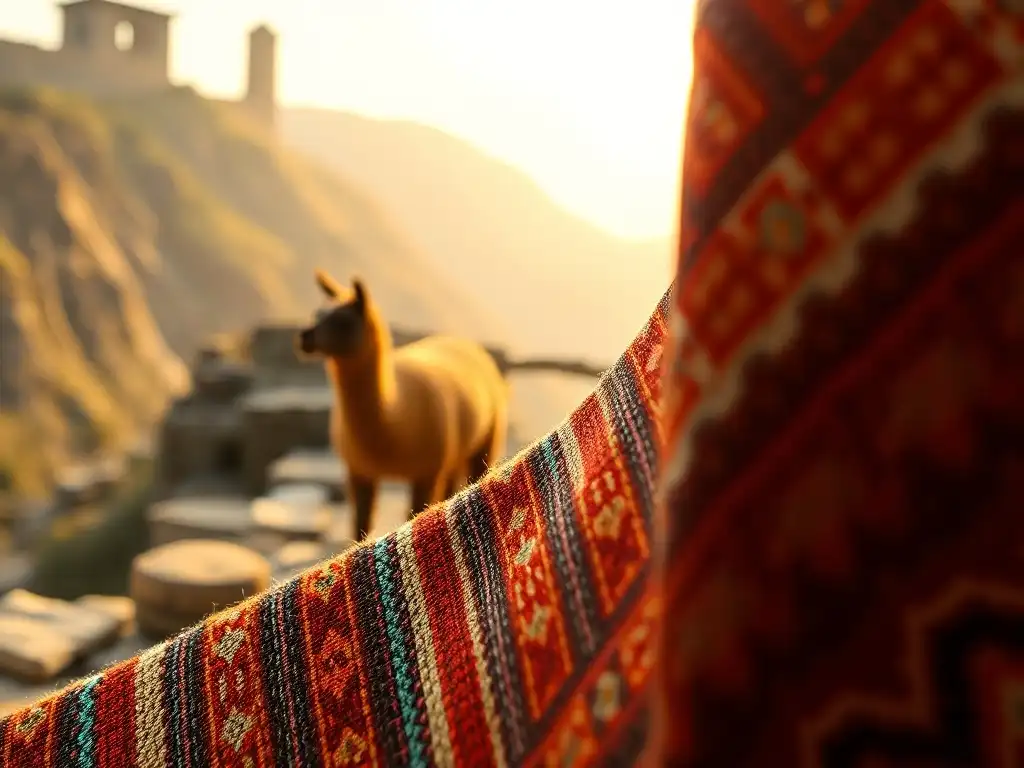
Andean civilizations left behind a breathtaking legacy of art and handicrafts, reflecting their intricate social structures, spiritual beliefs, and mastery of diverse materials. These artifacts offer invaluable insights into their daily lives, religious practices, and sophisticated artistic techniques, making them key attractions for Andean civilizations tourism destinations. Understanding this artistic heritage is crucial to appreciating the depth and complexity of these ancient societies. The vibrancy and artistry continue to inspire contemporary artisans, preserving traditions and creating new masterpieces.
The Art of Ceramics in Andean Civilizations
The mastery of ceramics in Andean civilizations is truly remarkable. From the delicate, painted pottery of the Nazca culture, renowned for its intricate lines and vibrant colors depicting deities and mythical creatures, to the sophisticated, often monumental, vessels of the Moche, showcasing detailed scenes of daily life and warfare, ceramic artistry was highly developed. The Moche, for example, were particularly skilled in creating realistic portraits of individuals and animals, demonstrating an advanced understanding of both form and function.
These pieces weren't simply utilitarian; they were often imbued with ritual significance, serving as offerings to the gods or used in elaborate ceremonies. The technical proficiency displayed in the creation of these artifacts—the precise shaping, the firing techniques, and the application of pigments—is a testament to their advanced technological capabilities. Analyzing the iconography found on these ceramics provides crucial information about their cosmology, social hierarchy, and interactions with their environment.
For instance, the frequent depiction of agricultural scenes highlights the importance of farming to their survival and prosperity. The diversity of ceramic styles across different Andean civilizations reflects their unique cultural identities and artistic expressions, making them a fascinating area of study for anyone interested in Andean civilizations tourism destinations.
Andean Textiles: A Woven Story of History
Andean textiles are renowned worldwide for their exquisite craftsmanship, intricate designs, and vibrant colors. Using natural dyes derived from plants and minerals, Andean artisans created incredibly durable and richly decorated fabrics. Alpaca and llama wool were primary materials, valued not just for their warmth and softness but also for their symbolic significance, often related to social status and ritual practices.
The textiles weren't merely clothing; they were integral to religious ceremonies, social interactions, and daily life. The intricate patterns and symbols woven into the fabrics often hold complex meanings, reflecting the worldview and beliefs of the weavers. For instance, geometric patterns could represent celestial bodies, while zoomorphic designs might symbolize specific deities or animals.
The exceptional preservation of some textiles, particularly those found in high-altitude tombs, provides unprecedented insights into the techniques employed and the cultural context of their creation. The continuation of traditional textile-making techniques in many Andean communities today ensures that this rich legacy continues to thrive, attracting visitors interested in Andean civilizations tourism destinations. The vibrant colors and intricate designs are not just aesthetically pleasing; they represent centuries of cultural transmission and artistic innovation.
Traditional Music and Dance in Andean Communities
Music and dance played, and continue to play, a vital role in Andean cultures, serving as expressions of communal identity, religious beliefs, and social interactions. The panpipes ( siku), flutes ( antara), drums ( tinku), and other instruments, often crafted from natural materials, accompanied ceremonial rituals and celebrations. The music is characterized by its unique melodies and rhythms, often reflecting the Andean landscape and its influence on their lives.
Dance styles vary across different regions and communities, each with its unique steps, costumes, and symbolic meanings. Many dances are deeply rooted in agricultural cycles and religious festivals, reflecting the close relationship between the Andean people and their environment. The preservation of these musical and dance traditions is crucial for the maintenance of cultural identity and heritage, contributing significantly to the appeal of Andean civilizations tourism destinations.
Witnessing these performances offers visitors a captivating glimpse into the vibrant cultural heart of Andean communities, showcasing the enduring legacy of their ancient traditions. The rhythmic beats and the graceful movements provide an unforgettable sensory experience.
Planning Your Trip to Lesser-Known Andean Destinations
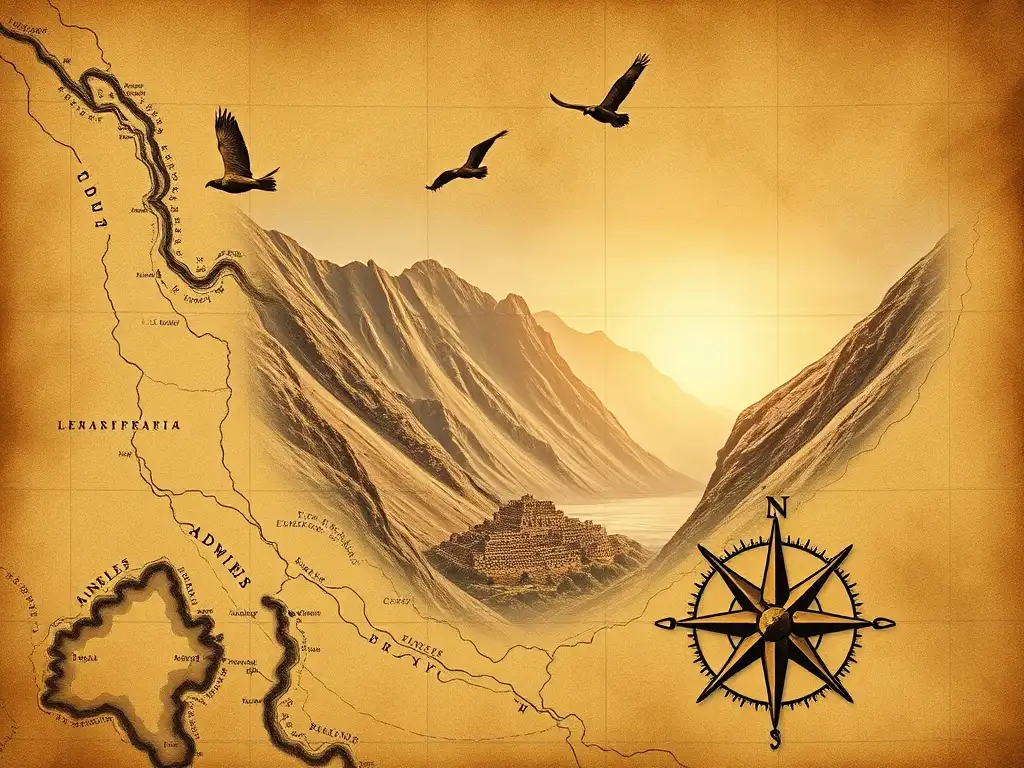
This section focuses on practical advice for planning a trip to lesser-known, yet equally fascinating, Andean tourism destinations, enriching your understanding of Andean civilizations beyond the popular Machu Picchu. We'll delve into optimizing your travel experience and ensuring a respectful and sustainable journey. The goal is to provide you with the tools to discover the hidden gems of Andean heritage while minimizing your environmental impact and maximizing your cultural immersion. This contributes to responsible and enriching Andean civilizations tourism destinations.
Best Times to Visit Andean Archaeological Sites
The ideal time to visit Andean archaeological sites heavily depends on the specific location and your tolerance for varied weather conditions. Generally, the dry season (May to September) offers the most pleasant conditions for exploring these sites. Clear skies provide optimal visibility, and the reduced rainfall makes trekking considerably easier and safer. However, this is also peak tourist season, so expect larger crowds and potentially higher prices.
The shoulder seasons (April and October) present a good compromise: fewer crowds, pleasant weather in many areas, and often lower prices. However, be prepared for potential rain showers, especially at higher altitudes. The wet season (November to March) can bring heavy rains and make some sites inaccessible, particularly those involving significant trekking. However, this period witnesses vibrant landscapes, lush vegetation, and a completely different perspective on the Andean environment.
Here's a breakdown by region, keeping in mind that microclimates can significantly impact local conditions:
| Region | Dry Season (Best) | Shoulder Seasons | Wet Season (Challenging) | Considerations |
|---|---|---|---|---|
| Cusco/Sacred Valley | May-September | April, October | November-March | Altitude sickness can be a factor year-round. |
| Nazca Lines | May-September | April, October | November-March | Intense sun year-round; plan for heat and sun protection. |
| Tiwanaku | May-September | April, October | November-March | High altitude; acclimatization is crucial. |
| Northern Peru (Moche sites) | May-September | April, October | November-March | Coastal areas are generally less affected by rain. |
Remember to always check specific weather forecasts closer to your travel dates for the most accurate information. Planning around weather conditions is key for a successful and enjoyable experience exploring these amazing Andean civilizations tourism destinations.
Essential Tips for Trekking in the Andes
Trekking in the Andes offers unparalleled opportunities to connect with the natural beauty and ancient history of the region. However, proper preparation is essential for a safe and enjoyable experience. Altitude sickness is a real concern, especially at higher elevations. Gradual acclimatization is crucial; avoid strenuous activity on your first day at altitude. Drink plenty of water, and consider altitude sickness medication if necessary. Consult your doctor before your trip, especially if you have pre-existing health conditions.
Pack appropriately for varied weather conditions. Layers are key; you might experience sunshine and freezing temperatures in a single day. Sturdy hiking boots are essential, as are rain gear, sunscreen, and a hat. Bring a backpack with enough water, snacks, and a first-aid kit. Always inform someone of your trekking plans, including your route and expected return time.
Consider hiring a local guide. Experienced guides possess invaluable knowledge of the terrain, potential hazards, and local customs. They can also provide insightful information about the history and culture of the region, enhancing your overall experience. Remember, respecting the environment and local communities is paramount in Andean civilizations tourism destinations.
Responsible Travel Practices in Andean Regions
Responsible tourism is not just a trend; it's a necessity for preserving the unique cultural and natural heritage of the Andes. Supporting local businesses directly benefits the communities and helps them sustain their traditions. Choose locally-owned accommodations, restaurants, and tour operators whenever possible. This ensures that your tourism dollars contribute directly to the local economy.
Respect local customs and traditions. Dress modestly when visiting religious sites, and always ask for permission before taking photographs of people. Learn a few basic phrases in the local language – Quechua, Aymara, or Spanish – to show your respect and enhance your interactions with the local population. Engage with the local culture respectfully.
Minimize your environmental impact. Pack out all your trash, avoid single-use plastics, and respect wildlife and their habitats. Support initiatives that promote sustainable tourism practices, such as those focused on conservation and community development. Remember, preserving the incredible beauty and cultural richness of the Andean civilizations tourism destinations is a collective responsibility. By embracing responsible travel practices, you contribute to the long-term sustainability of these invaluable sites and the communities that call them home. 🌎
Preserving Andean Heritage for Future Generations
The burgeoning interest in Andean civilizations tourism presents a double-edged sword. While it offers economic opportunities for local communities and raises awareness about this fascinating cultural heritage, it also poses significant challenges to the preservation of these irreplaceable sites and traditions. Unsustainable practices can lead to irreversible damage, eroding the very fabric of what attracts visitors in the first place.
Therefore, a delicate balance must be struck between economic development and environmental and cultural protection. This requires a concerted effort from governments, tourism operators, and visitors alike, focusing on sustainable practices and responsible tourism initiatives. The goal is not simply to attract tourists, but to ensure that future generations can also experience the magic of the Andes.
The Importance of Sustainable Tourism in the Andes
Sustainable tourism in the Andes is not merely a buzzword; it's a necessity. It encompasses a holistic approach that minimizes the negative impacts of tourism while maximizing its benefits for local communities and the environment. This includes:
- Minimizing environmental impact: Reducing carbon emissions through efficient transportation, promoting eco-friendly accommodations, and minimizing waste generation are crucial. This means encouraging the use of public transportation or walking over private vehicles, opting for hotels with robust recycling programs, and educating tourists on responsible waste disposal.
- Supporting local economies: Prioritizing locally owned businesses, employing local guides, and purchasing locally sourced products directly benefits the communities and helps preserve traditional crafts and skills. Think of choosing a pachamanca dinner prepared by a local family over a standardized hotel buffet.
- Respecting local cultures: Learning basic Quechua phrases, respecting local customs and traditions, and engaging respectfully with local communities fosters positive relationships and avoids cultural appropriation. This includes understanding the significance of sacred sites and behaving accordingly.
- Protecting biodiversity: The Andes boast incredible biodiversity. Sustainable tourism initiatives must prioritize conservation efforts, supporting initiatives that protect endangered species and fragile ecosystems. This might involve supporting reforestation projects or participating in responsible wildlife viewing tours.
The success of sustainable tourism hinges on collaboration. Governments need to implement robust regulations, tourism operators must adopt sustainable practices, and tourists must be educated and responsible in their actions. Data on tourist numbers, their impact, and the effectiveness of sustainable initiatives needs to be meticulously collected and analyzed to inform future strategies. [Specific data on sustainable tourism initiatives in the Andes pending].
Protecting Andean Archaeological Sites
The preservation of Andean archaeological sites is paramount. These sites are not just historical landmarks; they are repositories of invaluable knowledge about past civilizations. Over-tourism can lead to significant damage through erosion, vandalism, and the disturbance of delicate artifacts. Effective protection strategies include:
- Implementing visitor management plans: Limiting the number of visitors at a time, establishing designated pathways, and providing clear guidelines for visitor behavior are essential. Think of timed entry systems and well-marked trails to minimize impact.
- Investing in site preservation and restoration: Regular maintenance, conservation efforts, and the implementation of protective measures are vital to prevent deterioration. This includes employing skilled archaeologists and conservators.
- Combating looting and illegal trafficking: Stricter enforcement of laws against the illegal removal and sale of artifacts is crucial. This requires international collaboration to prevent artifacts from entering the black market.
- Engaging local communities in site protection: Involving local communities in the management and protection of sites fosters a sense of ownership and responsibility. This can involve providing employment opportunities in site management or tourism-related roles.
The challenge lies in balancing accessibility with preservation. Sites need to be accessible to visitors who wish to learn about the rich history of Andean civilizations, but this access must be carefully managed to ensure minimal impact. [Specific examples of successful site management strategies in the Andes pending].
Supporting Local Initiatives in Heritage Conservation
Local communities are the custodians of Andean heritage. Supporting their initiatives is crucial for long-term preservation. This support can take many forms:
- Fair trade tourism: Ensuring that local artisans and communities receive fair prices for their goods and services is vital. This directly contributes to their economic well-being and encourages them to continue practicing traditional crafts.
- Funding community-based conservation projects: Providing financial support for projects led by local communities, such as the restoration of traditional buildings or the preservation of cultural practices, empowers them to take ownership of their heritage.
- Promoting community-based tourism: Supporting tourism initiatives run by local communities allows them to directly benefit from tourism while controlling its impact. This could involve homestays, guided tours, or craft workshops run by local people.
- Capacity building and training: Providing training and education opportunities for local communities in areas such as sustainable tourism management, heritage preservation, and business development strengthens their capacity to manage and protect their heritage.
Success hinges on empowering local communities to participate actively in the management and preservation of their cultural heritage. Their knowledge, experience, and commitment are indispensable for the long-term survival of Andean traditions and the sustainable development of Andean tourism. [Specific examples of successful community-based heritage conservation projects in the Andes pending].
Conclusion: Expanding Your Understanding of Andean Civilizations
This exploration of lesser-known Andean tourism destinations aims to broaden the typical perception of Andean civilizations tourism. While Machu Picchu rightfully holds a prominent place in the global imagination, it represents only a fraction of the incredible cultural heritage scattered throughout the Andes. Understanding the diverse tapestry of Andean civilizations requires venturing beyond the well-trodden paths and embracing a more nuanced appreciation of the region's history and cultural legacy.
This journey, focused on enriching your understanding of Andean civilizations tourism destinations, has highlighted the importance of responsible and sustainable tourism practices, ensuring the preservation of these invaluable sites for future generations. The continued study and preservation of these sites are crucial for maintaining the cultural identity and heritage of the Andean region.
The Richness of Andean Culture Beyond Machu Picchu
Machu Picchu, undeniably spectacular, often overshadows the equally compelling narratives woven into the very fabric of the Andean landscape. The ingenuity of the Inca, the artistry of the Moche, the enigmatic Nazca Lines, and the monumental architecture of Tiahuanaco – these are just a few glimpses into the vibrant cultural mosaic that defines the Andes. Exploring these sites isn't simply about ticking off locations on a bucket list; it's about immersing oneself in a rich history, understanding innovative agricultural techniques, marveling at sophisticated astronomical knowledge, and appreciating the enduring legacy of these civilizations.
For example, the intricate irrigation systems developed by the pre-Inca cultures are a testament to their deep understanding of their environment and their ability to thrive in challenging terrains. These systems, often still functional today, represent a remarkable achievement in engineering and sustainable resource management.
The cultural richness extends beyond physical artifacts. Traditional Andean music, weaving techniques passed down through generations, and vibrant ceremonies continue to thrive, offering visitors a chance to engage with living traditions. Many communities actively participate in tourism, offering unique insights into their daily lives and cultural practices. This form of community-based tourism not only supports local economies but also fosters a deeper understanding and appreciation of Andean culture, fostering a more meaningful and responsible travel experience. It's about experiencing the Andes as a living, breathing entity, rather than a collection of static historical sites.
The following table provides a brief comparison of some key aspects of several Andean civilizations, highlighting the diversity within the region and the importance of exploring beyond the commonly known sites:
| Civilization | Notable Feature | Technological Advancement | Cultural Significance |
|---|---|---|---|
| Inca | Machu Picchu, sophisticated road system | Advanced agricultural techniques, stonework | Strong imperial structure, intricate social organization |
| Moche | Elaborate pottery, monumental architecture | Advanced metalworking, irrigation | Complex religious beliefs, sophisticated artistic expression |
| Nazca | Nazca Lines, sophisticated textiles | Advanced pottery, irrigation | Unique artistic style, complex social structure |
| Tiahuanaco | Monumental architecture, intricate carvings | Advanced stonework, irrigation | Complex religious beliefs, significant influence on surrounding cultures |
Understanding the nuances of each civilization provides a much richer and more rewarding experience for travelers interested in Andean civilizations tourism destinations. By venturing beyond the well-known, you not only discover hidden gems but also contribute to the sustainable preservation of these incredible sites and the vibrant cultures they represent. 🌎
Frequently Asked Questions
What are some lesser-known Andean tourism destinations beyond Machu Picchu?
While Machu Picchu is iconic, consider exploring the Colca Canyon (deeper than the Grand Canyon!), Lake Titicaca, or the Nazca Lines for unique experiences. These offer diverse landscapes and cultural insights.
What is the best time of year to visit Andean destinations for tourism?
The dry season (May to September) generally offers the best weather for trekking and sightseeing, with sunny days and clear skies. However, it's also peak season, so book in advance.
Are there any cultural experiences unique to Andean tourism?
Absolutely! You can witness traditional Andean festivals, participate in local weaving workshops, or explore ancient ruins beyond the well-trodden paths. Immerse yourself in the vibrant culture.
What kind of infrastructure is available for tourists in the Andean region?
Infrastructure varies across locations. Machu Picchu and Cusco offer excellent facilities, while more remote sites may have more basic accommodations. Plan accordingly and research your chosen destinations.
How can I contribute responsibly to Andean tourism?
Support locally-owned businesses, respect local customs and traditions, and minimize your environmental impact. Choose eco-friendly tour operators and leave no trace behind.
Final Reflection: Rediscovering the Andes: A Legacy for the Future
The allure of the Andes extends far beyond the iconic Machu Picchu; it lies in the untold stories etched into its mountains, woven into its vibrant cultures, and preserved in its breathtaking landscapes. The sustainable and responsible exploration of these hidden gems is not merely a niche interest, but a crucial element in preserving a rich heritage for generations to come. The future of Andean tourism hinges on our ability to appreciate the depth and diversity of this region, moving beyond the well-trodden paths to discover its true heart.
The impact of tourism on the Andean region is a complex tapestry, woven with threads of economic opportunity and environmental vulnerability. It's a delicate balance, one that requires careful consideration and a commitment to ethical practices. The preservation of these ancient civilizations and their invaluable contributions to human history rests on our shoulders. As the renowned anthropologist, Claude Lévi-Strauss, once said: The task of anthropology is to discover the humanity of man.
This sentiment rings true for Andean tourism; it is about understanding the humanity of the Andean people, respecting their traditions, and ensuring their active participation in shaping the future of their own heritage.
You, the reader, now hold the key to unlocking a deeper understanding of Andean tourism. Consider your next adventure: Will you choose the well-worn path, or will you venture off the beaten track to discover the hidden gems waiting to be unveiled? Will you be a passive observer, or an active participant in the preservation of this incredible cultural legacy? The choice is yours, and the future of the Andes depends on the choices we all make. Let's work together to ensure that the spirit of the Andes continues to inspire and enrich us for centuries to come.
Uncover the Wonders Beyond Machu Picchu!
Thank you for exploring the breathtaking beauty of the Andes with us! You've discovered some of the region's hidden gems, experiencing the rich tapestry of history and culture beyond Machu Picchu. Now, let's delve even deeper into this enchanting journey!
Here are some exciting ways to continue your Andean adventure:
- Explore lesser-known sites: Discover unique Andean experiences by visiting places like Kuelap Fortress or the vibrant Rainbow Mountains.
- Immerse yourself in local culture: Participate in workshops or tours led by local artisans, chefs, or musicians to connect with the vibrant Andean community and learn about their traditions firsthand.
- Share your journey: Inspire others to explore the rich cultural heritage of the Andes by sharing your discoveries and experiences on social media.
Which hidden gem will you explore first, and how will you immerse yourself in the local culture?