
Journeys Through Time: Experiencing the Andean World Through Its Artifacts

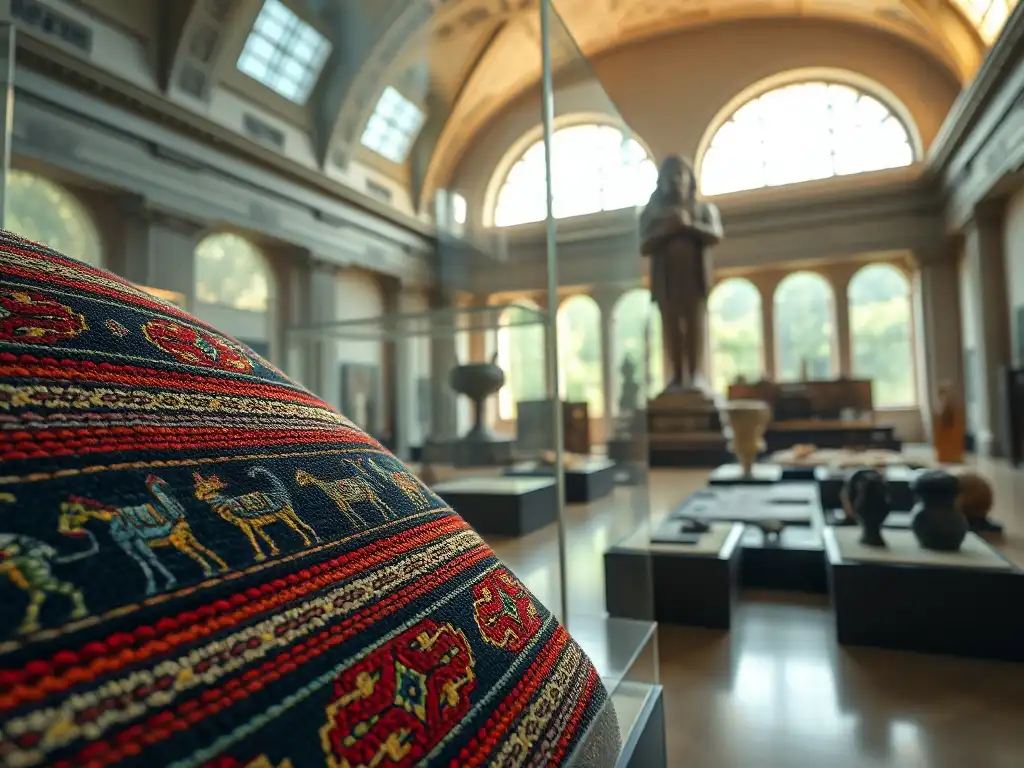
Step into a world lost to time, yet echoing with the whispers of a magnificent past. Imagine uncovering the secrets held within ancient Andean artifacts, remnants of empires that once dominated the Andes. This journey through the breathtaking cultures of the Incas, Moche, Nazca, and Tiahuanaco will reveal astonishing artistry, innovative technologies, and deeply spiritual beliefs. Prepare to be captivated as we delve into the mysteries surrounding these remarkable civilizations and their enduring legacy – a legacy waiting to be rediscovered.
The Andes Mountains, a spine of towering peaks running down the western coast of South America, have witnessed the rise and fall of some of the most fascinating civilizations in human history. For millennia, these cultures—including the Incas, Moche, Nazca, and Tiahuanaco—flourished in this challenging yet rewarding environment, leaving behind a legacy of breathtaking artistry, sophisticated engineering, and complex social structures.
This article delves into the captivating world of Ancient Andean artifacts, exploring how these tangible remnants offer invaluable insights into the lives, beliefs, and achievements of these remarkable societies. By examining a selection of key artifacts and their cultural contexts, we aim to illuminate the ingenuity and resilience of the Andean peoples and demonstrate how their legacy continues to resonate today.
Understanding these ancient objects allows us to appreciate the rich tapestry of Andean history and its enduring impact on the region's cultural heritage and modern tourism. The study of these "Ancient Andean artifacts" provides a window into a vibrant past, enriching our understanding of human ingenuity and cultural diversity.
Unveiling the Past: The Significance of Ancient Andean Artifacts
Ancient Andean artifacts serve as crucial primary sources for understanding the past. Unlike written historical accounts, which can be biased or incomplete, these objects offer tangible evidence of daily life, religious practices, political structures, and technological advancements. From intricately woven textiles to monumental stone structures, each artifact tells a story, revealing details about the materials used, the techniques employed, and the cultural significance imbued within them.
The careful study of these artifacts, combined with archaeological context and anthropological interpretations, allows researchers to reconstruct past societies with remarkable accuracy. This process involves meticulous cataloging, analysis of material composition, and consideration of stylistic features to determine age, origin, and function. The preservation and study of these artifacts are therefore essential for preserving and interpreting the rich cultural heritage of the Andes.
The sheer diversity of these artifacts—ranging from delicate gold jewelry to massive stone sculptures—highlights the remarkable creativity and adaptability of Andean civilizations across different time periods and geographical locations. The meticulous craftsmanship evident in many pieces underscores the high value placed on artistry and skilled labor within these societies.
Pre-Incan Treasures: Exploring Diverse Andean Cultures
The Andes were home to a diverse range of pre-Inca cultures, each with its own unique artistic traditions and technological achievements. These civilizations, often existing concurrently in different regions, developed sophisticated systems of agriculture, irrigation, and urban planning. Their artistic expressions, reflected in their artifacts, reveal a complex interplay of religious beliefs, social hierarchies, and aesthetic sensibilities.
The study of these pre-Inca artifacts provides a crucial counterpoint to the often-dominant narrative surrounding the Inca Empire, highlighting the rich tapestry of Andean cultural development. Examining these diverse cultures allows us to appreciate the long history of innovation and adaptation within the region. The artifacts produced by these cultures often exhibit regional stylistic variations, reflecting the unique environmental and social contexts in which they were created.
The Moche Civilization: Artistry in Ceramics and Gold
The Moche civilization (c. 100-800 CE), known for its sophisticated irrigation systems and elaborate burial practices, produced some of the most remarkable ceramics and goldwork in the Andes. Their pottery, often depicting scenes of warfare, ritual ceremonies, and daily life, provides invaluable insights into their social structures and religious beliefs. The level of detail and realism in their ceramic artwork is astonishing.
Similarly, their goldwork, often featuring intricate designs and symbolic representations, demonstrates their mastery of metallurgy. These artifacts vividly illustrate the Moche's advanced artistic skills and their profound understanding of their world. The vibrant colors and expressive forms of their pottery, combined with the delicate craftsmanship of their gold objects, create a powerful visual record of this significant Andean culture.
Nazca Lines and Pottery: Decoding Symbolic Representations
The Nazca culture (c. 100 BCE – 800 CE) is renowned for its enigmatic geoglyphs, the Nazca Lines, etched into the desert floor. While the precise purpose of these lines remains a subject of debate, their scale and complexity are awe-inspiring. In addition to the geoglyphs, Nazca pottery is characterized by its distinctive style, featuring intricate designs and symbolic representations.
These designs often incorporate stylized figures of animals, plants, and deities, reflecting the Nazca's worldview and religious beliefs. Analysis of Nazca pottery provides clues to understanding the symbolism embedded within the geoglyphs, suggesting a connection between terrestrial and celestial realms. The combination of the Nazca Lines and their pottery reveals a culture with a sophisticated understanding of geometry, astronomy, and symbolism.
Tiahuanaco's Stone Carvings: Architectural and Artistic Legacy
The Tiahuanaco culture (c. 500-1000 CE), centered around the city of Tiahuanaco on the shores of Lake Titicaca, left behind a legacy of monumental stone architecture and intricate carvings. Their mastery of stonework is evident in the precision and scale of their structures, including the famous Gate of the Sun. The intricate carvings on these structures depict stylized figures and symbolic representations, providing insights into their religious beliefs and social organization.
The monumental scale of Tiahuanaco's architecture demonstrates their advanced engineering and organizational skills. The complexity of their carvings, often featuring intricate details and symbolic motifs, suggests a highly developed artistic tradition. The enduring legacy of Tiahuanaco is reflected in its influence on subsequent Andean cultures.
The Inca Empire: Artifacts of Power and Ingenuity
The Inca Empire, spanning across the Andes Mountains from the 15th to the 16th century, left behind a remarkable legacy of artifacts reflecting their sophisticated societal structures, advanced engineering, and unique artistic styles. Their mastery of diverse materials and techniques is evident in the surviving objects, offering invaluable insights into their lives and beliefs. The empire's vastness and centralized power are mirrored in the widespread distribution and consistent stylistic elements found in Inca artifacts.
The sheer volume of surviving artifacts, from intricate textiles to meticulously crafted metalwork, underscores the scale of Inca production and the importance of material culture in their society. Careful analysis of these objects allows researchers to reconstruct aspects of Inca daily life, social hierarchy, and religious practices with remarkable detail. The study of these artifacts continues to reveal new and fascinating aspects of this influential civilization.
Inca Textiles: Woven Stories of Social and Political Life
Inca textiles represent a pinnacle of Andean craftsmanship. The quality of the wool, alpaca, and cotton fibers, combined with intricate weaving techniques, produced textiles of exceptional beauty and durability. These textiles were not merely clothing; they were powerful symbols of social status, political power, and religious significance. The use of specific colors, patterns, and motifs conveyed complex messages, often signifying the wearer's social rank or affiliation with a particular group or lineage.
For example, the use of vibrant purple dyes, derived from shellfish, was reserved for the elite, highlighting the Inca's sophisticated understanding of dye production and its symbolic value. The intricate designs, often incorporating geometric patterns and representations of animals and plants, tell stories of Inca mythology and cosmology. The preservation of these textiles provides a window into the social and political fabric of the Inca Empire, revealing a complex system of social stratification and political control.
Inca Metalwork: Crafting Precious Metals for Rituals and Status
The Inca's skill in metalworking, particularly with gold, silver, and copper, is legendary. They employed sophisticated techniques such as hammering, casting, and alloying to create intricate objects, ranging from ceremonial vessels and adornments to weaponry and tools. The use of precious metals was closely tied to religious rituals and the display of power. Elaborate gold and silver objects, such as the iconic tumi ceremonial knives and intricately decorated vessels, were used in religious ceremonies and adorned the bodies of high-ranking officials.
The Inca's ability to craft these objects demonstrates their advanced understanding of metallurgy and their capacity for large-scale production. The precise details and consistent high quality across numerous artifacts suggest a highly organized and skilled workforce, further emphasizing the central role of metalwork in Inca society. The careful study of Inca metalwork reveals not only their technical prowess but also their complex religious beliefs and social structures.
Inca Pottery: Functional and Decorative Vessels of the Empire
Inca pottery served both practical and ceremonial purposes. While utilitarian vessels were produced for everyday use, many were elaborately decorated, showcasing the Inca's artistic talent and reflecting their cultural values. Common forms included jars, bowls, and plates, often decorated with geometric patterns, stylized animal figures, and representations of deities. The use of specific colors and designs often indicated the vessel's function or the social status of its owner.
The production of pottery was widespread across the empire, yet regional variations in style and decoration are evident, suggesting a degree of local autonomy within the centralized Inca administration. The analysis of Inca pottery provides valuable information about their daily lives, trade networks, and artistic traditions, contributing significantly to our understanding of this remarkable civilization. The sheer quantity of surviving Inca pottery underscores its importance in their daily life and its enduring legacy.
Understanding Andean Culture Through Material Remains
The artifacts left behind by the ancient Andean civilizations offer invaluable insights into their diverse cultures and beliefs. Studying these objects allows us to reconstruct aspects of their daily lives, religious practices, and technological advancements with a level of detail unmatched by other sources. The careful analysis of material culture, combined with other forms of archaeological evidence, helps to build a more complete and nuanced understanding of these complex societies. The diversity of artifacts, from textiles and pottery to metalwork and stone carvings, provides a rich tapestry of information that reveals the richness and complexity of Andean cultures.
Religious Beliefs Reflected in Ancient Andean Objects
Ancient Andean religious beliefs are profoundly reflected in their surviving artifacts. Many objects, such as intricately carved stone sculptures, elaborate gold ornaments, and intricately decorated pottery, were used in religious ceremonies and rituals. The presence of specific motifs, such as stylized animals, celestial bodies, and deities, reveals aspects of their cosmology and mythology.
For instance, the frequent depiction of the feline deity in Moche art suggests its significant role in their religious worldview. The study of these artifacts helps to decipher the complex iconography and symbolism employed by the ancient Andean peoples, shedding light on their spiritual beliefs and practices. The careful analysis of these objects helps unravel the mysteries of their religious world, providing critical insights into their worldview and social structures.
Daily Life Depicted in Andean Archaeological Finds
Andean archaeological finds offer a unique glimpse into the daily lives of these ancient peoples. From simple tools and utensils to elaborate domestic architecture, these artifacts provide tangible evidence of their routines, technologies, and social organization. The examination of pottery shards, textile fragments, and food remains reveals information about their diet, clothing, and daily activities.
For example, the discovery of sophisticated irrigation systems and agricultural tools highlights their mastery of agriculture and their ability to adapt to diverse environments. The study of these everyday objects paints a vivid picture of life in the Andes, highlighting the ingenuity and resilience of its inhabitants. These artifacts provide critical evidence for understanding the everyday lives of these ancient populations, moving beyond grand narratives to reveal the realities of their existence.
Technological Innovations Revealed by Andean Artifacts
The artifacts recovered from Andean archaeological sites demonstrate the remarkable technological ingenuity of these cultures. The sophisticated techniques employed in metalworking, textile production, and stone carving reveal a high level of skill and innovation. The construction of monumental structures like Machu Picchu and the Nazca Lines showcases their mastery of engineering and their ability to organize large-scale projects.
The development of sophisticated irrigation systems and agricultural techniques demonstrates their understanding of environmental processes and their ability to adapt to diverse ecological conditions. The study of these artifacts reveals the advanced technological capabilities of the ancient Andean peoples, challenging preconceived notions about their technological development and emphasizing their innovative spirit. The analysis of these objects helps us to appreciate the depth of their technological achievements and their profound impact on the development of Andean societies.
Preserving and Showcasing Andean Cultural Heritage
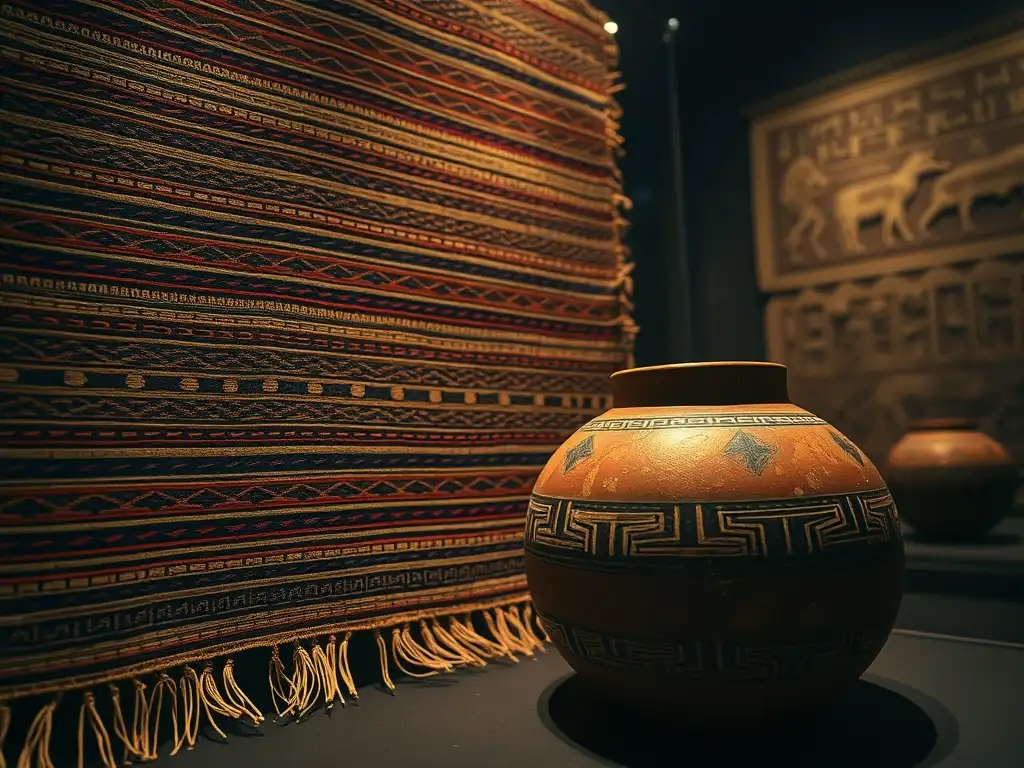
The Role of Museums in Displaying Ancient Andean Artifacts
Museums play a crucial role in preserving and showcasing the remarkable legacy of Ancient Andean artifacts. Institutions like the Larco Museum in Lima, Peru, and the Museo Nacional de Antropología in Mexico City house extensive collections, offering invaluable insights into Andean cultures. These museums not only display artifacts—textiles, ceramics, goldwork, and intricate stone carvings—but also provide educational programs and research facilities, fostering a deeper understanding of Andean history and artistic achievements.
Effective curation involves meticulous cataloging, proper storage in climate-controlled environments, and the implementation of security measures to prevent theft or damage. Furthermore, engaging museum exhibits utilize multimedia technology, interactive displays, and detailed descriptions to make the artifacts accessible and appealing to a diverse audience, contributing significantly to public education and appreciation of Ancient Andean culture.
The careful selection and presentation of artifacts within a broader narrative context are essential to avoid misrepresentation and ensure the accurate portrayal of Andean civilizations. The ongoing efforts of museum professionals to update exhibitions and incorporate new research findings demonstrate a commitment to providing an evolving and accurate representation of Ancient Andean artifacts.
Conservation Efforts for Andean Archaeological Sites
Protecting the fragile archaeological sites of the Andes is paramount for preserving Ancient Andean heritage. These sites, often exposed to the elements and vulnerable to looting and environmental degradation, require continuous monitoring and conservation. Efforts range from stabilizing crumbling structures using traditional and modern techniques to implementing sustainable tourism practices that minimize environmental impact.
The meticulous work of archaeologists and conservators involves careful excavation, documentation, and the use of advanced technologies like 3D scanning to create detailed records of the sites. Furthermore, community involvement is vital, as local populations often possess invaluable traditional knowledge about site management and conservation. Initiatives focused on raising awareness about the importance of protecting these sites are crucial for securing long-term preservation.
For example, the ongoing efforts to conserve Machu Picchu, a UNESCO World Heritage site, showcase a complex interplay of scientific expertise, community engagement, and sustainable tourism management. These conservation efforts ensure that future generations can appreciate and learn from these remarkable sites.
Ethical Considerations in the Study of Andean Antiquities
Ethical considerations are central to the study and preservation of Ancient Andean artifacts. The repatriation of artifacts looted from their original contexts and held in museums internationally is a complex and ongoing debate. Respect for indigenous communities and their ancestral heritage is paramount, requiring consultation and collaboration in research and display practices.
The ethical acquisition and handling of artifacts must adhere to strict guidelines to prevent further exploitation and damage to cultural patrimony. Furthermore, the narrative surrounding these artifacts should avoid perpetuating colonial biases or misrepresenting the complexity of Andean societies. Transparency in research methods and the dissemination of findings is essential to build trust and foster collaboration with local communities.
The responsible management of archaeological sites and the artifacts they yield requires a commitment to ethical practices that center the rights and perspectives of the indigenous communities whose heritage is being studied. A crucial aspect of this ethical approach involves acknowledging the historical injustices and power imbalances that have shaped the study of Ancient Andean artifacts.
Experiencing the Andean World: Tourism and Cultural Immersion
Exploring Andean Archaeological Sites: Machu Picchu, Sacsayhuaman, Chan Chan
Machu Picchu, Sacsayhuaman, and Chan Chan represent iconic Andean archaeological sites that attract millions of visitors annually. Machu Picchu, the famed "Lost City of the Incas," perched high in the Andes, showcases the remarkable architectural and engineering skills of the Inca civilization. Sacsayhuaman, a massive fortress complex near Cusco, is known for its impressive cyclopean stonework. Chan Chan, the capital of the Chimú kingdom on Peru's northern coast, is a vast adobe city that reveals the sophistication of pre-Columbian urban planning.
Exploring these sites provides a tangible connection to the past, allowing visitors to witness the scale and complexity of Andean achievements firsthand. However, responsible tourism practices are crucial to minimize environmental damage and protect the integrity of these fragile sites. Careful planning and management of visitor flow are essential to prevent overcrowding and erosion.
Cultural Tours and Experiences Focusing on Andean Heritage
Cultural tours designed to promote understanding and appreciation of Andean heritage offer diverse and engaging experiences. These tours can incorporate visits to archaeological sites, museums, and local communities, providing a holistic perspective on Andean culture. Experiences may include traditional Andean music and dance performances, participation in local crafts workshops, and interactions with community members who share their knowledge and traditions.
These immersive experiences foster cultural exchange and mutual respect, offering visitors a deeper understanding of the richness and diversity of Andean cultures. Well-designed tours prioritize sustainable tourism practices, ensuring that local communities benefit economically and environmentally from tourism activities. The focus is on authentic experiences that are respectful of local customs and traditions.
The Impact of Tourism on Andean Communities
Tourism's impact on Andean communities is multifaceted. While it can generate economic opportunities, including employment and income generation for local businesses and artisans, it also presents challenges. The influx of tourists can strain local resources, such as water and sanitation infrastructure, and potentially lead to environmental degradation. The preservation of cultural heritage and the avoidance of cultural commodification are crucial considerations.
Responsible tourism practices that prioritize community participation and benefit-sharing are essential to ensure positive outcomes for local communities. Sustainable tourism initiatives aim to minimize negative impacts while maximizing benefits for local populations, fostering a mutually beneficial relationship between tourism and Andean communities. Careful planning and management are vital to ensure that tourism contributes to the long-term well-being of Andean communities and the preservation of their rich cultural heritage.
The Enduring Legacy of Ancient Andean Civilizations
The legacy of the Ancient Andean civilizations is profoundly impactful, extending far beyond the impressive ruins scattered across the Andes Mountains. Their sophisticated understanding of agriculture, engineering, and social organization continues to fascinate and inspire researchers and the general public alike. The intricate textiles, meticulously crafted ceramics, and awe-inspiring monumental architecture stand as testaments to their ingenuity and artistic prowess.
These artifacts don't merely represent objects from a bygone era; they are powerful narratives that illuminate the daily lives, beliefs, and social structures of these remarkable societies. Their advancements in irrigation systems, for example, allowed them to thrive in challenging environments, a lesson in resource management that remains relevant today. The sophisticated metalworking techniques employed by cultures like the Moche, producing intricate gold and silver objects, showcase a level of technological sophistication rarely seen in other contemporaneous societies.
The enduring appeal of Ancient Andean artifacts lies in their ability to connect us to a rich and complex past, fostering a deeper understanding of human ingenuity and cultural diversity. The vibrant colors and intricate designs found on Nazca pottery, for instance, continue to captivate audiences worldwide, demonstrating the artistic mastery and cultural richness of this ancient civilization. Studying these artifacts allows us to appreciate the depth and complexity of Andean societies and their remarkable achievements.
Lessons from the Past: Understanding Andean Ingenuity and Adaptability
The study of Ancient Andean artifacts offers invaluable insights into the ingenuity and adaptability of these civilizations. Their mastery of diverse terrains, from arid coastal deserts to high-altitude mountain ranges, is evident in the remarkable engineering feats documented in their artifacts. The sophisticated irrigation systems developed by the Incas, for example, allowed them to cultivate crops in otherwise infertile lands, demonstrating a profound understanding of hydrology and agricultural techniques.
Similarly, the intricate textile production, showcasing mastery of spinning, dyeing, and weaving techniques using diverse materials like alpaca and llama wool, highlights their adaptability to resource availability. The complex social structures, reflected in the hierarchical organization evident in some artifacts, and the sophisticated record-keeping systems, such as the quipu, suggest a high level of organizational capacity. Analysis of these artifacts reveals not only technical skills but also a deep understanding of their environment and the ability to adapt to its challenges.
The impressive stonework found in sites like Machu Picchu, for example, showcases both advanced engineering knowledge and an understanding of seismic activity, minimizing structural damage. These lessons from the past offer valuable perspectives on sustainable resource management, innovative engineering, and societal organization, all relevant to contemporary challenges.
The Relevance of Andean Culture in the Modern World
The relevance of Andean culture in the modern world extends far beyond academic interest. The aesthetic beauty and cultural significance of Ancient Andean artifacts continue to inspire artists, designers, and cultural practitioners worldwide. Motifs and designs from Andean textiles and ceramics are incorporated into contemporary art, fashion, and design, demonstrating the enduring influence of these ancient cultures.
Furthermore, the principles of sustainable living and resource management practiced by Andean civilizations provide valuable lessons for addressing contemporary environmental challenges. Their sophisticated understanding of agriculture, water management, and community organization offers insights for developing more sustainable practices in modern societies. The emphasis on community, reciprocity, and respect for the environment, as reflected in Andean worldview, offers valuable perspectives for building more equitable and sustainable communities.
Moreover, the ongoing efforts to protect and preserve Andean cultural heritage promote cultural tourism, contributing to economic development in the region while simultaneously safeguarding invaluable historical sites. The cultural identity of many Andean communities remains deeply rooted in their ancestral heritage, and the preservation and celebration of Ancient Andean artifacts contribute to the maintenance of cultural continuity and diversity.
Future Research and Discoveries in Andean Archaeology
The field of Andean archaeology is constantly evolving, with new technologies and approaches offering exciting possibilities for future research and discoveries. Advances in remote sensing, such as LiDAR technology, enable the identification of previously unknown sites and features, potentially revealing hidden settlements, agricultural systems, and other aspects of Andean life. DNA analysis of ancient human remains can shed light on migration patterns, population dynamics, and genetic relationships between different Andean groups.
Furthermore, the application of advanced imaging techniques to artifacts allows for a deeper understanding of their composition, manufacturing techniques, and use, providing insights into technological innovation and cultural practices. Future research may also focus on exploring the connections between different Andean civilizations, clarifying the nature of cultural exchange and interaction. The ongoing investigation of the quipu, the Inca knotted-string record-keeping system, promises to reveal more about their administrative and social structures.
Continued excavations and analysis of artifacts, coupled with advancements in scientific techniques, promise to unveil further details about the lives, beliefs, and achievements of these remarkable civilizations, adding to our understanding of "Ancient Andean artifacts" and their place in human history. These discoveries will undoubtedly reshape our understanding of Andean societies and their lasting impact on the world.
- Unveiling the Past: The Significance of Ancient Andean Artifacts
- Pre-Incan Treasures: Exploring Diverse Andean Cultures
- The Inca Empire: Artifacts of Power and Ingenuity
- Understanding Andean Culture Through Material Remains
- Preserving and Showcasing Andean Cultural Heritage
- Experiencing the Andean World: Tourism and Cultural Immersion
- The Enduring Legacy of Ancient Andean Civilizations
Frequently Asked Questions
What makes Andean artifacts so significant?
Andean artifacts offer unparalleled insight into the complex societies that thrived in the Andes. They reveal advanced technologies, intricate artistic styles, and unique cultural practices, providing a window into a fascinating past. Studying these artifacts helps us understand their beliefs and daily lives.
Where can I see Ancient Andean artifacts?
Many museums worldwide house impressive collections of Andean artifacts. You can find significant displays in South America (e.g., Peru, Bolivia), as well as in major museums in the United States and Europe. Check online for specific locations and exhibitions.
What are some of the most famous Ancient Andean artifacts?
Examples include the Moche pottery depicting vivid scenes of daily life and rituals, the Nazca Lines, and the Inca gold and silverwork. The intricate textiles and monumental architecture also represent significant achievements.
How were Ancient Andean artifacts created?
The techniques varied greatly depending on the culture and material. Metalworking, particularly gold and silver, was highly advanced. Pottery was created using diverse methods, and textiles were woven with remarkable skill using natural dyes.
What can Ancient Andean artifacts tell us about the environment?
Analysis of artifacts reveals information about resource use and adaptation to the challenging Andean environment. Agricultural techniques, materials used in construction, and even the depiction of flora and fauna in art provide clues about their relationship with their surroundings and climate.
Final Reflection: Echoes of the Andes: A Legacy Woven in Time
The intricate artistry and profound symbolism embedded within Ancient Andean artifacts continue to resonate today, offering invaluable insights into a civilization that shaped the very landscape of South America. Their enduring power lies not just in their aesthetic beauty, but in their ability to connect us to a rich and complex past, reminding us of the interconnectedness of human experience across millennia.
The impact of Andean culture, as revealed through its artifacts, is undeniable. Its influence can be seen in contemporary art, fashion, and even spiritual practices. The enduring legacy of these objects transcends mere historical significance; they represent a living connection to a vibrant culture. The past is never dead. It's not even past.
– William Faulkner. This quote perfectly encapsulates the enduring relevance of these artifacts, their stories echoing through time and shaping our understanding of the present.
Consider the stories whispered by each intricately woven textile, each meticulously crafted ceramic vessel, each delicately carved piece of gold. These are not simply objects; they are vessels of memory, carrying the hopes, dreams, and beliefs of a people who lived centuries ago. Take a moment to reflect on the enduring power of human creativity and resilience, as evidenced by these remarkable artifacts.
Let their beauty and complexity inspire you to explore the rich tapestry of human history and to appreciate the enduring legacy of cultures that came before us. Let the echoes of the Andes resonate within you, prompting further exploration and a deeper understanding of our shared human journey.
Uncover the Wonders of the Andean World!
Thank you for exploring the rich tapestry of Andean civilization and its remarkable artifacts with us! Your journey into the past has revealed not only the history but also the enduring cultural treasures that continue to fascinate and inspire. Now, let's build on that inspiration.
Here are some ways you can further engage with Andean heritage:
- Embark on Your Own Journey: Visit a local Andean museum or cultural site. Experience the history firsthand and immerse yourself in the captivating stories behind these incredible objects.
- Join the Conversation: Share your thoughts and discoveries in our online community forum. Connect with fellow history enthusiasts to discuss your favorite Andean civilizations and the artifacts that most resonate with you.
- Create and Share: Express your inspiration through art. Whether it's a painting, a craft, or even a recipe inspired by Andean culture, share your creations on social media using the hashtag #AndeanArtEncounter to help others discover this rich heritage.
Which Andean artifact captivated you the most, and how will you share its story with others?