
Protecting the Past: The Importance of Heritage Conservation in the Andes

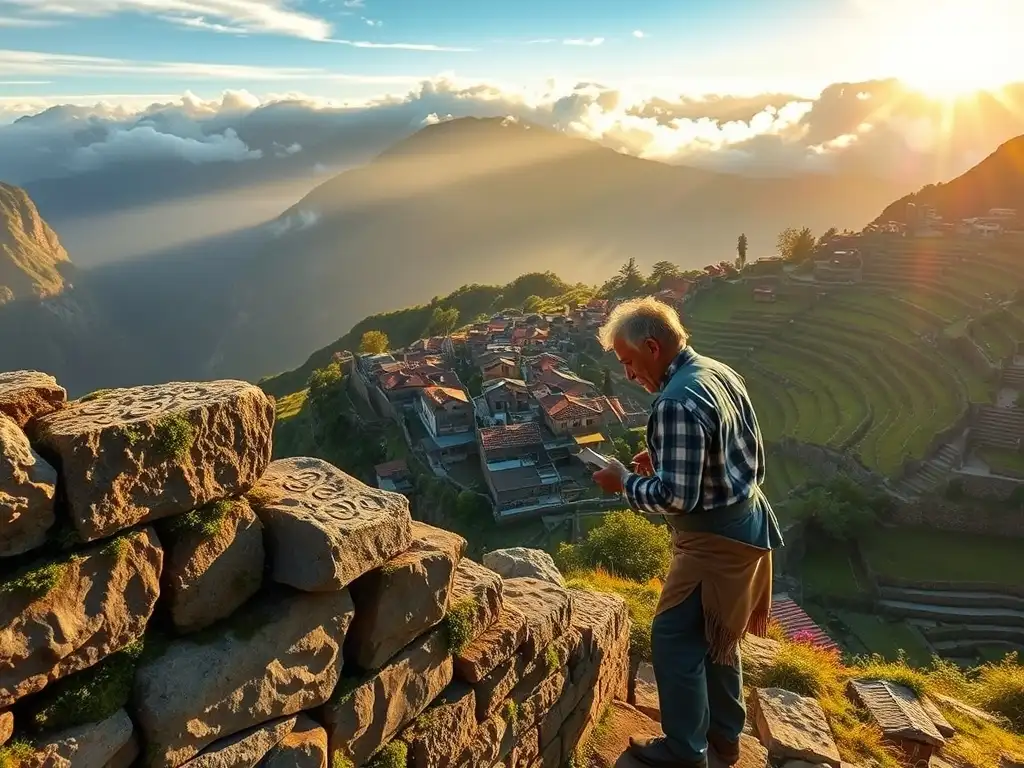
Uncover the mysteries of the Andes—a land sculpted by empires and echoing with forgotten voices. For centuries, the Incas, Moche, Nazca, and Tiahuanaco left behind an astounding legacy. But what happens when the echoes fade? Explore the crucial work being done in Andean heritage conservation, a critical battle to safeguard this invaluable past. Dive in and discover the challenges and triumphs in protecting this breathtaking Andean heritage for future generations.
- Protecting the Past: The Importance of Andean Heritage Conservation
- Threats to Andean Archaeological Sites and Cultural Artifacts
- Strategies for Effective Andean Heritage Preservation
- Case Studies in Andean Heritage Conservation Success
- The Economic and Social Benefits of Preserving Andean Culture
- Future Directions for Andean Heritage Conservation
- Frequently Asked Questions
- Final Reflection: Echoes of the Andes: A Legacy Worth Protecting
- **Embrace Your Role in Preserving Andean Heritage! **
Protecting the Past: The Importance of Andean Heritage Conservation
The Andes Mountains, a spine of towering peaks running down the western coast of South America, are not just a geographical marvel; they are a cradle of civilization. For millennia, diverse and sophisticated cultures—the Incas, Moche, Nazca, Tiahuanaco, and many others—have thrived in this challenging yet fertile landscape, leaving behind an extraordinary legacy of architectural wonders, intricate artistry, and innovative technologies.
This article explores the critical importance of Andean heritage conservation, examining the threats facing these invaluable cultural treasures and highlighting the urgent need for proactive preservation strategies. Understanding the fragility of these sites and the multifaceted challenges involved in their protection is paramount to ensuring that future generations can appreciate and learn from the rich tapestry of Andean history and culture.
We will delve into the unique aspects of Andean heritage, the reasons behind its vulnerability, and the various approaches currently employed to safeguard this irreplaceable legacy for years to come. The preservation of Andean heritage is not merely an academic pursuit; it is crucial for cultural identity, sustainable tourism, and the overall well-being of the Andean communities who are the rightful custodians of this extraordinary past.
Understanding the Richness of Andean Cultural Heritage
Andean cultural heritage encompasses a breathtaking array of tangible and intangible elements. From the majestic stone cities of Machu Picchu and Ollantaytambo, testaments to Inca ingenuity, to the enigmatic Nazca Lines etched across the desert floor, the region boasts an unparalleled concentration of archaeological sites. Consider the intricate pottery of the Moche, depicting vivid scenes of daily life and ritual, or the sophisticated astronomical knowledge reflected in the Tiahuanaco calendar.
These are only glimpses into the vast scope of Andean cultural heritage. The diversity of this heritage is staggering, reflecting the unique adaptations and innovations of various Andean societies over centuries.
Beyond the physical artifacts, intangible heritage plays an equally crucial role. This includes traditional Andean music, vibrant textiles, ancient languages, and unique agricultural practices passed down through generations. These living traditions are deeply intertwined with the landscape and the identity of Andean communities. Their preservation is essential not just for historical accuracy but for the continued vitality of these communities themselves.
The loss of these traditions would represent an irreversible cultural impoverishment. Protecting this multifaceted heritage requires a holistic approach that considers both tangible and intangible elements, acknowledging their interconnectedness and the vital role they play in the present-day lives of Andean peoples. The challenge lies in balancing the needs of conservation with the aspirations of modern Andean societies.
Why is Andean Heritage Conservation Crucial?
Andean heritage conservation is crucial for several interconnected reasons. Firstly, it safeguards irreplaceable historical and cultural knowledge. These sites and artifacts provide invaluable insights into the past, allowing us to understand the ingenuity, resilience, and complex social structures of past Andean societies. Their destruction represents an irreparable loss of knowledge.
Secondly, the preservation of Andean heritage is vital for sustainable tourism. These sites attract millions of visitors annually, generating significant economic benefits for local communities. However, uncontrolled tourism can lead to site degradation and cultural commodification. Responsible tourism practices are essential to balance economic benefits with the imperative of preservation. This includes limiting visitor numbers, educating tourists about responsible behavior, and ensuring that local communities benefit directly from tourism revenue.
Finally, and perhaps most importantly, Andean heritage conservation is essential for the cultural identity and well-being of Andean communities. These sites and traditions are integral to their sense of place, history, and identity. Protecting this heritage is therefore a matter of respecting and supporting the cultural rights of Andean peoples.
It's about empowering local communities to become active participants in the preservation of their own heritage, ensuring that conservation efforts are culturally sensitive and community-led. Failing to protect this legacy risks not only the loss of a unique cultural heritage but also the erosion of the very fabric of Andean societies. The ongoing commitment to Andean heritage conservation is therefore a crucial step in ensuring a sustainable and culturally rich future for the region.
Threats to Andean Archaeological Sites and Cultural Artifacts
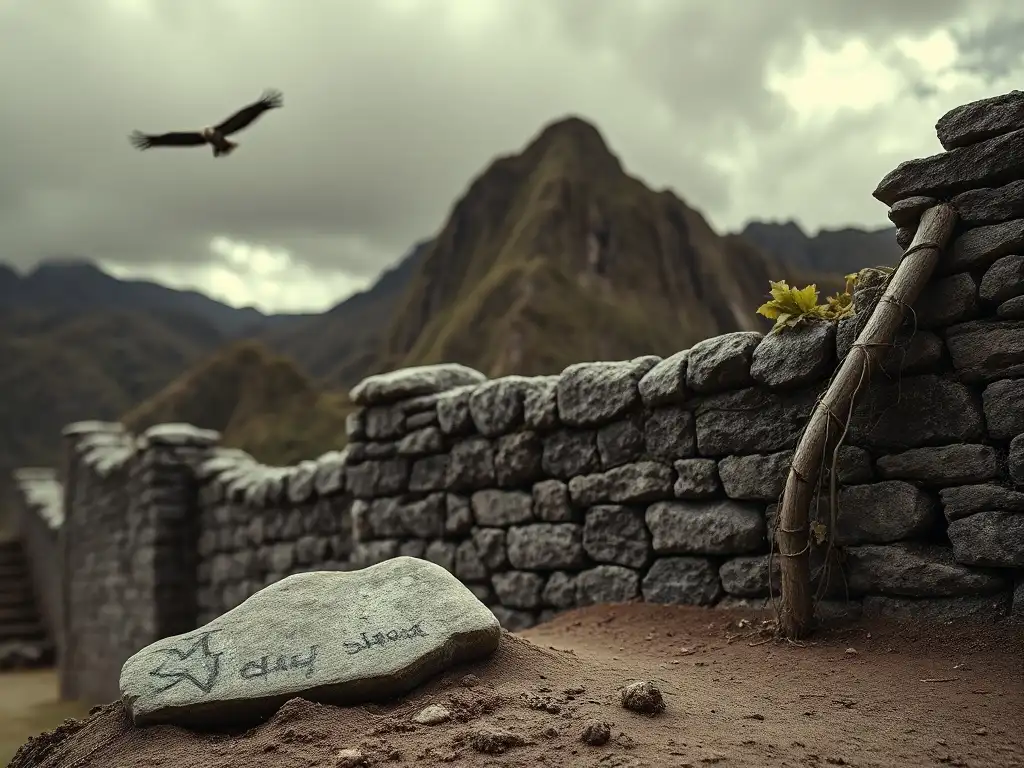
The preservation of Andean heritage is a complex challenge, facing numerous threats that jeopardize the invaluable legacy of these ancient civilizations. Understanding these threats is crucial for developing effective conservation strategies and ensuring the survival of these irreplaceable cultural assets for future generations. The following sections detail some of the most pressing dangers facing Andean archaeological sites and artifacts. Effective Andean heritage conservation requires a multi-faceted approach that addresses these issues comprehensively.
Natural Erosion and Climate Change Impacts on Andean Ruins
Natural processes, exacerbated by climate change, pose significant challenges to the long-term survival of Andean ruins. The high altitude, arid climate, and intense solar radiation characteristic of the Andes contribute to rapid weathering and erosion of stone structures. For example, the monumental structures of Machu Picchu are constantly battling the effects of frost wedging, where water seeps into cracks, freezes, and expands, causing the stone to fracture. This process is amplified by increasingly erratic weather patterns, including more frequent and intense rainfall events, which lead to accelerated erosion and landslides.
Furthermore, glacial melt resulting from climate change poses a significant threat to sites located near glaciers or in high-altitude valleys. The increased runoff can destabilize slopes, leading to landslides and flooding that damage or destroy archaeological remains. The melting glaciers also expose previously buried artifacts to the elements, accelerating their deterioration.
Specific examples include the impact on sites near the Cordillera Blanca in Peru, where retreating glaciers are uncovering previously inaccessible archaeological deposits, making them vulnerable to damage and looting. Detailed studies on the rate of glacial retreat and its impact on nearby archaeological sites are needed to better understand and mitigate these risks. This requires collaboration between archaeologists, climatologists, and engineers to develop effective conservation strategies tailored to specific site vulnerabilities.
The Devastating Effects of Looting and Illegal Trafficking of Andean Artifacts
Looting and the illegal trafficking of Andean artifacts represent a major threat to the preservation of the region's cultural heritage. The demand for ancient artifacts on the international black market fuels a lucrative and destructive industry. Grave robbers and looters systematically plunder archaeological sites, removing artifacts from their context and destroying invaluable information about past Andean societies. The removal of artifacts not only deprives researchers of crucial data but also irrevocably damages the integrity of archaeological sites themselves.
This illegal activity often involves sophisticated networks that span multiple countries, making enforcement difficult. The lack of stringent regulations and enforcement in some areas exacerbates the problem. The consequences are devastating, leading to the loss of irreplaceable objects and the destruction of invaluable archaeological contexts.
For instance, the looting of pre-Columbian tombs in the Nazca region of Peru has resulted in the loss of countless artifacts and the irreversible damage to burial sites, forever obscuring our understanding of Nazca funerary practices. Combating this requires strengthened international collaboration, improved law enforcement, and educational initiatives to raise public awareness about the importance of protecting Andean heritage. Increased funding for archaeological research and site protection is also crucial in preventing further losses.
Urban Development and Infrastructure Projects: A Threat to Andean Historical Sites
Rapid urbanization and the construction of new infrastructure projects pose a significant threat to Andean historical sites. The expansion of cities, roads, and other infrastructure often encroaches upon archaeological areas, leading to the destruction or damage of ancient ruins and artifacts. The lack of proper archaeological assessments before construction begins frequently results in the unintended destruction of valuable sites.
In some cases, the construction of dams and reservoirs for hydroelectric projects has led to the inundation of entire valleys, submerging archaeological sites beneath the water. Similar problems arise with mining operations, which can lead to the destruction of sites through excavation, pollution, and habitat disruption.
A prime example is the impact of mining activities on the Tiwanaku site in Bolivia, where mining operations have caused significant environmental damage and threaten the long-term preservation of this important archaeological site. Mitigating these risks requires the implementation of strict environmental impact assessments, the integration of archaeological surveys into development planning, and the development of sustainable infrastructure projects that minimize their impact on cultural heritage.
This requires strong collaboration between government agencies, developers, and archaeologists to ensure the protection of Andean heritage in the face of development pressures. The effective implementation of heritage conservation strategies requires a commitment to responsible development practices that prioritize the preservation of Andean cultural legacy.
Strategies for Effective Andean Heritage Preservation
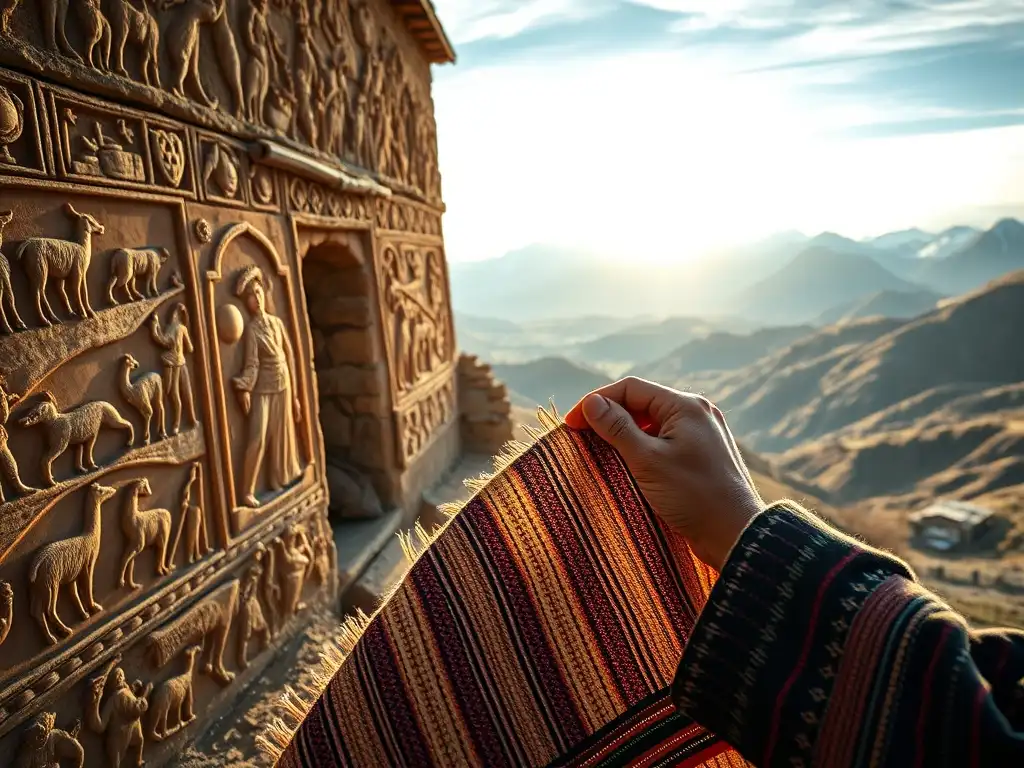
The effective preservation of Andean heritage requires a multifaceted approach, encompassing community engagement, technological innovation, and sustainable tourism practices. Ignoring any one of these crucial elements risks undermining the long-term viability of conservation efforts. This section delves into specific strategies demonstrating their individual and combined importance for safeguarding this invaluable cultural legacy. The delicate balance between preserving the past and enabling future generations to appreciate it demands careful planning and execution. We'll examine how these strategies contribute to the overall goal of Andean heritage conservation.
Community Involvement in the Protection of Andean Cultural Sites
Active community participation is paramount for successful Andean heritage conservation. Indigenous communities possess invaluable traditional knowledge and a deep-seated connection to their ancestral sites. Their involvement ensures that preservation efforts are culturally sensitive and respect local traditions. For example, in the Cusco region, community-led initiatives have successfully managed the preservation of ancient Inca trails and agricultural terraces, employing traditional techniques alongside modern conservation methods. This approach fosters a sense of ownership and responsibility, leading to more effective long-term protection.
Furthermore, engaging local communities can unlock economic opportunities. By involving them in tourism initiatives related to heritage sites, they can directly benefit from the preservation efforts, creating a powerful incentive for continued protection. This contrasts sharply with past practices where communities were often excluded from decision-making processes, leading to resentment and even active resistance to conservation efforts. Successful programs often involve training local guides, artisans, and entrepreneurs, empowering them to participate meaningfully in heritage tourism.
The success of community involvement hinges on transparency, equitable benefit-sharing, and respectful dialogue. It requires a shift away from top-down approaches to more collaborative and inclusive models. This collaborative approach ensures that conservation projects are not only effective but also ethically sound and sustainable. The importance of community participation in Andean heritage conservation cannot be overstated; it represents a fundamental shift towards a more just and effective preservation strategy.
The Role of Technology in Documenting and Conserving Andean Heritage
Technology plays a crucial role in modern Andean heritage conservation, offering innovative tools for documentation, preservation, and monitoring. High-resolution 3D scanning, for instance, allows for the creation of detailed digital models of fragile artifacts and sites, enabling researchers and conservators to study them without risking damage. This non-invasive approach is particularly valuable for delicate textiles, ceramics, and monumental architecture.
Furthermore, Geographic Information Systems (GIS) technology facilitates the mapping and monitoring of archaeological sites, providing valuable data on environmental changes and potential threats such as erosion, looting, or urban encroachment. This proactive approach enables timely interventions to mitigate risks and protect vulnerable sites. The use of drones equipped with high-resolution cameras provides a cost-effective and efficient way to survey large areas, identifying previously unknown sites or documenting the state of existing ones.
Digital archives allow for the safe and accessible storage of vast amounts of information, including photographs, drawings, and research data. This digital preservation approach safeguards invaluable information against physical damage or loss, making it readily available for future researchers and scholars. The integration of these technologies into comprehensive heritage management plans is essential for ensuring the long-term preservation of Andean cultural heritage. The effective use of technology is therefore an indispensable part of Andean heritage conservation.
Sustainable Tourism as a Tool for Andean Heritage Conservation
Sustainable tourism presents a powerful opportunity to finance and support Andean heritage conservation initiatives. Revenue generated from responsible tourism can be directly invested in the preservation of sites, the training of local communities, and the development of infrastructure that minimizes environmental impact. However, it's crucial that this tourism is managed carefully to avoid the negative consequences of over-tourism, which can damage fragile sites and erode the cultural integrity of local communities.
A key aspect of sustainable tourism is the implementation of carrying capacities – limits on the number of visitors allowed at a given site at any one time. This prevents overcrowding and damage to the environment and cultural heritage. Educating tourists about responsible travel practices, such as respecting local customs and minimizing their environmental footprint, is also crucial. Promoting community-based tourism initiatives, where local communities directly benefit from tourism revenue, provides a powerful incentive for conservation. This can include supporting local businesses, providing employment opportunities, and empowering communities to manage their own heritage resources.
Sustainable tourism, when carefully planned and managed, can be a powerful engine for Andean heritage conservation. It provides a crucial source of funding while simultaneously fostering a sense of pride and ownership among local communities. However, it’s important to remember that the economic benefits must be balanced against the potential environmental and cultural costs. A careful and responsible approach is necessary to ensure that tourism becomes a genuine tool for preservation rather than a threat.
Case Studies in Andean Heritage Conservation Success
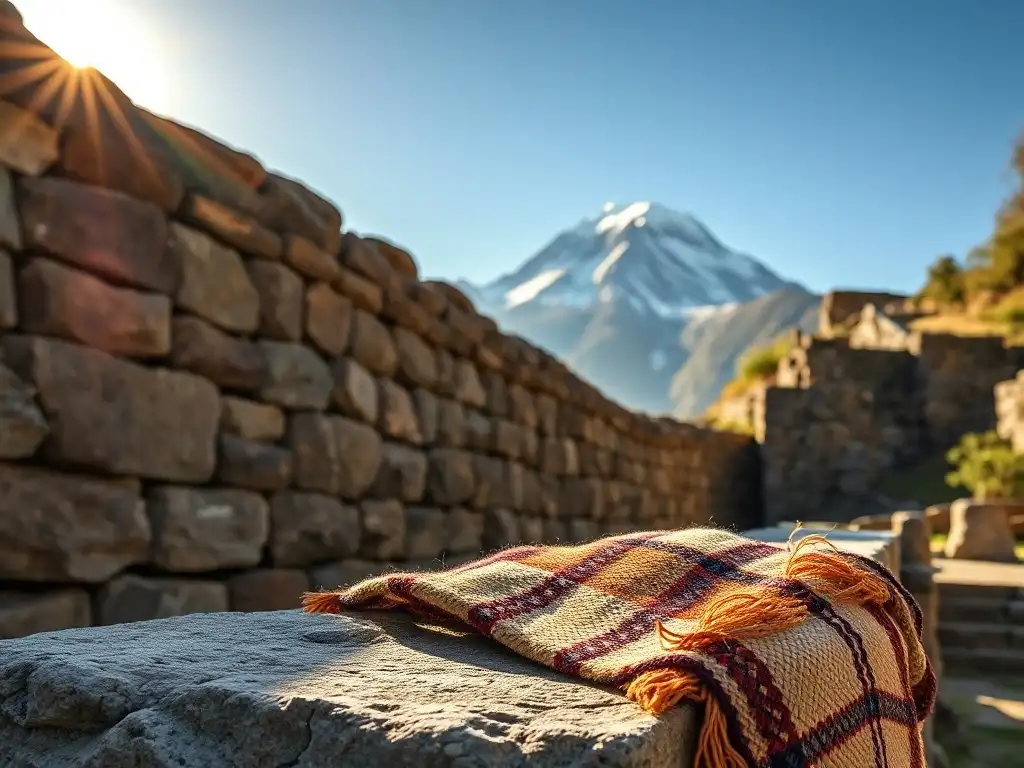
This section showcases successful examples of Andean heritage conservation, highlighting diverse approaches and their impact. Understanding these case studies provides valuable insights into effective strategies for protecting invaluable Andean cultural legacies for future generations. The focus here is on Andean heritage conservation initiatives that demonstrate tangible results and offer replicable models for other sites. We will examine projects that illustrate the importance of collaboration, community involvement, and sustainable tourism in preserving these irreplaceable treasures.
The Restoration of Machu Picchu: A Triumph of Collaborative Conservation
The restoration of Machu Picchu stands as a landmark achievement in Andean heritage conservation. This iconic Inca citadel, perched high in the Andes, faced significant challenges due to its age, exposure to the elements, and the sheer volume of tourists. The successful conservation effort exemplifies the power of collaborative partnerships.
The project involved a multi-faceted approach, combining meticulous archaeological research with innovative engineering solutions. Experts from various fields—archaeologists, architects, engineers, and conservators—worked together to stabilize structures, repair damaged sections, and implement sustainable tourism management practices. This collaborative spirit was crucial in ensuring the long-term preservation of Machu Picchu's unique architectural and historical significance.
Specific examples include the careful consolidation of crumbling stone walls using traditional techniques and materials, minimizing the use of modern interventions. Furthermore, the implementation of a sophisticated visitor management system has helped to mitigate the impact of tourism on the site, preventing further deterioration. The ongoing monitoring and maintenance program ensures the continued preservation of this incredible Andean heritage site. This success story underscores the necessity of a holistic approach to Andean heritage conservation, integrating scientific rigor with respect for cultural heritage.
The Preservation of Tiwanaku: A Focus on Community-Based Management
The preservation of Tiwanaku, a pre-Inca archaeological site in Bolivia, highlights the critical role of community-based management in Andean heritage conservation. Unlike Machu Picchu's primarily government-led restoration, Tiwanaku's success stems from empowering local communities to actively participate in its protection.
This community-based approach involved several key initiatives. Local residents were trained in archaeological techniques, site management, and tourism practices. This ensured the preservation of the site while providing economic opportunities for the community. The involvement of locals fostered a sense of ownership and responsibility, leading to increased vigilance against looting and vandalism.
Furthermore, the project incorporated sustainable tourism strategies, ensuring that the economic benefits from tourism directly benefited the community, creating a positive feedback loop for continued conservation efforts. [Specific data on economic impact pending]. The Tiwanaku example demonstrates that successful Andean heritage conservation requires not only technical expertise but also a strong commitment to community engagement and empowerment.
The Ongoing Efforts at Ingapirca: Combining Research and Heritage Tourism
Ingapirca, an Inca ruin in Ecuador, presents a different challenge in Andean heritage conservation: balancing the preservation of the site with the needs of a growing heritage tourism sector. The ongoing efforts at Ingapirca exemplify a successful strategy that integrates research, conservation, and sustainable tourism development.
The approach at Ingapirca combines careful archaeological investigation with the development of infrastructure that supports responsible tourism. This involves the creation of visitor centers, improved access routes, and the implementation of visitor management plans. Importantly, the revenue generated from tourism is directly reinvested in the site's conservation and the development of local communities. This carefully managed approach aims to ensure that the economic benefits of tourism contribute directly to the long-term preservation of Ingapirca's valuable heritage.
[Specific examples of successful tourism initiatives pending]. The Ingapirca case demonstrates how a well-planned approach can successfully integrate the economic potential of heritage tourism with the fundamental goal of Andean heritage conservation. The careful balance between these two aspects is crucial for the future of many Andean sites.
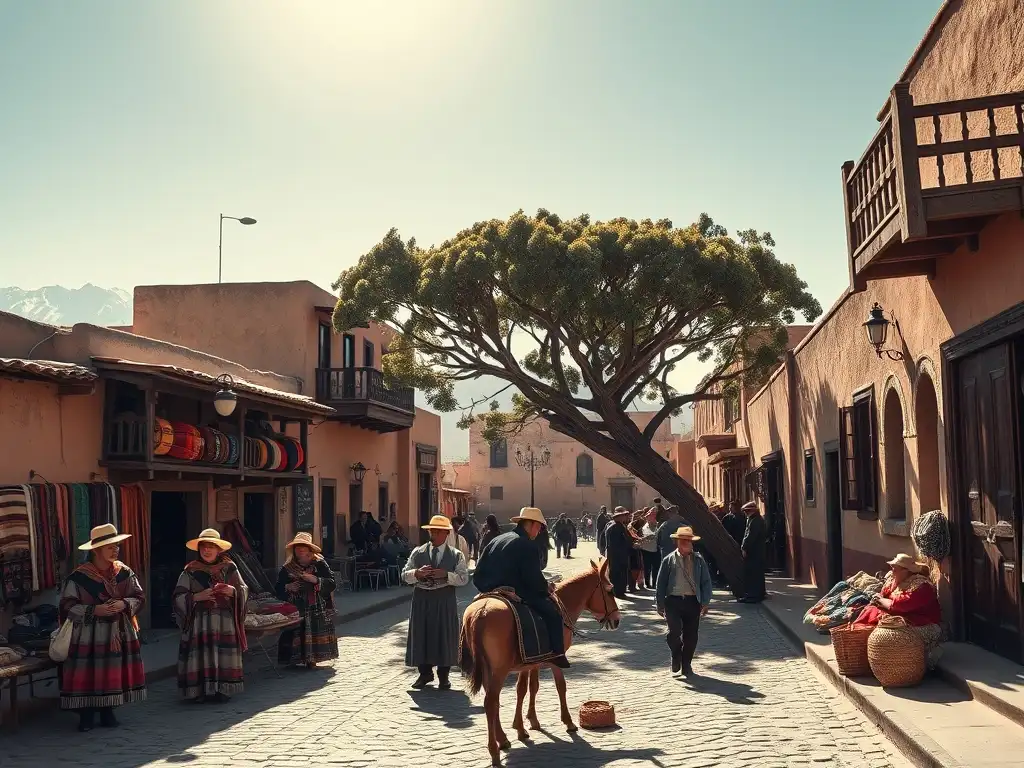
Preserving Andean heritage is not merely a matter of historical preservation; it's a crucial investment with significant economic and social returns. The careful management and protection of archaeological sites, traditional crafts, and cultural practices directly contribute to the well-being of Andean communities and the region as a whole. This section will explore these multifaceted benefits, highlighting the tangible impacts of successful Andean heritage conservation initiatives.
How Andean Heritage Conservation Boosts Local Economies
Andean heritage conservation significantly boosts local economies through the development of sustainable tourism. Well-preserved archaeological sites, such as Machu Picchu or the Nazca Lines, attract a substantial influx of tourists, generating revenue for local businesses, including hotels, restaurants, transportation services, and artisan workshops. This economic activity creates jobs, improves infrastructure, and stimulates overall economic growth in the surrounding communities.
For example, the successful preservation of Ollantaytambo has led to a significant increase in tourism-related employment, benefiting local families and fostering a more stable economy. Furthermore, the protection of traditional crafts and their associated knowledge allows for the creation of unique, high-value products that are sold nationally and internationally, further bolstering local economies and supporting the livelihoods of artisans. Careful planning and management are crucial to ensure that tourism is sustainable and doesn't negatively impact the very heritage it seeks to promote.
This requires a balanced approach, combining economic development with environmental protection and community engagement. The economic benefits extend beyond direct tourism revenue; they include increased property values, improved infrastructure, and a general rise in the standard of living for local populations.
Andean Cultural Heritage: Promoting Cultural Identity and Pride
Beyond economic benefits, Andean heritage conservation plays a vital role in strengthening cultural identity and fostering community pride. The preservation of ancient languages, traditional music, and unique artistic expressions helps maintain a sense of continuity and connection to the past. This is particularly important in a rapidly changing world, where globalization can threaten the survival of traditional cultures.
Protecting intangible cultural heritage, such as traditional weaving techniques or Andean music, empowers local communities to express their identity and celebrate their unique cultural heritage. This cultural pride can lead to increased social cohesion, stronger community bonds, and a greater sense of belonging. For instance, the revitalization of traditional Quechua festivals and celebrations has fostered a renewed sense of cultural identity amongst younger generations, ensuring the transmission of cultural knowledge and traditions to future generations.
The preservation and promotion of Andean cultural heritage are essential for maintaining the cultural diversity of the region and celebrating the unique contributions of Andean civilizations to the world's cultural landscape. The process of safeguarding this heritage fosters a sense of collective ownership and responsibility, strengthening the social fabric of Andean communities.
The Educational Value of Conserving Andean History
The conservation of Andean historical sites and artifacts provides invaluable educational opportunities, both for local communities and for the wider world. Preserved sites serve as living classrooms, allowing for a deeper understanding of Andean history, culture, and technology. The careful study and interpretation of these sites provide insights into the sophistication and ingenuity of past Andean civilizations, challenging preconceived notions and promoting a more nuanced understanding of the past.
Moreover, museums and educational programs that utilize conserved artifacts and archaeological findings play a crucial role in educating the public about the importance of Andean heritage. This educational outreach fosters a sense of stewardship and responsibility towards the preservation of this important legacy. The educational value is not limited to formal settings; the preservation of Andean heritage promotes informal learning through community involvement in conservation projects, thereby fostering a deeper understanding and appreciation of the past within the local communities.
This engagement ensures that knowledge is not just passively received but actively shared and transmitted across generations, guaranteeing the continued relevance and value of Andean heritage for years to come. Furthermore, the study of Andean history, through well-preserved sites and artifacts, provides valuable lessons about sustainability, resilience, and adaptation – crucial knowledge for facing the challenges of the 21st century.
Future Directions for Andean Heritage Conservation
The preservation of Andean heritage is a continuous process demanding innovative strategies and collaborative efforts. Successfully safeguarding these invaluable sites and artifacts requires a forward-looking approach that addresses emerging challenges and leverages technological advancements. This section explores crucial future directions for Andean heritage conservation, focusing on strengthening international collaboration, developing novel methodologies for archaeological conservation, and ensuring the long-term sustainability of Andean heritage sites. Effective Andean heritage conservation is not merely a responsibility; it's a vital investment in our shared cultural legacy.
Strengthening International Collaboration for Andean Heritage Protection
International cooperation is paramount for effective Andean heritage protection. The scale and complexity of the task necessitate a unified front, combining expertise, resources, and technologies from various nations. Currently, several international organizations are involved in Andean heritage projects, but greater coordination and standardized protocols are needed. This includes:
- Joint research initiatives: Collaborative research projects involving archaeologists, anthropologists, and conservation scientists from different countries can yield more comprehensive understandings of Andean sites and their preservation needs. For example, a joint project could focus on developing a unified database of Andean artifacts, improving accessibility and facilitating research across borders.
- Shared best practices: Regular forums and workshops should be held to exchange best practices in conservation techniques, risk management, and community engagement. Sharing successful strategies for mitigating the impact of tourism, climate change, and looting is crucial. This could involve creating a standardized training program for heritage professionals across the Andean region.
- Harmonized legislation: International collaboration can facilitate the harmonization of national legislation related to the protection of cultural heritage. This will help in combating illicit trafficking of artifacts and ensure a consistent approach to site management. The development of a model Andean heritage protection law could serve as a template for individual nations.
- Funding mechanisms: Securing consistent and sustainable funding for Andean heritage conservation is critical. International collaborations can leverage resources from various sources, including government agencies, international organizations, and private foundations. This might involve establishing a dedicated international fund for Andean heritage conservation.
Developing New Methodologies for Andean Archaeological Conservation
The delicate nature of Andean artifacts and sites demands innovative conservation methodologies. Traditional methods often prove insufficient in addressing the unique challenges posed by the Andean environment, including high altitude, seismic activity, and varied climatic conditions. Advancements in materials science, digital technologies, and environmental monitoring are essential for improving conservation outcomes. Specifically, we need:
- Non-invasive diagnostic techniques: Developing and implementing non-invasive techniques for assessing the condition of artifacts and sites is crucial. This includes using advanced imaging technologies like ground-penetrating radar (GPR) and multispectral imaging to identify potential threats without causing further damage. Further research into the application of these techniques in the high-altitude Andean environment is needed.
- Sustainable conservation materials: Research should focus on developing sustainable and environmentally friendly conservation materials that are compatible with the unique characteristics of Andean artifacts. This would involve testing the efficacy of bio-based materials and developing methods for minimizing the environmental impact of conservation interventions. Data on the long-term performance of these materials in the Andean climate is vital.
- Digital preservation and documentation: Creating high-resolution digital archives of Andean artifacts and sites is crucial for future research and educational purposes. This includes 3D modeling, photogrammetry, and virtual reality technologies, which allow for detailed documentation and virtual access to sites without causing physical disturbance. The development of open-access digital archives is also essential for wider dissemination of knowledge.
Ensuring the Long-Term Sustainability of Andean Heritage Sites
The long-term sustainability of Andean heritage sites requires a holistic approach that integrates conservation efforts with community development and sustainable tourism practices. This involves:
- Community engagement: Actively involving local communities in the planning and management of heritage sites is crucial for ensuring their long-term protection. This includes providing economic opportunities related to tourism and empowering communities to become custodians of their cultural heritage. Success stories of community-based heritage management in the Andes should be studied and replicated.
- Sustainable tourism management: Developing sustainable tourism strategies that minimize the environmental and social impact on heritage sites is essential. This includes implementing visitor management plans, providing education and awareness programs, and ensuring that tourism revenue directly benefits local communities. Data on the economic impact of sustainable tourism on Andean communities needs to be collected and analyzed.
- Climate change adaptation: Developing strategies to mitigate the impact of climate change on Andean heritage sites is crucial. This includes implementing measures to protect sites from erosion, landslides, and extreme weather events. Research on the vulnerability of Andean sites to climate change and the development of adaptation strategies are key areas for future work. A comprehensive risk assessment for each site, factoring in climate change projections, is needed.
The future of Andean heritage conservation hinges on a collaborative, innovative, and sustainable approach. By prioritizing these key areas, we can ensure that these invaluable cultural treasures are preserved for generations to come.
Frequently Asked Questions
What is Andean heritage conservation?
Andean heritage conservation involves the protection and preservation of the archaeological sites, cultural landscapes, and traditional practices of the Andean region. This encompasses efforts to prevent damage, promote sustainable tourism, and safeguard the legacy of ancient Andean civilizations for future generations.
Why is Andean heritage conservation important?
Conservation is crucial for understanding our shared human history, preserving biodiversity, and supporting the livelihoods of Andean communities. It safeguards irreplaceable cultural assets and promotes sustainable development in the region.
What are some threats to Andean heritage?
Threats include climate change, uncontrolled tourism, looting and illegal trafficking of artifacts, and urban development. These factors can cause significant damage to fragile archaeological sites and traditional knowledge.
How can I contribute to Andean heritage conservation?
You can support responsible tourism, donate to conservation organizations, and educate yourself and others about the importance of protecting Andean heritage. Advocating for stronger policies and sustainable practices also makes a difference.
What role do local communities play in Andean heritage conservation?
Local communities are essential partners in conservation efforts. Their traditional knowledge and active participation are vital for the long-term protection and sustainable management of Andean heritage sites and practices.
Final Reflection: Echoes of the Andes: A Legacy Worth Protecting
The urgent need to conserve Andean heritage is not merely a historical imperative; it is a vital thread in the tapestry of our shared human experience. The breathtaking landscapes, intricate textiles, and ancient traditions of the Andes are not relics of a bygone era, but living testaments to resilience, innovation, and a profound connection to the land. Their preservation is crucial not only for the people of the Andes, but for the global community that benefits from their cultural richness and ecological wisdom.
The ongoing struggle to balance development with preservation highlights the complex interplay between economic progress and cultural identity. The fight to protect these invaluable sites and traditions is a constant negotiation, a delicate dance between progress and preservation. The past is never dead. It's not even past,
wrote William Faulkner, and this rings profoundly true when considering the enduring legacy of Andean culture. Its influence continues to shape artistic expression, inspire sustainable practices, and offer invaluable lessons in community building and environmental stewardship. The stories woven into the very fabric of Andean life deserve to be heard, understood, and protected for generations to come.
Consider the impact of your own actions. What small steps can you take to support Andean heritage conservation? Perhaps it's supporting ethical tourism, advocating for responsible development initiatives, or simply learning more about the rich tapestry of Andean cultures. Let the echoes of the Andes inspire you to become a guardian of this invaluable legacy, ensuring that its vibrant spirit continues to resonate through time. Your engagement, however small, can contribute to a future where the wonders of the Andes continue to thrive.
**Embrace Your Role in Preserving Andean Heritage! **
Thank you for exploring the importance of heritage conservation in the Andes. Your interest in these rich cultural legacies is already making a difference. Let's now translate that passion into meaningful action.
- Join a local conservation group to actively participate in preservation efforts and deepen your understanding of Andean culture.
- Share your knowledge of Andean heritage on social media to raise awareness and inspire others to appreciate this shared history.
- Support heritage sites through visits and contributions; your presence helps sustain the communities that safeguard these invaluable landmarks.
How can you integrate the principles of heritage conservation into your daily life, and what steps will you take to protect the invaluable treasures of the Andes?