
Lost Worlds Rediscovered: Touring the Sacred Landscapes of the Andes

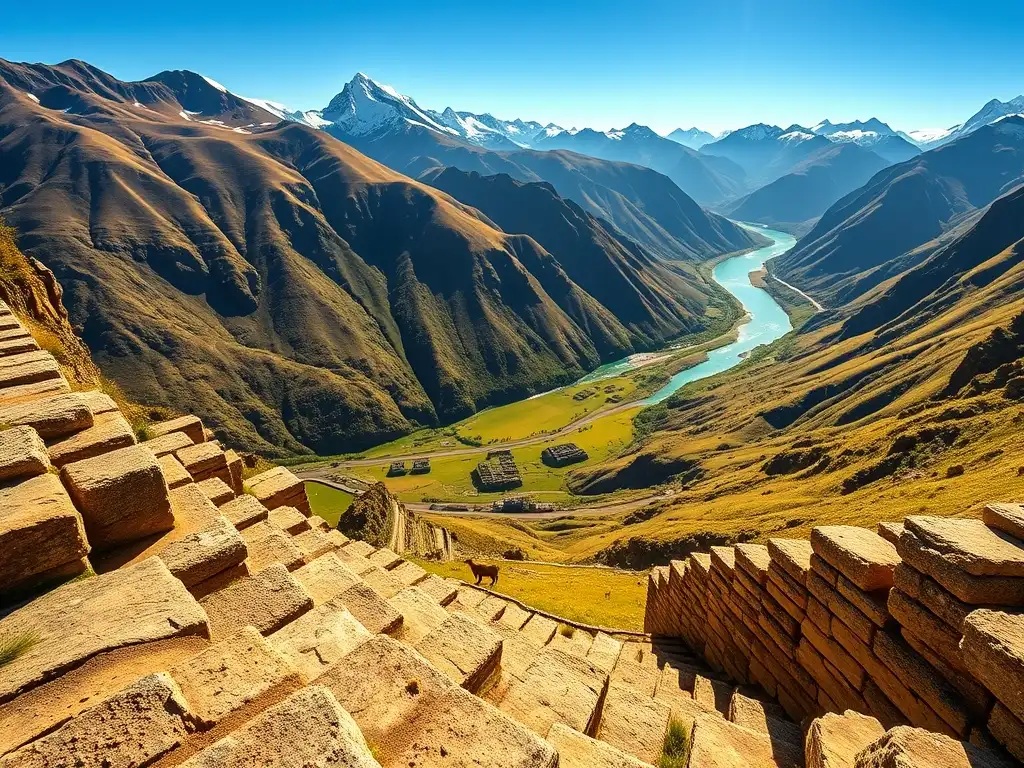
Uncover the mysteries of a world lost to time. Journey with us through the breathtaking landscapes of the Andes, where the echoes of Inca, Moche, Nazca, and Tiahuanaco civilizations still resonate. Prepare to be captivated by their incredible artistry, advanced engineering, and enduring legacy. Are you ready for an unforgettable Andean civilizations tour? Explore the wonders that await within.
The Andes Mountains, a spine of rock and ice running down the western edge of South America, are home to some of the most captivating and enigmatic civilizations the world has ever known. For centuries, these towering peaks have witnessed the rise and fall of empires, each leaving behind a breathtaking legacy of ingenuity, artistry, and spiritual devotion.
This article delves into the fascinating world of Andean civilizations tours, offering a glimpse into the sacred landscapes that shaped these cultures and the remarkable archaeological sites that continue to unveil their secrets. We'll explore the rich tapestry of history, culture, and technology that defined the Incas, Moche, Nazca, and Tiahuanaco, highlighting the unique opportunities for exploration and discovery available to modern travelers seeking to experience these "lost worlds" firsthand.
From the breathtaking heights of Machu Picchu to the intricate Nazca Lines etched into the desert floor, an Andean civilizations tour promises an unforgettable journey through time and space. Prepare to be amazed by the enduring power of these ancient societies and their profound connection to the Andes' majestic landscape.
Machu Picchu: The Lost City of the Incas
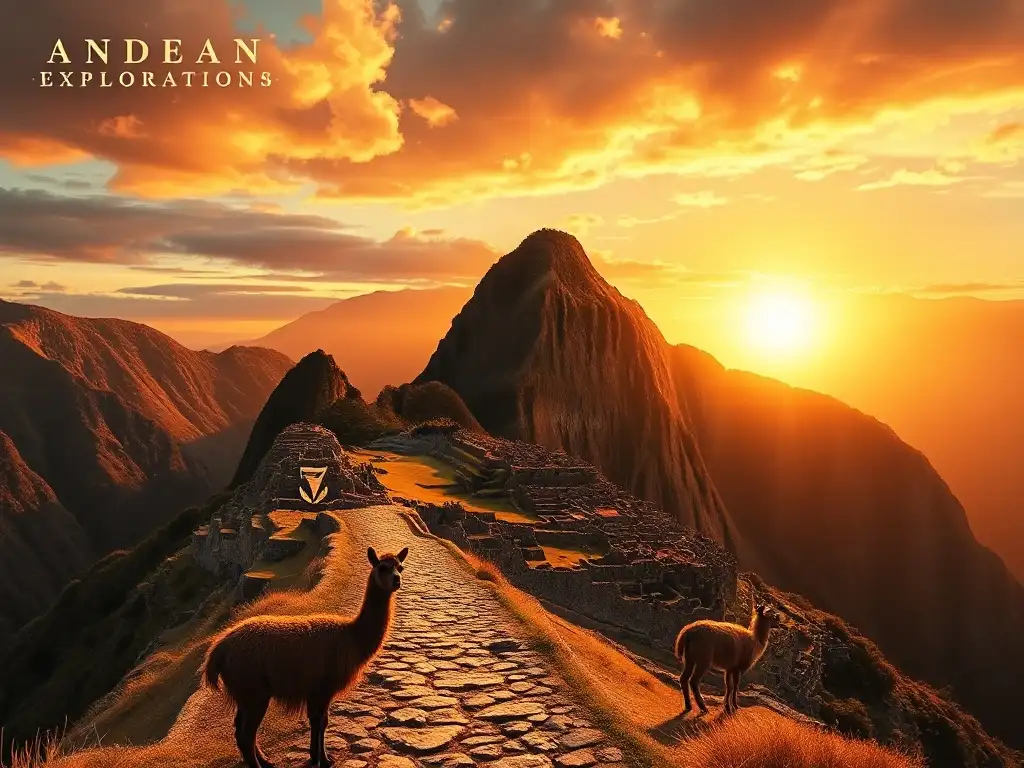
Machu Picchu, arguably the most iconic symbol of Inca civilization, stands as a testament to the architectural and engineering prowess of this remarkable people. Nestled high in the Andes, this "lost city" remained hidden from the outside world for centuries, only to be rediscovered in the early 20th century. Its intricate stonework, terraced agriculture, and carefully planned urban layout reveal a sophisticated understanding of both construction and environmental adaptation.
A tour of Machu Picchu allows visitors to walk in the footsteps of the Inca, imagining the daily life of its inhabitants and appreciating the profound spiritual significance of this mountaintop sanctuary. The sheer scale and breathtaking beauty of the site are truly awe-inspiring, leaving a lasting impression on all who visit.
Detailed studies continue to reveal new insights into the city's function and the lives of its people, making each visit a unique and enriching experience. Furthermore, the surrounding landscape, teeming with diverse flora and fauna, adds another layer to the magic of this unforgettable location.
The Moche: Masters of Metalwork and Monumental Architecture
The Moche civilization, flourishing on the northern coast of Peru between approximately 100 and 800 CE, left behind a remarkable legacy of artistry and engineering. Known for their sophisticated irrigation systems that allowed them to thrive in a desert environment, the Moche also excelled in metalworking, creating exquisitely crafted gold and silver artifacts that are renowned for their intricate detail and vibrant artistry. Their monumental architecture, including impressive pyramids and elaborate burial complexes, showcases their advanced understanding of construction techniques and their deep-seated religious beliefs.
Exploring Moche sites offers a fascinating glimpse into their complex social structure, their religious practices, and their remarkable artistic achievements. Many Moche sites feature stunning murals and intricate ceramics, providing invaluable insights into their daily life, warfare, and cosmology. The sheer artistry and scale of their achievements continue to captivate archaeologists and tourists alike.
The Nazca Lines: An Enigmatic Aerial Masterpiece
The Nazca Lines, a series of massive geoglyphs etched into the desert plains of southern Peru, remain one of the world's greatest archaeological mysteries. These enormous figures, depicting animals, plants, and geometric shapes, are best viewed from the air, their scale and precision truly remarkable. Their purpose continues to be debated, with theories ranging from astronomical observations to ritualistic practices.
A tour of the Nazca Lines offers a unique opportunity to witness this enigmatic masterpiece and ponder the ingenuity and dedication of the Nazca people who created them. The vastness of the desert landscape, combined with the sheer scale of the geoglyphs, creates a truly awe-inspiring and unforgettable experience. The mystery surrounding their creation adds an extra layer of intrigue, making them a captivating destination for those interested in ancient history and unsolved puzzles.
Tiahuanaco: A Pre-Inca Metropolis
Tiahuanaco, located on the shores of Lake Titicaca in present-day Bolivia, was a major pre-Inca metropolis that exerted significant influence across the Andes region. Its monumental architecture, including the iconic Gate of the Sun, showcases an impressive mastery of stonework and engineering. The city's strategic location and sophisticated infrastructure suggest a highly organized and powerful society. Tiahuanaco's influence extended far beyond its immediate surroundings, with its artistic styles and religious beliefs spreading throughout the Andes.
Exploring Tiahuanaco offers a fascinating glimpse into the complex social and political dynamics of this pre-Inca civilization and its impact on the subsequent development of Andean cultures. The sheer scale of its ruins and the enigmatic nature of its symbolism continue to intrigue researchers and visitors alike. The site’s proximity to Lake Titicaca adds to its allure, offering stunning views and the opportunity to experience the rich cultural heritage of the Andean region.
- Machu Picchu: The Lost City of the Incas
- The Moche: Masters of Metalwork and Monumental Architecture
- The Nazca Lines: An Enigmatic Aerial Masterpiece
- Tiahuanaco: A Pre-Inca Metropolis
- The Enigmatic Machu Picchu: A Journey to the Inca Citadel
- Unraveling the Secrets of Sacsayhuaman: Inca Fortresses and Engineering
- Discovering the Nazca Lines: Geoglyphs of the Ancient Desert
- The Ancient City of Tiahuanaco: A Pre-Incan Marvel
- Exploring the Moche Pyramids: Sun and Moon Temples in Northern Peru
Unveiling the Mysteries of Andean Civilizations through Guided Tours
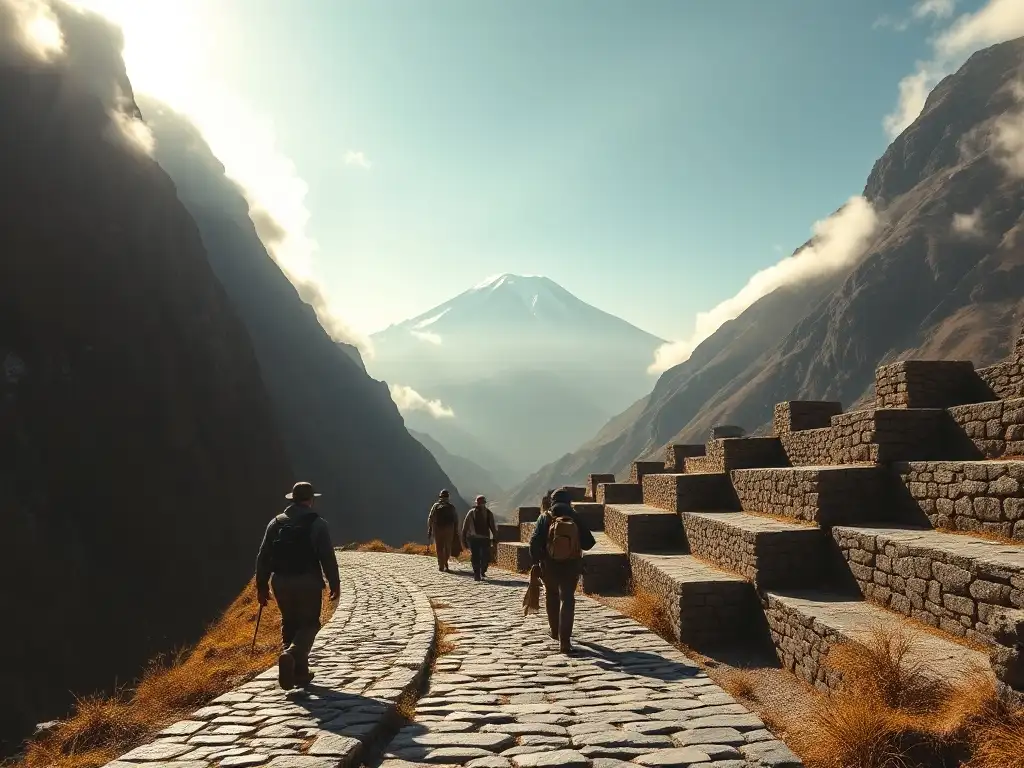
This section delves into the unique opportunities offered by guided tours designed to explore the fascinating world of Andean civilizations. We'll examine how these tours provide unparalleled access to significant archaeological sites and cultural landscapes, enriching the understanding of these remarkable societies. Understanding the nuances of Andean history and culture is significantly enhanced through expert interpretation, which is a key feature of these specialized tours. This isn't just about seeing ancient ruins; it's about experiencing them in a way that fosters deep appreciation and understanding.
Experiencing the Majesty of Ancient Andean Sites
A well-structured Andean civilizations tour offers much more than a simple sightseeing trip. It provides a curated journey into the heart of Andean history, allowing participants to witness firsthand the impressive feats of engineering and artistry of these ancient cultures. Imagine standing amidst the awe-inspiring ruins of Machu Picchu, feeling the weight of history beneath your feet, or exploring the intricate Nazca Lines from a unique vantage point, gaining a deeper understanding of their enigmatic purpose.
These aren't just stones and lines; they are the remnants of complex societies with rich traditions, intricate social structures, and advanced technologies. Tours often incorporate visits to museums showcasing artifacts recovered from these sites, providing further context and enriching the overall experience. The scale of these sites—from the monumental structures of Tiahuanaco to the sophisticated irrigation systems of the Moche—is truly breathtaking and best appreciated with expert guidance.
The guides provide valuable insights into the daily lives, beliefs, and societal structures of these ancient peoples, bringing the past vividly to life. For example, a tour might include a detailed explanation of the agricultural techniques employed by the Incas, the astronomical significance of certain sites, or the intricate symbolism found in their art and architecture. This immersive experience transforms passive observation into active engagement with the past.
Why Choose an Andean Civilizations Tour?
Choosing a guided Andean civilizations tour offers several compelling advantages. Firstly, it ensures access to otherwise difficult-to-reach locations and sites. Many of these archaeological wonders are situated in remote areas, requiring specialized knowledge and logistical planning to reach safely and efficiently. Secondly, expert guides provide invaluable context and interpretation. Their knowledge transforms a collection of stones and artifacts into a living testament to a rich and complex history.
They can answer questions, address misconceptions, and provide insights that would be impossible to gain independently. Thirdly, these tours often incorporate elements of cultural immersion. This might involve interacting with local communities, participating in traditional ceremonies (where appropriate and respectful), or experiencing Andean cuisine and music. This holistic approach allows for a deeper appreciation of the enduring legacy of Andean civilizations. Finally, the convenience factor is significant.
A well-organized tour handles all the logistical details, from transportation and accommodation to entry tickets and permits, allowing participants to fully immerse themselves in the experience without the stress of planning every aspect themselves. The curated nature of these tours ensures a well-paced itinerary, maximizing the time spent exploring these remarkable sites and minimizing wasted effort. Overall, an Andean civilizations tour offers a transformative journey, providing an unparalleled opportunity to connect with the rich cultural heritage of the Andes. It's an investment in knowledge, understanding, and a truly unforgettable experience.
Exploring Iconic Andean Archaeological Sites
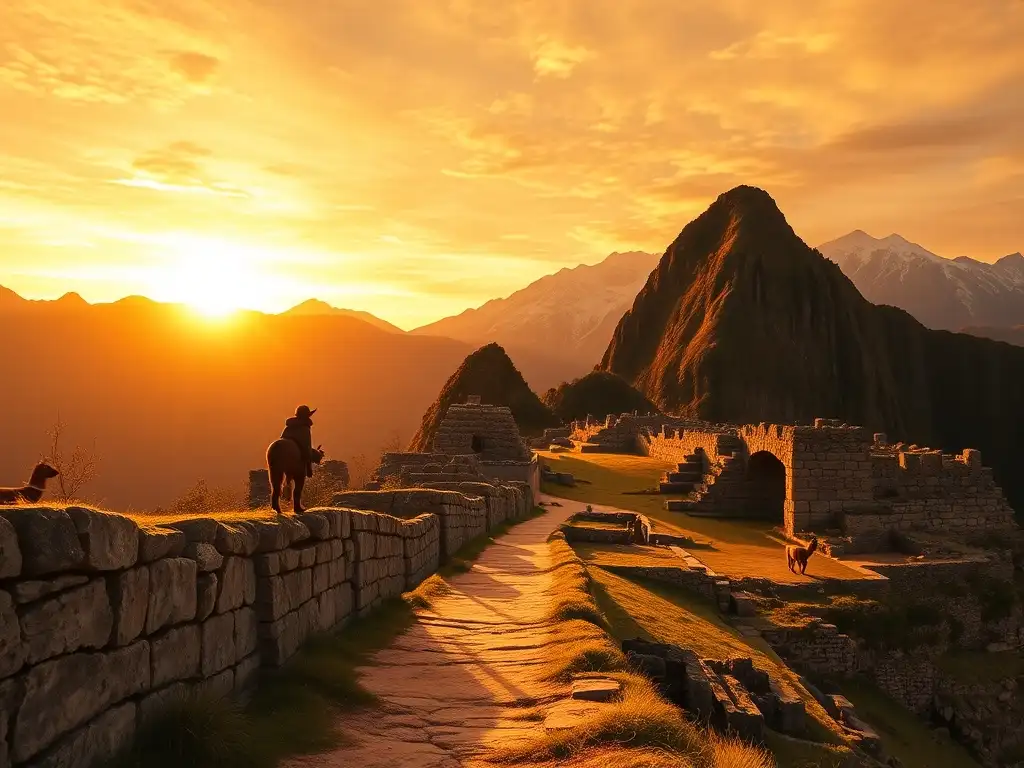
This section delves into some of the most iconic archaeological sites within the Andes, showcasing the remarkable achievements of the Andean civilizations and the enduring legacy they left behind. An exploration of these sites offers a captivating journey through time, revealing fascinating insights into their sophisticated societies, advanced engineering, and profound spiritual beliefs. Planning an Andean civilizations tour that incorporates these locations is a must for any serious history enthusiast.
The Enigmatic Machu Picchu: A Journey to the Inca Citadel
Machu Picchu, the "Lost City of the Incas," stands as a testament to the Inca Empire's ingenuity and architectural prowess. Nestled high in the Andes Mountains, this breathtaking citadel remains shrouded in some mystery, its precise purpose still debated by scholars. However, evidence strongly suggests it served as a royal estate, a religious center, or perhaps both.
The site's intricate stonework is astonishing. Massive blocks of granite were precisely cut and fitted together without mortar, showcasing a mastery of engineering and a deep understanding of structural mechanics. The precision is so remarkable that even today, it's difficult to insert a knife blade between many of the stones. This impressive feat of construction, coupled with the stunning mountain setting, makes Machu Picchu a truly unforgettable experience for any visitor on an Andean civilizations tour.
Consider the sheer scale of the undertaking: transporting such enormous stones across treacherous terrain required an immense organizational capacity and a highly skilled workforce. This speaks volumes about the Inca's societal structure and their ability to mobilize resources for large-scale projects. The agricultural terraces carved into the mountainside also highlight their advanced understanding of sustainable farming practices, vital for supporting a large population in a challenging environment.
The spiritual significance of Machu Picchu is equally compelling. The site's layout aligns with celestial events, suggesting a deep connection between the Incas and the cosmos. Many structures are oriented towards specific sunrise or sunset points, indicating a sophisticated understanding of astronomy and its role in their religious practices. The presence of numerous temples and ritual spaces further emphasizes the religious importance of the site.
Unraveling the Secrets of Sacsayhuaman: Inca Fortresses and Engineering
Sacsayhuaman, located just outside Cusco, is another awe-inspiring example of Inca engineering. This massive fortress complex, built from colossal stones, stands as a powerful symbol of Inca military might and architectural skill. Unlike Machu Picchu, which is nestled in a remote location, Sacsayhuaman's prominent position overlooking Cusco suggests its strategic importance in protecting the Inca capital.
The sheer size of the stones used in Sacsayhuaman is simply breathtaking. Some of these blocks weigh over 100 tons—a feat of engineering that still challenges modern understanding. How the Incas managed to quarry, transport, and precisely fit these enormous stones remains a subject of ongoing research and fascination. The complex's intricate walls, with their zig-zag pattern, are thought to have been designed to withstand earthquakes, demonstrating an advanced knowledge of seismic activity.
Moreover, the fortress's strategic placement and defensive features showcase the Inca's sophisticated military planning and organizational capacity. The walls, with their precisely fitted stones, effectively deflected projectiles and provided formidable protection against potential enemies. This is a critical aspect to consider when appreciating the site's significance within the broader context of Inca military strategy. An Andean civilizations tour wouldn't be complete without visiting this impressive site.
Discovering the Nazca Lines: Geoglyphs of the Ancient Desert
The Nazca Lines, etched into the arid plains of southern Peru, are one of the world's most enigmatic archaeological mysteries. These enormous geoglyphs, depicting animals, plants, and geometric figures, can only be fully appreciated from the air. Their creation, dating back to the Nazca culture (100 BCE – 800 CE), remains a source of much speculation.
Several theories attempt to explain the purpose of the Nazca Lines, ranging from astronomical calendars to ritual sites. Some researchers suggest they served as pathways for religious processions, while others believe they were related to water management practices. Regardless of their precise function, the immense scale and precision of the lines demonstrate a remarkable level of societal organization and engineering skill.
The creation of these geoglyphs required meticulous planning and execution, involving a large workforce coordinating across vast distances. The lines' longevity, despite the harsh desert environment, further testifies to the Nazca's innovative techniques and their deep connection to their arid landscape.
The Nazca Lines are a truly unique aspect of any Andean civilizations tour, offering a glimpse into the artistic and technological achievements of a fascinating pre-Columbian culture. The mystery surrounding their purpose continues to intrigue and inspire, making them a captivating destination for any visitor interested in exploring the rich tapestry of Andean history.
The Ancient City of Tiahuanaco: A Pre-Incan Marvel
Tiahuanaco, located on the shores of Lake Titicaca in modern-day Bolivia, stands as a testament to the ingenuity and spiritual depth of a pre-Incan civilization. This remarkably advanced society, flourishing between 500 and 1000 CE, left behind a city of monumental structures that continue to inspire awe and wonder. The city's layout, meticulously planned and aligned with the cardinal directions, suggests a sophisticated understanding of astronomy and engineering.
Its most iconic structure, the Akapana pyramid, is a complex earthwork mound, possibly a ceremonial center, showcasing impressive stonework and intricate water channels. Scholars debate the Akapana's exact purpose, but its size and complexity point to a highly organized and powerful society.
The Puerta del Sol, or Sun Gate, is another remarkable feature of Tiahuanaco. This massive stone gateway, intricately carved with a complex array of figures and symbols, represents a significant challenge to archaeologists. Many interpretations exist, ranging from depictions of cosmological events to representations of deities and mythical beings.
The precise meaning remains elusive, adding to the site's mystique and allure for Andean civilizations tour enthusiasts. The intricate carvings on the Sun Gate, along with other artifacts found at Tiahuanaco, suggest a highly developed artistic and symbolic tradition. The precision of the stonework, achieved without the use of metal tools, is a testament to the advanced skills of the Tiahuanaco builders.
Furthermore, the city’s location, at a high altitude on the shores of a vast lake, speaks to the civilization's mastery of its environment and its profound connection to the sacred landscape. An Andean civilizations tour to Tiahuanaco offers a unique opportunity to experience this enigmatic and powerful lost world.
Exploring the Moche Pyramids: Sun and Moon Temples in Northern Peru
The Moche civilization (100-800 CE), known for its remarkable artistry and sophisticated irrigation systems, left behind an impressive legacy in northern Peru. Among their most striking achievements are the Sun and Moon Pyramids at Huaca del Sol and Huaca de la Luna, near the modern city of Trujillo. These massive adobe structures, part of a larger complex, offer a fascinating glimpse into the Moche worldview and social structure.
Huaca del Sol, the larger of the two, is a colossal platform mound, reaching a height of approximately 41 meters (135 feet). Its sheer scale is impressive, indicating a massive investment of labor and resources, reflecting the power and organization of the Moche state.
Excavations at Huaca del Sol have revealed evidence of extensive residential areas and workshops, suggesting that the pyramid served as a center of both religious and administrative activities. Many believe it was a massive temple complex, dedicated to a deity or a ruler.
In contrast to the imposing Huaca del Sol, Huaca de la Luna, though smaller, is arguably more visually stunning. Its richly decorated walls, adorned with intricate murals depicting Moche mythology, warfare, and daily life, provide invaluable insights into the civilization's culture and beliefs. These vibrant murals, often featuring vivid depictions of rituals, sacrifices, and powerful figures, are considered among the finest examples of pre-Columbian art.
The discovery of finely crafted gold and silver artifacts within the complex further enhances our understanding of Moche artistic skills and their sophisticated social hierarchy. The intricate details in the murals, along with the quality of the craftsmanship found in the artifacts, showcase the high level of artistic skill and technological advancement of the Moche civilization.
A visit to the Sun and Moon Pyramids offers a compelling encounter with a civilization renowned for its artistic achievements and sophisticated societal structures, making it a highlight of any Andean civilizations tour. The preservation efforts at the site are ongoing, highlighting the importance of protecting these invaluable cultural heritage sites for future generations.
Types of Andean Civilizations Tours
Choosing the right Andean civilizations tour depends heavily on your interests and desired level of immersion. While all tours offer a glimpse into the fascinating history and culture of the Andes, they cater to different preferences. From challenging hikes to intimate cultural exchanges, a variety of options exist to satisfy every traveler's thirst for discovery.
This section details some of the most popular types of tours available, helping you plan your unforgettable journey through the heart of Andean history. Understanding the nuances of each type will allow you to select the perfect "Andean civilizations tour" for your unique travel style.
Hiking Tours: Immersing in the Andean Landscapes
Hiking tours provide an unparalleled opportunity to experience the breathtaking beauty of the Andes while learning about the civilizations that thrived in these challenging terrains. These tours often incorporate visits to archaeological sites nestled high in the mountains, offering stunning panoramic views alongside historical insights. The physical challenge is rewarded with unparalleled perspectives on the ingenuity and adaptability of Andean peoples who carved their lives out of these dramatic landscapes.
Many hiking tours focus on specific trails, such as the Inca Trail to Machu Picchu (though permits are required well in advance and should be booked through official channels). Others might explore lesser-known paths, leading to hidden ruins and offering a more secluded experience. The difficulty levels vary greatly, ranging from gentle walks suitable for all fitness levels to strenuous multi-day treks requiring significant physical preparation.
Expect variations in altitude, terrain, and weather conditions, necessitating appropriate clothing and equipment. A well-organized hiking tour will provide detailed itineraries, experienced guides with expertise in both Andean history and mountaineering, and all necessary logistical support. Remember to pack layers, sturdy hiking boots, sunscreen, and plenty of water!
Cultural Immersion Tours: Connecting with Local Communities
Cultural immersion tours prioritize interaction with the descendants of Andean civilizations. These tours emphasize understanding the living legacy of Andean cultures through direct engagement with local communities. This often involves staying in homestays, participating in traditional ceremonies, learning about local crafts and art forms, and sharing meals with families. The experience goes beyond simply visiting historical sites; it provides a deeper understanding of the enduring traditions and values that have shaped Andean identity for millennia.
These tours often involve visits to vibrant markets, where you can witness the vibrant exchange of goods and observe traditional Andean practices. You might learn about ancient agricultural techniques, participate in weaving workshops, or witness traditional music and dance performances. The focus is on respectful cultural exchange, aiming to foster understanding and appreciation for the richness and complexity of contemporary Andean life.
Expect a more intimate and personal experience, offering opportunities for meaningful connections and a deeper appreciation for the enduring spirit of Andean cultures. The emphasis is on responsible tourism, supporting local communities and contributing to their economic well-being.
Archaeological Tours: Focusing on Historical Significance
Archaeological tours delve deep into the history and significance of Andean civilizations, focusing on the remarkable archaeological sites that have survived the passage of time. These tours are led by expert archaeologists or historians who provide in-depth explanations of the sites' significance, construction techniques, and the societies that created them. From the intricate Nazca Lines to the monumental structures of Tiahuanaco, these tours offer a unique opportunity to explore the impressive engineering and artistic achievements of past Andean civilizations.
These tours often involve detailed site visits, with guided explanations of the artifacts, architecture, and social structures. Expect to see meticulously preserved ruins, learn about sophisticated irrigation systems, and gain insight into the complex social hierarchies of these ancient societies. The use of advanced technology, such as 3D modeling and virtual reality, may be incorporated to enhance the understanding and appreciation of these sites.
The tours provide context, bringing to life the stories of the people who lived and thrived in these magnificent places. The focus is on providing an accurate and engaging interpretation of the archaeological evidence, fostering a greater understanding of the rich tapestry of Andean history. These tours are a must for anyone with a passion for history and archaeology, offering a truly enriching and insightful experience.
Luxury Andean Tours: Combining Comfort and Exploration
Luxury Andean tours offer a unique blend of comfort and adventure, allowing travelers to experience the rich cultural heritage of the Andes in style. These tours typically involve high-end accommodations, such as boutique hotels in charming colonial towns or luxurious lodges nestled amidst breathtaking landscapes. Instead of basic hostel stays, expect to enjoy comfortable beds, gourmet meals prepared with locally sourced ingredients, and perhaps even private balconies overlooking stunning mountain vistas. The emphasis is on personalized service, with dedicated guides who possess expert knowledge of the region's history, archaeology, and ecology.
Think of private transportation in comfortable SUVs, avoiding crowded buses and allowing for greater flexibility in exploring off-the-beaten-path sites. These tours often include exclusive access to archaeological sites, perhaps with a private after-hours visit to Machu Picchu, or a guided tour of a lesser-known Inca ruin with a renowned archaeologist.
Activities might include private cooking classes focused on Andean cuisine, visits to local artisan workshops where you can interact directly with the creators of traditional textiles and crafts, and perhaps even hot air balloon rides over the Sacred Valley for unparalleled views. The overall experience is designed to be immersive and unforgettable, providing a level of comfort and personalized attention that elevates the journey beyond a typical sightseeing trip.
The price point reflects this higher level of service and exclusivity, catering to discerning travelers seeking a truly exceptional Andean experience. This type of tour prioritizes sustainability and often supports local communities through initiatives that benefit the environment and preserve the cultural heritage of the Andes.
Planning Your Andean Civilizations Tour
This section focuses on the practical aspects of planning your Andean civilizations tour, ensuring a smooth and enriching experience exploring the remarkable heritage of the Andes. We'll cover ideal travel times, essential packing, and selecting the right tour operator to match your preferences and expectations. Remember, meticulous planning is key to maximizing your exploration of these fascinating lost worlds.
Best Time to Visit the Andes for Sightseeing
The best time to visit the Andes for sightseeing depends largely on your priorities and tolerance for varied weather conditions. The Andes boast diverse microclimates, drastically altering the experience based on the season. Generally, the dry season (May to September) offers the most favorable conditions for trekking and exploring archaeological sites. The skies are clearer, providing stunning views of the majestic mountain ranges and ancient ruins. This period also sees fewer rains, making travel to more remote locations more accessible.
However, the dry season also coincides with peak tourist season, meaning higher prices and more crowded sites. If you prefer a quieter experience and don't mind the occasional rain shower, the shoulder seasons (April and October) offer a good compromise. You'll still enjoy relatively pleasant weather with fewer crowds and potentially lower prices.
The wet season (October to April) brings lush greenery and vibrant landscapes, but also increased rainfall and potential for landslides, potentially disrupting travel plans. While certain regions might still be accessible, trekking and outdoor activities become more challenging. This period is generally less popular for tourism, presenting a unique opportunity for those seeking a more off-the-beaten-path experience.
| Season | Weather Conditions | Crowds | Prices | Ideal Activities |
|---|---|---|---|---|
| Dry (May-Sept) | Sunny, dry, clear skies | High | High | Trekking, archaeological site visits, hiking |
| Shoulder (Apr, Oct) | Pleasant, occasional rain showers | Moderate | Moderate | Trekking, archaeological site visits, hiking |
| Wet (Oct-Apr) | Rainy, potential for landslides | Low | Low | Exploring cities, museum visits, cultural immersion |
Remember to check specific weather forecasts for your chosen destinations before embarking on your Andean civilizations tour. The weather can change dramatically within short distances and altitudes.
Essential Packing List for Andean Exploration
Packing for an Andean exploration requires careful consideration of the diverse climates and terrains you'll encounter. Layering is crucial, as temperatures can fluctuate significantly throughout the day and between different altitudes. Here's a suggested packing list:
- Clothing:
- Lightweight, breathable shirts (several)
- Fleece jacket or sweater
- Waterproof and windproof jacket
- Warm layers (fleece, down jacket)
- Hiking pants or comfortable trousers
- Shorts (optional)
- Sturdy hiking boots (broken in beforehand!)
- Comfortable walking shoes
- Warm socks (wool or synthetic)
- Hat and gloves
- Sun hat
- Gear:
- Backpack (daypack and larger if applicable)
- Reusable water bottle
- Sunscreen (high SPF)
- Sunglasses
- Insect repellent
- First-aid kit (including altitude sickness medication)
- Headlamp or flashlight
- Camera and extra batteries
- Binoculars (optional)
- Portable charger
- Documents:
- Passport and visa (if required)
- Flight and accommodation confirmations
- Travel insurance information
- Copies of important documents (stored separately)
This list serves as a starting point; adapt it based on your specific itinerary and planned activities. Consider bringing altitude sickness medication, even if you don't anticipate significant altitude changes. Remember to pack light but strategically, prioritizing items that will keep you safe and comfortable throughout your Andean adventure! 🎒
Choosing the Right Tour Operator for Your Needs
Selecting the right tour operator is paramount for a successful Andean civilizations tour. Consider factors like group size, itinerary focus, level of activity, and budget. Research different operators thoroughly, comparing their offerings and reading reviews from past travelers.
Look for operators with a strong emphasis on sustainability and responsible tourism. They should prioritize the preservation of cultural heritage and minimize their environmental impact. Choose an operator that aligns with your travel style and values. Do you prefer small group tours for a more intimate experience or larger group tours for a more social adventure? Do you prioritize cultural immersion, archaeological exploration, or a combination of both?
These are crucial questions to consider when making your choice. Ensure the operator provides clear and detailed itineraries, including information about accommodation, transportation, and guided tours. Don't hesitate to contact several operators directly to ask questions and compare their offerings before making a final decision. A well-chosen tour operator can significantly enhance your overall experience, helping you uncover the wonders of Andean civilizations in a meaningful and responsible way.
Understanding Altitude Sickness and Prevention
Altitude sickness, or acute mountain sickness (AMS), is a common challenge for visitors exploring the high Andes. The thinner air at high altitudes means less oxygen reaches your blood, leading to a range of symptoms. These can range from mild headaches and nausea to more serious conditions like high altitude pulmonary edema (HAPE) and high altitude cerebral edema (HACE). Understanding the risks and taking preventative measures is crucial for a safe and enjoyable Andean civilizations tour.
The severity of altitude sickness varies greatly depending on individual factors like fitness level, rate of ascent, and pre-existing health conditions. Some individuals experience minimal symptoms, while others may require immediate medical attention. Symptoms typically manifest within a few hours to a couple of days of reaching a higher altitude. Common signs include headache, fatigue, dizziness, nausea, vomiting, shortness of breath, and loss of appetite. More severe cases can involve confusion, swelling, and even loss of consciousness.
Prevention is key. The most effective strategy is to ascend gradually, allowing your body time to acclimatize to the decreasing oxygen levels. Avoid strenuous activity on your first day at a high altitude; instead, opt for gentle walks and rest. Staying well-hydrated is also critical, as dehydration exacerbates the effects of altitude sickness. Drinking plenty of water throughout your journey is essential. Avoid alcohol and caffeine, as they can dehydrate you.
Consider taking Diamox (acetazolamide), a medication that helps your body adjust to altitude, but consult your doctor beforehand to discuss potential side effects and suitability. Many experienced travelers swear by it for preventing AMS. Furthermore, it's advisable to pack medications for common altitude sickness symptoms, such as pain relievers for headaches and anti-nausea medication.
Packing a well-stocked first-aid kit is also a wise precaution for any Andean adventure, encompassing bandages, antiseptic wipes, and any personal medications you may require. Remember, responsible travel includes being prepared for potential health challenges. Prioritizing your health will ensure that you can fully appreciate the wonders of the Andean civilizations and their sacred landscapes.
The Cultural Significance of Andean Sacred Sites
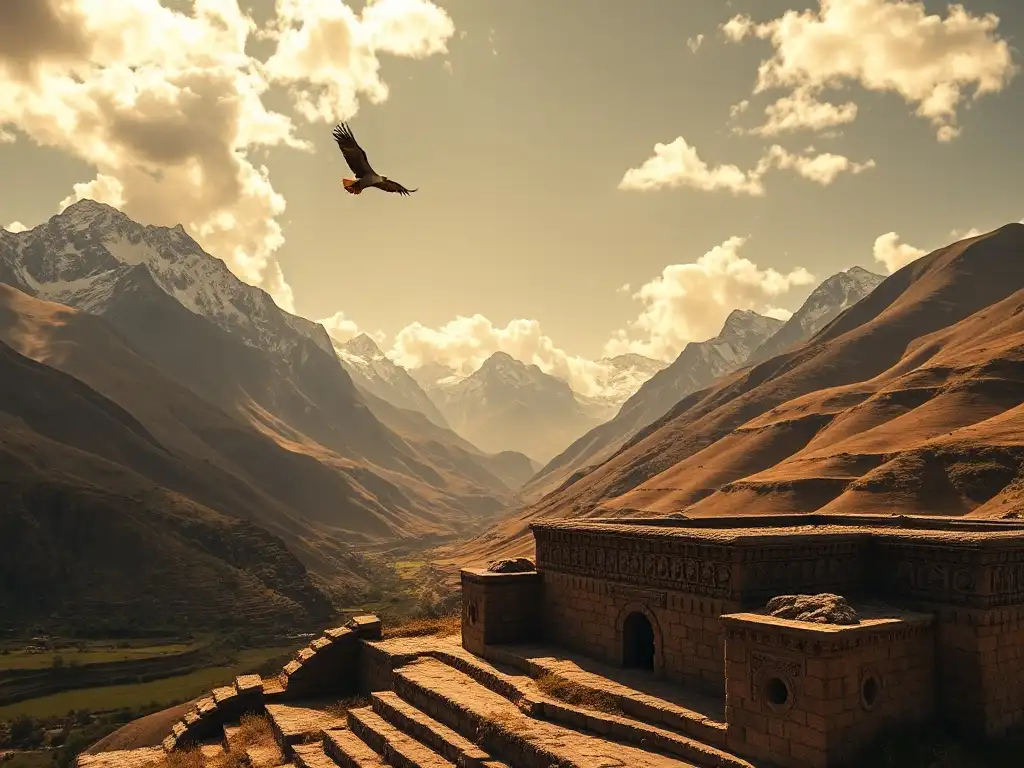
The Andes Mountains, a spine of towering peaks stretching along the western coast of South America, are not merely a geographical feature; they are the very foundation of Andean civilizations' worldview. For millennia, these majestic landscapes have served as sacred spaces, deeply interwoven with the spiritual, social, and political fabric of Andean societies. Understanding the cultural significance of these sites is crucial to appreciating the complexity and richness of Andean heritage. An effective Andean civilizations tour must necessarily incorporate these sites, emphasizing their enduring relevance.
The Connection Between Andean Cosmology and Architecture
Andean cosmology, a complex system of beliefs encompassing the relationship between humans, nature, and the supernatural, profoundly influenced the design and construction of sacred sites. The intricate layouts of cities like Machu Picchu, for instance, reflect a deep understanding of celestial movements and the alignment of structures with specific constellations. This wasn't simply coincidence; careful observation and sophisticated astronomical knowledge guided the placement of buildings, temples, and agricultural terraces.
For example, the Intihuatana stone at Machu Picchu, believed to be a sundial, is a testament to the Incas' mastery of astronomy and its integration into their sacred architecture. The precise positioning of this stone, allowing for accurate solar observations, demonstrates the profound connection between their cosmology and architectural practices.
Analyzing these alignments reveals a sophisticated understanding of the cosmos that permeated Andean life. A comprehensive Andean civilizations tour should highlight these astronomical alignments and their significance within the broader context of Andean belief systems.
The Role of Sacred Places in Andean Rituals
Sacred sites were not merely places of contemplation; they were active centers of ritual and ceremony. Many sites, such as the Nazca Lines, were likely used for ritual processions and ceremonies linked to agricultural cycles and ancestor veneration. The Moche culture, known for its elaborate funerary practices, constructed elaborate pyramids and temples where ritual offerings were made and where elite members of society were buried. These rituals served to reinforce social structures, maintain cosmic balance, and ensure the fertility of the land. The precise nature of these rituals remains a subject of ongoing research, but archaeological evidence—including intricate ceramics, textiles, and human remains—provides valuable insights into their complexity and importance. A compelling Andean civilizations tour should explore these rituals, providing context to the archaeological findings and offering a deeper understanding of Andean spiritual practices. The use of replica artifacts or high-quality reconstructions can further enhance the visitor's experience and understanding.
Preserving the Cultural Heritage of the Andes
The preservation of Andean sacred sites presents significant challenges. The impact of tourism, climate change, and looting poses a constant threat to these fragile environments and invaluable cultural heritage. Sustainable tourism practices are crucial to ensure that future generations can appreciate the significance of these sites.
This includes responsible visitor management, the implementation of conservation strategies, and community involvement in the preservation process. Furthermore, rigorous scientific research and collaboration between archaeologists, historians, and local communities are essential to protect and interpret these invaluable sites. An ethical Andean civilizations tour should actively contribute to these preservation efforts by supporting local initiatives and promoting responsible travel practices.
This commitment to preservation is integral to ensuring that the cultural legacy of the Andes continues to inspire and educate visitors for years to come. Investing in research and preservation initiatives is not only ethically responsible but also economically sound, as it helps to sustain tourism and the communities that depend on it.
Tips for an Unforgettable Andean Civilizations Tour
Planning an Andean civilizations tour requires meticulous preparation to ensure a truly enriching and respectful experience. This section provides crucial tips to maximize your journey through these fascinating ancient landscapes. From understanding local customs to appreciating the expertise of local guides, we'll equip you to navigate this incredible cultural heritage responsibly and memorably. Remember, responsible tourism is key to preserving these invaluable sites for future generations.
Respecting Local Customs and Traditions
Understanding and respecting local customs is paramount for a positive Andean civilizations tour. This goes beyond simple politeness; it's about demonstrating genuine appreciation for the living cultures that continue to thrive alongside the historical sites. The Andean region boasts a rich tapestry of traditions, beliefs, and practices that have endured for centuries.
For instance, in many Andean communities, direct eye contact, especially with elders, can be interpreted as a challenge. A gentle, respectful gaze is preferred. Similarly, certain gestures that might be commonplace in other cultures could be considered disrespectful here. It's advisable to observe how locals interact and mirror their behavior as much as possible.
Furthermore, dressing modestly, particularly when visiting sacred sites, is a sign of respect. Bright colors and revealing clothing are generally discouraged. It's always wise to inquire locally about appropriate attire before visiting a specific location. Learning a few basic Quechua phrases, the language spoken by many Andean communities, can significantly enhance your interactions and demonstrate your willingness to connect on a deeper level.
Even a simple "gracias" (thank you) or "hola" (hello) can go a long way. Remember to always ask for permission before taking photographs of people, and be prepared to offer a small gift in return for their cooperation. This respectful approach can transform your Andean civilizations tour from a simple sightseeing trip into a genuinely meaningful cultural exchange.
Engaging with Local Guides and Experts
Hiring a local guide for your Andean civilizations tour is an investment that yields immeasurable returns. Local guides possess an intimate knowledge of the region's history, culture, and ecology, far exceeding what you could glean from guidebooks or online resources. They can provide invaluable context to the sites you visit, enriching your understanding and appreciation of the ancient Andean civilizations.
Moreover, local guides contribute directly to the economic well-being of the communities they serve. By supporting local businesses, you're not only gaining a deeper understanding of the region but also actively participating in sustainable tourism practices. Look for guides who are certified and passionate about sharing their knowledge. They will not only provide factual information but also weave compelling narratives, bringing the past to life and connecting you to the enduring spirit of the Andean people.
Engaging with a knowledgeable local guide transforms a mere visit into an immersive journey through time and culture. Their insights can reveal hidden details, uncover fascinating stories, and provide a deeper appreciation for the complexities of Andean history and its lasting impact on the region. Don't hesitate to ask questions; your guide's expertise is a valuable resource to unlock a richer understanding of the sites you explore.
Capturing the Beauty of Andean Landscapes through Photography
The stunning landscapes of the Andes offer breathtaking photographic opportunities. From the majestic peaks of the mountains to the intricate details of ancient ruins, the region's beauty is unparalleled. However, responsible photography is crucial to preserving the integrity of these sites and respecting the local environment.
When photographing ancient ruins, avoid using flash photography, as it can damage delicate structures and artifacts. Natural light provides far more captivating results. Moreover, be mindful of your surroundings and avoid disrupting the natural environment or disturbing any wildlife. Respect any signage that indicates restricted areas or prohibited activities. Remember, you're a visitor in a sacred space, and your actions should reflect your respect for the historical and cultural significance of the site.
Furthermore, consider the composition of your photographs. The Andes offer a myriad of photographic possibilities, from sweeping panoramic views to intimate close-ups of intricate details. Experiment with different angles and perspectives to capture the essence of the landscape. And finally, don't forget to share your photographs responsibly. Use appropriate hashtags and captions to showcase the beauty of the Andes and encourage responsible tourism. By showcasing the region's beauty responsibly, you contribute to its preservation and inspire others to experience its wonders firsthand. Remember, your photographs can act as ambassadors for sustainable and respectful travel in the Andes.
Staying Safe and Healthy During Your Trip
Planning an Andean civilizations tour requires careful consideration of your health and safety. The altitude, climate, and remote locations can present unique challenges. Thorough preparation is key to a smooth and enjoyable experience. Before you even think about packing your bags, consult your doctor. Discuss any pre-existing medical conditions and obtain necessary vaccinations. Altitude sickness is a real concern, especially in the high Andes.
Symptoms can range from mild headaches and nausea to severe respiratory distress. Acclimatizing gradually is crucial; avoid strenuous activity immediately upon arrival at high altitudes. Spend your first few days at lower elevations and gradually ascend. Staying hydrated is paramount; drink plenty of water throughout your trip, even if you don't feel thirsty. Consider carrying electrolyte drinks to replenish lost salts.
Food safety is another important aspect. Stick to reputable restaurants and avoid consuming uncooked or undercooked food and water that hasn't been properly purified. Consider packing some familiar snacks to avoid digestive upsets. Packing a well-stocked first-aid kit is essential. Include essentials like pain relievers, anti-diarrheal medication, antiseptic wipes, bandages, and any personal medications you require.
Remember to check expiration dates before you leave. Furthermore, it's prudent to research local emergency services and have contact information readily available. Knowing the local emergency number and the location of the nearest medical facility can be invaluable in case of an accident or illness. Travel insurance is highly recommended to cover any unforeseen medical expenses or trip interruptions. Ensure your policy adequately covers medical evacuations, which can be costly in remote areas.
Beyond physical health, consider personal safety. Be aware of your surroundings, especially in crowded areas. Avoid displaying expensive jewelry or electronics. Inform someone of your itinerary and check in regularly. Respect local customs and traditions; this will not only enhance your experience but also contribute to a safer environment. Learn a few basic phrases in the local language – this can be incredibly helpful and demonstrates respect for the local culture.
Finally, remember that the Andes can be unpredictable. Be prepared for sudden changes in weather conditions and pack accordingly. Layers are your friend! A light jacket, fleece, and a waterproof outer layer are essential, regardless of the season. By taking these precautions, you'll significantly reduce the risk of any issues and ensure a safe and enjoyable Andean civilizations tour. Enjoy the journey!
Frequently Asked Questions
What makes an "Andean Civilizations Tour" unique?
An "Andean Civilizations Tour" offers a unique opportunity to explore the breathtaking landscapes and remarkable archaeological sites of the Andes Mountains, experiencing the legacy of ancient cultures firsthand. You'll witness incredible historical sites and learn about fascinating civilizations like the Incas, Moche, and Nazca.
Are Andean Civilizations Tours suitable for all fitness levels?
Tours vary in intensity. Some focus on easy-going exploration, while others involve challenging hikes. Choose a tour that matches your fitness level and preferences; many offer options for different abilities.
What kind of sites will I see on an Andean Civilizations Tour?
You can expect to visit iconic sites such as Machu Picchu, Sacsayhuamán, and Nazca Lines, depending on the specific itinerary. You'll also see lesser-known ruins and experience the vibrant culture of the Andean region.
What is the best time of year to take an Andean Civilizations Tour?
The dry season (May to September) generally offers the best weather for touring, with clear skies and less rainfall. However, this is also peak season, so book in advance.
How do I book an Andean Civilizations Tour?
Many travel agencies and tour operators specialize in Andean tours. Research different options, compare itineraries and prices, and book in advance, especially during peak season, to secure your spot.
Final Reflection: Echoes of the Inca – A Legacy Woven into the Andes
The sacred landscapes of the Andes are not just historical sites; they are living testaments to a vibrant past that continues to shape the present. The intricate network of trails, the awe-inspiring ruins, and the enduring traditions of the Andean people offer a powerful reminder of the resilience and ingenuity of past civilizations, a legacy that resonates deeply in today's world. These are not simply tourist destinations; they are portals to a rich cultural heritage that deserves our respect and understanding.
Exploring these ancient sites profoundly impacted my understanding of the interconnectedness of history, culture, and environment. The echoes of the Inca, the pre-Inca cultures, and the contemporary Andean communities are interwoven into the very fabric of the landscape. Their stories, whispered on the wind across the high plains and etched into the stones of Machu Picchu, speak volumes about human resilience and adaptation. The past is never dead. It's not even past.
– William Faulkner. This quote rings especially true when standing amidst the grandeur of these ancient Andean cities, feeling the weight of history and the vibrancy of a culture that persists.
Consider the impact of these lost worlds rediscovered. What resonates with you most deeply? Take a moment to reflect on the enduring power of human creativity and the importance of preserving our shared heritage. Let the echoes of the Inca inspire you to explore your own cultural roots, to appreciate the diversity of human experience, and to become a steward of the incredible landscapes and traditions that enrich our world. Plan your own journey to the Andes; let the mountains speak to you.
Unveil the Mysteries of the Andes!
Thank you for exploring the rich history and breathtaking beauty of the Andes with us! We hope you've gained a deeper appreciation for these remarkable landscapes and their profound cultural significance. Now, let's put your newfound knowledge into practice!
- **Deepen your understanding** by visiting a local museum or exhibition showcasing Andean artifacts and culture.
- **Connect with fellow enthusiasts** and share your experiences, insights, and recommendations by joining our online community at the [Andean Civilizations Forum](https://andeancivilizations.com/forum).
- **Plan your next adventure! ** Whether you're dreaming of a journey to the Andes or embarking on a virtual exploration, design an itinerary that respectfully engages with the ancient traditions and stunning landscapes.
What aspect of Andean civilizations has always captivated your imagination? Share your thoughts and questions below!