
The Rhythm of the Andes: Music and Dance as Cultural Expressions

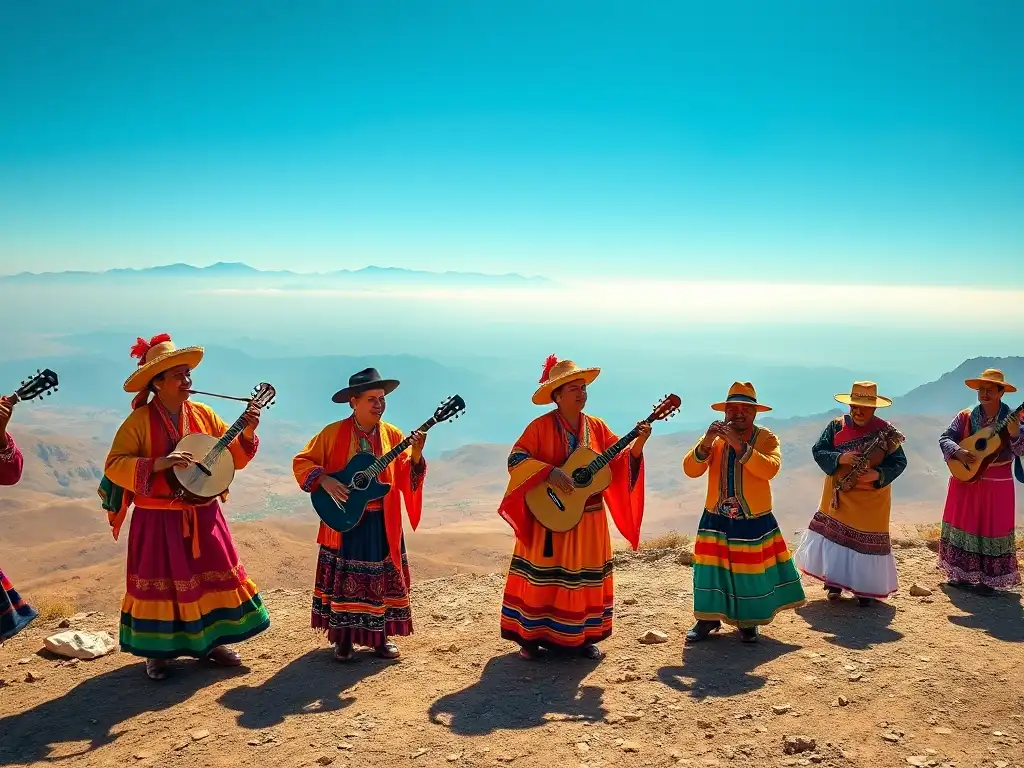
Step into a world lost to time, yet echoing with vibrant rhythms and captivating stories. Discover the secrets woven into the very fabric of Andean culture, where the mountains themselves seem to sing. This journey into the history of Andean music and dance unveils a legacy far richer and more complex than you might imagine. Prepare to be amazed by the intricate artistry and profound spiritual significance hidden within each beat, each step, each ancient melody. Unravel the mysteries—explore the fascinating history now.
The Andes Mountains, a spine of towering peaks traversing the western edge of South America, are not only a geographical marvel but also the cradle of vibrant and diverse cultures. For millennia, the indigenous populations of this region – including the Incas, Moche, Nazca, and Tiahuanaco – have expressed their complex social structures, spiritual beliefs, and daily lives through the powerful mediums of music and dance.
This exploration delves into the rich history of Andean music and dance, revealing how these art forms served as vital components of their societies, reflecting their unique identities and enduring legacies. Understanding Andean music and dance history is key to appreciating the profound cultural heritage of this fascinating region, and its lasting impact on modern Andean societies.
We will journey through time, exploring the evolution of instruments, dance styles, and the profound social significance of these artistic expressions. Prepare to be captivated by the rhythm of the Andes!
Introduction to Andean Music and Dance
Andean music and dance are intrinsically linked, forming a unified expression of cultural identity. The music, often characterized by its distinctive panpipes ( antara and siku), haunting melodies, and rhythmic complexity, provides the backbone for the diverse range of dances. These dances, performed during festivals, ceremonies, and daily life, are not merely entertainment; they are deeply symbolic, conveying narratives, honoring deities, and celebrating community.
The instruments themselves – from the simple pututu (a shell trumpet) to the intricate charango (a small guitar-like instrument) – tell a story of ingenuity and adaptation to the challenging Andean environment. The rhythmic patterns often reflect the agricultural cycles and the profound connection between the people and the land. Early accounts from Spanish chroniclers, though often biased, offer glimpses into the importance of music and dance in pre-Columbian Andean societies, describing elaborate ceremonies and performances that involved large numbers of participants.
Further research continues to unearth more information about these ancient practices, revealing the intricate details of their musical traditions. We'll explore specific examples from different Andean cultures throughout this article.
The Inca Empire and its Musical Legacy
The Inca Empire, at its height, controlled a vast territory, incorporating diverse musical traditions into its imperial structure. While detailed musical notation wasn't used, archaeological evidence and the accounts of Spanish chroniclers suggest a sophisticated musical system. Royal musicians played an important role in court ceremonies, and music was integral to religious rituals and celebrations. The tinya, a type of drum, and the pututu were frequently employed.
The Inca's centralized administration likely standardized certain aspects of music across the empire, though regional variations undoubtedly persisted. The impact of Inca musical practices can still be seen in some contemporary Andean music styles, highlighting the enduring influence of this powerful civilization. We can analyze surviving instruments and compare them to modern versions to understand this continuity. [Specific examples of surviving Inca instruments and their modern counterparts pending].
Music and Dance of the Pre-Inca Cultures
Before the Inca Empire, diverse cultures thrived in the Andes, each with its unique musical and dance traditions. The Moche, known for their elaborate pottery depicting scenes of music and dance, provide valuable visual records. Their music likely incorporated instruments like flutes, drums, and possibly percussion instruments made from gourds or other natural materials. The Nazca, famous for their geoglyphs, may have utilized music in their rituals and ceremonies, though the specifics remain largely unknown.
The Tiahuanaco culture, with its monumental architecture, also had a rich musical heritage, though the exact nature of their musical instruments and dance styles is still being researched. This period is characterized by a fascinating diversity of expression, underscoring the long history of musical and dance traditions in the Andes. [Further research into specific Moche and Nazca musical instruments and dances is needed].
The Evolution of Andean Music and Dance in the Post-Columbian Era
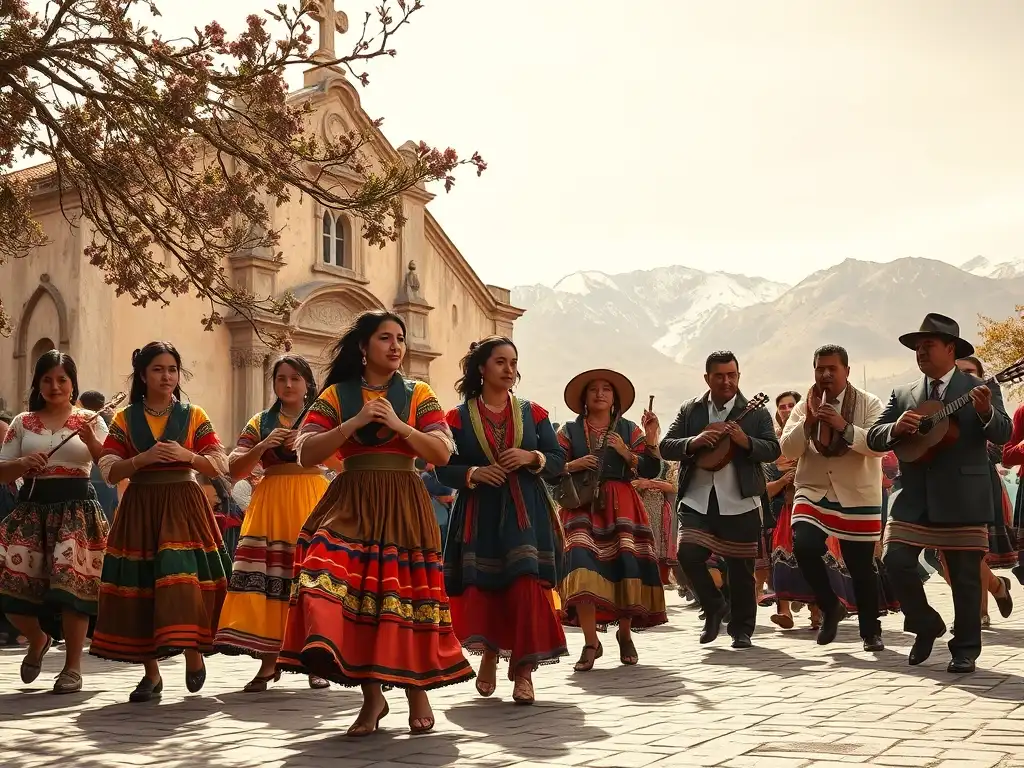
The Spanish conquest profoundly impacted Andean music and dance. While many traditional forms survived, often incorporating elements of European music, new instruments and styles emerged, resulting in a vibrant syncretism. The introduction of the guitar, for example, significantly altered the musical landscape. The fusion of indigenous and European musical traditions created new forms of expression, reflecting the complex cultural dynamics of the colonial period and beyond.
This period also witnessed the emergence of new musical genres and dance styles, which continue to evolve and adapt to the present day. We will examine specific examples of this musical syncretism and its lasting impact on Andean musical traditions. [Examples of specific instruments and dance styles that emerged from this syncretic process pending].
Andean Music and Dance Today: A Living Tradition
Andean music and dance remain vibrant and dynamic aspects of modern Andean life. Traditional forms continue to be practiced and celebrated, while new styles and interpretations constantly emerge. Festivals and celebrations throughout the Andes provide opportunities to witness the rich diversity of musical and dance traditions, demonstrating their enduring relevance and power. The integration of modern instruments and technology alongside traditional forms showcases the adaptability and resilience of Andean culture.
The preservation of this cultural heritage is crucial, not only for the Andean people but also for the global appreciation of cultural diversity. We can examine specific examples of contemporary Andean musical groups and dance troupes to illustrate this vibrant cultural heritage. [Specific examples of contemporary Andean musical groups and dance troupes pending].
- Introduction to Andean Music and Dance
- The Inca Empire and its Musical Legacy
- Music and Dance of the Pre-Inca Cultures
- The Evolution of Andean Music and Dance in the Post-Columbian Era
- Andean Music and Dance Today: A Living Tradition
Historical Roots of Andean Music
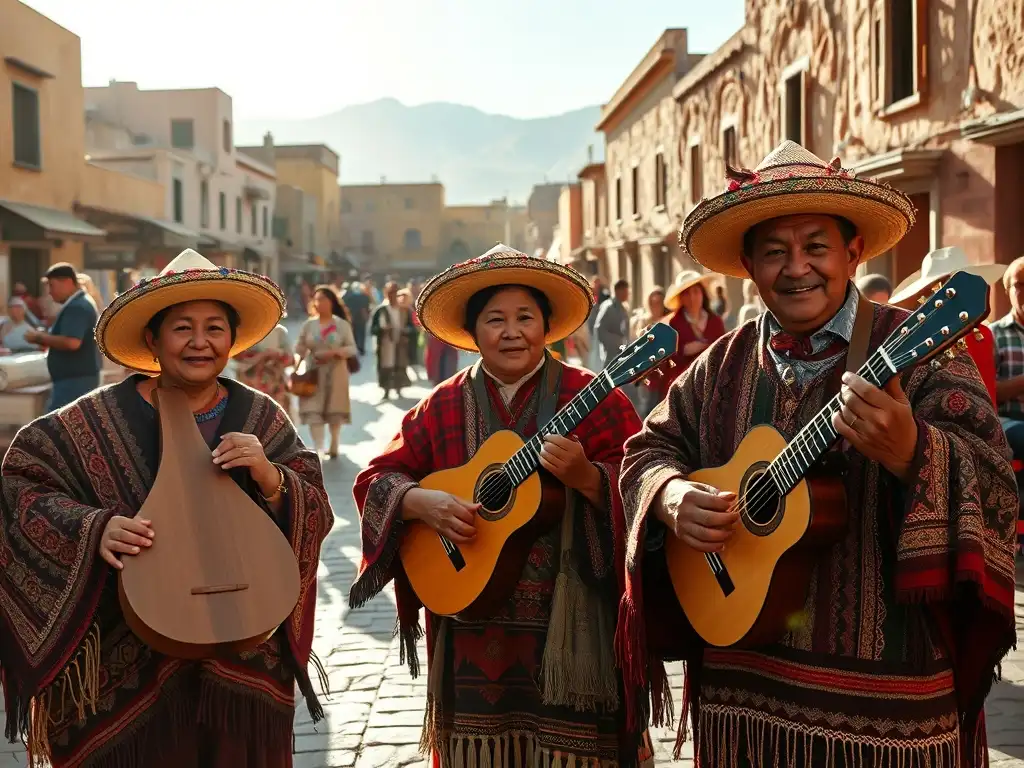
The vibrant tapestry of Andean music and dance history is deeply rooted in pre-Columbian times, evolving over millennia to reflect the diverse cultures and landscapes of the Andes Mountains. Understanding its origins requires delving into the musical traditions of societies that predate the Inca Empire, examining their instruments, musical practices, and the social and spiritual contexts in which music flourished. This rich heritage continues to influence contemporary Andean music, making it a powerful reflection of cultural continuity and adaptation.
Pre-Incan Musical Traditions
The musical landscape of the Andes before the Inca Empire was incredibly diverse, varying significantly between different cultural groups. Evidence suggests a sophisticated understanding of music and its role in society, long before the arrival of the Spanish. Archaeological findings, though limited in directly revealing musical notations, provide clues through the discovery of musical instruments and depictions in art. These offer glimpses into the soundscapes of these ancient civilizations.
Musical Instruments of Ancient Andean Cultures
A variety of instruments were used by pre-Incan cultures, each serving unique purposes. Among the most significant were:
- Panpipes (antara): These sets of panpipes, made from reeds or cane, were prevalent across various Andean cultures. Their ability to produce complex harmonies suggests a high level of musical sophistication. The number of pipes varied, influencing the range and complexity of the melodies.
- Drums (tinku): Drums, often made from animal skins stretched over wooden frames, were used in rituals and celebrations. Their size and construction varied widely, influencing the type of sound produced. Some were smaller, hand-held drums used for rhythmic accompaniment, while others were larger and played with mallets.
- Flutes (pututo): These long, cylindrical flutes were often made from bone or wood and played individually or in ensembles. Their haunting sounds were often associated with religious ceremonies.
- Shell trumpets (pututu): Made from large sea shells, these trumpets produced a powerful, resonant sound, used primarily for signaling and ceremonial purposes.
Ritualistic Use of Music in Pre-Incan Societies
Music played a pivotal role in the religious and social life of pre-Incan societies. It was an integral part of agricultural cycles, healing ceremonies, and funerary rites. Music was believed to have the power to communicate with the supernatural world and influence the natural order.
Many rituals involved complex musical performances, often accompanied by dance and elaborate costumes. The specific meaning and function of music varied between different cultural groups, reflecting their unique beliefs and practices. For example, the Nazca culture is known for its intricate ceramics depicting musical instruments and performances, suggesting a significant role for music in their society.
The Inca Empire and its Musical Legacy
The Inca Empire, with its vast territory and centralized power, significantly impacted Andean music. While building upon pre-existing traditions, the Inca also developed unique musical styles and practices. The empire’s influence spread across its domains, leading to a degree of standardization while still allowing for regional variations to persist.
Inca Musical Scales and Melodies
Inca music is characterized by its pentatonic scales, often employing five notes within an octave. These scales, common in various world music traditions, are believed to have been prevalent throughout the Andes before the Inca and were further developed and formalized during the Inca period. The melodies were often simple and repetitive, yet evocative, reflecting the Andean landscape and worldview. While written notation wasn't used, oral traditions preserved and transmitted musical knowledge across generations, ensuring the continuity of musical styles. [Specific examples of Inca melodies pending further research]
Courtly Music and Performances in the Inca Empire
The Inca court was a center for musical activity. Specialized musicians and dancers performed at royal ceremonies and feasts, showcasing the empire's power and prestige. These performances often involved elaborate costumes, intricate choreography, and a variety of instruments, creating a spectacular spectacle.
The music played at court was likely more refined and complex than that of the common people, reflecting the hierarchical structure of Inca society. [Details on specific courtly musical forms pending further research]. The legacy of Inca courtly music continues to inspire contemporary Andean musical expressions, although precise details of its forms and melodies remain a subject of ongoing scholarly investigation.
Evolution of Andean Dance Forms
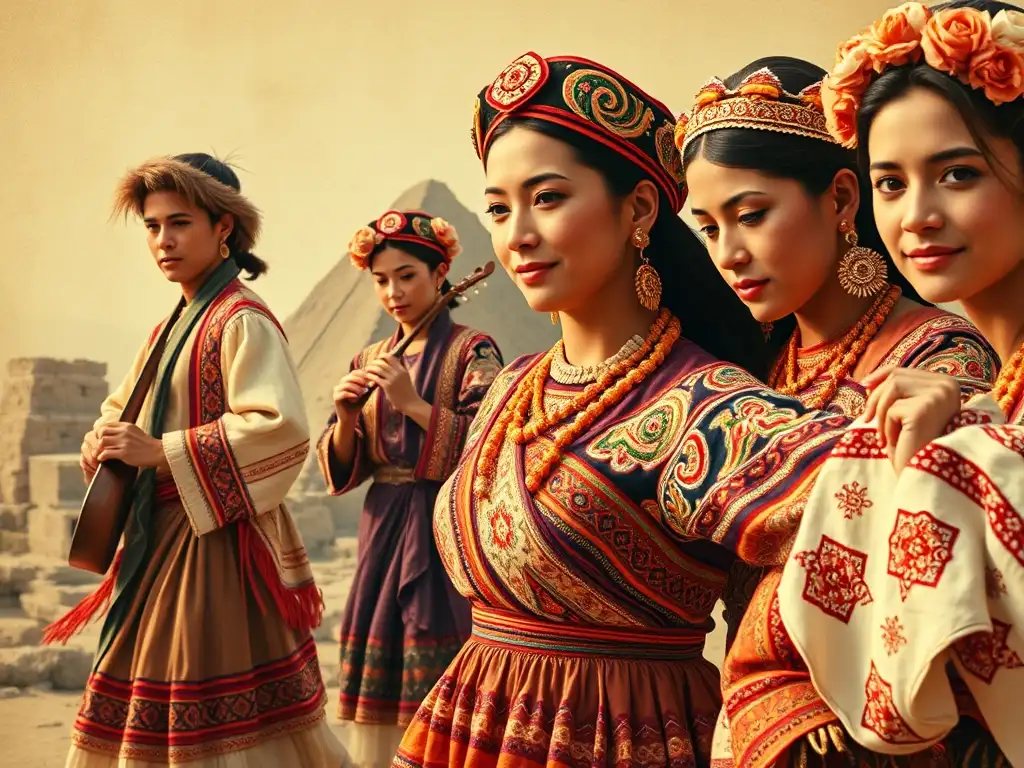
Andean music and dance history is a vibrant tapestry woven from centuries of tradition, innovation, and cultural exchange. Understanding the evolution of Andean dance requires exploring its deep roots in pre-Columbian societies and tracing its transformation through the colonial period and beyond. The dances, far from being mere entertainment, served as powerful vehicles for communicating religious beliefs, social structures, and historical narratives. Their intricate steps and symbolic gestures reflect the complex worldview of Andean cultures.
Pre-Columbian Dance Rituals and Symbolism
Pre-Columbian Andean societies, including the Incas, Moche, Nazca, and Tiahuanaco, placed immense significance on dance. It wasn't simply a form of recreation; dance was deeply intertwined with religious practices, agricultural cycles, and social life. Many dances were performed as offerings to deities, seeking blessings for harvests, fertility, or protection from natural disasters.
The movements themselves often mimicked the actions of animals, celestial bodies, or agricultural processes, imbued with symbolic meaning. For example, dances depicting the movements of the sun or the planting and harvesting of crops were common, reflecting the agrarian nature of Andean societies. The use of elaborate costumes, masks, and musical instruments further amplified the ritualistic and symbolic aspects of these performances.
Archaeological evidence, such as depictions on pottery and textiles, provides valuable glimpses into these ancient dance traditions. However, much remains shrouded in mystery, as many aspects of pre-Columbian beliefs and practices were lost or suppressed after the Spanish conquest.
The Role of Dance in Religious Ceremonies
Religious ceremonies formed the core of many pre-Columbian Andean dances. These dances served as a vital link between the human and spiritual realms. Priests and shamans often led these performances, acting as intermediaries between the people and their gods.
The dances were meticulously choreographed, with each movement carrying a specific meaning related to the deity being honored or the ritual being performed. For instance, dances dedicated to the sun god Inti might involve intricate sun-like movements, while dances associated with fertility might feature gestures mimicking the growth of crops. The intensity and precision of these performances emphasized the profound spiritual significance of dance within Andean religious practices.
The rhythmic chanting and the use of instruments like panpipes and drums further enhanced the spiritual atmosphere of these ceremonies. Unfortunately, detailed records of the specific rituals and their associated dances are scarce, leaving much to the interpretation of surviving archaeological remains and anthropological studies.
Regional Variations in Pre-Columbian Dance
Despite shared cultural threads, significant regional variations existed in pre-Columbian Andean dance. The specific styles, costumes, and rituals varied depending on the particular culture and geographic location. The Moche civilization, known for its elaborate pottery depicting daily life, showcased dances that reflected their societal structures and beliefs. Similarly, the Nazca culture, famous for its geoglyphs, might have had unique dance traditions linked to their astronomical observations and religious practices.
These variations reflect the diversity and richness of Andean cultures before the arrival of the Spanish. Further research is needed to fully understand the extent of this regional diversity, as our knowledge is currently based on fragmented evidence. The challenge lies in piecing together the puzzle using limited archaeological findings and interpreting the symbolic representations found in ancient artifacts.
Andean Dance After the Spanish Conquest
The Spanish conquest of the Andes in the 16th century profoundly impacted Andean culture, including its music and dance traditions. The imposition of Catholicism and the suppression of indigenous religious practices led to significant changes in the way dance was performed and its social function. However, Andean peoples demonstrated remarkable resilience, adapting and transforming their dance traditions to survive and express their cultural identity in new ways. This period witnessed a complex interplay between indigenous and European influences, resulting in a hybrid cultural expression that continues to evolve today.
Fusion of Indigenous and European Dance Styles
The fusion of indigenous and European dance styles created new forms of Andean dance. European dances, such as the zarzuela and contradanza, were introduced and gradually integrated with pre-existing Andean traditions. This resulted in a unique blend of styles, where indigenous movements and rhythms were combined with European musical forms and dance steps.
The process was not always harmonious; many indigenous dances were suppressed or outlawed, while others were adapted to fit within the new colonial context. This fusion created new layers of meaning and symbolism, reflecting the complex socio-cultural landscape of colonial Andean societies. The resulting dance forms often served as subtle forms of cultural resistance, allowing indigenous communities to preserve elements of their heritage within the framework of colonial rule.
The Evolution of Traditional Andean Dances
Despite the challenges posed by colonization, many traditional Andean dances managed to survive and evolve. These dances continued to play an important role in community life, serving as expressions of cultural identity, social cohesion, and religious belief. Many dances were adapted to incorporate new instruments and musical styles, while retaining their core movements and symbolic meanings. This ongoing process of adaptation and innovation has resulted in a rich diversity of Andean dance forms that continue to be practiced today.
Understanding this evolution requires examining the historical context and the resilience of Andean communities in preserving and transforming their cultural heritage. The preservation of these dances is crucial for understanding the ongoing narrative of Andean music and dance history. The dances are not merely historical artifacts; they are living traditions that continue to be passed down through generations, embodying the enduring spirit of Andean culture.
Key Andean Musical Instruments
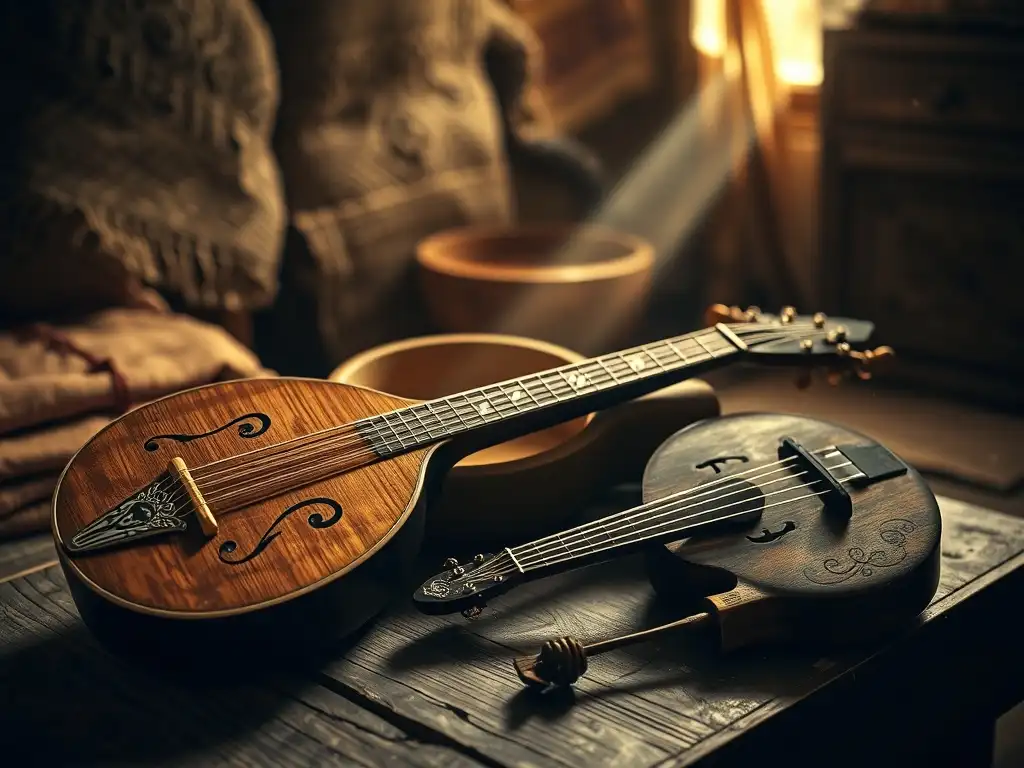
The vibrant tapestry of Andean music and dance history is inextricably linked to the unique instruments used to create its distinctive sounds. These instruments, often crafted from natural materials and imbued with cultural significance, are not merely tools for making music; they are integral parts of the Andean worldview, reflecting beliefs, traditions, and the relationship between humans and the surrounding environment. Understanding these instruments is key to appreciating the depth and complexity of Andean musical traditions.
The diverse array of instruments can be broadly categorized into wind, stringed, and percussion instruments, each with its own rich history and regional variations. This section will focus on the wind and stringed instruments, highlighting their individual characteristics and cultural importance within the context of Andean music and dance history.
Wind Instruments of the Andes
The high-altitude Andes, with their breathtaking landscapes and challenging climate, have shaped the development of unique wind instruments perfectly adapted to the environment and the cultural practices of the Andean peoples. These instruments, often made from readily available materials like wood, bone, and reeds, often hold symbolic meaning and are deeply integrated into Andean rituals and ceremonies.
The Siku (Panpipes) and its Significance
The siku, a panpipe instrument, is perhaps the most iconic wind instrument of the Andes. Its haunting melodies have resonated through the mountains for centuries, accompanying ceremonies, celebrations, and everyday life. The siku is not a single instrument, but rather a family of instruments, varying in size, number of pipes, and tonal range.
Some sikus are played in pairs, a siku arcaico (lower register) and a siku soprano (higher register), creating a rich, layered sound. The construction of a siku requires considerable skill and knowledge, passed down through generations of artisans. The specific arrangement of the pipes and the precise tuning are crucial to producing the desired musical effect.
Beyond its musical function, the siku holds significant spiritual meaning in many Andean communities, often associated with ancestral spirits and the forces of nature. The intricate craftsmanship and the profound cultural associations make the siku a powerful symbol of Andean musical heritage. Many variations exist across different regions, reflecting the diversity of Andean musical traditions.
The Quena (Andean Flute) and its Variations
The quena, a type of vertical flute, is another essential wind instrument in Andean music. Unlike many Western flutes, the quena lacks a lip plate, and the sound is produced by blowing across a hole at the top of the instrument. This technique requires practice and skill to master, resulting in a distinctive, slightly breathy tone. The quena is often made from various materials, including wood, cane, and bone, each impacting the instrument's timbre and resonance. Its relatively simple construction belies its rich musical possibilities, allowing for both solo performances and ensemble playing. The quena's melodic capabilities have made it a favorite instrument for both traditional and contemporary Andean musicians. Regional variations in the quena's design and playing style further enrich the diversity of Andean musical expression. The quena's versatility allows it to be used in a wide range of musical contexts, from intimate folk songs to lively festival dances.
Stringed Instruments in Andean Music
While wind instruments are prominent in Andean music, stringed instruments have also played a crucial role in shaping its distinctive sound. These instruments, often incorporating unique designs and materials, reflect the ingenuity and artistic skill of Andean artisans. Their incorporation into Andean musical ensembles adds another layer of complexity and beauty to the already rich sonic landscape.
The Charango and its Origins
The charango, a small, lute-like instrument, is a relatively recent addition to the Andean musical landscape, originating during the colonial period. Despite its relatively late arrival, the charango quickly became a beloved instrument, its bright, distinctive sound adding a unique flavor to Andean music. Typically made from the shell of an armadillo, its construction is a testament to the resourcefulness of Andean craftspeople.
The charango's five double courses of strings produce a lively, energetic tone, well-suited to both solo performance and ensemble playing. Its popularity has led to numerous variations in size, tuning, and playing style across different Andean regions, further diversifying Andean musical expressions. The charango’s unique sound is readily identifiable and contributes significantly to the overall texture of Andean music.
The Andean Harp and its Unique Sound
The Andean harp, unlike its European counterparts, is typically smaller and more portable, better suited to the nomadic lifestyle of many Andean communities. Its construction and tuning often vary across different regions, leading to a diverse range of sounds and playing styles. The Andean harp's characteristic sound, often described as bright and resonant, adds a distinctive texture to Andean musical ensembles.
Its melodic capabilities are well-suited to both solo performance and accompaniment, making it a versatile instrument in Andean music. The design and construction of the harp showcase the ingenuity and adaptability of Andean artisans, who have successfully integrated this instrument into their rich musical heritage. The sounds produced vary greatly based on the materials used and the specific tuning of each individual instrument.
Percussion Instruments of the Andes
Percussion instruments form the backbone of much Andean music, providing the driving rhythms and powerful beats that characterize many traditional styles. Their use is deeply intertwined with Andean culture, often reflecting the agricultural cycles, religious ceremonies, and social gatherings of the communities that utilize them. The raw, earthy sounds of these instruments resonate with the landscape itself, echoing the rugged mountains and vast plains of the Andes.
The materials used—often readily available natural resources like wood, animal hides, and gourds—further connect the music to the environment and the ingenuity of the Andean peoples. The construction techniques, passed down through generations, represent a vital aspect of cultural transmission, ensuring the continuity of musical traditions.
Mastering these instruments requires dedication and skill, and their rhythmic complexities reflect the sophisticated musical knowledge of Andean cultures. The sheer variety of percussion instruments found across different Andean regions highlights the diversity of musical expression within the broader Andean cultural sphere.
The Bombo and its Rhythmic Role
The bombo, a large, double-headed bass drum, is arguably the most iconic percussion instrument of the Andes. Its deep, resonant sound provides the foundational rhythm for countless Andean musical genres. Traditionally crafted from a hollowed-out log covered with animal skin, often goat or cowhide, its size and construction vary across different regions.
The bombo's role extends beyond mere rhythm; it often acts as the heart of the musical ensemble, dictating the tempo and providing a powerful pulse that permeates the entire musical performance. Its deep tones can evoke feelings of solemnity and reverence, just as effectively as they can inspire lively celebrations. The skilled bombo player uses a variety of techniques to produce different sounds and rhythms, from the deep, resonant boom of a full strike to the subtle, rolling vibrations created by deft fingerwork.
The bombo's prominent presence in both religious and secular music underscores its importance in Andean cultural life. For example, in many traditional festivals, the bombo's powerful beat accompanies dancers and singers, creating a vibrant and energetic atmosphere.
Other Andean Percussion Instruments
Beyond the bombo, a wide array of other percussion instruments contribute to the rich tapestry of Andean music. These include smaller drums like the tinya, often used in pairs to create intricate rhythmic patterns; the huayno, a smaller drum used in the huayno dance style; and various types of rattles, such as the chajchas (small metal discs attached to a frame) and the huasca (a gourd rattle filled with seeds). These instruments, though smaller in scale than the bombo, play equally crucial roles in creating the distinctive soundscapes of Andean music.
The quena, a type of Andean flute, while not strictly percussion, frequently interacts rhythmically with the percussion section, creating complex polyrhythmic textures. The use of these instruments, often in combination, results in a sonic richness that is uniquely Andean. The specific combinations and playing styles vary considerably across different Andean regions and communities, reflecting the diverse musical traditions and cultural identities within the larger Andean world.
The careful selection and skillful manipulation of these percussion instruments are key to producing the dynamic and engaging music found throughout the Andes. Further research is needed to fully document the diversity of less widely known instruments across the various Andean regions. More detailed information on specific regional variations is pending.
Andean Dance Styles and Their Meanings
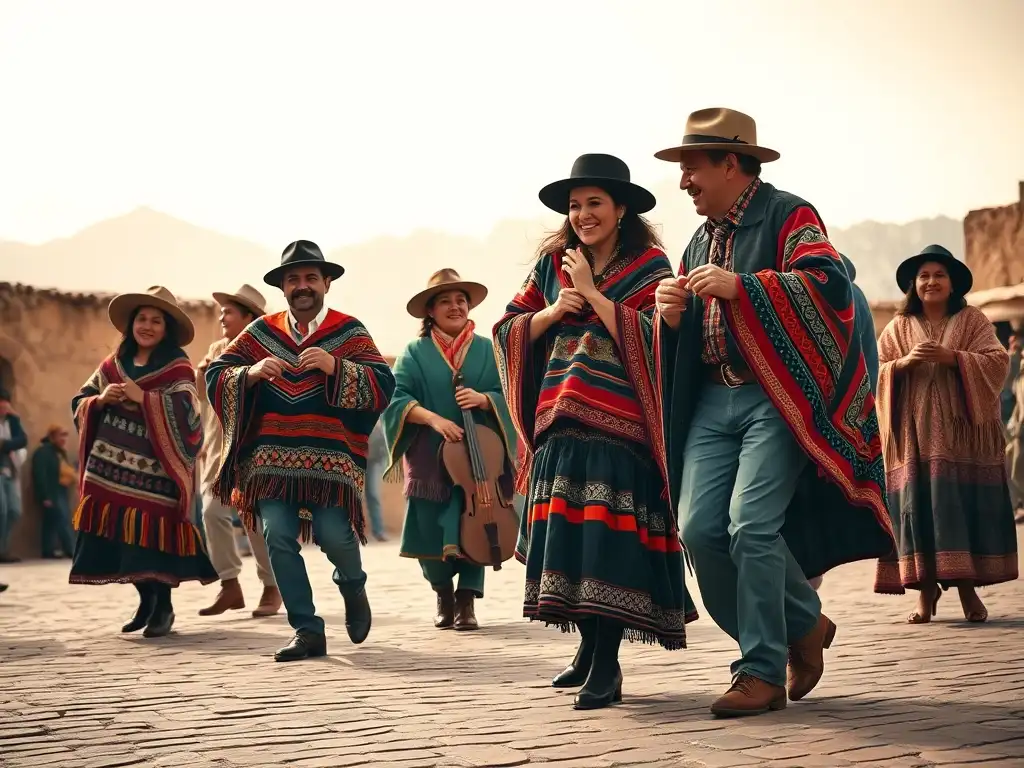
This section delves into the rich tapestry of Andean dance, exploring its diverse styles and the profound cultural meanings embedded within each movement. Understanding these dances provides a deeper appreciation for the Andean worldview and its enduring legacy. We'll examine two prominent examples: the Diablada and the Huayno, showcasing their unique characteristics and historical significance within the context of Andean music and dance history.
Traditional Andean Dances: Diablada
The Diablada, a vibrant and dramatic dance, holds a special place in Andean cultural heritage. Its origins are deeply intertwined with religious syncretism, reflecting the fusion of Indigenous beliefs and Spanish colonial influences.
Diablada Origins and History
The Diablada originated in the Bolivian highlands, specifically in the mining city of Oruro. Its roots trace back to the 17th century, emerging during the colonial period as a way for Indigenous communities to express their resistance and cultural identity through a seemingly paradoxical form: a dance featuring devils. These "devils," however, often represent the struggle against oppression, embodying both the forces of evil and the triumph over adversity.
The dance became associated with the Fiesta de la Virgen del Socavón, a major religious festival in Oruro, where it is performed annually with incredible fervor and spectacle. This evolution exemplifies the complex interplay between Indigenous traditions and the imposed religious practices of the Spanish colonizers, a key aspect of Andean music and dance history.
Further research is needed to fully understand the precise evolution of the Diablada's narrative across different regions. [Specific information pending: detailed timeline of Diablada's evolution in different regions]
Diablada Costumes and Movements
The Diablada is characterized by its elaborate costumes, which are often painstakingly crafted and passed down through generations. Dancers wear masks depicting devils with exaggerated features, often adorned with vibrant colors and intricate details. Their costumes typically include ornate headdresses, brightly colored capes, and elaborate accessories such as chains and pitchforks. The movements themselves are highly stylized and theatrical, incorporating dramatic leaps, spins, and confrontations between the "devils" and other characters in the dance, often representing angels or archangels.
The music accompanying the Diablada is equally dramatic, featuring brass instruments, percussion, and distinctive Andean melodies. The rhythmic complexity and powerful energy of the music powerfully enhance the dance's visual impact. The overall effect is a captivating spectacle that embodies both the struggle and the triumph within Andean music and dance history.
Traditional Andean Dances: Huayno
The Huayno stands in contrast to the Diablada in its more intimate and lyrical nature. While equally rooted in Andean traditions, the Huayno expresses a wider range of emotions and social contexts.
Huayno Origins and History
Unlike the Diablada, the Huayno possesses a more diffuse origin story. Its evolution spans centuries, encompassing a variety of regional variations across the Andes. It's considered a genre of music and dance that has adapted and evolved through time, incorporating influences from both Indigenous and European musical traditions. The Huayno is deeply connected to daily life and social events, from celebrations to courtship rituals.
Its melodies often reflect the landscape and the emotions of the Andean people, reflecting the intimate connection between the people and their environment. The development of the Huayno is a continuous process, with new styles and variations constantly emerging. [Specific information pending: detailed regional variations of Huayno and their unique characteristics]
Huayno Costumes and Movements
The costumes for Huayno are generally less elaborate than those of the Diablada. They often reflect regional variations, showcasing the diversity of Andean textiles and craftsmanship. Women may wear colorful skirts, shawls, and distinctive hats, while men may wear ponchos and hats specific to their region. The movements are characterized by grace and fluidity, often involving couples dancing in close proximity, expressing affection and intimacy through their steps.
The music accompanying the Huayno is characterized by its melodic beauty and emotional depth, often featuring Andean panpipes, guitars, and other traditional instruments. The dance itself is a testament to the enduring power of Andean music and dance history, reflecting both the intimate and social aspects of Andean life. The interplay between the music and dance creates a captivating experience, one that reflects the heart of Andean culture. 💃🕺
Contemporary Andean Dance and its Evolution
Contemporary Andean dance is a vibrant tapestry woven from the threads of ancient traditions and modern influences. It's not a static entity, but a constantly evolving art form reflecting societal changes, technological advancements, and the ongoing dialogue between tradition and innovation. While deeply rooted in the rich history of Andean music and dance history, contemporary expressions often incorporate elements from other genres, creating unique and captivating performances.
This evolution isn't a simple linear progression; instead, it's a complex interplay of preservation, adaptation, and reinvention. We see a conscious effort by many dancers and choreographers to honor the past while simultaneously forging new paths for expression. This dynamic process ensures that Andean dance remains relevant and engaging for modern audiences while still retaining its core cultural significance.
The fusion of traditional steps and rhythms with contemporary styles like ballet, jazz, and even hip-hop reflects the ever-changing cultural landscape of the Andes. This blending of styles isn't merely superficial; it often carries profound social and political messages, subtly woven into the choreography and performance.
Modern Interpretations of Traditional Dances
Modern interpretations of traditional Andean dances often involve a careful balance between authenticity and innovation. Choreographers frequently draw inspiration from historical sources, meticulously researching the movements, costumes, and musical accompaniment of specific dances from different Andean communities. However, they don't simply replicate the past; instead, they use these historical foundations as a springboard for creativity.
For example, a modern interpretation of the huayno, a lively Andean couple's dance, might retain the fundamental steps and rhythmic structure but incorporate new elements of staging, lighting, and costume design to create a fresh and engaging experience. This process allows for the preservation of traditional forms while also making them accessible and appealing to a broader, contemporary audience. Some choreographers might even use traditional dances as a vehicle to explore contemporary themes, using the movement and symbolism of the dance to express social commentary or personal narratives.
This approach transforms traditional dances into powerful tools for social engagement and artistic expression. The result is a captivating blend of tradition and innovation, demonstrating the enduring power and adaptability of Andean dance.
The Influence of Andean Dance on Contemporary Art
Andean dance has exerted a significant influence on various forms of contemporary art. Its vibrant imagery, powerful rhythms, and rich symbolism have inspired visual artists, filmmakers, and musicians. Painters and sculptors often draw inspiration from the costumes, movements, and emotional intensity of Andean dances, creating works that capture the energy and spirit of these performances.
The dynamic interplay of movement and music has also been a source of inspiration for contemporary choreographers, who incorporate elements of Andean dance into their own works, often fusing them with other dance styles to create unique and expressive pieces. Filmmakers have used Andean dances to enhance the narrative and visual impact of their films, employing them to convey emotions, establish cultural context, and add a layer of visual richness. Moreover, musicians have incorporated Andean rhythms and melodies into their compositions, resulting in a diverse range of musical styles influenced by the region's rich dance traditions.
This cross-pollination of artistic expression demonstrates the profound and lasting impact of Andean dance on the contemporary art world, enriching the cultural landscape with its unique aesthetics and profound cultural significance. The enduring power and beauty of Andean dance continue to inspire creativity across multiple artistic disciplines, ensuring its continued relevance and appreciation for generations to come. 🎉
The Cultural Significance of Andean Music and Dance
Andean music and dance history is deeply intertwined with the cultural fabric of the Andean region. It's not merely entertainment; it's a powerful means of preserving history, expressing identity, and fostering social cohesion. The rhythmic pulse of Andean music and the graceful movements of its dances reflect centuries of tradition, adapting and evolving while retaining their core essence. Understanding this significance requires delving into the multifaceted roles music and dance play within Andean societies. We'll explore how these art forms serve as vehicles for storytelling, social gatherings, and the expression of deeply held cultural values.
Music and Dance as a Form of Storytelling
Preserving Oral Traditions Through Performance
Andean music and dance frequently recount historical events, myths, and legends. These narratives, often passed down through generations orally, are embedded within the music's melodies, rhythms, and the dance's choreography. For instance, certain dances might depict battles between rival tribes, the exploits of legendary heroes, or the creation myths of the Andes. The intricate steps and symbolic gestures within these performances serve as visual aids, enhancing the narrative's impact and ensuring its preservation.
The detailed movements, often passed down through family lineages, act as a living archive, carrying the weight of ancestral wisdom. This oral tradition, powerfully reinforced through performance, ensures the continuity of cultural memory across generations. Think of it as a living library, where each performance is a chapter in a timeless story.
Expressing Cultural Values and Beliefs
Beyond recounting narratives, Andean music and dance also function as powerful expressions of cultural values and beliefs. Specific instruments, melodies, and dance styles are often associated with particular communities, reflecting their unique identities and worldviews. The use of panpipes, for instance, might evoke a sense of pastoral life and connection with nature, while the use of drums could symbolize strength and community spirit.
Furthermore, the costumes worn during performances are often richly symbolic, representing specific deities, animals, or natural elements revered within the community. The vibrant colors and intricate designs woven into these costumes are not merely decorative; they are visual representations of deeply held beliefs and spiritual connections. Careful observation reveals a complex interplay of symbolism, conveying a profound understanding of the Andean worldview.
Community Participation in Andean Festivals
Andean music and dance are integral to the social fabric of the region, serving as a catalyst for community bonding and participation. Many Andean festivals, often tied to agricultural cycles or religious observances, revolve around music and dance. These events offer opportunities for people from different backgrounds and generations to come together, sharing in a collective experience that reinforces social cohesion.
The collaborative nature of many Andean dances – requiring synchronized movements and coordinated actions – further strengthens community bonds. The shared experience creates a powerful sense of belonging and unity within the community. Participation is not merely about performance; it's about active engagement in a vibrant cultural tradition.
The Role of Music and Dance in Andean Celebrations
Beyond formal festivals, Andean music and dance play a vital role in everyday celebrations, such as weddings, harvests, and religious ceremonies. Music provides the soundtrack to these events, setting the mood and enhancing the festive atmosphere. Dance, in turn, allows for spontaneous expressions of joy, celebration, and communal solidarity. The spontaneous nature of these performances, often characterized by improvisation and participatory elements, underscores the deeply ingrained role of music and dance in Andean social life.
It's a testament to the enduring power of these art forms to bring people together, fostering a sense of shared identity and collective experience. The celebratory atmosphere is further enriched by the vibrant costumes, the rhythmic sounds, and the sheer energy of the collective performance, creating a truly unforgettable experience. 🎉
Andean Music and Dance in Modern Society
Andean music and dance, far from being relics of the past, remain vibrant and integral aspects of modern Andean society. They continue to play a crucial role in daily life, religious ceremonies, and celebrations throughout the region. Traditional instruments like the charango, zampoña, and quena are still crafted and played, passed down through generations, ensuring the continuity of musical traditions.
Many communities actively participate in preserving these musical forms, often incorporating them into educational programs and community events. The rhythmic pulse of Andean music provides a soundtrack to everyday life, from bustling marketplaces to quiet evenings in rural villages. This constant presence reinforces cultural identity and fosters a sense of belonging among Andean communities.
Furthermore, the music and dance forms frequently adapt and evolve, incorporating contemporary influences while retaining their core essence. This dynamic interplay between tradition and modernity ensures the continued relevance and appeal of Andean musical and dance expressions.
The Preservation of Andean Cultural Heritage
The preservation of Andean music and dance is a multifaceted endeavor involving various stakeholders. Governments in Andean nations play a crucial role through funding initiatives that support research, documentation, and the teaching of traditional musical forms. Museums and cultural centers actively collect and exhibit instruments, costumes, and recordings, providing valuable resources for researchers and the public alike. Furthermore, numerous non-governmental organizations (NGOs) dedicate their efforts to promoting and protecting this cultural heritage.
These NGOs often work directly with communities, providing training and support to musicians, dancers, and artisans. Community-based initiatives are also crucial. Many Andean communities have established their own organizations and programs designed to safeguard their unique musical and dance traditions, ensuring their transmission to future generations.
These efforts often involve teaching young people traditional instruments and dance styles, and organizing regular performances and festivals. The challenges remain significant, however, including the impact of globalization and the pressure to adopt more mainstream cultural forms. Despite these obstacles, a strong commitment to preservation ensures that the rich tapestry of Andean music and dance continues to thrive.
The Global Reach of Andean Music and Dance
The influence of Andean music and dance extends far beyond the Andes Mountains. Globalization has played a significant role in disseminating these cultural expressions to a global audience. The rise of world music genres has facilitated the incorporation of Andean musical elements into various musical styles.
Many Andean musicians have achieved international recognition, performing in prestigious venues around the world and collaborating with artists from diverse backgrounds. This exposure has not only increased the global appreciation of Andean music but has also stimulated cross-cultural exchange and creative innovation. Tourism, too, has contributed to the wider dissemination of Andean music and dance.
Tourists visiting the Andes region frequently encounter traditional performances, leading to a heightened awareness and interest in these cultural expressions. This increased exposure has, in turn, spurred the development of cultural tourism initiatives that aim to promote and protect Andean music and dance while generating economic opportunities for local communities. The global reach of Andean music and dance speaks to its enduring appeal and its capacity to transcend geographical and cultural boundaries, enriching the world's musical landscape.
Frequently Asked Questions
What role did music and dance play in Andean civilizations?
Music and dance were integral to Andean life, reflecting spiritual beliefs, social structures, and daily activities. They were used in ceremonies, celebrations, and even agricultural practices.
How did music and dance vary across different Andean cultures?
Each culture—Inca, Moche, Nazca, Tiahuanaco, etc.—developed unique musical styles and dance forms. Instruments and rhythms differed significantly, reflecting their distinct environments and traditions.
What types of instruments were commonly used in Andean music?
Panpipes, pututus (horns), drums, and charangos (small guitars) were prevalent. The specific instruments used varied by region and culture, reflecting the available materials and musical preferences.
What are some examples of significant Andean dances?
The huayno and yaraví are well-known examples, often characterized by passionate movements and rhythmic complexities. Many dances were tied to specific agricultural cycles or religious festivals.
How has Andean music and dance evolved over time?
While retaining ancient traditions, Andean music and dance have evolved through the integration of European and African influences. Modern forms continue to blend traditional styles with contemporary elements.
Final Reflection: The Enduring Legacy of Andean Rhythms
The vibrant tapestry of Andean music and dance continues to resonate globally, a testament to its enduring power and cultural significance. Its intricate rhythms and evocative melodies are not merely historical artifacts; they are living expressions of a rich heritage that continues to evolve and inspire. Understanding this legacy is crucial to appreciating the complexities of Andean culture and its ongoing contribution to the world's artistic landscape.
The profound impact of Andean music and dance on both the region and the wider world is undeniable. It's a powerful force that transcends geographical boundaries, connecting generations and fostering a sense of shared identity. The music's ability to evoke such strong emotions, from joy and celebration to sorrow and reflection, speaks to its inherent depth and artistry. As the renowned Peruvian anthropologist, José Matos Mar, once stated: Music and dance in the Andes are not simply entertainment; they are a fundamental part of the social fabric, a way of communicating history, beliefs, and emotions.
This quote perfectly encapsulates the article's central theme and highlights the enduring importance of this cultural expression.
Consider the rhythms that pulse through the Andes, the stories woven into the dances, the emotions expressed through the music. Let these rhythms inspire you to explore the rich cultural heritage of the Andes, to appreciate the power of art to transcend time and space, and to seek out the unique cultural expressions that enrich our world. Embrace the vibrant energy of Andean music and dance; let it move you, inspire you, and connect you to a legacy that continues to shape our understanding of art, culture, and humanity.
Unveil the Magic of Andean Culture!
Thank you for exploring the vibrant music and dance that are central to Andean civilizations. You've learned how these art forms express identity, tradition, and community. Now, let's bring that knowledge to life!
Here are some ways to deepen your appreciation of Andean culture:
- **Attend a local Andean music and dance performance or festival. ** Immerse yourself in the rhythm and connect with the performers and audience.
- **Share this article with friends and family** to introduce them to the rich cultural heritage of the Andes.
- Explore the spirit of the Andes further by **learning to play a traditional Andean instrument like the charango or panpipes**, or by **taking online dance lessons** focusing on Andean styles.
What aspect of Andean culture most captivates you, and how will you integrate it into your life?