
The Power of Storytelling: Andean Myths and Legends Come to Life

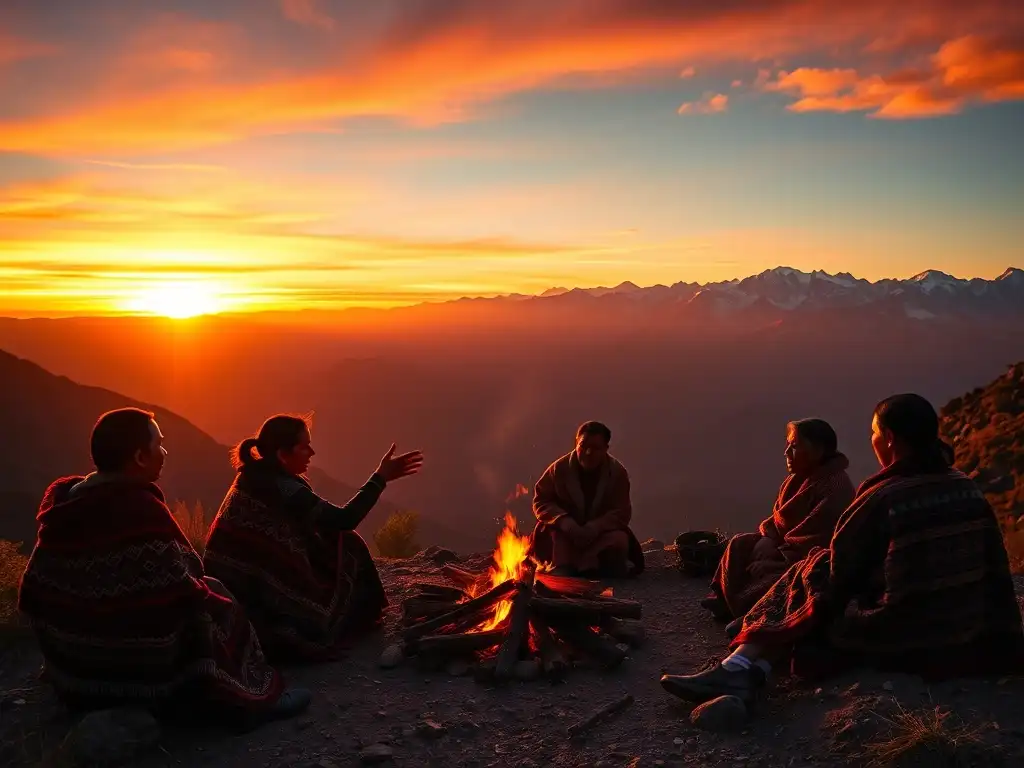
Unravel the mysteries of a world lost to time, yet echoing in the vibrant threads of Andean culture. Prepare to be captivated by the untamed spirit of the Andes, where majestic mountains whisper ancient secrets and the legacy of civilizations like the Incas, Moche, and Nazca still resonates. Dive into the heart of Andean mythology storytelling, a powerful force that shaped empires and continues to inspire awe today. Discover how these myths and legends illuminate a rich tapestry of beliefs, traditions, and a profound connection to the land. Are you ready to embark on this extraordinary journey?
Andean civilizations, renowned for their intricate engineering feats like Machu Picchu and sophisticated agricultural techniques, also possessed a vibrant and complex mythology. This rich tapestry of stories, passed down through generations, offers invaluable insight into their worldview, social structures, and understanding of the natural world.
More than mere entertainment, Andean myths and legends served as powerful tools for education, social control, and the preservation of cultural identity. This article delves into the fascinating world of Andean storytelling, exploring its significance, methods of transmission, and the enduring legacy it holds for understanding these remarkable cultures.
We will examine how these narratives illuminate the Andean cosmovision and the intricate relationship between humans and the environment, providing a compelling lens through which to appreciate the enduring power of Andean mythology and its continued relevance in modern times. Understanding Andean mythology storytelling is key to unlocking a deeper appreciation for the cultural heritage of this fascinating region.
Unveiling the Rich Tapestry of Andean Mythology
Andean mythology is incredibly diverse, varying significantly between different cultures and regions. While the Inca Empire ultimately exerted considerable influence across a vast territory, pre-Inca civilizations like the Moche, Nazca, and Tiahuanaco each possessed unique mythologies reflecting their specific environments and societal structures. These stories often feature powerful deities, mythical creatures, and heroic figures engaging in epic struggles that explain the origins of the world, natural phenomena, and social customs.
Common themes include the cyclical nature of time, the importance of agriculture, and the reverence for mountains and celestial bodies. For example, the Moche culture, known for its elaborate ceramics depicting mythological scenes, featured deities associated with warfare, fertility, and the sea. In contrast, the Nazca, famous for their enigmatic geoglyphs, likely incorporated astronomical observations into their mythological narratives, reflecting their sophisticated understanding of the cosmos.
Understanding this diversity is crucial for a nuanced appreciation of Andean mythology storytelling. The sheer variety of narratives underscores the richness and complexity of the Andean cultural heritage.
The Significance of Storytelling in Andean Cultures
Storytelling in Andean societies was not simply a form of entertainment; it played a vital role in shaping social structures, transmitting knowledge, and reinforcing cultural values. The narratives served as powerful tools for education, instilling moral lessons and societal expectations in younger generations. Myths and legends often explained the rules and customs of a particular community, strengthening social cohesion and promoting conformity. Furthermore, storytelling provided a framework for understanding the world, explaining natural phenomena and offering explanations for life's mysteries.
This wasn't a passive process; active participation and interpretation were crucial, with storytellers often adapting narratives to suit their audience and context. The performance itself was a significant event, often accompanied by music, dance, and ritual. The stories were not merely recounted; they were experienced.
Oral Traditions: Preserving Andean History and Beliefs
Before the arrival of the Spanish, Andean cultures primarily relied on oral traditions to preserve their myths and legends. Storytellers, often highly respected members of the community, played a crucial role in maintaining the continuity of these narratives across generations. Memorization and recitation skills were highly valued, and storytellers employed mnemonic devices and elaborate performance techniques to enhance recall and engagement. The lack of a widespread written language meant that oral transmission was paramount, highlighting the remarkable memory and storytelling abilities of Andean peoples.
This oral tradition ensured the survival of many myths and legends, even in the face of significant cultural upheaval. However, the conquest of the Inca Empire led to a decline in the importance of oral tradition, with many stories becoming fragmented or lost. The ongoing effort to recover and preserve these stories is a testament to their enduring significance.
Andean Cosmovision: Myths Reflecting the Worldview
Andean mythology provides a window into the unique worldview of these civilizations. Their cosmovision, a holistic understanding of the universe, emphasized the interconnectedness of all living things and the cyclical nature of time and existence. Myths often depict a complex interplay between the human world and the supernatural realms, highlighting the importance of maintaining balance and harmony with the natural environment. Mountains were considered sacred entities, and celestial bodies played a significant role in shaping religious beliefs and practices.
The concept of Pachamama, Mother Earth, underscores the deep reverence for nature and the crucial role of agriculture in Andean societies. These myths reveal a sophisticated understanding of the cosmos and the human place within it, illustrating a profound spiritual connection to the land and its resources. The enduring relevance of this cosmovision is evident in the continued importance of Andean traditions and beliefs in contemporary Andean communities.
Key Figures and Deities in Andean Mythology
Andean mythology is rich with powerful figures and deities that shaped the worldview and practices of ancient Andean cultures. These figures weren't simply abstract concepts; they were deeply intertwined with daily life, agriculture, and social structures. Understanding these key figures is crucial to grasping the complexities of Andean storytelling and its enduring legacy. The pantheon varied somewhat between different Andean cultures, but certain deities held widespread importance across various groups.
The reverence for these figures extended beyond simple worship; they represented fundamental aspects of the natural world and the human experience, influencing everything from agricultural practices to political systems. The stories surrounding them served as moral guides, explanations for natural phenomena, and powerful tools for social cohesion. The intricate relationships between these deities further enrich the tapestry of Andean mythology, revealing a complex cosmology that continues to fascinate and inspire.
Inti: The Sun God and His Importance
Inti, the Sun God, held paramount importance in Inca mythology and was considered the most powerful deity in their pantheon. Inti's influence extended far beyond simple celestial observation; he was believed to be the ancestor of the Inca royal lineage, legitimizing their rule and connecting them directly to the divine. His image was ubiquitous, adorning temples, clothing, and everyday objects.
The Inca calendar and agricultural practices were intimately linked to the sun's movements, highlighting Inti's crucial role in their society. The annual Inti Raymi festival, a grand celebration in honor of the Sun God, involved elaborate ceremonies, sacrifices, and feasts, showcasing the deep devotion and reverence the Inca held for Inti.
This festival served not only as a religious observance but also as a vital social and political event, reinforcing Inca identity and power. The Inca's unwavering faith in Inti's power profoundly shaped their worldview and cultural practices, leaving an enduring mark on Andean mythology.
Pachamama: The Earth Mother and Her Reverence
Pachamama, the Earth Mother, represents another crucial figure in Andean mythology, venerated across numerous cultures for millennia. Far more than just a deity, Pachamama embodies the life-giving power of the earth, nurturing all living beings and sustaining the cycle of life and death. Her reverence is evident in the agricultural practices of Andean communities, where offerings and prayers were made to ensure bountiful harvests and the fertility of the land.
Pachamama's influence extends beyond agriculture; she is associated with mountains, rivers, and other natural elements, representing the interconnectedness of the Andean ecosystem. The concept of Pachamama resonates with contemporary environmental concerns, highlighting the ancient Andean understanding of the importance of respecting and preserving the natural world. Her enduring presence in Andean culture underscores the deep-rooted connection between humans and the environment, a connection that continues to shape Andean identity and spirituality.
Viracocha: The Creator God and Cultural Hero
Viracocha, the creator god, occupies a prominent position in Andean cosmology, particularly within the Inca and pre-Inca traditions. He's depicted as a powerful and enigmatic figure, responsible for the creation of the world, humanity, and the cosmos. Unlike many other deities, Viracocha's role is not confined to a specific domain; he's a universal creator, often associated with water and the sea. Many myths attribute the founding of various Andean civilizations to Viracocha's actions, solidifying his status as a cultural hero.
His image varies across different cultural depictions, sometimes appearing as a benevolent deity, other times as a more mysterious and awe-inspiring figure. The stories surrounding Viracocha's creation of the world often involve cataclysmic events, emphasizing the power and mystery associated with this creator god. Viracocha's enduring presence in Andean mythology reflects the enduring human need to understand the origins of the world and our place within it.
Popular Andean Myths and Legends
Andean mythology is not just a collection of religious beliefs; it's a vibrant tapestry of myths and legends that have been passed down through generations, shaping cultural identity and providing explanations for the world around them. These narratives often serve as moral guides, teaching lessons about respect for nature, community, and the importance of maintaining a harmonious relationship with the spiritual world.
The enduring power of these stories lies in their ability to connect people to their heritage and provide a framework for understanding their place in the cosmos. The myths are often intertwined with historical events, blurring the lines between fact and fiction and adding to their captivating nature.
The Legend of Manco Capac and Mama Ocllo: The Founding Myth of the Inca Empire
The legend of Manco Capac and Mama Ocllo is a foundational myth for the Inca Empire, explaining their origins and legitimizing their rule. The story recounts how these siblings, emerging from Lake Titicaca, established the Inca civilization, bringing civilization and order to the Andean region. Manco Capac, often portrayed as a powerful leader and skilled organizer, is credited with establishing Cuzco, the Inca capital, and implementing sophisticated social and political structures.
Mama Ocllo, depicted as a wise and nurturing figure, is associated with the domestication of plants and the development of weaving techniques. The narrative of Manco Capac and Mama Ocllo serves as a powerful example of a founding myth, shaping Inca identity and reinforcing their imperial authority. The myth's enduring appeal lies in its ability to weave together historical, religious, and political elements, creating a compelling narrative that continues to resonate with Andean people.
The Story of Tunupa: Andean Deity and Cultural Transformer
The story of Tunupa, a prominent figure in Andean mythology, especially among the Aymara people, presents a complex and fascinating narrative. Tunupa is depicted as a powerful deity, often associated with fertility, abundance, and the protection of the Aymara people. The myths surrounding Tunupa frequently involve transformations and journeys, reflecting the dynamic nature of the Andean landscape and the challenges faced by the Aymara people throughout history.
Tunupa's story often serves as a reminder of the importance of resilience, adaptation, and the enduring power of cultural heritage in the face of adversity. The diverse interpretations and variations of Tunupa's myth across different Aymara communities highlight the rich diversity of Andean storytelling and the adaptability of these narratives to reflect specific local contexts and experiences.
The Myth of the Condor and the Puma: Symbolism in Andean Culture
The myth of the condor and the puma is a powerful example of the symbolic language prevalent in Andean mythology. The condor, a majestic bird soaring high above the Andes, often represents the upper world, the realm of the gods and celestial powers. The puma, a powerful feline inhabiting the lower world, symbolizes the earth and its earthly forces.
The interplay between these two powerful creatures in various Andean myths reveals a complex cosmology, highlighting the interconnectedness between the heavens and the earth. The dualistic nature of these symbols, representing both power and opposing forces, reflects the Andean understanding of the balance and harmony necessary for maintaining a thriving ecosystem and society. The condor and puma, therefore, serve not only as captivating figures in Andean mythology but also as powerful symbols representing the profound relationship between humans and the natural world.
The Role of Andean Mythology Storytelling in Modern Times
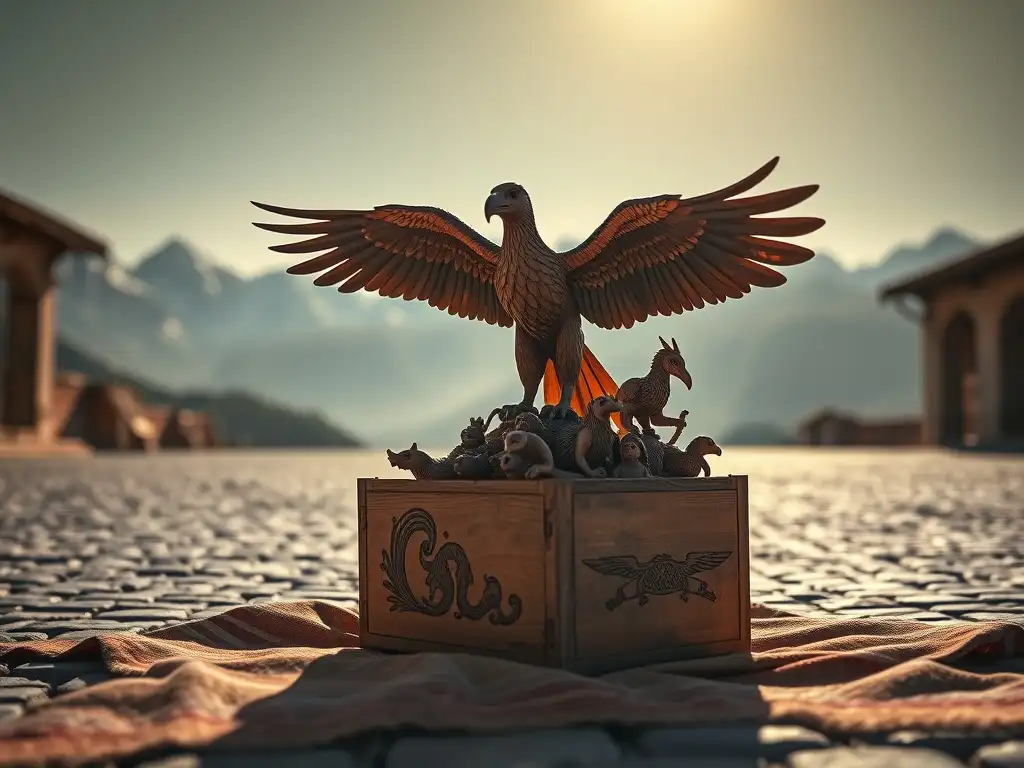
Andean mythology storytelling plays a vital role in contemporary society, extending far beyond mere entertainment. It serves as a powerful tool for cultural preservation, education, and artistic expression. The continued telling of these ancient narratives ensures the survival of a rich cultural heritage, connecting modern communities to their ancestral past. The vibrant tapestry of myths and legends provides a framework for understanding Andean values, beliefs, and societal structures, fostering a sense of collective identity and pride.
The preservation of these stories is crucial for maintaining cultural continuity in a rapidly changing world. Furthermore, the enduring appeal of Andean mythology demonstrates its relevance and adaptability to modern contexts, offering valuable insights into human nature and the enduring power of storytelling. It is a living tradition, constantly evolving and adapting while retaining its core essence.
Preserving Cultural Heritage through Narrative
The oral tradition of Andean storytelling has been crucial in preserving cultural heritage across generations. Before the widespread use of writing systems, myths and legends were transmitted orally, meticulously passed down from elders to younger generations. This oral transmission ensured the survival of complex narratives, cosmological beliefs, and ethical codes.
Even today, many communities actively maintain this oral tradition, recognizing its significance in safeguarding their cultural identity. The continued telling of these stories ensures that ancient wisdom and knowledge are not lost to time. These narratives are not just entertaining tales; they are repositories of historical information, social values, and spiritual beliefs, acting as living archives of Andean culture.
For instance, the stories of the Inca empire's origins, woven into myths and legends, offer invaluable insights into their social structures and political systems. These narratives are not static; they evolve over time, adapting to new contexts while retaining their core meaning.
Andean Mythology Storytelling in Education and Tourism
Andean mythology storytelling has found a significant place in both education and tourism. In educational settings, these narratives provide engaging and culturally relevant learning experiences for students. They offer alternative perspectives on history and social studies, fostering critical thinking and cultural awareness. By incorporating Andean myths into curricula, educators can create more inclusive and enriching learning environments.
Similarly, in tourism, the revival of Andean storytelling traditions is adding a new layer of depth and authenticity to the visitor experience. Guided tours incorporating narrative performances, storytelling workshops, and interactive exhibits are becoming increasingly popular, providing visitors with an immersive and engaging encounter with Andean culture. This approach goes beyond simply showcasing archaeological sites; it allows tourists to connect with the living culture and traditions of the Andes, promoting cultural understanding and sustainable tourism practices. This symbiotic relationship benefits both the local communities and the tourists.
Modern Interpretations: Performances and Artistic Recreations
Modern interpretations of Andean mythology are diverse and captivating. The ancient stories are being reimagined through various artistic mediums, including theater, dance, music, and visual arts. Contemporary artists and performers draw inspiration from traditional narratives, creating new works that resonate with modern audiences while honoring the rich heritage of Andean culture. These reinterpretations often incorporate elements of contemporary social commentary, exploring themes of colonialism, environmentalism, and social justice within the framework of ancient myths.
For example, theatrical productions might reimagine the conflict between the Inca and Spanish conquerors through a contemporary lens, prompting reflection on power dynamics and cultural clashes. This blending of traditional narratives with modern sensibilities ensures that Andean mythology remains relevant and engaging to a wider audience. These reinterpretations demonstrate the enduring power and adaptability of these ancient stories.
The Impact of Andean Myths on Art and Literature
Andean myths have profoundly influenced Andean art and literature throughout history and continue to inspire contemporary artists and writers. The rich tapestry of deities, heroes, and mythical creatures provides an endless source of inspiration for creative expression. The impact is evident in the visual arts, literature, and even music, shaping aesthetic sensibilities and reflecting cultural values. The depth and complexity of Andean mythology provide artists and writers with a vast reservoir of themes, symbols, and metaphors to explore. These stories resonate deeply with Andean communities and have become an integral part of their cultural identity.
Artistic Depictions of Andean Deities and Legends
Ancient and contemporary Andean art is replete with depictions of deities, legendary figures, and mythical creatures. Pottery, textiles, and sculptures from various Andean cultures vividly portray these characters, offering visual representations of their beliefs and cosmology. The style and symbolism used in these depictions vary across different cultures and time periods, reflecting the diversity and evolution of Andean artistic traditions.
For example, the Moche culture's pottery often features dramatic scenes depicting mythical beings and battles, while the Inca's textiles incorporated intricate designs representing celestial bodies and deities. These artistic representations are not merely decorative; they are powerful expressions of cultural identity and religious beliefs, offering invaluable insights into the worldview of ancient Andean civilizations. They continue to fascinate and inspire contemporary artists, who draw upon these rich visual traditions in their own work.
Andean Mythology as Inspiration for Contemporary Writers
Andean mythology serves as a powerful wellspring of inspiration for contemporary writers. The rich narratives, complex characters, and allegorical themes offer endless possibilities for creative exploration. Many contemporary authors draw upon these myths to create novels, short stories, and poems that engage with contemporary issues while reflecting upon the enduring legacy of Andean culture. These works often explore themes of identity, colonialism, and environmentalism, using the framework of ancient myths to explore contemporary social and political realities.
By weaving Andean mythology into their narratives, contemporary writers not only introduce these stories to a wider audience but also contribute to the ongoing evolution and interpretation of these ancient traditions. This process of reimagining and reinterpreting Andean myths ensures that these powerful narratives remain relevant and engaging for generations to come. The blending of ancient and modern perspectives enriches both the literary landscape and the understanding of Andean culture.
Exploring Andean Culture Through Storytelling
Andean mythology storytelling offers a captivating window into the rich tapestry of Andean culture. These narratives, passed down through generations, reveal intricate details about the worldview, values, and daily lives of ancient Andean peoples. Stories weren't simply entertainment; they served as crucial tools for transmitting knowledge, preserving history, and reinforcing social structures.
By analyzing these myths, we gain a deeper understanding of their agricultural practices, social hierarchies, and cosmological beliefs. For example, the stories surrounding the creator god Viracocha in Inca mythology explain their understanding of the origins of the world and humanity, providing valuable insight into their religious beliefs and cosmology. Similarly, Moche pottery often depicts scenes from their mythology, illustrating their complex social structures and rituals.
The narratives themselves are often imbued with symbolism, requiring careful interpretation to fully grasp their meaning and significance. Understanding these symbolic elements is key to unlocking the profound cultural insights embedded within these ancient tales. The use of animals, natural phenomena, and specific geographical locations within the narratives provides further clues to understanding their cultural context and the significance of these elements in their lives.
Experiencing Andean Spirituality through Narrative
Andean spirituality is deeply interwoven with their mythology. Many stories explain the origins of sacred sites, rituals, and beliefs. The narratives often feature powerful deities, mythical beings, and ancestral spirits, revealing the profound respect and reverence these cultures held for the natural world and the spiritual realm.
For instance, the Nazca Lines, enigmatic geoglyphs etched into the desert, are believed by some to be related to celestial events and rituals described in their mythology. These stories are not just historical accounts; they are active participants in shaping Andean spiritual practices. Many rituals and ceremonies are still performed today, rooted in the ancient myths and legends.
Understanding these narratives provides a key to understanding the spiritual heart of Andean civilization. The continued relevance of these stories in contemporary Andean communities highlights their enduring power and influence on spiritual life. The oral tradition, combined with archaeological evidence, allows for a rich and multifaceted exploration of this rich spiritual heritage.
Andean Cultural Tours: Exploring Sacred Sites
Many cultural tours now incorporate Andean mythology storytelling into their itineraries, enriching the visitor's experience. These tours often take participants to sacred sites mentioned in the myths, providing a tangible connection to the narratives. The guided tours offer expert interpretations of the sites, weaving together the historical context with the mythological significance. For example, a tour might visit Machu Picchu and explain the Inca myths associated with its creation and the role it played within the Inca empire.
These tours not only provide a deeper understanding of the sites themselves but also offer a unique opportunity to connect with the enduring legacy of Andean culture. Furthermore, responsible tourism initiatives often support local communities by incorporating local storytellers and artisans into the tour experience, ensuring that the cultural heritage is both preserved and celebrated. This approach fosters a more authentic and meaningful interaction with the local culture and its traditions.
Conclusion: The Enduring Power of Andean Mythology Storytelling
Andean mythology storytelling continues to resonate powerfully today. These narratives, passed down through generations, have not only survived the passage of time but have also adapted and evolved, reflecting the ongoing dynamism of Andean culture. The stories serve as a vital link between the past and the present, providing a sense of identity and continuity for Andean communities.
The enduring appeal of these myths and legends highlights their ability to address universal themes of creation, life, death, and the human condition, making them relevant to audiences worldwide. Their preservation through oral tradition, artistic expression, and increasingly, through scholarly research, ensures their continued influence on Andean society and the global appreciation for this rich cultural heritage. The study and appreciation of Andean mythology storytelling contribute to a broader understanding of human history and cultural diversity.
The Legacy of Andean Storytelling for Future Generations
The preservation and transmission of Andean mythology storytelling is crucial for future generations. Efforts to document and archive these narratives, both through written records and digital media, are essential for ensuring their survival. Educational initiatives that incorporate Andean mythology into school curricula can help to foster a sense of pride and identity among young Andean people.
Furthermore, supporting local communities in their efforts to preserve their oral traditions is vital for maintaining the authenticity and vitality of these narratives. By actively engaging with these stories, we ensure that the rich cultural heritage of the Andes remains vibrant and relevant for years to come. The collaborative efforts of researchers, educators, and local communities are essential to ensure the ongoing legacy of Andean mythology.
Further Exploration: Museums and Cultural Centers
Many museums and cultural centers across the Andes and around the world showcase artifacts and exhibits related to Andean mythology. These institutions provide valuable resources for further exploring the narratives, their artistic representations, and their cultural significance. Collections of pottery, textiles, and other artifacts often depict scenes from the myths, offering visual representations to complement the oral traditions.
These museums often feature educational programs, workshops, and guided tours that delve deeper into the stories and their historical contexts. Visiting these centers offers an opportunity to engage with the narratives in a tangible way, enhancing one's understanding and appreciation of Andean mythology. The continued research and interpretation of these artifacts within these institutions contribute significantly to the ongoing preservation and dissemination of Andean cultural knowledge.
- Unveiling the Rich Tapestry of Andean Mythology
- The Significance of Storytelling in Andean Cultures
- Key Figures and Deities in Andean Mythology
- Popular Andean Myths and Legends
- The Role of Andean Mythology Storytelling in Modern Times
- The Impact of Andean Myths on Art and Literature
- Exploring Andean Culture Through Storytelling
- Conclusion: The Enduring Power of Andean Mythology Storytelling
- What is the significance of storytelling in Andean cultures?
- How did Andean people pass down their myths and legends?
- What are some common themes explored in Andean mythology?
- Which Andean civilizations had the most influential mythologies?
- Where can I learn more about Andean mythology and storytelling?
Frequently Asked Questions
What is the significance of storytelling in Andean cultures?
Storytelling was crucial for transmitting knowledge, values, and history across generations. Myths and legends helped explain the world, maintain social order, and reinforce religious beliefs within Andean communities. It was a vital part of their cultural identity.
How did Andean people pass down their myths and legends?
Andean myths and legends were primarily transmitted orally, through generations of storytellers. They also used visual art forms like textiles and pottery to depict narratives and key figures from their mythology.
What are some common themes explored in Andean mythology?
Common themes include the creation of the world, the relationship between humans and nature, ancestor veneration, and the struggles and triumphs of mythical heroes. These themes reflect their deep connection to the Andes landscape and their spiritual beliefs.
Which Andean civilizations had the most influential mythologies?
The Inca, Moche, Nazca, and Tiahuanaco civilizations all possessed rich and complex mythologies. Each civilization's mythology reflects its unique cultural practices and worldview, contributing to the overall richness of Andean storytelling.
Where can I learn more about Andean mythology and storytelling?
You can explore museums, archaeological sites, and academic resources focusing on Andean civilizations. Many books and online articles also delve into the fascinating world of Andean myths and legends, offering a deeper understanding of their cultural significance.
Final Reflection: Weaving the Threads of Andean Narrative
The enduring power of Andean myths and legends resonates deeply in today's world, offering not just historical context but vital lessons in resilience, community, and the profound connection between humanity and nature. These ancient stories, passed down through generations, continue to shape cultural identities and inspire artistic expression, proving their timeless relevance in a rapidly changing global landscape.
The exploration of Andean mythology has profoundly impacted my understanding of the intricate relationship between storytelling and cultural preservation. It's a testament to the strength and ingenuity of the Andean people that these narratives have survived centuries of colonization and societal shifts. The stories we tell, the myths we create, are not just entertainment; they are the very fabric of our being.
This quote encapsulates the vital role these myths play in maintaining a sense of identity and continuity for Andean communities, and indeed, for all cultures that value their heritage.
Consider the echoes of these ancient tales in your own life. How do the stories you hear and tell shape your understanding of the world? I invite you to actively seek out and engage with diverse narratives, to listen to the voices of the past, and to discover the power of storytelling to connect us across time and cultures. Let the wisdom woven into the Andean myths and legends inspire you to find your own voice and share your own unique story with the world.
Unveil the Magic of Andean Storytelling Today!
Thank you for exploring the captivating world of Andean myths and legends! Your journey through these rich narratives connects you to a vibrant history and fosters a deeper appreciation for the culture that shaped them. Now, let's keep the spirit of storytelling alive!
Here's how you can further immerse yourself in the magic of Andean storytelling:
- Join a local storytelling circle or workshop. Experience these legends firsthand and hone your own storytelling skills.
- Share your favorite Andean myth with friends or on social media, sparking conversations about cultural heritage and traditions. For example, you could discuss the fascinating legend of the [Specific Andean Legend, e.g., Mama Ocllo and Manco Cápac].
- Explore books, documentaries, or online courses that delve into Andean history and mythology to enrich your understanding.
What Andean story resonates most with you, and why? Share your thoughts—let's continue the conversation!