
The Future of Andean Archaeology: New Technologies and Methodologies

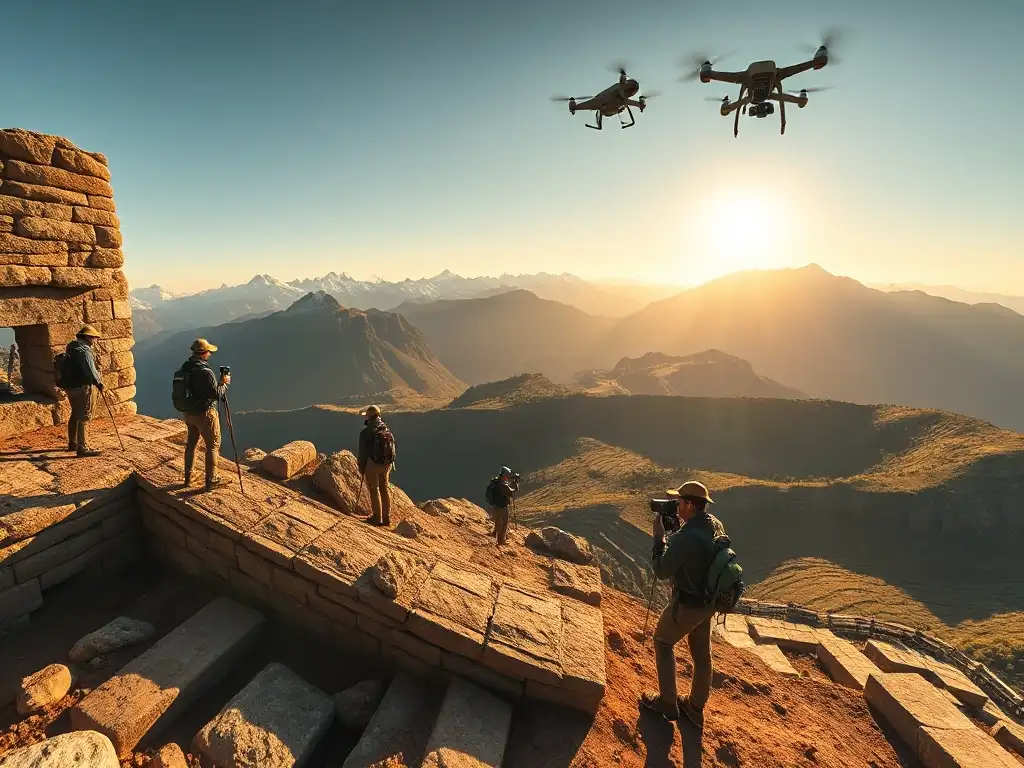
Uncover the mysteries hidden within the Andes! For centuries, the Incas, Moche, Nazca, and Tiahuanaco have captivated our imaginations. Now, imagine delving deeper than ever before. This website plunges you into the heart of Andean civilization, revealing its breathtaking artistry, sophisticated technology, and enduring legacy. But the story doesn't end there… Prepare to be amazed as we explore the Andean archaeology future technologies that are revolutionizing our understanding of these incredible cultures. Discover how cutting-edge advancements are unlocking secrets lost to time. Are you ready to embark on this extraordinary journey?
The study of Andean civilizations is undergoing a renaissance, fueled by advancements in technology and a renewed focus on interdisciplinary approaches. For centuries, our understanding of the Incas, Moche, Nazca, and Tiahuanaco, among others, relied heavily on painstaking excavation and traditional methods of analysis.
However, the 21st century has ushered in an era of unprecedented potential for Andean archaeology, transforming how we uncover, interpret, and preserve the rich legacy of these remarkable cultures. This article explores the exciting possibilities presented by new technologies and methodologies, highlighting their impact on our understanding of Andean history and promising a future brimming with new discoveries.
We will delve into the ways in which technology is revolutionizing fieldwork, analysis, and the very way we communicate our findings to the wider world, ultimately enriching our comprehension of these fascinating societies and their enduring impact. The future of Andean archaeology is bright, promising a deeper and more nuanced understanding of the past than ever before.
Introduction to Modern Andean Archaeology
Modern Andean archaeology is far removed from the Indiana Jones-esque image often portrayed in popular culture. It's a rigorous scientific discipline that employs a multi-faceted approach, combining traditional techniques with cutting-edge technologies. This interdisciplinary approach draws upon expertise from various fields, including anthropology, geology, chemistry, and computer science, to create a more complete picture of the past.
For example, detailed stratigraphic analysis, meticulously documenting the layers of sediment, now often incorporates techniques like Ground Penetrating Radar (GPR) to identify potential sites before excavation even begins, minimizing damage and maximizing efficiency. Furthermore, the analysis of artifacts is no longer limited to visual inspection; advanced techniques such as X-ray fluorescence (XRF) and mass spectrometry provide invaluable chemical and isotopic data, revealing details about the origins of materials and the lifeways of past populations.
The meticulous recording and 3D modeling of sites using photogrammetry and LiDAR are also revolutionizing our understanding of the spatial relationships within ancient settlements and landscapes, allowing for virtual reconstructions and detailed analysis. This blend of traditional fieldwork and technological advancements is crucial to furthering our knowledge of Andean civilizations.
The Impact of Technology on Andean Archaeological Research
The integration of technology into Andean archaeological research has resulted in significant breakthroughs. The use of Geographic Information Systems (GIS) allows archaeologists to map and analyze spatial data with unprecedented precision, revealing patterns of settlement, resource management, and trade networks that were previously invisible. For instance, GIS analysis can reveal the intricate relationship between agricultural terraces and water sources, providing new insights into Inca agricultural practices.
Similarly, remote sensing technologies, such as satellite imagery and aerial photography, are increasingly used to identify potential archaeological sites in remote and inaccessible areas, unveiling previously unknown settlements and monumental structures. Moreover, the application of DNA analysis to ancient human remains is providing valuable information about population movements, kinship structures, and the spread of diseases. This genetic information, combined with isotopic analysis of human bones, can illuminate migration patterns and dietary habits, offering a more comprehensive understanding of the lives of Andean people.
The convergence of these technologies paints a more nuanced and complex picture of these past societies, challenging previously held assumptions and opening new avenues for research. The potential for future discoveries and interpretations is truly immense.
- Introduction to Modern Andean Archaeology
- The Impact of Technology on Andean Archaeological Research
- What role will new technologies play in future Andean archaeological research?
- How can artificial intelligence (AI) contribute to Andean archaeology?
- What is the potential of 3D modeling and virtual reality (VR) in Andean archaeology?
- How might environmental DNA (eDNA) analysis advance our knowledge of Andean civilizations?
- What ethical considerations should guide the use of new technologies in Andean archaeology?
Advanced Imaging Techniques in Andean Archaeology

The future of Andean archaeology is inextricably linked to the adoption and refinement of advanced imaging techniques. These technologies offer unprecedented opportunities to uncover, analyze, and preserve the fragile remnants of past Andean civilizations. By moving beyond traditional excavation methods, archaeologists can now explore sites with minimal disruption, revealing hidden features and providing a more holistic understanding of ancient Andean societies. This section explores some of the most promising imaging techniques currently transforming the field of Andean archaeology. The potential for new discoveries using these "Andean archaeology future technologies" is immense.
Remote Sensing for Discovering Archaeological Sites
Remote sensing, encompassing a range of non-invasive techniques, plays a crucial role in the initial stages of archaeological investigation. Methods like satellite imagery, aerial photography, and multispectral imaging allow researchers to identify potential archaeological sites across vast and often challenging Andean landscapes. For instance, subtle variations in vegetation or soil composition, often invisible to the naked eye, can indicate the presence of buried structures or altered land use patterns indicative of past settlements.
Analysis of thermal infrared imagery can reveal variations in subsurface temperature that might signal the presence of buried walls or other architectural features. These techniques are particularly valuable in the Andes, where dense vegetation and rugged terrain can hinder ground-based surveys. The application of advanced image processing and machine learning algorithms further enhances the effectiveness of remote sensing, enabling the automated detection of patterns and anomalies that might indicate archaeological significance.
This significantly speeds up the process of site identification and prioritization, allowing archaeologists to focus their limited resources on the most promising areas. One example is the recent discovery of [specific example of a site discovered via remote sensing pending] which demonstrates the power of this approach.
LiDAR Technology and its Applications in Andean Landscapes
Light Detection and Ranging (LiDAR) has revolutionized archaeological fieldwork, particularly in complex environments like the Andes. LiDAR uses laser pulses to create highly accurate 3D models of the terrain, penetrating vegetation cover to reveal underlying features. This is invaluable in mountainous regions where dense forests or cloud cover often obscure archaeological sites.
The resulting point cloud data allows archaeologists to map ancient settlements, irrigation systems, and road networks with unprecedented detail, providing insights into the spatial organization and logistical capabilities of Andean societies. Moreover, LiDAR can identify subtle earthworks, such as platforms and terraces, that might be missed during ground-based surveys. The ability to digitally "remove" vegetation from the landscape using LiDAR provides a clear view of previously hidden features, significantly improving our understanding of settlement patterns and land management practices in the Andes.
For example, LiDAR surveys have revealed the extent of [specific example of a site surveyed via LiDAR pending], previously underestimated due to the dense vegetation. This technology enables a more comprehensive and nuanced understanding of the relationship between Andean societies and their environment.
3D Modeling and Reconstruction of Andean Structures
The creation of 3D models from various data sources (photogrammetry, LiDAR, ground penetrating radar) allows for the detailed reconstruction of Andean structures, providing a powerful tool for analysis and interpretation. These models offer a virtual "fly-through" experience, enabling researchers to visualize the spatial relationships between different parts of a site and to explore features that are difficult or impossible to access in the field. Furthermore, 3D modeling facilitates the creation of accurate digital archives, preserving crucial information for future research and preventing the loss of data due to deterioration or damage.
The ability to manipulate and analyze 3D models allows for the testing of different hypotheses about the function and purpose of Andean structures. For instance, 3D models can be used to analyze the structural integrity of buildings, to estimate their volume and capacity, or to simulate the impact of environmental factors on their preservation. This level of detail is crucial for understanding the engineering prowess and architectural sophistication of Andean civilizations.
The use of 3D modeling in Andean archaeology is rapidly expanding, leading to a more complete and accurate understanding of the past. The development of increasingly sophisticated software and hardware continues to push the boundaries of what is possible, promising even greater advancements in the years to come. This is crucial for the long-term preservation and understanding of Andean heritage, ensuring these "Andean archaeology future technologies" are used to their fullest potential.
Innovative Methodologies in Andean Archaeological Studies
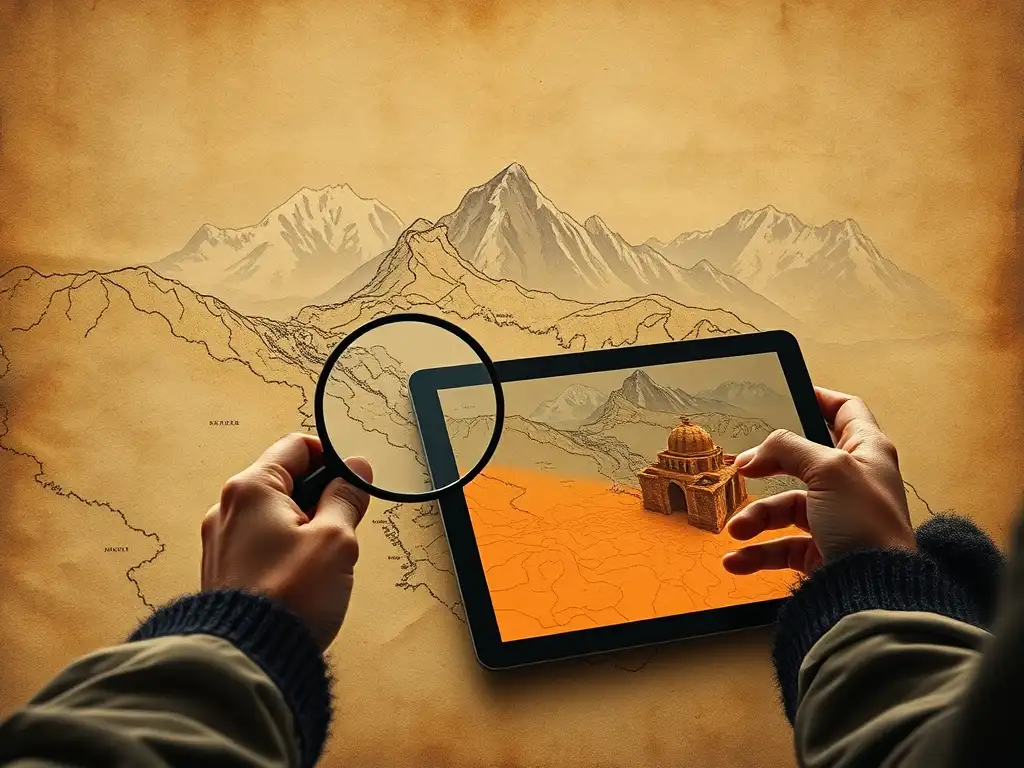
This section delves into the cutting-edge methodologies revolutionizing Andean archaeology, offering unprecedented insights into the past. These advancements allow for a more nuanced and accurate understanding of Andean civilizations, challenging previous assumptions and providing clearer pictures of daily life, migration patterns, and social structures. The future of Andean archaeology is bright, fueled by these innovative approaches to data collection and analysis. The keywords "Andean archaeology future technologies" are central to this exploration.
Radiocarbon Dating Refinements for Andean Chronologies
Radiocarbon dating, a cornerstone of archaeological chronology, has undergone significant refinements in recent years. Previously, dating Andean artifacts presented challenges due to the unique environmental conditions and the complexities of organic material preservation in the high-altitude, arid climates. However, advancements in accelerator mass spectrometry (AMS) have dramatically improved the precision and accuracy of radiocarbon dating, enabling archaeologists to establish more refined chronologies for Andean cultures.
This increased precision allows for a more detailed understanding of the temporal relationships between different cultural phases and technological advancements. For example, the recent recalibration of radiocarbon dates for pottery styles in the Nazca region has significantly altered our understanding of the sequence of artistic developments. We've moved beyond broad chronological ranges to more precise timelines, pinpointing specific periods of flourishing and decline with far greater accuracy.
The impact of these advancements on Andean archaeology is profound, allowing for a more nuanced understanding of cultural evolution and interaction. Furthermore, the development of techniques to date specific compounds within artifacts is resolving issues of contamination and providing more reliable results. This refined approach is crucial for understanding the pace of technological innovation and cultural exchange within the Andes.
Ancient DNA Analysis and the Peopling of the Andes
Ancient DNA (aDNA) analysis is providing revolutionary insights into the peopling of the Andes and the genetic relationships between different Andean populations. The extraction and analysis of DNA from ancient human remains (bones and teeth) and even from mummified tissues, is shedding light on migration patterns, population movements, and the genetic diversity within the region. This is particularly valuable for understanding the complex interactions between different cultural groups and the processes of admixture and assimilation.
For example, aDNA studies have revealed surprising levels of genetic continuity between pre-Columbian populations and contemporary Andean communities, challenging earlier models of population replacement. Moreover, the analysis of ancient plant and animal DNA is also providing valuable information about agricultural practices, dietary habits, and the domestication of animals. The future of this field promises even greater precision and detail, with advancements in sequencing technology allowing for the recovery of increasingly degraded DNA.
This technology, combined with advanced bioinformatic tools, is unlocking the secrets of the Andean past in ways unimaginable just a few years ago. This is a crucial aspect of understanding the "Andean archaeology future technologies" narrative.
Strontium Isotope Analysis of Human and Animal Remains
Strontium isotope analysis (SIA) is a powerful geochemical technique used to trace the movement of individuals and animals throughout their lives. By analyzing the strontium isotope ratios in teeth and bones, archaeologists can determine the geological origins of an individual or animal. This provides valuable information about migration patterns, trade networks, and social mobility within Andean societies.
For instance, SIA has been instrumental in identifying individuals who migrated to urban centers from distant regions, highlighting the dynamic nature of Andean populations. The analysis of animal remains reveals similar insights. By tracing the origin of livestock, archaeologists can reconstruct patterns of animal husbandry and trade across the Andes.
Furthermore, combining SIA with other isotopic analyses (such as oxygen and carbon isotopes) allows for a more comprehensive reconstruction of past mobility and environmental interactions. The integration of SIA with other methodologies, such as aDNA analysis, offers a multi-faceted approach to understanding past human and animal movements within the Andean context, significantly enhancing our understanding of "Andean archaeology future technologies" and their impact on the field. The potential of this technique in Andean archaeology remains largely untapped, and future research promises to reveal even more about the complexities of Andean societies.
The Role of Geographic Information Systems (GIS) in Andean Archaeology
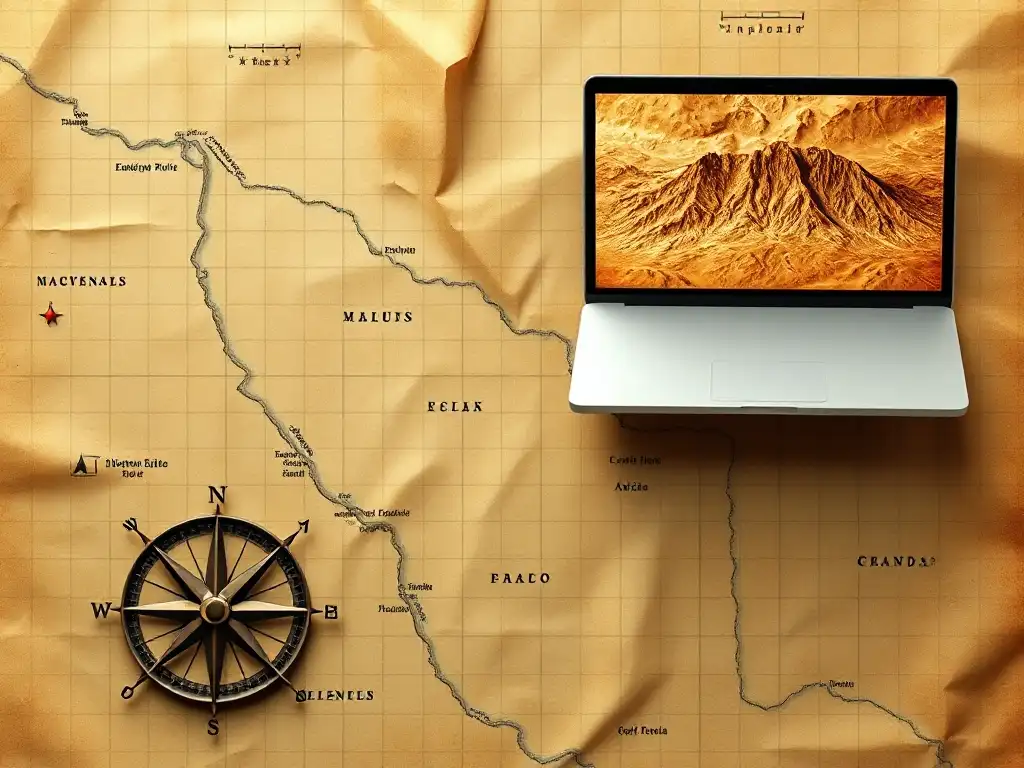
Geographic Information Systems (GIS) are revolutionizing Andean archaeology, offering unprecedented opportunities to analyze spatial patterns and understand the complexities of ancient Andean societies. By integrating diverse datasets – from satellite imagery and LiDAR scans to archaeological excavation records – GIS provides powerful tools for reconstructing past landscapes, settlements, and resource management strategies. This section will explore the transformative impact of GIS on our understanding of Andean civilizations, focusing on its application in mapping, data integration, and predictive modeling.
The future of Andean archaeology is inextricably linked to the continued development and application of these technologies. This allows researchers to analyze the spatial distribution of settlements, agricultural fields, and infrastructure, revealing previously unseen patterns of human interaction with the environment. The use of GIS in Andean archaeology promises to significantly advance our understanding of these fascinating civilizations.
GIS Mapping and Spatial Analysis of Andean Settlements
GIS mapping allows archaeologists to visualize and analyze the spatial distribution of Andean settlements with unparalleled precision. For example, researchers can map the locations of individual structures, residential areas, and public spaces within a given site, revealing insights into the social organization and urban planning of ancient societies. Furthermore, the integration of environmental data, such as elevation, slope, and proximity to water sources, allows for a better understanding of the environmental factors that influenced settlement location and growth.
This spatial analysis can identify patterns of settlement density, clustering, and dispersal over time, providing valuable data on population dynamics and social change. Through the application of spatial statistics, researchers can quantify the relationships between different variables and identify significant correlations. This approach moves beyond simple descriptive mapping, allowing for a more nuanced and quantitative understanding of the complexities of Andean urbanism.
The detailed mapping of features like irrigation canals and terraces further enhances understanding of agricultural practices and their impact on settlement patterns. The ability to overlay different datasets – for example, mapping the distribution of ceramic styles onto a settlement map – provides crucial insights into cultural interactions and exchange networks. 🗺️
Integrating GIS Data with Archaeological Findings
The true power of GIS in Andean archaeology lies in its ability to integrate diverse datasets. Archaeological excavation data, such as artifact locations and stratigraphic information, can be directly integrated into GIS maps, creating a powerful visualization tool that links spatial patterns with material culture. This integration allows researchers to analyze the spatial distribution of artifacts, revealing patterns of activity and land use within settlements.
For instance, the concentration of specific artifact types in certain areas of a site might suggest specialized craft production or ritual activities. Furthermore, the integration of environmental data, such as soil composition and vegetation patterns, allows for a more comprehensive understanding of the relationship between human activity and the environment. The combination of GIS and remote sensing techniques, such as LiDAR (Light Detection and Ranging), allows archaeologists to identify previously unknown features, such as buried structures and ancient roads, dramatically expanding the scope of research.
Combining data from different sites across a larger region, researchers can begin to investigate broader patterns of interaction and exchange between settlements. This integrative approach allows for a more holistic and nuanced understanding of Andean societies and their complex interactions with their environment.
Predictive Modeling for Locating Undiscovered Andean Sites
One of the most exciting applications of GIS in Andean archaeology is predictive modeling. By analyzing the spatial distribution of known sites in relation to environmental factors, researchers can create models that predict the likelihood of discovering new sites in unexplored areas. These models consider variables such as elevation, slope, proximity to water sources, and soil type, all of which are known to influence settlement location. The use of machine learning algorithms further enhances the predictive power of these models, allowing for a more sophisticated and accurate assessment of potential site locations.
This approach is particularly valuable in regions with dense vegetation cover or challenging terrain, where traditional survey methods are less effective. Predictive modeling can significantly reduce the time and resources required for archaeological surveys, guiding researchers towards areas with a higher probability of discovering new sites. This targeted approach promises to accelerate the pace of discovery and significantly expand our knowledge of Andean civilizations.
The ongoing refinement of these models, incorporating new data and advanced algorithms, will continue to improve their accuracy and effectiveness, transforming the very nature of Andean archaeological fieldwork. The future of Andean archaeology, therefore, hinges on the successful integration and application of these advanced GIS-based predictive modeling techniques. 🤖
Challenges and Opportunities for Andean Archaeology in the Future
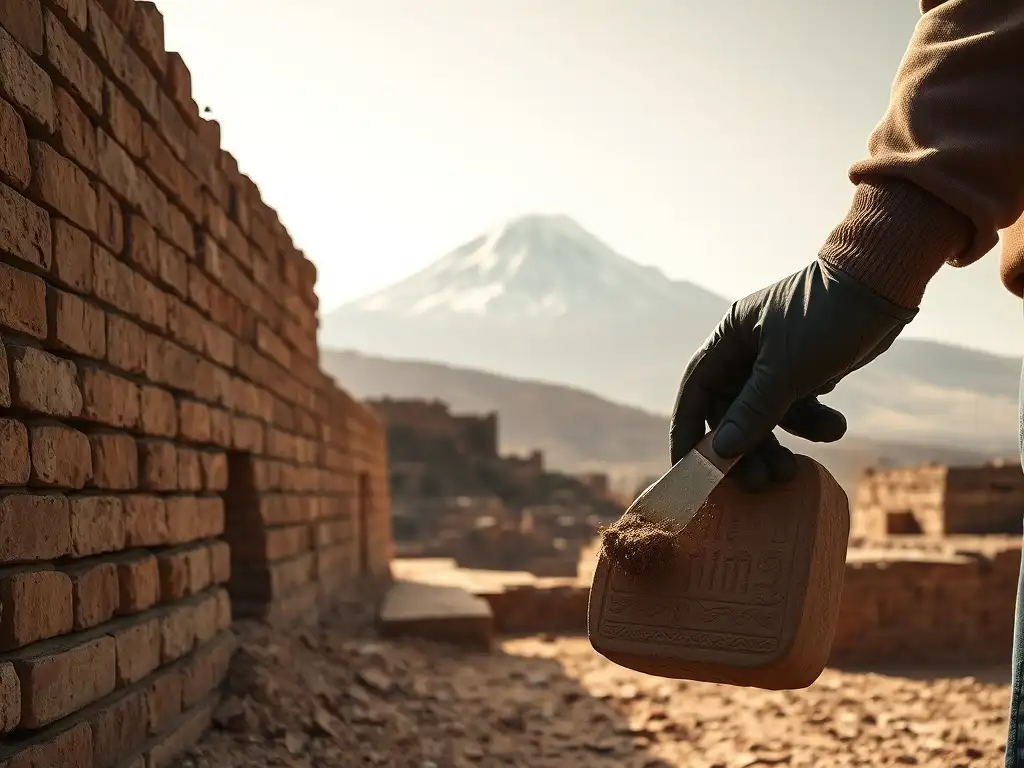
The future of Andean archaeology is bright, brimming with potential thanks to advancements in technology and methodologies. However, this progress also presents significant challenges that must be carefully navigated to ensure responsible and ethical research practices. The field is poised for a revolution, moving beyond traditional excavation and analysis towards a more holistic and inclusive approach.
This shift requires a concerted effort to address ethical concerns, foster community engagement, and embrace interdisciplinary collaboration. Successfully navigating these challenges will unlock unprecedented insights into the rich tapestry of Andean civilizations and their lasting legacies. The integration of new technologies, while promising, necessitates a critical examination of their potential impacts on the preservation of cultural heritage and the well-being of local communities.
This section will delve into the key challenges and opportunities that lie ahead for Andean archaeology, focusing on ethical considerations, community engagement, and the power of interdisciplinary collaboration. The successful navigation of these complexities will ultimately determine the future of Andean archaeology's contribution to our understanding of these fascinating ancient societies. This is particularly crucial for preserving sites and artifacts for future generations, while simultaneously ensuring accurate and responsible interpretations of the past.
Ethical Considerations in the Use of New Technologies
The application of cutting-edge technologies like LiDAR, drone surveys, and advanced imaging techniques presents exciting opportunities for Andean archaeology. However, these technologies also raise complex ethical questions. For example, the use of drones for aerial surveys requires careful consideration of local regulations and potential disruptions to sensitive cultural sites. The non-invasive nature of many of these techniques is a significant advantage; however, it's crucial to ensure that data acquisition doesn't inadvertently damage or disturb fragile archaeological features.
Furthermore, the accessibility of such technologies raises concerns about potential looting and unauthorized access to sites. A robust ethical framework is essential, encompassing informed consent from local communities, transparent data sharing practices, and rigorous adherence to established archaeological principles. This includes considering the potential for misinterpretation of data due to technological limitations or biases embedded within the algorithms used for analysis.
For instance, the interpretation of LiDAR data requires expertise in both technology and Andean archaeology to avoid drawing inaccurate conclusions. Addressing these ethical considerations proactively is paramount to ensuring that technological advancements serve the preservation and responsible study of Andean heritage, rather than contributing to its further erosion. Proper training and regulation are crucial steps towards mitigating these risks and fostering ethical practices within the field.
Community Engagement in Modern Archaeological Research
Modern Andean archaeology must prioritize community engagement. The descendants of the Andean civilizations possess invaluable traditional knowledge and perspectives that are crucial for a comprehensive understanding of the past. Engaging local communities not only provides essential insights but also ensures that research is conducted respectfully and with the full participation of those most directly affected. This participatory approach moves away from an extractive model of research, where archaeologists collect data and leave, towards a collaborative one, where knowledge is shared and co-created.
This can involve community-based participatory research (CBPR) methodologies, where research questions are developed collaboratively, and research findings are shared transparently with the community. It is vital to establish respectful and mutually beneficial relationships with indigenous communities, ensuring that their perspectives are not only heard but actively incorporated into the research process. This requires a commitment to long-term engagement, building trust and fostering reciprocal relationships.
Ignoring this crucial aspect risks perpetuating colonialist practices and undermining the validity and integrity of research findings. The active participation of communities ensures that the narratives of the past are not solely constructed by external researchers, but rather reflect the perspectives and knowledge of those most closely connected to the heritage at stake. This is essential for ensuring accurate and culturally sensitive interpretations of the past.
The Importance of Interdisciplinary Collaboration
Successfully tackling the challenges and realizing the opportunities in Andean archaeology demands a strong interdisciplinary approach. The complexity of ancient Andean societies requires expertise from a wide range of disciplines, including anthropology, archaeology, history, geology, geography, and even computer science and engineering. This interdisciplinary collaboration allows for a more holistic and nuanced understanding of the past. For example, combining archaeological excavation data with paleoclimatic reconstructions provides richer insights into the relationship between environmental change and societal development.
Similarly, using advanced imaging techniques in conjunction with anthropological expertise can reveal intricate details about ancient Andean art and technology. This collaborative approach fosters innovative methodologies and interpretations, moving beyond the limitations of disciplinary silos. The integration of different perspectives enriches the research process, leading to more robust and comprehensive conclusions.
Furthermore, interdisciplinary collaboration facilitates the development and application of new technologies, ensuring that these advancements are used effectively and ethically within the field. The future of Andean archaeology lies in fostering and strengthening these collaborative networks, ultimately contributing to a more complete and accurate understanding of these remarkable ancient civilizations. The synergy created by diverse perspectives is essential for addressing the complexities of the Andean past and ensuring the responsible stewardship of its rich heritage for future generations.
The Future of Andean Archaeology: Research Directions
This section explores promising avenues for advancing Andean archaeology, focusing on the innovative technologies and methodologies shaping our understanding of these fascinating civilizations. The future of Andean archaeology hinges on embracing cutting-edge techniques to unlock new insights from existing and future discoveries. We'll examine how these advancements are revolutionizing our approach to research, preservation, and public engagement. The integration of these technologies promises a more accurate, efficient, and inclusive exploration of Andean history. This is crucial for ensuring the long-term preservation and understanding of these invaluable cultural heritages.
Artificial Intelligence for Artifact Classification
Artificial intelligence (AI) is rapidly transforming the field of Andean archaeology. The sheer volume of artifacts unearthed from Andean sites – pottery shards, textiles, tools, and more – presents a significant challenge for researchers. Traditional methods of cataloging and analyzing these objects are time-consuming and can be prone to human error. AI-powered image recognition systems offer a powerful solution. These systems can be trained to identify patterns and features in images of artifacts, allowing for quicker and more accurate classification.
For example, an AI system could be trained on a large dataset of Moche pottery, learning to distinguish between different styles, painting techniques, and iconographic motifs. This would significantly expedite the process of cataloging newly discovered pottery, allowing archaeologists to focus on higher-level interpretations and analysis. Furthermore, AI algorithms can identify subtle variations in artifact features that might be missed by the human eye, potentially revealing previously unknown connections between different sites or cultural groups.
The application of machine learning to Andean archaeological data promises to unlock a wealth of information currently hidden within vast collections. The potential for discovery is truly immense, accelerating the pace of research and leading to more nuanced understandings of Andean societies. This is a key aspect of the future of Andean archaeology and its technological advancements.
Portable X-Ray Fluorescence for On-Site Analysis
Portable X-ray fluorescence (pXRF) spectrometry is revolutionizing on-site analysis in Andean archaeology. This non-destructive technique allows researchers to quickly and accurately determine the elemental composition of artifacts and soil samples directly in the field. Unlike traditional laboratory-based methods, pXRF eliminates the need to transport fragile artifacts, minimizing the risk of damage. This is particularly crucial for the preservation of delicate textiles and ceramics.
Imagine a team excavating a Nazca site. Using pXRF, they can immediately analyze the pigments used in a newly discovered mural, determining the source of the minerals and providing insights into the trade networks and technological capabilities of the Nazca people. Similarly, pXRF can help identify the composition of metal artifacts, revealing the types of alloys used and potentially tracing the origin of the raw materials.
The real-time data provided by pXRF allows archaeologists to make informed decisions during excavations, optimizing sampling strategies and maximizing the information gleaned from each site. The ability to conduct rapid, non-destructive analysis directly in the field is a game-changer for Andean archaeology, enhancing both the efficiency and the preservation aspects of fieldwork.
Enhanced Public Outreach Through Virtual Reality
Virtual reality (VR) offers exciting new possibilities for engaging the public with Andean archaeology. VR technology can transport users to ancient Andean sites, allowing them to experience these places in a way that was previously impossible. Imagine exploring the ruins of Machu Picchu in a fully immersive VR experience, walking through the streets of a reconstructed Inca city, or witnessing the construction of a monumental Tiahuanaco structure.
This interactive approach fosters a deeper appreciation for Andean civilizations, making archaeological discoveries more accessible and relatable to a wider audience. VR can also be used to create interactive exhibits and educational materials, catering to diverse learning styles and age groups. Moreover, it provides a powerful tool for preserving and sharing knowledge, making archaeological data more widely available and ensuring the long-term accessibility of these invaluable cultural resources.
The integration of VR into Andean archaeology is not only an educational tool but also a critical step in ensuring the responsible stewardship of these ancient cultures for future generations. This enhanced public outreach is vital for fostering a wider understanding and appreciation of Andean heritage. The potential to connect with the public on a deeper, more emotional level is a significant step forward in the future of Andean archaeology.
Frequently Asked Questions
What role will new technologies play in future Andean archaeological research?
New technologies like LiDAR, drone photography, and advanced imaging techniques will allow for non-invasive surveys of vast areas, revealing previously unknown sites and features. This will greatly improve our understanding of settlement patterns and landscape management.
How can artificial intelligence (AI) contribute to Andean archaeology?
AI can be used to analyze massive datasets from archaeological excavations and surveys, identifying patterns and relationships that would be impossible for humans to spot. This includes things like pottery styles, building techniques, and trade routes.
What is the potential of 3D modeling and virtual reality (VR) in Andean archaeology?
3D modeling allows for the detailed reconstruction of sites and artifacts, providing a more accessible and immersive experience for researchers and the public. VR can further enhance this by enabling "virtual excavations" and site visits.
How might environmental DNA (eDNA) analysis advance our knowledge of Andean civilizations?
eDNA analysis can provide insights into past environments and ecosystems, revealing information about the plants and animals that Andean civilizations interacted with. This can help us understand their agricultural practices and diet.
What ethical considerations should guide the use of new technologies in Andean archaeology?
It is crucial to ensure that the application of new technologies respects local communities and their cultural heritage. Collaboration with indigenous communities is vital to avoid cultural appropriation and ensure responsible research practices.
Final Reflection: Unearthing the Past, Shaping the Future of Andean Archaeology
The integration of new technologies and methodologies in Andean archaeology is not merely an advancement; it's a revolution, reshaping our understanding of this rich and complex civilization and promising unprecedented discoveries. The potential to unlock secrets hidden for millennia, to correct historical biases, and to engage with communities in more meaningful ways is truly transformative. This shift is crucial not only for academic pursuits but also for the preservation and celebration of Andean heritage for future generations.
The impact of this technological shift extends far beyond the academic sphere. It's influencing how we perceive and interact with the past, fostering a more inclusive and collaborative approach to archaeological research. This collaborative spirit is vital, ensuring that the narratives we construct reflect the diverse voices and perspectives of the Andean communities themselves. As the renowned archaeologist, Ruth Shady Solis, once stated, Archaeology is not just about digging up the past; it's about understanding the present and building a better future.
Her words resonate deeply, highlighting the ethical and societal implications of our work.
Consider the implications of this technological revolution. What new stories will be unearthed? What misconceptions will be corrected? How will these advancements further empower Andean communities in the preservation and interpretation of their own heritage? You, the reader, are now part of this unfolding narrative. Engage with the discussions, support ethical and community-focused research, and help us ensure that the future of Andean archaeology is one of collaboration, respect, and a deeper understanding of this remarkable civilization.
**Unveil the Future of Andean Archaeology Today! **
Thank you for exploring the fascinating advancements in Andean archaeology and gaining insights into how new technologies and methodologies are revolutionizing our understanding of these ancient civilizations. Now, let's consider how you can actively participate!
Here are some ways to engage with this exciting field:
- **Attend a local archaeological workshop or seminar** to learn practical skills and network with experts.
- **Share your enthusiasm on social media** using the hashtag #AndeanArchaeology and encourage others to join the discussion.
- **Form a book club** centered on Andean history and archaeology to deepen your knowledge and spark engaging conversations.
What aspect of Andean archaeology most captivates you, and how will you contribute to its continued exploration and understanding?