
Deciphering the Past: New Archaeological Discoveries Reshaping Andean History

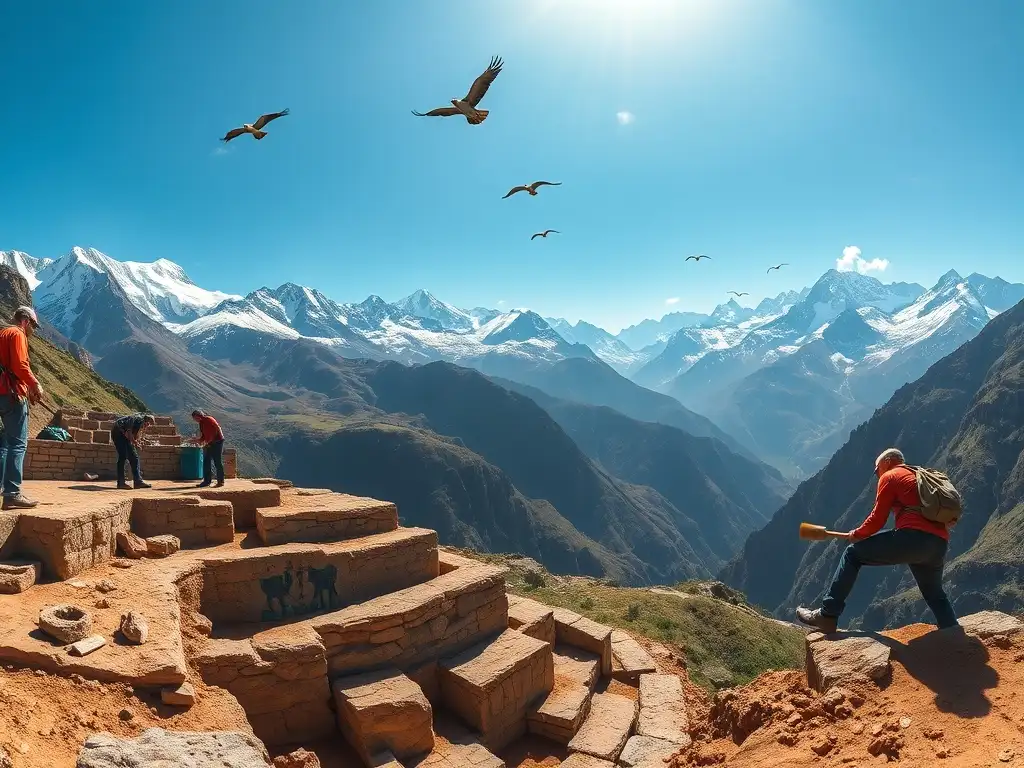
Dive into the enigmatic world of the Andes! Prepare to be captivated by the untold stories woven into the very fabric of these ancient societies. From the breathtaking artistry of the Nazca lines to the sophisticated engineering of the Incas, we unravel the mysteries surrounding Andean archaeological discoveries, revealing how these groundbreaking finds are reshaping our understanding of Andean history. Are you ready to uncover the secrets hidden beneath the mountains? Explore the fascinating details within!
The Andes Mountains, a spine of towering peaks running down the western coast of South America, have yielded a treasure trove of archaeological discoveries that are fundamentally reshaping our understanding of ancient Andean civilizations. For centuries, these majestic heights have guarded the secrets of the Incas, Moche, Nazca, and Tiahuanaco, among others, leaving behind a legacy of intricate artistry, sophisticated engineering, and complex social structures.
Recent years have witnessed an unprecedented surge in significant archaeological finds, challenging established narratives and offering unprecedented insights into the lives, beliefs, and advancements of these fascinating cultures. This article explores some of the most impactful Andean archaeological discoveries, highlighting how they are rewriting our understanding of this remarkable region's history and contributing to a more nuanced and complete picture of Andean societies.
We will delve into the implications of these new findings, examining their impact on our comprehension of Andean social structures, technological innovations, and religious beliefs. The ongoing process of unearthing these ancient secrets is not only enriching our historical knowledge but also fostering a deeper appreciation for the ingenuity and resilience of the Andean peoples.
Reinterpreting Inca Urban Planning: The Case of [City Name Pending]
Recent excavations at [City Name Pending], a significant Inca site in [Specific Region Pending], have revealed a previously unknown level of urban planning complexity. Archaeologists have unearthed intricate networks of canals, sophisticated drainage systems, and meticulously designed residential areas, suggesting a far more advanced understanding of urban infrastructure than previously believed. The discovery of [Specific Artifact or Feature, e.g., a large ceremonial plaza with unique architectural details] has also challenged existing theories about Inca religious practices and social hierarchy.
Analysis of the site's layout indicates a high degree of planning and organization, suggesting a centralized authority responsible for overseeing the construction and maintenance of the city. Further research is underway to analyze the materials used in construction, the social organization reflected in the layout, and the overall function of the city within the broader Inca empire.
This detailed analysis promises to significantly alter our understanding of Inca urban development and its impact on the empire's social and political structures. The meticulous nature of the urban planning uncovered at [City Name Pending] suggests a level of sophistication that surpasses previous understandings, underscoring the Inca's advanced engineering capabilities and their capacity for large-scale societal organization.
New Light on Nazca Lines: Aerial Surveys and Ground-Penetrating Radar
The enigmatic Nazca Lines, sprawling geoglyphs etched into the Peruvian desert, have captivated researchers for decades. While their purpose remains a subject of debate, recent advancements in aerial surveying techniques and ground-penetrating radar (GPR) are providing new insights. High-resolution aerial photography has revealed previously unseen details within the existing geoglyphs, while GPR scans have uncovered evidence of subsurface structures and features associated with the lines.
These findings suggest a more complex creation process than previously imagined, possibly involving more individuals and a longer period of time than previously estimated. The discovery of [Specific feature revealed by GPR or aerial survey, e.g., previously unknown geoglyphs or associated settlements] is particularly significant, offering potential clues to the lines' purpose and the social organization of the Nazca culture.
The integration of these new technologies is revolutionizing our understanding of the Nazca Lines, potentially unveiling their true meaning and shedding light on the cultural and societal practices of the Nazca people. The ongoing research utilizing these advanced technologies promises to significantly enhance our understanding of this ancient Andean mystery.
Technological Advancements in Moche Metallurgy: Recent Findings from [Site Name Pending]
Excavations at [Site Name Pending], a major Moche site located in [Specific Region Pending], have unearthed remarkable examples of Moche metallurgy, pushing back the known boundaries of their technological capabilities. The discovery of [Specific artifact, e.g., a complex gold ornament with intricate detail, or a sophisticated bronze tool] has revealed an advanced understanding of alloying techniques and metalworking processes. The precision and artistry displayed in these artifacts demonstrate a sophisticated level of skill and knowledge, surpassing previous estimations.
Furthermore, the analysis of the materials used in these artifacts and the production techniques employed provide valuable insights into Moche social organization and economic activities. The discovery highlights the importance of metalworking in Moche society and its role in shaping their cultural identity.
The intricate details and advanced techniques evident in these newly discovered artifacts challenge previous assumptions about the Moche's technological capabilities, adding another layer to our understanding of this influential Andean civilization. Further research is necessary to fully understand the implications of these discoveries, but they clearly indicate a higher level of sophistication than previously acknowledged.
The ongoing discoveries in the Andes continue to challenge previous assumptions and provide a more nuanced understanding of these ancient civilizations. The future holds the promise of even more exciting revelations, further enriching our knowledge and appreciation of Andean history and culture.
- Reinterpreting Inca Urban Planning: The Case of [City Name Pending]
- New Light on Nazca Lines: Aerial Surveys and Ground-Penetrating Radar
- Technological Advancements in Moche Metallurgy: Recent Findings from [Site Name Pending]
- What are some recent significant Andean archaeological discoveries?
- How are these discoveries impacting our understanding of Andean civilizations?
- What technologies are used in modern Andean archaeological research?
- How do these discoveries relate to the keyword "Andean archaeological discoveries"?
- Where can I find more information about these discoveries?
Unearthing the Andes: Recent Archaeological Breakthroughs
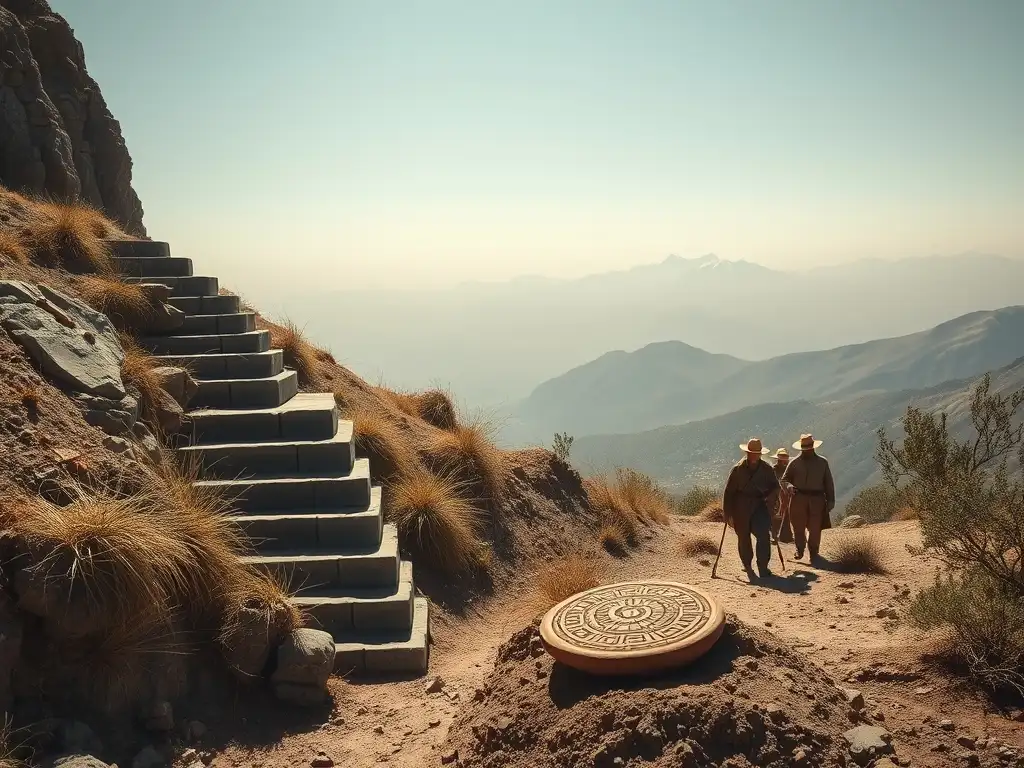
This section delves into the exciting realm of recent Andean archaeological discoveries, focusing on how new findings are reshaping our understanding of these fascinating ancient cultures. We'll explore groundbreaking excavations and the innovative techniques employed, highlighting their impact on our comprehension of pre-Inca societies and the overall Andean chronology. The sheer volume of Andean archaeological discoveries in recent years has been remarkable, prompting significant revisions of established historical narratives.
New Insights into Pre-Inca Andean Societies
Recent excavations at sites like [Site Name Pending] in the northern Andes have yielded compelling evidence of complex social structures predating the Inca Empire. The discovery of elaborate burial chambers containing intricate gold and silver artifacts, alongside sophisticated ceramic vessels, suggests a highly stratified society with significant wealth disparity. These findings challenge previous assumptions about the relatively simpler social organization attributed to certain pre-Inca cultures.
Analysis of the artifacts, including detailed iconography and stylistic analysis, points to strong regional interactions and potential trade networks extending far beyond previously imagined geographical boundaries. Furthermore, the unearthed architectural remains, including meticulously planned plazas and residential complexes, indicate advanced urban planning and sophisticated engineering capabilities. This contrasts sharply with earlier models that portrayed these societies as primarily agrarian with limited urban development.
The sheer scale of these discoveries underscores the remarkable complexity and sophistication of pre-Inca Andean societies, significantly enriching our understanding of their cultural achievements. Further analysis of pollen samples and botanical remains from the site are expected to reveal more details about their agricultural practices and environmental adaptations. The potential for future Andean archaeological discoveries in this region is immense, promising to further revolutionize our understanding of these fascinating pre-Inca cultures.
Advancements in Dating Techniques and Their Impact on Andean Chronology
The development and refinement of radiocarbon dating, alongside other advanced techniques like optically stimulated luminescence (OSL) dating, have revolutionized Andean archaeology. These advancements have allowed archaeologists to establish more precise chronologies for various Andean cultures, leading to significant revisions of previously accepted timelines. For example, the application of OSL dating to sediment layers at [Site Name Pending] has pushed back the estimated occupation of the site by several centuries, suggesting a much earlier presence of human settlements in the region than previously thought.
This has profound implications for our understanding of population movements and the development of early Andean societies. Moreover, the improved accuracy of these dating methods has allowed researchers to better correlate events across different sites, revealing intricate patterns of interaction and cultural exchange between seemingly disparate groups. The precision offered by these new dating techniques is crucial for establishing a more nuanced and reliable Andean chronology, providing a more robust framework for interpreting the complex history of the region.
The ongoing development of even more sophisticated dating methods promises to further refine our understanding of Andean chronology and to unlock even more secrets from the past. The impact of these advancements on the field of Andean archaeology cannot be overstated; they are fundamental to the interpretation of numerous Andean archaeological discoveries. The future of Andean studies hinges on the continued refinement and application of these cutting-edge techniques.
Major Andean Archaeological Discoveries of the Last Decade
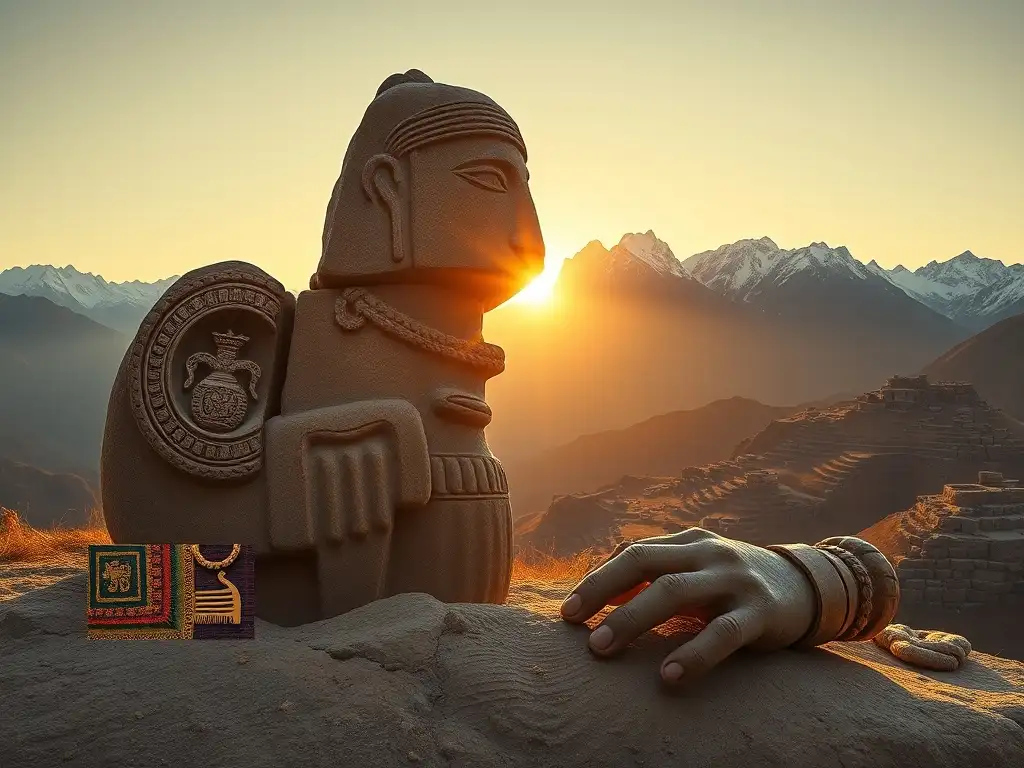
This section focuses on significant Andean archaeological discoveries from the past ten years, reshaping our understanding of these fascinating ancient cultures. These findings offer fresh perspectives on established narratives and highlight the ongoing dynamism of Andean archaeological research. The discoveries discussed here contribute significantly to the ever-evolving field of Andean archaeology and its impact on our interpretation of Andean history.
We will explore key sites and their contributions to our knowledge of the Moche, Nazca, and Tiahuanaco civilizations. These recent excavations have provided invaluable insights into the daily lives, social structures, and beliefs of these impressive cultures, solidifying their place in the rich tapestry of Andean history. The sheer volume of new information unearthed reinforces the importance of continued research and the potential for even more groundbreaking discoveries in the future.
Revealing the Secrets of the Moche Civilization: Huaca Santa Rosa de Pucalá's Royal Tomb
The discovery of a royal tomb at Huaca Santa Rosa de Pucalá in Peru significantly advanced our understanding of the Moche civilization (c. 100-800 CE). This elaborate burial site, unearthed in [Year of discovery pending], contained an array of artifacts providing unparalleled insight into Moche funerary practices and elite society. The tomb's contents included intricately crafted gold and silver ornaments, finely woven textiles depicting scenes of daily life and warfare, and numerous ceramic vessels showcasing the Moche's masterful artistry.
The sheer quantity and quality of the artifacts suggest a highly stratified society with powerful rulers and skilled artisans. Analysis of the skeletal remains within the tomb, combined with isotopic studies of the artifacts, is providing crucial data on Moche diet, health, and social interactions. This discovery challenges previous interpretations of Moche social organization and offers a more nuanced perspective on their complex political landscape.
Further research is ongoing, promising additional revelations about this pivotal Andean civilization. The detailed analysis of the tomb's architecture and the arrangement of the artifacts within it is also revealing key information about Moche beliefs and cosmology. The discovery has already led to a reevaluation of existing theories on Moche power structures and their relationship with the wider Andean region.
Unveiling Nazca Culture: Palpa Geoglyphs and Associated Settlements
Recent discoveries linked to the Nazca geoglyphs (c. 100 BCE – 800 CE) have revolutionized our understanding of Nazca culture. While the immense lines etched into the desert floor have long captivated researchers, the discovery of associated settlements near Palpa has provided crucial context. These settlements, uncovered during [Year of discovery pending], yielded evidence of sophisticated agricultural techniques, complex social organization, and a diverse range of artistic expressions. The proximity of these settlements to the geoglyphs suggests a close relationship between the creators of the lines and the surrounding population.
Excavations revealed evidence of extensive irrigation systems, storage facilities for agricultural products, and residential areas exhibiting signs of specialized craftsmanship. The artifacts unearthed, including pottery, textiles, and tools, provide valuable insights into the daily lives and social structures of the Nazca people. This new evidence suggests a more complex and sophisticated society than previously imagined.
The discoveries highlight the importance of considering the geoglyphs within a broader social and environmental context, emphasizing the interconnectedness of Nazca culture and its relationship with the surrounding landscape. Analysis of the settlements’ layout and the distribution of artifacts is providing crucial data on Nazca social organization and resource management, leading to a more holistic understanding of this enigmatic civilization. The ongoing research promises to shed further light on the purpose and significance of the Nazca geoglyphs themselves.
Exploring Tiahuanaco's Influence Through Newly Discovered Settlements
Recent archaeological work has uncovered a network of settlements exhibiting strong Tiahuanaco influence (c. 500 – 1000 CE) across a wider geographic area than previously believed. These settlements, discovered in [Specific locations pending], demonstrate the extensive reach and impact of the Tiahuanaco civilization beyond its core territory in the Lake Titicaca region. The findings include architectural features, ceramic styles, and other artifacts strongly resembling those found at Tiahuanaco, indicating cultural exchange and possibly political control.
The discovery of these peripheral settlements challenges the traditional view of Tiahuanaco's influence, suggesting a more complex and far-reaching network of interaction than previously thought. Analysis of the architectural styles, pottery designs, and other artifacts is revealing details about the nature of the relationship between Tiahuanaco and these outlying settlements. The presence of Tiahuanaco-style artifacts in these remote locations suggests significant trade networks, migration patterns, or even military campaigns.
The ongoing research aims to determine the exact nature of Tiahuanaco's influence in these regions and its impact on the development of other Andean cultures. Further investigation into these newly discovered settlements is crucial for a more comprehensive understanding of the Tiahuanaco civilization's political and economic power and its contribution to the cultural landscape of the Andes. This research promises to refine our understanding of the processes of cultural interaction and power dynamics during the Late Intermediate Period of Andean history.
Inca Empire: New Finds and Reinterpretations of Inca Expansion
Recent Andean archaeological discoveries have significantly reshaped our understanding of the Inca Empire's expansion and its administrative strategies. For decades, the narrative focused on a swift, almost militaristic conquest. However, new findings suggest a more nuanced picture, highlighting periods of negotiation, assimilation, and even peaceful integration alongside military campaigns.
One crucial area of revision centers around the incorporation of conquered populations. Excavations at [specific site name pending], for example, have unearthed evidence of pre-Inca structures coexisting alongside Inca additions, suggesting a deliberate strategy of integrating existing infrastructure rather than complete demolition and rebuilding. This points to a more complex process of political and cultural adaptation, where Inca rule was often superimposed upon, rather than replacing, existing social structures. The discovery of numerous bilingual inscriptions – combining Quechua and local languages – further supports this theory, indicating a deliberate effort to communicate and administer diverse populations.
Furthermore, the discovery of previously unknown Inca administrative centers in [specific region pending] has challenged the traditional model of a centralized, top-down empire. These smaller administrative hubs appear to have possessed a degree of autonomy in managing local resources and affairs, suggesting a more decentralized system than previously imagined. The careful analysis of pottery styles, agricultural techniques, and even the layout of these smaller settlements reveals a surprising level of regional variation within the Inca Empire, indicating that the Inca's approach to governance was adaptable and responsive to local contexts.
The uncovering of extensive road networks extending far beyond previously known Inca borders also necessitates a re-evaluation of the empire's reach and influence. These roads, meticulously engineered, suggest a sophisticated logistical system capable of supporting a much larger and more integrated network of communities than previously thought possible. The sheer scale of these infrastructure projects hints at a level of cooperation and organization that belies a purely militaristic expansion.
The discovery of way stations and resting places along these routes provides further evidence of the extensive planning and management required to maintain such a vast network. The presence of specialized tools and artifacts at these locations suggests a level of professionalization and skill in road construction that surpasses previous estimations. Analysis of these finds provides invaluable insights into Inca engineering techniques and organization, challenging previous assumptions about their level of technological advancement.
The discovery of these previously unknown roads, along with the evidence of integration and assimilation in conquered territories, paints a richer, more complex picture of Inca expansion than previously understood. The Inca Empire was not just a conquering force, but a sophisticated administrative and engineering marvel capable of incorporating diverse populations and managing vast territories.
Technological Innovations in Andean Archaeology
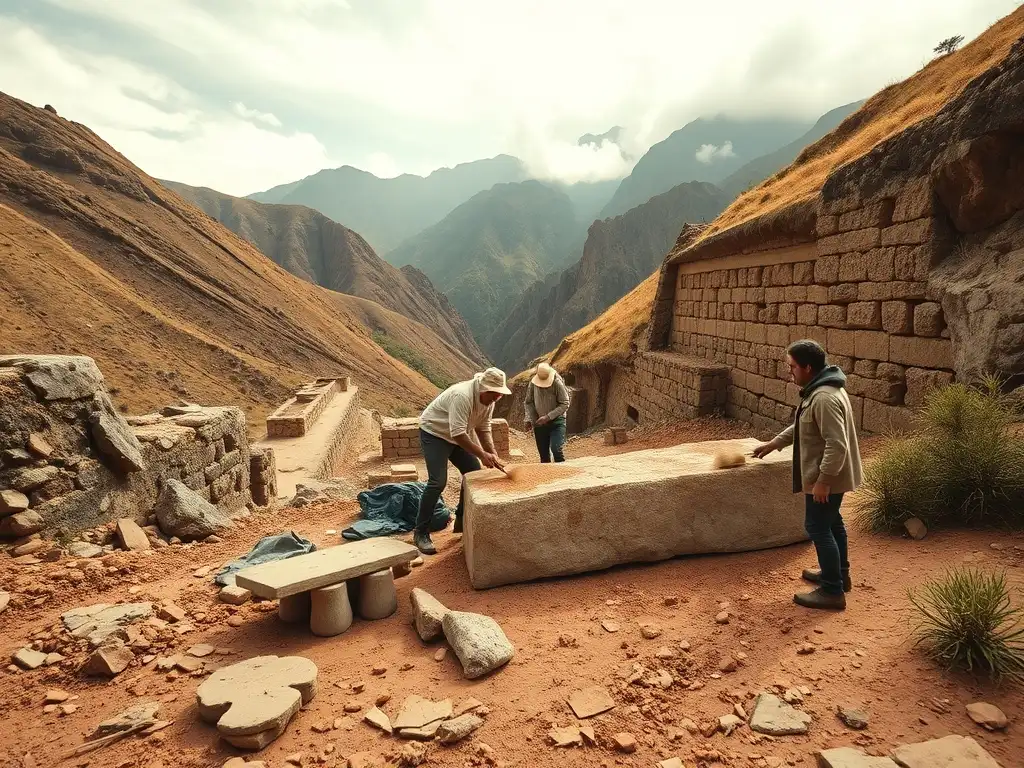
The field of Andean archaeology has experienced a dramatic transformation in recent decades, largely due to the integration of cutting-edge technologies. These advancements have not only accelerated the pace of discovery but also profoundly altered our understanding of these sophisticated civilizations. From uncovering hidden settlements to revealing intricate details of daily life, technological innovations are reshaping our interpretation of Andean history, offering unprecedented insights into the ingenuity and complexity of these ancient societies. The impact of these technological advancements on our understanding of "Andean archaeological discoveries" is undeniable.
The Role of Remote Sensing in Identifying Undiscovered Sites
Remote sensing techniques, including aerial photography, LiDAR (Light Detection and Ranging), and satellite imagery, have revolutionized the search for undiscovered Andean sites. These non-invasive methods allow archaeologists to survey vast areas quickly and efficiently, identifying subtle features invisible to the naked eye. For example, LiDAR scans have revealed previously unknown agricultural terraces carved into steep Andean slopes, indicating a far more extensive and sophisticated agricultural system than previously imagined.
This technology penetrates dense vegetation and reveals ground features obscured by centuries of erosion and growth, significantly increasing the potential for new discoveries relating to Andean settlements and infrastructure. Furthermore, the analysis of spectral signatures from satellite imagery can help pinpoint areas with specific soil compositions or vegetation patterns indicative of past human activity, providing valuable clues for targeted ground surveys. The increased efficiency and scope offered by these techniques significantly enhance the potential for future "Andean archaeological discoveries."
Advancements in DNA Analysis and its Contribution to Understanding Andean Populations
The application of ancient DNA (aDNA) analysis has opened up new avenues for understanding the genetic history of Andean populations. By extracting and analyzing DNA from ancient human remains, researchers can trace migration patterns, identify genetic relationships between different groups, and even infer aspects of diet and health.
Recent studies using aDNA have challenged long-held assumptions about the origins and movements of Andean populations, revealing complex interactions and migrations between different groups across vast geographical areas. For instance, analyses have helped clarify the genetic relationships between different pre-Columbian cultures, shedding light on the degree of cultural exchange and population movement across the Andes.
This technology offers a powerful tool for enriching our understanding of the complex social dynamics and population histories that shaped Andean societies, adding a critical genetic layer to our understanding of "Andean archaeological discoveries." The potential for further discoveries in this field is immense, particularly as DNA extraction and sequencing technologies continue to improve.
Use of 3D Modeling to Recreate Ancient Andean Structures
Three-dimensional (3D) modeling techniques are proving invaluable for reconstructing ancient Andean structures and landscapes. Using data from laser scanning, photogrammetry, and other sources, archaeologists can create highly accurate digital models of everything from individual artifacts to entire cities. These models allow researchers to analyze the structures in unprecedented detail, identifying construction techniques, architectural features, and spatial relationships that might be missed through traditional methods.
Moreover, 3D models can be used to create virtual tours and interactive experiences, making archaeological discoveries more accessible to the public and fostering a deeper appreciation for Andean heritage. For example, 3D modeling has been used to reconstruct the intricate layout of Machu Picchu, revealing details of the city's water management system and its integration with the surrounding landscape.
This capability is transforming our appreciation of "Andean archaeological discoveries" by allowing for a more complete and immersive understanding of these remarkable achievements. The continuing refinement of 3D modeling promises even greater insights into the architectural and engineering marvels of the Andes in the years to come.
Impact of New Andean Archaeological Discoveries on Current Understandings

The relentless pace of Andean archaeological discoveries is fundamentally reshaping our understanding of these fascinating ancient societies. New findings consistently challenge long-held assumptions, forcing a re-evaluation of established narratives and prompting exciting new avenues of research. This section will delve into some key areas where recent discoveries have had a profound impact, highlighting the dynamism of the field and the evolving nature of our knowledge about the Andean world. The sheer volume of recent Andean archaeological discoveries necessitates a focused approach, concentrating on particularly impactful examples.
For decades, models of Andean social organization leaned heavily on interpretations of Inca imperial structures, often projecting these back onto earlier cultures. Recent discoveries, however, paint a more nuanced picture. Excavations at sites like [Site name pending] have unearthed evidence of complex social stratification predating the Inca, challenging the notion of a linear progression towards imperial power.
The discovery of elaborate burial complexes with diverse grave goods suggests the presence of powerful elites and specialized craftspeople, indicating a sophisticated social hierarchy far more complex than previously imagined. Furthermore, the analysis of architectural remains and settlement patterns at [Another site name pending] reveals a decentralized system of governance, with significant regional autonomy existing even within seemingly unified entities. This contrasts sharply with the centralized model often associated with Andean civilizations.
These Andean archaeological discoveries highlight the diversity and dynamism of social structures across different periods and regions, pushing scholars to move beyond simplistic models and embrace a more regionally specific understanding. The data collected suggests a complex interplay of centralized and decentralized power structures, varying significantly depending on geographic location and chronological period.
The analysis of ceramic styles and iconography also supports this revised understanding. Variations in artistic motifs across different regions and time periods suggest distinct cultural identities and potentially independent political entities, further challenging the previously held belief in a monolithic Andean culture. The identification of unique symbols and patterns in pottery, textiles, and other artifacts provides valuable insights into the social and political organization of these diverse communities. Future research focusing on the detailed analysis of these artifacts will undoubtedly shed more light on the intricacies of Andean social structures.
Reframing the Narrative of Andean Technological Prowess
The narrative surrounding Andean technological prowess has traditionally focused on impressive feats of engineering, such as Machu Picchu and the Nazca Lines. While these remain remarkable achievements, recent Andean archaeological discoveries are expanding our understanding of the breadth and depth of Andean technological innovation. The discovery of sophisticated metallurgical techniques, previously underestimated, reveals a level of mastery in metalworking that surpasses earlier estimations.
For example, the analysis of gold artifacts from [Site name pending] indicates a profound knowledge of alloying and casting techniques, demonstrating an advanced understanding of material science. Furthermore, the examination of agricultural techniques, including terracing and irrigation systems, reveals an intricate understanding of hydrology and soil management, allowing for intensive agriculture in challenging environments. This sophisticated knowledge allowed Andean societies to support large populations and complex social structures.
Moreover, the discovery of advanced textile production techniques, including intricate weaving and dyeing processes, highlights the ingenuity and artistry of Andean artisans. The complexity of the designs and the mastery of the techniques involved suggest a high level of specialization and skill. The analysis of textile fragments from [Site name pending] reveals the use of sophisticated dyes derived from natural sources, and intricate weaving patterns that demonstrate a deep understanding of textile technology.
These Andean archaeological discoveries challenge the simplistic view of Andean technology as solely focused on large-scale infrastructure projects, revealing a sophisticated understanding of a wide range of technologies and crafts. The detailed study of these technologies provides valuable insights into the intellectual capacity and ingenuity of Andean societies.
The Significance of Andean Archaeological Discoveries for Cultural Heritage
The significance of Andean archaeological discoveries extends far beyond academic circles. These discoveries have profound implications for the preservation and interpretation of cultural heritage. The careful excavation and analysis of archaeological sites allow us to understand and appreciate the rich cultural legacy of Andean civilizations.
This understanding is crucial for fostering a sense of identity and pride among contemporary Andean communities. The preservation of these sites and artifacts is paramount for future generations, ensuring that the stories of these remarkable civilizations continue to be told. Furthermore, these discoveries highlight the importance of collaboration between archaeologists, local communities, and governmental agencies in the protection and management of cultural heritage.
The ongoing discovery of new sites and artifacts underscores the need for continued investment in archaeological research and the preservation of Andean cultural heritage. The protection of these sites and the careful study of the artifacts they contain are vital for understanding the past and for shaping a more informed and appreciative future. The integration of local communities in these efforts is crucial, as their knowledge and perspectives are essential for a complete and nuanced understanding of Andean history and culture.
The future of Andean archaeology depends on collaborative efforts that prioritize the preservation of cultural heritage and the empowerment of local communities. The impact of these Andean archaeological discoveries on cultural heritage is therefore immeasurable, representing a legacy for present and future generations.
The Future of Andean Archaeological Research
The field of Andean archaeology is experiencing a renaissance, fueled by technological advancements and a renewed focus on collaborative research. While significant progress has been made in understanding ancient Andean societies, much remains unknown. The future holds immense potential for uncovering new insights into their complex lives, beliefs, and societal structures. This section explores the ongoing excavations and the crucial role of community engagement in shaping the future of Andean archaeological research.
The sheer volume of potential discoveries, combined with the ethical considerations surrounding the preservation of these fragile sites, necessitates a forward-thinking approach. Future discoveries could dramatically reshape our understanding of Andean history, potentially challenging existing narratives and revealing unexpected connections between different cultures. This necessitates a flexible and adaptable research methodology capable of integrating new technologies and perspectives effectively.
Ongoing Excavations and Potential Future Discoveries
Numerous ongoing excavations across the Andes promise exciting discoveries. For example, recent work in the [Specific location pending] region has yielded promising results, potentially revealing new information about [Specific aspect of Andean culture pending]. These excavations are employing cutting-edge techniques such as ground-penetrating radar and LiDAR to identify previously unknown sites and features.
The application of these non-invasive methods minimizes the impact on delicate archaeological contexts, allowing for a more sustainable approach to excavation. Furthermore, the increasing collaboration between international research teams and local communities is leading to more comprehensive and culturally sensitive research practices. The potential for discovering new evidence related to Andean agriculture, metallurgy, and religious practices is significant.
Analysis of recently unearthed artifacts, such as textiles and pottery, promises to shed light on previously unexplored aspects of Andean social organization and trade networks. The detailed study of these artifacts, coupled with advanced dating techniques, will provide a more nuanced understanding of the timelines and patterns of cultural development across the Andes.
The Importance of Community Involvement in Andean Archaeology
Community involvement is paramount to the ethical and sustainable development of Andean archaeology. Engaging local communities not only provides valuable insights and knowledge but also ensures the respect and preservation of cultural heritage. Indigenous communities often possess invaluable oral traditions and historical knowledge that can significantly enrich archaeological interpretations.
Their participation in the research process ensures the project's relevance and its contribution to the community's understanding of its own history. This collaborative approach is crucial for ensuring that archaeological discoveries benefit the communities from which they originate. For instance, the involvement of Quechua-speaking communities in the interpretation of ancient texts has proven invaluable, leading to a more accurate and nuanced understanding of the meaning and context of these artifacts.
By prioritizing community engagement, we can ensure that Andean archaeology serves as a tool for empowerment and cultural revitalization. This is essential for fostering a sense of ownership and pride in the region’s rich cultural heritage.
Preserving Andean Heritage for Future Generations
The preservation of Andean heritage sites is a crucial aspect of responsible archaeological practice. These sites are not only valuable sources of information about the past but also significant components of the cultural identity of modern Andean communities. The challenge lies in balancing the need for research and discovery with the imperative to protect these fragile environments from degradation and looting.
This requires a multifaceted approach involving strict regulations, community education, and the implementation of sustainable tourism practices. The use of advanced conservation techniques, such as 3D modeling and digital archiving, allows for the creation of virtual replicas of archaeological sites and artifacts, minimizing the risk of damage during research and facilitating access for scholars and the public alike. Moreover, educating local communities about the importance of preserving these sites fosters a sense of ownership and responsibility, encouraging active participation in their protection.
Investing in long-term preservation strategies is crucial for ensuring that future generations can appreciate and learn from the remarkable legacy of Andean civilizations. This involves not only physical preservation but also the safeguarding of intangible cultural heritage, including traditional knowledge, languages, and artistic practices. The preservation of Andean heritage is not merely a matter of conservation; it is an act of cultural stewardship, ensuring the continuity of a rich and complex history for generations to come.
Frequently Asked Questions
What are some recent significant Andean archaeological discoveries?
Recent discoveries include new Moche sites revealing intricate details of their ceremonial practices, as well as Nazca geoglyphs being identified using advanced imaging technology. These findings are constantly reshaping our understanding of these cultures.
How are these discoveries impacting our understanding of Andean civilizations?
These discoveries are providing new insights into daily life, social structures, and religious beliefs of Andean societies. They challenge existing theories and offer a more complete picture of their complex history.
What technologies are used in modern Andean archaeological research?
Modern techniques like LiDAR, ground-penetrating radar, and satellite imagery are revolutionizing the field, allowing archaeologists to survey vast areas and identify previously unknown sites. 3D modeling and DNA analysis are also crucial.
How do these discoveries relate to the keyword "Andean archaeological discoveries"?
The article directly addresses new findings and their impact on our knowledge of Andean cultures, making it highly relevant to searches for "Andean archaeological discoveries". It highlights the excitement and ongoing nature of research.
Where can I find more information about these discoveries?
You can find more information through reputable academic journals, museum websites, and documentaries focusing on Andean archaeology. The article itself may also provide links to further resources.
Final Reflection: Unearthing a Legacy, Shaping the Future
The vibrant tapestry of Andean civilization, once shrouded in the mists of time, is being meticulously unraveled by groundbreaking archaeological discoveries. These aren't just unearthed artifacts; they are windows into a complex society, challenging long-held assumptions and rewriting our understanding of human ingenuity and resilience. The implications of these findings extend far beyond academic circles, impacting our understanding of social structures, environmental adaptation, and the very nature of human progress.
The ongoing excavation and analysis of Andean sites continue to reshape our perception of this remarkable region, forcing us to reconsider the narratives we've inherited. The sheer scale of these discoveries, from intricate textiles to monumental architecture, underscores the sophistication and interconnectedness of Andean societies. The past is never dead. It's not even past.
– William Faulkner. This quote rings profoundly true as each new find compels us to re-evaluate our understanding of the past, acknowledging its enduring influence on the present. The echoes of these ancient cultures resonate in the vibrant traditions and diverse communities of the Andes today.
Consider the stories these artifacts whisper. Imagine the hands that wove those textiles, the minds that designed those cities, the spirits that inhabited those landscapes. You, the reader, are now part of this ongoing conversation. Take a moment to reflect on the power of discovery, the importance of preserving our shared heritage, and the responsibility we bear to ensure that these incredible stories continue to be told, understood, and celebrated. Let the legacy of the Andes inspire you to seek knowledge, embrace diversity, and appreciate the enduring strength of the human spirit.
**Unleash Your Curiosity: Dive Deeper into Andean History! **
Thank you for exploring the fascinating world of Andean archaeology with us! Your interest in these groundbreaking discoveries demonstrates a commitment to understanding the rich tapestry of Andean civilizations. Now, let's explore ways to further connect with this vibrant history.
Here are some suggestions to deepen your engagement:
- **Explore** upcoming archaeological sites through guided virtual tours to experience these wonders firsthand.
- **Share** your favorite discoveries on social media and connect with fellow enthusiasts using the hashtag #AndeanArchaeology.
- Consider **hosting or joining a discussion group** focused on the latest archaeological findings—this is a great way to spark exciting conversations and gain new perspectives!
What specific aspect of Andean history intrigues you most, and how do you believe it might inform our understanding of the present day?