
Seeds of Change: How Indigenous Farming Practices Are Feeding the Future


Uncover the secrets of a lost world, where ingenuity thrived amidst towering peaks and sprawling valleys. For centuries, the Andes Mountains have witnessed the rise and fall of magnificent civilizations, each leaving behind a legacy of breathtaking artistry and unparalleled innovation. But what truly sustained these empires?
Prepare to be amazed as we delve into the ingenious Andean farming techniques that not only shaped the past but continue to inspire sustainable solutions for the future – a testament to the enduring wisdom of the ancients. Discover how these Seeds of Change are feeding the world, one carefully cultivated terrace at a time.
The Andes Mountains, a spine of towering peaks running down the western coast of South America, are not just a breathtaking landscape; they are the cradle of remarkable agricultural innovations. For millennia, indigenous Andean communities have developed sophisticated farming techniques perfectly adapted to the challenging terrain and diverse climates of this region. These methods, honed over generations, offer valuable lessons for sustainable agriculture in the face of climate change and growing global food insecurity.
This article explores how these ancient Andean farming techniques, passed down through oral traditions and practical experience, are not only feeding communities today but also providing crucial insights for feeding the future. We will delve into specific examples, highlighting the ingenuity and resilience of Andean agricultural practices and their potential for global impact. The importance of preserving and understanding this knowledge base for the benefit of both local communities and the wider world cannot be overstated.
Understanding these techniques is crucial to addressing modern agricultural challenges and ensuring food security for generations to come. This exploration of Andean farming techniques will reveal the deep connection between culture, environment, and sustainable food production.
The Terrace Farming Revolution: Engineering Abundance in the Andes
Andean terrace farming is a testament to human ingenuity and adaptation. These meticulously constructed agricultural terraces, carved into steep mountain slopes, dramatically increase arable land, reduce soil erosion, and optimize water management. The precise orientation and design of terraces maximize sunlight exposure and minimize water runoff, creating microclimates ideal for diverse crops.
This system, which can be seen across the Andes from the Inca empire's impressive agricultural projects to the smaller-scale terraces of pre-Inca communities, is not just visually stunning; it's a highly efficient and sustainable farming system. The construction of these terraces often involved complex engineering feats, including sophisticated irrigation systems that channeled water from high-altitude sources to lower fields. Evidence suggests that these techniques were refined over centuries, with communities constantly adapting their methods to local conditions.
The precise details of construction varied depending on the specific location and the resources available, demonstrating a remarkable flexibility and adaptability within the overall system. The impact on food production was significant, allowing Andean communities to cultivate a diverse range of crops in challenging environments.
Andean Crop Diversity: A Natural Resilience Against Climate Change
The Andes boast an astounding biodiversity, and Andean farming techniques reflect this rich natural heritage. Indigenous farmers cultivated a wide range of crops, including potatoes (with thousands of varieties! ), quinoa, maize, beans, and various fruits and vegetables, each adapted to specific altitudes and microclimates.
This crop diversification is a key element of resilience against climate change and pests. Unlike monoculture farming, which is vulnerable to widespread crop failure, the diverse cropping systems of the Andes ensured that even if one crop failed, others would likely thrive. This inherent resilience is a valuable lesson for modern agriculture, which increasingly relies on a narrow range of high-yield crops that are susceptible to disease and environmental fluctuations.
Furthermore, the traditional methods of seed saving and selection, passed down through generations, have resulted in a remarkable genetic diversity within these crops – a crucial resource for future breeding programs and adaptation to changing conditions. The continued cultivation of these traditional crops is essential for maintaining this invaluable genetic diversity.
Water Management: Ingenious Systems for a Thriving Agriculture
Water scarcity is a major challenge in many parts of the world, particularly in arid and semi-arid regions. However, Andean communities have long mastered sophisticated water management techniques to ensure a reliable water supply for their crops. These techniques include the construction of intricate irrigation canals, reservoirs, and water storage systems. These systems, often built with remarkable precision, channeled water from rivers and springs to fields, even across significant distances and challenging terrain. Moreover, the design of these systems often incorporated features that helped to regulate water flow and prevent erosion. The ingenuity and efficiency of these systems are impressive, demonstrating a deep understanding of hydrology and a commitment to sustainable water management. These ancient systems offer valuable insights for addressing modern water management challenges, particularly in regions facing increasing water stress due to climate change. Studying and adapting these techniques could significantly improve water use efficiency in agriculture worldwide.
The Future of Andean Farming Techniques: Preserving Knowledge for Global Benefit
The ancient Andean farming techniques described above represent a rich legacy of knowledge and innovation. However, these traditional practices are increasingly threatened by factors such as urbanization, climate change, and the adoption of industrial agricultural methods. Preserving this invaluable knowledge is crucial not only for the Andean communities who rely on these practices but also for the global community facing challenges in food security and sustainable agriculture.
Supporting the continuation of these traditional methods, documenting them thoroughly, and integrating their principles into modern agricultural practices are vital steps towards a more sustainable and resilient food system. The integration of ancient wisdom with modern science holds immense potential for creating innovative solutions to the challenges of feeding a growing global population while protecting the environment. The future of food security may well depend on learning from the past, and the Andes offer a rich tapestry of lessons to guide us.
- The Terrace Farming Revolution: Engineering Abundance in the Andes
- Andean Crop Diversity: A Natural Resilience Against Climate Change
- Water Management: Ingenious Systems for a Thriving Agriculture
- The Future of Andean Farming Techniques: Preserving Knowledge for Global Benefit
Understanding the Legacy of Andean Agriculture
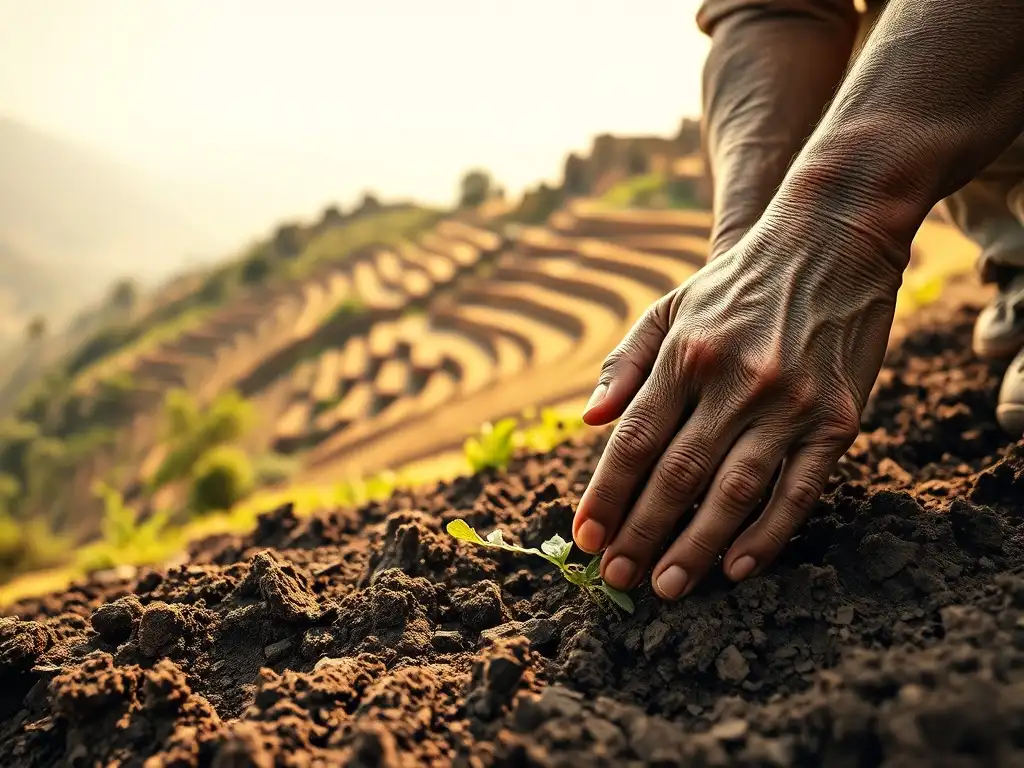
Andean farming techniques represent a remarkable testament to human ingenuity and adaptation to challenging environments. For millennia, Andean communities thrived by developing sophisticated agricultural practices perfectly suited to the diverse altitudes and climates of the Andes Mountains. These techniques, far from being relics of the past, offer valuable lessons for sustainable agriculture in the 21st century, particularly in the face of climate change and growing global food insecurity.
The legacy of Andean agriculture isn't just about historical preservation; it’s a vital resource for addressing modern challenges. Understanding this legacy is crucial to appreciating the innovations that shaped Andean societies and the potential these methods hold for the future of food production. The ingenuity demonstrated in these techniques – from terracing to crop diversification – continues to inspire researchers and farmers worldwide.
The Ancient Wisdom of Andean Farming Techniques
The Andes, with their dramatic variations in altitude and climate, presented significant hurdles to agriculture. Yet, Andean civilizations overcame these challenges through a remarkable array of techniques. These weren't simply methods of cultivation; they represented a deep understanding of ecological principles and a profound respect for the land. Key practices included:
- Terracing: The construction of terraces on steep slopes dramatically increased arable land, reducing erosion and optimizing water management. These terraces weren't haphazardly built; their design considered sunlight exposure, drainage, and soil type, demonstrating a sophisticated understanding of topography and hydrology. The precision of these terraces is astounding, a testament to the advanced engineering skills of Andean communities.
- Waru Waru: This innovative system involved creating raised beds separated by irrigation canals. This technique not only improved drainage and water retention but also moderated soil temperature, creating a more stable and productive environment for crops. The effectiveness of Waru Waru in mitigating the impact of frost and drought is particularly noteworthy.
- Crop Diversification: Andean farmers cultivated a wide variety of crops, including potatoes, maize, quinoa, beans, and various fruits and vegetables. This diversity minimized the risk of crop failure and ensured a balanced diet. This wasn't simply a matter of chance; it was a strategic approach to managing risk and ensuring food security. The intricate knowledge of different crops and their specific needs allowed for optimal land use and maximized yields.
- Andean camelids: The integration of llamas and alpacas into agricultural practices is another crucial aspect. These animals provided valuable resources like wool, meat, and dung (used as fertilizer), highlighting the interconnectedness of Andean agricultural systems. Their impact on soil fertility and overall ecosystem health was significant, showcasing a holistic approach to land management.
A Deep Dive into Traditional Andean Agricultural Methods
Beyond the broad strokes, the details of Andean farming techniques reveal a level of sophistication that continues to fascinate researchers. For instance, the selection and breeding of crops were not random; Andean farmers carefully selected varieties adapted to specific microclimates and soil conditions. This meticulous approach to plant breeding resulted in a remarkable diversity of crops, each uniquely suited to its environment. Moreover, the careful management of water resources was crucial. Complex irrigation systems, often involving canals and aqueducts, were built to channel water to fields, showcasing a deep understanding of hydraulic engineering.
The cyclical nature of Andean agricultural practices is also noteworthy. Farmers carefully observed the seasons and adapted their planting and harvesting schedules accordingly. This close relationship with the natural rhythms of the Andes ensured the sustainability of their farming systems over generations. The deep knowledge of the local ecosystem, including the understanding of soil fertility, water cycles, and the behavior of various plant and animal species, was fundamental to the success of these methods. This knowledge was meticulously passed down through generations, ensuring the continuity of these traditions.
Sustainability and Resilience in Andean Farming Systems
The enduring success of Andean farming techniques speaks volumes about their inherent sustainability and resilience. These methods, developed over centuries, demonstrate a remarkable capacity to adapt to changing environmental conditions. The integration of diverse crops, the careful management of water resources, and the use of locally adapted varieties all contributed to the long-term sustainability of these systems.
This contrasts sharply with modern, intensive agricultural practices that often deplete soil fertility, overuse water resources, and rely on chemical inputs that harm the environment. The resilience of Andean farming systems to climate variability is particularly relevant today, as many regions face increasing climate change impacts. Studying and adapting these ancient practices could provide valuable insights for creating more sustainable and resilient agricultural systems worldwide.
The integration of traditional Andean knowledge with modern scientific techniques offers a promising pathway toward building food security in a changing world. The preservation and promotion of Andean farming techniques are not merely acts of cultural preservation; they represent a vital contribution to global food security and environmental sustainability.
Key Andean Farming Techniques and Their Modern Relevance
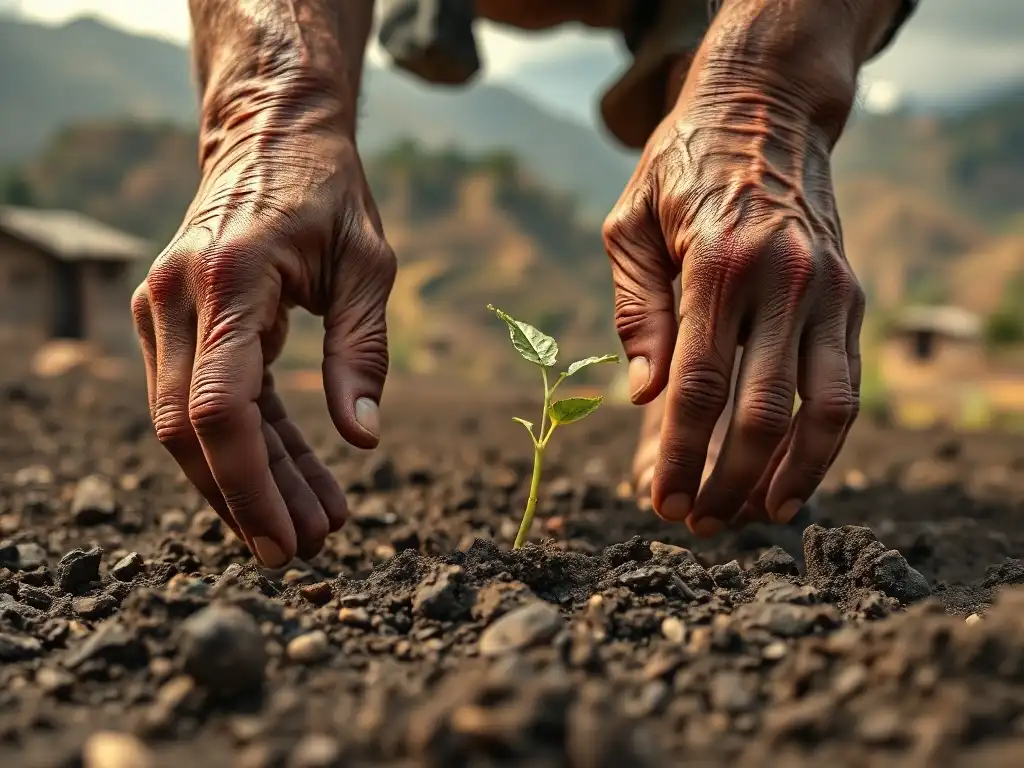
This section delves into the ingenious agricultural practices developed by Andean civilizations, highlighting their enduring relevance in addressing contemporary challenges in food security and sustainable land management. These techniques, honed over millennia, offer valuable lessons for modern agriculture, particularly in regions facing similar environmental constraints. Understanding the ingenuity behind "Andean farming techniques" provides crucial insights into building resilient and sustainable food systems.
Terracing: A Masterclass in Land Management
Andean terracing is a testament to the ingenuity of ancient farmers. This system involved carving step-like platforms into hillsides, creating level fields for cultivation. This wasn't merely aesthetic; it served crucial purposes:
- Reduced soil erosion: Terraces significantly minimized the loss of topsoil, a vital resource in mountainous regions. The flat surfaces intercepted rainwater, slowing its flow and preventing runoff that would carry away fertile soil.
- Optimized water management: Terraces acted as reservoirs, capturing rainwater and allowing it to seep into the soil, providing a consistent water supply for crops even during dry spells. This efficient water use was particularly important in the arid and semi-arid Andean regions.
- Increased arable land: By transforming steep slopes into cultivatable land, terracing dramatically increased the amount of land available for farming, supporting larger populations.
The impact of terracing is profound. Studies have shown that terraced fields can have significantly higher yields compared to non-terraced slopes, especially during periods of drought. Furthermore, the longevity of these terraces – some are still in use today – underscores their sustainability.
Modern agriculture can learn from this ancient practice, particularly in mountainous and hilly regions where soil erosion is a major concern. The application of this technique in contemporary agriculture could significantly improve yields and protect valuable topsoil. The integration of modern surveying and engineering techniques with traditional knowledge could lead to even more efficient and sustainable terracing methods.
Andean Crop Rotation and Soil Health
Andean crop rotation wasn't just about diversifying food sources; it was a sophisticated strategy for maintaining soil fertility and preventing pest and disease outbreaks. Farmers employed a complex system of rotating crops with different nutrient requirements and growth habits. This intricate system involved:
- Legumes: The incorporation of legumes, such as beans and lentils, played a crucial role. These plants fix nitrogen in the soil, enriching it and reducing the need for external fertilizers. This natural fertilization significantly enhanced soil health and reduced reliance on synthetic inputs.
- Varied planting cycles: Different crops were planted at different times of the year to optimize resource use and minimize competition for nutrients. This approach ensured that the soil was not depleted of specific nutrients and maintained its overall health.
- Fallow periods: Allowing fields to lie fallow for a period of time allowed the soil to recover its nutrients and also helped control pests and diseases. This practice, though seemingly simple, was vital for long-term soil health.
The wisdom of Andean crop rotation is undeniable. Modern agriculture, often reliant on intensive monoculture, can learn valuable lessons from this sustainable approach. By incorporating diverse crops and fallow periods, farmers can reduce their reliance on synthetic fertilizers and pesticides, contributing to a healthier environment and more sustainable food production. The integration of traditional knowledge with modern agricultural science could lead to the development of even more efficient and sustainable crop rotation systems. The benefits include improved soil health, increased biodiversity, and enhanced resilience to climate change.
Water Management and Irrigation in Ancient Andean Agriculture
Water scarcity was a significant challenge for Andean civilizations, yet they developed remarkable irrigation systems to overcome this limitation. Their ingenuity is evident in:
- Canals and aqueducts: These impressive feats of engineering channeled water from rivers and streams to fields located at lower elevations. These systems were often incredibly complex, involving sophisticated techniques for diverting and distributing water.
- Reservoirs and storage systems: Andean farmers built reservoirs and other storage systems to capture and store rainwater, ensuring a consistent water supply during dry periods. This foresight was critical for ensuring crop yields even in the face of unpredictable rainfall.
- Subsurface irrigation: In some areas, they employed subsurface irrigation techniques, allowing water to seep into the soil gradually, minimizing evaporation and maximizing water use efficiency. This technique, particularly effective in arid regions, showcased their deep understanding of hydrological principles.
These sophisticated water management systems were crucial for the success of Andean agriculture. Modern agriculture, facing increasing water scarcity, can learn much from these ancient practices. The integration of traditional water management techniques with modern technologies could significantly improve water use efficiency and enhance the resilience of agricultural systems to drought and climate change.
The lessons learned from the Andean civilizations highlight the importance of investing in water infrastructure and developing sustainable irrigation strategies to ensure food security in the face of growing challenges. The study of these techniques offers valuable insights into optimizing water resource utilization in contemporary agriculture.
The Importance of Biodiversity in Andean Farming
Andean farming techniques, renowned for their resilience and adaptability, placed a strong emphasis on biodiversity. This wasn't merely a matter of cultivating a variety of crops; it was a fundamental principle underpinning the entire agricultural system. The high-altitude, diverse terrains of the Andes demanded a multifaceted approach. Farmers didn't rely on monocultures, which are vulnerable to disease and environmental fluctuations. Instead, they practiced polyculture, interweaving different crops within the same field.
This strategy minimized risks and maximized yields. For example, potatoes, quinoa, and beans might be planted together, each benefiting from the presence of the others. Beans, with their nitrogen-fixing capabilities, enriched the soil, while potatoes and quinoa offered different nutritional profiles and varying tolerances to environmental stressors like frost or drought. This intricate interplay of species showcased a deep understanding of ecological relationships and a commitment to sustainable land management.
The Andean worldview, deeply connected to the land, saw biodiversity not just as a practical farming strategy but as a sacred principle, reflecting the interconnectedness of all living things. The preservation of this biodiversity was crucial for the long-term sustenance of Andean communities, and its legacy continues to inspire modern sustainable agriculture practices. The loss of this biodiversity, due to modern agricultural practices, presents a significant challenge to the future of food security in the region. We need to learn from the wisdom of Andean ancestors to ensure a resilient and productive food system.
The benefits extended beyond mere crop production. The diversity of crops also provided a wider range of nutrients in the diet, contributing to improved health and resilience within the communities. The incorporation of medicinal plants within the agricultural landscape further enhanced this holistic approach.
These weren't merely separate entities; they were integrated into the farming system, providing both food and medicine. This integrated approach minimized reliance on external resources and fostered self-sufficiency within Andean communities. The biodiversity also supported a rich ecosystem, attracting beneficial insects and other organisms that contributed to natural pest control and soil health.
This minimized the need for harmful chemical interventions, showcasing a truly sustainable and environmentally conscious approach to agriculture. The interwoven relationship between crops, animals, and the environment created a highly resilient system capable of withstanding environmental shocks and ensuring food security even in challenging conditions. Understanding and replicating this sophisticated biodiversity management is crucial for addressing modern agricultural challenges and enhancing food security globally.
The Resurgence of Indigenous Farming Practices in the Andes

The Andes Mountains, a region renowned for its breathtaking landscapes and rich history, are also a cradle of innovative and sustainable agricultural practices. For centuries, Andean civilizations developed sophisticated farming techniques adapted to the challenging terrain and diverse climates. These methods, honed over millennia, are experiencing a significant resurgence, driven by a growing awareness of their ecological benefits and their potential to address contemporary food security challenges.
The renewed interest in these Andean farming techniques isn't merely nostalgic; it's a vital strategy for building resilient and sustainable food systems in the face of climate change and increasing global demand. This section will delve into the specific ways indigenous knowledge is being revived and applied in modern contexts.
Reclaiming Ancestral Knowledge for Food Security
Food security in the Andes remains a pressing concern. Climate change, soil degradation, and the pressures of globalization have threatened traditional farming systems. However, indigenous communities are actively reclaiming ancestral knowledge to bolster their food production. This involves revitalizing techniques like waru waru agriculture, a sophisticated system of raised beds and irrigation channels that maximizes water use and soil fertility, even in arid conditions.
The effectiveness of waru waru has been documented in numerous studies, showing significant increases in crop yields compared to conventional methods. Furthermore, the revival of traditional crop varieties, often more resilient to pests and diseases than modern hybrids, is crucial. Communities are actively preserving and propagating these heirloom seeds, ensuring the genetic diversity necessary for adaptive agriculture.
This process is not simply about farming; it's about cultural preservation and empowerment, with indigenous communities taking a leading role in shaping their own food futures. The success stories emerging from these initiatives highlight the critical role of indigenous knowledge in addressing modern challenges. For example, [Specific data on increased crop yields in a particular community using waru waru pending].
Modern Applications of Andean Farming Methods
The resurgence of Andean farming techniques isn't just about returning to the past; it's about integrating traditional practices into modern agricultural contexts. Researchers and organizations are working with indigenous communities to adapt and refine these methods for contemporary needs. This includes using Geographic Information Systems (GIS) technology to optimize water management in waru waru systems, improving irrigation efficiency, and promoting precision agriculture.
Furthermore, there's a growing interest in combining traditional crop diversification with modern pest and disease management strategies, minimizing the reliance on harmful synthetic chemicals. This approach seeks to balance the benefits of indigenous knowledge with the tools and technologies available today. The integration of modern scientific techniques with traditional practices offers a powerful synergy, creating more robust and sustainable agricultural systems.
For instance, the use of drones to monitor crop health in remote Andean communities is improving the efficiency of traditional farming practices. This demonstrates a commitment to innovation while respecting and valuing indigenous expertise. The ongoing research in this area promises even more effective and sustainable adaptations in the future.
The Role of Indigenous Communities in Sustainable Agriculture
Indigenous communities are not merely beneficiaries of the renewed interest in Andean farming techniques; they are the driving force behind its success. Their deep understanding of their local ecosystems, coupled with their centuries-old farming practices, provides invaluable knowledge for creating sustainable agricultural systems. Their involvement is crucial in every step of the process, from seed selection and crop diversification to water management and soil conservation. Furthermore, the active participation of indigenous communities ensures that these practices are not simply replicated but adapted and refined to meet their specific needs and contexts.
The empowerment of indigenous communities is paramount; they are not passive recipients of aid but active agents in shaping their own food security and environmental sustainability. Recognizing and respecting their traditional ecological knowledge (TEK) is vital for building truly sustainable and resilient agricultural systems in the Andes. This approach fosters not only environmental sustainability but also social justice and cultural preservation.
The success of these initiatives hinges on collaborative partnerships that center indigenous voices and prioritize their participation in decision-making processes. The future of Andean agriculture is inextricably linked to the continued leadership and participation of indigenous communities. This collaborative approach is essential to address the challenges and opportunities ahead, ensuring a sustainable and equitable future for all.
Challenges and Opportunities for Andean Agriculture
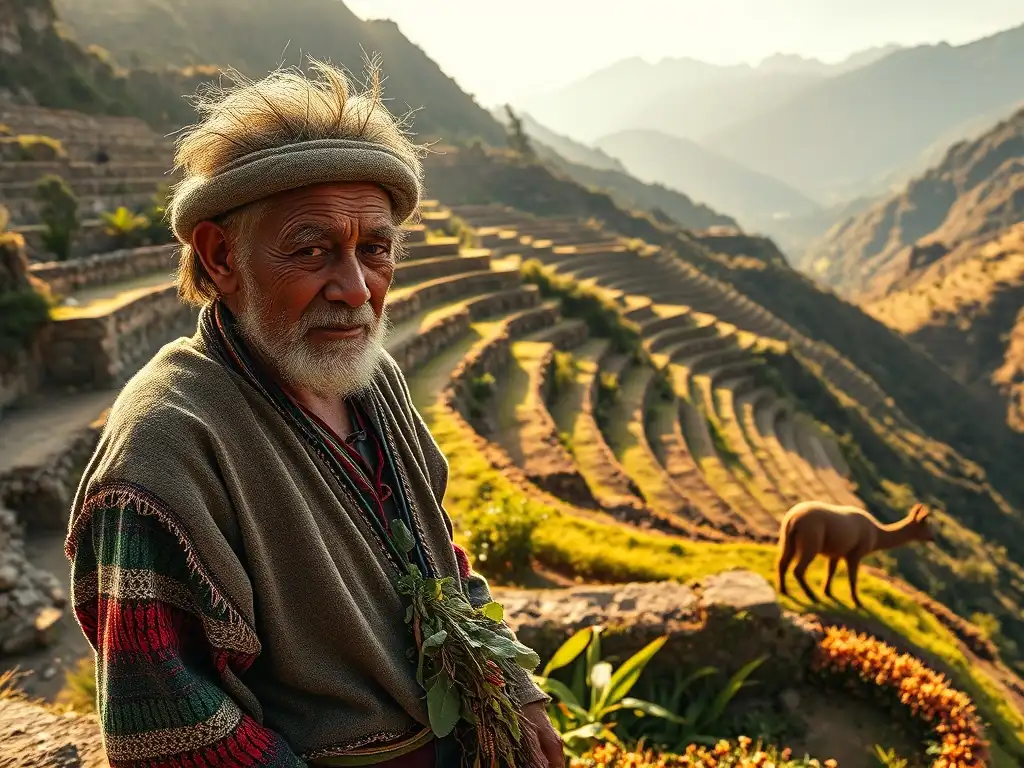
The Andes Mountains present a unique and challenging environment for agriculture. Steep slopes, diverse microclimates, and unpredictable weather patterns have shaped the development of incredibly sophisticated Andean farming techniques over millennia. However, these traditional practices, honed over centuries, now face unprecedented challenges in the 21st century. The delicate balance between preserving ancestral knowledge and adapting to modern necessities is crucial for ensuring food security and the preservation of cultural heritage in the region.
This section will explore the key challenges and opportunities facing Andean agriculture, focusing on the interplay between tradition and innovation. The successful navigation of these complexities will determine the future of food production in this vital region, impacting not only the Andean communities but also global food systems. Understanding the unique pressures and potential solutions is key to ensuring a sustainable and prosperous future for Andean agriculture and the preservation of "Andean farming techniques."
Climate Change Impacts on Traditional Andean Farming
Climate change poses a significant threat to traditional Andean farming practices. Rising temperatures, altered precipitation patterns (including increased frequency of droughts and floods), and the expansion of pests and diseases are disrupting established agricultural cycles. For example, the papa (potato), a staple crop in the Andes, is particularly vulnerable to changes in temperature and moisture.
Traditional varieties, often adapted to specific microclimates, may struggle to survive in increasingly unpredictable conditions. The impact extends beyond crop yields; changes in water availability affect irrigation systems, which are often intricately designed to maximize water use in arid and semi-arid regions. Glacial melt, a crucial water source for many Andean communities, is accelerating, threatening long-term water security for agriculture.
This necessitates a shift towards drought-resistant crops and water conservation strategies while also supporting research on climate-resilient potato varieties to ensure food security. The loss of traditional knowledge related to adapting to past climate variations is also a concern as older generations pass away, further highlighting the urgency of documenting and preserving these vital techniques. Detailed studies on the impact of specific climate change parameters on individual Andean crops are needed to implement effective mitigation and adaptation strategies.
Balancing Tradition with Modern Agricultural Practices
The challenge lies in integrating modern agricultural techniques without undermining the valuable knowledge and practices of indigenous farmers. Modern farming methods, such as the use of chemical fertilizers and pesticides, can increase yields in the short term but often come with environmental and social costs. These can include soil degradation, water pollution, and the loss of biodiversity.
Furthermore, the reliance on external inputs can make farmers dependent on global markets and vulnerable to price fluctuations. A more sustainable approach involves combining traditional Andean farming techniques—such as terracing, crop rotation, and intercropping—with carefully selected modern innovations. For example, the use of improved seed varieties that are both high-yielding and adapted to local conditions, coupled with sustainable soil management practices, can significantly enhance productivity without compromising environmental sustainability.
This also requires significant investment in research and development of crop varieties specifically tailored to the unique conditions of the Andes. The successful integration of these two approaches requires a participatory approach, involving indigenous communities in the design and implementation of sustainable agricultural programs. This collaborative approach respects traditional knowledge while leveraging the benefits of modern technology.
Supporting Indigenous Farmers and Their Knowledge
Supporting indigenous farmers and their ancestral knowledge is crucial for ensuring the long-term sustainability of Andean agriculture. This requires a multi-pronged approach that includes:
- Investing in research and development: Focusing on climate-resilient crops and sustainable farming practices specific to the Andean region.
- Providing access to credit and markets: Enabling farmers to invest in improved technologies and access fair prices for their products.
- Strengthening farmer organizations: Empowering communities to advocate for their needs and participate in decision-making processes.
- Promoting education and training: Equipping farmers with the skills and knowledge needed to adapt to changing conditions.
- Protecting intellectual property rights: Recognizing and valuing the traditional knowledge of indigenous communities related to "Andean farming techniques."
These initiatives are vital not only for food security in the Andes but also for the preservation of a rich cultural heritage. The success of these efforts will depend on a commitment to collaboration, respect, and recognition of the invaluable contribution of indigenous farmers to the world's food systems. Failure to act decisively risks losing irreplaceable knowledge and further jeopardizing the food security of the region, potentially leading to significant social and economic instability. A proactive and supportive approach is crucial for the future of Andean agriculture and the communities that depend on it.
Andean Farming: A Model for a Sustainable Future
Andean farming techniques, developed over millennia by indigenous communities, offer valuable lessons for creating a more sustainable and resilient global food system. These methods, honed in the challenging environments of the Andes Mountains, demonstrate remarkable adaptability and resourcefulness. The ingenuity of these ancient practices, passed down through generations, provides a compelling case study for modern agriculture struggling with climate change, biodiversity loss, and food security issues.
Understanding and adapting these techniques could significantly enhance global food production while minimizing environmental impact. We will delve into specific examples of how Andean farming practices are not just historical relics, but vital tools for the future.
Lessons from the Andes for Global Food Systems
The Andes, with their diverse altitudes and climates, forced the development of sophisticated agricultural strategies. These strategies included terracing, which prevented soil erosion and maximized arable land on steep slopes; raised fields, which improved drainage and soil fertility in wetland areas; and intercropping, a practice of planting different crops together to enhance nutrient cycling and pest control. These techniques, far from being primitive, represent advanced ecological understanding and engineering.
For instance, the ingenious system of waru waru agriculture, practiced by pre-Inca cultures, involved creating raised beds separated by canals. This system not only improved drainage and soil fertility but also regulated microclimates, creating conditions favorable for crop growth even in challenging environments. The canals also served as reservoirs, storing water during the dry season and providing irrigation during periods of drought.
This highlights the resilience inherent in Andean farming methods, a quality increasingly crucial in the face of climate variability. Studies have shown that waru waru systems can significantly increase yields compared to conventional farming in similar environments, demonstrating their practical value.
The Potential of Andean Crops for Food Security
Andean farming techniques also showcase the importance of crop diversity. The region boasts a rich array of crops, many uniquely adapted to high-altitude conditions. These crops, often overlooked in global food systems, offer significant potential for enhancing food security. Quinoa, for example, is a highly nutritious grain that thrives in harsh environments and is increasingly recognized for its nutritional value and resilience to climate change. Similarly, potatoes, originating in the Andes, exhibit remarkable genetic diversity, providing a vast resource for developing new varieties resistant to diseases and pests.
The cultivation of these crops represents a crucial element of Andean farming techniques. These are not simply crops for sustenance; they are integral to the cultural heritage and identity of the Andean communities. Their cultivation often involves intricate knowledge of soil types, water management, and seed selection passed down through generations. This traditional knowledge is invaluable in understanding and adapting these crops to new environments and conditions. Furthermore, the focus on diverse crops built resilience into the Andean food system, mitigating the risks associated with monoculture farming.
Moving Towards a More Equitable and Sustainable Food Future with Andean Farming
The integration of Andean farming techniques into modern agricultural practices offers a pathway towards a more equitable and sustainable food future. By embracing crop diversification, sustainable water management, and soil conservation techniques, we can improve food security while reducing the environmental footprint of agriculture. This involves not simply adopting these techniques but also recognizing the importance of indigenous knowledge and empowering Andean communities to play a central role in shaping the future of agriculture.
The transition necessitates a shift away from monoculture farming towards more diverse and resilient agricultural systems. This includes promoting the cultivation of Andean crops, supporting research into their genetic diversity, and developing appropriate technologies to enhance their production. Furthermore, fostering collaboration between scientists, policymakers, and indigenous communities is crucial for ensuring that the knowledge and wisdom embedded in Andean farming techniques are effectively utilized to address the pressing challenges of global food security and environmental sustainability. The future of food security may well lie in rediscovering and adapting the ancient wisdom of Andean farming.
Frequently Asked Questions
What innovative farming techniques did Andean civilizations employ?
Andean civilizations developed sophisticated techniques like terracing, irrigation systems, and crop rotation to maximize agricultural output in challenging mountainous terrain. These methods allowed them to cultivate diverse crops successfully.
How did terracing help Andean farmers?
Terracing created level platforms on steep slopes, preventing soil erosion and maximizing usable land for farming. This allowed for efficient water management and increased crop yields.
What role did irrigation play in Andean agriculture?
Complex irrigation canals and aqueducts were crucial, channeling water from rivers and streams to fields, especially in dry areas. This guaranteed a reliable water supply for crops, even during droughts.
Besides terracing and irrigation, what other techniques were used?
Andean farmers utilized techniques such as crop diversification, fertilizer management (using guano), and selective breeding to improve crop yields and resilience. They also understood the importance of intercropping.
How are ancient Andean farming techniques relevant today?
Ancient Andean farming practices offer sustainable solutions for modern agriculture. Their ingenuity in adapting to challenging environments provides valuable lessons for addressing issues like climate change and food security.
Final Reflection: Harvesting a Sustainable Future
The resurgence of Andean farming techniques isn't just a historical curiosity; it's a vital strategy for ensuring global food security in a rapidly changing climate. These ancient practices, honed over millennia, offer resilient and sustainable solutions to the challenges of modern agriculture, proving that wisdom from the past can nourish a thriving future. The ingenuity embedded within these methods holds the key to unlocking a more equitable and environmentally conscious food system.
The profound impact of Andean farming on both the environment and the cultural identity of Andean communities is undeniable. These techniques are not merely agricultural practices; they are deeply interwoven with spiritual beliefs, social structures, and a profound respect for the land. The land is not merely something we own; it is something we belong to.
This sentiment, though not directly from an Andean source, encapsulates the holistic approach to agriculture that characterizes these methods, highlighting their enduring relevance in a world increasingly disconnected from its natural resources. The preservation and dissemination of this knowledge are crucial for fostering biodiversity, protecting fragile ecosystems, and empowering communities.
Consider the wisdom embedded in these ancient practices. Think about the potential for innovation and adaptation that lies within them. You have the power to learn more, to support organizations working to preserve these techniques, and to advocate for policies that prioritize sustainable agriculture. Let the seeds of change planted by Andean farmers inspire you to cultivate a more sustainable and just future for all. Let's work together to harvest a future where food security and environmental stewardship go hand in hand.
**Cultivate Change for a Sustainable Future! **
Thank you for exploring the transformative world of Indigenous farming practices. Your interest in these sustainable methods demonstrates a commitment to creating a healthier planet. Now it's time to act and contribute to this vital movement.
- **Start a conversation:** Share your newfound knowledge about Indigenous farming techniques with your community. Organize a workshop or discussion group to inspire others to adopt sustainable practices.
- **Support local farmers:** Seek out and purchase produce directly from Indigenous farmers in your region. Your patronage helps sustain these invaluable agricultural traditions.
- **Learn more:** Deepen your understanding of sustainable agriculture by researching local organizations dedicated to land preservation and Indigenous rights. Consider volunteering your time or donating resources to support their crucial work.
How can you incorporate Indigenous farming principles into your own garden or kitchen? Share your ideas and let's continue this important conversation!