
Forgotten No More: The Rise of Indigenous Leaders in Andean Politics

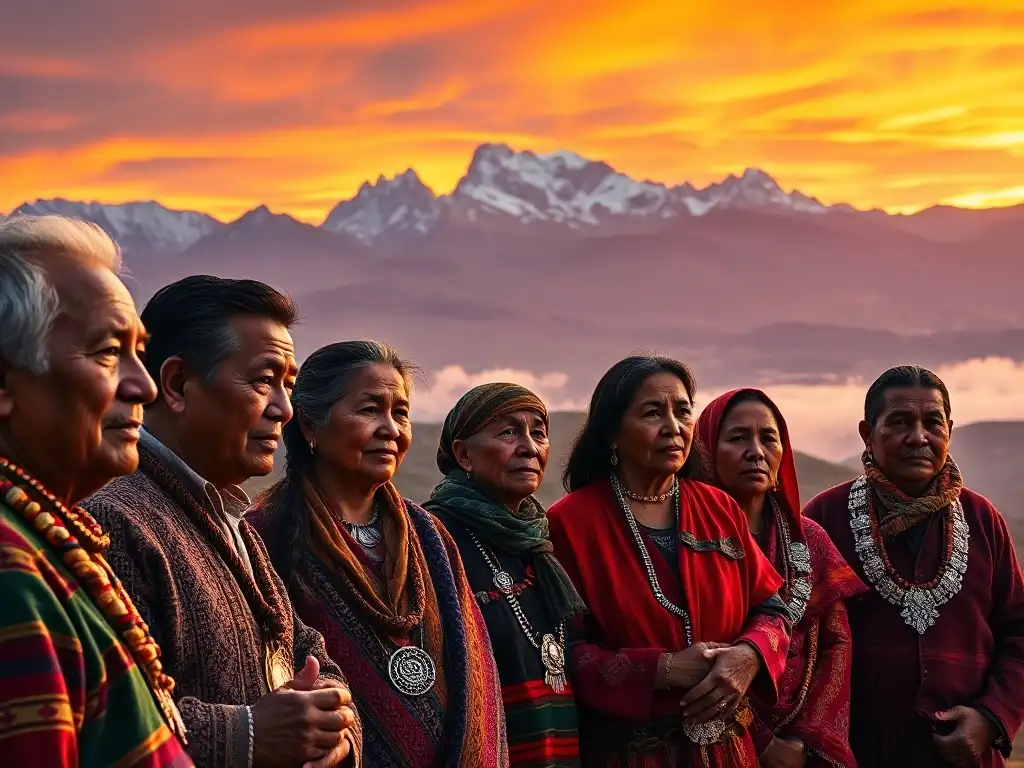
Uncover the enigmatic legacy of the Andes Mountains—a land sculpted by empires and echoing with forgotten voices. For centuries, the narrative of Andean civilizations has centered on grand monuments and mighty rulers. But what of the unsung heroes, the Andean indigenous political leaders who shaped the very fabric of these societies? This website delves into the rich tapestry of Andean history, culture, and innovation, and we invite you to explore the fascinating stories that await, beginning with the remarkable rise of indigenous leadership in a world forever changed by their influence. Prepare to be amazed.
The Andes Mountains, a spine of towering peaks stretching along the western edge of South America, have witnessed the rise and fall of countless empires. From the sophisticated irrigation systems of the Nazca to the intricate road networks of the Inca, the region boasts a rich tapestry of indigenous cultures. However, the legacy of colonialism and subsequent nation-building efforts have often marginalized these communities, silencing their voices and obscuring their contributions to the region's vibrant history.
This article explores the resurgence of Andean indigenous political leadership, examining the historical context that shaped their struggle and highlighting the significant impact these leaders are having on contemporary Andean politics. We will delve into the challenges they face, the strategies they employ, and the profound implications of their growing influence for the future of the region. Understanding this resurgence is crucial to comprehending the complex political landscape of the Andes and recognizing the vital role indigenous communities play in shaping their own destinies and contributing to a more inclusive and equitable future.
The rise of these leaders signifies not only a reclaiming of political space but also a powerful assertion of cultural identity and a renewed commitment to self-determination. This is a story of resilience, resistance, and the enduring power of indigenous voices in the Andes.
The Historical Context of Indigenous Marginalization in the Andes
The historical marginalization of indigenous communities in the Andes is a complex issue rooted in centuries of oppression. Following the Spanish conquest in the 16th century, indigenous populations faced systematic dispossession of their lands, forced labor ( encomienda and mita systems), and the suppression of their languages and cultural practices. This legacy of colonialism created deep-seated inequalities that persist to this day. The imposition of European administrative structures and legal systems often overlooked or actively undermined traditional indigenous governance systems.
Even after independence from Spain, many Andean nations continued policies that marginalized indigenous peoples, limiting their access to education, healthcare, and economic opportunities. This historical context is crucial to understanding the challenges faced by contemporary Andean indigenous political leaders and the significance of their achievements. The struggle for recognition and self-determination is not simply a contemporary issue; it’s a continuation of a long and arduous fight against systemic injustice.
The ongoing effects of this historical trauma are evident in various social and economic indicators, highlighting the need for sustained efforts to address the deep-rooted inequalities faced by indigenous communities. Examples include disproportionately high rates of poverty, limited access to quality education, and persistent discrimination in various sectors of society. Understanding this historical context is paramount to appreciating the remarkable achievements of indigenous leaders who are actively working to overcome this legacy of oppression.
The Emergence of Andean Indigenous Political Leaders
The late 20th and early 21st centuries have witnessed a significant shift in Andean politics, marked by the emergence of powerful indigenous political leaders. These leaders, often representing a wide range of indigenous groups including Quechua, Aymara, and others, have successfully challenged traditional power structures and gained significant political influence. Their rise is a testament to the resilience and organizing capacity of indigenous communities. Their strategies have varied, encompassing participation in formal political processes, mobilization of grassroots movements, and the strategic use of legal and international advocacy mechanisms.
Many of these leaders have championed issues such as land rights, environmental protection, cultural revitalization, and the recognition of indigenous self-governance. Their success is not uniform across the Andes, varying significantly depending on national contexts and the specific political landscape of each country. However, their collective impact is undeniable, forcing a re-evaluation of the role of indigenous communities in national politics and fostering a more inclusive dialogue about the future of the region.
The increasing visibility and influence of these leaders represent a significant step towards greater self-determination and a more equitable distribution of power in the Andean region. Their work highlights the importance of recognizing and respecting the diverse voices and perspectives within these communities and creating space for their meaningful participation in shaping the future of the Andes. The continued success and empowerment of these leaders are crucial for achieving lasting social and political change in the region.
Key Factors Contributing to the Rise of Indigenous Leadership
The resurgence of Andean indigenous political leaders is a complex phenomenon driven by a confluence of factors. It's not a single event but rather a gradual, evolving process fueled by decades of activism, social change, and shifting political landscapes. Understanding this rise requires examining several key contributing elements.
Increased Political Awareness Among Andean Communities
For decades, Andean communities faced systematic marginalization and oppression, often lacking access to education, healthcare, and basic human rights. However, increased access to information, facilitated by advancements in communication technology and growing literacy rates, has empowered indigenous populations. This has led to a heightened awareness of their rights, the injustices they have faced, and the potential for political participation to effect meaningful change.
The ability to share information and organize across geographical boundaries has been particularly impactful, fostering a sense of collective identity and shared purpose among disparate communities. This heightened awareness has translated into a greater demand for political representation that authentically reflects the needs and aspirations of Andean peoples. The spread of information regarding successful indigenous political movements in other parts of the world has also served as a powerful catalyst, inspiring hope and demonstrating the feasibility of achieving political goals.
Strengthening of Indigenous Organizations and Networks
The rise of strong indigenous organizations and networks has been crucial in facilitating the emergence of indigenous political leaders. These organizations provide platforms for collective action, advocacy, and political mobilization. They often coordinate efforts across different communities, building alliances and consolidating power.
The development of sophisticated organizational structures, including legal frameworks and advocacy strategies, has enabled these groups to effectively engage with state institutions and international bodies. Moreover, these organizations play a vital role in training and mentoring future indigenous leaders, equipping them with the necessary skills and knowledge to navigate the complexities of the political arena. The creation of effective communication channels and resource-sharing mechanisms within these networks has also been crucial in facilitating political action and promoting solidarity amongst indigenous communities.
The Impact of Progressive Social Movements in the Andes
The Andes have witnessed a surge in progressive social movements advocating for social justice, human rights, and environmental protection. These movements, often intertwined with indigenous rights activism, have created a fertile ground for the advancement of indigenous leaders. The shared struggles and collaborative efforts between indigenous and non-indigenous activists have broadened the base of support for indigenous political agendas.
The increasing visibility and legitimacy of indigenous claims, often amplified by these broader social movements, have created a more favorable environment for indigenous political participation. This collaborative approach has led to a more nuanced understanding of the interconnectedness of various social justice issues and has strengthened the overall advocacy efforts for indigenous rights. This synergy has been instrumental in achieving significant political and social reforms.
International Support for Indigenous Rights in the Andean Region
International organizations and human rights groups have played a significant role in supporting indigenous rights in the Andean region. This support has taken many forms, including financial assistance, technical expertise, advocacy efforts, and international pressure on governments to respect indigenous rights. International recognition of indigenous self-determination and the growing global awareness of the importance of indigenous voices in political processes have further strengthened the position of indigenous leaders.
The international spotlight on human rights abuses against indigenous communities has created accountability mechanisms, putting pressure on governments to address historical injustices and promote inclusive governance. This external support has been crucial in bolstering the capacity of indigenous organizations and empowering indigenous leaders to challenge dominant power structures.
Profiles of Prominent Andean Indigenous Political Figures
Several prominent indigenous leaders have emerged in recent decades, significantly impacting Andean politics. Their stories highlight the diverse paths to political influence and the enduring struggles for indigenous rights and representation.
Evo Morales: Background and Political Achievements
Evo Morales, a member of the Aymara indigenous group, became the first indigenous president of Bolivia in 2006. His presidency marked a significant turning point in Bolivian politics, prioritizing indigenous rights, social justice, and economic redistribution. His administration implemented policies aimed at empowering indigenous communities, including land reform, promotion of indigenous languages, and greater political inclusion.
While his presidency was marked by both successes and controversies, his election and subsequent policies represent a landmark achievement for indigenous political representation in the Andean region. His legacy remains a subject of ongoing debate, but his rise to power undeniably symbolized a shift in the political landscape.
Nina Pacari: Background and Political Achievements
Nina Pacari, a Kichwa indigenous leader from Ecuador, has been a prominent figure in Ecuadorian politics. She held various ministerial positions, including Minister of Foreign Affairs, and was a key advocate for indigenous rights and environmental protection. Pacari's political career has been characterized by her commitment to social justice and her efforts to promote the inclusion of indigenous perspectives in national policy-making. Her work highlights the importance of indigenous women in Andean politics and their crucial role in challenging patriarchal structures. Her contributions to the advancement of indigenous rights have significantly influenced political discourse and activism in Ecuador.
Alberto Pizango: Background and Political Achievements
Alberto Pizango, a leader of the Awajún indigenous people in Peru, is known for his activism and leadership during the Amazonian indigenous protests of 2009. His role in mobilizing indigenous communities against extractive industries and government policies that threatened their lands and livelihoods brought national and international attention to the plight of indigenous peoples in the Amazon.
While his political career has not followed a traditional path, his leadership during the protests exemplified the power of indigenous mobilization and its potential to influence national politics. His actions represent a powerful example of indigenous resistance and the vital role of grassroots activism in shaping political landscapes.
The Challenges Faced by Andean Indigenous Leaders
Navigating Complex Political Systems
Andean indigenous leaders often face the immense challenge of navigating complex and sometimes opaque political systems. These systems, often inherited from colonial structures, can be difficult to understand and navigate, particularly for those without formal political training or access to resources. Bureaucratic hurdles, convoluted legal processes, and a lack of transparency often hinder their efforts to advocate for their communities.
For example, securing land rights or accessing government funding for essential services can involve years of navigating bureaucratic red tape, requiring significant time, effort, and expertise. This often leaves leaders feeling overwhelmed and frustrated, hindering their ability to effectively represent their constituents' needs. Furthermore, the influence of powerful elites and vested interests can further complicate the political landscape, making it challenging for indigenous voices to be heard and acted upon.
Overcoming Historical Discrimination and Prejudice
The legacy of colonialism and historical discrimination continues to pose a significant obstacle for Andean indigenous leaders. Generations of marginalization and prejudice have created deep-seated biases and stereotypes that affect how indigenous leaders are perceived and treated within the political arena. This can manifest in overt racism and discrimination, but also in more subtle forms of prejudice, such as tokenism or the dismissal of indigenous perspectives as irrelevant or unimportant.
Overcoming this ingrained prejudice requires a sustained effort to raise awareness, challenge stereotypes, and promote inclusivity within political institutions. This is a long-term process that demands consistent engagement with wider society and a commitment to building bridges of understanding and mutual respect. Many leaders dedicate considerable time and energy to educational initiatives and public awareness campaigns to combat these deeply ingrained biases.
Securing Economic Resources and Support
Securing adequate economic resources and support is crucial for effective indigenous leadership. Many indigenous communities are economically disadvantaged, lacking the financial resources necessary to fund political campaigns, hire professional staff, or participate fully in the political process. This economic disparity often puts indigenous leaders at a disadvantage compared to their counterparts from wealthier backgrounds.
Furthermore, accessing funding from government programs or private donors can be challenging, often requiring extensive paperwork and a thorough understanding of complex funding requirements. The lack of economic resources can limit the effectiveness of indigenous leaders and hinder their ability to represent their communities' interests adequately. This necessitates creative strategies for resource mobilization and building stronger partnerships with organizations that can offer financial and logistical support.
Balancing Traditional Customs with Modern Political Demands
A key challenge for Andean indigenous leaders lies in balancing the preservation of traditional customs and values with the demands of modern political systems. Indigenous cultures often have unique governance structures, decision-making processes, and communication styles that may not align perfectly with the formal procedures and expectations of modern politics. This can lead to misunderstandings and conflicts, requiring leaders to negotiate skillfully between these different systems.
For example, achieving consensus within a community might involve extensive consultation and deliberation processes that differ substantially from the fast-paced decision-making of modern political institutions. Successfully navigating this requires a delicate balancing act, respecting both traditional ways of operating while adapting to the necessities of effective political engagement.
The Impact of Indigenous Leadership on Andean Politics
Policy Changes and Reforms Affecting Indigenous Communities
The rise of indigenous leaders has led to significant policy changes and reforms impacting Andean communities. Their active participation in the political process has resulted in the adoption of legislation aimed at protecting indigenous rights, promoting cultural preservation, and addressing historical injustices. These legislative changes have focused on areas such as land rights, access to education and healthcare, and the recognition of indigenous languages and traditional knowledge systems.
The specific policies vary across different Andean countries, reflecting the unique contexts and challenges faced by each community. However, the overall trend points towards a growing recognition of indigenous rights and a greater effort to incorporate indigenous perspectives into national policy-making.
Increased Representation in Government
The presence of indigenous leaders in government has increased significantly in recent years. This increased representation has resulted in a more inclusive and representative political system, where indigenous voices are being heard and considered in decision-making processes. While challenges remain, the growing number of indigenous representatives in national and regional legislatures, as well as in executive and judicial branches, demonstrates a gradual shift towards greater political participation and inclusion.
This expanded representation is not only symbolic but also leads to more effective advocacy for indigenous communities' needs and aspirations. The increased visibility of indigenous leaders serves as an inspiration for future generations and strengthens the political voice of indigenous peoples.
Amplification of Indigenous Voices in National Debates
Indigenous leaders have played a crucial role in amplifying indigenous voices in national debates on issues affecting their communities. They have actively challenged dominant narratives, brought attention to historical injustices, and advocated for policy changes that promote equity and social justice. Their participation in public forums, media appearances, and social movements has helped to raise awareness about indigenous issues and promote a greater understanding of indigenous perspectives.
This increased visibility and engagement have contributed to a shift in public opinion and a greater willingness to address the concerns of indigenous communities. The impact of this amplified voice is evident in the increasing recognition of indigenous rights and the growing support for policies that promote indigenous self-determination.
Promotion of Cultural Preservation and Language Revitalization
The leadership of indigenous representatives has been instrumental in promoting cultural preservation and language revitalization efforts. Through their advocacy and initiatives, they have worked to protect indigenous languages, traditions, and knowledge systems from erosion and extinction. This involves supporting educational programs that incorporate indigenous languages and cultural practices, promoting the use of indigenous languages in public spaces, and documenting and preserving traditional knowledge for future generations.
The efforts of indigenous leaders have been crucial in fostering a renewed sense of pride and identity within indigenous communities, empowering them to maintain their cultural heritage and pass it on to future generations. This revitalization is not just about preserving the past, but also about creating a more vibrant and diverse future for Andean cultures.
The Future of Indigenous Political Participation in the Andes
The future of Andean indigenous political participation hinges on several crucial factors. Continued progress requires a multifaceted approach that addresses historical injustices, promotes inclusivity, and empowers indigenous communities to actively shape their own destinies. The fight for equitable representation is far from over, and the challenges are significant.
However, the growing awareness of indigenous rights and the increasing visibility of indigenous leaders offer a beacon of hope for a more just and representative future in the Andean region. The path forward necessitates a strong commitment from governments, civil society organizations, and international bodies to support indigenous communities in their pursuit of self-determination. This includes providing resources for education, infrastructure development, and economic empowerment, as well as ensuring that indigenous voices are heard and respected in all levels of political decision-making.
Failure to address these issues risks perpetuating cycles of marginalization and inequality. Success, however, will pave the way for a more inclusive and prosperous future for all.
The Importance of Continued Engagement and Advocacy
Sustained engagement and advocacy are paramount to achieving meaningful change in Andean indigenous political participation. This requires a long-term commitment from indigenous leaders, organizations, and their allies. Continued advocacy efforts must focus on raising awareness about the challenges faced by indigenous communities, lobbying for policy changes that promote indigenous rights, and holding governments accountable for their commitments. Regular dialogue with government officials, participation in public forums, and strategic media engagement are vital tools in this ongoing struggle.
Furthermore, building strong networks and alliances with other advocacy groups and international organizations can amplify the voices of indigenous communities and increase their influence on the political landscape. The power of collective action cannot be underestimated in this fight for justice and equality. Only through persistent and coordinated efforts can meaningful progress be made.
The Role of Education and Empowerment
Education and empowerment are fundamental pillars in fostering greater political participation among Andean indigenous communities. Access to quality education, particularly in indigenous languages, is crucial for preserving cultural identity and developing the skills necessary for effective political engagement. Educational programs should emphasize critical thinking, leadership development, and civic participation. Empowerment initiatives should focus on building the capacity of indigenous communities to manage their own affairs, advocate for their rights, and participate effectively in political processes.
This includes providing training in areas such as negotiation, advocacy, and political strategy, as well as supporting the development of indigenous-led organizations and institutions. Investing in education and empowerment is not merely a matter of social justice; it is a strategic investment in the future of the Andean region. An educated and empowered indigenous population is essential for building a more inclusive and equitable society.
Building Alliances with Other Marginalized Groups
Building alliances with other marginalized groups is crucial for amplifying the voices of Andean indigenous communities and achieving broader social justice. By forging alliances with other groups facing similar challenges, such as women, Afro-descendants, and LGBTQ+ communities, indigenous communities can create a powerful coalition to advocate for shared goals. These alliances can increase political influence, enhance resource mobilization, and create a more effective platform for social change.
Working together, these groups can challenge systemic inequalities and advocate for policies that benefit all marginalized communities. Such collaborations are essential for building a more just and equitable society for everyone. The strength lies in unity, and shared struggles can forge powerful bonds that lead to lasting change.
The Ongoing Struggle for Self-Determination and Social Justice
The ongoing struggle for self-determination and social justice remains a central theme in the pursuit of greater political participation for Andean indigenous communities. This struggle encompasses a wide range of issues, including land rights, resource control, cultural preservation, and access to essential services. Self-determination involves the ability of indigenous communities to make their own decisions about their lives and futures, free from external interference.
Achieving social justice requires addressing historical injustices, dismantling discriminatory structures, and ensuring that indigenous communities have equal opportunities to participate in all aspects of society. This ongoing struggle requires persistent advocacy, effective mobilization, and a unwavering commitment to the principles of human rights and equality. The fight for self-determination and social justice is not merely a political struggle; it is a fundamental human rights issue.
The Significance of Andean Indigenous Political Participation for Andean Civilizations Today
The increased political participation of Andean indigenous communities holds profound significance for the preservation and revitalization of Andean civilizations today. Their engagement in political processes directly impacts the safeguarding of indigenous languages, cultural practices, and traditional knowledge systems. Indigenous leaders play a crucial role in advocating for policies that protect ancestral lands, promote sustainable resource management, and support the economic development of their communities.
Their participation ensures that the unique perspectives and experiences of indigenous peoples are incorporated into national development strategies, promoting a more inclusive and equitable society. Furthermore, the growing visibility of indigenous leaders serves as an inspiration for younger generations, fostering a sense of pride and cultural identity. The resurgence of indigenous voices in the political sphere is not just a political phenomenon; it is a vital element in the ongoing struggle to preserve and celebrate the rich cultural heritage of the Andean region.
Their continued political engagement is essential for shaping a future where both indigenous traditions and modern advancements can coexist and thrive. This vibrant participation enriches the entire region, ensuring a future where diverse voices shape its destiny.
- The Historical Context of Indigenous Marginalization in the Andes
- The Emergence of Andean Indigenous Political Leaders
- Key Factors Contributing to the Rise of Indigenous Leadership
- Profiles of Prominent Andean Indigenous Political Figures
- The Challenges Faced by Andean Indigenous Leaders
- The Impact of Indigenous Leadership on Andean Politics
- The Future of Indigenous Political Participation in the Andes
- The Significance of Andean Indigenous Political Participation for Andean Civilizations Today
- What role did indigenous leaders play in pre-Columbian Andean societies?
- How did the Spanish conquest affect Andean indigenous political leadership?
- Were there any successful examples of indigenous resistance to Spanish rule through political means?
- How did indigenous political structures influence the development of modern Andean nations?
- Where can I find more information about specific Andean indigenous political leaders?
Frequently Asked Questions
What role did indigenous leaders play in pre-Columbian Andean societies?
Pre-Columbian Andean societies were structured around powerful indigenous leaders, often considered divine or semi-divine. These leaders controlled vast resources and wielded significant influence over their people, shaping societal structures and practices. Their power varied across different civilizations.
How did the Spanish conquest affect Andean indigenous political leadership?
The Spanish conquest dramatically altered the Andean political landscape. Many indigenous leaders were killed or deposed, and the Spanish imposed a new colonial system that marginalized native authority. However, indigenous leadership persisted, albeit in modified forms, often adapting to survive under colonial rule.
Were there any successful examples of indigenous resistance to Spanish rule through political means?
Yes, numerous examples exist. Indigenous leaders often used diplomacy, negotiation, and even rebellion to resist Spanish dominance. Though frequently suppressed, these actions demonstrate the resilience of indigenous leadership and their continuous fight for autonomy. The Inca resistance, for example, lasted decades.
How did indigenous political structures influence the development of modern Andean nations?
Indigenous political structures, though significantly altered by colonialism, continue to influence modern Andean nations. Many contemporary political movements and identities draw upon pre-Columbian traditions and forms of leadership, reflecting a lasting legacy of indigenous governance.
Where can I find more information about specific Andean indigenous political leaders?
Numerous academic resources exist, including books, journals, and online databases focusing on Andean history. Searching for specific civilizations (Inca, Moche, Nazca, etc.) alongside terms like "leaders," "rulers," and "chiefs" will yield relevant results. Museums and archaeological sites also provide invaluable information.
Final Reflection: Echoes of Resistance, Whispers of Hope
The resurgence of Indigenous leadership in Andean politics is not merely a historical trend; it is a vital, ongoing struggle for self-determination and a more equitable future. The voices of those long silenced are now demanding to be heard, challenging deeply entrenched power structures and demanding recognition of their ancestral rights and knowledge. This shift represents a powerful wave of change, one that reverberates across the continent and beyond.
The impact of this renewed Indigenous political presence is profound and multifaceted. It challenges the very foundations of colonial legacies that have marginalized and oppressed these communities for centuries. Their participation in the political sphere is not just about securing better living conditions; it's about reclaiming their cultural identity, preserving their traditions, and shaping a future where their perspectives are valued and integrated into the decision-making processes that affect their lives. The struggle for Indigenous rights is not just a fight for land and resources, but a fight for the very soul of our nations.
This quote encapsulates the deep-seated significance of this movement, highlighting the inextricable link between political empowerment and cultural survival.
Consider the stories shared within this article. Reflect on the challenges these leaders face, the resilience they demonstrate, and the vision they hold for their communities. You, the reader, hold a crucial role in amplifying their voices and supporting their efforts. Learn more, engage in respectful dialogue, and advocate for policies that promote Indigenous rights and self-governance. Let the echoes of their resistance inspire you to become an active participant in building a more just and equitable world, a world where the voices of the Andean Indigenous are not just heard, but truly valued and empowered.
Empower Change: Join the Movement for Indigenous Voices!
Thank you for exploring the inspiring journey of Indigenous leaders in Andean politics. Your interest in this vital topic helps elevate the conversation surrounding representation and empowerment. Let's translate that inspiration into action!
Here are some impactful ways you can support Indigenous voices in your community and beyond:
- Connect with Indigenous organizations locally or online to learn about their work and offer your support.
- Share this information with your network to raise awareness about the importance of Indigenous leadership.
- Attend or organize a local event focused on Indigenous issues. Your participation can make a real difference.
What steps will you take today to uplift Indigenous voices and build a more inclusive future?