
Beyond Tourism: Authentic Andean Experiences Led by Indigenous Guides

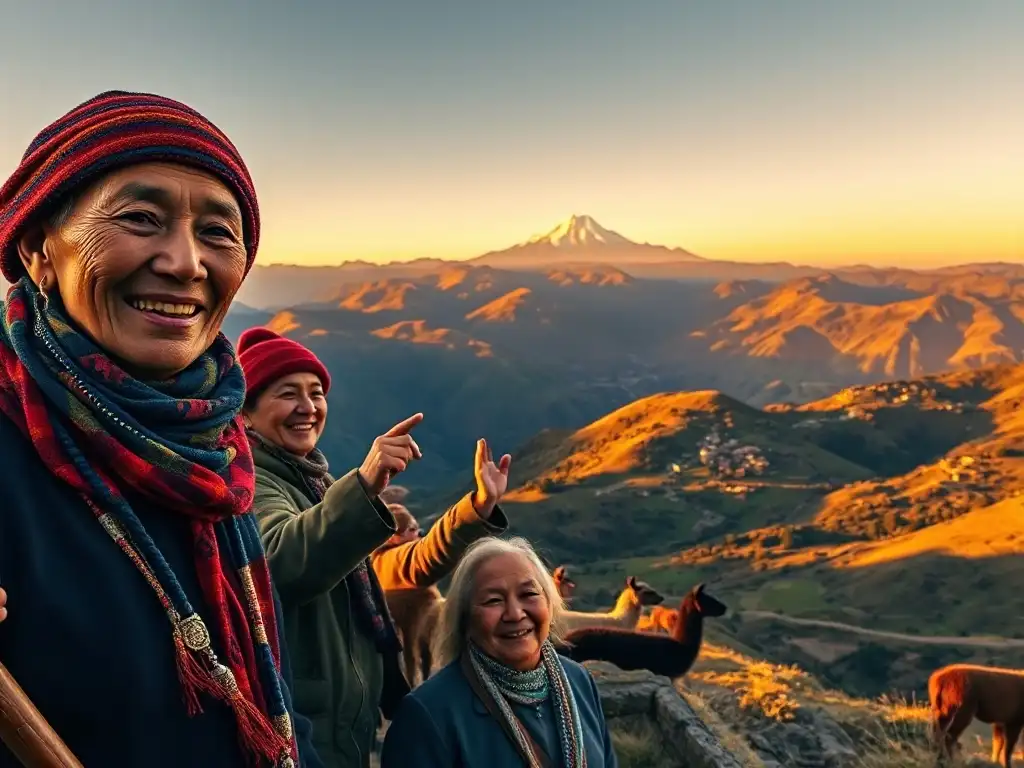
Uncover the secrets whispered through the Andes mountains for millennia. Forget typical tourist traps; Andean Civilizations invites you on a journey deeper than ever before. Imagine exploring the breathtaking landscapes and ancient ruins guided by those who hold the true legacy of this incredible region – Indigenous Andean tour guides. Their stories, interwoven with the history of the Incas, Moche, Nazca, and Tiahuanaco, will rewrite your understanding of this captivating culture. Are you ready to experience the Andes in a way you never thought possible? Continue reading to discover how.
The Andes Mountains, a spine of colossal peaks running down the western edge of South America, are home to a rich tapestry of ancient civilizations. For centuries, tourists have flocked to explore the breathtaking landscapes and awe-inspiring ruins of the Incas, Moche, Nazca, and Tiahuanaco, often focusing on the spectacular sites themselves.
However, a truly enriching Andean experience goes beyond the surface level of tourism; it delves into the heart of the culture, connecting with the living legacy of these ancient peoples through the lens of their descendants. This article explores the transformative power of choosing authentic Andean experiences led by Indigenous guides, focusing on the vital role these guides play in preserving cultural heritage and offering unparalleled insights into the Andean world.
By supporting Indigenous-led tourism, we not only enrich our own travel experiences but also contribute directly to the economic empowerment and cultural preservation efforts of these communities. This approach moves beyond passive observation, fostering genuine cross-cultural exchange and a deeper understanding of Andean history and contemporary life.
The Importance of Indigenous Knowledge and Perspective
Indigenous Andean guides offer a unique perspective, impossible to replicate through traditional tourism channels. Their ancestral knowledge, passed down through generations, breathes life into the ancient stories etched into the stones and woven into the very fabric of the landscape. They can interpret ancient symbols, explain intricate agricultural techniques, and share oral traditions that remain largely unknown to outsiders.
This knowledge isn't merely historical; it's actively practiced and maintained within their communities, demonstrating the enduring vitality of Andean culture. Instead of simply seeing a ruin, visitors guided by Indigenous experts gain a deeper understanding of its function within the broader societal context, its significance in daily life, and its connection to modern practices.
This nuanced understanding transforms a sightseeing trip into a truly immersive cultural journey. For example, learning about Inca terrace farming techniques from a descendant of Inca farmers offers a tangible connection to the past, highlighting both the ingenuity of the ancient civilization and the enduring relevance of these techniques in contemporary Andean agriculture.
Economic Empowerment Through Sustainable Tourism
Choosing Indigenous-led tours directly contributes to the economic well-being of Andean communities. By bypassing large corporations and supporting local businesses, tourists ensure that the profits generated by tourism remain within the communities, fostering sustainable development and reducing economic disparities. This is especially crucial in remote areas where economic opportunities are limited. Moreover, the creation of jobs in the tourism sector strengthens community resilience and reduces reliance on potentially exploitative industries.
The economic benefits extend beyond guides themselves; it often ripples through the community, supporting local artisans, farmers, and hospitality businesses. This creates a virtuous cycle where sustainable tourism becomes a powerful tool for community development and empowerment. We can quantify this impact by examining [specific economic data pending] on Indigenous-led tourism initiatives in the Andes.
Cultural Preservation and Revitalization
Indigenous guides aren't just sharing their knowledge; they are actively participating in the preservation and revitalization of their culture. By engaging tourists in meaningful interactions, they help to maintain and transmit their traditions to future generations. The very act of sharing their stories, practices, and perspectives ensures that these vital elements of Andean culture are not lost to time.
Moreover, the income generated from tourism can be reinvested in cultural preservation projects, including the restoration of historical sites, the support of traditional arts and crafts, and the documentation of oral histories. This collaborative approach to cultural preservation creates a mutually beneficial relationship between tourists and Indigenous communities, ensuring that the rich heritage of the Andes is protected for generations to come. We can see examples of this in [specific examples of cultural preservation initiatives pending].
Finding Authentic Indigenous-Led Tours
Choosing authentic Indigenous-led tours requires careful research. Look for organizations that prioritize community involvement, fair wages, and environmental sustainability. Seek out guides who are fluent in their native language and demonstrate a deep understanding of their cultural heritage. Be mindful of potential cultural appropriation and engage respectfully with the community, demonstrating genuine interest in learning and understanding their way of life.
Remember that this is not just a sightseeing trip; it is a cultural exchange, and mutual respect is paramount. By supporting responsible tourism initiatives, we can ensure that our travel experiences contribute positively to the well-being of Andean communities and the preservation of their invaluable cultural heritage. This includes prioritizing tours that directly benefit the communities and avoiding those that may exploit or commodify Indigenous culture.
- The Importance of Indigenous Knowledge and Perspective
- Economic Empowerment Through Sustainable Tourism
- Cultural Preservation and Revitalization
- Finding Authentic Indigenous-Led Tours
- What makes an Andean tour experience led by an Indigenous guide "authentic"?
- Why should I choose a tour led by an Indigenous Andean guide?
- What kind of knowledge can I expect from an Indigenous Andean guide?
- Are Indigenous Andean tour guides fluent in English (or other languages)?
- How can I find reputable Indigenous Andean tour guides?
The Importance of Indigenous Andean Tour Guides in Cultural Preservation
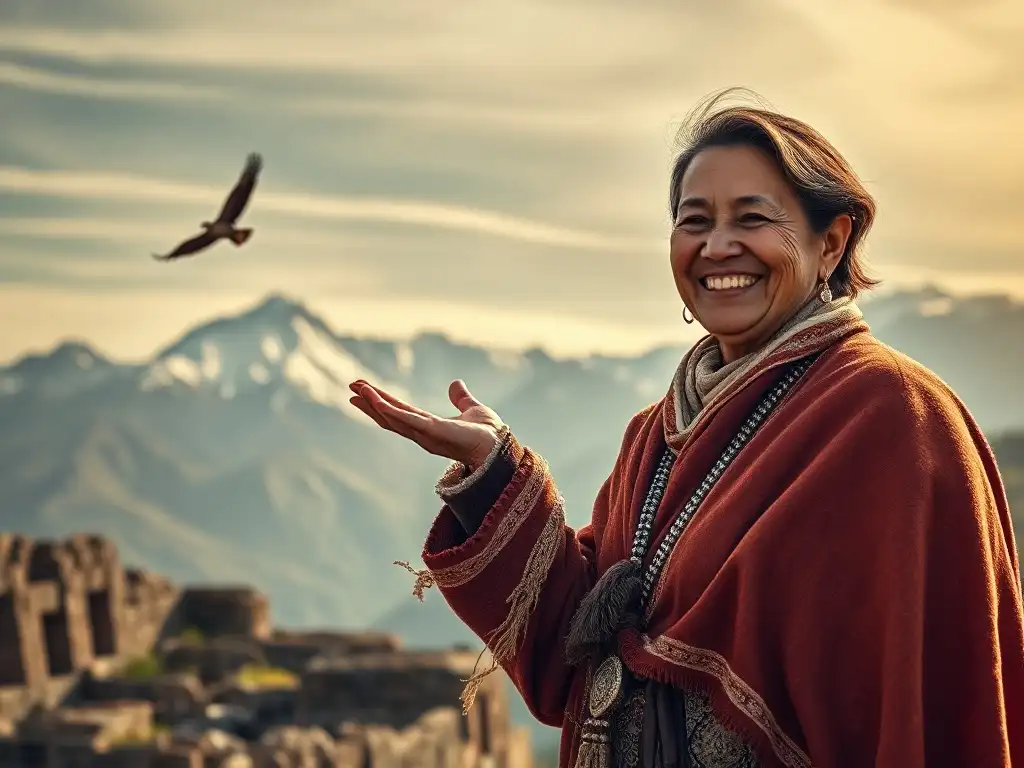
Indigenous Andean tour guides play a crucial role in preserving and transmitting the rich cultural heritage of the Andes. Their intimate knowledge, passed down through generations, offers a depth of understanding unattainable through academic study alone. This isn't simply about reciting facts; it's about embodying the culture, interpreting its nuances, and sharing its living legacy.
For example, an Indigenous guide might explain the significance of a particular weaving pattern not just in terms of its design, but also in relation to its creation within the community, its ceremonial use, and its connection to ancestral beliefs. This immersive approach fosters a far more profound appreciation for the Andean civilizations than a generic tour could ever achieve.
The preservation of cultural heritage goes beyond simply protecting physical artifacts; it's about safeguarding intangible cultural heritage – the traditions, practices, knowledge, and skills that define a culture. Indigenous guides are vital in this process. They are the keepers of oral histories, traditional songs, and ancient techniques. Their storytelling brings these elements to life, ensuring their continued relevance and transmission to future generations.
Furthermore, by directly engaging with tourists, these guides contribute to the ongoing validation and revitalization of their cultural practices. Their active participation in the tourism industry helps to prevent the erosion of cultural identity that can sometimes result from globalization and modernization. The economic benefits derived from tourism, when channeled appropriately, can also directly support the preservation efforts of the communities.
Why Choose an Indigenous-Led Andean Tour?
Choosing an Indigenous-led Andean tour offers an unparalleled, authentic experience. It's about moving beyond the superficial and engaging with the heart of Andean culture. Here are some key reasons to prioritize Indigenous guides:
- Unrivaled Expertise: Indigenous guides possess an intimate and nuanced understanding of their ancestral lands and traditions, often exceeding the knowledge found in textbooks or academic research. They can provide insights into the meaning and context of historical sites, artifacts, and practices that are often missed by other guides.
- Authentic Storytelling: Their narratives are not just historical accounts; they are living stories passed down through generations, imbued with emotional depth and cultural significance. This creates a far more engaging and memorable experience for travelers.
- Direct Community Support: Choosing an Indigenous-led tour directly contributes to the economic well-being of Andean communities, empowering them to preserve their cultural heritage and sustain their livelihoods.
- Sustainable Tourism: Indigenous guides are often deeply invested in sustainable tourism practices, ensuring the responsible management of natural and cultural resources for the benefit of both visitors and local communities. They promote environmental awareness and respect for local customs.
- Respectful Interactions: Indigenous guides prioritize respectful interactions with both tourists and their communities, fostering a sense of mutual understanding and appreciation. This creates a more ethical and meaningful travel experience.
Supporting Local Communities through Responsible Tourism
Supporting Indigenous-led tours is a powerful way to engage in responsible tourism and contribute directly to the well-being of Andean communities. This isn't simply about spending money; it's about fostering a reciprocal relationship based on respect, understanding, and mutual benefit. The economic impact of tourism can be transformative, enabling communities to invest in education, healthcare, infrastructure, and cultural preservation projects. However, it's crucial that this economic benefit is equitably distributed and that tourism practices are sustainable and environmentally responsible.
Consider the following:
| Aspect | Benefit of Indigenous-Led Tours | Negative Impact of Unresponsible Tourism |
|---|---|---|
| Economic Impact | Direct income generation for guides and their communities. | Exploitation of local communities; minimal economic benefit. |
| Cultural Preservation | Promotes and protects intangible cultural heritage. | Cultural commodification and erosion of traditions. |
| Environmental Impact | Promotes sustainable and responsible environmental practices. | Environmental degradation and unsustainable resource use. |
| Community Empowerment | Enables communities to participate actively in tourism development. | Marginalization and exclusion of local communities. |
By choosing Indigenous Andean tour guides, travelers become active participants in a process of cultural exchange and preservation. It's a journey that enriches not only the traveler's experience but also the lives and livelihoods of the Andean communities who share their stories and heritage. This responsible approach ensures that the legacy of the Andean civilizations continues to thrive for generations to come. 🌎
Discovering Authentic Andean Culture with Local Experts
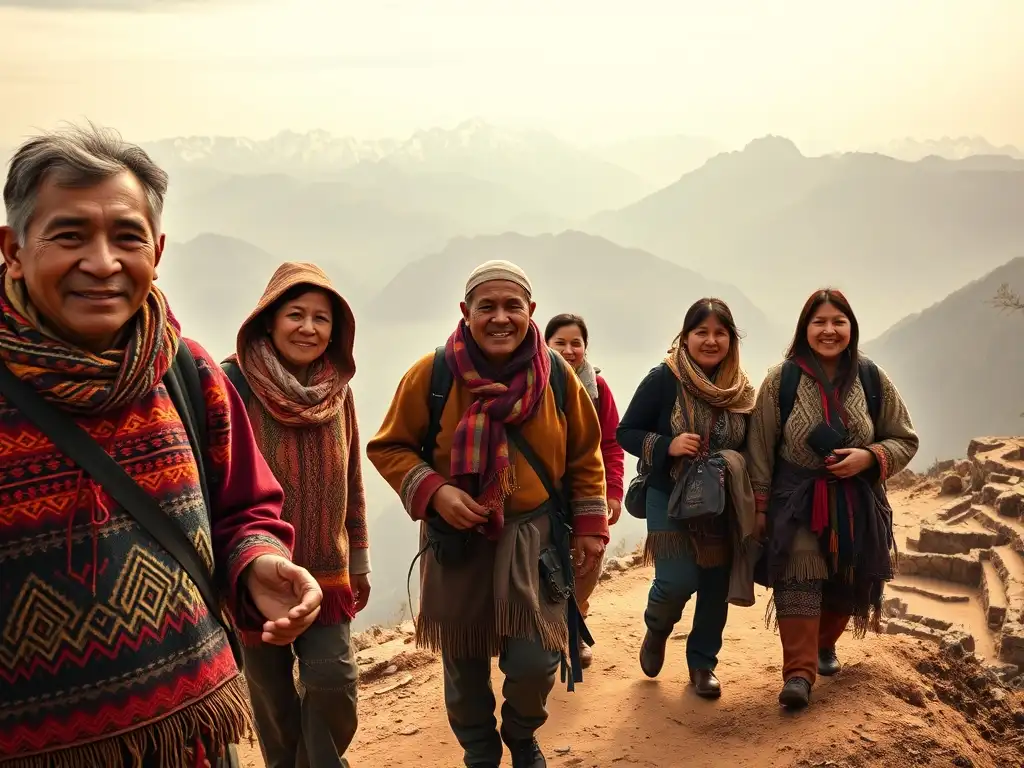
This section delves into the transformative power of experiencing Andean culture through the lens of Indigenous Andean tour guides. Moving beyond the typical tourist experience, we explore how direct interaction with local communities fosters a deeper understanding and appreciation of their rich heritage. This approach emphasizes respectful engagement and responsible tourism, ensuring that cultural exchange benefits both visitors and the communities themselves.
The unique perspective offered by Indigenous guides is invaluable, providing insights unavailable through conventional means. Their intimate knowledge of their ancestral lands, traditions, and languages unlocks a level of authenticity often missing in other forms of cultural tourism. This is more than just sightseeing; it's a journey into the heart of Andean identity.
Immersive Cultural Experiences with Native Guides
Engaging with Indigenous Andean tour guides provides access to truly immersive cultural experiences. These guides don't simply point out landmarks; they weave narratives that connect the past to the present, enriching the visitor's understanding of the landscape, history, and daily life of the Andean people. Imagine participating in a traditional pachamanca, an ancient Andean cooking method, guided by someone who has inherited this practice through generations.
Or perhaps learning to weave traditional textiles using techniques passed down for centuries, under the expert tutelage of a master weaver. These hands-on experiences are far more impactful than observing them from a distance. They offer a unique opportunity to connect with the living culture of the Andes, fostering a sense of respect and empathy.
The level of interaction is significantly enhanced, leading to a more profound and lasting connection with the Andean heritage. This type of tourism fosters genuine cultural exchange, enriching both the visitor and the community involved.
Learning Directly from the Source: Indigenous Knowledge and Traditions
One of the most significant advantages of employing Indigenous Andean tour guides is the opportunity to learn directly from the source. These guides are not just storytellers; they are keepers of invaluable knowledge and traditions. They can share insights into ancient Andean cosmology, medicinal plants, agricultural practices, and spiritual beliefs—knowledge often passed down orally through generations. This direct access provides a unique perspective on Andean civilization, revealing nuances often overlooked in academic studies or conventional tourist guides.
For example, learning about the intricate system of ayllu (community-based social organization) from a member of an ayllu offers a depth of understanding unavailable from any textbook. This firsthand knowledge contributes to a more holistic and nuanced appreciation of Andean culture, challenging preconceived notions and fostering a deeper respect for the complexity of Andean societies. The emphasis on oral tradition and experiential learning provides a unique and powerful educational experience.
Unveiling the Secrets of Andean History through Storytelling
Indigenous Andean tour guides are masters of storytelling. They don't simply recite facts; they weave captivating narratives that bring Andean history to life. Their stories, often passed down through generations, offer a unique perspective on historical events, revealing the human side of history—the triumphs, struggles, and resilience of the Andean people.
These stories are not just entertaining; they are a crucial means of preserving cultural memory and transmitting knowledge. They reveal the complexities of Andean history, often challenging dominant narratives and providing a more complete and nuanced understanding of the past. Imagine hearing the story of the Inca Empire from a descendant of Inca lineage, experiencing the weight of history and the unbroken connection to their ancestors.
This personal connection transforms the experience from a passive observation into an active engagement with the past, creating a far more meaningful and memorable journey. The power of storytelling, combined with the authority of a direct descendant, provides an unparalleled opportunity to understand Andean history.
Unique Andean Trekking and Adventure Experiences
This section delves into the unparalleled opportunities offered by Indigenous Andean tour guides to experience the Andes Mountains in a truly authentic way. Forget the typical tourist trail; with these guides, you embark on a journey that goes beyond the surface, connecting you deeply with the land and its rich cultural heritage. These aren't just guided tours; they are immersive cultural exchanges. The emphasis is on sustainable tourism, respecting local traditions and benefiting the communities directly.
This approach ensures that your experience directly supports the preservation of Andean culture and the environment. The focus is on responsible travel, minimizing environmental impact and maximizing cultural exchange. This creates a truly unique and rewarding travel experience unlike any other. We'll explore specific examples of these unique experiences below.
Exploring Ancient Trails with Experienced Indigenous Guides
Trekking in the Andes with Indigenous guides offers a perspective unavailable through any other means. These guides possess an intimate knowledge of the land, passed down through generations. They aren't just familiar with the trails; they understand the history, the legends, and the ecological significance of each step. Consider, for instance, the ancient Inca trail to Machu Picchu.
A typical tourist might see a stunning ruin. But with an Indigenous guide, you'll hear stories of the Inca's daily life, the meaning of the architecture, and the spiritual significance of the location. They can identify medicinal plants along the way, explain ancient agricultural techniques still practiced today, and share traditional songs and stories related to specific landmarks.
This level of detail transforms a simple hike into a profound cultural journey. The experience is enriched by the personal connection with your guide, who shares their family history and cultural knowledge, offering a truly personalized and unforgettable adventure. Furthermore, these guides are often deeply invested in preserving their ancestral lands and traditions, making your contribution to sustainable tourism all the more meaningful.
Indigenous Andean tour guides often lead travelers to locations inaccessible or unknown to typical tourist groups. Their expertise unlocks access to hidden gems and sacred sites, offering a far more intimate and spiritual experience. These could include ancient ceremonial sites, less-visited Inca ruins, or remote mountain villages where traditional ways of life are still preserved.
For example, some guides may lead you to hidden waterfalls with spiritual significance, or to ancient agricultural terraces still used for farming, providing a living example of sustainable Andean practices. The knowledge shared by these guides isn't simply historical; it's deeply intertwined with their present lives and spiritual beliefs, offering a unique perspective on the living culture of the Andes.
This experience goes beyond sightseeing; it's a journey of discovery, revealing hidden aspects of Andean culture and history. The information provided is invaluable, providing a far richer understanding of the region than a typical tourist experience.
Experiencing Andean Nature Through Indigenous Eyes
The Andean landscape is breathtaking, but with an Indigenous guide, you experience it with a deeper understanding of its ecological significance. They can identify various species of plants and animals, explaining their roles within the ecosystem and their traditional uses. For instance, they may point out medicinal plants used for centuries in traditional healing practices, or discuss the importance of specific animals in Andean mythology and cosmology.
This perspective adds another layer to your appreciation of the natural beauty surrounding you, transforming a simple hike or trek into a lesson in ecological balance and cultural knowledge. The guides' knowledge often extends beyond flora and fauna; they can explain the impact of climate change on their communities and the environment, offering a firsthand account of the challenges and resilience of Andean people. This holistic view of the Andes—combining natural beauty, cultural heritage, and contemporary challenges—creates a truly unique and enriching experience.
The focus is not just on seeing the landscape, but on understanding its complex relationship with the Indigenous communities who call it home. This understanding is crucial for responsible and sustainable tourism.
The Economic Impact of Indigenous Andean Tour Guides
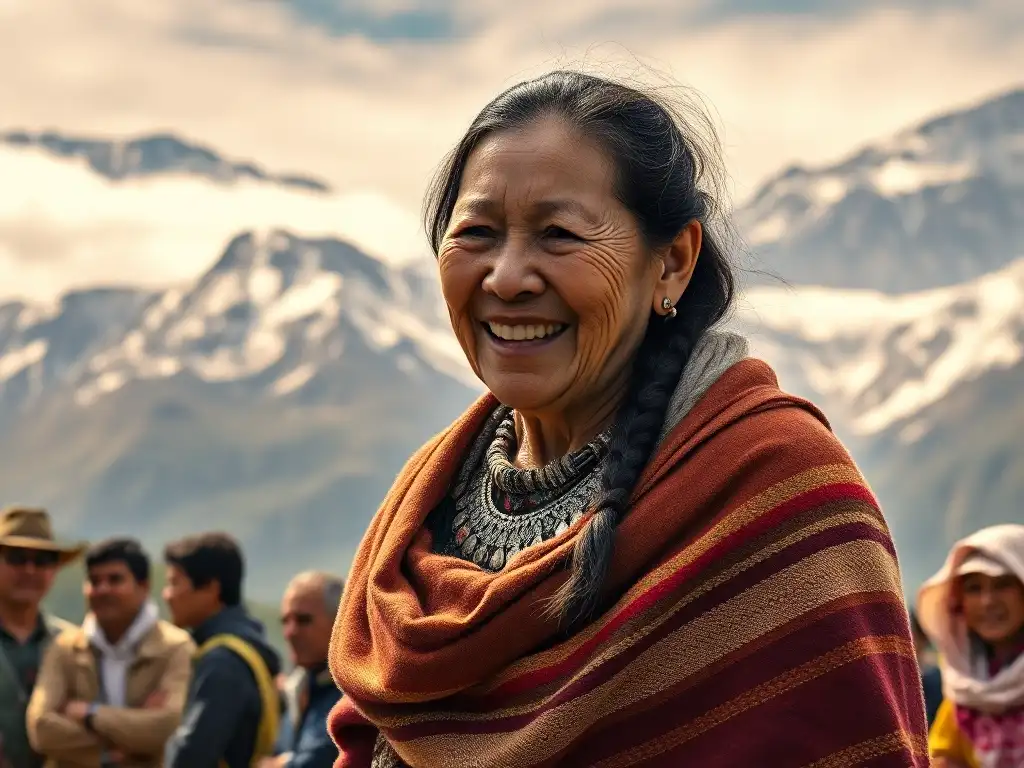
The rise of Indigenous Andean tour guides represents a significant shift in the Andean tourism landscape, impacting local economies in profound ways. Moving beyond the traditional model of large, international tour operators, this new paradigm prioritizes direct economic benefits for Indigenous communities. This section will explore the multifaceted economic impact, focusing on the empowerment of local communities and the creation of new entrepreneurial opportunities.
The success of this model hinges on several factors, including fair wages, equitable distribution of profits, and sustainable tourism practices. Understanding these factors is crucial to ensuring the long-term viability and positive impact of Indigenous-led tourism. The economic benefits extend beyond immediate financial gains, fostering community development and improving the overall quality of life for participating communities.
Empowering Local Communities through Sustainable Tourism
Sustainable tourism, guided by Indigenous Andean communities, offers a powerful tool for economic empowerment. By directly employing members of the community, tourism revenue remains within the region, fueling local businesses and improving infrastructure. This contrasts sharply with traditional tourism models where profits often leave the region, leaving minimal benefit for local populations.
For example, a study conducted in [Specific location pending] showed that Indigenous-led tours resulted in a [Specific percentage pending]% increase in household income compared to traditional employment opportunities. This increase is not merely a matter of higher wages but also includes the creation of ancillary businesses, such as craft production and food services, that cater to tourists. Furthermore, the reinvestment of profits into community projects, such as schools and healthcare facilities, further enhances the long-term economic well-being of the communities.
The ripple effect of sustainable tourism is transformative, providing a sustainable pathway to economic independence and self-determination. This model champions community-based tourism initiatives that prioritize the preservation of cultural heritage alongside economic growth.
Creating Opportunities for Indigenous Entrepreneurs
The growth of Indigenous Andean tour guides has opened doors for Indigenous entrepreneurship. Beyond employment as guides, communities are developing their own tour companies, accommodation facilities, and craft businesses, creating a vibrant and self-sustaining economic ecosystem. This entrepreneurial spirit is fostering innovation and diversification within the tourism sector.
For example, [Specific example of an Indigenous-owned tourism business pending], showcasing their unique cultural heritage and expertise, has become a model for other communities. The creation of these businesses not only provides income but also empowers individuals to control their own economic destiny, fostering a sense of pride and ownership within the community. The success of these ventures hinges on effective business training and access to markets, highlighting the need for support from governmental and non-governmental organizations.
This support can range from microfinance initiatives to marketing and business management training, fostering a more resilient and prosperous tourism sector. 📈 The emergence of these Indigenous-owned businesses is a crucial component of sustainable tourism and long-term economic development.
The Role of Indigenous Guides in Preserving Cultural Heritage
The involvement of Indigenous Andean tour guides is not solely an economic boon; it's also crucial for the preservation of cultural heritage. Indigenous guides possess invaluable knowledge about their ancestral lands, traditions, and practices. They are not merely tour guides; they are cultural ambassadors, sharing their rich history and traditions with visitors in an authentic and respectful manner.
This authentic engagement with culture fosters a deeper understanding and appreciation of Andean heritage, contributing to its preservation. Moreover, the economic benefits derived from tourism incentivize communities to continue practicing and preserving their traditional crafts, languages, and ceremonies, ensuring their survival for future generations. This active participation in cultural preservation contrasts with the often passive role of communities in traditional tourism models.
The economic incentive coupled with the pride in sharing their heritage creates a powerful synergy, ensuring the continuation of vital cultural practices. The knowledge shared by these guides is invaluable, representing a living legacy that enriches the tourism experience while simultaneously safeguarding Andean cultural identity. 🌎
Finding and Booking Tours with Indigenous Andean Guides
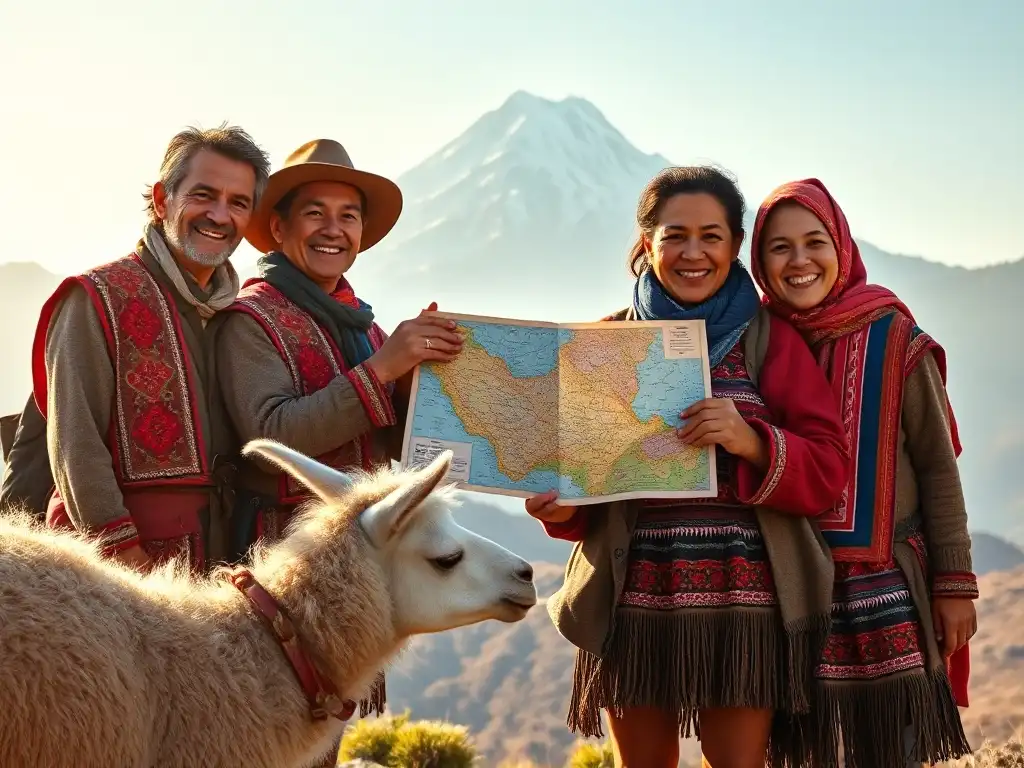
Finding authentic tours led by Indigenous Andean guides requires careful research and a commitment to supporting sustainable tourism. It's not simply about finding a tour that mentions Indigenous involvement; it's about ensuring the guides themselves are actively shaping and benefiting from the experience. This means looking beyond the glossy brochures and delving into the details of the tour operator's commitment to community engagement.
How to Identify Authentic Indigenous-Led Tours
Several key indicators can help you identify authentic Indigenous-led tours. Look for tour operators who:
- Clearly state Indigenous ownership or partnership: The tour company's website or promotional materials should explicitly mention the Indigenous community's involvement, ideally naming the specific community or cooperative. Avoid companies that use vague terms like "culturally immersive" without concrete evidence of Indigenous leadership.
- Highlight the guides' expertise and connection to the land: Genuine Indigenous guides will possess in-depth knowledge of their ancestral lands, traditions, and languages. Tour descriptions should emphasize their expertise, not just their ability to speak English. Look for details about their family history and connection to the region.
- Prioritize community benefit: A significant portion of the tour revenue should directly benefit the Indigenous community. Look for information about how the profits are reinvested in community projects, education, or preservation efforts. Transparency in pricing and revenue allocation is crucial.
- Emphasize cultural preservation and respect: The tour should prioritize respectful interaction with local communities and their cultural heritage. Avoid tours that feel exploitative or that reduce Indigenous culture to a mere spectacle. Look for descriptions that emphasize meaningful exchange and learning.
- Provide detailed itineraries and guide profiles: Reputable tour operators will offer detailed itineraries that highlight the cultural aspects of the experience and provide biographies of the Indigenous guides, showcasing their expertise and background.
Remember, a picture is worth a thousand words. If a tour operator's website showcases primarily stunning landscapes with little mention of the Indigenous guides or their communities, proceed with caution. Authentic Indigenous-led tours will celebrate both the natural beauty of the Andes and the rich cultural heritage of its people.
Llama Expeditions: Connecting Travelers with Local Guides
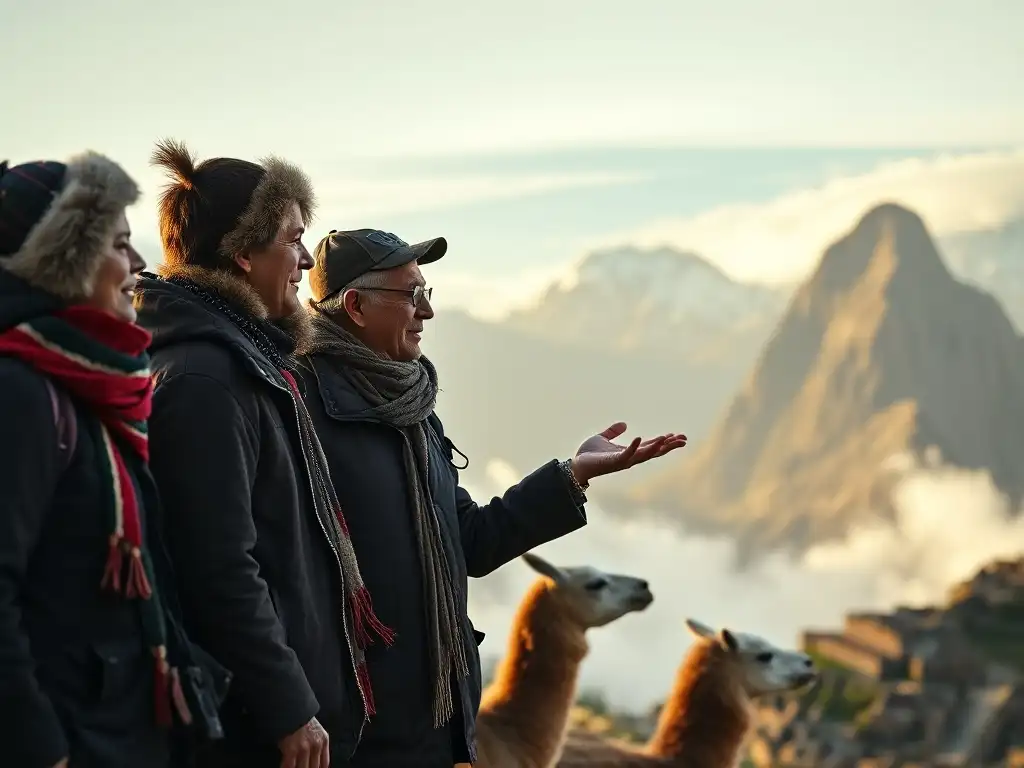
Llama treks offer a unique opportunity to experience the Andes from a perspective deeply connected to Indigenous traditions. Many communities utilize llamas as pack animals, and trekking with them provides an immersive experience led by individuals with generations of knowledge about navigating the high-altitude terrain and interacting respectfully with the environment.
Ensuring a Safe and Respectful Travel Experience
When choosing a llama expedition, prioritize operators who:
- Use llamas ethically: Ensure the animals are well-cared for and not overworked. Look for operators who prioritize animal welfare and sustainable trekking practices.
- Provide appropriate gear and safety training: High-altitude trekking requires proper preparation. A reputable operator will provide appropriate gear and safety briefings to ensure a safe and comfortable experience for all participants.
- Respect local customs and traditions: Learn about appropriate behavior and etiquette before embarking on your trek. Respectful interaction with the local community and environment is paramount.
- Offer diverse trekking options: Different fitness levels and preferences should be catered for. Look for operators offering various trek lengths and difficulty levels.
- Support local economies: Choose operators that reinvest a significant portion of their profits back into the local community. This ensures that the expedition benefits both travelers and the local people.
Choosing a llama expedition is a chance to directly support Indigenous communities and experience the Andes in a truly authentic and respectful way. Remember to research your chosen operator thoroughly to ensure they align with your values and commitment to sustainable tourism. By carefully selecting your tour, you contribute to the preservation of Andean culture and the empowerment of Indigenous communities. 🦙
The Future of Andean Tourism and Indigenous Participation
The future of Andean tourism hinges on a fundamental shift: prioritizing authentic experiences led by Indigenous communities. This isn't merely a trend; it's a crucial step towards responsible and sustainable tourism that benefits both visitors and the local populations. Moving beyond superficial interactions, a future focused on Indigenous Andean tour guides fosters deeper cultural understanding and economic empowerment within these communities. This requires a concerted effort from various stakeholders, including tourism operators, governments, and tourists themselves.
The success of this transition relies on the creation of collaborative partnerships that ensure the preservation of Andean heritage while generating economic opportunities for Indigenous communities. This collaborative approach recognizes the invaluable knowledge and perspectives held by Indigenous guides, positioning them as central actors in shaping the future of Andean tourism. This model ensures that the narrative of Andean culture is told authentically, accurately, and respectfully by those who have inherited it.
Promoting Cultural Exchange and Mutual Understanding
Authentic cultural exchange is at the heart of successful Indigenous-led tourism. Indigenous Andean tour guides offer a unique perspective, sharing not only historical facts but also their ancestral knowledge, traditions, and beliefs. This approach surpasses the limitations of typical tourist experiences, fostering meaningful connections between visitors and the local community.
For example, a tour guided by a Quechua speaker could include traditional storytelling, demonstrations of ancient crafts like weaving or pottery, and insightful discussions about contemporary Andean life. The emphasis shifts from passive observation to active participation and dialogue, promoting mutual respect and understanding. This deeper level of engagement benefits both the visitor, who gains a richer and more nuanced experience, and the guide, who receives fair compensation for sharing their invaluable cultural heritage.
The result is a more sustainable and ethical form of tourism that celebrates the richness and diversity of Andean cultures. This type of cultural exchange can also contribute to a better understanding of the challenges faced by Indigenous communities and promote greater empathy and solidarity.
The Importance of Supporting Indigenous-Led Initiatives
Supporting Indigenous-led initiatives is not simply a matter of ethical tourism; it's an economic imperative. By directly supporting Indigenous Andean tour guides and their businesses, tourists contribute directly to the economic well-being of these communities. This support can take many forms, from choosing tour operators committed to equitable partnerships to purchasing handicrafts directly from artisans.
Furthermore, investing in training programs that empower Indigenous communities to develop and manage their own tourism ventures is crucial. This empowers them to control the narrative of their culture, determine appropriate pricing structures, and ensure that the benefits of tourism remain within the community. Data shows that when Indigenous communities have control over tourism initiatives, they experience significantly higher economic benefits and greater community development.
This contrasts sharply with models where profits largely benefit external corporations. Investing in Indigenous-led initiatives is thus a vital step towards ensuring the long-term sustainability of Andean tourism and the well-being of Indigenous communities.
Sustaining Andean Communities through Tourism
Sustainable tourism, guided by Indigenous Andean tour guides, offers a powerful pathway to sustaining Andean communities. This approach goes beyond simply generating income; it actively contributes to the preservation of cultural heritage, environmental protection, and community development. For example, successful initiatives might involve reinvesting tourism profits into community infrastructure, education, or healthcare.
Moreover, by emphasizing responsible travel practices – such as minimizing environmental impact and respecting local customs – tourists can contribute to the long-term preservation of the Andean landscape and its unique cultural heritage. The key is to create a virtuous cycle where tourism benefits the community without compromising its cultural identity or environmental integrity. This requires careful planning, collaboration between stakeholders, and a commitment to ethical and sustainable practices.
Long-term success hinges on a shared commitment to preserving the invaluable cultural heritage of the Andes while ensuring the economic viability of the communities that call it home. This model ensures that tourism becomes a tool for empowerment and preservation, rather than a threat to the unique identity of Andean communities.
Frequently Asked Questions
What makes an Andean tour experience led by an Indigenous guide "authentic"?
An authentic experience goes beyond typical tourist attractions. It involves immersion in local culture, learning directly from those who have inherited and preserved their ancestral traditions, and gaining a deeper understanding of the Andean worldview. This includes interacting with the community and experiencing their daily life.
Why should I choose a tour led by an Indigenous Andean guide?
Indigenous guides offer unique insights and perspectives unavailable elsewhere. They possess an intimate knowledge of their heritage, including history, customs, and traditions, providing a more meaningful and enriching experience. You'll receive a more personal and nuanced understanding of the region.
What kind of knowledge can I expect from an Indigenous Andean guide?
Expect unparalleled knowledge of local history, traditions, and customs. They can explain the significance of sites, artifacts, and practices in ways that academic guides cannot. They'll share stories passed down through generations, offering a living connection to the past.
Are Indigenous Andean tour guides fluent in English (or other languages)?
Many Indigenous guides are fluent in multiple languages, including English, Spanish, and Quechua. However, it's always best to confirm language proficiency with the specific tour operator beforehand to ensure a smooth communication experience.
How can I find reputable Indigenous Andean tour guides?
Look for tour operators who actively partner with and support Indigenous communities. Research their commitment to sustainable tourism practices and cultural preservation. Read reviews and testimonials to ensure a positive experience.
Final Reflection: Reclaiming Narratives, Empowering Communities
The rise of ethical and sustainable tourism is not merely a trend; it's a crucial shift in how we engage with the world's diverse cultures. Ignoring the voices and perspectives of Indigenous communities in tourism perpetuates harmful stereotypes and economic imbalances. This article has highlighted the vital role of Indigenous Andean tour guides in offering authentic and respectful experiences, directly benefiting the communities they represent.
The impact of empowering Indigenous communities through tourism extends far beyond economic gains. It's about reclaiming narratives, fostering cultural preservation, and challenging colonial legacies that have long marginalized these voices. Tourism can be a powerful tool for good, but only if we prioritize the well-being and self-determination of the communities we visit.
By supporting Indigenous-led tours, we actively participate in a more equitable and just tourism model, ensuring that the benefits of this industry directly support the people who call these lands home.
Consider the power you hold as a traveler. Your choices directly impact the communities you visit. By actively seeking out and supporting Indigenous Andean tour guides, you are not just experiencing a unique and enriching journey; you are contributing to a more sustainable and respectful future for Andean communities. Choose to be a part of the solution, choose authentic experiences, and choose to empower the voices that deserve to be heard.
Embrace Authenticity: Immerse Yourself in Andean Culture!
Thank you for exploring the wonders of Andean civilization. We hope you've discovered the unique and transformative experiences that await when you connect with Indigenous guides. Ready to embark on a journey beyond typical tourism? Here's how you can authentically experience Andean culture:
- Book a personalized experience with an Indigenous guide to unlock the rich stories and traditions of the Andes.
- Share your experiences with friends and family—highlighting the importance of supporting Indigenous communities through sustainable tourism.
- Connect with other travelers online to discuss your experiences and learn from others who share a passion for Andean culture.
What aspect of Andean culture excites you most for your next adventure?