
From the Mountains to the World: Sharing Andean Culture on a Global Scale

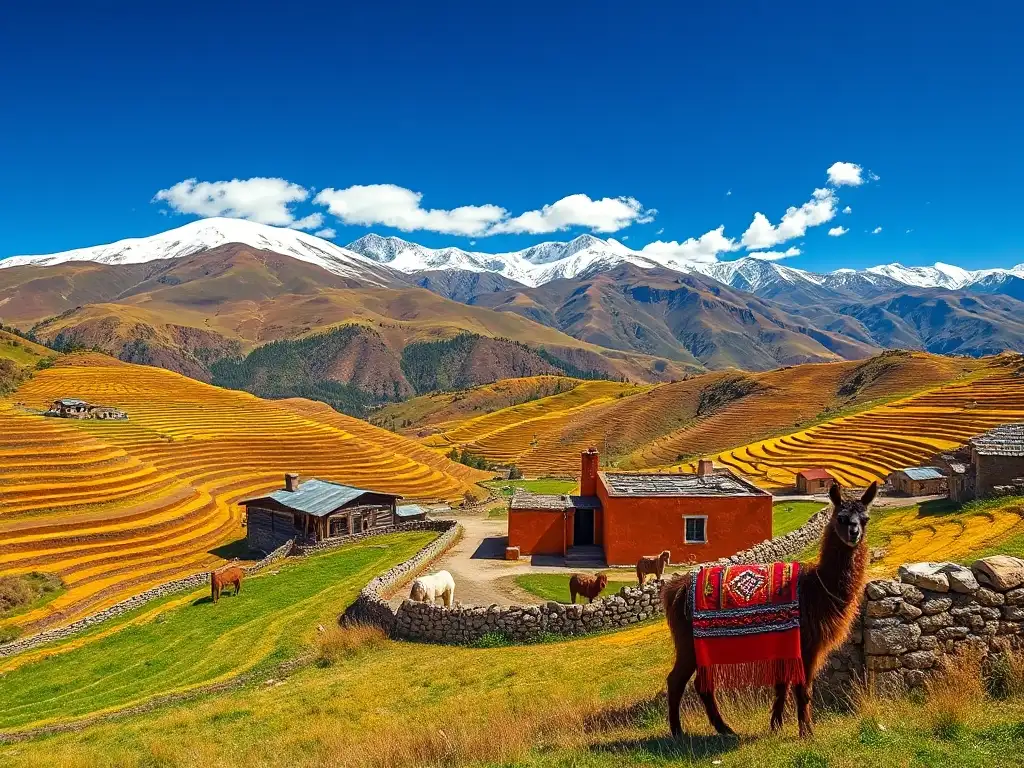
Step into a world lost in time, yet echoing powerfully in our present. Imagine civilizations that sculpted breathtaking landscapes, mastered intricate engineering feats, and left behind a legacy that continues to fascinate and inspire. Prepare to be amazed as we unravel the mysteries and enduring influence of the Andean civilizations, revealing the surprising and far-reaching impact of their ingenuity. Discover how the Andean civilizations' global impact shaped the world we know today – a story waiting to be explored within.
The Andes Mountains, a spine of towering peaks stretching along the western coast of South America, have witnessed the rise and fall of some of the world's most fascinating civilizations. For millennia, innovative cultures thrived in this challenging environment, developing sophisticated agricultural techniques, intricate social structures, and breathtaking artistry. This article explores the enduring global impact of Andean civilizations, focusing on how their legacy continues to shape our world today, examining not only the tangible remnants of their past, but also the vibrant cultural expressions that persevere.
We'll delve into the lasting influence of Inca ingenuity, the far-reaching effects of the Quechua language, and the broader significance of Andean cultural heritage in a globalized world. Understanding the global impact of Andean civilizations is crucial to appreciating the interconnectedness of human history and the importance of preserving cultural diversity in the face of globalization.
This exploration will reveal how the seemingly isolated mountain communities of the Andes have profoundly impacted global culture, art, and even technology, leaving an indelible mark on the world stage. The enduring spirit of Andean civilizations serves as a powerful reminder of the resilience and creativity of human societies, and the importance of recognizing and celebrating their contributions to our shared heritage.
The Enduring Legacy of Inca Civilization
The Inca Empire, at its zenith, controlled a vast territory encompassing much of the Andes region. Their sophisticated engineering feats, like the impressive road system connecting distant parts of the empire, are still studied and admired today. Beyond infrastructure, the Inca's advanced agricultural practices, such as terracing and irrigation, allowed them to cultivate diverse crops in challenging terrains, showcasing remarkable adaptability and resourcefulness. Their intricate social structure, while hierarchical, ensured a degree of social stability and collective responsibility.
The Inca's legacy extends beyond physical structures; their unique artistic expressions, including textiles, pottery, and goldwork, continue to inspire awe and capture the imagination. The intricate designs and symbolism embedded within these artifacts reveal a deep understanding of their cosmology and worldview. Even today, elements of Inca traditions persist in contemporary Andean communities, demonstrating the enduring strength and relevance of their cultural heritage.
Studying the Inca's achievements allows us to appreciate their remarkable ingenuity and understand the complex dynamics of a powerful pre-Columbian empire that left an undeniable mark on the world. We can still see evidence of their sophisticated understanding of astronomy, reflected in their calendar system and the orientation of their buildings. Their impact on urban planning and resource management provides valuable lessons for contemporary societies facing similar challenges.
Understanding the Global Reach of Quechua Language
The Quechua language, spoken by millions across the Andes region, stands as a testament to the enduring cultural legacy of Andean civilizations. While Spanish became the dominant language following the Spanish conquest, Quechua continues to thrive, reflecting the resilience of the indigenous communities who speak it. The language's global reach extends beyond its native speakers; Quechua is studied and appreciated by linguists and cultural enthusiasts worldwide, underscoring its importance as a significant component of Andean cultural heritage.
Its survival, in the face of colonization and globalization, is a powerful symbol of cultural resistance and preservation. The ongoing efforts to revitalize and promote Quechua, through educational initiatives and cultural programs, underscore its significance as a living language and a vital link to the rich history and traditions of the Andean region. The vibrancy of Quechua in the 21st century showcases its adaptability and enduring relevance, demonstrating the power of language to sustain cultural identity and foster a sense of community across geographical boundaries.
The global interest in Quechua reflects a growing recognition of the value of linguistic diversity and the importance of protecting endangered languages. Furthermore, the preservation of Quechua helps maintain a connection to the rich oral traditions, folklore, and historical knowledge of the Andean people. The continued use and study of Quechua, therefore, contributes significantly to the global understanding and appreciation of Andean civilizations.
- What is the main focus of the "Andean Civilizations" website?
- How did Andean civilizations impact the world?
- What specific examples highlight the global impact of Andean civilizations?
- Why is it important to study the global impact of Andean civilizations?
- How does the website contribute to understanding the global impact of Andean civilizations?
Andean Civilizations: A Global Cultural Impact
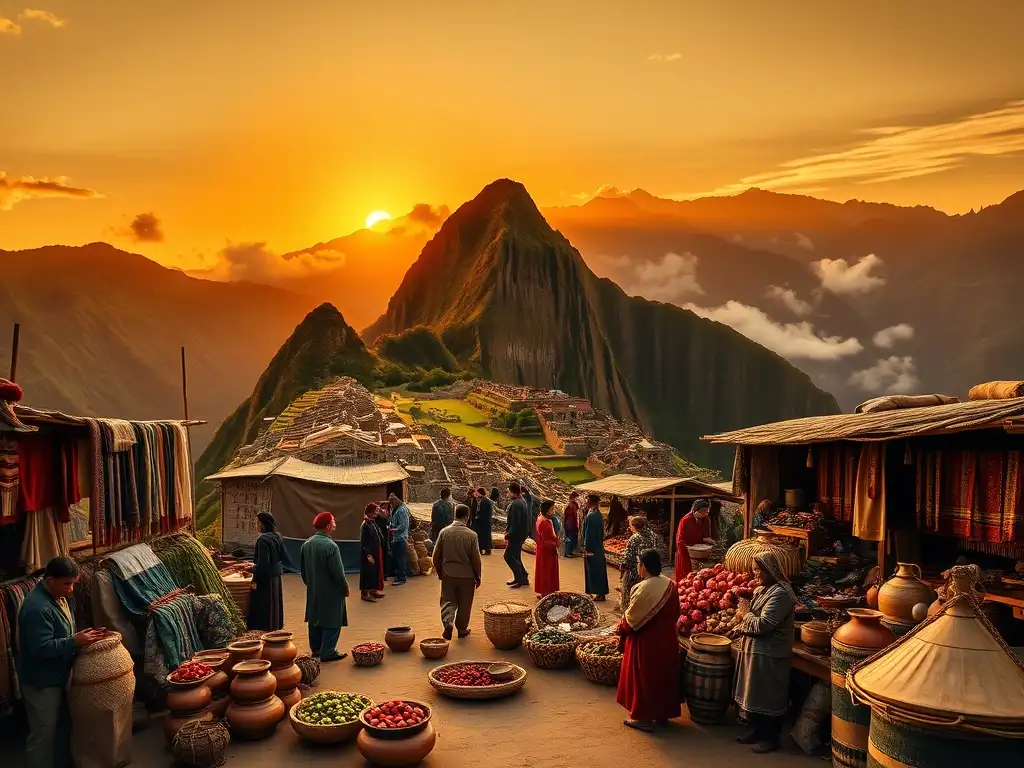
This section explores the enduring global influence of Andean civilizations, demonstrating their lasting impact on various aspects of modern culture. The legacy of these remarkable societies extends far beyond the Andes Mountains, enriching the world with unique artistic expressions, agricultural innovations, and musical traditions. Understanding this global impact is crucial to appreciating the richness and complexity of Andean heritage and its continued relevance today. The keyword "Andean civilizations global impact" is central to understanding this lasting legacy.
The Influence of Andean Weaving Techniques Worldwide
Andean weaving, renowned for its intricate designs and vibrant colors, holds a significant place in the global textile landscape. Techniques developed centuries ago, such as the use of natural dyes from plants and insects, and complex weaving patterns like khipus (knotted cords used for record-keeping), continue to inspire contemporary artists and designers worldwide. The iconic imagery of Andean textiles – llamas, condors, geometric designs representing cosmology – has become globally recognizable, appearing in fashion, home décor, and even museum exhibitions.
The global appreciation for Andean textiles is not just aesthetic; it also reflects a growing interest in sustainable and ethical fashion. Many contemporary designers are collaborating with Andean communities, ensuring fair trade practices and preserving traditional weaving knowledge. This collaboration represents a powerful example of how Andean cultural heritage can contribute to economic development while simultaneously protecting its integrity.
The impact is seen not just in the products themselves, but in the empowerment of indigenous communities and the preservation of their ancestral skills. For instance, the resurgence of alpaca wool products globally has directly benefited Andean communities involved in alpaca herding and textile production. This demonstrates the direct link between the enduring appeal of Andean weaving techniques and their economic impact on a global scale.
Andean Panpipe Music: Global Rhythms and Expressions
The haunting melodies of the Andean panpipes, or siku, have captivated audiences worldwide. This traditional instrument, with its unique sound and cultural significance, has transcended geographical boundaries, influencing musical genres and inspiring collaborations between Andean musicians and artists from diverse backgrounds.
The siku's distinctive sound, characterized by its ethereal and melancholic tone, has been incorporated into various musical styles, from world music to contemporary classical compositions. Many renowned musicians have integrated the siku into their work, introducing Andean musical traditions to a wider audience. The instrument's simple construction, yet complex sonic potential, has also made it accessible to musicians worldwide, leading to its adoption in diverse cultural contexts.
The spread of Andean panpipe music is not merely a diffusion of musical styles; it’s a testament to the universality of human emotion and the power of music to transcend cultural barriers. The global impact of Andean music is further fueled by the increasing accessibility of online platforms, allowing for wider dissemination and appreciation of this unique art form.
The Spread of Andean Potato Cultivation and Knowledge
The potato, a staple crop of the Andes, has had a profound impact on global food security and culinary traditions. Originating in the Andes, the potato's cultivation spread across the globe, becoming a fundamental food source for billions of people. Andean knowledge of potato cultivation – including techniques for adapting to diverse climates and soil conditions, and preserving genetic diversity – has been crucial in ensuring the crop's success in various regions.
The global impact of Andean potato cultivation extends beyond food security. It has also contributed to the development of new potato varieties, adapted to different environmental conditions and disease resistance. This ongoing research and development, often incorporating traditional Andean knowledge, is essential for ensuring the future of this vital crop in the face of climate change and other challenges.
Moreover, the potato's versatility in cuisine has led to its incorporation into countless dishes worldwide, enriching culinary traditions across various cultures. The potato's journey from the Andean highlands to global tables is a testament to the ingenuity and adaptability of Andean agricultural practices and their enduring contribution to global food systems. The continuing research into Andean potato varieties and cultivation techniques ensures the continued global impact of this vital crop.
Modern Andean Communities: Guardians of Ancient Wisdom
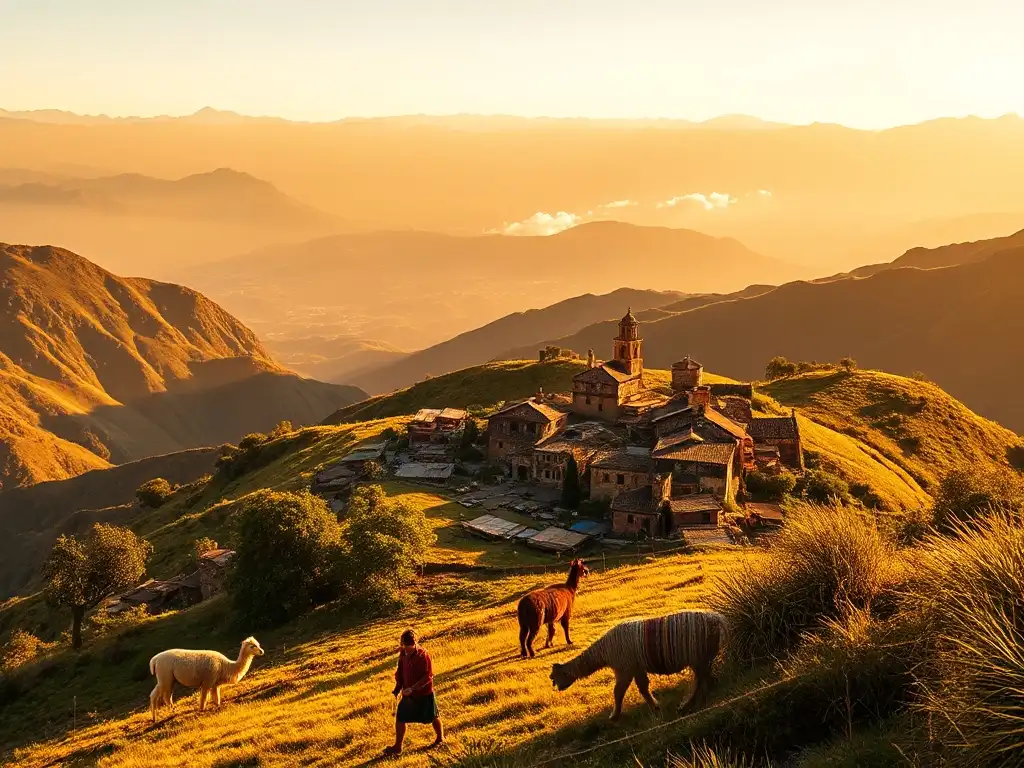
The Andean region, birthplace of remarkable civilizations, continues to thrive with vibrant indigenous communities actively preserving their ancestral heritage. These communities, despite facing numerous modern challenges, remain steadfast guardians of ancient wisdom, knowledge systems, and traditions. Their resilience and cultural continuity offer invaluable lessons in sustainability and cultural preservation for the global community.
Understanding their current struggles and triumphs is crucial to appreciating the ongoing impact of Andean civilizations on the world stage. Their continued existence is a testament to the enduring strength of their cultural identity, shaping their active role in the globalized world of the 21st century. This section will delve into some key aspects of their modern lives and the challenges they face in preserving their cultural legacy.
Indigenous Andean Activism in the 21st Century
Indigenous Andean communities are increasingly vocal and active in advocating for their rights and the preservation of their cultural heritage. This activism manifests in various forms, including:
- Land rights activism: Many communities are actively fighting for the recognition and protection of their ancestral territories, often facing powerful economic interests. These struggles frequently involve legal battles, public protests, and collaborations with international organizations. Data shows a significant increase in successful land claims over the past decade, though much work remains.
- Cultural revitalization initiatives: Communities are leading efforts to revive traditional arts, crafts, and agricultural practices, often integrating these with sustainable development strategies. This includes promoting traditional textiles, music, and ceremonies, ensuring these traditions are not only maintained but also become sources of economic empowerment.
- Political participation: Indigenous leaders are increasingly participating in national and international political forums, advocating for indigenous rights and influencing policy decisions related to land, environment, and cultural preservation. Their presence in government and international bodies is growing, though achieving equitable representation remains a significant goal.
The success of these initiatives varies depending on the specific context and the level of support received from governmental and international institutions. However, the collective energy and determination of Andean activists are undeniably shaping a more inclusive and equitable future for their communities and contributing significantly to the ongoing global conversation about indigenous rights and cultural preservation. The strength of their collective voice is a powerful force in advocating for "Andean civilizations global impact" in the modern world.
Preserving Quechua and Aymara Languages
The preservation of Quechua and Aymara, two major indigenous languages of the Andes, is a central concern for many communities. These languages are integral to the transmission of cultural knowledge, traditions, and worldview. The decline of these languages, however, poses a significant threat to cultural continuity. Efforts to revitalize these languages include:
- Bilingual education programs: Implementing bilingual education in schools is crucial to ensure that younger generations become fluent in both their native language and the official language of their respective countries. However, the implementation and success of these programs vary greatly across different regions and communities. More resources and specialized training for teachers are often needed.
- Community-based language learning initiatives: Many communities are developing their own language preservation programs, employing innovative methods to engage young people and adults. These initiatives often incorporate technology and multimedia resources to make learning more accessible and engaging. The effectiveness of these programs is often dependent on community engagement and resource availability.
- Language documentation and archiving projects: Scholars and linguists are working to document and archive Quechua and Aymara languages, creating valuable resources for future generations. This includes creating dictionaries, grammars, and digital archives of oral traditions. This is a vital aspect of preserving a linguistic heritage that is crucial to the overall understanding of Andean civilizations global impact.
The future of Quechua and Aymara depends on sustained efforts to integrate these languages into all aspects of community life, from education and media to government services. The continued use and transmission of these languages are vital components of the ongoing narrative of Andean culture and its continuing relevance in a globalized world.
Challenges of Climate Change and Cultural Preservation
Climate change presents a significant threat to the cultural and physical landscapes of the Andean region. The impact of climate change is multifaceted and interacts with existing social and economic challenges. Some key challenges include:
- Glacier melt and water scarcity: The melting of Andean glaciers is affecting water resources, impacting agriculture, and threatening traditional ways of life. This water scarcity is leading to conflicts over access to water resources and increasing food insecurity. Scientific data clearly shows an accelerating rate of glacier melt, with potentially devastating consequences for the region.
- Extreme weather events: Increased frequency and intensity of extreme weather events, such as droughts, floods, and landslides, are damaging infrastructure, destroying crops, and displacing communities. This puts additional pressure on already vulnerable populations and threatens the integrity of cultural sites.
- Loss of biodiversity: Climate change is affecting biodiversity in the Andean region, threatening the survival of unique plant and animal species that are integral to traditional Andean cultures and livelihoods. The loss of these species has significant cultural and economic implications.
Addressing these challenges requires a multi-faceted approach that combines climate change adaptation strategies with cultural preservation efforts. This includes supporting sustainable agricultural practices, developing early warning systems for extreme weather events, and promoting community-based conservation initiatives. The successful preservation of Andean culture in the face of climate change will require collaborative efforts between indigenous communities, governments, and international organizations. This is a critical aspect of ensuring the sustained "Andean civilizations global impact" for generations to come. The preservation of this cultural heritage is intertwined with the survival of the ecosystems that support it.
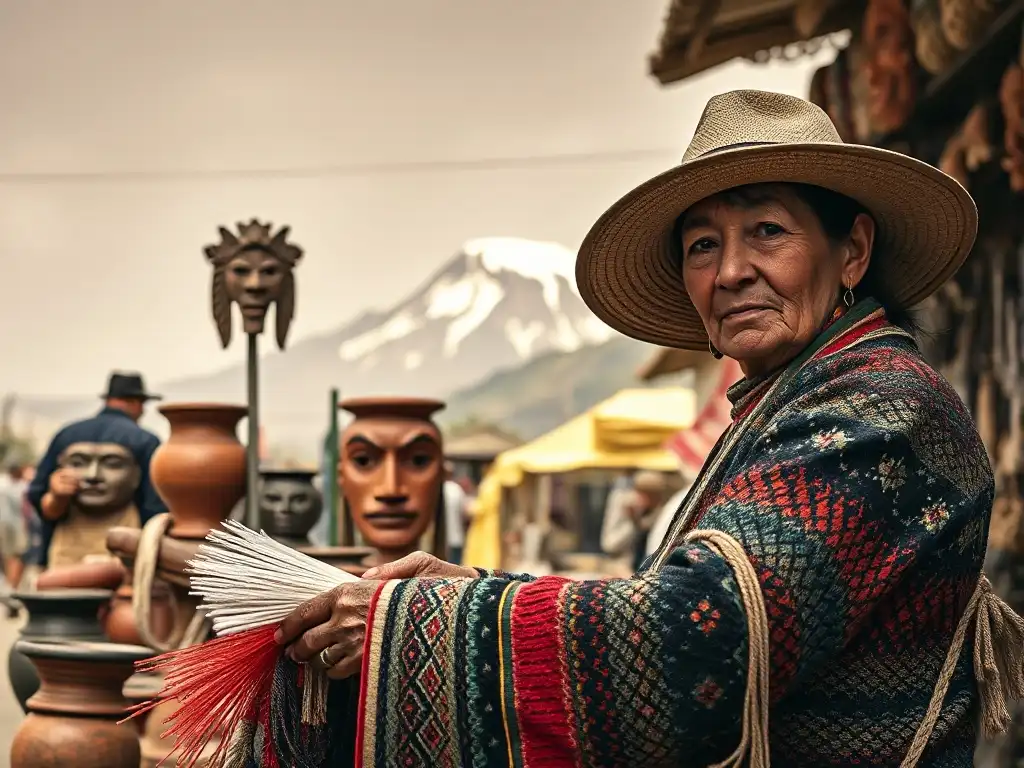
This section delves into the multifaceted strategies and initiatives employed to share the vibrant tapestry of Andean culture with a global audience. The preservation and promotion of Andean heritage are crucial, not only for the indigenous communities themselves but also for enriching the world's understanding of diverse cultural traditions. The impact of these efforts extends beyond mere awareness, fostering economic opportunities and promoting intercultural dialogue. Understanding the methods used to achieve this global reach is key to appreciating the enduring legacy of Andean civilizations.
Social media platforms have become powerful tools in disseminating information and fostering cultural exchange. Their reach transcends geographical boundaries, allowing Andean communities and organizations to connect with audiences worldwide. Effective strategies leverage visually engaging content, such as high-quality photographs and videos showcasing traditional textiles, ceremonies, and artistic expressions. The use of multiple languages, including Quechua and Aymara alongside Spanish and English, ensures broader accessibility.
For example, several indigenous communities are actively utilizing Instagram and Facebook to showcase their craftsmanship, sharing behind-the-scenes glimpses into their artistic processes. This direct engagement fosters a sense of authenticity and allows consumers to connect directly with the creators, understanding the cultural significance embedded in each piece. The use of hashtags like #AndeanCulture, #IndigenousArt, and #FairTrade allows for increased visibility and participation within broader online conversations.
Furthermore, live streams of traditional ceremonies and festivals offer a unique opportunity to experience Andean culture in real-time, fostering a sense of shared experience and intercultural understanding. Data on social media engagement (likes, shares, comments) provides valuable feedback, allowing organizations to refine their strategies and maximize their impact. However, challenges remain in ensuring digital literacy within communities and overcoming the digital divide to ensure equitable access to these platforms.
International Cultural Festivals and Educational Programs
International cultural festivals and educational programs play a vital role in promoting Andean civilizations' global impact. These initiatives offer immersive experiences, allowing participants to engage directly with Andean culture through music, dance, storytelling, and traditional crafts. The impact is multifaceted, fostering cross-cultural understanding, promoting tourism, and generating economic opportunities for Andean communities.
Many universities and cultural institutions now incorporate Andean studies into their curricula. These programs offer in-depth exploration of Andean history, art, and social structures, providing students with a nuanced understanding of these civilizations. Furthermore, the organization of workshops and exhibitions focusing on specific aspects of Andean culture, such as textile weaving or traditional music, facilitates hands-on learning and promotes intercultural exchange.
The success of these initiatives is often measured by participant numbers, feedback surveys, and the increased visibility of Andean culture in mainstream media. However, ensuring the authenticity and ethical representation of Andean culture within these programs remains crucial, avoiding cultural appropriation and prioritizing the voices and perspectives of indigenous communities.
Supporting Fair Trade Practices for Andean Artisans
Fair trade practices are essential for ensuring the economic sustainability of Andean communities and empowering artisans to maintain their cultural heritage. By providing fair wages and equitable trading conditions, these initiatives help preserve traditional crafts and prevent the exploitation of indigenous artisans. This directly contributes to the preservation of Andean cultural heritage, as artisans are able to continue their traditions without economic pressure to abandon them for more lucrative (but less culturally significant) options.
Several organizations work diligently to promote fair trade practices within the Andean region. These initiatives often involve establishing direct trade relationships between artisans and consumers, eliminating intermediaries and ensuring that a larger portion of the profits reaches the producers. Certifications, such as Fair Trade International, provide consumers with assurance that the products they purchase adhere to ethical standards. Data on the economic impact of fair trade initiatives, such as increased income levels for artisans and improved living conditions, is crucial for demonstrating their effectiveness.
However, challenges remain in scaling these initiatives to reach a wider range of artisans and addressing issues such as market access and competition from mass-produced goods. The long-term sustainability of these programs depends on a collaborative effort between consumers, businesses, and governmental organizations. The success of these initiatives is vital in ensuring the continued vitality of Andean culture and the economic empowerment of its communities.
The Future of Andean Culture in a Globalized World
The enduring legacy of Andean civilizations presents both opportunities and challenges in an increasingly interconnected world. The global impact of Andean culture is undeniable, influencing everything from culinary practices to artistic expression. However, maintaining the authenticity and integrity of these traditions requires careful consideration and proactive strategies.
The future hinges on a delicate balance between embracing globalization's benefits – increased visibility and access to resources – and safeguarding the unique cultural heritage against potential exploitation or homogenization. This requires a multifaceted approach involving indigenous communities, governments, international organizations, and the global community at large. The continued relevance of Andean wisdom in modern contexts is paramount, and its preservation requires a concerted effort.
Fostering Intercultural Dialogue and Respect
One crucial aspect of ensuring the long-term survival of Andean culture is fostering genuine intercultural dialogue and mutual respect. This involves moving beyond superficial appreciation towards a deeper understanding of the complex social structures, belief systems, and historical contexts that shape Andean identities. Educational initiatives, both within Andean communities and in global settings, play a vital role in promoting accurate and nuanced representations of Andean culture.
Combating stereotypes and misrepresentations requires collaborative efforts between scholars, educators, and indigenous communities to create educational materials that accurately reflect the diversity and richness of Andean heritage. Furthermore, promoting respectful engagement with Andean artisans and communities is essential. This includes ensuring fair compensation for their work, protecting their intellectual property rights, and recognizing their agency in shaping narratives about their own culture.
The success of such initiatives hinges on building trust and fostering open communication, ensuring that Andean voices are central to the conversation about their own heritage. This collaborative approach is key to avoiding the pitfalls of cultural appropriation and ensuring that the global appreciation of Andean culture benefits the communities it originates from.
The UNESCO Intangible Cultural Heritage Recognition of Andean Practices
The recognition of various Andean practices as part of UNESCO's Intangible Cultural Heritage list is a significant step in preserving and promoting these traditions on a global scale. This recognition provides international visibility and support, helping to raise awareness and attract resources for conservation efforts. Examples such as the recognition of specific Andean musical traditions, weaving techniques, or agricultural practices highlight the value placed on these unique elements of Andean cultural heritage.
However, the symbolic nature of this recognition needs to be complemented by concrete actions. This includes providing financial and technical support to Andean communities to safeguard these practices, ensuring their transmission to future generations, and promoting their sustainable development. The effective implementation of UNESCO's safeguards requires strong partnerships between governmental bodies, international organizations, and, critically, the Andean communities themselves.
Detailed documentation of these practices, combined with capacity-building initiatives within Andean communities, is crucial to ensure the long-term preservation of this invaluable cultural heritage. The effectiveness of UNESCO's role can be measured by the tangible improvements in the well-being of Andean communities and the sustainability of their cultural practices.
The Continued Importance of Andean Wisdom in the Modern World
Andean civilizations developed sophisticated systems of knowledge and practices in diverse fields, including agriculture, medicine, and astronomy. This “Andean wisdom,” often rooted in a deep understanding of the environment and sustainable living, offers valuable insights for addressing contemporary global challenges. For instance, traditional Andean agricultural techniques, which emphasize biodiversity and soil conservation, could inform modern sustainable farming practices.
Similarly, traditional Andean medicinal knowledge, based on the use of native plants and holistic approaches to health, could contribute to the development of new therapies and treatments. However, it's crucial to approach the application of this knowledge responsibly, respecting the intellectual property rights of Andean communities and avoiding the exploitation of their traditional knowledge. The integration of Andean wisdom into modern contexts requires careful consideration of ethical implications, ensuring that the benefits are shared equitably and that the cultural integrity of the knowledge is preserved.
This requires a collaborative approach, involving scientists, researchers, and Andean communities, to ensure that the application of this knowledge is both effective and respectful. The potential for Andean wisdom to contribute to global solutions is immense, but realizing this potential requires a commitment to ethical and collaborative partnerships. The global impact of Andean culture extends far beyond mere aesthetics; it holds the potential to reshape our understanding of sustainability, well-being, and harmonious coexistence with the environment.
Frequently Asked Questions
What is the main focus of the "Andean Civilizations" website?
The website explores the rich history, culture, art, and technology of ancient Andean civilizations like the Incas, Moche, Nazca, and Tiahuanaco. It aims to showcase the significant achievements of these societies.
How did Andean civilizations impact the world?
Andean civilizations made significant contributions to agriculture, engineering, and societal structures. Their innovations influenced later cultures and continue to inspire today. Their impact is still felt globally.
What specific examples highlight the global impact of Andean civilizations?
Examples include their advanced agricultural techniques, like terracing, which are still used today. Their complex societal organization and remarkable artistic achievements also had a lasting influence.
Why is it important to study the global impact of Andean civilizations?
Understanding their impact helps us appreciate the diversity of human ingenuity and the interconnectedness of world cultures. It fosters a deeper understanding of our shared history and heritage.
How does the website contribute to understanding the global impact of Andean civilizations?
The website provides accessible information and engaging resources about these civilizations, promoting awareness of their lasting legacy and global significance. It aims to share this knowledge with a wider audience.
Final Reflection: Echoes of the Andes in a Globalized World
The enduring legacy of Andean civilizations continues to resonate in our interconnected world, shaping our understanding of art, agriculture, and societal structures in profound and often unexpected ways. From the intricate textiles that grace museum halls to the resilient crops that feed millions, the impact of Andean ingenuity remains undeniable, a testament to the power of human adaptation and innovation. This influence is not merely historical; it's a living force shaping our present and future.
The vibrant tapestry woven by Andean cultures, a blend of artistry, resilience, and spiritual depth, continues to inspire and challenge us. Their sophisticated understanding of astronomy, their mastery of complex irrigation systems, and their deeply interwoven relationship with the natural world offer invaluable lessons for navigating the complexities of the 21st century. The mountains are our teachers; they show us the path to resilience and the importance of living in harmony with nature.
This sentiment, though perhaps not directly quoted from an ancient Andean source, encapsulates the enduring wisdom passed down through generations and still relevant today.
Consider the ways in which Andean traditions are influencing contemporary art, fashion, and even sustainable agriculture. You, the reader, hold the power to further this legacy. Seek out Andean art, learn about their innovative farming techniques, and support organizations working to preserve their cultural heritage. By engaging with this rich history, we not only honor the past but also contribute to a more vibrant, sustainable, and culturally rich future for all.
**Unveil the Richness of Andean Culture: Take Action Today! **
Thank you for joining us on this journey through the vibrant tapestry of Andean culture! Your interest is vital in preserving and celebrating these ancient traditions. Now, let's turn your newfound knowledge into action. Here are a few ways you can help promote a global appreciation of Andean heritage:
- Share your passion: Spread the word about Andean culture on social media, using relevant hashtags to connect with others who share your enthusiasm for these traditions. Engage in conversations and share your knowledge.
- Become an ambassador: Host a cultural evening with friends, featuring Andean food, music, and storytelling to spark conversations and share this fascinating heritage. Consider inviting a guest speaker or showcasing Andean crafts.
- Explore further: Visit local museums or cultural events that showcase Andean art and history. Share your experiences and what you've learned with others – perhaps even write a blog post or create a presentation.
Which aspect of Andean culture resonates most with you, and how will you share it with others? We'd love to hear your plans!