
Unearthing Andean Echoes: How Modern Scholars Reinterpret Ancient Mysteries

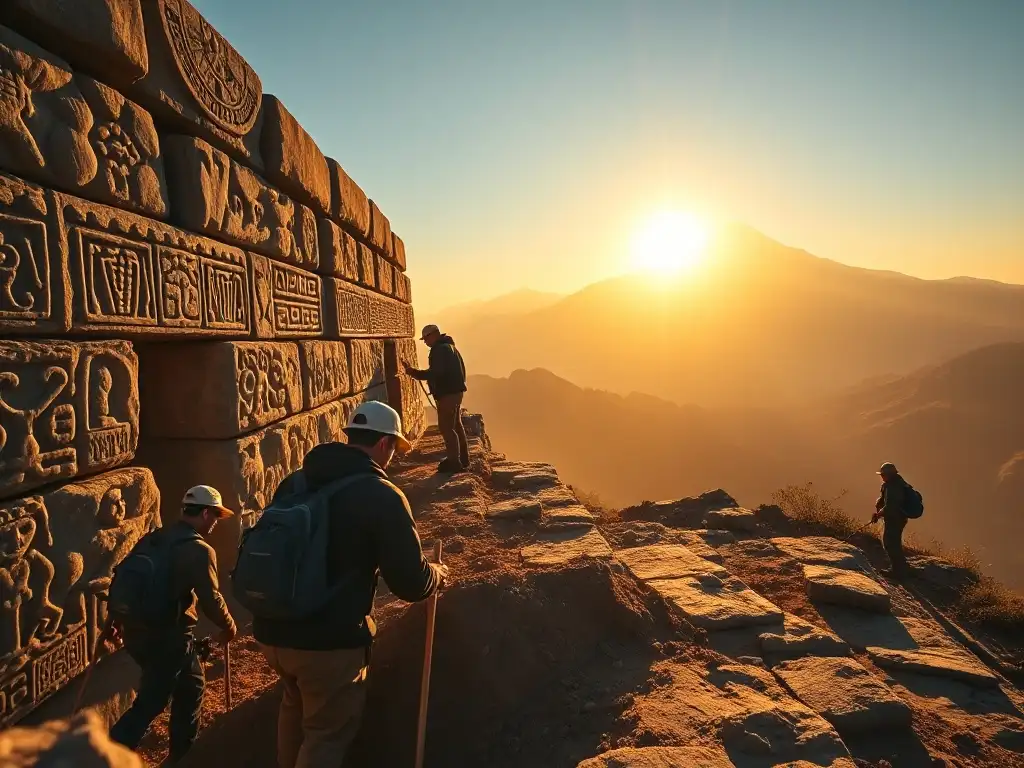
Dive into the captivating world of Andean civilizations – a realm of breathtaking artistry, sophisticated engineering, and enduring mysteries. For centuries, their achievements have captivated imaginations, but how do modern interpretations reshape our understanding of these iconic cultures? Prepare to unearth surprising new perspectives on the Incas, Moche, Nazca, and Tiahuanaco as we explore the fascinating evolution of Andean studies. Unravel the secrets that lie hidden within the echoes of their past—begin your journey now!
The Andes Mountains, a spine of rock and ice running down the western coast of South America, have borne witness to millennia of human history. From the towering heights of Machu Picchu to the enigmatic Nazca Lines etched into the desert floor, the region holds a captivating array of archaeological treasures.
This article delves into the fascinating world of Andean civilizations, specifically examining how modern scholarship is reinterpreting long-held assumptions and uncovering new layers of understanding about these remarkable cultures. We'll explore the innovative methodologies and technological advancements that are reshaping our perception of Andean societies, from the Incas' sophisticated empire to the lesser-known yet equally intriguing cultures like the Moche and Tiahuanaco.
By analyzing recent discoveries and reinterpretations of existing evidence, we aim to illuminate the ongoing process of deciphering the rich tapestry of Andean history and culture, addressing the keyword "Andean civilizations modern interpretations" and providing a fresh perspective on these ancient mysteries. This exploration will reveal how modern interpretations are challenging traditional narratives and offering nuanced insights into the lives, beliefs, and achievements of these remarkable peoples.
Rethinking Inca Imperialism: Beyond Conquest and Control
Traditional narratives often portray the Inca Empire as a monolithic, brutally efficient machine of conquest. However, recent scholarship is painting a more nuanced picture. Archaeological findings, coupled with sophisticated analyses of Inca administrative records (where decipherable), suggest a more complex reality.
Instead of purely forceful subjugation, evidence points to a system involving varying degrees of integration, negotiation, and even collaboration with conquered groups. This includes the incorporation of local customs and beliefs into the Inca worldview, demonstrating a level of cultural exchange that wasn't previously fully appreciated. Furthermore, the study of Inca road systems reveals not only military logistics but also facilitated trade and cultural diffusion across vast distances, fostering a more interconnected empire than previously understood.
This revised understanding emphasizes the dynamic interplay between Inca power and local agency, challenging the simplistic model of a purely oppressive regime. The emerging picture is one of a more complex and adaptable empire, capable of both coercion and collaboration.
New Technologies, New Insights: Analyzing Andean Artifacts with Modern Methods
The application of cutting-edge technologies is revolutionizing our understanding of Andean civilizations. Techniques like ground-penetrating radar , 3D modeling, and isotopic analysis are providing unprecedented insights into settlement patterns, agricultural practices, and even ancient diets. For example, the use of isotopic analysis on human remains is helping researchers determine migration patterns and the movement of people across the Andean region. This data, combined with advanced DNA analysis, is beginning to unravel intricate family structures and social hierarchies within different Andean societies. Furthermore, the application of advanced imaging techniques to artifacts, such as pottery and textiles, allows for the non-destructive analysis of intricate details, revealing previously unseen designs and providing critical information about artistic styles and cultural exchange. These technological advancements are not simply enhancing existing knowledge; they are fundamentally changing the way we approach the study of Andean civilizations. The possibilities are immense, promising even more profound discoveries in the years to come.
Deciphering the Nazca Lines: New Theories and Ongoing Debates
The enigmatic Nazca Lines remain one of the world's greatest archaeological mysteries. These vast geoglyphs, etched into the desert floor, have captivated researchers and the public alike for decades. While the purpose of the lines remains debated, modern interpretations are moving beyond purely ceremonial or astronomical explanations. Some researchers suggest a complex interplay of factors, including potential use as markers for water sources, pilgrimage routes, or even large-scale ritual events.
The application of GIS (Geographic Information Systems) technology is helping scholars map the lines with unprecedented precision, revealing potential connections between different geoglyphs and surrounding settlements. The ongoing debate highlights the importance of interdisciplinary collaboration, bringing together archaeologists, anthropologists, mathematicians, and even astronomers to decipher these ancient symbols. The mystery of the Nazca Lines persists, but new methods and interpretations are steadily illuminating their enigmatic nature. The ongoing research exemplifies the dynamic and evolving nature of archaeological interpretation.
The Moche: A Reassessment of a Powerful Coastal Culture
The Moche civilization, known for its sophisticated irrigation systems and remarkable artistry, is undergoing a reassessment in light of recent discoveries. Archaeological excavations are revealing new details about their social organization, religious beliefs, and warfare practices. For instance, the discovery of elaborate tombs has shed light on the power structures within Moche society, revealing complex rituals and beliefs surrounding death and the afterlife. Analysis of Moche iconography, particularly their pottery, is providing further insights into their cosmology and worldview.
The depiction of violent scenes on some pottery pieces, for example, is prompting scholars to reconsider the nature of Moche warfare and its role in shaping their society. The combination of archaeological findings and iconographic analysis is offering a more holistic understanding of this influential Andean culture, challenging previous interpretations and paving the way for new discoveries. The ongoing research is enriching our knowledge of this fascinating and complex society.
- Rethinking Inca Imperialism: Beyond Conquest and Control
- New Technologies, New Insights: Analyzing Andean Artifacts with Modern Methods
- Deciphering the Nazca Lines: New Theories and Ongoing Debates
- The Moche: A Reassessment of a Powerful Coastal Culture
- What is the main focus of modern interpretations of Andean civilizations?
- How have modern technologies impacted the study of Andean civilizations?
- What are some examples of modern reinterpretations of Andean art and iconography?
- How do modern interpretations address the issue of colonialism's impact on our understanding of Andean civilizations?
- How are modern scholars challenging traditional narratives of the Inca Empire?
The Shifting Sands of Andean History: A Look at New Perspectives
The study of Andean civilizations is a constantly evolving field, shaped by new discoveries, technological advancements, and a growing awareness of the complexities of these ancient societies. Gone are the days of simplistic narratives focused solely on Inca dominance. Modern interpretations of Andean history are far more nuanced, embracing interconnectivity, cultural exchange, and the agency of diverse groups often overlooked in earlier scholarship.
This shift reflects a broader movement in archaeology and anthropology towards more inclusive and representative historical accounts. We are moving beyond grand narratives of singular empires to a more complex understanding of a vibrant tapestry of interacting cultures. This necessitates a re-evaluation of established timelines, power structures, and even the very definition of "civilization" within the Andean context.
The incorporation of indigenous perspectives and methodologies is crucial in this process, enriching our understanding and challenging previously held assumptions. Understanding this evolution is key to appreciating the current state of Andean studies and the exciting new discoveries constantly reshaping our knowledge.
Understanding the Evolution of Andean Studies
Early Andean studies, often dominated by colonial perspectives, frequently presented a linear narrative of progress culminating in the Inca Empire. This Eurocentric lens often minimized the achievements and complexities of pre-Inca cultures, portraying them as less sophisticated or simply precursors to Inca dominance. However, the latter half of the 20th century witnessed a paradigm shift.
Archaeological excavations unearthed a wealth of evidence challenging this simplistic view. The discovery of sophisticated irrigation systems, monumental architecture, and intricate textiles from cultures like the Nazca and Moche dramatically altered our understanding of Andean technological and artistic capabilities. Furthermore, the development of new analytical techniques, such as isotopic analysis and ancient DNA studies, provided unprecedented insights into Andean diets, migration patterns, and genetic relationships between different groups.
This influx of new data, combined with a growing awareness of the importance of indigenous voices and perspectives, has fundamentally reshaped the field. The focus has shifted from a purely chronological approach to a more integrated analysis that considers environmental factors, social structures, and cultural interactions. This evolution is ongoing, with ongoing research constantly refining our understanding of these fascinating societies.
The Limitations of Traditional Interpretations of Andean Civilizations
Traditional interpretations of Andean civilizations, often based on limited archaeological evidence and biased historical accounts, frequently suffered from several key limitations. One major issue was the tendency to impose Western frameworks and concepts onto Andean societies, leading to misinterpretations of their social structures, religious beliefs, and political systems. For instance, the concept of a centralized, highly structured state, often applied to the Inca Empire, may not accurately reflect the reality of decentralized power structures prevalent in many pre-Inca societies. Another limitation stemmed from the lack of access to indigenous perspectives.
Historical accounts were often filtered through the lens of Spanish conquistadors and colonial administrators, leading to biased and incomplete narratives. This resulted in a skewed understanding of Andean societies, often minimizing the agency and contributions of indigenous populations. Moreover, the emphasis on monumental architecture and elite burials sometimes overshadowed the everyday lives and experiences of the vast majority of the Andean population.
Modern scholarship actively works to overcome these limitations by incorporating indigenous knowledge, utilizing interdisciplinary approaches, and focusing on a more holistic understanding of Andean societies, paying close attention to the lives of all social strata. This nuanced approach provides a far richer and more accurate picture of these complex and fascinating civilizations. The ongoing reassessment of past interpretations continues to be a crucial aspect of Andean studies.
New Methodologies Illuminating Andean Past

This section delves into the revolutionary methodologies reshaping our understanding of Andean civilizations. Modern scholarship is moving beyond traditional archaeological digs and incorporating cutting-edge techniques to paint a more nuanced and complete picture of these fascinating societies. The advancements discussed below highlight the dynamism of current Andean research and offer exciting possibilities for future discoveries, significantly impacting our interpretations of Andean history and culture. This exploration directly addresses the evolving field of "Andean civilizations modern interpretations," revealing how new approaches are challenging established narratives and enriching our knowledge.
Archaeological Advancements in Andean Research
Archaeological techniques have undergone a significant transformation in recent decades. No longer reliant solely on excavation, researchers now employ sophisticated non-invasive methods. Ground-penetrating radar (GPR) allows for the mapping of subsurface features without disturbing the site, preserving fragile contexts and revealing hidden structures.
This is particularly valuable in the fragile Andean environment, where erosion and looting pose constant threats. For instance, GPR surveys at the Tiwanaku site in Bolivia have uncovered extensive subterranean networks, suggesting a more complex urban layout than previously imagined. Furthermore, the use of LiDAR (Light Detection and Ranging) from aerial platforms provides high-resolution 3D models of landscapes, enabling the identification of previously unseen settlements, agricultural terraces, and road networks.
These technological advancements are crucial for understanding the spatial organization and logistical capabilities of Andean civilizations, enriching our understanding of their societal structures and resource management. The integration of these techniques significantly refines our understanding of "Andean civilizations modern interpretations," by providing detailed spatial data that was previously inaccessible.
The analysis of ancient materials has also advanced considerably. Advanced dating techniques, such as Accelerator Mass Spectrometry (AMS) radiocarbon dating, provide more precise chronological frameworks. This allows for a more accurate sequencing of events and a better understanding of cultural changes over time.
Similarly, isotopic analysis of human and animal remains reveals valuable information about diet, migration patterns, and social stratification. For example, isotopic studies have shed light on the dietary habits of different social classes within the Inca empire, challenging previous assumptions about food distribution and access. These advancements are revolutionizing the field, allowing for a more precise and nuanced interpretation of the Andean past.
The Role of Interdisciplinary Approaches in Understanding Andean Societies
The study of Andean civilizations has benefited immensely from interdisciplinary collaboration. Combining archaeological data with insights from other fields, such as anthropology, linguistics, and ethnobotany, provides a holistic perspective that transcends the limitations of individual disciplines. For example, the study of ancient textiles, combined with anthropological knowledge of Andean weaving traditions, reveals intricate social structures and symbolic meanings embedded within the designs. Ethnobotanical studies, which examine the relationship between ancient Andean societies and their environment, contribute to our understanding of agricultural practices, resource management, and the impact of environmental factors on social and political organization.
The integration of these diverse perspectives is crucial for addressing complex questions about Andean societies. For example, understanding the Inca's administrative system requires considering not only archaeological evidence of infrastructure but also linguistic analysis of administrative records (where available) and anthropological insights into kinship structures and power dynamics. By combining these approaches, scholars can develop more comprehensive and nuanced interpretations of Andean social organization, political structures, and belief systems, significantly advancing the understanding of "Andean civilizations modern interpretations."
Linguistic Analysis and its Contribution to Andean History
Linguistic analysis plays a vital role in reconstructing the history and cultural complexity of Andean civilizations. The study of Quechua, Aymara, and other indigenous languages provides valuable insights into social structures, belief systems, and historical events. The decipherment of ancient scripts, though challenging, unlocks invaluable information about Andean writing systems and their use in record-keeping, religious practices, and communication. Moreover, comparative linguistics allows scholars to trace the relationships between different Andean languages, illuminating past migration patterns and cultural interactions.
While many ancient Andean languages lack extensive written records, linguistic analysis of surviving oral traditions and place names offers crucial contextual information. These elements often encode historical memories and cultural beliefs that are not readily apparent in archaeological remains. For example, analyzing the etymology of place names can reveal clues about the settlement patterns and territorial organization of different groups.
Similarly, studying the structure and vocabulary of ancient Andean languages can shed light on the cognitive processes and worldview of these societies. This approach is pivotal in constructing a more comprehensive and accurate understanding of "Andean civilizations modern interpretations," providing linguistic context to the archaeological and anthropological evidence. The ongoing effort to document and analyze these languages is essential for preserving cultural heritage and enriching our understanding of the Andean past.
Reassessing Key Aspects of Andean Culture
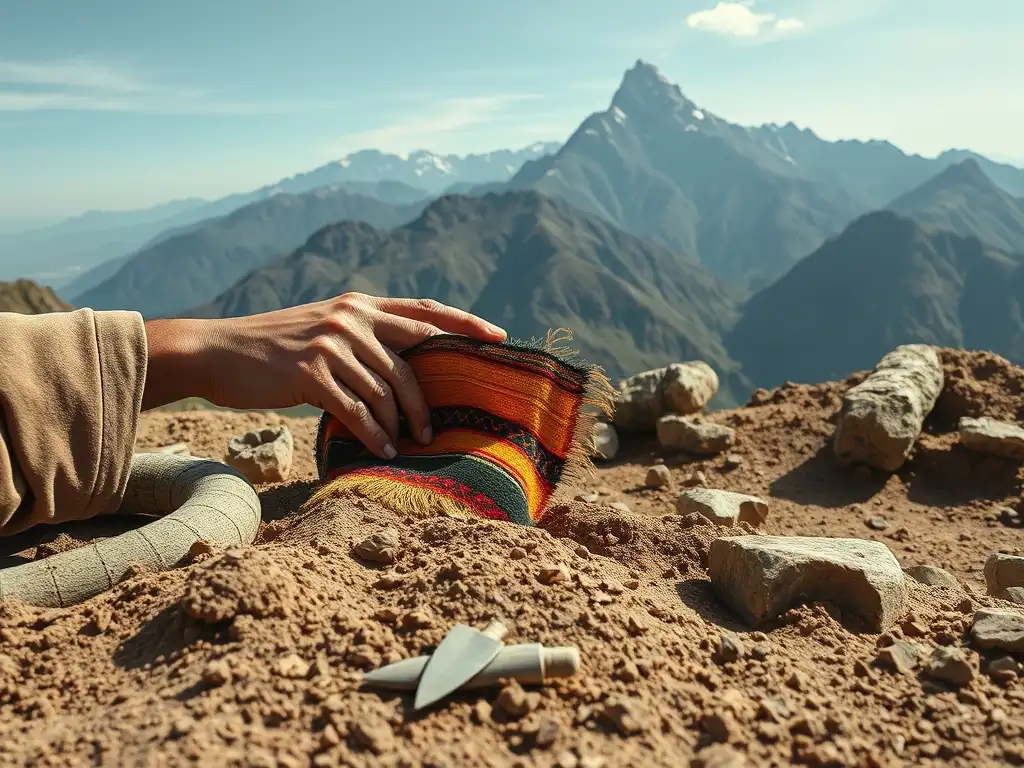
This section delves into the ongoing reevaluation of crucial elements within Andean cultures, focusing on how modern scholarship challenges and refines our understanding of their art, religion, and societal structures. The application of new technologies and interdisciplinary approaches has yielded significant insights, reshaping our interpretations of these fascinating civilizations. The keyword "Andean civilizations modern interpretations" is central to this reassessment, highlighting the dynamic nature of historical research and the continuous evolution of our understanding.
Reinterpreting Andean Art and Iconography
Modern interpretations of Andean art are moving beyond simplistic categorizations, embracing nuanced analyses of symbolism, techniques, and social contexts. The vibrant colors, intricate designs, and unique styles of pottery, textiles, and metalwork are no longer viewed solely as aesthetic achievements but as powerful mediums for communicating complex social, religious, and political messages.
Challenging Traditional Views on Moche Art
Traditional interpretations of Moche art often focused on its overtly sexual and violent depictions. However, recent scholarship suggests a more complex narrative. The seemingly graphic imagery, including depictions of ritual sacrifice and erotic encounters, may represent a sophisticated understanding of fertility, power dynamics, and the cyclical nature of life and death.
Detailed stylistic analyses, coupled with archaeological contextualization, are leading to a more nuanced understanding of Moche society and its values. For example, the discovery of previously overlooked details in Moche pottery, such as subtle variations in facial expressions and body language, has opened up new avenues for interpreting the narratives depicted. This refined approach goes beyond surface-level interpretations and delves into the deeper symbolic meanings embedded within the artwork.
Deciphering Nazca Lines through Modern Analysis
The enigmatic Nazca Lines, vast geoglyphs etched into the Peruvian desert, continue to fascinate and challenge researchers. While early interpretations suggested astronomical or ritualistic purposes, modern analyses incorporate aerial photography, GIS mapping, and remote sensing technologies to offer more comprehensive explanations. These advanced techniques reveal intricate details previously unseen, suggesting a more complex system of interconnected lines and figures than previously thought.
The combination of geophysical surveys and detailed ground-level studies is providing new insights into the construction methods, the timeline of their creation, and their possible functions within Nazca society. Furthermore, the integration of ethnoarchaeological data, studying the practices of contemporary Andean communities, is offering valuable comparative perspectives for interpreting the lines' significance.
Understanding Andean Religious Beliefs and Practices
The religious beliefs and practices of Andean civilizations were deeply intertwined with their cosmology, social structures, and daily lives. Modern scholarship is increasingly emphasizing the complexity and diversity of these beliefs, moving beyond simplistic narratives of sun worship and human sacrifice.
New Perspectives on Inca Cosmology
Inca cosmology, traditionally viewed through a Eurocentric lens, is now being reinterpreted using indigenous perspectives and a deeper understanding of Andean epistemology. The intricate relationship between the Inca worldview and their environment is being explored, highlighting the importance of mountains, rivers, and celestial bodies in their religious and political systems. The concept of Pachakuti, a cyclical worldview encompassing creation, destruction, and renewal, is now being examined in greater detail, shedding light on the Inca's understanding of time and their relationship with the cosmos. The integration of Quechua language studies and oral traditions is proving invaluable in this reassessment.
Unearthing the Significance of Andean Rituals
Andean rituals, often perceived as solely sacrificial or ceremonial, are now understood as complex social and political events. Recent archaeological discoveries and ethnographic studies reveal the significance of ritual practices in maintaining social order, reinforcing power structures, and mediating relationships between humans and the supernatural world. For instance, the analysis of mummified remains and associated grave goods is providing valuable information about ritual practices related to death and ancestor veneration.
The study of textiles and other artifacts found in ritual contexts is shedding light on the roles of specific individuals and groups within these ceremonies. The diversity of ritual practices across different Andean cultures is also being increasingly acknowledged, emphasizing the need for region-specific analyses rather than broad generalizations.
The study of Andean social structures and political systems has undergone a significant transformation in recent decades. Early interpretations often portrayed these societies as monolithic entities, ruled by powerful emperors with absolute authority. However, modern scholarship emphasizes the complexities and nuances of Andean governance, highlighting the significant roles played by various social groups and regional variations in political organization.
We now understand that power wasn't solely concentrated at the top, but rather distributed and negotiated across different levels of society. The influence of kinship networks, religious institutions, and local leaders played a crucial part in shaping political dynamics. For example, the Inca Empire, while undeniably powerful, wasn't a completely centralized state.
Local elites retained significant autonomy, and the empire employed a system of integration rather than outright suppression. This nuanced understanding of power dynamics within Andean civilizations challenges previous simplistic models and sheds light on the adaptive capacity and resilience of these societies.
Examining the Complexities of Andean Governance
Understanding Andean governance requires moving beyond simplistic notions of centralized authority. While empires like the Inca controlled vast territories, their control wasn't absolute or uniform. Archaeological evidence reveals a complex interplay between imperial power and local agency. The Inca implemented strategies of integration, incorporating local leaders and customs into the imperial administration.
This approach allowed for greater stability and facilitated the management of diverse populations. However, this wasn't a seamless process. Resistance and rebellion were common occurrences, highlighting the limitations of imperial power and the enduring strength of local identities. Furthermore, recent research emphasizes the importance of religious authority in shaping political decisions.
Priests and religious specialists held considerable influence, advising rulers and mediating conflicts. This interconnectedness between religious and political institutions is a key aspect of Andean governance that modern interpretations are increasingly highlighting. The sophisticated systems of record-keeping, such as the quipus, also suggest a more complex administrative structure than previously assumed. These systems likely served not only for accounting but also for communication and the dissemination of imperial decrees.
Rethinking Andean Economic Systems
Traditional interpretations of Andean economies often focused on the Inca's highly organized system of tribute and redistribution. While this system was undoubtedly important, modern scholarship recognizes the greater diversity and complexity of Andean economic practices. Before the Inca, various Andean societies developed sophisticated agricultural techniques, including terracing, irrigation, and crop diversification, demonstrating a deep understanding of their environment and its resources. These innovations allowed for significant food surpluses, supporting dense populations and complex social structures.
Trade networks also played a vital role in Andean economies. The exchange of goods, such as textiles, ceramics, and precious metals, connected distant communities and facilitated cultural exchange. The development of specialized craft production further demonstrates the economic sophistication of Andean societies. These economic systems were not simply based on subsistence but also involved complex systems of exchange, redistribution, and market interactions.
Modern research is revealing the intricate connections between agricultural production, trade, and social organization, providing a more nuanced understanding of Andean economic strategies. The use of different currencies and exchange systems across different Andean cultures is also an area of ongoing research. This revised perspective challenges the older, more static view of Andean economies and emphasizes their dynamism and adaptability.
Andean Civilizations Modern Interpretations: Case Studies
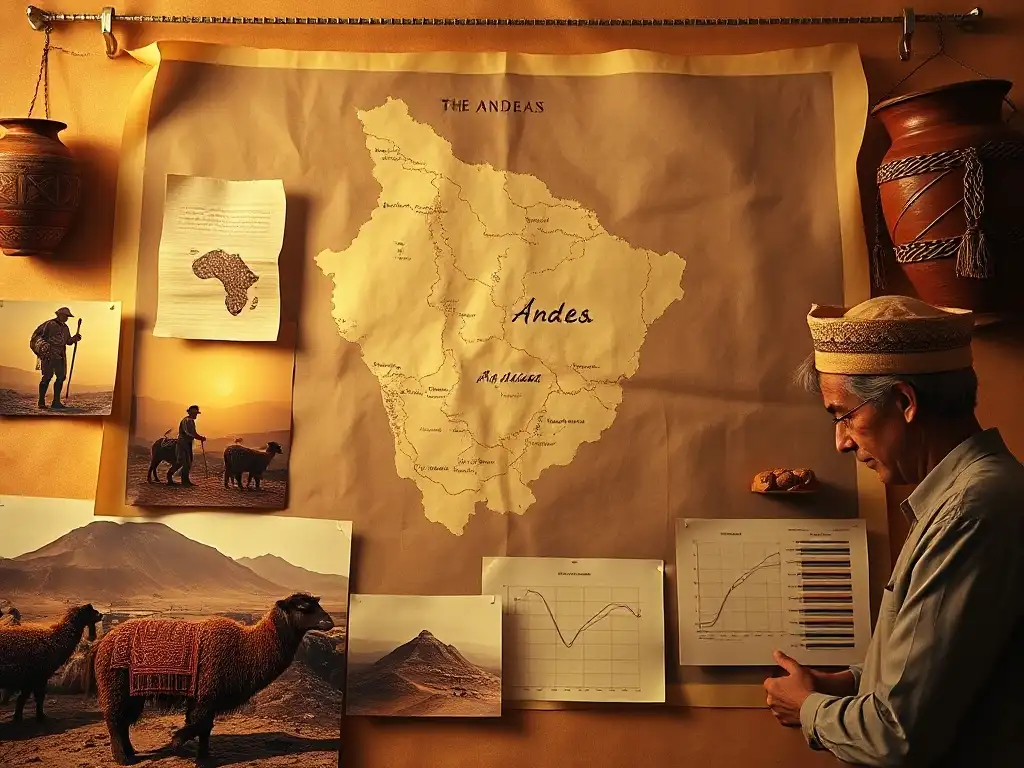
This section delves into specific examples showcasing how modern scholarship is reshaping our understanding of Andean civilizations. By employing cutting-edge technologies and innovative methodologies, researchers are uncovering new layers of complexity and challenging long-held assumptions about these fascinating cultures. This re-evaluation of Andean history offers a more nuanced and complete picture of their societal structures, technological advancements, and cultural practices. The keyword, "Andean civilizations modern interpretations," is central to this exploration.
Case Study 1: The Reinterpretation of Caral as a Complex Urban Society
For decades, the Norte Chico civilization, centered around the Caral site in Peru, was largely overlooked in discussions of Andean societal development. Traditionally viewed as a relatively simple, pre-ceramic society, recent archaeological discoveries and sophisticated dating techniques have dramatically altered this perception. Caral, dating back to 3000 BCE, is now recognized as one of the oldest urban centers in the Americas, predating even many Mesoamerican cities.
The presence of large-scale monumental architecture, including massive platforms and plazas, points to a high level of social organization and centralized power. Furthermore, the discovery of intricate irrigation systems and evidence of specialized craft production suggests a complex economy capable of supporting a substantial population. This challenges the earlier linear model of Andean development, which posited a gradual progression from simple villages to complex urban societies.
The sophistication of Caral suggests a more diverse and potentially parallel development of urbanism in the Andes, significantly impacting our understanding of early Andean civilizations and their modern interpretations. The sheer scale of Caral's infrastructure also necessitates a reassessment of the resources and labor required, hinting at a well-organized societal structure possibly based on religious authority or a sophisticated system of social stratification. Further research continues to shed light on the political and economic mechanisms that enabled Caral's remarkable growth and complexity.
Case Study 2: New Insights into the Inca Road System and Its Function
The Inca road system, Qhapaq Ñan, is a marvel of ancient engineering. While its impressive scale has long been recognized, modern interpretations are moving beyond a purely logistical view of its function. Initial perspectives focused primarily on its role in facilitating military movements and the efficient transportation of goods across the vast Inca Empire. However, recent research emphasizes its broader significance in connecting diverse communities, promoting cultural exchange, and reinforcing imperial control.
The roads weren't simply pathways; they were strategically placed to connect agricultural regions with urban centers, facilitating trade and resource distribution. Furthermore, the network of tambos (roadside inns) along the routes served not only as resting places for travelers but also as administrative centers, staging posts for messengers, and hubs for local interactions.
This suggests a more nuanced understanding of Inca imperial power, one that relied not just on military might but also on sophisticated systems of communication, administration, and social integration. The discovery of numerous smaller, less-traveled routes further highlights the road system's intricate nature and its role in supporting a complex web of social and economic relationships across the vast Andean landscape.
Analyzing the construction techniques and materials used in different sections of the road also reveals regional variations and adaptation to diverse geographical challenges, underscoring the ingenuity of Inca engineers and their deep understanding of their environment. These modern interpretations of the Inca road system offer a richer, more holistic understanding of Inca power and its impact on the Andean world.
Case Study 3: The Application of DNA Analysis to Understand Andean Migrations
The application of modern genetic analysis is revolutionizing our understanding of Andean population movements and the formation of Andean civilizations. DNA analysis allows researchers to trace ancestral lineages, identify migration patterns, and explore the genetic relationships between different Andean populations. This provides crucial insights into the complex processes of population mixing and cultural exchange that shaped the diverse tapestry of Andean societies.
For example, studies comparing DNA from ancient Andean remains with modern populations have revealed unexpected genetic links between geographically distant groups, challenging traditional narratives of isolated development. These analyses also illuminate the impact of major migrations, such as those associated with the expansion of the Inca Empire, on the genetic makeup of Andean populations.
Further, the study of ancient DNA can help us understand the genetic adaptations of Andean populations to high-altitude environments, offering valuable insights into human adaptation and resilience. The ability to analyze ancient DNA samples with increasing precision and accuracy continues to refine our understanding of the complex interplay between migration, genetic diversity, and the development of Andean cultures.
This approach, relatively new in the field of Andean studies, is proving invaluable in generating fresh perspectives on the dynamic history of the region. These modern interpretations are constantly being refined as new data emerges, highlighting the ongoing evolution of our understanding of Andean civilizations.
The Impact of Modern Interpretations on Our Understanding of Andean Civilizations
Modern interpretations of Andean civilizations are revolutionizing our understanding of these fascinating societies. Gone are the days of simplistic narratives focusing solely on Inca dominance. Contemporary scholarship, employing interdisciplinary approaches and advanced technologies, offers a far more nuanced and complex picture.
This shift is fueled by several key factors: access to previously unexplored archaeological sites, the application of sophisticated scientific dating methods like radiocarbon dating and thermoluminescence, and a renewed focus on incorporating indigenous perspectives and oral histories. These advancements allow scholars to challenge long-held assumptions, revealing intricate social structures, sophisticated technologies, and a rich tapestry of cultural expressions that were previously overlooked. For instance, the recent re-evaluation of Nazca lines, once solely attributed to astronomical purposes, now incorporates evidence suggesting ritualistic and social significance.
This exemplifies the ongoing process of refining our understanding of Andean civilizations, moving beyond simplistic narratives towards a more holistic and accurate representation. The updated perspectives contribute to a more complete and engaging understanding of Andean history, leading to a better appreciation of the ingenuity and complexity of these ancient societies. This nuanced view acknowledges the diversity and dynamism within Andean cultures, challenging the previously dominant, often Eurocentric, interpretations.
The Importance of Critical Analysis in Andean Studies
Critical analysis is paramount in Andean studies. Interpretations must constantly be evaluated in light of new evidence and evolving theoretical frameworks. The inherent biases in historical narratives, often stemming from colonial perspectives, must be actively addressed. For example, earlier interpretations frequently depicted Andean societies as static and unchanging, neglecting the dynamic interactions and internal conflicts that shaped their evolution.
Modern scholars actively challenge these biases by employing postcolonial theories and incorporating indigenous voices to provide a more balanced and accurate account. Moreover, careful consideration of the archaeological context – including environmental factors, social structures, and technological capabilities – is crucial for avoiding misinterpretations. The meticulous examination of artifacts, alongside careful analysis of settlement patterns and agricultural practices, allows scholars to build a more robust and reliable understanding of Andean life.
This rigorous approach ensures that our interpretations are grounded in evidence and are constantly refined as new data emerges. The importance of critical analysis cannot be overstated; it is the cornerstone of responsible and meaningful research in the field of Andean civilizations. The adoption of critical analysis methods has been vital in improving the accuracy and completeness of our understanding of these ancient societies.
How Modern Interpretations Enhance Appreciation for Andean Heritage
Modern interpretations significantly enhance our appreciation for Andean heritage. By moving beyond simplistic narratives of conquest and subjugation, these interpretations highlight the ingenuity, resilience, and cultural richness of Andean civilizations. For example, the detailed study of Inca road systems reveals not only their remarkable engineering prowess but also their role in facilitating trade, communication, and social integration across vast distances.
Similarly, the re-evaluation of Andean textiles reveals complex symbolic systems and sophisticated weaving techniques, showcasing the artistry and cultural sophistication of these societies. The incorporation of indigenous perspectives and oral traditions further enriches our understanding of Andean cosmology, spirituality, and social structures, providing invaluable insights that were previously unavailable. This holistic approach fosters a deeper appreciation for the multifaceted nature of Andean heritage, moving beyond a narrow focus on material culture to encompass the broader social, political, and spiritual dimensions of these societies.
This richer understanding fuels a renewed interest in preserving and celebrating Andean heritage, leading to increased efforts in conservation, education, and cultural tourism. The enhanced appreciation translates to better protection and promotion of these valuable cultural resources.
The Future of Andean Research: Challenges and Opportunities
The future of Andean research presents both exciting opportunities and significant challenges. Technological advancements, such as advanced imaging techniques and DNA analysis, promise to unlock new insights into Andean societies. However, ethical considerations surrounding the repatriation of artifacts and the protection of sacred sites remain paramount.
Moreover, ensuring equitable collaboration with indigenous communities is crucial for respectful and meaningful research. The integration of interdisciplinary approaches, combining archaeology, anthropology, linguistics, and other fields, is essential for a holistic understanding. Further challenges include addressing the scarcity of well-preserved written records, requiring scholars to rely heavily on material culture and oral traditions.
Despite these challenges, the potential for discovery and deeper understanding remains immense. The future of Andean research lies in collaborative efforts that prioritize ethical considerations, integrate diverse perspectives, and leverage technological advancements to unravel the remaining mysteries of these remarkable civilizations. This collaborative approach will ensure that future interpretations of Andean civilizations are both accurate and respectful, contributing to a richer understanding of humanity's past.
Frequently Asked Questions
What is the main focus of modern interpretations of Andean civilizations?
Modern interpretations focus on moving beyond simplistic narratives and exploring the complexity of Andean societies. Scholars now emphasize interconnectedness, diversity, and the agency of individuals within these cultures. This includes challenging Eurocentric biases in historical accounts.
How have modern technologies impacted the study of Andean civilizations?
Advanced technologies, like LiDAR and DNA analysis, are revolutionizing our understanding. LiDAR reveals previously hidden settlements and infrastructure, while DNA analysis sheds light on migration patterns and population movements. These tools provide unprecedented detail about Andean life.
What are some examples of modern reinterpretations of Andean art and iconography?
Modern scholars are re-examining Andean art, moving away from solely symbolic interpretations. They emphasize the social and political contexts of artistic production. This includes understanding the role of art in rituals, power dynamics, and everyday life.
How do modern interpretations address the issue of colonialism's impact on our understanding of Andean civilizations?
Modern scholarship actively confronts the biases introduced by colonialism. Researchers are prioritizing Indigenous voices and perspectives, re-evaluating sources, and acknowledging the lasting impact of colonial narratives on our understanding of these cultures.
How are modern scholars challenging traditional narratives of the Inca Empire?
Modern scholarship challenges the traditional view of the Inca Empire as a monolithic, highly centralized state. Instead, it highlights the regional variations, internal conflicts, and the diverse interactions between the Inca and other Andean groups. This emphasizes a more nuanced and complex picture.
Final Reflection: Echoes of the Andes in a Changing World
The enduring legacy of Andean civilizations continues to resonate in our modern world, challenging our assumptions and enriching our understanding of human history and resilience. Their sophisticated societal structures, intricate astronomical knowledge, and breathtaking artistic achievements offer invaluable lessons for navigating the complexities of the 21st century. We are only beginning to truly grasp the depth and breadth of their contributions.
The reinterpretations of Andean history, moving beyond colonial narratives and embracing indigenous perspectives, are crucial for fostering a more inclusive and accurate understanding of the past. This shift in scholarly approach not only illuminates the richness of Andean cultures but also highlights the importance of acknowledging and respecting diverse voices in historical discourse. The past is never dead. It's not even past.
– William Faulkner. This quote rings especially true when considering the ongoing relevance of Andean knowledge systems and their potential to inform contemporary solutions to global challenges.
Consider the ingenuity of the Inca road system, the precision of their agricultural techniques, or the profound spiritual connection they held with their environment. These are not merely historical artifacts; they are potent reminders of human potential and the enduring power of community. You, the reader, are now equipped with a deeper understanding of these ancient societies. Let this knowledge inspire you to seek out diverse perspectives, question established narratives, and appreciate the interconnectedness of all human experience. Embrace the echoes of the Andes, and let them guide your journey towards a more informed and compassionate future.
Unveil the Mysteries of the Andean Past!
Thank you for exploring the rich tapestry of Andean history with us! You've gained valuable insights into the fascinating connection between the past and present by examining how modern scholars reinterpret ancient mysteries. Now, let's delve even deeper into this captivating heritage.
Here are some exciting ways to further connect with Andean civilizations:
- Join a local archaeology group or an online forum to discuss and share insights about Andean history and its influence on contemporary culture.
- Examine Andean artifacts firsthand at a local museum or through virtual tours, and learn about their significance in modern scholarship.
- Share this article with friends and family and ignite a conversation about the mysteries of ancient civilizations!
What aspect of Andean culture most surprises you, and how do you believe it shapes our understanding of history today? Your thoughts could inspire others!