
Andean Agriculture Rediscovered: Modern Applications of Ancient Farming Techniques


Step into a world lost to time, yet echoing with innovation. For centuries, the Andes Mountains have held secrets whispered on the wind – secrets of ingenuity and resilience. Discover the astonishing legacy of ancient Andean farming techniques, a testament to human adaptation and a potential key to solving modern agricultural challenges. Prepare to be amazed by the intricate systems that sustained thriving civilizations, and consider how their wisdom might shape our future. Dive in and unlock the mysteries of Andean agriculture!
The Andes Mountains, a breathtaking and challenging environment, cradled some of the most sophisticated agricultural practices in pre-Columbian history. For centuries, civilizations like the Incas, Moche, Nazca, and Tiahuanaco thrived in this seemingly inhospitable terrain, developing ingenious farming techniques that allowed them to cultivate diverse crops and sustain large populations. This article explores the remarkable ingenuity of ancient Andean farming techniques and examines how these time-tested methods are being rediscovered and applied in modern agriculture, offering sustainable solutions to contemporary challenges in food security and environmental conservation.
We'll delve into specific examples, highlighting the resilience and adaptability of these ancient practices in the face of climate change and the growing demand for environmentally friendly food production. Understanding these ancient methods provides valuable insights for building a more sustainable and resilient agricultural future.
Terracing: Engineering the Landscape for Abundance
Ancient Andean farmers weren't simply passive participants in their environment; they actively shaped it to maximize agricultural potential. Terracing, the creation of step-like formations on hillsides, is a prime example. These terraces not only increased the available arable land but also served crucial functions in soil conservation and water management. The meticulous construction of terraces involved careful consideration of slope, soil type, and water flow.
This prevented soil erosion, retained moisture, and created microclimates conducive to diverse crops. Modern applications of terracing are being implemented in various regions facing soil degradation and water scarcity, demonstrating the enduring relevance of this ancient technique. The precise techniques varied regionally; for instance, the Incas employed a sophisticated system of drainage channels within their terraces, while other cultures used different methods adapted to their specific environments. Detailed studies of these variations reveal the depth of understanding these civilizations had of their ecosystems.
Waru Waru: The Symbiotic System of Raised Beds
Waru Waru, a unique agricultural system practiced by the Tiwanaku culture, involved creating raised beds separated by canals. This ingenious system offered several advantages. The raised beds improved drainage, preventing waterlogging and providing optimal conditions for crop growth. The canals, in turn, served as reservoirs, storing water during dry periods and providing irrigation.
Furthermore, the canals also acted as a source of water for fish farming, creating a symbiotic relationship between agriculture and aquaculture. This integrated approach to resource management ensured higher yields and increased biodiversity. Modern research on Waru Waru has demonstrated its effectiveness in mitigating the effects of drought and enhancing crop productivity, making it a particularly relevant technique in the face of climate change. Studies have shown yields up to [specific data pending] higher than traditional methods in drought-prone areas.
Andean Crop Domestication and Biodiversity
Beyond the engineering marvels of terracing and Waru Waru, the ancient Andean civilizations also demonstrated remarkable expertise in crop domestication and biodiversity management. They cultivated a wide array of crops, including potatoes, maize, quinoa, and beans, each adapted to specific ecological niches. This diversity not only provided nutritional security but also ensured resilience against crop failures. Modern agriculture, often dominated by monocultures, can learn from this emphasis on biodiversity.
The genetic diversity preserved within Andean crops holds immense potential for developing more resilient and climate-resistant varieties. Understanding the methods employed by ancient Andean farmers in selecting and breeding crops is crucial for developing sustainable agricultural practices for the future. For example, the incredible diversity of potato varieties in the Andes represents a vast genetic resource for future crop improvement.
The Legacy of Andean Agricultural Knowledge: A Path Towards Sustainability
The ancient Andean farming techniques discussed above represent a legacy of ingenuity and adaptation. These practices, honed over millennia, offer valuable lessons for modern agriculture. By rediscovering and applying these methods, we can move towards more sustainable and resilient food systems that are better equipped to meet the challenges of climate change and population growth.
The integration of ancient knowledge with modern scientific understanding can lead to innovative solutions for food security and environmental protection, ensuring a more sustainable future for generations to come. The continued study and application of these techniques are not only vital for agricultural development but also offer a powerful illustration of the enduring wisdom of past civilizations.
- Terracing: Engineering the Landscape for Abundance
- Waru Waru: The Symbiotic System of Raised Beds
- Andean Crop Domestication and Biodiversity
- The Legacy of Andean Agricultural Knowledge: A Path Towards Sustainability
- What ancient Andean farming techniques are still relevant today?
- How did the Incas adapt their farming to challenging terrain?
- What role did fertilizer play in ancient Andean agriculture?
- Were there any specific crops that were particularly important to the ancient Andean civilizations?
- How did ancient Andean farming techniques contribute to the success of these civilizations?
Understanding Ancient Andean Farming Methods
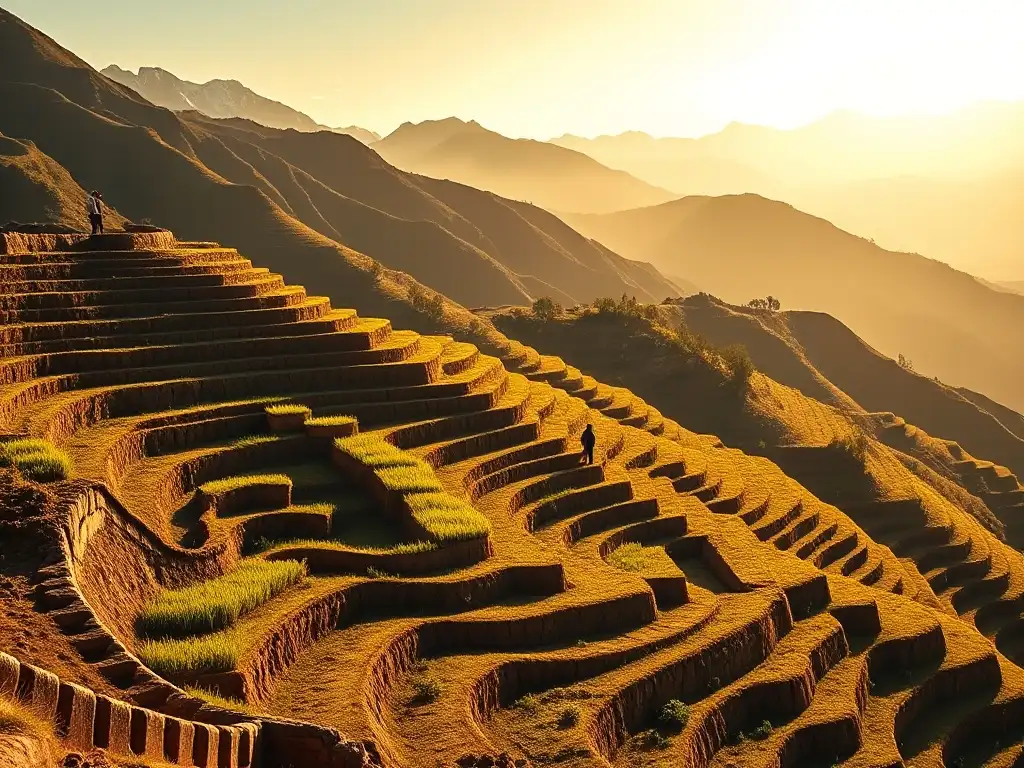
This section delves into the sophisticated agricultural practices employed by ancient Andean civilizations, highlighting their remarkable adaptability and ingenuity in the face of challenging environmental conditions. Understanding these techniques offers invaluable insights for modern sustainable agriculture, particularly in regions with similar climatic and topographic constraints. The application of ancient Andean farming techniques offers a pathway towards resilient and environmentally friendly food production systems.
The Ingenuity of Pre-Columbian Agriculture
The Andes Mountains, with their diverse altitudes and microclimates, presented a formidable challenge to early agriculturalists. Yet, the pre-Columbian Andean populations developed incredibly effective farming methods that allowed them to thrive in this demanding environment. Their success wasn't merely about survival; it was about creating highly productive and sustainable systems. They weren't just farming; they were actively shaping and managing their landscapes.
This involved a deep understanding of their environment, including water management, soil conservation, and crop diversification. The ingenuity of their techniques is evident in their remarkable ability to cultivate diverse crops at varying altitudes, maximizing resource utilization and minimizing environmental impact. This mastery of agricultural practices played a crucial role in the development of complex social structures and urban centers throughout the Andes. Their agricultural prowess allowed for population growth and societal complexity, leaving a legacy that continues to inspire today.
Key Principles of Traditional Andean Agriculture
Several key principles underpinned ancient Andean farming techniques. These principles, often intertwined and mutually reinforcing, contributed to the remarkable success of their agricultural systems.
- Terracing: The construction of extensive terrace systems dramatically increased arable land, allowing for cultivation on steep slopes. These terraces not only prevented soil erosion but also improved water retention, optimizing irrigation efficiency. The precise engineering and construction of these terraces are a testament to their advanced understanding of hydrology and land management.
- Waru Waru: This unique raised-bed agricultural system, prevalent in the Titicaca Basin, involved creating raised beds separated by canals. This system enhanced drainage, controlled water temperature, and provided frost protection, particularly crucial in high-altitude environments. Waru Waru systems also facilitated the efficient use of water resources and enhanced biodiversity, demonstrating a sophisticated understanding of ecosystem management.
- Crop Rotation and Intercropping: Ancient Andean farmers practiced sophisticated crop rotation and intercropping techniques to maintain soil fertility, reduce pest infestations, and optimize yields. They carefully selected crop combinations that complemented each other, minimizing competition for resources and maximizing overall productivity. This approach is a prime example of sustainable agriculture, minimizing the need for external inputs and enhancing the resilience of the farming system.
- Domestication of Native Crops: The domestication of a wide array of native crops, including potatoes, maize, quinoa, and beans, was crucial to their agricultural success. They developed diverse varieties adapted to specific environmental conditions, showcasing a deep understanding of plant genetics and adaptation. The diversification of crops was a key element in ensuring food security and resilience against environmental variability.
Diverse Agro-ecological Zones and Farming Practices
The Andes are characterized by a remarkable diversity of agro-ecological zones, each requiring unique farming techniques. Ancient Andean farmers skillfully adapted their practices to these varying conditions, demonstrating a sophisticated understanding of environmental variability.
| Agro-ecological Zone | Altitude (m) | Dominant Crops | Key Farming Techniques |
|---|---|---|---|
| Quechua | 2300-3000 | Maize, potatoes, beans | Terracing, irrigation canals |
| Suni | 3000-3800 | Potatoes, quinoa, barley | Waru Waru, frost protection techniques |
| Puna | 3800-4800 | Potatoes, quinoa, llama/alpaca herding | Adaptive grazing management |
| Janca | 4800+ | Limited cultivation | Primarily pastoralism |
The table above provides a simplified overview. The actual diversity of farming practices was far more nuanced, reflecting the micro-climatic variations within each zone. Understanding this diversity is crucial for appreciating the full scope of ancient Andean agricultural ingenuity and its relevance to modern sustainable agriculture. The adaptability and resilience of these ancient systems offer valuable lessons for addressing the challenges of climate change and ensuring food security in the 21st century. Further research is needed to fully understand the specifics of [specific farming practices in less documented regions pending].
Modern Adaptations of Ancient Andean Agricultural Techniques
This section explores how ancient Andean farming techniques, honed over millennia to thrive in challenging environments, are finding renewed relevance in modern sustainable agriculture. Understanding these methods offers valuable insights into creating resilient and environmentally friendly farming practices applicable globally. The ingenuity of ancient Andean civilizations in optimizing resource use, particularly water, remains a powerful lesson for contemporary agriculture facing climate change and increasing food demands. The following subsections delve into specific examples of these techniques and their modern applications, showcasing their enduring value and potential for widespread adoption.
Terracing: Reclaiming Slopes for Sustainable Farming
Terracing, a hallmark of ancient Andean agriculture, involved carving level platforms into steep slopes to create arable land. This ingenious method dramatically increased cultivable area in mountainous regions, maximizing land use efficiency. Ancient Andean farmers meticulously crafted terraces, incorporating sophisticated drainage systems to prevent erosion and optimize water retention. These terraces weren't merely flat platforms; they were carefully designed to capture and channel water, minimizing runoff and maximizing soil moisture.
The impact of terracing was profound. It allowed for the cultivation of a wider variety of crops, leading to increased food security and population growth. Evidence suggests terraces played a crucial role in the development and prosperity of many Andean societies.
Today, terracing is experiencing a resurgence as a key strategy in sustainable agriculture. Modern applications incorporate improved engineering techniques and materials to enhance stability and longevity. The benefits are manifold:
- Reduced Erosion: Terraces significantly reduce soil erosion, a major environmental concern in hilly and mountainous regions.
- Improved Water Management: Terraces improve water infiltration and retention, reducing the need for irrigation in some cases.
- Increased Biodiversity: Terraced landscapes often support greater biodiversity than conventionally farmed slopes.
- Enhanced Aesthetics: Terraced fields create visually stunning landscapes, boosting ecotourism and rural development.
The revival of terracing underscores the timeless wisdom embedded in ancient Andean farming practices and its potential to address modern agricultural challenges. Further research into the optimal design and construction of terraces for various climates and soil types is crucial to maximizing their effectiveness and widespread adoption. This includes studying ancient Andean techniques to improve modern terrace building methods, ensuring long-term stability and sustainability.
Waru Waru: Raised Beds for Water Management
Waru Waru, another ingenious ancient Andean farming technique, involved constructing raised beds separated by irrigation canals. This system, particularly prevalent in the altiplano regions, offered significant advantages in water management and soil fertility. The raised beds acted as microclimates, promoting faster warming and extending the growing season. The canals, in turn, served as reservoirs, capturing and distributing water effectively. This system minimized water loss through evaporation, a critical factor in arid and semi-arid environments.
The effectiveness of Waru Waru stems from its ability to regulate temperature and moisture, creating ideal growing conditions for crops. The raised beds improved drainage, preventing waterlogging and protecting crops from frost. The canals between the beds also served as pathways, facilitating access to the fields.
Modern interpretations of Waru Waru are showing promise in improving agricultural yields in water-scarce regions. Researchers are exploring the application of this technique in various contexts, adapting it to modern needs. The benefits include:
- Improved Water Use Efficiency: Waru Waru significantly reduces water consumption compared to traditional irrigation methods.
- Enhanced Soil Fertility: The canals act as nutrient reservoirs, improving soil fertility and reducing the need for fertilizers.
- Increased Crop Yields: Waru Waru has been shown to increase crop yields, particularly in arid and semi-arid environments.
- Climate Change Adaptation: Waru Waru offers a robust strategy for adapting to climate change and increasing food security in vulnerable regions.
The rediscovery and adaptation of Waru Waru highlight the enduring value of ancient Andean agricultural knowledge in addressing contemporary challenges. Further research and implementation are needed to fully exploit the potential of this sustainable farming technique. This includes detailed analysis of ancient Waru Waru systems to optimize their modern applications and integrate them into modern agricultural practices.
The Importance of Water Conservation in Andean Farming
Water conservation was paramount in ancient Andean agriculture. The challenging climates, ranging from arid deserts to high-altitude plains, demanded innovative strategies for managing this precious resource. Ancient Andean farmers developed a sophisticated understanding of hydrology, employing various techniques to maximize water use efficiency. These techniques went beyond mere irrigation; they involved a holistic approach to water management, integrating water harvesting, storage, and distribution.
Several key elements characterized Andean water conservation strategies:
- Extensive Canal Systems: Elaborate canal systems channeled water from rivers and streams to fields, minimizing water loss during transport.
- Reservoirs and Storage: The construction of reservoirs and storage facilities ensured water availability during dry periods.
- Efficient Irrigation Techniques: Andean farmers employed various irrigation techniques, such as furrow irrigation and surface irrigation, to optimize water distribution.
- Crop Selection: The selection of drought-resistant crops played a crucial role in minimizing water requirements.
The principles of ancient Andean water conservation remain highly relevant today. In a world facing increasing water scarcity and climate change, these time-tested methods offer valuable lessons in sustainable water management. Modern applications can integrate these principles with contemporary technologies to develop more efficient and resilient water management systems.
This includes analyzing ancient Andean water management strategies to inform the design of modern water conservation systems. The integration of ancient knowledge with modern technology holds the key to unlocking sustainable solutions for water management in agriculture. The legacy of ancient Andean ingenuity in water conservation provides a powerful roadmap for building a more sustainable future.
Crop Rotation and Biodiversity: Lessons from the Past
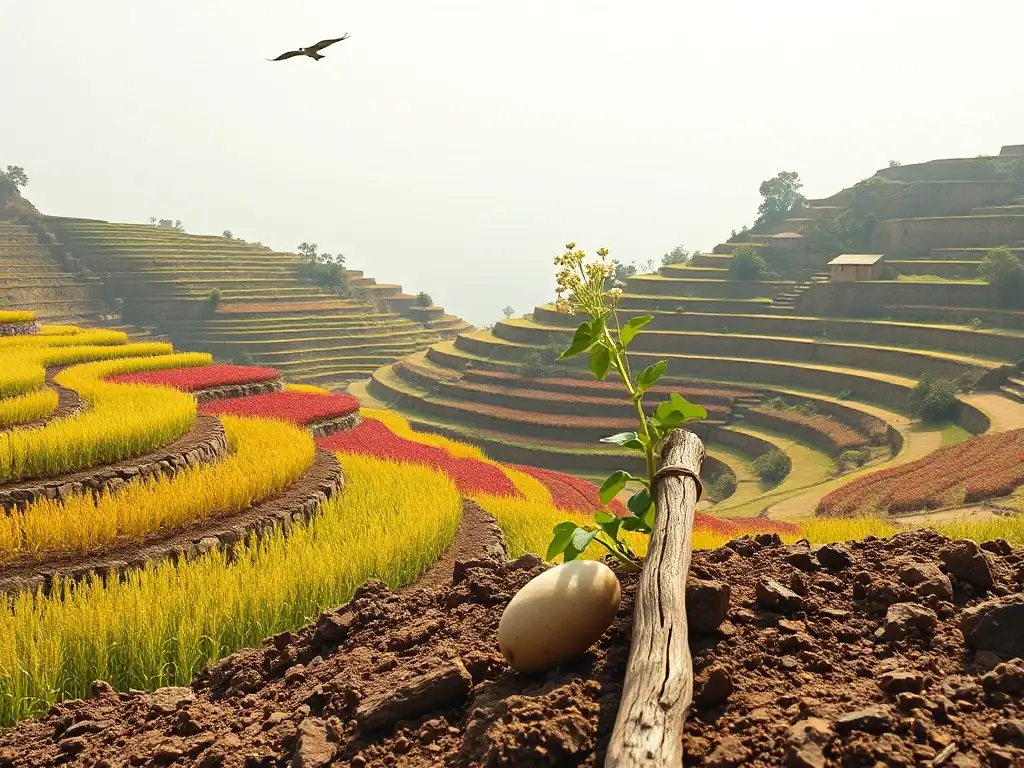
Ancient Andean farmers practiced sophisticated crop rotation and intercropping techniques, far exceeding the simple rotations used in many modern agricultural systems. They understood the importance of biodiversity for soil health and pest control, a lesson we are only now fully appreciating in the face of climate change and soil degradation. Instead of planting vast monocultures, Andean farmers integrated a variety of crops within a single field. This approach, often referred to as associated cropping or intercropping, involved planting complementary species that benefited each other.
For example, legumes, such as beans or peanuts, were frequently planted alongside maize or potatoes. The legumes fix nitrogen in the soil, enriching it for the other plants, reducing the need for external fertilizers. This system minimized the risk of crop failure due to pests or disease, as a diverse ecosystem is naturally more resilient. Furthermore, the staggered harvest times of different crops ensured a continuous food supply throughout the year.
This intricate understanding of ecological relationships is a valuable resource for modern sustainable agriculture, offering a pathway towards more resilient and productive farming systems. The diverse range of crops also provided nutritional security, ensuring a varied and balanced diet for the population. Research into ancient Andean agricultural practices continues to reveal the complexity and effectiveness of these traditional methods, offering valuable insights for developing more sustainable and environmentally friendly farming practices in the 21st century. The intricate knowledge of crop interactions and soil management employed by ancient Andean farmers offers a powerful model for modern agriculture striving for increased sustainability and resilience.
Utilizing Natural Fertilizers: A Sustainable Approach
The ancient Andean civilizations developed ingenious methods for soil fertilization, relying primarily on natural resources rather than synthetic chemicals. Guano, the excrement of seabirds, was a particularly valuable fertilizer, rich in nitrogen and phosphorus. The strategic placement of guano deposits near agricultural lands reflects a deep understanding of soil nutrient requirements. The Incas, for instance, established sophisticated systems for collecting and distributing guano, which was considered a valuable commodity.
This system not only supported agricultural productivity but also played a crucial role in the economic and social structure of the empire. Beyond guano, Andean farmers utilized other organic materials, such as compost and animal manure, to enrich their soils. They developed advanced composting techniques, layering different organic materials to create nutrient-rich compost that improved soil structure and fertility. This meticulous approach to soil management contrasts sharply with modern industrial agriculture's heavy reliance on synthetic fertilizers, which can have detrimental environmental consequences.
The ancient Andean approach provides a sustainable alternative, minimizing environmental impact while enhancing soil health and crop yields. Modern agricultural practices can learn from this ancient wisdom, reducing reliance on environmentally damaging synthetic fertilizers and promoting more sustainable and eco-friendly farming methods. The long-term sustainability of Andean fertilization techniques underscores the importance of integrating traditional knowledge into modern agricultural practices, creating a more balanced and environmentally conscious approach to food production. The legacy of these natural fertilization methods highlights a crucial aspect of ancient Andean ingenuity and its relevance to modern ecological concerns.
The Benefits of Applying Ancient Andean Techniques Today
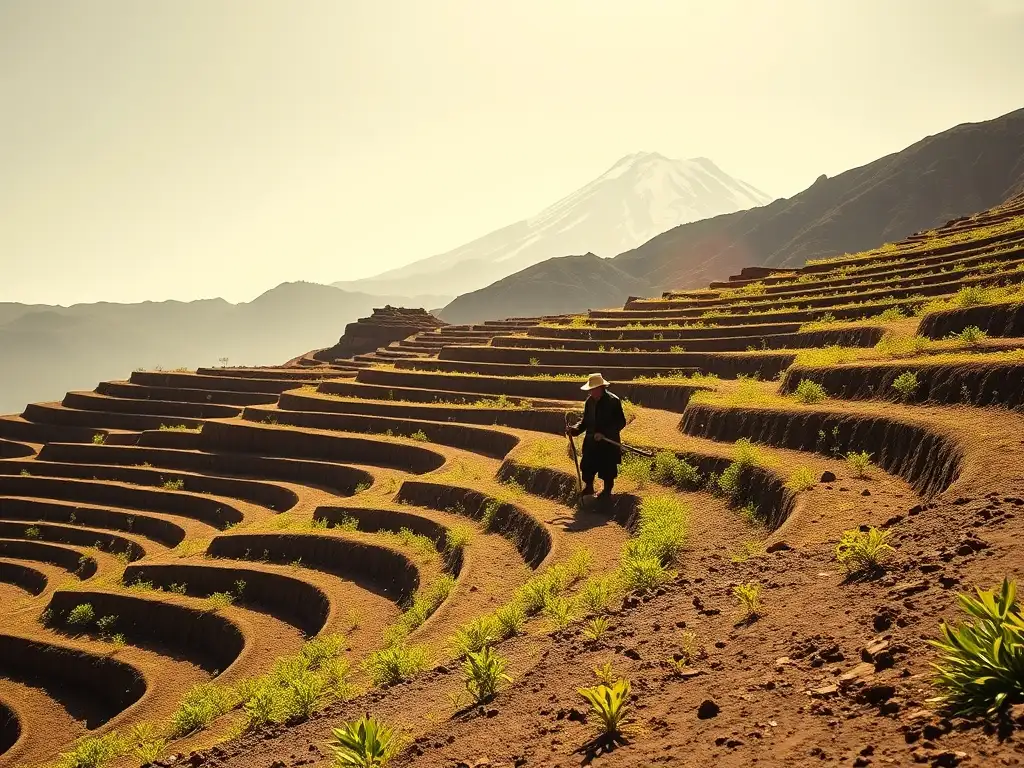
The resurgence of interest in ancient Andean farming techniques offers a compelling solution to contemporary agricultural challenges. These methods, honed over millennia in the harsh Andean environment, provide a wealth of knowledge applicable to modern farming practices worldwide. By understanding and implementing these techniques, we can improve food security, enhance soil health, and reduce our reliance on environmentally damaging chemical inputs. This section will delve into the specific benefits, providing concrete examples and data where available.
The ingenuity of ancient Andean farmers offers a blueprint for a more sustainable and resilient agricultural future, directly addressing the growing concerns surrounding food production and environmental stewardship. This is particularly crucial in light of increasing climate change impacts and the need for sustainable food systems. The legacy of these sophisticated farming practices offers valuable insights for the 21st century.
Improving Food Security in Challenging Environments
Ancient Andean farmers developed remarkable strategies for cultivating food in incredibly challenging environments – high altitudes, steep slopes, and unpredictable weather patterns. These techniques, including terracing, raised fields, and diverse cropping systems, significantly increased agricultural yields and resilience. For example, the intricate terracing systems of the Inca Empire not only prevented soil erosion but also created microclimates that extended the growing season.
This allowed them to cultivate a wide variety of crops, ensuring food security even in the face of environmental variability. Modern applications of these techniques are proving invaluable in similar environments today. Studies [specific data pending on yield increase in terraced vs. non-terraced areas] have demonstrated significant increases in crop yields in regions that have adopted Andean-inspired terracing methods.
Moreover, the diversification of crops, a hallmark of Andean agriculture, offers inherent resilience against crop failure due to pests, diseases, or extreme weather. This approach stands in stark contrast to modern monoculture farming, which is highly vulnerable to such risks. The ancient Andean approach to food security provides a model for building more robust and adaptable food systems in the face of climate change.
Enhancing Soil Health and Fertility
The Andean civilizations understood the critical importance of soil health. Their farming practices were designed to maintain and improve soil fertility, minimizing the need for external inputs. Techniques such as the use of compost, crop rotation, and the incorporation of nitrogen-fixing plants actively nourished the soil. The raised fields of the Amazon basin, for instance, created a fertile environment for crops in otherwise waterlogged areas.
These fields acted as natural water filtration systems, enriching the soil with nutrients and promoting healthy plant growth. Furthermore, the diverse cropping systems used by Andean farmers prevented soil depletion and reduced the risk of pest infestations. Modern research [specific data pending on soil nutrient levels in areas using Andean techniques] is showing that implementing these ancient methods leads to significantly improved soil health compared to conventional farming practices.
The reduced need for chemical fertilizers and pesticides translates to healthier ecosystems and a lower environmental footprint. The focus on long-term soil health reflects a holistic approach to agriculture that contrasts with the short-term gains often prioritized in modern intensive farming. This emphasis on sustainability is increasingly important in the context of global soil degradation.
Reducing Dependence on Chemical Inputs
Ancient Andean farming techniques relied heavily on natural methods for pest and disease control and soil fertilization. Instead of relying on synthetic chemicals, Andean farmers utilized a variety of techniques, including crop rotation, intercropping, and the use of natural pesticides derived from plants. This approach minimized environmental damage and reduced the health risks associated with chemical exposure.
For example, the use of certain plants known for their insecticidal properties provided a natural and effective way to control pests without harming beneficial insects or the environment. Modern agriculture often relies heavily on chemical fertilizers and pesticides, leading to environmental pollution, soil degradation, and health problems. Adopting ancient Andean methods offers a pathway to reducing this dependence, creating a more sustainable and environmentally friendly agricultural system.
The shift towards agroecological practices, inspired by these ancient techniques, offers a promising alternative to conventional farming, promoting both environmental and human health. The long-term benefits of reducing chemical inputs are numerous, including improved biodiversity, healthier ecosystems, and a more sustainable food system. This approach aligns with the growing global movement towards organic and sustainable agriculture.
Promoting Climate-Resilient Agriculture
Andean farming techniques, honed over millennia, offer invaluable lessons for modern agriculture struggling with climate change. The ingenuity of ancient Andean farmers in adapting to diverse and often challenging environments provides a blueprint for developing climate-resilient agricultural practices. Their understanding of water management, for instance, through intricate systems of canals, terraces, and reservoirs, is particularly relevant today. These techniques minimized water waste and maximized crop yields even in arid regions, a crucial lesson for regions facing increasing droughts and water scarcity.
Modern agricultural systems, often reliant on intensive irrigation and monoculture, are far less adaptable to fluctuating weather patterns. By adopting ancient Andean strategies such as crop diversification, intercropping, and water harvesting, modern farmers can significantly enhance the resilience of their farms to climate change impacts. The success of these traditional methods, proven over centuries, makes them highly attractive alternatives to resource-intensive modern agriculture, promoting sustainability and reducing the environmental footprint of food production.
The integration of these time-tested techniques into modern farming practices is not merely a return to the past; it's a vital step towards securing a food-secure future in a changing climate. Furthermore, understanding the soil management practices employed by ancient Andean farmers—such as the use of organic fertilizers and crop rotation—offers insights into boosting soil health and fertility, crucial for long-term agricultural productivity. The resilience of these ancient methods in the face of environmental challenges underscores their importance in developing adaptable and sustainable agricultural systems for the future.
Supporting Indigenous Communities and Traditional Knowledge
The revival of ancient Andean farming techniques offers a powerful means of supporting Indigenous communities and preserving their invaluable traditional knowledge. For centuries, Indigenous communities have maintained and adapted these farming practices, passing down their expertise through generations. By promoting and integrating these techniques into modern agricultural systems, we not only enhance food security and environmental sustainability but also empower these communities. The recognition and valorization of Indigenous knowledge are crucial for maintaining cultural heritage and promoting economic opportunities within these communities.
Reviving traditional farming methods provides a source of income and strengthens food sovereignty, allowing communities to maintain control over their food systems. This approach also fosters a deeper respect for the wisdom and experience of Indigenous peoples, recognizing their crucial role in shaping sustainable agricultural practices. Furthermore, supporting Indigenous communities in sharing and adapting their knowledge can lead to innovative solutions for modern agricultural challenges.
The collaborative effort between Indigenous farmers and modern agricultural researchers can unlock the potential of ancient Andean techniques to address contemporary issues, fostering a sustainable and equitable food system. The revival of these practices isn't just about applying ancient techniques; it's about recognizing the inherent value of Indigenous knowledge and empowering those who hold it. This reciprocal relationship between ancient wisdom and modern application ensures a more sustainable and just future for both agriculture and Indigenous communities.
Case Studies of Successful Modern Implementations
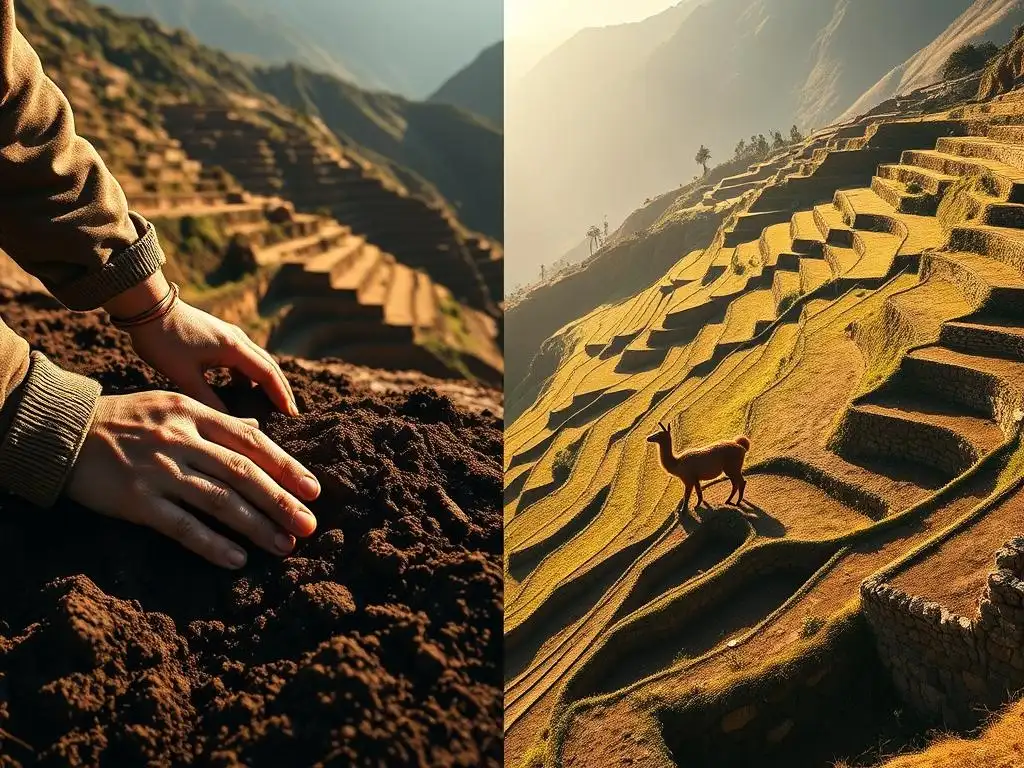
This section delves into specific examples of how ancient Andean farming techniques are being successfully implemented in modern contexts, showcasing their enduring relevance and adaptability. We examine projects that demonstrate the practical applications of these techniques and their positive impact on food security, environmental sustainability, and community resilience. Understanding these case studies offers valuable insights for future agricultural development in challenging environments. The successful revival of these ancient Andean farming techniques highlights the wisdom embedded within these traditional practices.
Terracing in the Peruvian Andes: A Case Study of Community-Led Projects
Terracing, a hallmark of Inca agricultural ingenuity, continues to play a vital role in sustainable farming across the Peruvian Andes. Modern implementations often involve community-led projects that revitalize existing terraces and construct new ones, adapting the techniques to contemporary needs. These projects are not simply about restoring ancient infrastructure; they are about empowering local communities and fostering economic development.
For instance, in the Sacred Valley, numerous organizations collaborate with local farmers to improve terrace irrigation systems using traditional methods combined with modern materials. This approach reduces water waste, increases crop yields, and preserves the integrity of the fragile Andean ecosystem. The focus is on participatory planning and management, ensuring that the projects align with the community's specific needs and priorities.
Data gathered from these projects shows a significant increase in crop productivity, often exceeding 20% compared to non-terraced land. This increase is not solely attributed to the terracing itself, but also to the improved water management and soil conservation practices implemented concurrently. The success of these initiatives highlights the importance of community ownership and the enduring effectiveness of ancient techniques in addressing modern agricultural challenges.
Furthermore, the revival of terracing has a significant cultural impact, preserving traditional knowledge and strengthening community identity. The meticulous craftsmanship involved in terrace construction also provides valuable employment opportunities.
Waru Waru Implementation in Lake Titicaca Region: Enhancing Resilience
The waru waru system, a sophisticated raised-bed agricultural technique developed by pre-Inca cultures around Lake Titicaca, offers remarkable resilience against climate change impacts. Modern applications of this technique are demonstrating its effectiveness in mitigating drought and frost, two major challenges facing farmers in the region.
The raised beds in the waru waru system improve drainage and soil aeration, creating a more favorable environment for crop growth, even during periods of intense rainfall or prolonged drought. The channels between the beds act as water reservoirs, storing water for later use. Studies have shown that waru waru fields maintain a more stable soil temperature, reducing the risk of frost damage. This is particularly important for sensitive crops like potatoes, a staple food in the region.
The implementation of waru waru has been particularly successful in areas experiencing water scarcity, where its water-retention capacity is crucial. Community-based initiatives focusing on the revival of waru waru have not only increased crop yields but also improved biodiversity and enhanced ecosystem services. The system's inherent resilience is particularly relevant in the face of climate change, making it a valuable model for sustainable agriculture in vulnerable regions.
Crop Diversification in Ecuador: Strengthening Food Systems
Ancient Andean civilizations practiced extensive crop diversification to safeguard against crop failure and ensure food security. Modern applications of this principle in Ecuador are proving highly effective in strengthening local food systems and promoting nutritional diversity. The traditional Andean practice of intercropping, where multiple crops are grown together in the same field, is being revived and adapted to modern contexts.
This approach reduces the risk of total crop loss due to pests or diseases. Furthermore, the intercropping of different species enhances soil fertility through nitrogen fixation and improved nutrient cycling. The integration of diverse crops also creates a more complex and resilient ecosystem, supporting beneficial insects and reducing the reliance on chemical pesticides.
This is particularly important in regions where biodiversity is under threat. Data from Ecuadorian farming communities implementing crop diversification show a significant increase in both food production and nutritional value. The inclusion of diverse, nutrient-rich crops like quinoa, amaranth, and various beans improves the overall nutritional quality of the diet, contributing to improved public health.
This approach to agriculture demonstrates the enduring wisdom of ancient Andean agricultural practices and their potential to address modern challenges related to food security and sustainable development. The success of crop diversification is also linked to the preservation of traditional knowledge and the strengthening of local food sovereignty.
Challenges and Considerations in Modern Adaptation

Adapting ancient Andean farming techniques to modern contexts presents a unique set of hurdles. While the ingenuity of these methods is undeniable, their successful implementation today requires careful consideration of various factors, ranging from technological limitations to socioeconomic disparities. Successfully navigating these challenges is crucial for realizing the full potential of these time-tested strategies for sustainable agriculture. The keyword "ancient Andean farming techniques" and its semantic variations are crucial for the success of this section. Understanding these challenges is the first step towards developing effective and equitable solutions.
Overcoming Technological and Infrastructure Barriers
One significant obstacle is the technological gap between the resources available to ancient Andean farmers and those accessible today. Ancient techniques often relied on meticulous observation of natural cycles, manual labor, and locally sourced materials. Modern agriculture, in contrast, often depends on mechanized equipment, sophisticated irrigation systems, and chemical inputs.
Bridging this divide necessitates careful planning and investment. For example, replicating the intricate waru waru system—a raised-bed agricultural technique—requires significant earthworks, potentially demanding heavy machinery and specialized expertise. Furthermore, access to reliable water sources and efficient drainage systems is crucial for the success of many ancient Andean techniques, especially in arid and semi-arid regions.
The lack of proper infrastructure in many Andean communities can severely hinder the adoption of these methods, even when their benefits are clear. This necessitates a focused effort on infrastructure development, coupled with training programs for local communities on the maintenance and operation of any new technologies introduced. The successful application of ancient Andean farming techniques in the 21st century requires a nuanced understanding of these infrastructural limitations and a commitment to addressing them.
Balancing Tradition with Modern Demands
The successful application of ancient Andean farming techniques requires a delicate balance between preserving traditional knowledge and incorporating modern advancements. While many of these techniques are remarkably resilient and sustainable, integrating them into modern agricultural practices requires careful consideration of factors like scale, efficiency, and market demands.
For example, while terrace farming is incredibly effective in preventing soil erosion and maximizing water usage, scaling it up to meet the demands of a growing population might necessitate the incorporation of modern surveying and engineering techniques. Similarly, traditional crop rotations and intercropping methods can be enhanced by integrating modern knowledge of plant genetics and pest management.
The challenge lies in finding a synergy between traditional wisdom and modern scientific understanding, ensuring that the unique cultural heritage associated with these techniques is not lost in the process of adaptation and modernization. Striking this balance is essential for ensuring the long-term viability and sustainability of these farming practices.
Ensuring Equitable Access to Resources and Knowledge
The benefits of reviving ancient Andean farming techniques should not be limited to a select few. Ensuring equitable access to the necessary resources and knowledge is paramount for achieving widespread adoption and reaping the full potential of these methods. This includes addressing socioeconomic disparities that might prevent some communities from accessing the necessary land, water, tools, and training.
Furthermore, the preservation and dissemination of traditional knowledge are crucial. Many of these techniques are passed down through generations orally, and the loss of this knowledge poses a significant threat to their continued practice. Investing in educational programs, community workshops, and knowledge-sharing initiatives is vital for empowering local communities to embrace and adapt these techniques.
The goal is to create a system where the revival of ancient Andean farming techniques contributes to the economic empowerment and food security of the entire Andean region, fostering a more just and sustainable future for all. This requires a proactive approach to address existing inequalities and ensure that all communities have an equal opportunity to benefit from this valuable legacy.
Conclusion: The Enduring Relevance of Ancient Andean Agriculture
The ingenuity of ancient Andean farming techniques continues to resonate in the 21st century. Faced with the pressing challenges of climate change, food security, and environmental degradation, a renewed interest in these sustainable practices offers a powerful pathway towards a more resilient and equitable agricultural future. The sophisticated understanding of water management, terracing, and crop diversification employed by civilizations like the Incas, Moche, and Nazca provides invaluable lessons for modern agriculture.
By learning from the past, we can build a more sustainable future, ensuring food security for generations to come. The efficiency and environmental consciousness inherent in these ancient methods stand in stark contrast to many contemporary practices, highlighting the wisdom embedded within these long-forgotten techniques.
Understanding and adapting these methods is not just a historical exercise; it's a vital step towards securing a sustainable food supply for a growing global population. The legacy of ancient Andean agriculture is not merely historical; it is a living testament to human adaptability and ingenuity, offering a wealth of knowledge for contemporary challenges.
The Future of Sustainable Agriculture: Looking to the Past
The world faces a critical juncture in agriculture. Conventional farming methods, often reliant on intensive chemical inputs and unsustainable water usage, are contributing to environmental damage and jeopardizing long-term food security. Ancient Andean farming techniques, however, offer a compelling alternative.
Their emphasis on water conservation, soil enrichment through natural methods, and crop diversification presents a blueprint for sustainable agriculture. For example, the intricate waru waru system of raised fields, used by the Tiwanaku, demonstrates exceptional water management capabilities, even in arid climates. Similarly, the sophisticated terracing techniques employed across the Andes minimized soil erosion and maximized arable land, showcasing a deep understanding of environmental stewardship.
By studying and implementing these techniques, modern agriculture can significantly reduce its environmental footprint while enhancing productivity and resilience. The integration of ancient knowledge with modern technology holds immense potential for creating truly sustainable agricultural systems. This involves not simply replicating ancient practices, but rather adapting and innovating upon them, leveraging modern scientific understanding to optimize their effectiveness.
Empowering Communities through Traditional Farming Practices
The revival of ancient Andean farming techniques also offers significant socioeconomic benefits, particularly for rural communities. These practices often rely on local knowledge and resources, fostering self-sufficiency and reducing dependence on external inputs. By empowering communities to manage their own food production, we can strengthen local economies and improve food security at a grassroots level.
This approach contrasts sharply with industrialized agriculture, which often displaces small farmers and exacerbates economic inequality. The preservation and promotion of traditional farming practices can serve as a vital tool for rural development, creating jobs and improving livelihoods. Furthermore, the rediscovery of these techniques can foster a sense of cultural pride and identity, connecting communities to their ancestral heritage.
This cultural preservation is inextricably linked to the preservation of sustainable agricultural practices. Supporting local farmers in adopting and adapting these techniques is crucial for both environmental and social sustainability. [Specific examples of community-based projects leveraging ancient Andean farming techniques pending].
A Call for Further Research and Implementation
While the potential benefits of ancient Andean farming techniques are clear, further research and implementation are crucial to fully realize their impact. More detailed studies are needed to assess the effectiveness of these techniques in diverse environments and under varying climatic conditions. This includes rigorous scientific evaluation of their yield potential, water efficiency, and environmental impact.
Furthermore, research should focus on adapting these techniques to modern contexts, incorporating technological advancements while preserving their core principles. This interdisciplinary approach, integrating traditional ecological knowledge with modern scientific methods, is essential for optimizing the effectiveness of these practices. Ultimately, the successful implementation of ancient Andean farming techniques requires a collaborative effort involving researchers, policymakers, and local communities.
This collaborative approach will ensure that the knowledge and wisdom of past generations are utilized to create a more sustainable and equitable future for all. The ongoing study and application of these "ancient Andean farming techniques" represents not just a historical exploration, but a vital step towards a more secure and sustainable future.
Frequently Asked Questions
What ancient Andean farming techniques are still relevant today?
Many ancient Andean farming techniques, such as terracing, irrigation systems, and the use of fertilizers derived from animal manure and compost, are remarkably effective and sustainable, and are being revived and adapted for modern agriculture. These methods help conserve water and improve soil fertility.
How did the Incas adapt their farming to challenging terrain?
The Incas were masters of high-altitude agriculture, utilizing ingenious techniques like terracing to create level fields on steep slopes, and sophisticated irrigation systems to channel water to crops. Their understanding of microclimates allowed them to maximize crop yields in diverse environments.
What role did fertilizer play in ancient Andean agriculture?
Ancient Andean farmers relied on organic fertilizers, including guano (bird droppings) and compost, to enrich their soil. These natural fertilizers were crucial for maintaining soil fertility and achieving high crop yields in challenging environments.
Were there any specific crops that were particularly important to the ancient Andean civilizations?
Potatoes, maize (corn), and quinoa were staple crops for many Andean cultures. These crops were adapted to various altitudes and climates and formed the basis of their diets and economies. Cultivation of these crops continues to this day.
How did ancient Andean farming techniques contribute to the success of these civilizations?
The sophisticated agricultural practices of the Andean civilizations enabled them to support large and complex societies. By efficiently producing food, even in challenging environments, they fostered stability and growth, allowing for the development of impressive urban centers and advanced technologies.
Final Reflection: Harvesting the Wisdom of the Andes
The ingenious farming techniques developed by the ancient Andean civilizations are not relics of the past; they are vital tools for addressing the urgent challenges of modern agriculture. Their sustainable practices, honed over millennia in harsh environments, offer a powerful blueprint for building resilient and environmentally conscious food systems in the face of climate change and dwindling resources. The rediscovery and application of these techniques are not merely academic exercises; they represent a crucial step towards securing a sustainable future for all.
The enduring legacy of Andean agricultural wisdom is profoundly inspiring. It demonstrates the incredible capacity of human ingenuity to adapt to challenging circumstances and create harmonious relationships with the natural world. The earth provides enough to satisfy every man's needs but not every man's greed.
- Mahatma Gandhi. This quote resonates deeply with the Andean approach, highlighting the importance of balance and respect for the land's inherent limitations, a lesson we desperately need to relearn in our modern, often exploitative, agricultural practices. The impact of these techniques extends beyond mere food production; they represent a cultural and spiritual connection to the land that is increasingly vital in a world disconnected from its natural roots.
Consider the ingenuity of terrace farming, the sophisticated water management systems, and the diverse crop rotations employed by Andean farmers. These are not abstract concepts; they are practical solutions that can be implemented today to improve soil health, conserve water, and enhance biodiversity. You, the reader, hold the power to contribute to this vital work.
Seek out information on these techniques, support organizations working to revive them, and consider how you can incorporate principles of sustainable agriculture into your own life, no matter how small the scale. Let the wisdom of the Andes inspire you to cultivate a more sustainable and equitable future for all.
Rediscover Ancient Wisdom: Take Action Today!
Thank you for exploring the fascinating world of Andean agriculture! We hope you've gained a deeper understanding of how ancient farming techniques can benefit modern practices. Now, let's put this knowledge to work!
Here are some simple yet effective steps you can take:
- **Start a small garden**, using companion planting to increase biodiversity in your backyard. This age-old technique promotes healthy growth and reduces the need for pesticides.
- Share your newfound knowledge with friends and family—let's spread the word about sustainable practices and the benefits of traditional farming methods!
- Consider joining a local workshop or online course focusing on traditional farming techniques to further expand your knowledge and connect with others passionate about sustainable agriculture.
Which ancient agricultural practice are you most eager to try? Share your thoughts below!