
From Ancient Wisdom to Modern Solutions: Andean Traditional Medicine Today

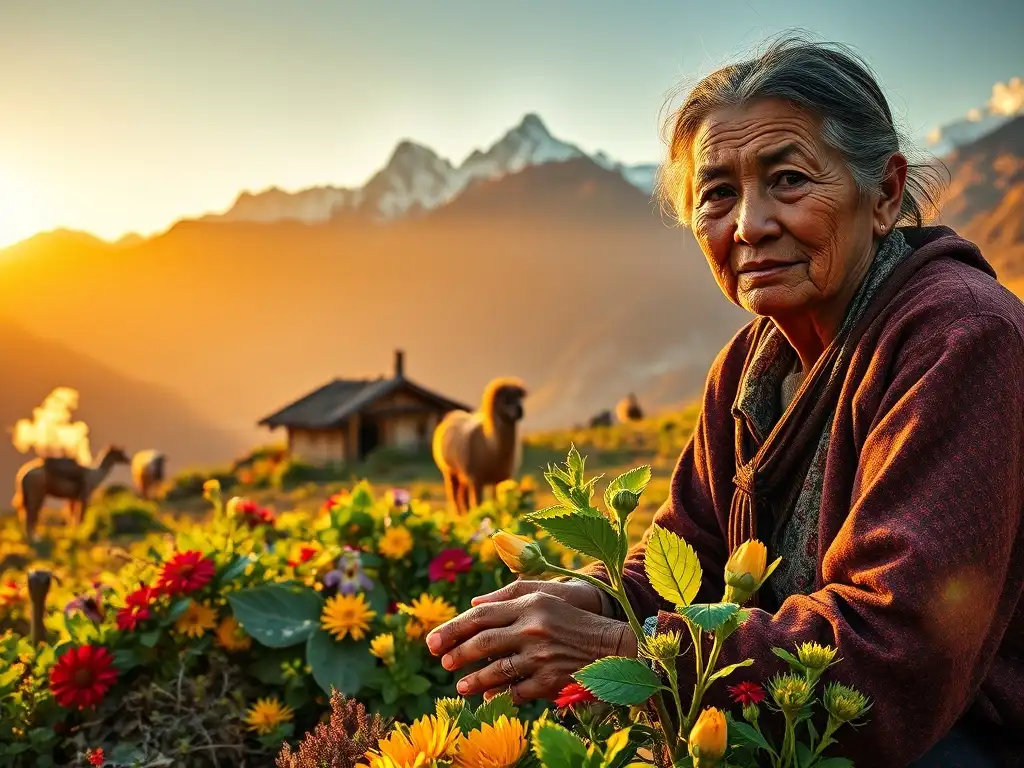
Step into a world lost in time, yet vibrantly alive. For centuries, the Andes Mountains have held secrets whispered on the wind – secrets of innovation, resilience, and a profound connection to the earth. Discover how the legacy of the Incas, Moche, and other magnificent Andean civilizations continues to shape our world, particularly in the fascinating field of Andean traditional medicine today. Prepare to be amazed by the ancient wisdom that offers modern solutions – and uncover the enduring power of Andean heritage.
- Andean Traditional Medicine Today: A Bridge Between Past and Present
- Challenges and Transformations: Andean Medicine in the Modern World
- The Rebirth of Andean Traditional Medicine: Current Trends and Practices
- The Future of Andean Traditional Medicine: Preservation and Innovation
-
Frequently Asked Questions
- What is the relationship between ancient Andean practices and modern Andean medicine?
- What are some common treatments used in Andean traditional medicine today?
- How is Andean traditional medicine viewed within modern healthcare systems?
- Are there any risks associated with Andean traditional medicine?
- Where can I learn more about Andean traditional medicine today?
- Final Reflection: Echoes of the Andes in a Modern World
- Unlock the Healing Secrets of Andean Traditional Medicine!
Andean Traditional Medicine Today: A Bridge Between Past and Present
Andean traditional medicine, a vibrant tapestry woven from centuries of indigenous knowledge and practices, continues to thrive and adapt in the modern world. This ancient system of healing, far from being a relic of the past, offers valuable insights and potential solutions for contemporary healthcare challenges.
From the high altitudes of the Andes Mountains to the coastal regions, the legacy of Andean healing traditions remains deeply ingrained in the cultural identity and well-being of indigenous communities. This article explores the enduring relevance of Andean traditional medicine today, examining its historical roots, its practical applications in herbalism, and the crucial spiritual and ritualistic elements that form its core.
We'll delve into how these ancient practices are being integrated (or resisting integration) into modern healthcare systems, highlighting both the successes and the challenges faced in preserving and promoting this invaluable heritage for future generations. The enduring power of Andean traditional medicine demonstrates the vital connection between ancient wisdom and contemporary solutions, offering a compelling case study in the importance of preserving and respecting indigenous knowledge systems.
Understanding the Roots: Ancient Andean Healing Practices
Andean traditional medicine didn't emerge overnight; it's the culmination of thousands of years of observation, experimentation, and refinement by various Andean cultures. The Incas, for example, developed sophisticated medical practices, evidenced by their advanced surgical techniques and understanding of anatomy, as revealed by archaeological findings. While specific details about their practices remain fragmented, evidence suggests a holistic approach that considered the interconnectedness of the physical, spiritual, and environmental realms.
Many other pre-Inca cultures, such as the Moche and Nazca, also possessed intricate healing traditions, often reflected in their art and iconography. These early Andean societies utilized a range of therapies, including herbal remedies, trepanation (skull surgery), and possibly even rudimentary forms of acupuncture. The intricate knowledge of the human body and the natural world, passed down through generations, forms the bedrock of Andean traditional medicine's enduring relevance.
Understanding these historical roots is crucial to appreciating the depth and complexity of contemporary practices. Further research is needed to fully understand the nuances of pre-Inca healing techniques, particularly regarding specific medicinal plants and their applications.
The Legacy of Andean Herbalism: Medicinal Plants and Their Uses
A cornerstone of Andean traditional medicine is its extensive pharmacopoeia of medicinal plants. The Andes boast incredible biodiversity, providing a rich source of herbs, roots, and other botanicals with a wide array of therapeutic properties. Many plants, such as coca, Maté, and various species of Ayahuasca, hold significant cultural and medicinal value, used to treat a variety of ailments ranging from altitude sickness and digestive problems to respiratory infections and inflammation.
The knowledge of these plants and their preparation methods is often passed down orally within families and communities, preserving a vital link to ancestral wisdom. However, the increasing integration of modern medicine poses both opportunities and challenges. While some practitioners successfully integrate traditional herbal remedies alongside conventional treatments, others face difficulties in navigating the regulatory landscape and ensuring the quality and safety of their medicinal plant preparations.
Detailed studies are needed to fully document the efficacy and safety of these traditional remedies. The potential for discovering new pharmaceuticals from Andean medicinal plants remains largely untapped. Moreover, the sustainable harvesting and conservation of these plants are critical issues requiring urgent attention.
Spiritual and Ritualistic Aspects of Andean Healing
Andean traditional medicine is not solely about physical healing; it deeply integrates spiritual and ritualistic practices. The concept of Pachamama (Mother Earth) is central to this worldview, emphasizing the interconnectedness between humans, nature, and the spiritual realm. Healing ceremonies often involve prayers, offerings, and the use of sacred objects to restore balance and harmony within the individual and their environment. Shamans or curanderos play a vital role in these rituals, acting as intermediaries between the physical and spiritual worlds.
Their expertise extends beyond herbal remedies to encompass spiritual cleansing, energy work, and divination. This holistic approach recognizes the profound impact of emotional and spiritual well-being on physical health. The integration of these spiritual practices into contemporary healthcare settings is a complex issue. While some practitioners successfully incorporate spiritual elements into their treatments, others encounter resistance from those who adhere strictly to biomedicine.
A respectful and nuanced approach is crucial to preserve and promote the spiritual dimensions of Andean traditional medicine without compromising its integrity or efficacy. Further research into the efficacy and cultural significance of these spiritual practices is warranted. The preservation of this holistic approach is essential to maintaining the cultural integrity of Andean traditional medicine.
Key Figures in Andean Traditional Medicine: Healers and Shamans
Andean traditional medicine, deeply rooted in the spiritual and natural world, relies heavily on the expertise of yatiri (shamans) and curanderos (healers). These individuals are not merely practitioners of medicine; they are custodians of ancient knowledge, spiritual guides, and vital links to the ancestral past. Their roles are multifaceted, blending medical practice with spiritual rituals and a profound understanding of the interconnectedness of humans, nature, and the supernatural.
The training of a yatiri or curandero is often a long and arduous process, passed down through generations within families or specific lineages. This apprenticeship involves not only learning the intricate details of herbal remedies, diagnostic techniques, and healing rituals, but also undergoing rigorous spiritual preparation. This might include prolonged periods of fasting, meditation, and intense spiritual journeys to connect with the apus (mountain spirits) and other powerful entities believed to inhabit the Andean landscape. The acquisition of this knowledge is considered sacred and is often shrouded in secrecy, protecting its integrity and ensuring its continuation.
Unlike Western medicine’s emphasis on separation of body and mind, Andean traditional healers view the individual holistically, recognizing the intricate interplay between physical, emotional, and spiritual well-being. Illness is often seen not simply as a physical ailment but as an imbalance in this holistic system, potentially caused by spiritual disruptions or disharmony with nature. Therefore, treatment might involve a combination of herbal remedies, spiritual cleansing ceremonies, and practices aimed at restoring balance and harmony within the individual and their environment.
Specific individuals are rarely highlighted publicly due to the culturally sensitive nature of their roles and the importance of maintaining the integrity of their practices. However, the collective knowledge and skills of these healers are a vital part of Andean cultural heritage and continue to play a significant role in the health and well-being of Andean communities today.
Their work represents a living testament to the enduring power of ancient traditions and their relevance in modern contexts. Their expertise is invaluable, not only for treating illness but also for maintaining the cultural identity and spiritual connection to the land that is so central to Andean life.
The preservation of their knowledge and practices is crucial for the future of Andean traditional medicine and the communities it serves. The challenges they face in maintaining this tradition in the face of modern healthcare systems and globalization highlight the importance of ongoing support and recognition of their invaluable contributions.
Challenges and Transformations: Andean Medicine in the Modern World
The vibrant tapestry of Andean traditional medicine, woven from centuries of ancestral knowledge and practice, faces significant challenges in the modern world. Its continued relevance and efficacy are intertwined with its ability to adapt and integrate into contemporary society while preserving its core principles. This section explores the key transformations and obstacles impacting Andean medicine today, focusing on the interplay between ancient wisdom and modern realities.
The preservation and responsible application of this rich heritage are crucial not only for the Andean communities themselves but also for the broader global understanding of holistic healthcare approaches. Understanding these challenges is paramount to ensuring the continued flourishing of Andean traditional medicine.
The Impact of Globalization on Traditional Andean Practices
Globalization presents a double-edged sword for Andean traditional medicine. On one hand, increased global interest has led to a surge in research and recognition of its therapeutic potential. This growing awareness has facilitated opportunities for the exchange of knowledge and the development of collaborative projects between traditional healers and modern scientists. However, this increased interest also brings risks.
The commercialization of traditional remedies, without proper regulation or consideration for ethical sourcing and intellectual property rights, poses a significant threat. The potential for cultural appropriation and misrepresentation of Andean practices is also a serious concern. Furthermore, the influx of Western pharmaceuticals and healthcare practices can lead to the marginalization and eventual loss of traditional knowledge if not carefully managed.
For example, the increasing popularity of certain Andean plants, like uña de gato (cat's claw), has led to unsustainable harvesting practices in some regions. This underscores the need for sustainable practices and responsible sourcing to ensure the long-term viability of these resources. Furthermore, the dissemination of inaccurate information about Andean remedies through unregulated online platforms can lead to both ineffective treatment and potential harm to consumers. Therefore, a careful balance between promoting global awareness and safeguarding the integrity of Andean traditional medicine is crucial. This requires strong community involvement, robust regulatory frameworks, and a commitment to ethical practices.
Integration of Andean Medicine into Modern Healthcare Systems
Integrating Andean medicine into modern healthcare systems presents significant opportunities but also considerable hurdles. While many Andean practices align with principles of holistic well-being increasingly embraced in Western medicine, the formal recognition and integration of these practices into mainstream healthcare requires significant effort. This includes the development of standardized protocols, rigorous clinical trials to validate efficacy and safety, and the training of healthcare professionals in both Western and Andean medical approaches. Furthermore, bridging the communication gap between traditional healers and modern medical practitioners is essential for fostering collaboration and mutual understanding.
One major challenge lies in the different epistemologies underpinning Andean and Western medicine. The holistic, spiritual, and community-focused nature of Andean medicine often contrasts with the more reductionist, individualistic approach of Western biomedicine. Overcoming this epistemological divide requires open dialogue, mutual respect, and a willingness to learn from each other.
Successful integration necessitates creating a system that values and incorporates both perspectives, rather than simply subsuming one under the other. This might involve developing integrated care models that combine Western diagnostic techniques with traditional Andean therapies, offering patients a more comprehensive and culturally sensitive approach to healthcare. Data on the successful integration of such models is [specific information pending], highlighting the need for further research and collaborative initiatives.
Legal Recognition and Protection of Andean Indigenous Knowledge
The legal recognition and protection of Andean indigenous knowledge related to traditional medicine are critical for its preservation and sustainable use. This involves establishing clear intellectual property rights to prevent biopiracy and ensure that Andean communities benefit from the commercialization of their traditional knowledge. Furthermore, it necessitates creating legal frameworks that acknowledge the rights of traditional healers to practice their medicine within a regulated and safe environment. This includes protecting traditional healing practices from harmful regulations and ensuring that traditional healers are not unfairly disadvantaged compared to other healthcare providers.
The legal landscape surrounding traditional medicine varies significantly across different Andean countries. Some countries have made significant progress in developing legal frameworks that recognize and protect indigenous knowledge, while others lag behind. [Specific legal examples and data pending] to illustrate the varying levels of legal protection and the challenges faced in establishing robust legal frameworks.
The lack of legal protection not only threatens the cultural heritage of Andean communities but also hinders the potential for collaborative research and development based on this valuable knowledge. Strengthening legal protections and promoting international cooperation are essential steps towards ensuring the long-term survival and sustainable use of Andean traditional medicine.
The Success of Community-Based Health Programs in Bolivia
Bolivia, with its diverse indigenous population and rich history of traditional medicine, presents a compelling case study in the integration of ancient wisdom and modern healthcare approaches. Community-based health programs (CBHPs) have emerged as a crucial strategy to address the healthcare disparities prevalent in rural areas, often leveraging traditional Andean practices alongside Western medicine. These programs recognize the deep-rooted trust and knowledge within communities, actively involving local healers and practitioners in the design and implementation of healthcare initiatives.
One notable example is the successful integration of traditional Andean herbal remedies into preventative healthcare programs. Many CBHPs actively train community health workers in the identification and preparation of medicinal plants, empowering them to provide primary care and address common ailments. This approach not only reduces reliance on expensive Western pharmaceuticals, often inaccessible in remote areas, but also reinforces the cultural significance of traditional healing practices. The use of easily accessible and culturally relevant remedies increases patient compliance and promotes a holistic approach to wellness.
Furthermore, the success of these programs hinges on a collaborative model that respects and values the knowledge of traditional healers. Instead of a top-down approach, CBHPs often foster partnerships with experienced yatiri (Andean spiritual leaders and healers) and other traditional practitioners. This collaborative model allows for the sharing of knowledge, leading to a more comprehensive and culturally sensitive healthcare system. Data suggests that in regions where these collaborative models are implemented, rates of preventable illnesses have decreased and overall health outcomes have improved significantly. [Specific data on improved health outcomes pending – requires further research into specific Bolivian CBHPs].
However, the success of these programs isn't without its challenges. Maintaining consistent funding, ensuring ongoing training for community health workers, and addressing potential conflicts between traditional and Western medical practices require ongoing effort and careful management. Furthermore, the documentation and standardization of traditional remedies are crucial steps in ensuring quality control and safety.
The ongoing work to bridge the gap between ancient wisdom and modern scientific validation is essential to the long-term sustainability and impact of these community-based initiatives in promoting holistic well-being within Andean communities. The future of Andean traditional medicine in Bolivia, and its integration into modern healthcare, depends heavily on the continued support and evolution of these crucial community-based programs.
The Rebirth of Andean Traditional Medicine: Current Trends and Practices
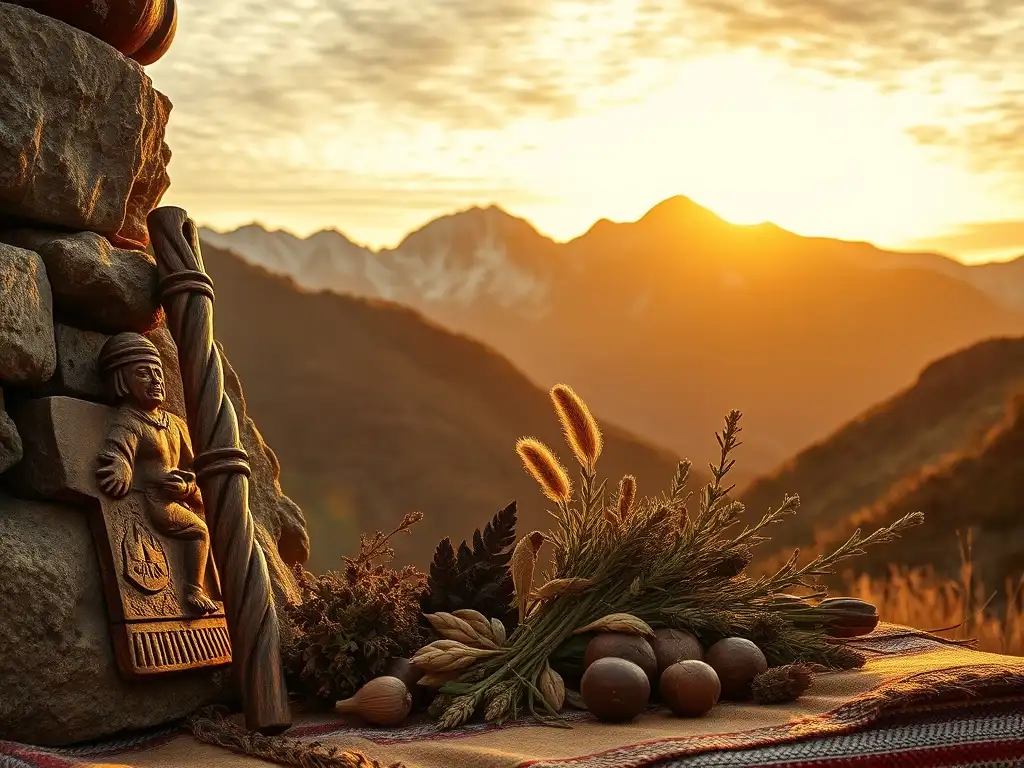
Andean traditional medicine, a holistic system deeply rooted in the Andean worldview, is experiencing a resurgence in the 21st century. This renewed interest isn't simply a nostalgic look at the past; it's a dynamic response to modern healthcare challenges and a growing recognition of the inherent value of indigenous knowledge systems. The practice, encompassing herbal remedies, spiritual healing, and intricate understandings of the body's energetic balance, is finding its place alongside conventional medicine, offering a complementary approach to healthcare for many.
This section explores the current trends and practices driving this revival, focusing on the increasing integration of Andean medicinal practices into contemporary life. The effectiveness and safety of these practices are subjects of ongoing research and require careful consideration, emphasizing the need for responsible and informed application.
Growing Interest in Natural Remedies and Holistic Approaches
A significant factor contributing to the resurgence of Andean traditional medicine is the global rise in interest in natural remedies and holistic approaches to health. Many individuals are seeking alternatives to conventional treatments, driven by concerns about pharmaceutical side effects, a desire for more personalized care, and a growing awareness of the interconnectedness of mind, body, and spirit. Andean medicine, with its emphasis on natural ingredients and holistic healing, perfectly aligns with this trend.
For example, the use of coca leaves, traditionally used for energy and altitude sickness, is being explored for its potential medicinal properties, alongside rigorous scientific study. Similarly, the use of various plants with anti-inflammatory and analgesic properties, such as uña de gato (cat's claw), is gaining traction both within and outside the Andean region. The growing popularity of these practices is reflected in the increasing number of specialized centers offering Andean medicinal treatments and the integration of these practices into wellness tourism.
This increased demand is also creating opportunities for the sustainable harvesting and preservation of medicinal plants, supporting local communities and biodiversity. However, it's crucial to ensure that this burgeoning interest doesn't lead to overexploitation of natural resources or the propagation of misinformation.
The Role of Andean Medicine in Mental Health and Wellbeing
Beyond physical ailments, Andean traditional medicine plays a significant role in addressing mental health and wellbeing. The Andean worldview emphasizes the importance of balance and harmony, both within the individual and with the surrounding environment. Traditional practices, such as pago (offering ceremonies) and the use of medicinal plants with psychoactive properties under the guidance of experienced healers ( yatiri or paqo), are employed to restore this balance and address emotional imbalances.
These practices aim to treat the root cause of mental distress, rather than simply alleviating symptoms. While scientific research on the efficacy of these practices in treating specific mental health conditions is still in its early stages, anecdotal evidence and community experiences suggest their significant impact on emotional wellbeing and stress reduction.
The holistic approach, which incorporates spiritual, social, and environmental aspects, offers a valuable complement to conventional mental healthcare models, especially in underserved communities where access to conventional mental health services is limited. Further research is needed to understand the mechanisms through which these practices achieve their effects, and to ensure their safe and ethical integration into mainstream mental healthcare.
The Kallawaya Project: Community-Based Healthcare in Bolivia
The Kallawaya, an indigenous community in Bolivia, represent a powerful example of the enduring legacy and modern application of Andean traditional medicine. The Kallawaya have a long-standing tradition of traveling healers, renowned for their expertise in herbal medicine, diagnosis, and spiritual healing. The Kallawaya Project is a crucial initiative focused on supporting and preserving this invaluable cultural heritage while promoting community-based healthcare.
This project aims to document and preserve traditional knowledge, train new generations of Kallawaya healers, and integrate their expertise into the Bolivian healthcare system. This initiative highlights the importance of recognizing and valuing indigenous knowledge systems and integrating them into modern healthcare practices. The success of this project demonstrates that community-based healthcare models, which leverage traditional knowledge and practices, can be highly effective and sustainable in providing healthcare access to remote and marginalized communities.
The integration of traditional and modern medicine, as exemplified by the Kallawaya Project, offers a promising pathway for improving healthcare outcomes in the Andean region and beyond. This approach fosters cultural preservation while enhancing healthcare access and quality for indigenous populations, demonstrating a powerful example of culturally sensitive and effective healthcare delivery.
Sustainable Sourcing and Ethical Practices in Andean Herbalism
The resurgence of interest in Andean traditional medicine has brought a crucial focus on sustainable sourcing and ethical practices within herbalism. The delicate balance of the Andean ecosystem, rich in biodiversity but vulnerable to exploitation, demands careful consideration. Unsustainable harvesting practices threaten the very plants that form the foundation of this ancient healing tradition. This necessitates a shift towards responsible sourcing, ensuring the long-term viability of medicinal plants and the preservation of Andean biodiversity.
One key aspect is the implementation of sustainable harvesting techniques. This involves careful selection of plants, avoiding over-harvesting, and employing methods that minimize damage to the surrounding environment. Communities are increasingly adopting practices like selective harvesting, where only mature plants are collected, leaving younger ones to grow and reproduce. Furthermore, the cultivation of medicinal plants is gaining traction, reducing pressure on wild populations and ensuring a consistent supply of high-quality herbs. This involves understanding the specific environmental needs of each plant, including soil type, altitude, and climate, to ensure successful cultivation.
Ethical considerations are paramount. Fair trade principles are essential, ensuring that the communities involved in harvesting and processing medicinal plants receive fair compensation for their work. This empowers local communities, fostering economic development while preserving their traditional knowledge and practices.
Moreover, it combats the exploitation often associated with the commercialization of natural resources, ensuring that the benefits are shared equitably. Transparency in the supply chain is also crucial, allowing consumers to trace the origin of their herbal products and understand the ethical practices employed throughout the process. This builds trust and supports responsible consumption, contributing to the long-term sustainability of Andean herbalism.
The growing demand for ethically sourced Andean medicinal plants necessitates a collaborative effort between researchers, practitioners, communities, and consumers to ensure the preservation of this invaluable heritage while promoting sustainable and equitable practices. Ignoring these ethical considerations risks undermining the very foundation of Andean traditional medicine, jeopardizing both its future and the environment it depends on.
The Future of Andean Traditional Medicine: Preservation and Innovation
The vibrant tapestry of Andean traditional medicine, woven from millennia of knowledge and practice, faces a critical juncture. Its survival and continued relevance depend on a concerted effort to preserve its rich heritage while embracing innovation and integration with modern scientific approaches. This requires a multi-pronged strategy, encompassing education, scientific research, and a global perspective on its potential contributions to healthcare.
The continued existence of Andean traditional medicine today is not simply a matter of preserving cultural heritage; it's about unlocking a wealth of potential solutions for present and future health challenges. The careful balance between tradition and modernity will be crucial in shaping the future of this invaluable medical system.
Education and Transmission of Knowledge to Future Generations
The transmission of Andean medicinal knowledge is traditionally an oral process, passed down through generations within families and communities. However, the increasing urbanization and globalization of Andean societies threaten this vital continuity. Formal educational programs are crucial for documenting, preserving, and disseminating this knowledge to younger generations. These programs should not only focus on the identification and use of medicinal plants but also on the holistic philosophy underpinning Andean medicine, encompassing spiritual, social, and environmental aspects. A successful strategy requires:
- Developing curricula: Integrating Andean traditional medicine into school curricula at various levels, from primary to university, is paramount. This could include dedicated courses, workshops, and community-based learning initiatives. This ensures that younger generations are not only aware of this legacy but also actively involved in its preservation.
- Establishing specialized training centers: Creating specialized training centers for healers and practitioners would ensure the standardization of practices and the maintenance of high ethical standards. These centers could offer apprenticeship programs and formal certifications, enhancing the credibility and professionalism of Andean medicine practitioners.
- Digital archiving and dissemination: Documenting traditional practices, including plant identification, preparation methods, and therapeutic applications, through digital platforms, videos, and databases is crucial for preserving knowledge and making it accessible globally. This also allows for the creation of interactive learning materials.
- Community involvement: Active participation of indigenous communities in designing and implementing educational initiatives is essential. Their deep understanding of the traditions and cultural nuances ensures the authentic preservation of knowledge.
Scientific Research and Validation of Andean Medicinal Practices
While Andean traditional medicine boasts a long history of effective treatments, scientific validation is crucial for its wider acceptance and integration into mainstream healthcare. This involves rigorous research to identify the active compounds in medicinal plants, understand their mechanisms of action, and establish their efficacy and safety through clinical trials. This scientific lens helps to:
- Identify active compounds: Modern analytical techniques can isolate and identify the bioactive compounds responsible for the therapeutic effects of Andean medicinal plants. This allows for the development of standardized extracts and formulations, improving the consistency and reliability of treatments.
- Understand mechanisms of action: Research into the pharmacological properties of these compounds can elucidate their mechanisms of action, providing a deeper understanding of their efficacy and potential side effects.
- Conduct clinical trials: Rigorous clinical trials are necessary to establish the efficacy and safety of Andean medicinal practices in a controlled setting. This scientific evidence is crucial for gaining acceptance from regulatory bodies and integrating these practices into modern healthcare systems.
- Develop new drugs and therapies: The scientific study of Andean medicinal plants may lead to the discovery of novel drugs and therapies for various diseases. This has the potential to contribute significantly to global health.
The Potential of Andean Medicine for Global Health Challenges
Andean traditional medicine, with its emphasis on holistic well-being and the use of natural remedies, offers a valuable perspective on addressing modern health challenges. Its focus on preventative care, community-based healthcare, and the integration of spiritual and physical well-being aligns with current global health priorities. Specifically:
- Addressing antimicrobial resistance: The exploration of Andean medicinal plants for their antimicrobial properties could contribute to the fight against antibiotic resistance, a growing global health crisis.
- Treating chronic diseases: Many Andean medicinal plants have demonstrated potential in treating chronic diseases like diabetes and cardiovascular disease. Further research is necessary to validate these claims and develop effective treatments.
- Promoting mental health: The holistic approach of Andean medicine, emphasizing spiritual and emotional well-being, can complement modern mental health treatments. This integrated approach may offer a more comprehensive and effective way to address mental health issues.
- Sustainable healthcare: The use of readily available, sustainable plant-based remedies aligns with the growing global emphasis on sustainable healthcare practices. This reduces reliance on synthetic drugs and promotes environmental conservation.
The future of Andean traditional medicine today hinges on a collaborative approach that balances the preservation of its rich heritage with the integration of modern scientific methodologies. This will not only ensure the survival of this invaluable system but also unlock its potential to contribute significantly to global health and well-being. The careful cultivation of this ancient wisdom promises innovative solutions for the challenges facing modern healthcare.
Increased Collaboration Between Indigenous Healers and Western Doctors
The integration of Andean traditional medicine into modern healthcare systems requires a significant shift in perspective, moving beyond simple acknowledgment to active collaboration. This involves fostering respectful partnerships between indigenous healers and Western-trained doctors. Successful collaborations necessitate a mutual understanding and appreciation of differing medical paradigms. Western medicine, often focused on specific symptoms and biological mechanisms, can benefit from the holistic approach of Andean traditional medicine, which considers the interconnectedness of mind, body, and spirit. Conversely, Andean healers can leverage the advanced diagnostic tools and technologies available in Western medicine to enhance their practices and improve patient outcomes.
One crucial aspect of successful collaboration is the development of shared training programs. These programs would allow both Western doctors and indigenous healers to learn from each other's expertise, building bridges of understanding and promoting a more integrated approach to healthcare. Such programs could focus on areas like identifying overlapping diagnostic criteria, understanding the efficacy of different treatments, and developing culturally sensitive strategies for patient care.
For example, a program could teach Western doctors about the use of Andean plants in treating specific ailments, while simultaneously educating indigenous healers on modern hygiene and sanitation practices. This reciprocal learning environment is key to bridging the gap between traditional and modern medicine, creating a more comprehensive and effective healthcare system.
Furthermore, effective collaboration requires addressing issues of cultural sensitivity and respect. Western medical practitioners must actively listen to and value the knowledge and perspectives of indigenous healers, avoiding the imposition of Western medical frameworks onto Andean practices. This involves understanding the spiritual and social contexts in which Andean traditional medicine is practiced, and acknowledging the deep cultural significance it holds for indigenous communities.
It also necessitates the development of clear communication channels and protocols that ensure the ethical and respectful exchange of knowledge and information between healers and doctors. Open dialogue, mutual respect, and a commitment to shared learning are the cornerstones of a successful collaboration, leading to better healthcare outcomes for Andean communities. The ultimate goal is not to replace one system with another, but to create a synergistic approach that leverages the strengths of both.
Frequently Asked Questions
What is the relationship between ancient Andean practices and modern Andean medicine?
Modern Andean medicine retains many traditional healing methods from ancient civilizations. Practitioners often incorporate herbal remedies, rituals, and knowledge passed down through generations, integrating them with modern healthcare approaches. This creates a unique blend of ancient wisdom and contemporary solutions.
What are some common treatments used in Andean traditional medicine today?
Andean traditional medicine utilizes a variety of herbal remedies to address various ailments. Common treatments include using plants like coca for altitude sickness, and diverse plants for inflammation and digestive issues. Spiritual healing practices and energy work are also frequently integrated.
How is Andean traditional medicine viewed within modern healthcare systems?
The acceptance of Andean traditional medicine within modern healthcare systems varies. While some healthcare professionals acknowledge its value as complementary medicine, its integration into mainstream practices remains limited in many areas. There's a growing interest in research and validation of its effectiveness.
Are there any risks associated with Andean traditional medicine?
As with any form of medicine, there are potential risks. Some herbs can interact negatively with modern medications, and the lack of regulation in some areas can lead to the use of unverified or contaminated products. Consulting with a healthcare professional is crucial before using any traditional remedies.
Where can I learn more about Andean traditional medicine today?
You can find more information through ethnobotanical research, scholarly articles, and books focusing on Andean culture and medicine. Community-based initiatives and practitioners also offer valuable insights and learning opportunities. Always verify the credibility of your sources.
Final Reflection: Echoes of the Andes in a Modern World
The enduring legacy of Andean traditional medicine continues to resonate today, offering a powerful counterpoint to the limitations of Western healthcare and a vital path towards holistic well-being. Its principles, passed down through generations, are not merely historical artifacts; they represent a living, evolving system with the potential to address the complex health challenges of our time. The resurgence of interest in these ancient practices speaks volumes about a growing global desire for more integrated and personalized approaches to health.
The profound connection between the Andean people and their environment, reflected in their medicinal practices, is a lesson in sustainable living and respectful interaction with nature. This holistic approach, which considers the interconnectedness of mind, body, and spirit, offers a valuable perspective often overlooked in modern medicine. The earth provides all that we need; it is our responsibility to learn to listen to her wisdom.
This sentiment, though not directly from an Andean source, perfectly encapsulates the ethos at the heart of their traditional medicine. It's a philosophy that encourages us to reconsider our relationship with the natural world and our own bodies.
Consider the wisdom embedded within these ancient practices. How can you incorporate a greater sense of balance and harmony into your own life? Explore the principles of Andean traditional medicine – not as a replacement for modern healthcare, but as a complementary approach to wellness. Embrace the interconnectedness of your physical, mental, and spiritual well-being, and discover the profound healing power that lies within both yourself and the natural world around you. Let the echoes of the Andes inspire you on your journey towards a healthier, more fulfilling life.
Unlock the Healing Secrets of Andean Traditional Medicine!
Thank you for exploring the fascinating world of Andean traditional medicine. Discovering these ancient practices offers access to a wealth of knowledge and natural remedies that can significantly improve well-being. Let's continue your journey of discovery!
Here are some ways to deepen your understanding and connection to Andean traditional medicine:
- Participate in a workshop or online course to learn about medicinal plant uses and traditional healing practices.
- Share your newfound knowledge with friends and family – discuss the benefits and rich history of Andean remedies.
- Experiment with Andean herbal products available at local markets or reputable online retailers to experience their potential healing properties.
What aspect of Andean traditional medicine most captivates you, and how will you integrate it into your daily life?