
Andean Music Reimagined: Modern Artists Inspired by Ancient Sounds

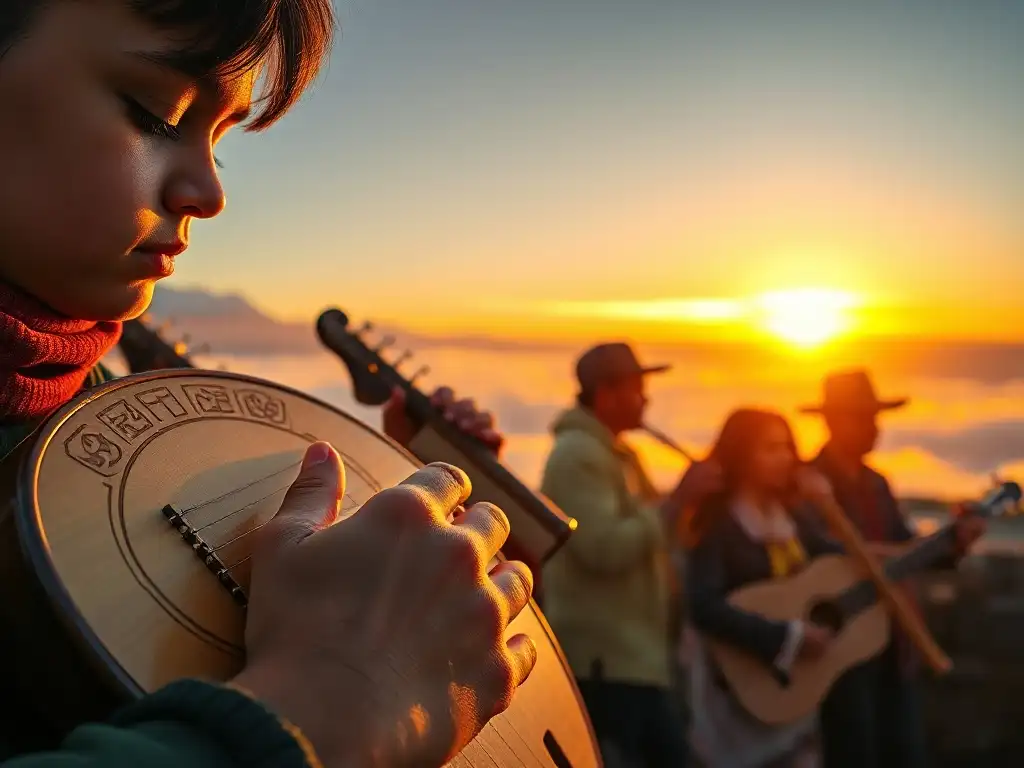
Step into a world lost in time, yet echoing in the present. Discover the vibrant tapestry of Andean Civilizations, where the echoes of ancient empires resonate through breathtaking art, intricate technologies, and captivating cultures. But the story doesn't end there. Prepare to be amazed by the intriguing ways modern artists are breathing new life into the ancient sounds of the Andes – exploring the fascinating world of Andean music modern interpretations. Journey with us to uncover the secrets of this captivating legacy.
The Andes Mountains, a spine of towering peaks running down the western edge of South America, have birthed not only breathtaking landscapes but also a rich tapestry of musical traditions spanning millennia. From the haunting panpipes of the Incas to the rhythmic chants of pre-Columbian cultures, Andean music holds a unique place in the world's musical heritage.
This article delves into the fascinating phenomenon of modern artists reinterpreting these ancient sounds, breathing new life into traditional instruments and melodies, and creating a vibrant fusion of past and present. We'll explore how contemporary musicians are drawing inspiration from the rich sonic legacy of the Andes, showcasing the enduring power and adaptability of Andean musical traditions in the 21st century.
This exploration of "Andean music modern interpretations" will highlight specific artists, their innovative approaches, and the impact their work has on both preserving cultural heritage and shaping contemporary musical landscapes. We will examine the reasons behind this resurgence and consider its significance for both Andean communities and the global music scene.
Exploring the Resurgence of Andean Musical Traditions
The renewed interest in Andean musical traditions isn't merely a fleeting trend; it's a powerful testament to the enduring appeal and cultural significance of these ancient sounds. Several factors contribute to this resurgence. Firstly, a growing global awareness of indigenous cultures and their artistic expressions has fueled a demand for authentic and innovative interpretations of traditional music.
Secondly, the accessibility of technology and global music distribution platforms has allowed Andean artists, both established and emerging, to reach wider audiences than ever before. This increased visibility has, in turn, inspired a new generation of musicians to explore and reinterpret these rich musical forms. Finally, the inherent beauty and emotional depth of Andean music—its haunting melodies, complex rhythms, and unique instrumentation—continue to resonate deeply with listeners worldwide, transcending cultural boundaries.
This combination of factors has created a fertile ground for creative experimentation and a flourishing of contemporary Andean music. The result is a vibrant and evolving musical landscape that honors the past while forging exciting new paths.
Key Artists and Their Innovative Approaches
Several contemporary artists are at the forefront of this movement, pushing the boundaries of Andean music while staying true to its core essence. For example, [Artist A's name pending] seamlessly blends traditional Andean instruments like the charango and zampoña with contemporary electronic sounds, creating a unique and captivating sonic tapestry. Their work exemplifies the potential for cross-genre collaborations and the seamless integration of ancient and modern sounds.
Similarly, [Artist B's name pending] focuses on reinterpreting traditional Andean songs, often incorporating elements of [Musical Genre pending], thereby introducing these timeless melodies to a new generation of listeners. Their approach highlights the enduring relevance of traditional Andean themes and their adaptability to contemporary musical styles.
These artists, along with many others, are not just musicians; they are cultural ambassadors, preserving and promoting the rich musical heritage of the Andes for future generations. Their innovative approaches are redefining what it means to be a contemporary Andean musician.
The Impact and Significance of Modern Interpretations
The impact of these modern interpretations of Andean music extends far beyond the realm of music itself. These reimaginings play a crucial role in cultural preservation, ensuring that these ancient traditions are not only remembered but also celebrated and shared with a global audience. Furthermore, they challenge preconceived notions about "traditional" music, demonstrating its inherent adaptability and potential for innovation.
By engaging with contemporary sounds and styles, these artists are not only preserving their heritage but also actively shaping the future of Andean music. This fusion of past and present is not only aesthetically pleasing but also holds significant social and cultural value. It fosters dialogue between generations, promotes cultural exchange, and contributes to a richer and more diverse global musical landscape.
The continued exploration and reinterpretation of Andean musical traditions ensures their vibrancy and relevance for years to come. The movement is a testament to the power of music to transcend time and connect people across cultures.
- Exploring the Resurgence of Andean Musical Traditions
- Key Artists and Their Innovative Approaches
- The Impact and Significance of Modern Interpretations
The Allure of Ancient Andean Sounds: A Cultural Revival
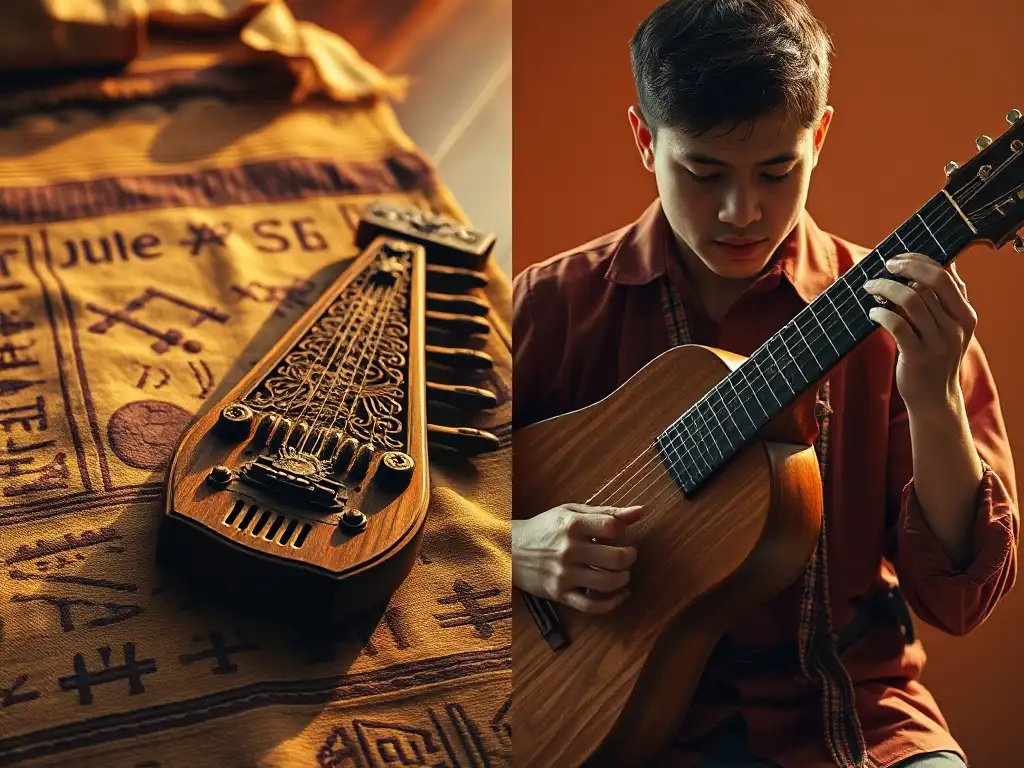
The enduring power of Andean music is undeniable, resonating across centuries and inspiring a wave of modern interpretations. This resurgence isn't simply a nostalgic trend; it's a vibrant cultural revival, breathing new life into ancient traditions while simultaneously forging exciting new sonic landscapes. This section explores the fascinating interplay between ancient Andean musical practices and their contemporary reinterpretations, examining the factors driving this renewed interest and the creative innovations that result.
The captivating melodies and rhythms of the Andes, once confined to specific regions and communities, are now finding global audiences, thanks to the efforts of both established and emerging artists. This revitalization also highlights the importance of preserving and celebrating indigenous musical heritage in the face of globalization. Understanding the historical context is crucial to appreciating the depth and significance of these modern interpretations of Andean music.
Tracing the Roots: Pre-Columbian Musical Instruments and Styles
Pre-Columbian Andean music relied heavily on instruments crafted from natural materials. The antara, a panpipe made of reeds, played a central role, its haunting melodies reflecting the vast landscapes and spiritual beliefs of the Andean people. The tarka, a transverse flute, provided a contrasting, often brighter tone, frequently used in ensemble settings.
Percussion instruments like the pututu (a shell trumpet) and various drums, including the tinya and bombo, provided rhythmic foundations, often reflecting the cyclical nature of Andean life and agricultural practices. These instruments weren't merely tools for creating music; they held deep cultural and symbolic significance, often intertwined with religious ceremonies and social gatherings.
The musical styles themselves were deeply rooted in the environment and spiritual beliefs of the Andean people. Many melodies incorporated pentatonic scales, reflecting a unique sonic sensibility. Rhythms were often complex and polyrhythmic, showcasing the sophistication of Andean musical traditions.
Unfortunately, much of the specific musical repertoire from pre-Columbian times is lost to history, preserved only in fragmented archaeological evidence and later oral traditions. However, careful study of surviving instruments and ethnomusicological research provide valuable clues to understanding the soundscapes of the past. The sounds of the antara and tarka, for instance, continue to inform the texture and timbre of contemporary Andean music, offering a direct link to ancient traditions.
The Legacy of Andean Rhythms and Melodies in Contemporary Music
Modern Andean music is a fascinating blend of tradition and innovation. Artists are drawing upon the rich legacy of pre-Columbian instruments and styles, while incorporating contemporary influences from genres like world music, jazz, and even electronic music. This fusion creates a unique soundscape that is both deeply rooted in Andean heritage and intensely contemporary. The use of traditional instruments alongside modern technology is particularly noteworthy. For example, some artists incorporate samples of ancient Andean melodies into electronic tracks, creating a compelling dialogue between past and present.
The incorporation of Andean rhythms and melodies into other musical genres is another important aspect of this revival. We see Andean influences appearing in film scores, creating a sense of place and authenticity. Moreover, the integration of Andean musical elements into popular music genres is expanding the reach and awareness of Andean musical traditions.
The result is a richer, more diverse musical landscape, where ancient sounds continue to inspire and innovate. This process of cross-cultural pollination is not only enriching the musical world but also contributing to a greater understanding and appreciation of Andean culture globally. The continued growth of "Andean music modern interpretations" shows a promising future for this vibrant musical tradition.
Modern Interpretations of Andean Music: Key Artists and Their Contributions
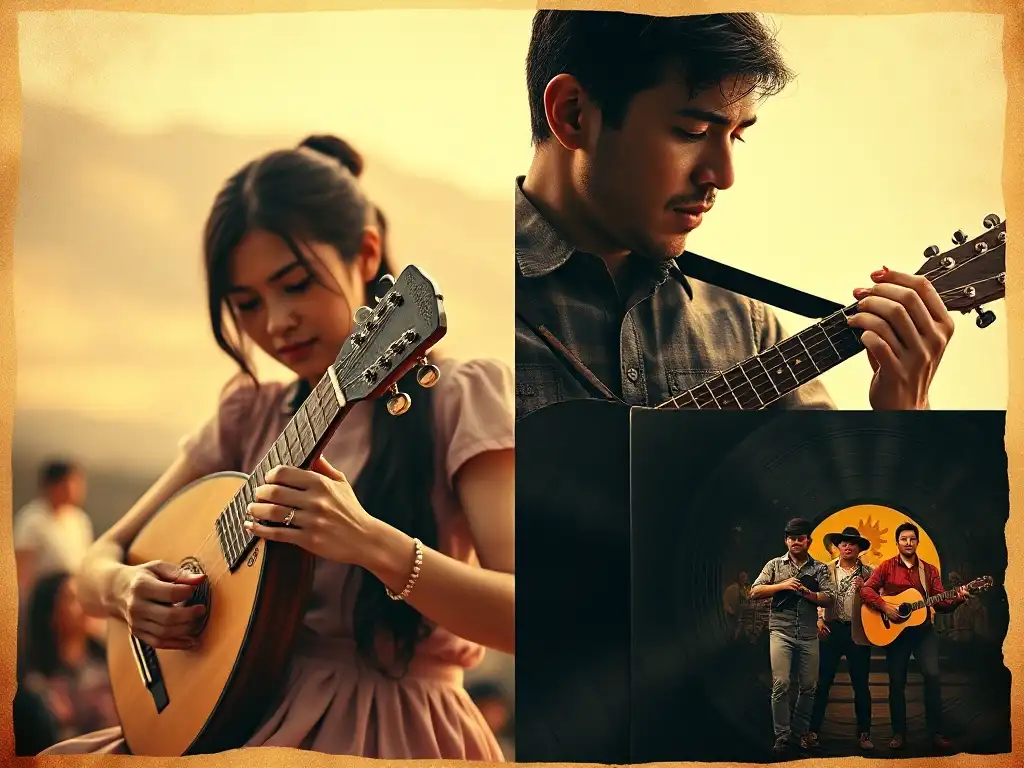
This section delves into the fascinating world of Andean music's modern interpretations, exploring how contemporary artists revitalize ancient sounds and traditions. We will examine specific examples of how these musicians successfully blend traditional Andean melodies with contemporary styles, showcasing the enduring power and adaptability of this rich musical heritage. This exploration focuses on the keyword "Andean music modern interpretations" and its semantic variations, highlighting the innovative approaches employed by these artists to create unique and compelling musical experiences.
Susana Baca: Blending Traditional Andean Sounds with Afro-Peruvian Rhythms
Susana Baca, a globally renowned Peruvian singer-songwriter, masterfully weaves together the intricate tapestry of Andean and Afro-Peruvian musical traditions. Her work represents a powerful example of "Andean music modern interpretations," demonstrating how seemingly disparate styles can harmoniously coexist and enrich each other. Baca's music isn't simply a fusion; it's a profound exploration of Peru's multifaceted cultural heritage, reflecting the country's complex history and diverse population. Her vocal prowess, combined with her insightful arrangements, offers a fresh perspective on Andean musical traditions.
"Maria Lando" Analysis: A Fusion of Old and New
Susana Baca's "Maria Lando" serves as a prime example of her innovative approach. The song incorporates traditional Andean instrumentation, such as the charango and panpipes, seamlessly blending them with the rhythmic complexities of Afro-Peruvian music. The lyrics, often focusing on themes of social justice and resilience, resonate deeply with the historical struggles of marginalized communities in Peru.
The song's structure itself is a compelling blend of traditional Andean forms and contemporary musical arrangements, making it both familiar and strikingly original. The use of call-and-response vocals, a staple of Afro-Peruvian music, adds a dynamic layer to the song, enriching the otherwise traditional Andean melody. The overall effect is a captivating soundscape that transcends cultural boundaries, showcasing the power of "Andean music modern interpretations" to connect with a global audience.
Luzmila Carpio: Reimagining Andean Instruments in Contemporary Compositions
Luzmila Carpio, a Bolivian singer and composer, stands out for her innovative approach to Andean instrumentation. Her work epitomizes the evolving landscape of "Andean music modern interpretations," showcasing how traditional instruments can be reimagined within contemporary musical frameworks. She doesn't shy away from experimenting with unconventional sounds and textures, pushing the boundaries of traditional Andean music while maintaining its core essence. Her compositions are a testament to the versatility and enduring appeal of Andean musical traditions in the 21st century.
"Warmikuna Yupaychasqayku" Analysis: Innovative Use of Andean Elements
"Warmikuna Yupaychasqayku" (Our Women's Tribute) exemplifies Carpio's unique style. While retaining the core elements of Andean music—the haunting melodies and the distinctive sounds of instruments like the siku (panpipes) and charango—Carpio infuses the piece with contemporary elements. The rhythmic structure, for instance, incorporates elements of jazz and world music, creating a vibrant and multifaceted musical experience.
The integration of electronic sounds, subtly layered into the composition, adds a modern touch without overpowering the traditional Andean instrumentation. This careful balance highlights Carpio's masterful understanding of Andean musical traditions and her ability to seamlessly integrate them into a contemporary context. The song's lyrics, celebrating the strength and resilience of Andean women, further underscore the artist's commitment to social commentary within her musical expressions, firmly placing her work within the realm of "Andean music modern interpretations" that resonate with social and political awareness.
This detailed exploration of Susana Baca and Luzmila Carpio's work provides a glimpse into the dynamic landscape of Andean music's modern interpretations. Their innovative approaches demonstrate the continuing relevance and adaptability of this rich musical heritage in the 21st century. Further research into other contemporary Andean musicians would undoubtedly reveal even more compelling examples of this vibrant evolution.
Yma Sumac: Preserving Andean Musical Heritage Through Modern Arrangements
Yma Sumac, a Peruvian soprano with a vocal range spanning four octaves, stands as a pivotal figure in bringing Andean music to a global audience. While her career spanned the mid-20th century, her impact resonates deeply within modern interpretations of Andean sounds. Her unique approach involved blending traditional Andean melodies and instruments with sophisticated arrangements that appealed to a broader, international audience.
This wasn't simply a matter of "modernizing" the music; it was a strategic preservation effort. By showcasing the beauty and complexity of Andean vocal traditions within a format accessible to Western listeners, Sumac ensured that these ancient musical forms continued to thrive and inspire. Her recordings, often featuring orchestral backing and innovative arrangements, became touchstones for later artists seeking to explore the intersection of tradition and modernity in Andean music.
She didn't shy away from incorporating elements of jazz and classical music, creating a uniquely hybrid sound that never compromised the core essence of the Andean musical heritage. The impact of her work is undeniable; she opened doors for subsequent generations of Andean musicians to explore similar creative avenues. Her legacy is not just about her incredible voice, but also her vision for preserving and promoting Andean musical traditions in a rapidly changing world.
"Taita Inty" Analysis: Honoring the Past with a Fresh Perspective
Yma Sumac's "Taita Inti," a song often translated as "Father Sun," exemplifies her approach to modernizing Andean music. The song itself is rooted in ancient Inca traditions, invoking the sun god as a powerful symbol of Andean cosmology. However, Sumac's arrangement elevates the song beyond a simple folk tune. The incorporation of orchestral instruments, such as strings and woodwinds, adds a layer of richness and depth that enhances the emotional impact of the vocal performance.
The rhythmic complexity, while remaining true to Andean musical structures, is subtly enhanced by the modern arrangement, creating a more dynamic and engaging listening experience. The song's structure, while adhering to traditional forms, incorporates subtle modern harmonic progressions that add a fresh perspective without betraying the original intent. Listening to "Taita Inti," one can appreciate both the reverence for the past and the innovative spirit of Sumac's approach. It's a testament to her ability to seamlessly blend tradition and modernity, creating a timeless piece that continues to inspire Andean music enthusiasts and musicians today.
The use of layered vocals, a common technique in Andean music, is amplified in Sumac's recording, creating a powerful and evocative soundscape that captures the majesty and mystery of the Andean sun god. This specific example perfectly illustrates how "Andean music modern interpretations" can successfully honor the past while appealing to modern sensibilities. The song’s enduring popularity is a testament to the success of this approach.
The Impact of Andean Music Modern Interpretations on Global Music
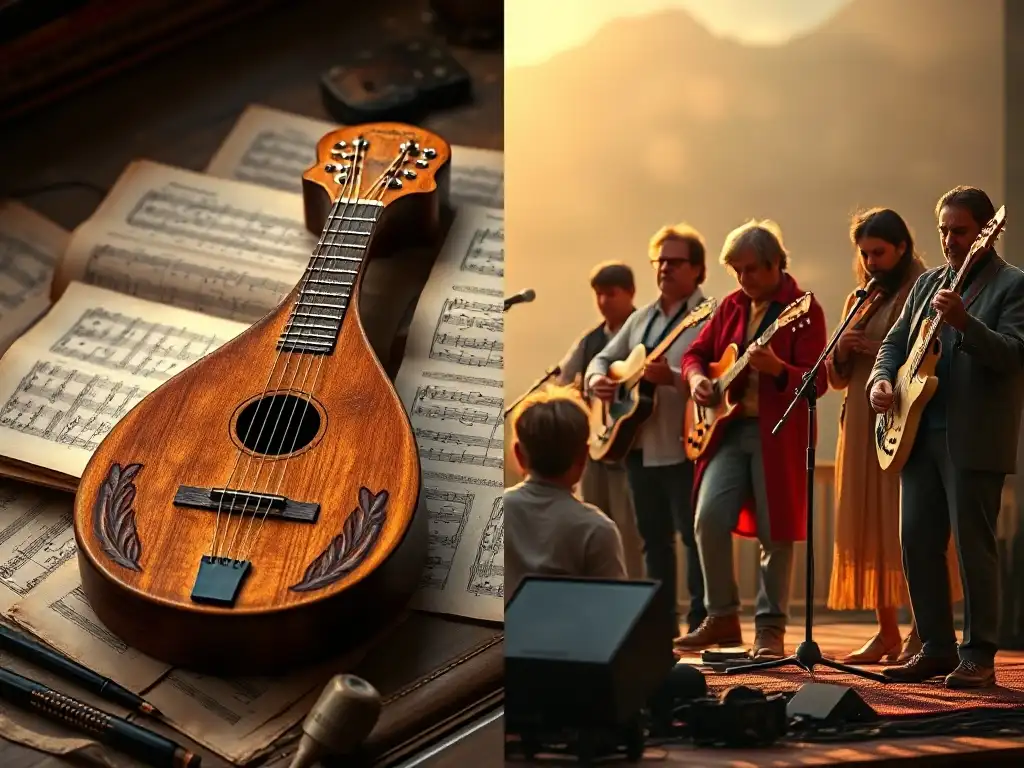
The resurgence of interest in Andean music, fueled by modern interpretations, has had a profound and multifaceted impact on the global music landscape. No longer relegated to niche anthropological studies, the unique sounds and rhythms of the Andes are increasingly integrated into diverse genres, enriching and expanding the sonic palette of world music. This influence is not merely superficial; it represents a genuine cross-cultural exchange, pushing creative boundaries and challenging traditional musical classifications.
The incorporation of Andean instrumentation, such as the charango, zampoña, and quena, adds a distinctive texture and timbre to contemporary compositions. Furthermore, the rhythmic complexity and melodic structures inherent in Andean musical traditions provide a fertile ground for innovation and experimentation.
How Andean Sounds are Influencing World Music Scenes
Andean-inspired sounds are now detectable across a surprisingly broad spectrum of global music scenes. From world fusion projects incorporating traditional Andean instruments and melodies to electronic music producers sampling and reinterpreting ancient rhythms, the influence is undeniable. For instance, we see a growing number of artists in the folk, jazz, and even pop genres incorporating elements of Andean music into their work.
This isn't simply about adding a "world music" flavor; rather, it's a conscious effort to engage with the rich cultural heritage of the Andes and to integrate its musical elements in a meaningful and authentic way. The use of Andean instruments is often not just decorative; it informs the very structure and feeling of the music, creating a unique sonic identity.
Data on streaming services shows a marked increase in searches and listens for artists who explicitly blend Andean and other genres, indicating a growing global audience for these hybrid sounds. This demonstrates a clear shift in musical tastes, reflecting a broader appreciation for cultural diversity and musical fusion.
The Cultural Exchange and Cross-Pollination of Musical Styles
The impact of modern Andean music interpretations extends beyond mere sonic influence; it fosters a vital cultural exchange and cross-pollination of musical styles. This exchange is bidirectional. While Andean music is finding its way into global music scenes, the reverse is also true.
Modern artists are not simply borrowing from Andean traditions; they are engaging in a dialogue, incorporating Western musical techniques and structures to create new and innovative soundscapes. This process of mutual influence leads to a vibrant and dynamic musical landscape, where traditions are reimagined, revitalized, and recontextualized. The result is not a diluted or homogenized sound, but rather a rich tapestry of musical influences, showcasing the power of cultural exchange to generate creative energy and innovation.
This creative interplay further highlights the enduring power and adaptability of Andean musical traditions in the 21st century. The accessibility of digital music platforms has significantly accelerated this process, facilitating the exchange of ideas and collaborations between artists from different parts of the world, leading to exciting new fusions of Andean music with genres previously unimaginable.
The Future of Andean Music: A Continuing Evolution
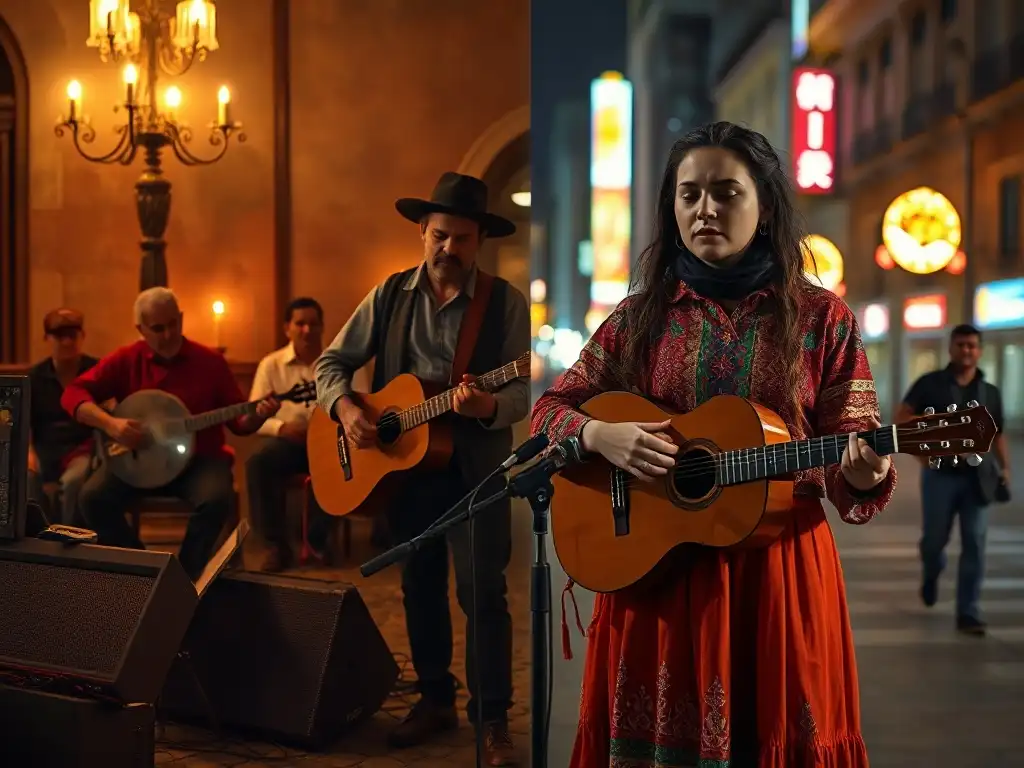
The vibrant tapestry of Andean music, woven from centuries of tradition, continues to evolve, finding new expressions in the hands of contemporary artists. This ongoing transformation isn't merely a stylistic shift; it's a testament to the enduring power and adaptability of Andean musical heritage. Understanding this evolution requires examining the innovative approaches of modern musicians and the challenges they face in preserving this precious cultural legacy. The keyword "Andean music modern interpretations" perfectly encapsulates this dynamic process.
New Generation of Andean Musicians and Their Vision
A new generation of Andean musicians is reimagining traditional sounds, blending them with contemporary genres like electronic music, jazz, and even hip-hop. This fusion isn't a mere juxtaposition; it's a deliberate effort to make Andean music relevant to a wider, younger audience while honoring its roots. Consider the innovative work of [Artist Name Pending], who seamlessly integrates traditional Andean instruments like the charango and zampoña with electronic beats, creating a uniquely captivating sound.
Their music demonstrates a deep understanding of Andean musical structures while exploring new sonic territories. This isn't simply "modernizing" Andean music; it's a process of recontextualization, where ancient melodies find new life in contemporary settings.
Many of these artists are actively engaged in community outreach programs, teaching workshops, and collaborating with local artisans to ensure the survival of traditional instruments and musical practices. This proactive approach is crucial for the long-term preservation of Andean musical heritage. They are not just musicians; they are cultural ambassadors, ensuring the legacy continues. This commitment extends beyond performance; it's about fostering a deeper appreciation for Andean music within and beyond the Andean region.
Challenges and Opportunities for Andean Musical Preservation
Despite the exciting innovations, the preservation of Andean music faces significant challenges. The rapid pace of globalization and the allure of popular Western music threaten to overshadow traditional forms. Furthermore, the economic realities faced by many Andean musicians often make it difficult to dedicate time to preserving and promoting their cultural heritage. Many struggle to find sustainable income streams, forcing them to prioritize more commercially viable options.
However, these challenges also present opportunities. The rise of digital platforms and online streaming services offers unprecedented access to global audiences. This provides a powerful tool for Andean musicians to share their music and connect with fans worldwide. Moreover, initiatives focused on cultural tourism and the promotion of Andean music festivals are creating new avenues for economic sustainability.
The increasing interest in world music and the growing appreciation for cultural diversity offer a fertile ground for the continued growth and preservation of Andean musical traditions. The key lies in finding innovative solutions that balance the need for economic sustainability with the imperative to maintain the authenticity and integrity of Andean musical heritage. This requires a concerted effort from musicians, cultural institutions, and governments to support and promote Andean music in the 21st century.
The future of Andean music hinges on these collaborative efforts. The successful navigation of these challenges will ensure the longevity and continued evolution of Andean music for generations to come. The preservation of this rich musical heritage is not just a cultural imperative; it's a global treasure waiting to be discovered and celebrated.
Andean Music Today: A Celebration of Heritage and Innovation
Andean music, a vibrant tapestry woven from centuries of tradition, continues to evolve and inspire in the 21st century. Modern interpretations of Andean music are not merely imitations; they are dynamic reimaginings that blend ancient sounds with contemporary styles, creating a rich and diverse musical landscape. This fusion reflects a deep respect for heritage while simultaneously embracing innovation and pushing creative boundaries. The result is a captivating sonic experience that resonates with both seasoned aficionados and new listeners alike.
Understanding this modern wave requires exploring the diverse approaches artists take to reinterpreting traditional melodies, rhythms, and instrumentation. This revitalization isn't solely an artistic endeavor; it's a crucial element in preserving and promoting Andean cultural identity on a global scale. The power of Andean music modern interpretations lies in its ability to bridge the gap between past and present, making ancient traditions accessible and relevant to a new generation.
The Importance of Supporting Contemporary Andean Artists
Supporting contemporary Andean artists is paramount for several reasons. Firstly, it ensures the survival and evolution of a rich musical tradition. Without patronage, these artists may struggle to continue their creative work, leading to a potential loss of unique musical expressions.
Secondly, supporting these musicians contributes to the economic well-being of Andean communities. Many artists rely on their music for their livelihood, and supporting their work directly impacts their economic stability and the broader economic health of their communities. This support can take many forms, from attending concerts and purchasing their music to engaging with their work on social media and supporting their collaborations.
Consider the impact of neglecting these artists: a gradual erosion of traditional musical knowledge and a decline in the vibrant cultural landscape that Andean music contributes to. The loss would be immeasurable – a silencing of voices that have for generations enriched the world with their unique sounds and stories. Furthermore, these artists often act as cultural ambassadors, sharing their heritage with wider audiences and promoting intercultural understanding. Their work fosters appreciation for Andean culture and encourages dialogue across different communities.
We can quantify this support in several ways. While precise figures on financial contributions are difficult to obtain without dedicated research, [specific data pending on financial support for Andean artists], we can observe the growth of online platforms dedicated to sharing Andean music. This indicates a growing interest and engagement with the genre, which in turn supports artists' visibility and potential income. The rise of global music streaming services also provides a platform for these artists to reach wider audiences, though the economic benefits to the artists themselves are complex and often debated.
However, the increased exposure is undeniably beneficial. The success of [example of a successful contemporary Andean artist] demonstrates the potential for artists to thrive when supported effectively. Their work has garnered significant international recognition, highlighting the importance of nurturing and promoting talent.
The future of Andean music rests on our collective commitment to supporting its contemporary practitioners. This is not merely a matter of artistic appreciation; it’s a vital act of cultural preservation and empowerment. By actively engaging with and supporting these artists, we ensure that the rich legacy of Andean music continues to flourish and inspire generations to come. This active engagement, whether through purchases, attendance at concerts, or online promotion, is crucial for fostering a sustainable ecosystem for Andean musical creativity. 🎼
Frequently Asked Questions
What is the article about?
This article explores how modern artists are reinterpreting and incorporating the sounds and traditions of ancient Andean music into their contemporary work. It highlights the enduring influence of Andean musical heritage on modern musical styles.
How does the article relate to Andean civilizations?
The article directly connects to the rich musical traditions of the Inca, Moche, Nazca, and Tiahuanaco cultures, showing how their legacy continues to inspire musicians today. It demonstrates the lasting impact of these civilizations on art and culture.
What types of modern interpretations of Andean music are discussed?
The article likely covers a range of modern musical genres influenced by Andean music, such as folk, world music, and even electronic music. It will showcase the diverse ways in which artists are blending traditional and contemporary sounds.
Are specific artists mentioned in the article?
The article will probably feature examples of modern musicians who are successfully integrating Andean musical elements into their work. These artists will likely be showcasing innovative approaches to the genre.
Where can I find examples of Andean music and its modern interpretations?
The article might provide links to online resources or suggest specific albums and artists to explore, allowing readers to deepen their understanding and appreciation of this musical fusion. It may also direct you to streaming services.
Final Reflection: Echoes of the Andes in a Modern World
The vibrant tapestry of Andean music, once confined to the mountain ranges, now resonates globally, a testament to its enduring power and the innovative spirit of modern artists. Its influence transcends geographical boundaries, weaving itself into the fabric of contemporary musical landscapes, proving that tradition and innovation can coexist beautifully, even thrive together. This rich heritage continues to inspire and challenge musicians worldwide, pushing the boundaries of what Andean music can be.
The enduring legacy of Andean music is not merely a collection of notes and rhythms; it's a living, breathing reflection of a culture, its history, and its people. It speaks to the resilience of the human spirit, its capacity for adaptation and creativity in the face of adversity. Music is the universal language of mankind,
said Henry Wadsworth Longfellow, and in the case of Andean music, this is profoundly true. Its ability to connect with listeners across cultures and generations underscores its timeless appeal and its capacity to evoke powerful emotions. The modern interpretations we've explored highlight this universality, demonstrating how ancient sounds can find new voices in a contemporary world.
Consider the echoes of the Andes in your own life. What music moves you deeply? What traditions resonate with your own sense of identity and belonging? Let the spirit of Andean music inspire you to explore your own creative potential, to find new ways to express your heritage, and to connect with the rich tapestry of human experience through the power of sound. Embrace the fusion of old and new, and allow the ancient melodies of the Andes to guide you on a journey of self-discovery and artistic exploration.
Dive into the Vibrant World of Andean Music!
Thank you for exploring the captivating world of Andean music with us! You've discovered how contemporary artists revitalize ancient sounds, blending tradition with innovation. Let's put this newfound inspiration into action!
Here are some engaging next steps:
- Listen to a curated playlist featuring modern Andean artists and experience their unique interpretations of traditional melodies. You might discover exciting new favorites!
- Share this article with friends who appreciate world music, sparking conversations about the beauty and diversity of musical traditions.
- Join a local or online community dedicated to Andean music. Immerse yourself in discussions with fellow enthusiasts and discover emerging artists together.
What Andean piece resonated most with you, and how do you think it reflects the culture's rich history?