
Andean Civilizations in the 21st Century: Relevance and Impact

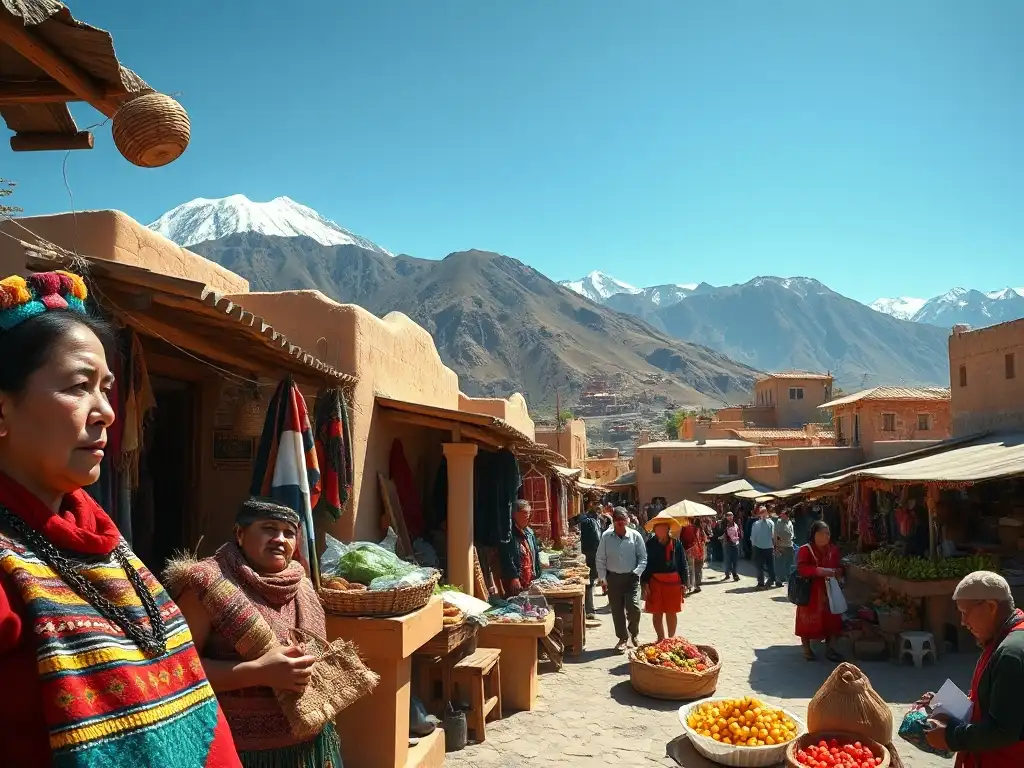
Step into a world lost to time, yet echoing powerfully in our present. Discover the enduring legacy of the Andean civilizations, from the breathtaking artistry of the Nazca Lines to the sophisticated engineering of the Inca Empire. But how did these magnificent cultures shape the world we inhabit today? This journey into the heart of Andean civilizations' impact today will reveal surprising connections and unveil the fascinating ways their past continues to resonate in the 21st century. Prepare to be amazed.
The legacy of the Andean civilizations—the Incas, Moche, Nazca, Tiahuanaco, and many others—continues to resonate powerfully in the 21st century. Their sophisticated agricultural techniques, intricate social structures, and awe-inspiring architectural achievements are not merely relics of the past; they offer valuable insights and lessons relevant to contemporary challenges. This article explores the enduring impact of these civilizations, examining their influence on modern society, from sustainable practices to cultural identity and the ongoing process of archaeological discovery.
Understanding the Andean civilizations' impact today is crucial for appreciating their enduring contribution to global heritage and for addressing the complexities of the modern world. We will delve into specific areas where their influence remains palpable, highlighting their surprising relevance in our current context.
The study of these ancient societies provides a rich tapestry of knowledge that can inform and inspire our present and future. We will analyze how their innovative approaches to resource management, community building, and artistic expression continue to shape our world.
Enduring Agricultural Practices and Sustainable Development
The Andean civilizations developed remarkably sophisticated agricultural techniques adapted to the diverse and challenging Andean geography. Terracing, irrigation systems, and the domestication of various crops, including potatoes and maize, allowed them to thrive in seemingly inhospitable environments. These ingenious methods are now being revisited and adapted in modern sustainable agriculture practices.
For example, the principles behind Andean terracing are being applied in modern projects aimed at combating soil erosion and improving water management in mountainous regions globally. Furthermore, the genetic diversity of crops cultivated by these ancient societies holds immense potential for developing climate-resistant strains, vital in the face of climate change. The study of ancient Andean agriculture provides invaluable lessons in sustainable resource management and food security.
The detailed understanding of their agricultural innovations offers a powerful toolkit for tackling the challenges of modern food production and environmental sustainability. Modern researchers are actively studying the ancient techniques to improve current agricultural practices and to develop more resilient and efficient farming methods.
The Influence of Andean Art and Culture on Contemporary Society
The artistic and cultural expressions of the Andean civilizations continue to captivate and inspire. From the intricate textiles of the Nazca to the monumental stonework of the Incas, these societies left behind a rich legacy that permeates contemporary art, fashion, and cultural identity. Motifs and patterns from Andean art are frequently incorporated into modern designs, reflecting a lasting appreciation for their aesthetic sophistication.
Moreover, the vibrant traditions of Andean music, dance, and storytelling remain alive and are actively celebrated, contributing to a sense of cultural pride and continuity. The impact is not only aesthetic but also deeply rooted in the ongoing efforts to preserve and promote indigenous cultures and languages, ensuring the survival of their rich heritage for future generations. The influence extends beyond artistic appreciation, shaping contemporary perspectives on cultural preservation and the importance of celebrating diversity.
Archaeological Discoveries and Their Ongoing Relevance
Ongoing archaeological research continues to unearth new information about Andean civilizations, constantly refining our understanding of their history, technology, and social structures. Each new discovery sheds light on the complexity and sophistication of these societies, challenging previously held assumptions and enriching our understanding of human history. These findings are not simply historical curiosities; they provide valuable data that informs our understanding of human development, social organization, and cultural evolution.
The ongoing archaeological work also contributes to the preservation of cultural heritage sites, protecting these invaluable resources for future generations. The continuous process of discovery underlines the ongoing relevance of studying Andean civilizations, emphasizing their enduring contribution to our collective knowledge and cultural heritage. The implications of these discoveries extend far beyond the academic realm, contributing to broader discussions about cultural preservation, sustainable tourism, and the ethical considerations of archaeological research.
Andean Civilizations and the Challenges of the 21st Century
The challenges facing the world today, such as climate change, social inequality, and the preservation of cultural heritage, resonate with the issues faced by the Andean civilizations centuries ago. Their innovative solutions to environmental constraints and their complex social structures offer valuable lessons for navigating the complexities of the modern world. By studying their successes and failures, we can gain a deeper understanding of the factors that contribute to societal resilience and sustainability.
The insights gained from studying these ancient societies can inform policy decisions and inspire innovative solutions to contemporary challenges. This cross-disciplinary approach, drawing on archaeology, anthropology, and environmental science, is vital for finding sustainable solutions to modern problems. The legacy of the Andean civilizations serves as a powerful reminder of the interconnectedness of past, present, and future.
- Enduring Agricultural Practices and Sustainable Development
- The Influence of Andean Art and Culture on Contemporary Society
- Archaeological Discoveries and Their Ongoing Relevance
- Andean Civilizations and the Challenges of the 21st Century
- What is the lasting impact of Andean civilizations on modern society?
- How did Andean civilizations influence modern Peruvian culture?
- What technological advancements of the Andean civilizations are still relevant today?
- How did the Andean civilizations' understanding of astronomy impact modern society?
- What is the significance of studying Andean civilizations in the 21st century?
The Enduring Legacy of Andean Cultures

The impact of Andean civilizations reverberates powerfully in the 21st century, shaping contemporary societies in ways both visible and subtle. From architectural marvels inspiring modern design to agricultural techniques still employed today, the legacy of the Incas, Moche, Nazca, and Tiahuanaco continues to influence various aspects of life in the Andes and beyond. Understanding this enduring legacy requires exploring both the tangible and intangible inheritances passed down through millennia.
The influence of Andean civilizations on modern society is multifaceted, affecting everything from cultural practices to political structures and even our understanding of history itself. The continued relevance of studying Andean civilizations lies in their capacity to offer valuable insights into sustainable living, social organization, and the resilience of human societies in the face of adversity. Analyzing this impact provides a deeper appreciation for the complexity and richness of these ancient societies and their continued influence on the world today.
Understanding the Historical Context of Andean Civilizations
To fully grasp the impact of Andean civilizations today, we must first understand their historical context. These weren't isolated entities; they engaged in complex interactions, trade, and conflict, shaping a dynamic landscape of cultural exchange. For instance, the Inca Empire, known for its sophisticated road network and administrative system, inherited and adapted technologies and practices from earlier cultures like the Wari and Tiwanaku.
This process of cultural transmission and adaptation is crucial to understanding the continuity of Andean traditions. The Inca's mastery of hydraulic engineering, for example, built upon pre-existing techniques developed over centuries, resulting in impressive agricultural systems that continue to inspire modern irrigation practices. Furthermore, understanding the societal structures and beliefs of these civilizations provides insights into contemporary Andean communities and their enduring values.
The emphasis on community, reciprocity ( ayni), and a deep connection to the land are all hallmarks of Andean societies that remain relevant today. Analyzing these historical contexts helps us to appreciate the complexity and depth of the legacy of Andean civilizations and their contribution to the tapestry of human history.
Exploring the Cultural Richness of Ancient Andean Societies
The cultural richness of ancient Andean societies continues to inspire and inform contemporary art, literature, and music. The intricate textiles, captivating pottery, and monumental architecture of these civilizations serve as a testament to their artistic ingenuity and profound understanding of their environment. The vibrant colors and symbolic imagery found in Moche pottery, for example, continue to fascinate and inspire contemporary artists.
Similarly, the Nazca Lines, a mysterious geoglyph site, remain a source of wonder and speculation, prompting ongoing research and interpretations. Beyond the visual arts, the oral traditions and mythology of Andean cultures have also left a lasting impact. These narratives, often passed down through generations, provide valuable insights into Andean cosmologies, social structures, and beliefs, enriching our understanding of the human experience.
The preservation and promotion of these cultural expressions are essential for maintaining the identity and heritage of Andean communities in the 21st century. The continued study and appreciation of Andean art and culture serve as a powerful reminder of the enduring legacy of these civilizations and their contribution to global artistic heritage. The impact of Andean civilizations extends far beyond their geographical boundaries, enriching global cultural landscapes.
How Ancient Andean Wisdom Influences Modern Life
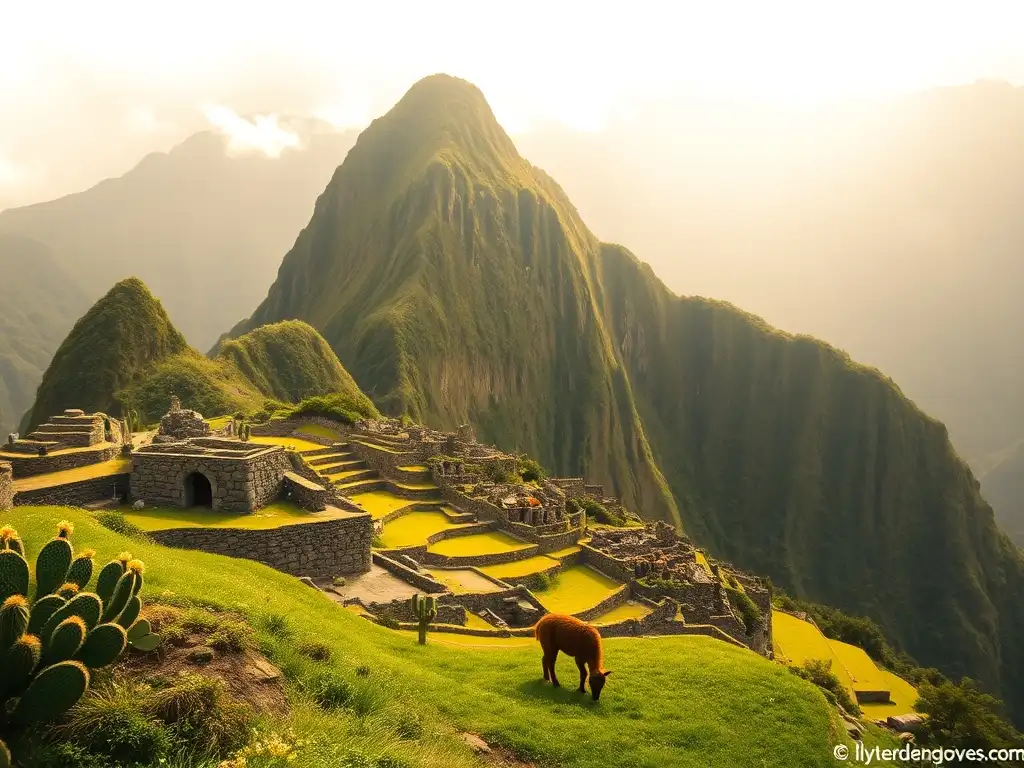
The impact of Andean civilizations resonates powerfully in the 21st century, extending far beyond museums and archaeological sites. Their ingenuity and deep connection to the environment continue to offer valuable lessons and inspire innovation across various fields. Understanding this enduring legacy is crucial to appreciating the multifaceted influence of these remarkable cultures and their lasting contribution to our world. This section explores some key areas where ancient Andean wisdom continues to shape modern life, highlighting their remarkable foresight and adaptability. The keyword "Andean civilizations impact today" is central to understanding this enduring relevance.
Andean Agricultural Techniques and Their Contemporary Relevance
Andean agricultural practices, developed over millennia to thrive in challenging high-altitude environments, offer valuable insights for sustainable agriculture today. Techniques like terracing, waru waru (raised bed agriculture), and the sophisticated understanding of water management remain remarkably relevant in the face of climate change and growing food security concerns.
Terracing, for example, significantly reduced soil erosion and maximized arable land on steep slopes. This method is now being re-evaluated and implemented in various regions facing similar environmental challenges, demonstrating the enduring practicality of ancient Andean ingenuity. The efficiency of water use in waru waru systems, which incorporated canals and raised beds to optimize irrigation and drainage, is particularly relevant in arid and semi-arid regions struggling with water scarcity. These systems not only increased crop yields but also enhanced soil fertility and biodiversity.
The Andean understanding of biodiversity and its role in agricultural resilience is another crucial lesson for modern agriculture. Their polyculture approach, integrating diverse crops and livestock, is now recognized as a key strategy for building more resilient and sustainable farming systems. The integration of diverse crops reduced the risk of crop failure and provided a more balanced diet. This approach contrasts sharply with modern monoculture farming, which often leaves systems vulnerable to pests, diseases, and climate fluctuations.
| Andean Technique | Description | Contemporary Relevance |
|---|---|---|
| Terracing | Creating level platforms on slopes for farming | Erosion control, maximizing arable land on slopes |
| Waru Waru | Raised bed agriculture with integrated irrigation and drainage | Water conservation, enhanced soil fertility, increased yields in arid regions |
| Polyculture | Growing multiple crops together | Biodiversity, resilience to pests and diseases, balanced diet |
The Impact of Andean Art and Textiles on Modern Design
Andean art and textiles, renowned for their vibrant colors, intricate designs, and masterful craftsmanship, continue to inspire contemporary artists and designers. The sophisticated weaving techniques, symbolic imagery, and unique aesthetic sensibilities of cultures like the Nazca and Inca have left an indelible mark on global design trends.
The intricate geometric patterns and vibrant hues found in Nazca textiles, for example, are frequently incorporated into modern fashion and home décor. The symbolic meaning embedded in these designs, often related to cosmology, mythology, and social structures, adds a layer of depth and cultural significance to contemporary interpretations. Similarly, Inca knot-work (quipus) and their intricate designs continue to inspire contemporary artists and designers, demonstrating the enduring appeal and relevance of these ancient forms of artistic expression.
The use of natural dyes and sustainable materials in Andean textile production also resonates strongly with contemporary concerns about environmental sustainability. The techniques employed by Andean artisans, often passed down through generations, provide a valuable model for eco-conscious design and production. The use of alpaca and llama wool, for instance, offers a sustainable alternative to conventional materials.
Preserving Andean Languages and Oral Traditions in the 21st Century
The preservation of Andean languages and oral traditions is crucial for safeguarding cultural heritage and promoting linguistic diversity. Many indigenous languages face the threat of extinction, highlighting the importance of ongoing efforts to revitalize and protect these invaluable aspects of Andean culture.
The rich oral traditions of the Andes, including storytelling, songs, and rituals, transmit knowledge and values across generations. These traditions are not only repositories of historical information but also vital components of cultural identity and social cohesion. Efforts to document and preserve these traditions are essential for ensuring their continuity in the face of globalization and cultural homogenization.
The revival of Quechua, Aymara, and other Andean languages is a testament to the enduring strength of cultural identity and community resilience. Educational programs, community initiatives, and technological tools are playing an increasingly important role in language revitalization efforts. The challenge lies in balancing the preservation of traditional knowledge with the integration of these languages into modern contexts.
This complex task demands a multi-faceted approach, including language immersion programs, the incorporation of indigenous languages into formal education, and the use of technology to create accessible language learning resources. The continued vitality of these languages is essential for the preservation of Andean cultural heritage in the 21st century.
The Andean Worldview and its Contribution to Modern Thought
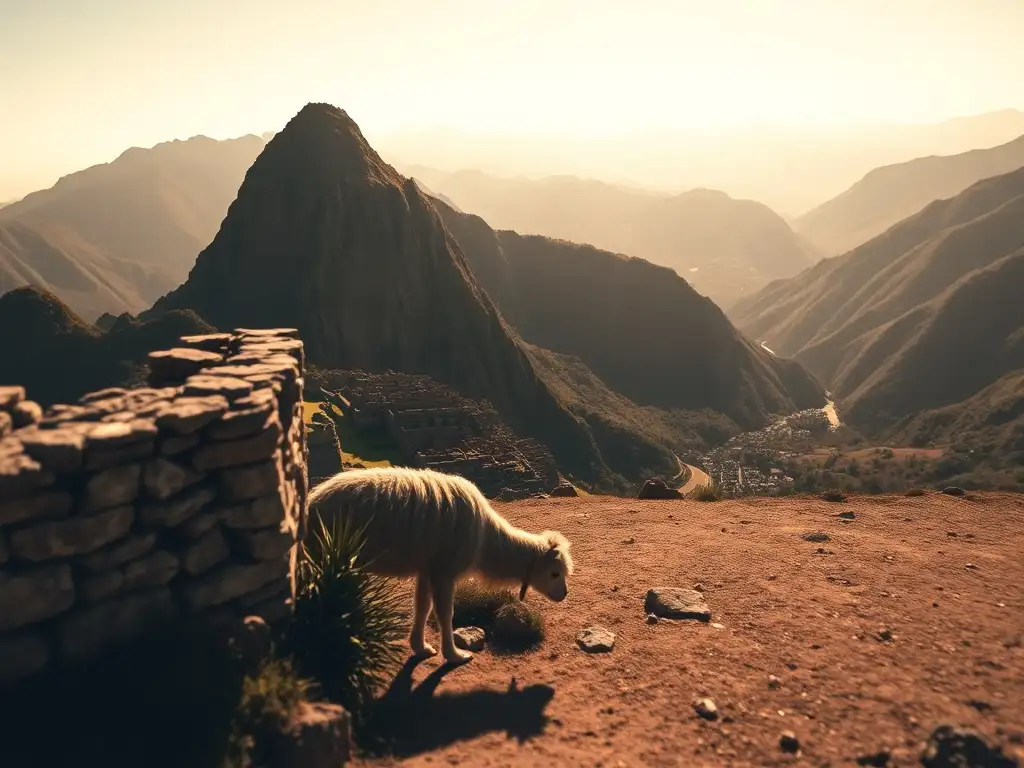
The Andean worldview, shaped over millennia by the unique geography and challenges of the Andes Mountains, offers a compelling counterpoint to Western perspectives, particularly in the 21st century. Its enduring impact is evident in various fields, from environmentalism to social justice. Understanding this worldview is crucial to appreciating the lasting legacy of Andean civilizations and their relevance to contemporary issues.
This section explores key aspects of this worldview and its potential to inform modern thought and action. The enduring influence of Andean principles demonstrates their continued relevance in addressing the complexities of our modern world. The impact of Andean civilizations on our current thinking is undeniable, offering alternative frameworks for sustainable living and social harmony.
Andean Cosmology and its Potential for Environmental Understanding
Andean cosmology, deeply intertwined with the natural world, provides a powerful lens through which to understand and address contemporary environmental challenges. Unlike the anthropocentric views prevalent in many Western societies, Andean cosmologies emphasize the interconnectedness of all living beings and the sacredness of nature. The ayllu, the traditional Andean community, understood its existence as inextricably linked to the health and well-being of its environment.
This holistic perspective, emphasizing reciprocal relationships between humans and nature, offers a stark contrast to exploitative models of resource management. For instance, the Inca's sophisticated agricultural techniques, such as terracing and irrigation, demonstrate a deep understanding of ecological balance and sustainability. Their practices, far from being primitive, were highly sophisticated and demonstrably effective in maintaining agricultural productivity over centuries.
This inherent respect for the environment, a central tenet of Andean cosmology, offers invaluable insights for developing sustainable practices in the 21st century. The application of Andean principles in modern environmental management could lead to more effective conservation strategies and a more harmonious relationship with the planet. Further research into specific Inca agricultural practices and their long-term sustainability could yield significant benefits for modern agriculture.
The Concept of Community and Reciprocity in Andean Cultures
The concept of ayni, or reciprocity, is a cornerstone of Andean social organization. This principle emphasizes mutual support, cooperation, and the balanced exchange of goods and services within the community. Unlike individualistic models that prioritize competition and self-interest, ayni fosters a sense of collective responsibility and shared well-being.
This system, while seemingly simple, provided a remarkably effective framework for social cohesion and economic stability in pre-Columbian Andean societies. The ayllu, a kinship-based community, operated on principles of mutual aid and collective responsibility, ensuring the survival and prosperity of all its members. This emphasis on community and reciprocity offers valuable lessons for contemporary societies grappling with issues of inequality, social fragmentation, and economic disparity.
The Andean model suggests that prioritizing collective well-being over individual gain can lead to more equitable and sustainable societies. Understanding the intricacies of the ayllu system and the principles of ayni can inform the development of more collaborative and inclusive social structures in the modern world. Analyzing the successes and challenges of the ayllu system can provide valuable insights for contemporary community development initiatives.
The principles of Andean cosmology and social organization hold significant potential for addressing contemporary social challenges. The emphasis on community, reciprocity, and respect for nature offers alternative models for sustainable development, conflict resolution, and social justice. For example, the Inca's emphasis on collective action and resource management could inform strategies for addressing climate change and promoting environmental sustainability. Similarly, the principles of ayni could be applied to foster greater cooperation and equity within modern societies.
The concept of sumaq kawsay, or "good living," which emphasizes harmony between humans and nature and within communities, provides a framework for creating more just and sustainable societies. However, the direct application of Andean principles requires careful consideration of the specific contexts and challenges of the 21st century. A nuanced understanding of the historical and cultural context is crucial to avoid simplistic or inappropriate applications.
Furthermore, [Specific examples of successful applications of Andean principles to contemporary social challenges pending]. Research into the successful integration of Andean principles in modern initiatives is needed to fully understand their potential impact. The potential benefits of incorporating aspects of the Andean worldview into contemporary solutions are significant, offering a path towards more equitable and sustainable futures.
Andean Civilizations Impact Today: Specific Examples
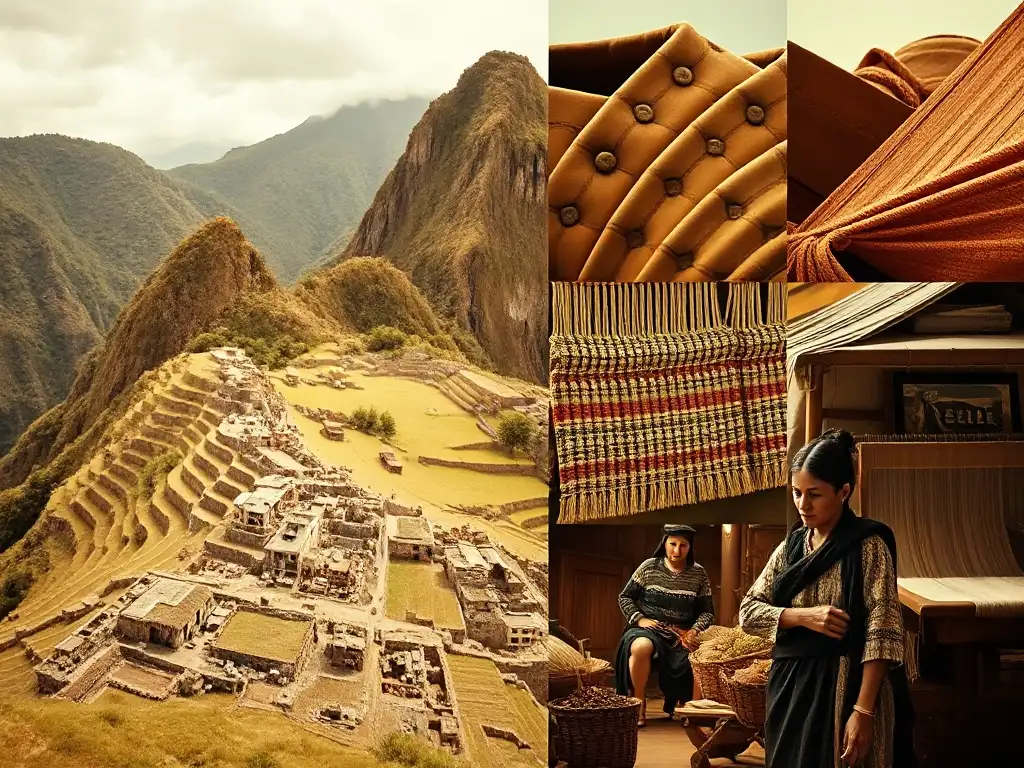
The legacy of Andean civilizations continues to resonate powerfully in the 21st century, influencing various aspects of modern life. Understanding this impact requires examining specific examples across different fields, from architecture and medicine to art and cultural expression. The enduring relevance of Andean knowledge and practices demonstrates the profound and lasting influence of these sophisticated societies. The keyword phrase "Andean civilizations impact today" highlights the core focus of this exploration.
The Influence of Inca Architecture on Modern Construction
Inca architecture, renowned for its ingenuity and resilience, continues to inspire modern construction techniques. The Incas' mastery of stonework, their understanding of seismic activity, and their innovative use of materials like adobe and volcanic rock are being revisited and reinterpreted by contemporary architects and engineers. Their sophisticated understanding of load-bearing structures and the integration of buildings into their environment provides valuable lessons for sustainable and environmentally conscious building practices.
For instance, the precise fitting of stones without mortar, a hallmark of Inca construction, is being studied to improve the efficiency and durability of modern building projects. The incorporation of traditional Andean building methods into contemporary designs not only preserves cultural heritage but also offers practical advantages, such as improved energy efficiency and resistance to natural disasters. The use of locally sourced materials, a common practice among Andean builders, aligns with contemporary sustainability goals.
Furthermore, the Inca's understanding of adapting structures to challenging terrains offers valuable insights for modern construction in mountainous regions. Research into Inca techniques is revealing innovative solutions for building in environmentally sensitive areas.
The study of Inca architecture is not just an academic pursuit; it has direct practical applications in modern construction, promoting sustainable practices and enhancing the resilience of buildings. This ongoing engagement with Inca architectural principles ensures that their legacy extends far beyond historical preservation.
Andean Medicine and its Growing Interest in Holistic Practices
Andean medicine, with its emphasis on holistic healing and the use of natural remedies, is experiencing a resurgence of interest in the 21st century. While Western medicine dominates many healthcare systems, there's a growing appreciation for traditional Andean practices that integrate physical, mental, and spiritual well-being. This renewed interest is fueled by a desire for more natural and less invasive treatment options, as well as a growing recognition of the interconnectedness of mind and body.
The use of medicinal plants, a central feature of Andean healing, is being investigated by modern researchers. Scientists are identifying the active compounds in these plants and exploring their potential therapeutic applications. This research has led to the development of new pharmaceuticals and dietary supplements based on traditional Andean remedies. Moreover, the holistic approach of Andean medicine, which considers the patient's overall well-being, resonates with the growing popularity of integrative and complementary medicine.
The integration of Andean medicinal practices into modern healthcare is not without its challenges. Rigorous scientific validation of traditional remedies is crucial to ensure their safety and efficacy. However, the increasing interest in holistic approaches and the growing body of scientific research suggest that Andean medicine has a significant role to play in shaping the future of healthcare. The impact of Andean medicine today is seen in the increasing number of clinics and practitioners incorporating traditional Andean techniques alongside Western medical practices.
The Role of Andean Music and Dance in Global Cultural Expression
Andean music and dance, vibrant expressions of cultural identity, have transcended geographical boundaries and now play a significant role in global cultural expression. The unique rhythms, melodies, and instruments of Andean cultures have captivated audiences worldwide, contributing to a richer and more diverse musical landscape. The enduring popularity of Andean music and dance is a testament to their artistic merit and their capacity to communicate universal human experiences.
The fusion of Andean musical traditions with other genres has resulted in innovative and exciting musical collaborations. Andean instruments, such as the panpipes and charango, are increasingly incorporated into contemporary music, enriching its texture and sound. Similarly, Andean dance forms, with their expressive movements and vibrant costumes, are performed and appreciated on international stages, showcasing the beauty and complexity of Andean culture. The influence of Andean music and dance is evident in the growing number of festivals, concerts, and performances dedicated to these art forms across the globe.
The global dissemination of Andean music and dance has contributed to a greater understanding and appreciation of Andean cultures. It fosters intercultural dialogue and promotes a sense of shared humanity. The continued evolution and adaptation of these art forms demonstrate their resilience and their capacity to adapt to changing times while maintaining their cultural integrity. The impact of Andean music and dance today extends beyond mere entertainment; it serves as a powerful vehicle for cultural preservation and cross-cultural understanding.
Challenges and Opportunities for Andean Heritage in the 21st Century
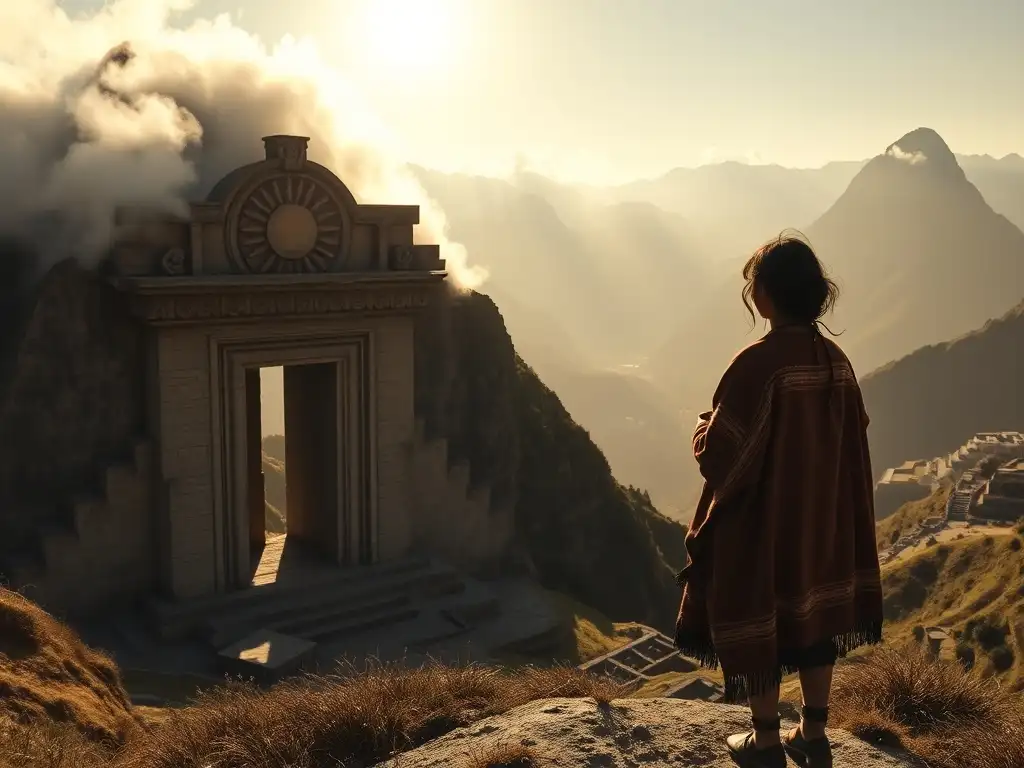
The legacy of the Andean civilizations continues to resonate powerfully in the 21st century, presenting both significant challenges and exciting opportunities. Understanding the impact of these ancient societies requires acknowledging the complexities of preserving their heritage while simultaneously addressing the needs of modern communities. The interplay between past and present is a dynamic and often delicate balance, one that necessitates careful consideration and proactive strategies.
The continued relevance of Andean civilizations in today's world is undeniable, shaping various aspects of modern life, from cultural practices to economic development. However, this influence also brings with it the responsibility of ensuring the long-term survival of this invaluable heritage.
Threats to Andean Archaeological Sites and Cultural Heritage
Andean archaeological sites, repositories of invaluable historical and cultural information, face numerous threats in the 21st century. These threats range from the more obvious, such as looting and illegal trafficking of artifacts, to more insidious pressures like climate change and unsustainable development. The impact of these threats is profoundly detrimental, leading to the irreversible loss of irreplaceable historical evidence and cultural significance.
The illegal antiquities trade presents a significant challenge. Looters often target sites for valuable artifacts, causing irreparable damage to the archaeological context and potentially destroying fragile structures in the process. This illicit activity undermines efforts to understand and preserve the rich history of the Andean civilizations. The demand for these artifacts fuels the trade, making it a global issue requiring international cooperation to combat effectively.
Beyond looting, climate change poses a serious threat. Increased frequency and intensity of extreme weather events, such as landslides and floods, can damage or destroy archaeological sites. Melting glaciers also pose a threat, potentially destabilizing fragile structures and impacting the surrounding environment. The long-term impact of these environmental changes on the preservation of Andean heritage is a major concern requiring proactive mitigation strategies.
Furthermore, unsustainable development projects, such as road construction and mining activities, can significantly impact archaeological sites. These projects can lead to the destruction of sites, the disruption of cultural landscapes, and the displacement of communities closely connected to their ancestral lands. Balancing development needs with heritage preservation is a critical challenge that requires careful planning and community engagement. Data on the precise economic losses due to these threats is difficult to quantify, but the qualitative loss of irreplaceable cultural heritage is immeasurable.
Promoting Sustainable Tourism and Respect for Andean Communities
Sustainable tourism offers a powerful tool for both preserving Andean heritage and empowering local communities. By prioritizing responsible travel practices, we can ensure that tourism contributes positively to the economic well-being of Andean communities while minimizing its environmental and social impact. This approach fosters a sense of ownership and pride within communities, encouraging active participation in preservation efforts.
Sustainable tourism initiatives often focus on creating economic opportunities for local communities while promoting responsible visitor behavior. This might involve supporting locally owned businesses, employing community members as guides and artisans, and ensuring that tourism revenue directly benefits the community. The successful implementation of such initiatives requires collaborative efforts between local communities, government agencies, and tourism operators.
A key component of successful sustainable tourism is respecting the cultural sensitivities and traditions of Andean communities. This includes ensuring that tourism activities do not disrupt sacred sites or traditional practices. Careful planning and community consultation are crucial to prevent cultural appropriation and ensure the respectful representation of Andean heritage.
Data indicates that sustainable tourism can significantly boost local economies while preserving cultural heritage. However, careful monitoring and regulation are needed to prevent the negative impacts of uncontrolled tourism growth. This requires a balance between economic benefits and environmental protection, ensuring that the long-term sustainability of both the environment and the local economy is prioritized. The successful model of sustainable tourism in the Andean region requires ongoing evaluation and adaptation to specific local contexts.
Empowering Indigenous Voices in the Preservation of Andean Culture
The preservation of Andean culture must prioritize the voices and perspectives of Indigenous communities. Their deep connection to their ancestral heritage, traditions, and knowledge systems is crucial for ensuring the accurate interpretation and preservation of Andean history and culture. Their active participation in decision-making processes, from research to conservation efforts, is essential for ensuring the authenticity and sustainability of preservation initiatives.
Empowering Indigenous communities involves recognizing their traditional knowledge and incorporating it into research and conservation projects. This often involves collaborative research efforts where Indigenous communities contribute their expertise and insights. It also entails supporting Indigenous-led initiatives that promote the revitalization and transmission of cultural practices, languages, and traditions. This may involve supporting educational programs, cultural festivals, and the documentation of traditional knowledge.
The lack of Indigenous representation in decision-making processes has historically led to misunderstandings and misrepresentations of Andean culture. By actively including Indigenous voices, we can ensure that preservation efforts are grounded in authenticity and respect for the cultural perspectives of the communities themselves. The long-term success of any preservation initiative hinges on the active participation and leadership of the Indigenous communities themselves.
Quantifying the impact of empowering Indigenous voices is difficult, but the qualitative impact on the accuracy and authenticity of cultural preservation is immeasurable. The future of Andean cultural heritage relies heavily on this collaboration and respect for indigenous knowledge and perspectives.
The Future of Andean Civilizations: A Path Forward
The legacy of Andean civilizations continues to resonate powerfully in the 21st century, shaping not only our understanding of the past but also influencing our approach to the future. The impact of Andean civilizations today is undeniable, impacting various aspects of modern life, from sustainable practices to cultural preservation. However, navigating the challenges of the modern world requires a strategic approach to ensure this rich heritage thrives. This necessitates a thoughtful blend of tradition and innovation, focusing on sustainable development and intercultural understanding.
Integrating Ancient Wisdom with Modern Technology for Sustainable Development
Andean civilizations demonstrated remarkable ingenuity in adapting to their environment, developing sophisticated agricultural techniques like terracing and irrigation systems that maximized resource utilization. These ancient practices offer valuable lessons for sustainable development in the face of climate change and resource scarcity. For example, the Inca's waru waru agricultural system, characterized by raised beds and channels, dramatically increased water retention and reduced soil erosion – techniques that are being revived and studied today for their potential to enhance modern agriculture. This integration of ancient wisdom with modern technology is crucial.
Precision agriculture, using satellite imagery and data analysis, can be combined with traditional Andean knowledge to optimize crop yields and minimize environmental impact. Similarly, the Andean understanding of water management can inform the design of sustainable water infrastructure projects. The potential benefits are significant, offering a pathway towards environmentally responsible development while honoring the ingenuity of past generations.
This approach also directly contributes to the preservation of traditional ecological knowledge, a valuable resource for sustainable practices. The integration is not simply about adopting old methods; it involves a critical analysis and adaptation of these practices to address the unique challenges of the contemporary world. For instance, modern materials could be used to enhance the durability of waru waru systems, ensuring their longevity in the face of changing climate patterns.
Fostering Intercultural Dialogue and Understanding
The Andean region is characterized by its incredible diversity of cultures, languages, and traditions. Understanding the impact of Andean civilizations today necessitates recognizing and celebrating this diversity. However, historical injustices and power imbalances have often marginalized indigenous communities and their knowledge systems. Fostering intercultural dialogue and understanding is therefore paramount.
This involves actively engaging with indigenous communities, respecting their self-determination, and ensuring their participation in decision-making processes that affect their lives and heritage. Educational initiatives play a vital role, promoting inclusive curricula that accurately represent the contributions of Andean civilizations and acknowledge the complexities of their histories. This includes challenging Eurocentric narratives that have often minimized or misrepresented indigenous perspectives.
Furthermore, supporting indigenous languages and cultural expressions is essential for preserving cultural identity and transmitting traditional knowledge across generations. The promotion of intercultural dialogue is not merely a matter of tolerance; it is a recognition of the inherent value and richness of diverse perspectives and a pathway towards a more equitable and just society. The impact of Andean civilizations today is inextricably linked to the well-being and empowerment of indigenous communities.
Ensuring the Continued Relevance of Andean Heritage for Future Generations
The preservation of Andean heritage is not simply a matter of preserving historical artifacts; it is about ensuring the continued relevance of Andean values and knowledge for future generations. This requires a multi-faceted approach, encompassing the protection of archaeological sites, the safeguarding of cultural practices, and the promotion of sustainable tourism. Effective heritage management strategies must involve collaboration between government agencies, local communities, and international organizations.
Furthermore, the digitalization of cultural heritage materials can ensure greater accessibility and promote wider understanding of Andean civilizations. This includes creating online archives of historical documents, creating virtual tours of archaeological sites, and developing interactive educational resources. Moreover, the promotion of traditional crafts and artistic expressions helps to sustain local economies and transmit traditional knowledge.
By actively engaging with Andean heritage, we not only preserve the past but also contribute to building a more sustainable and culturally rich future. The continued relevance of Andean heritage is not simply a matter of historical preservation; it is a vital component of shaping a more inclusive and equitable future. The impact of Andean civilizations today extends far beyond the realm of history; it is a living legacy that shapes our present and future.
Frequently Asked Questions
What is the lasting impact of Andean civilizations on modern society?
Andean civilizations left a significant mark on agriculture, with techniques like terracing still used today. Their architectural innovations influence modern construction, and their artistic styles continue to inspire. Their sophisticated understanding of astronomy is also relevant.
How did Andean civilizations influence modern Peruvian culture?
Peruvian culture is deeply rooted in its Andean heritage. Traditional textiles, music, and dances are direct descendants of ancient practices. Quechua, an Andean language, is still spoken by millions, reflecting the enduring cultural influence.
What technological advancements of the Andean civilizations are still relevant today?
Andean ingenuity shines through in advanced irrigation systems, metalworking techniques, and road networks. These innovations demonstrate a sophisticated understanding of engineering and resource management that continues to inspire modern solutions.
How did the Andean civilizations' understanding of astronomy impact modern society?
Their advanced understanding of astronomy is evident in their precise calendar systems and monumental architecture aligned with celestial events. This knowledge contributed to a deep understanding of seasonal cycles crucial for agriculture, and continues to fascinate astronomers today. Their sophisticated understanding of celestial movements is still studied.
What is the significance of studying Andean civilizations in the 21st century?
Studying Andean civilizations provides crucial insights into sustainable practices, social organization, and cultural resilience. Understanding their successes and failures offers valuable lessons for addressing contemporary challenges and promotes a more inclusive understanding of global history.
Final Reflection: Echoes of the Andes in a Modern World
The ingenuity and resilience of the Andean civilizations continue to resonate in the 21st century, shaping our understanding of sustainable living and societal organization in profound ways. Their sophisticated agricultural techniques, intricate social structures, and remarkable architectural achievements offer invaluable lessons for addressing the challenges of our time, from climate change to social inequality. The echoes of their past are not merely historical artifacts; they are vital tools for building a more equitable and sustainable future.
The enduring legacy of the Andean civilizations is not simply confined to museums and textbooks; it permeates the cultural landscape of South America and beyond. Their artistic expressions, spiritual beliefs, and agricultural practices continue to inspire contemporary artists, activists, and researchers. The innovative techniques they employed to cultivate crops in challenging environments, for example, are being revisited and adapted to address modern agricultural challenges. The past is never dead. It's not even past.
– William Faulkner. This quote perfectly encapsulates the ongoing relevance of understanding and appreciating the contributions of these remarkable societies.
Consider the ingenuity of their terrace farming, their sophisticated understanding of astronomy, and their complex social systems. These are not relics of a bygone era; they are blueprints for a more sustainable and just world. You, the reader, are now empowered to carry this knowledge forward. Explore the rich tapestry of Andean history further, seek out the connections between their achievements and contemporary issues, and let their wisdom inspire you to build a better future, one that honors the past while embracing the possibilities of tomorrow.
Embrace the Legacy: Take Action Today!
Thank you for exploring the fascinating world of Andean civilizations and their enduring relevance. Your interest helps preserve these remarkable cultures for future generations. Now, let's turn that inspiration into action.
Here are some ways you can make a difference:
- Visit a local museum or cultural center to learn more about Andean artifacts and their historical significance. You might be surprised by what you discover!
- Share this article with friends and family to raise awareness of the rich history and ongoing impact of Andean civilizations. Start a conversation!
- Consider a trip to the Andes to experience the vibrant culture firsthand and support local communities. It's an unforgettable experience.
What connections have you made between ancient Andean civilizations and the modern world? Share your thoughts in the comments below!