
A Feast for the Senses: The Culinary Heritage of Andean Indigenous Peoples

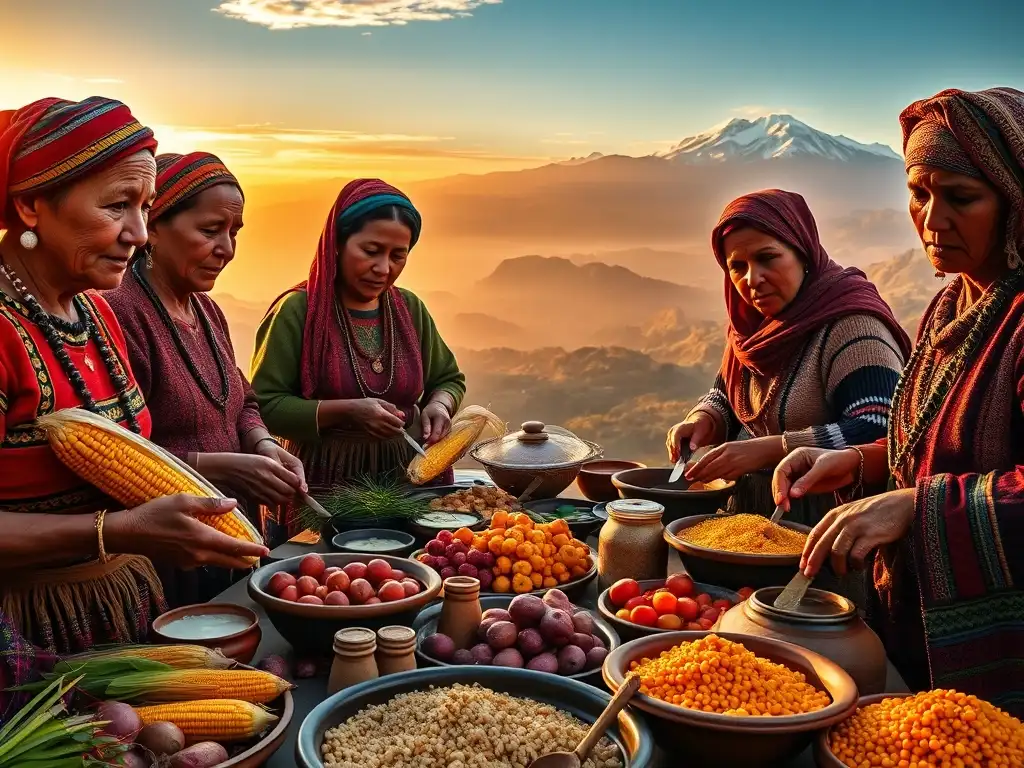
Uncover the secrets whispered on the wind across the Andes… a legacy etched not just in stone, but in flavor. For centuries, the vibrant tapestry of Andean indigenous cuisine history has shaped the lives and cultures of the Incas, Moche, Nazca, and Tiahuanaco. Prepare to embark on a culinary journey through time, where ancient techniques meet unforgettable tastes. Discover how these ingenious civilizations harnessed their environment to create a culinary heritage as rich and complex as their empires themselves. Are you ready to taste the past?
The Andes Mountains, a spine of towering peaks running down the western edge of South America, are home to a rich tapestry of indigenous cultures. For millennia, these communities have not only adapted to the challenging terrain but have also cultivated a vibrant and unique culinary heritage deeply intertwined with their history, beliefs, and environment.
This article delves into the fascinating history of Andean indigenous cuisine, exploring its evolution, key ingredients, and enduring significance in the lives of Andean peoples today. We will uncover how their culinary practices reflect their deep connection to the land and their sophisticated understanding of agriculture and food preservation, showcasing the ingenuity and resilience of Andean indigenous communities.
Understanding their culinary history offers a crucial window into their rich cultural heritage and helps us appreciate the lasting impact of their traditions on modern Andean gastronomy. This exploration of "Andean indigenous cuisine history" will reveal a fascinating story of adaptation, innovation, and cultural continuity.
The Foundations: Agriculture and the Andean Landscape
The foundation of Andean indigenous cuisine rests firmly on the ingenious agricultural practices developed over centuries. The diverse geography of the Andes, ranging from arid coastal deserts to high-altitude plains and lush cloud forests, presented both challenges and opportunities. Indigenous communities mastered techniques like terracing, irrigation, and the cultivation of diverse crops uniquely adapted to these varied environments.
Potatoes, of course, are iconic, with thousands of varieties cultivated, each possessing distinct flavors and textures. But the Andean larder extends far beyond this staple. Quinoa, amaranth, maize (corn), beans, and various tubers like oca and ulluco formed the core of their diet, providing a nutritional balance crucial for survival at high altitudes.
These crops weren't simply sustenance; they were deeply embedded in religious ceremonies and social structures, highlighting the profound connection between food and Andean identity. The cultivation of these crops wasn't just a matter of survival; it was a sophisticated system of agricultural knowledge passed down through generations, reflecting a deep understanding of ecology and resource management.
Key Ingredients and Their Significance: Beyond Potatoes
While potatoes often dominate discussions of Andean cuisine, a closer examination reveals a rich tapestry of ingredients that contributed to the complexity and nutritional value of traditional dishes. Consider the humble quinoa, a complete protein source that provided essential amino acids crucial for sustenance in challenging environments. Its versatility allowed for its preparation in various forms—from hearty grains to flour for breads and porridges.
Amaranth, another highly nutritious grain, offered similar benefits and played a vital role in religious ceremonies. The vibrant colors of various peppers, from mild aji amarillo to fiery rocoto, added flavor and spice to dishes. The diversity of beans, each with its unique taste and texture, provided essential protein and fiber.
And let's not forget the numerous herbs and spices that added depth and complexity to Andean cooking, reflecting the ingenuity of the indigenous communities in utilizing the available resources. The careful selection and combination of these ingredients showcase a sophisticated culinary knowledge, demonstrating an understanding of both nutrition and flavor profiles.
Culinary Techniques and Preservation Methods: Ingenuity in the Face of Challenges
The harsh Andean environment demanded innovative food preservation techniques. Freezing at high altitudes, sun-drying, and fermentation were all employed to ensure food security throughout the year. Chicha, a fermented beverage made from maize or other grains, was not only a staple drink but also held significant ceremonial importance. The process of preparing chicha involved intricate methods, demonstrating a deep understanding of fermentation processes.
Different methods of cooking, such as roasting, boiling, and stewing, were adapted to the available resources and the specific characteristics of the ingredients. These techniques weren't just practical; they also played a role in the social and cultural life of the communities. For example, the preparation of certain dishes might be reserved for specific occasions or ceremonies, further highlighting the integral role of food in Andean culture. The ingenuity displayed in these methods underscores the resilience and adaptability of Andean indigenous peoples.
Andean Indigenous Cuisine Today: A Legacy of Flavor and Cultural Identity
Despite centuries of change and outside influences, the culinary traditions of Andean indigenous peoples continue to thrive, adapting and evolving while maintaining their core values. Modern Andean cuisine celebrates the rich diversity of ingredients and techniques developed over generations, blending traditional practices with contemporary culinary approaches.
The resurgence of interest in traditional dishes and ingredients reflects a growing appreciation for the nutritional value and cultural significance of Andean cuisine. The preservation of these culinary traditions is not just about food; it's about safeguarding a vital part of Andean cultural heritage, a legacy that connects past and present, showcasing the enduring strength and identity of Andean communities.
The ongoing efforts to document and promote Andean indigenous cuisine are crucial in ensuring its survival and appreciation for future generations. The vibrant flavors and cultural richness of Andean cuisine continue to captivate and inspire, representing a testament to the enduring spirit and ingenuity of its people.
- The Foundations: Agriculture and the Andean Landscape
- Key Ingredients and Their Significance: Beyond Potatoes
- Culinary Techniques and Preservation Methods: Ingenuity in the Face of Challenges
- Andean Indigenous Cuisine Today: A Legacy of Flavor and Cultural Identity
Andean Indigenous Cuisine History: A Legacy of Flavors
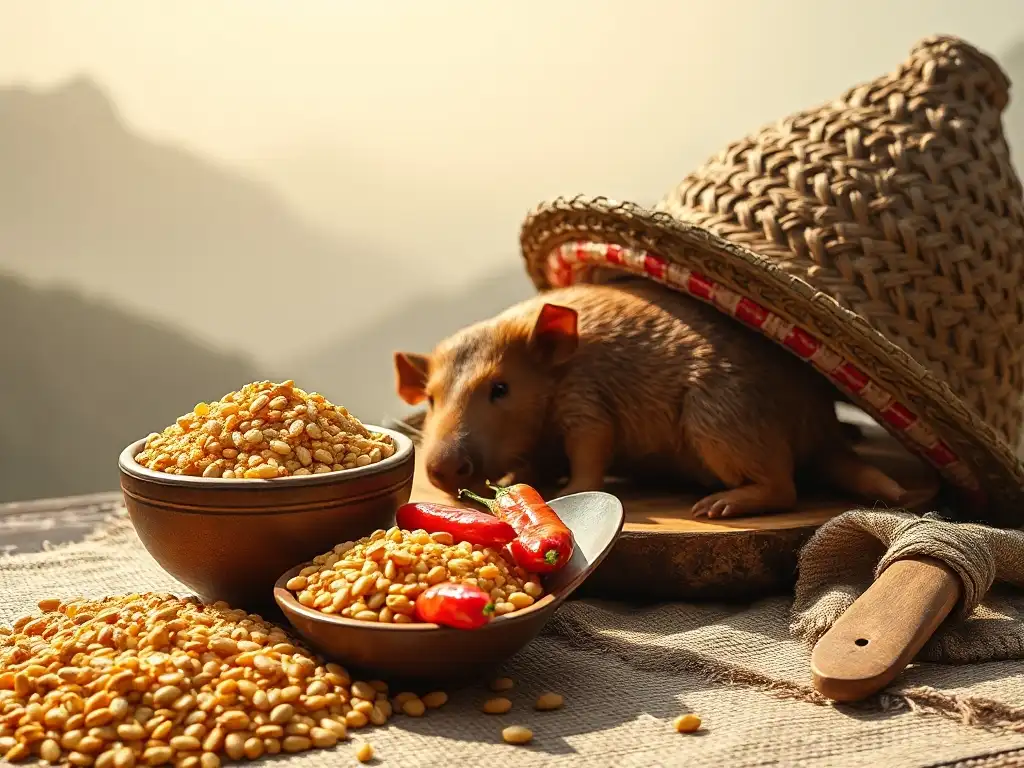
The vibrant tapestry of Andean indigenous cuisine history is a testament to millennia of adaptation, innovation, and cultural exchange. It's a story woven from the threads of ingenious agricultural practices, resourceful food preservation techniques, and a profound connection to the Andean landscape. Understanding this history is crucial to appreciating the richness and complexity of modern Andean gastronomy, a cuisine that continues to evolve while deeply honoring its ancestral roots.
The flavors, ingredients, and cooking methods reflect not only a history of survival but also a sophisticated understanding of nutrition, sustainability, and community. This culinary heritage offers a unique lens through which we can explore the resilience and ingenuity of Andean indigenous peoples throughout history. The enduring legacy of Andean cuisine speaks volumes about the enduring spirit of its creators.
The Roots of Andean Culinary Traditions
Long before the Inca Empire, the Andean region boasted a remarkably diverse array of indigenous cultures, each with its own unique culinary traditions. These traditions, shaped by the challenging Andean environment, demonstrate an impressive mastery of agriculture and resource management. The earliest evidence of Andean agriculture points to the domestication of plants like potatoes, quinoa, and beans thousands of years ago.
This wasn't just about sustenance; it was about shaping the very landscape to support a thriving civilization. Archaeological findings reveal sophisticated irrigation systems, terraced farming, and a deep understanding of crop rotation – all essential for successful agriculture in the high altitudes and varied climates of the Andes. The development of these techniques laid the foundation for the rich and diverse culinary landscape that would flourish in later periods.
These early Andean people weren't just farmers; they were culinary innovators, experimenting with different varieties of crops and developing unique cooking methods to maximize nutritional value and flavor. Their ingenuity in adapting to the environment is reflected in the diverse range of ingredients and dishes that form the basis of Andean cuisine to this day. The careful selection and cultivation of specific varieties of potatoes, for example, demonstrate a profound understanding of the plant's adaptability to different altitudes and soil conditions.
Ancient Andean Food Practices: Pre-Incan Agriculture and Domestication
Pre-Inca Andean societies developed sophisticated agricultural techniques adapted to the unique challenges of the Andean environment. The domestication of potatoes, a cornerstone of Andean cuisine, showcases this ingenuity. Archaeological evidence suggests that various potato species were cultivated thousands of years ago, with different varieties suited to specific altitudes and climates. This remarkable diversity of potato cultivation is a testament to the deep understanding of agriculture possessed by these ancient cultures.
Beyond potatoes, other crucial crops like quinoa, maize, and beans were also domesticated and integrated into a complex system of agriculture. The development of sophisticated irrigation systems, such as canals and terraces carved into hillsides, allowed for efficient water management, essential in a region prone to both drought and flooding. These techniques allowed for high yields and supported the growth of dense populations in the Andean region. Furthermore, the preservation of food was crucial for survival in a region with fluctuating climates and limited access to resources.
Techniques like freeze-drying (chuño) for potatoes, and sun-drying for other crops, ensured food security throughout the year. These ancient practices demonstrate a deep understanding of both agricultural science and food preservation, skills that continue to influence Andean culinary traditions today. The ingenuity of these methods is striking, highlighting the resourcefulness and adaptive capacity of pre-Inca Andean societies.
The Impact of the Inca Empire on Andean Gastronomy
The Inca Empire (1438-1533 CE) significantly impacted Andean gastronomy, creating a more unified culinary landscape while still respecting regional variations. The Inca's extensive road network facilitated the exchange of agricultural products and culinary knowledge across vast distances, leading to greater diversity and standardization in certain aspects of food preparation. While regional differences persisted, the Inca's emphasis on centralized control influenced food production and distribution. For instance, the mita system, a form of labor tribute, was sometimes used to cultivate crops for the Inca elite, potentially influencing the types of food available in different regions.
However, it's crucial to avoid oversimplifying the Inca's influence. The Inca Empire didn't erase pre-existing culinary traditions; instead, it integrated and adapted them. Many pre-Inca food preparation techniques and ingredients remained central to the diet, and regional variations continued to exist. The Inca’s impact was more about creating a larger, more interconnected system for producing and distributing food, rather than imposing a completely new culinary style.
The legacy of the Inca Empire on Andean gastronomy is thus a complex interplay of standardization, exchange, and the enduring persistence of local traditions. The Inca's influence can be seen in the wider distribution of certain crops and cooking techniques, but the core of Andean cuisine remained rooted in the diverse pre-existing practices of the various Andean cultures. The Andean indigenous cuisine history is therefore a complex and nuanced narrative of continuous adaptation and evolution, highlighting the resilience and ingenuity of its people across centuries.
Key Ingredients in Traditional Andean Cooking
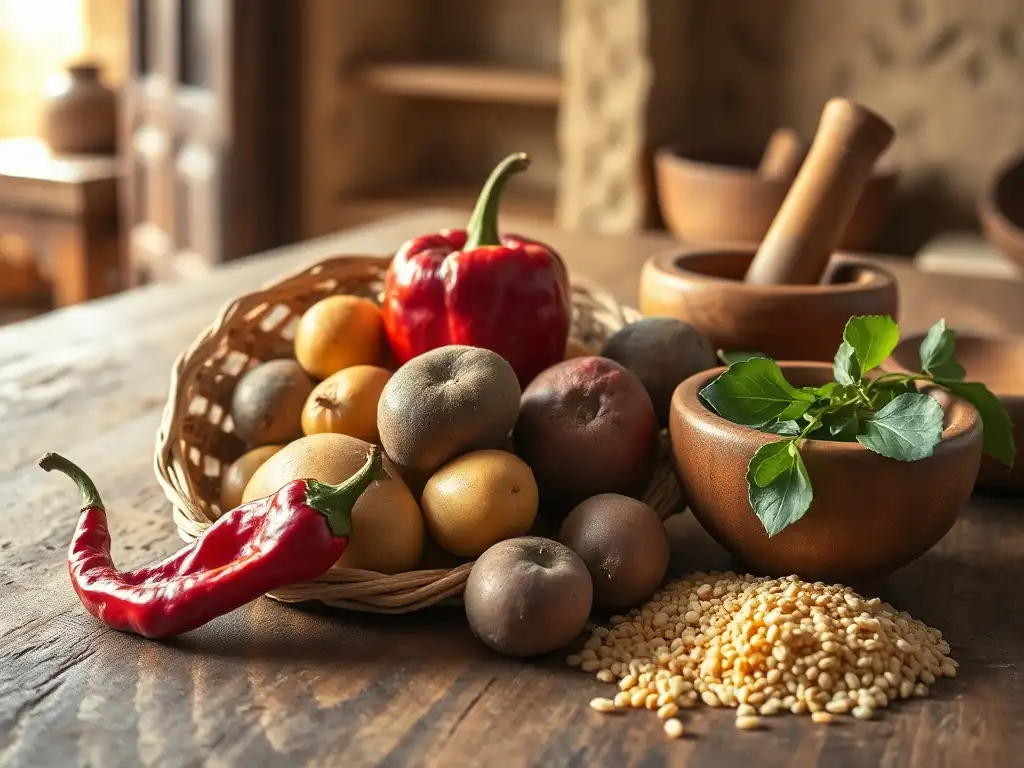
This section delves into the fundamental ingredients that shaped and continue to define Andean indigenous cuisine history. The remarkable biodiversity of the Andes Mountains provided a rich palette of ingredients, contributing to the development of unique culinary traditions that persist to this day. Understanding these core components is key to appreciating the ingenuity and resilience of Andean foodways. The region's unique geography and climate played a crucial role in shaping these culinary practices, favoring crops adapted to high altitudes and varied terrains.
Staple Crops: Potatoes, Quinoa, and Corn in Andean Diets
Potatoes, quinoa, and corn form the culinary trinity of Andean indigenous cuisine, providing the foundation for countless dishes throughout the region. Their cultivation and consumption are deeply intertwined with Andean cultural practices, shaping social structures, religious ceremonies, and daily life for millennia.
The potato ( Solanum tuberosum), with its incredible diversity of varieties – thousands exist, each with unique flavors, textures, and nutritional profiles – is arguably the most iconic Andean staple. From the tiny papa seca (small, dry potatoes ideal for storage) to the large, starchy papa amarilla (yellow potato), each variety finds its place in specific dishes and regional traditions. Their versatility is astonishing; they can be boiled, roasted, mashed, fried, or even fermented into chicha, a traditional Andean alcoholic beverage.
Quinoa ( Chenopodium quinoa), a pseudocereal packed with protein and essential amino acids, holds immense nutritional value. It was, and remains, a vital source of sustenance for Andean communities, particularly at high altitudes where other crops struggle to thrive. Its adaptability to harsh conditions and its nutritional richness made it a cornerstone of Andean diets, contributing significantly to the health and well-being of the population. Today, quinoa's global popularity underscores its historical and ongoing importance.
Corn ( Zea mays), another crucial crop, is used in various forms, from fresh kernels to dried grains, ground into flour, or fermented into chicha morada, a vibrant purple corn beverage. Its versatility allows for its inclusion in a vast array of dishes, reflecting the ingenuity of Andean culinary traditions. Different corn varieties, each with unique characteristics, are incorporated into various dishes, illustrating the deep understanding and appreciation for agricultural biodiversity prevalent in the Andes.
Andean Grains and Legumes: Nutritional Powerhouses
Beyond the "holy trinity," a wide array of grains and legumes enriched the Andean diet, providing essential nutrients and contributing to its nutritional complexity. These often-underestimated ingredients played a crucial role in ensuring food security and dietary diversity across different Andean communities.
Among the noteworthy grains are kiwicha (amaranth), another pseudocereal rich in protein and minerals, and cañihua ( Chenopodium pallidicaule), a resilient crop well-suited to high-altitude conditions. Both offer unique nutritional profiles and contribute to the diverse textures and flavors of Andean dishes. Their inclusion in traditional recipes underlines the Andean understanding of balanced nutrition long before modern nutritional science.
Legumes, such as various beans (including fava beans, pallar beans, and black beans), provided a vital source of protein and fiber. These were often incorporated into stews, soups, and side dishes, contributing to the heartiness and nutritional density of Andean meals. The careful selection and cultivation of these legumes reflect the sophisticated agricultural knowledge and practices of Andean civilizations.
Unique Andean Tubers and Root Vegetables
The Andean highlands boast an extraordinary diversity of tubers and root vegetables beyond the potato, each contributing unique flavors and textures to the regional cuisine. These lesser-known but equally important ingredients demonstrate the remarkable adaptability of Andean agriculture and the sophisticated understanding of plant diversity.
Oca ( Oxalis tuberosa) and mashua ( Tropaeolum tuberosum) are two examples of these unique Andean crops. Both are characterized by their slightly acidic or spicy flavors and are often consumed as boiled or pickled side dishes. They add a distinctive element to Andean cuisine, reflecting the creativity and resourcefulness of Andean cooks. These tubers, along with other less-common root vegetables, demonstrate the richness and diversity of the Andean agricultural heritage.
Further research is needed to fully document the variety and culinary uses of all these lesser-known tubers and root vegetables. [Specific information pending on the exact number of documented species and their regional distribution]. The ongoing study of these lesser-known ingredients promises to unveil even more about the depth and complexity of Andean indigenous cuisine history.
Andean Meats: Llama, Alpaca, and Cuy
Llama and alpaca, camelids native to the Andes, have been staples of Andean diets for millennia. Their meat is leaner than beef, offering a unique flavor profile often described as subtly gamey, yet tender. Traditional preparation methods often involve slow cooking, maximizing tenderness and allowing the inherent flavors to fully develop.
Think of pachamanca, an ancient Andean cooking technique involving an underground oven heated with hot stones, perfectly suited to rendering llama or alpaca incredibly succulent. The meat's versatility shines through in various dishes; it's equally delicious roasted, stewed, or incorporated into hearty soups. The nutritional value is also significant, providing a good source of protein and essential nutrients for Andean communities.
Interestingly, the consumption patterns and preferences for llama and alpaca meat vary across different Andean regions, reflecting the diverse culinary traditions within the larger Andean cultural sphere. For example, some communities may favor llama over alpaca, or vice versa, depending on local availability and traditional practices passed down through generations. Understanding these nuances is key to appreciating the full depth and complexity of Andean cuisine.
The consumption of cuy, or guinea pig, might seem unusual to outsiders, but it holds a significant place in Andean culinary traditions, particularly in the Andes of Peru and Ecuador. Far from being a mere novelty, cuy is a rich source of protein and has been a vital part of the Andean diet for centuries. Its preparation varies widely, from roasting over an open fire, resulting in crispy skin and tender meat, to stewing in flavorful sauces with potatoes and other vegetables.
The taste is often described as similar to rabbit or chicken, with a slightly gamey undertone. Beyond its nutritional value, cuy is deeply intertwined with Andean culture and symbolism. In some communities, its consumption is associated with celebrations and special occasions, reflecting its importance in the social fabric of Andean life.
It's important to note that while cuy is a significant part of Andean culinary heritage, its consumption is not universal across all Andean communities. Regional variations and personal preferences play a role in determining the prevalence of cuy in different Andean diets. The rich cultural significance of cuy is often overlooked, underscoring the need to appreciate the full context surrounding its consumption within Andean indigenous cuisine history.
Cooking Techniques of Andean Indigenous Communities
The Andean indigenous peoples developed sophisticated cooking techniques adapted to their high-altitude environment and the readily available ingredients. These techniques, passed down through generations, are integral to understanding the rich history of Andean indigenous cuisine. Their ingenuity in preserving food and maximizing flavor showcases a deep connection to their land and resources.
Understanding these techniques offers a deeper appreciation for the complexity and nuance of Andean gastronomy, a culinary tradition that continues to evolve while honoring its ancient roots. The ingenuity in food preservation methods, in particular, highlights the resourcefulness needed to thrive in challenging environments. This section will explore some of the key techniques that shaped, and continue to shape, Andean culinary heritage.
Traditional Andean Cooking Methods: Pachamanca and Curanto
Pachamanca and curanto are two prime examples of traditional Andean cooking methods that highlight the region's unique approach to food preparation. Both techniques involve cooking food underground, utilizing the earth's heat to create a slow-cooked, flavorful meal. This method not only imparts a distinctive smoky flavor but also ensures even cooking, preserving the natural moisture and nutrients of the ingredients.
Pachamanca, a Quechua term meaning "earth oven," is prevalent throughout the Andes. A pit is dug in the ground, lined with heated stones, and then layered with food – often including meats (llama, alpaca, or guinea pig), potatoes, vegetables, and herbs – before being covered with more hot stones and earth. The food cooks slowly for several hours, resulting in tender meats and flavorful vegetables. The exact ingredients and preparation vary depending on the region and the available resources. One can find variations incorporating corn, beans, and even fruits, showcasing the regional diversity within this single cooking technique.
Curanto, primarily practiced in the Chilean Andes, shares similarities with pachamanca. However, instead of a pit, curanto often uses a large hole dug in the sand near the beach. Hot stones are placed at the bottom, then layers of food, seaweed (to provide moisture and flavor), and finally, more hot stones and earth.
The resulting dish is characterized by a unique oceanic aroma and taste infused with the earth's heat. The seaweed adds a distinct salty and umami note, differentiating it from the pachamanca’s more earthy profile. Both methods represent sustainable and environmentally conscious cooking practices, minimizing fuel consumption and maximizing the use of local resources.
Fermentation and Preservation Techniques in Andean Cuisine
Preserving food in the challenging Andean environment was crucial for survival. Andean indigenous communities developed ingenious fermentation and preservation techniques to extend the shelf life of their harvests and ensure food security throughout the year. These techniques, passed down through generations, are not merely methods of preservation but integral components of the unique flavors found in Andean cuisine.
Fermentation plays a significant role in Andean food preservation. Chicha, a fermented corn beverage, is a classic example. The fermentation process not only preserves the corn but also produces a unique, slightly alcoholic drink with varying levels of sweetness and tartness depending on the specific preparation. Other fermented foods include various types of sauces and condiments, which add depth and complexity to Andean dishes. These fermentation processes also introduce beneficial microorganisms, adding nutritional value to the final product.
Beyond fermentation, other preservation methods include sun-drying, freeze-drying (at high altitudes), and salting. Potatoes, for instance, were often dried in the sun to create chuño, a staple food that could be stored for extended periods. The process significantly reduces the water content, preventing spoilage and increasing the shelf life, thus providing a crucial food source during lean seasons. These methods highlight the resourcefulness and deep understanding of food science possessed by the Andean indigenous peoples.
The Use of Andean Herbs and Spices: Huacatay, Muña, and Aji
Andean cuisine is renowned for its distinctive flavors, largely attributable to the unique herbs and spices used. These aromatic plants, adapted to the high-altitude environment, not only enhance the taste and aroma of dishes but also possess medicinal properties, reflecting a holistic approach to food and health. This section will focus on three key ingredients: huacatay, muña, and aji.
Huacatay ( Tagetes minuta), also known as black mint or Peruvian black mint, is a dark green herb with a strong, distinctive aroma and flavor. It’s often described as a blend of mint, tarragon, and walnut. Huacatay is widely used in Peruvian cuisine, adding a unique herbaceous note to sauces, stews, and other dishes. Its earthy, slightly bitter flavor complements many ingredients, enriching both savory and some sweet preparations. Its versatility and strong aroma make it a fundamental ingredient in many Andean dishes.
Muña ( Minthostachys spicata) is another important Andean herb with a slightly minty and peppery aroma. It is often used in teas and infusions believed to possess medicinal properties, including digestive aid and relief from altitude sickness. In addition to its medicinal use, muña is also used to flavor various dishes, adding a subtle yet distinctive flavor profile. Its delicate aroma and pleasant taste make it a versatile addition to both sweet and savory dishes.
Aji, encompassing a wide variety of chili peppers, is a fundamental element of Andean gastronomy. The range of heat levels and flavor profiles varies greatly depending on the specific variety. From mild and sweet to intensely hot, aji peppers provide a spectrum of flavors that add spice and complexity to numerous dishes.
Their use showcases the Andean appreciation for both the culinary and cultural significance of chili peppers, which are not only used as a condiment but also as a key ingredient in many traditional recipes. The diverse range of aji peppers highlights the biodiversity of the Andean region and the profound connection between the people and their environment.
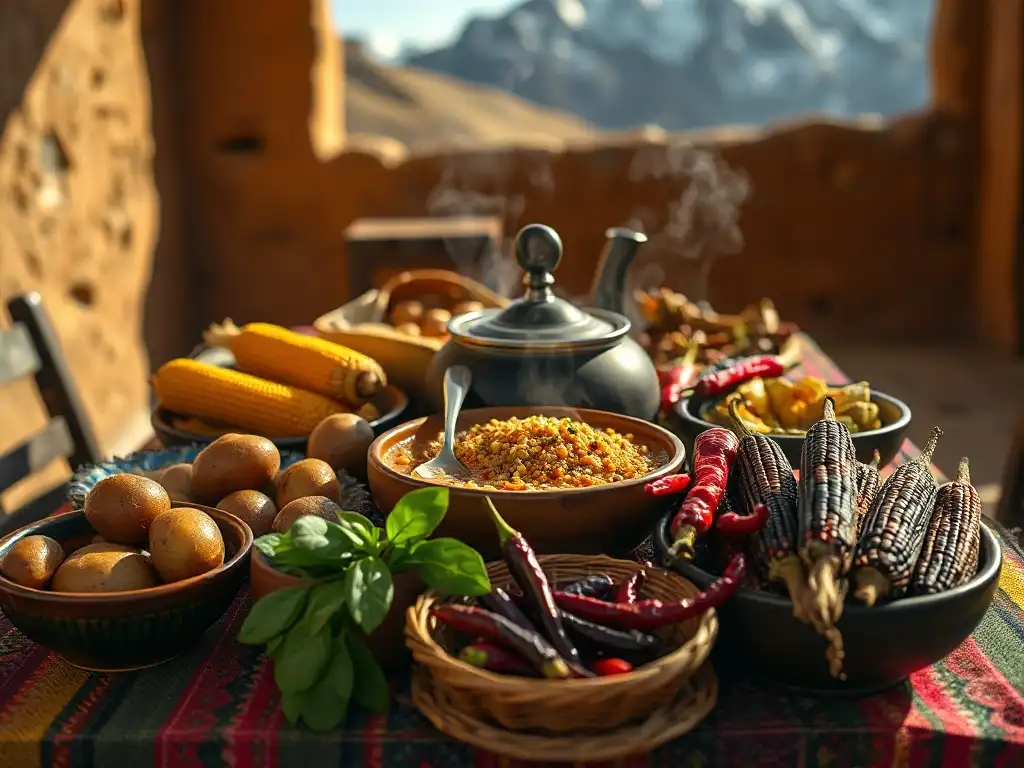
Andean indigenous cuisine history is deeply intertwined with the social fabric and cultural identity of the Andean peoples. Food wasn't merely sustenance; it played a pivotal role in social structures, religious ceremonies, and the transmission of cultural knowledge across generations. Understanding the significance of Andean food requires moving beyond a simple inventory of ingredients and recipes to explore its profound social and symbolic dimensions.
This section delves into the multifaceted ways in which food shaped, and continues to shape, Andean societies. The intricate relationship between food, community, and identity is a testament to the enduring legacy of Andean culinary traditions. We'll explore this complex interplay, examining the role of food in rituals, its symbolic power, and the crucial contributions of Andean women in preserving this rich heritage.
Andean Cuisine and Community Rituals
Andean cuisine and community rituals are inextricably linked. Many ceremonies and celebrations center around specific foods, prepared and shared according to established customs. For example, the pachas (offerings to the earth and its deities) often include coca leaves, chicha (a fermented corn beverage), and various agricultural products—a symbolic gesture of reciprocity between humans and nature. These rituals reinforce social bonds, reaffirming community identity and shared values.
The preparation and consumption of these foods are not simply acts of eating; they are acts of communal participation, reinforcing social hierarchy and spiritual connection. The precise ingredients and preparation methods vary across different Andean communities, reflecting the diversity of regional traditions and beliefs. Detailed ethnographic studies are crucial to understanding the nuances of these rituals and their significance in individual communities.
For instance, [specific information pending] regarding the precise ritualistic uses of quinoa in specific ceremonies in the Bolivian highlands. The timing and type of offerings also vary depending on the agricultural cycle and the specific deity being honored. This intricate connection between food and ritual underscores the profound spiritual significance of Andean cuisine.
Food as a Symbol of Identity in Andean Cultures
Food acts as a powerful symbol of identity in Andean cultures. Specific dishes and ingredients are strongly associated with particular ethnic groups, regions, or social classes. For example, the preparation of cuy (guinea pig) varies significantly across the Andes, with different communities boasting unique recipes and methods of preparation, reflecting their distinct culinary identities. The use of certain spices, grains, and tubers also serves as a marker of regional and ethnic affiliation.
This culinary diversity showcases the richness and complexity of Andean foodways. Moreover, access to certain foods, particularly those considered delicacies or requiring specialized preparation techniques, often reflects social status and economic standing within the community. The preservation of traditional recipes and food preparation methods becomes a powerful act of cultural resistance, particularly in the face of globalization and the encroachment of external food systems.
The continued use of ancestral techniques and ingredients represents a conscious effort to maintain cultural identity and heritage. This connection between food and identity highlights the importance of preserving Andean culinary traditions for future generations. The rich tapestry of Andean cuisine reflects the diversity of the Andean peoples, and food plays a vital role in preserving and celebrating this diversity.
The Role of Andean Women in Preserving Culinary Traditions
The role of Andean women in preserving culinary traditions is paramount. Traditionally, women have been the primary custodians of culinary knowledge, passing down recipes, techniques, and cultural practices across generations. They are responsible for gathering ingredients, preparing meals, and ensuring the continuity of traditional foodways. This knowledge is often deeply embedded in their cultural identity and self-perception.
While men may play a role in certain aspects of food production, such as animal husbandry or agriculture, women are typically the central figures in the preparation and serving of food, particularly in the context of ceremonial occasions. Their expertise extends beyond basic cooking skills; they possess intimate knowledge of medicinal plants, the seasonal availability of ingredients, and the intricate techniques required to prepare traditional dishes. The preservation of these traditions is not merely a matter of maintaining culinary practices; it's a crucial aspect of safeguarding cultural heritage and identity.
The continued participation of women in the production and preparation of Andean food is vital to the survival and flourishing of these unique culinary traditions. Their role transcends the purely domestic; it is a fundamental contribution to the social and cultural fabric of Andean communities. Furthermore, recognizing and celebrating the contributions of Andean women is crucial for promoting gender equality and empowering women within their communities.
Andean Indigenous Cuisine Today: A Living Heritage
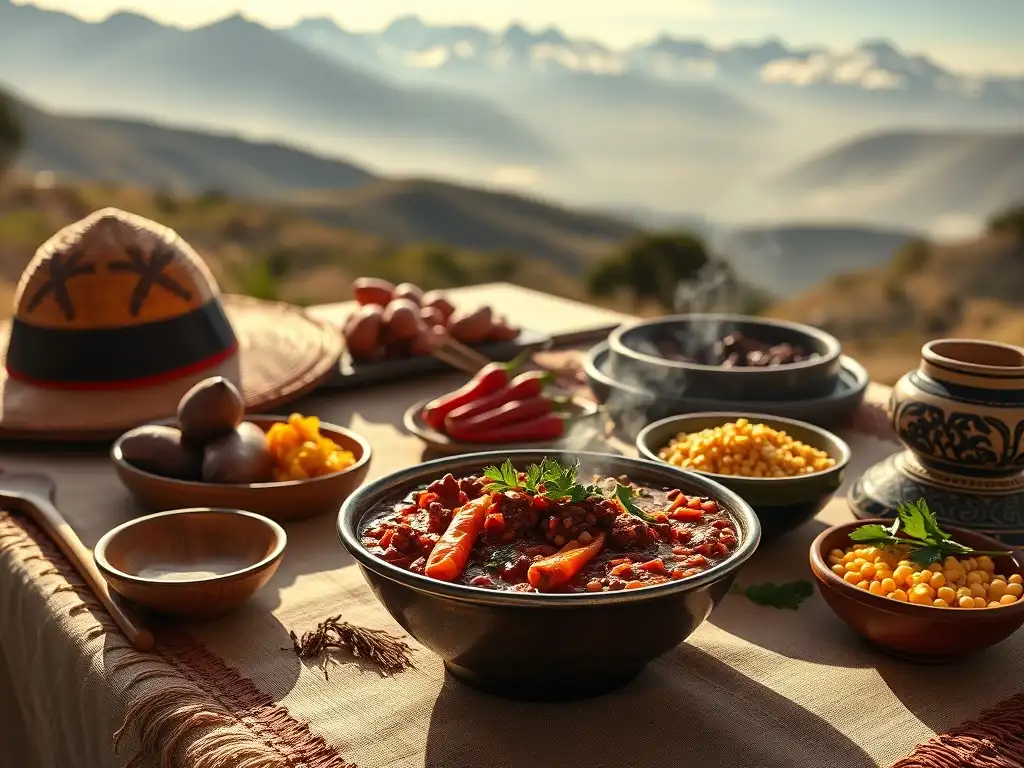
The vibrant tapestry of Andean indigenous cuisine, woven through millennia of ingenuity and adaptation, continues to thrive in the 21st century. While globalization presents significant challenges, a powerful movement is underway to revitalize and protect this invaluable culinary heritage. This isn't simply about preserving old recipes; it's about recognizing the deep cultural and ecological significance embedded within each dish, each ingredient, and each traditional cooking method. The Andean indigenous cuisine history is one of resilience, innovation, and a profound connection to the land. Understanding this history is crucial to ensuring its continued flourishing.
The Reemergence of Traditional Andean Foods in Modern Diets
A growing awareness of the nutritional benefits and cultural significance of traditional Andean foods is driving a resurgence in their popularity. Quinoa, once a staple primarily consumed in the Andes, has become a global superfood, showcasing the nutritional richness inherent in these ancient crops. Similarly, foods like amaranth, potatoes (with their incredible diversity of varieties! ), and various beans are experiencing a renaissance, finding their way onto menus in restaurants worldwide and into the kitchens of health-conscious consumers. This increased demand, however, presents both opportunities and challenges.
This renewed interest isn't merely a trend; it reflects a broader shift towards sustainable and ethically sourced food. Consumers are increasingly seeking out authentic, locally produced ingredients, recognizing the importance of supporting small-scale farmers and preserving biodiversity. The reemergence of these foods signifies a powerful connection to the past, a celebration of indigenous knowledge, and a commitment to a healthier, more sustainable future.
The rising popularity of these ingredients demonstrates a growing appreciation for the Andean indigenous cuisine history, and its role in global food systems. The future success of this revitalization will depend on fair trade practices and sustainable agricultural methods.
Supporting Andean Indigenous Farmers and Producers
The preservation of Andean culinary heritage is inextricably linked to the well-being of the indigenous farmers and producers who cultivate and prepare these foods. Supporting these communities is paramount, requiring a multi-faceted approach that addresses issues of access to markets, fair pricing, and sustainable agricultural practices. Many organizations are working to empower these communities, providing training in sustainable agriculture, connecting them with larger markets, and advocating for policies that protect their land rights and traditional knowledge.
For example, initiatives focused on fair trade certification ensure that farmers receive a just price for their produce, helping them to invest in their farms and improve their livelihoods. Furthermore, collaborations between chefs, restaurants, and local producers are fostering a direct connection between consumers and the source of their food, promoting transparency and building stronger community ties. This collaborative approach is vital for preserving the Andean indigenous cuisine history and ensuring the long-term sustainability of these agricultural systems. The success of these initiatives hinges on transparent supply chains and a commitment to ethical sourcing.
Challenges and Opportunities for Preserving Andean Culinary Heritage
Despite the positive trends, significant challenges remain. The impact of climate change, the pressure of globalization, and the erosion of traditional knowledge pose serious threats to the preservation of Andean culinary heritage. Changes in weather patterns can significantly affect crop yields, while the influx of processed foods can displace traditional diets. The loss of traditional knowledge, passed down through generations, is also a major concern.
However, these challenges also present opportunities for innovation and collaboration. The development of climate-resilient crops, the promotion of sustainable agricultural practices, and the documentation and dissemination of traditional knowledge are all crucial aspects of preserving this rich heritage. Investing in research and development, supporting community-based initiatives, and promoting education are key strategies for ensuring the long-term sustainability of Andean indigenous cuisine.
The future of Andean indigenous cuisine history relies on proactive strategies to mitigate these threats and harness the potential for positive change. A collaborative, multi-pronged approach is essential to ensure the continued vitality of this unique and valuable culinary tradition.
Exploring Regional Variations in Andean Gastronomy
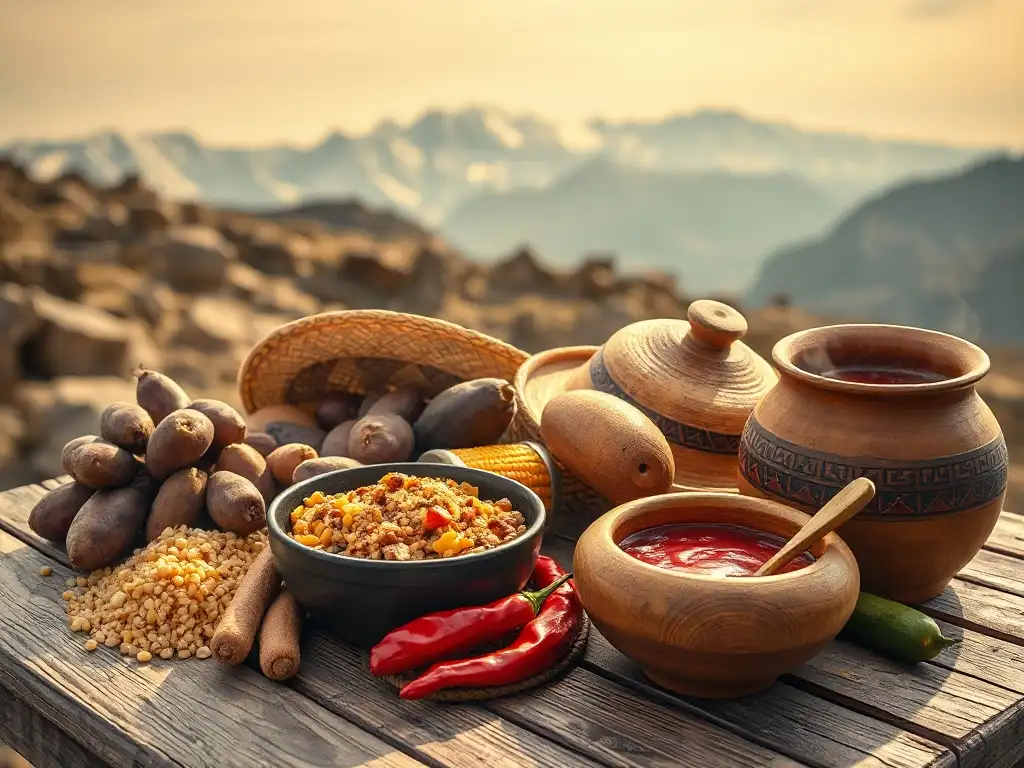
The vast Andean region, encompassing parts of modern-day Peru, Bolivia, Ecuador, Colombia, Argentina, and Chile, boasts a breathtaking diversity of landscapes and, consequently, a rich tapestry of culinary traditions. Understanding "Andean indigenous cuisine history" requires acknowledging this regional variation. While common threads exist—reliance on potatoes, maize, and quinoa, for instance—the specifics of preparation, ingredients, and even the social significance of food differ dramatically across the various ecological zones.
This section will explore key regional variations, highlighting the unique characteristics of Andean gastronomy. The impact of geography on foodways is profound, shaping not only the available ingredients but also the techniques used to prepare them.
Andean Cuisine in the Highlands: Peruvian, Bolivian, and Ecuadorian Highland Cuisine
The high-altitude Andean highlands, characterized by cold climates and challenging terrain, have fostered a culinary culture focused on hearty, warming dishes. Potatoes, in their countless varieties, are a staple, forming the base of many stews and soups. Chupe, a thick potato soup often enriched with cheese, milk, and herbs, is a classic example, varying in its specific ingredients across Peru, Bolivia, and Ecuador.
In Peru, chupe de camarones (shrimp chupe) is a popular variation, while Bolivian chupe de quinoa incorporates quinoa for added protein and nutrients. Ecuadorian highland cuisine often features locro, a hearty stew often containing potatoes, cheese, and various meats.
The use of grains like quinoa and amaranth is also widespread, providing essential nutrients in a region where arable land can be scarce. These grains are often incorporated into porridges, soups, or served as side dishes. The importance of livestock, particularly llamas and alpacas, is reflected in the presence of meat dishes, though these are often reserved for special occasions due to the animals' vital role in Andean communities.
Even the preparation techniques reflect the harsh environment—slow cooking methods, such as stewing or roasting, are common, maximizing the nutritional value of ingredients and minimizing the need for excessive fuel. The history of Andean indigenous cuisine in the highlands is one of adaptation and resilience, a testament to the ingenuity of Andean peoples in harnessing the resources of their environment.
Coastal Andean Food: Ceviche and Seafood Stews
In stark contrast to the highlands, the coastal regions of the Andes offer a bounty of seafood. This abundance is reflected in the vibrant coastal cuisine, which features a wide array of seafood dishes. Ceviche, the iconic marinated seafood dish, is arguably the most famous example.
Its preparation, however, varies considerably across the region. While the basic principle of "cooking" the fish with citrus juices remains constant, the types of fish used, the accompanying ingredients (onions, chili peppers, cilantro), and even the specific citrus fruits employed differ significantly. The "Andean indigenous cuisine history" of ceviche is a complex one, with influences from pre-Columbian traditions and later Spanish colonial practices blending together.
Beyond ceviche, a variety of seafood stews and soups are common. These often incorporate local vegetables, potatoes, and spices, creating flavorful and nutritious meals. The availability of fresh seafood has always been a defining factor in coastal Andean diets, shaping culinary practices and traditions that continue to thrive today.
Coastal communities developed unique techniques for preserving and preparing seafood, showcasing a deep understanding of their environment and its resources. The coastal Andean cuisine is a testament to the ingenuity and adaptability of the indigenous populations who have inhabited this region for millennia. It represents a unique contribution to the broader tapestry of Andean indigenous cuisine history.
Amazonian Influences on Andean Foodways
The Amazon basin, bordering the Andean region, has significantly influenced the culinary traditions of some Andean communities, particularly in the eastern slopes of the Andes. The availability of tropical fruits, vegetables, and nuts has enriched the Andean diet, adding unique flavors and textures. Plantains, yuca (cassava), and various tropical fruits are often incorporated into dishes, alongside traditional Andean staples like potatoes and quinoa. The Amazonian influence is particularly evident in the eastern Andean regions of Peru, Ecuador, and Bolivia, where the blending of Amazonian and Andean foodways is most pronounced.
This exchange isn't solely a matter of ingredient addition; it also involves the adoption of cooking techniques. The use of "pachamanca," an ancient Andean cooking method involving underground ovens, is often employed to prepare both traditional Andean and Amazonian ingredients. This demonstrates the adaptive nature of Andean culinary traditions, continuously evolving to integrate new ingredients and methods while retaining a core identity.
Understanding the Amazonian influence provides a more complete picture of the rich and diverse history of Andean indigenous cuisine, showcasing the intricate interplay between different ecological zones and their respective culinary cultures. The fusion of these culinary traditions highlights the dynamic nature of Andean indigenous cuisine history, constantly evolving and adapting to the environment and cultural exchanges.
The Future of Andean Indigenous Food Traditions
The future of Andean indigenous cuisine hinges on the ability to balance the preservation of ancient techniques and ingredients with the demands of a modern, globalized world. This requires a multifaceted approach, focusing on sustainability, education, and a celebration of the unique culinary heritage. The challenge lies not just in maintaining traditional recipes, but also in ensuring their continued relevance and appeal to future generations, while simultaneously addressing issues of food security and environmental protection.
Understanding the historical context of Andean foodways is crucial for navigating this complex landscape. For example, the Inca's sophisticated agricultural techniques, such as terracing and irrigation, laid the foundation for a sustainable food system that continues to inspire modern approaches to farming. Similarly, their understanding of crop diversification and the importance of preserving biodiversity offers valuable lessons for today's agricultural practices.
The legacy of the Inca's carefully managed agricultural systems provides a powerful model for sustainable food production in the Andes today. Failing to learn from these past successes risks jeopardizing the future of Andean indigenous cuisine.
Promoting Sustainable Andean Food Practices
Sustainable practices are paramount to securing the future of Andean indigenous cuisine. This includes promoting agro-ecological methods that minimize environmental impact, prioritize biodiversity, and enhance soil fertility. The increasing popularity of quinoa, for instance, has presented both opportunities and challenges. While providing economic benefits to Andean communities, unsustainable farming practices threaten its long-term viability.
Therefore, promoting responsible cultivation techniques, such as crop rotation and the use of organic fertilizers, is crucial. Furthermore, supporting local farmers' markets and promoting fair trade practices ensures that the economic benefits of Andean cuisine reach the communities that have nurtured and preserved these traditions for centuries. The implementation of effective policies supporting sustainable agriculture is also key. This requires collaboration between governments, NGOs, and local communities to develop and implement strategies that balance economic development with environmental protection.
For example, initiatives focusing on water management and soil conservation are vital for ensuring the long-term productivity of Andean agricultural lands. The success of such initiatives depends heavily on community involvement and education. Without the active participation of Andean communities, any effort to promote sustainable food practices will fall short.
The Importance of Cultural Exchange and Culinary Education
Preserving Andean indigenous cuisine requires fostering a deep understanding and appreciation of its cultural significance. Culinary education plays a vital role in this process. By incorporating Andean culinary traditions into school curricula and community programs, we can ensure that future generations inherit and value this rich heritage. The exchange of culinary knowledge between different Andean communities and with the wider world also enriches and sustains these traditions.
This exchange can take many forms, from collaborative cooking projects and workshops to the development of innovative recipes that blend traditional ingredients with modern techniques. However, it is crucial to ensure that this exchange is reciprocal and respectful, avoiding the appropriation or commodification of indigenous culinary practices. The sharing of knowledge should be a two-way street, with opportunities for Andean communities to share their expertise and gain new perspectives. The development of comprehensive documentation of traditional recipes, cooking methods, and the cultural significance of specific dishes is also essential.
This documentation should be accessible to both local communities and the wider world, ensuring the preservation and dissemination of this invaluable cultural heritage. This includes capturing not only the recipes themselves but also the stories and traditions associated with each dish. The preservation of oral histories is equally important.
Celebrating the Richness of Andean Gastronomy
Celebrating the richness of Andean gastronomy involves promoting its unique flavors and ingredients on a global scale. This can be achieved through various channels, such as culinary tourism, food festivals, and international collaborations between chefs and food writers. It is essential, however, to ensure that this celebration is ethical and respectful, avoiding the exploitation of Andean communities and their cultural heritage. The focus should be on showcasing the authenticity and diversity of Andean cuisine, highlighting the unique skills and knowledge of Andean cooks and farmers.
This requires a commitment to fair trade practices and the empowerment of Andean communities to control and benefit from the commercialization of their culinary heritage. The development of sustainable tourism initiatives that benefit local communities is also crucial. This could include supporting community-based tourism projects that showcase Andean cuisine and cultural traditions, ensuring that the economic benefits of tourism reach the people who are preserving this heritage.
Promoting Andean cuisine through media and social media platforms can also significantly increase its global reach and recognition. However, it’s crucial to ensure that such promotions are accurate and respectful, avoiding stereotypes and misrepresentations. The goal should be to celebrate the diversity and complexity of Andean culinary traditions, sharing their stories and the knowledge behind them.
Frequently Asked Questions
What is the main focus of Andean indigenous cuisine?
Andean indigenous cuisine centers on locally sourced ingredients, such as potatoes, maize, quinoa, and various beans. These staples formed the basis of a diverse and nutritious diet adapted to the challenging Andean environment.
How did the Inca Empire influence Andean cuisine?
The Inca Empire significantly impacted Andean cuisine through improved agricultural techniques and the establishment of a vast network for food distribution. This ensured food security and the spread of culinary traditions across their territories.
What role did potatoes play in Andean diets?
Potatoes were and remain a cornerstone of Andean diets, with thousands of varieties cultivated. They were not only a staple food but also used in various forms, from boiled and roasted to fermented and dried (chuño).
Beyond potatoes, what other important crops were cultivated by Andean peoples?
Besides potatoes, maize (corn), quinoa, and beans were crucial crops, providing essential carbohydrates and proteins. These crops, along with others, created a balanced and resilient food system.
How has Andean indigenous cuisine evolved over time?
Andean cuisine has evolved through a blend of traditional practices and modern influences. While core ingredients remain, globalization and changing lifestyles have introduced new dishes and cooking methods, while many ancient techniques are still practiced today.
Final Reflection: A Legacy of Flavor, A Future of Preservation
The vibrant tapestry of Andean indigenous cuisine, woven from centuries of tradition and ingenuity, remains a powerful testament to human resilience and a vital source of cultural identity. Its continued relevance in a globalized world is undeniable, as we increasingly recognize the importance of biodiversity, sustainable food systems, and the preservation of ancestral knowledge. The unique flavors and nutritional value of these dishes offer not only a culinary experience but a window into a rich and complex history.
The enduring influence of Andean culinary traditions extends far beyond the Andes themselves. It has shaped national identities, inspired modern chefs, and continues to provide sustenance and cultural continuity for millions. The intricate relationship between food, land, and community is a powerful reminder of our interconnectedness. Food is symbolic of love when words are inadequate.
- Alan D. Wolfelt. This quote beautifully encapsulates the emotional depth embedded within the preparation and sharing of Andean indigenous food, a practice that transcends mere sustenance and becomes a powerful expression of cultural identity and familial bonds.
Consider the ingredients, the techniques, the stories behind each dish. Reflect on how the preservation of this heritage contributes to a more sustainable and equitable future. You, too, can be a part of this legacy. Explore the flavors, learn the history, and support initiatives that protect and promote the culinary traditions of the Andean indigenous peoples. Let the vibrant colors and rich tastes inspire you to appreciate the profound connection between food, culture, and the enduring spirit of a people.
Savor the Legacy: Embrace Andean Culinary Heritage Today!
Thank you for exploring the rich tapestry of Andean culinary traditions! You've gained valuable insights into the remarkable flavors and cultural significance of this indigenous cuisine. Ready to further explore and celebrate this heritage? Here's how you can get involved:
- Take a local cooking class focusing on Andean ingredients and traditional recipes. Experience the vibrant flavors firsthand!
- Share your knowledge with friends and family. Host a themed dinner party showcasing these incredible dishes and engage your community in a celebration of Andean culture.
- Visit an Andean restaurant or market. Support local chefs and businesses that are dedicated to preserving these culinary traditions.
What Andean dish or ingredient are you most excited to try or learn more about? Let's start a conversation!