
The Strength of Community: Andean Social Structures in the Modern Era

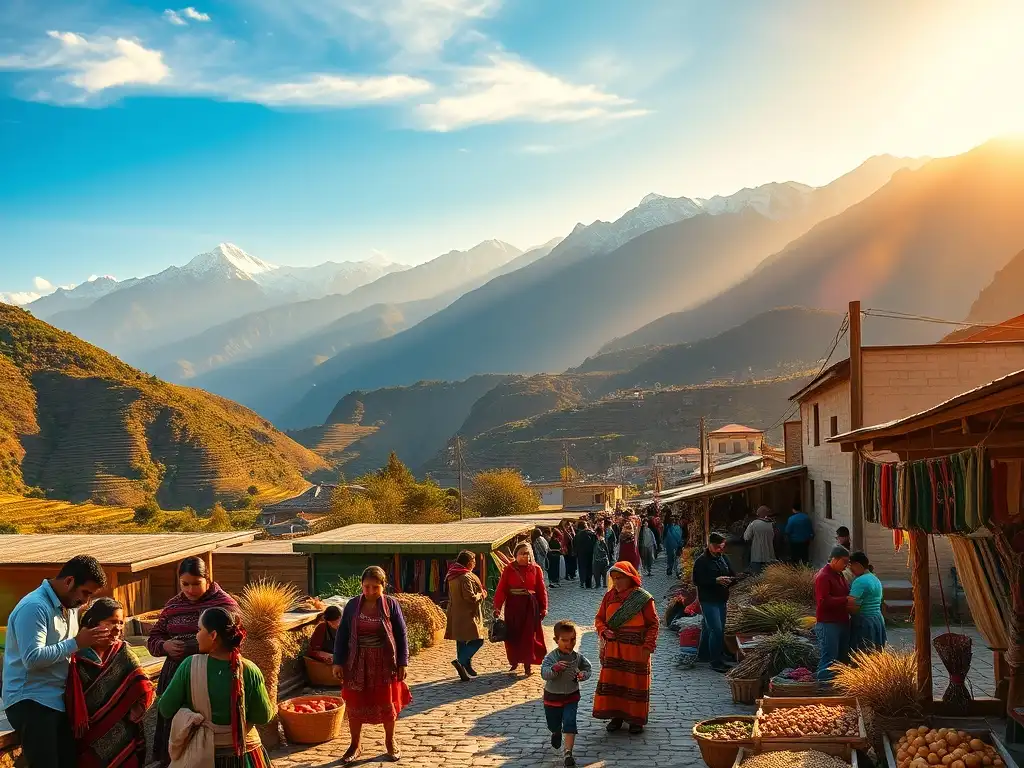
Step into a world lost in time, yet vibrantly alive today. For centuries, the Andes Mountains have echoed with the whispers of magnificent civilizations. From the Incas to the Nazca, their legacy continues to shape the vibrant tapestry of Andean life. But how do the intricate Andean social structures of the past resonate in the modern era? Discover the surprising strength and resilience of community in our exploration of Andean social structures today—a legacy that continues to inspire awe and wonder.
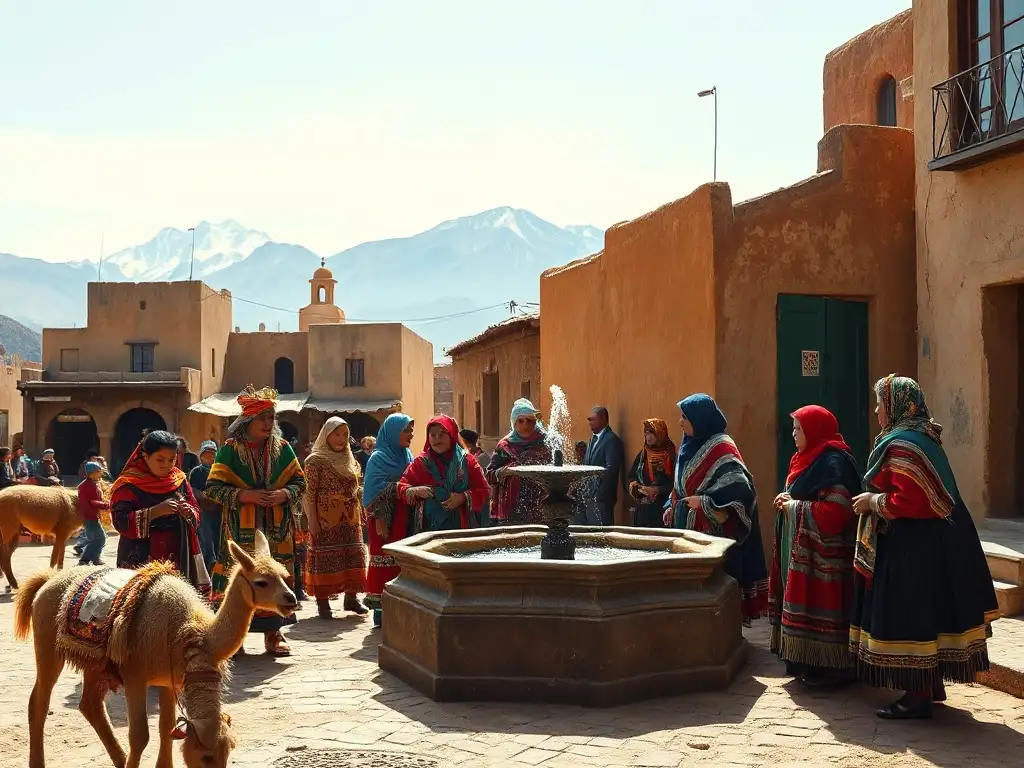
The Andes Mountains, a spine of towering peaks running down the western edge of South America, have cradled vibrant civilizations for millennia. While the Inca Empire often dominates narratives of Andean history, a rich tapestry of cultures – including the Moche, Nazca, and Tiahuanaco – contributed to a unique social fabric that continues to resonate today. This article explores how traditional Andean social structures, forged in the crucible of challenging geography and diverse environments, influence the lives of Andean communities in the modern era.
We will examine the enduring legacy of communal values and the ongoing adaptation of ancient systems to the complexities of the 21st century. Understanding these enduring social structures is crucial for appreciating the resilience and cultural richness of Andean peoples and their ongoing struggle for self-determination.
This exploration will delve into the key elements that shape Andean social structures today, highlighting their significance in the face of globalization and modernization. The keyword "Andean social structures today" is central to this examination.
Before analyzing the contemporary scene, it’s vital to understand the foundations upon which modern Andean social structures are built. Traditional Andean societies weren't characterized by rigid hierarchies in the same way as many other ancient civilizations. Instead, they were often organized around kinship networks and reciprocal obligations, fostering a strong sense of community and mutual support.
This emphasis on collective well-being, rather than individual achievement, permeated all aspects of life, from agriculture and resource management to religious practices and conflict resolution. The concept of ayni, reciprocal exchange of goods and services, was central to this system, ensuring the survival and prosperity of the community as a whole. This system also incorporated a deep respect for the Pachamama, Mother Earth, recognizing the interconnectedness of all living things and the importance of living in harmony with nature.
This holistic worldview significantly impacted social organization and continues to shape Andean perspectives on development and environmental sustainability. The intricate balance between individual needs and collective responsibility is a defining feature of traditional Andean social organization, influencing how communities approach challenges and opportunities today.
The Ayllu: Foundation of Andean Community Life
The ayllu, a kinship-based community group, served as the fundamental building block of Andean social organization for centuries. This wasn't merely a geographical unit; it represented a complex network of shared ancestry, land ownership, and mutual responsibilities. Members of an ayllu collaborated on agricultural tasks, shared resources, and participated in collective decision-making processes.
The ayllu system ensured equitable distribution of land and resources, mitigating inequalities and promoting social cohesion. While the exact structure and functions of ayllus varied across different regions and time periods, the core principle of collective responsibility and mutual support remained constant. Even in modern times, remnants of the ayllu system persist in many Andean communities, influencing land tenure, resource management, and social interactions.
The enduring influence of the ayllu demonstrates the resilience of traditional social structures in adapting to changing circumstances, providing a framework for community organization and social solidarity in the face of modern challenges. The strength of the ayllu lies in its ability to foster a sense of belonging and shared purpose, contributing significantly to the overall well-being of Andean communities today. Further research is needed to quantify the precise number of active ayllus across different Andean regions [specific information pending].
Reciprocity and cooperation, the ayni and mita systems in their modern interpretations, remain cornerstones of Andean social dynamics. While the forced labor aspects of the mita are thankfully absent, the spirit of mutual assistance persists. This manifests in various ways, from communal work on agricultural projects – like minga in the Ecuadorian Andes – to informal support networks within extended families and communities.
Neighbors help neighbors with harvests, construction, or childcare, fostering a strong sense of interdependence. This system isn't merely altruistic; it's a practical strategy for survival and prosperity in often challenging environments. The sharing of resources and labor minimizes individual risk and maximizes collective benefit, a legacy directly inherited from pre-Columbian Andean societies.
This intricate web of mutual support contributes significantly to the resilience of Andean communities in the face of modern challenges. The strength of these relationships is evident in the speed and efficiency with which communities respond to crises, a testament to the enduring power of traditional social structures. Furthermore, these cooperative systems often form the bedrock of community-based initiatives aimed at sustainable development and resource management.
Modernization has undeniably impacted traditional Andean social structures, presenting both opportunities and significant challenges. The influx of globalized market forces, technological advancements, and government policies have altered the socio-economic landscape. Increased access to education and healthcare has improved living standards for some, yet it has also led to internal migration and a shift away from traditional agricultural practices in certain areas.
The introduction of cash economies has, in some instances, weakened the importance of reciprocal exchange systems, although the practice of ayni continues to thrive in many communities, adapting to the modern context. The adoption of new technologies, while offering potential benefits, can also disrupt existing social hierarchies and power dynamics within communities.
For example, access to information and communication technologies might empower younger generations, leading to intergenerational conflicts regarding traditional practices and decision-making processes. This complex interplay of modernization’s effects requires a nuanced understanding to fully grasp its impact on the social fabric of Andean communities.
Challenges Faced by Andean Communities Today
Andean communities face a multitude of interconnected challenges in the modern era. Poverty remains a significant obstacle, hindering access to essential resources like education, healthcare, and adequate housing. Climate change exacerbates existing vulnerabilities, with unpredictable weather patterns impacting agricultural yields and increasing the risk of natural disasters. Land disputes, often stemming from historical injustices and unclear land titles, continue to create social tension and conflict.
Lack of infrastructure, including roads and communication networks, isolates many communities, limiting access to markets and essential services. Moreover, the marginalization of indigenous languages and cultural practices poses a threat to the preservation of Andean identity and traditions. These challenges are often interwoven, creating a complex web of difficulties that require comprehensive and community-led solutions. Addressing these issues demands a focus on equitable development, empowering local communities to participate actively in shaping their own futures.
Erosion of Traditional Practices and Values
The erosion of traditional practices and values is a significant concern for many Andean communities. The influence of global culture, particularly through media and migration, can lead to a decline in the transmission of indigenous languages, knowledge systems, and traditional arts. Younger generations, exposed to different lifestyles and values, may prioritize modern careers over traditional occupations, potentially impacting the continuity of crucial agricultural practices and community-based institutions. This shift can also lead to a weakening of social cohesion, as the shared cultural identity that binds communities together diminishes.
However, it is important to note that the erosion of traditions is not necessarily a uniform process. Many communities actively work to preserve their cultural heritage, integrating traditional practices with modern contexts to ensure their survival and relevance. This dynamic interplay between tradition and modernity presents both challenges and opportunities for the future of Andean cultures.
Migration and Urbanization Impacts
Migration and urbanization significantly impact Andean social structures. The search for better economic opportunities often leads to internal migration, with individuals moving from rural areas to urban centers. This movement can disrupt traditional family structures and community networks, leading to a decline in social cohesion and support systems.
Remittances sent by migrants can contribute to the economic well-being of their home communities, but this financial support can also create new forms of dependence and inequality. Urbanization itself presents both challenges and opportunities. While urban settings offer access to education, healthcare, and employment, they can also lead to the loss of traditional lifestyles and cultural practices.
The integration of migrants into urban environments requires careful consideration to ensure that their cultural identity and social networks are respected and supported. Understanding the complex dynamics of migration and urbanization is crucial to developing effective strategies that address the needs of Andean communities in both rural and urban settings.
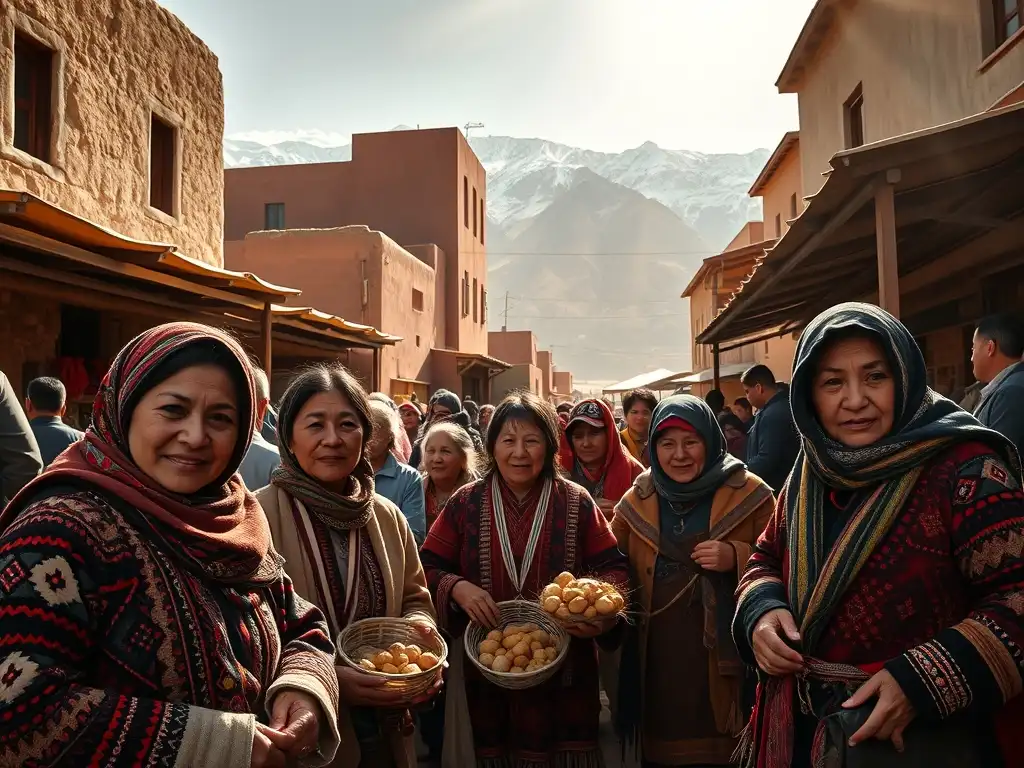
The Andean social fabric, woven over millennia, continues to demonstrate remarkable resilience in the face of globalization and modernization. While significant changes have swept across the Andes, impacting traditional ways of life, the fundamental principles of community and mutual support remain deeply ingrained. This enduring strength is evident in the ways Andean communities adapt to contemporary challenges, preserving their cultural heritage while navigating the complexities of the 21st century.
The ability to adapt and innovate while holding onto core values is a testament to the enduring strength of Andean social structures. This adaptability is not simply a passive acceptance of change, but an active process of negotiation and reinterpretation of traditions within a modern context. It's a dynamic process, constantly evolving and responding to new circumstances, yet rooted in the deep-seated values of collective well-being.
Maintaining Cultural Identity in a Changing World
The preservation of cultural identity is a central aspect of Andean resilience. In the face of pressures from global homogenization, communities actively work to maintain their languages, traditions, and spiritual beliefs. This involves the conscious effort to transmit knowledge across generations through storytelling, festivals, and traditional practices. The use of indigenous languages, such as Quechua and Aymara, in education and public life is a key strategy in bolstering cultural identity.
Furthermore, the revitalization of traditional arts and crafts provides economic opportunities while simultaneously celebrating cultural heritage. This active engagement with cultural traditions isn't just a nostalgic pursuit; it's a vital component of maintaining social cohesion and community strength in a rapidly changing world. The vibrant tapestry of Andean culture continues to be woven, thread by thread, by the dedication of its people.
The Role of Community Leadership in Modern Andes
Effective leadership plays a crucial role in navigating the challenges faced by Andean communities. Traditional forms of leadership, often rooted in kinship and respect for elders, continue to hold significant influence. However, these traditional structures are increasingly complemented by formal leadership roles within community organizations and local governments. The successful integration of traditional and modern leadership styles is essential for effective governance and community development.
This balance ensures that decisions reflect both the long-standing values of the community and the needs of a rapidly evolving world. The challenge lies in finding a harmonious blend, where respect for elders and traditional wisdom is combined with the ability to engage with modern systems and policies. Finding this balance is key to the continued success and sustainability of Andean communities.
Adapting Traditional Practices to Contemporary Life
The adaptation of traditional practices to contemporary life is a constant process of negotiation and innovation. For example, traditional agricultural methods are being adapted to address the challenges of climate change and market demands. Similarly, traditional healing practices are being integrated with modern healthcare systems, offering a holistic approach to well-being. This blending of traditional wisdom and modern techniques allows Andean communities to benefit from both, creating a more robust and resilient system.
The ability to adapt and innovate while retaining the core values of these practices demonstrates a remarkable capacity for change and growth. This constant evolution is not a betrayal of tradition, but rather a testament to its enduring relevance in a changing world. It is a dynamic process, a continuous conversation between the past and the future.
The Persistence of Andean Communal Work: Minka and Ayni
The concepts of minka and ayni, representing communal labor and reciprocal exchange, respectively, are fundamental to Andean social structures. These practices, deeply rooted in history, continue to play a significant role in contemporary Andean communities, showcasing the enduring strength of cooperation and mutual assistance. Their persistence highlights the vital role of social solidarity in the well-being of Andean communities, demonstrating a powerful model of sustainable community development. The continued practice of minka and ayni is not merely a historical relic, but a living testament to the effectiveness of communal cooperation in addressing modern challenges.
Minka: Collective Labor for Community Projects
Minka traditionally refers to collective labor undertaken by community members for the benefit of all. This could involve building or repairing infrastructure, such as roads, irrigation systems, or community centers. The participation in minka is often voluntary, driven by a sense of community responsibility and the understanding that collective effort benefits everyone.
Food and drink are typically shared during these events, fostering a sense of camaraderie and strengthening social bonds. Even in modern times, minka continues to be employed for community development projects, illustrating its enduring relevance and effectiveness as a model of collaborative work. The spirit of minka remains a powerful force in Andean communities, contributing significantly to their social cohesion and infrastructure development.
Ayni: Reciprocal Assistance Among Families
Ayni represents a system of reciprocal exchange among families and neighbors. This could involve sharing resources, labor, or goods, based on the principle of mutual support and balanced reciprocity. One family might assist another with harvesting crops, and later receive help in return. This system of reciprocal exchange strengthens social ties and ensures that everyone has access to necessary resources during times of need.
The practice of ayni creates a strong network of support, fostering social cohesion and resilience. While the specifics might adapt to modern circumstances, the fundamental principle of mutual assistance remains a cornerstone of Andean social life. This reciprocal system fosters trust and strengthens community bonds, contributing significantly to the overall well-being of Andean communities.
Modern Applications of Minka and Ayni
While minka and ayni retain their traditional forms, they have also adapted to modern contexts. For example, minka might involve collective efforts to build schools or healthcare facilities, while ayni might extend to sharing knowledge and skills. These adapted practices demonstrate the flexibility and enduring relevance of these ancient principles.
The continued utilization of these traditional systems, even in modified forms, demonstrates their adaptability and ongoing importance in the social fabric of Andean communities. The ongoing adaptation of minka and ayni exemplifies the capacity of Andean communities to integrate traditional values with modern needs, ensuring their continued relevance and contribution to a vibrant and thriving society.
Andean social structures, deeply rooted in a communal worldview, play a crucial role in sustainable development initiatives across the Andes region. Their emphasis on collective action and resource management offers valuable lessons for modern approaches to environmental protection and economic growth. The intricate web of kinship ties, reciprocal obligations (ayni), and community-based governance continues to shape how resources are utilized and protected, demonstrating remarkable resilience in the face of globalization and modernization.
This inherent social capital fosters trust and cooperation, essential components for successful community-led projects. For example, the effective management of water resources in many Andean communities showcases the enduring relevance of traditional systems in addressing contemporary challenges. These systems, often based on centuries-old agreements and practices, demonstrate a sustainable approach to resource allocation that is far more resilient than many imposed external models.
The enduring strength of these systems lies in their adaptability, allowing them to evolve while preserving core principles of equity and sustainability. The success of these community-led initiatives provides a compelling argument for integrating traditional Andean approaches into larger-scale development projects.
Community-Based Resource Management
Community-based resource management (CBRM) in the Andes exemplifies the enduring power of traditional social structures. Many communities successfully manage natural resources—water, pastures, forests—through collective decision-making processes deeply embedded in their social fabric. These systems often involve intricate networks of responsibilities and accountability, ensuring equitable distribution and sustainable use. For instance, many communities utilize traditional irrigation systems, meticulously maintained and managed collectively, demonstrating a sophisticated understanding of water resource management that predates modern engineering techniques. The effectiveness of these systems is further enhanced by customary laws and sanctions that reinforce responsible behavior and prevent over-exploitation. These customary norms, passed down through generations, provide a powerful framework for sustainable resource management, offering valuable lessons for contemporary environmental governance. The success of CBRM in the Andes highlights the importance of recognizing and supporting indigenous knowledge systems in the pursuit of sustainable development. Ignoring these systems often leads to resource degradation and social conflict.
Traditional Knowledge and Environmental Conservation
Traditional Andean knowledge holds immense potential for environmental conservation. Centuries of close interaction with the Andes' diverse ecosystems have fostered a deep understanding of ecological processes and biodiversity. This knowledge, often encoded in oral traditions, agricultural practices, and medicinal plant use, provides valuable insights for modern conservation efforts. For example, traditional agricultural techniques, such as terracing and crop rotation, have proven remarkably effective in preventing soil erosion and maintaining soil fertility.
Similarly, the intricate knowledge of medicinal plants and their properties holds significant potential for the development of sustainable pharmaceuticals and healthcare practices. However, the integration of this knowledge into mainstream conservation strategies requires a sensitive and respectful approach that acknowledges the intellectual property rights of indigenous communities and ensures their participation in research and decision-making processes. Failure to do so risks the appropriation of traditional knowledge and the marginalization of those who possess it.
The Role of Andean Social Structures in Local Economies
Andean social structures significantly influence local economies, fostering both resilience and innovation. The strong emphasis on reciprocity and mutual support creates robust social safety nets, mitigating the effects of economic shocks and inequality. Traditional craft production, often organized through community-based workshops and cooperatives, sustains livelihoods and preserves cultural heritage. These economic activities are frequently interconnected with resource management practices, creating a holistic and sustainable approach to economic development.
However, the integration of Andean communities into the global market presents both challenges and opportunities. The need to balance the preservation of traditional economic structures with the demands of a globalized economy requires careful consideration and strategic planning. This delicate balance is essential to ensure that economic growth does not come at the expense of cultural integrity and environmental sustainability.
The future of Andean social structures faces significant challenges and opportunities. Globalization, migration, and climate change pose threats to traditional ways of life, while simultaneously presenting opportunities for innovation and adaptation. The preservation of cultural heritage and the strengthening of indigenous identities are crucial for ensuring the long-term viability of Andean communities. This requires proactive measures to address the challenges of poverty, inequality, and environmental degradation, while simultaneously capitalizing on the strengths of Andean social structures to foster sustainable development and social justice. The ability of Andean communities to adapt and innovate will be critical in determining their future.
Empowering Indigenous Communities
Empowering indigenous communities is paramount for the future of Andean social structures. This involves ensuring their full participation in political, economic, and social decision-making processes. It requires addressing historical injustices and systemic inequalities that have marginalized indigenous populations. Education plays a crucial role in empowering indigenous communities, preserving their languages and cultural heritage, and equipping them with the skills needed to participate fully in modern society.
Further, access to resources and opportunities is crucial. This includes access to land, credit, and technology, as well as the recognition and protection of indigenous rights and intellectual property. The empowerment of indigenous communities is not merely a matter of social justice; it is essential for the preservation of their unique cultural heritage and the sustainable development of the Andes region.
Integrating Traditional Wisdom into Modern Society
Integrating traditional Andean wisdom into modern society requires a collaborative approach that respects indigenous knowledge and values. This involves recognizing the value of traditional practices in areas such as agriculture, medicine, and resource management. It also requires developing mechanisms for the exchange of knowledge between indigenous communities and mainstream institutions. The integration of traditional wisdom can enrich modern society, offering valuable insights into sustainable living and harmonious coexistence with nature. However, this integration must be done responsibly, avoiding the exploitation of indigenous knowledge and ensuring that indigenous communities benefit from its application. This requires open dialogue and respectful collaboration.
Preserving Andean Cultural Heritage for Future Generations
Preserving Andean cultural heritage for future generations is essential for maintaining the integrity of Andean social structures. This involves protecting tangible and intangible cultural heritage, including archaeological sites, traditional crafts, languages, and oral traditions. It also requires promoting cultural tourism in a way that respects indigenous communities and their cultural rights.
This includes ensuring that indigenous communities benefit directly from tourism revenue and have a voice in shaping tourism policies. Moreover, education plays a vital role in preserving cultural heritage, ensuring that future generations understand and appreciate the richness and diversity of Andean cultures. The preservation of Andean cultural heritage is not merely a matter of historical preservation; it is crucial for the continued vitality of Andean communities and their unique contributions to the world.
- Understanding Traditional Andean Social Organization
- The Ayllu: Foundation of Andean Community Life
- Reciprocity and Cooperation: The Core of Andean Social Dynamics
- Impact of Modernization on Traditional Andean Social Structures
- Resilience and Adaptation: Andean Social Structures in the 21st Century
- The Persistence of Andean Communal Work: Minka and Ayni
- Andean Social Structures and Sustainable Development
- The Future of Andean Social Structures: Challenges and Opportunities
- How do ancient Andean social structures influence modern communities?
- What are some examples of surviving Andean traditions in today's society?
- How has globalization impacted Andean social structures?
- Are there any conflicts arising from the clash between traditional and modern Andean structures?
- What role does family play in contemporary Andean social structures?
Frequently Asked Questions
Many contemporary Andean communities still value collective decision-making and communal land ownership, reflecting ancient traditions of ayllu systems. These structures foster strong social bonds and resilience.
What are some examples of surviving Andean traditions in today's society?
Traditional practices like minga (community work) and festivals celebrating ancestral deities continue to thrive. Shared responsibility and mutual support remain core values.
Globalization has brought both challenges and opportunities. While market forces can disrupt traditional economies, Andean communities often adapt by integrating global elements into existing social systems.
Are there any conflicts arising from the clash between traditional and modern Andean structures?
Yes, tensions can arise between traditional practices and modern governmental systems or economic pressures. Balancing heritage preservation with modernization remains a significant challenge.
The family unit continues to be a fundamental building block of Andean society. Extended family networks provide crucial support and maintain strong community ties across generations.
Final Reflection: The Enduring Legacy of Andean Community
The strength of Andean social structures, once perceived as relics of the past, continues to resonate powerfully in the modern era, shaping contemporary challenges and offering vital lessons for a globally interconnected world. Their resilience in the face of globalization and modernization demonstrates a profound capacity for adaptation and a commitment to collective well-being that deserves our attention and understanding.
The intricate web of ayllus, reciprocity, and communal responsibility, though altered by external forces, remains a fundamental aspect of Andean identity and a powerful force in navigating the complexities of the 21st century. These systems, built on centuries of shared experience and mutual support, offer a compelling alternative to individualistic models of society. The community is not simply a collection of individuals; it is a living organism, where each part contributes to the health of the whole.
This sentiment, though not directly from an Andean source, encapsulates the essence of their enduring social fabric.
Consider the ways in which the principles of ayni (reciprocity) and minka (communal labor) can enrich your own life and community. How can we foster a greater sense of collective responsibility and mutual support in our own societies? Embrace the wisdom of the Andes; let the enduring strength of their communal structures inspire you to build stronger, more resilient, and more equitable communities wherever you are. The future depends on our ability to learn from the past and build a more just and sustainable world, together.
Unleash the Power of Community!
Thank you for exploring the rich tapestry of Andean social structures and their enduring relevance. You've discovered the intricate ways communities thrive through mutual support. Now, let's put that knowledge into action!
Here are some ways you can actively engage with your community:
- Join or start a local group focused on sharing Andean culture and traditions—perhaps a book club, cooking class, or language exchange. Building these connections enriches everyone involved.
- Volunteer your time to community projects that celebrate or preserve Andean heritage. Your contributions can help create a lasting legacy.
- Organize a cultural event showcasing Andean music, dance, or art—bringing people together to appreciate this vibrant culture.
How will you contribute to strengthening your community today? Share your thoughts and ideas with us!