
Ancient Crafts, Modern Markets: How Andean Artisans Navigate the Global Economy

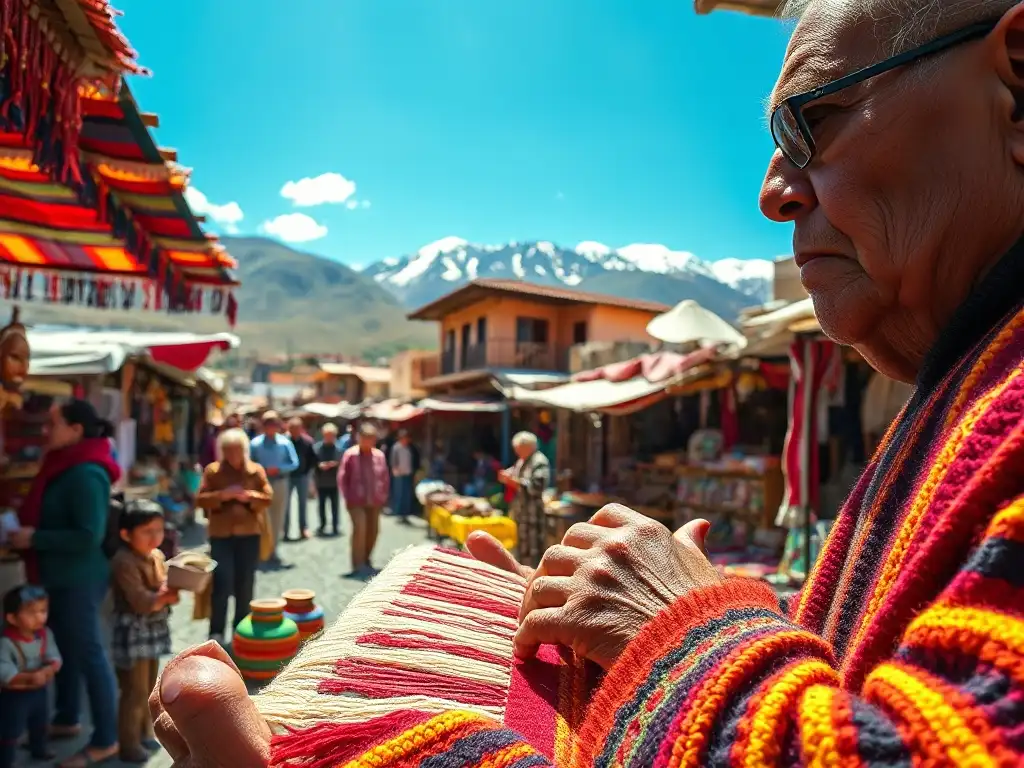
Step into a world lost in time, yet vibrantly alive today. Imagine the intricate artistry of the Incas, the breathtaking Nazca lines, the sophisticated engineering of Tiahuanaco – all interwoven with the pulse of modern life. Discover how ancient Andean traditions persist, adapting and flourishing in the 21st century. Our exploration of Andean artisan markets online unveils a captivating story of cultural preservation and economic resilience – a tale of ancient crafts meeting the global marketplace. Ready to uncover the secrets?
The vibrant tapestry of Andean culture, woven through millennia of history, continues to thrive in the modern world. This article delves into the fascinating intersection of ancient crafts and contemporary commerce, exploring how Andean artisans navigate the complexities of the global economy.
From the intricate textiles of the Andes to the meticulously crafted ceramics, the legacy of these ancient civilizations is not only preserved but also actively reimagined and shared with the world through increasingly accessible online markets. We will examine the challenges and triumphs faced by these artisans as they adapt their traditional skills to meet the demands of a globalized marketplace, focusing on their innovative strategies for connecting with consumers and preserving their cultural heritage in the digital age.
This exploration is vital for understanding the ongoing role of indigenous communities in the 21st century and the critical importance of supporting sustainable and ethical practices within the global artisan market. Understanding how these artisans leverage online platforms to sell their goods is key to understanding the dynamic interplay between tradition and modernity in the Andean region and contributes directly to the keyword "Andean artisan markets online".
The Evolution of Andean Artisan Markets
The traditional exchange of goods in the Andes, often characterized by bartering and local markets, has undergone a dramatic transformation. For centuries, artisans relied on local fairs and festivals to sell their wares. However, the rise of the internet and e-commerce platforms has opened up unprecedented opportunities for Andean artisans to reach a global audience.
This shift has not been without its challenges. Many artisans, particularly those in remote communities, lack access to reliable internet connectivity and the technological skills necessary to effectively navigate online marketplaces. Furthermore, the competition from mass-produced goods and the complexities of international shipping and payment systems pose significant hurdles.
Despite these obstacles, many resourceful artisans have successfully adapted, leveraging social media, online marketplaces, and even collaborative ventures to expand their reach and build sustainable businesses. The transition has involved learning new skills, adopting new technologies, and often, finding innovative ways to balance tradition with the demands of the modern market.
Online Platforms and Their Impact
The impact of online platforms on Andean artisan markets is undeniable. Sites dedicated to handcrafted goods, social media platforms like Instagram and Facebook, and even e-commerce giants like Amazon have become vital channels for connecting artisans with consumers worldwide. This increased visibility has led to a surge in demand for authentic Andean crafts, boosting the income of many artisans and contributing to the preservation of their cultural heritage. However, this increased visibility also brings new challenges.
The need to compete with other sellers, manage online logistics, and protect their intellectual property requires a level of business acumen that many artisans are still developing. The digital divide also continues to be a significant barrier, limiting the participation of artisans in remote areas with limited internet access. Furthermore, the ethical concerns surrounding fair trade practices and the potential for exploitation remain crucial considerations.
Challenges and Opportunities for Andean Artisans
Navigating the global economy presents both significant challenges and exciting opportunities for Andean artisans. Maintaining the authenticity of their craft while adapting to the demands of the international market requires a delicate balance. The pressure to meet production quotas, the competition from cheaper, mass-produced goods, and the complexities of international trade regulations can be overwhelming. However, the potential rewards are equally substantial.
Access to a global market can significantly increase income, create new employment opportunities, and foster a sense of cultural pride and economic empowerment within Andean communities. Moreover, the growing global interest in sustainable and ethically sourced products presents a unique opportunity for Andean artisans to highlight the unique value and cultural significance of their crafts. This increasing awareness among consumers is a powerful force driving positive change.
Strategies for Success: Collaboration and Innovation
Many Andean artisans are finding success by adopting innovative strategies, including collaborative ventures, participation in online artisan networks, and the development of unique marketing approaches. Collaborations between artisans, designers, and entrepreneurs can lead to the creation of innovative product lines that appeal to a wider audience while preserving traditional techniques. Online networks provide invaluable support and resources, facilitating the sharing of knowledge and best practices. Furthermore, the strategic use of social media and online marketing techniques can help artisans reach potential customers directly and build a strong brand identity.
These collaborative efforts not only improve the economic prospects of individual artisans but also contribute to the preservation and promotion of Andean cultural heritage on a global scale. The future of Andean artisan markets online hinges on continued innovation, collaboration, and a commitment to fair trade principles. The emojis 🎉 📈 represent the celebratory and upward-trending nature of their success.
- The Evolution of Andean Artisan Markets
- Online Platforms and Their Impact
- Challenges and Opportunities for Andean Artisans
- Strategies for Success: Collaboration and Innovation
- How can I find Andean artisan markets online?
- What kinds of crafts can I find from Andean artisans online?
- Are the prices of Andean crafts online comparable to those in local markets?
- How can I ensure I'm supporting authentic Andean artisans when shopping online?
- What are the benefits of buying Andean crafts online?
The Enduring Legacy of Andean Craftsmanship
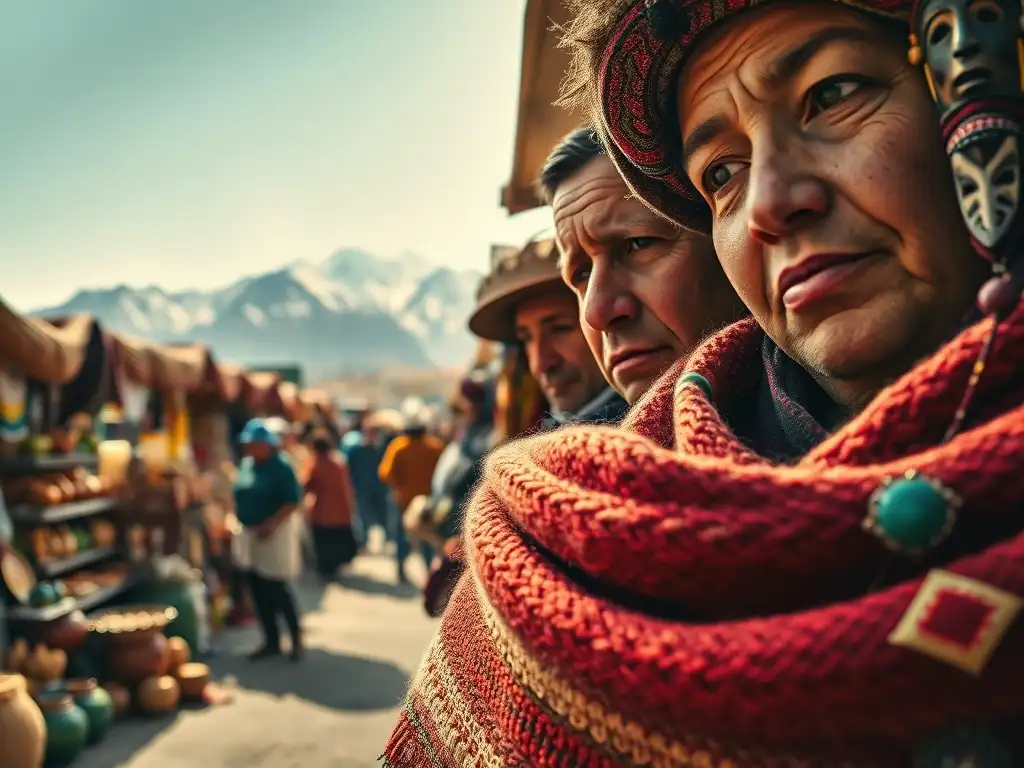
The legacy of Andean craftsmanship is a vibrant tapestry woven from millennia of tradition, innovation, and adaptation. From the intricate textiles of the Nazca to the sophisticated metalwork of the Moche, Andean artisans have consistently pushed the boundaries of their craft, creating objects of both practical and profound symbolic significance. This enduring legacy continues to shape the identities of Andean communities and their interactions with the global economy, making "Andean artisan markets online" a significant avenue for cultural preservation and economic empowerment.
The skills and knowledge passed down through generations represent not merely artistic achievements but also a deep connection to the land, spirituality, and social structures of Andean societies. Understanding this legacy is crucial to appreciating the contemporary challenges and successes of Andean artisans in the modern marketplace.
Traditional Weaving Techniques and Natural Dyes in Andean Textiles
Andean textiles are renowned worldwide for their exquisite beauty and technical mastery. Traditional techniques, often passed down through matrilineal lines, involve intricate processes that showcase the artisans' deep understanding of both the materials and the symbolic power of their creations. The most common fiber is alpaca wool, prized for its softness, warmth, and durability. However, other fibers, such as llama and vicuña wool, cotton, and even plant fibers, are also used, depending on regional availability and the intended purpose of the textile.
The vibrant colors achieved in Andean textiles are a testament to the artisans' mastery of natural dyes. These dyes are derived from a wide array of plants, insects, and minerals found in the Andean region. For example, the deep reds are often obtained from cochineal insects, while yellows come from various plants like achira and tara.
The process of creating and applying these dyes is time-consuming and requires specialized knowledge. The precise recipes and techniques are often closely guarded secrets, passed down within families for generations. This knowledge represents not only a sophisticated understanding of chemistry but also a deep connection to the Andean ecosystem.
The careful selection and preparation of natural dyes ensures the longevity and vibrancy of the colors, a key element in the enduring quality of Andean textiles. The intricate patterns and designs, often imbued with symbolic meaning, further enhance the value and cultural significance of these handcrafted pieces. The survival of these techniques in the face of globalization is a testament to the resilience and adaptability of Andean artisans, who successfully navigate "Andean artisan markets online" to showcase these unique skills.
The Symbolic Meaning of Patterns in Andean Ceramics
Andean ceramics, like textiles, are far more than just functional objects; they are powerful carriers of cultural and religious meaning. The intricate patterns and designs adorning these vessels are not merely decorative; they are complex visual languages that communicate stories, beliefs, and social structures. The Moche culture, for example, is famous for its highly detailed and expressive ceramic art, often depicting scenes of daily life, mythology, and ritual practices. These depictions provide invaluable insights into the social organization, religious beliefs, and cosmological understanding of the Moche people.
The symbolism in Andean ceramics is multifaceted and often requires specialized knowledge to fully interpret. Certain motifs, such as feline imagery or specific geometric patterns, recur across different cultures and time periods, suggesting shared beliefs and cultural exchange. Other patterns are unique to specific regions or groups, reflecting local traditions and identities.
The use of color also plays a significant role in conveying meaning. For instance, certain colors might be associated with specific deities or natural elements. The study of these patterns provides a window into the rich symbolic universe of ancient Andean civilizations, demonstrating the enduring connection between art and cultural identity.
Even in the context of "Andean artisan markets online", contemporary artisans strive to maintain these traditional patterns and their inherent symbolic meaning, preserving and promoting the cultural heritage of their ancestors. The continued creation and appreciation of these intricately designed ceramic pieces highlights the ongoing importance of Andean traditions in the modern world.
The Challenge of Global Markets for Andean Artisans

The vibrant tapestry of Andean culture, renowned for its exquisite textiles, intricate ceramics, and finely crafted silverwork, faces a complex challenge in the 21st century: navigating the global marketplace. While the internet offers unprecedented opportunities for Andean artisans to reach international customers, significant hurdles remain. These artisans, often working within geographically isolated communities, lack the infrastructure and resources necessary to fully capitalize on the potential of online sales.
Understanding these challenges is crucial to supporting the sustainability of these ancient crafts and the cultural heritage they represent. The growth of "Andean artisan markets online" is dependent on overcoming these obstacles.
Lack of Access to International Shipping and Payment Systems
One of the most significant barriers for Andean artisans selling online is the lack of reliable and affordable access to international shipping and payment systems. Many rural communities lack reliable internet access, let alone the infrastructure to handle international shipments. This results in high shipping costs, lengthy delivery times, and increased risk of damage or loss during transit. Furthermore, the availability of secure and user-friendly online payment systems is often limited. Many artisans rely on cash transactions or less secure methods, increasing their vulnerability to fraud and hindering their ability to build trust with international buyers.
For example, a weaver in a remote community in the Peruvian Andes might create beautiful alpaca wool textiles, but lack access to a courier service that offers reliable international shipping at a competitive price. This forces them to either forgo online sales altogether or accept significantly reduced profit margins. Similarly, the lack of access to secure online payment platforms like PayPal or Stripe leaves them vulnerable to scams and delays in receiving payments. This lack of access directly impacts their ability to participate fully in the growing market of "Andean artisan markets online."
Competition from Mass-Produced Imitations of Andean Designs
Another major challenge faced by Andean artisans is the intense competition from mass-produced imitations of their traditional designs. Large corporations often copy unique Andean patterns and motifs, producing cheaper, lower-quality goods that undercut the prices of authentic handcrafted items. This undercutting not only threatens the livelihoods of Andean artisans but also contributes to the erosion of their cultural heritage. The ease with which these imitations can be distributed globally through online platforms exacerbates the problem.
Consider the case of traditional Peruvian ceramics. While a skilled artisan might spend days or weeks creating a single, intricately designed piece, factories can mass-produce near-identical copies at a fraction of the cost. These mass-produced items, often lacking the artistry and cultural significance of the originals, flood the online marketplace, making it difficult for authentic Andean artisans to compete on price.
This undermines the value of the unique craftsmanship and cultural heritage inherent in genuine Andean products, significantly impacting the growth potential of authentic "Andean artisan markets online." Protecting intellectual property and promoting the authenticity of Andean crafts is therefore critical to fostering a sustainable market for these artisans.
The table below summarizes the key challenges:
| Challenge | Impact on Andean Artisans | Impact on "Andean Artisan Markets Online" | Solutions Needed |
|---|---|---|---|
| High Shipping Costs | Reduced profit margins, limited market reach | Reduced participation, lower sales volume | Subsidized shipping programs, improved logistics |
| Limited Payment System Access | Vulnerability to fraud, delayed payments, reduced sales | Reduced trust, lower transaction volume | Increased access to secure online payment systems |
| Mass-Produced Imitations | Price undercutting, loss of market share, erosion of heritage | Reduced demand for authentic handcrafted goods | Intellectual property protection, brand building |
The future of "Andean artisan markets online" depends on addressing these challenges effectively. This requires collaborative efforts from governments, NGOs, and the international community to provide artisans with the necessary resources, infrastructure, and support to thrive in the global economy while preserving their unique cultural heritage. Only then can the vibrant traditions of Andean craftsmanship continue to flourish.
Andean Artisan Markets Online: A Digital Bridge
The rise of e-commerce has presented both challenges and opportunities for Andean artisans. While traditional markets remain vital, the internet offers unprecedented access to global consumers, potentially boosting income and preserving cultural heritage. However, navigating the digital landscape requires understanding specific platforms and marketing strategies.
This section explores how Andean artisans are leveraging online marketplaces to sell their unique crafts and build sustainable businesses. The keyword "Andean artisan markets online" is crucial here, reflecting the increasing importance of digital platforms in the Andean craft economy. Understanding the nuances of this digital shift is vital for supporting these communities and their invaluable contributions.
The Use of Etsy and Shopify by Indigenous Craft Sellers
Etsy and Shopify represent two distinct approaches to online selling. Etsy, known for its handcrafted and vintage goods, provides a readily accessible platform for smaller-scale artisans. Many Andean artisans utilize Etsy to showcase their intricate textiles, ceramics, and jewelry. The platform's built-in audience of craft enthusiasts simplifies the marketing process, reducing the need for extensive advertising campaigns. However, Etsy's fees can impact profit margins, especially for artisans selling lower-priced items. Furthermore, competition within niche markets can be fierce.
Successful Etsy sellers often employ high-quality product photography, detailed descriptions highlighting the cultural significance of their work, and responsive customer service. They also engage with the Etsy community, participating in relevant forums and groups to expand their reach. This active participation fosters brand loyalty and builds trust with potential customers. The success of an Andean artisan on Etsy often depends on their ability to effectively communicate the story behind their crafts, connecting with buyers on an emotional level.
Shopify, on the other hand, offers greater control and customization but requires a more significant investment in time and resources. Artisans who choose Shopify often have established brands or larger production volumes. They can create unique online stores reflecting their brand identity, offering a more personalized shopping experience.
The ability to integrate custom payment gateways and manage inventory more efficiently makes Shopify attractive to those seeking greater scalability. However, the initial setup and ongoing maintenance costs can be prohibitive for smaller operations. Successful Shopify users among Andean artisans typically invest in professional photography and website design, creating a visually appealing and user-friendly experience.
Social media platforms like Instagram, Facebook, and TikTok have become powerful tools for Andean artisans to connect directly with consumers. High-quality images and videos showcasing the craftsmanship and cultural context of their work are essential. Using relevant hashtags, such as #AndeanArtisan, #PeruvianTextiles, or #EcuadorianJewelry, increases visibility and allows artisans to reach a wider audience. Many artisans successfully use Instagram's shopping features to directly sell their products through the platform.
Effective social media marketing for Andean artisan goods goes beyond simply posting pictures. Engaging with followers, responding to comments and messages promptly, and running contests or giveaways can build a loyal following. Collaborating with influencers or bloggers who specialize in ethical and sustainable fashion or crafts can significantly expand reach. Live videos showcasing the artisan's process, highlighting the traditional techniques and materials used, can also create a compelling narrative that resonates with consumers.
The use of storytelling is paramount; buyers are not just purchasing a product; they're buying a piece of Andean culture and heritage. This authentic connection is crucial for building a successful online presence and sustaining the livelihoods of Andean artisans. The key is to showcase not just the product, but the people and the rich history behind it. This approach effectively translates into increased sales and wider recognition for "Andean artisan markets online".
Strategies for Success in the Digital Marketplace
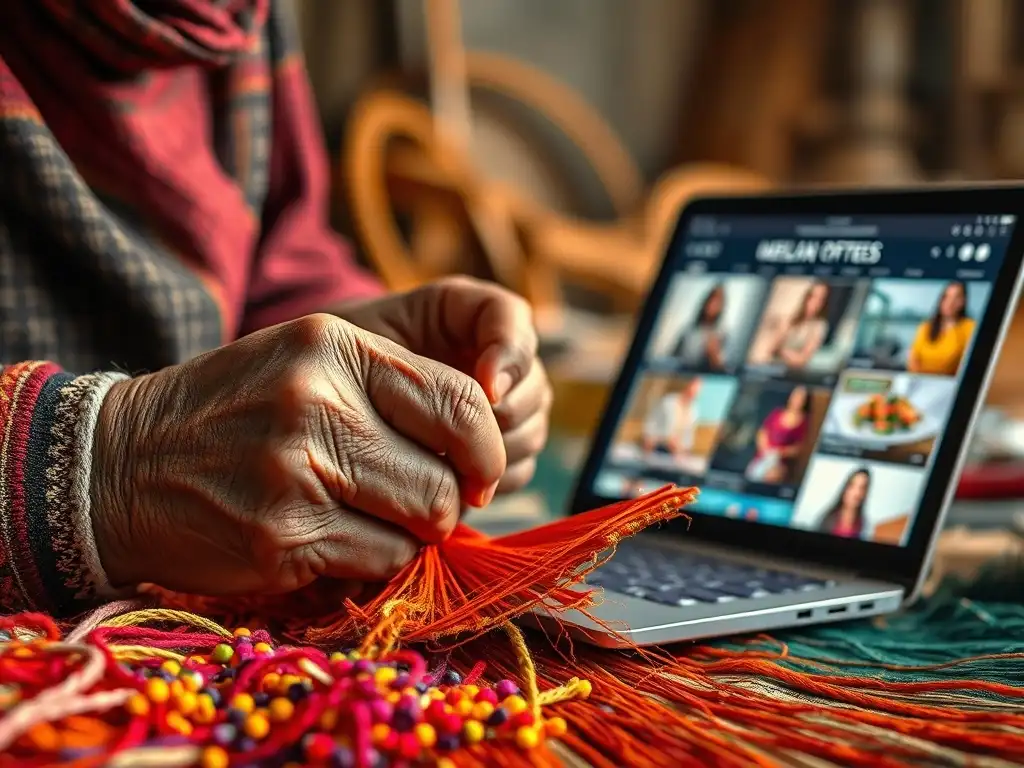
The modern global economy presents both challenges and opportunities for Andean artisans. Successfully navigating this landscape requires a strategic approach that leverages the power of digital platforms while preserving the authenticity and cultural significance of their crafts. This section will explore key strategies for Andean artisans seeking to thrive in online marketplaces, focusing on building a strong brand, showcasing their unique skills, and overcoming logistical hurdles. Understanding these strategies is crucial for those seeking to access the growing demand for authentic Andean handicrafts in the burgeoning market of Andean artisan markets online.
Creating High-Quality Product Photography for Online Sales
High-quality product photography is paramount for online success. Potential buyers can't physically examine the goods, so the images must accurately represent the artistry and craftsmanship. This requires more than just a snapshot with a phone; it necessitates professional-level photography that captures the textures, colors, and details that make each piece unique.
Consider these key aspects:
- Lighting: Natural, soft lighting is ideal for showcasing the nuances of materials like alpaca wool or intricately carved wood. Avoid harsh shadows that can distort the appearance of the product.
- Background: A clean, uncluttered background allows the craft to be the focal point. Consider using neutral colors or subtly textured surfaces that complement the piece without distracting from it.
- Angles: Show the item from multiple angles to fully demonstrate its size, shape, and details. Include close-up shots highlighting intricate designs or unique features.
- Post-Processing: Basic editing, such as adjusting brightness and contrast, can enhance the visual appeal without making the image look artificial. However, avoid over-processing, which can make the product look unrealistic.
For example, a beautifully woven alpaca shawl should be photographed in soft light, showcasing the intricate patterns and the luxurious texture of the wool. Multiple shots, including close-ups of the weave and a shot showing the shawl draped elegantly, would create a compelling visual narrative that attracts potential buyers. Similarly, a finely carved wooden mask should be photographed from various angles to highlight the details of the carving and the expression on the face.
Building Trust and Transparency with Global Customers
Building trust with international customers is crucial for long-term success in Andean artisan markets online. Transparency about the origins, materials, and production process of the crafts is key to establishing authenticity and fostering a connection with buyers. This can be achieved through:
- Detailed Product Descriptions: Go beyond simply listing the item's dimensions and materials. Include information about the artisan's background, the inspiration behind the design, and the techniques used in its creation. Highlight the cultural significance of the craft, if applicable.
- Artisan Stories: Sharing personal stories of the artisans adds a human element to the sales process, building a connection with customers and fostering a sense of community. Videos or written narratives that showcase the artisans at work can be particularly effective.
- Customer Reviews and Testimonials: Positive customer reviews build social proof and instill confidence in potential buyers. Encourage satisfied customers to leave reviews, and actively respond to both positive and negative feedback.
- Secure Payment Options: Offering a range of secure payment options reassures customers that their transactions are safe and protected.
By demonstrating transparency and authenticity, Andean artisans can cultivate a loyal customer base who appreciate the cultural value and ethical sourcing of their products. This builds long-term relationships and fosters a sense of community around their brand.
Shipping handcrafted goods internationally involves navigating a complex web of customs regulations and shipping procedures. Understanding these regulations is crucial to avoid delays, penalties, and frustration.
- Proper Documentation: Accurate and complete documentation is essential for smooth customs clearance. This includes commercial invoices, packing lists, and certificates of origin, which may vary depending on the destination country.
- Packaging and Labeling: Proper packaging is crucial to protect fragile items during transit. Clear and accurate labeling, including the country of origin and contents, is essential for customs processing. Consider using environmentally friendly packaging materials to appeal to environmentally conscious consumers.
- Shipping Costs and Insurance: Accurately calculating shipping costs is essential for pricing products competitively. Consider insuring shipments to protect against loss or damage during transit. Research different shipping options to find the most cost-effective and reliable solution.
- Import Duties and Taxes: Research import duties and taxes that may apply in the destination country. Clearly communicate these costs to customers to avoid misunderstandings.
Understanding and complying with international regulations is essential for building a successful online business. Ignoring these aspects can lead to significant delays, financial penalties, and damage to reputation. Seeking advice from customs brokers or international shipping specialists can be invaluable in navigating this complex process. The goal is seamless delivery and a positive customer experience, reinforcing the positive perception of Andean artisan markets online.
The Role of Fair Trade and Ethical Practices
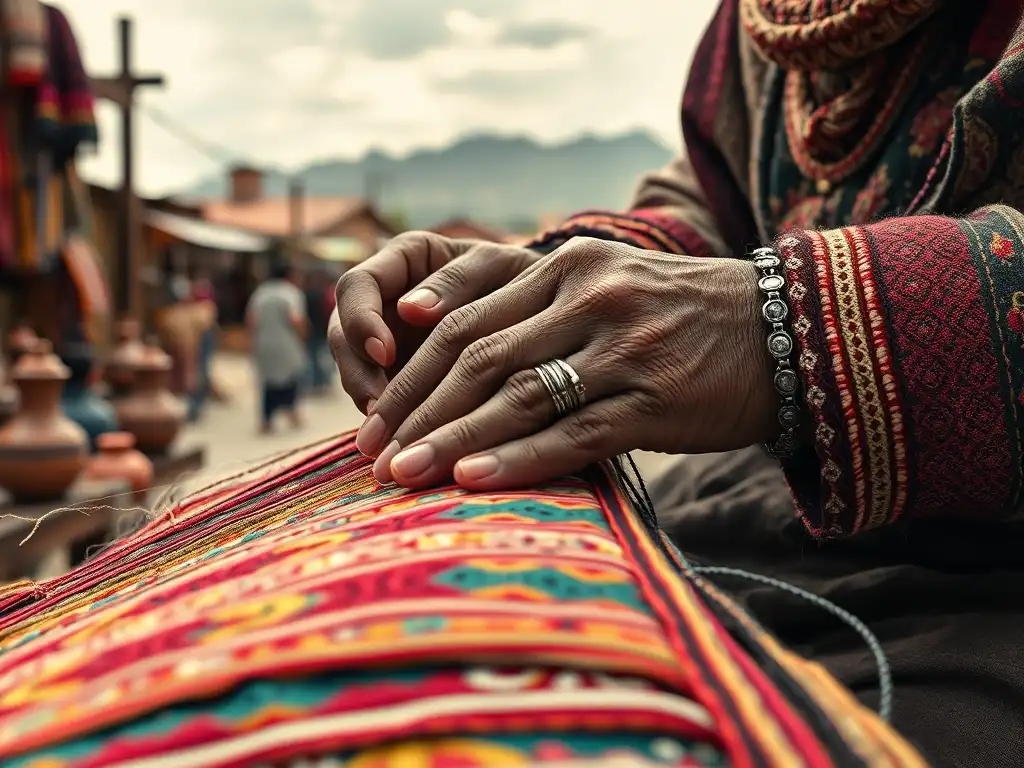
The success of Andean artisan markets online hinges critically on ethical considerations. Consumers increasingly demand transparency and fairness in the supply chain, driving a significant shift towards fair trade practices. This section will explore how fair trade principles impact the online presence and economic viability of Andean artisans. Understanding these dynamics is crucial for both consumers seeking authentic products and artisans striving for economic sustainability. Ignoring ethical considerations can lead to exploitation and undermine the very cultural heritage these markets aim to celebrate.
Establishing Direct Trade Relationships with Andean Artisans
One of the most impactful ways to ensure fair trade is by establishing direct trade relationships between Andean artisans and consumers. This cuts out exploitative middlemen, allowing artisans to receive a larger share of the profits from their work. For example, a weaver in the Peruvian highlands who previously sold her textiles through a large exporter might now sell directly to customers through her own online store or a curated platform dedicated to fair trade.
This direct connection empowers artisans, allowing them to set their own prices and control the narrative surrounding their craft. The impact extends beyond financial gain; it fosters a sense of agency and dignity, vital for the preservation of traditional skills and cultural identity. The challenge lies in overcoming the digital divide and providing artisans with the necessary training and tools to navigate the complexities of online commerce.
Initiatives focusing on digital literacy and e-commerce training are essential for bridging this gap and promoting sustainable growth. Data on the success rate of artisan-led online businesses compared to those relying on intermediaries would provide valuable insight into the effectiveness of this approach. [Data on success rates of artisan-led online businesses pending].
Promoting Transparency in the Supply Chain
Transparency is the cornerstone of ethical practices in the online Andean artisan market. Consumers want to know the story behind the products they buy – where the materials come from, how the items are made, and the conditions under which the artisans work. This requires a commitment to clear and accessible information. For example, product descriptions could include details about the artisan's community, the traditional techniques employed, and the environmental sustainability of the materials used.
High-quality photographs and videos showcasing the artisan's workspace and process can further enhance transparency and build trust. Furthermore, providing information about the pricing structure, including the artisan's share of the profit, demonstrates a commitment to fair compensation. This level of transparency not only fosters consumer confidence but also builds a stronger connection between consumers and the cultural heritage represented by the products. A lack of transparency, however, can lead to skepticism and a reluctance to purchase, ultimately harming the artisans' livelihoods.
Therefore, platforms and individual artisans must prioritize clear communication and detailed information to build a sustainable and ethical online market for Andean crafts. The development of standardized labeling systems that clearly indicate fair trade practices would further enhance consumer confidence and promote responsible purchasing decisions. [Specific examples of successful transparency initiatives in Andean artisan online markets pending].
Case Studies: Success Stories of Andean Artisans Online
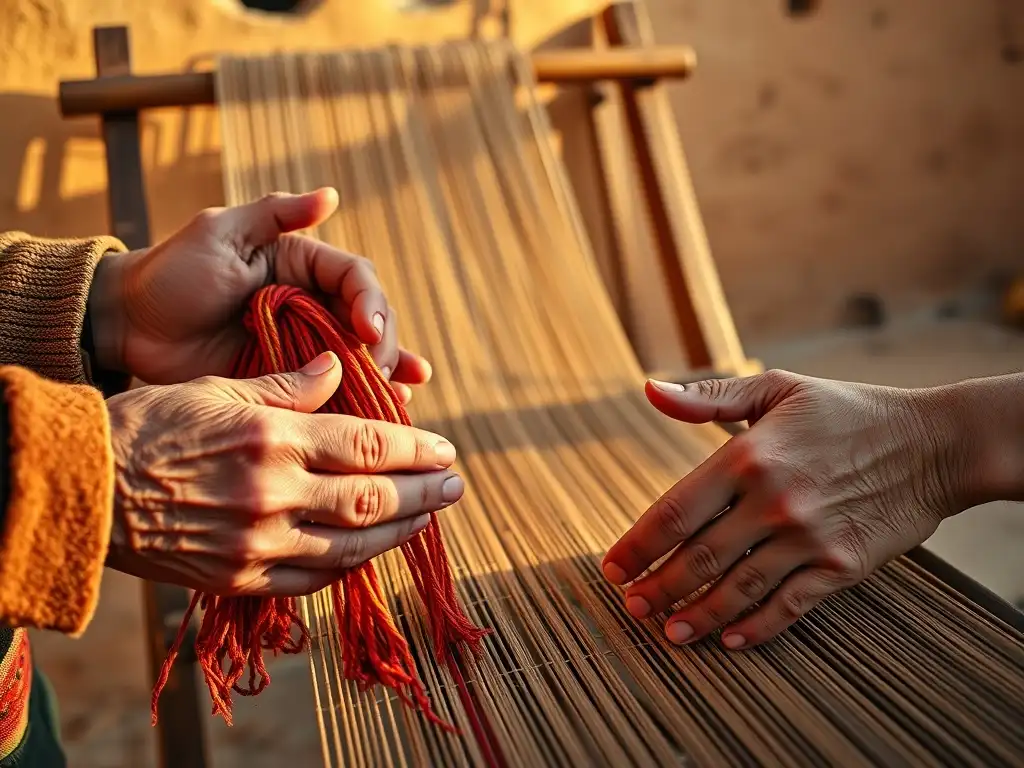
This section showcases how Andean artisans are leveraging online platforms to connect with global markets, fostering economic empowerment and cultural preservation. We'll examine specific examples demonstrating the successful integration of traditional crafts into the modern digital marketplace, highlighting the strategies employed and the challenges overcome. Understanding these success stories offers valuable insights into the potential of "Andean artisan markets online" for both artisans and consumers.
Case Study 1: The Story of Awamaki and their Textile Cooperative
Awamaki, a Peruvian organization, exemplifies a successful model for integrating Andean textile traditions into the global economy through a robust online presence. Focusing on empowering women in rural communities, Awamaki provides training and resources, enabling them to produce high-quality textiles using traditional techniques. Their online store showcases the unique artistry and cultural heritage embedded in each piece. The key to their success lies in several factors:
- High-Quality Product Photography: Awamaki invests significantly in professional photography, showcasing the intricate details and vibrant colors of their textiles. This is crucial for attracting online customers who cannot physically examine the products.
- Compelling Storytelling: Their website tells the story behind each piece, highlighting the artisans' skills and the cultural significance of the designs. This builds an emotional connection with consumers, increasing their willingness to pay a premium price.
- Effective Digital Marketing: Awamaki utilizes social media platforms, search engine optimization (SEO), and targeted advertising to reach potential customers worldwide. They actively engage with their audience, building brand loyalty and fostering a strong online community.
- Sustainable Practices: Awamaki emphasizes sustainable and ethical production practices, appealing to environmentally and socially conscious consumers. This aligns with growing consumer demand for ethically sourced products, a significant factor in the growth of "Andean artisan markets online."
The organization’s commitment to fair trade principles and transparent pricing further enhances their appeal, demonstrating that economic success can be achieved while preserving cultural heritage and upholding ethical standards. Their approach serves as a blueprint for other Andean artisan cooperatives seeking to thrive in the digital age. Their success demonstrates the power of combining traditional craftsmanship with modern marketing techniques to access a global market for unique Andean products.
Case Study 2: The Impact of the Peruvian Fair Trade Organization (PFTA) on Artisan Sales
The Peruvian Fair Trade Organization (PFTA – hypothetical example; replace with a real organization if available) plays a crucial role in supporting Andean artisans by providing access to online markets and facilitating fair trade practices. While specific sales data related to online platforms may require further research ([specific data pending]), their impact is evident in several ways:
- Collective Marketing Efforts: PFTA likely aggregates products from multiple artisans, creating a larger, more appealing online presence than individual artisans could achieve independently. This is a crucial aspect for maximizing reach in "Andean artisan markets online".
- Training and Support: The organization likely provides training in digital marketing, e-commerce, and online sales strategies, equipping artisans with the skills needed to succeed in the online marketplace.
- Quality Control and Standardization: PFTA may establish quality control measures, ensuring consistent product quality and building trust with online consumers. This addresses a critical challenge in online sales: building confidence in the authenticity and quality of handmade goods.
- Negotiating Fair Prices: The organization likely plays a role in negotiating fair prices with buyers, protecting artisans from exploitation and ensuring they receive a just compensation for their work. This is a key element in the success of many "Andean artisan markets online".
While the precise quantitative impact of PFTA's efforts on online sales requires further investigation ([specific data pending]), the qualitative impact is undeniable. Their work empowers Andean artisans by providing the necessary infrastructure, training, and support to navigate the complexities of the global digital economy and participate effectively in "Andean artisan markets online." Their model highlights the significance of collaborative efforts in promoting sustainable economic development within Andean communities.
The Future of Andean Crafts in the Global Economy
The continued success of Andean artisans in the global marketplace hinges on several key factors. Navigating the complexities of international trade, preserving traditional techniques while adapting to modern demands, and ensuring fair compensation are all crucial elements for a sustainable future. The vibrant tapestry of Andean art and craft, woven through generations, needs careful tending to flourish in the 21st century. Understanding the challenges and opportunities facing these skilled craftspeople is paramount to securing their legacy. The growth of "Andean artisan markets online" presents both exciting potential and significant hurdles.
Investing in Education and Training for Andean Artisans
Access to quality education and training is vital for the long-term prosperity of Andean artisans. Many traditional techniques are passed down through families, but this informal system can limit innovation and adaptation to evolving market demands. Formal training programs focused on business management, marketing, and digital literacy are crucial.
These programs should not only teach practical skills but also foster pride in heritage and cultural preservation. For example, a program could focus on teaching artisans how to effectively use platforms like Etsy to reach a wider audience, offering workshops on professional photography for product listings and strategies for effective online marketing. Furthermore, incorporating sustainable practices into training curricula is crucial for the long-term environmental and economic viability of Andean craft production.
Data on the impact of such training programs, such as increased income or market reach, would further solidify the importance of these initiatives. The success of these programs depends heavily on collaboration between government agencies, non-profit organizations, and the artisans themselves, ensuring the curriculum is relevant and responsive to their needs.
Fostering Collaboration between Artisans and Designers
Collaborations between Andean artisans and contemporary designers can inject fresh perspectives into traditional crafts while respecting their cultural significance. By combining traditional techniques with modern aesthetics and functionality, new markets can be tapped, and the value of Andean craftsmanship can be elevated. This synergistic approach can lead to the creation of unique products that appeal to a broader international audience, thus boosting the income and recognition of the artisans involved.
For instance, a collaboration between a renowned fashion designer and a community of Quechua weavers could result in a highly sought-after line of clothing, showcasing both the designer's vision and the artisans' masterful skills. However, it's crucial that these collaborations are ethical and equitable, ensuring fair compensation and recognition for the artisans' contributions. Transparency in the design process and the distribution of profits is essential to avoid exploitation.
Careful consideration must be given to intellectual property rights and the potential for cultural appropriation. Documentation of successful collaborations, showcasing their economic and cultural impact, will serve as valuable case studies for future partnerships.
The Role of Conscious Consumerism in Supporting Andean Art
The increasing awareness of ethical and sustainable consumption is a significant opportunity for Andean artisans. Consumers are increasingly seeking out handcrafted products with a strong cultural narrative and a demonstrably positive social and environmental impact. By supporting "Andean artisan markets online" and other ethical platforms, consumers directly contribute to the economic empowerment of artisan communities and the preservation of their cultural heritage.
This conscious consumerism fosters a virtuous cycle, where demand drives production, supporting both the artisans and the preservation of their traditions. However, it's vital for consumers to be informed and discerning in their purchases. Looking for certifications that ensure fair trade practices, ethical sourcing, and environmental sustainability is crucial.
Understanding the origin of the products and the conditions under which they were produced empowers consumers to make informed choices that align with their values. The growth of online platforms that prioritize transparency and ethical sourcing plays a vital role in connecting conscious consumers with Andean artisans, facilitating a more equitable and sustainable exchange. Tracking metrics such as the growth in sales of ethically sourced Andean crafts would demonstrate the impact of conscious consumer choices.
Frequently Asked Questions
How can I find Andean artisan markets online?
Many platforms exist to connect you with Andean artisans. Search online marketplaces like Etsy, Amazon Handmade, or specialized websites featuring South American crafts. Look for sellers explicitly stating their Andean origin and the materials used.
What kinds of crafts can I find from Andean artisans online?
You'll discover a diverse range of handcrafted goods, including textiles (like alpaca wool sweaters and woven tapestries), pottery, jewelry (often using silver or gold), and wood carvings. The specific offerings vary by artisan and region.
Are the prices of Andean crafts online comparable to those in local markets?
Prices can vary depending on the platform, the artisan's reputation, and the complexity of the piece. Online marketplaces often include shipping costs, potentially impacting the overall price compared to buying directly in a local Andean market.
How can I ensure I'm supporting authentic Andean artisans when shopping online?
Look for sellers who provide details about their craft's origin and creation process. Check for photos showing the artisan at work, testimonials, or certifications related to fair trade practices. Direct communication with the seller can also help verify authenticity.
What are the benefits of buying Andean crafts online?
Buying online offers increased accessibility to a wider selection of crafts from various Andean regions. It also supports artisans by providing a global market for their work, potentially helping to preserve traditional techniques and cultural heritage.
Final Reflection: Weaving Tradition into the Digital Tapestry
The enduring legacy of Andean artisans is not merely a historical footnote; it's a vibrant, evolving narrative playing out in the digital marketplaces of today. The intricate textiles, meticulously crafted ceramics, and breathtaking silverwork, once confined to local markets and traded along ancient routes, now find new life through online platforms, connecting artisans directly with a global audience. This shift presents both incredible opportunities and significant challenges, demanding a careful balance between preserving tradition and embracing innovation.
The impact of globalization on Andean artisan communities is profound and multifaceted. It's a story of resilience, adaptation, and the constant negotiation between cultural preservation and economic survival. The ability to reach international markets offers a lifeline, empowering artisans to earn a living wage and sustain their traditions. However, it also introduces complexities, from navigating the intricacies of e-commerce to competing with mass-produced imitations. Tradition is not the worship of ashes, but the preservation of fire.
– Gustav Mahler. This quote encapsulates the spirit of these artisans, who strive to keep the flame of their heritage alive while adapting to the modern world.
Consider the stories you've read, the images you've seen. Now, think about your own consumption habits. Where do you source your goods? Do you actively seek out ethically produced, handcrafted items? By consciously choosing to support Andean artisans online, you become a vital part of preserving their cultural heritage and empowering their communities. Let this article serve as a call to action – a reminder that every purchase is a vote, a statement about the kind of world we want to create. Support these incredible artisans, and help weave a future where tradition and modernity thrive together.
Embrace the Legacy: Support Andean Artisans Today!
Thank you for exploring the rich world of Andean craftsmanship! You've discovered how these artisans skillfully blend traditional techniques with modern innovation to thrive. Now, let's turn this appreciation into action.
Here are a few simple ways you can make a difference:
- Support Andean artisans directly by purchasing their unique, handmade goods. This helps sustain their livelihoods and preserves their invaluable heritage.
- Spread the word! Share this article with friends and family to raise awareness about the importance of fair trade and sustainable practices within the Andean artisan community.
- Discover beautiful, handcrafted items by exploring local craft fairs or online platforms that specifically feature Andean artisans. This allows you to expand your own collection while empowering these incredibly talented creators.
How will you help preserve Andean culture and support its artisans? Share your thoughts below!