
Bridging the Divide: How Indigenous Knowledge Informs Andean Conservation

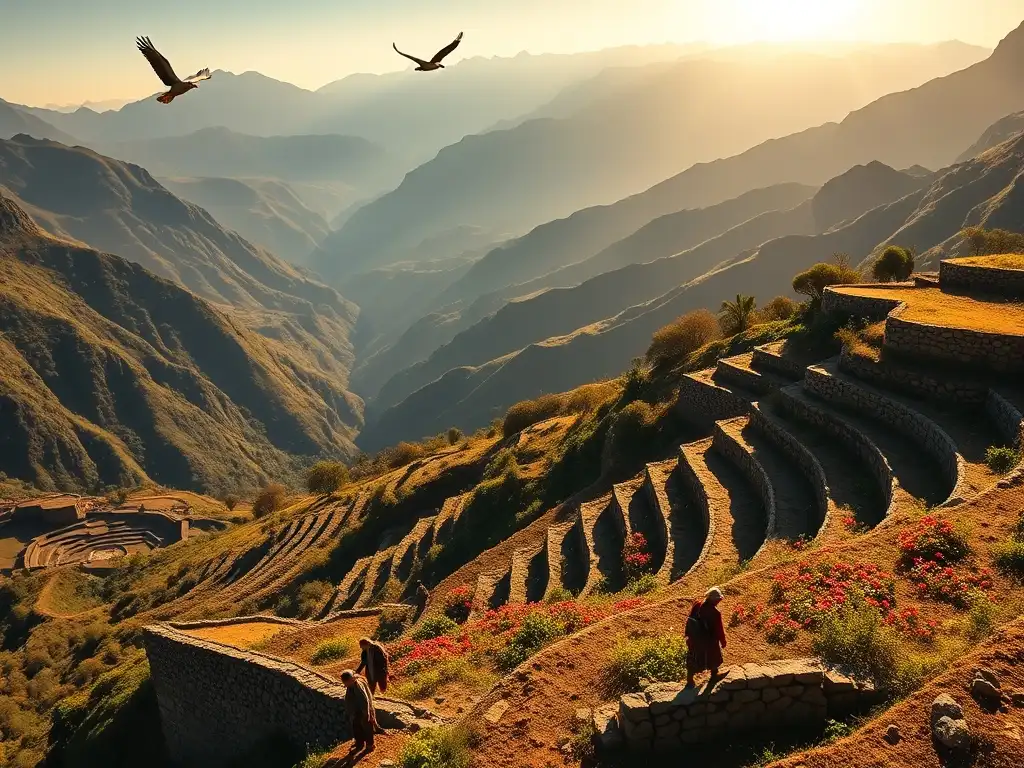
Step into a world lost to time, yet echoing with vibrant life. Imagine societies that sculpted mountains, mastered agriculture in unforgiving landscapes, and left behind a legacy of breathtaking artistry. Andean Civilizations unveils the secrets of these remarkable cultures, from the Incas to the Nazca. But what can their ingenuity teach us today? Discover how Andean indigenous conservation practices offer vital lessons for modern sustainability challenges – a story far more compelling than you might imagine. Dive in and unlock the past to illuminate the future.
The Andes Mountains, a spine of biodiversity stretching along the western edge of South America, are facing unprecedented environmental challenges. Climate change, deforestation, and unsustainable resource extraction threaten the delicate ecosystems and the communities that depend on them. However, within the rich tapestry of Andean cultures lies a powerful tool for conservation: the profound and time-tested knowledge of indigenous communities.
This article explores the vital role Andean indigenous peoples play in environmental protection and how their Traditional Ecological Knowledge (TEK) offers invaluable insights for modern conservation strategies. We will examine specific examples of successful conservation initiatives that directly integrate indigenous practices, highlighting the synergistic relationship between ancient wisdom and contemporary environmental stewardship. Understanding and respecting this knowledge is not merely a matter of cultural preservation; it's crucial for the long-term health of the Andean region and its biodiversity.
The effective conservation of the Andes demands a collaborative approach that recognizes and prioritizes the expertise of those who have lived in harmony with these landscapes for millennia. This is about more than just preserving ecosystems; it's about empowering communities and ensuring a sustainable future for the Andean region.
The Vital Link Between Andean Indigenous Peoples and Environmental Protection
For centuries, Andean indigenous communities have developed intricate systems of resource management based on deep understanding of their environment. Their relationship with the land is not simply utilitarian; it’s spiritual and deeply interconnected. This understanding, often passed down through generations via oral traditions and practical application, manifests in a variety of sustainable practices. These practices aren't abstract concepts; they are tangible actions that demonstrably contribute to biodiversity preservation and ecosystem health.
For example, the intricate andenes (terraces) carved into the mountain slopes not only increased agricultural productivity but also prevented soil erosion and landslides, effectively managing water resources and preserving soil fertility. Similarly, the controlled burning techniques employed by some communities promote the growth of specific plant species while preventing devastating wildfires. These examples showcase the effectiveness of indigenous conservation practices, demonstrating their relevance in addressing contemporary environmental challenges.
The integration of these practices into modern conservation plans is not just a matter of cultural sensitivity; it's a strategic necessity for effective and long-lasting environmental protection. Ignoring this wealth of knowledge would be a significant oversight, hindering the potential for successful and sustainable conservation efforts. The success stories are numerous, demonstrating the tangible benefits of collaboration.
Understanding Traditional Ecological Knowledge (TEK) in the Andes
Traditional Ecological Knowledge (TEK) in the Andes encompasses a vast body of information accumulated over generations. It's not simply a collection of facts but a holistic understanding of the interconnectedness of all living things within their environment. This knowledge is embedded in cultural practices, ceremonies, and storytelling, passed down through oral traditions and practical experience. Understanding TEK requires moving beyond a purely scientific lens and embracing a more nuanced, holistic perspective. This includes recognizing the spiritual and cultural dimensions inherent in the indigenous relationship with the land. Specific examples of TEK in the Andes include:
- Sustainable Agriculture: Techniques like andenes and crop rotation maximize yields while minimizing environmental impact.
- Water Management: Ingenious irrigation systems and water harvesting methods ensure efficient water use, even in arid climates.
- Forest Management: Selective logging and controlled burning practices maintain forest health and biodiversity.
- Biodiversity Conservation: Traditional practices often protect sacred sites and specific plant and animal species.
The application of TEK is not without its challenges. The integration of indigenous knowledge into modern conservation frameworks requires careful consideration and collaboration. It's crucial to avoid the appropriation of TEK and instead work in partnership with indigenous communities to ensure that their knowledge is respected and properly utilized. This collaborative approach is essential for the success of any conservation initiative that aims to incorporate TEK.
Furthermore, documenting and preserving this knowledge is crucial, as it faces threats from globalization and cultural change. The ongoing documentation and dissemination of TEK will ensure its continuity and enable its integration into future conservation strategies. Ultimately, recognizing and valuing Andean indigenous conservation practices is not just a matter of ethical responsibility; it's a practical necessity for achieving effective and sustainable environmental protection in the Andes.
Andean Cosmovision and its Impact on Sustainable Resource Management
Andean cosmovision, a worldview deeply intertwined with the natural world, profoundly influences indigenous conservation practices. Unlike Western anthropocentric views that place humans at the center, Andean cosmovision emphasizes the interconnectedness of all living beings and the sacredness of nature. This holistic perspective fosters a profound respect for the environment, viewing it not merely as a resource to be exploited, but as a living entity deserving of reverence and protection. This philosophy is deeply rooted in the understanding that human well-being is inextricably linked to the health of the ecosystem.
For centuries, Andean communities have developed sophisticated sustainable resource management strategies directly informed by this interconnected worldview. These strategies demonstrate a remarkable understanding of ecological principles and a commitment to long-term sustainability, often surpassing modern conservation approaches in their effectiveness and nuanced understanding of local ecosystems. The success of these practices is a testament to the power of integrating cultural values with environmental stewardship.
Detailed studies of Andean agricultural practices, for instance, reveal intricate systems of crop rotation, terracing, and water management honed over millennia to optimize yields while minimizing environmental impact. These systems demonstrate a deep understanding of ecological processes and a commitment to long-term sustainability that continues to inspire modern conservation efforts. Understanding this cosmovision is crucial to appreciating the effectiveness and wisdom embedded within Andean conservation traditions.
Key Principles of Andean Indigenous Conservation Practices
Andean indigenous conservation practices are guided by a set of core principles rooted in their unique cosmovision. These principles are not merely abstract ideals, but rather practical guidelines that have shaped sustainable resource management for generations. These practices are not static; they are dynamic and adaptive, evolving in response to changing environmental conditions and social needs.
However, certain core tenets remain constant, reflecting the enduring values and wisdom of Andean communities. These principles emphasize a holistic approach to conservation, recognizing the interconnectedness of all living things and the importance of maintaining ecological balance. The success of these practices is evident in the resilience of Andean ecosystems and the continued prosperity of many indigenous communities, despite facing significant challenges in recent centuries.
Further research into these practices can offer valuable insights for modern conservation strategies, particularly in the face of climate change and biodiversity loss. The integration of traditional ecological knowledge with modern scientific approaches holds immense potential for developing more effective and culturally appropriate conservation strategies.
Ayni: Reciprocity and Balance in Nature
Ayni, a Quechua term signifying reciprocity and mutual exchange, is central to Andean indigenous conservation practices. It embodies the principle of balanced interaction between humans and nature. This philosophy dictates that humans have a responsibility to give back to the environment as much as they take.
This reciprocity isn't merely a symbolic gesture; it's a practical approach to resource management. Sustainable harvesting practices, careful land management, and the avoidance of wasteful practices are all manifestations of Ayni. For example, the meticulous care given to Andean agricultural terraces, which involves constant maintenance and repair, is a clear example of Ayni in action.
The community invests time and labor to maintain the productivity of the land, ensuring its continued ability to provide for future generations. This principle highlights the importance of long-term thinking and the recognition that the health of the environment is directly linked to the well-being of the community. The concept of Ayni offers a powerful framework for understanding and implementing sustainable resource management strategies.
Pachamama: The Earth as a Living Entity
Pachamama, the Earth Mother, is a central figure in Andean cosmology. She is revered as a living entity, deserving of respect and veneration. This deep-seated reverence for Pachamama influences all aspects of Andean life, including conservation practices.
The earth is not seen as a passive resource to be exploited, but as a vibrant, sentient being that must be treated with care and consideration. This belief system fosters a profound sense of responsibility towards the environment. Rituals and ceremonies are regularly performed to honor Pachamama and to express gratitude for her bounty.
These practices are not merely symbolic; they reinforce the spiritual connection between humans and the natural world, fostering a commitment to environmental stewardship. The concept of Pachamama provides a strong ethical framework for conservation, emphasizing the intrinsic value of nature beyond its utilitarian benefits. The deep respect for Pachamama is a powerful force driving the sustainable practices of Andean communities.
Vertical Archipelago: Diverse Ecosystem Management
The "vertical archipelago" concept describes the unique Andean landscape characterized by a dramatic altitudinal gradient supporting a wide array of ecosystems. Andean communities have developed sophisticated strategies to manage these diverse ecosystems, recognizing their interconnectedness and the importance of maintaining ecological balance across different altitudes. This involves a complex system of resource allocation and management tailored to specific ecological zones.
For example, different crops are cultivated at different altitudes, optimizing yields and minimizing environmental impact. Pastoral practices are also carefully managed, taking into account the varying carrying capacities of different ecosystems. This integrated approach to ecosystem management demonstrates a deep understanding of ecological principles and a remarkable ability to adapt to the challenges of a diverse and often harsh environment.
The vertical archipelago concept highlights the importance of considering the interconnectedness of ecosystems in conservation planning. The traditional practices of Andean communities offer valuable lessons for managing complex landscapes in a sustainable manner. This integrated approach is a testament to the ingenuity and resilience of Andean communities and their deep understanding of their environment.
Specific Examples of Andean Conservation Techniques
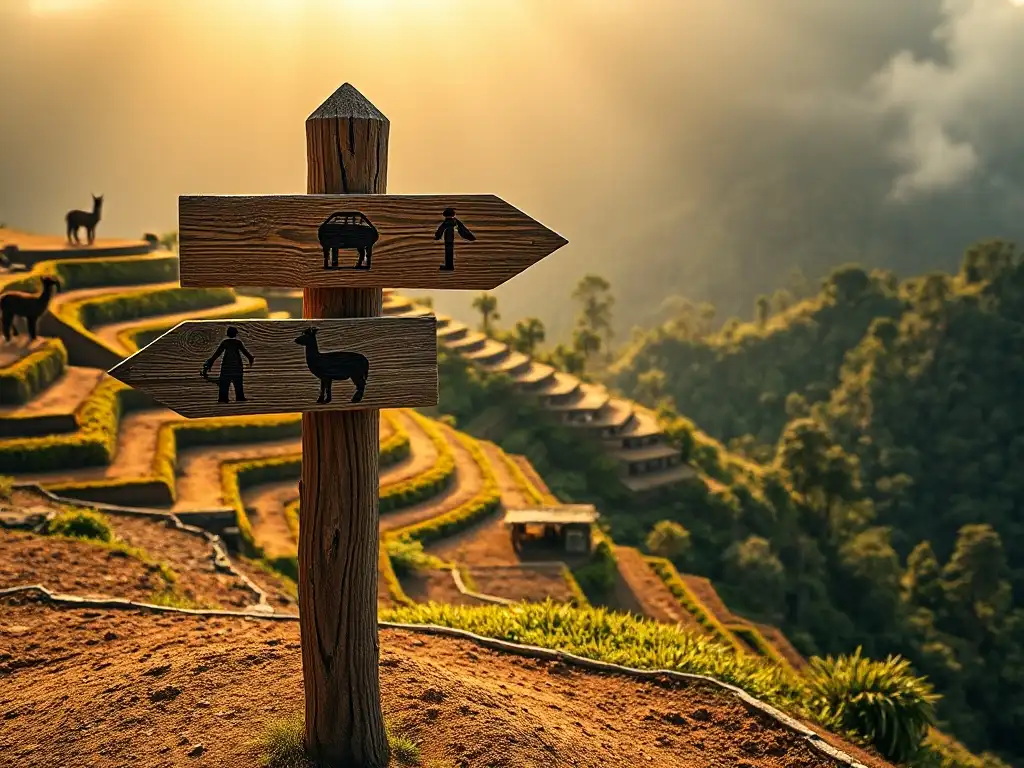
Andean indigenous communities have developed sophisticated conservation techniques over millennia, finely tuned to the unique environmental challenges of the Andes. These practices, often passed down through generations of oral tradition, demonstrate a deep understanding of ecological processes and a commitment to sustainable resource management. Their success lies in their holistic approach, recognizing the interconnectedness of all elements within an ecosystem.
This contrasts sharply with many modern conservation approaches which often focus on individual species or isolated habitats. The integration of traditional knowledge with modern scientific methods holds immense potential for more effective and culturally sensitive conservation strategies in the region.
Terraced Farming: Ancient Engineering for Soil and Water Conservation
Terraced farming, a hallmark of Andean agriculture, represents a remarkable feat of engineering and a testament to the ingenuity of Andean peoples. These meticulously constructed terraces, carved into steep mountain slopes, dramatically reduce soil erosion by slowing the flow of water. The terraces also create a series of microclimates, allowing for a wider variety of crops to be grown at different altitudes. For example, the Inca utilized this technique extensively, creating vast agricultural landscapes capable of supporting large populations in challenging terrain.
The precise alignment of terraces often followed contour lines, maximizing sunlight exposure and minimizing water runoff. Modern studies have shown that terraced fields retain significantly more water and nutrients than conventional hillside agriculture, contributing to higher yields and greater soil fertility. The longevity and effectiveness of terraced farming highlight the wisdom of indigenous practices in adapting to challenging environments.
Water Management Systems: Ingenious Irrigation and Aqueducts
Beyond terraced farming, Andean communities developed complex water management systems to ensure reliable water supplies for agriculture and daily life. These systems, often involving intricate networks of canals, aqueducts, and reservoirs, demonstrate a profound understanding of hydrology and water resource management. The ingenious design of these systems allowed for the efficient distribution of water to even the most remote areas, maximizing agricultural productivity. For instance, the pre-Inca cultures of the Nazca built extensive irrigation canals, some stretching for dozens of kilometers across arid landscapes.
These canals, carefully engineered to navigate challenging terrain, allowed for the cultivation of crops in otherwise unproductive regions. The intricate network of canals and reservoirs effectively captured and stored rainwater, ensuring a reliable water supply even during periods of drought. Many of these ancient systems continue to function today, providing valuable lessons in sustainable water management.
Crop Diversity and Preservation: Maintaining Genetic Heritage
Andean agriculture is characterized by an exceptional level of crop diversity, reflecting centuries of careful selection and preservation of plant varieties. Indigenous communities have maintained a vast array of crops adapted to different altitudes, climates, and soil conditions. This genetic diversity is crucial for resilience against pests, diseases, and climate change. The preservation of these traditional crops is not merely an agricultural practice, but a vital component of cultural heritage.
The loss of these unique varieties would represent an irreversible loss of genetic resources and a significant blow to food security in the region. For example, the potato, a staple crop in the Andes, boasts thousands of varieties, each adapted to specific environmental conditions. This remarkable diversity is a direct result of centuries of indigenous selection and cultivation practices. The ongoing efforts to document and conserve this genetic heritage are essential for ensuring the long-term sustainability of Andean agriculture.
The Challenge of Modern Conservation in the Andes
While traditional Andean conservation practices offer invaluable lessons, the Andes face numerous modern challenges that require innovative solutions. The integration of indigenous knowledge with contemporary scientific approaches is crucial for effective conservation in the region.
The Disconnection Between Western Science and Indigenous Practices
A significant hurdle in Andean conservation is the often-observed disconnect between Western scientific approaches and indigenous knowledge systems. Western science, while valuable, sometimes overlooks the holistic and long-term perspectives embedded in traditional practices. This disconnect can lead to conservation strategies that are ineffective or even detrimental to local communities. Bridging this gap requires a collaborative approach, where scientists and indigenous communities work together to integrate both knowledge systems. This collaborative approach allows for a more comprehensive understanding of Andean ecosystems and ensures that conservation initiatives are culturally sensitive and sustainable.
The Impact of Climate Change on Andean Ecosystems
Climate change poses a severe threat to the fragile ecosystems of the Andes. Rising temperatures, altered precipitation patterns, and increased frequency of extreme weather events are significantly impacting biodiversity and threatening the livelihoods of Andean communities. Glacier melt, for instance, is altering water availability and impacting downstream communities that rely on glacial meltwater for irrigation and other purposes. Traditional practices, while effective in the past, may not be sufficient to address the scale and intensity of climate change impacts. Therefore, innovative strategies that combine indigenous knowledge with climate change adaptation and mitigation measures are needed.
The Importance of Indigenous Land Rights for Conservation
Secure land rights are essential for effective conservation in the Andes. Indigenous communities have historically been custodians of vast tracts of land, playing a crucial role in maintaining biodiversity and ecosystem services. However, land tenure insecurity and encroachment on indigenous territories pose significant threats to both conservation efforts and the livelihoods of Andean communities.
Recognizing and strengthening indigenous land rights is therefore a critical component of any successful conservation strategy. This involves not only legal recognition of land ownership but also active participation of indigenous communities in decision-making processes related to land management and conservation. Secure land tenure empowers indigenous communities to manage their resources sustainably, safeguarding biodiversity and cultural heritage for future generations.
Integrating Indigenous Knowledge into Contemporary Conservation Efforts
The integration of Indigenous Knowledge (IK), also known as Traditional Ecological Knowledge (TEK), is crucial for effective Andean conservation. For centuries, Andean communities have developed sophisticated practices for managing their environment, ensuring biodiversity, and sustainably utilizing natural resources. Ignoring this wealth of knowledge is a significant oversight in modern conservation strategies.
Many contemporary conservation approaches, often driven by Western scientific models, have historically overlooked the deep understanding and intricate relationships that Indigenous communities have fostered with their environment. This has led to conservation projects that are not only ineffective but also culturally insensitive, often resulting in conflict and resentment. By contrast, incorporating TEK into conservation planning and implementation can lead to more successful and equitable outcomes.
This means actively engaging with Indigenous communities, understanding their perspectives, and integrating their practices into scientifically-driven conservation initiatives. This collaborative approach recognizes the value of both Western science and Indigenous knowledge systems, creating a more holistic and effective approach to environmental protection.
Collaborative Conservation Projects: Bridging the Gap
Successful integration of TEK requires a shift from top-down, externally-driven conservation projects to collaborative partnerships that empower Indigenous communities. This involves establishing open communication channels, respecting local decision-making processes, and recognizing Indigenous rights over their ancestral lands and resources. For example, collaborative projects might involve co-managing protected areas, developing sustainable agriculture practices based on traditional techniques, or implementing community-based monitoring programs that leverage Indigenous ecological expertise. The key is to move away from a model where Indigenous communities are simply recipients of conservation efforts to one where they are active partners and leaders in the process.
This shift necessitates a paradigm change within conservation organizations, requiring them to adapt their methodologies and prioritize genuine collaboration over imposed solutions. Concrete examples of successful collaborative projects, showcasing specific outcomes and challenges, would further strengthen this point. [Specific examples of successful collaborative projects pending]
Empowering Indigenous Communities as Guardians of the Andes
Empowering Indigenous communities is not merely a matter of ethical responsibility; it is also essential for the long-term success of Andean conservation. Indigenous communities possess a deep-seated connection to the land and a vested interest in its continued health. By recognizing and supporting their roles as stewards of the Andes, conservation efforts can benefit from their intimate knowledge of the landscape, their effective resource management practices, and their strong commitment to environmental protection. This empowerment can take various forms, including securing land rights, providing access to resources and training, and supporting community-based initiatives that promote sustainable livelihoods.
Furthermore, empowering Indigenous communities involves actively challenging systemic inequalities and marginalization that have historically hindered their participation in conservation efforts. This requires addressing issues such as land grabbing, discriminatory policies, and lack of access to education and resources. [Specific examples of empowerment initiatives pending]
The Role of Education and Cultural Transmission
The transmission of TEK across generations is vital for the continued sustainability of Andean ecosystems. However, the pressures of globalization and modernization threaten traditional knowledge systems. Education plays a critical role in preserving and promoting TEK, ensuring that this invaluable knowledge is not lost.
This involves incorporating TEK into formal education systems, supporting community-based education programs that teach traditional ecological practices, and documenting and archiving traditional knowledge through various methods. Moreover, integrating TEK into educational curricula can foster a deeper appreciation for Andean biodiversity and the importance of protecting it. This intergenerational transfer of knowledge is not merely an academic pursuit; it is a critical component of ensuring the long-term health of the Andean environment.
It ensures that the wisdom of past generations continues to inform present and future conservation efforts. Furthermore, supporting elder knowledge keepers and their role in transmitting this knowledge is essential. [Specific examples of educational initiatives and programs pending]
Case Study: The Potato Park in Peru – A Model of TEK Integration
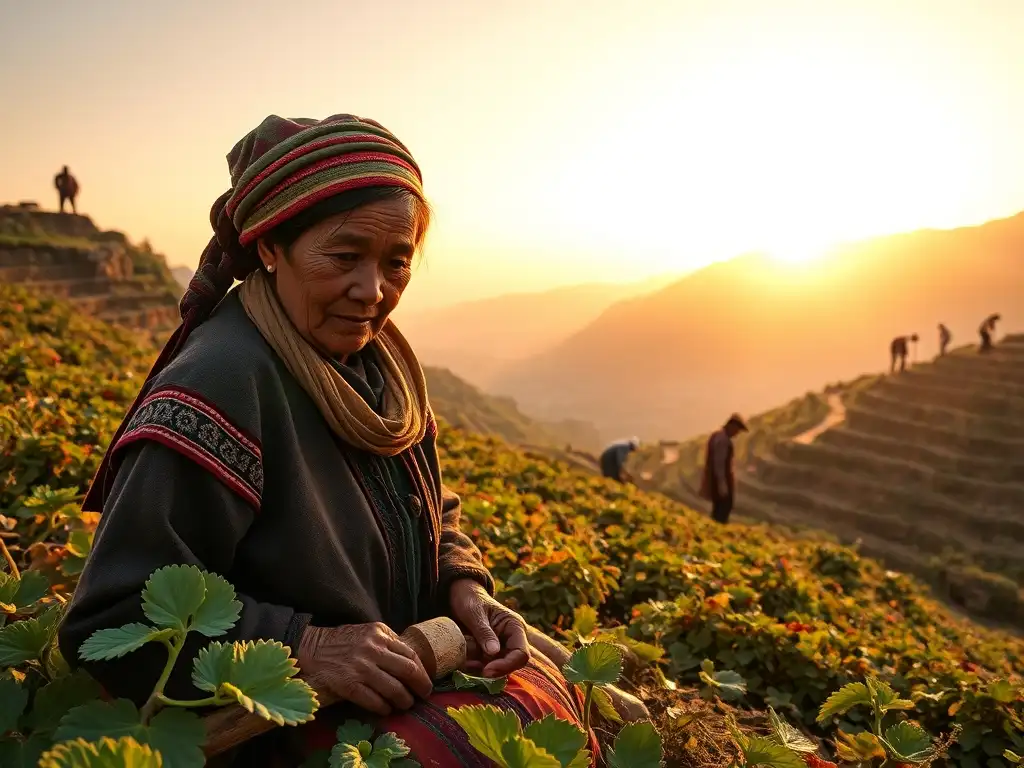
The Potato Park in Cusco, Peru, serves as a compelling example of successful TEK integration in Andean conservation. This community-managed area showcases how Indigenous knowledge can be effectively combined with scientific approaches to protect biodiversity and promote sustainable agriculture. Local communities, primarily Quechua farmers, actively participate in managing the park, utilizing their traditional knowledge of potato cultivation, soil management, and water resource management.
The Potato Park demonstrates the effectiveness of participatory conservation, highlighting the importance of respecting local customs and empowering communities to lead conservation efforts. The success of the park demonstrates that community-based conservation, informed by TEK, can be highly effective in protecting biodiversity and promoting sustainable development. The Potato Park's success is a testament to the value of integrating Indigenous knowledge into contemporary conservation practices, demonstrating that this approach can lead to more effective and equitable outcomes.
[Specific data on the Potato Park's success – biodiversity increase, economic benefits, etc. pending]
The Future of Andean Conservation: A Path Forward
The future of Andean conservation hinges on a collaborative approach that fully integrates indigenous knowledge with modern scientific methodologies. Ignoring the centuries of accumulated wisdom held by Andean communities would be a grave mistake, akin to discarding a vital piece of the puzzle. Successful conservation strategies must move beyond a paternalistic model where external experts dictate solutions. Instead, a participatory framework is needed, where indigenous communities are active partners, contributing their expertise in land management, resource use, and ecological understanding.
This requires meaningful engagement, ensuring that indigenous voices are not only heard but also actively shape conservation policies and implementation. Effective communication and mutual respect are paramount. This collaborative approach will lead to more sustainable and culturally appropriate conservation outcomes, fostering a sense of ownership and responsibility within the communities themselves. Furthermore, supporting indigenous-led initiatives, providing access to resources and technology, and recognizing their intellectual property rights are crucial steps towards empowering communities to be the primary stewards of their ancestral lands.
Ultimately, the future of Andean biodiversity rests on the shoulders of a partnership built on mutual respect, shared responsibility, and the recognition of the invaluable contribution of Andean indigenous knowledge. This approach will not only safeguard the environment but also strengthen the cultural heritage of the Andean region. Failure to do so risks jeopardizing the unique ecosystems and the rich cultural tapestry of the Andes.
The Enduring Relevance of Andean Indigenous Wisdom
For centuries, Andean indigenous communities have developed sophisticated systems for managing their natural resources, demonstrating a profound understanding of their environment and its delicate balance. Their practices, often passed down through generations via oral traditions and intricate social structures, represent a wealth of knowledge that remains remarkably relevant in the face of modern environmental challenges. Traditional agricultural techniques, such as waru waru (raised-field agriculture) and terracing, exemplify ingenious adaptations to the harsh Andean terrain, showcasing sustainable water management and soil conservation practices. These methods not only enhance agricultural productivity but also contribute to biodiversity by creating diverse microhabitats.
Similarly, indigenous knowledge of medicinal plants and their sustainable harvesting ensures both the preservation of biodiversity and the provision of healthcare within the communities. Furthermore, their deep understanding of local ecosystems, including intricate knowledge of animal behavior and plant life cycles, provides invaluable insights for effective conservation strategies. This traditional ecological knowledge (TEK) offers a powerful framework for understanding the complex interactions within Andean ecosystems, informing modern conservation efforts and ensuring a holistic approach that integrates both ecological and cultural dimensions.
The enduring relevance of this wisdom lies not only in its practical applications but also in its underlying philosophy, emphasizing a harmonious relationship between humans and nature, a principle crucial for sustainable development in the Andean region. The integration of TEK with modern science represents a powerful synergy, maximizing conservation outcomes and recognizing the profound contributions of Andean indigenous communities. Ignoring this invaluable resource would be a significant impediment to effective and sustainable conservation in the Andes.
- The Vital Link Between Andean Indigenous Peoples and Environmental Protection
- Understanding Traditional Ecological Knowledge (TEK) in the Andes
- Andean Cosmovision and its Impact on Sustainable Resource Management
- Key Principles of Andean Indigenous Conservation Practices
- Specific Examples of Andean Conservation Techniques
- The Challenge of Modern Conservation in the Andes
- Integrating Indigenous Knowledge into Contemporary Conservation Efforts
- Case Study: The Potato Park in Peru – A Model of TEK Integration
- The Future of Andean Conservation: A Path Forward
- The Enduring Relevance of Andean Indigenous Wisdom
- What role did indigenous communities play in Andean conservation before the arrival of Europeans?
- How did pre-Columbian Andean civilizations manage their water resources?
- What are some examples of Andean indigenous conservation practices still used today?
- How does indigenous knowledge contribute to modern Andean conservation efforts?
- Where can I learn more about Andean indigenous conservation practices?
Frequently Asked Questions
What role did indigenous communities play in Andean conservation before the arrival of Europeans?
Andean indigenous communities employed sophisticated sustainable agricultural techniques, such as terracing and crop rotation, for centuries. This ensured environmental stability and food security. Their deep understanding of their environment also informed their conservation efforts.
How did pre-Columbian Andean civilizations manage their water resources?
Pre-Columbian Andean civilizations developed complex irrigation systems and water management strategies that were remarkably effective. These systems allowed them to thrive in diverse and often challenging environments. Understanding water cycles was crucial to their success.
What are some examples of Andean indigenous conservation practices still used today?
Many communities continue to use traditional practices such as agroforestry, sustainable grazing, and sacred landscape protection. These methods are often integrated with modern conservation strategies. Traditional ecological knowledge remains highly relevant.
How does indigenous knowledge contribute to modern Andean conservation efforts?
Indigenous knowledge provides critical insights into local ecosystems, biodiversity, and sustainable resource management. Collaborating with indigenous communities is crucial for successful and culturally relevant conservation initiatives. Their knowledge is invaluable.
Where can I learn more about Andean indigenous conservation practices?
You can explore academic research papers, documentaries, and websites focused on ethnobotany, ethnoecology, and Andean cultural heritage. Many organizations work directly with Andean communities to document and promote these practices. Look for resources that emphasize community-based conservation.
Final Reflection: Weaving a Future with Andean Wisdom
The preservation of Andean biodiversity is not merely an environmental concern; it is a crucial element of cultural survival. The interconnectedness of indigenous knowledge, ecological balance, and community well-being, as explored throughout this article, remains profoundly relevant in a world grappling with climate change and biodiversity loss. Ignoring the wisdom embedded within generations of Andean practices is a profound mistake, one that threatens not only unique ecosystems but also the rich tapestry of human experience.
The enduring legacy of Andean conservation practices underscores the power of holistic approaches to environmental stewardship. These practices, far from being relics of the past, offer vital lessons for contemporary conservation efforts. They demonstrate the profound connection between people and their environment, a connection often overlooked in Western models of resource management. The land is not something we own, but rather something we belong to.
This sentiment, echoing across Andean communities, highlights a fundamental shift in perspective needed to achieve true sustainability. It challenges our anthropocentric worldview and urges us to recognize our place within, rather than above, the natural world.
Consider the profound implications of this interconnectedness. How can we, in our own lives, integrate a deeper respect for the environment and the wisdom of indigenous communities? What steps can we take to support initiatives that empower indigenous communities to lead conservation efforts? The future of Andean ecosystems, and indeed the planet, depends on our willingness to listen, learn, and act. Let the wisdom of the Andes guide us toward a more sustainable and equitable future, a future where human well-being and environmental health are inextricably linked.
🌍 Embrace and Elevate Indigenous Wisdom Today!
Thank you for exploring the world of Indigenous knowledge and its profound impact on Andean conservation. Your interest highlights the crucial role of integrating these valuable perspectives into environmental initiatives. Now, let's translate this knowledge into action!
Here are a few ways you can get involved:
- Support Local Conservation Efforts: Volunteer with organizations that actively promote Indigenous-led conservation practices.
- Learn from Indigenous Experts: Attend workshops or webinars that feature Indigenous perspectives on ecological stewardship. Your participation helps amplify these vital voices.
- Share Your Understanding: Discuss what you've learned with others, or write a blog post to inspire greater appreciation and respect for these traditions.
How will you integrate Indigenous wisdom into your next conservation project? Let's discuss!