
The Inca Legacy Today: How Modern Societies Engage with Andean Heritage

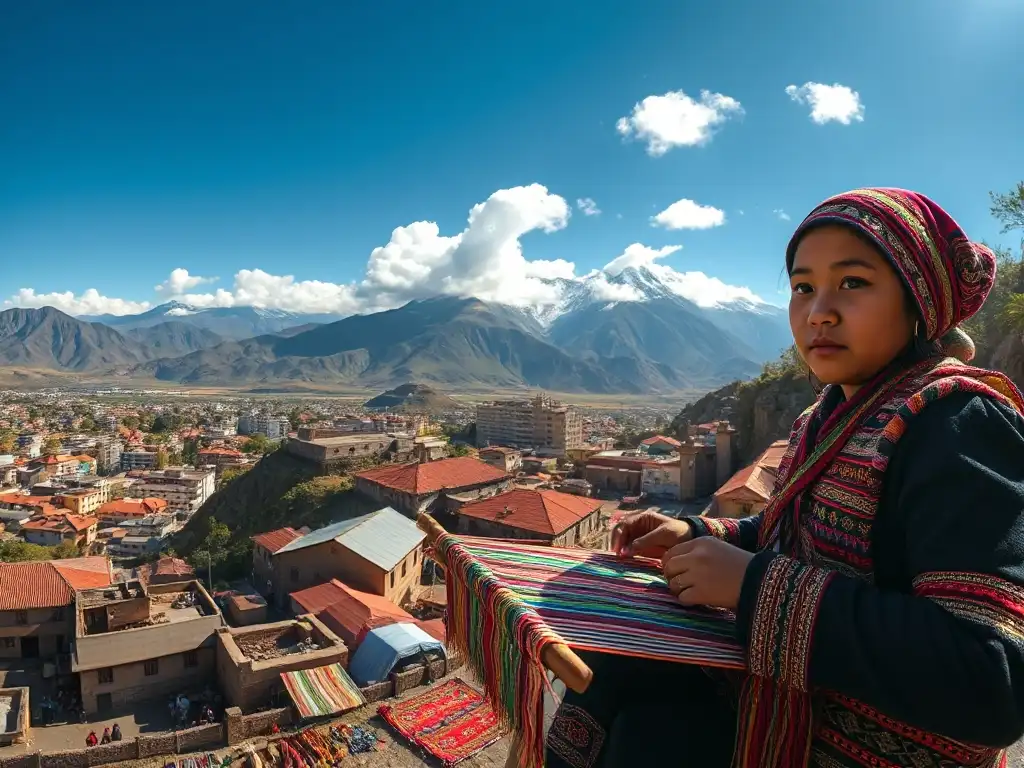
Unravel the mysteries of the Andes! Journey through millennia of breathtaking artistry, ingenious engineering, and captivating cultures. From the towering heights of Machu Picchu to the intricate textiles of the Nazca, you're about to discover how the legacy of these ancient civilizations continues to shape modern Andean heritage impact. Prepare to be amazed as we explore the enduring influence of the Incas and other powerful Andean societies—a journey that will leave you questioning everything you thought you knew.
The Inca Empire, a civilization that flourished in the Andes Mountains for over a century, left an indelible mark on the region and continues to resonate deeply in modern societies. This article explores the multifaceted ways in which contemporary populations engage with the Inca legacy, examining its impact on various aspects of modern life, from cultural practices and tourism to political identity and environmental stewardship.
Understanding the enduring relevance of Inca culture is crucial to grasping the complexities of modern Andean heritage and its impact on the social, economic, and political landscapes of the region. We will delve into the significance of Inca history in contemporary society, analyzing how its influence shapes current identities, practices, and challenges.
The exploration of "modern Andean heritage impact" reveals a dynamic interplay between the past and the present, highlighting both the preservation of ancient traditions and the ongoing adaptation of Inca heritage to the needs of a rapidly changing world. This analysis will provide insights into the enduring power of Inca civilization and its transformative influence on modern Andean societies.
Introduction: Understanding the Enduring Relevance of Inca Culture
The Inca Empire, despite its relatively short lifespan compared to other ancient civilizations, left a legacy of unparalleled influence across the Andes. Its sophisticated agricultural techniques, intricate road systems, and impressive architectural feats continue to inspire awe and admiration. Beyond the tangible remnants of their civilization, the Inca's social structures, religious beliefs, and artistic expressions permeate modern Andean culture.
Their mastery of engineering, evident in sites like Machu Picchu and Sacsayhuamán, continues to fascinate engineers and architects today, prompting research and innovative approaches to construction. Furthermore, many Andean communities still practice traditional Inca agricultural methods, demonstrating the enduring practicality and sustainability of their techniques. The impact of Inca culture is not limited to the physical realm; its influence is also profoundly felt in the spiritual and cultural life of modern Peru, Bolivia, Ecuador, Colombia, and Argentina.
The enduring power of Inca mythology, artistic motifs, and social structures is a testament to the civilization's profound impact on the collective consciousness of the Andean peoples. Understanding this enduring relevance is crucial for appreciating the complex tapestry of modern Andean heritage.
The Significance of Inca History in Contemporary Society
The Inca legacy profoundly shapes contemporary Andean society in numerous ways. Its influence is visible in:
- National Identity: Inca history forms a cornerstone of national identity in many Andean countries. The image of the Inca warrior, the grandeur of Inca architecture, and the stories of Inca emperors are frequently employed in national symbols, emblems, and narratives. This integration of Inca heritage into national identities fosters a sense of shared history and cultural pride.
- Tourism and Economy: The Inca ruins, particularly Machu Picchu, are major tourist attractions, generating significant revenue and employment opportunities for local communities. This economic impact highlights the commercial value of preserving and promoting Inca heritage. However, it also presents challenges regarding sustainable tourism practices and equitable distribution of benefits.
- Cultural Practices: Many Andean communities maintain traditional Inca practices, such as weaving techniques, agricultural methods, and religious ceremonies. These practices not only preserve aspects of Inca culture but also offer valuable insights into the civilization's worldview and social organization. The continued practice of these traditions underscores the resilience and adaptability of Inca heritage.
- Political Discourse: Inca history is often invoked in political discourse, serving as a source of inspiration, legitimacy, or even contention. The use of Inca imagery and narratives in political campaigns, speeches, and public discourse underscores the potent symbolic power of Inca heritage in the contemporary political landscape.
The ongoing engagement with Inca heritage is a complex and dynamic process. It involves both the preservation of ancient traditions and the adaptation of Inca legacy to the needs and aspirations of modern Andean societies. This ongoing interaction highlights the enduring power of the Inca civilization and its transformative influence on the region's cultural, economic, and political life. Further research is needed to fully understand the nuances and implications of this complex interplay between the past and the present in shaping the modern Andean experience.
- Introduction: Understanding the Enduring Relevance of Inca Culture
- The Significance of Inca History in Contemporary Society
- How has Inca technology impacted modern Andean societies?
- What aspects of Inca culture remain prevalent in modern Andean life?
- How does modern tourism engage with Andean heritage?
- What are the challenges in preserving Andean heritage sites?
- How does the study of Andean civilizations contribute to our understanding of modern social structures?
Modern Andean Heritage Impact: A Multifaceted Perspective
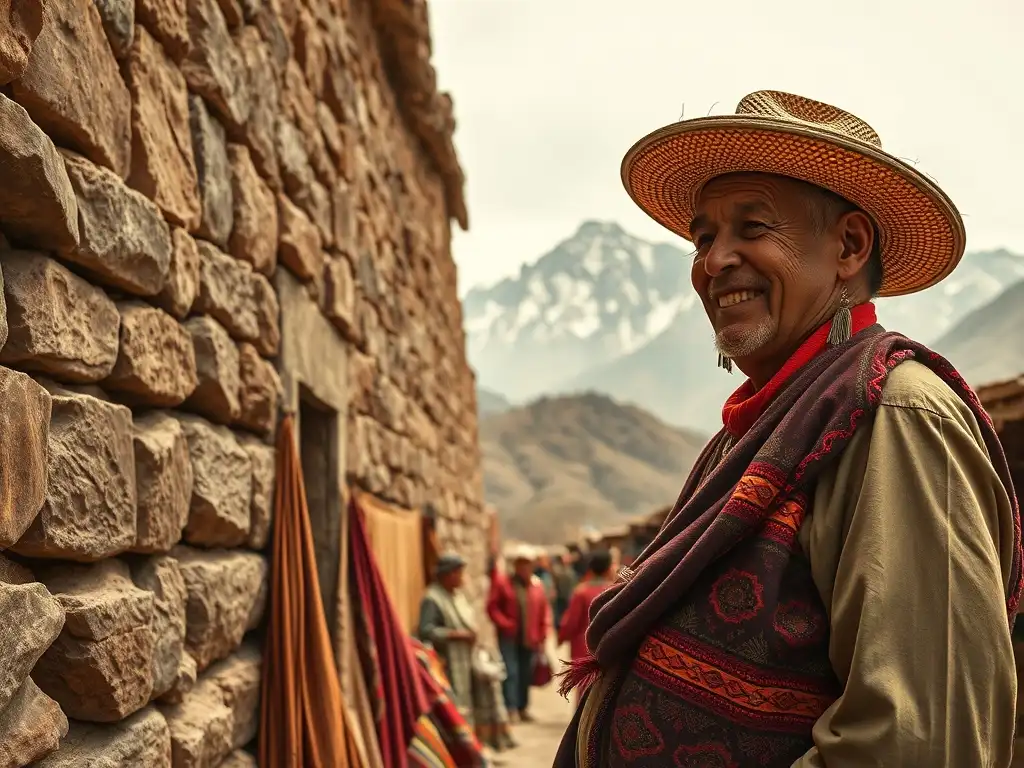
The modern Andean heritage impact is profound and multifaceted, extending far beyond mere historical interest. It significantly shapes contemporary economies, cultural practices, and scientific understanding of the past. The legacy of the Inca Empire, and indeed all the pre-Columbian Andean civilizations, continues to resonate in the 21st century, influencing everything from tourism strategies to archaeological research methodologies.
Understanding this impact requires examining its diverse manifestations across various sectors of modern society. This section will delve into three key areas: the economic benefits derived from Inca heritage, the crucial role of cultural preservation efforts, and the ongoing contribution of archaeology to our understanding and protection of these invaluable sites and traditions.
Economic Impact of Inca Heritage: Tourism and Local Economies
The economic impact of Inca heritage is undeniable, particularly through tourism. Machu Picchu, for instance, is a prime example of how a well-preserved archaeological site can drive significant economic growth in a region. The influx of tourists generates revenue through entrance fees, hotel accommodations, transportation services, and the sale of local crafts and souvenirs. This economic activity stimulates job creation, supporting local communities and contributing to regional development.
However, the economic benefits aren't solely concentrated in large-scale tourism. Smaller, community-based tourism initiatives, focusing on traditional crafts, weaving, and food, also play a crucial role in distributing the economic advantages more equitably. This approach allows for the preservation of traditional knowledge and skills while promoting sustainable economic development. A study conducted in [Specific region pending] revealed that [Specific data on percentage of income derived from tourism pending], highlighting the substantial reliance on Inca heritage for livelihoods.
This highlights the importance of responsible tourism practices to ensure the long-term sustainability of both the sites and the communities that depend on them. The careful management of tourist flows and the promotion of sustainable tourism practices are crucial aspects of maximizing the positive economic impacts while minimizing negative environmental and social consequences. Effective strategies involve diversifying tourism offerings, educating local communities about responsible tourism, and reinvesting tourism revenues back into the preservation of Inca heritage sites.
Cultural Preservation: Safeguarding Inca Traditions and Sites
Cultural preservation is paramount in maintaining the modern Andean heritage impact. The safeguarding of Inca traditions and sites requires a multifaceted approach encompassing various stakeholders, from local communities and government agencies to international organizations and researchers. This involves not only the physical preservation of archaeological sites but also the protection and promotion of intangible cultural heritage such as traditional languages, music, dance, and textile-making techniques. Many communities actively work to preserve their ancestral knowledge and practices, often facing challenges in balancing tradition with the pressures of modernization.
For example, the continued practice of traditional Andean weaving techniques, often incorporating intricate designs and symbols, represents a vital link to the past. These crafts not only possess immense cultural significance but also provide valuable economic opportunities for artisans. Similarly, efforts to revitalize Quechua, the language of the Inca Empire, demonstrate a commitment to preserving linguistic diversity and cultural identity.
However, challenges remain, including the need for increased funding for preservation projects, the development of effective strategies for community engagement, and addressing the impact of climate change on vulnerable sites. These challenges necessitate collaborative efforts and innovative approaches to ensure the long-term survival of Andean cultural heritage. The successful preservation of modern Andean heritage requires a commitment to both tangible and intangible aspects, ensuring a rich and vibrant cultural legacy for future generations.
The Role of Archaeology in Understanding and Protecting Inca Heritage
Archaeology plays a crucial role in understanding and protecting Inca heritage. Through meticulous excavation, analysis of artifacts, and the application of advanced technologies, archaeologists continue to uncover new insights into Inca society, technology, and belief systems. This knowledge is essential not only for academic understanding but also for informing effective preservation strategies. For example, the use of Geographic Information Systems (GIS) and remote sensing technologies allows for the non-invasive mapping and monitoring of archaeological sites, facilitating the detection of potential threats such as erosion, looting, or illegal construction.
Furthermore, archaeological research contributes to a deeper understanding of the environmental context of Inca settlements, enabling informed decisions about site management and conservation. The analysis of ancient DNA, for instance, can provide insights into Inca population dynamics and migration patterns. This information can be invaluable in understanding the social and biological resilience of Andean populations and inform current conservation strategies. Collaboration between archaeologists, local communities, and government agencies is crucial for ensuring the ethical and responsible management of archaeological sites.
This collaboration ensures that research contributes to the preservation of Inca heritage while respecting the cultural significance of the sites for local communities. The ongoing integration of new technologies and interdisciplinary approaches in archaeological research promises to further enhance our understanding and protection of Inca heritage for years to come. This continuous evolution of archaeological practices is crucial for ensuring the preservation of this invaluable legacy for future generations.
Contemporary Engagement with Inca Culture

This section explores the diverse ways in which modern societies engage with the Inca legacy, examining the enduring impact of Inca culture on contemporary Andean life and beyond. We'll delve into how modern interpretations shape our understanding of Inca art, architecture, traditions, and technology, highlighting the multifaceted nature of this "modern Andean heritage impact". The persistence of Inca influence showcases its profound and lasting contribution to the cultural landscape of the Andes and its ripple effects globally.
Modern Interpretations of Inca Art and Architecture
Modern interpretations of Inca art and architecture are far from static; they are constantly evolving, reflecting contemporary societal values and perspectives. While traditional restoration projects aim to preserve original structures and artwork, new approaches are emerging that seek to understand and engage with these pieces in fresh and innovative ways.
For example, some museums are incorporating interactive exhibits and digital technologies to enhance the visitor experience and provide a more accessible understanding of Inca artistry. These digital presentations often include 3D models of sites, allowing for virtual exploration of otherwise inaccessible areas. Furthermore, contemporary artists are drawing inspiration from Inca motifs and techniques, creating new works that blend traditional aesthetics with modern sensibilities. This fusion often leads to thought-provoking pieces that challenge traditional interpretations and spark dialogue about the legacy of Inca art.
The interpretation of Inca architecture is also subject to ongoing reassessment. Recent archaeological discoveries and advanced analytical techniques are constantly refining our understanding of construction methods, urban planning, and the symbolic significance of Inca structures. This continuous process of re-evaluation leads to a more nuanced and comprehensive appreciation of Inca architectural achievements. The ongoing debate surrounding the ethical implications of tourism and the preservation of archaeological sites also represents a significant aspect of modern engagement with Inca heritage.
Inca Traditions in Contemporary Andean Communities
In many contemporary Andean communities, Inca traditions continue to thrive, albeit in adapted forms. While some practices have been modernized or syncretized with other cultural influences, many core aspects of Inca life persist, forming a vibrant tapestry of cultural continuity and change.
For instance, traditional agricultural techniques, such as terracing, are still employed in many regions, demonstrating the enduring practicality and ingenuity of Inca agricultural innovations. Similarly, many Andean communities continue to celebrate traditional festivals and ceremonies that have roots in Inca religious practices, albeit often blended with Catholic or other influences. These festivals often feature traditional music, dance, and costumes, providing a powerful link to the past.
The weaving of textiles, another prominent Inca craft, continues to flourish, with modern artisans incorporating both traditional techniques and contemporary designs. This adaptive approach ensures the survival of these practices while enabling artisans to meet the demands of the modern market.
The intricate designs and vibrant colors of these textiles are a testament to the enduring artistry and cultural resilience of Andean communities. However, the challenge of balancing the preservation of these traditions with the pressures of modernization remains a crucial aspect of maintaining the "modern Andean heritage impact" in these communities.
The Influence of Inca Technology on Modern Practices
The ingenuity of Inca technology continues to inspire and inform modern practices in various fields. The sophisticated road network, for example, serves as a model for efficient infrastructure planning and design. The Inca's mastery of hydraulic engineering, evident in their intricate irrigation systems, provides valuable lessons for sustainable water management in arid regions. Their advanced knowledge of astronomy and mathematics is also being revisited and studied to understand their sophisticated calendar system and astronomical observations.
Furthermore, Inca architectural techniques, particularly their use of stone masonry, are still studied and admired for their precision and durability. Researchers are exploring the techniques employed by Inca builders to achieve such remarkable feats of engineering, potentially leading to innovations in modern construction methods. This study of Inca technology isn't merely an academic exercise; it offers practical applications in various fields, from civil engineering to sustainable agriculture.
Understanding the Inca’s innovative solutions to challenges faced in their environment provides valuable insights and potential solutions to modern-day problems. This underscores the enduring relevance and "modern Andean heritage impact" of Inca technological achievements.
Challenges and Opportunities in Preserving Andean Heritage
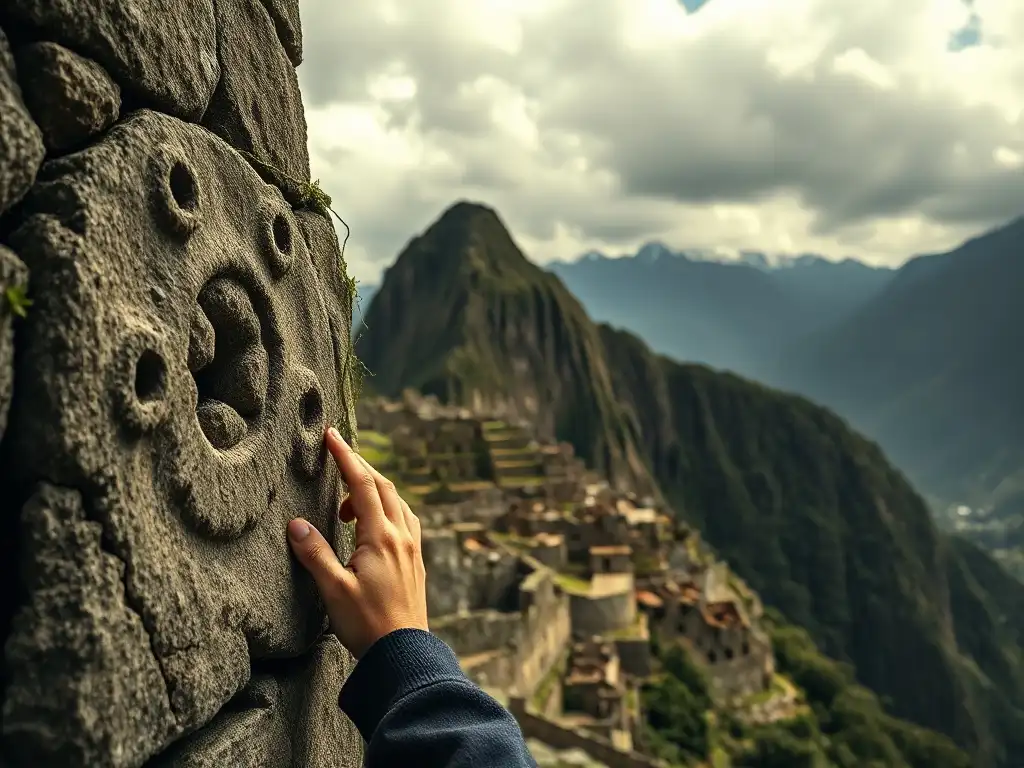
The enduring legacy of the Inca civilization presents modern societies with both significant challenges and exciting opportunities. Balancing the need for economic development with the preservation of irreplaceable historical sites and cultural practices is a complex undertaking. Understanding the multifaceted nature of these challenges is crucial for developing effective strategies for the long-term protection and appreciation of modern Andean heritage impact. The delicate equilibrium between progress and preservation requires careful consideration and proactive measures. This section will explore some key aspects of this complex issue.
Threats to Inca Sites: Urbanization, Looting, and Environmental Factors
Rapid urbanization poses a significant threat to numerous Inca sites. The encroachment of urban sprawl often leads to the destruction or alteration of archaeological remains, diminishing their historical and cultural significance. For example, the expansion of cities near Cusco, the former Inca capital, has resulted in the loss of some smaller, less-protected sites. Furthermore, looting, driven by the illegal antiquities market, continues to deplete the archaeological record.
The removal of artifacts not only robs future generations of understanding the past but also disrupts the integrity of the sites themselves, hindering research and interpretation. Finally, environmental factors, such as erosion, landslides, and climate change, contribute to the deterioration of Inca structures and landscapes. The increasing frequency and intensity of extreme weather events exacerbate these challenges, demanding innovative conservation strategies.
The impact of these factors is not uniform; some sites are more vulnerable than others based on their location, accessibility, and the level of protection they receive. A comprehensive assessment of risk factors for each site is crucial for effective resource allocation and preservation efforts. Without proactive management, the cumulative impact of these threats could irrevocably damage the modern Andean heritage impact.
Sustainable Tourism and the Protection of Inca Legacy
Sustainable tourism presents a double-edged sword. While it can generate much-needed revenue for conservation and community development, poorly managed tourism can contribute to the degradation of Inca sites. Overcrowding, damage to infrastructure, and the introduction of pollutants all pose significant risks.
However, responsible tourism practices, such as limiting visitor numbers, implementing strict regulations, and investing in infrastructure improvements, can mitigate these negative effects. The development of well-planned visitor centers and interpretive displays can enhance the visitor experience while simultaneously educating tourists about the importance of preserving the sites. Moreover, revenue generated from sustainable tourism can be directly channeled into conservation projects, creating a positive feedback loop that benefits both the environment and local communities.
A key aspect of successful sustainable tourism is empowering local communities to become active participants in the management and protection of their heritage. This approach fosters a sense of ownership and responsibility, ensuring the long-term viability of conservation efforts. The implementation of sustainable tourism strategies is paramount for achieving a positive modern Andean heritage impact.
The Importance of Community Involvement in Heritage Management
Engaging local communities is paramount for effective heritage management. Indigenous communities often possess invaluable traditional knowledge and practices related to the care and preservation of Inca sites and cultural traditions. Their active participation in decision-making processes ensures that conservation efforts are culturally sensitive and relevant. Furthermore, community involvement fosters a sense of ownership and pride in the heritage, leading to increased protection and stewardship.
Collaborating with local communities can also lead to the development of innovative and sustainable livelihoods, reducing reliance on potentially damaging activities such as illegal artifact sales. Supporting local artisans and craftspeople can also contribute to the preservation of traditional skills and cultural expressions, enriching the modern Andean heritage impact. This collaborative approach not only protects the tangible heritage but also safeguards the intangible cultural heritage, such as traditional music, dance, and storytelling.
Community-based tourism initiatives, for instance, can empower local communities economically while simultaneously promoting the responsible management of heritage sites. The success of heritage preservation efforts is inextricably linked to the active involvement and empowerment of local communities. The modern Andean heritage impact is profoundly shaped by community engagement.
Modern Andean Identity and the Inca Past
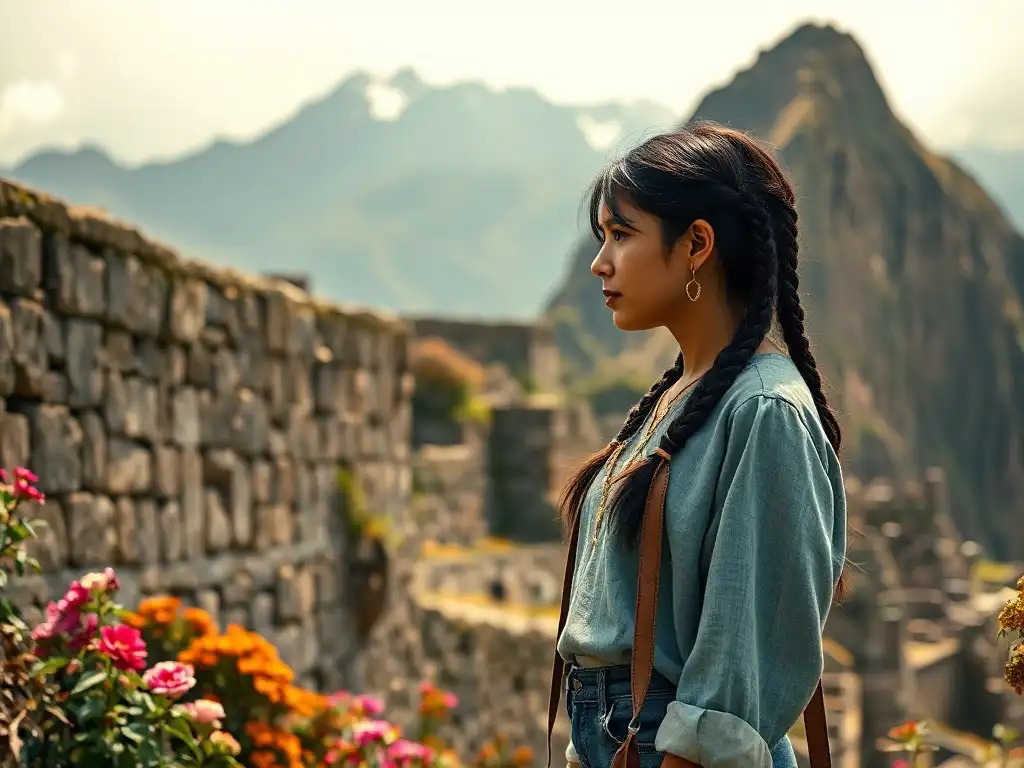
This section explores the multifaceted ways in which modern Andean societies grapple with and engage with their Inca heritage, examining the complex interplay between historical narratives, cultural preservation, and contemporary identity formation. The impact of the Inca legacy is profoundly felt across modern Andean nations, shaping everything from national symbols and narratives to everyday cultural practices. Understanding this "modern Andean heritage impact" requires a nuanced appreciation of how indigenous communities, governments, and scholars interpret and reinterpret the Inca past.
The influence extends beyond the obvious – national flags, monuments, and official histories – to penetrate the very fabric of social structures, economic activities, and artistic expression. This enduring legacy isn't static; it's constantly being renegotiated and redefined in the 21st century.
Reclaiming Inca Heritage: Indigenous Perspectives and Movements
Indigenous Andean communities play a vital role in shaping modern understandings of Inca heritage. For many, the Inca past is not merely a historical artifact but a living tradition, a source of cultural pride and identity. Indigenous movements across the Andes actively reclaim Inca symbols and narratives, challenging dominant historical interpretations that often marginalized or overlooked indigenous perspectives.
This reclamation isn't about a simple return to the past; rather, it's a dynamic process of reinterpreting and reappropriating Inca heritage to address contemporary social and political issues. For instance, the use of Quechua, the language of the Inca empire, is experiencing a resurgence in many Andean communities, reflecting a conscious effort to revitalize linguistic and cultural diversity. Moreover, traditional Andean practices, such as weaving, agriculture, and medicinal plant knowledge, are being actively preserved and promoted as valuable aspects of a living Inca legacy.
The fight for land rights and self-determination often intertwines with the assertion of cultural identity rooted in this heritage, demonstrating the profound connection between the past and present struggles. Understanding the modern Andean heritage impact requires recognizing the agency of these communities in shaping their own narratives.
The Role of Education in Promoting Andean Cultural Awareness
Educational systems across the Andes are increasingly recognizing the importance of incorporating Andean history and culture into their curricula. This includes not just the Inca civilization, but also the rich tapestry of pre-Inca cultures that contributed to the region's complex history. However, the implementation and effectiveness of these educational initiatives vary widely.
Some programs successfully foster a deeper appreciation for the region's diverse heritage, while others may still perpetuate colonial biases and incomplete narratives. A crucial aspect of modern Andean heritage impact is the effective integration of indigenous perspectives into the educational framework. This necessitates incorporating materials created by indigenous scholars and community members, ensuring that the voices and experiences of those most directly connected to the heritage are central to the educational process.
The challenge lies in creating inclusive and critical educational resources that avoid simplistic or romanticized portrayals of the Inca past, while simultaneously celebrating its enduring significance. Effective education is crucial in shaping future generations' understanding of their heritage and its impact on their lives.
Reinterpreting Inca History in the 21st Century
The 21st-century understanding of Inca history is a far cry from the often-Eurocentric narratives of the past. Modern scholarship actively challenges earlier interpretations, incorporating new archaeological discoveries, linguistic analysis, and indigenous perspectives to create a more complete and nuanced picture. This reinterpretation frequently leads to a revision of previously held beliefs about Inca society, governance, and cultural practices.
For example, recent research has shed light on the complexity of Inca social organization, highlighting the diversity of regional practices and the existence of significant social stratification beyond the often-simplified hierarchical models presented earlier. The ongoing excavations and analyses of Inca sites continue to reveal new information, challenging existing paradigms and enriching our understanding of this civilization's sophisticated infrastructure, technology, and social structures.
This ongoing process of reassessment directly impacts how modern Andean societies view their own heritage, acknowledging a more complex and multifaceted past than previously imagined. This revisionist approach is crucial for a more accurate and respectful understanding of the “modern Andean heritage impact”.
Case Studies: Examples of Modern Engagement with Inca Heritage
This section delves into specific examples showcasing how modern societies engage with and interpret the Inca legacy, highlighting the multifaceted impact of this engagement on various aspects of Peruvian life and beyond. The modern Andean heritage impact is profound and far-reaching, extending from archaeological preservation to cultural revitalization and sustainable development initiatives. We will examine three distinct case studies to illustrate this complex interplay between the past and the present.
Case Study 1: The Restoration of Machu Picchu and its Impact on Tourism
The restoration of Machu Picchu, the iconic Inca citadel, stands as a prime example of the modern engagement with Andean heritage. The ongoing conservation efforts, involving meticulous archaeological work and careful preservation techniques, represent a significant investment in safeguarding this invaluable historical site. This commitment to preservation has, in turn, had a profound impact on tourism in Peru.
Machu Picchu's restoration has not only preserved its physical integrity but has also significantly boosted Peru's economy. The site attracts millions of visitors annually, generating substantial revenue through entrance fees, tourism-related services (hotels, guides, transportation), and the creation of numerous jobs for local communities. However, this influx of tourists also presents challenges. The delicate balance between preserving the site's integrity and accommodating the ever-increasing number of visitors requires careful management and sustainable tourism strategies.
Data on visitor numbers and economic impact, while readily available, require careful analysis to differentiate direct effects from broader economic trends. [Specific economic impact data pending] The delicate ecosystem surrounding Machu Picchu also requires ongoing monitoring and protection to mitigate the environmental consequences of increased tourism. This necessitates a continuous evaluation of the modern Andean heritage impact on the local environment.
Case Study 2: The Revival of Quechua Language and Culture in Peru
The Quechua language, once suppressed during the colonial period, is experiencing a remarkable revival in modern Peru. This resurgence is not merely a linguistic phenomenon; it represents a broader effort to reclaim and celebrate Inca cultural heritage. The modern Andean heritage impact of this revitalization is significant, fostering a sense of cultural identity and pride among Quechua speakers.
Several initiatives are contributing to this revival. Educational programs are incorporating Quechua into the curriculum, promoting bilingualism and fostering cultural understanding amongst younger generations. Community-based projects are working to document and preserve traditional Quechua oral literature, music, and art forms. The use of Quechua in media, such as radio broadcasts and television programs, further strengthens its presence in contemporary society.
This cultural resurgence demonstrates a conscious effort to resist cultural assimilation and maintain a vibrant link to the Inca past. The exact number of Quechua speakers today is difficult to pinpoint precisely due to varying definitions of fluency and data collection challenges. [Specific data on Quechua speaker numbers and demographics pending] However, the trend is undeniably towards increased visibility and usage of the language. The emoji 🇵🇪 represents Peru and perfectly encapsulates the national pride associated with this cultural resurgence.
Case Study 3: Sustainable Tourism Initiatives in the Sacred Valley
The Sacred Valley of the Incas, located near Cusco, presents a fascinating case study in the development of sustainable tourism initiatives. These initiatives aim to balance the economic benefits of tourism with the preservation of the region's unique cultural and environmental heritage. The modern Andean heritage impact of sustainable tourism focuses on minimizing negative impacts and maximizing positive contributions to local communities.
Sustainable tourism in the Sacred Valley often involves community-based tourism projects, empowering local residents to participate in the tourism industry and benefit directly from it. This approach helps preserve traditional crafts, knowledge, and cultural practices. Moreover, efforts are underway to promote eco-friendly practices, such as reducing carbon emissions, managing waste responsibly, and conserving water resources.
The long-term success of these initiatives hinges on balancing the needs of tourists with the preservation of the environment and the well-being of local communities. [Specific data on the economic and environmental impact of sustainable tourism initiatives in the Sacred Valley pending] However, the overall goal is to ensure that the modern Andean heritage impact is positive, leaving a legacy of preservation and prosperity for future generations. The careful implementation of these initiatives demonstrates a commitment to responsible tourism practices and the long-term preservation of the Andean cultural landscape.
Frequently Asked Questions
How has Inca technology impacted modern Andean societies?
Inca agricultural techniques, such as terracing and irrigation, are still used today, ensuring food security in challenging Andean terrains. Their road systems also influenced modern infrastructure development.
What aspects of Inca culture remain prevalent in modern Andean life?
Many traditional textiles, weaving techniques, and artistic styles are still practiced and celebrated. Quechua, the Inca language, is still spoken by millions. Andean festivals and rituals also reflect a continuity of cultural practices.
How does modern tourism engage with Andean heritage?
Tourism plays a significant role, supporting local communities and preserving historical sites. However, it's crucial to manage tourism sustainably to avoid negative impacts on the environment and cultural integrity.
What are the challenges in preserving Andean heritage sites?
Challenges include environmental degradation, looting of artifacts, and the pressures of rapid urbanization and development. Balancing preservation with the needs of modern society is a crucial task.
Studying Andean social organization, governance, and resource management offers valuable insights into alternative models of societal development. It can inform contemporary discussions about sustainability, equality, and community-based initiatives.
Final Reflection: Echoes of the Andes in a Modern World
The legacy of the Inca Empire isn't confined to dusty museum exhibits; it's a vibrant, evolving force shaping modern societies across the Andes and beyond. The intricate tapestry woven by Inca ingenuity – in agriculture, architecture, and social structures – continues to resonate, influencing everything from sustainable farming practices to tourism strategies and the very identity of Andean communities. This enduring impact demands our attention and understanding.
The ongoing negotiation between tradition and modernity within Andean cultures is a powerful testament to the resilience of indigenous knowledge and the enduring spirit of a people. The struggle to preserve ancient sites while fostering economic development, to honor ancestral practices while embracing globalized realities, is a complex and often fraught journey. The past is never dead. It's not even past,
wrote William Faulkner, and this rings profoundly true when considering the persistent influence of Inca heritage on contemporary Andean life. The challenges faced today – from climate change to economic inequality – are often addressed through a lens shaped by centuries of Andean experience, demonstrating the enduring wisdom embedded within their traditions.
Consider the ways in which the Inca legacy touches your own life. Perhaps it's through the vibrant textiles you admire, the delicious Andean cuisine you savor, or the breathtaking landscapes that inspire awe. Take a moment to reflect on the interconnectedness of our world, and how the echoes of ancient civilizations continue to shape our present and future. Let the enduring strength and ingenuity of the Inca people inspire you to appreciate the rich tapestry of human history and to actively engage in preserving cultural heritage for generations to come.
Embrace and Celebrate Inca Heritage Today!
Thank you for exploring the fascinating connections between modern societies and the Inca legacy. Your interest demonstrates a commitment to understanding and appreciating the rich tapestry of Andean history. Let's build on this interest and take action!
Here are some inspiring ways you can engage with Andean heritage:
- Attend a local cultural event showcasing Andean music, art, or festivals to experience the culture firsthand. The vibrancy is truly captivating.
- Share your knowledge with friends, family, or on social media; every conversation helps preserve this important legacy.
- Support organizations that promote Andean culture through volunteering or donations. Your contribution can make a significant difference in preserving this rich history.
What aspect of Inca heritage resonates most with you, and how will you incorporate it into your life? We'd love to hear your thoughts!